
Common Myths About Norway and Norwegians
From polar bears wandering the streets to the belief that every Norwegian is blonde and eats lutefisk, Norway is surrounded by misconceptions. This article explores the most common myths about Norway and Norwegians, explaining where they come from and what the reality is today.
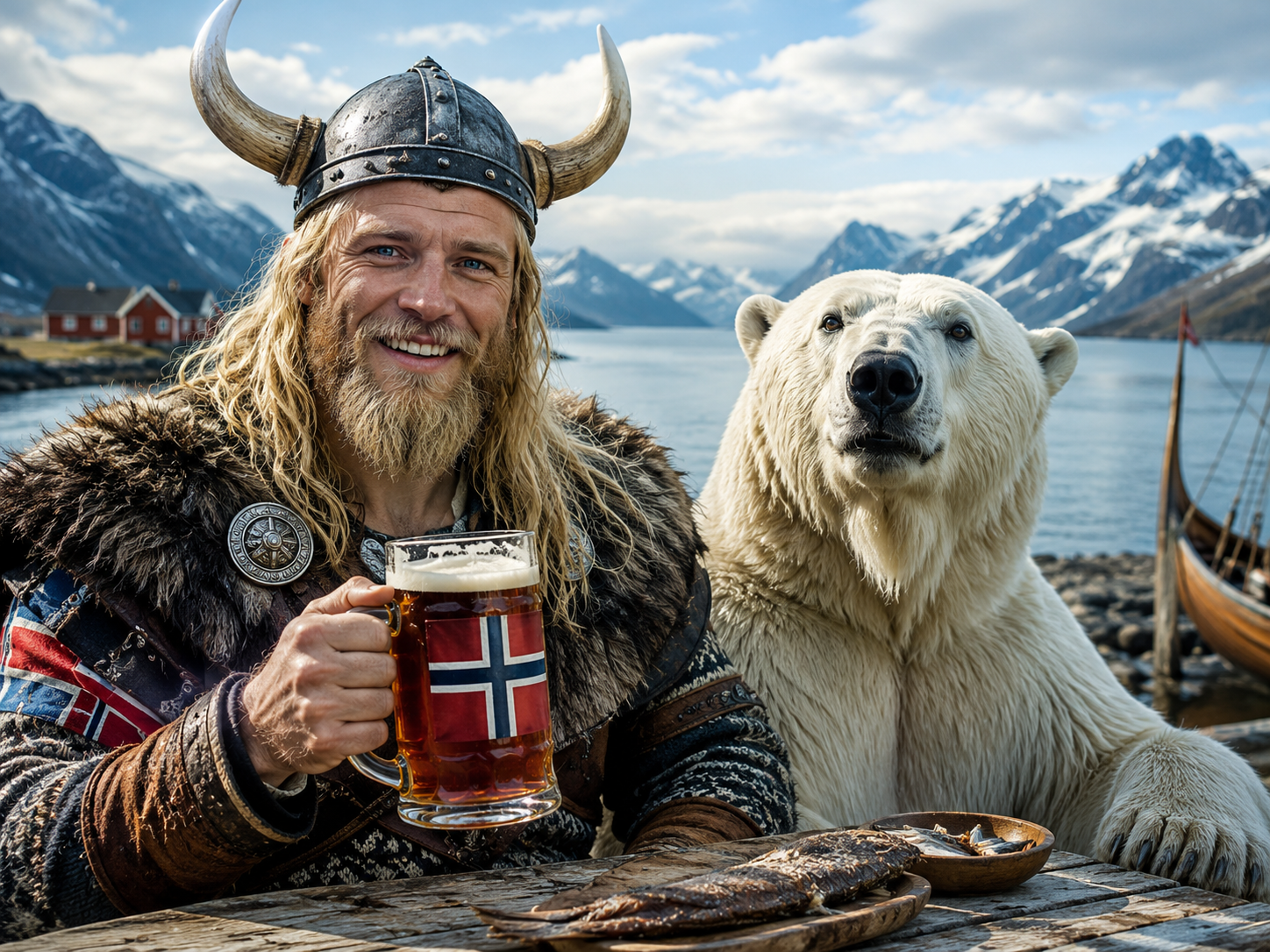
Like every country, Norway has its share of stereotypes. Some are based on genuine characteristics that have gradually been exaggerated, while others have developed through films, tourism, history and popular culture. Looking more closely at these ideas helps explain not only what is true, but also why these misconceptions continue to shape the way many people see Norway today.
Images of polar bears, Vikings, endless snow and dramatic fjords are all closely associated with the country, but they often lose important context along the way. A characteristic connected to one region, one historical period or one aspect of Norwegian culture can easily become treated as though it represents the whole country.
The sections below explore some of the most common myths about Norway and Norwegians, where they come from and how they compare with reality.
Polar Bears Roam the Streets of Norway
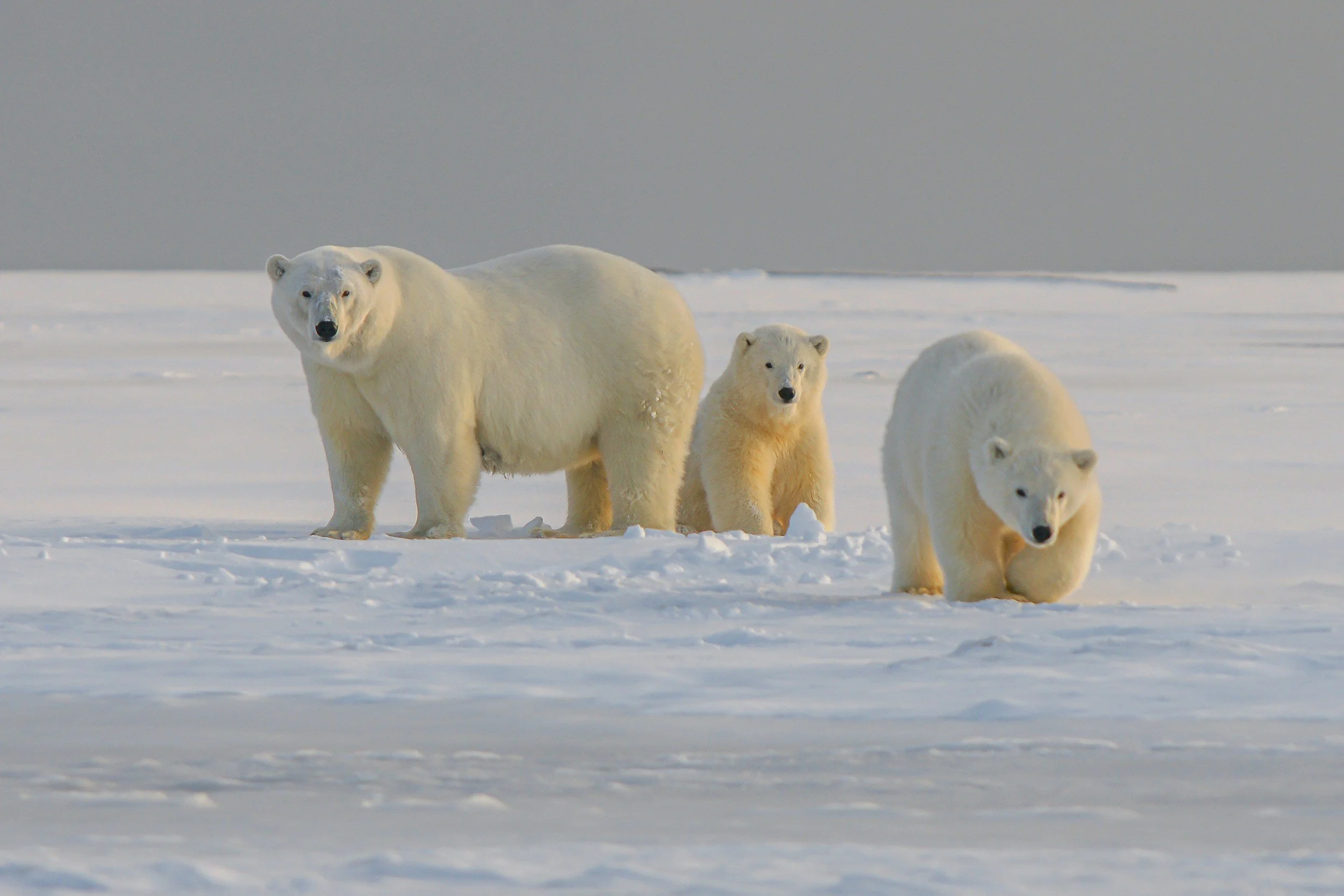
The idea that polar bears wander through Norwegian towns and cities is a surprisingly persistent misconception. Some Norwegians have even been asked whether they need to watch out for polar bears on their way to work or school.
The confusion largely comes from Svalbard. Although the archipelago belongs to the Kingdom of Norway, it lies around 1,000 kilometres north of the mainland, deep inside the Arctic. Polar bears live throughout the Svalbard region, and anyone travelling outside the settlements must understand the risks and take appropriate precautions.
Mainland Norway, however, has no wild polar bear population. Its native large predators include brown bears, wolves, lynx and wolverines, while polar bears are found much farther north in the Arctic.
The misunderstanding is reinforced by tourism campaigns, documentaries and popular culture, where images of snowy landscapes, Arctic expeditions and polar bears are often used to represent Norway as a whole. In reality, these images describe one remote part of the Norwegian kingdom rather than everyday life across the mainland.
Related reading:
All Norwegians Have Blonde Hair and Blue Eyes
Norway is often imagined as a country where almost everyone has blonde hair and blue eyes. While these features are relatively common, they are far from universal.
Hair and eye colour have always varied between Norwegian regions, families and individuals. Brown hair is extremely common, while Norwegian eye colours range from blue and grey to green and brown. There has never been one appearance shared by the entire population.
The stereotype developed partly because foreign travellers and writers tended to focus on physical features they considered characteristic of northern Europe. During the nineteenth and twentieth centuries, simplified ideas about a distinct “Nordic” appearance were repeated through anthropology, advertising, literature and popular culture. Over time, this created an international image of Scandinavians as a remarkably uniform group.
Modern Norway is also increasingly multicultural. Immigration, international relationships and changing communities have made the population more visibly diverse, although many outside Norway still picture the country through an older and narrower Scandinavian stereotype.
There is no single way to look Norwegian. Norway’s population reflects regional variation, centuries of movement and exchange, and the diversity of the country today.
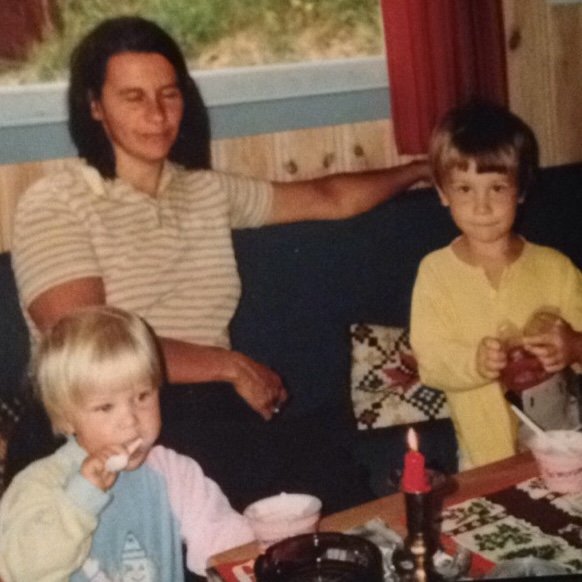
A photo of my mum, my brother and me when I was growing up. As you can see, my mum has naturally very dark hair and is Norwegian as far back as we've been able to trace our family tree. My brother has naturally brown hair, while I was the typical fair-haired Norwegian child, with light blonde hair that gradually darkened as I got older. It's also worth noting that much of the blonde hair you see among Norwegian adults today is highlighted or bleached to some extent, so it isn't always a reliable reflection of natural hair colour.
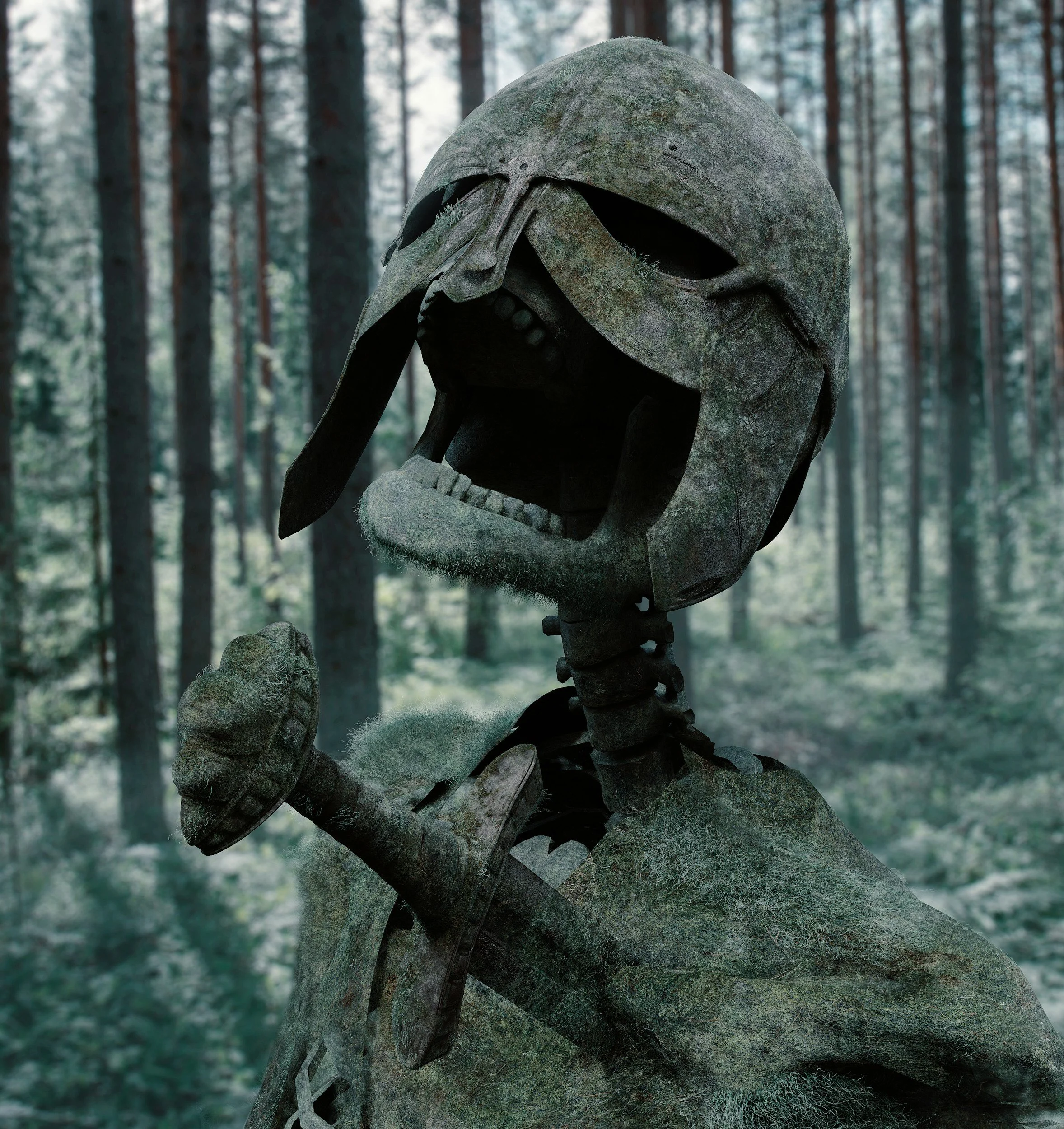
Vikings Wore Horned Helmets
The horned Viking helmet is one of the most familiar symbols associated with Norway, but there is no archaeological evidence that Viking warriors wore horned helmets in battle.
The image became popular during the nineteenth century, when artists, writers and theatre designers revived interest in Norse history and mythology. Horns made Viking characters look dramatic and instantly recognisable on stage and in illustrations. Productions connected to Richard Wagner’s opera cycle Der Ring des Nibelungen helped spread the image, even though the costumes were artistic interpretations rather than historical reconstructions.
Actual Viking Age helmets were practical pieces of protective equipment. The surviving examples are made from iron and have relatively simple shapes. Large horns would have added weight, affected the helmet’s balance and given an opponent something to grab during combat.
Horned ceremonial headgear existed in parts of Europe during much earlier periods, which may also have contributed to later confusion. These objects were not standard Viking battle helmets.
The image has been repeated so widely in films, cartoons, sports branding and tourism that it now feels inseparable from Viking culture. It reflects the way later generations imagined the Vikings, rather than how Viking Age warriors actually dressed.
Vikings Were Nothing but Violent Raiders
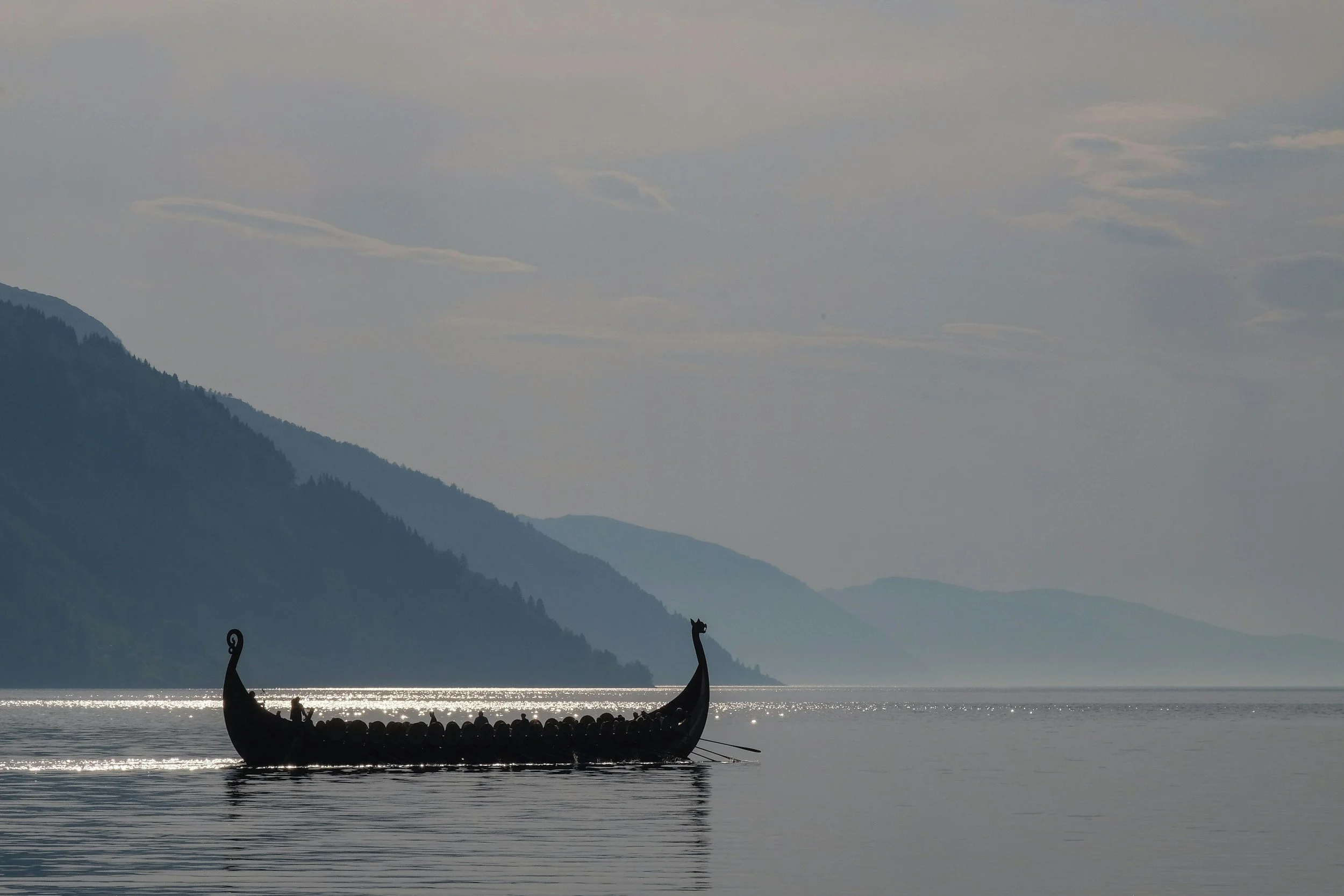
Vikings are often portrayed as brutal warriors who sailed across Europe to burn settlements, attack monasteries and seize whatever they could carry away. Raiding was a genuine part of the Viking Age, but it represents only one aspect of the journeys Scandinavians made between the late eighth and eleventh centuries.
Scandinavians travelled as merchants, explorers, settlers, craftspeople, mercenaries and warriors. Some voyages were organised primarily for trade, others for raiding, and many combined several purposes. The same ships, navigational knowledge and international networks could be used for commerce, migration or warfare.
Their trading routes extended from the North Atlantic to the Baltic, the Byzantine Empire and the Islamic world. Scandinavian merchants exported goods including furs, walrus ivory, amber, iron, textiles and dried fish. They returned with silver, silk, glass, wine, jewellery and other valuable goods that were not produced locally.
Archaeological discoveries show how extensive these connections became. Large quantities of Islamic silver coins have been found across Scandinavia, while imported materials reveal contact with western Europe, the eastern Baltic, the river systems of present-day Russia and Ukraine, and regions much farther south. Trading settlements such as Hedeby developed into busy centres where merchants, craftspeople and travellers exchanged goods and ideas.
Many Scandinavians also settled permanently in the places they reached. Norse communities were established in Iceland, Greenland, Britain, Ireland and across parts of the North Atlantic. York became an important commercial centre under Scandinavian rule, while eastern trade routes brought Norse travellers as far as Constantinople. Some entered local political systems, married into local communities or served as soldiers and mercenaries.
The lasting image of Vikings as little more than violent raiders is partly shaped by the written sources that survived. Many early accounts from western Europe were produced by Christian monks and religious communities. Monasteries were among the places attacked during the first recorded Viking raids, and their writers naturally described the fear, destruction and religious significance of those events.
Monasteries were attractive targets because they could contain precious metals, valuable religious objects, stored food and other wealth while having relatively limited military protection. An attack on a monastery was also interpreted by Christian chroniclers as more than an ordinary act of theft. It could be presented as an assault on the faith itself or as divine punishment for the sins of society.
These accounts preserve the perspective of people who encountered Scandinavians as attackers. Peaceful exchanges with merchants were less likely to be recorded with the same urgency as the destruction of a religious settlement, which helped violence dominate the written record.
This does not mean Viking violence was invented or merely the result of biased storytelling. Raids killed and displaced people, Scandinavian armies conquered territory, and the capture and sale of enslaved people formed part of the Viking economy. Sexual violence may also have occurred during warfare, as it has in many historical periods, although the surviving evidence does not allow historians to determine its scale or present it as the defining behaviour of all Vikings.
Archaeology provides a broader picture. Coins, weights, scales, workshops, imported goods, ships and permanent settlements reveal a society deeply involved in commerce, craft production and migration alongside warfare.
Ideas about Viking appearance also complicate the older image of dirty and uncivilised barbarians. Combs and other grooming tools are common archaeological finds, suggesting that personal appearance and hygiene mattered. A later English source claimed that Danish men attracted local women because they bathed regularly, dressed well and took care of their hair. Because the account was written long after the Viking Age, it cannot prove that Scandinavian men were universally considered unusually handsome or welcomed everywhere they travelled. It does, however, challenge the idea that they were seen only as unkempt outsiders.
Wealth also varied considerably. Successful merchants, chieftains and returning warriors could possess silver, imported fabrics, jewellery and other status objects, while much of the population lived through farming, fishing and manual work. Museum displays often contain objects from wealthy graves and hoards, which can make Viking society appear richer as a whole than it was.
The Viking Age cannot be understood by replacing one simple stereotype with another. Scandinavians were not only violent raiders, but neither were they entirely peaceful merchants who were unfairly portrayed. Trade, settlement, exploration, slavery, political ambition and warfare were all connected parts of the same expanding maritime world.
Related reading:
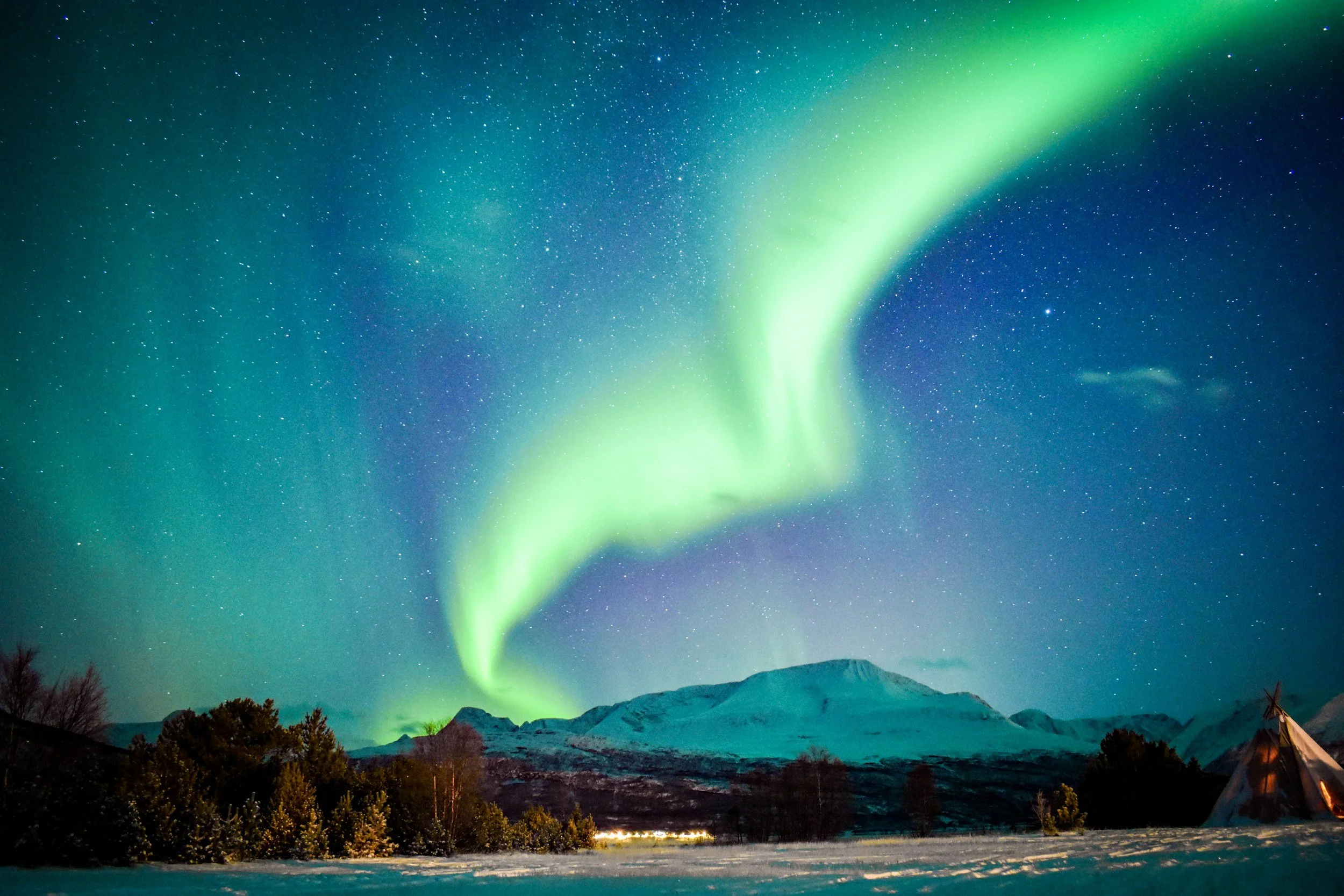
You Can See the Northern Lights Everywhere in Norway
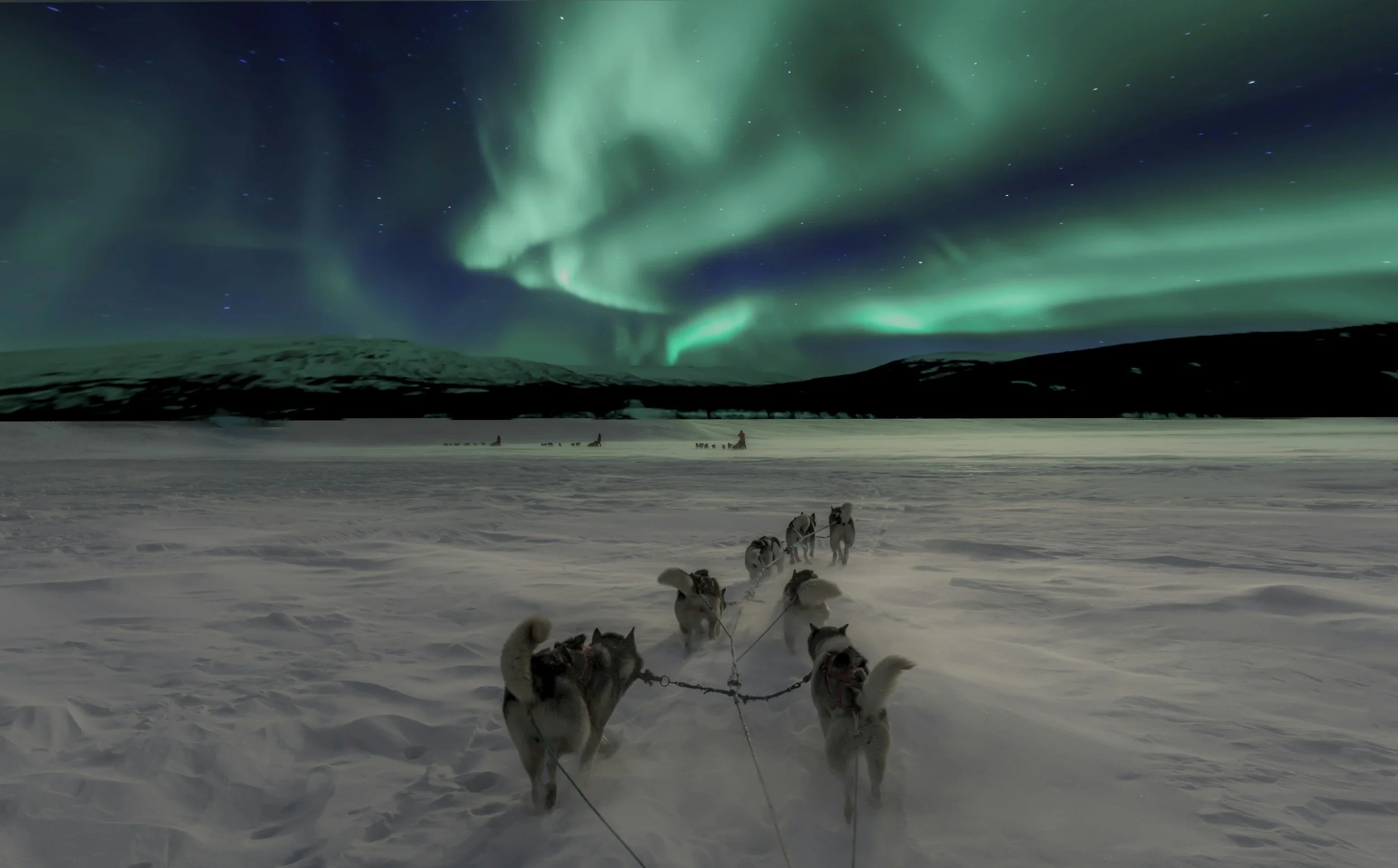
The Northern Lights have become one of Norway's most recognisable attractions, leading many visitors to believe they are visible across the entire country throughout winter. In reality, seeing the aurora depends on geography, darkness, weather conditions and solar activity.
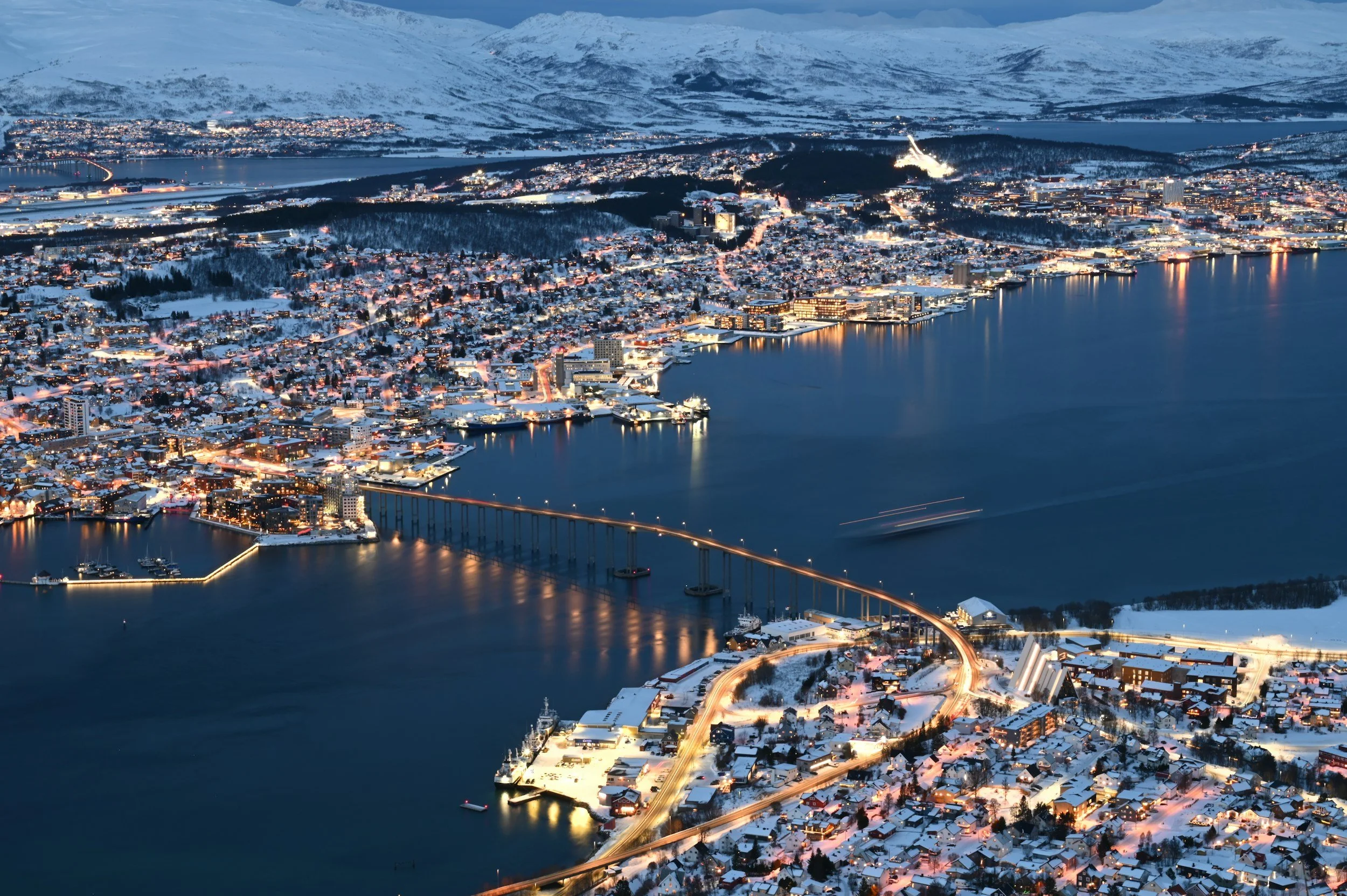
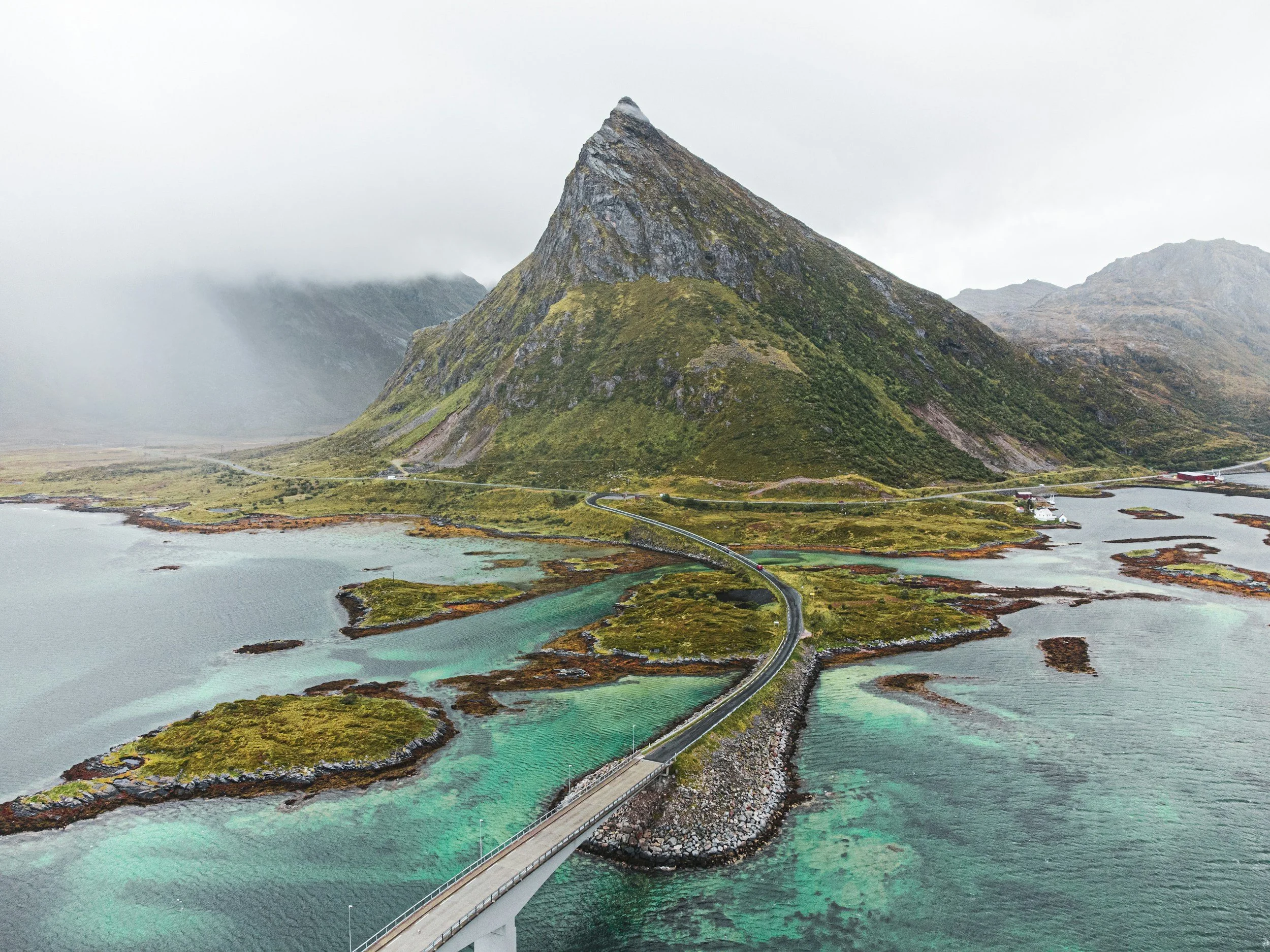
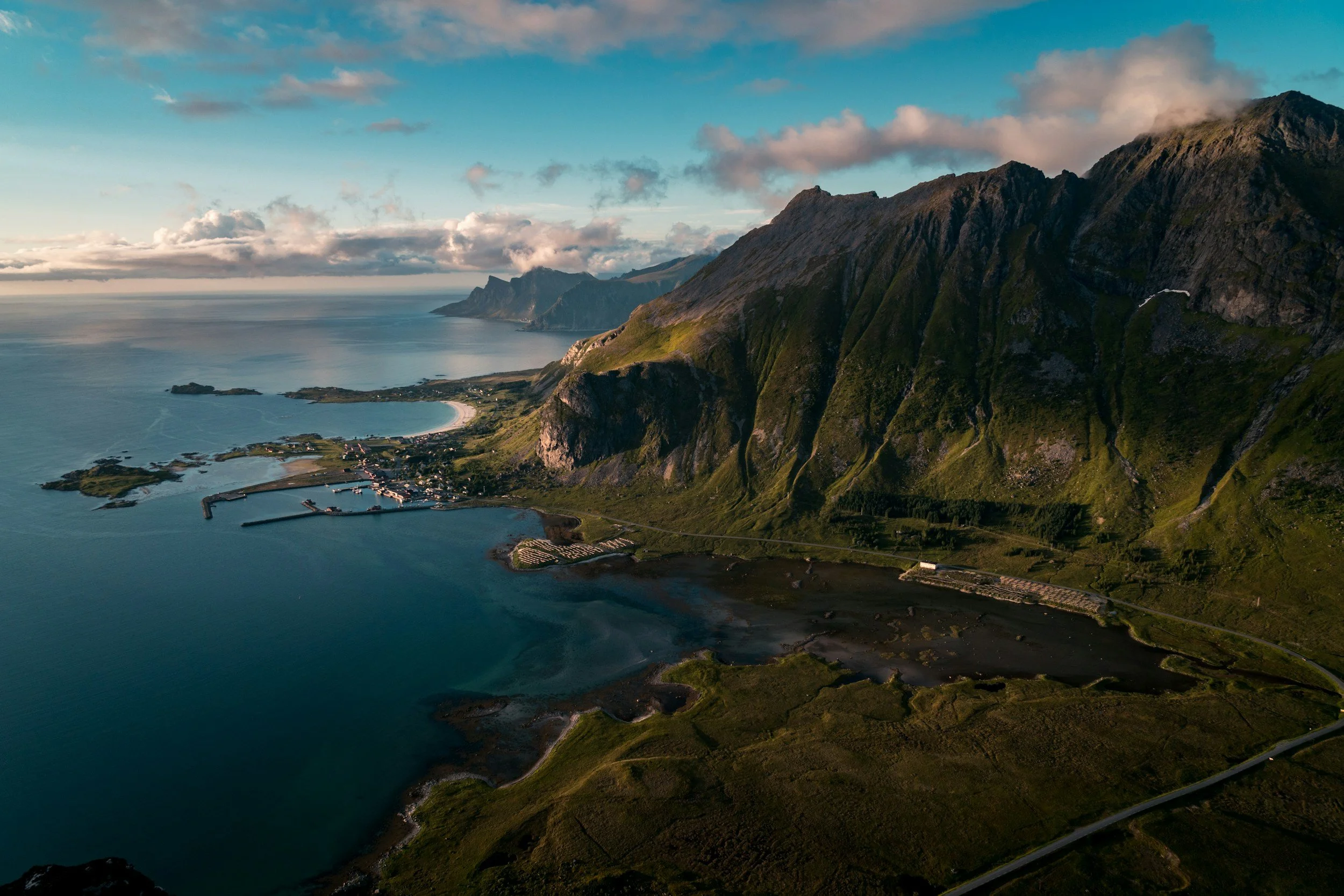
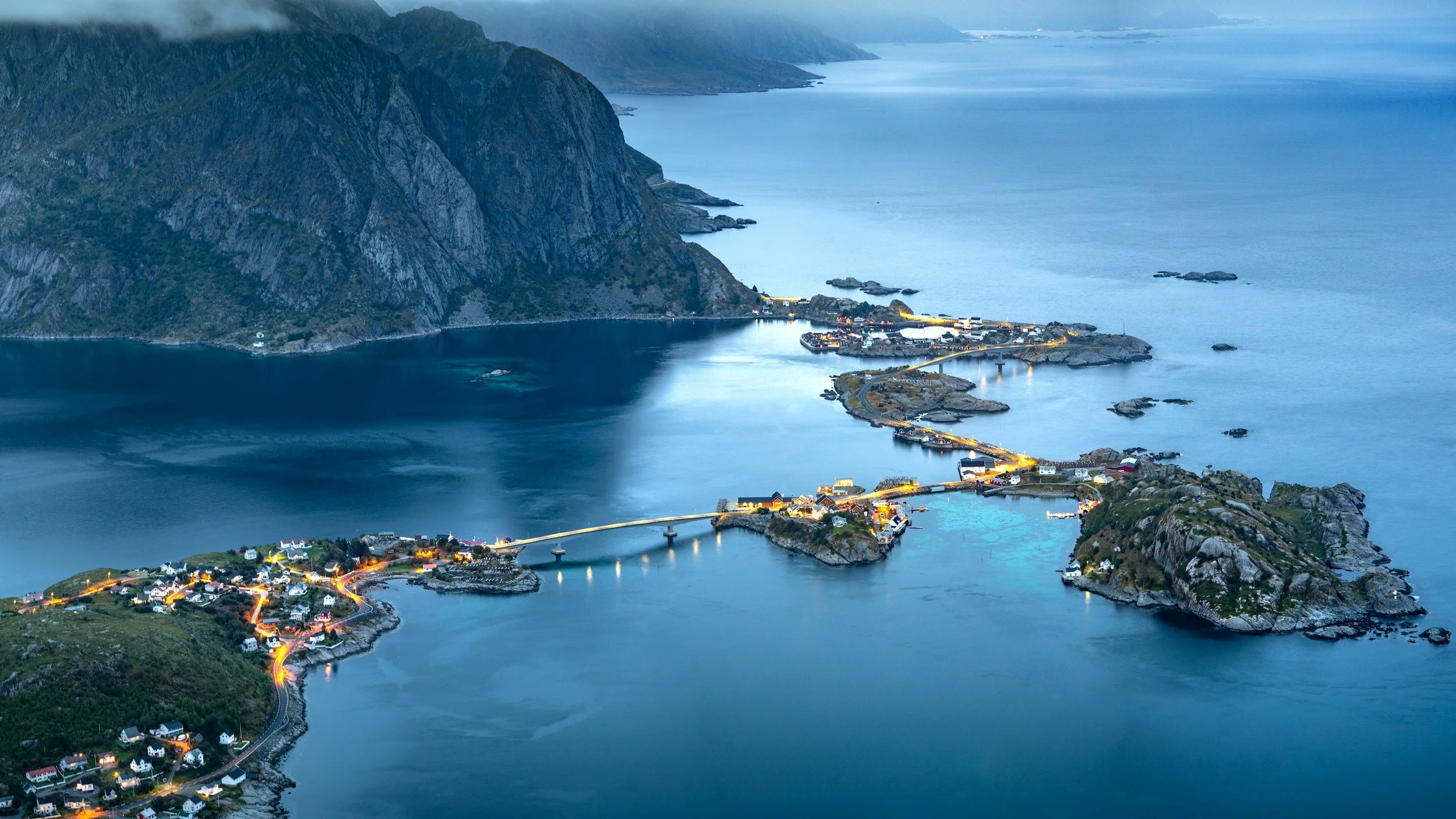
The best opportunities are found in Northern Norway, particularly above the Arctic Circle. Destinations such as Tromsø, Alta, Senja and the Lofoten Islands have become internationally known because they combine a northern location with good infrastructure, making aurora tourism relatively accessible.
Further south, the Northern Lights become much less common. During periods of particularly strong solar activity, they can occasionally be seen in central or even southern Norway, but these displays are the exception rather than the rule. Many people living in southern Norway have only seen the Northern Lights a handful of times, if ever.
Even in Northern Norway, sightings are never guaranteed. Clear skies are essential, and the aurora itself depends on activity on the Sun interacting with Earth's magnetic field. Some visitors experience spectacular displays on their first evening, while others spend several nights waiting for suitable conditions.
The Northern Lights are undoubtedly one of Norway's greatest natural attractions, but they are not something you can expect to see everywhere in the country or every winter night.
Related reading:
Norway Is Always Cold and Covered in Snow
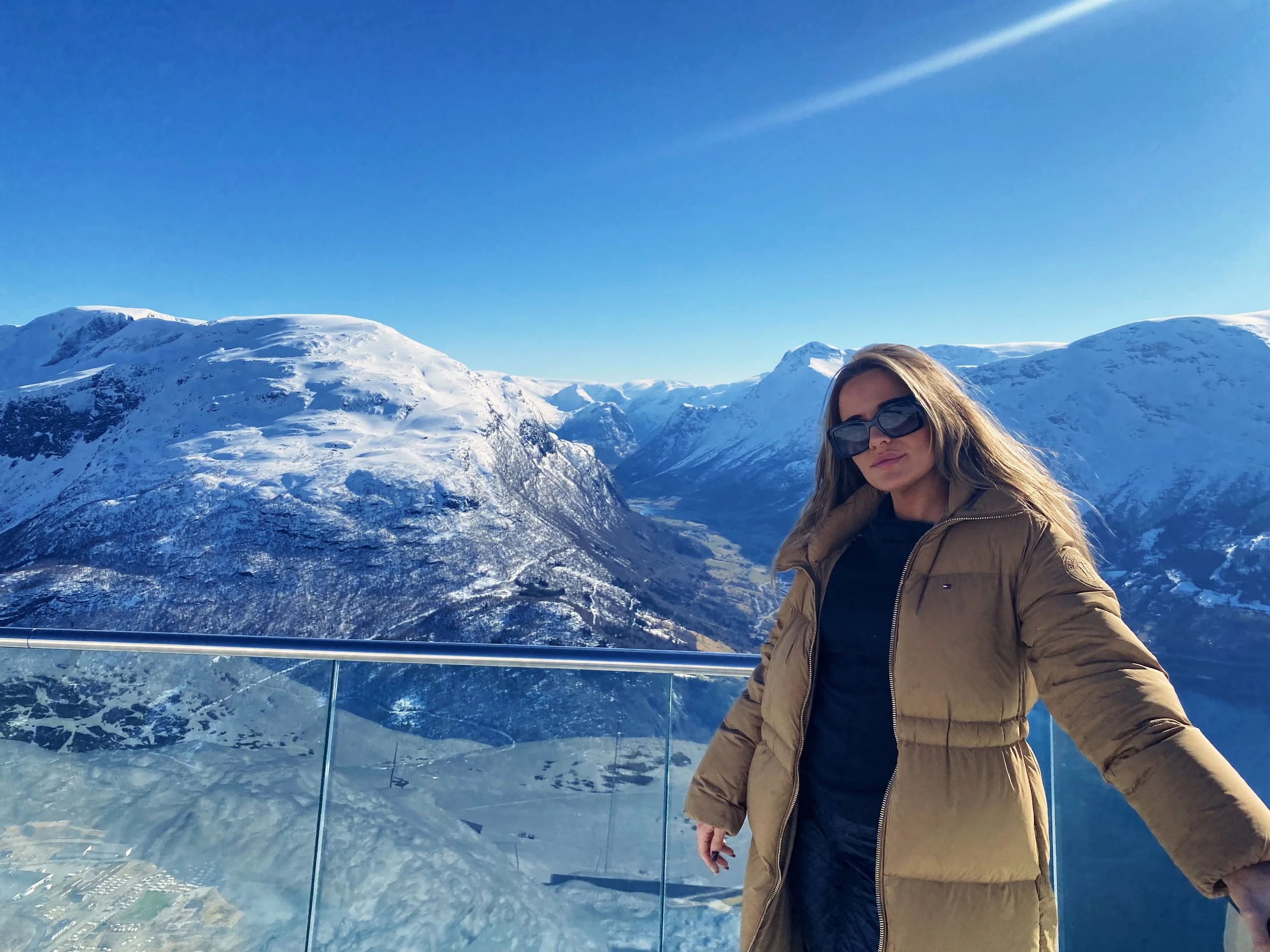
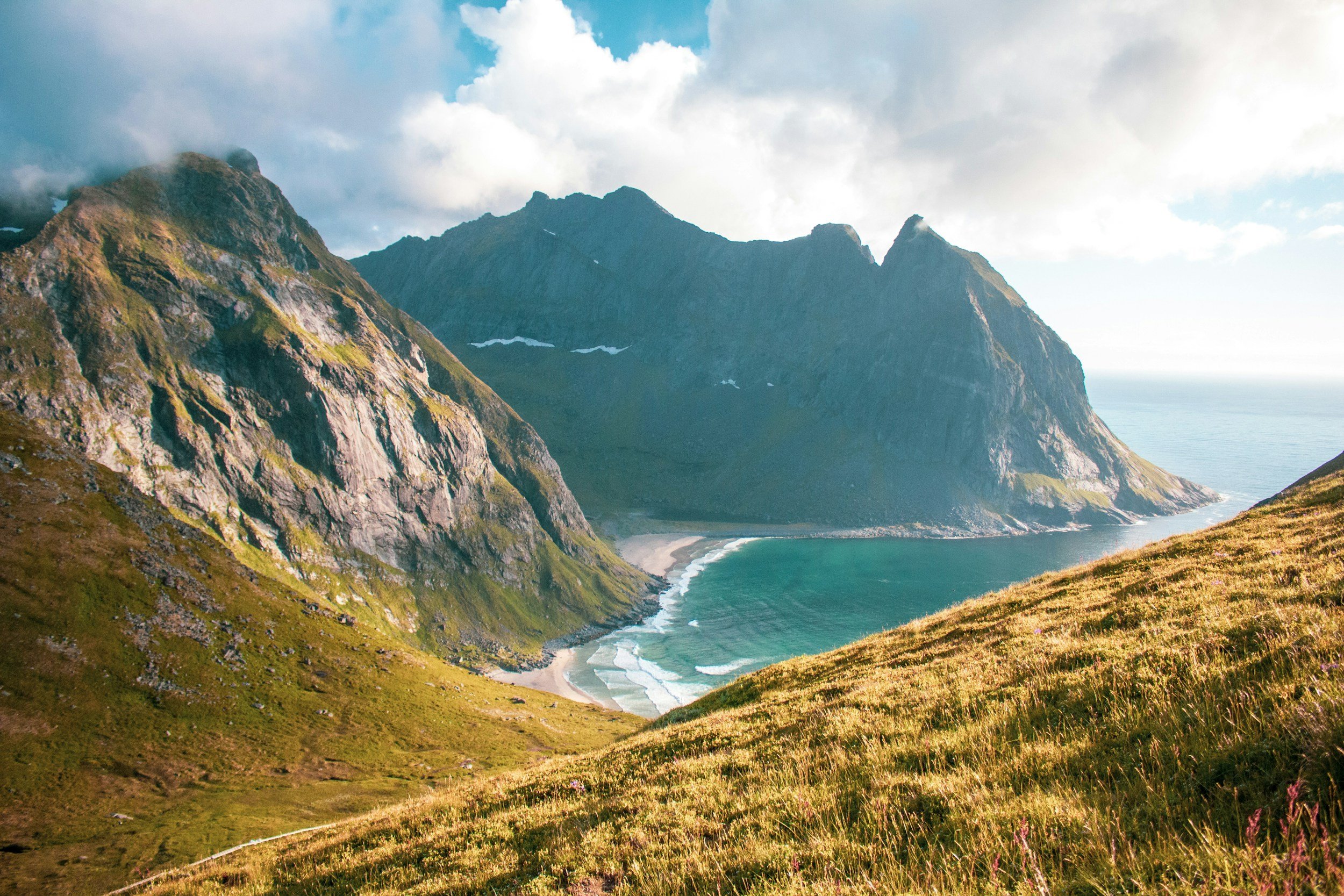
Norway is often imagined as a country of permanent winter, where snow covers the landscape for most of the year and temperatures remain low even in summer. While this image reflects some parts of the country during certain seasons, it is far from the whole picture.
One reason for this misconception is that Norway's most internationally recognised images tend to feature snow-covered mountains, frozen fjords, northern lights and winter landscapes. Tourism campaigns, documentaries and films naturally highlight these dramatic scenes, making them appear representative of the country throughout the year.
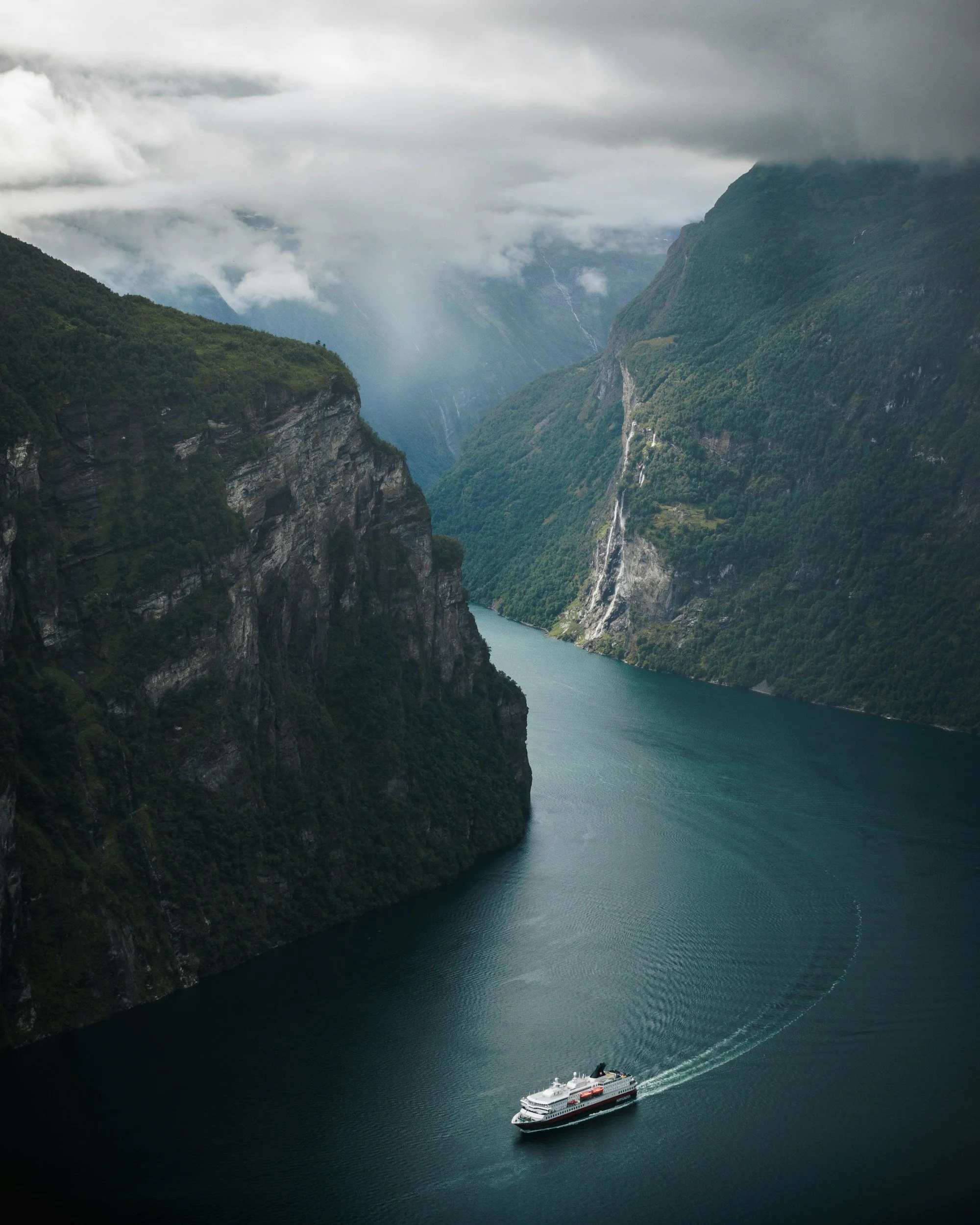
In reality, Norway stretches for more than 1,700 kilometres from south to north and has a remarkably varied climate. Coastal areas are strongly influenced by the North Atlantic Current, which keeps winters considerably milder than many places at similar latitudes. Inland valleys and mountain regions generally experience colder winters and more reliable snowfall, while weather along the coast can change rapidly between rain, frost and occasional snow.
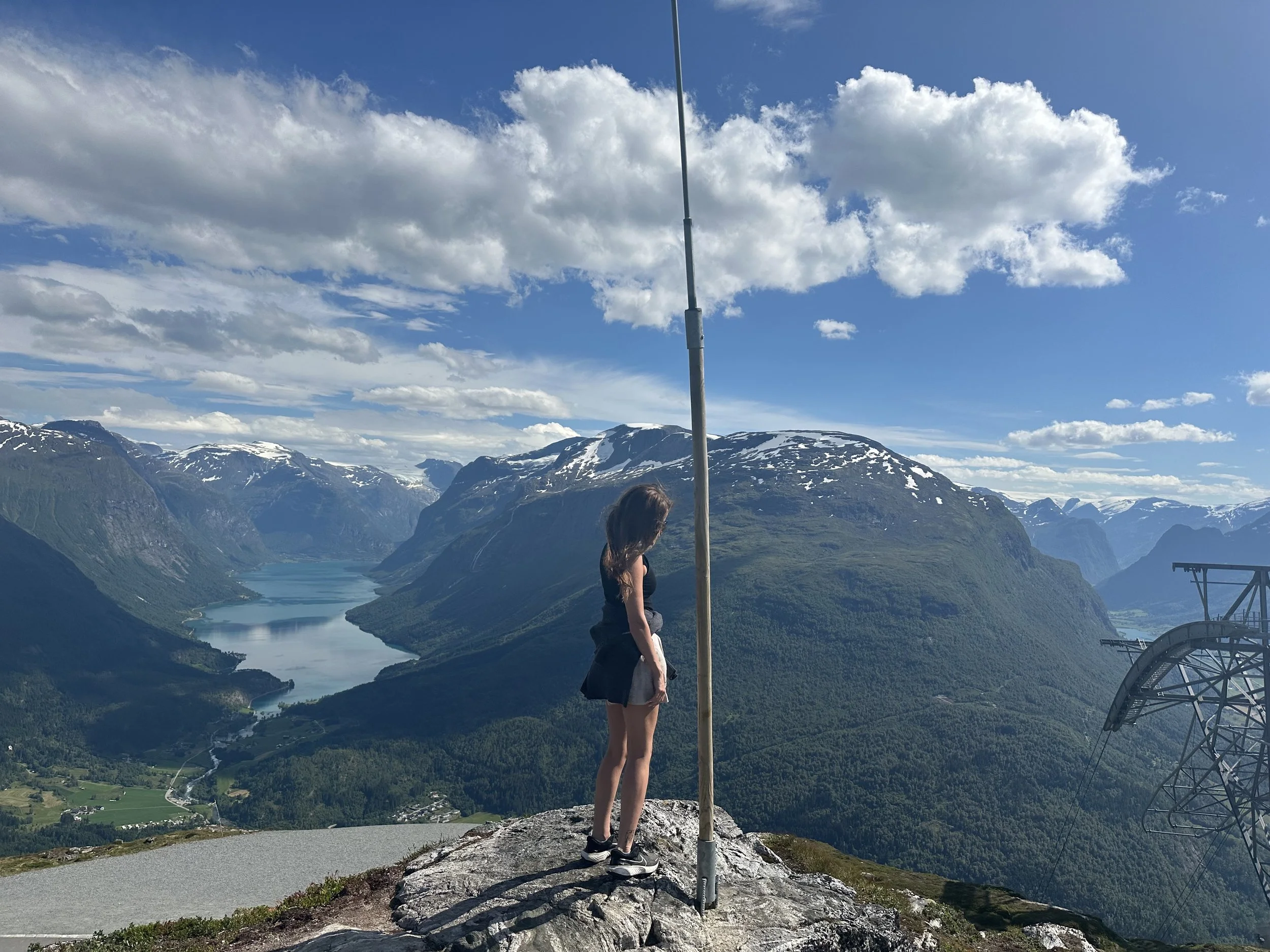
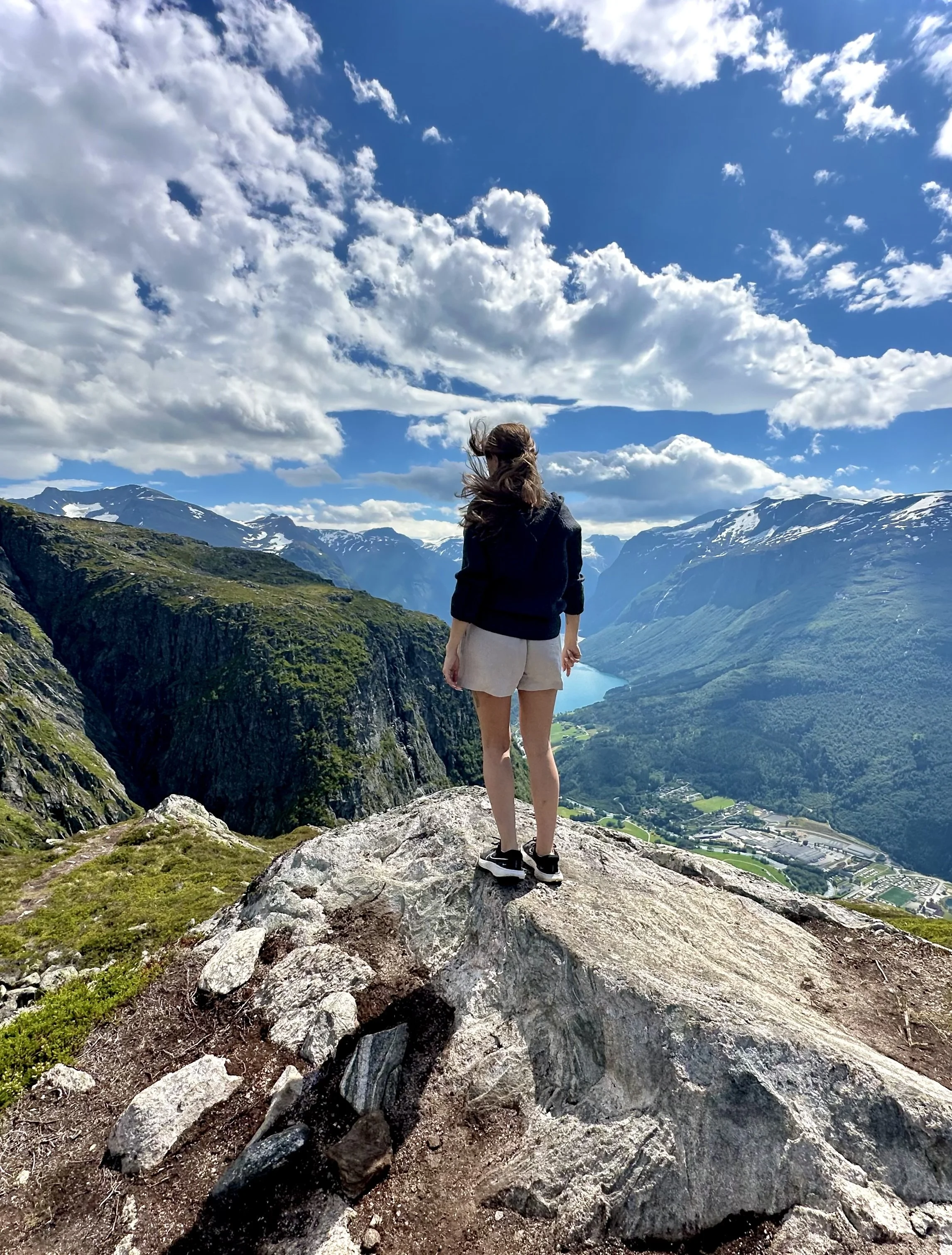
Norway also has four distinct seasons. Spring transforms the landscape as forests and valleys become green again, while summer brings long days, colourful wildflowers and surprisingly warm temperatures. In Southern and Eastern Norway, temperatures above 25°C are not unusual during warm periods, and some summers exceed 30°C. Even parts of Northern Norway can experience warm, sunny weather during the Midnight Sun season.
Snow is an important part of Norwegian life, but where and how long it remains depends on geography, altitude and the time of year. Mountain regions may keep snow well into summer, while many coastal areas spend much of winter without permanent snow cover.
Rather than being permanently cold and snow-covered, Norway experiences a wide range of weather throughout the year. Visitors can ski in the mountains during one season and hike through green valleys or swim from rocky beaches in another.
Related reading:
Norway Is Always Dark During Winter
One of the most common misconceptions about Norway is that the entire country spends winter in darkness. While winter days are certainly much shorter than in summer, continuous darkness is limited to a relatively small part of the country.
The phenomenon known as the Polar Night only occurs north of the Arctic Circle. During parts of winter, the sun remains below the horizon for days or even weeks, depending on how far north you are. Places such as Tromsø experience Polar Night every year, although this does not mean complete darkness around the clock. Even when the sun never rises, there are usually several hours of beautiful blue twilight around the middle of the day.
Most of Norway does not experience Polar Night at all. Cities such as Oslo, Bergen, Stavanger and Trondheim continue to have daylight throughout winter, although the days become considerably shorter than in summer. In December, daylight in southern Norway may last only a few hours, but the sun still rises and sets each day.
The opposite happens during summer. North of the Arctic Circle, the Midnight Sun keeps the landscape illuminated around the clock for weeks, while southern Norway enjoys exceptionally long daylight hours compared with much of Europe.
These dramatic seasonal differences are one of Norway's defining geographical features. However, they vary greatly depending on where you are in the country, making it inaccurate to describe all of Norway as dark throughout winter.
Related Reading:
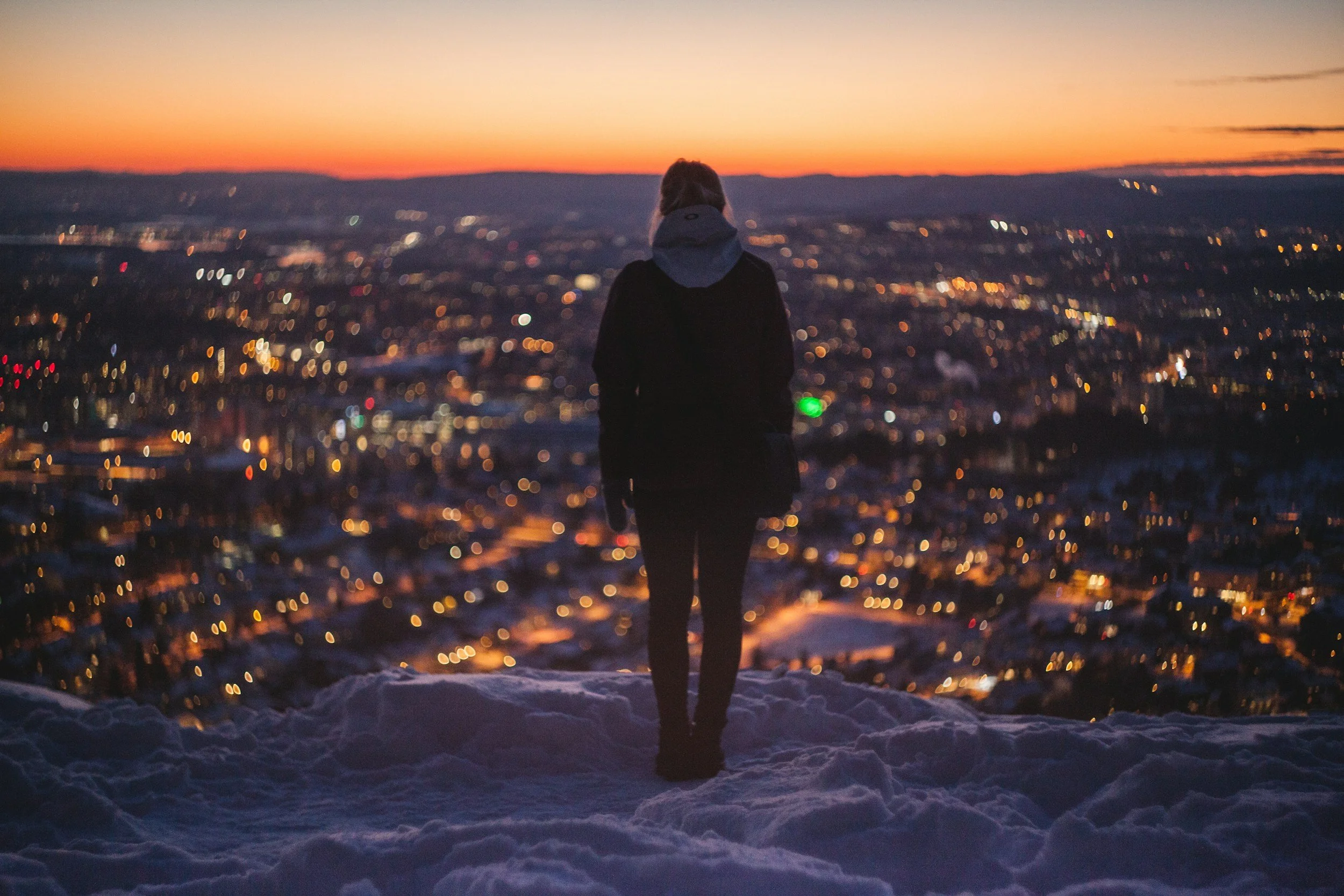

Norway Was Dirt Poor Until Oil Was Discovered
Norway’s oil and gas industry has played a major role in shaping the country’s modern economy, but the idea that Norway was simply a poor country until oil was discovered is too simplistic.
There is some truth behind the misconception. Norway was considerably poorer in the nineteenth century than it is today, and living conditions were difficult for large parts of the population. Agriculture was limited by climate and geography, many coastal communities depended on unstable fishing seasons, and hundreds of thousands of Norwegians emigrated, particularly to North America, in search of better opportunities.
However, Norway had already undergone substantial economic and social development before the first commercially viable oil field was discovered in the North Sea in 1969. During the nineteenth and early twentieth centuries, the country developed a strong maritime economy based on shipping, fisheries and international trade. Hydropower later supported industrial growth, while improvements in education, healthcare, transport and public administration gradually raised living standards.
By the middle of the twentieth century, Norway was no longer among Europe’s poorest countries. It had become a stable democracy with relatively strong institutions, a growing welfare state and an increasingly modern economy. Oil did not transform an undeveloped country into a functioning society overnight. It arrived in a country that had already spent generations building the political and economic structures needed to manage a valuable natural resource.
These foundations help explain why Norway avoided many of the problems associated with sudden resource wealth. The state introduced taxation, regulation and public ownership early in the development of the petroleum industry. A significant share of the income remained under public control rather than flowing almost entirely to private companies or foreign investors.
Oil undoubtedly made Norway significantly wealthier. It strengthened public finances, supported the expansion of the welfare state and eventually created the enormous sovereign wealth fund now known as the Government Pension Fund Global. However, the success of the oil era depended on institutions, industries and political traditions that existed before petroleum production began.
The more accurate version of the story is therefore that oil made an increasingly prosperous and well-organised country far richer. It did not create modern Norway from nothing.
Related reading: Norway Before Oil: The Story Behind Modern Norway
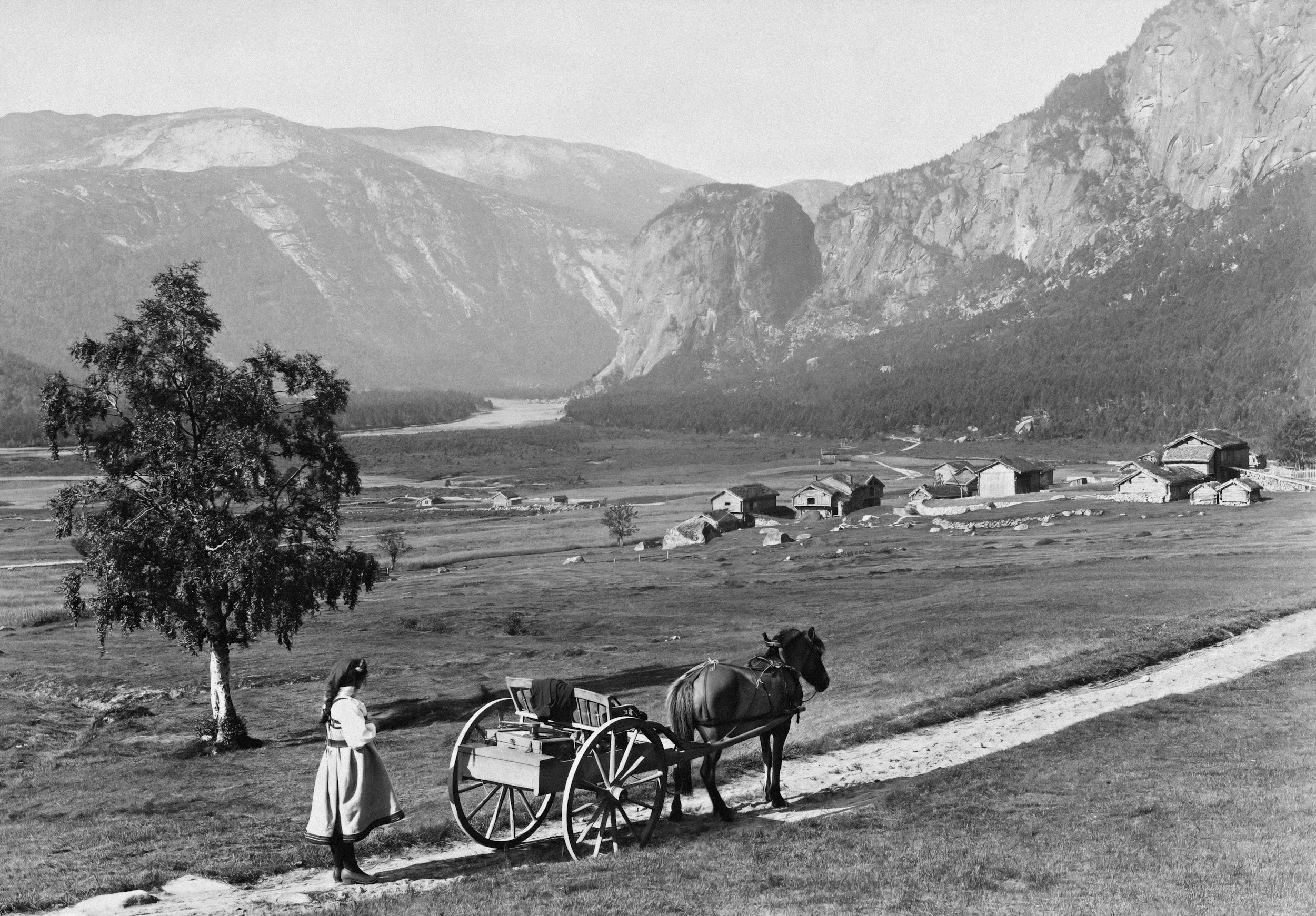
Everyone in Norway Is Rich
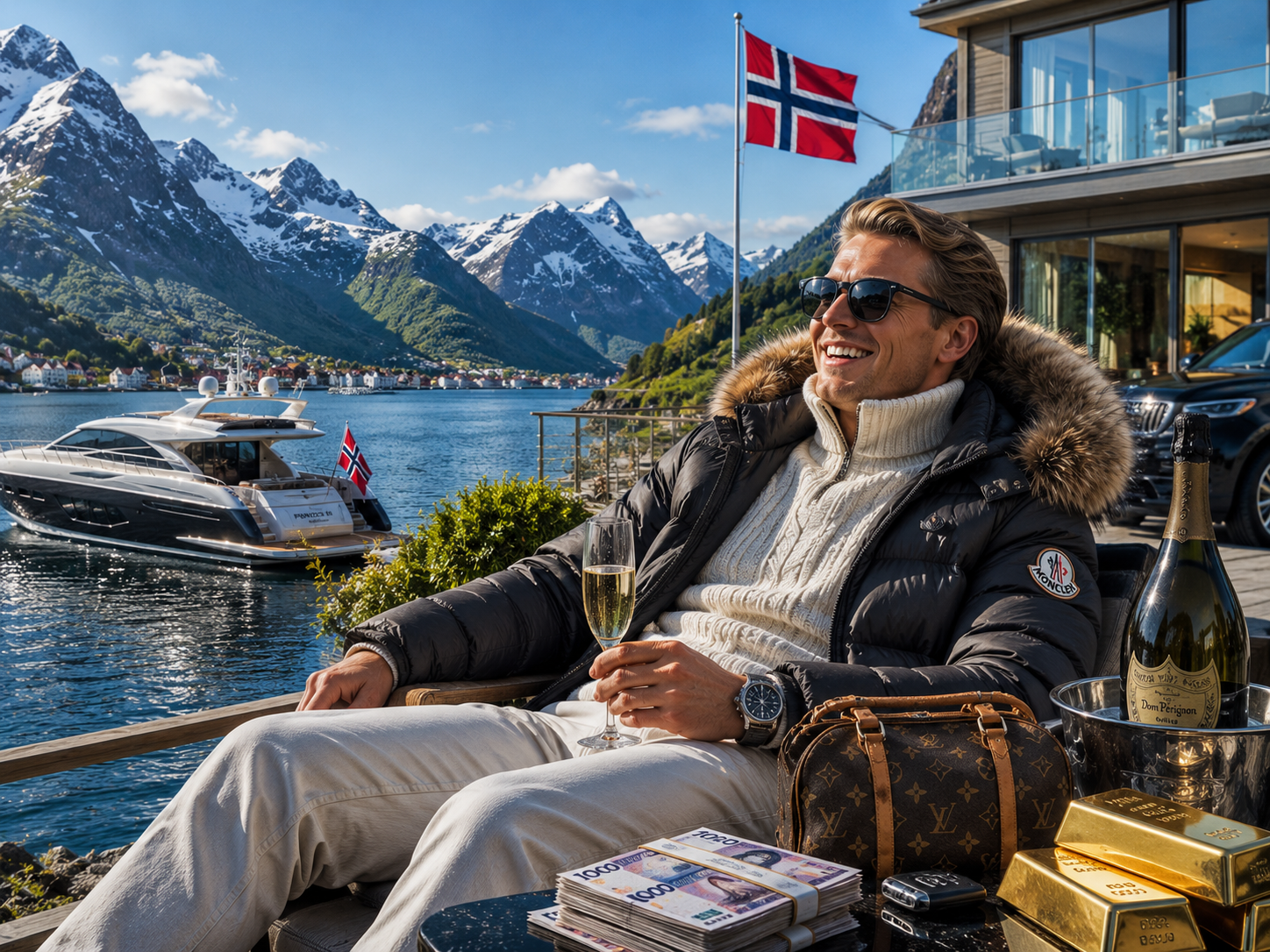
Norway is regularly described as one of the world’s richest countries, leading many people to assume that every Norwegian is personally wealthy or enjoys a luxurious lifestyle. The country is prosperous, but national wealth and individual wealth are not the same thing.
One reason for this misconception is the Government Pension Fund Global, commonly known as the Norwegian Oil Fund. Because the fund is worth trillions of Norwegian kroner, its value is sometimes divided by the number of people living in Norway. This produces headlines suggesting that every Norwegian is effectively a millionaire.
In reality, the fund is not a personal savings account that individual citizens can access. It belongs to the Norwegian state and is managed as a long-term investment fund intended to benefit both current and future generations. Its value is spread across investments around the world, and fiscal rules limit how much of the expected return can be used in the national budget each year.
Norwegians still pay mortgages, rent, utility bills, childcare costs and everyday living expenses. Wages are relatively high by international standards, but so are prices. Housing, food, restaurants, transport and many services are expensive, particularly in the larger cities.
National prosperity is more visible in Norway’s public institutions than in the private lifestyles of every citizen. Oil wealth has helped finance healthcare, education, infrastructure, pensions and social security, but it has not made financial pressure disappear. Some households still struggle with debt, housing costs or low incomes, and wealth remains unevenly distributed.
Norway is therefore better understood as a wealthy state with a comparatively strong welfare system, rather than a country where every individual is rich. Much of its wealth is collective, invested in public services and long-term financial security rather than distributed directly into personal bank accounts.
Norwegians Are Cold and Unfriendly
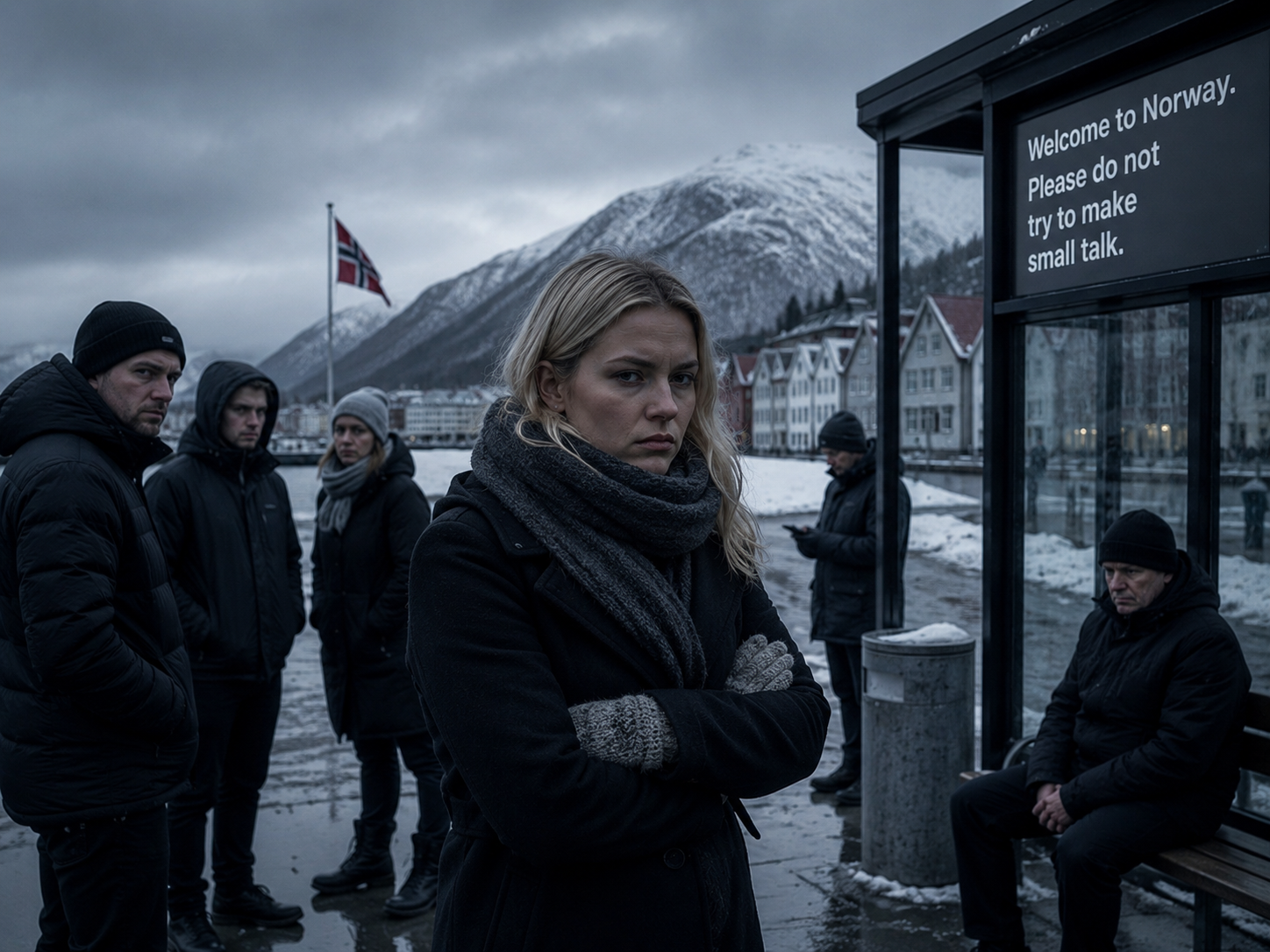
Norwegians Are Cold and Unfriendly
One of the most common stereotypes about Norwegians is that they are cold, unfriendly or simply don't like talking to other people. This impression usually comes from one very noticeable cultural difference: Norwegians generally do not start conversations with strangers.
If you've ever travelled on public transport in Norway, you've probably noticed that people tend to keep to themselves. Passengers rarely make small talk, neighbours don't automatically stop for a chat, and standing quietly in a queue is completely normal. For visitors from countries where casual conversation is part of everyday life, this can easily be interpreted as unfriendliness.
In reality, most Norwegians are not avoiding strangers because they dislike them. They are following a social norm that says you shouldn't interrupt someone unless you have a reason to do so. Leaving people alone is often seen as the polite thing to do.
This norm is surprisingly strong. Many Norwegians would feel just as uncomfortable starting a conversation with a stranger as a visitor might feel sitting in complete silence. The hesitation isn't usually about shyness. It's about uncertainty over whether the interaction is appropriate. Someone who suddenly starts talking on a bus might be assumed to want something, whether that's asking for money, selling something, flirting or simply behaving unusually.
That doesn't mean Norwegians never talk to strangers. They do when there is a natural reason. Asking for directions, commenting on a delayed train, talking about each other's dogs or chatting while hiking are all perfectly normal situations because everyone understands why the conversation has started.
Interestingly, many Norwegians become noticeably more talkative when travelling abroad. When the surrounding culture encourages conversation with strangers, many happily adapt to those social expectations. This suggests the behaviour is shaped less by personality than by cultural norms.
Rather than seeing Norwegians as cold or unfriendly, it is more accurate to think of them as people who have different expectations about when a conversation should begin. Once that first barrier has been crossed, many visitors discover that Norwegians are warm, welcoming and surprisingly easy to talk to.
Everyone Speaks Perfect English
Norway consistently ranks among the countries with the highest levels of English proficiency, leading many visitors to assume that every Norwegian speaks fluent English. While English skills are generally very high, this is still an oversimplification.
English is introduced early in Norwegian schools and is reinforced throughout everyday life. Films and television programmes are usually shown in their original language with subtitles rather than being dubbed, exposing children to spoken English from a young age. Music, gaming, social media and international travel further strengthen these language skills.
However, proficiency varies between individuals, generations and situations. Younger Norwegians are generally more comfortable speaking English than older generations, particularly those who had fewer opportunities to use the language during their education or working lives.
Confidence also differs from ability. Many Norwegians understand English extremely well but feel less comfortable speaking it, especially if they worry about making mistakes or speaking with an accent. Visitors are therefore sometimes surprised when someone switches to short answers despite understanding everything that is being said.
In tourist destinations, hotels and restaurants, communicating in English is rarely a problem. In smaller communities or when dealing with official paperwork, healthcare or specialised services, Norwegian may still be expected.
High English proficiency is one of Norway's strengths, but it should not be mistaken for every Norwegian being a native-level English speaker or preferring to communicate in English whenever possible.
Norway Is Part of the European Union
Many visitors assume Norway is a member of the European Union because it closely cooperates with EU countries and participates in many European agreements. In reality, Norway is not an EU member.
Norwegians voted against joining the European Union in two national referendums, first in 1972 and again in 1994. On both occasions, a majority chose to remain outside the Union.
Despite this, Norway participates in the European Single Market through the European Economic Area (EEA). This allows the free movement of goods, services, capital and people between Norway and most EU countries. As a result, many travellers notice very little practical difference when visiting Norway compared with travelling within the EU.
Norway also takes part in the Schengen Area, meaning there are normally no routine passport checks when travelling between Norway and many other European countries. This further reinforces the impression that Norway is an EU member.
The result is an unusual arrangement. Norway follows many European regulations and cooperates closely with the EU, while remaining politically outside the Union itself. This combination explains why the misconception is so widespread.
Everyone Lives in a Remote Wooden Cabin
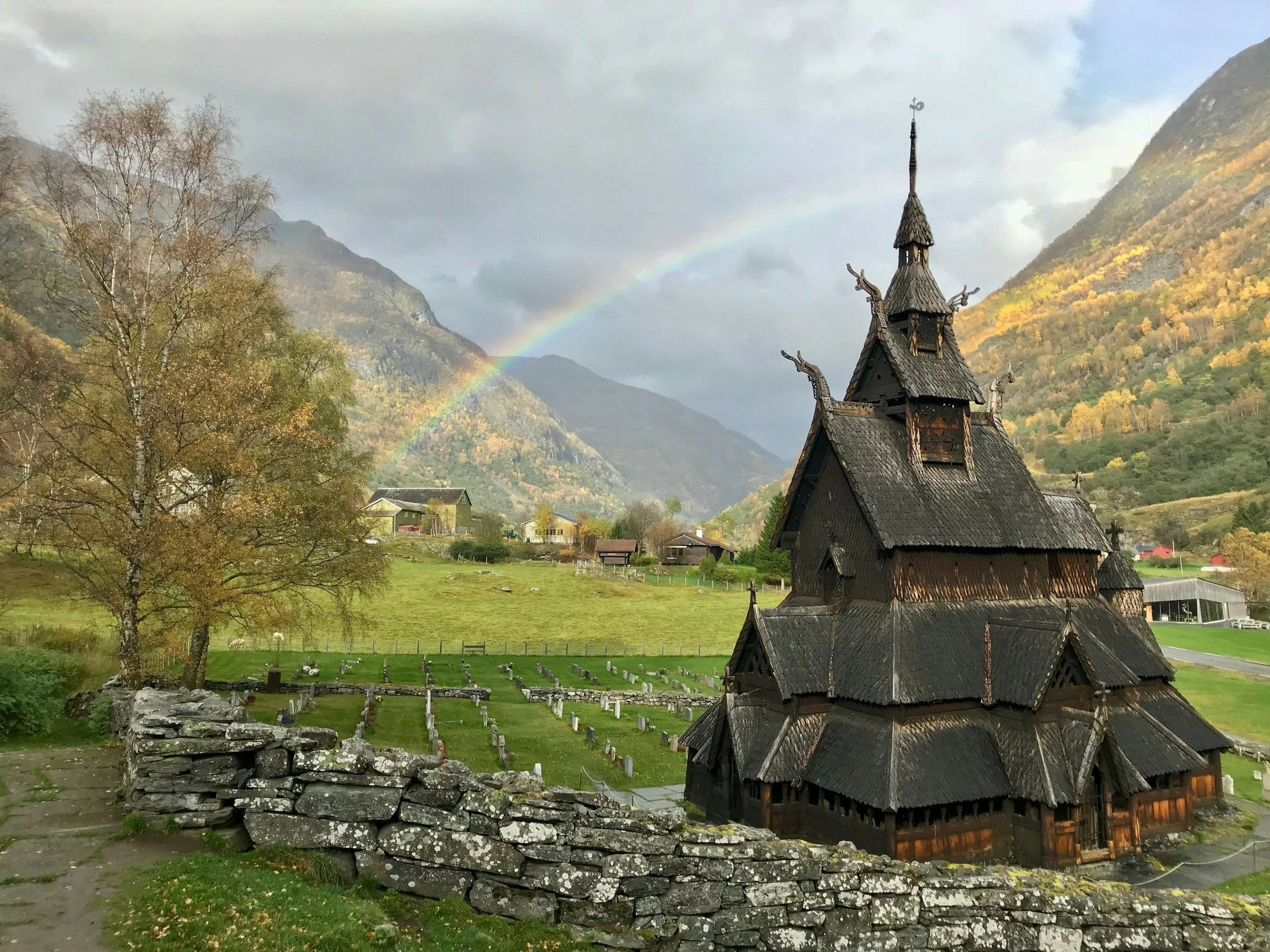
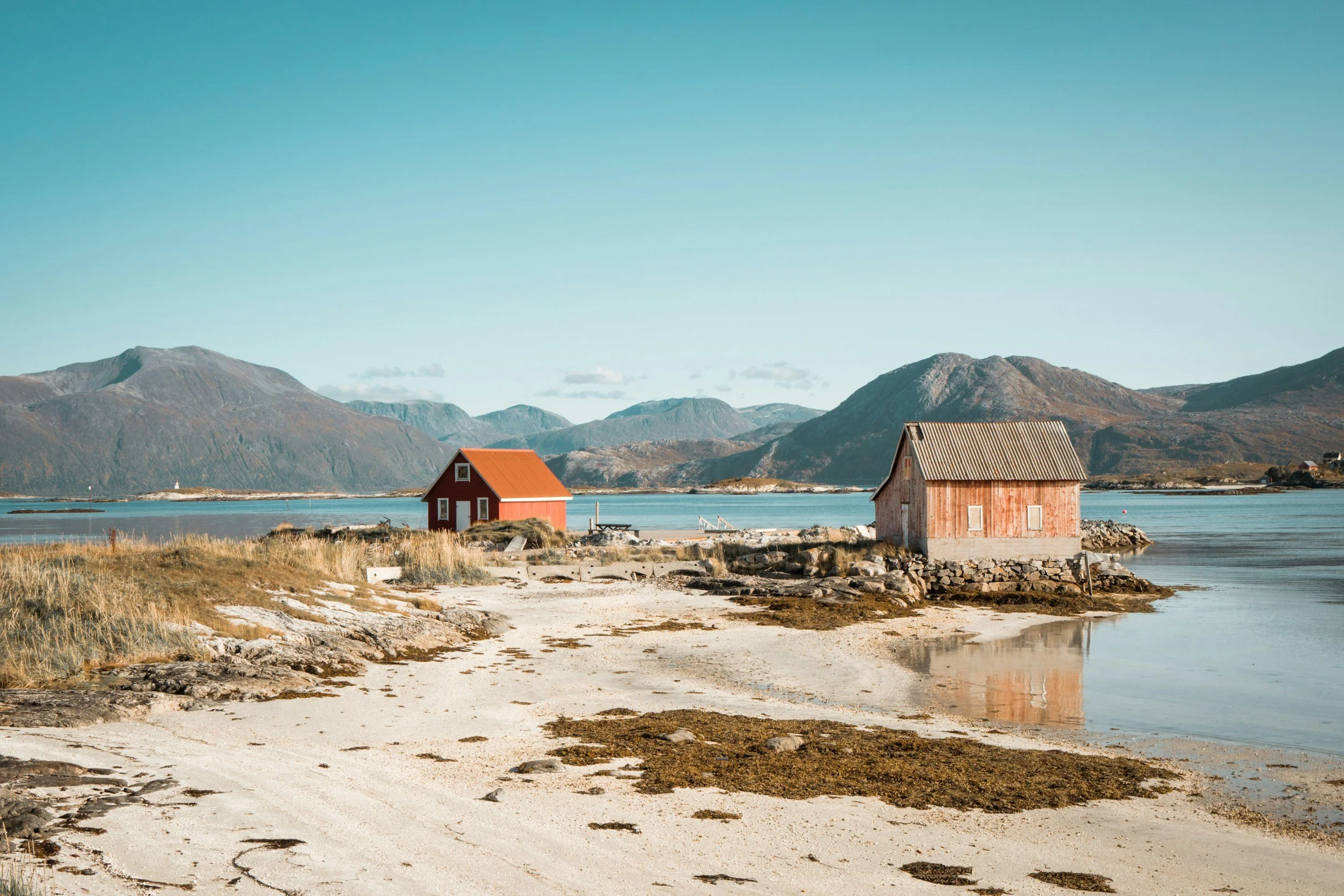
Images of red cabins beside fjords or surrounded by mountains have become symbols of Norway around the world. They are so closely associated with the country that many people imagine Norwegians spend most of their lives in isolated wooden cabins surrounded by nature.
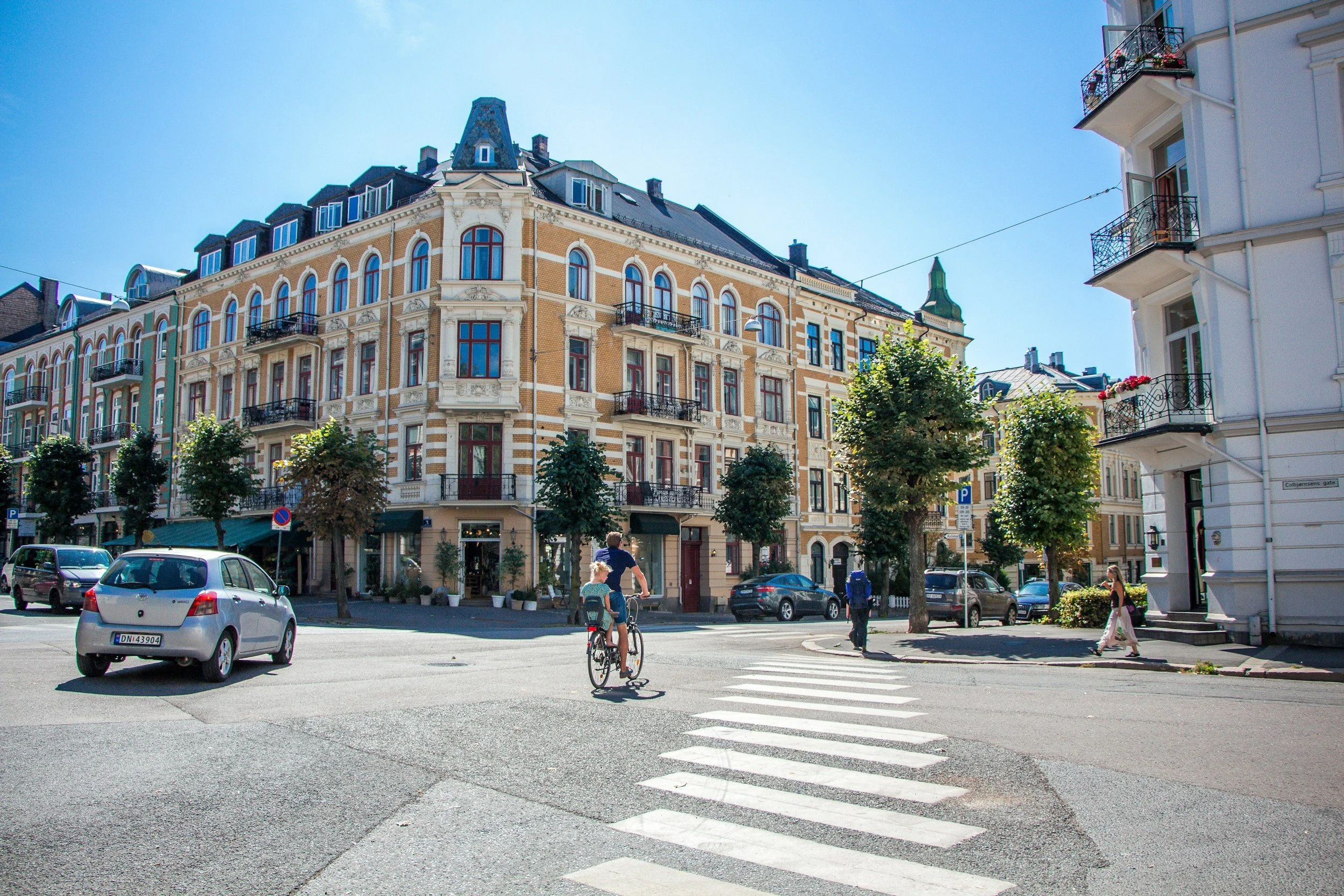
Cabins, known as hytter, are indeed an important part of Norwegian culture, but they are usually second homes rather than permanent residences. Most Norwegians live in towns and cities, with Oslo alone home to well over 700,000 people. The majority of the population lives much the same way as people elsewhere in Europe, in houses or apartments close to schools, workplaces and public transport.
The Norwegian cabin tradition is rooted in the country's relationship with nature. Spending weekends or holidays at a cabin allows people to hike, ski, fish or simply enjoy a slower pace of life. Some cabins are simple, without electricity or running water, while others are equipped to the same standard as a modern home.
The cabin is therefore an important part of Norwegian identity, but it represents leisure rather than everyday life.
Related reading:
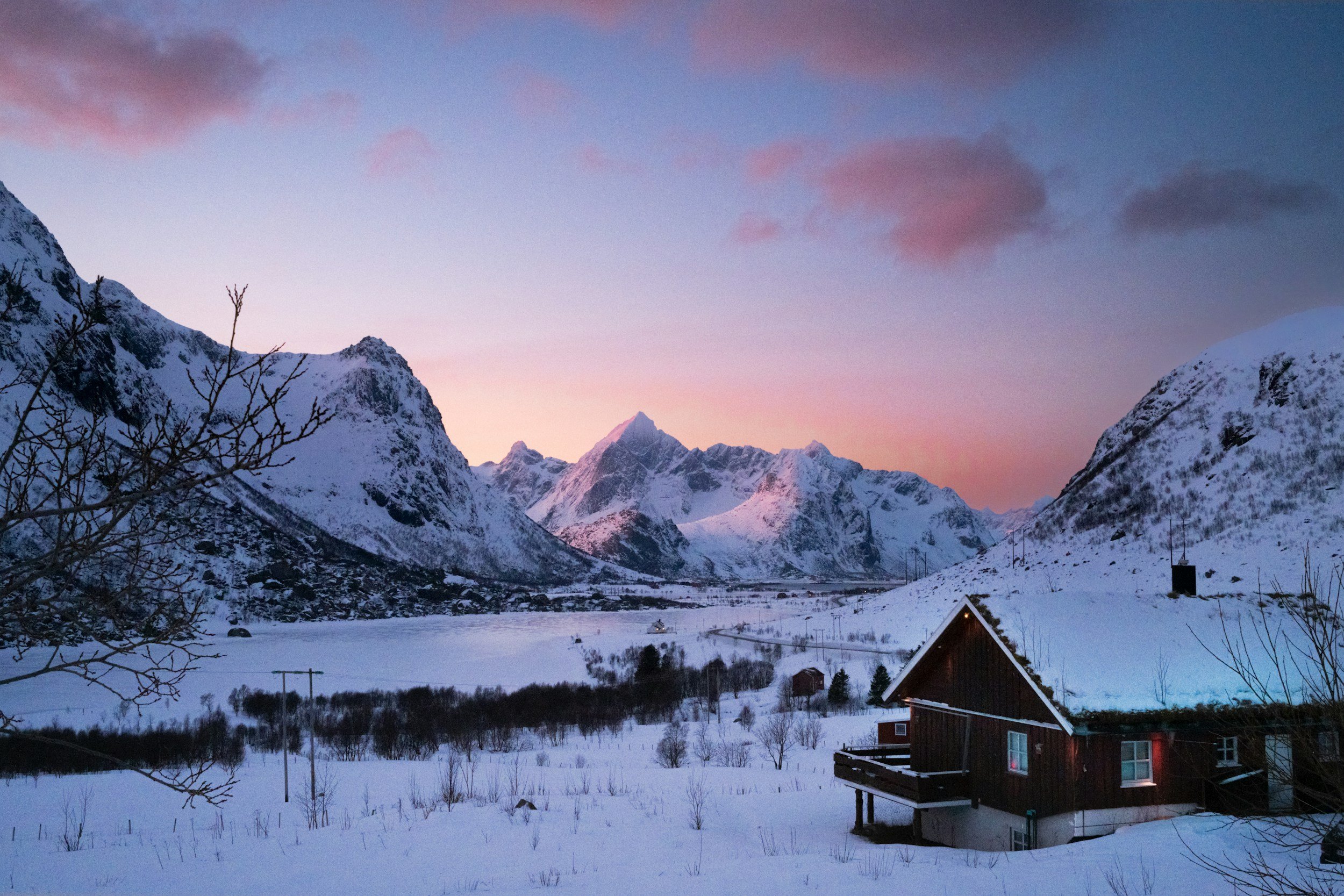
Norwegians Eat Lutefisk and Brown Cheese All the Time
Traditional Norwegian foods often attract attention abroad, particularly lutefisk and brown cheese (brunost). This has created the impression that these foods are everyday staples in Norwegian households.
In reality, lutefisk is a highly seasonal dish. It is traditionally eaten around Christmas, and many Norwegians rarely eat it at any other time of year. Some people never eat it at all. I grew up in Norway and, despite being in my thirties, I have never actually tasted lutefisk.
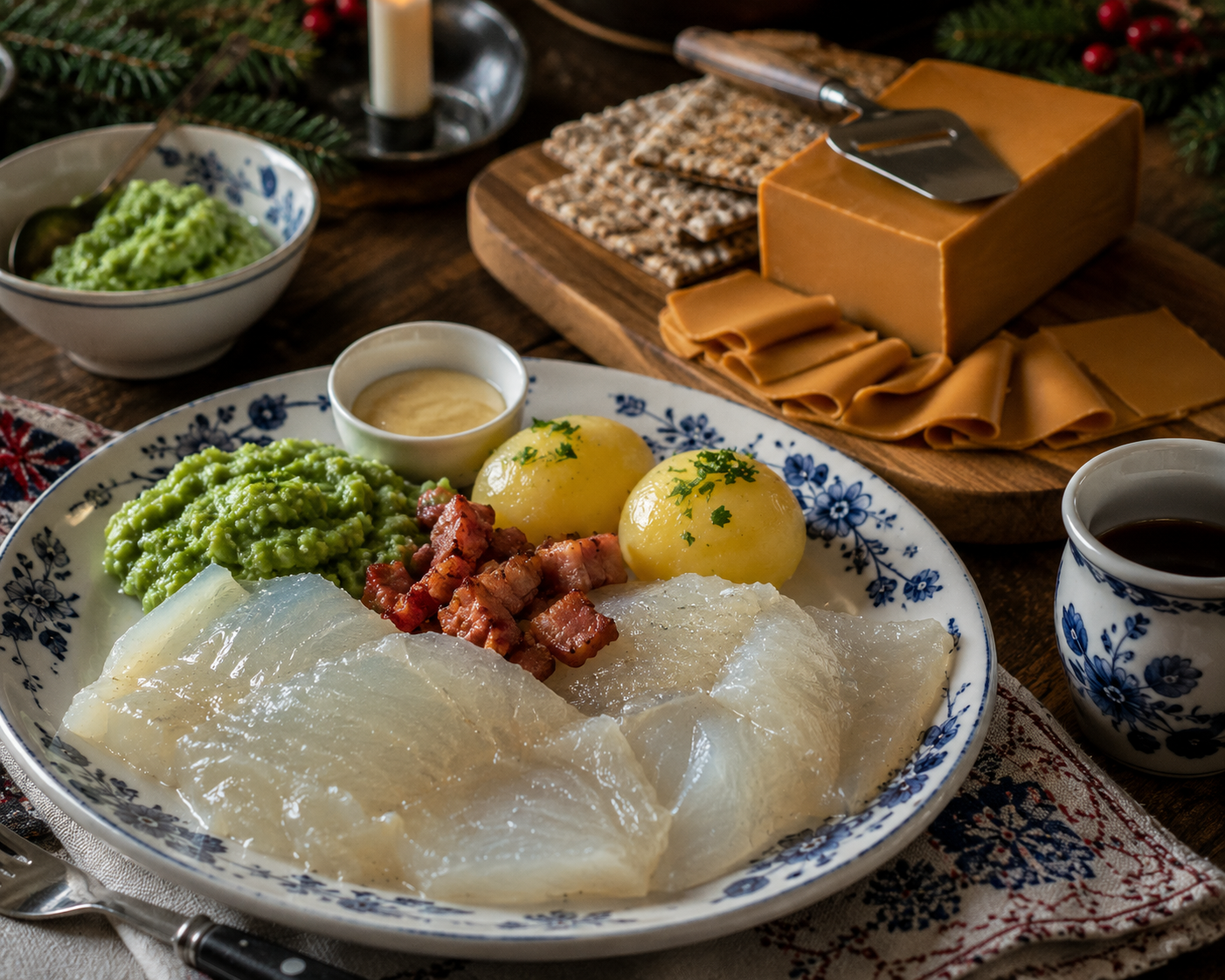
One of the things I've found most fascinating is that, in some cases, lutefisk seems to be a much stronger Christmas tradition among Americans of Norwegian descent than it is for many Norwegians living in Norway.
I realised this during a trip to Hawaii a few years ago. It was just before Christmas, and I went to a nail salon where there were only two other women having their nails done. One of them asked where I was from, and when I told her I was Norwegian, she said she was of Norwegian descent. Before our conversation continued, the other woman looked over and said she was also of Norwegian descent. The two women didn't know each other, yet both told me that eating lutefisk on Christmas Eve was an important family tradition.
One of the women told me that one year they couldn't get lutefisk from the shop where they normally bought it. Instead, they drove several hours to another state to buy it. When they arrived, there was a queue stretching all the way around the building, with people waiting to buy lutefisk for Christmas.
I remember thinking how remarkable that was. I had travelled all the way to Hawaii and, by complete coincidence, ended up sitting with two Americans of Norwegian descent who both considered lutefisk an essential part of Christmas, while I had grown up in Norway and had never even tasted it.
Part of the explanation lies in Norway's history of emigration. During the nineteenth and early twentieth centuries, around 800,000 Norwegians emigrated to North America. At a time when Norway's population was only around 2.5 million, that represented roughly a third of the country's population. Many settled in communities where preserving their language, traditions and food became an important way of maintaining a connection to their Norwegian roots.
While traditions naturally changed and evolved in Norway over the following generations, many Americans of Norwegian descent continued to celebrate the customs their ancestors had brought with them. As a result, some Christmas traditions that are relatively uncommon in modern Norway remain deeply important in parts of the Norwegian-American community today.
Brown cheese is much more common than lutefisk, but even here the stereotype is exaggerated. While many Norwegians grow up eating it and still enjoy it on bread, crispbread or waffles, plenty of people rarely buy it. Preferences vary between regions, generations and individual families.
Modern Norwegian diets are much like those found elsewhere in Northern Europe. Pasta, pizza, tacos, Asian cuisine and international dishes are all common parts of weekly meals. Traditional foods remain culturally important, but they do not define what most Norwegians eat every day.
Norway Is the Same as Sweden
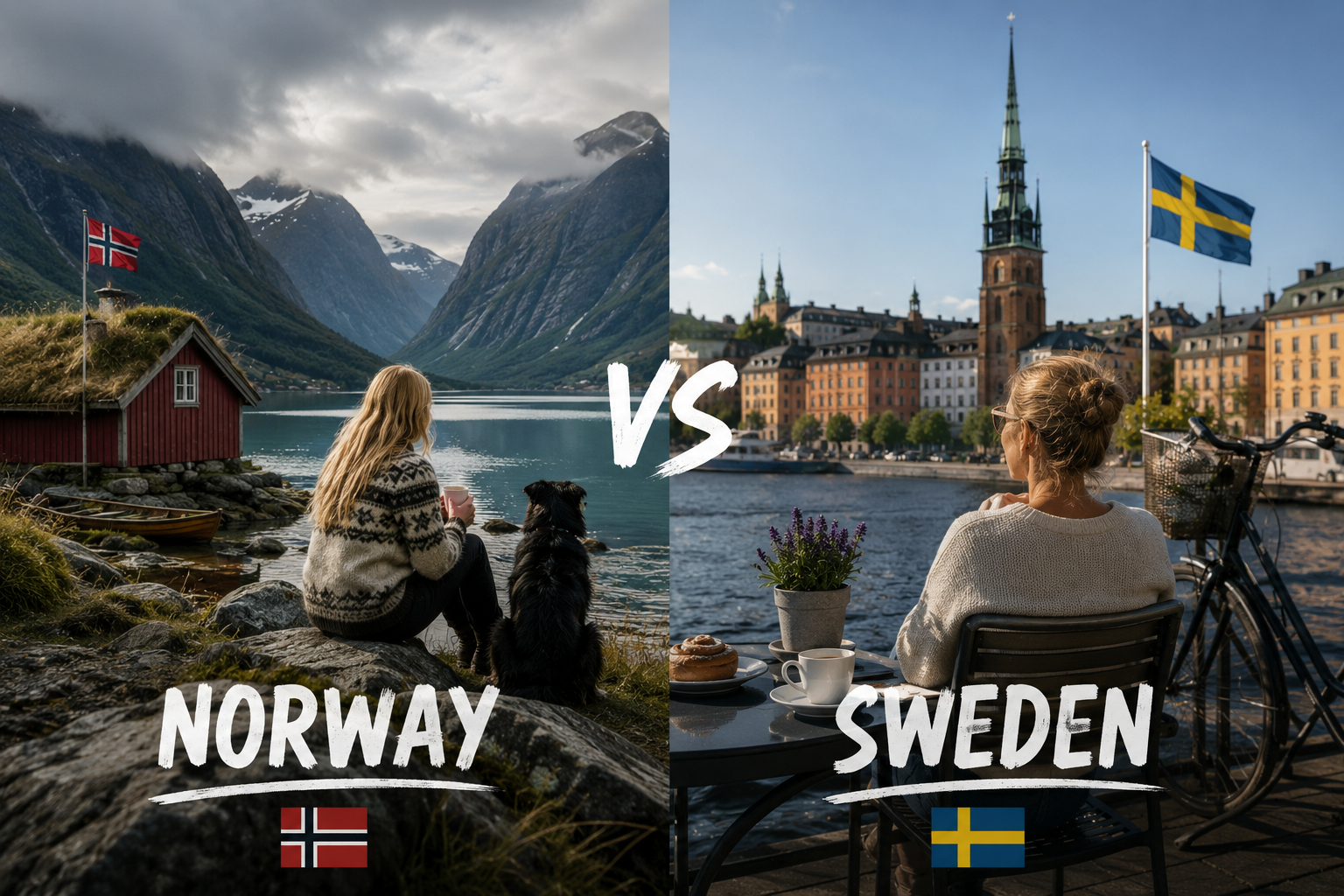
For people unfamiliar with Scandinavia, Norway and Sweden are sometimes viewed as almost interchangeable. The countries share a long border, similar languages and many cultural traditions, making it easy to assume they are essentially the same.
In reality, they have distinct histories, identities and landscapes.
Norway's geography has shaped its culture in different ways. Deep fjords, high mountains and a long Atlantic coastline encouraged maritime industries, fishing and coastal communities. Sweden's larger areas of flatter land supported more extensive agriculture and the development of larger inland cities.
The two countries also followed different historical paths. Norway spent centuries in unions with Denmark and later Sweden before becoming fully independent in 1905, while Sweden developed as an independent kingdom and one of Europe's major powers for much of its history.
Although Norwegian and Swedish are closely related and often mutually intelligible, they are separate languages with different pronunciation, vocabulary and written standards. Cultural traditions, humour, food and national identity also differ in ways that become obvious to people who spend time in both countries.
The similarities between Norway and Sweden are real, but so are the differences. Understanding both is part of appreciating Scandinavia as a region rather than treating it as a single culture.
Final Words
Like most stereotypes, many myths about Norway contain a small element of truth. They often begin with a genuine observation, whether it is Norway's snowy mountains, Viking history, high standard of living or love of the outdoors. Over time, those observations become simplified until they are treated as universal facts.
The reality is far more nuanced. Norway is a country of regional differences, changing seasons, complex history and cultural traditions that continue to evolve. Looking beyond the stereotypes provides a more accurate understanding of both the country and the people who live here.
Which of these myths surprised you the most? Have you heard any other myths about Norway? I'd love to hear them in the comments below.
More Articles about Norway

Polar bears belong to the Arctic and penguins to Antarctica. Understanding why helps explain the fundamental differences between the world's two polar regions.