
Hiking in Norway Packing Guide: What to Pack for Every Type of Hike
Planning a hike in Norway? This guide explains what to pack for different types of hikes, from easy waterfall walks to challenging mountain routes. Learn what clothing, footwear and equipment you need for each difficulty level, how your packing changes throughout the seasons, and how to prepare for hiking with children or dogs.
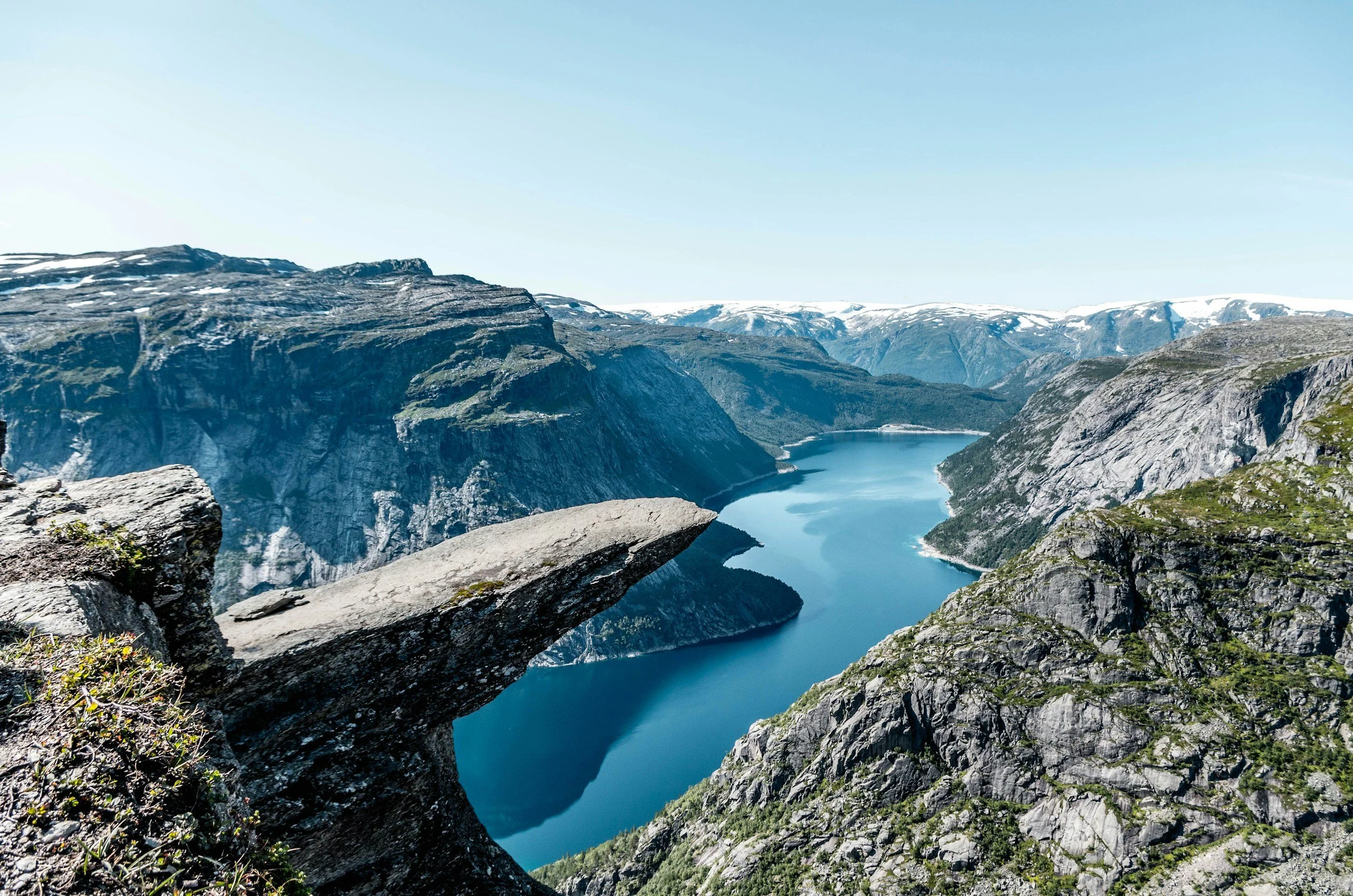
Norway is one of the best hiking destinations in the world. Whether you want to stand on the edge of Trolltunga, climb to the top of Preikestolen, wander through the mountains of Jotunheimen or simply enjoy a short walk to a waterfall, there is no shortage of incredible trails.
One of the biggest questions visitors have before their trip is what they actually need to pack.
The answer is surprisingly simple: it depends on the hike.
Many first-time visitors assume every hike in Norway requires expensive outdoor clothing, heavy hiking boots and specialist equipment. Others make the opposite mistake and arrive expecting to complete famous mountain hikes wearing jeans and fashion trainers.
The reality sits somewhere in the middle.
Some of Norway's most popular hikes are little more than scenic walks that most reasonably fit people can enjoy with comfortable clothing and sensible footwear. Others take eight to ten hours through remote mountain terrain where proper preparation is essential.
The purpose of this guide is not to convince you to buy lots of hiking equipment. Instead, it will help you understand what different types of hikes require, how your packing changes throughout the seasons, and which items are genuinely worth bringing.
Whether you are planning a gentle fjord walk, a half-day viewpoint hike or one of Norway's legendary mountain routes, this guide will help you pack confidently without carrying more than you need.
How to Use This Guide
There is no universal packing list for hiking in Norway because no two hikes are the same.
Instead of giving one enormous checklist, this guide is organised by the type of hike you are planning.
You'll first find advice for easy hikes, followed by moderate day hikes and then more demanding mountain hikes. Each section explains what kind of clothing and footwear makes sense, what you should pack in your backpack, and how your preparation changes throughout the year.
Towards the end of the guide, you'll also find advice for hiking with children, hiking with dogs, common packing mistakes visitors make and printable packing checklists.
If you already know which hike you are planning, you can jump straight to the relevant section. If not, keep reading—understanding the different hiking categories is the best place to start.
Understanding Hiking Difficulty in Norway
One thing that often surprises visitors is that hiking in Norway covers an enormous range of experiences.
On one day you might spend an hour walking around a glacial lake on a wide gravel path. The next day you could be scrambling across large boulders high above a fjord, several hours from the nearest road.
That is why it makes little sense to talk about "packing for hiking in Norway" without first considering the type of hike you plan to do.
Although different guidebooks and regions use slightly different grading systems, most hikes fall into three broad categories.
Easy Hikes
Easy hikes are usually short walks lasting between 30 minutes and two hours. They generally follow well-maintained paths, stay relatively close to roads or visitor facilities and require very little hiking experience.
Typical examples include walks to Briksdal Glacier, Bondhusvatnet, Steinsdalsfossen, Vøringsfossen, many of the shorter coastal walks in Lofoten, and countless waterfall trails throughout the fjord region.
These hikes are perfect if your main goal is sightseeing rather than spending an entire day in the mountains.
Moderate Day Hikes
Moderate hikes usually take between two and six hours and involve more climbing, rougher terrain and longer distances from facilities.
Examples include hikes such as Reinebringen, Ryten, Munkebu, Kjeragbolten, Himakånå and many of the classic summit hikes found throughout Norway.
For these hikes, preparation becomes more important. You are likely to spend several hours outdoors, weather conditions can change while you're on the trail and there are fewer opportunities to return quickly if something goes wrong.
Advanced Mountain Hikes
Advanced hikes are full-day mountain routes where distance, terrain, elevation gain or exposure make the hike considerably more demanding.
Well-known examples include Trolltunga, Besseggen, Romsdalseggen, Galdhøpiggen, Dronningstien and longer routes through national parks such as Jotunheimen.
These hikes require proper planning, suitable clothing and enough food, water and equipment to remain comfortable if conditions change.
Fortunately, only a small percentage of visitors attempt hikes like these. Most travellers will spend the majority of their time somewhere between the easy and moderate categories.
Easy Hikes in Norway
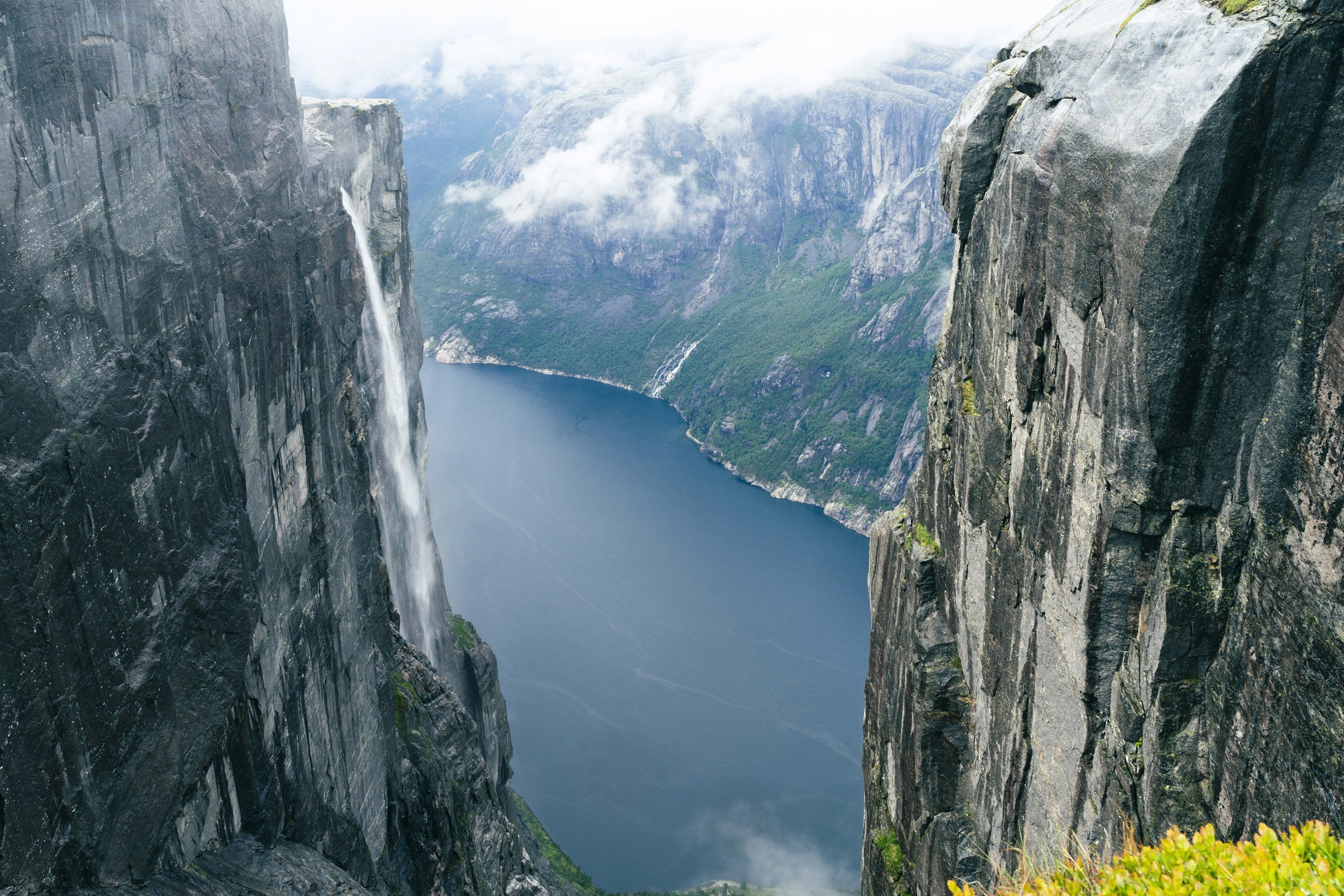
Easy hikes are often the highlight of a trip to Norway because they allow you to experience spectacular scenery without committing to a demanding day in the mountains.
Many visitors don't even think of these walks as "hikes", but they still offer some of the country's most memorable views. You might stroll around the turquoise waters of Bondhusvatnet, walk beneath the crashing water at Steinsdalsfossen, explore the trails surrounding Briksdal Glacier or follow one of the many scenic coastal paths in Lofoten.
Although these walks are considered easy, remember that Norway is naturally rugged. Even well-maintained trails often include rocks, tree roots, uneven ground, short steep sections or muddy patches after rain. "Easy" rarely means paved from beginning to end.
The good news is that you do not need specialist hiking equipment for most of these walks.
If you are visiting Norway in summer and only planning easy hikes, comfortable travel clothing and sensible footwear are usually all you need.
What to Wear for Easy Hikes
For easy hikes, comfort is far more important than technical outdoor clothing.
A breathable T-shirt or lightweight long-sleeved top, comfortable walking trousers, sports leggings or shorts, together with a light fleece or jumper if the weather is cool, will be suitable for most situations.
Footwear is often where visitors become unsure. While dedicated hiking boots certainly won't hurt, they are rarely essential for easier walks. A good pair of trainers or walking shoes with decent grip is perfectly adequate for many of Norway's popular tourist trails.
One item that is always worth carrying, however, is a waterproof jacket.
Even if the forecast looks perfect, weather can change quickly in Norway. A lightweight rain jacket takes up very little space and is one of those items you'll either never use—or be extremely grateful you packed.
Avoid jeans if possible. They become heavy and uncomfortable when wet and take a long time to dry. Comfortable sportswear or travel clothing is generally a much better choice.
What to Pack for Easy Hikes
Packing for easy hikes should stay exactly that—easy.
There is no need to carry a heavy backpack full of equipment if you're only heading out for an hour or two. Instead, focus on bringing a few practical essentials that allow you to stay comfortable if conditions change.
For most easy hikes, I would recommend bringing:
Water
A small snack
Your phone
A lightweight waterproof jacket
Sunglasses and sunscreen during summer
A light jumper or fleece if temperatures are cool
That's all most visitors will need for easy walks during the main travel season.
If you are travelling during spring or autumn, simply add an extra warm layer and check the weather forecast before setting off. Even relatively short walks can feel surprisingly chilly once the wind picks up or the sun disappears behind the clouds.
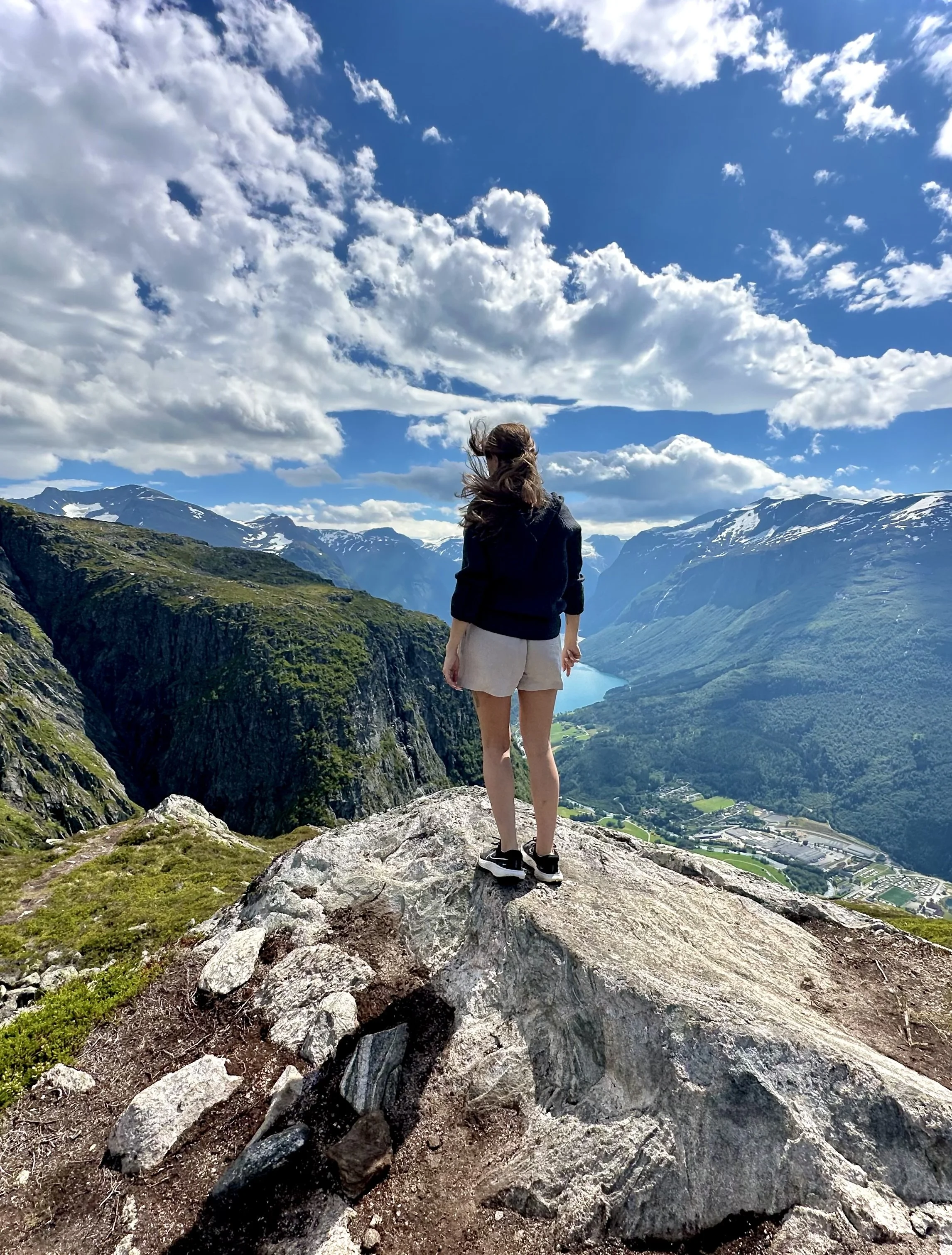
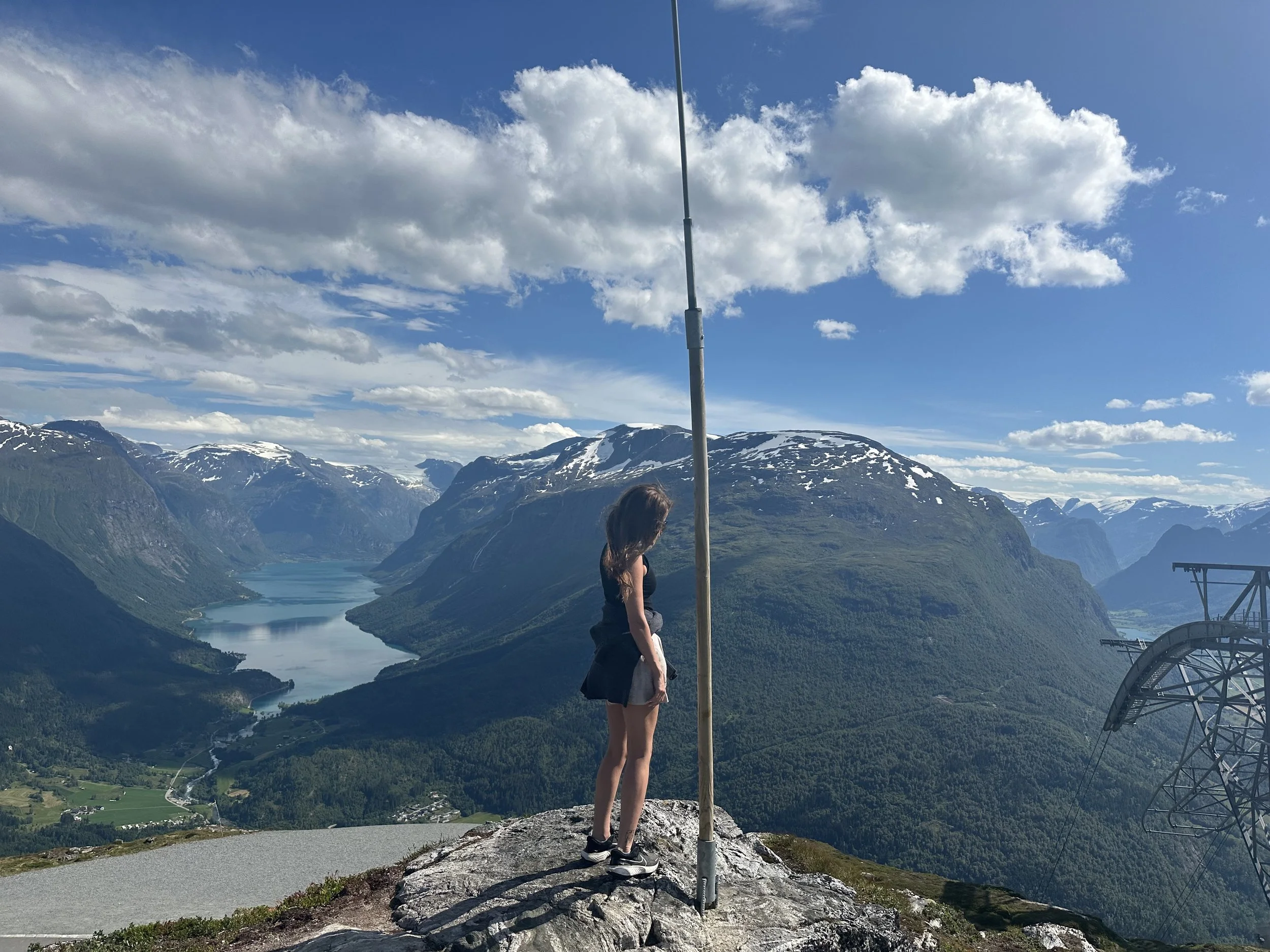
Although I'm standing on top of a mountain, I took the Loen Skylift to get here. We only did one of the short, easy walks around Mount Hoven, so there was no need for specialised hiking gear—comfortable trainers, shorts and a lightweight wool jumper were more than enough.
Easy Hikes by Season
The advice above assumes you're hiking during Norway's main summer season, but the time of year makes a surprisingly big difference. An easy walk in July can require very different clothing from the exact same trail in October.
The good news is that adjusting your packing is usually quite simple.
Easy Hikes in Summer
Summer is by far the easiest time to enjoy Norway's shorter hikes. Long daylight hours, generally mild temperatures and snow-free trails make this the ideal season for visitors who simply want to enjoy the scenery.
For easy walks, your normal travel wardrobe will often be enough. Comfortable sportswear, breathable clothing and trainers are suitable for many popular attractions, provided the weather is good.
However, summer in Norway isn't always warm. Coastal areas can be windy, mountain viewpoints are often several degrees cooler than the valley below, and rain showers can appear with very little warning.
A waterproof jacket is therefore still worth carrying, even if the forecast looks promising. It weighs very little but can make a huge difference if the weather changes halfway through your walk.
Summer is also when you'll need to think about sun protection. Many visitors assume Norway is too far north for strong sunshine, but long daylight hours combined with reflective water, snow or bare rock can make the sun surprisingly intense.
If you're hiking through forests, inland valleys or around lakes, insect repellent is also worth packing. Mosquitoes and midges can be surprisingly persistent in some parts of the country, particularly during warm, still evenings.
Easy Hikes in Spring
Spring is one of the most unpredictable seasons for hiking in Norway.
In cities like Oslo or Bergen, it may feel like summer has arrived, while mountain areas just a short drive away can still be covered in snow. Waterfalls are often at their most spectacular because of snowmelt, making this a fantastic time to visit places such as Briksdal Glacier or Vøringsfossen, but trails can also be wetter than visitors expect.
Muddy paths, melting snow and slippery rocks are common throughout spring, even on relatively easy walks.
For this reason, waterproof footwear becomes much more useful than it is during a dry summer day. You don't necessarily need hiking boots, but trainers with good grip or lightweight hiking shoes are a sensible choice.
Spring weather also changes quickly, so dressing in layers makes it much easier to stay comfortable throughout the day.
Easy Hikes in Autumn
Autumn transforms much of Norway into a landscape of yellow, orange and red, making it one of the most beautiful times of year to go walking.
Popular areas such as Jotunheimen, Rondane and many of the inland valleys become particularly colourful during September.
At the same time, autumn weather is less predictable than summer. Days become shorter, temperatures drop and rain becomes more frequent.
If you're visiting during autumn, pack a warmer mid layer than you would during summer and don't leave your waterproof jacket behind, even for relatively short walks.
It's also worth remembering that sunset arrives much earlier than many visitors expect, particularly from late September onwards. If you're planning an evening walk or a slightly longer route, make sure you allow enough daylight to return comfortably.
Easy Hikes in Winter
Winter hiking is very different from summer hiking, even if you're only planning easy walks.
Fortunately, Norway offers plenty of beautiful winter walks that don't require mountaineering experience. Boardwalks, lakeside paths, coastal promenades and shorter forest trails can all be enjoyable, provided conditions are suitable.
The biggest challenge is usually ice.
Even paths that are completely straightforward during summer can become slippery after snow or freezing temperatures. Shoes with good grip become much more important, and on icy days many locals use simple traction devices that fit over normal footwear.
Dress warmly using layers, wear a waterproof outer layer if snow is falling and remember that daylight is limited during winter. What would be an easy afternoon walk in July may need to start before lunch in December.
Moderate Hikes in Norway
Moderate hikes are where many visitors discover what hiking in Norway is really about.
These are the walks that lead to spectacular viewpoints, mountain lakes and panoramic summits, usually taking between two and six hours depending on the route and your pace.
Unlike easy walks, moderate hikes often involve sustained climbs, rocky sections, uneven terrain and longer distances from facilities. You'll probably spend several hours outdoors, making weather, clothing and footwear much more important.
Many of Norway's best-known hikes fall into this category.
Routes such as Reinebringen in Lofoten, Ryten overlooking Kvalvika Beach, Munkebu, Himakånå, Rampestreken, Segla, Saksa and even Kjeragbolten are all examples where reasonable fitness and sensible preparation make the experience much more enjoyable.
These hikes are still achievable for many visitors, but they deserve more respect than a simple sightseeing walk.
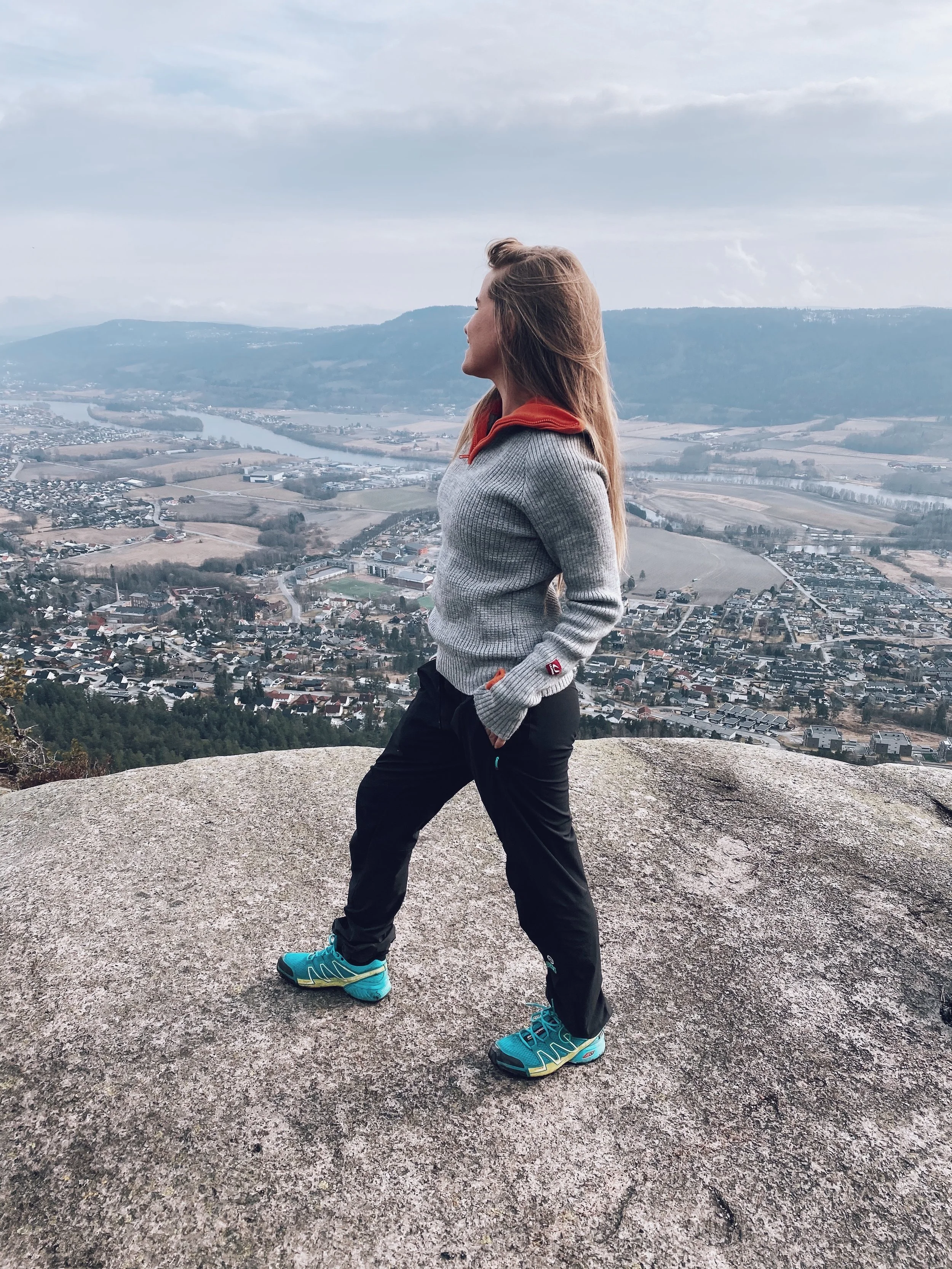
What to Wear for Moderate Hikes
This is the point where the classic Norwegian layering system starts to make sense.
You don't need expensive clothing from head to toe, but you should wear items that remain comfortable if the weather changes.
A breathable sports top, synthetic base layer or lightweight merino T-shirt all work well. Add a fleece or warm jumper that you can put on during breaks or if the wind picks up.
Your outer layer should ideally be waterproof rather than simply water-resistant. Even if it never rains, it also provides valuable protection from cold wind on exposed ridges or mountain viewpoints.
Footwear becomes more important too.
While sturdy trainers can still be suitable for some moderate hikes in dry conditions, hiking shoes generally provide better grip and support on rocky terrain. If rain is forecast or the trail is known for being wet, hiking boots become an even better option.
The aim isn't to wear the most technical equipment available. It's simply to stay comfortable for several hours while walking across uneven ground.
What to Pack for Moderate Hikes
Once you're spending half a day outdoors, your backpack becomes much more important.
Unlike an easy walk, you should assume you'll be away from cafés, visitor centres and facilities for several hours.
For most moderate hikes, I recommend packing:
Plenty of water
Lunch or several snacks
Waterproof jacket
Warm mid layer
Fully charged phone
Offline map
Small power bank
Blister plasters
Sunscreen
Sunglasses
An extra pair of socks if rain is expected
Many visitors are surprised by how much longer Norwegian trails can take than expected. Rocky paths, steep climbs and frequent photo stops all add time, so it's always worth bringing slightly more food and water than you think you'll need.
Packing a few extra items might seem unnecessary at the start of the day, but they're often the difference between finishing a hike comfortably and wishing you'd turned back sooner.
Moderate Hikes by Season
The same moderate hike can feel completely different depending on when you visit.
A trail that is straightforward on a warm July morning may involve snow, ice or strong winds just a few weeks earlier or later in the year. While you don't necessarily need different equipment for every season, you should adapt both your clothing and your expectations.
Moderate Hikes in Summer
Summer is the most popular season for moderate hikes, and for good reason. Most trails are snow-free, temperatures are generally comfortable and the long daylight hours give you plenty of time to complete your hike without feeling rushed.
That said, don't let the good weather fool you into underestimating the conditions.
Many moderate hikes climb several hundred metres above sea level, where temperatures are often noticeably cooler than at the trailhead. Wind can also make exposed viewpoints feel much colder than expected, even on sunny days.
If you're hiking routes such as Ryten, Reinebringen, Rampestreken or Segla, you'll often start the day wearing only a T-shirt but be grateful for a fleece and waterproof jacket by the time you reach the top.
Summer packing should therefore focus on flexibility rather than warmth. Lightweight layers allow you to stay comfortable throughout the day without carrying unnecessary weight.
Moderate Hikes in Spring
Spring is one of the most rewarding times to hike, but it also requires a little more planning.
Lower elevation trails may already be dry and green, while higher sections can still be covered in snow. It is not unusual to find dry ground at the start of a hike and snowfields near the summit, particularly in western Norway and the mountains.
This catches many visitors by surprise.
Before setting off, check recent trail reports or ask your accommodation about current conditions. A hike that looked straightforward in a photograph taken during summer may require completely different footwear in May.
Waterproof shoes become much more valuable during spring, and carrying an extra warm layer is rarely a mistake.
Moderate Hikes in Autumn
Autumn is often considered one of the best hiking seasons in Norway.
The summer crowds begin to disappear, temperatures become more comfortable for walking and forests turn brilliant shades of gold, orange and red.
Destinations such as Rondane National Park, Jotunheimen, Aurlandsdalen and many inland valleys are particularly spectacular during September.
However, autumn also brings shorter days and more unpredictable weather.
If you're planning a moderate hike during autumn, begin earlier than you would in summer and bring slightly warmer clothing. A pair of lightweight gloves and a hat can make a surprising difference during rest stops or if the wind picks up near the summit.
Moderate Hikes in Winter
Many moderate hikes become significantly more challenging during winter.
Snow can completely cover the trail, rocks become icy and daylight is limited. Even routes that are considered straightforward during summer may require winter hiking experience.
If you're visiting Norway in winter, it is often better to choose lower coastal walks, maintained trails or guided hikes unless you already have experience hiking in snowy conditions.
For winter hikes, consider bringing:
Insulated waterproof footwear
Microspikes if conditions are icy
Warm gloves
Hat
Head torch
Thermos with a hot drink
Always check local conditions before setting out, as weather can change rapidly during winter.
Advanced Mountain Hikes in Norway
Advanced hikes are the adventures many people dream about before visiting Norway.
These are the iconic mountain routes that appear on postcards, travel documentaries and social media: standing on the edge of Trolltunga, crossing the dramatic ridge of Besseggen, climbing Galdhøpiggen, following the spectacular crest of Romsdalseggen or walking Dronningstien high above the Hardangerfjord.
They are some of the most rewarding hikes in Norway, but they also demand the most preparation.
Unlike easy or moderate hikes, advanced routes usually involve a full day outdoors. Many take between seven and ten hours to complete and pass through remote mountain terrain where there are no cafés, shops or easy shortcuts back to your car.
You don't need to be an elite athlete to complete many of these hikes, but you do need to respect the conditions.
Weather can change quickly, distances are often longer than they appear on a map and rocky terrain can slow your progress considerably.
This is where proper hiking equipment stops being a nice extra and becomes genuinely useful.
What to Wear for Advanced Hikes
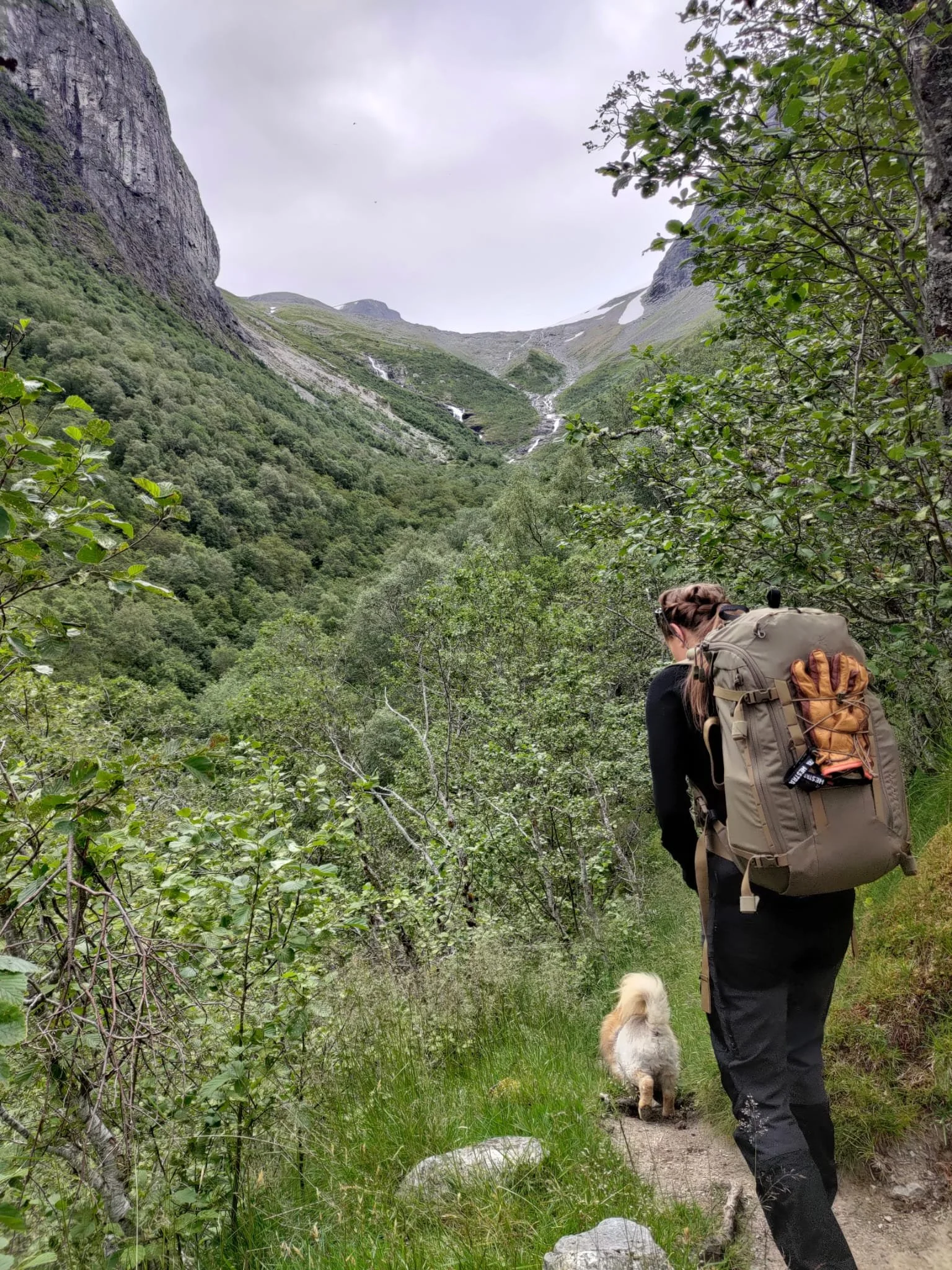
For longer mountain hikes, comfort and practicality become far more important than keeping your backpack light.
A typical clothing system includes:
A wool or synthetic base layer
Hiking trousers
A fleece or lightweight insulated mid layer
A waterproof jacket
Waterproof trousers if rain is possible
Wool hiking socks
Hiking boots or supportive hiking shoes
Even in the middle of summer, many experienced hikers carry gloves and a lightweight hat.
It may sound excessive when you're standing in a warm car park wearing a T-shirt, but conditions on an exposed mountain ridge can be completely different. Wind chill alone can make temperatures feel much colder than the forecast suggests.
The layering system allows you to adjust throughout the day instead of becoming either too hot while climbing or too cold when you stop.
What to Pack for Advanced Hikes
Advanced hikes require a more complete backpack than shorter walks.
You should expect to spend the entire day outdoors and prepare for delays caused by weather, slower walking speeds or simply spending more time enjoying the scenery.
A sensible packing list includes:
Plenty of water
Lunch
High-energy snacks
Waterproof jacket
Waterproof trousers
Warm mid layer
Hat and gloves
Fully charged phone
Offline maps
Power bank
Basic first aid kit
Blister plasters
Head torch
Emergency blanket
Extra socks
Small rubbish bag
You don't necessarily need every item on every summer hike, but this is the point where carrying a little extra becomes worthwhile.
The goal is not to prepare for an expedition. It's to make sure that an unexpected delay, sudden rain shower or change in weather remains an inconvenience rather than a problem.
Many mountain rescue call-outs in Norway involve visitors who simply underestimated how long a hike would take or how quickly conditions could change. Packing appropriately is one of the easiest ways to reduce that risk.
Advanced Hikes by Season
The more demanding the hike, the more important the season becomes.
Many of Norway's famous mountain hikes are only realistically accessible for a few months each year. Outside the main hiking season, snow, ice and rapidly changing weather can transform even well-known trails into serious mountain routes.
Before planning an advanced hike, always check local conditions rather than relying solely on the calendar.
Advanced Hikes in Summer
Summer is the main hiking season for Norway's highest peaks and most demanding day hikes. Most people who complete routes such as Trolltunga, Besseggen, Romsdalseggen, Galdhøpiggen, Dronningstien or Aurlandsdalen do so between late June and early September.
Even then, conditions vary considerably.
Early in the season, you may still encounter snowfields on higher ground. Later in summer, trails are generally drier, but warm temperatures can make long climbs more physically demanding.
Summer is also when many of Norway's most famous hikes become busy. Starting early in the morning not only helps you avoid the largest crowds, but also gives you more flexibility if the hike takes longer than expected.
Don't let the warmer weather tempt you into leaving essential clothing behind. A waterproof jacket, warm layer and plenty of food and water should still be considered standard equipment for full-day mountain hikes.
Advanced Hikes in Spring
Spring is a challenging time for advanced hiking.
While lower elevations may feel like summer, many mountain trails remain covered in snow well into June. Some routes become significantly more technical than they are later in the year, and trail markings may still be hidden beneath snow.
For example, Besseggen, Trolltunga and many hikes in Jotunheimen National Park are often unsuitable for inexperienced hikers during spring conditions.
If you're visiting Norway during this time of year, it's usually better to choose lower-altitude hikes or join an organised guided tour if you want to experience one of the more famous mountain routes.
Advanced Hikes in Autumn
Early autumn can be one of the best times to tackle Norway's longer hikes.
The temperatures are often cooler than in midsummer, visibility can be excellent and the surrounding landscapes become incredibly colourful.
However, autumn also brings greater uncertainty.
Storms become more frequent, daylight hours shorten rapidly and the first snowfall can arrive surprisingly early in higher mountain areas.
If you're planning an advanced hike in autumn, start early, check several weather forecasts and be prepared to change your plans if conditions deteriorate.
One of the most valuable skills in the mountains is knowing when to turn around.
Advanced Hikes in Winter
For most visitors, advanced mountain hiking is best avoided during winter unless you have previous winter mountain experience.
Deep snow, ice, limited daylight and avalanche risk create completely different conditions from those found during summer.
Many of Norway's famous summer hiking routes are simply not suitable for independent winter hiking.
If you're visiting during winter and want a mountain experience, consider joining a guided snowshoe hike, a summit tour with a certified guide or choosing one of the many beautiful winter walking routes near Norway's towns and ski resorts instead.
Hiking with Children
One of the nicest things about hiking in Norway is that many trails are suitable for families.
Children grow up spending time outdoors in Norway, and it's perfectly normal to see families hiking together at weekends or during holidays. That doesn't mean every famous hike is suitable for young children, but there are thousands of shorter walks that are.
When choosing a hike, focus less on the distance and more on the overall experience.
A child will usually enjoy a two-hour walk with waterfalls, rivers and places to stop far more than a long uphill climb with little variety.
What to Pack When Hiking with Children
Children often need more frequent breaks and extra clothing because they cool down more quickly when they stop moving.
A few extra items can make a big difference:
Plenty of snacks
More water than you think you'll need
Spare jumper or fleece
Waterproof jacket
Spare socks
Small first aid kit
Wet wipes
Hat and sunscreen during summer
If you're carrying younger children in a backpack carrier, remember that they are sitting still while you are walking. Even on warm days, they may need an additional layer compared with the adults.
Choose hikes that leave plenty of time for breaks and don't be afraid to turn around early if children are becoming tired. In Norway, the journey is often just as enjoyable as reaching the viewpoint.
Hiking with Dogs
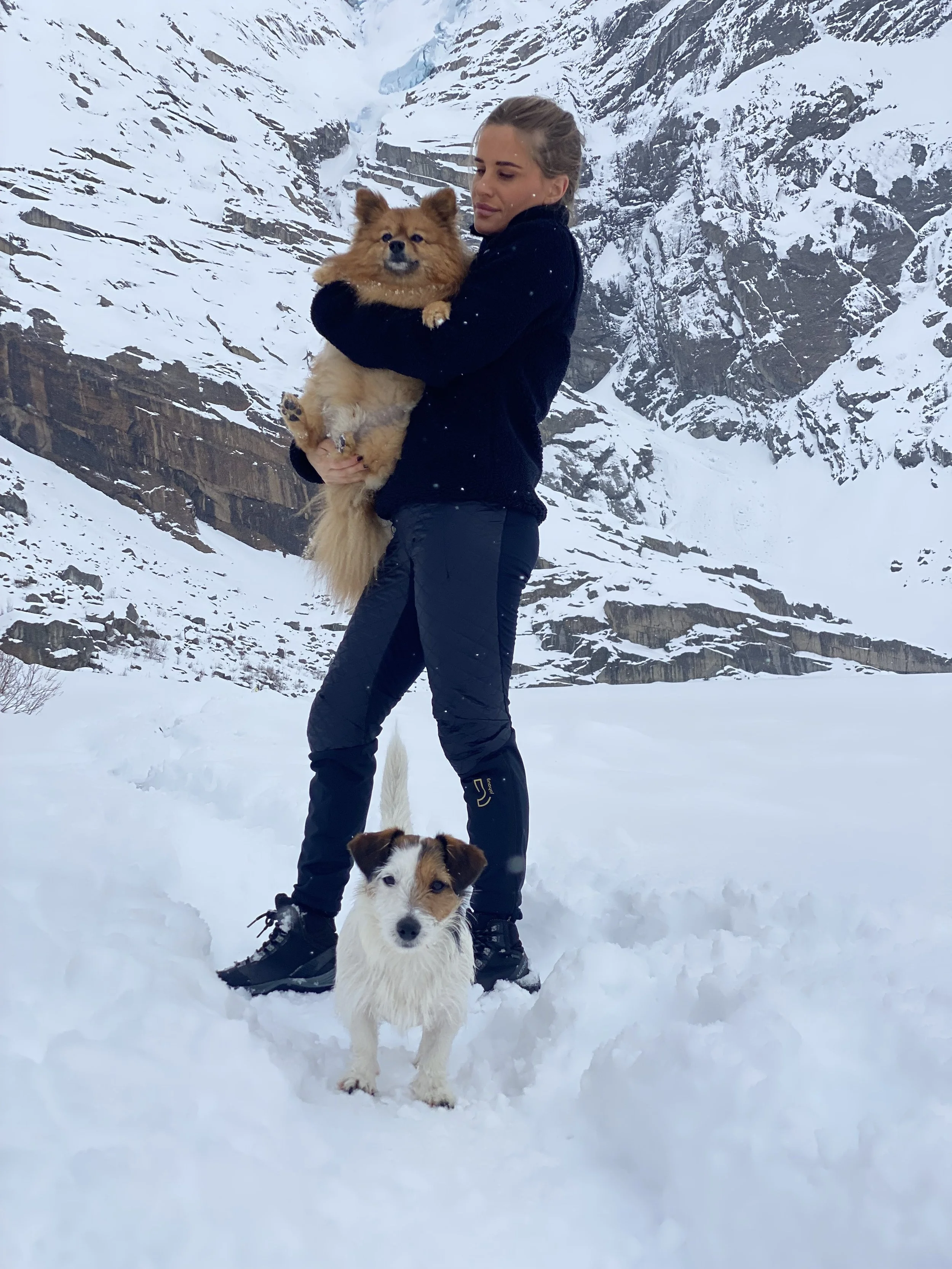
Norway is an excellent destination for hiking with dogs.
You'll regularly see locals bringing their dogs into forests, mountains, national parks and along coastal trails. Most dogs cope well with Norwegian terrain, but they also face many of the same challenges as their owners.
Long hikes, rocky ground, changing weather and warm summer days all require a little extra planning.
What to Pack for Your Dog
A simple dog hiking kit should include:
Fresh water
A collapsible water bowl
Extra food or treats
Lead
Waste bags
Towel for wet or muddy paws
Basic pet first aid supplies
If you're planning a particularly rocky hike, it's also worth checking your dog's paws during breaks, especially on hot summer days when exposed rock can become surprisingly warm.
Dogs and Wildlife
One thing many international visitors don't realise is that much of Norway's countryside is used for grazing sheep.
During summer, you'll often encounter sheep wandering freely across hiking trails, mountain plateaus and valleys. Reindeer are also common in parts of central and northern Norway.
For this reason, dogs should always remain under control.
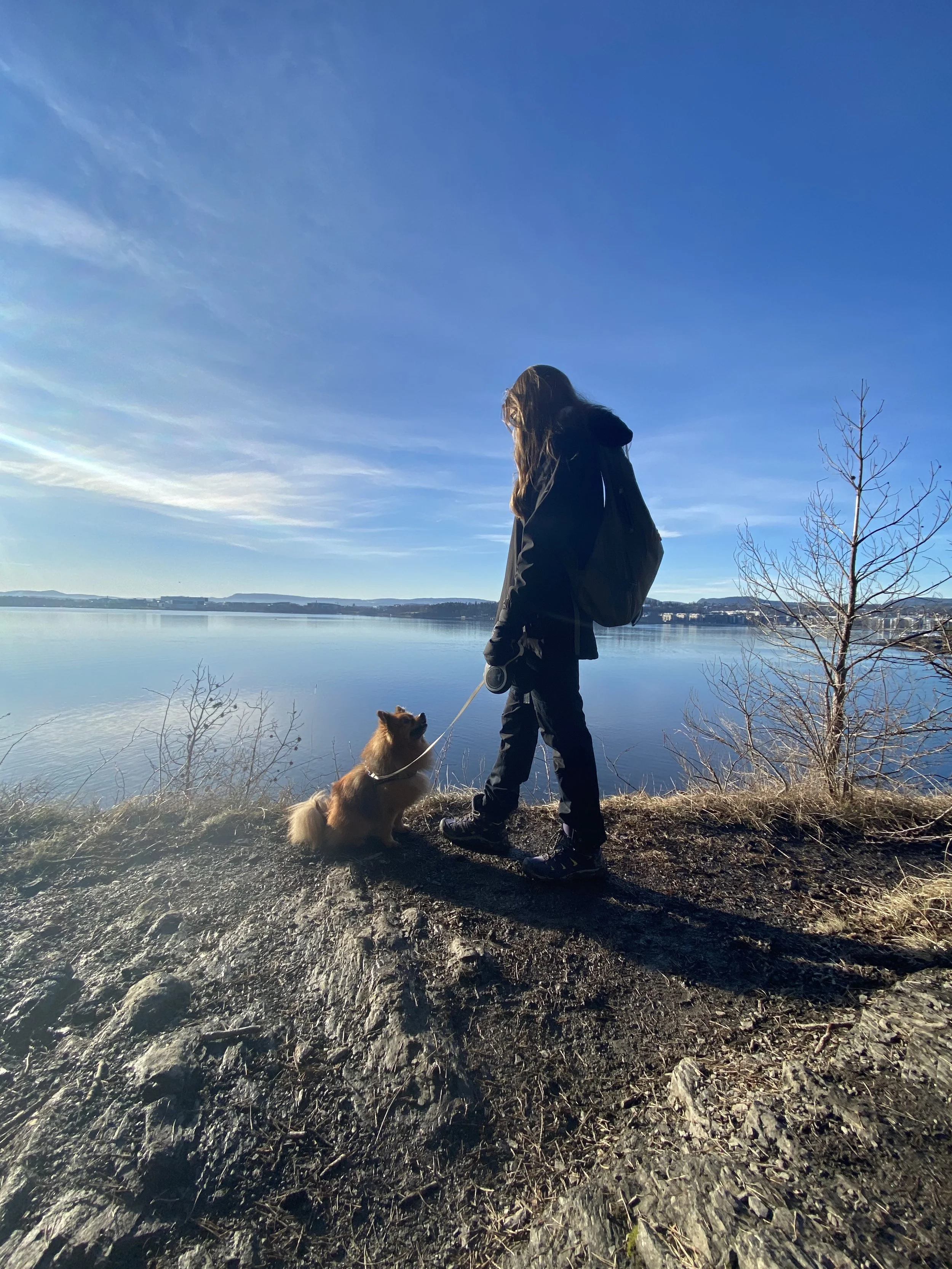
There is also a general leash requirement in most parts of Norway between 1 April and 20 August to protect livestock, nesting birds and wildlife. Local rules may be stricter in some areas, so always check signs at the trailhead before starting your hike.
Common Packing Mistakes Visitors Make
Packing too much is rarely the biggest problem.
Packing for the wrong type of hike is.
Every year, visitors either carry unnecessary equipment on simple walks or underestimate what is needed for longer mountain routes.
Here are some of the mistakes seen most often.
Underestimating the Difficulty of Norwegian Hikes
One of the most common mistakes international visitors make is assuming that hiking difficulty ratings mean the same thing everywhere.
In reality, a hike described as "moderate" in Norway can feel considerably more challenging than a moderate hike in many other countries. Norwegian trails are often left in their natural state, which means you should expect rocky paths, uneven ground, steep climbs, exposed sections and very few constructed walkways.
Distance alone also tells very little about how demanding a hike will be. A five-kilometre mountain trail with continuous climbing can be far more strenuous than a ten-kilometre walk on a wide forest track.
Another thing to remember is that the walking times published for Norwegian hikes are often based on local hiking standards. In Norway we grow up spending time outdoors and are generally very comfortable walking over rough terrain, so many visitors find that they need significantly longer than the estimated time.
When planning your day, don't just look at the distance. Read the trail description carefully, check the elevation gain and always allow extra time for breaks, photographs and slower progress over uneven ground.
If you're unsure whether a hike matches your experience level, it's usually better to start with an easier route. Norway has no shortage of spectacular scenery, and you don't have to choose the longest or most famous hike to enjoy it.
Wearing the Wrong Footwear for the Terrain
One of the most common mistakes visitors make is choosing footwear based on the distance of the hike rather than the terrain.
Many of Norway's hiking trails are far more rugged than they first appear. Even relatively short routes can involve loose rocks, uneven ground, muddy sections, exposed tree roots and slippery surfaces. A two-kilometre mountain trail may require more supportive footwear than a ten-kilometre walk on a gravel path.
For famous hikes such as Trolltunga, Besseggen, Romsdalseggen, Kjeragbolten and many other mountain routes, hiking boots or supportive hiking shoes are strongly recommended. The extra grip provides much better traction on wet rock and loose gravel, while the added support helps improve stability on uneven ground and can reduce the risk of twisting an ankle.
The same applies during spring, autumn and winter, when rain, frost and ice can make even relatively easy trails much more slippery than they appear.
Assuming Every Hike Requires Hiking Boots
That said, the opposite misconception is thinking you need to buy expensive hiking boots just because you're visiting Norway.
If you're only planning a handful of easy summer walks to waterfalls, scenic viewpoints or well-maintained trails, there's no need to invest in specialist footwear for a single holiday. Comfortable walking shoes or trainers with good grip are often perfectly adequate for these types of hikes.
However, if you already own a pair of hiking boots or hiking shoes, they're almost always worth wearing. They offer better grip, stability and protection than everyday trainers, and they're suitable for almost every type of trail in Norway—from easy forest walks to demanding mountain hikes.
The important thing is not whether your shoes are labelled as hiking boots, but whether they're appropriate for the terrain you'll actually be walking on.
Dressing for the Car Park
The weather where you start your hike is not necessarily the weather you'll experience at the top.
A warm valley can easily become a cold, windy summit several hundred metres higher.
Always pack for the highest point of the hike, not just the starting point.
Forgetting Rain Protection
Norway's weather has a reputation for changing quickly because it's often true.
Even if rain isn't forecast, carrying a lightweight waterproof jacket is usually worth the small amount of space it takes up.
Bringing Too Little Food and Water
Norwegian hiking trails often take longer than visitors expect.
Steep climbs, rocky paths, photo stops and simply enjoying the scenery all add time, so bring more snacks and water than you think you'll need.
Relying Entirely on Mobile Signal
Many hiking areas have excellent coverage, but not all of them do.
Downloading an offline map before you leave is one of the simplest things you can do to prepare for your hike.
Printable Hiking Packing Checklists
Rather than one long checklist, use the one that matches the type of hike you're planning.
Easy Hikes
□ Comfortable trainers or walking shoes
□ Comfortable clothing
□ Waterproof jacket
□ Water
□ Snack
□ Phone
□ Sunscreen
□ Sunglasses
Moderate Hikes
□ Hiking shoes or sturdy trainers
□ Comfortable hiking or sports clothing
□ Waterproof jacket
□ Warm mid layer
□ Water
□ Lunch or snacks
□ Offline map
□ Power bank
□ Blister plasters
□ Extra socks
Advanced Hikes
□ Hiking boots or supportive hiking shoes
□ Base layer
□ Mid layer
□ Waterproof jacket
□ Waterproof trousers
□ Hat
□ Gloves
□ Plenty of food
□ Plenty of water
□ Offline map
□ Power bank
□ First aid kit
□ Head torch
□ Emergency blanket
□ Extra socks
Final Words
Packing for hiking in Norway doesn't have to be complicated.
The most important thing is matching your equipment to the hike you're actually planning rather than assuming every trail requires the same level of preparation.
For shorter walks, comfortable clothing, sensible footwear and a waterproof jacket will usually be enough. As the hikes become longer, steeper and more remote, your clothing and equipment should gradually become more comprehensive.
Norway rewards people who come prepared, but that doesn't mean overpacking. A little planning goes a long way, allowing you to spend less time worrying about what you've brought and more time enjoying some of the most spectacular hiking landscapes in the world.
Related Reading
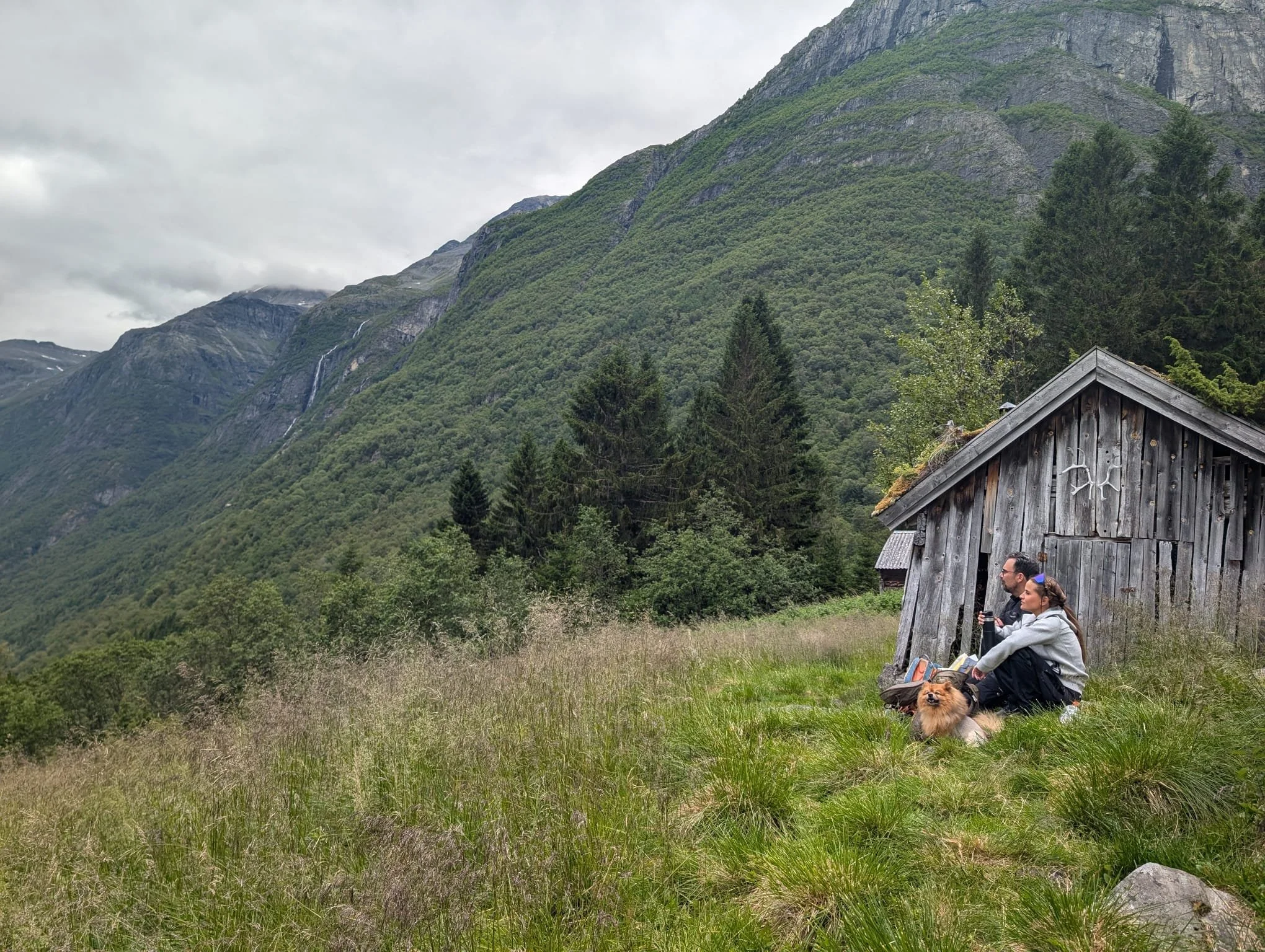
Discover the best places to experience Viking history in Norway, including museums, Viking villages, burial mounds, ship centres and historic sites by region.