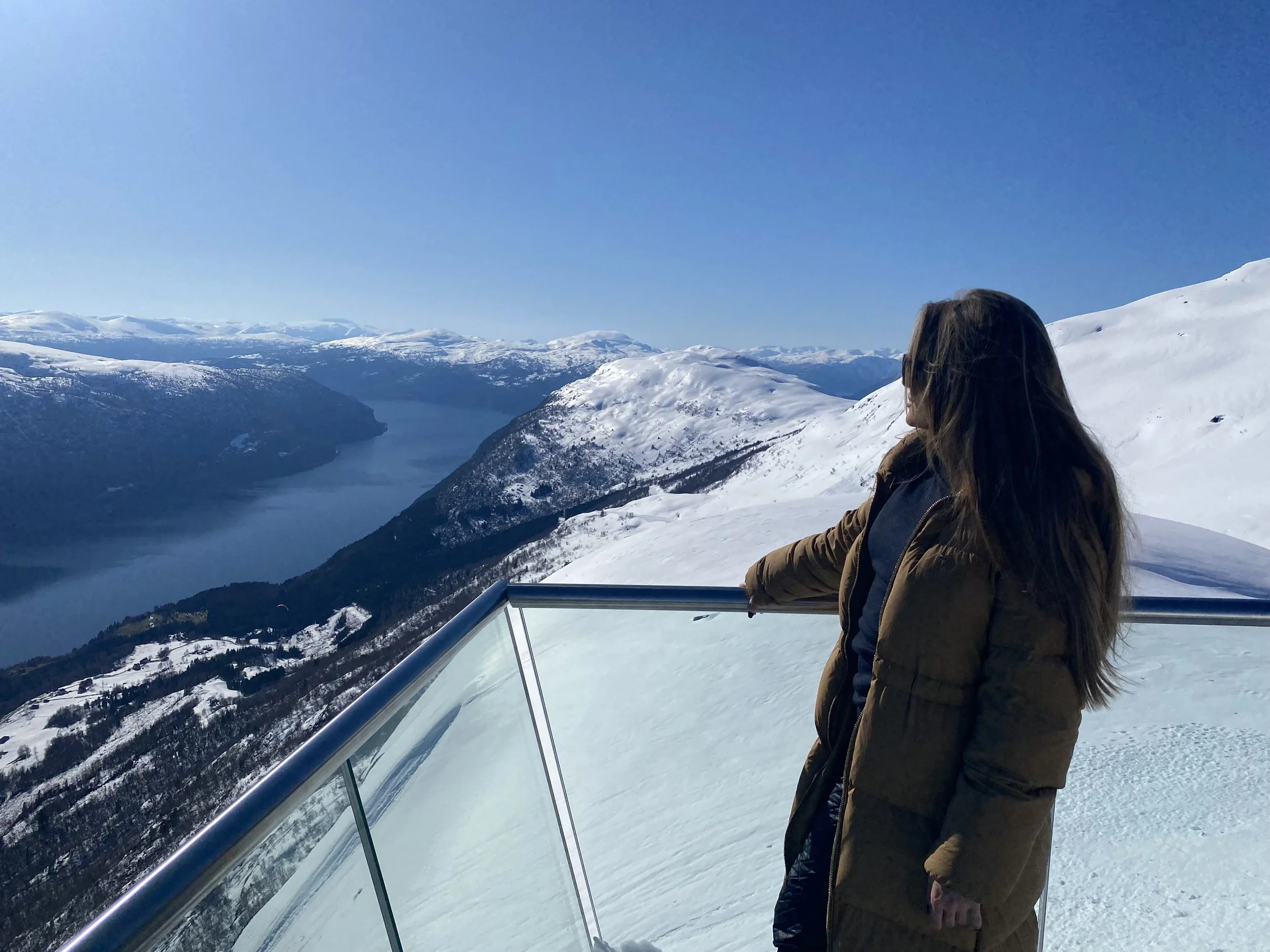
7 Days in Western Norway: A Realistic Fjord Itinerary
A realistic 7-day Western Norway itinerary is best built around Bergen and one fjord region, rather than constant travel. This allows for shorter travel days, flexibility with weather and a more grounded experience of the landscape.
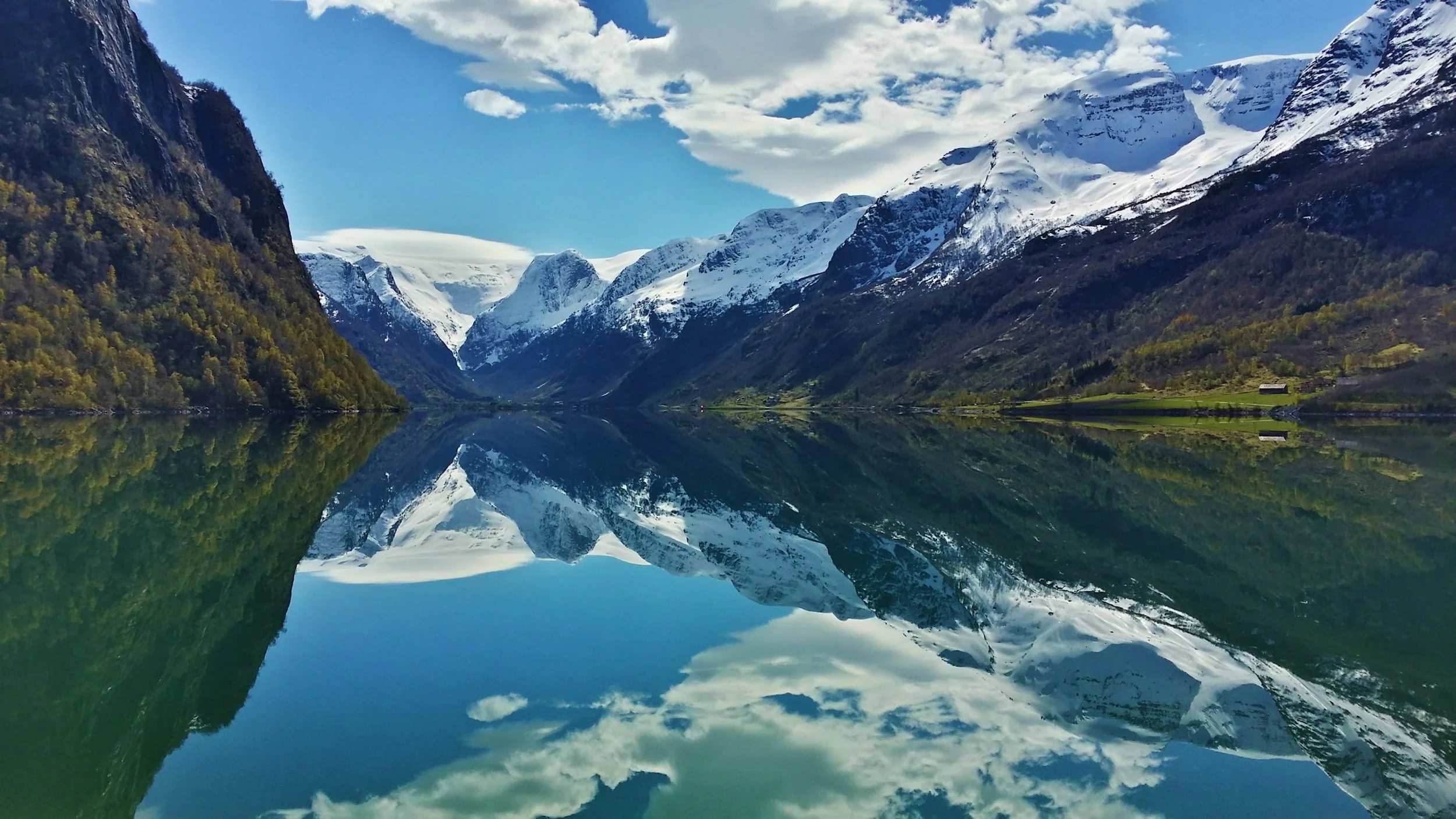
Western Norway is what most people imagine when they think of Norway: fjords, mountains, fast-changing weather and long light in summer.
What many itineraries get wrong is the pacing.
Distances are longer than they appear, and much of the experience comes from staying somewhere long enough to adjust to the landscape. This itinerary is built around that idea. Fewer bases, more time in each place, and enough flexibility to handle real conditions.
Before planning further, it helps to read Best Time to Visit Norway: A Seasonal Overview and What to Wear in Norway (All Seasons), as both will shape how this trip feels.
Where Should You Start: Bergen or Oslo?
If your focus is on Western Norway, Bergen is the more logical starting point.
It places you directly on the coast, with immediate access to the fjords, and avoids losing a full day travelling inland from Oslo. Oslo can be added, but on a 7-day trip, it usually reduces the time you have in the fjords.
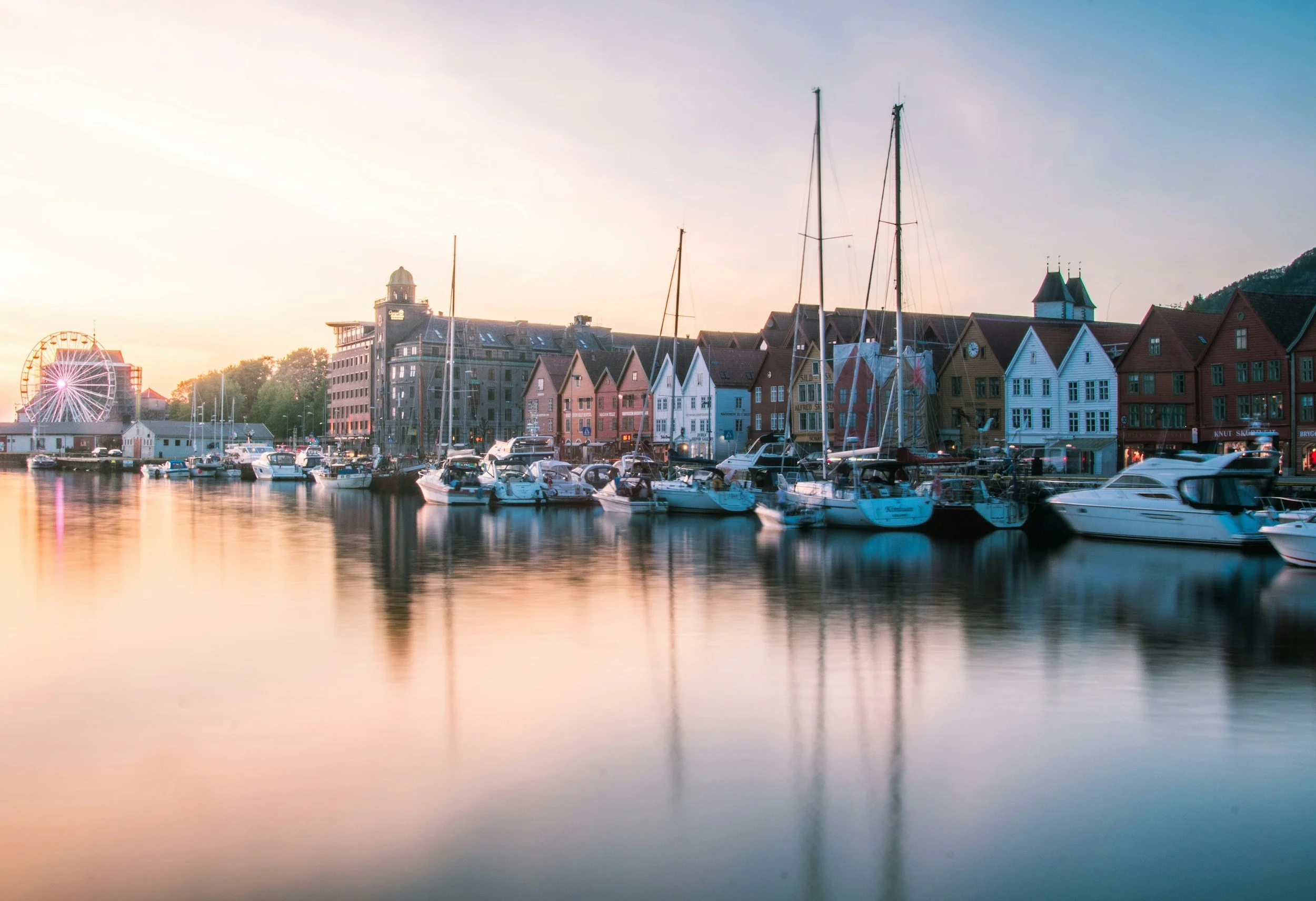
Western Norway Itinerary at a Glance
| Base | Nights | Focus |
|---|---|---|
| Bergen | 3 | City and fjord access |
| Fjord region (Hardanger / Aurland) | 3 | Nature |
| Bergen | 1 | Return |
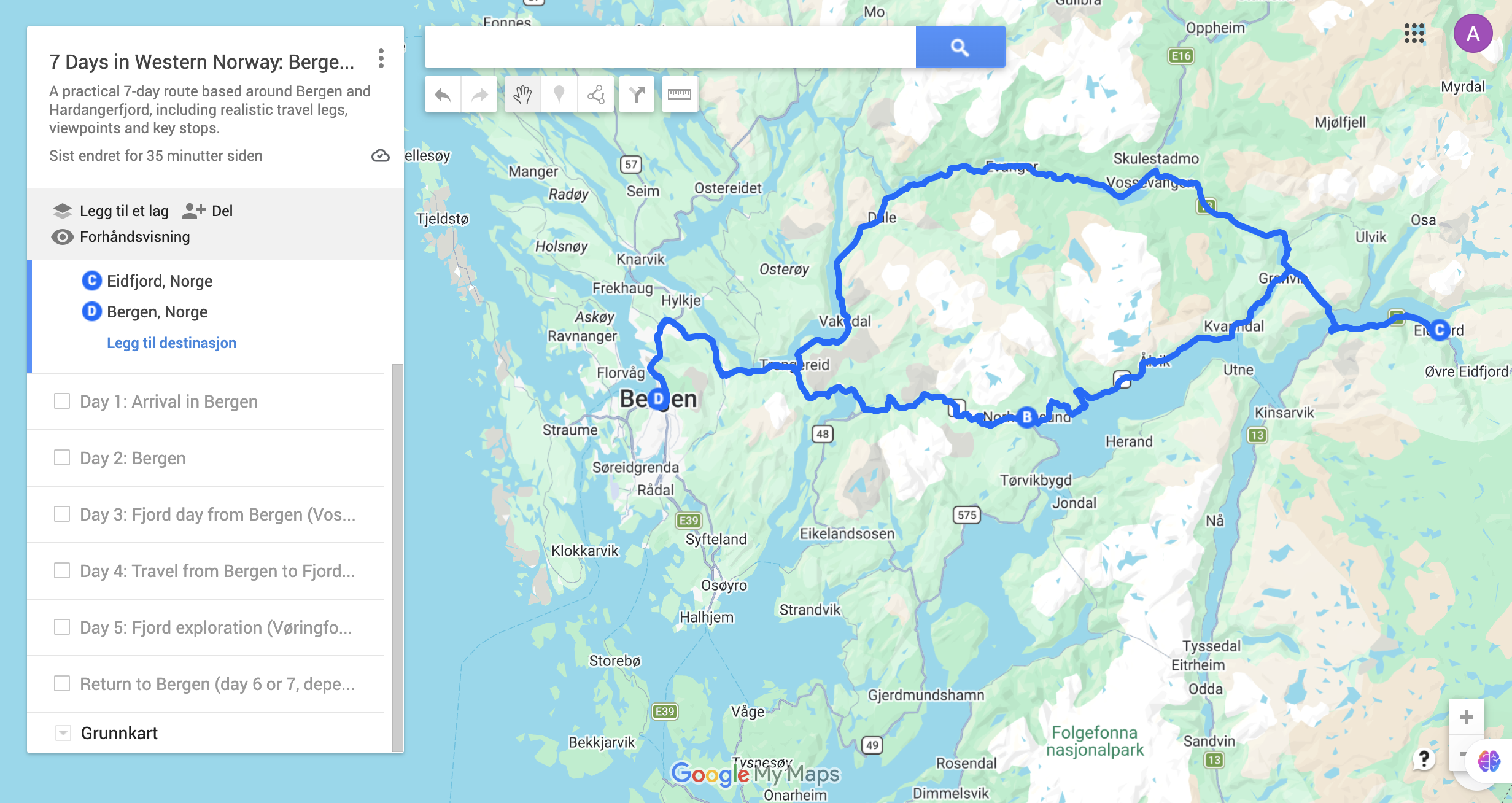
Map of This Itinerary
This itinerary is easier to understand visually. You can view the full route, including travel legs and key locations, here:
What to Know Before You Go
Travel days take longer than expected, and weather changes quickly even in summer. Fjord experiences depend heavily on conditions, and transport and accommodation should be booked in advance, particularly in peak season.
For practical preparation, it is worth reading:
Is Norway Expensive in 2026? Realistic Prices and Travel Budgets
Is Norway Safe for Tourists? Solo, Female and General Travel Safety
Day-by-Day Western Norway Itinerary
This itinerary is designed as a practical framework. You can follow it as it is, or adjust it based on your own research, preferences and conditions during the trip.
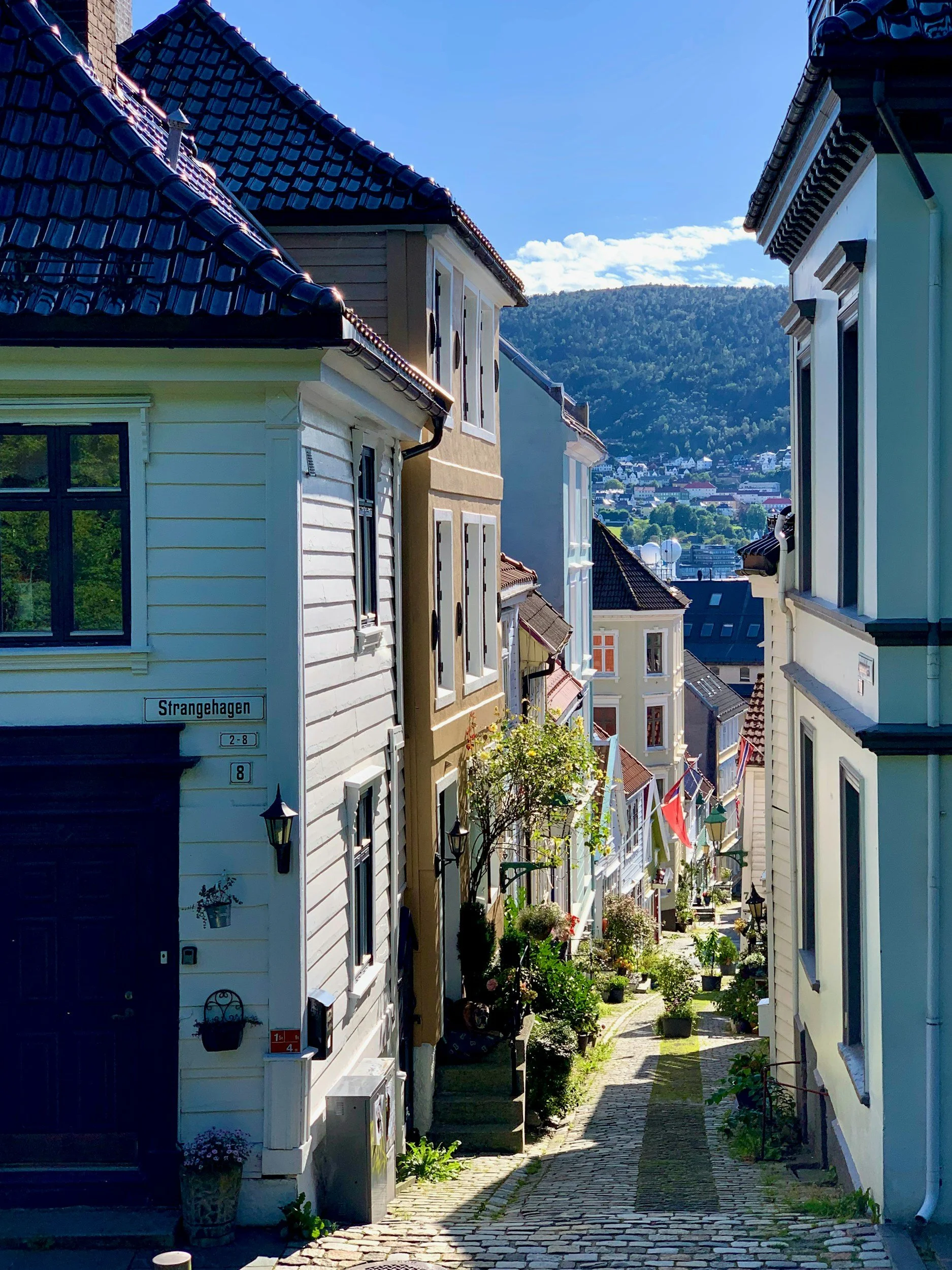
Day 1: Arrival in Bergen
Arrive in Bergen and keep the day light, walk through Bryggen, the harbour and the surrounding streets. Stay central so everything is accessible on foot.
Day 2: Bergen
Use this as a full day in the city.
Take the Fløyen funicular or walk if the weather allows, spend time around the harbour, and move slightly beyond the centre.
Bergen is compact. The experience is less about moving between sights and more about being in the city.
Day 3: Fjord Day from Bergen
Do a fjord experience without changing base.
Nærøyfjord and Flåm route
Train Bergen to Voss (approx. 1h 15)
Bus Voss to Flåm (approx. 2h)
Fjord cruise through Nærøyfjord
Return to Bergen by boat or train
This is the most well-known route and gives a strong first impression of the fjords. It is structured and usually busy, but the landscapes are among the most dramatic in the country.
Hardangerfjord day trip
Bus or guided tour from Bergen
Waterfalls and wider fjord landscapes
This is a quieter alternative and typically involves less time in transit.
For a broader understanding of Western Norway, also read: Western Norway Travel Guide: Fjords, Routes and How to Plan Your Trip
Day 4: Travel from Bergen to the Fjord Region
This is when it makes sense to change base.
Bergen to Hardangerfjord (Eidfjord area)
Drive via Norheimsund
Approx. 2.5 to 3.5 hours
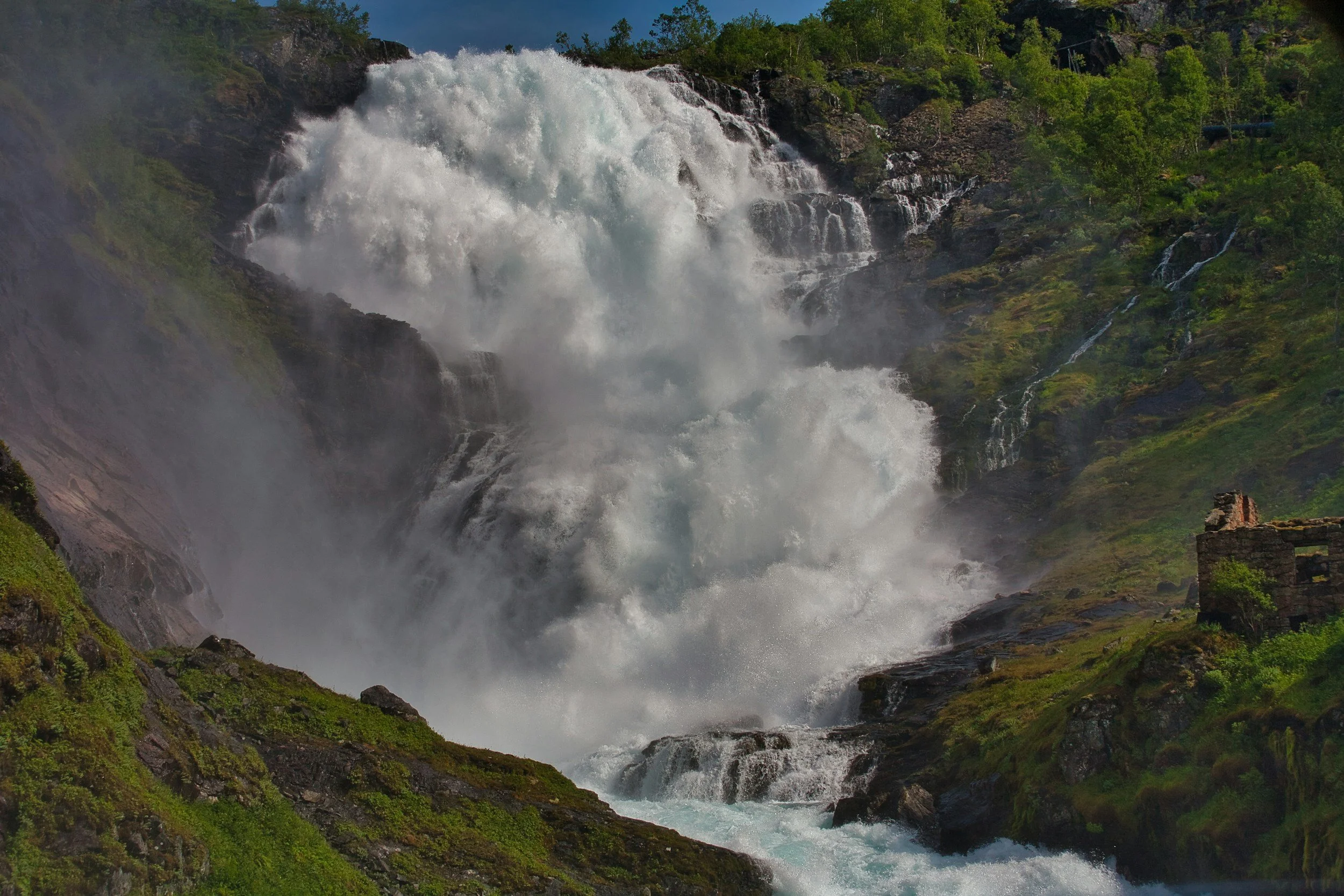
Along the way, Steinsdalsfossen is one of the more natural places to stop.
If you are planning to drive this route yourself, it is worth reading Driving Distances in Norway: What Visitors Often Underestimate, as road conditions and distances can be different from what many expect.
Arrive in the afternoon and keep the rest of the day simple.
Day 5: Fjord Exploration
This is your first full day in the fjord region.
Typical structure:
Visit Vøringsfossen
Take a short walk or a viewpoint depending on the weather
Spend time moving slowly through the area
The day works best without a fixed schedule.
Day 6: Fjord Exploration
A second day in the same area is important.
It gives you room to adjust to the weather, revisit places in better conditions, and avoid turning the trip into a sequence of short stops.
Day 7: Return to Bergen
Return to Bergen.
The drive takes around 3 hours, but in practice often longer with stops and changing conditions.
If your return flight is on day 7, return on day 6 instead.
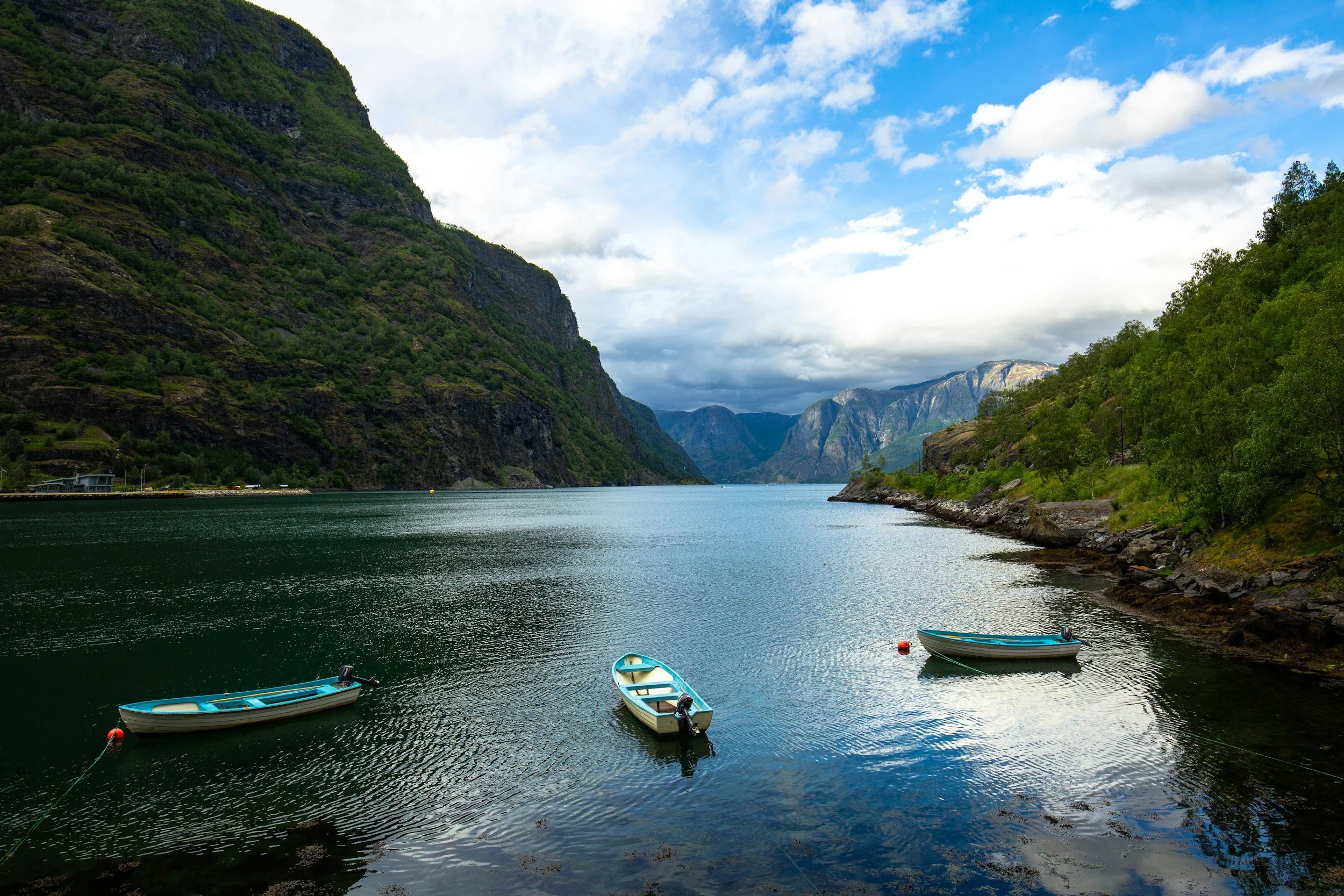
How to Get from Bergen to the Fjords
Bergen to Hardangerfjord Drive:
Bergen → Norheimsund → Eidfjord
Approx. 3 hours
This is the most balanced option and fits naturally into a 2–3 night stay.
Bergen to Flåm / Aurland
Train Bergen to Voss
Bus Voss to Flåm
This is the simplest route without a car, though more structured once you arrive. This type of route is often included in organised journeys such as “Norway in a Nutshell”, which combine train, bus and fjord cruises into a fixed itinerary.
Bergen to Sognefjord
Train, bus and boat combinations
This route covers a larger area but requires more time and planning.
Where to Stay in the Fjords
Hardangerfjord
Eidfjord, Ulvik or Norheimsund
Balanced, less crowded and well-suited to a 2–3 night stay.
Flåm and Aurland
Easy to access but small and often busy.
Sognefjord
Larger and more varied, with quieter areas outside the main stops.
What to Actually Do in the Fjords
One fjord cruise (Nærøyfjord or Hardangerfjord)
One viewpoint or a short walk (Vøringsfossen, Stegastein or similar)
Scenic driving with frequent stops
Waterfalls such as Steinsdalsfossen and Vøringsfossen
What you choose to do each day will depend on conditions. Weather plays a significant role in how the landscape appears, which is why it helps to understand the seasonal differences in Best Time to Visit Norway: A Seasonal Overview before planning in detail.
Keeping the pace lower than expected usually results in a better experience.
Travel Times and Distances (What to Expect in Practice)
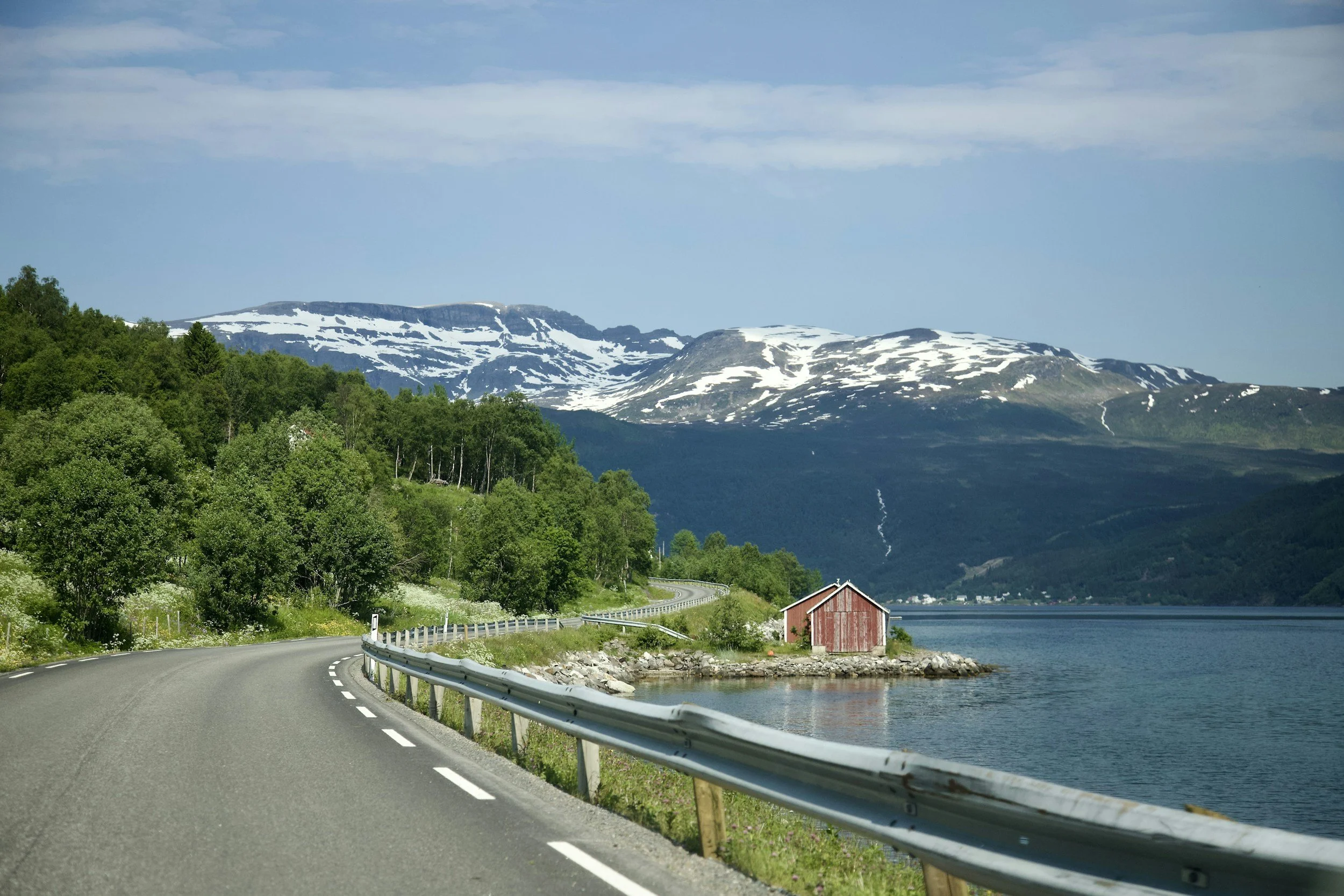
Distances in Western Norway are not large, but travel time is often longer than expected due to narrow roads, ferries and frequent stops.
As a general rule:
100 km ≠ 1 hour
Expect slower average speeds (50–70 km/h)
Add time for stops, weather and viewpoints
Distances and Driving Times (By Day)
Travel distances in this itinerary are not extreme, but time on the road often adds up due to terrain, speed limits and stops along the way.
A rough breakdown:
Day 3 (Bergen → Voss → Flåm → Bergen) Full-day journey using train, bus and boat → Approx. 8–10 hours total
Day 4 (Bergen → Norheimsund → Eidfjord) ~150 km → 2.5–3.5 hours driving → 4–5 hours in practice with stops
Day 5–6 (local fjord exploration) ~30–80 km per day → typically 1–3 hours total driving
Day 7 (Eidfjord → Bergen) ~150 km → around 3 hours driving → often longer with stops and conditions
These are not demanding distances, but they shape how much you realistically fit into each day.
Common Mistakes to Avoid
Trying to cover multiple fjord regions
This often looks efficient on paper, but in practice leads to long travel days and very little time in each place. The experience becomes fragmented rather than cohesive.
Treating Flåm as a short stop
Many itineraries pass through Flåm in a few hours. Because of transport schedules, this often means arriving late and leaving early, with limited time to actually experience the fjord.
Underestimating travel time
Distances may appear short, but roads are slower, more winding and affected by weather. What looks like a simple drive can take significantly longer in reality.
Overplanning each day
Weather plays a major role in how Western Norway looks and feels. A tightly fixed plan often results in seeing key viewpoints in poor conditions, while better opportunities appear later.
Moving too often
Changing accommodation frequently reduces the time spent in the landscape itself. Staying longer in one place tends to create a more grounded experience.
For more detailed explanations read: Norway Road Trip Planning: Common Mistakes First-Time Visitors Make
Accessibility and Mobility Considerations
Western Norway is accessible in parts, but not uniformly so.
Bergen
The city centre is largely walkable, though some areas have cobbled streets and slight elevation. The Fløyen funicular is accessible and provides an easier way to reach viewpoints without hiking.
Fjord transport
Train routes such as Bergen–Voss are generally accessible, but bus transfers (for example Voss to Flåm) can vary depending on operator and luggage conditions. Fjord cruises typically allow step-free access, but this should be checked in advance.
Viewpoints and waterfalls
Some of the most well-known locations, such as Vøringsfossen, have built platforms and accessible viewpoints. Others require short walks on uneven terrain.
Driving
Travelling by car allows more control over pacing and stopping points, which can make the itinerary easier to adapt. However, access to certain viewpoints still involves short walks.
General consideration
This itinerary can be adapted, but it is not fully barrier-free. Planning and prioritising fewer locations often results in a more manageable and enjoyable experience.
FAQ
Is 7 days enough for Western Norway?
Yes, if you stay in one region and avoid constant movement.
Do you need a car?
Not essential, but useful in fjord regions. If relying on public transport, expect a more fixed structure.
Should you include Oslo?
Not on a fjord-focused 7-day trip.
When is the best time to go?
Late spring to early autumn offers the most stable conditions. For a full seasonal breakdown, see Best Time to Visit Norway: A Seasonal Overview.
Final Perspective
Western Norway is best experienced by staying longer in fewer places.
This itinerary is structured to make that possible within 7 days, without turning the trip into a sequence of travel days.
Norway becomes easier to understand once you begin seeing how geography, weather and distance shape the experience of travelling through it. For more practical guides, regional itineraries and in-depth articles on travelling in Norway, you can explore the wider Norway collection here.