
Svalbard: The Ultimate Guide to the Arctic Frontier
Your complete guide to exploring one of the most unique places on earth.
Svalbard is not like anywhere else on the planet. It is raw, untamed, astonishingly beautiful, and almost surreal in how close it brings you to the Arctic wilderness. Whether you visit for polar bears, the polar night, the midnight sun or simply for the feeling of standing at the edge of the world, Svalbard leaves an imprint that stays with you long after you’ve returned home.
In this guide, you’ll find everything you need to plan a safe, memorable and responsible trip, including when to go, what to pack, how to move around, what to expect from the weather, and which experiences are actually worth your time.
For a broader overview of Arctic and Antarctic journeys, expedition travel and preparation, explore the Polar Travel guide.
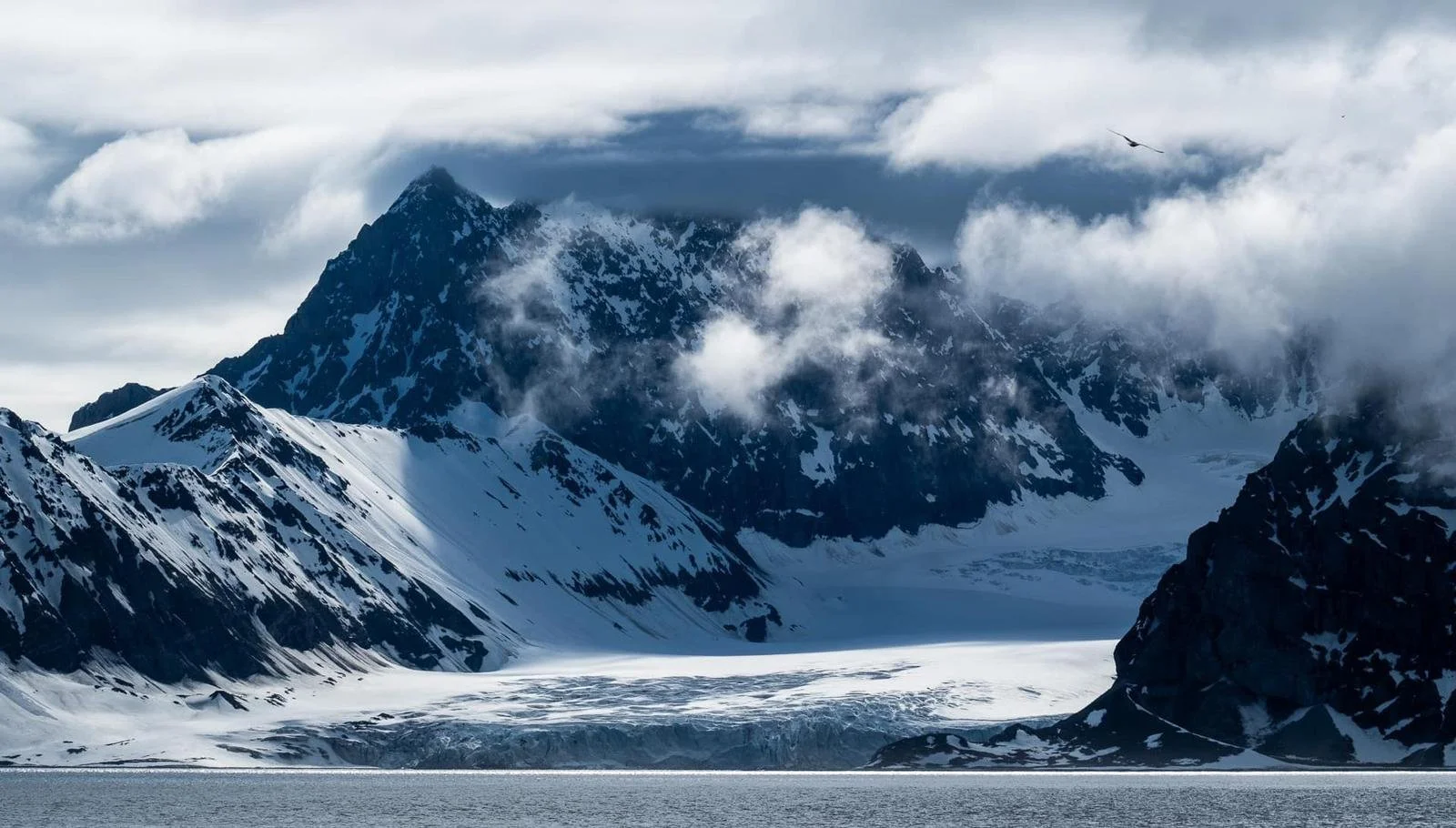
Dramatic Arctic landscape in Svalbard with towering snow-covered peaks, drifting clouds and a glacier meeting the fjord.
Why Svalbard Is So Special
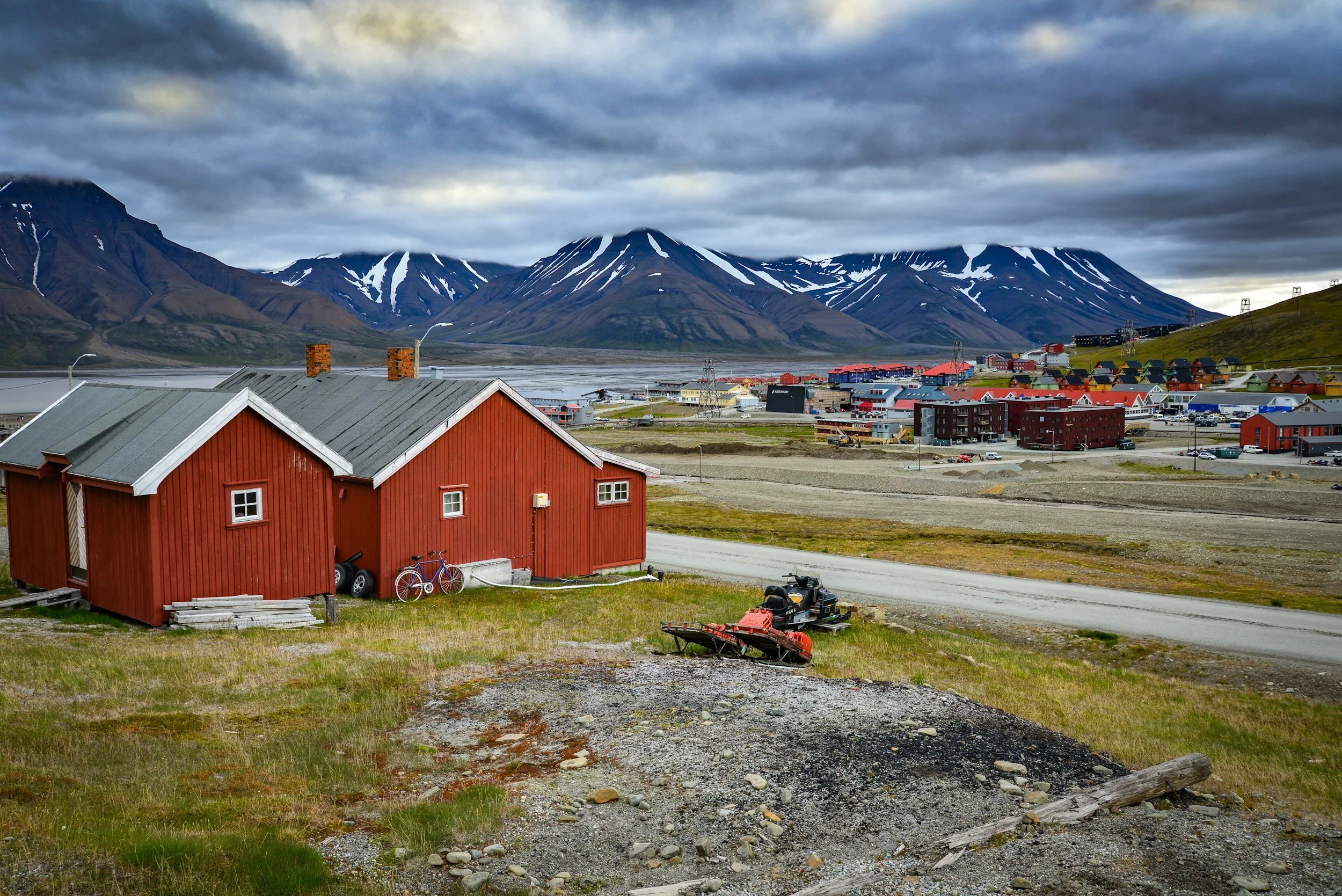
Summer view in Longyearbyen with vibrant buildings, bare tundra landscape and dramatic mountains partly covered in snow.
Svalbard offers something that most destinations can’t:
a genuine sense of presence.
The silence feels different.
The light shifts minute by minute.
The air tastes clean in a way only polar air can.
And the scale of nature, the vast mountains, glaciers, frozen fjords, makes you feel both small and deeply connected at the same time.
This is a place where:
there are more polar bears than people
reindeer walk between houses
the sun disappears for months
and then refuses to set for the next four
It is not an easy place.
But it is unforgettable.
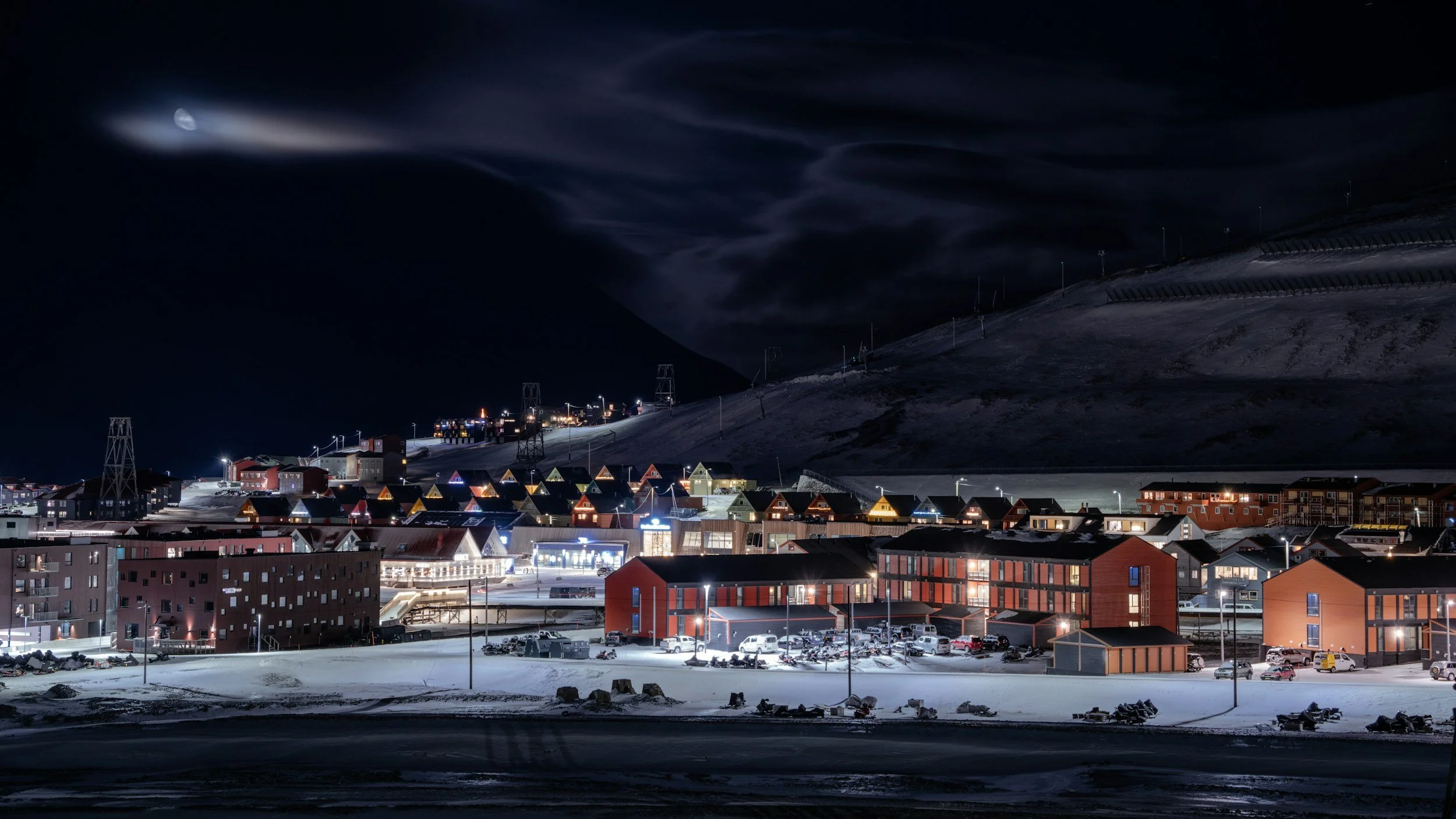
Night view of Longyearbyen in the polar night, with glowing houses, snow-covered ground and a dramatic Arctic sky.
When to Visit Svalbard (Season by Season)
Svalbard isn’t a one-season destination — each period of the year feels like a different world.
Winter (November – March)
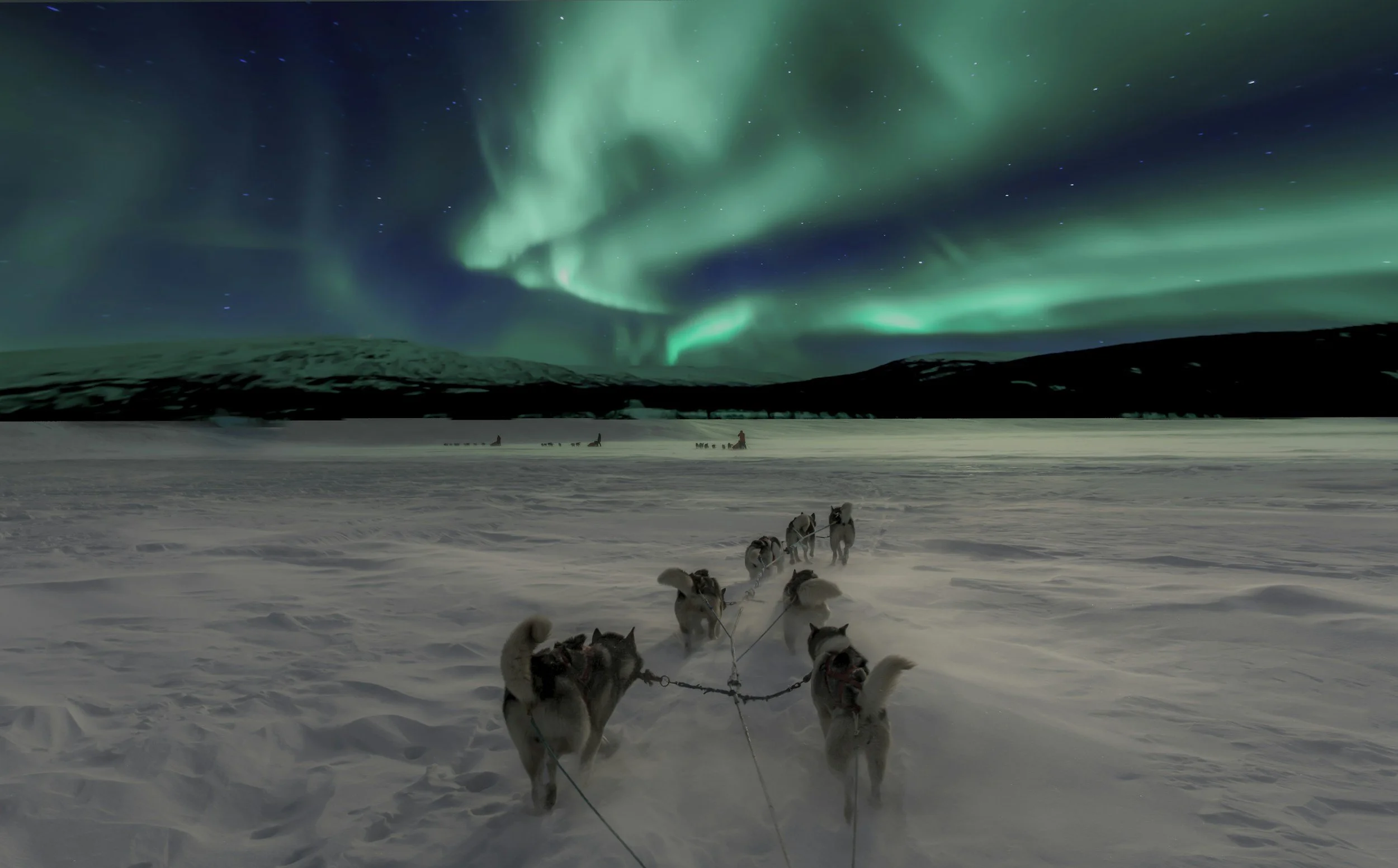
Husky team pulling a sled across the Arctic terrain in Svalbard, with vivid green auroras dancing across the night sky.
Dark, magical, dramatic.
The polar night covers Svalbard in total darkness, illuminated only by moonlight and the glow of the northern lights.
Best for:
Northern lights
Snowmobiling
Dogsledding
Photography of the long polar twilight
Real Arctic atmosphere
Expect:
No daylight
-20°C to -35°C temperatures
Limited excursions during storms
This is the most “otherworldly” season.
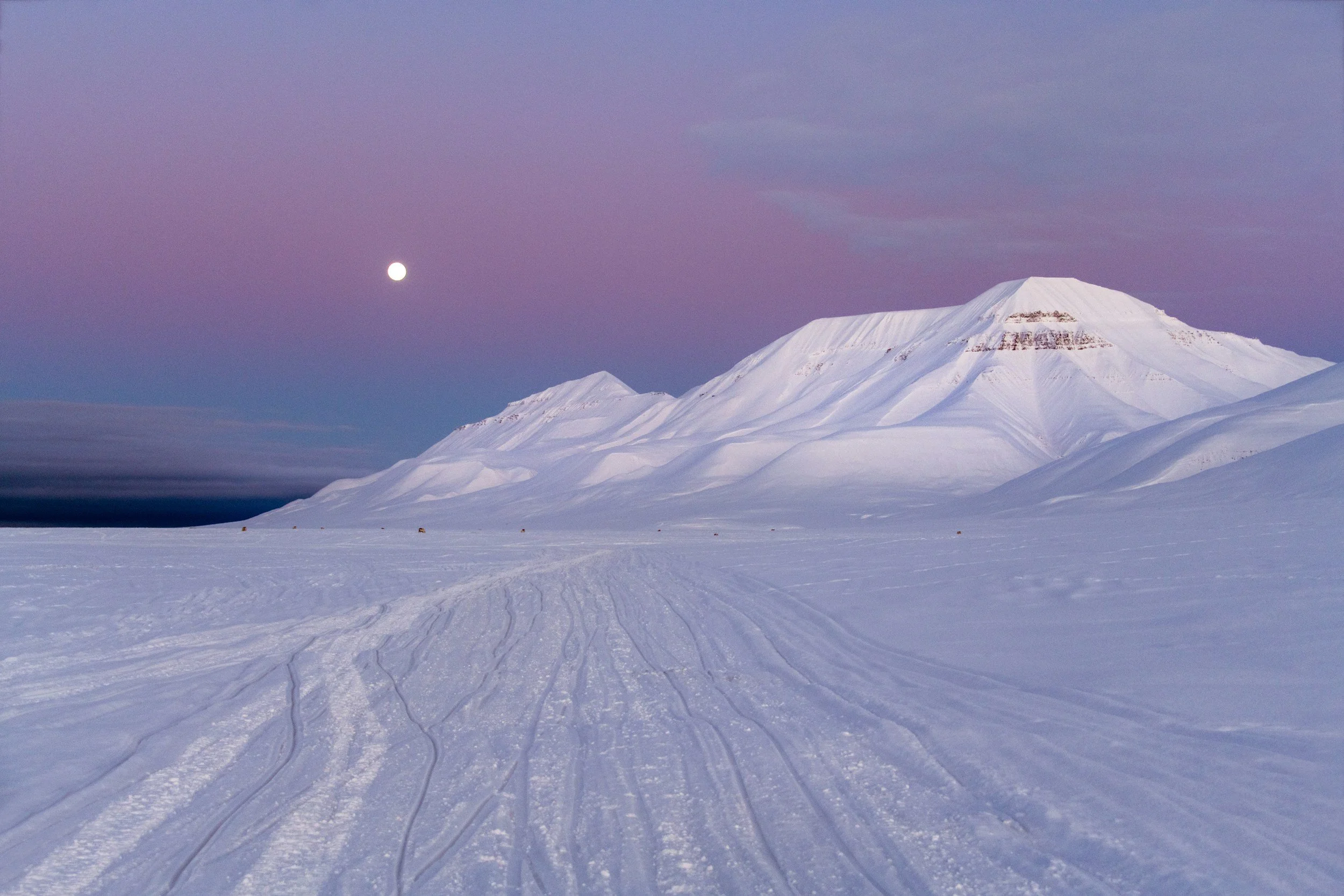
Full moon over the snowy mountains and soft twilight in Svalbard, with fresh snowmobile tracks leading across the Arctoc landscape.
Spring (April – mid-May)
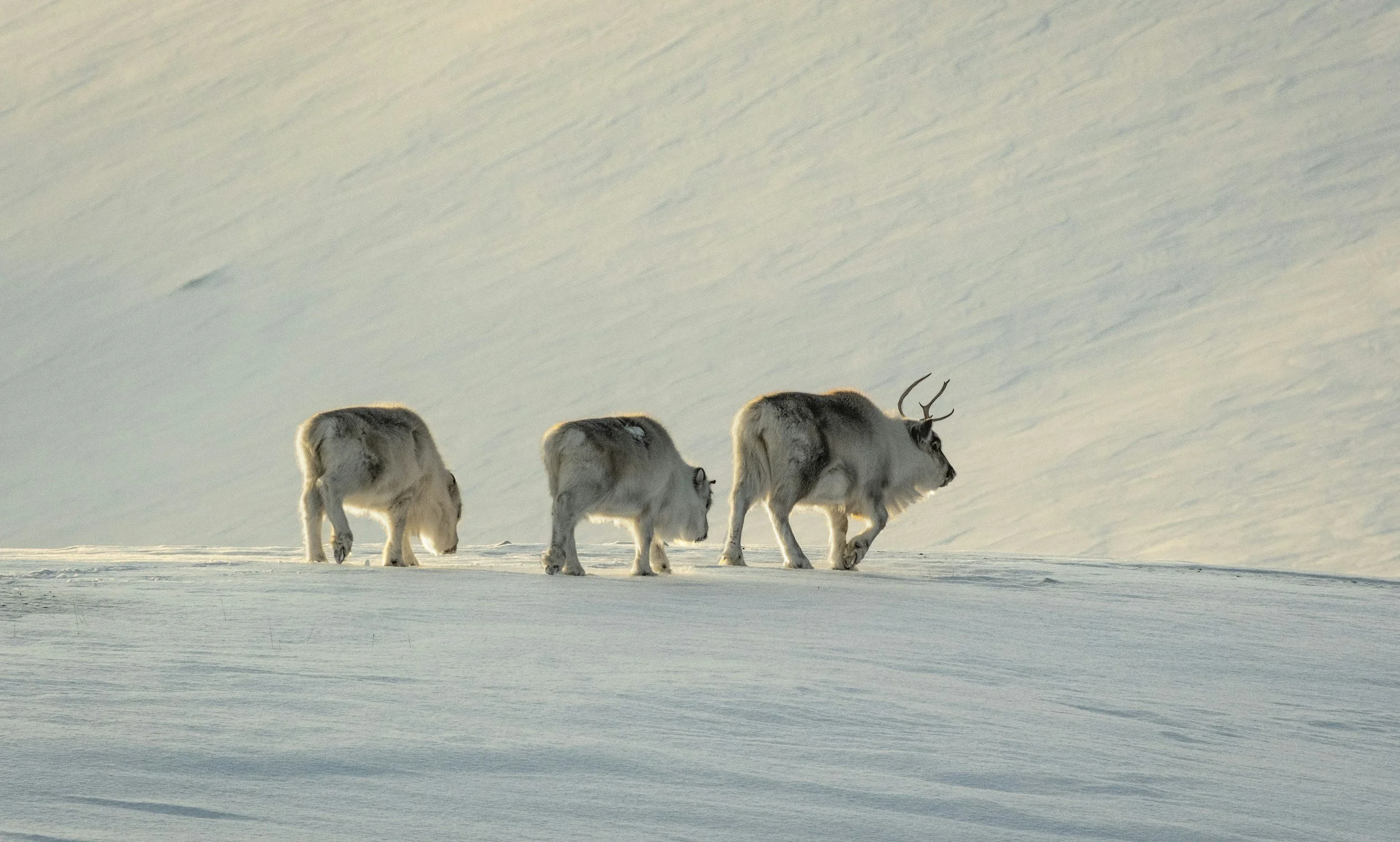
Three Svalbard reindeer grazing and walking on a snow-covered plateau, illuminated by gentle Arctic winter light.
Bright snow, blue skies and perfect travel conditions.
This is the classic expedition season.
Best for:
Snowmobiling (the best conditions)
Dog sledding
Glacier tours
Ski expeditions
Seeing wildlife on the ice
Expect:
Cold temperatures but stable weather
Long hours of daylight
Crisp, clear Arctic light for photos
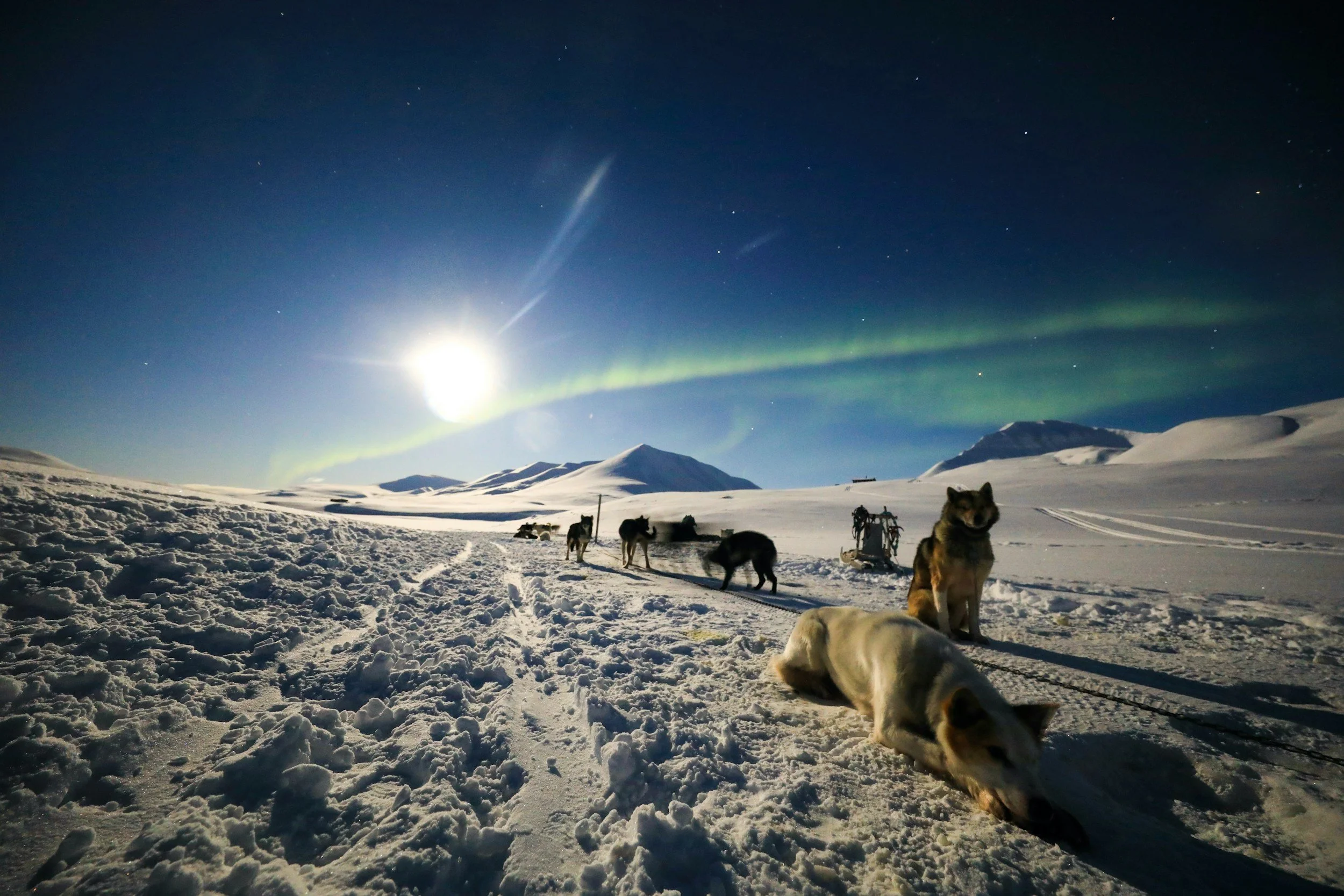
Huskies resting in the snow on a bright Arctic day in Svalbard, with mountains and soft green auroras in the background.
Summer (mid-May – September)
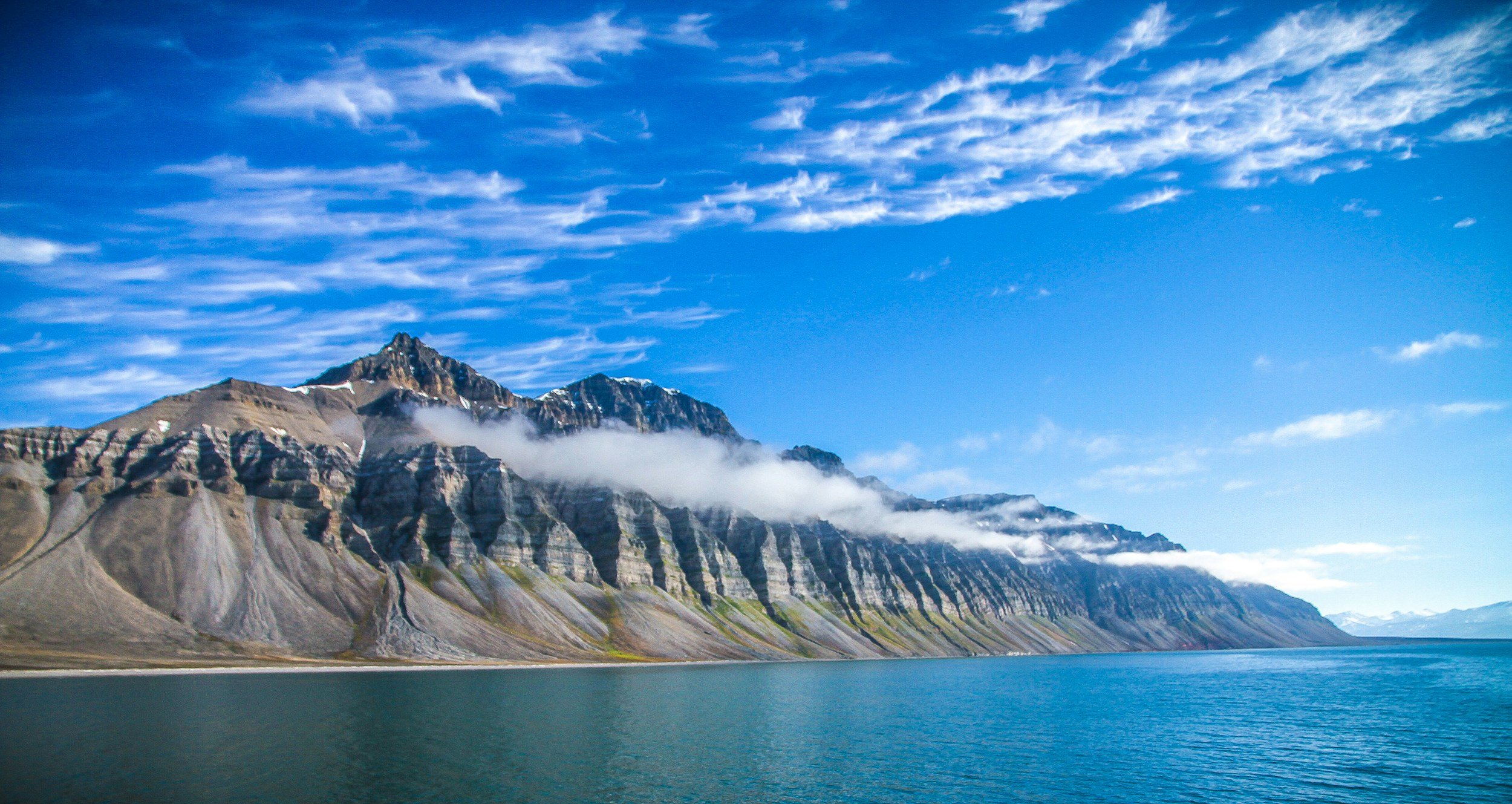
Dramatic Svalbard mountains rising from turquoise Arctic waters, with soft clouds draped along the ridges on a bright summer day.
Ice-free fjords, the midnight sun, wildlife and boat trips.
Best for:
Boat tours to glaciers
Walrus colonies
Puffins
Hiking
Kayaking
Visiting abandoned mining towns (Pyramiden, Barentsburg)
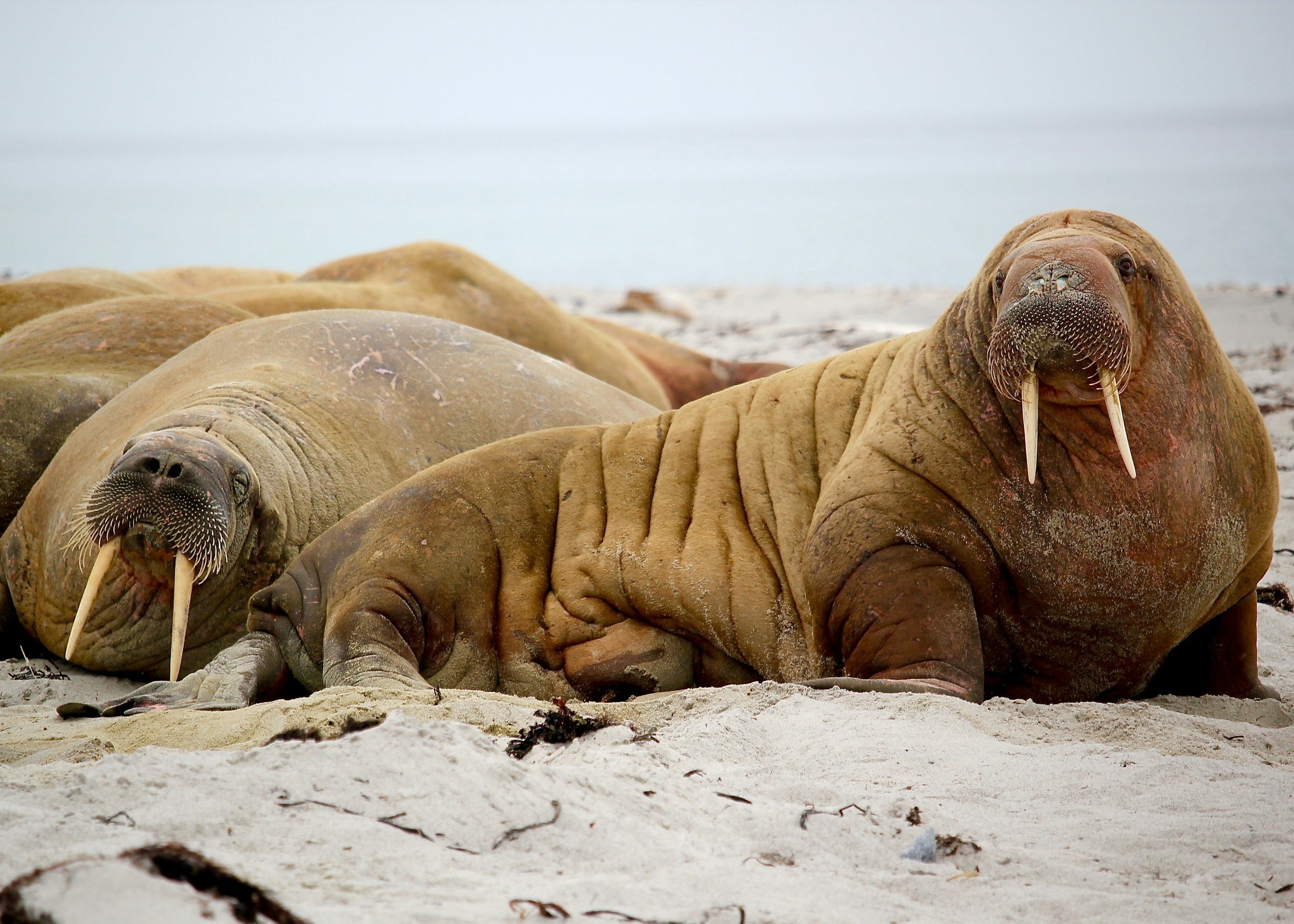
A group of walruses lies on a sandy Svalbard shoreline, displaying their long tusks and characteristic wrinkled skin.
Expect:
24-hour daylight
Mild temperatures (2–10°C)
Easy access to outdoor activities
This is the most popular tourist season for a reason.
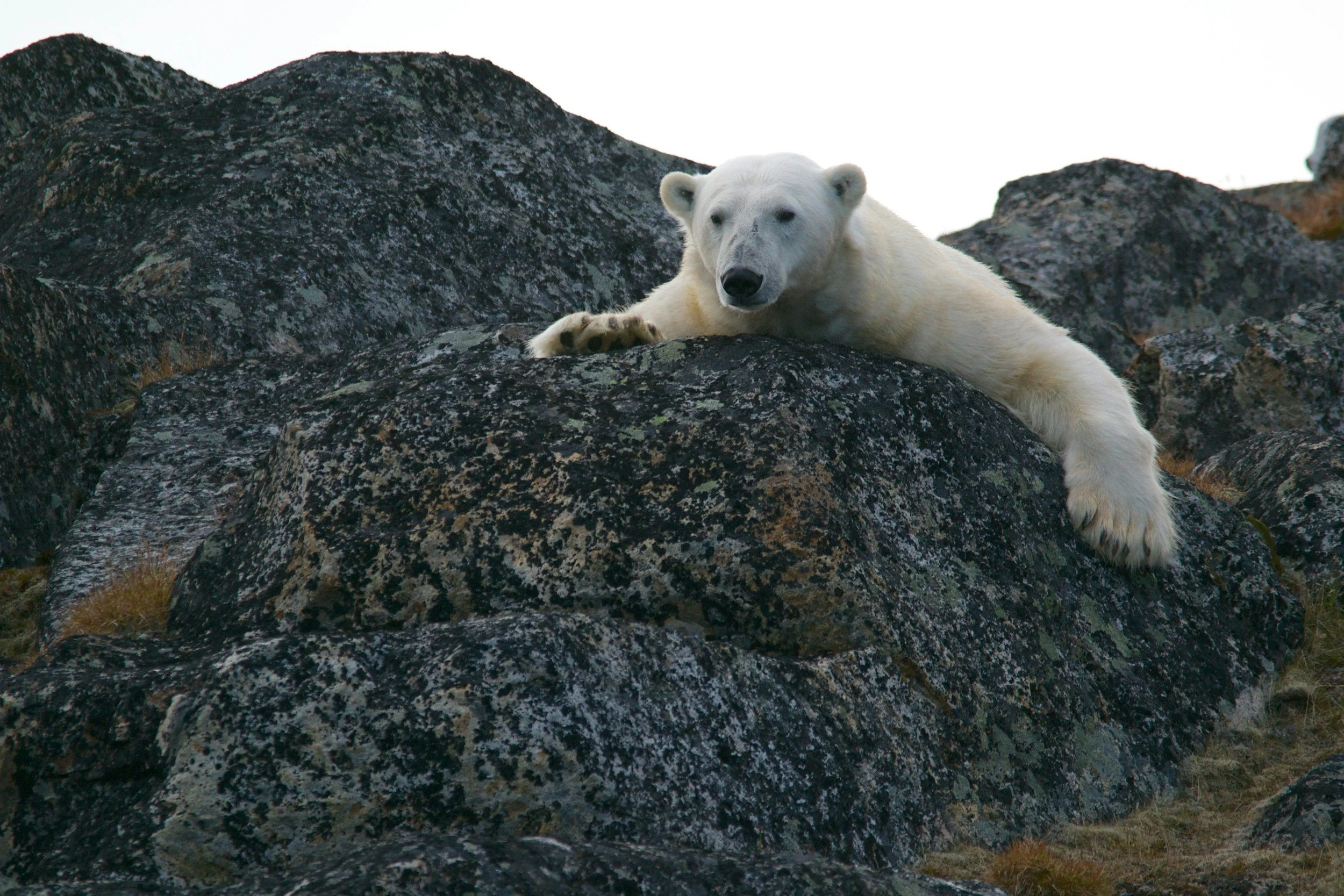
Polar bear lying on mossy Arctic rocks in Svalbard, stretching across the boulders in soft daylight.
How to Get to Svalbard
Svalbard Airport is located just outside Longyearbyen and is connected by daily flights from:
Oslo (OSL) – direct flights
Tromsø (TOS) – direct flights
Flights can be expensive depending on season, so book early.
Important:
Svalbard is outside Schengen, so you will go through passport control even if you’re normally within the EU/EEA.
Where to Stay in Svalbard
Longyearbyen is the main settlement, and almost all accommodation options are here. The atmosphere is safe, intimate and walkable.
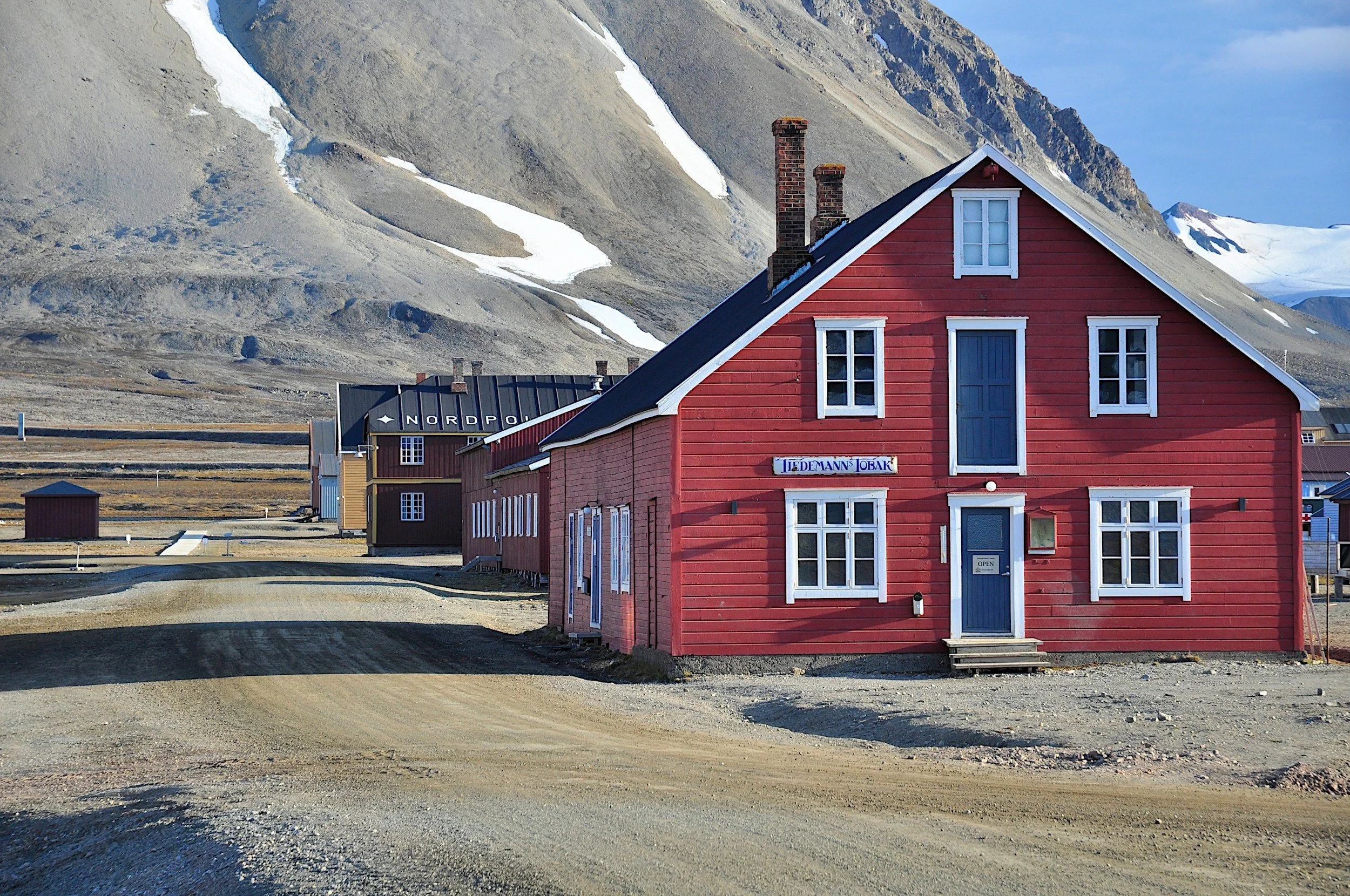
Traditional red wooden house in Longyearbyen, Svalbard, standing against a backdrop of bare mountains and Arctic tundra.
Recommended stays (depending on budget):
Luxury & design
Funken Lodge – the most elegant hotel, with stunning views and an incredible restaurant.
Isfjord Radio Adventure Hotel – remote, wild, accessible only via snowmobile or boat. A bucket-list experience.
Mid-range
Radisson Blu Polar Hotel – central, comfortable, classic.
Svalbard Hotell – Polfareren – modern and warm with very good breakfast.
Budget
Coal Miners' Cabins – cosy, simple, very atmospheric.
Gjestehuset 102 – affordable hostel with charming mining-town vibes.
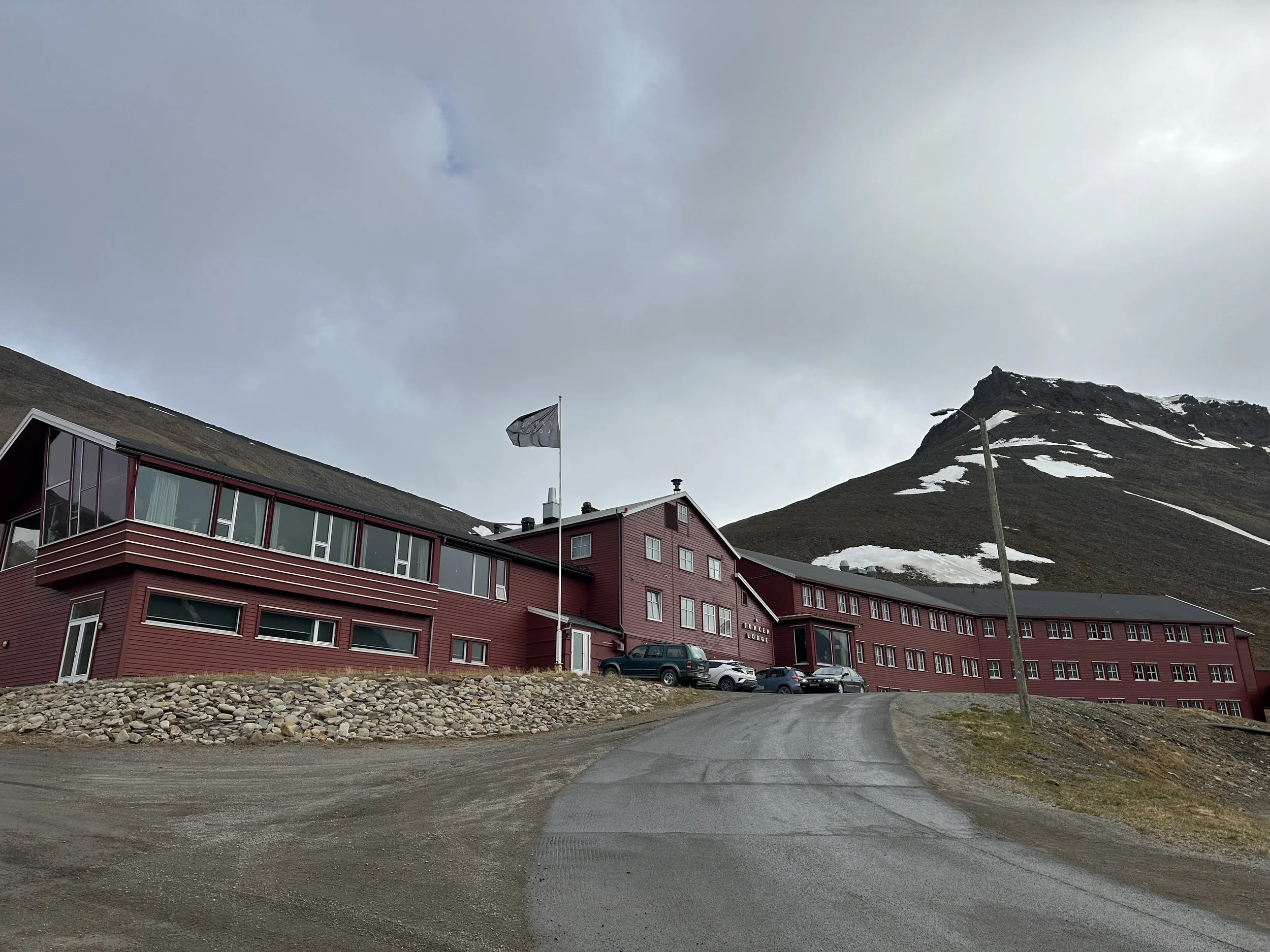
Funken lodge in Longyearbyen.
What to Wear: The Arctic Packing List
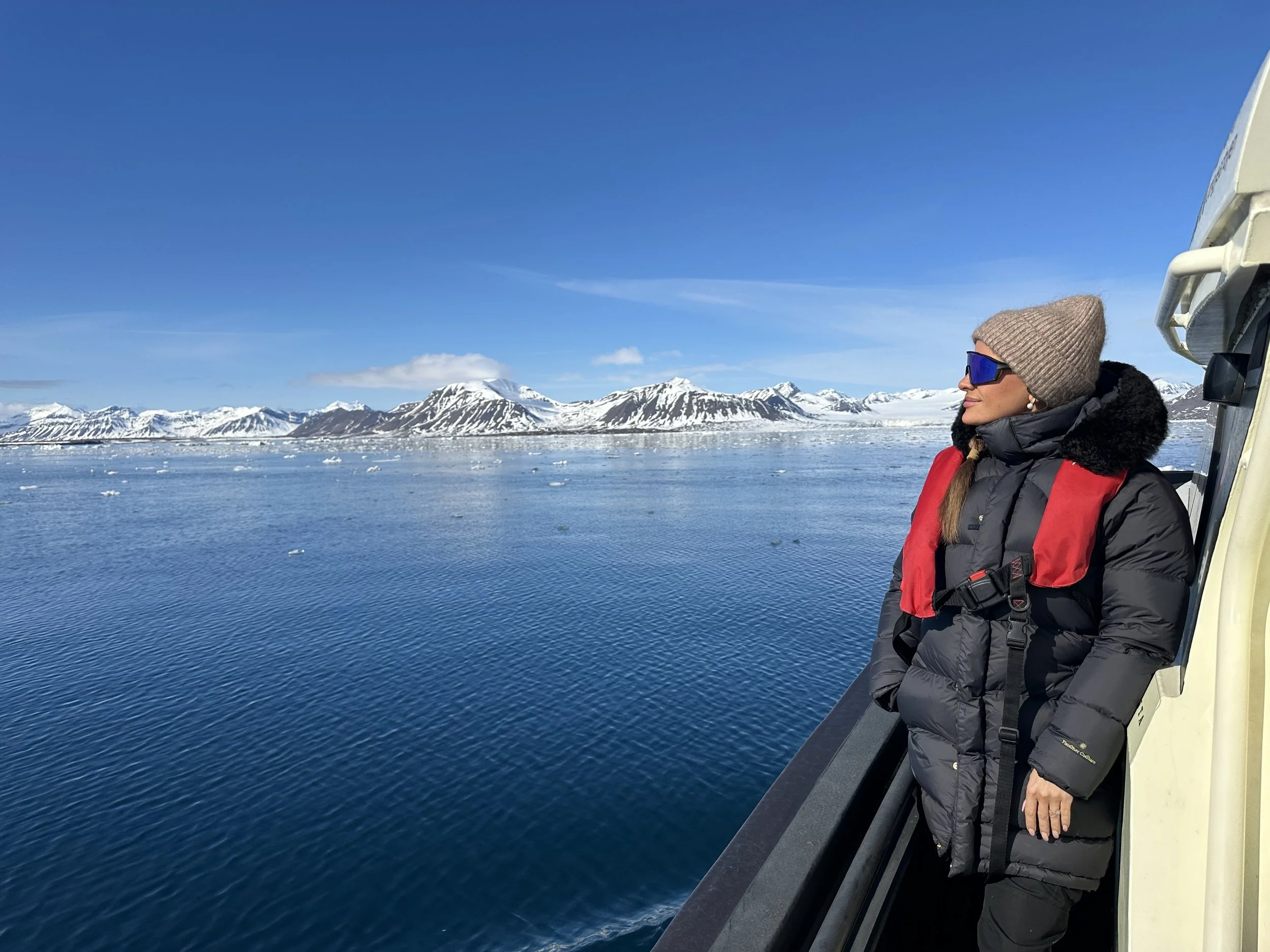
Layers, insulation and wind protection are key when exploring Svalbard from the water, even in the sunshine!
Svalbard is cold even in summer. Weather changes fast, and the wind matters more than the temperature.
Winter Packing List
Merino wool base layers
Thick wool jumper
Down jacket (long)
Windproof outer layer
Snow boots with a good grip
Thermal socks
Balaclava or wool buff
Mittens (and thin liners)
Ski goggles (essential in storms)
Hand warmers

High-quality wool layers like these from the Norwegian brand Devold are essential in Svalbard. They provide warmth, regulate moisture and form the core of an effective Arctic clothing system.
Summer Packing List
Warm layers (yes, even in July)
Windproof jacket
Hat & gloves
Hiking boots
Wool jumper
Down jacket
Sunglasses (24/7 sun!)
For a complete, printable, detailed packing list, read also: What to Pack for Svalbard: The Complete Arctic Packing Guide
How to Get Around
You cannot leave Longyearbyen without a guide carrying a rifle due to polar bear safety regulations.
Inside Longyearbyen:
Everything is walkable
Taxis are available
Buses operate to/from the airport
Outside Longyearbyen:
Snowmobile (winter & spring)
Boat (summer)
Guided tours only
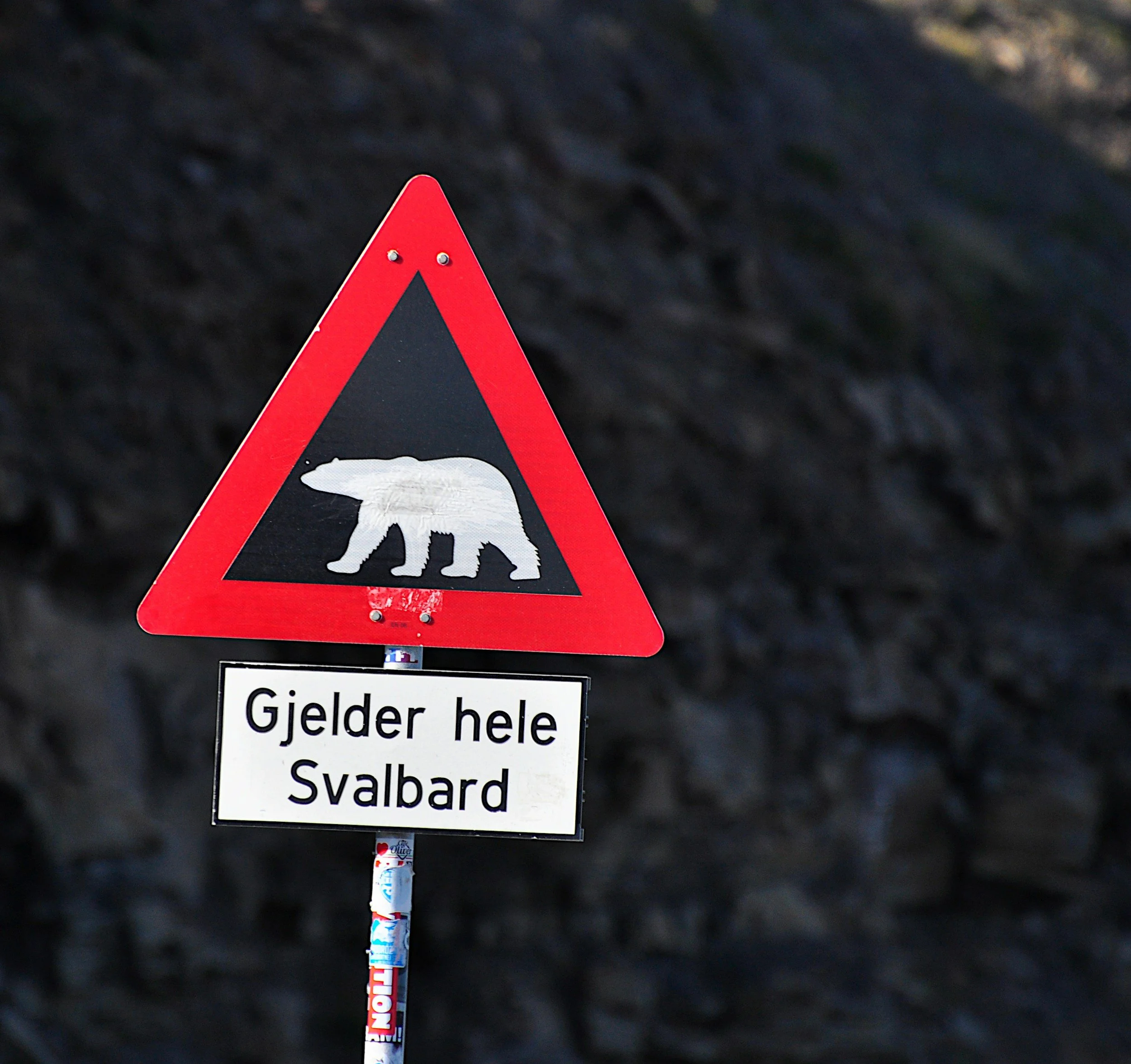
This sign is a reminder that polar bear safety rules apply everywhere in Svalbard. You must never leave town without proper protection and a certified guide.
Must-Do Experiences in Svalbard
1. Snowmobiling Across the Arctic (Winter/Spring)
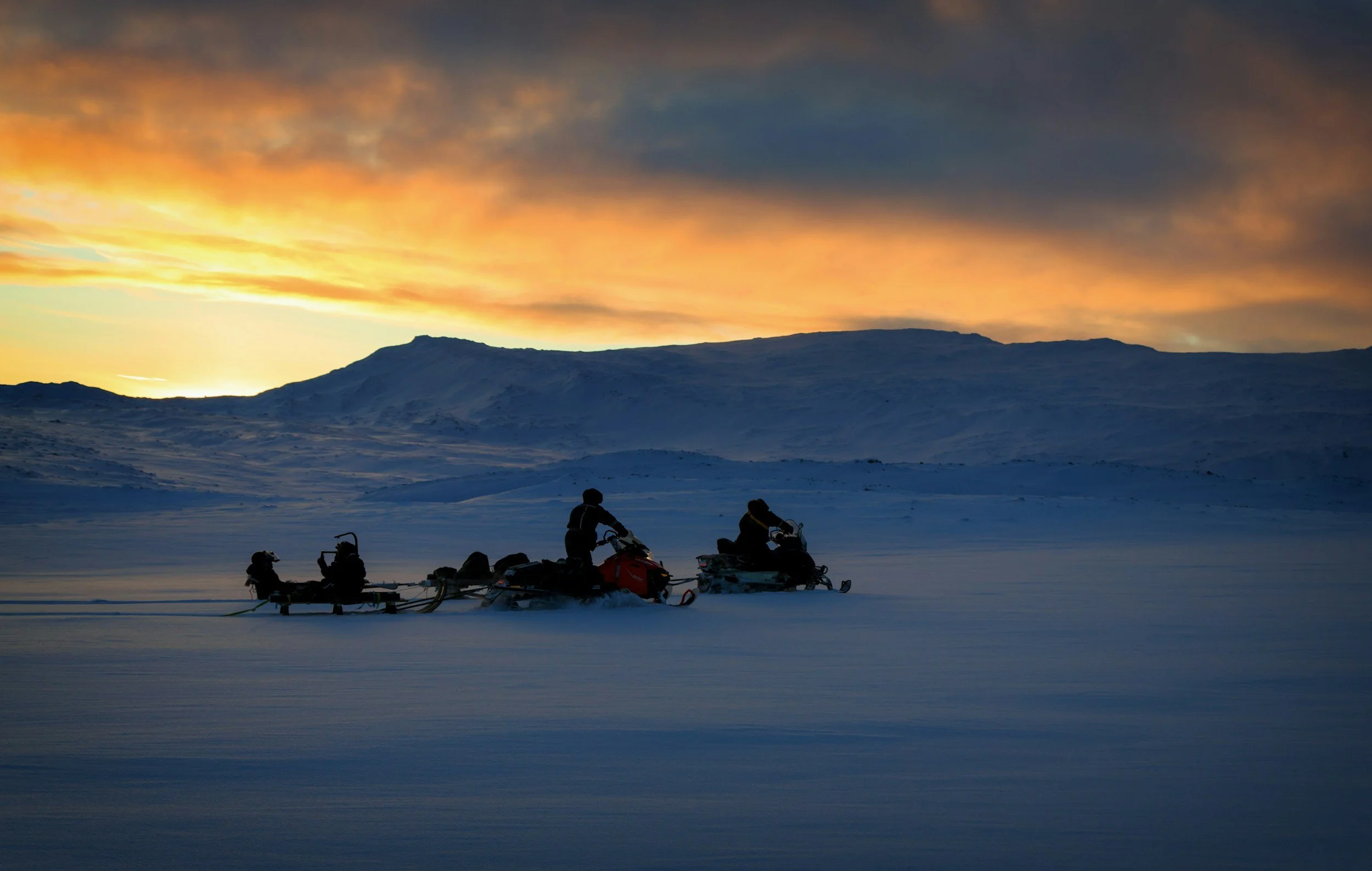
Snowmobiling across Svalbard’s vast plateaus during the soft colours of polar twilight is one of the archipelago’s most iconic winter experiences.
2. Dogsledding
Both winter and summer options exist. The connection with the dogs and the landscape is unforgettable.
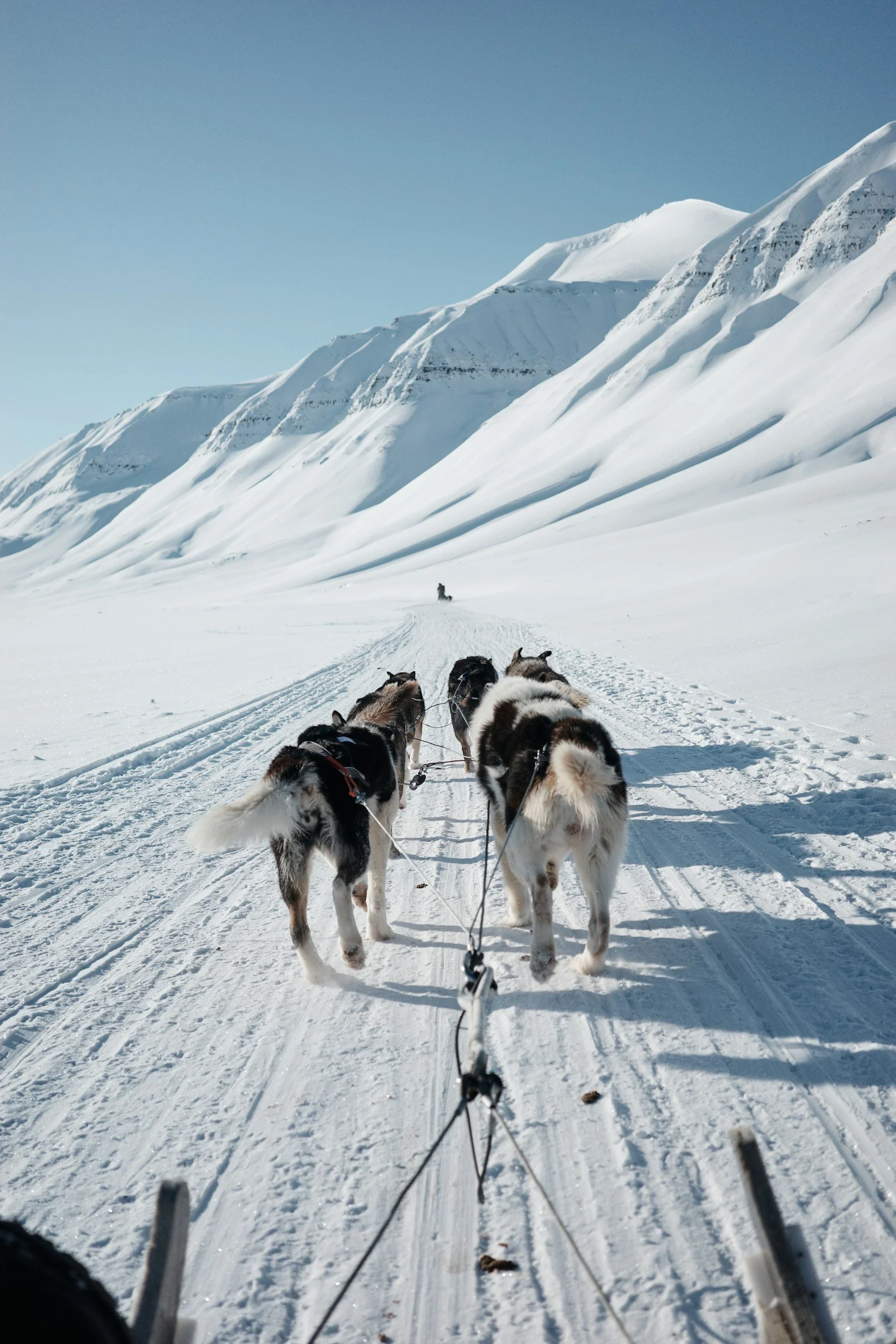
Dog sledding is one of Svalbard’s most peaceful and immersive winter activities, driven entirely by the strength and teamwork of the huskies.
3. Boat Tour to the Glaciers (Summer)
You’ll see drifting ice, blue glacier fronts and perhaps seals, walrus, whales or Arctic fox.
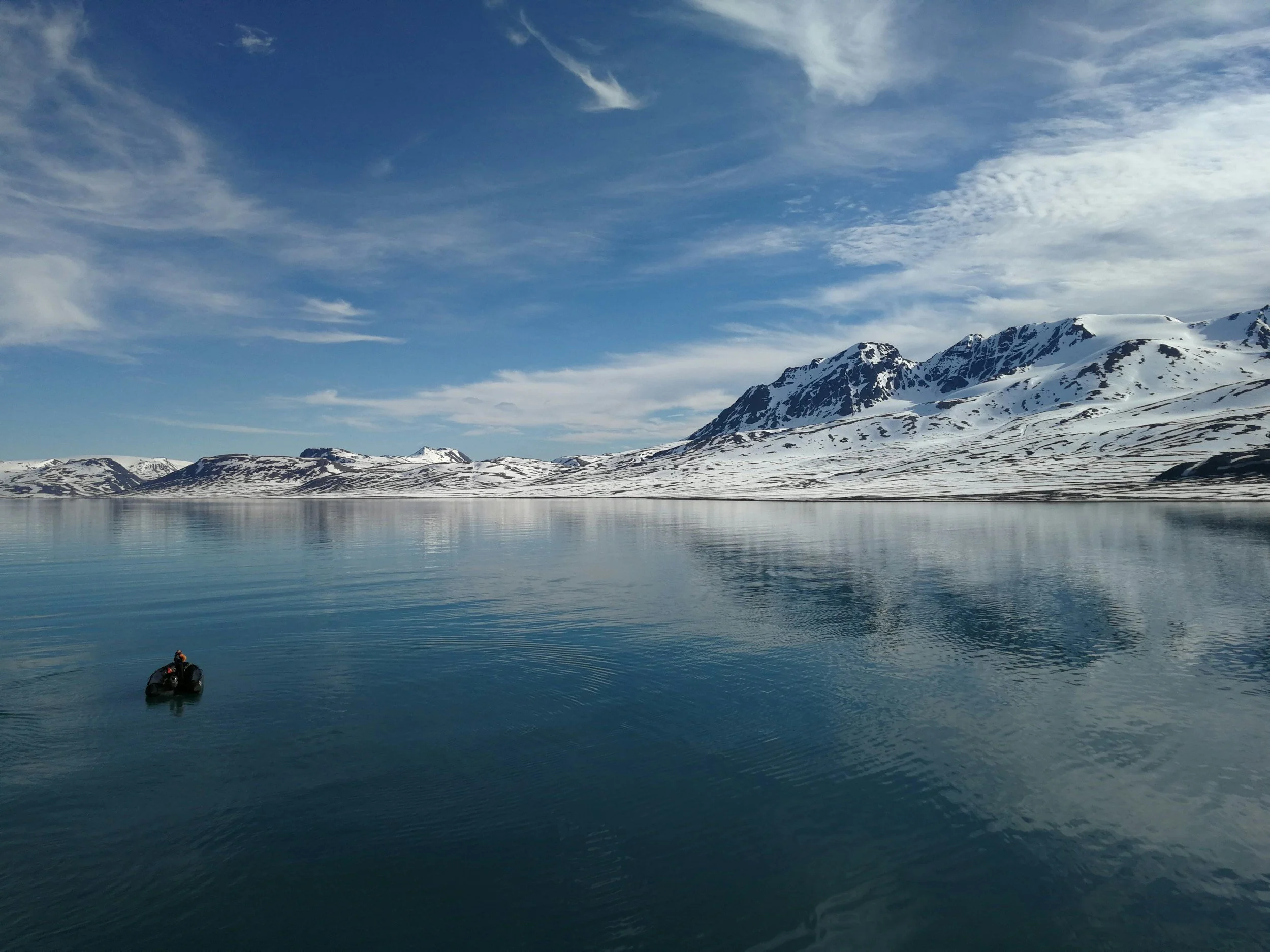
Summer boat tours in Svalbard offer calm waters, glacier views and the chance to spot wildlife along the Arctic coastline.
4. Visit Pyramiden (Summer)
A surreal abandoned Soviet mining town — preserved like a time capsule.

Inside the abandoned Soviet-era buildings of Pyramiden, which reveal how life once looked in this remote Arctic mining town.
5. Northern Lights (Polar Night)
Svalbard is one of the few places where you can see aurora in the daytime darkness.
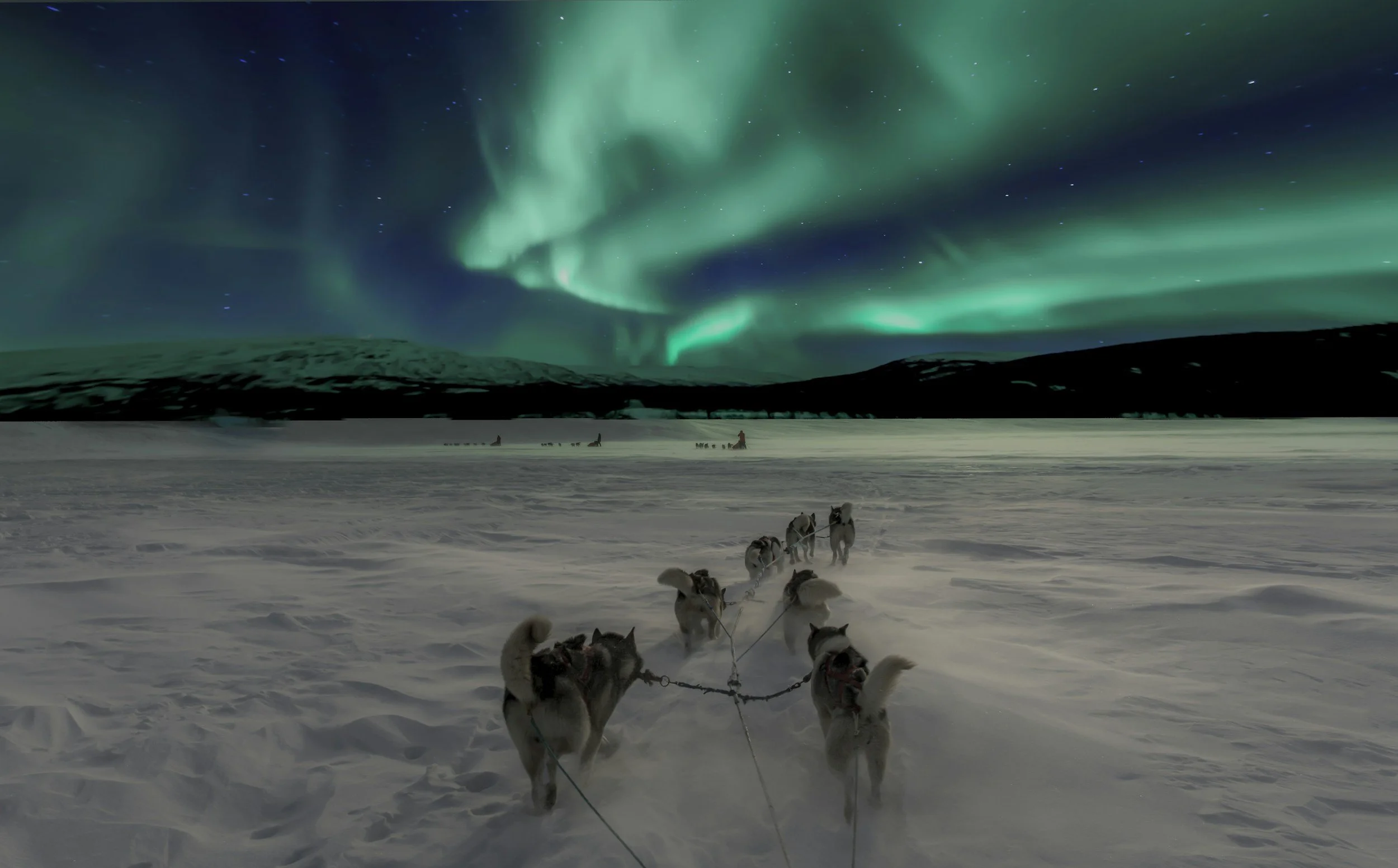
Dog sledding beneath the northern lights is one of Svalbard’s most magical winter experiences, a combination of silence, snow and Arctic sky.
6. Hikes & Wildlife
Even short guided hikes offer incredible views and encounters with Svalbard reindeer.
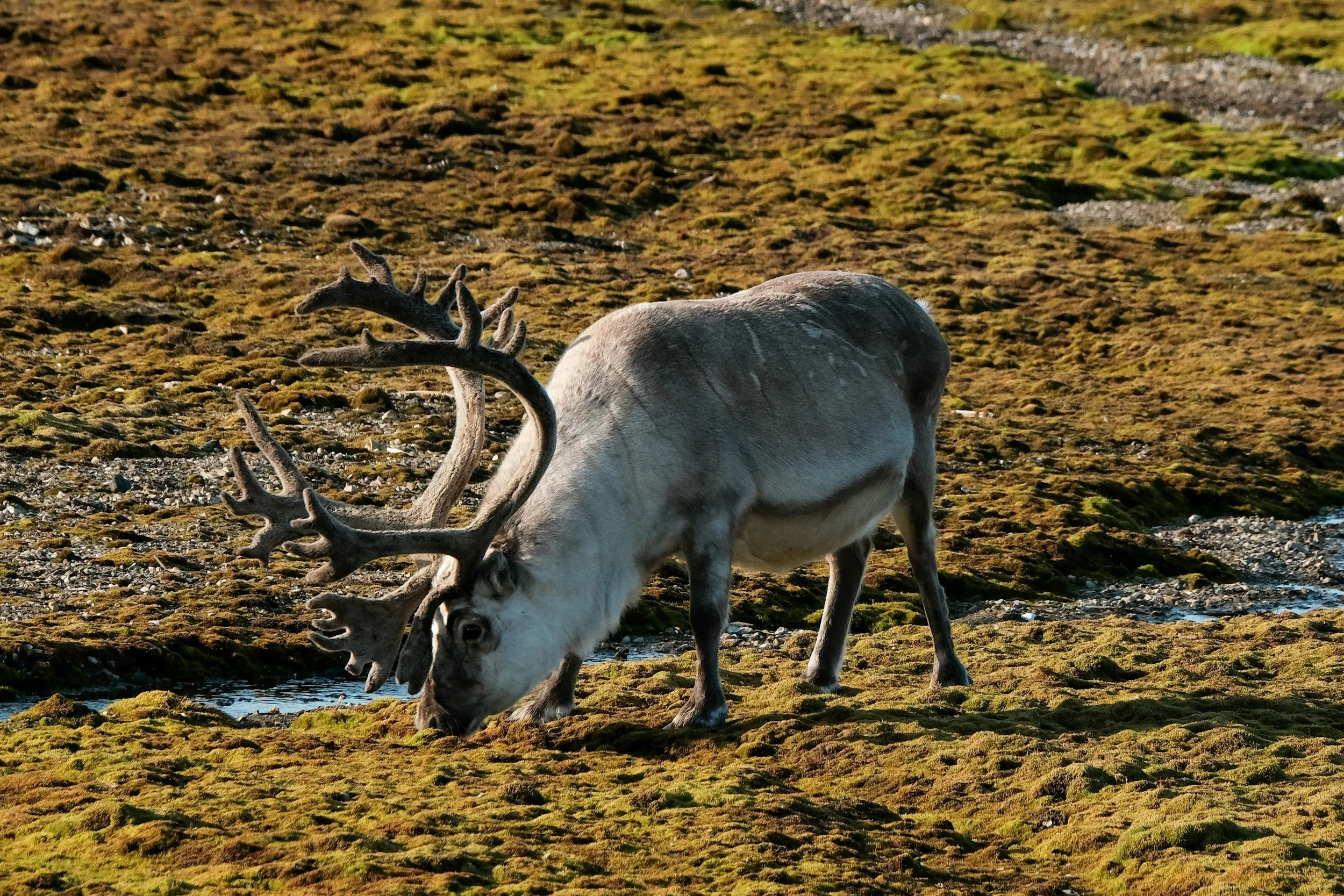
Svalbard reindeer are smaller and stockier than mainland reindeer, perfectly adapted to the Arctic tundra where they graze through the short summer season.
Polar Bear Safety
This is not optional.
Polar bears roam freely, and you must stay with a guide outside the town limits. Never wander alone, even for short distances.
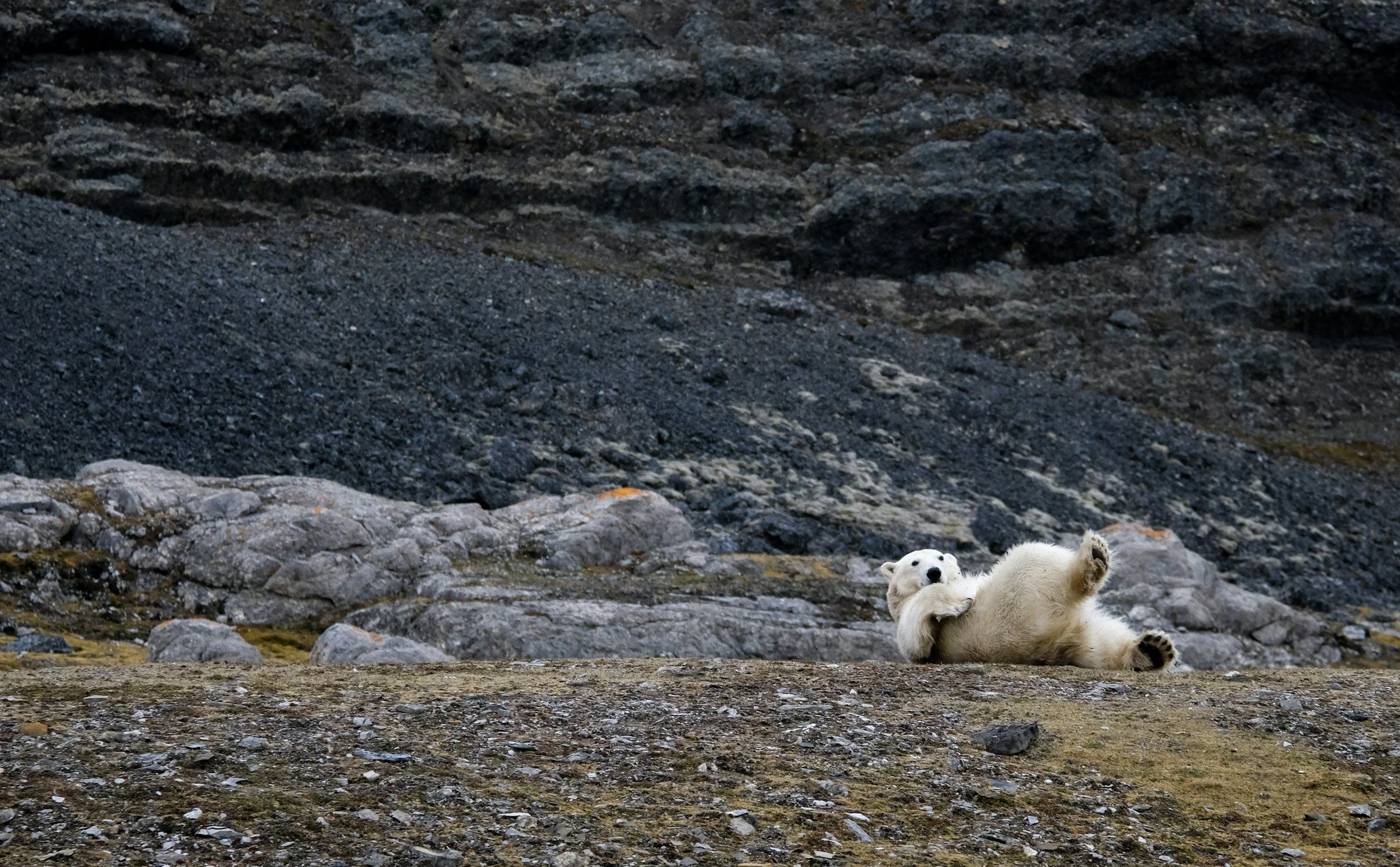
Polar bears can often be seen resting on coastal tundra and rocky slopes, always from a safe distance and with strict wildlife guidelines in place.
Prices: What to Expect
Svalbard is expensive due to logistics. Expect:
Hotels: 1,500–4,000 NOK per night
Tours: 1,200–3,500 NOK
Food: 200–350 NOK per meal
Alcohol: cheaper than mainland Norway (tax rules differ)
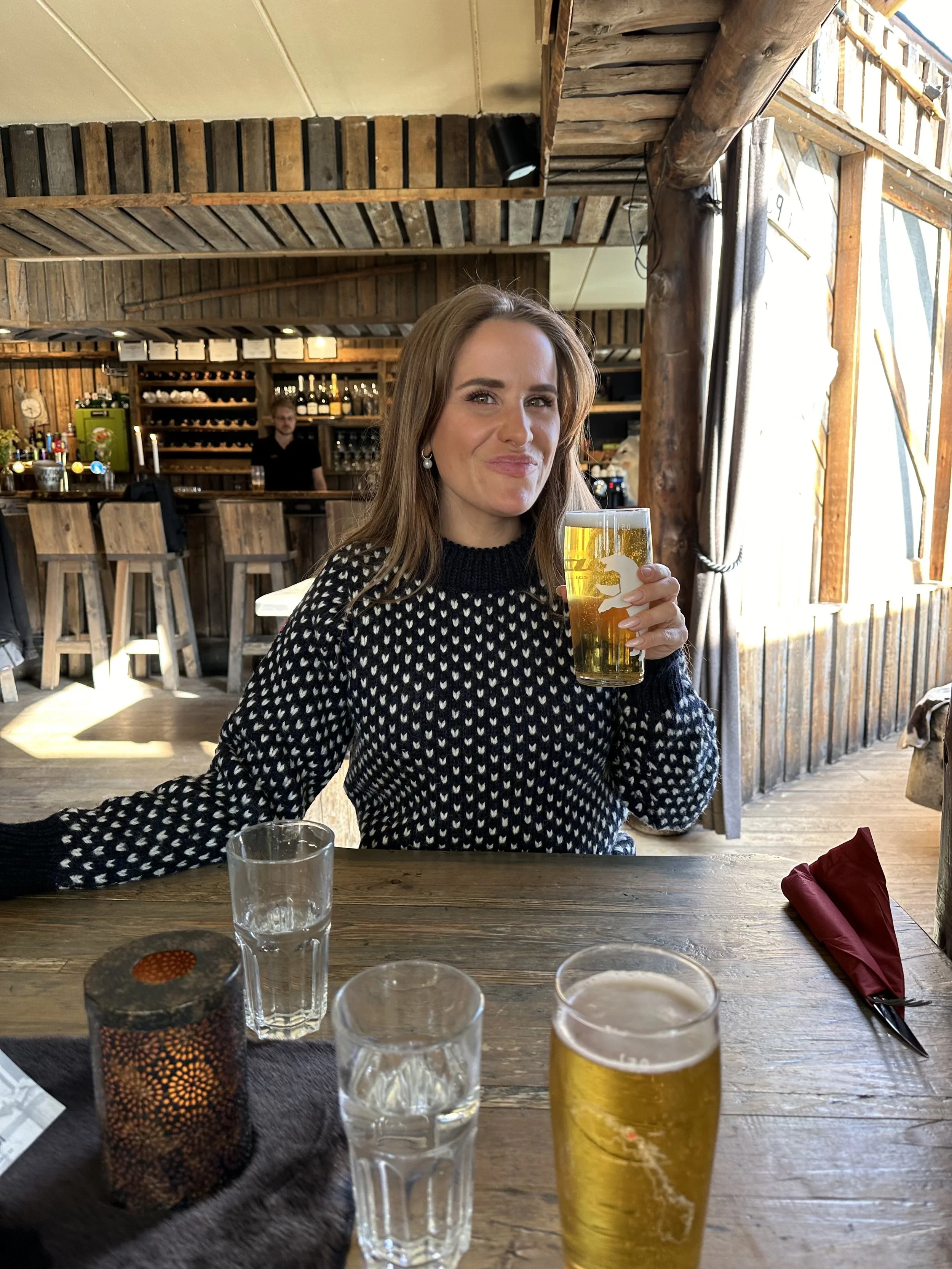
After a long day outdoors, Svalbard’s cosy pubs and cafés are the perfect place to warm up and enjoy a drink.
Responsible Travel
Svalbard is fragile. You should:
✓ Keep distance from wildlife
✓ Follow guide instructions carefully
✓ Stay on marked paths
✓ Support local companies
✓ Minimise plastic & waste
This is a place that deserves respect.
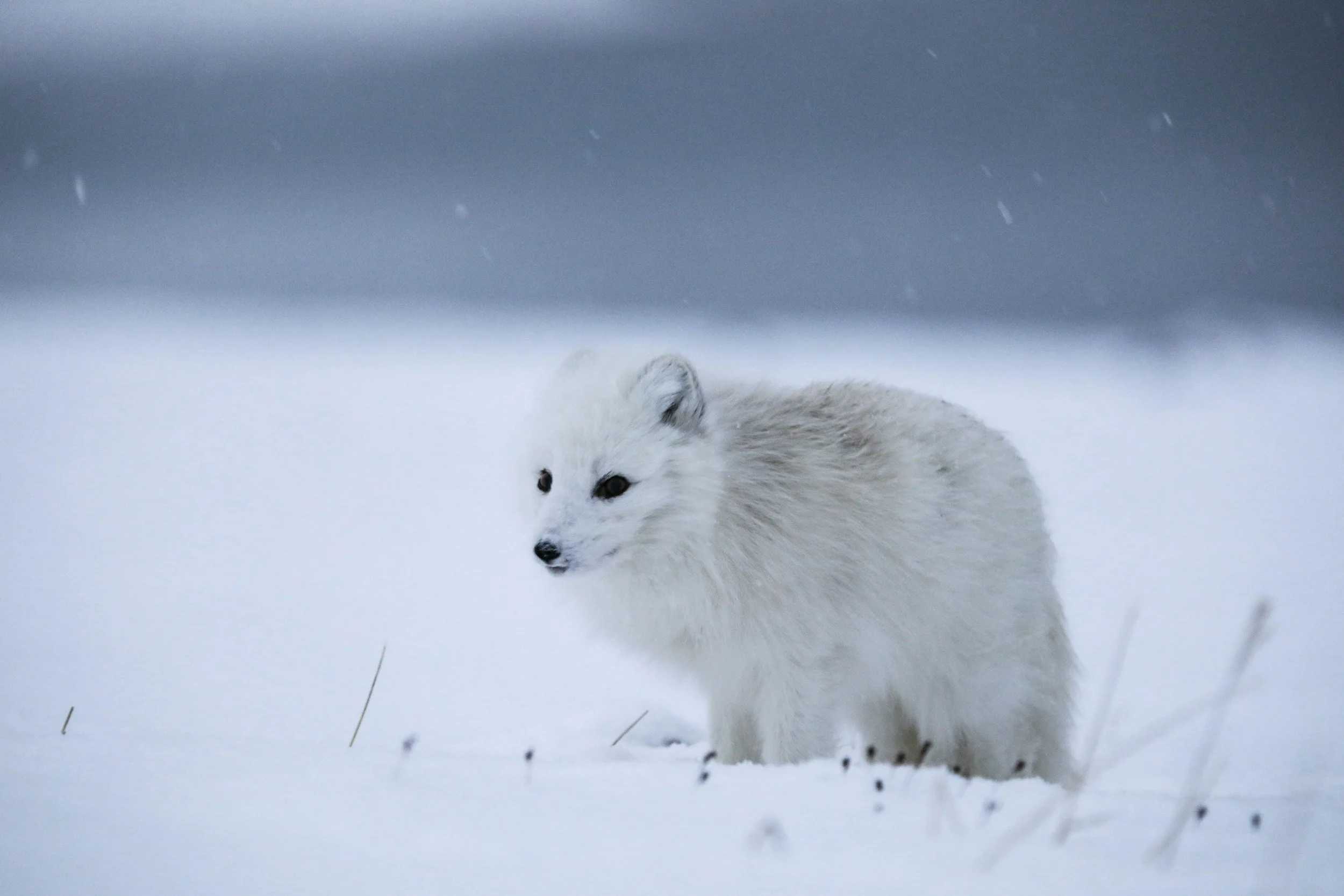
Arctic foxes are beautiful but vulnerable animals, always observe them quietly and at a safe distance to avoid disturbing their natural behaviour.
Is Svalbard for You?
Svalbard is perfect if you want:
wilderness
silence
Arctic light
wildlife
something truly unique
It is not the right place if you want nightlife, shopping or warm weather.
This is an emotional, elemental, humbling destination, and that is exactly what makes it extraordinary.
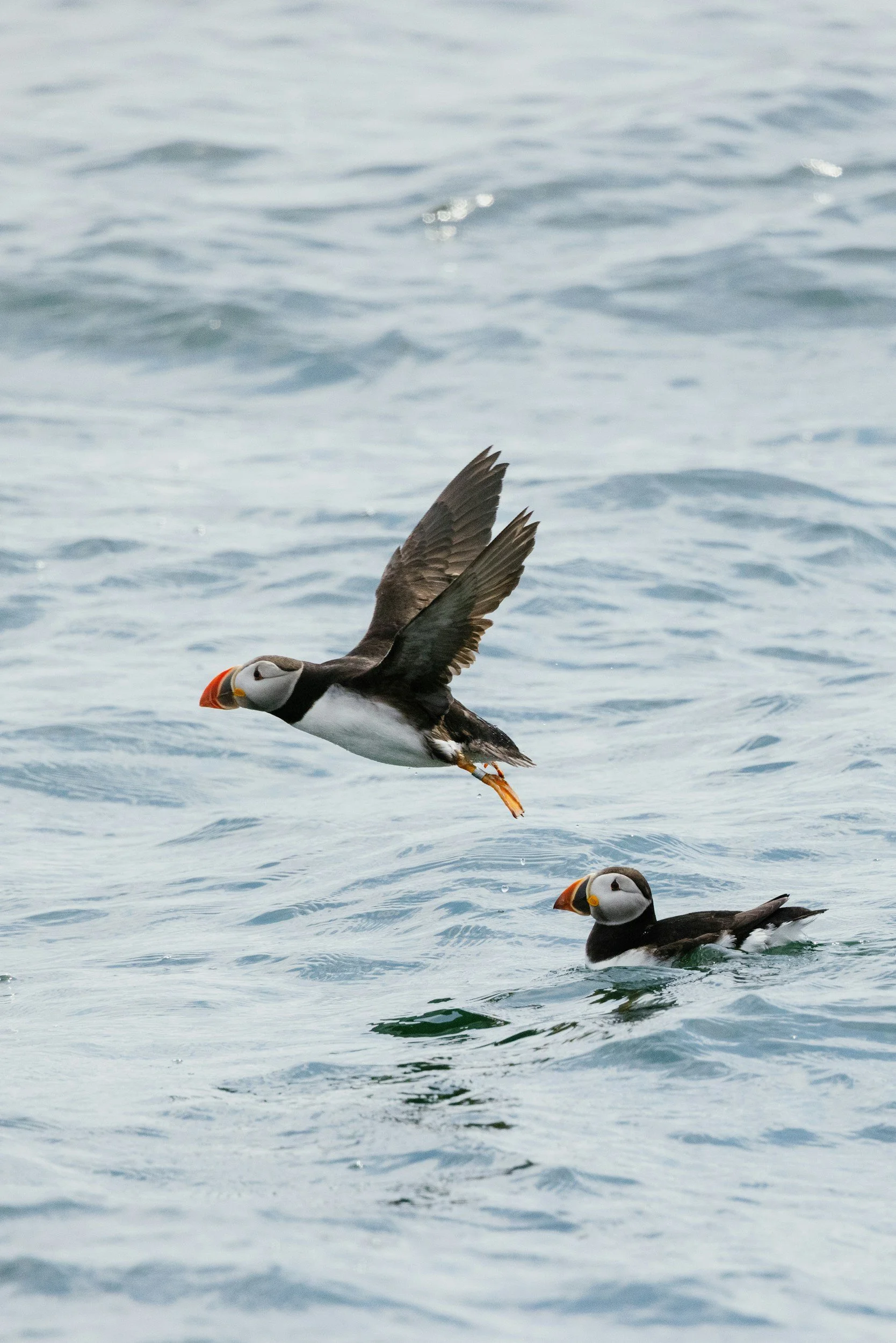
Puffins are a favourite sight on summer boat tours in Svalbard, often seen flying low over the water or resting on the waves.
Conclusion
Svalbard is one of the rare destinations that stays with you.
It is more than a trip; it is a reminder of how powerful and delicate nature is, and how small we are in comparison.
If you’re searching for a journey that feels meaningful, grounded and deeply memorable, Svalbard will speak to you.
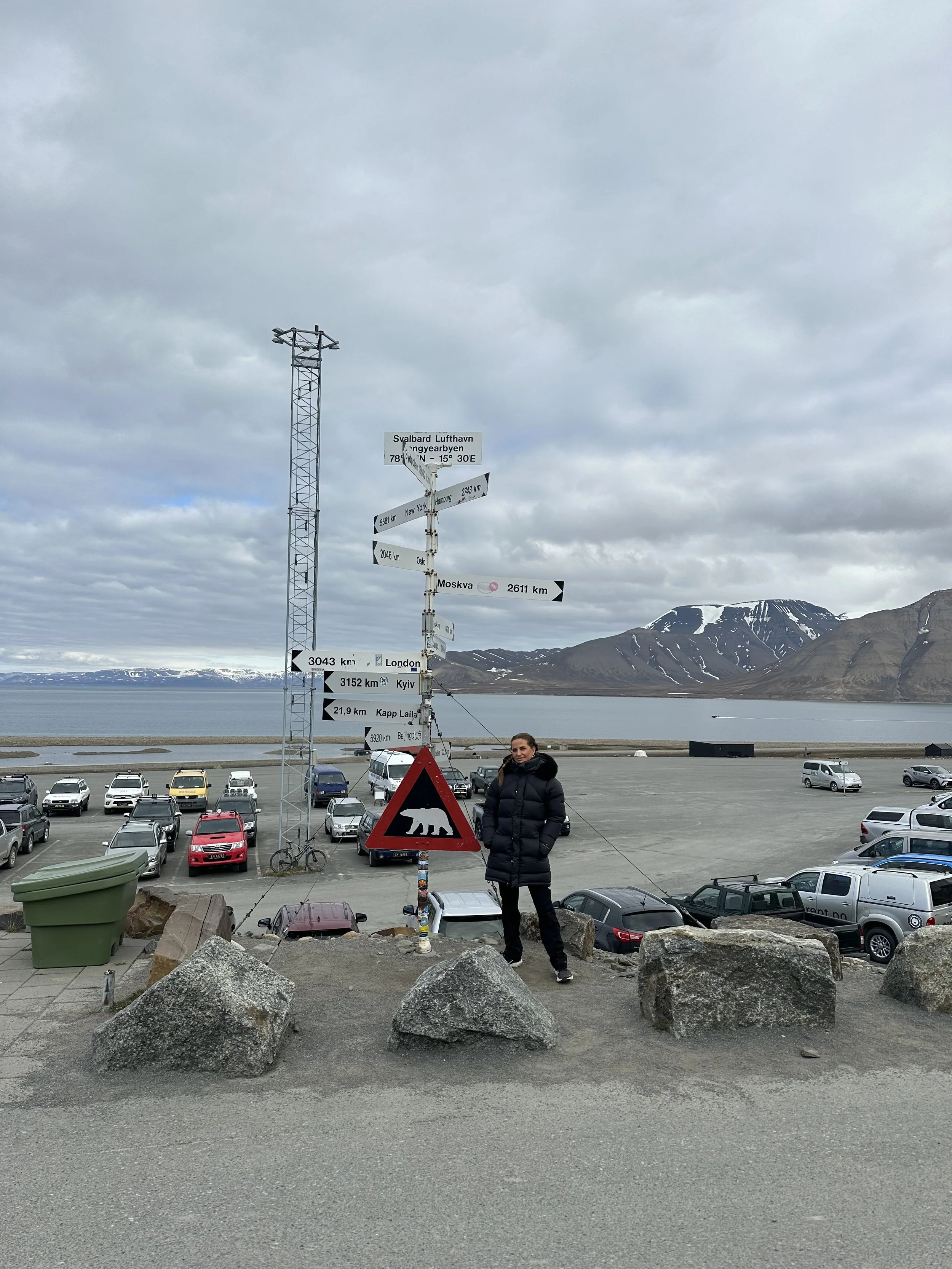
The famous polar bear sign and distance marker at Svalbard Airport, a classic photo spot that marks your arrival at 78° North.
Read Also:
• What It’s Like to Travel to Antarctica with HX – My Experience on MS Roald Amundsen A personal, honest journey through Antarctica’s landscapes, routines, wildlife and daily life onboard. Perfect if you’re curious what an expedition cruise actually feels like.
• Antarctica Wildlife: What Animals You’ll See and When A clear, practical guide to penguin colonies, seals, whales and seasonal wildlife patterns at the bottom of the world.
• What to Pack for Antarctica – A Practical Guide for Your HX Expeditions Layering systems, waterproofing, boots, photography gear and everything you truly need (and what you don’t).
• When Travel Goes Wrong – The Psychology of Negative Travel Experiences: Why fear hits harder while travelling, why you may feel shaken afterwards, and how to rebuild a sense of safety and control.