
Norway Road Trip Planning: Common Mistakes First-Time Visitors Make
Planning a road trip in Norway is less about fitting in as many destinations as possible and more about building an itinerary that matches the time, distances and experiences you actually want. This guide covers the most common mistakes first-time visitors make, from combining too many regions and changing hotels too often to underestimating driving days, seasonal conditions and the amount of flexibility a good Norway road trip really needs.
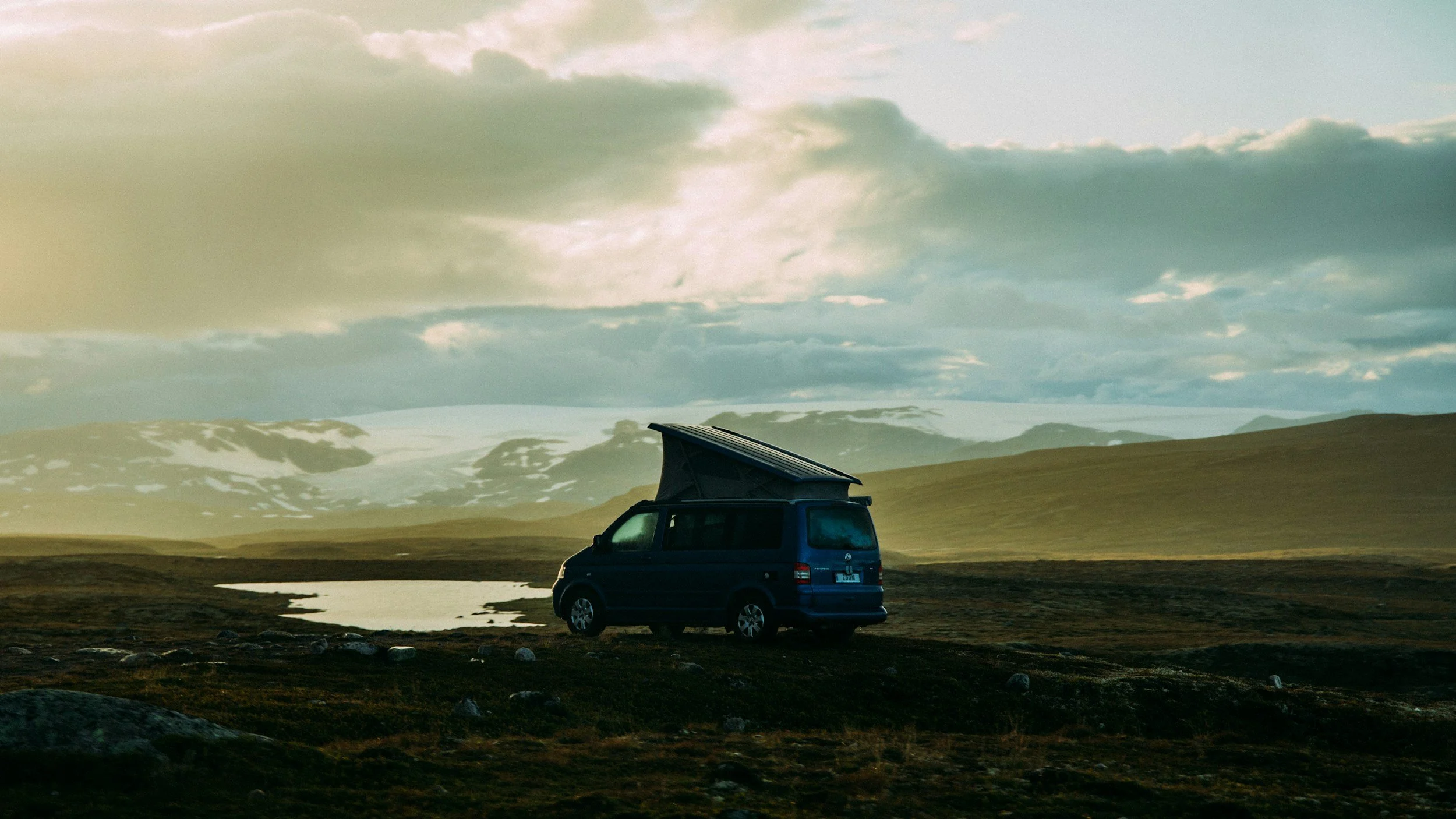
Planning a Norway Road Trip
Norway is easy to overplan.
On a map, many of the places first-time visitors want to see appear close enough to combine. Oslo, Bergen, the fjords, Jotunheimen, Geiranger, Lofoten and Tromsø can all look like parts of the same journey rather than separate regions with their own travel time, road conditions and reasons for staying longer.
That is where many itineraries start to become too ambitious. The problem is usually not choosing the wrong places. It is trying to fit too many of the right places into too little time.
A road trip can quickly become dominated by logistics if every day includes a new hotel, several hours of driving and a list of sights that still need to fit around the journey. The route may be technically possible, but that does not automatically make it a good trip.
Good road-trip planning in Norway is therefore less about squeezing more into the itinerary and more about understanding what each day is actually for. Some days are best used as transfers between regions. Others should be built around a hike, a scenic road, a fjord, a village or simply enough time to stay in one place without immediately moving on again.
This guide looks at the most common mistakes first-time visitors make when planning a road trip in Norway, why those mistakes happen, and how to build a route that feels realistic without stripping the journey of ambition. The aim is not to make the itinerary smaller for the sake of it, but to make sure the places you include have enough time to feel like destinations rather than waypoints.
Mistake 1:
Trying to Cover Too Many Regions
One of the most common mistakes in a first Norway itinerary is treating the country as though its best-known places naturally belong in the same road trip.
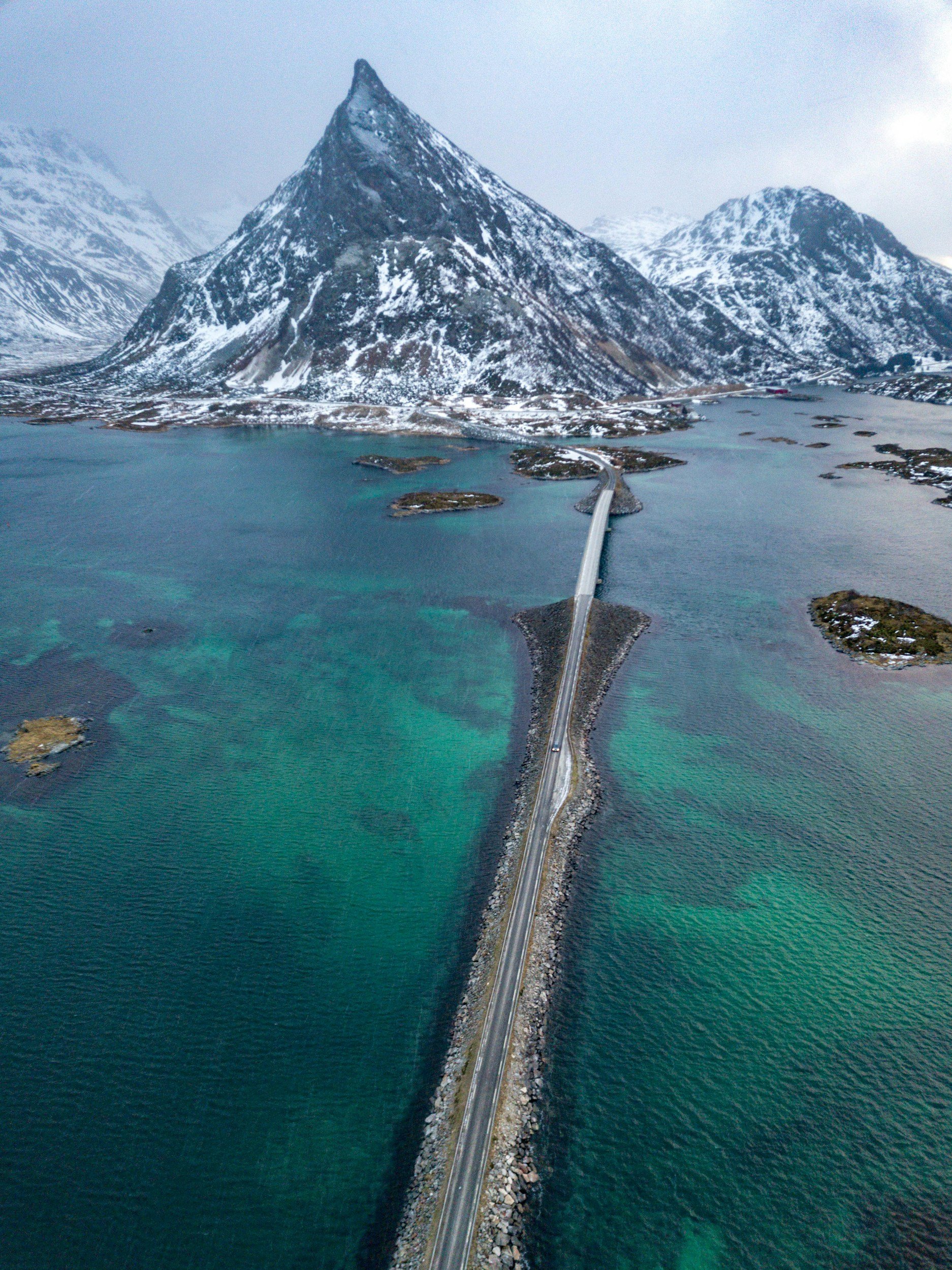
Oslo, Bergen, the fjords, Jotunheimen, Geiranger, Lofoten and Tromsø are all strong destinations, but they are not simply neighbouring stops on one route. Some combinations work naturally. Oslo and Bergen can fit easily into the same journey. Bergen can also be combined with one of the western fjord regions without creating an overly complicated itinerary. The problems usually begin when several distant regions are added simply because each one feels too important to leave out.
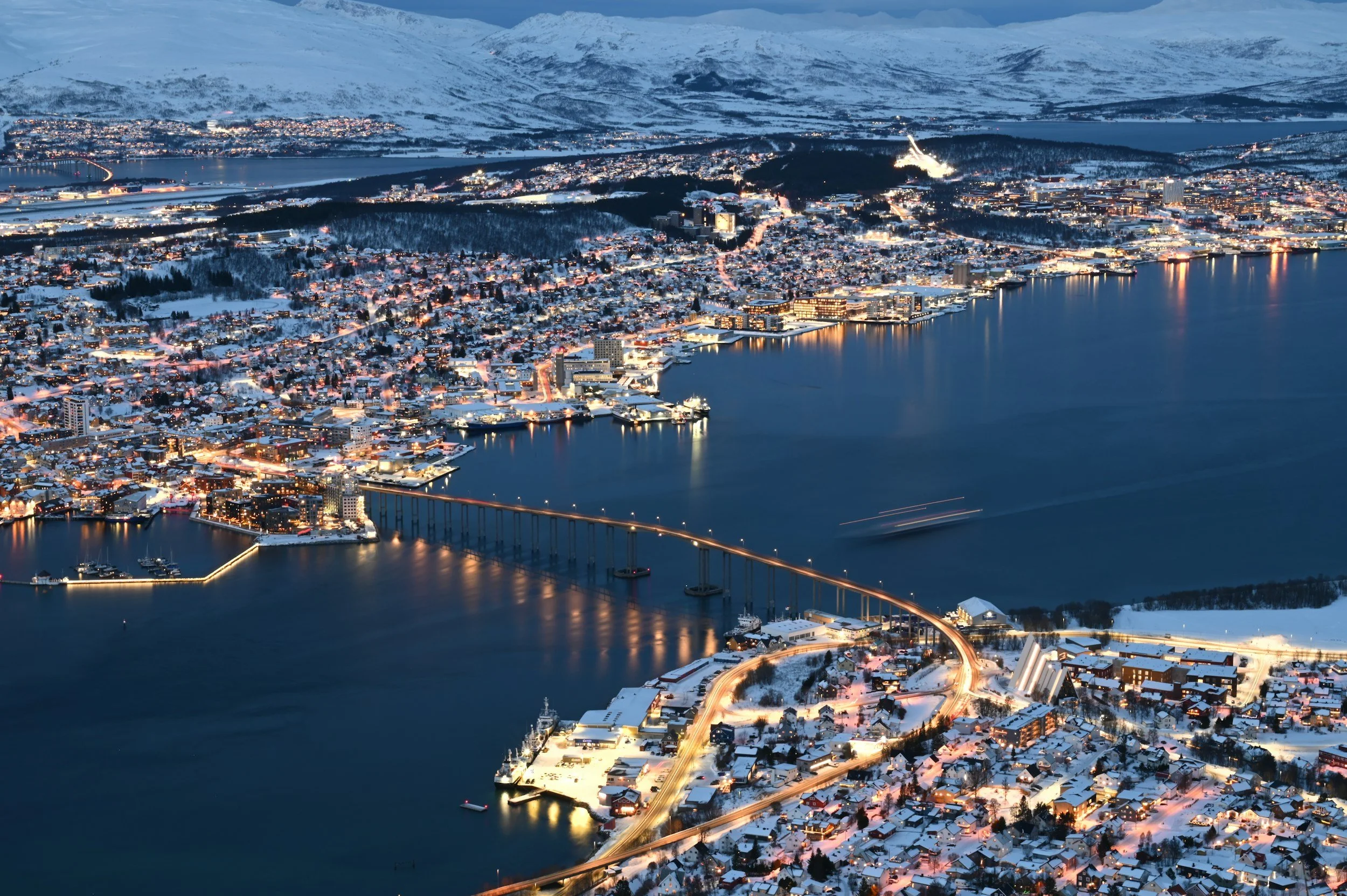
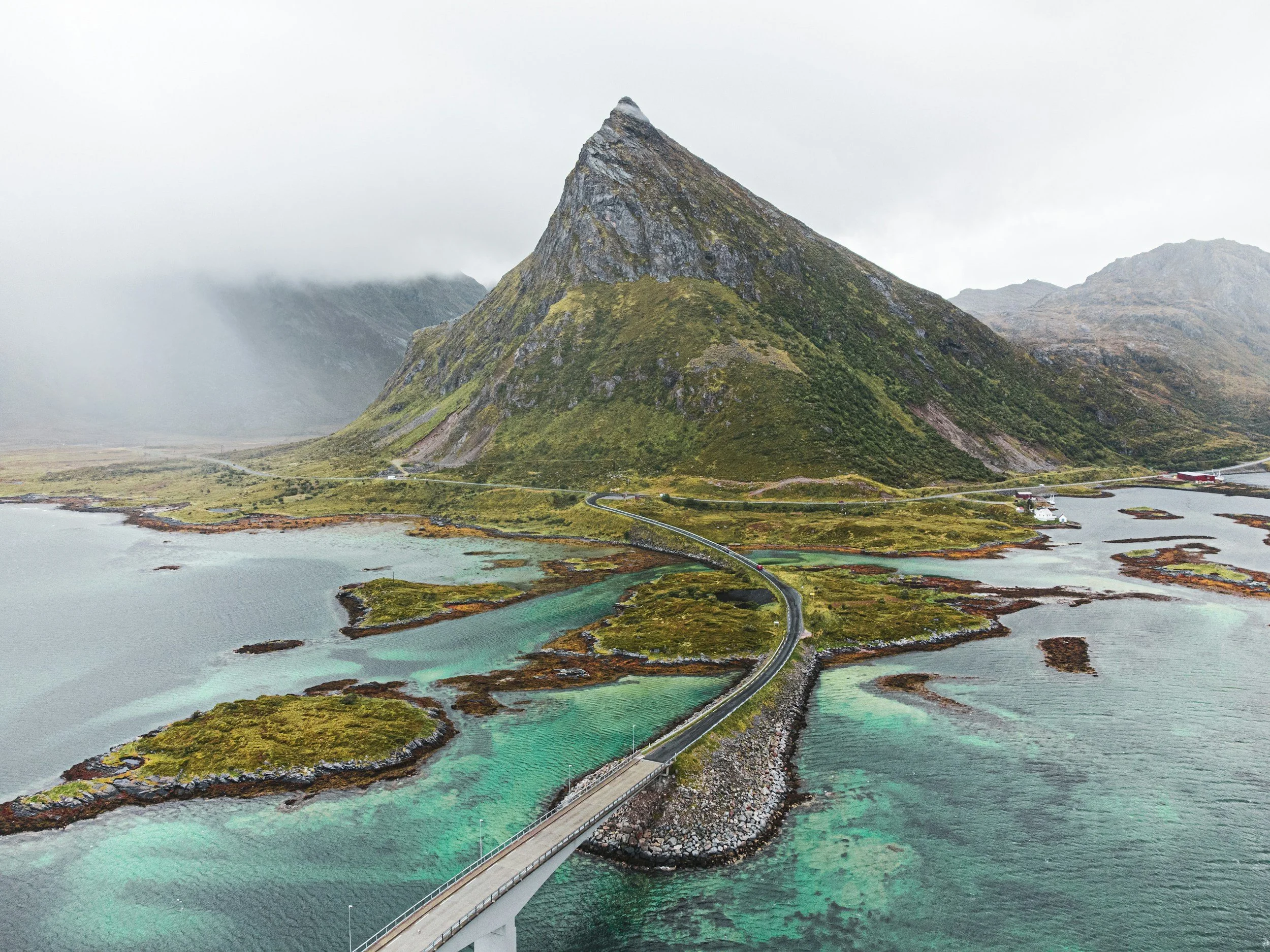
This is particularly easy to do with Northern Norway. Lofoten and Tromsø often appear on the same shortlist as the fjords and Bergen, but adding the north to a relatively short road trip through Southern Norway changes the structure of the entire journey. It introduces a substantial geographical jump rather than another nearby stop. The same applies when a trip already includes Western Norway and then adds several mountain regions because they appear close on a national map.
The better approach is to think in terms of travel regions rather than individual attractions. Western Norwaycan support an entire trip on its own, but even within the west there are several distinct fjord areas with different routes and landscapes. The Different Fjord Regions of Norway is useful if you are trying to decide which fjord region best fits the journey rather than assuming they all need to be included.
The same principle applies further north. If your main goal is Arctic landscapes, choosing between destinations can create a much stronger trip than automatically adding both. Lofoten vs Tromsø: Which Is Better for Your Trip? looks at the differences between two of the most popular choices and can help determine which one fits the experience you actually want.
This does not mean a road trip should be limited to one small area, or that combining regions is inherently a mistake. A longer trip can comfortably include several. What matters is whether there is enough time to travel between them without reducing every destination to an overnight stop.
A useful test is to look at each region and ask what you want to do once you arrive. If the answer involves hikes, boat trips, scenic roads, villages or several places within the region itself, then it needs more than the time required to drive there and sleep.
If you are still deciding what kind of Norway journey you want to build, Which Type of Norway Trip Is Right for You? can help separate the main travel styles and regions before you begin linking destinations together.
The goal is not to remove good places from the itinerary simply to make the route shorter. It is to avoid creating a trip where every destination is technically included but none of them has enough time to become the reason you went there.
Mistake 2:
Underestimating How Long a Driving Day Actually Takes
A navigation estimate is useful, but it is only the starting point for planning the day.
If Google Maps shows four hours of driving, that does not mean the journey will occupy four hours from hotel to hotel. Lunch, fuel or charging, ferry crossings where relevant, viewpoints, short walks and spontaneous stops all sit outside the basic calculation. On a scenic route, those additions are often not delays at all. They are part of why you chose the road.
This is where many otherwise sensible itineraries become too tight. A traveller sees a four-hour route and then adds a hike, a museum, a fjord cruise or a dinner booking at the other end, assuming there is still plenty of room in the day. The plan may work if everything runs perfectly, but it leaves very little flexibility when a stop takes longer than expected or the road itself turns out to deserve more time.
The effect is particularly noticeable in the fjords, mountain regions and Northern Norway, where a journey can include several places you genuinely want to stop rather than simply drive past. A route that looks like a straightforward transfer on the screen can therefore become one of the main sightseeing days of the trip.
For a more detailed explanation of how road type, ferries, scenery and regional differences affect travel time, Driving Distances in Norway: What Visitors Often Underestimate looks at this separately.
The practical point is simple: use the driving estimate to understand the route, then build the rest of the day around what you actually intend to do along it.
Mistake 3:
Changing Accommodation Every Night
Changing accommodation every night can make a Norway itinerary look efficient because it allows you to keep moving forward. In practice, it often creates more friction than travellers expect.

A one-night stay is not just the night itself. It also means packing in the morning, checking out, loading the car, driving to the next place, finding parking, checking in and reorganising everything again. None of these tasks is especially difficult, but repeated every day they begin to take a noticeable amount of time and attention.
This matters even more when the destination itself deserves time. Arriving somewhere in the late afternoon, sleeping there and leaving again the next morning may be perfectly reasonable for a transfer stop, but it is rarely enough for a place you genuinely want to explore. If the main reason for going there is a hike, a scenic route, a fjord excursion or simply time in the area, then the itinerary should reflect that.
Staying two or three nights in an important base often creates a better rhythm because it separates travel from exploration. You can arrive, settle in and use the following day without needing to think about luggage, check-out times or the next hotel. That does not mean every stop needs several nights, only that one-night stays work best when they have a clear purpose.
A common problem is that several one-night stops in a row create the feeling of seeing a lot while actually reducing the amount of time spent anywhere. The trip becomes a chain of arrivals and departures rather than a series of places you have time to experience.
This is especially worth considering in regions where several attractions sit within reach of the same base. In Mountain Norway, for example, a few well-chosen bases can give access to hikes, scenic roads and nearby valleys without requiring a hotel change every day.
The useful question is therefore not simply how many places you can fit into the route, but how many of them actually benefit from being separate overnight stops. Sometimes moving on makes sense. Sometimes staying put gives you more of the trip you came for.
Mistake 4:
Combining a Long Drive With a Major Activity
One of the easiest ways to make a Norway itinerary feel exhausting is to combine a long driving day with an activity that already deserves most of your attention.
A four- or five-hour drive may be perfectly manageable on its own. A demanding hike, glacier excursion or fixed boat departure may also fit comfortably into a day. The problem is when both are planned together and the schedule depends on every part running exactly as expected.
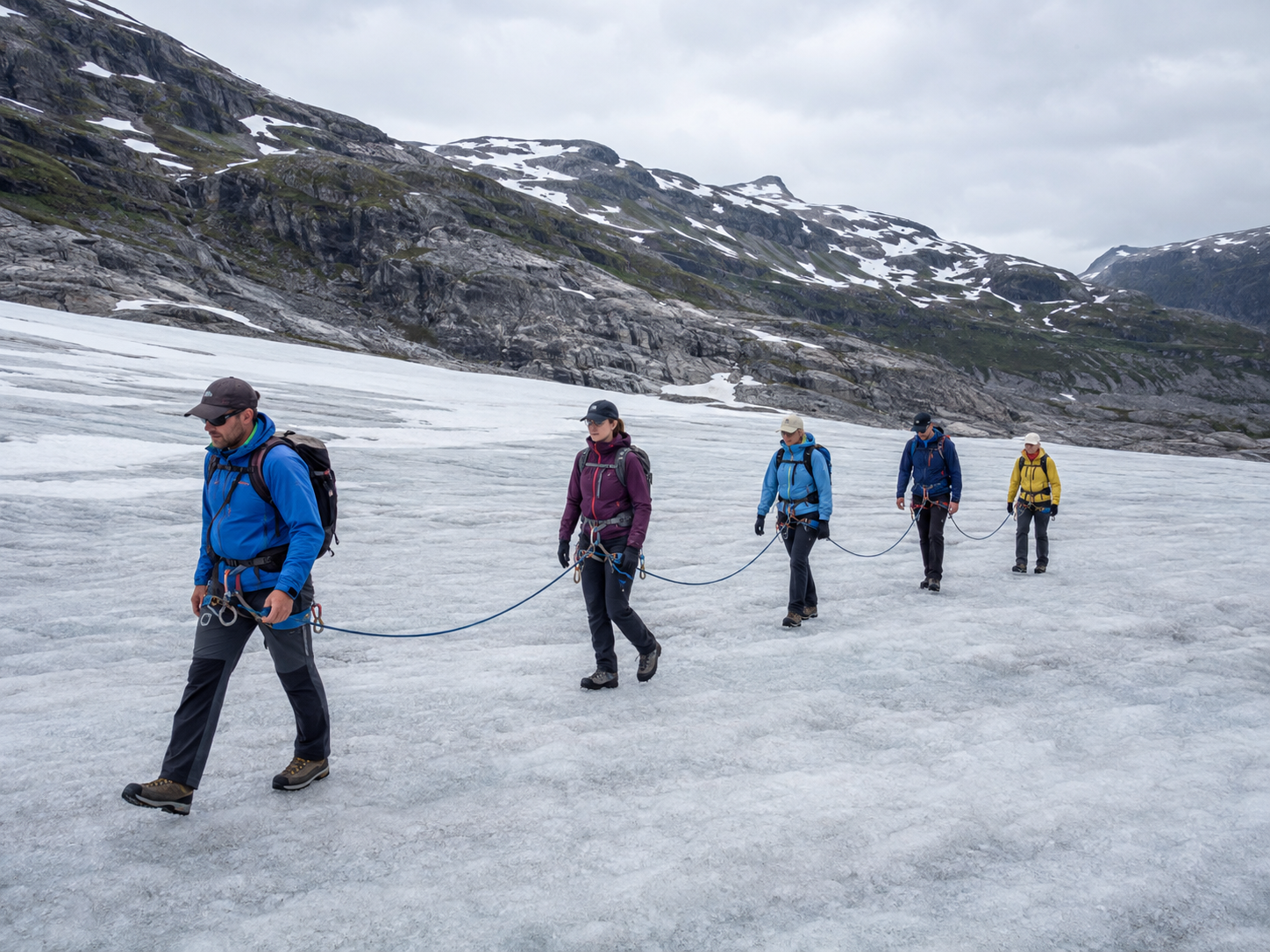
This is particularly relevant in mountain regions. A hike such as Galdhøpiggen is not something to squeeze in after a long transfer simply because the driving distance looks reasonable on paper. The hike itself takes time, the weather can affect the day, and you may need an early start.
The same applies to guided activities with fixed departure times. A glacier tour, wildlife excursion or boat trip leaves much less room for delay than an ordinary sightseeing stop. If you plan a long drive immediately beforehand, traffic, a missed ferry or an unexpectedly slow section of road can turn a comfortable schedule into a stressful one.
This does not mean a driving day has to be empty. A short walk, viewpoint, lunch stop or local visit can fit naturally around the route. The distinction is between activities that can flex with the day and those that require several hours, significant energy or a fixed start time.
A better structure is often to use the driving day to reach the area, then plan the major activity for the following morning or full day. That gives you more margin, allows you to start rested and prevents one delayed journey from affecting the experience you travelled there for.
The itinerary does not need to avoid long days altogether. It simply works better when each day has one clear priority. If the priority is moving between regions, let the transfer define the day. If the priority is a major activity, give that activity enough space to stand on its own.
Mistake 5:
Treating Scenic Roads as Transfer Roads
Some roads in Norway are worth choosing because of where they take you. Others are worth choosing because of the road itself. Treating the second type as an ordinary transfer can leave far too little time for one of the best parts of the journey.
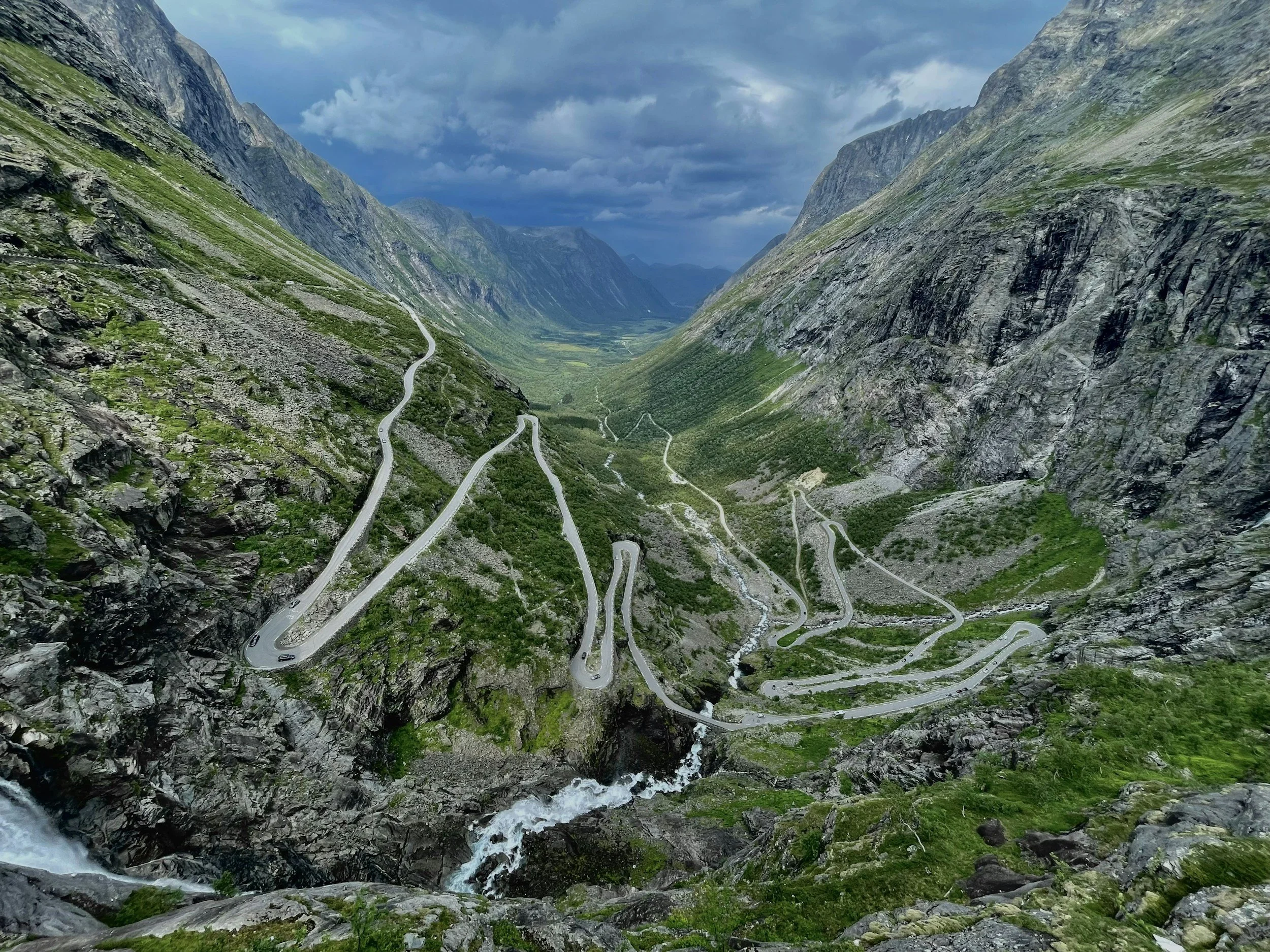
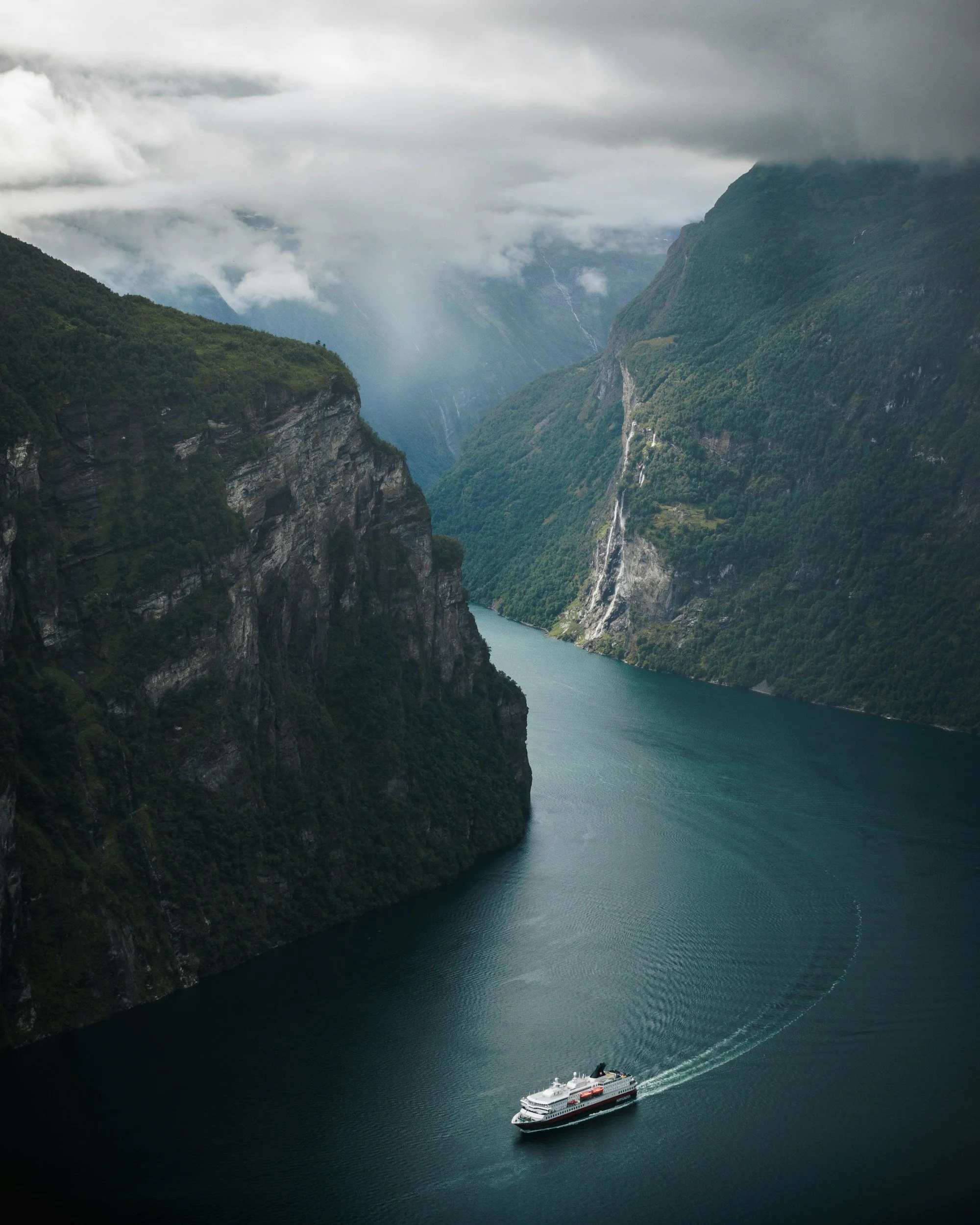
Routes such as Valdresflye, Sognefjellet and the roads through the Geiranger and Trollstigen area pass through landscapes where stopping is part of the experience. Viewpoints, short walks, mountain cafés, waterfalls and places you had never planned to visit can all turn a relatively short route into several hours of exploration.
This is different from simply adding extra time because the road is slow. A scenic road may be perfectly straightforward to drive, but moving through it as efficiently as possible misses much of the reason for choosing it in the first place.
Valdresflye is a good example. The road crosses the high plateau between Valdres and Jotunheimen, with access to mountain landscapes and hiking areas along the way.
The same principle applies around Geiranger. The famous viewpoints and mountain roads are not simply connections between overnight stops. They form part of the destination itself, and a route that looks relatively compact can easily occupy much of the day once you stop to experience it properly.
Scenic roads also make poor days for stacking too many additional attractions. If you already know you want to stop frequently, there is little benefit in scheduling another major activity at the end of the route. Leaving the day open allows you to spend longer somewhere unexpectedly good without immediately falling behind schedule.
Before assigning a scenic route to a transfer day, ask why you chose that road. If the answer is the landscape, viewpoints or places along it, then the road deserves time in the itinerary just as much as any other destination.
Mistake 6:
Planning the Same Road Trip for Every Season
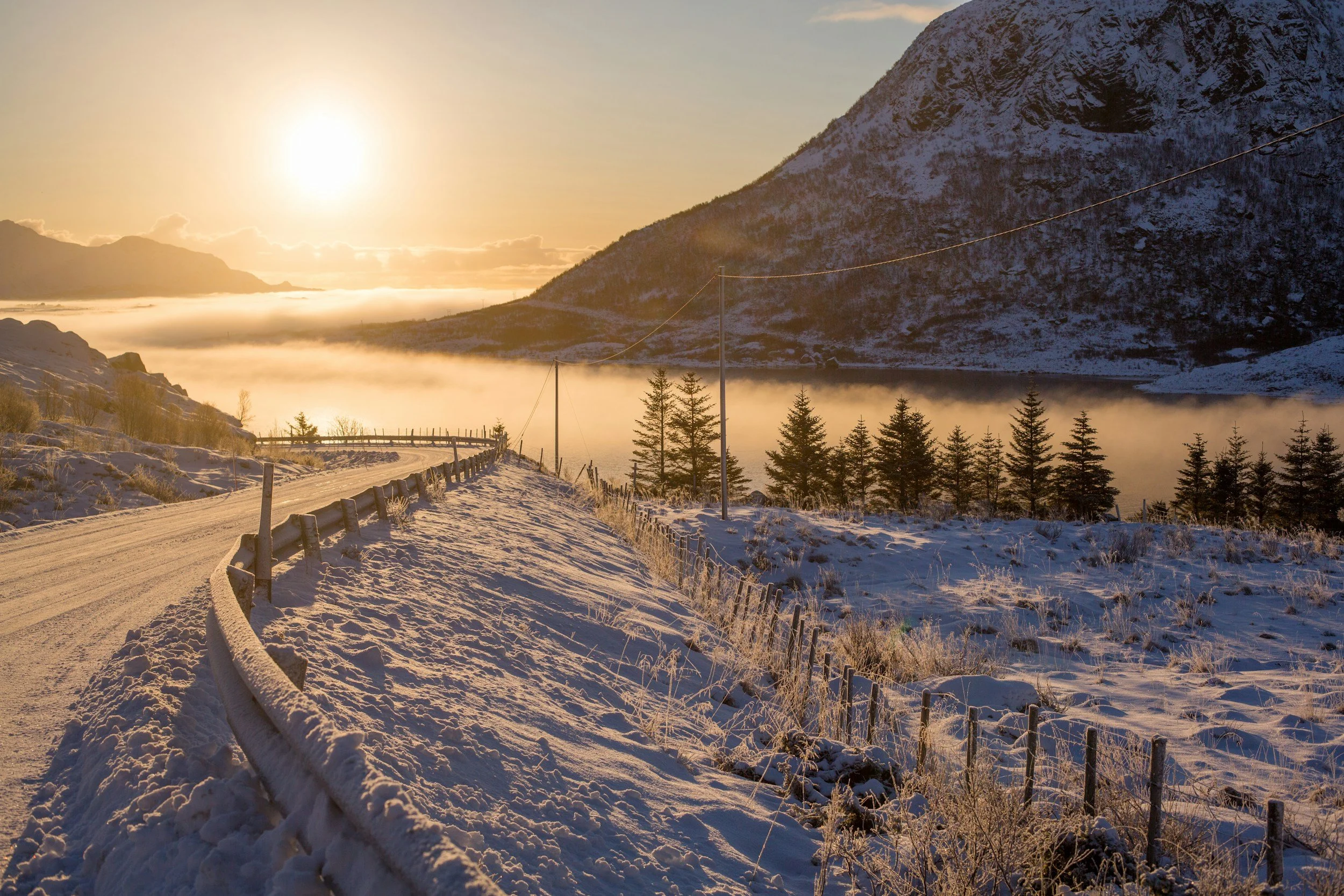
A route that works beautifully in July may need a very different structure in October, January or even late spring. The destinations may be the same, but the amount of daylight, road access, weather and traffic can change how much is realistic in a day.
Summer gives you the greatest flexibility. Long daylight hours make it easier to spread sightseeing across the day, and many mountain roads and seasonal attractions are open. At the same time, popular areas can be much busier. Narrow scenic roads, ferry crossings and well-known viewpoints may all take longer when traffic increases, particularly during the main holiday period.
Spring and autumn can be less predictable. Some high mountain roads may not yet have opened after winter or may close again as conditions deteriorate, while weather can shift quickly between rain, snow and clear conditions at higher elevations. An itinerary built around a particular scenic route should therefore be checked against the season rather than assumed to work simply because the road appears on the map.
Winter changes the calculation more substantially. Reduced daylight, snow, ice, mountain-pass restrictions and occasional road closures can make the same route slower and less predictable than in summer. This does not mean a winter road trip is a bad idea, but it does mean that daily distances, fixed commitments and alternative routes deserve more consideration. Driving in Norway in Winter: Laws, Tyres, Road Conditions and What Travellers Must Know covers the practical side of winter driving in more detail.
Season also affects the experience you are planning around the road. A summer itinerary may be built around hiking, scenic roads and long evenings, while a winter trip may place more emphasis on skiing, Arctic experiences, cities or shorter daylight activities. Best Time to Visit Norway: A Seasonal Overview can help if you are still deciding which period best suits the kind of trip you want.
The important point is not simply to check the weather before departure. It is to make sure the structure of the itinerary matches the season from the beginning. The same list of destinations can require a very different pace depending on when you travel.
Mistake 7:
Leaving No Margin Before Fixed Commitments
A tightly planned road trip becomes much more fragile when a long drive ends immediately before something you cannot afford to miss.
This might be a flight, a train, a guided excursion, a ferry with limited departures, a restaurant booking or an accommodation deadline. None of these commitments is a problem on its own. The issue is when the itinerary assumes that the drive beforehand will take exactly as long as expected and that nothing along the route will slow you down.
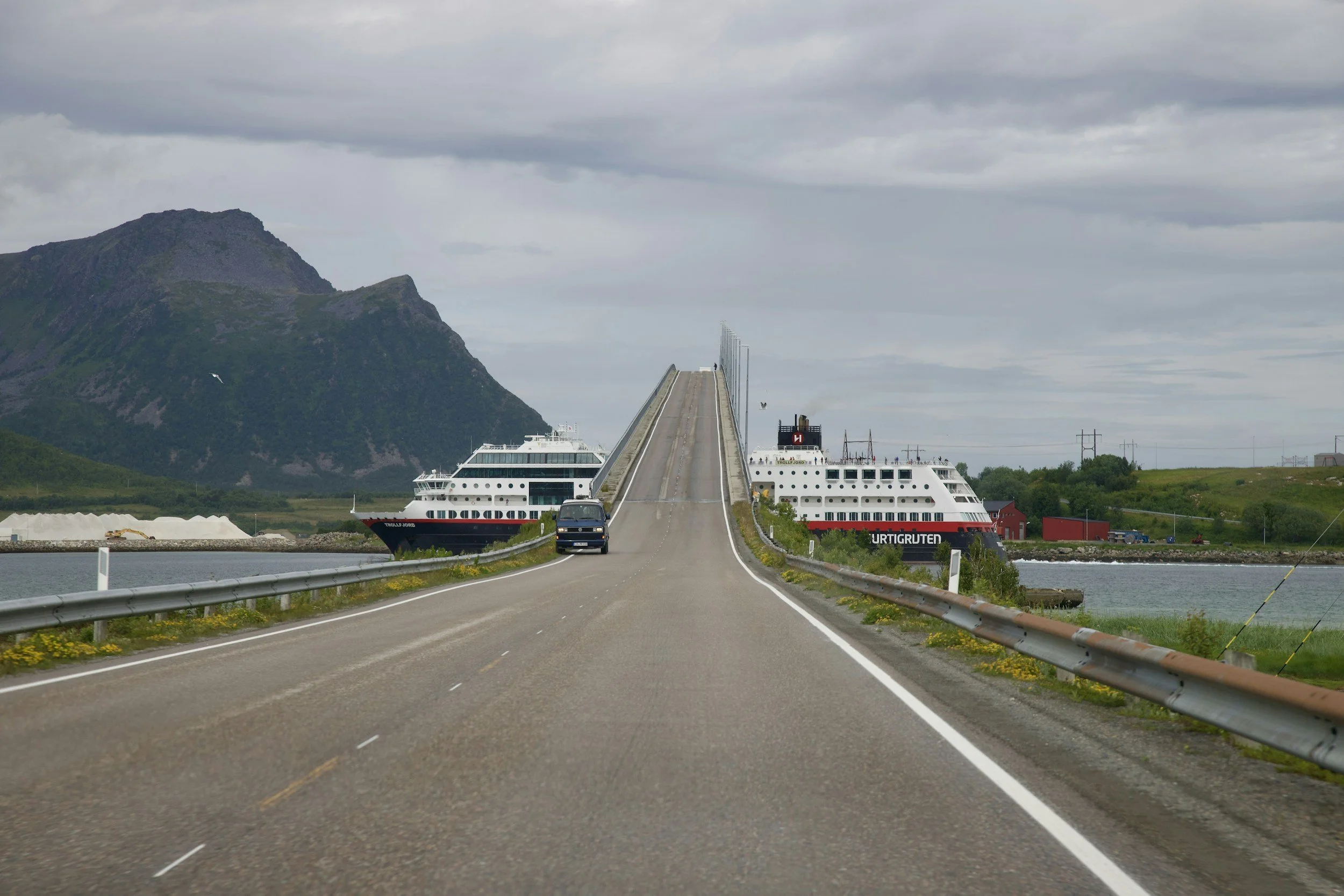
Norwegian road trips often include natural variations in travel time. A ferry queue may be longer than expected, traffic may build around a popular area, roadworks can reduce speed, or you may simply need more stops than planned. In winter, weather and road conditions add another layer of uncertainty. Even in summer, a route through the fjords or mountains can take longer than expected once the day is actually underway.
The safest way to plan around fixed commitments is to create a buffer before them. If you have an afternoon boat departure, avoid making the morning dependent on a long transfer from another region. If you have an early flight, staying closer to the airport the night before may be more sensible than relying on several hours of driving that morning.
This matters most when the consequence of being late is significant. Missing a viewpoint or shortening a lunch stop is inconvenient. Missing a flight or a prepaid excursion can affect the rest of the trip.
Not every day needs large amounts of spare time, and there is no reason to build an itinerary around worst-case scenarios. The important thing is to recognise which parts of the trip have no flexibility and protect those with more margin than you would give an ordinary sightseeing day.
A road trip works best when delays are allowed to remain minor inconveniences rather than turning into problems for everything that follows.
Mistake 8:
Assuming You Need a Car for the Entire Trip
A road trip does not necessarily mean keeping the same car from the first day of the holiday to the last.
In some parts of Norway, having a car gives you exactly the freedom you want. It makes rural areas easier to reach, allows you to stop along scenic roads and gives you more control over journeys between smaller places. In larger cities, however, the same car can become something you mostly pay to park.
Oslo is a good example. If you are spending several days in the city before beginning the road trip, there is usually little advantage in collecting the car immediately. Public transport covers most places visitors are likely to go, and keeping a rental car in the centre adds parking costs without necessarily making the stay easier. The same can apply at the end of a trip in Bergen or another larger city.
It can therefore make sense to divide the journey into different transport stages. You might spend the first few days in a city without a car, travel to another part of the country by train, and collect a rental car once you reach the region where it becomes genuinely useful. Alternatively, you may choose to return the car before the final city stay rather than keeping it until the airport.
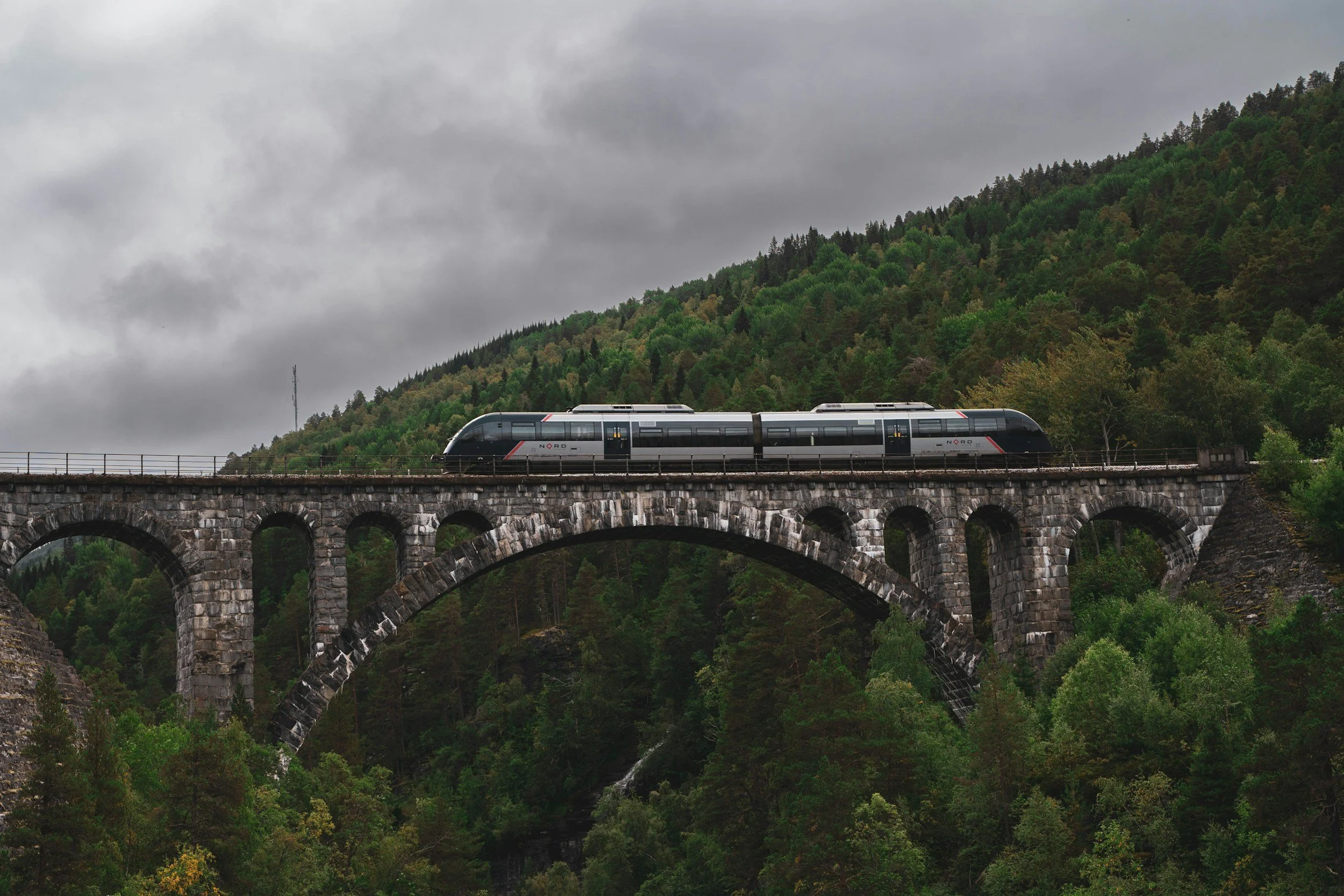
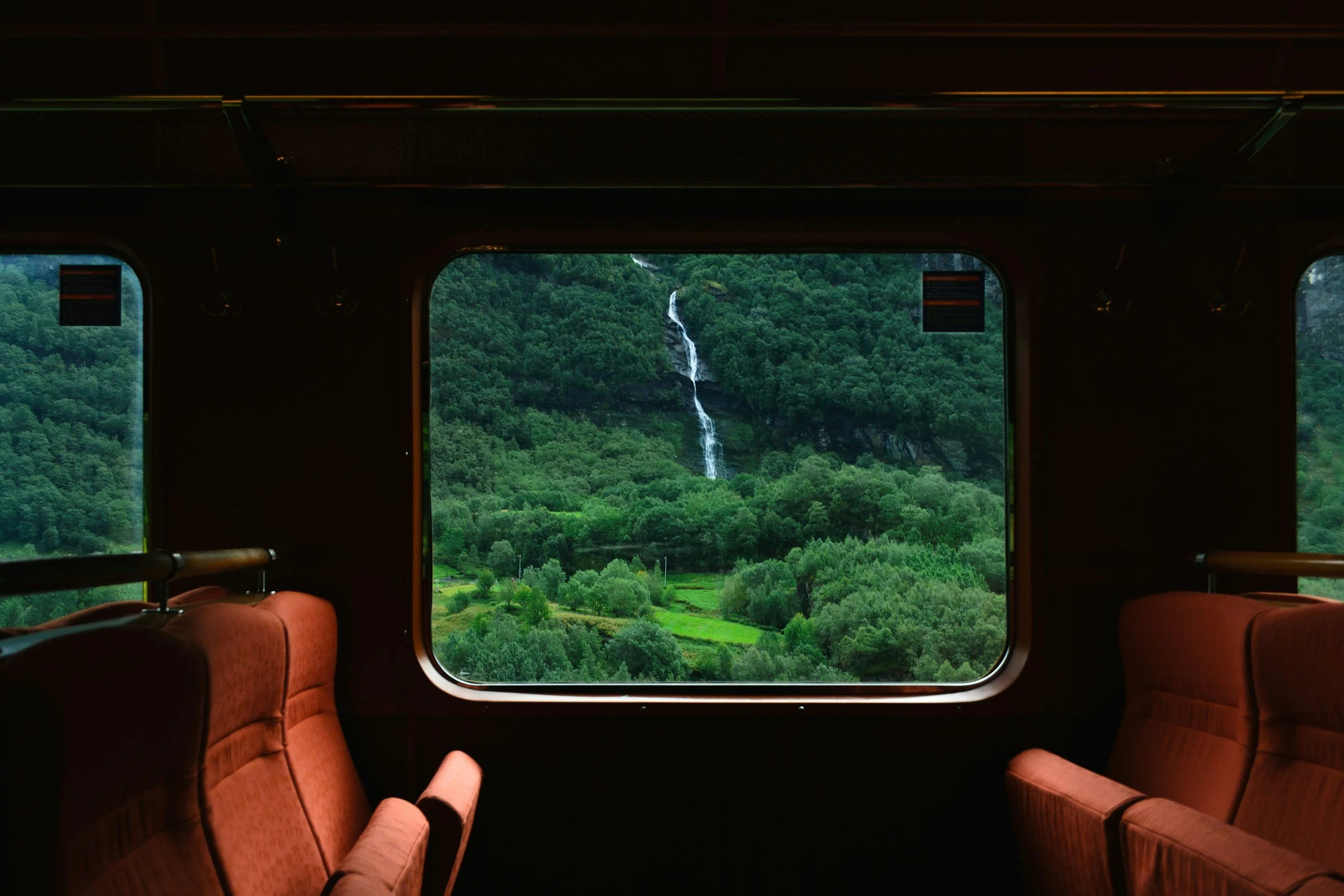
This can also reduce unnecessary long transfer days. If the only reason for driving between two major destinations is to move from one region to another, compare the journey with the rail option before assuming the car is automatically better. Norway Train Travel Guideexplains the main rail routes and where train travel can fit naturally into a wider Norway itinerary.
None of this means a mixed-transport trip is always superior to a continuous road trip. If the driving itself is part of what you want to experience, keeping the car can be completely worthwhile. The important question is whether the vehicle adds something to each stage of the journey.
A car is most valuable in Norway when it gives you access, flexibility or a route you specifically want to drive. It does not need to remain part of the itinerary on days when it offers none of those things.
The Way to Build a Norway Road Trip
A good Norway road trip is easier to plan when you build it from the experiences outward rather than starting with a long list of destinations and trying to connect them afterwards.
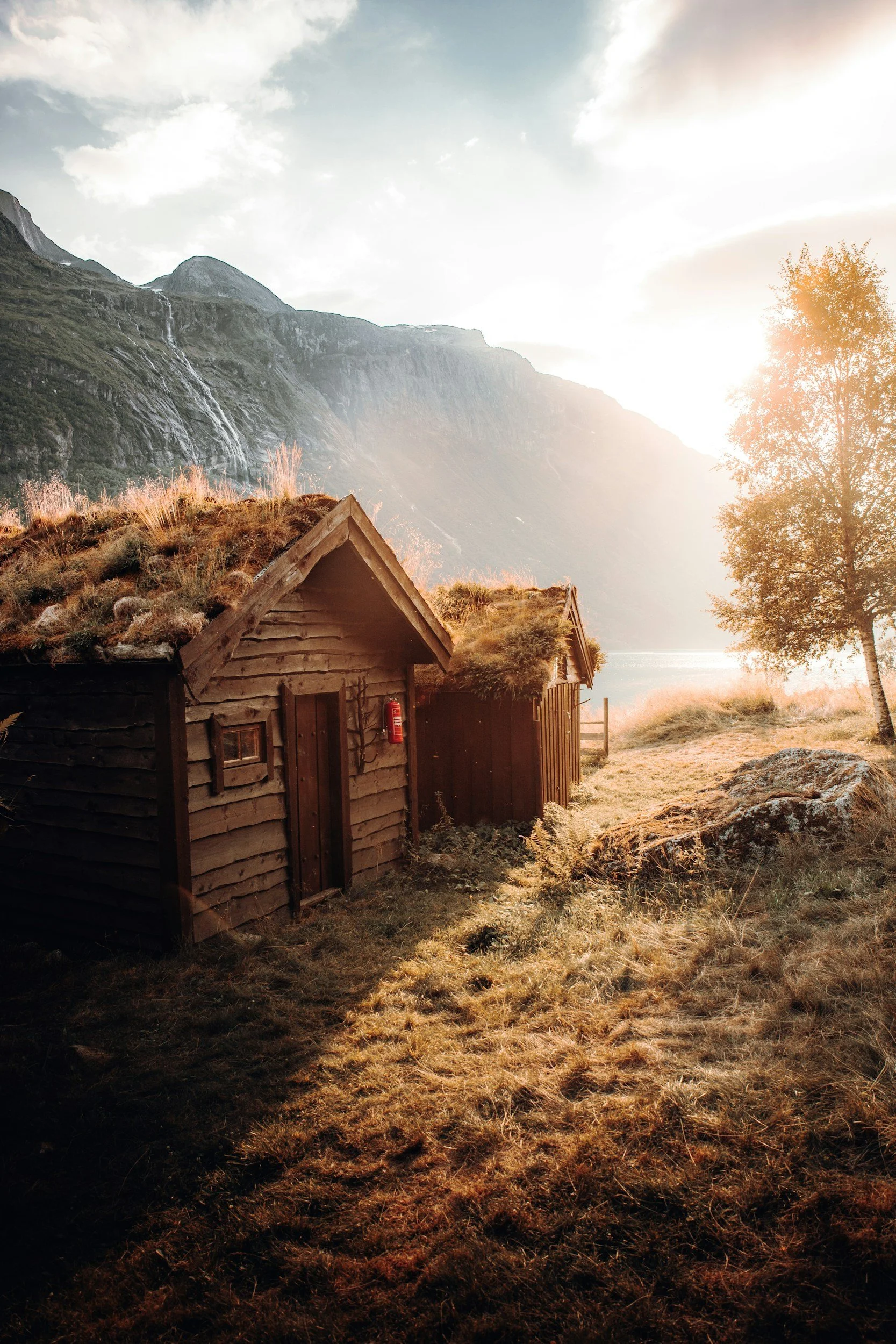
Begin by deciding which region, or combination of regions, forms the core of the trip. Then identify the experiences that actually matter to you within them. A full day in the mountains, a particular fjord, a scenic road or several days exploring Lofoten should be given space in the itinerary before additional stops are added around them.
Once those priorities are clear, look at the actual routes between them. Check driving times, whether ferries are involved, whether any roads are seasonal and whether the journey itself contains places you intend to stop. This is the point where a route that looked compact on a national map often begins to reveal its real structure.
Separate days that are primarily for travelling from days that are primarily for exploring. A longer drive is much easier to accommodate when you are not also expecting to complete a major hike or reach several attractions along the way. Scenic routes deserve their own time for the opposite reason: if the road is one of the things you came to experience, it should not be squeezed between two unrelated plans.
Accommodation should follow that structure rather than determine it. Use one-night stops where they genuinely help connect the route, but give important areas enough time to explore without packing the car every morning. Before booking, look at the itinerary as a whole and check whether several demanding driving days have ended up sitting directly beside one another.
Season should be considered before the route is finalised, particularly if mountain roads, winter driving or long outdoor days are important to the trip. Then add some margin around anything that cannot move, such as flights, guided excursions or limited transport connections.
Once the itinerary itself makes sense, the next step is understanding the practicalities of being on the road. Driving in Norway: Everything You Need to Know covers the wider rules and logistics, including tolls, ferries, road signs and the everyday details worth knowing before you collect the car.
The final route does not need to be perfectly even. Some days may involve several hours of driving and others very little. What matters is that each day has a clear purpose, and that the overall trip leaves enough time for the destinations to be more than points between one overnight stay and the next.
Final Words
A good road trip through Norway is not defined by how many places you manage to connect.
Some of the best itineraries include long driving days, remote regions and ambitious routes. The difference is that the travel time has been planned deliberately rather than squeezed in around everything else. The places that matter most are given enough time, scenic roads are allowed to be part of the experience, and longer transfers are balanced by days that do not require constant movement.
That balance is what prevents a road trip from becoming a sequence of check-ins, check-outs and hours behind the wheel.
Norway rewards travellers who leave enough space for the journey to change slightly along the way. A viewpoint may deserve more time than expected. A village may be worth stopping in. Weather may alter the plan. A route you thought would simply connect two places may become one of the most memorable parts of the trip.
The aim is not to plan less for the sake of it. It is to make sure the itinerary reflects how you actually want to experience the country once you are there.
More articles about Norway:
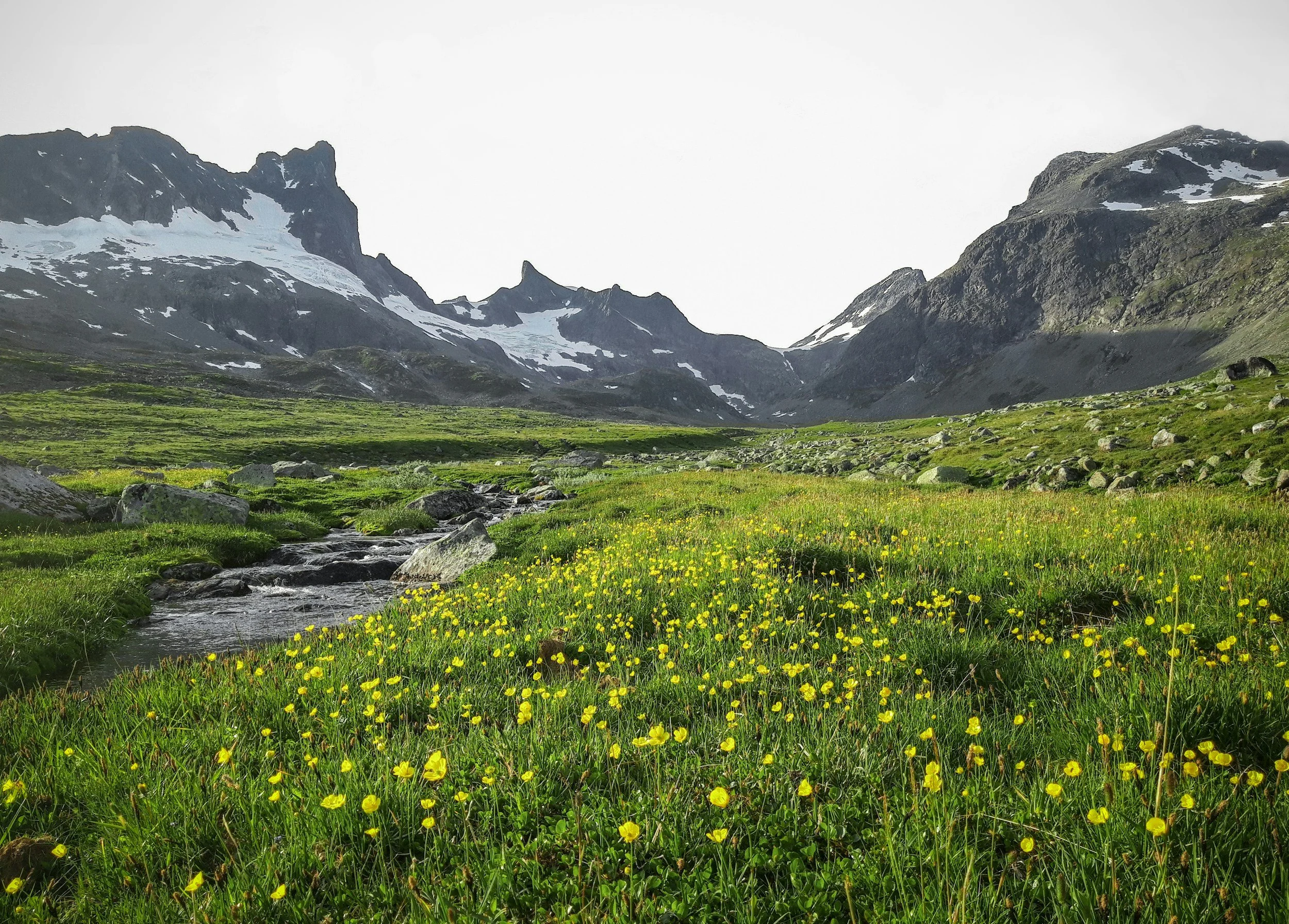
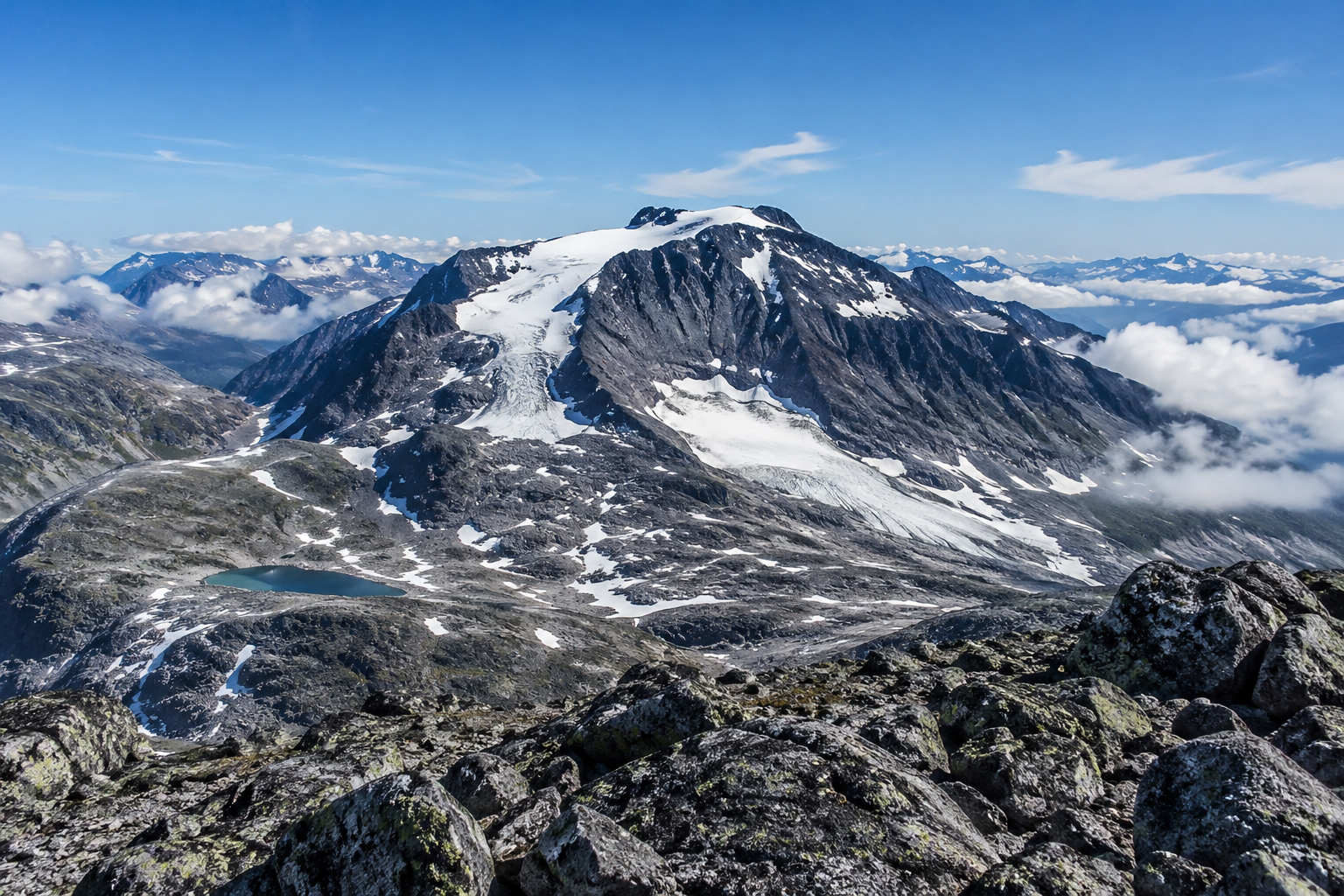
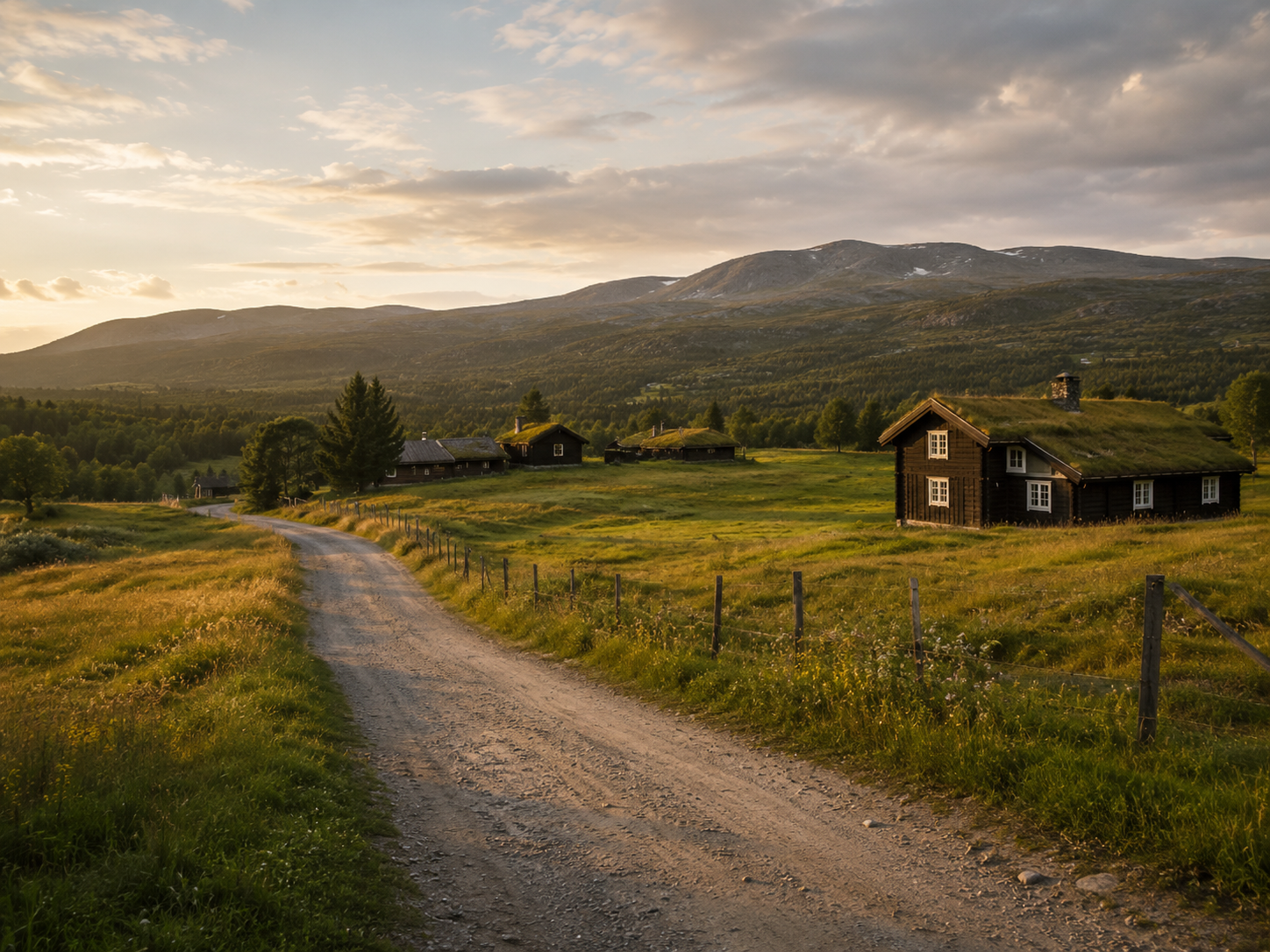


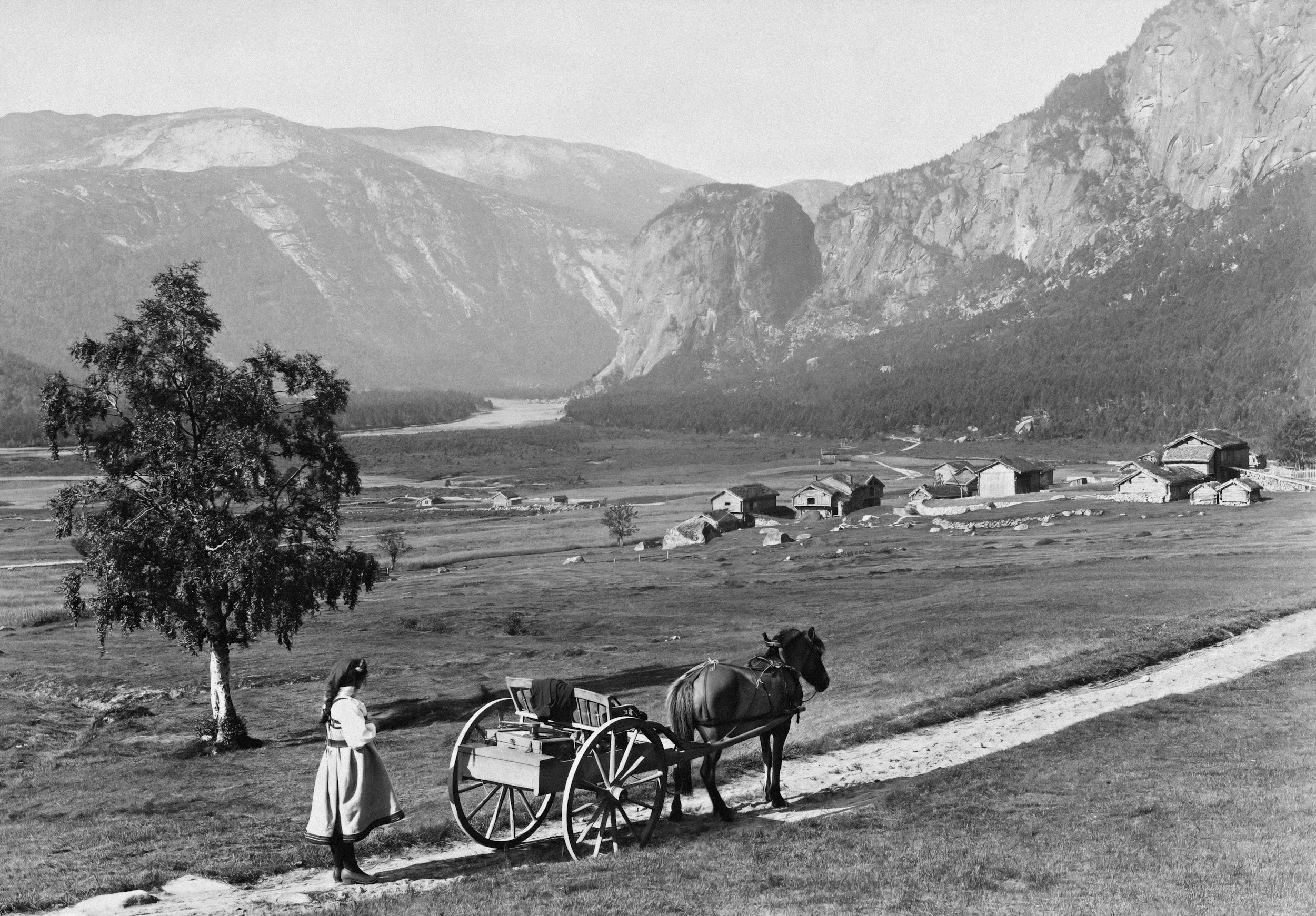


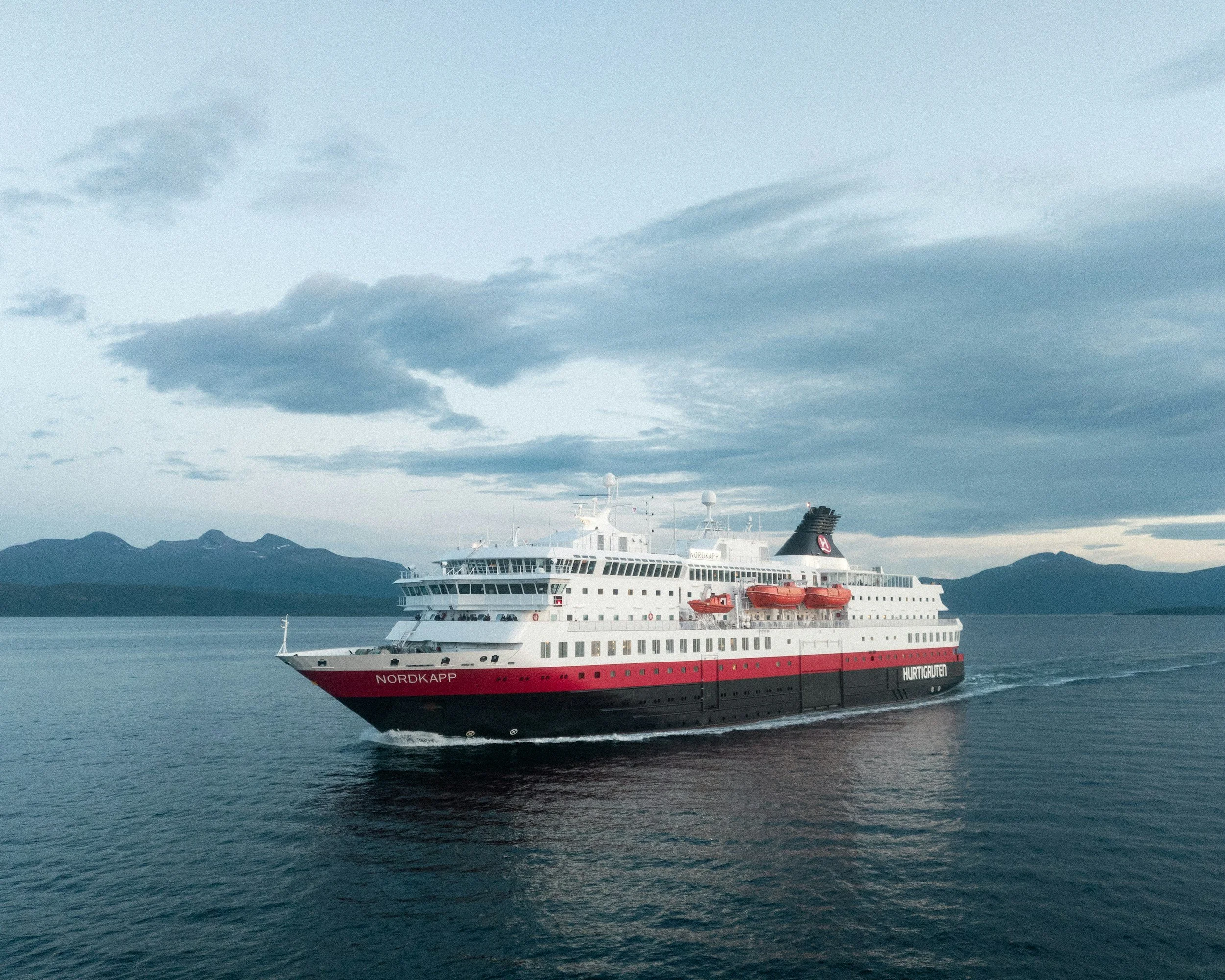
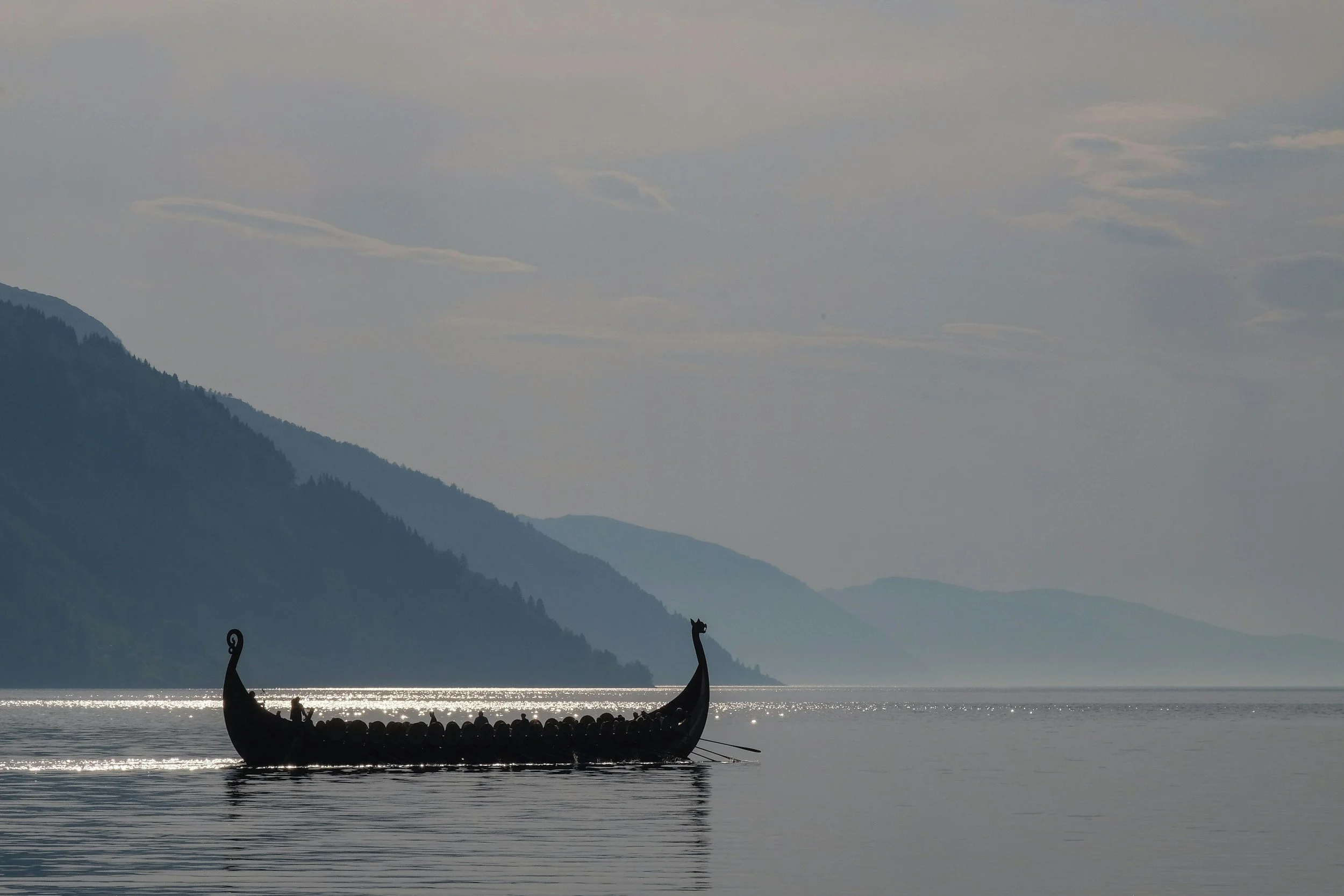
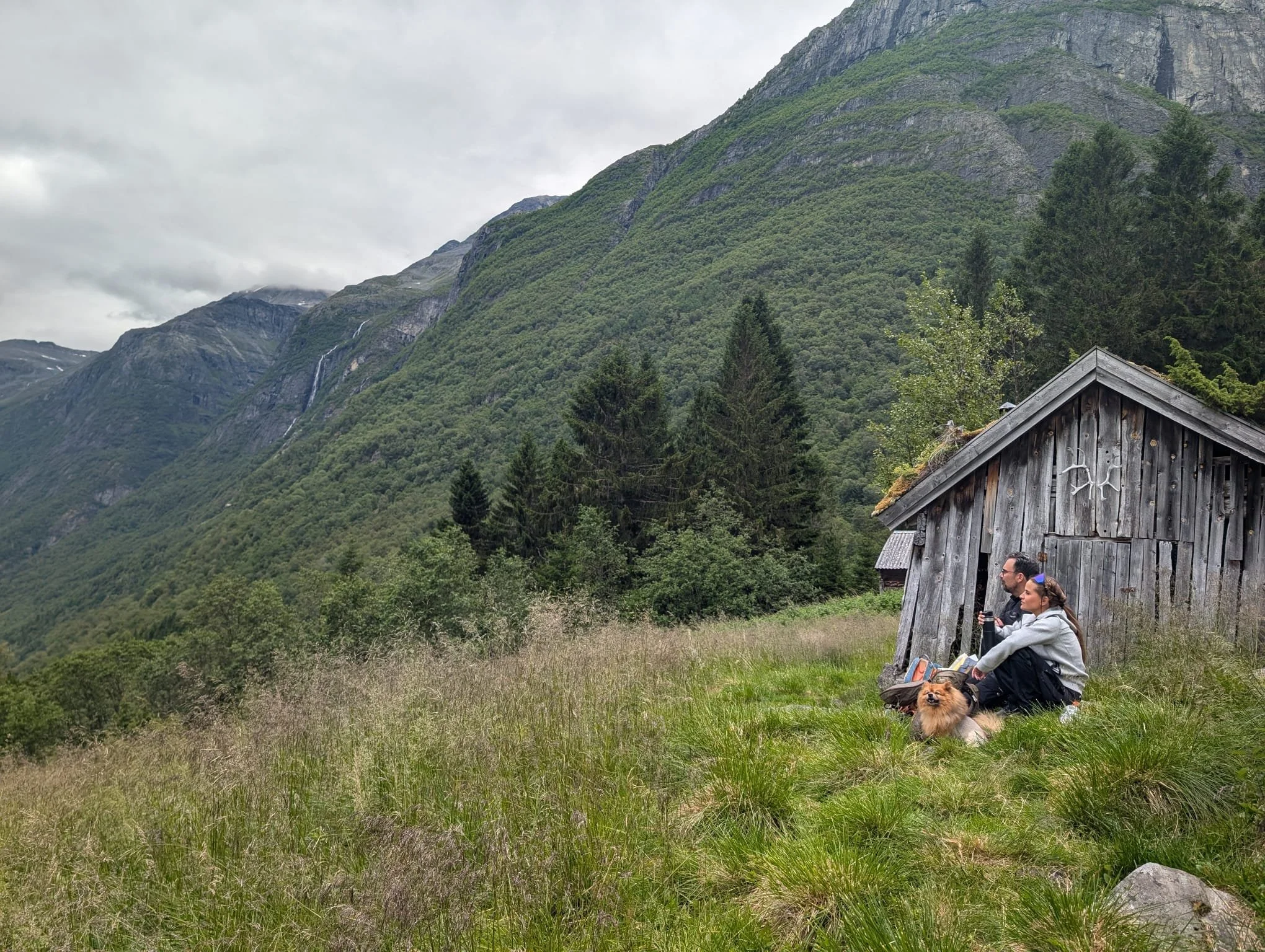



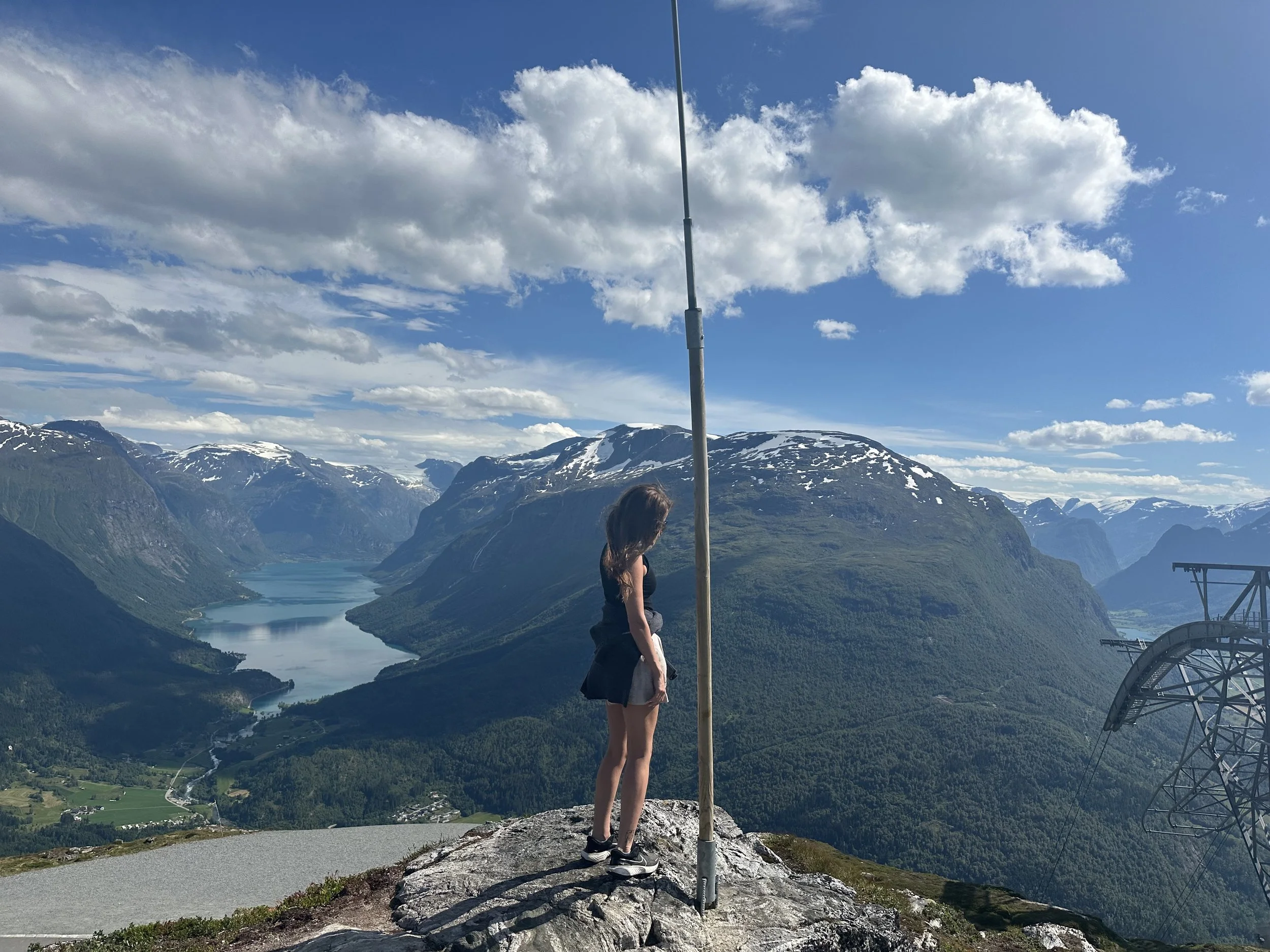
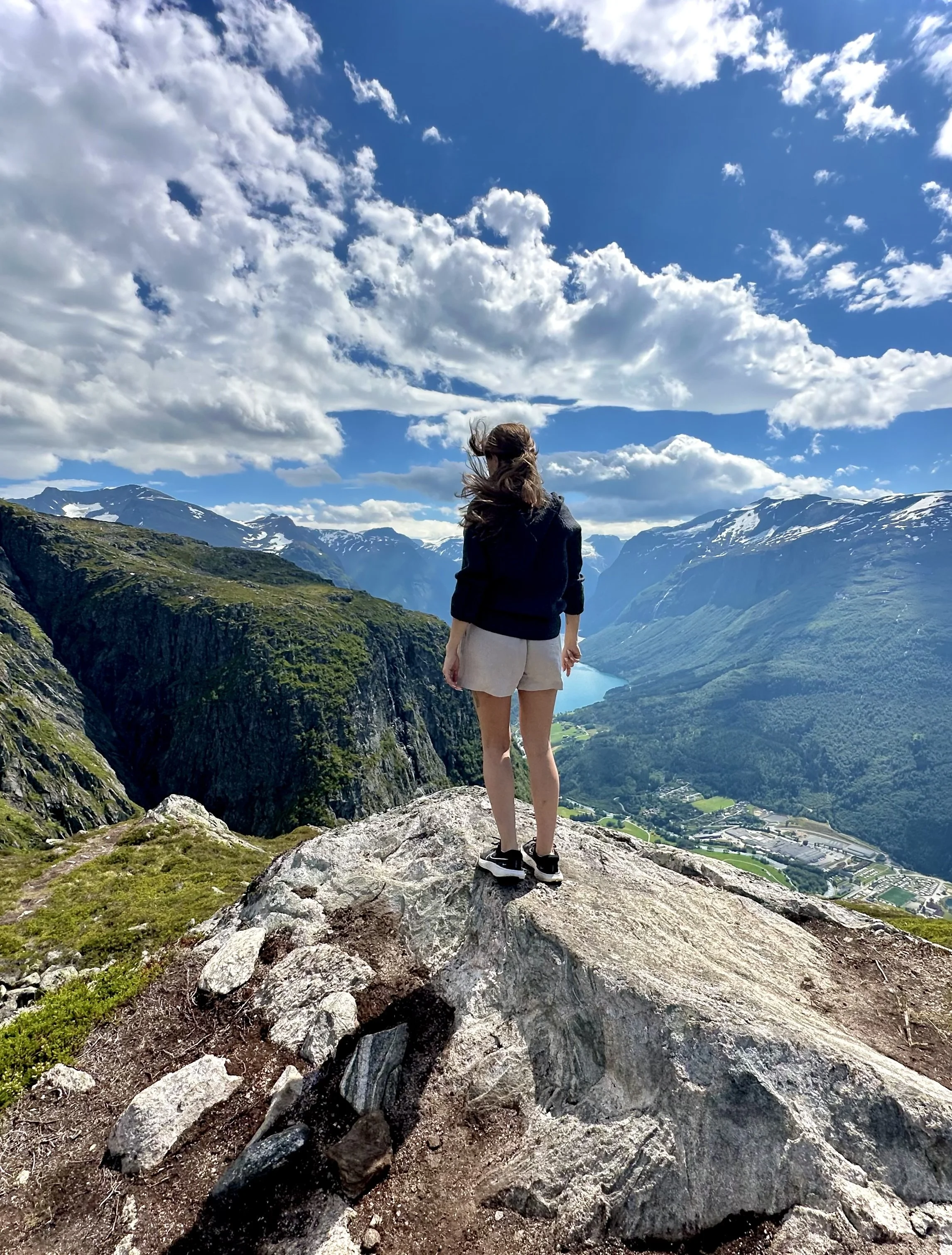
Explore Mountain Norway on a 10-day road trip through Valdres, Jotunheimen and Rondane, with scenic mountain roads, traditional summer farms, Besseggen and Galdhøpiggen along the way.