
Lofoten Travel Guide: Planning a Realistic Trip to Norway's Most Famous Islands
This guide combines practical travel planning with the history, fishing culture and everyday coastal life that continue to shape Lofoten today. From choosing where to stay and when to visit to exploring beaches, mountain hikes, fishing villages and local food, it provides a comprehensive introduction to Norway's most famous archipelago.
In This Guide
What Makes Lofoten Different?
Where Is Lofoten?
Lofoten's Role in Norwegian Coastal History
Why Visit Lofoten?
How Do You Get to Lofoten?
Do You Need a Car?
How Much Time Do You Need?
When Is the Best Time to Visit Lofoten?
Where Should You Stay?
What Should You Prioritise?
How Expensive Is Lofoten?
Food and Seafood in Lofoten
Understanding Lofoten's Weather
Useful Apps for Visiting Lofoten
What Do Visitors Often Underestimate?
How Does Lofoten Compare With Other Parts of Norway?
Is Lofoten Worth Visiting?
What Makes Lofoten Different?
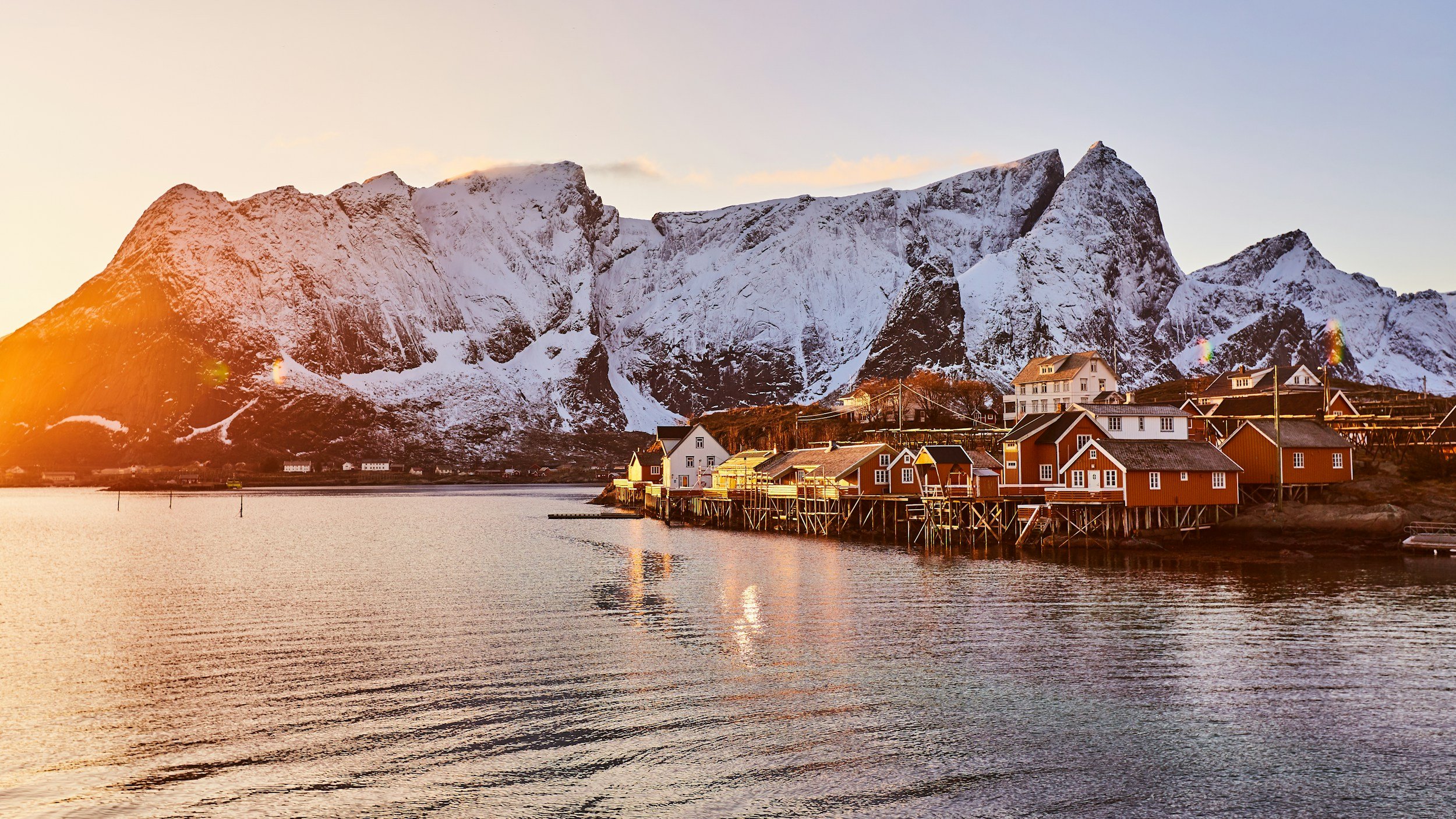
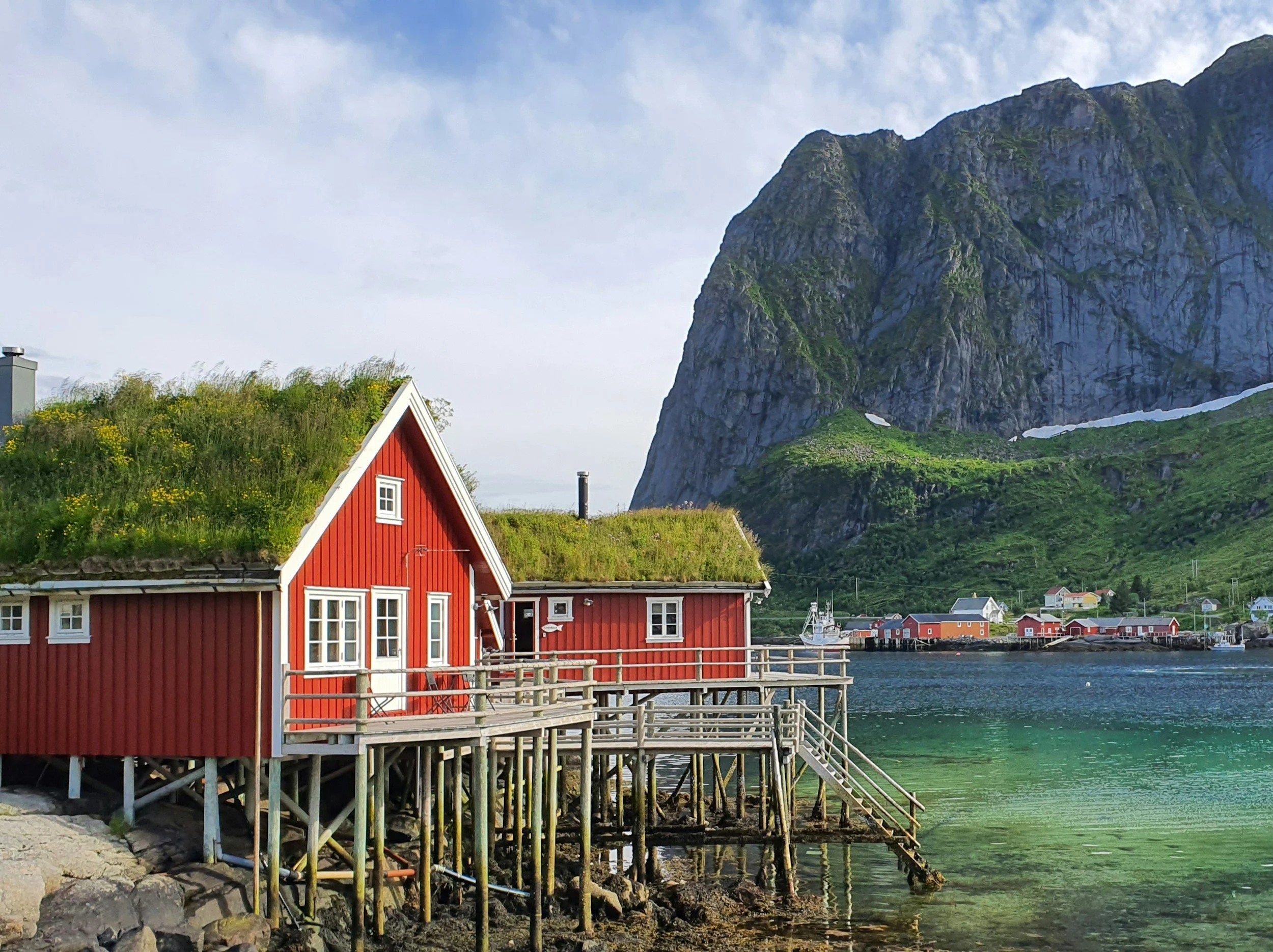
Few destinations have shaped international perceptions of Norway as strongly as Lofoten. Images of red fishermen's cabins beneath steep mountains appear in guidebooks, travel magazines and social media feeds around the world, and for many visitors the archipelago has become synonymous with Norway itself.
Yet what makes Lofoten remarkable is not simply its scenery. Norway contains dramatic landscapes in many regions. The fjords of Western Norway, the mountain plateaus of central Norway and the Arctic coastline further north all offer landscapes that are spectacular in their own way. What sets Lofoten apart is the unusual concentration of experiences within a relatively small area. Fishing villages, beaches, mountain peaks and open ocean sit side by side, often separated by only a short drive, creating a destination that feels visually dramatic almost everywhere you go.
Lofoten's connection to fishing and coastal life is not simply part of Norway's history. For many Norwegian families, including my own, these communities remain part of a living heritage. My mother's family comes from Kabelvåg, one of the oldest settlements in Lofoten, and generations before me lived and worked along this coastline. That connection is one reason I believe understanding Lofoten requires looking beyond its famous viewpoints and photographs to the fishing culture and coastal traditions that continue to shape the islands today.
Unlike some destinations that exist largely for tourism, Lofoten remains a working landscape. Cod fishing continues to play an important role in the local economy, fishing boats still fill the harbours during the winter season, and many of the villages visitors photograph are communities where people continue to live and work year-round. Understanding that balance between tourism and everyday life helps explain why Lofoten feels different from many other highly photographed destinations.
Where Is Lofoten?
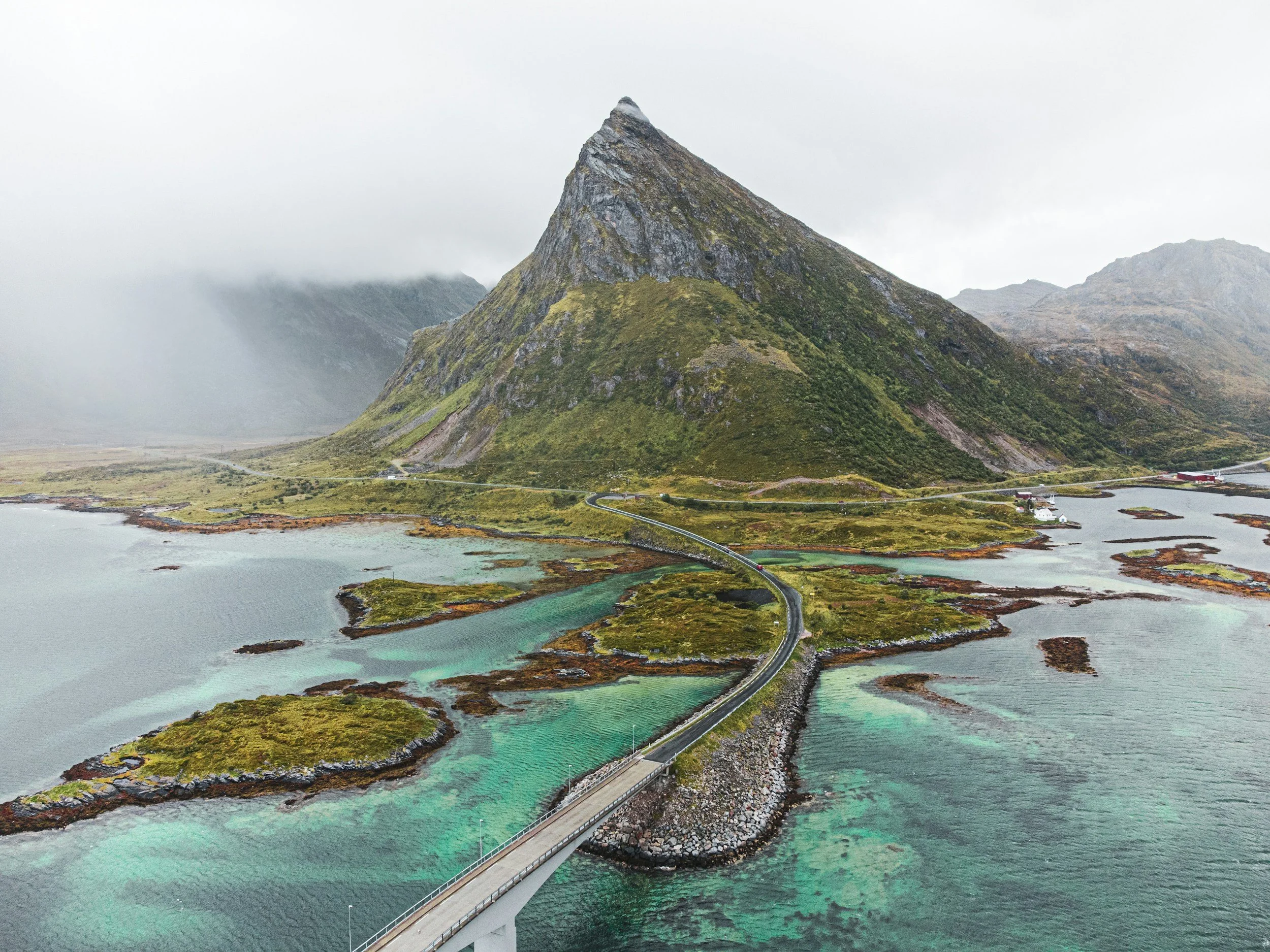
Lofoten lies above the Arctic Circle in Nordland County and consists of a chain of islands extending into the Norwegian Sea. The archipelago stretches southwest from the Norwegian mainland and is connected by a network of bridges and tunnels that make it possible to travel between most of the islands by road.
The names most visitors encounter during their trip include Svolvær, Henningsvær, Leknes, Reine and Å. Although these places are often grouped together in itineraries, they each have their own atmosphere and history. Some function as transport hubs, while others remain small fishing communities shaped by the sea and the mountains that surround them.
While Lofoten often appears remote on a map, it is not isolated in the way many visitors imagine. Roads are well maintained, accommodation is widely available and tourism infrastructure is well developed. At the same time, the landscape remains dominant. Mountains, sea and weather influence daily life in a way that visitors from more densely populated parts of Europe often find striking.
Lofoten's Role in Norwegian Coastal History
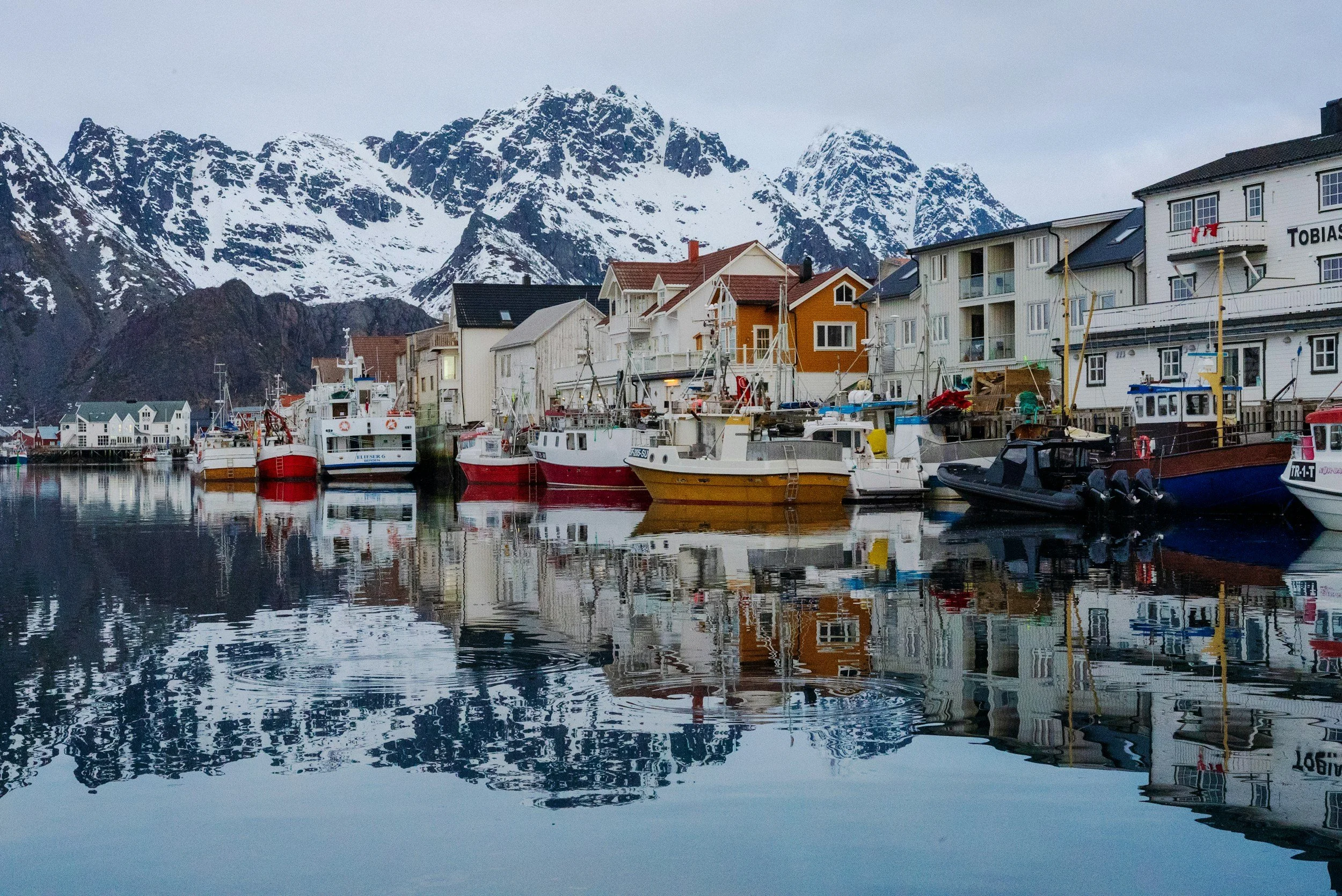
Long before tourism brought international attention to the islands, Lofoten was one of the most important fishing regions in Norway. For more than a thousand years, seasonal fisheries have shaped life along this coastline, attracting fishermen from across the country each winter.
Central to this history is the arrival of skrei, the migratory Arctic cod that travels south from the Barents Sea to spawn in the waters around Lofoten. The annual fishery became one of the foundations of Norway's coastal economy, supporting communities throughout Northern Norway and contributing significantly to trade with the rest of Europe.
Stockfish, produced by air-drying cod on wooden racks exposed to the Arctic climate, became one of Norway's most valuable exports. For centuries, stockfish from Lofoten was shipped to countries such as Italy, Spain and Portugal, helping to establish trading connections that continue to this day.
Understanding this history helps explain why many of Lofoten's villages look the way they do. The harbours, rorbuer, drying racks and fishing facilities that visitors see today are not simply tourist attractions but part of a living coastal culture that remains central to the identity of the islands.
Kabelvåg: One of Norway's Oldest Fishing Settlements
Among Lofoten's many villages, Kabelvåg holds a special place in Norwegian coastal history. The settlement grew as an important centre for the seasonal cod fishery and is considered one of the oldest fishing communities in Northern Norway.
Today, visitors often pass through Kabelvåg on their way to more famous locations such as Henningsvær or Reine. Yet the village offers a quieter perspective on the islands, with strong links to the fishing traditions that shaped the region for centuries. For travellers interested in the history and culture of Lofoten, it provides valuable context that can sometimes be overlooked in more tourism-focused destinations.
The Stockfish Tradition
One of the most distinctive sights in Lofoten is the stockfish racks that appear throughout the islands during the drying season. Cod has been dried naturally here for more than a thousand years, using the combination of cool temperatures, wind and sea air to preserve the fish without salt.
Visitors interested in understanding the historical importance of fishing should consider visiting the Lofoten Seafood Center, where the relationship between stockfish production, coastal communities and international trade is explained in greater detail. For centuries, stockfish from Lofoten helped connect Northern Norway to markets across Europe and remains an important export today.
Why Visit Lofoten?
People visit Lofoten for many reasons, but most are ultimately drawn by the relationship between landscape and scale. In many parts of Norway, dramatic scenery requires long journeys. Fjords may be separated by mountain ranges, and major natural attractions can be several hours apart. In Lofoten, by contrast, beaches, villages, mountain viewpoints and coastal scenery often exist within a relatively compact area.
This concentration of landscapes allows travellers to experience a great deal without spending entire days in transit. A single day might include a morning walk along a beach, lunch in a fishing village and an evening spent watching the light change across a mountain ridge. The scenery is dramatic, but it is also remarkably accessible.
For photographers, hikers and road-trippers, this combination is part of the appeal. For others, it is the atmosphere that leaves the strongest impression. The islands feel distinctly Arctic without being inaccessible, and they retain a strong connection to Norway's coastal culture despite their international popularity.
Lofotens beaches
Visitors are often surprised by the beaches. White sand and remarkably clear turquoise water that can appear almost tropical on sunny days. While the sea temperatures remain distinctly Arctic, the contrast between the beaches, mountains and surrounding coastline contributes significantly to the unique character of the islands.
Locations such as Haukland, Uttakleiv, Kvalvika, Bunes and Ramberg demonstrate a side of Norway that many international visitors do not expect. White sand, turquoise water and steep mountain scenery combine to create landscapes that feel almost tropical despite their Arctic location.
Some beaches, such as Haukland and Uttakleiv, are easily accessible by road, while others, including Kvalvika and Bunes, require short hikes or boat journeys to reach.
Hiking in Lofoten
The islands offer an unusually high concentration of mountain hikes within a relatively small area. Popular routes include Ryten, Festvågtinden and Offersøykammen.
For visitors seeking less crowded viewpoints, hikes such as Holandsmelen and Volandstinden can provide spectacular views while attracting fewer visitors than some of Lofoten's most famous trails.
Visitors should remember that weather conditions can change rapidly and that even relatively short hikes can involve steep terrain.
Camping and Campervan Travel
Lofoten has become one of Norway's most popular destinations for campervan travel. While the freedom to explore by campervan appeals to many visitors, increasing visitor numbers have also created challenges around parking, waste disposal and wild camping. Travellers should always respect local regulations and use designated facilities whenever possible.
How Do You Get to Lofoten?
There is no single route into Lofoten, which is one reason travel planning can initially feel confusing. Many international visitors arrive via Harstad/Narvik Airport (Evenes), which offers the widest range of domestic and international flight connections. From there, travellers typically rent a car and continue into the islands by road.
Others choose to fly directly to smaller airports such as Svolvær or Leknes, particularly if their trip focuses exclusively on Lofoten. Travellers already exploring Northern Norway sometimes arrive via road from Tromsø, Senja or Vesterålen, while others incorporate the islands into a wider coastal journey.
The best option depends largely on the rest of your itinerary. Visitors combining several destinations often benefit from the flexibility of a road trip, while those focused solely on Lofoten may find flying the most efficient solution. Regardless of how you arrive, it is worth remembering that travel times within the islands are often longer than they first appear.
Do You Need a Car?
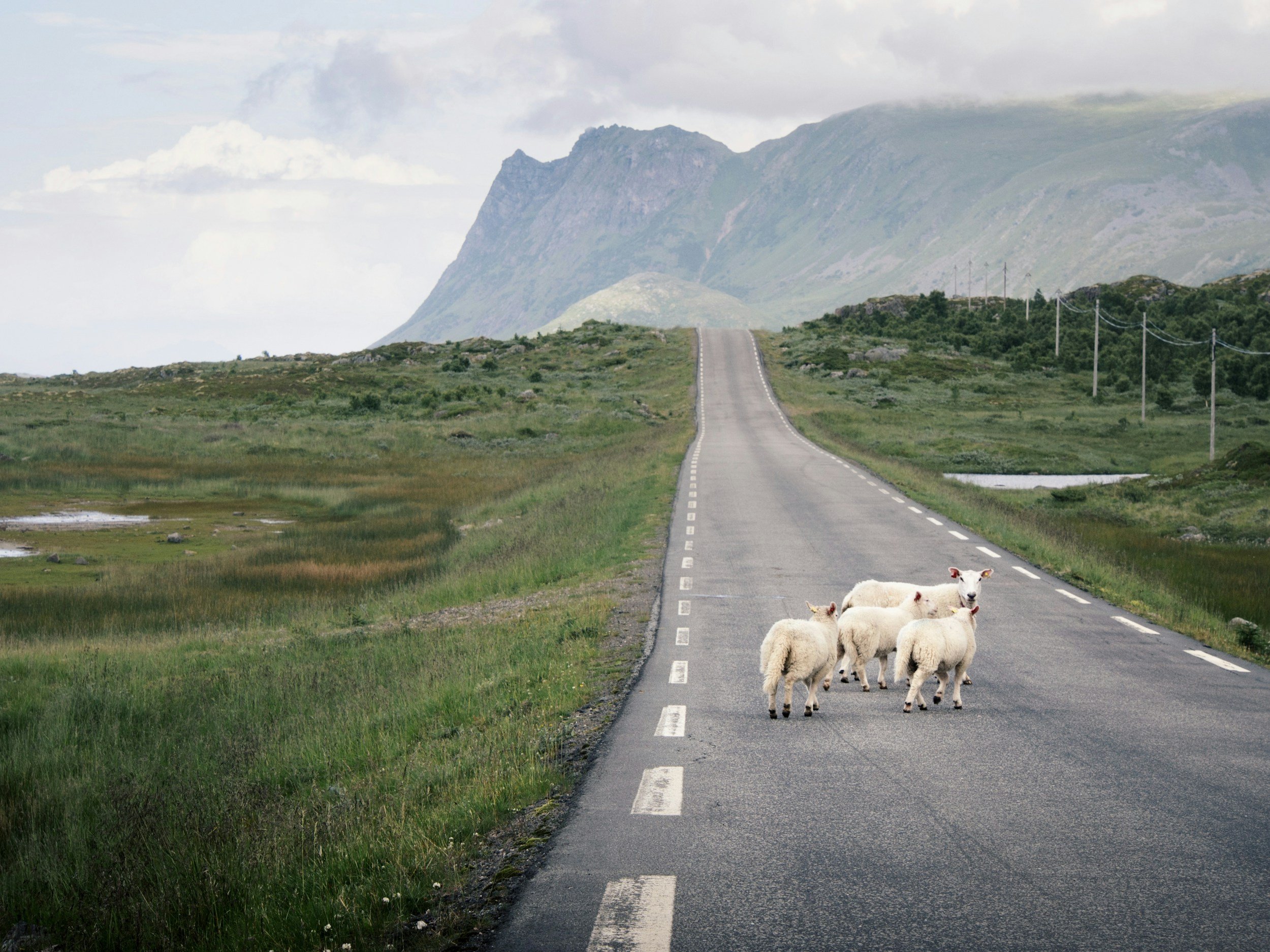
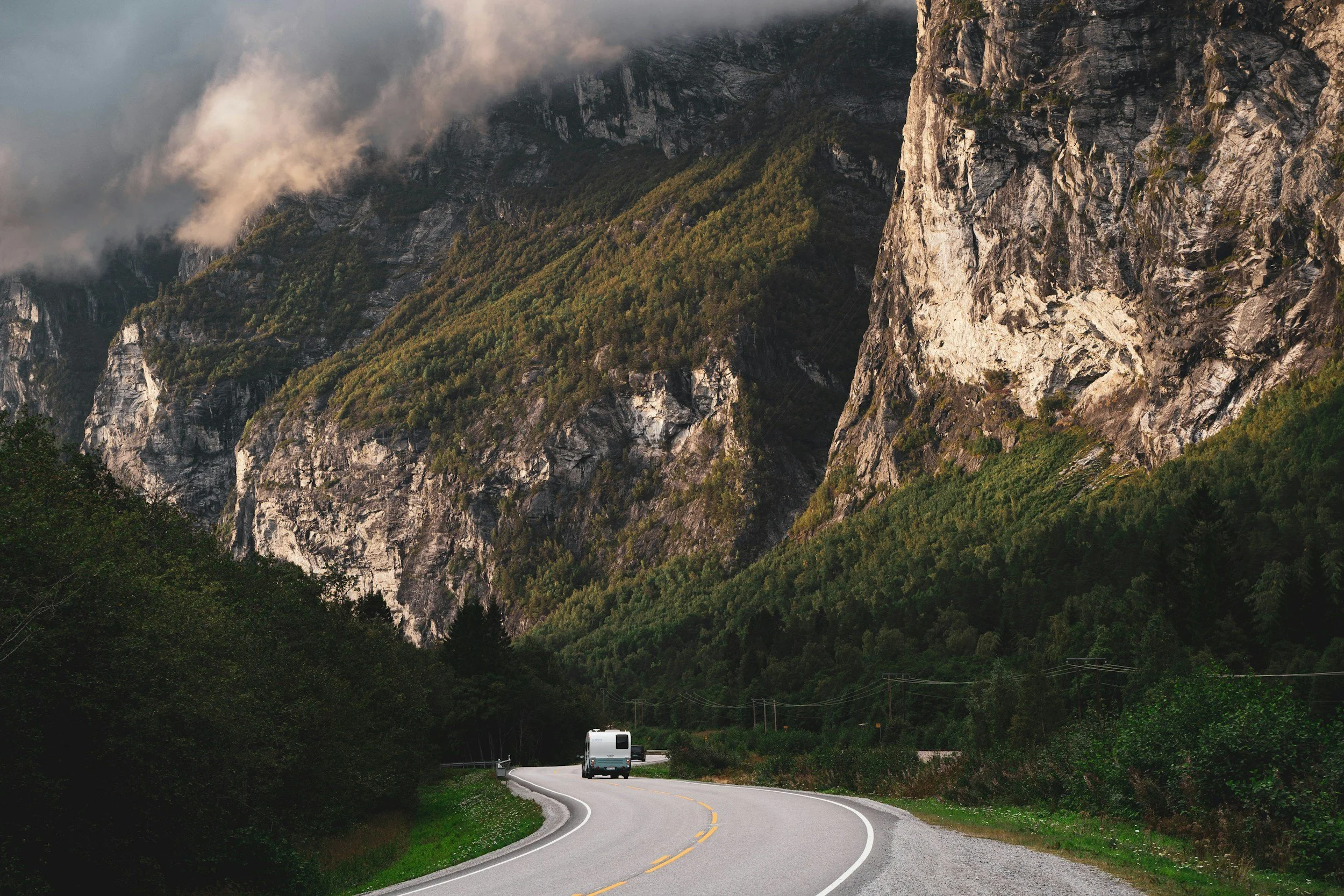
For most travellers, a car is the simplest and most flexible way to explore Lofoten. Public transport exists and can be used successfully with careful planning, but services are relatively limited compared with larger urban areas in Norway. Many of the beaches, hiking areas and smaller communities that attract visitors are easiest to access by car, particularly outside the main settlements.
Having your own vehicle also allows you to adapt plans to changing weather conditions. This is more important than many visitors realise. A day that begins with low cloud and rain in one part of the archipelago may offer clear skies and excellent visibility elsewhere. The ability to move around freely often makes a significant difference to the overall experience.
While distances appear relatively short on a map, travel times are often longer than visitors expect. The drive from Svolvær to Reine takes approximately two and a half to three hours without major stops, and many travellers find themselves stopping frequently for photographs, viewpoints and short walks. As a result, even modest distances can occupy a significant part of the day.
That said, a car is not essential for every traveller. Visitors who prefer guided excursions, stay in one location or focus primarily on activities organised through local operators can still enjoy Lofoten without driving. The experience is simply likely to be less flexible.
How Much Time Do You Need?
One of the most common planning mistakes is assuming that Lofoten can be seen in a couple of days. The islands appear relatively compact on a map, yet travel often takes longer than expected. Roads are slower than many visitors anticipate, and the temptation to stop frequently for photographs quickly adds time to each day.
A long weekend can provide a useful introduction, particularly for travellers already visiting Northern Norway. However, most visitors benefit from spending at least four to seven days in the region. This allows time to explore different parts of the archipelago without constantly rushing between locations, while also providing flexibility should weather conditions affect plans.
The reality is that many of the most memorable moments in Lofoten occur between destinations rather than at a specific attraction. A changing patch of weather, a quiet fishing harbour or an unexpected stretch of coastline often leaves as strong an impression as any famous viewpoint.
When Is the Best Time to Visit Lofoten?
There is no universally best season to visit Lofoten because the experience changes dramatically throughout the year. The right time depends largely on what you hope to experience.
Summer
is defined by long daylight hours and the midnight sun. Hiking conditions are generally at their best, roads are fully accessible and outdoor activities dominate the visitor experience. It is also the busiest period of the year, with accommodation often selling out months in advance and some of the most popular locations becoming crowded during peak season.
Autumn
offers a different atmosphere. Visitor numbers decline, the landscape begins to change colour and darker nights return. September is often regarded as one of the most balanced months for travel, combining relatively stable conditions with fewer crowds and the possibility of seeing the northern lights later in the season.
Winter
transforms the islands completely. Snow-covered mountains, shorter daylight hours and the possibility of aurora displays create a very different experience from summer. Conditions become less predictable and weather plays a larger role in daily plans, yet many visitors consider winter the most atmospheric time of year.
Spring
sits somewhere between the two extremes. Snow often remains visible on higher ground while daylight increases rapidly and visitor numbers remain relatively low. For travellers seeking a quieter experience, it can be an appealing compromise.
When Can You See the Midnight Sun?
Lofoten experiences the midnight sun from approximately late May until mid-July. During this period, the sun remains above the horizon throughout the night, creating extended opportunities for hiking, photography and sightseeing. Many visitors find that daily routines begin to shift, with evening walks and late-night excursions becoming a natural part of the experience.
When Can You See the Northern Lights?
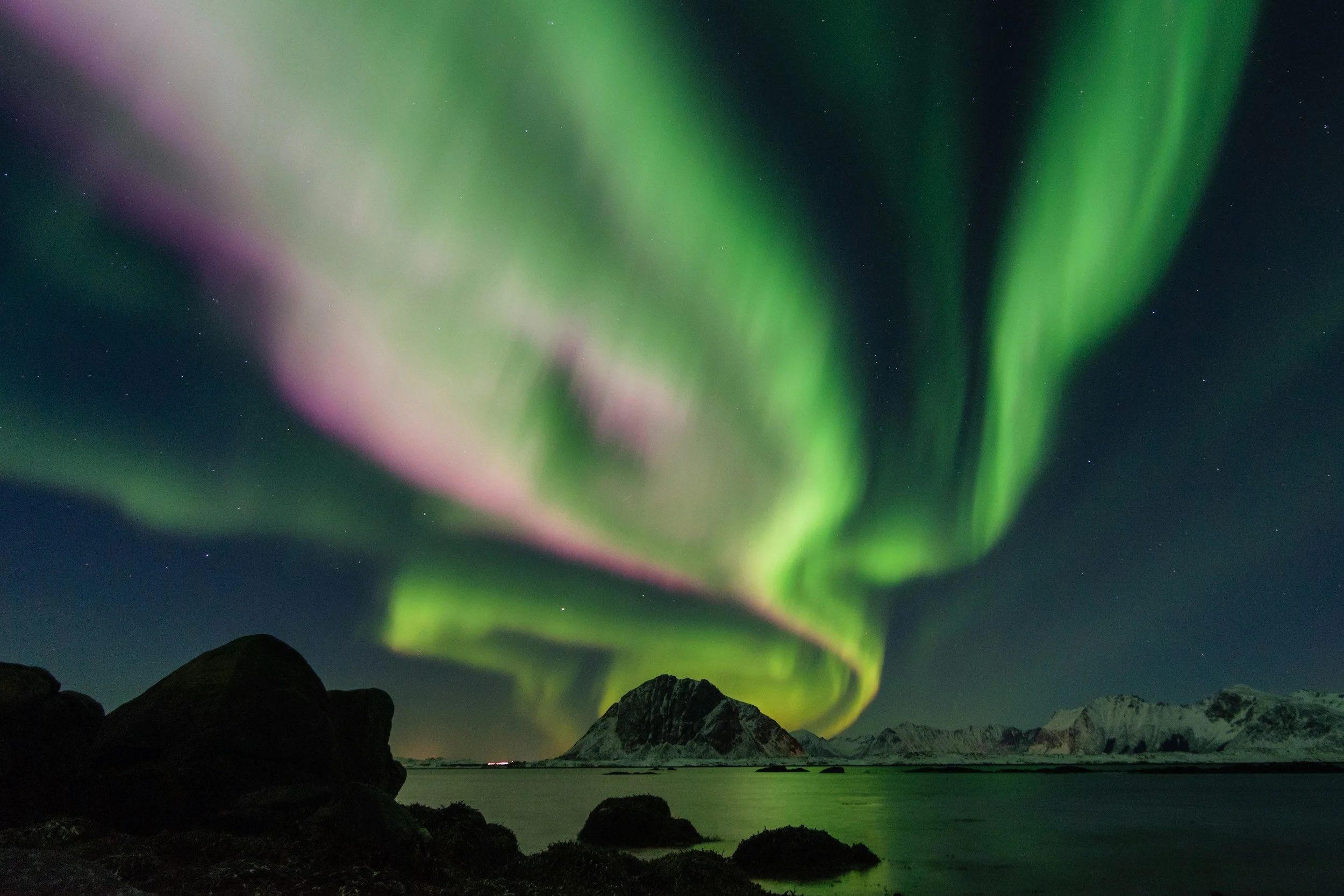
The northern lights season generally runs from September until March, when nights become sufficiently dark for aurora viewing. While sightings can never be guaranteed, Lofoten's location beneath the auroral zone makes it one of Norway's most popular destinations for northern lights tourism. Weather conditions remain an important factor, and clear skies are often more significant than solar activity alone.
While Lofoten offers excellent aurora opportunities, visitors should remember that northern lights depend on both solar activity and clear skies. It is entirely possible to spend several days in the region without seeing an aurora, particularly during periods of cloud cover.
Where Should You Stay?
Understanding the Different Areas of Lofoten
Svolvær
Svolvær is the largest town in Lofoten and functions as the region's primary transport hub. It offers the widest selection of accommodation, restaurants, organised excursions and practical services, making it a convenient base for first-time visitors.
Kabelvåg
Located just west of Svolvær, Kabelvåg offers a quieter atmosphere and stronger connections to the historical fishing culture of the islands. It is often overlooked by visitors despite its important role in the development of Lofoten.
Henningsvær
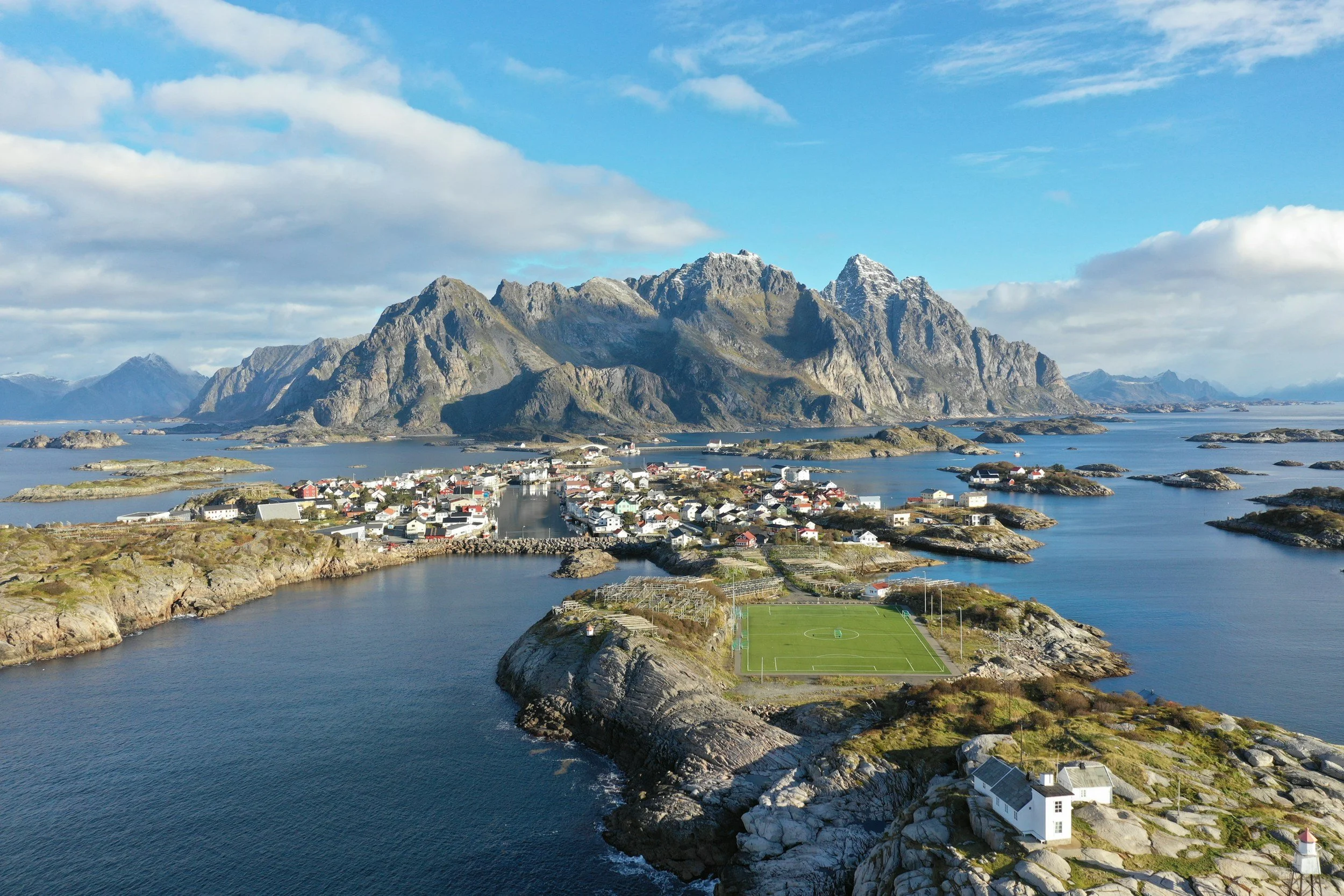
Spread across several small islands connected by bridges, Henningsvær combines a working fishing harbour with galleries, cafés and independent shops. It is one of the most photographed communities in Lofoten and remains popular throughout the year.
Leknes
Situated near the centre of the archipelago, Leknes provides easy access to several well-known beaches and serves as a practical base for exploring different parts of the islands. It is less visually dramatic than some fishing villages but offers useful services and accommodation options.
Reine
Reine is perhaps the most internationally recognised village in Lofoten. Surrounded by steep mountains and narrow fjords, it is the location featured in many of the photographs that have helped make the islands famous worldwide.
Å
Located near the southern end of the road network, Å marks the end of the E10 highway through Lofoten. Despite its small size, it remains one of the most visited villages in the archipelago and provides insight into traditional coastal life.
Nusfjord
Often described as one of Norway's oldest and best-preserved fishing villages, Nusfjord provides a glimpse into the traditional coastal communities that once characterised much of Northern Norway. Historic rorbuer, preserved buildings and a sheltered harbour create an atmosphere that feels distinctly different from some of Lofoten's larger settlements.
Hamnøy
Hamnøy is one of the most photographed locations in Lofoten and frequently appears in travel magazines, guidebooks and social media imagery. Despite its popularity, it remains a small fishing community where traditional rorbuer and working harbour life continue to shape the landscape.
Sakrisøy
Located between Reine and Hamnøy, Sakrisøy is known for its distinctive yellow fishermen's cabins, stockfish production and seafood traditions. Despite its small size, it has become one of the most recognisable stops in southern Lofoten.
Beyond the better-known destinations, smaller communities such as Mortsund, Ure and Nesland offer a quieter perspective on the islands. While they attract far fewer visitors, they often provide some of the strongest connections to everyday life in modern Lofoten.
What Is a Rorbu?
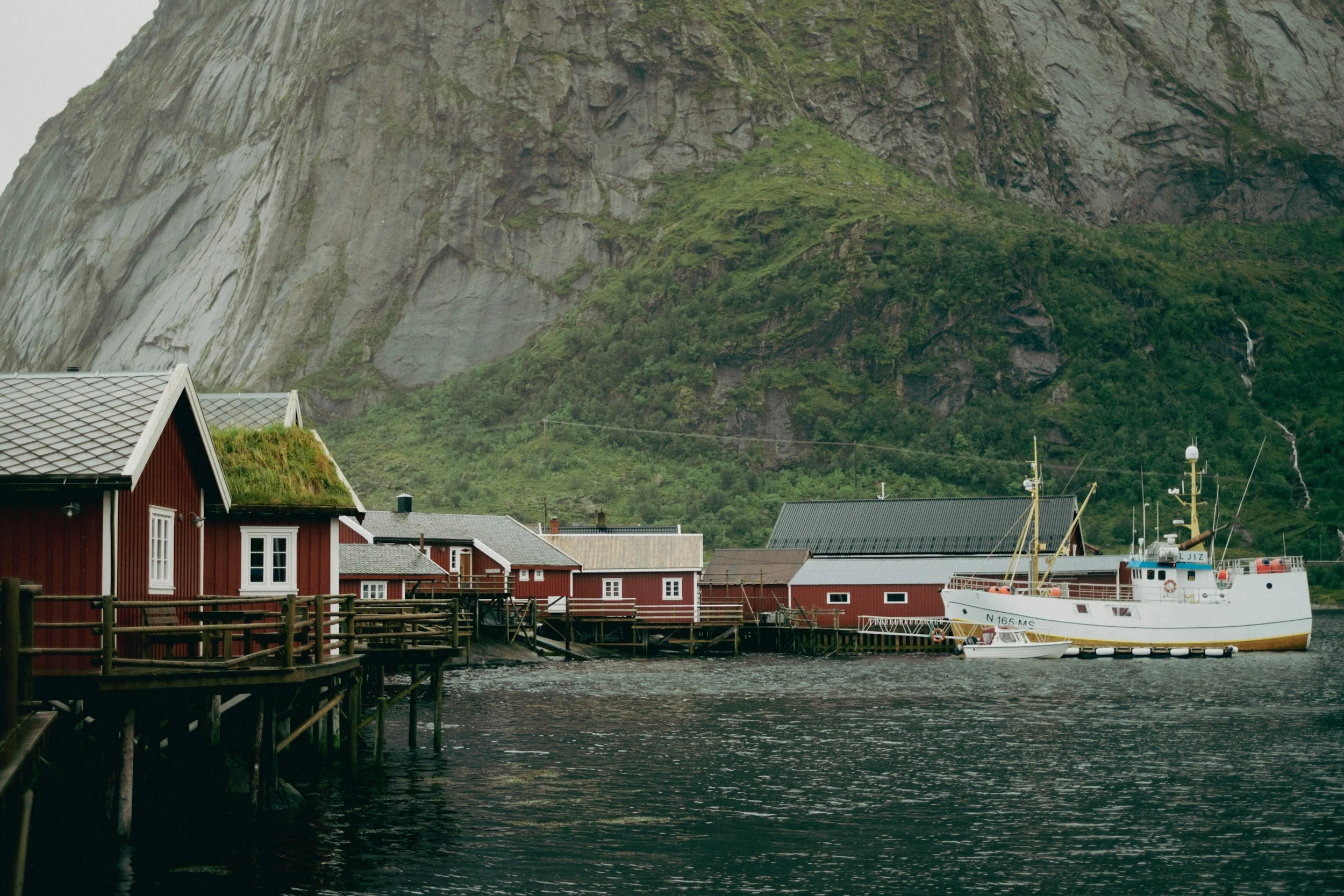
One of the most distinctive accommodation options in Lofoten is the rorbu, a traditional fishermen's cabin originally built to house seasonal workers during the winter cod fishery. Many historic rorbuer have been carefully restored and converted into visitor accommodation, allowing travellers to stay in buildings that form part of the islands' cultural heritage. While comfort levels vary, spending a night in a rorbu is often considered one of the most characteristic ways to experience Lofoten.
What Should You Prioritise?
Many guides reduce Lofoten to a checklist of viewpoints and famous photo locations. While these places can certainly be worthwhile, they rarely tell the full story of the archipelago. Some of the most memorable experiences come not from ticking off landmarks but from spending time in fishing communities, walking along beaches, driving through changing landscapes or simply observing how weather and light transform the scenery throughout the day.
This does not mean ignoring well-known locations such as Reine, Hamnøy or Henningsvær. Rather, it means allowing enough flexibility to experience the islands beyond a collection of attractions. Lofoten is often most rewarding when approached at a slower pace, with room for detours, changing conditions and unexpected discoveries.
Visitors frequently arrive expecting dramatic scenery and leave remembering something more subtle: the atmosphere of a harbour at dusk, the sound of seabirds along the coast or the way mountains emerge through shifting cloud. Those quieter moments are often what give the islands their lasting appeal.
How Expensive Is Lofoten?
Like much of Norway, Lofoten is expensive by international standards. Accommodation is often the largest expense, particularly during summer when demand is highest. Hotels, rorbuer (traditional fishermen's cabins) and holiday rentals can book out months in advance, especially in popular locations such as Reine and Henningsvær.
Car hire, restaurants and organised activities can also add significantly to the overall cost of a trip. While budget travel is certainly possible, visitors should expect prices to be higher than in much of Europe. Planning ahead can make a meaningful difference, both in terms of availability and cost. Travellers who visit outside the busiest summer weeks often benefit not only from lower prices but also from quieter roads and a more relaxed atmosphere.
At the same time, Lofoten is not necessarily a destination where spending more automatically creates a better experience. Some of the most memorable aspects of a visit—coastal walks, scenic drives, village exploration and changing Arctic light—are available regardless of budget.
Food and Seafood in Lofoten
Fishing has shaped local cuisine for centuries, and seafood remains one of the highlights of a visit. Fresh cod, stockfish, fish soup and locally caught seafood appear throughout the islands, from casual harbourside cafés to more refined restaurants.
Travellers interested in regional food culture will find that Lofoten's culinary traditions remain closely connected to the sea and the fishing industry that continues to define much of the archipelago.
Where to Eat in Lofoten
While scenery is often the main reason people visit Lofoten, the islands also offer some of the most interesting seafood experiences in Norway. From small harbourside cafés to ambitious fine dining restaurants, many establishments draw directly on the fishing traditions that have shaped the region for centuries.
Anita's Seafood, Sakrisøy
Perhaps the most famous seafood stop in Lofoten, Anita's Seafood is particularly well known for its fish burger and locally produced seafood products. Its location on Sakrisøy makes it a popular stop for travellers exploring the southern part of the archipelago.
Maren Anna, Sørvågen
Located near the end of the Lofoten road network, Maren Anna focuses on local ingredients and seafood-based cuisine. The restaurant has become one of the better-known dining destinations in the southern islands and offers a more refined interpretation of regional food traditions.
Sjokoladerommet, Gravdal
For travellers seeking a slower pace, Sjokoladerommet offers coffee, cakes and light meals in a relaxed setting. It provides a welcome contrast to some of the busier tourist locations during the summer season.
Fangst, Ballstad
Located in one of Lofoten's active fishing communities, Fangst focuses on seafood and seasonal ingredients, maintaining strong links to the region's fishing heritage.
Holmen Lofoten and Trevarefabrikken
For visitors looking for something slightly different, both Holmen Lofoten and Trevarefabrikken combine food, atmosphere and design in ways that reflect the contemporary side of Lofoten while remaining connected to the surrounding landscape and coastal culture.
Understanding Lofoten's Weather
Weather is one of the most important factors shaping a trip to Lofoten. Conditions can change rapidly, sometimes several times within a single day, and sunshine in one village may coincide with rain, fog and low cloud elsewhere in the archipelago.
Rather than planning every day in detail, many experienced visitors remain flexible and adjust their itinerary according to local conditions. A mountain hike that is impossible in the morning may offer clear views by the afternoon, while a beach that appears grey under cloud can look entirely different once the sun emerges.
Local residents and experienced travellers frequently use Yr, Norway's national weather service, to monitor conditions throughout the day.
Useful Apps for Visiting Lofoten
Several Norwegian apps can make travelling in Lofoten considerably easier.
Yr provides detailed local weather forecasts and is widely regarded as Norway's most reliable weather service.
Aurora offers northern lights forecasts and real-time alerts during the aurora season.
Hjelp 113 allows users to contact emergency services and share their precise GPS location.
Park4Night can be useful for travellers exploring Lofoten by campervan, helping locate campsites, facilities and overnight parking areas.
What Do Visitors Often Underestimate?
Perhaps the most common misconception about Lofoten is that it can be experienced quickly. Distances may not look particularly large on a map, but roads are relatively slow and the scenery encourages frequent stops. Travellers often find themselves spending far longer in a location than originally planned, whether because of weather, photography opportunities or simply a desire to slow down and enjoy the surroundings.
Weather is another factor that visitors frequently underestimate. Conditions can change rapidly, sometimes several times within the same day. A mountain ridge that disappears into cloud in the morning may be completely clear by the afternoon. This unpredictability is part of what makes the islands feel dynamic, but it also means that rigid itineraries can be frustrating.
Many visitors are also surprised by how busy certain locations become during summer. Lofoten is no longer a hidden destination, and some of the most photographed viewpoints attract substantial numbers of visitors during peak season. This does not diminish the beauty of the islands, but it does reinforce the value of travelling with realistic expectations.
Why Isn't Lofoten Permanently Frozen?
Considering its location above the Arctic Circle, many visitors expect Lofoten to experience a much harsher climate than it does. The islands benefit from the warming influence of the North Atlantic Current, which brings relatively mild ocean temperatures to the Norwegian coast.
As a result, winter temperatures are generally far less extreme than those found in other regions at similar latitudes, including parts of Alaska, Canada and Greenland. This comparatively mild climate has helped support permanent settlements, fishing communities and maritime industries in the region for centuries.
Beyond the Main Tourist Route
Most visitors spend much of their trip following the E10 between Lofoten's best-known villages and viewpoints. While these locations are often spectacular, some of the most rewarding experiences can come from leaving the main route behind.
Areas around Valberg and several smaller communities on Vestvågøy offer a quieter side of Lofoten, with fewer tour groups, less traffic and a stronger sense of everyday coastal life. Travellers willing to explore beyond the most photographed locations often discover a very different rhythm to the islands.
How Does Lofoten Compare With Other Parts of Norway?
Travellers often compare Lofoten with destinations such as the Norwegian fjords, Senja, Tromsø and Svalbard. While these comparisons are understandable, each region offers a distinct experience.
Western Norway is best known for its fjords, waterfalls and longer scenic driving routes. The landscapes are often larger in scale, and travel tends to involve greater distances between major attractions. Tromsø combines Arctic experiences with the infrastructure and services of a small city, making it a popular base for winter activities and northern lights tourism.
Senja shares some similarities with Lofoten, particularly in terms of dramatic scenery, but generally receives fewer visitors and feels quieter. Svalbard occupies an entirely different category, offering a remote High Arctic experience centred around polar landscapes and wildlife rather than villages and road travel.
Lofoten sits somewhere between these destinations. It offers dramatic scenery and a strong Arctic identity while remaining relatively accessible and easy to explore independently. For many visitors, that balance is a significant part of its appeal.
Is Lofoten Worth Visiting?
For most travellers with an interest in nature, landscapes and coastal culture, the answer is yes. The islands have become one of Norway's most visited destinations for a reason. The scenery is genuinely distinctive, and the combination of mountains, beaches, fishing communities and Arctic light creates an experience that feels different from almost anywhere else in the country.
That said, Lofoten is not necessarily the right choice for every traveller. Those seeking urban culture, major museums or a highly structured sightseeing experience may find destinations such as Oslo more rewarding. Likewise, visitors looking for complete solitude can sometimes be surprised by the popularity of certain locations during peak season.
The most successful trips are often those that approach Lofoten with realistic expectations. Rather than trying to see everything, focus on experiencing the islands themselves. Allow time for changing weather, slower travel and the unexpected moments that often become the highlights of a journey.
Final Words
Lofoten's popularity can sometimes create unrealistic expectations. It is not untouched wilderness, nor is it a hidden destination. During summer it can be busy, accommodation can be expensive and the weather does not always cooperate. Yet despite these realities, the islands remain one of Norway's most distinctive destinations.
The combination of fishing heritage, Arctic light, mountain landscapes and coastal scenery creates a sense of place that is difficult to find elsewhere. Visitors who allow time for changing conditions and slower exploration often discover that the appeal of Lofoten extends far beyond the photographs that first inspired them to visit.
While many visitors focus on the scenery, exploring Lofoten through its food offers another perspective on the islands. The relationship between fishing, stockfish production and local cuisine remains one of the strongest cultural threads running through the archipelago, making food an important part of understanding the region as a whole.
Perhaps that is what makes the islands memorable. Not a single viewpoint, beach or village, but the way all of these elements come together to create a landscape that feels uniquely Norwegian while remaining unlike anywhere else in the country.
For travellers willing to look beyond the most famous viewpoints, Lofoten reveals itself not only as a landscape of dramatic mountains and Arctic beaches, but also as a region shaped by fishing, weather, tradition and everyday coastal life
Related Reading
Exploring Northern Norway
Planning Your Norway Trip
What to Wear in Norway (All Seasons): The Ultimate Guide Based on How Norwegians Actually Dress
Norway Train Travel Guide: Routes, Tickets, Prices and Scenic Journeys
Norway Road Trip Planning: Common Mistakes First-Time Visitors Make