
A Guide to Southern Norway: Coastal Towns, Telemark and Summer Culture
Southern Norway is the part of Norway many Norwegians associate most strongly with summer: white wooden coastal towns, island archipelagos, harbours, seafood, cabin life and swimming from smooth rocks. This guide covers the southern coast, hidden island communities, natural landscapes, Telemark Canal, stave churches, Dalen Hotel and inland traditions, showing why Southern Norway is much more than a quiet alternative to the fjords.
Introduction
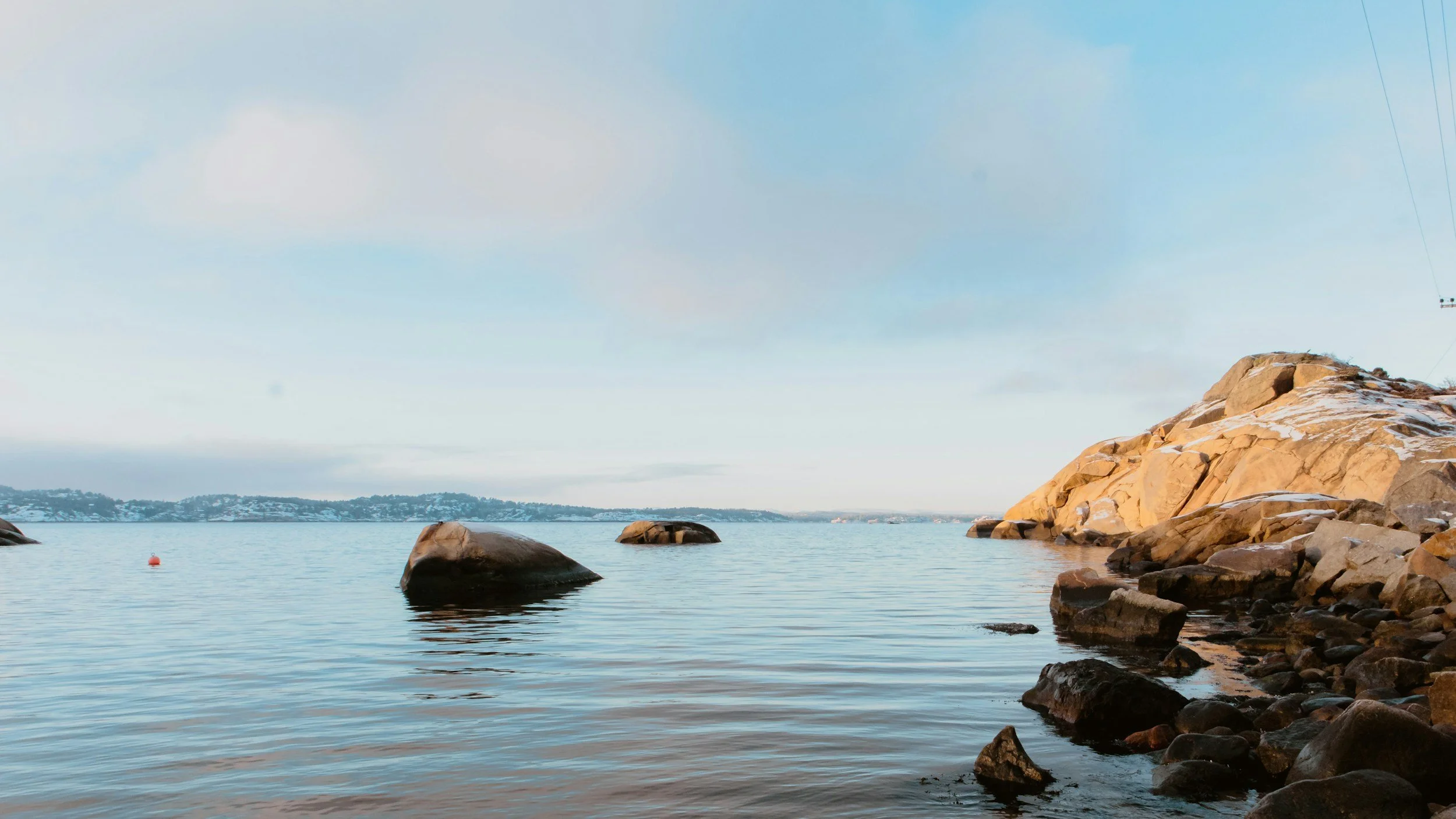
Southern Norway is often overlooked by international visitors planning a trip to Norway. Many people come for the fjords, the mountains, the northern lights or the Arctic, but the southern coast shows a very different side of the country.
This is the Norway of white wooden towns, island-studded archipelagos, harbours, boat life, seafood, summer cabins and long evenings by the water. It is also a region with historic canals, stave churches, old hotels, inland valleys and cultural traditions that make it much more layered than a simple “summer coast” destination.
For Norwegians, Southern Norway is closely tied to summer. Families return to the same cabins, children swim from sun-warmed rocks, boats fill the marinas and small coastal towns come alive during the holiday season. For visitors, it offers a slower and more local-feeling way to experience Norway, especially if you want something beyond the famous fjords.
This guide looks at the coastal towns, hidden island communities, natural landscapes, historic places and inland routes that make Southern Norway worth understanding as its own travel region.
Contents
Why Southern Norway Feels Different From the Fjords
The Coastal Culture of Southern Norway
Southern Norway as a Norwegian Summer Tradition
The Main Coastal Towns in Southern Norway
Smaller Coastal Places and Hidden Gems
Nature, Islands and Inland Landscapes
Historic Telemark: Canal, Stave Churches and Dalen
How to Plan a Southern Norway Route
When to Visit Southern Norway
Final Words
Why Southern Norway Feels Different From the Fjords
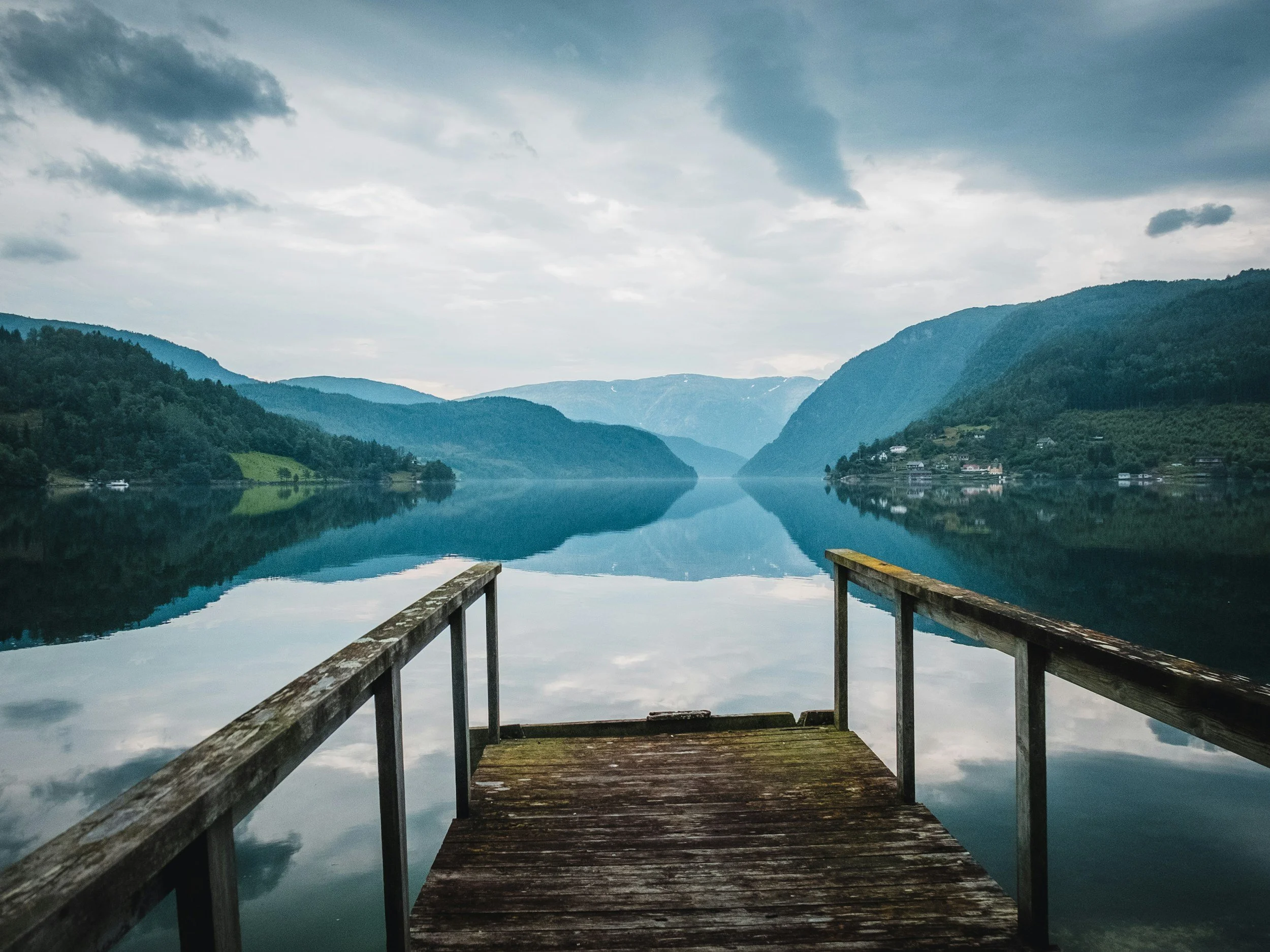
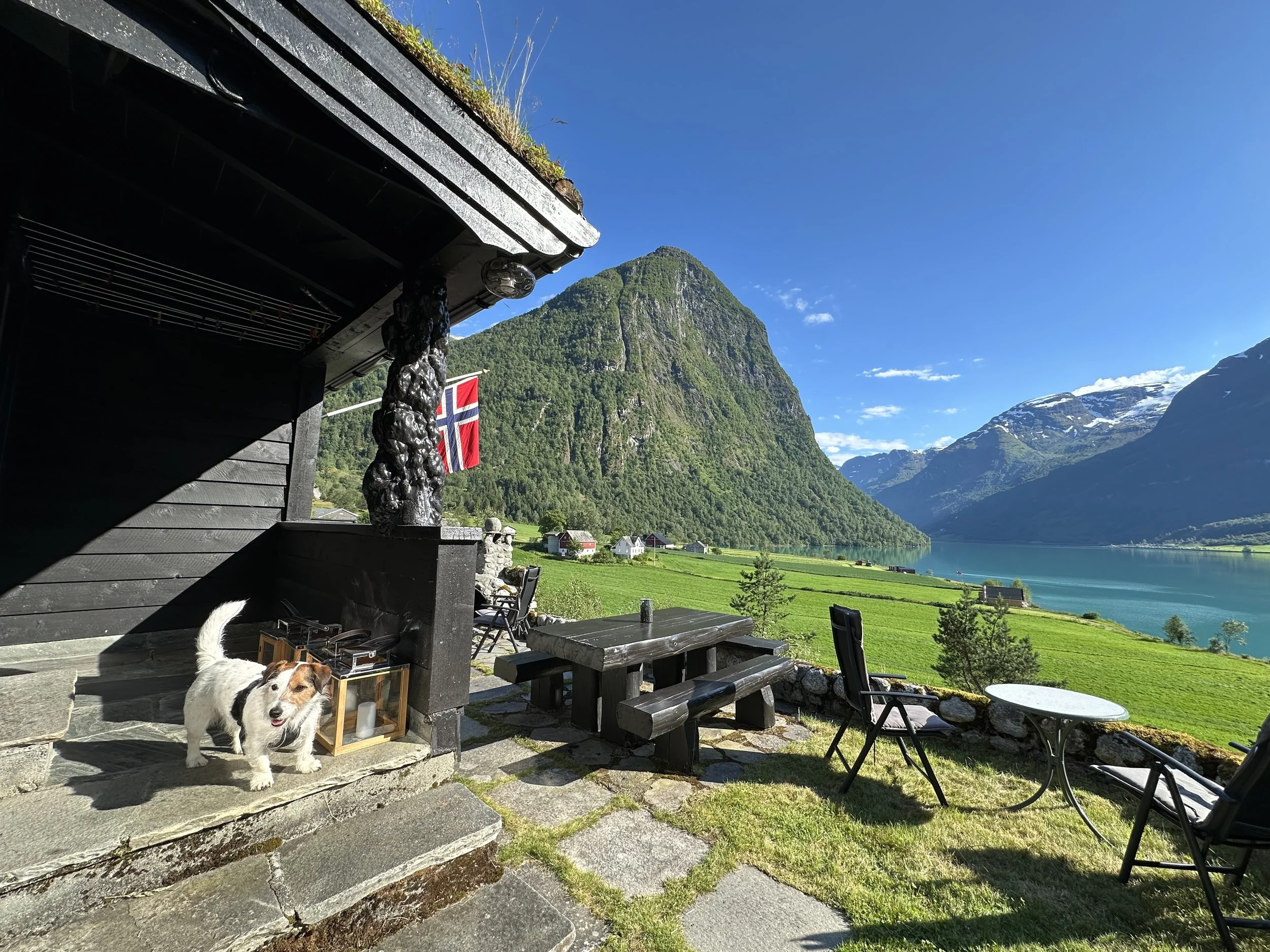
Much of Norway’s international image is shaped by Western Norway: steep mountains, deep fjords, dramatic waterfalls and viewpoints that feel almost unreal. Southern Norway tells a different story. The landscapes are lower, warmer and more open, with smooth coastal rocks, pine trees, sheltered harbours, islands, sandy beaches and small towns built close to the sea.
That does not make Southern Norway less Norwegian. It simply represents a different part of Norwegian life. The fjords are often about dramatic scenery and movement from one famous viewpoint to another. Southern Norway is more closely tied to summer routines, coastal communities, family holidays, boat culture and the everyday relationship many Norwegians have with the sea.
The region is also easier to experience at a slower pace. You do not need to plan every day around a major attraction or a long mountain drive. Some of the best moments come from walking through a white wooden town, taking a ferry to an island, swimming from sun-warmed rocks or sitting by the harbour with seafood while boats move through the evening light.
For visitors, this makes Southern Norway especially rewarding if you want a gentler and more lived-in side of the country. It is not the Norway of dramatic fjord walls, but the Norway of harbours, cabins, skerries, summer evenings and coastal traditions that still shape how people spend time here today.
Relevant Reading:
The Coastal Culture of Southern Norway
To understand Southern Norway, it helps to understand the culture of the coast. The white houses, the boats, the harbours and the island landscape are not just pretty details. They are part of the region’s history and part of the way people have lived here for generations.
Southern Norway’s coastal towns developed around the sea. Fishing, shipping, timber, trade, boatbuilding and maritime routes all shaped the region. Many of the places visitors enjoy today were once working harbour towns, outports or coastal communities where the sea was central to daily life.
That history still gives the region much of its atmosphere. Even when you are simply walking along a harbour or looking at old wooden houses, you are seeing traces of a coastal culture built around ships, weather, trade, travel and summer life by the water.
White Wooden Houses and Maritime History
One of the first things many visitors notice in Southern Norway is the number of white wooden houses. Towns such as Risør, Grimstad, Arendal, Lillesand and Kristiansand all have areas where white-painted buildings help create the bright, elegant look associated with the southern coast.
This tradition is connected to maritime wealth, trade and social status. In earlier centuries, white paint was expensive, and painting a house white could signal prosperity. Coastal communities that grew through shipping, timber, trade and seafaring often developed the white wooden architecture that now feels so characteristic of the region.
Today, the white houses are one of Southern Norway’s most recognisable features, but they are not just decorative. They reflect a coastal history shaped by ships, merchants, craftsmen and the prosperity of old maritime towns. That context matters, because it makes places like Risør and Grimstad feel more meaningful than simply “pretty towns with white houses.”
Harbours, Brygger and Summer Evenings
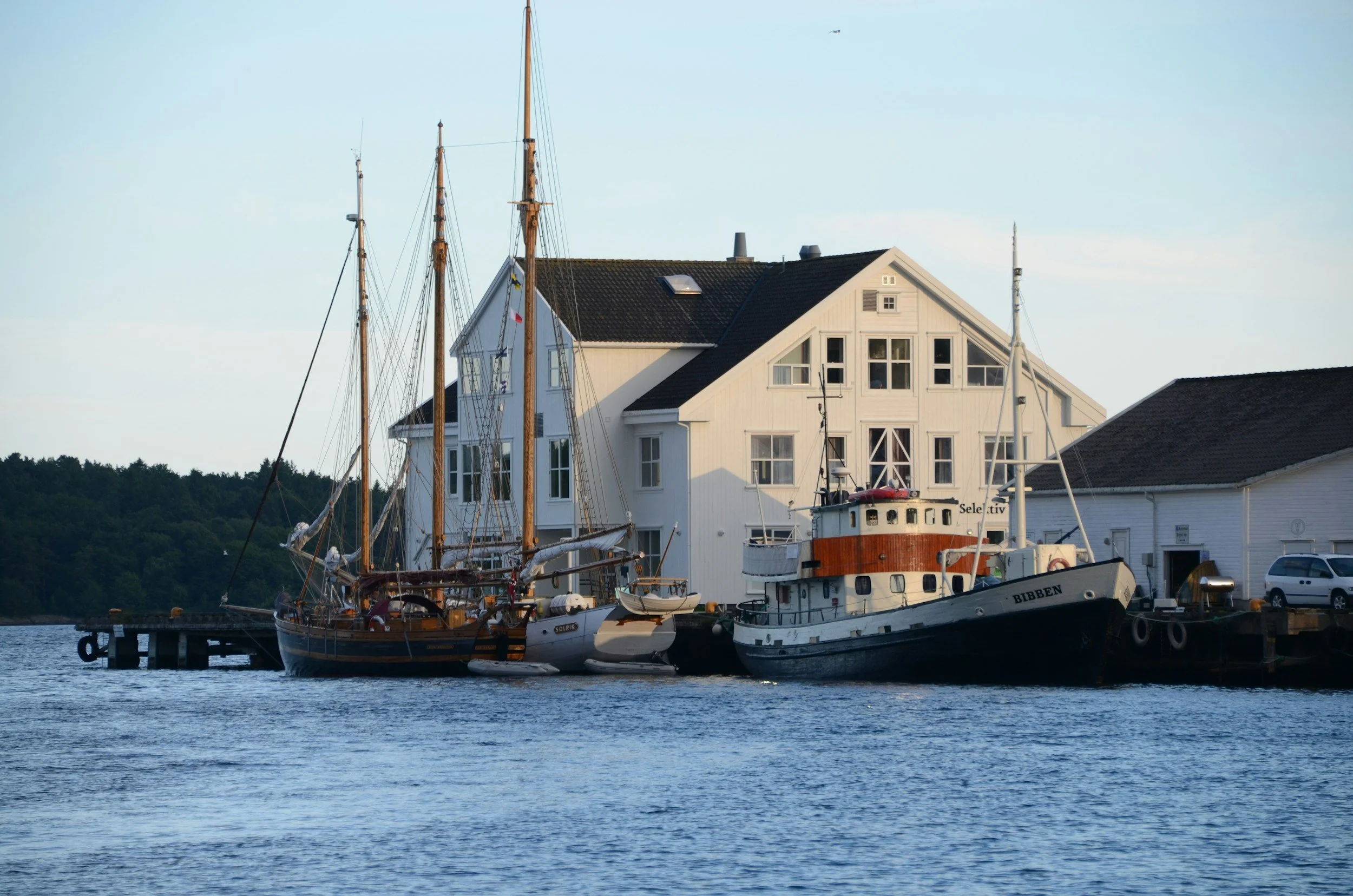
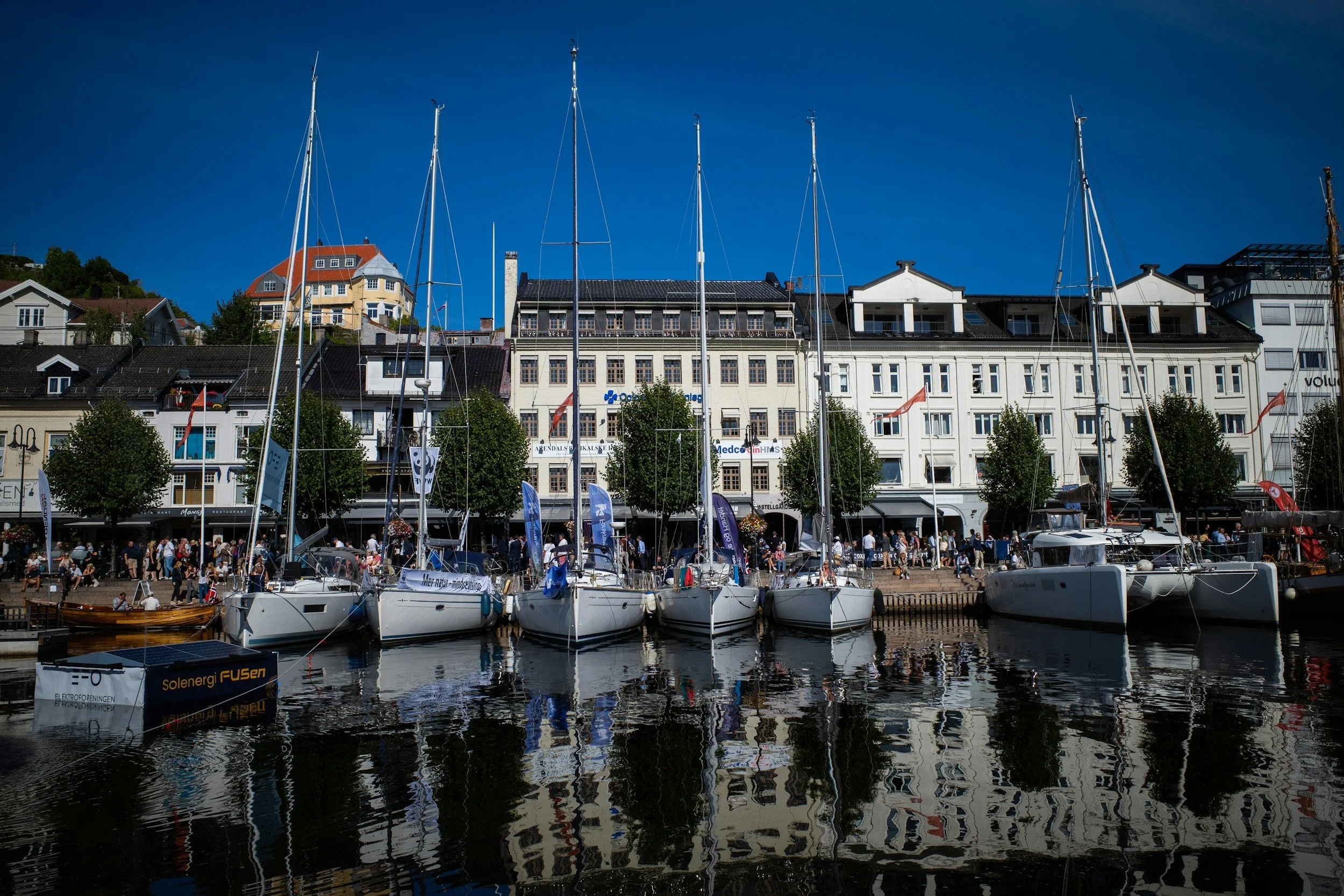
In Southern Norway, the harbour is often the heart of a town. It is where boats arrive, restaurants cluster, people buy ice cream, children watch the water and summer evenings naturally unfold.
This is why the Norwegian word brygge matters. A brygge is literally a pier, quay or waterfront, but in practice it often means much more than that. In many coastal towns, it is the social meeting point: the place where people gather, eat outside, meet friends, watch boats come and go, and let the evening stretch out by the water.
In places such as Kristiansand, Arendal, Grimstad and Risør, spending time by the harbour is not just something visitors do for the view. It is part of the local rhythm. The harbour connects the town to its maritime past, but it also remains one of the places where summer life is most visible today.
Boats, Islands and the Skjærgård
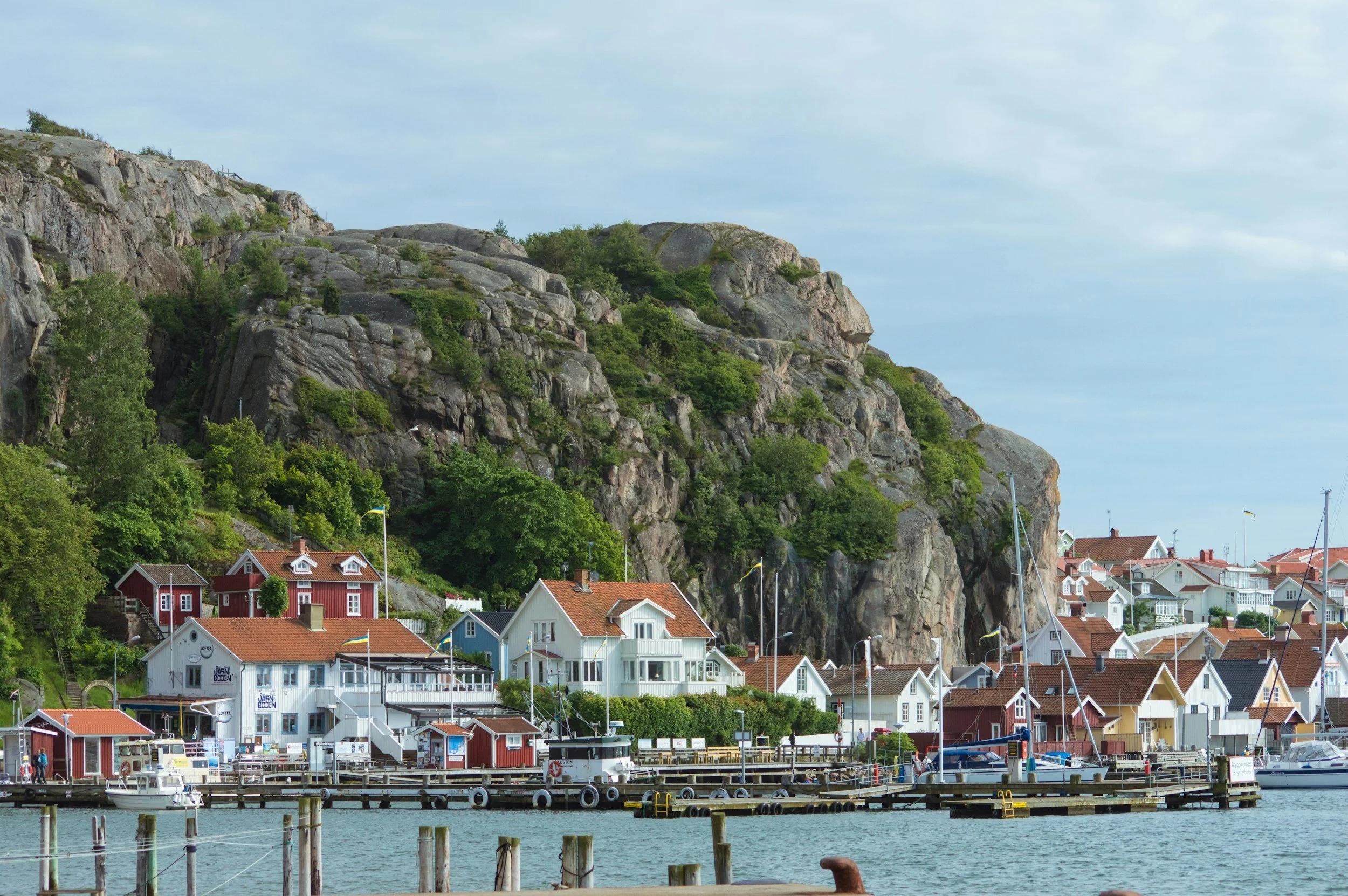
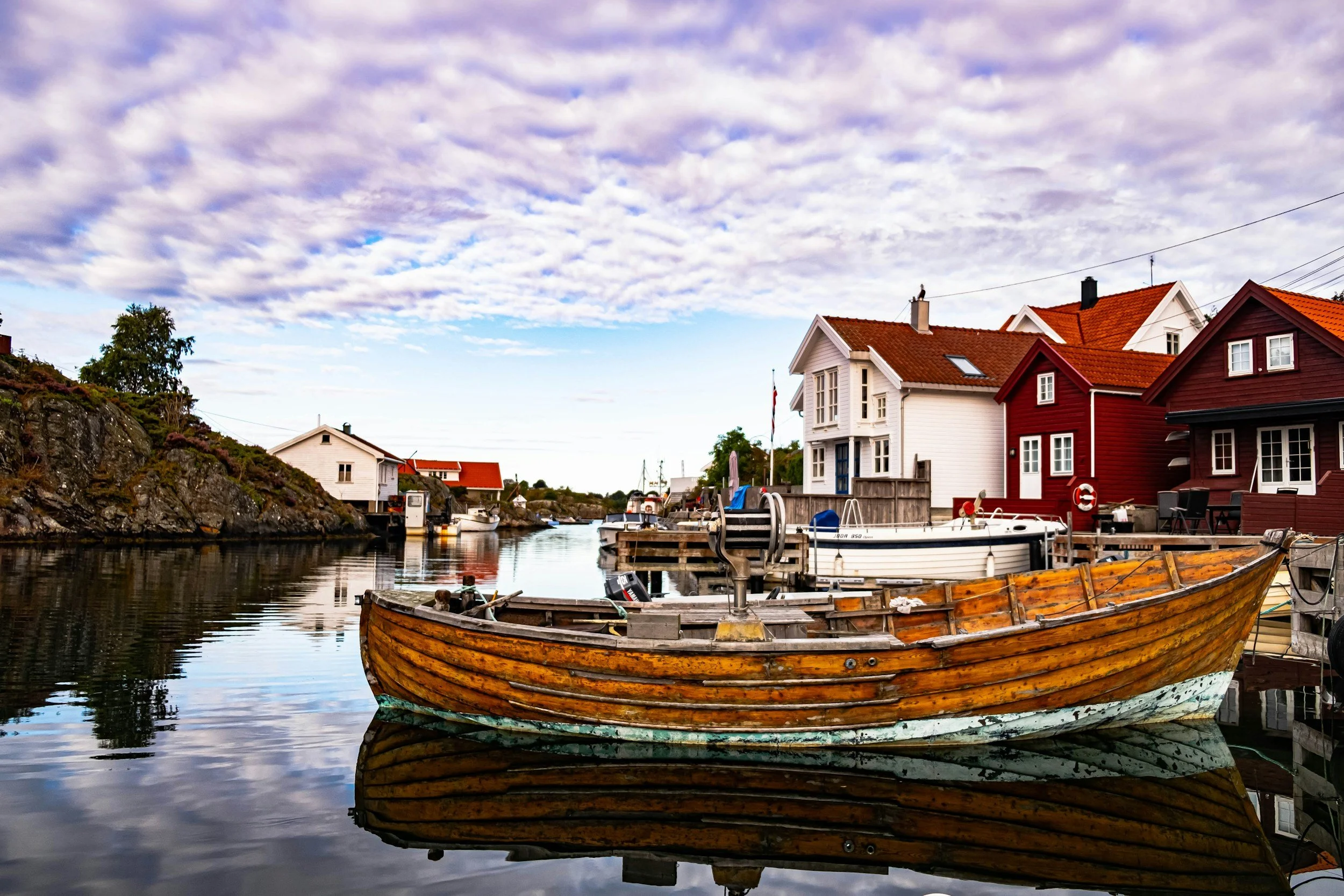
Southern Norway’s coastline is shaped by the skjærgård, the archipelago of small islands, rocky outcrops, sheltered bays and narrow waterways that runs along much of the coast.
For many Norwegians, boats are central to summer life here. A small motorboat might be used to reach an island, visit a swimming spot, transport supplies to a cabin or spend a full day moving through the archipelago. The islands are not just scenery. They are places people use: for swimming, fishing, picnics, cabin visits and long summer days outside.
If you do not have access to a private boat, you can still experience this culture through local ferries, island trips, kayak tours or boat connections around places such as Arendal, Kristiansand, Lyngør and Ny-Hellesund. These smaller coastal places make much more sense when you understand the archipelago as part of everyday life, not just as a beautiful background.
Southern Norway as a Norwegian Summer Tradition
Southern Norway is not only a destination. For many Norwegians, it is a tradition. Families return to the same towns, cabins, islands and swimming spots year after year. Children grow up with the same summer routines their parents and grandparents knew before them.
That emotional connection is one of the reasons the region can feel so different from places designed mainly around sightseeing. Southern Norway is not built around one or two famous attractions. Its appeal comes from repetition, familiarity and simple pleasures: the same rocks, the same harbour, the same boat route, the same cabin road, the same shrimp dinner outside.
For visitors, understanding this helps make the region more interesting. You are not just visiting a pretty coast. You are seeing one of the places where Norwegian summer culture is most strongly expressed.
Coastal Cabin Life
Cabins are a major part of Southern Norway’s summer culture. Some are simple and traditional, while others are modern holiday homes, but the idea is often the same: being close to the sea, spending time outdoors and letting the day move more slowly.
A cabin day might involve morning coffee outside, swimming before breakfast, a boat trip, lunch on the terrace, children fishing from the dock and a late dinner with seafood or grilled food. The point is not to do something spectacular every hour, but to settle into a rhythm shaped by weather, water and daylight.
This is why Southern Norway means so much to many locals. It is connected to returning. The value is not only in seeing something new, but in coming back to a familiar place and letting summer feel like summer again.
Swimming From the Rocks
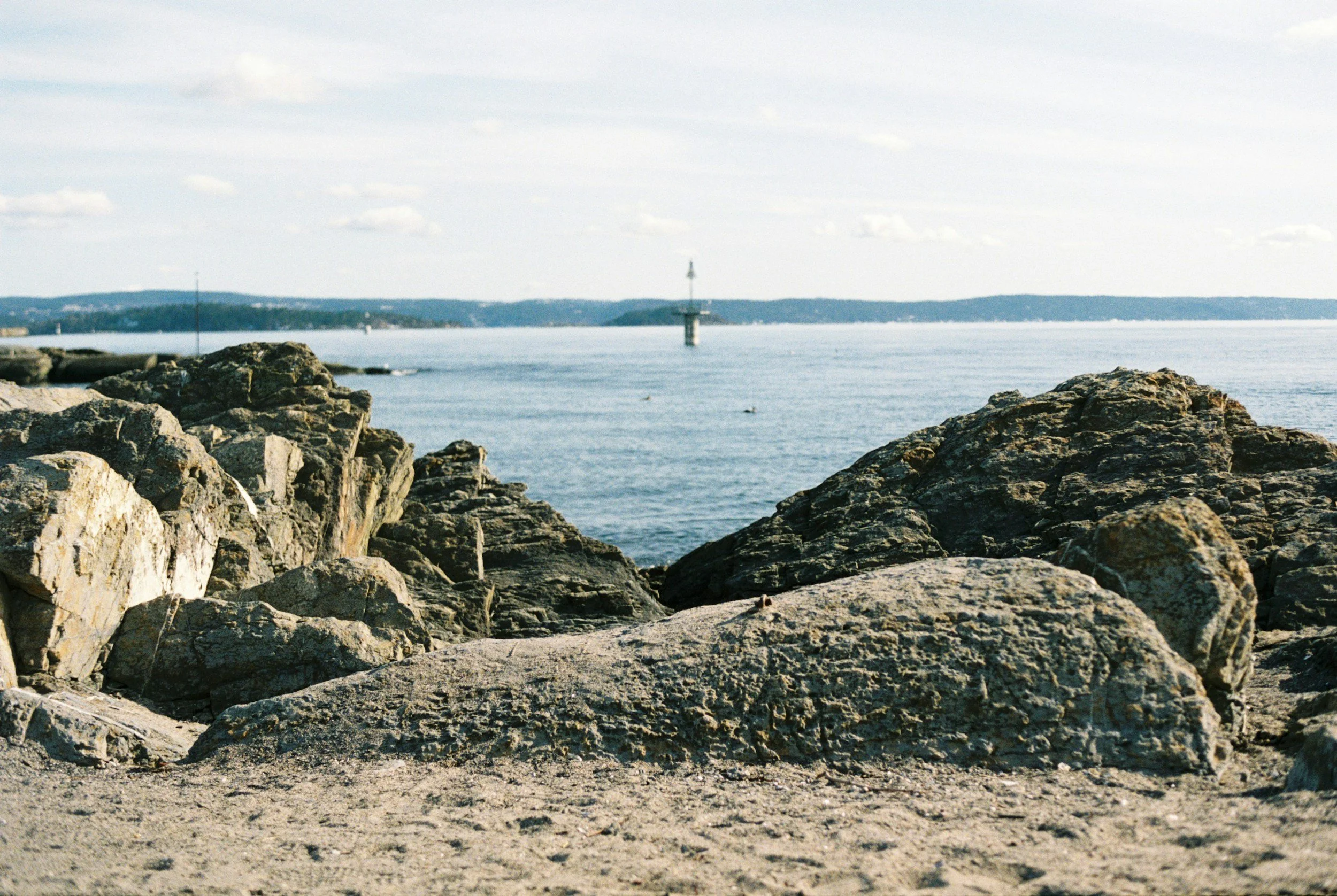
In Southern Norway, swimming does not always mean going to a sandy beach. Many locals prefer swimming from smooth coastal rocks, known in Norwegian as svaberg.
On warm summer days, families spread towels across the rocks, children jump into the water and people climb in and out of the sea between long breaks in the sun. The rocks hold warmth from the day, making them one of the most familiar settings for a Norwegian summer by the coast.
For visitors, this is one of the simplest and most local experiences to try. You do not need a famous beach. Often the best swimming spots are small rocky areas near cabins, islands, coastal paths or quiet harbours.
Fishing for Crabs
Crab fishing is one of the classic childhood activities along the southern coast. Children sit on docks with simple lines, often baited with mussels or fish scraps, waiting for small shore crabs to grab on.
It is not usually about catching food. It is more about the ritual: sitting by the water, checking the bucket, comparing sizes and releasing the crabs back into the sea afterwards.
For many Norwegians, this is strongly tied to summer memories. It is a small detail, but it says a lot about the region’s slower pace and the way children grow up close to the water.
Fresh Shrimp and Simple Summer Meals
Few foods are more closely associated with a Norwegian summer than fresh shrimp. Along the southern coast, shrimp are part of the rhythm of warm evenings, harbour life and simple meals eaten outdoors.
The meal itself is usually very uncomplicated: freshly cooked shrimp, white bread, mayonnaise, lemon and perhaps a little dill. People peel the shrimp by hand, eat slowly and often sit outside while boats move through the harbour or the evening light settles over the water.
Part of the appeal is that shrimp feel social. This is not a formal restaurant meal or something that needs much preparation. It is the kind of food people share at a cabin, on a terrace, on a dock or around a table by the sea.
In Southern Norway, this tradition fits the region perfectly. It connects seafood, summer evenings, coastal cabins and the relaxed atmosphere of the brygga.
A Typical Summer Day in Southern Norway
A typical summer day in Southern Norway is often simple, but that is part of the appeal. The morning might begin with coffee outside while boats move quietly through the archipelago. After breakfast, you might walk down to the water for a swim from sun-warmed rocks before heading into town to buy food, fresh shrimp or ice cream by the harbour.
The afternoon might be spent exploring nearby islands by boat, kayaking through sheltered bays, walking along a coastal path or relaxing on a small beach hidden among the skerries. As evening approaches, people gather outside. Children fish for crabs from the dock, adults prepare dinner, boats return to the harbour and the waterfront fills with people enjoying the long summer light.
For many Norwegians, this is what summer is supposed to feel like.
Relevant Reading:
The Coastal Towns That Define Southern Norway
The Main Coastal Towns in Southern Norway Southern Norway is best understood through its coastal towns. At first glance, many of them share the same visual language: white wooden houses, harbours, boats, flowers, cafés and summer light. But each town has its own atmosphere, history and reason to visit.
Some places work best as practical bases. Others are better for slow wandering, island trips, maritime history or simply understanding why Norwegians are so attached to this part of the country. Together, they show how strongly Southern Norway’s identity is tied to the sea.
Kristiansand
Kristiansand is the largest city in Southern Norway and often the easiest place to start. It works well as a first stop because it combines transport connections, restaurants, beaches, family attractions and classic Southern Norway coastal culture.
Posebyen, the old wooden town, is one of the most atmospheric parts of Kristiansand. Its white-painted houses and quiet streets show the older side of the city, away from the busier shopping streets and waterfront areas.
Fiskebrygga is the place to go for harbour atmosphere. In summer, this is where people gather for seafood, drinks, ice cream and evenings by the water. It gives visitors an easy introduction to the brygge culture that defines so many coastal towns in Southern Norway.
Odderøya is also worth adding to a Kristiansand visit. This former military area has been transformed into a walking and cultural space, with coastal paths, sea views, old military traces and quiet places to sit close to the centre.
For families, Kristiansand Zoo and Amusement Park is one of Norway’s biggest attractions. For culture, Kunstsilo has added a more contemporary reason to visit, while Ravnedalen and Baneheia offer green spaces and short walks close to town.
Kristiansand is not necessarily the most charming small town in Southern Norway, but it is one of the most practical bases if you want beaches, restaurants, transport connections and easy day trips.
Lillesand
Lillesand is smaller and more intimate than Kristiansand, with a classic Southern Norway atmosphere of white wooden houses, narrow streets, flowers, boats and a sheltered harbour. It is one of those places where the appeal is not about major attractions, but about the overall feeling of the town.
The centre is compact and easy to explore on foot. You can walk through the old streets, stop by the harbour, look at the wooden houses and use the town as a gentle introduction to the slower rhythm of the southern coast.
Lillesand also works well if you want access to the archipelago without staying in a larger city. Boat trips, swimming spots and nearby islands are part of the experience, especially in summer.
This is a good place for visitors who want Southern Norway charm in a quieter and more manageable setting. It does not need a long list of sights to be worth visiting. Its value is in the scale, the harbour, the summer atmosphere and the way it captures the softer side of the region.
Grimstad
Grimstad is one of the towns that best captures the classic Southern Norway feeling: narrow streets, white wooden houses, flower-filled gardens, small shops and a harbour that comes alive in summer.
The town is also connected to Norwegian literary history. Henrik Ibsen, one of Norway’s most famous playwrights and the writer of works such as A Doll’s House and Peer Gynt, lived in Grimstad as a young man. The Ibsen Museum adds another layer to the town, showing that Grimstad is not only about coastal charm, but also about literature, history and the formative years of one of Norway’s most important writers.
Grimstad is also a good base for exploring the nearby archipelago and parts of Raet National Park. If you want a slow day, spend time walking through the old streets, stop for coffee, follow the seafront and take in the quieter harbour atmosphere.
This is a good choice for travellers who want Southern Norway charm without the scale of Kristiansand or the busier summer feel of Arendal.
Arendal
Arendal feels more lively and varied than many of the smaller coastal towns. Historically, it was one of Norway’s important shipping towns, and that maritime identity is still visible in the old wooden districts, the harbour and the islands outside the city.
Tyholmen is the historic part of Arendal, with old wooden houses and narrow streets close to the water. Pollen, the inner harbour, is the social centre of the city in summer, filled with boats, restaurants and people walking along the waterfront.
One of the best reasons to visit Arendal is its access to the archipelago. The ferry to Merdø makes it easy to experience a car-free island with beaches, old coastal houses and a slower holiday atmosphere. Tromøya, Hove and Spornes are also excellent for swimming, walking and seeing the coastal landscape protected by Raet National Park.
Arendal is one of the best bases in Southern Norway if you want a combination of town life, island trips, beaches and maritime history.
Tvedestrand
Tvedestrand is a smaller coastal town with a quieter and more local feel than Arendal or Kristiansand. It is often associated with books, narrow streets, white wooden houses and a harbour setting that feels more tucked away than some of the larger towns along the coast.
The town works well as a slower stop if you are travelling between Arendal, Risør and the surrounding archipelago. It is not the kind of place where you need to plan a packed day. The appeal is in walking around, looking at the old wooden buildings, stopping by the harbour and letting the town’s slower pace do the work.
Tvedestrand also sits close to beautiful coastal landscapes and island communities, which makes it a useful place to include if you want the southern coast to feel less obvious and less centred only on the biggest names.
For visitors who enjoy small towns, books, old streets and quiet harbours, Tvedestrand adds a softer and more understated layer to a Southern Norway route.
Risør
Risør is often called “The White Town by the Skagerrak,” and it is one of the most visually distinctive towns on the southern coast. Its white wooden houses, harbour setting and strong maritime identity make it feel especially elegant.
The town grew in importance during the age of sailing ships, when shipping, timber trade and maritime activity shaped many communities along the southern coast. This history is still visible in the preserved wooden architecture, the harbour layout and the way the town turns naturally towards the sea.
This is a good place to slow down rather than rush through. Walk through the old streets, spend time by the harbour, look at the wooden houses and use the town as a base for exploring the nearby coastline.
Risør is especially appealing for travellers who enjoy architecture, maritime history, photography, small shops, galleries and a quieter coastal atmosphere.
Flekkefjord
Flekkefjord sits near the western edge of Southern Norway and feels slightly different from the white towns further east. The town has historic links with the Netherlands, which can be seen in the old Dutch Quarter, Hollenderbyen.
This is one of the more underrated towns in the region. It combines a pretty waterfront, interesting architecture, nearby hiking and access to places such as Hidra and Loshavn.
Flekkefjord is worth considering if you are travelling between Southern Norway and Western Norway, or if you want a less obvious stop with both coastal and historical interest. It gives the western side of the region more weight and helps show that Southern Norway is not only about the better-known towns around Kristiansand, Grimstad and Arendal.
Smaller Coastal Places and Hidden Gems
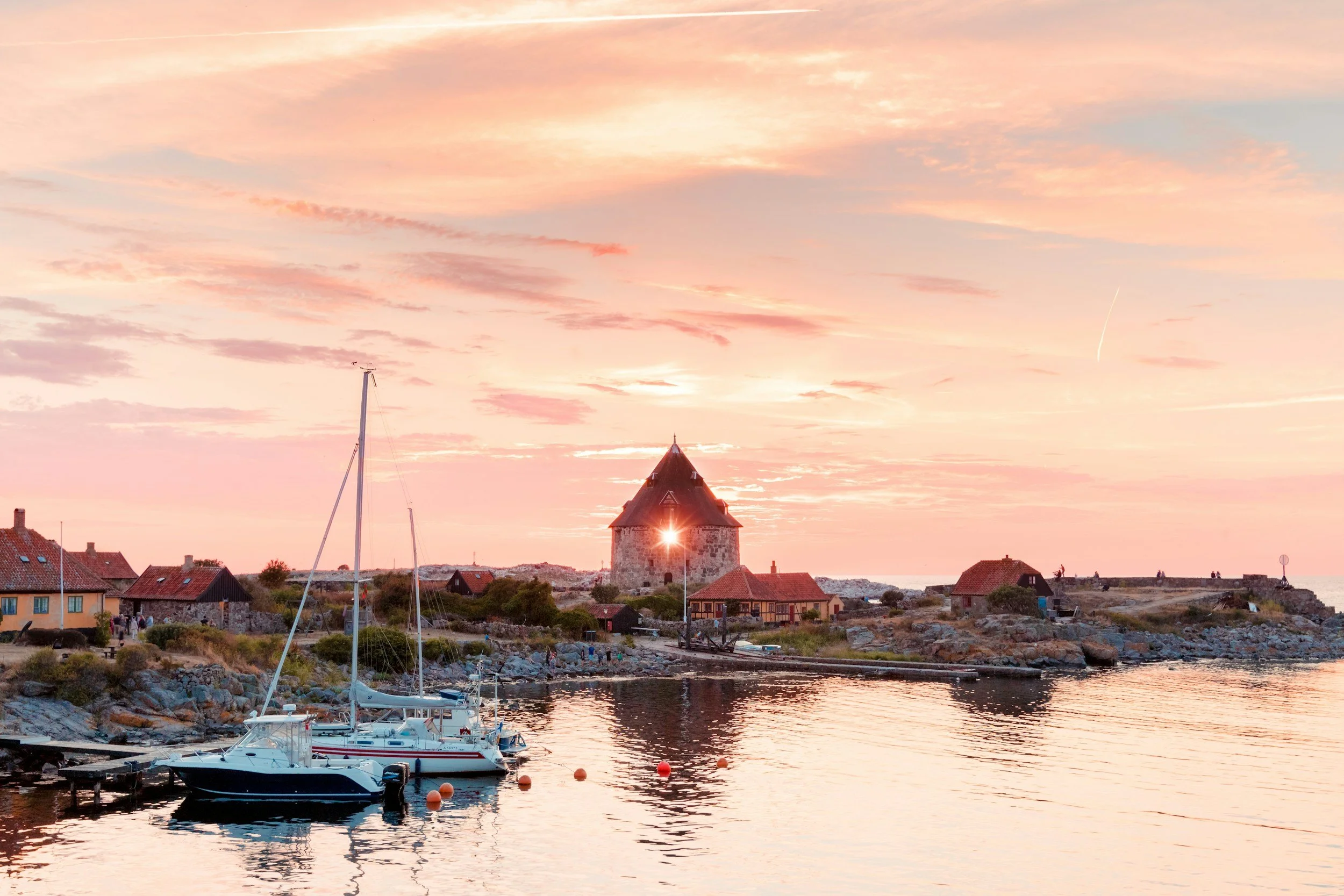
Some of Southern Norway’s most memorable places are not the larger towns, but the smaller coastal communities, islands and old outports that still feel closely tied to the sea. These are the places where the region becomes quieter, more local and more atmospheric.
Many of them are best experienced slowly. They are not necessarily places with long lists of attractions, but places to walk, take a boat, look at old houses, swim from the rocks and understand how coastal life in Southern Norway developed around harbours, weather and maritime routes.
Lyngør
Lyngør is one of the most beautiful old island communities in Southern Norway. Spread across several small islands and reached by boat, it has no cars, narrow lanes, white wooden houses and a quiet harbour atmosphere that feels very different from the busier summer towns.
Historically, Lyngør was an important outport, a place where ships could find shelter along the coast. Today, that history is part of what makes it special. The village still feels shaped by the sea, not by roads or modern tourism infrastructure.
Lyngør is especially worth visiting if you want to experience the archipelago in a slower and more traditional way. It is not about major attractions, but about atmosphere: boats moving between islands, old houses close to the water and the feeling of a coastal community that has kept much of its character.
Ny-Hellesund
Ny-Hellesund is a small island community west of Kristiansand, made up of several islands and narrow waterways. For centuries, it was an important harbour and shelter for ships travelling along the southern coast.
This is one of the best places to understand the old outport culture of Southern Norway. Before modern roads and engines changed coastal travel, places like Ny-Hellesund mattered because sailors needed safe harbours, supplies and protection from rough weather.
Today, visitors come for the peaceful scenery, traditional coastal houses, boat trips and quiet island atmosphere. It is a good choice if you want something close to Kristiansand but much smaller and more intimate.
Loshavn
Loshavn is one of Southern Norway’s best-preserved historic coastal villages. Located near Farsund, it gives visitors a strong sense of the age of sailing ships, when small harbours along the coast played an important role in trade, travel and maritime life.
The village is known for its old wooden houses, narrow lanes and unusually preserved character. Walking here feels different from visiting a larger town because the scale is so small and the history feels very close.
Loshavn is a good place for travellers interested in maritime history, photography and quiet coastal atmosphere. It also combines well with Lindesnes, Farsund or Flekkefjord if you are exploring the western part of Southern Norway.
Hidra
Hidra is an island near Flekkefjord with a more rugged and dramatic feel than many of the gentler coastal places further east. It has fishing communities, rocky landscapes, sea views and hiking opportunities, making it a good choice for travellers who want island scenery without the crowds of better-known destinations.
The island’s small settlements and harbours give a glimpse of traditional coastal life, while the landscape feels open, windswept and closely connected to the sea. Hidra works especially well if you are already visiting Flekkefjord, as it adds a more natural and island-based experience to the town.
For visitors travelling between Southern Norway and Western Norway, Hidra can be a rewarding detour. It shows a slightly wilder side of the southern coast and gives the region more variety than white towns and sheltered harbours alone.
Nature, Islands and Inland Landscapes
Southern Norway is not only about coastal towns and harbours. The region also has lighthouses, marine national parks, island landscapes, rugged cliffs, inland valleys and one of Norway’s most unusual historic waterways.
What makes the nature here different from Western Norway is the scale. Instead of dramatic fjord walls and high mountain drops, Southern Norway’s landscapes often feel closer and more accessible: smooth rocks warmed by the sun, pine trees by the sea, sheltered swimming spots, old coastal paths and quiet inland valleys.
Lindesnes
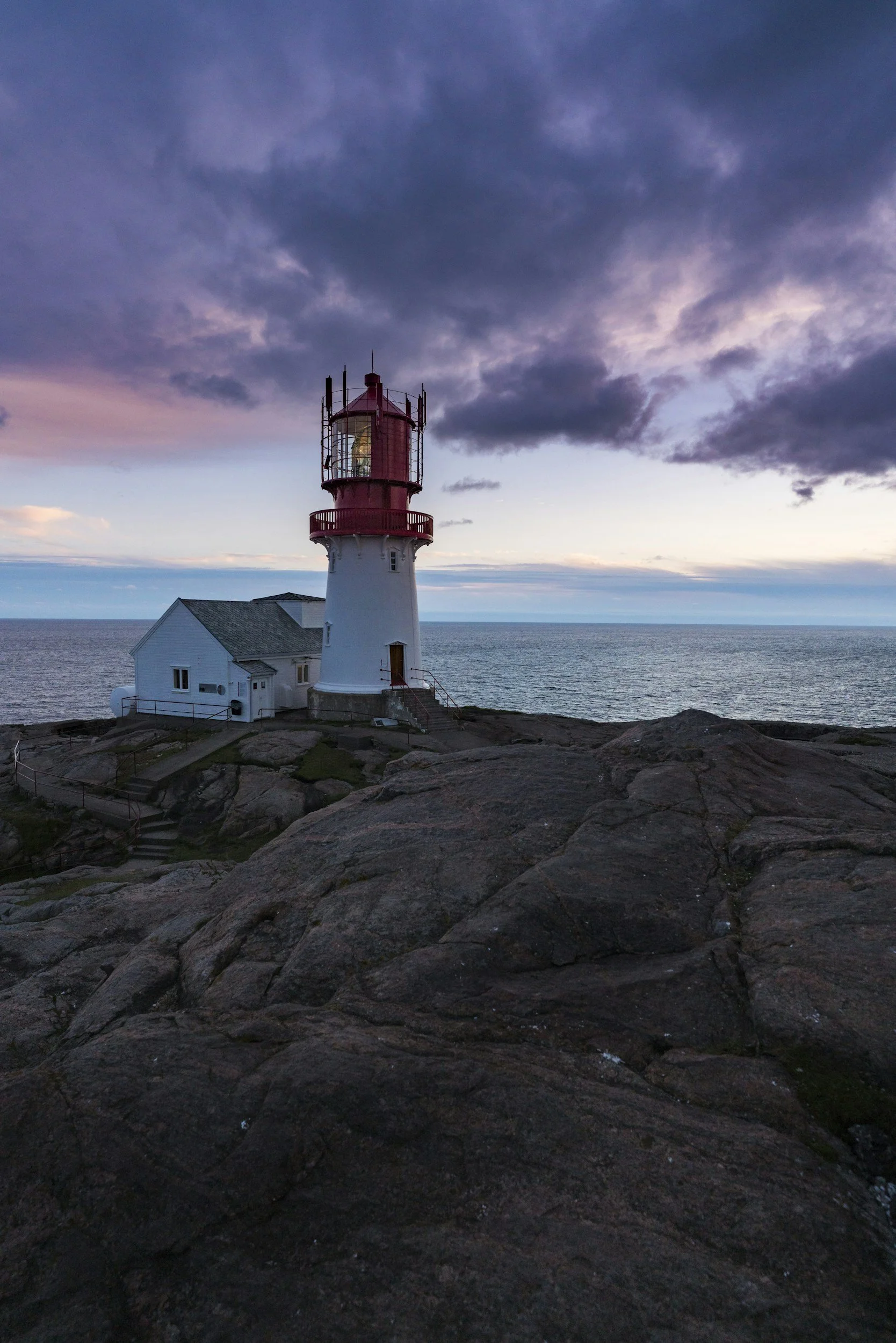
Lindesnes is Norway’s southernmost point and one of the most symbolic places in the region. The lighthouse stands where the North Sea meets the Skagerrak, and the coastline here feels more exposed and dramatic than many of the sheltered harbour towns further east.
Lindesnes Lighthouse is interesting not only for the view, but also for the maritime history. This stretch of coast has long been important for navigation, with ships passing along waters that could be difficult and dangerous in rough weather.
For visitors, Lindesnes gives a stronger sense of the sea as something powerful, not just picturesque. It is a good stop if you are driving along the coast and want a place that feels windswept, historic and visually different from the softer archipelago towns.
Raet National Park
Raet National Park protects one of the most distinctive coastal landscapes in Southern Norway. The park stretches through parts of the coastal area around Grimstad, Arendal and Tvedestrand, including islands, beaches, rocky shores and underwater environments.
This is one of the best places to experience the natural side of the archipelago. Around Arendal, places such as Tromøya, Hove and Spornes are especially accessible. You can swim, walk, cycle, kayak or simply explore the shoreline and look for traces of the Ice Age in the stone and gravel landscapes.
Raet is a good reminder that Southern Norway’s nature is not dramatic in the same way as the fjords. Its beauty is lower, closer and more tactile: warm rocks, clear water, pine trees, islands and long views across the sea.
Brufjell
Brufjell is one of the more dramatic natural experiences in Southern Norway. The landscape here is wilder and more rugged, with steep cliffs, coastal views and unusual rock formations.
This is not the same gentle summer-coast experience you find around Grimstad or Arendal. Brufjell feels more exposed, and the hike is better suited to travellers who want an active nature experience rather than a relaxed harbour day.
For visitors who think Southern Norway is only soft beaches, white towns and calm harbours, Brufjell adds a more adventurous contrast.
Setesdal
Setesdal stretches north from the coast into valleys, forests and mountain landscapes. It is one of the best places to add inland scenery and traditional culture to a Southern Norway route.
The valley is known for folk music, the harding fiddle, silverwork, traditional dress and old rural culture. It is also a good region for outdoor activities, especially around Evje and further north towards Hovden.
Setesdal works well for travellers who want to understand that Southern Norway is not only coastal. Within a few hours, you can move from harbours and islands to valleys, rivers, mountains and some of Norway’s strongest living folk traditions.
Relevant Reading:

Historic Telemark: Canal, Stave Churches and Dalen
If you include Telemark in a Southern Norway route, the trip becomes much more than a coastal summer journey. This is where you can add historic waterways, medieval wooden churches, old inland travel routes, lake landscapes and one of Norway’s most atmospheric historic hotels.
Telemark gives Southern Norway a deeper inland dimension. Instead of white coastal towns, harbours and island life, this part of the journey is about slow travel, craftsmanship, engineering, folklore, rural history and older wooden architecture. It also helps show that Southern Norway is not only a summer coast, but a region with several layers of cultural and historical interest.
The Telemark Canal
The Telemark Canal is one of the most distinctive historic travel experiences in this part of Norway. Built in the nineteenth century, the canal connected the coast with inland Telemark through lakes, waterways and a series of locks that lifted boats through the landscape.
Today, the canal is not only a scenic boat journey. It is also a way to understand how people, goods and visitors once moved between the coast and the interior before modern roads changed travel completely.
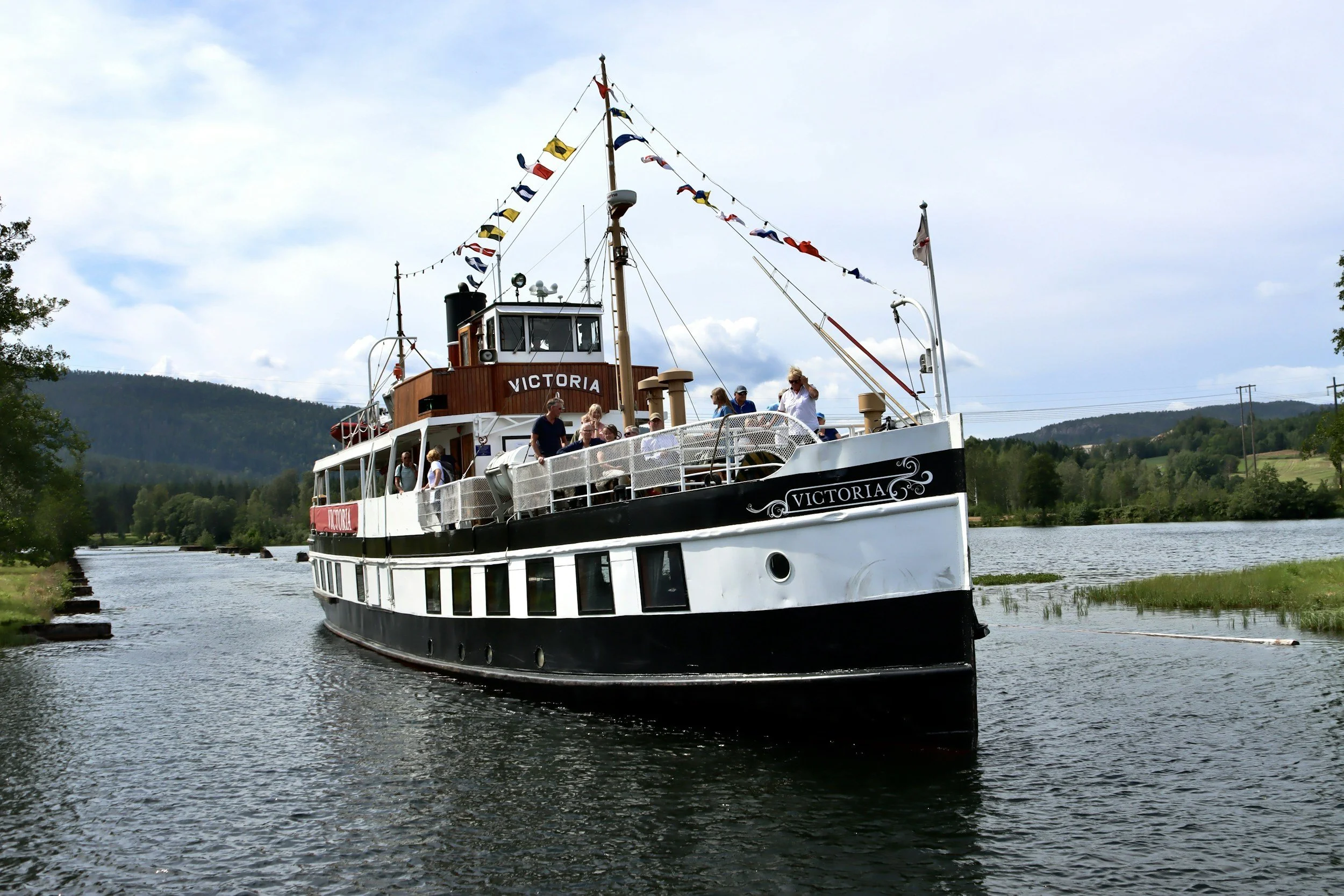
The most memorable way to experience the canal is by boat, especially aboard one of the historic passenger vessels that still travel parts of the route. The journey feels very different from driving. Instead of moving quickly between places, you travel slowly across lakes, through narrow waterways and into lock chambers where the pace of the journey is set by water, gates and old engineering.
This is what makes the canal worth including in a Southern Norway guide. It is not simply another pretty landscape. It is a historic route through the interior, and it gives visitors a more tangible sense of how travel once worked in this part of Norway.
Vrangfoss Locks
Vrangfoss is the most impressive lock system on the Telemark Canal and one of the best places to understand how the canal actually works. Here, boats are raised and lowered through a series of lock chambers, creating one of the most memorable moments of the journey.
For visitors, the locks make the history physical. You are not just reading about nineteenth-century engineering; you can watch the water level change, see the gates open and understand how much effort went into making inland Telemark accessible by boat.
Even if you do not travel the entire canal, seeing one of the lock systems can make the area feel much more tangible. Vrangfoss is especially useful because it shows the canal as both an engineering project and a travel experience.
Dalen Hotel
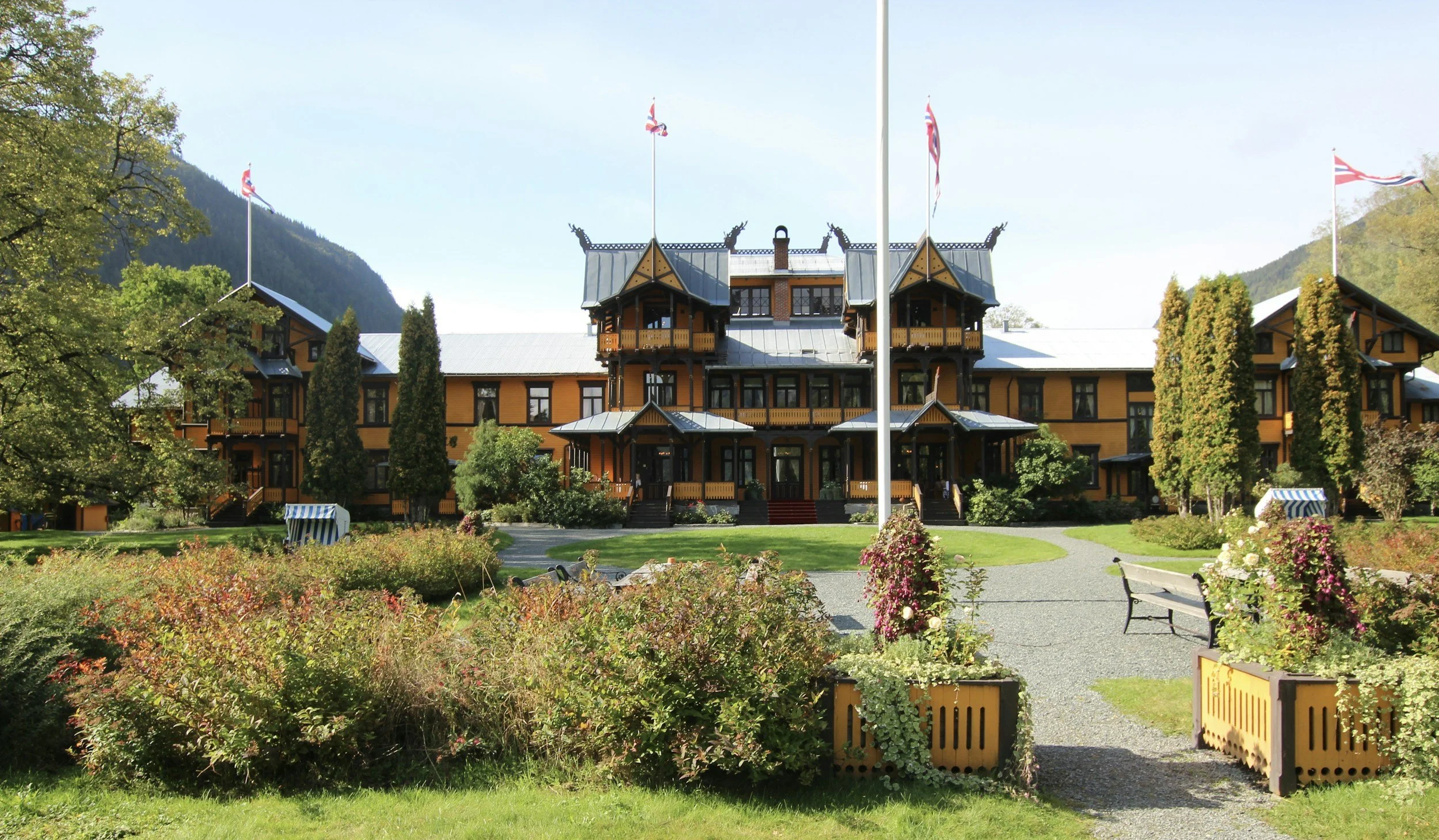
Dalen Hotel is one of Norway’s most atmospheric historic hotels and fits naturally with the Telemark Canal. Built in 1894, it became part of the golden age of travel in Telemark, when visitors arrived by boat at the inland end of the canal.
The hotel’s romantic wooden architecture, towers, carved details and lakeside setting make it feel like part hotel, part fairytale building. It is one of those places where the building itself becomes part of the reason to visit.
Dalen also helps connect several parts of this inland route. From here, you can link the Telemark Canal with Lake Bandak, Eidsborg Stave Church, Vest-Telemark Museum and hikes such as Lårdalsstigen. That makes it more than a single hotel stop. It becomes a natural base for exploring the historic and scenic side of inland Telemark.
Lake Bandak and Lårdalsstigen
Lake Bandak helps give Dalen its sense of place. The lake, the steep surrounding landscape and the quiet inland setting make this part of Telemark feel very different from the southern coast.
For active travellers, Lårdalsstigen is one of the most distinctive hikes in the area. The trail follows the dramatic landscape above Lake Bandak and gives a completely different perspective on Telemark than the canal boats alone.
This is why Dalen and the canal area are worth more than a quick stop. You can combine historic travel, lakeside scenery, hiking and old cultural sites in the same part of the region. Together, they make inland Telemark feel like a proper destination rather than a detour from the coast.
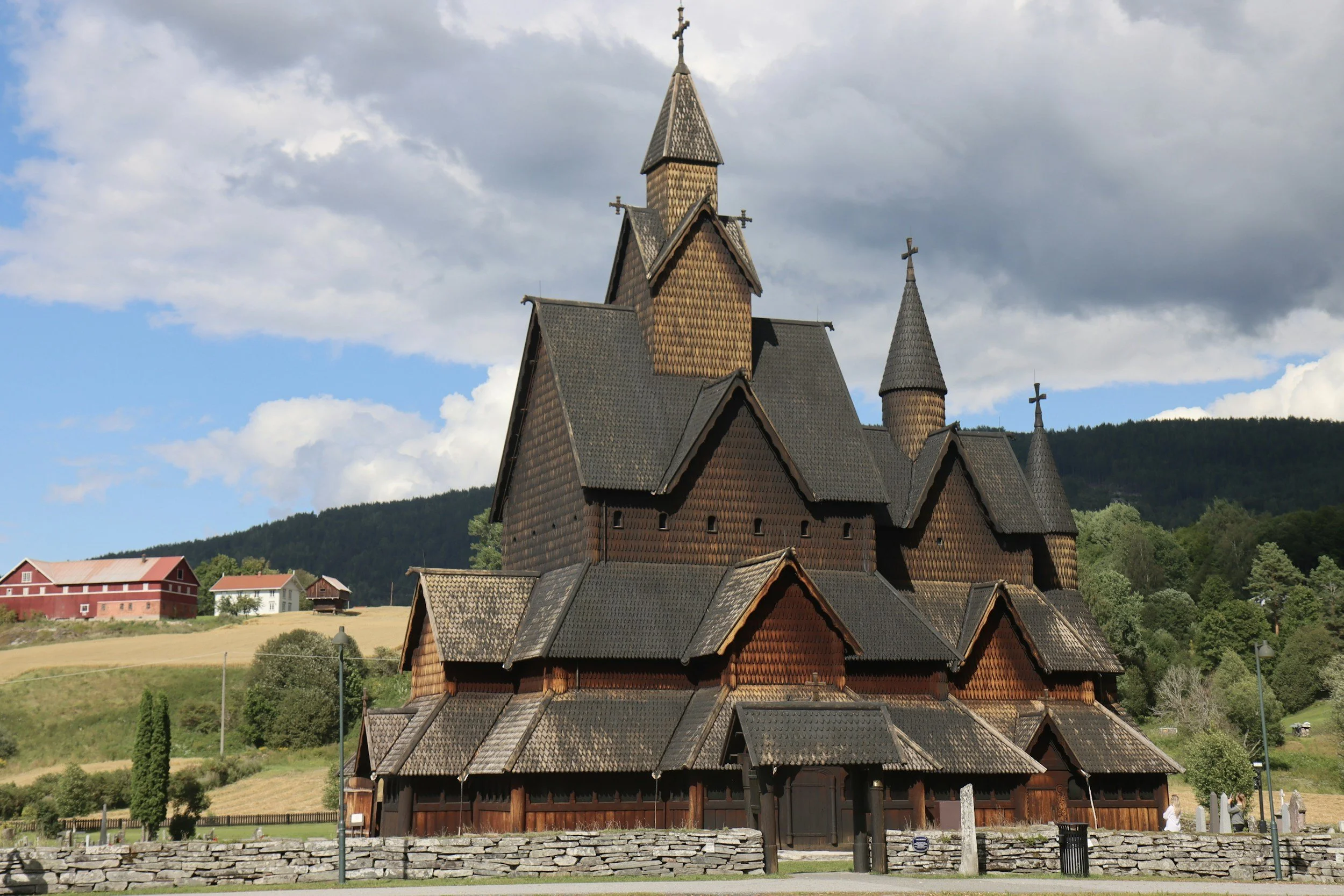
Heddal Stave Church
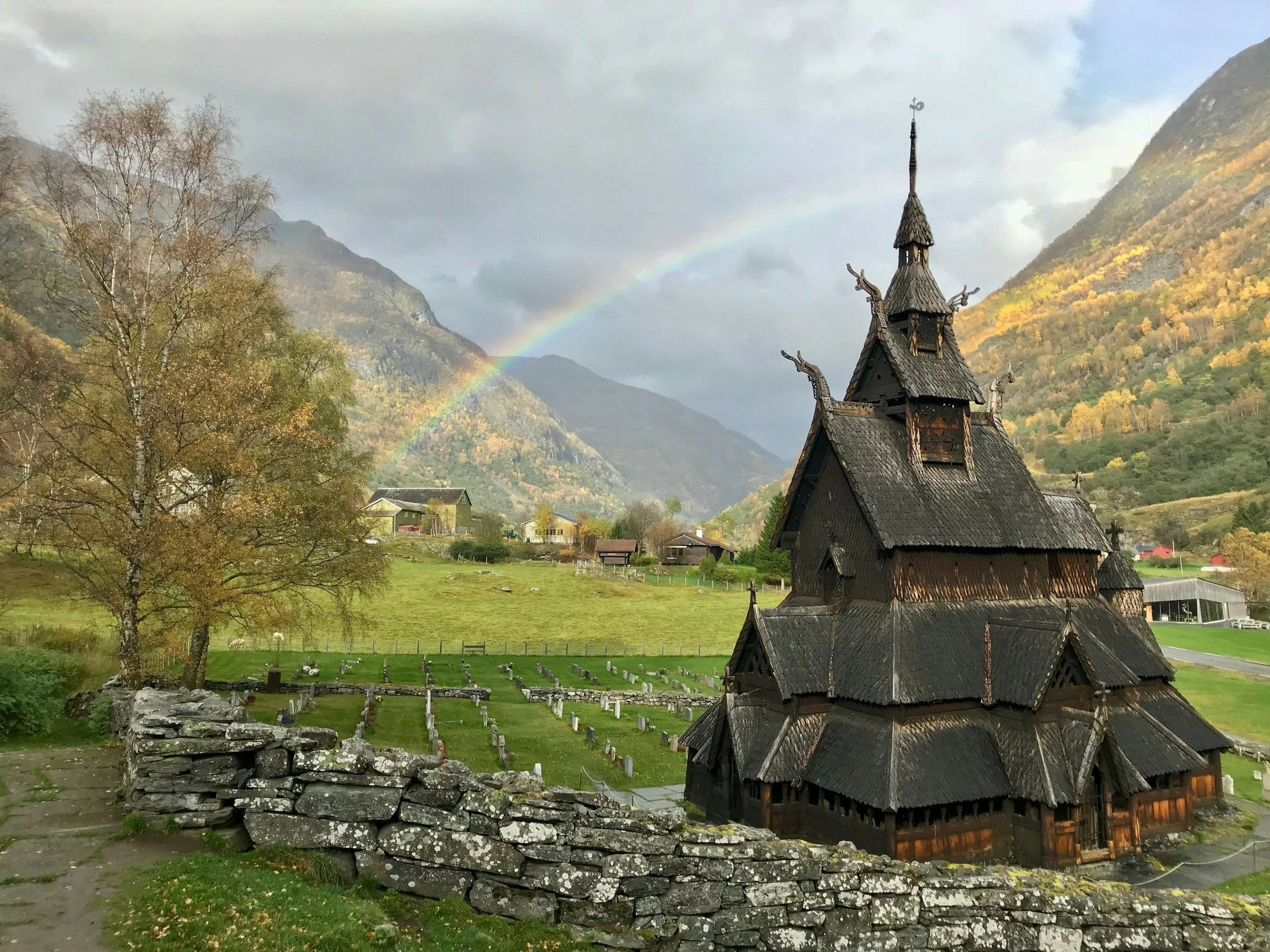
Heddal Stave Church, near Notodden, is the largest stave church in Norway and one of the most impressive medieval wooden buildings in the country.
For international visitors, this is one of the strongest historic stops you can add to a Southern Norway and Telemark route. The church dates from the Middle Ages and combines Christian symbolism with older Nordic woodcarving traditions. Its dark timber, steep roofs, carved portals and cathedral-like shape make it feel very different from the white coastal churches and wooden towns further south.
Heddal is especially worth considering if you are driving between Oslo, Telemark and Southern Norway, or if you want to add one major medieval site to the trip. It gives the route a much deeper historical layer and shows a side of Norway that is older than the coastal summer towns.
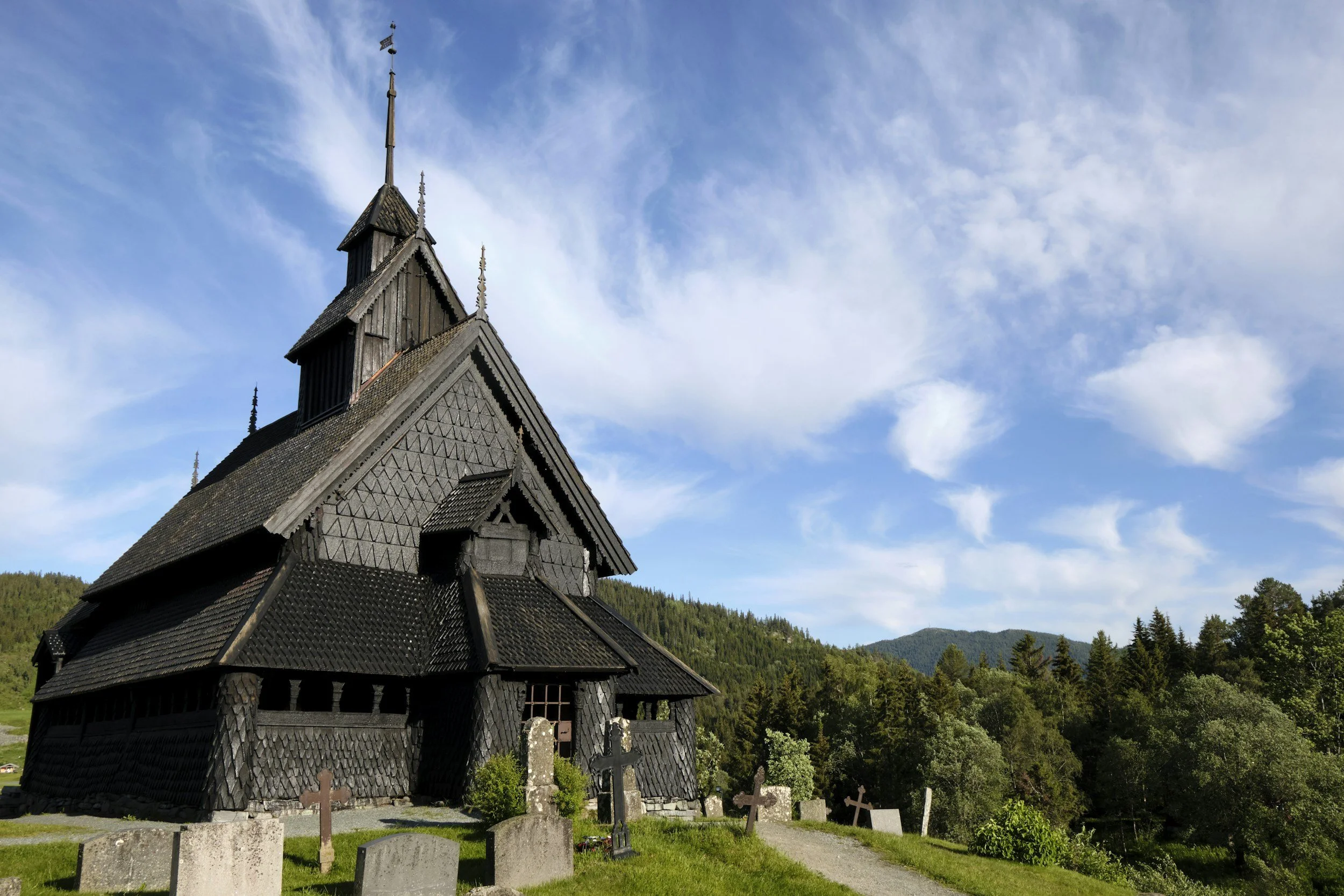
Eidsborg Stave Church and Vest-Telemark Museum
Eidsborg Stave Church is smaller than Heddal, but it fits beautifully into a Telemark route. It sits close to Vest-Telemark Museum, not far from Dalen, making it a natural addition if you are visiting the Telemark Canal or staying at Dalen Hotel.
This is a good place to understand how stave churches were part of local village life, not just isolated monuments. The surrounding museum helps place the church within the wider cultural history of Vest-Telemark, including old farm buildings, craftsmanship and rural traditions.
Together, Eidsborg Stave Church and Vest-Telemark Museum make this area feel more complete. They show that Telemark is not only about the canal, but also about rural history, medieval architecture and the cultural landscape around Dalen.
How to Plan a Southern Norway Route
A Southern Norway route works best when it has a natural flow rather than jumping between unrelated highlights. The easiest way to understand the region is to move from the coast inland: start with the white wooden towns, harbours and islands, then continue towards Telemark, Setesdal or the more rugged western parts of the region depending on what you want to include.
If you want to see a broad version of Southern Norway, a coast-to-inland route gives the trip the strongest sense of variety. The coast shows the maritime side of the region, with places such as Kristiansand, Lillesand, Grimstad, Arendal, Tvedestrand, Risør and Flekkefjord. These towns give you the classic Southern Norway atmosphere: white wooden houses, harbours, boat life, seafood, summer evenings and access to islands and swimming spots.
From the coast, you can add smaller places such as Lyngør, Ny-Hellesund, Loshavn or Hidra if you want the trip to feel more local and less centred only on the main towns. These places work best when they are treated as atmospheric coastal stops rather than major checklist attractions. They are valuable because they show the older outport culture, island life and quieter maritime history of Southern Norway.
Telemark adds a very different layer to the route. The Telemark Canal, Vrangfoss Locks, Dalen Hotel, Lake Bandak, Heddal Stave Church and Eidsborg Stave Church make the journey feel more historic and inland. This is the part of the route where Southern Norway moves away from summer harbours and into waterways, old travel routes, medieval wooden churches, rural culture and lake landscapes.
Setesdal can also be added if you want a stronger sense of traditional inland Norway. The valley connects the coast with forests, rivers, mountains, folk music, silverwork and older rural traditions. It is especially useful if you want the article’s version of Southern Norway to feel broader than the coast alone.
The natural landscapes can be worked into the route depending on where you travel. Lindesnes fits well on the western part of the southern coast, especially if you want to visit Norway’s southernmost point. Raet National Park is easiest to combine with Grimstad, Arendal and Tvedestrand. Brufjell is more demanding and suits travellers who want a proper hike and a more rugged coastal experience.
You do not need to include every place for the route to make sense. What matters is that the trip has a clear shape. A coastal route can focus on towns, islands, harbours and summer life. A broader route can combine the coast with Telemark and Setesdal. A more nature-focused route can include Raet, Lindesnes, Brufjell and the inland valleys. Southern Norway becomes much easier to plan when you think of it as connected layers rather than a list of separate stops.
Relevant Reading:
When to Visit Southern Norway
The best time to visit Southern Norway depends on what kind of experience you want, but summer is the season when the region feels most alive. June, July and August bring warmer weather, longer days, open restaurants, boat traffic, swimming, island trips and the strongest coastal holiday atmosphere.
July is the busiest month. This is when many Norwegians take their summer holidays, and the southern coast fills with families, cabin owners, boats and visitors. Harbours become livelier, restaurants are busier and the whole region has a stronger sense of summer energy. If you want to experience Southern Norway the way many Norwegians know it, July is the classic time to go.
June can be a very good alternative. The days are long, the light is beautiful and the region often feels calmer than in the peak holiday weeks. Some places may be quieter early in the month, but June is a strong choice if you want summer atmosphere without the same level of crowds.
August is also a good time to visit, especially in the first half of the month. The sea is often warmer after the summer, many places are still open and the busiest July crowds begin to ease. Later in August, the region gradually becomes quieter as schools and workplaces return to normal.
Spring and autumn can be rewarding if you are more interested in towns, history, hiking and coastal scenery than swimming and summer life. The atmosphere is quieter, and places such as Telemark, Setesdal, Lindesnes and the coastal towns can still be interesting outside peak season. However, some boat services, restaurants and seasonal attractions may have reduced opening hours, so it is worth checking practical details before planning around specific experiences.
Winter is not the classic season for Southern Norway, but it can still work for a quieter trip through towns, museums, historic places and inland landscapes. The coast will feel much more subdued, and you should not expect the same lively harbour atmosphere that defines the region in summer.
Relevant Reading:
Final Words
Southern Norway is not the part of Norway most international visitors picture first, but that is exactly why it is worth understanding. It shows a different side of the country: softer, warmer, more coastal and more closely tied to everyday Norwegian summer life.
The region is not only about pretty white towns, although those are part of its charm. It is also about maritime history, island communities, old harbours, swimming from rocks, shrimp dinners, family cabins, historic canals, stave churches, inland valleys and landscapes shaped by both sea and tradition.
If Western Norway gives visitors the dramatic fjord image of Norway, Southern Norway gives something quieter and more lived-in. It is a region where the appeal often comes from atmosphere, rhythm and context rather than one single famous attraction.
For travellers who want to see Norway beyond the fjords, Southern Norway offers a rewarding contrast: coastal towns, old travel routes, historic places, summer traditions and a slower way of experiencing the country.
This guide explains what Norway's most famous fjord route actually includes, how it works, who it suits and how it compares to independent travel through Western Norway.