
Where to Stay in Oslo: A Guide to the City’s Different Neighbourhoods
Oslo is relatively small, compact and easy to navigate compared to many other European capitals. Public transport is efficient, distances are short, and many central neighbourhoods are only minutes apart by tram, metro or on foot.
Within central Oslo, where you stay matters more in terms of atmosphere than convenience.
Different parts of the city offer noticeably different versions of Oslo. Some feel polished and waterfront-oriented, others more residential, traditional, creative or distinctly local.
This guide focuses on the character of each area rather than strict geography or hotel categories.
If you are visiting during winter, it is also worth reading What to Do in Oslo in Winter, as the city changes considerably between seasons.
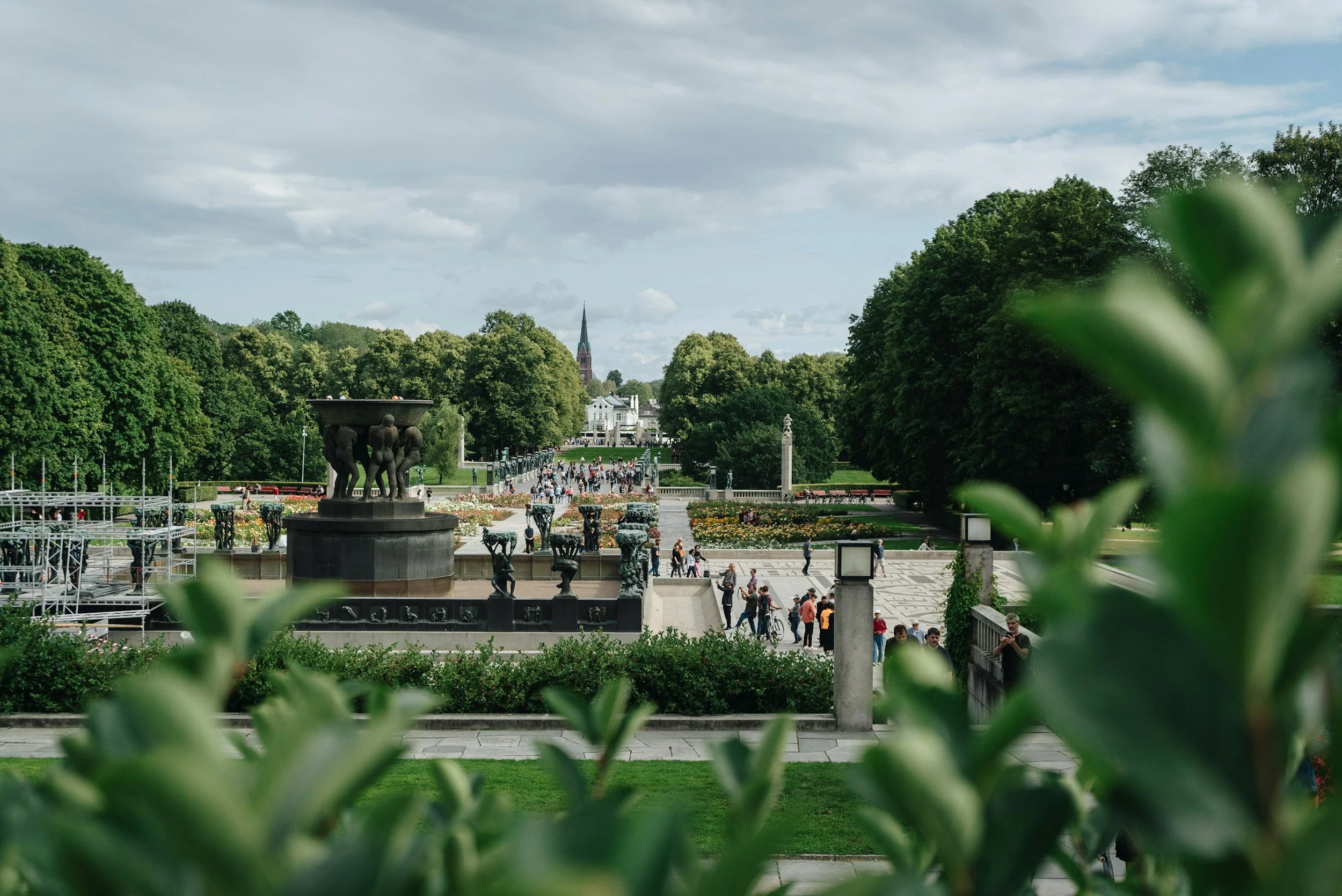
Oslo’s neighbourhoods differ less in distance than atmosphere, from the residential streets of Frogner and Majorstuen to the modern waterfront areas around Bjørvika and Aker Brygge. Here is Vigeland Park in western Oslo.
Sentrum: Practical and Transport-Focused
Sentrum is Oslo’s functional centre rather than its most atmospheric area.
This is where you stay if convenience matters most. Oslo Central Station, the airport train, trams, ferries and major transport connections are all concentrated here.
You are within walking distance of many major sights, but the area can feel more transitional than neighbourhood-oriented.
Parts of central Oslo are busy during the day and quieter at night, particularly around the station.
Best suited to:
First-time visitors
Short stays
Late arrivals or early departures
Visitors relying heavily on trains or airport transport
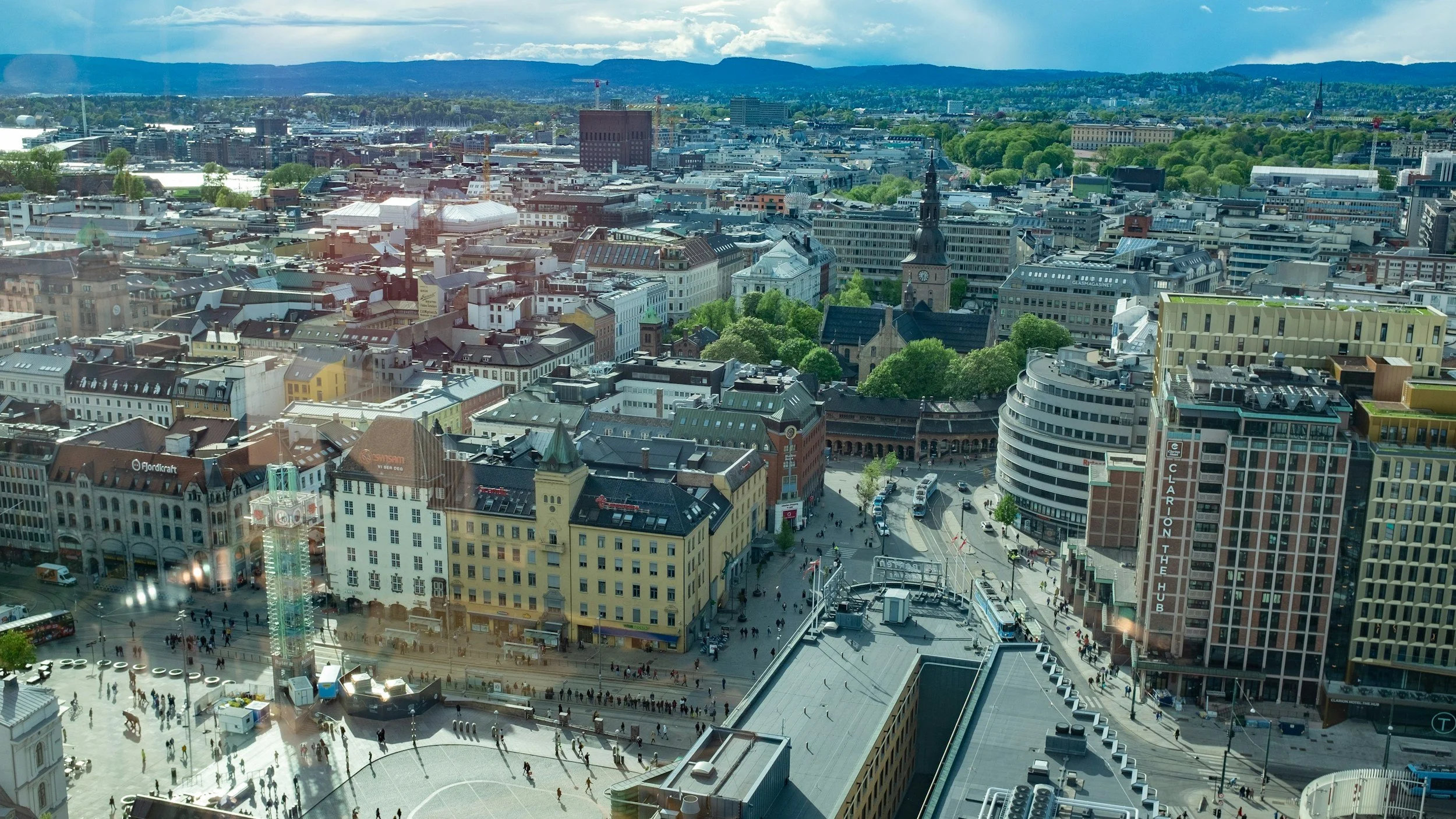
Central Oslo is compact and easy to navigate, with many of the city’s main neighbourhoods connected by short tram, metro or walking distances.
Aker Brygge and Tjuvholmen: Waterfront and Restaurants
Aker Brygge and Tjuvholmen are among Oslo’s most posh and expensive areas.
This is modern waterfront Oslo: restaurants, wine bars, outdoor seating, apartments overlooking the fjord and a busy promenade atmosphere, especially in summer.
The area is lively, social and highly walkable, with easy access to the National Museum, Astrup Fearnley Museum and the harbourfront.
Compared to other parts of Oslo, Aker Brygge feels more international and upscale, with noticeably higher restaurant and hotel prices.
Best suited to:
Visitors wanting a lively atmosphere
Restaurant-focused stays
Summer trips
Travellers who enjoy more upscale areas
Fjord views and waterfront walks
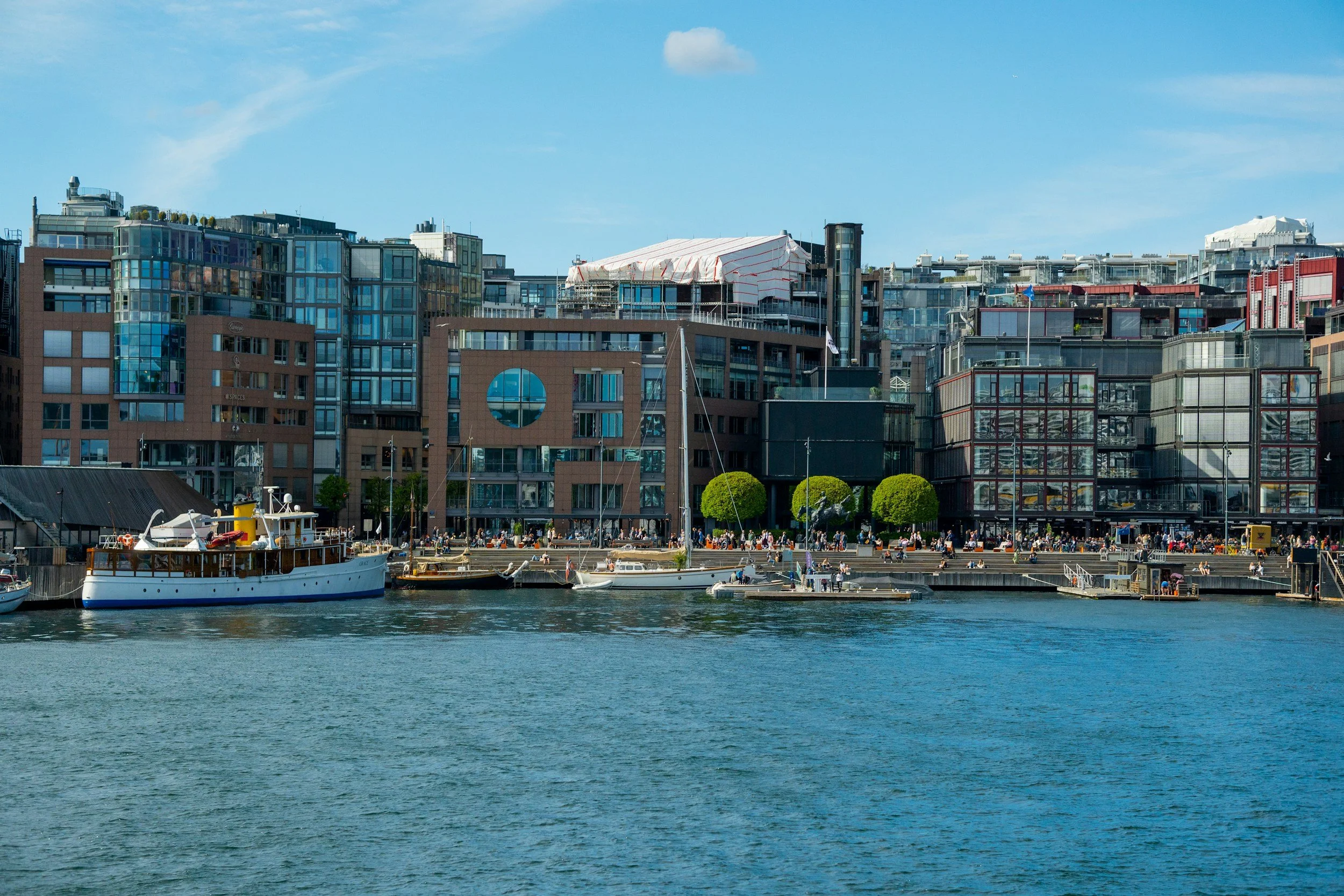
Summer at Aker Brygge, one of Oslo’s busiest waterfront areas, known for restaurants, outdoor dining, fjord views and a lively atmosphere along the harbour promenade.
Grünerløkka: Oslo’s Hipster-Oriented Neighbourhood
Grünerløkka has a distinctly hipster-oriented atmosphere and is one of Oslo’s most recognisable neighbourhoods.
The area is known for independent cafés, vintage shops, bars, record stores, street art and a more alternative feel than western Oslo.
Compared to Frogner and Majorstuen, Grünerløkka feels denser, more informal and more socially active, especially in the evenings and weekends.
Despite its reputation as a separate neighbourhood, it remains very central and easily connected to the rest of Oslo.
Best suited to:
Visitors who enjoy hipster-style neighbourhoods
Café culture
Independent shops and bars
A more casual and social atmosphere
Everyday city life rather than polished surroundings
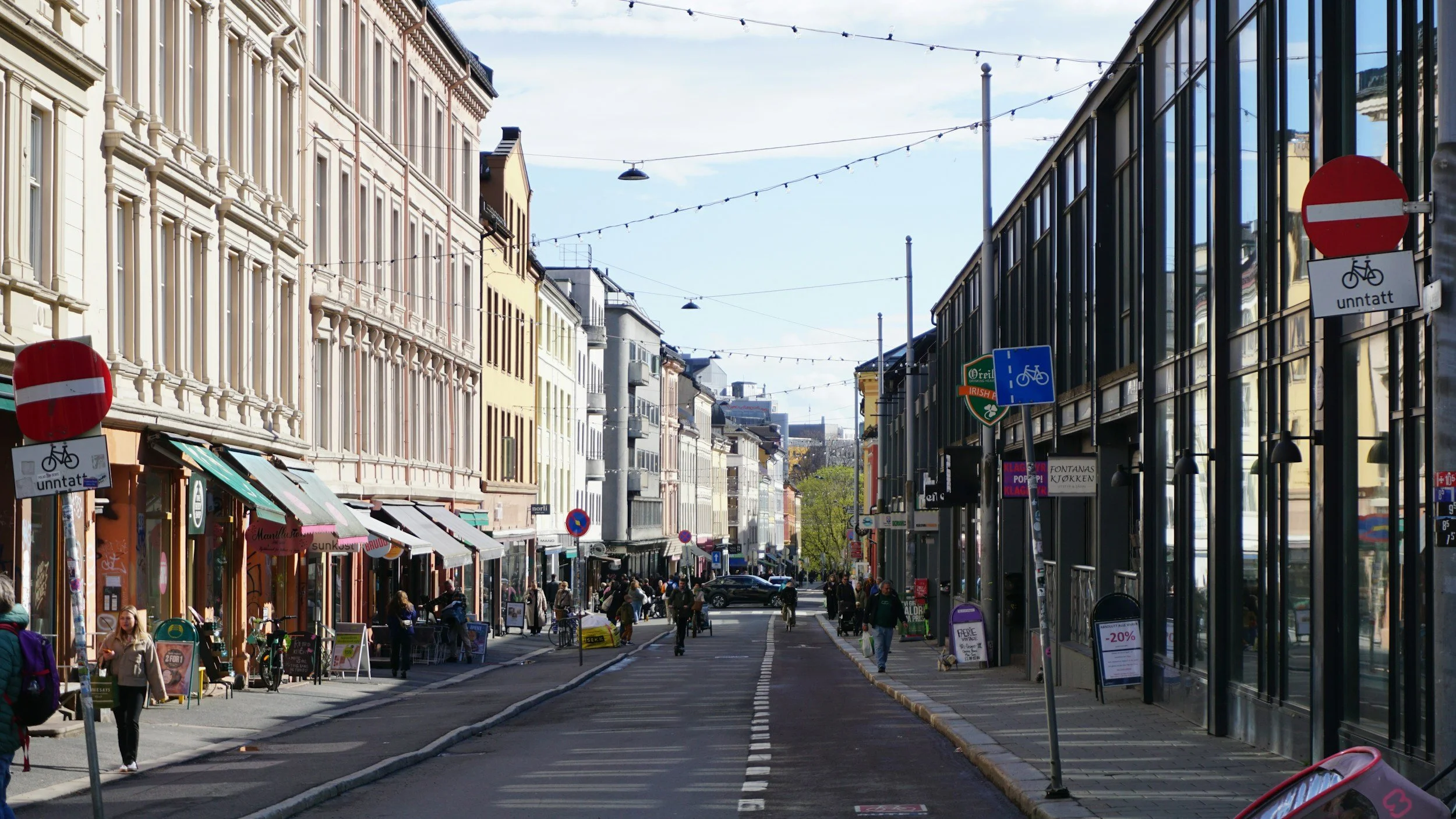
Grünerløkka is known for its hipster-oriented atmosphere, independent cafés, vintage shops, bars and a more informal side of Oslo city life.
Majorstuen and Frogner: Classic West-End Oslo
Majorstuen and Frogner represent a more traditional and affluent side of Oslo.
These areas are calmer, greener and more residential, characterised by large apartment buildings, quieter streets, embassies, cafés and proximity to places like Vigeland Park and the Royal Palace area.
Frogner in particular has a distinctly west-end atmosphere, with elegant architecture and a slower pace than Grünerløkka and the city centre.
This part of Oslo often appeals to visitors wanting a quieter and more residential feeling stay without being far from central Oslo.
Best suited to:
Quieter stays
Couples
Residential surroundings
Parks and slower-paced city walks
Visitors preferring a more traditional side of Oslo
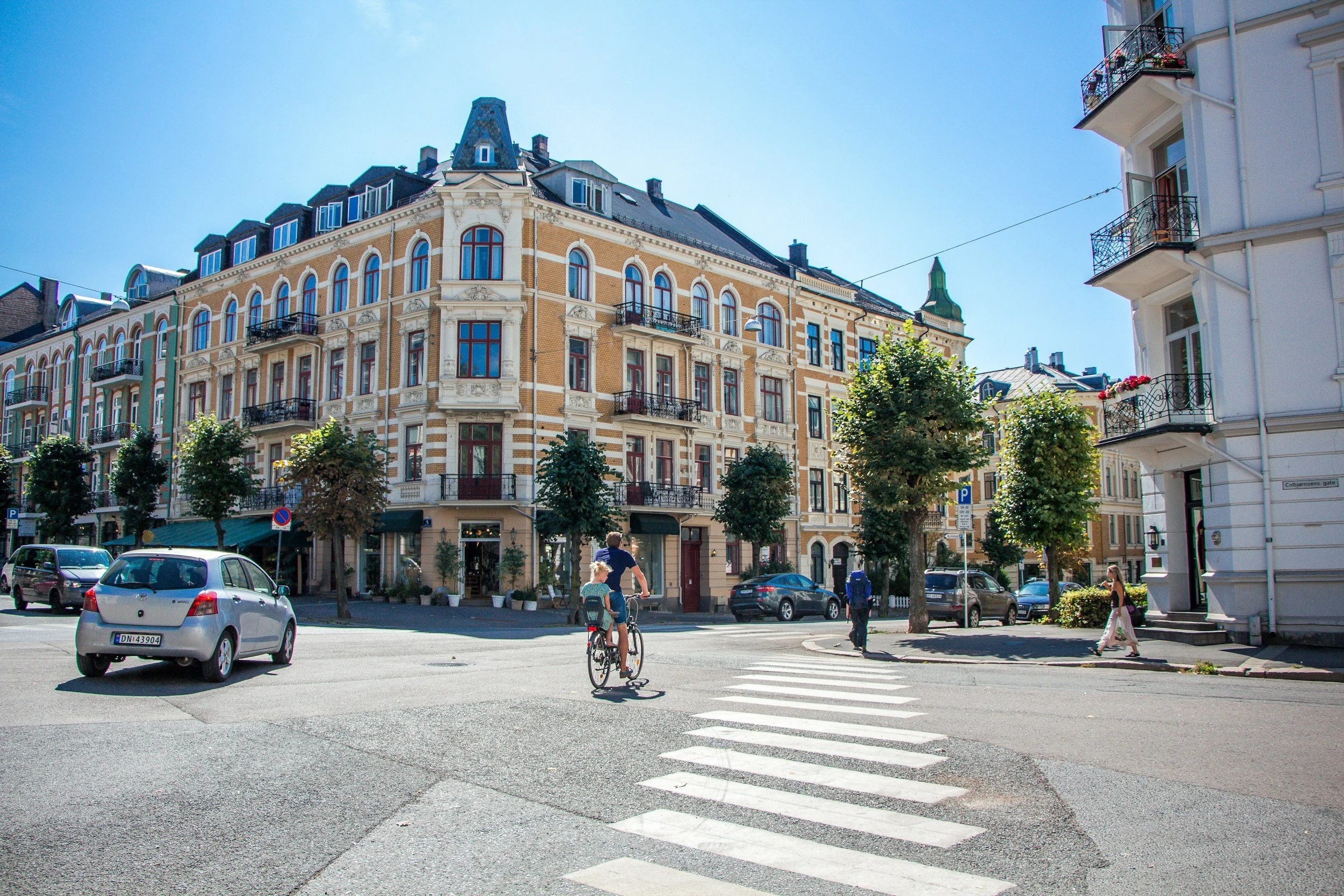
Frogner and Majorstuen represent a quieter and more traditional side of Oslo, known for residential streets, elegant apartment buildings, cafés, parks and a distinctly west-end atmosphere.
Bjørvika and Sørenga: Oslo’s New Waterfront District
Bjørvika represents Oslo’s newer urban identity.
This is the area around the Opera House, MUNCH Museum, Barcode district and Sørenga waterfront, where large-scale modern development has transformed the former harbour area into one of the city’s busiest neighbourhoods.
Compared to western Oslo, Bjørvika feels more contemporary, dense and architecturally modern, with high-rise buildings, rooftop bars, waterfront apartments and wide pedestrian areas.
The atmosphere is especially lively during summer, when Sørenga fills with swimmers, outdoor dining and late evening activity along the waterfront.
At the same time, parts of the area can feel more commercial and newly built than older parts of Oslo with longer neighbourhood history and character.
The location is extremely convenient, particularly for visitors arriving by train, as Oslo Central Station is within walking distance.
Best suited to:
Visitors wanting modern waterfront surroundings
Summer visits
Travellers wanting to stay close to Oslo Central Station
Visitors who enjoy newer urban developments
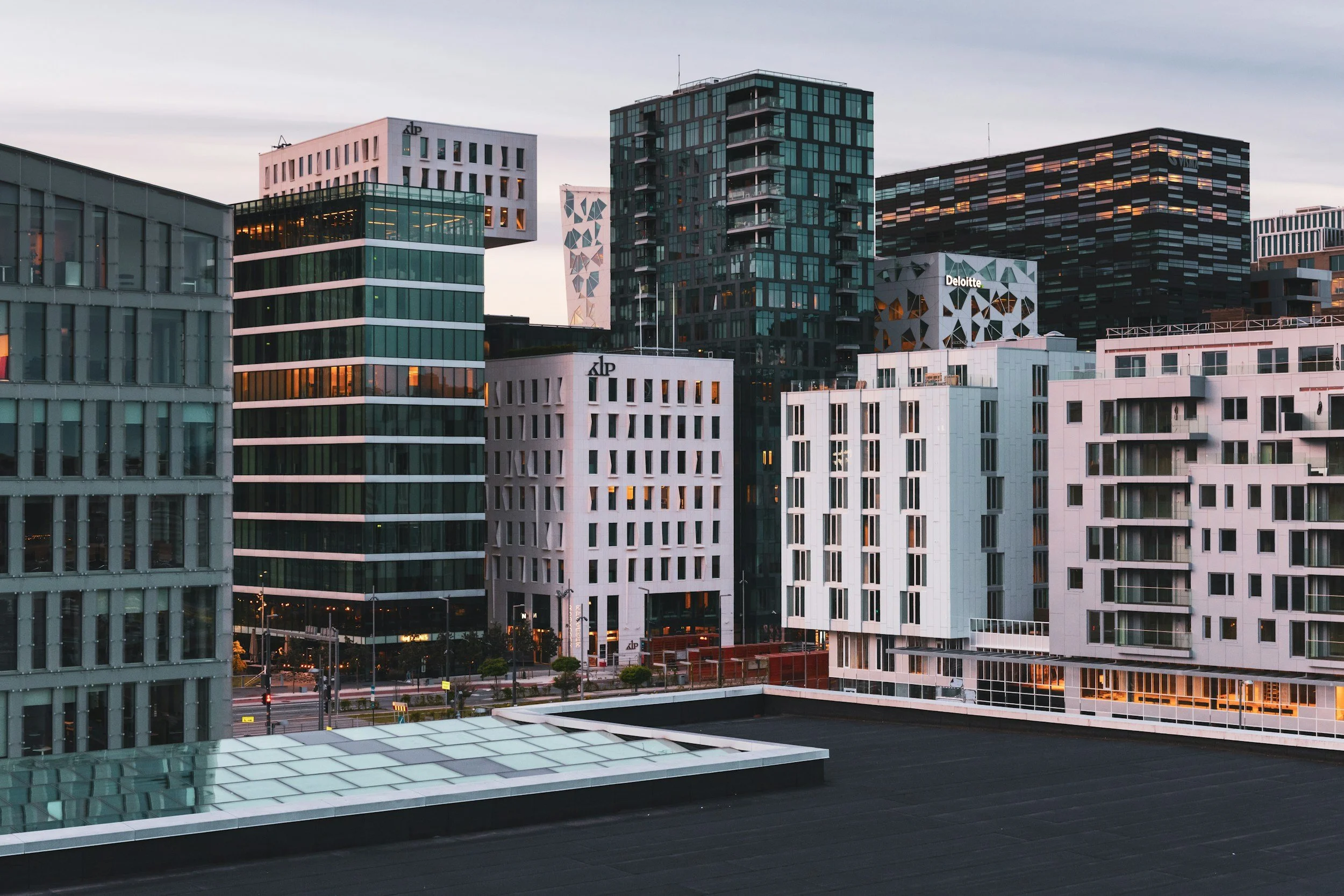
Bjørvika is Oslo’s modern waterfront district, known for contemporary architecture, the Opera House, the MUNCH Museum and a busy harbour atmosphere shaped by the city’s recent redevelopment.
Bygdøy: Museums, Nature and a Quieter Setting
Bygdøy feels noticeably more removed from central Oslo than the other areas in this guide.
The peninsula is greener, quieter and far less urban, with beaches, museums, forested walking paths and coastal scenery.
Staying here prioritises surroundings over convenience. While central Oslo is still accessible by ferry, bus or taxi, it is less practical for visitors wanting immediate access to restaurants, nightlife or city activity.
Bygdøy works best for visitors wanting a slower pace and a quieter environment, particularly during summer.
Best suited to:
Museum-focused visits
Summer stays
Quiet surroundings
Nature and coastal walks
Visitors wanting distance from the busiest parts of the city
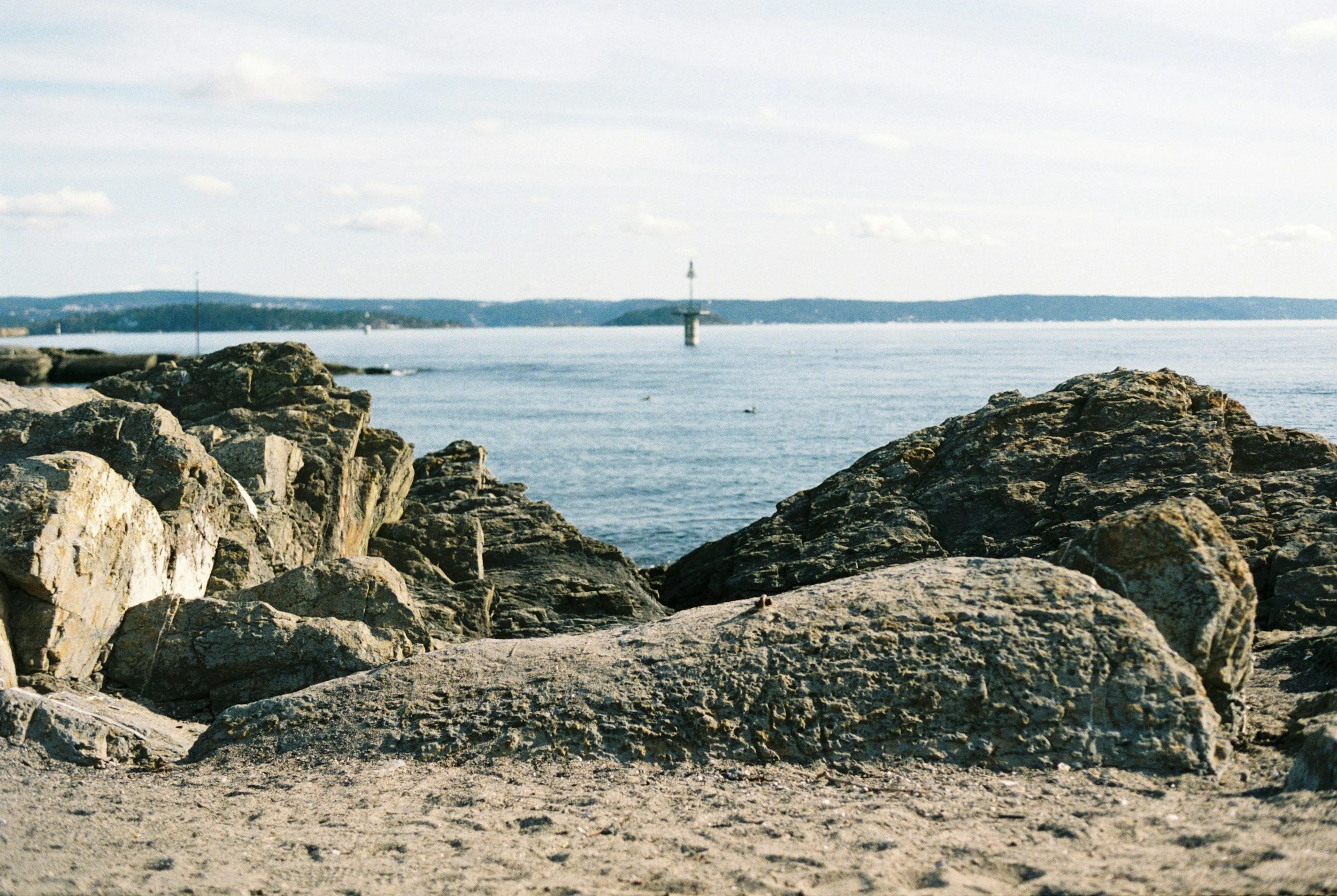
View across the Oslofjord from Bygdøy, a quieter and greener part of the city known for coastal walks, beaches, museums and a slower pace than central Oslo.
Eastern Oslo: More Mixed and Rapidly Changing
Areas east of the centre, including parts of Gamle Oslo, Grønland and Tøyen, are more varied and less visually uniform than western Oslo.
These neighbourhoods are denser, more multicultural and currently changing rapidly. Some parts feel highly urban and energetic, while others remain more transitional.
The area is known for more varied food scenes, independent cafés and a less polished atmosphere than western Oslo.
Visitors staying here are often prioritising lower prices, apartment stays or a more local and mixed version of the city.
Best suited to:
Budget-conscious travellers
Food-focused visitors
Apartment stays
Travellers comfortable in more mixed urban environments
Visitors wanting a less polished side of Oslo
Does Location Matter in Oslo?
Within central Oslo, location matters more in terms of atmosphere than distance.
Areas such as Grünerløkka, Frogner, Majorstuen and Aker Brygge are all easily connected to the city centre by tram, metro or on foot. Choosing between them is therefore more about the type of environment you want around you than convenience.
However, this changes once hotels are located further outside the central neighbourhoods.
Some hotels marketed as “Oslo” are located in areas such as Alnabru, Helsfyr or outer commercial districts, where the surroundings become more office-based, industrial or transport-oriented, and where returning late in the evening can feel noticeably less convenient for visitors.
These areas are not necessarily problematic, but they offer a very different experience from staying in central Oslo neighbourhoods.
For most visitors, staying somewhere within the wider central area usually creates a more seamless experience of the city.
Read also: Best Day Trips from Oslo: Nature and Nearby Cities
Practical Notes on Accommodation in Oslo
Prices are generally high across Oslo
Waterfront and west-end areas are usually the most expensive
Availability drops quickly in summer
Public transport reduces the need to stay directly in the centre
Booking early is recommended from June to August
Central Oslo is generally easy and safe to navigate
Final Thoughts
Oslo is small enough that most central neighbourhoods remain easily accessible regardless of where you stay.
For most visitors, choosing the right atmosphere matters more than reducing transport time by a few minutes.
The main difference between Oslo’s neighbourhoods is therefore less about distance and more about how the city feels once you step outside your hotel.