
Oslo and the Oslofjord: A Different Side of Norway
When people imagine Norway, they usually picture fjords, mountain roads and dramatic western landscapes.
What makes Oslo different is not dramatic scenery or major landmarks concentrated in one area, but how closely everyday city life connects to forest, fjord and seasonal outdoor culture.
This is one of the few capitals in Europe where people regularly leave work to go skiing, take ferries to islands, swim in the fjord after the sauna or disappear into the forest within minutes of the city centre.
Oslo Feels Different From Other Capitals
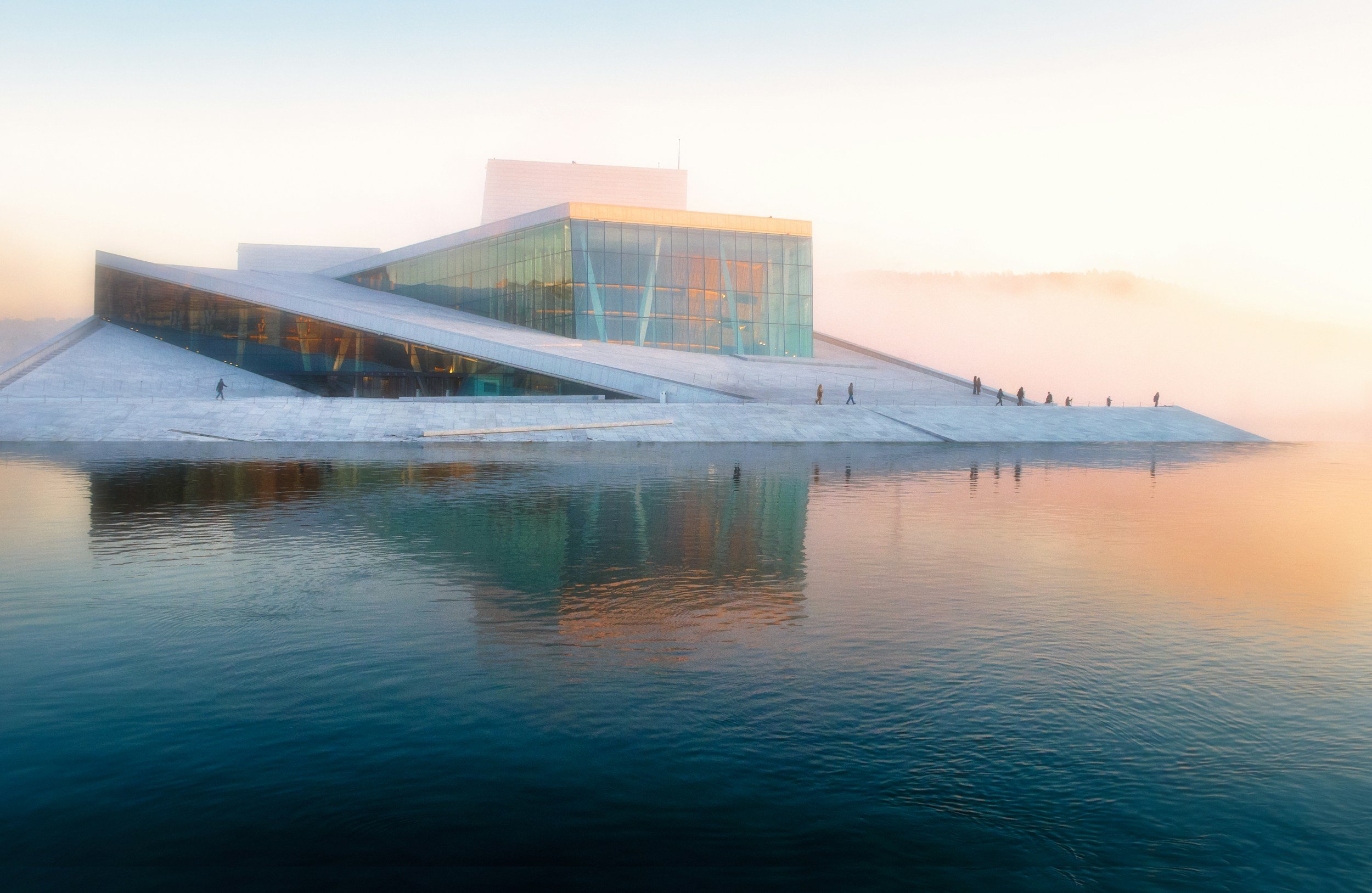
Oslo is smaller, quieter and less visually overwhelming than many European capitals. The city spreads outward rather than upward, with large residential areas, green spaces and access to nature built directly into daily life.
Compared to cities like London, Paris or Copenhagen, Oslo often feels calmer and less crowded. The atmosphere is more understated, and much of what defines the city is experienced gradually rather than through major tourist landmarks.
This is also why some visitors initially find Oslo less dramatic than expected, before later realising how unusually liveable and accessible the city feels.
The Relationship Between City and Nature
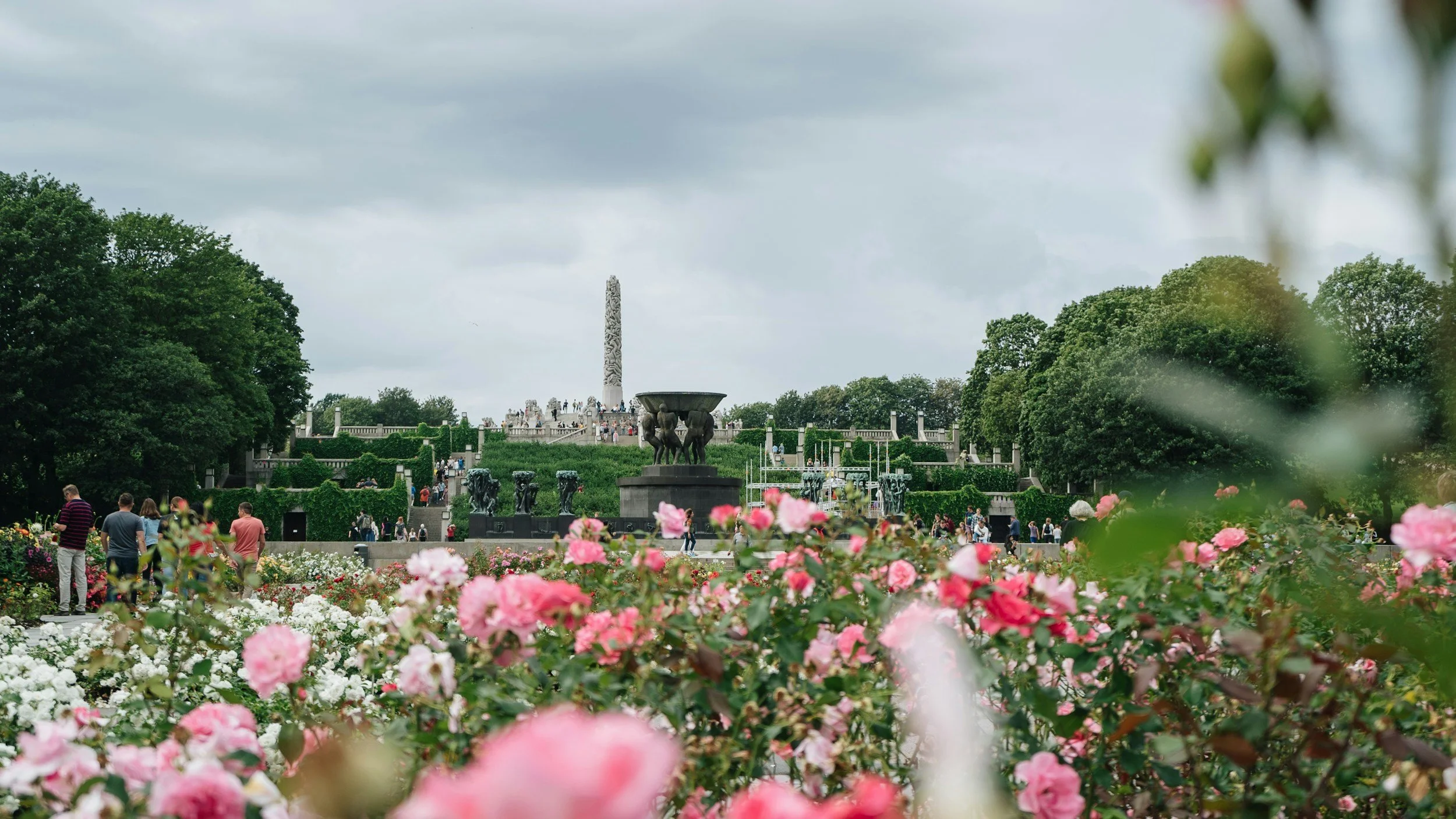
The defining feature of Oslo is proximity.
You can move between very different environments within a short period of time:
Swimming in the Oslofjord in summer
Enjoying one of Oslo’s many beautiful parks
Taking the metro directly to forest trails
Visiting museums and galleries in the morning
Going skiing in Marka during winter
Taking island ferries from the city centre
Sitting in a waterfront sauna after work
These transitions are normal parts of everyday life in Oslo, not separate tourist experiences.
That shapes the rhythm of the city.
The Oslofjord Is Part of Daily Life
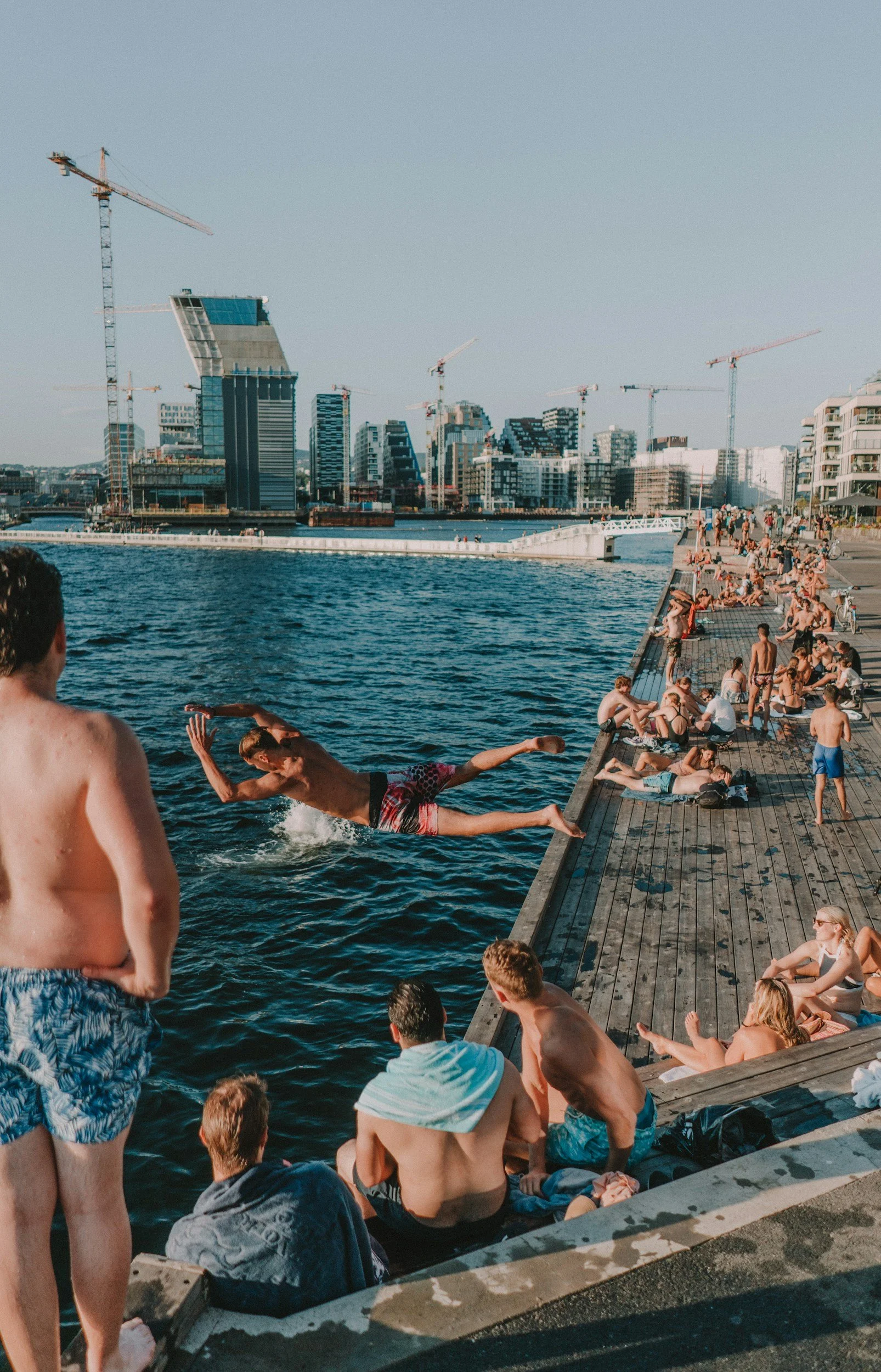
The Oslofjord is not simply a viewpoint or sightseeing area. In summer, it becomes part of how people use the city.
Locals swim from harbour saunas, take ferries to the islands, spend evenings along the waterfront and move constantly between urban spaces and the fjord itself.
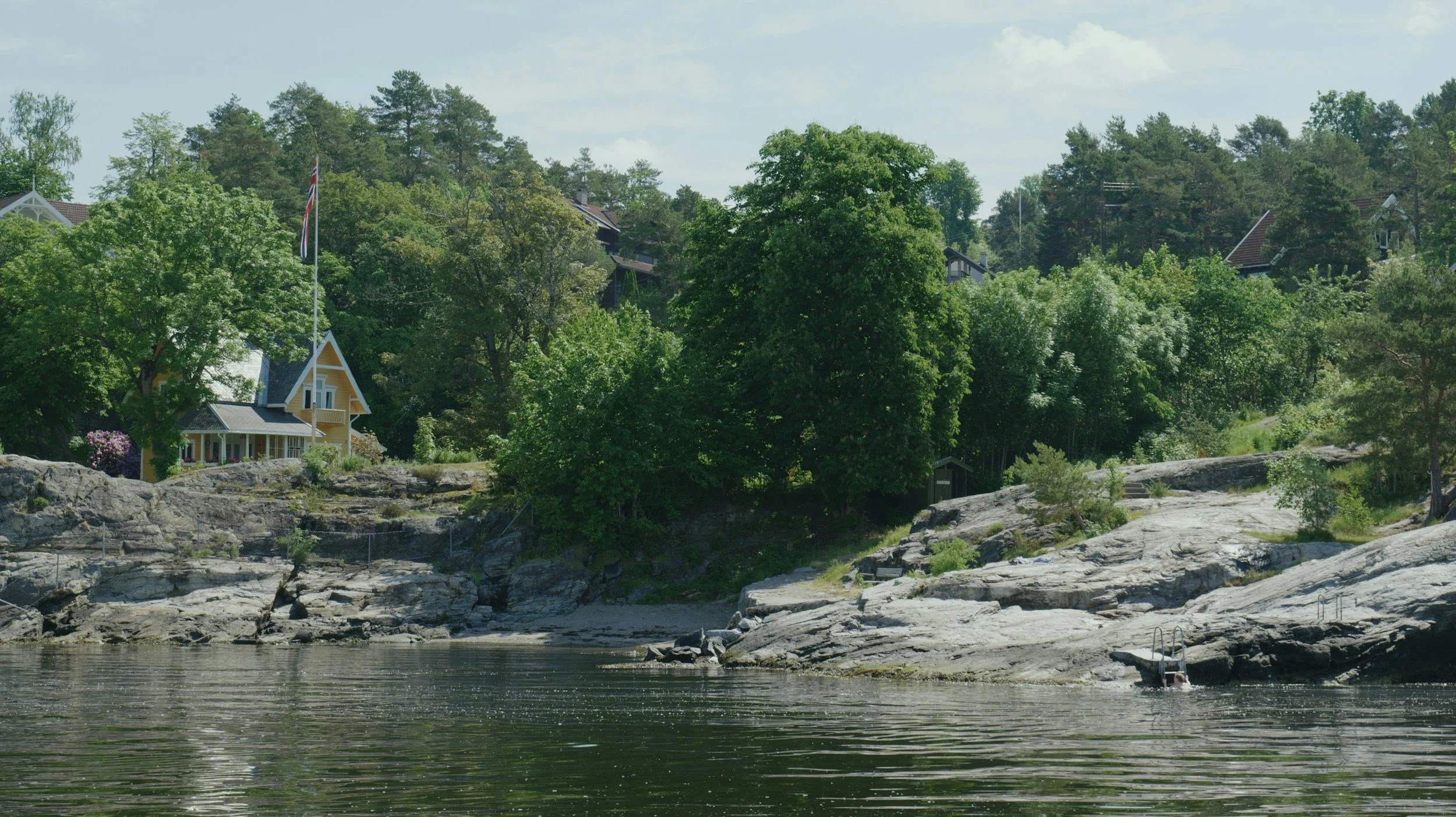
Areas such as Sørenga, Aker Brygge and Bygdøy become especially active during warmer months, while the islands in the inner Oslofjord offer a slower pace only minutes from the centre.
For many visitors, this side of Oslo is unexpected.
Marka: Oslo’s Forest Culture
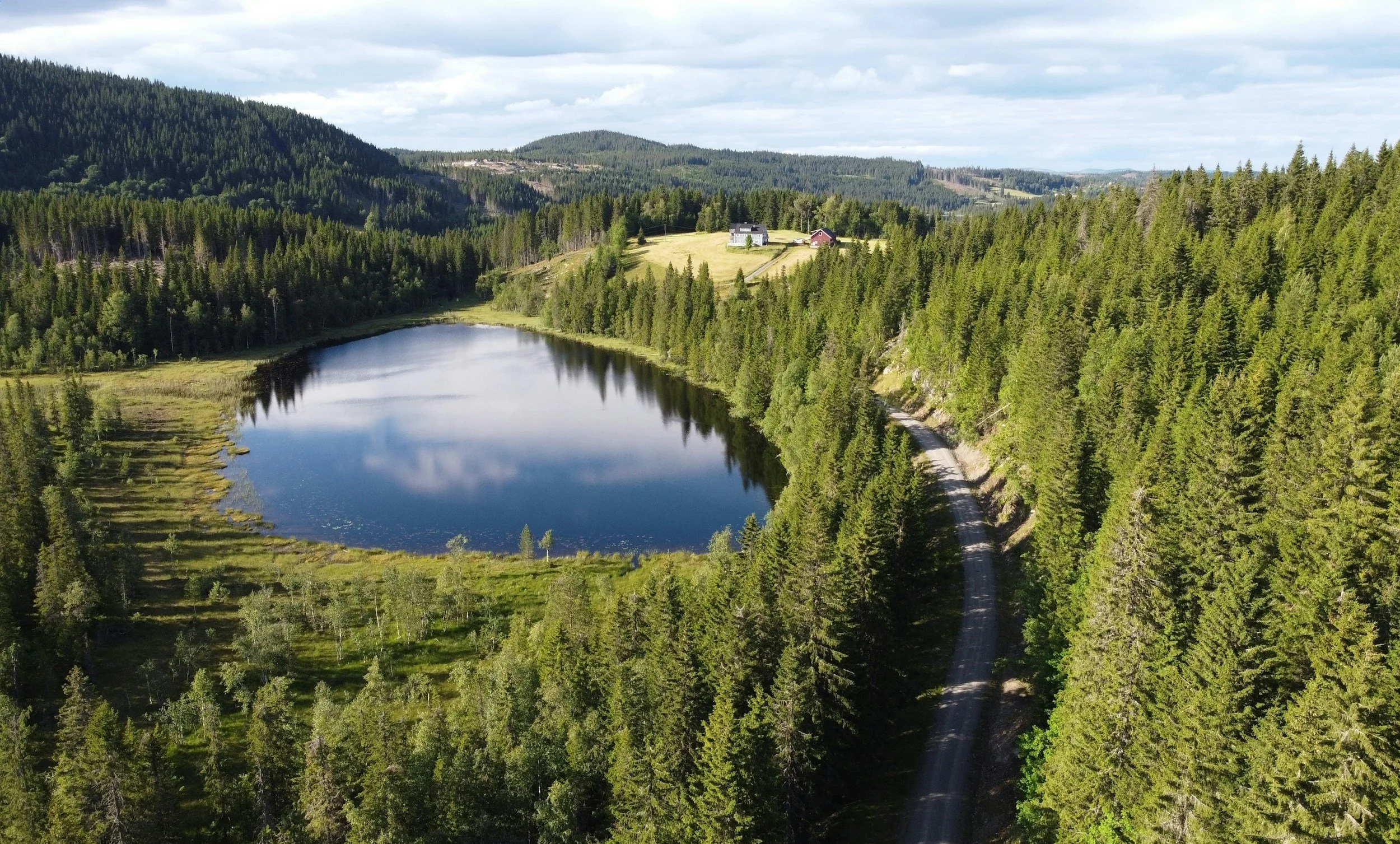
One of the most distinctive parts of Oslo is Marka, the large forest surrounding the city.
Unlike parks in many capitals, Marka is extensive enough to feel genuinely removed from urban life.
The forest is deeply integrated into Norwegian culture and daily routines:
hiking
cross-country skiing
cabin trips
trail running
lake swimming
Metro lines connect directly to trailheads, making it possible to leave the city centre and reach forest terrain surprisingly quickly.
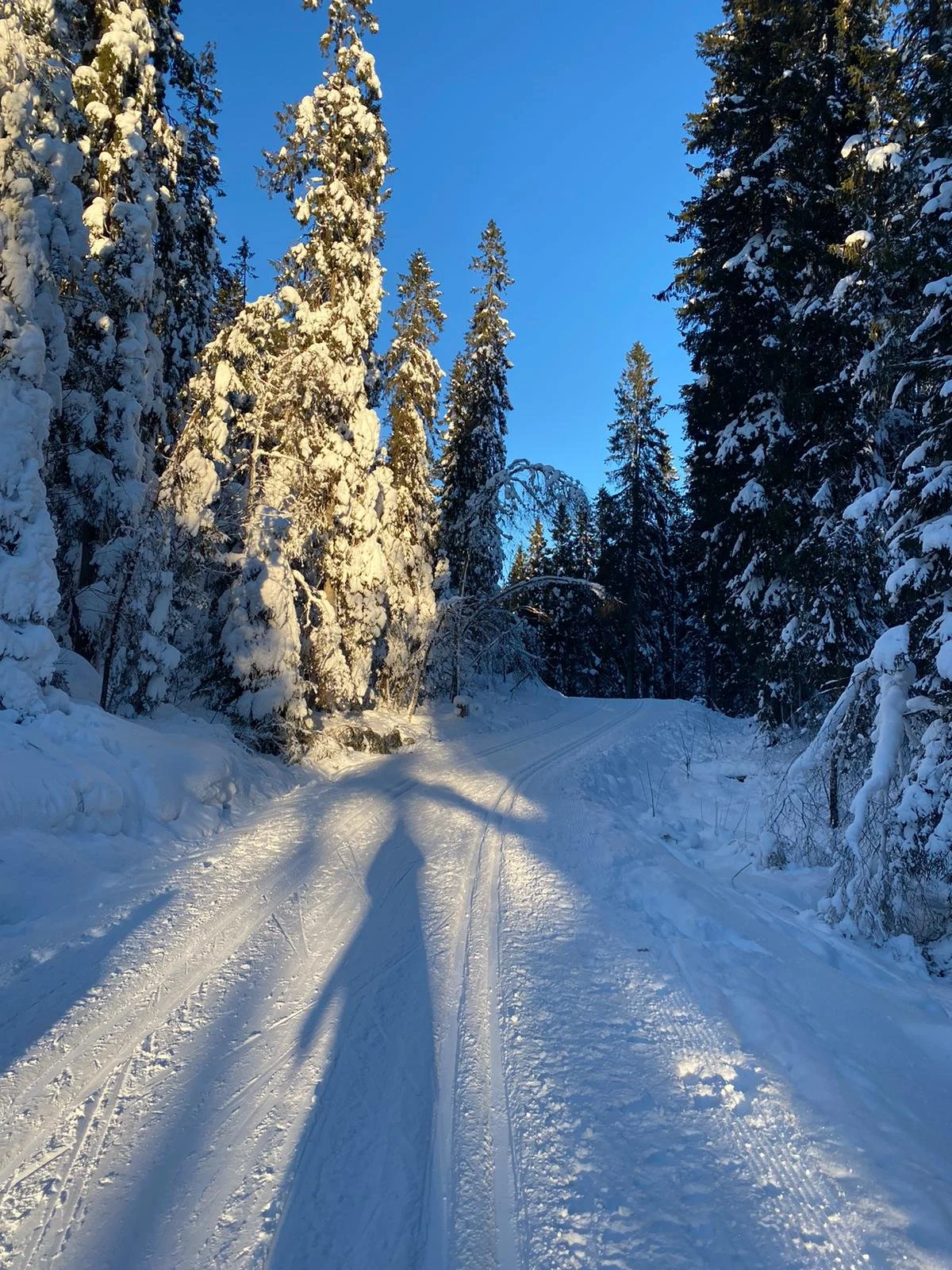
During winter, skiing tracks become part of everyday movement for many residents.
Oslo Changes Dramatically Between Seasons
The experience of Oslo varies significantly depending on the time of year.
Summer brings:
long evenings
outdoor dining
swimming
island ferries
waterfront activity
Winter feels quieter and more atmospheric:
snow-covered streets
darker afternoons
Christmas markets
skiing culture
illuminated cafés and restaurants
Spring and autumn tend to feel calmer and more local, with fewer visitors and more visible seasonal transitions.
For seasonal planning, see: What to Do in Oslo in Winter: A local Guide
Places Beyond the City
One of Oslo’s strengths is how easily nearby areas connect to the city.
Places such as:
Drøbak
the Oslofjord islands
coastal towns
forest cabins
smaller lakeside communities
can all be experienced as day trips without complex logistics.
This creates a different style of travel from other parts of Norway.
The focus is less on dramatic routes and more on flexibility, rhythm and combining multiple environments within the same day.
Read also: Best Day Trips from Oslo: Nature and Nearby Cities
Oslo Is Often Better Experienced Slowly
Many visitors spend only one or two days in Oslo before continuing west or north.
That often creates a distorted impression of the city.
Oslo tends to work better when approached more slowly:
spending time in neighbourhoods
using the fjord
visiting cafés and saunas
walking through residential areas
combining museums with outdoor spaces
experiencing seasonal routines
The city is less about intensity and more about balance.
Final Thoughts
Oslo is not Norway’s most dramatic destination. What makes it distinctive is how naturally city, forest and fjord overlap within everyday life. Understanding that changes the experience of the city entirely.
Rather than treating Oslo as a gateway to the rest of Norway, it often makes more sense to see it as an introduction to how many Norwegians actually live.