
Wildlife in Svalbard: What You Can See in the High Arctic
Svalbard is one of the most wildlife-rich regions in the High Arctic, not because animals are abundant everywhere, but because human presence is limited and large parts of the ecosystem remain largely intact. Wildlife encounters here are shaped by extreme seasonality, fluctuating sea-ice conditions, and some of the strictest conservation regulations in the world. This is not a destination for casual animal spotting or guaranteed sightings, but for understanding how species survive, adapt, and coexist at the very edge of habitability.
This guide explores the key wildlife species found in Svalbard, where and when encounters are most likely, and the ethical and safety considerations that govern all human–wildlife interaction in the archipelago.
For a broader overview of polar destinations, expedition travel and preparation, explore the Polar Travel guide.
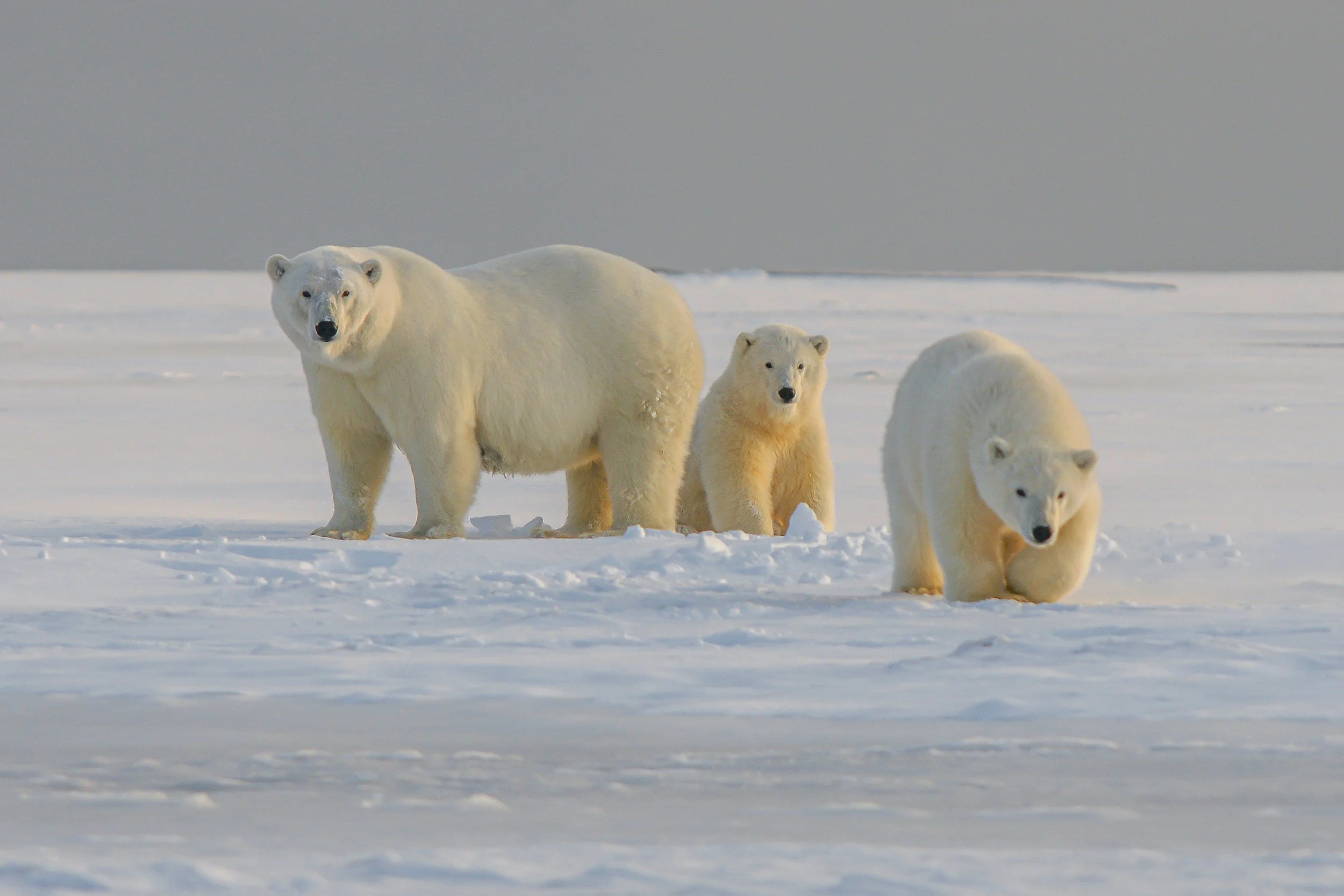
Polar bears (Ursus maritimus)
The polar bear is Svalbard’s most iconic species and also one of the most frequently misunderstood. Although Svalbard is often described as having more polar bears than people, sightings are by no means guaranteed, particularly in and around Longyearbyen. Polar bears are marine mammals, not land-based predators, and their movements are closely tied to the presence of sea ice.
In Svalbard, polar bears are most commonly found along coastlines, near drifting pack ice, and in the more remote eastern parts of the archipelago, including outlying islands where human activity is minimal. As sea-ice conditions change throughout the year and between seasons, bears may travel vast distances in search of suitable hunting grounds. This can occasionally bring them unexpectedly close to shore or settlements, but such encounters remain relatively rare.
Polar bears are fully protected under Norwegian law, yet they are also potentially lethal. For this reason, all travel outside settlements requires appropriate safety measures, including trained guides, risk assessments, and emergency equipment. Guides operating in Svalbard are trained to prioritise both human safety and animal welfare, ensuring that encounters are managed responsibly and without disturbance.
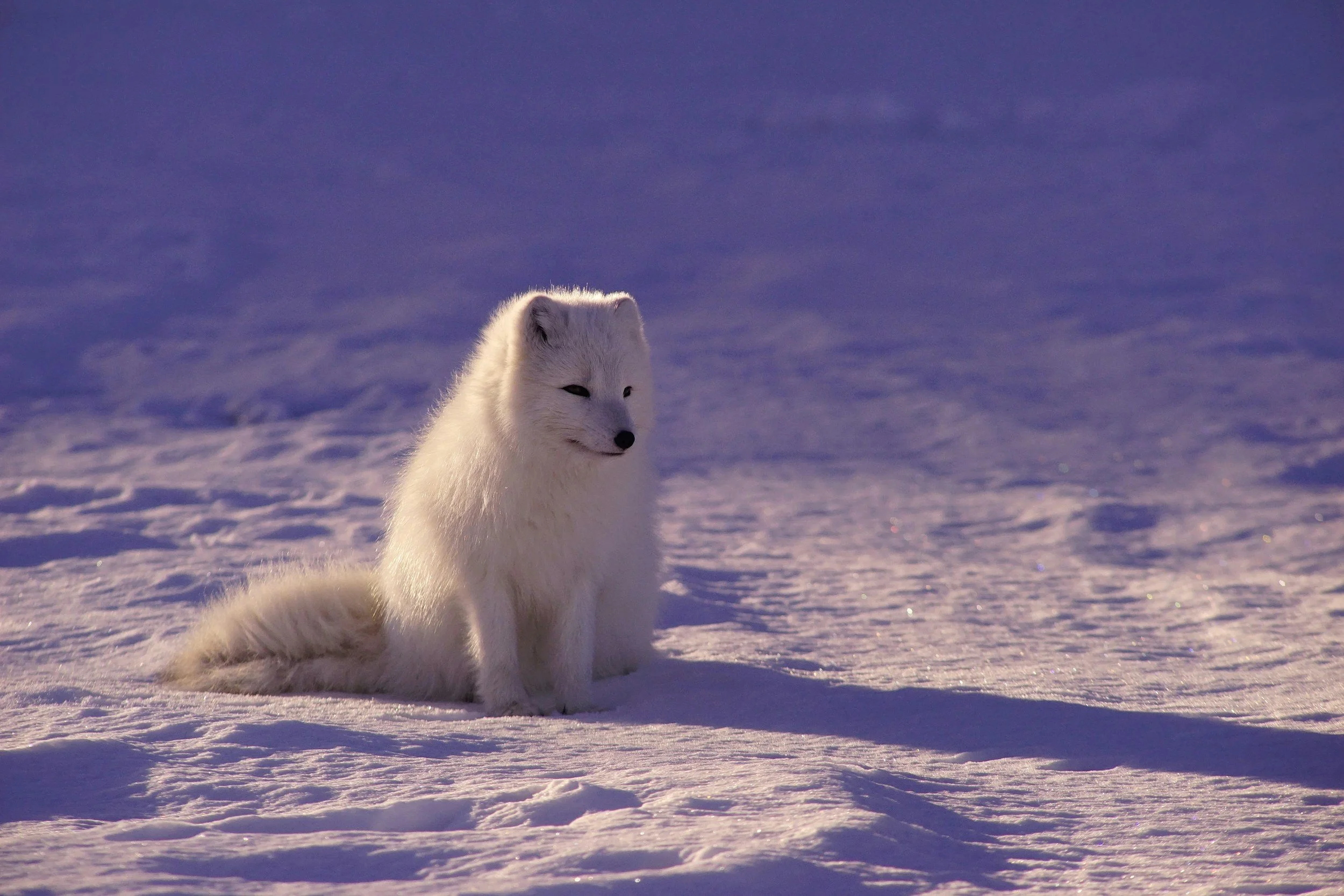
Arctic fox (Vulpes lagopus)
The Arctic fox is the most commonly seen land mammal in Svalbard and is exceptionally well-adapted to Arctic life. Smaller and far more elusive than the polar bear, it survives year-round in conditions that would be uninhabitable for most mammals. Its dense seasonal coat changes colour from white in winter to brown or grey in summer, providing both insulation and camouflage.
Arctic foxes are opportunistic feeders, relying on a varied diet that includes seabirds, eggs, carrion, and scraps left behind by polar bears. They are often seen near bird cliffs during the summer breeding season, where food availability increases significantly. In some areas, they may also be spotted close to settlements, particularly in summer, though feeding or interacting with them is strictly prohibited.
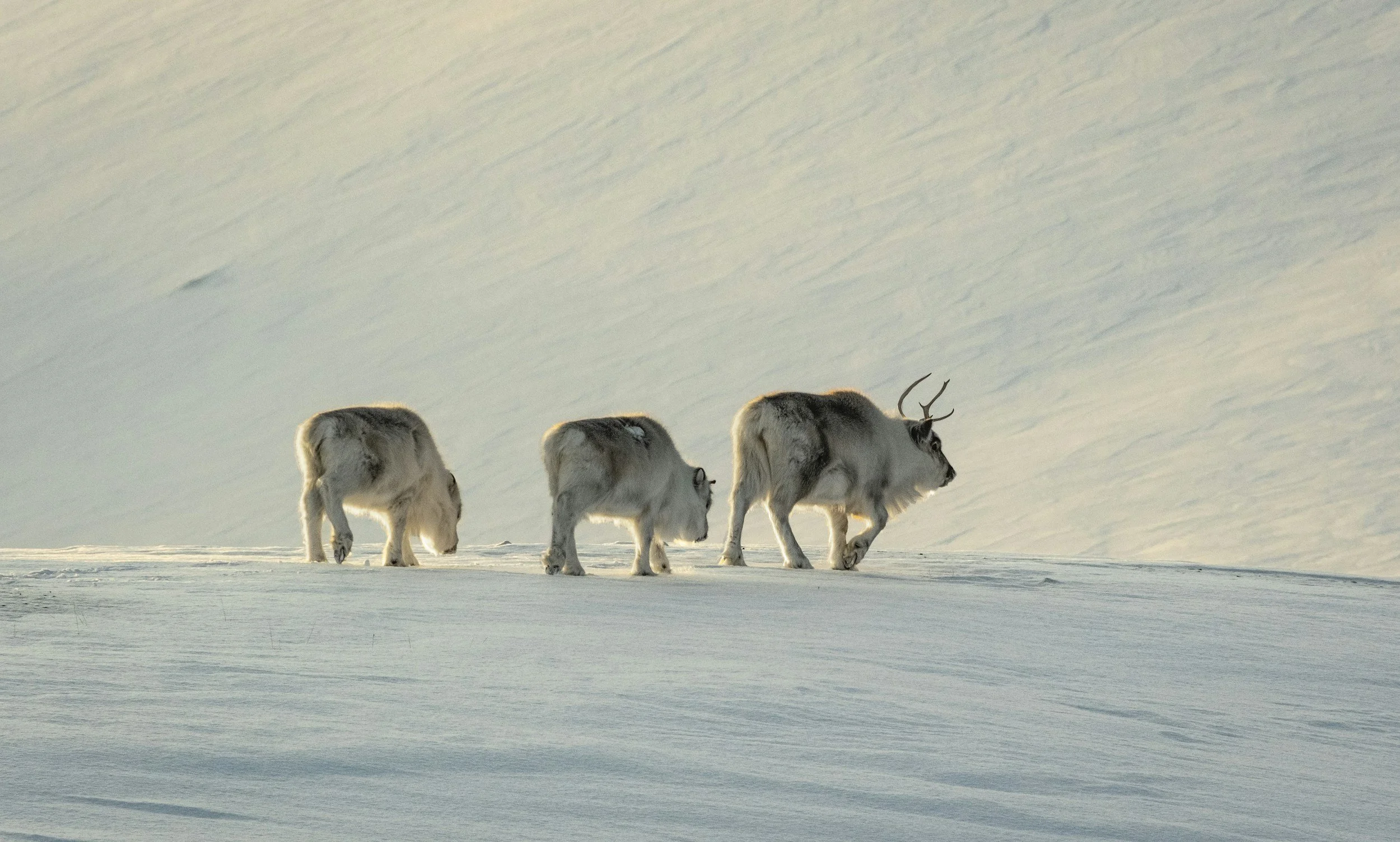
Svalbard reindeer (Rangifer tarandus platyrhynchus)
Svalbard reindeer are a distinct subspecies, shaped by isolation and extreme environmental conditions. They are shorter-legged, more compact, and heavier-bodied than mainland reindeer, adaptations that help conserve energy and withstand long Arctic winters.
They are most commonly seen in valleys and tundra areas around Longyearbyen, including Adventdalen and other broad plains where vegetation is accessible during the summer months. Their slow, deliberate movements and apparent lack of fear around humans can be misleading. Despite their calm appearance, reindeer are protected wildlife, and approaching, disturbing, or altering their behaviour is not permitted under Svalbard regulations.
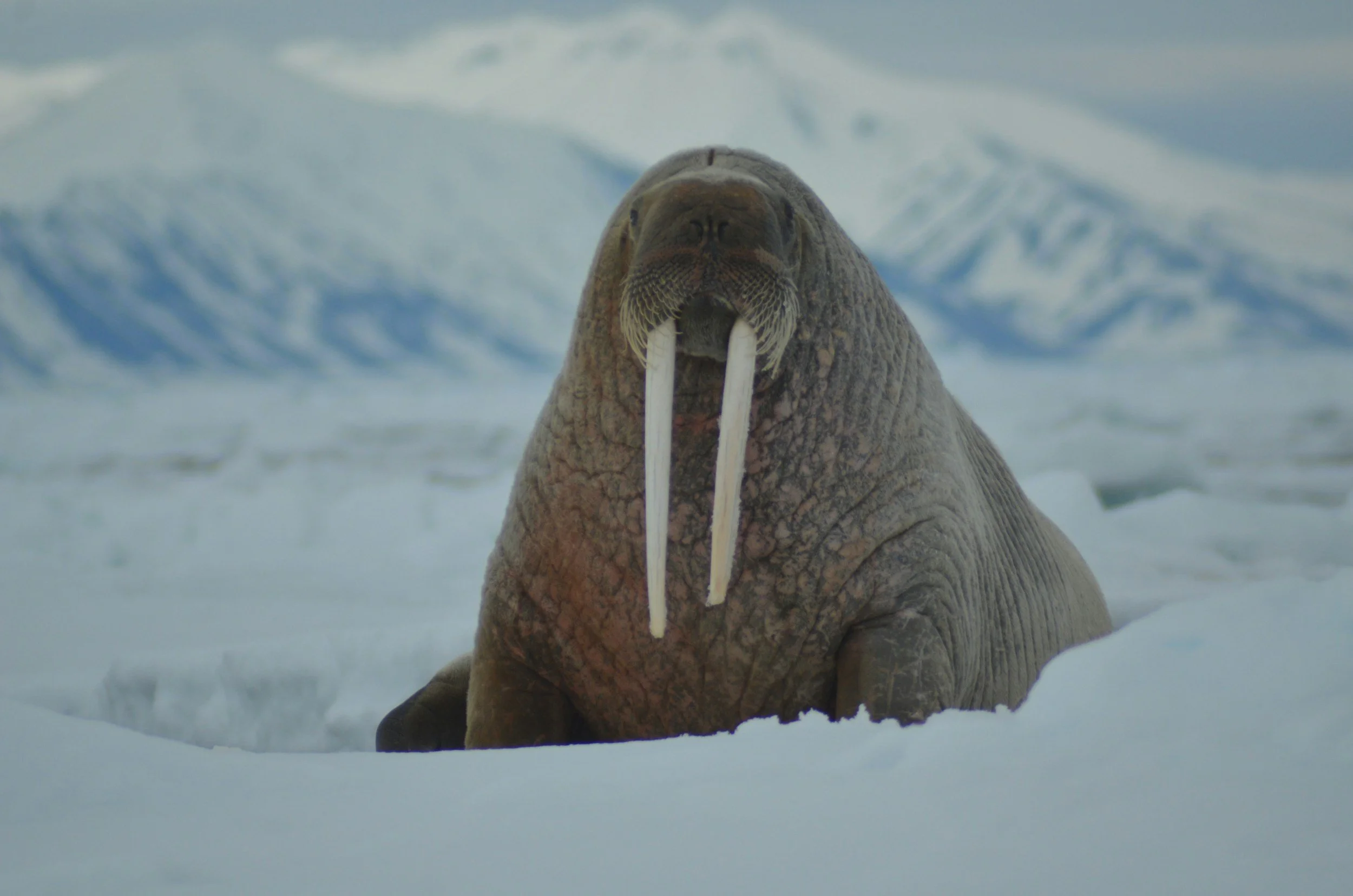
Walrus (Odobenus rosmarus)
Walruses are among the most visually striking marine mammals in Svalbard. These large, social animals are often observed resting in dense groups at coastal haul-out sites, particularly on remote beaches and low-lying islands during the summer months. Their presence is most commonly encountered during expedition cruises or zodiac excursions rather than from land-based travel.
Walruses are highly sensitive to disturbance. Sudden noise or close approach can trigger stampedes into the water, posing a serious risk to the animals, particularly calves. For this reason, strict minimum distance regulations apply to vessels and visitors, and all encounters are carefully managed to minimise stress and disruption.
Whales and marine life
The waters surrounding Svalbard support a rich marine ecosystem, especially during the summer when extended daylight and plankton blooms attract large numbers of fish and krill. This seasonal abundance draws several whale species into the region.
Minke whales, humpback whales, and fin whales are among the most frequently sighted species, while belugas, or white whales, may also be encountered, often closer to shore. Whale sightings typically occur during boat-based excursions or expedition cruises rather than from land, and, as with all wildlife in Svalbard, sightings depend entirely on natural conditions rather than predictable patterns.
Seals
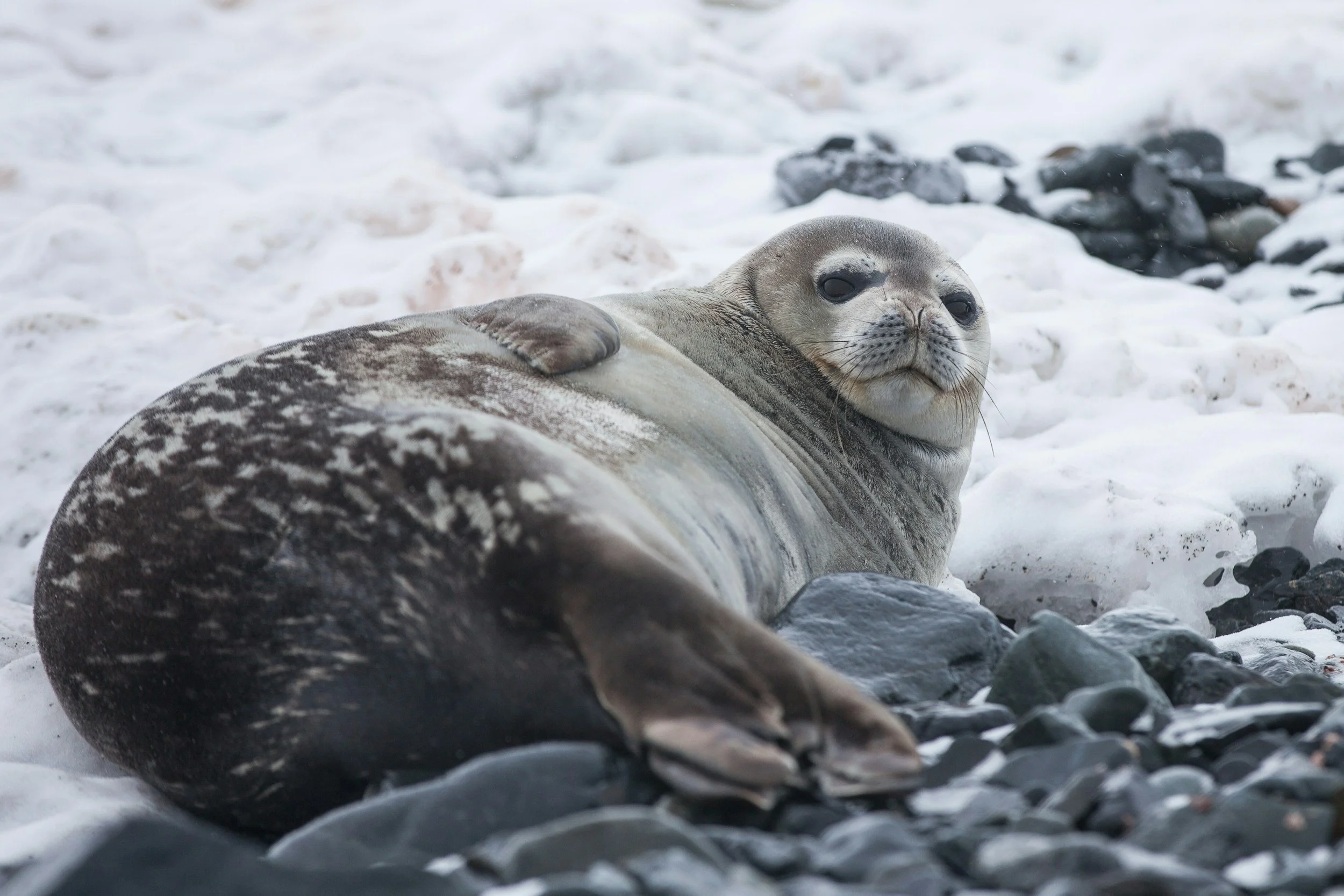
Seals are a fundamental part of Svalbard’s Arctic ecosystem and play a crucial role in the food chain. Several species inhabit the region’s coastal waters and ice edges, including ringed seals, bearded seals, harbour seals, and, more occasionally, harp seals.
Ringed seals are particularly important as the primary prey species for polar bears and are closely associated with sea ice throughout much of the year. Seal sightings are most common during boat excursions or when travelling near ice edges in spring and early summer.
Puffins (Fratercula arctica)
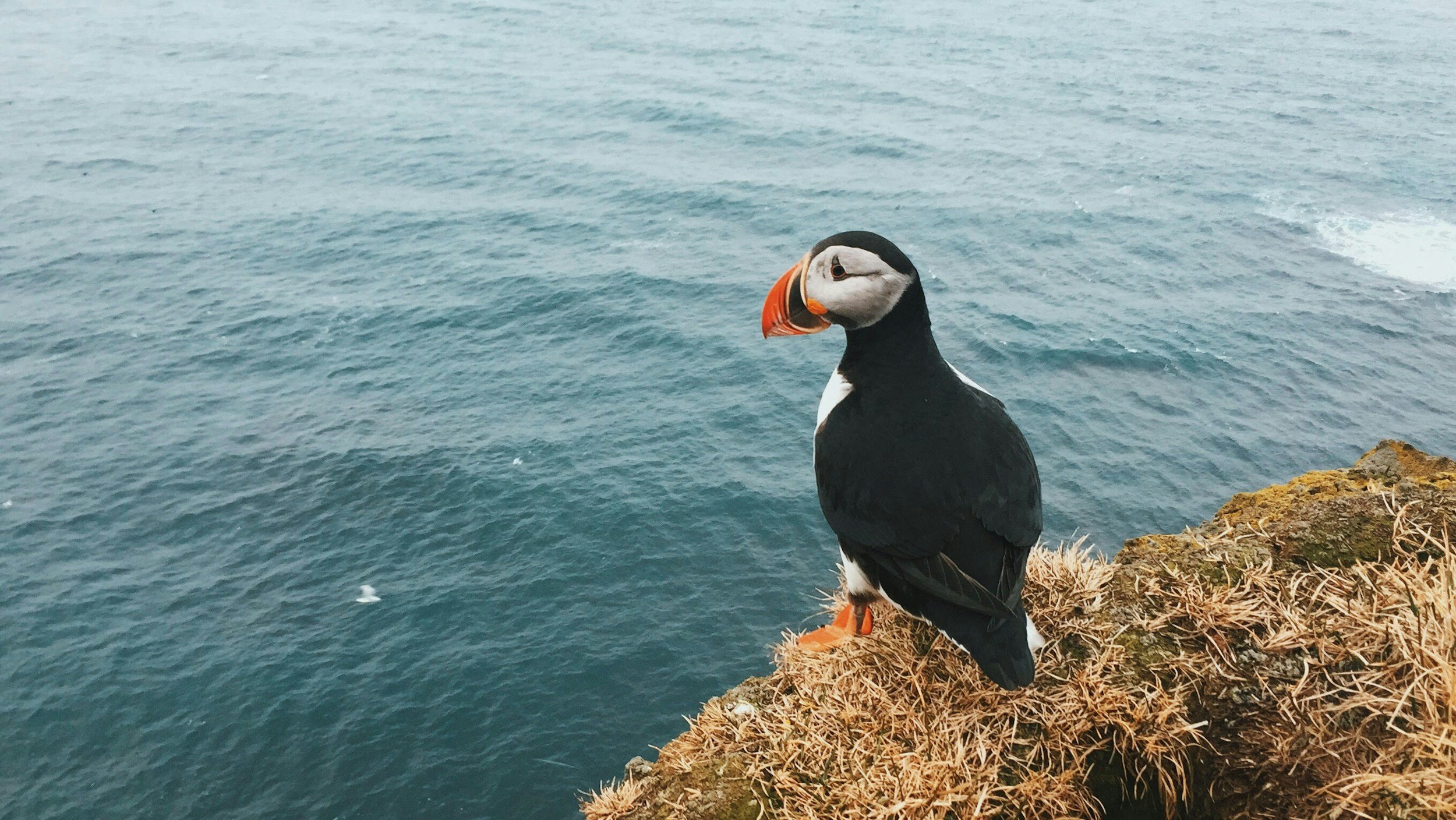
The Atlantic puffin is present in Svalbard, primarily along parts of the west coast of Spitsbergen. Although the species is far more strongly associated with mainland Norway, Iceland, and the North Atlantic islands, Svalbard lies within its northern breeding range, and puffins do form small colonies here.
Puffins are most commonly encountered during the summer months, when they come ashore to breed and raise chicks. Sightings typically occur near coastal cliffs and offshore waters where small fish are available. Unlike many Arctic bird species in Svalbard, puffins are not present in large, dense colonies, and their distribution is patchier and more variable from year to year.
Their presence in Svalbard highlights an important ecological boundary. Puffins sit at the intersection between Arctic and sub-Arctic marine systems, and fluctuations in sea temperature, prey availability, and ice conditions directly influence where and whether they breed successfully in the archipelago. As such, puffins in Svalbard are often discussed in the context of climate sensitivity rather than abundance.
other Arctic birdlife
During the summer months, Svalbard transforms into one of the Arctic’s most important bird breeding grounds. Migratory seabirds arrive in vast numbers to take advantage of the short but productive season, nesting on steep cliffs and coastal outcrops.
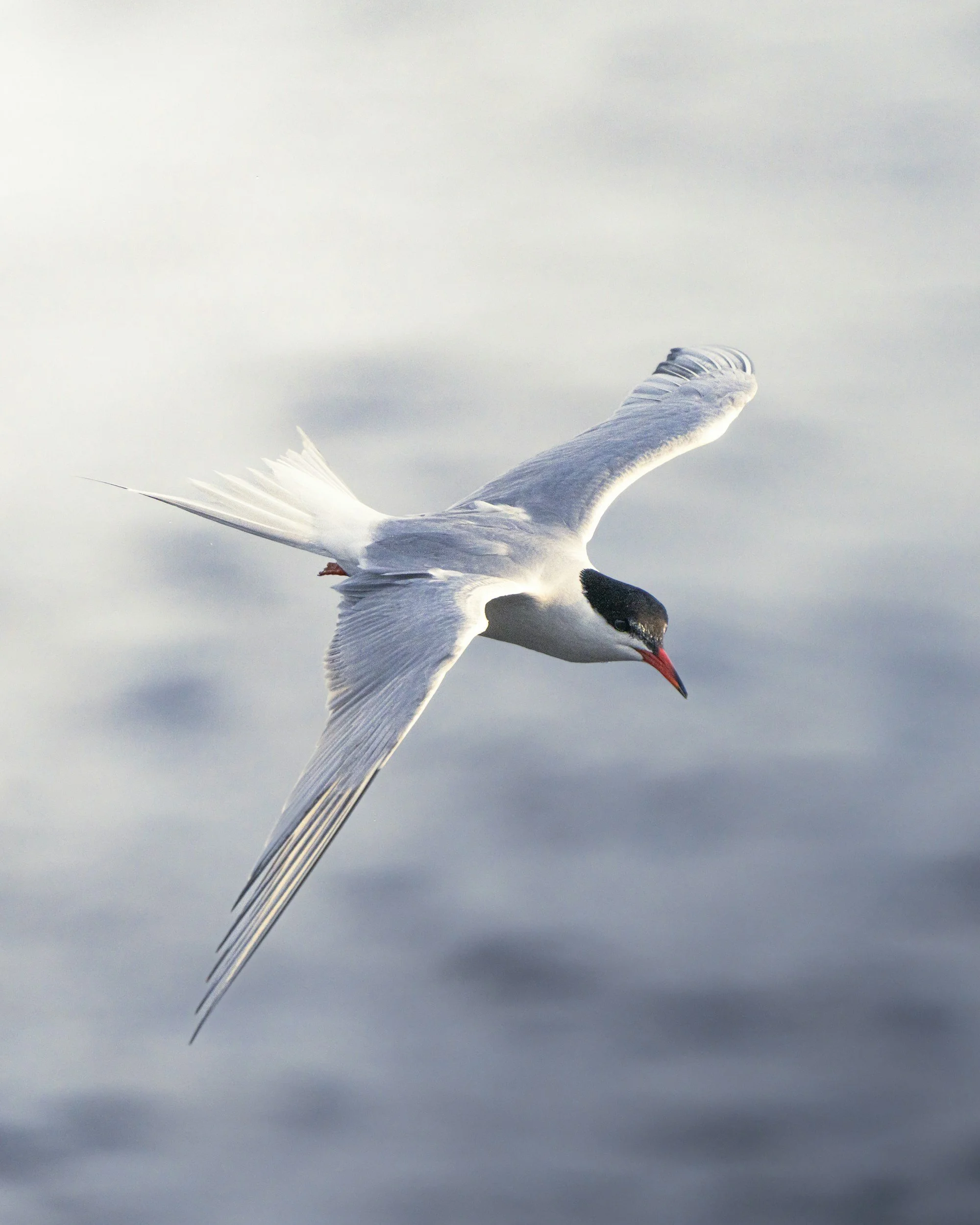
Species such as little auks, Brünnich’s guillemots, Arctic terns, and snow buntings are among the most notable. Bird cliffs can host tens of thousands of nesting individuals, creating some of the most dramatic and acoustically intense wildlife scenes in the High Arctic. These sites are particularly sensitive to disturbance, and access is often regulated to protect breeding success.
When is the best time for wildlife viewing in Svalbard?
Wildlife viewing in Svalbard is highly seasonal. Summer, from June to August, offers the greatest overall diversity of species, including birds, marine mammals, and terrestrial wildlife. Early spring, particularly March and April, is often considered the best period for observing polar bears and seals on sea ice, although access is limited and conditions are more demanding. Autumn tends to be quieter, with fewer species present, but can offer a more solitary and atmospheric experience.
In all seasons, wildlife sightings are dependent on natural variables such as ice conditions, weather, and animal movement. There are no guarantees, and this unpredictability is an integral part of the Svalbard experience.
Wildlife ethics and regulations in Svalbard
Svalbard operates under some of the strictest wildlife protection laws in the world. These regulations are designed to preserve fragile ecosystems and ensure that animals are not habituated to human presence. Feeding wildlife, approaching animals, or disturbing breeding and resting sites is prohibited, and travel in remote areas is only permitted with appropriate authorisation and expertise.
These principles are not formalities but essential safeguards. In an environment where recovery from disturbance can take decades, responsible behaviour is fundamental to conservation.
Is Svalbard suitable for wildlife enthusiasts?
Svalbard is not a wildlife destination in the traditional sense. Encounters are often distant, brief, and shaped by environmental conditions rather than itinerary planning. However, for those interested in Arctic ecology, conservation, and observing animals within a largely intact natural system, Svalbard offers one of the most meaningful wildlife experiences available anywhere in the world.
You may also like
→ What to Pack for Svalbard: The Complete Arctic Packing Guide
→ Svalbard: The Ultimate Guide to the Arctic Frontier
→ Antarctica Wildlife: What Animals You’ll See and When
→ Penguins of Antarctica: A Complete Guide to the Species You’ll See
→ Whales of Antarctica: A Complete Guide to the Species You’ll See
→ Seals of Antarctica: A Complete Guide to the Species You’ll See
→ What It’s Like to Travel to Antarctica with HX: My Experience on MS Roald Amundsen