
Norway Before Oil: The Story Behind Modern Norway
Before Norway became one of the world's wealthiest countries, it was shaped by farming, fishing, industry, war and decades of gradual change. This article explores the history of Norway before oil and how those earlier generations laid the foundations for the country we know today.
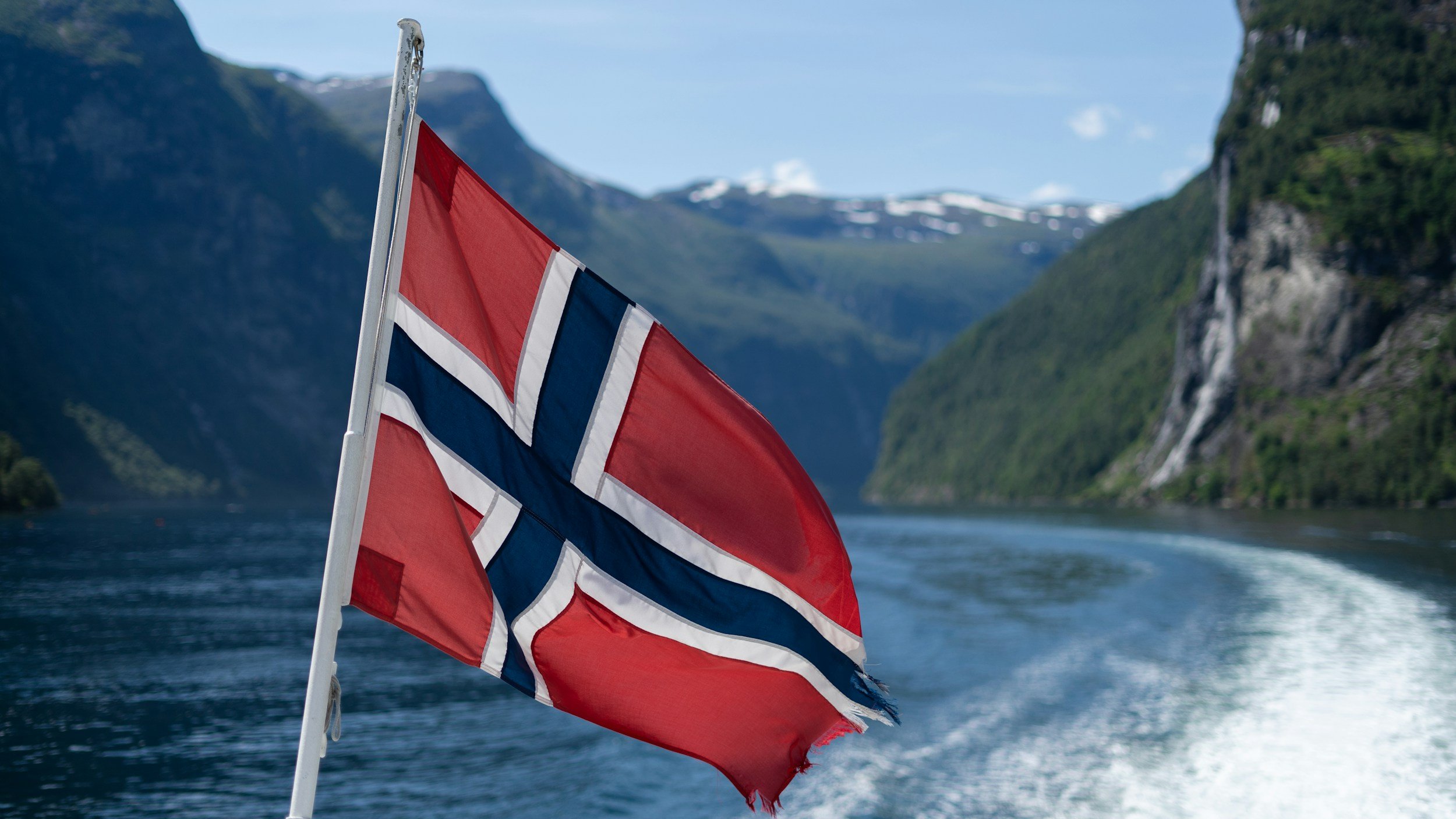
Today, Norway is known as one of the world’s wealthiest countries, with high living standards, strong public services and an economy closely associated with oil. But Norway’s story did not begin in the North Sea.
Long before oil was discovered, Norway was a country shaped by mountains, weather, distance and hard work. People lived from small farms, fishing, forestry, shipping, seasonal labour and whatever the land or sea could provide. For much of its history, Norway was poor compared with many other parts of Europe, but it was never passive or empty. It had coastal trade, fishing communities, timber, ships, local knowledge and a strong tradition of making do with limited resources.
This article is not a full history of Norway. Instead, it looks at what life was like before oil, how Norway changed before petroleum wealth arrived, and how older ways of living still shape Norwegian culture today.
A Country Shaped by Nature
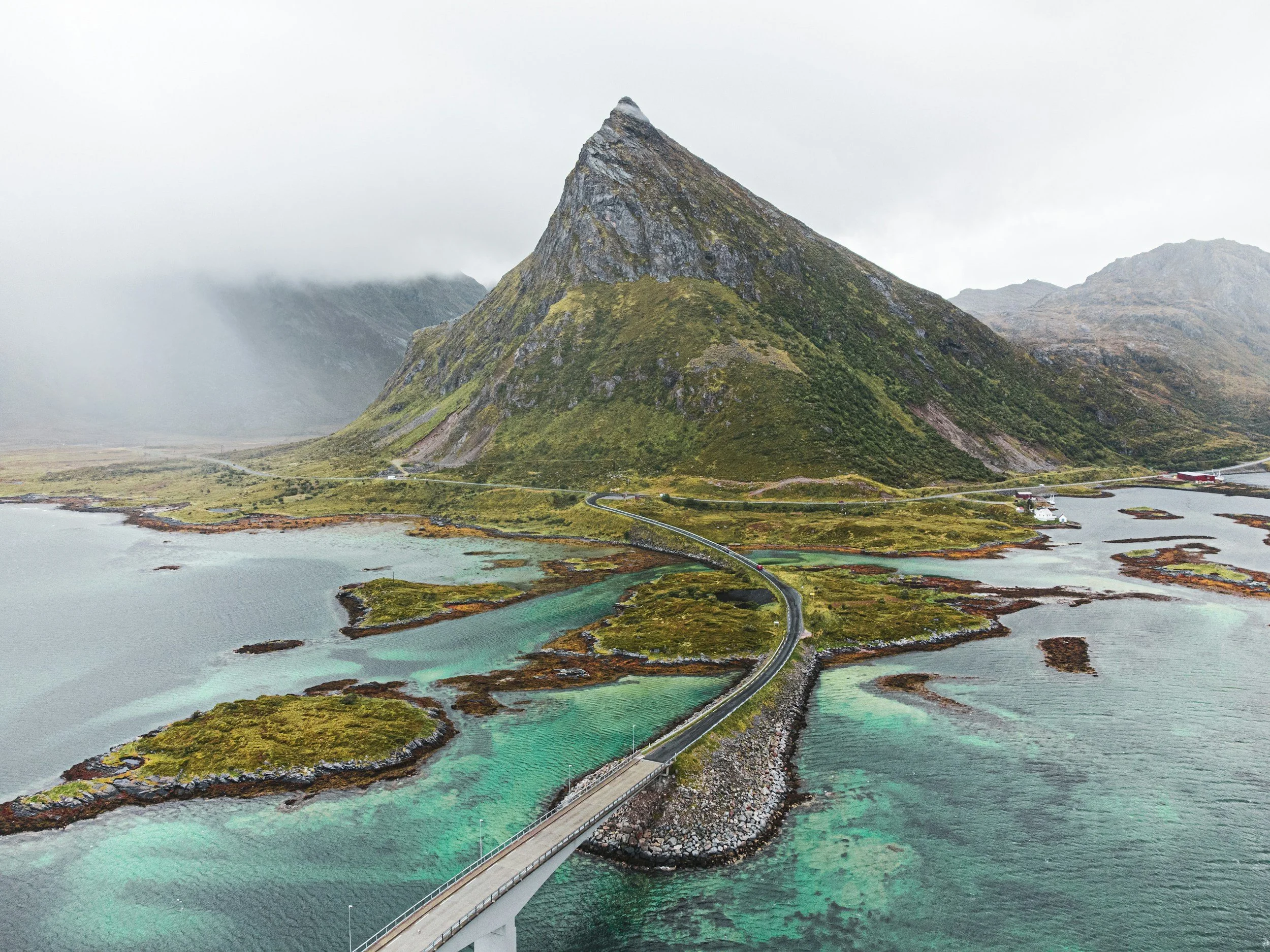
Norway’s geography has always had a powerful influence on everyday life. The country is long, mountainous and scattered, with deep fjords, narrow valleys, dense forests, thousands of islands and a coastline that stretches far into the Arctic.
Unlike much of continental Europe, Norway was never a country of vast fertile plains. Much of the land is made up of mountains, exposed rock, forests, lakes and high ground, while the growing season is short in many regions. Only a small share of the country has ever been suitable for farming. This meant that agriculture alone could rarely support large populations in the way it did in flatter and more fertile parts of Europe.
For many families, survival depended on combining different kinds of work. A household might keep a few animals, grow potatoes and grain, fish during the season, cut timber, gather food, repair tools, spin wool, preserve meat or fish, and take on seasonal work when needed. Work was not neatly divided into one profession. Life was practical, physical and closely tied to the seasons.
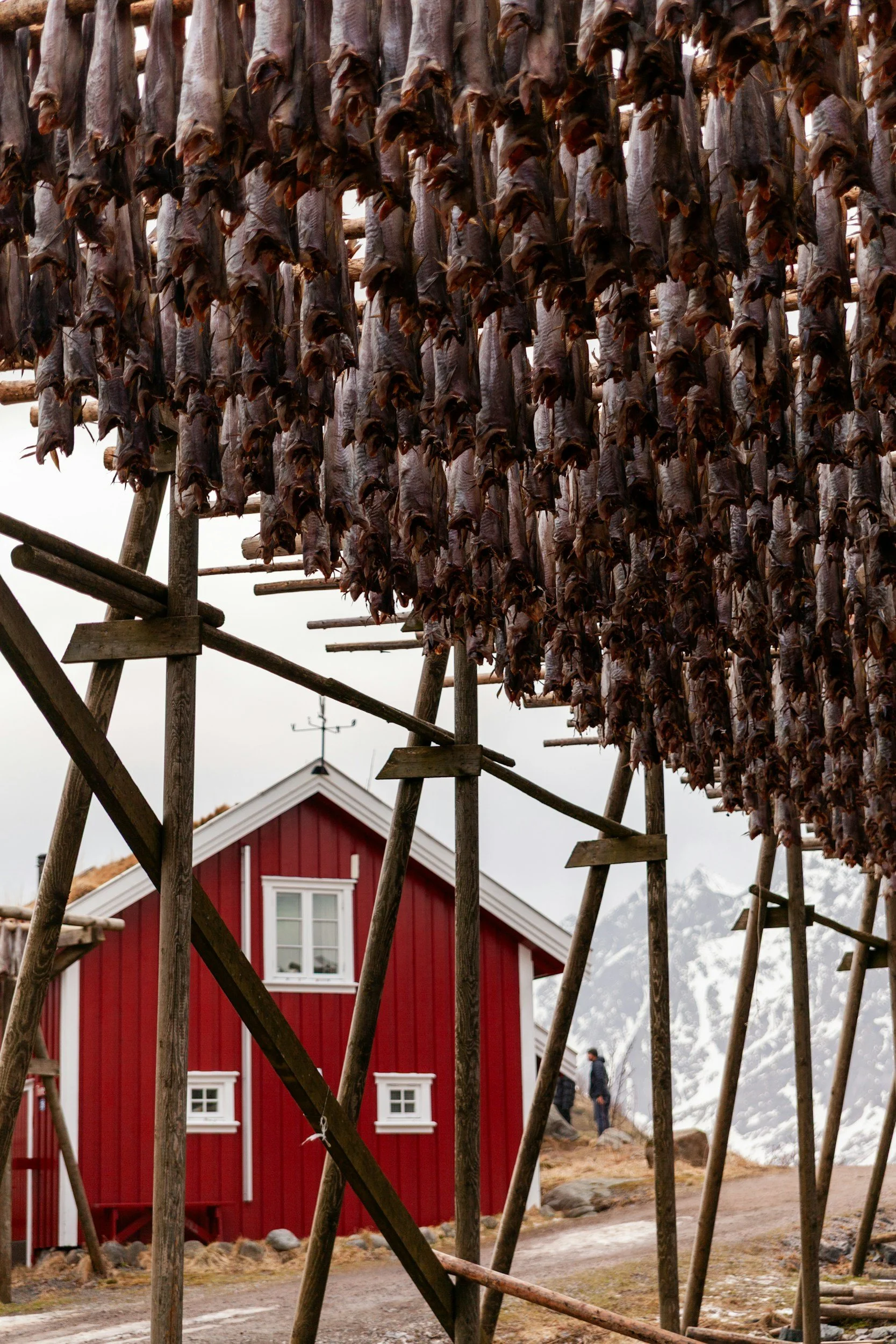
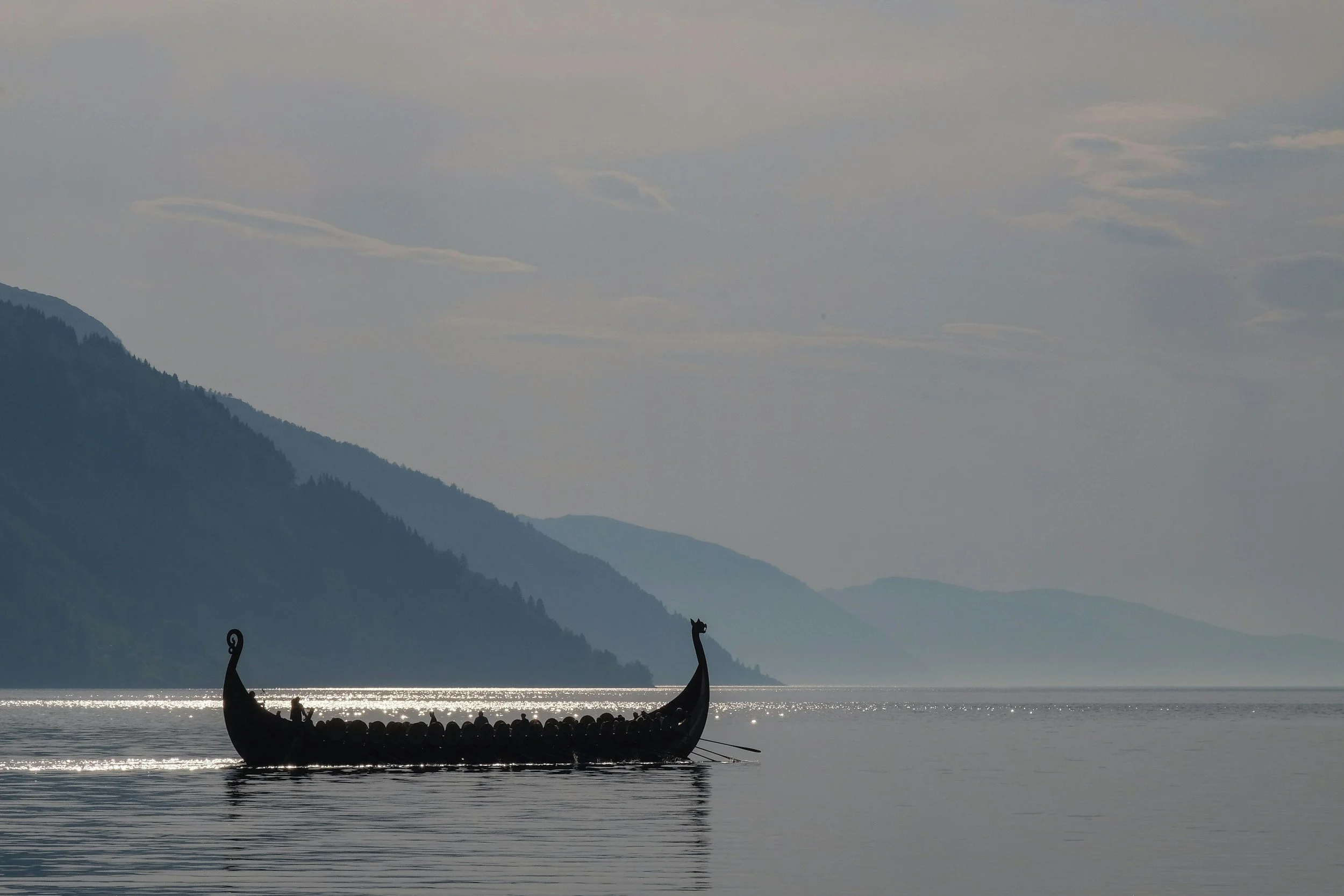
Along the coast, the sea was both dangerous and essential. It provided food, income and connection. Fishing communities could be small and remote, but they were not cut off from the wider world. Stockfish from northern Norway had been exported to European markets for centuries, while timber, shipping and coastal trade connected Norwegian communities to other countries long before oil.
This is one reason why Norway’s relationship with nature is so different from a romantic tourist image. Nature was beautiful, but it was also demanding. It shaped how people worked, what they ate, how they travelled, how they built homes and how they understood survival.
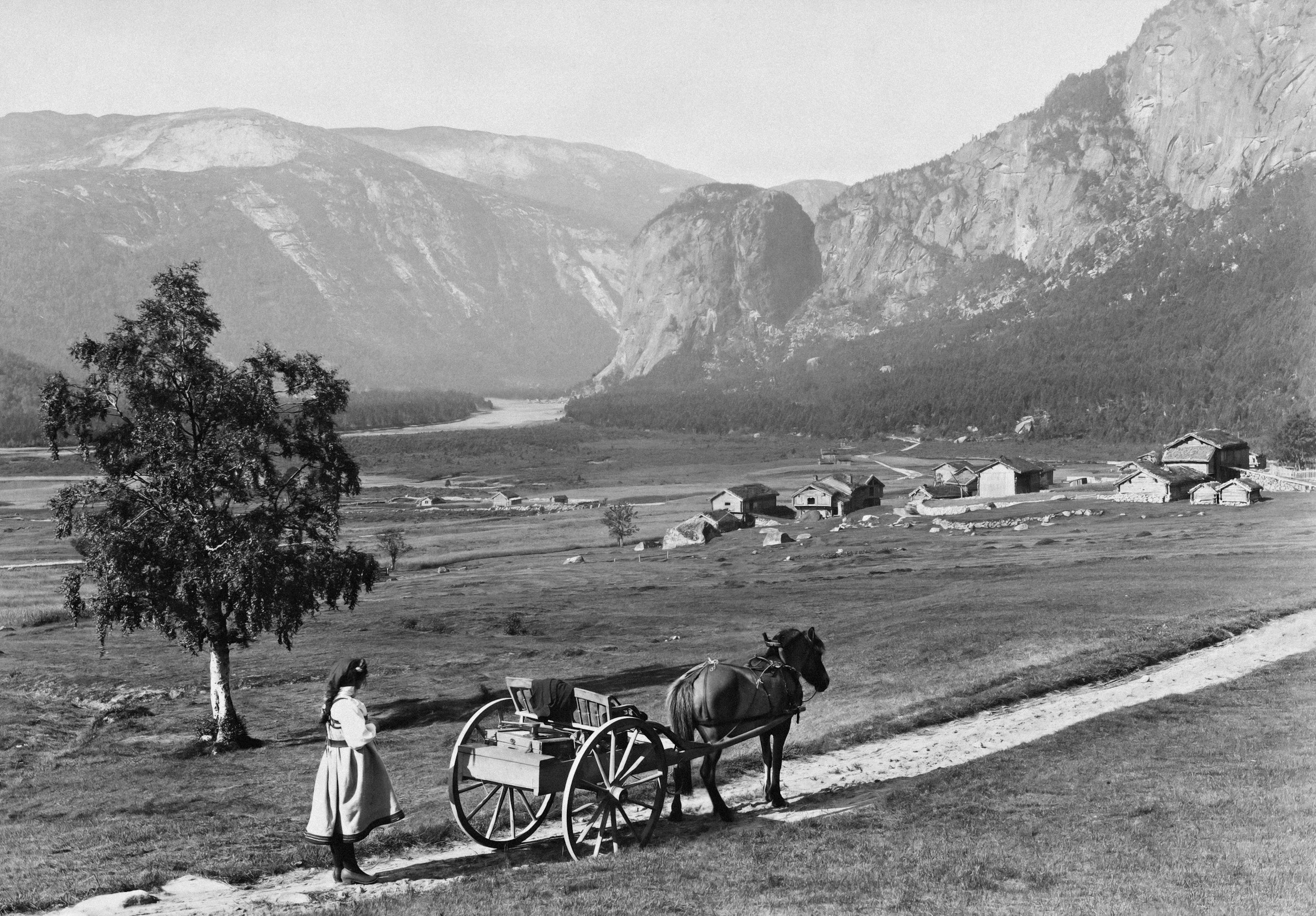
A Hard and Practical Way of Life
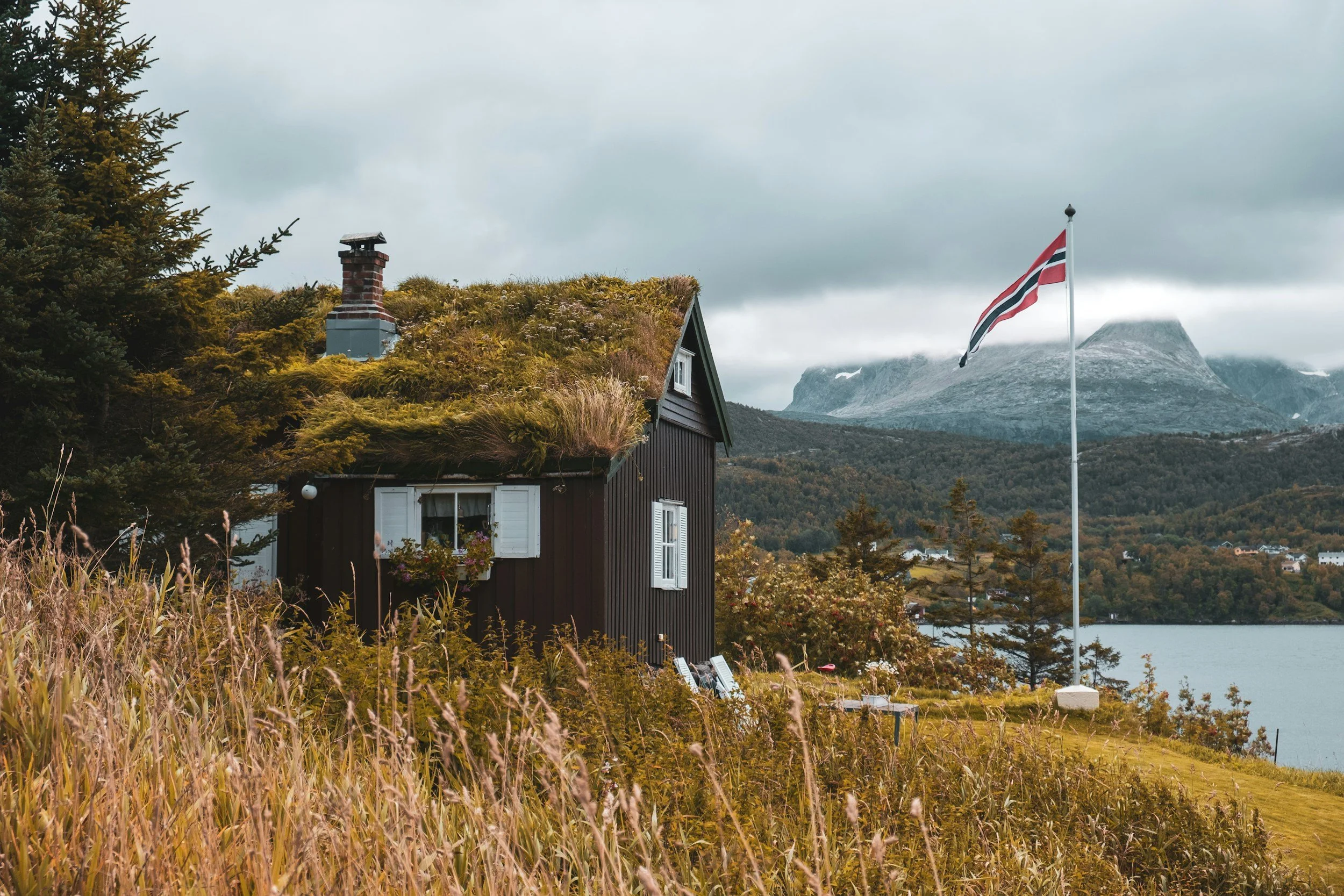
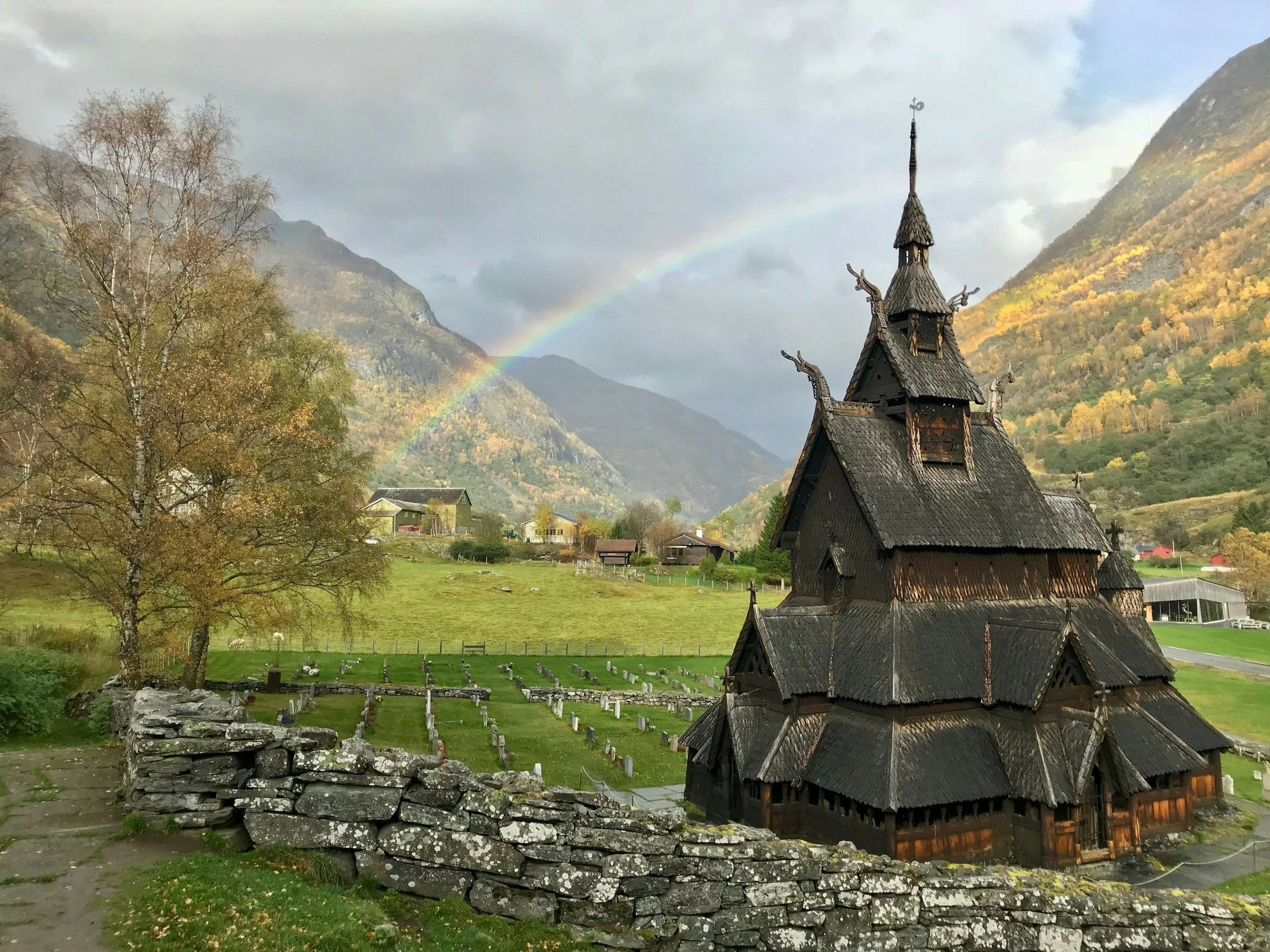
For ordinary people, life before modern wealth was often modest and physically demanding. Many lived in small wooden houses, on farms, in fishing villages or in rural communities where the household was also a place of production. Food had to be stored for winter, clothes were repaired rather than replaced, and tools were expected to last.
This helped create a practical culture. Waste was not an option when resources were limited. People reused what they could, fixed what broke and planned around weather, darkness and distance. The Norwegian habit of being practical, prepared and somewhat suspicious of unnecessary luxury did not come from oil wealth. It came from generations of living in a country where comfort was never guaranteed.
Community also mattered. In rural areas, neighbours often depended on one another for seasonal work, building, harvests, transport and emergencies. The modern Norwegian idea of dugnad — people coming together to do unpaid work for the common good — fits into a much older pattern of local cooperation. It was not originally a lifestyle choice. It was how communities functioned.
This older way of life also helps explain the Norwegian respect for competence over display. In a small farming or fishing community, practical knowledge mattered. Could you handle bad weather? Could you repair something? Could you contribute? Could you be trusted? These values still echo in modern Norway, even though the country itself has changed dramatically.
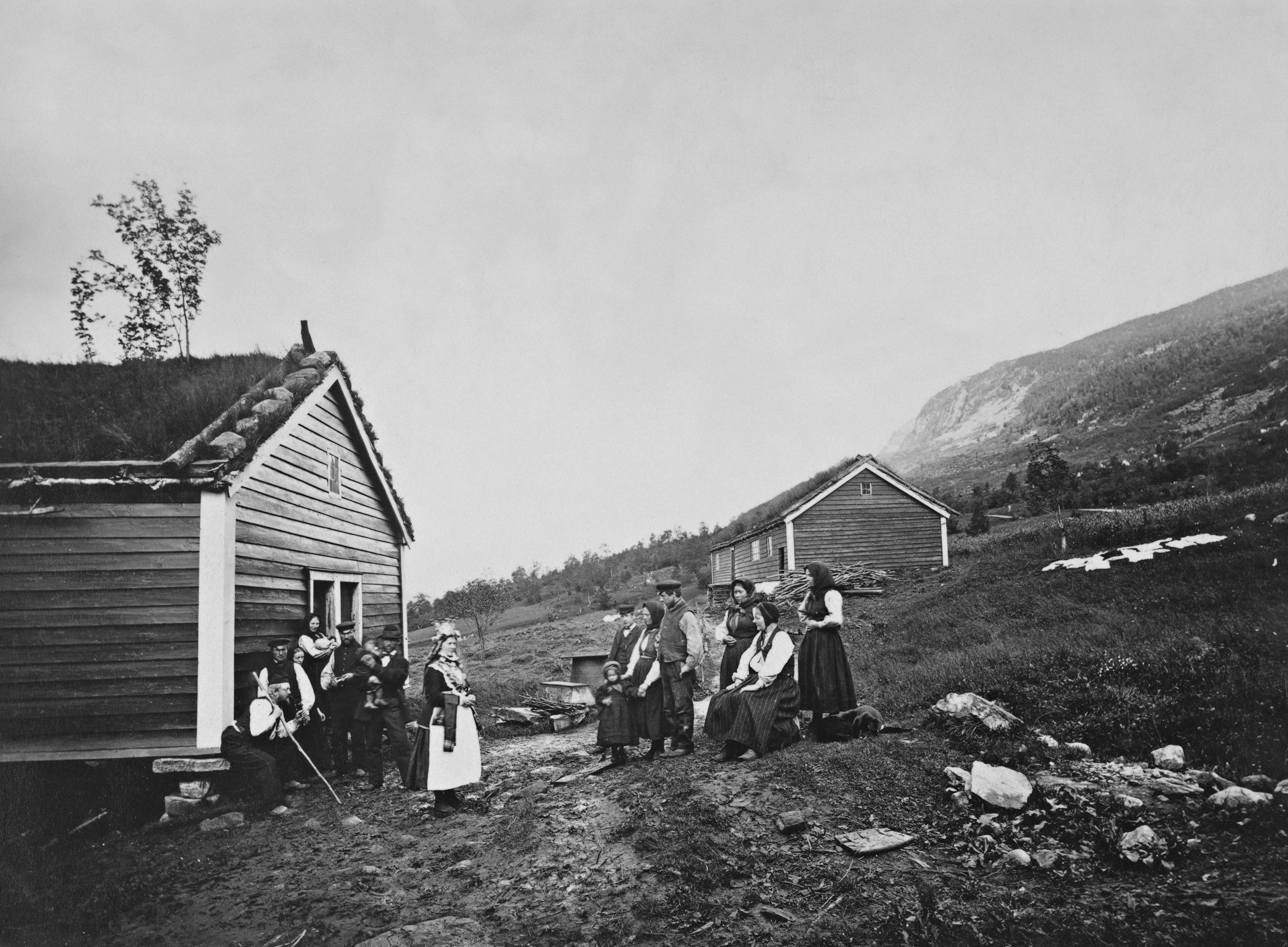
A Country That Slowly Changed
Norway did not move directly from rural poverty to oil wealth. The transformation was gradual.
For centuries, Norway was the weaker part of larger political unions, first with Denmark and later with Sweden. During the Danish period, political power was centred in Copenhagen, and Norway lacked several institutions of its own for much of that time, including a university and a central bank. Higher education for the Norwegian elite was often tied to Denmark, and important decisions were made outside Norway.
But Norway was still developing. Coastal trade, timber exports, fishing, mining and shipping all mattered. Towns such as Bergen played an important role in trade, and Norwegian sailors and merchants became part of wider European networks.
After 1814, Norway began building more of its own institutions. The country received its constitution, developed its parliament, established Norges Bank and gradually strengthened its own administration, education and public life. This did not make ordinary people wealthy, but it did give Norway more of the structure needed to develop as a modern state.
At the same time, life remained difficult for many. Throughout the nineteenth century, much of Norway was still rural. Small farmers, tenant farmers, fishermen, labourers and servants made up a large part of the population. Population growth placed pressure on land and work, and many people had limited opportunities.
This is one reason so many Norwegians left. Between the nineteenth and early twentieth centuries, hundreds of thousands emigrated, especially to North America. For many, America offered what Norway often could not: land, work and the possibility of building an independent future.
Industry Before Oil
By the late nineteenth and early twentieth centuries, Norway was changing more quickly. The country’s old strengths — timber, fish, shipping, waterfalls and maritime knowledge — became part of a modern economy.
Shipping became one of Norway’s most important industries, connecting the country to global trade. Fisheries remained central along the coast. Timber and other natural resources supported export industries. Most importantly, hydropower began to transform Norway’s economic possibilities.
The same landscape that had made farming difficult gave Norway something else: rivers, waterfalls and steep valleys. When electricity became central to modern industry, Norway’s waterfalls became a major advantage. Hydropower provided cheap energy for factories and helped create new industrial towns.
Companies such as Norsk Hydro, founded in 1905, became symbols of this new industrial Norway. Places like Notodden and Rjukan grew around power-intensive industry, technology and engineering. Long before oil, Norway was learning how to turn natural resources into industrial development.
This is an important part of the story. Norway was not simply waiting for petroleum to appear. By the time oil was discovered, the country already had experience with resource management, engineering, shipping, industry and public regulation.
The Post-War Boom Before Oil
The Second World War became one of the most important turning points in modern Norwegian history.
Although Norway declared itself neutral when Germany invaded Europe, Nazi Germany invaded the country on 9 April 1940. One important reason was Norway's long coastline and strategic location. Control of the Norwegian coast gave Germany better access to the North Atlantic and helped protect the transport of Swedish iron ore, an essential resource for the German war industry.
Norway remained under German occupation for five years, from 1940 until the end of the war in 1945. During those years, much of everyday life changed. Food and fuel were rationed, many goods became difficult to obtain, thousands of Norwegians joined the resistance movement, and large parts of Northern Norway were deliberately destroyed by retreating German forces in 1944. When peace finally came, the country faced the enormous task of rebuilding homes, roads, industries and public infrastructure.
Like many other European countries, Norway received assistance through the Marshall Plan, an American programme officially known as the European Recovery Program. The United States provided financial aid, equipment and supplies to help war-torn countries rebuild their economies, restore trade and prevent economic collapse. For Norway, the aid helped finance imports, eased shortages of foreign currency and supported investment in industry and infrastructure during the difficult years after the war.
Marshall Aid was important, but it was only one part of Norway's recovery. Economic growth was also driven by rebuilding damaged communities, expanding hydropower, modernising industry, growing international trade and shipping, and a political commitment to long-term public investment.
The decades after 1945 became a period of rapid transformation. Norway expanded education, healthcare, housing and social security, laying the foundations of the modern welfare state long before oil revenues became the country's main source of wealth. Living standards steadily improved, more people moved from rural communities to towns and cities, and Norway became an increasingly modern industrial nation.
By the 1960s, Norway was no longer simply a poor rural country. It had developed into a stable democracy with growing industries, a skilled workforce, strong public institutions and an expanding welfare system. When oil was discovered in the North Sea in 1969, the country was already on an upward economic path.
Oil and a New Era of Prosperity
By the 1960s, attention was beginning to turn toward the North Sea. Geologists believed there might be oil and natural gas beneath the seabed, but nobody knew how much was there or whether it could be extracted commercially. At the time, Norway had little experience with offshore petroleum, and few expected the discoveries that would follow.
Before exploration could begin, Norway also had to answer an important question: who actually owned the resources beneath the sea? The government established Norway's maritime boundaries and declared that the country's offshore petroleum resources belonged to the Norwegian state on behalf of its people. This decision would later become one of the foundations of Norway's oil policy.
Exploration drilling began during the 1960s, with international oil companies searching the North Sea for commercially viable reserves. After several unsuccessful wells, a breakthrough finally came in 1969, when the giant Ekofisk field was discovered. It proved that the North Sea contained enormous petroleum reserves and marked the beginning of a completely new chapter in Norwegian history.
Production started in 1971, giving Norway access to a level of wealth that previous generations could scarcely have imagined. Petroleum transformed state finances, created new industries, generated thousands of jobs, raised incomes and gave Norway a much stronger position in the global economy.
However, Norway's success was not simply the result of finding oil. The way the country chose to manage its new resource became just as important. The government maintained strong public control over petroleum development, established institutions such as Statoil and the Norwegian Petroleum Directorate, introduced a tax system that ensured a large share of the profits benefited society, and later created the Government Pension Fund Global to save much of the oil income for future generations.
Oil made Norway extraordinarily wealthy, but it arrived in a country that already had functioning democratic institutions, public trust, technical expertise, a growing industrial economy and a political culture that valued long-term planning. Those foundations helped Norway avoid many of the problems that have affected other resource-rich countries.
What Pre-Oil Norway Still Explains Today
Much of what people notice about Norway today was shaped before oil.
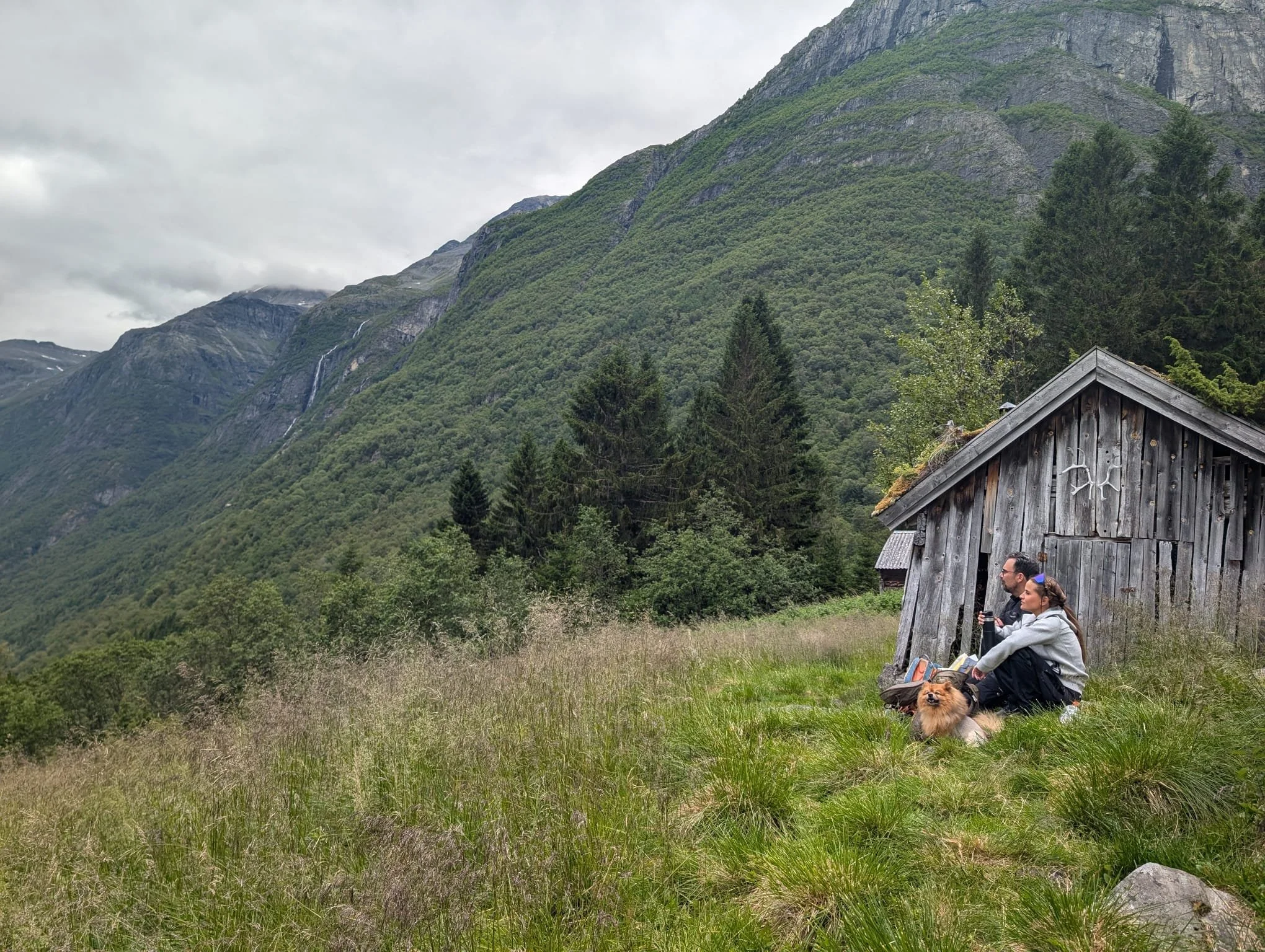
The love of cabins, hiking, skiing and outdoor life has roots in a society where nature was part of everyday survival. The practical attitude toward clothing, weather and preparation comes from generations who had to take the landscape seriously. The cultural emphasis on equality is connected to small communities, modest living conditions and political movements that grew long before petroleum wealth.
Norwegian restraint around luxury also makes more sense in this context. Even though Norway is now wealthy, open displays of wealth have often felt uncomfortable in a culture shaped by Lutheran modesty, rural practicality and the idea that people should not place themselves too far above others.
The same is true of trust in public systems. Norway’s welfare state was not created by oil alone. It grew from political choices, institution-building, social movements and decades of public investment. Oil gave the country more money, but many of the ideas behind modern Norway were already in place.
Final Words
Modern Norway was not created overnight when oil was discovered beneath the North Sea. By then, the country had already spent generations building its institutions, industries and communities through hard work, trade, education and gradual reform.
Oil accelerated Norway's prosperity, but it did not define the country's character. To understand Norway today, it is worth looking beyond the oil platforms and remembering the farmers, fishermen, sailors, engineers and ordinary families who built the foundations long before petroleum changed the economy.
Continue Exploring Norway
Whether you're interested in Norwegian history, culture or planning your own trip, explore more guides covering destinations, traditions, practical travel advice and everyday life in Norway.
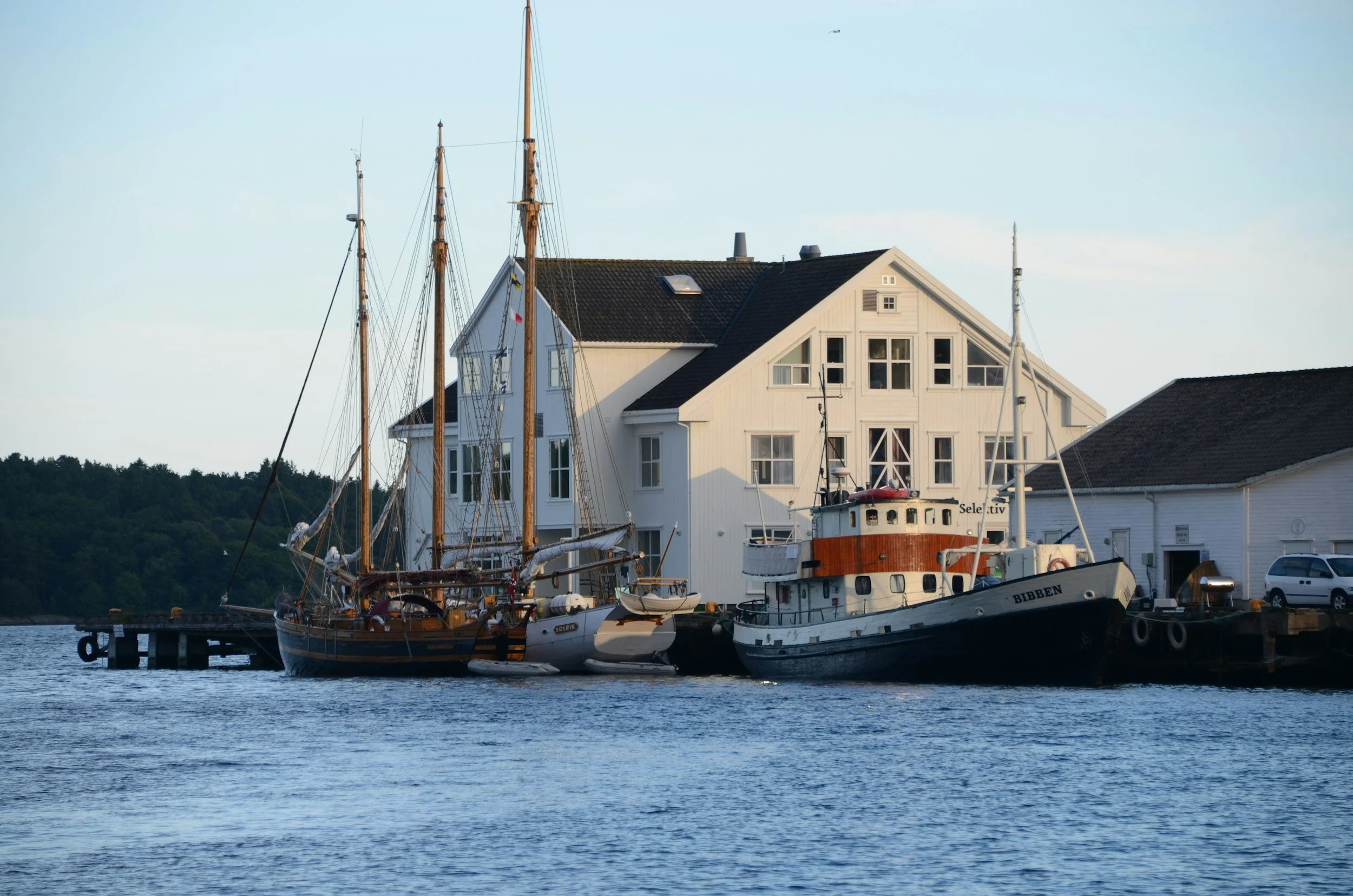
Discover the history of Hurtigruten, from its founding in 1893 to its role in connecting Norway's coast. Learn how the Coastal Express shaped communities, trade and travel, and why it remains one of Norway's most iconic journeys today.