
Geiranger Travel Guide: What to See, Do and Know Before You Visit
Geiranger is often described as Norway's ultimate fjord destination, but is it really the best? This guide covers the iconic viewpoints, hikes, fjord cruises, restaurants and practical planning information, while also exploring how Geiranger compares with places like Olden and Loen based on my own experience travelling through the region.
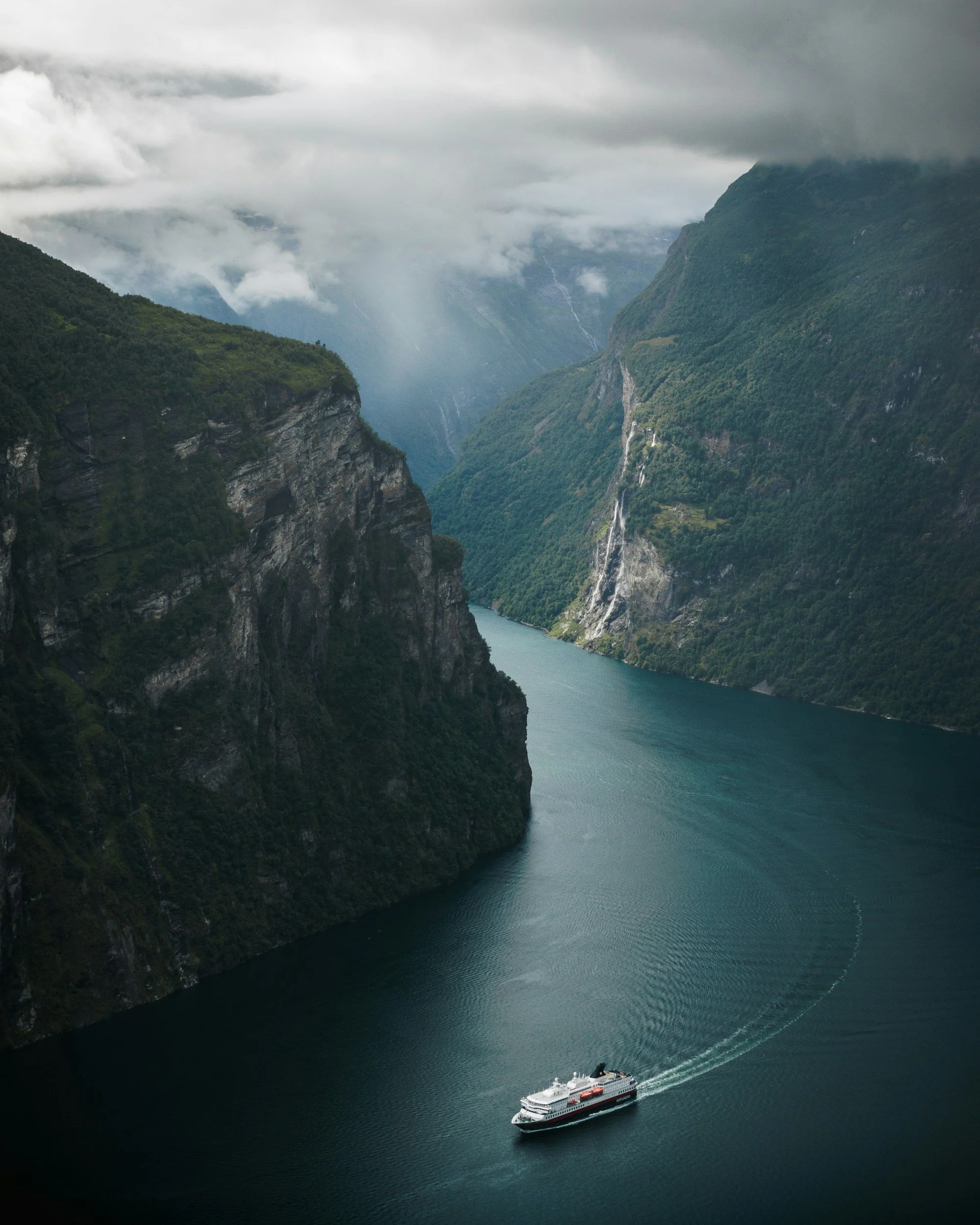
Few places are more closely associated with Norway's fjords than Geiranger.
Surrounded by steep mountains, powerful waterfalls and one of the country's most famous fjords, the small village has become a fixture of Norway itineraries and travel photography. For many visitors, it represents the classic image of fjord Norway.
Yet Geiranger is more than a viewpoint or a stop on a cruise itinerary. It is a destination that attracts visitors for many different reasons, from scenic drives and hiking trails to fjord cruises and mountain viewpoints.
I first visited Geiranger after spending time in nearby Olden and Loen, two places I have returned to many times over the years. While Geiranger's scenery certainly lived up to its reputation, the overall experience was not quite what I expected.
The landscape was every bit as spectacular as I had imagined. What surprised me was how different the atmosphere felt compared with Olden and Loen. This guide combines practical travel information with my own experience of visiting one of Norway's most famous fjord destinations.
This guide covers what to see, how much time to spend there, where to stay, where to eat, what the weather is like, and why Geiranger continues to inspire both admiration and debate among travellers exploring Western Norway.
In This Guide
Where Is Geiranger?
Why Is Geiranger Famous?
Best Things to Do in Geiranger
How Many Days Do You Need?
Best Hikes in Geiranger
When Is the Best Time to Visit Geiranger?
What Is the Weather Like?
Where Should You Stay?
Where to Eat in Geiranger
How to Get to Geiranger
Beyond Geiranger
Geiranger vs Other Norwegian Fjords
What Should You Prioritise?
What Do Visitors Often Underestimate?
Is Geiranger Overrated?
Is Geiranger Worth Visiting?
Useful Apps for Visiting Geiranger
Final Words
Where Is Geiranger?
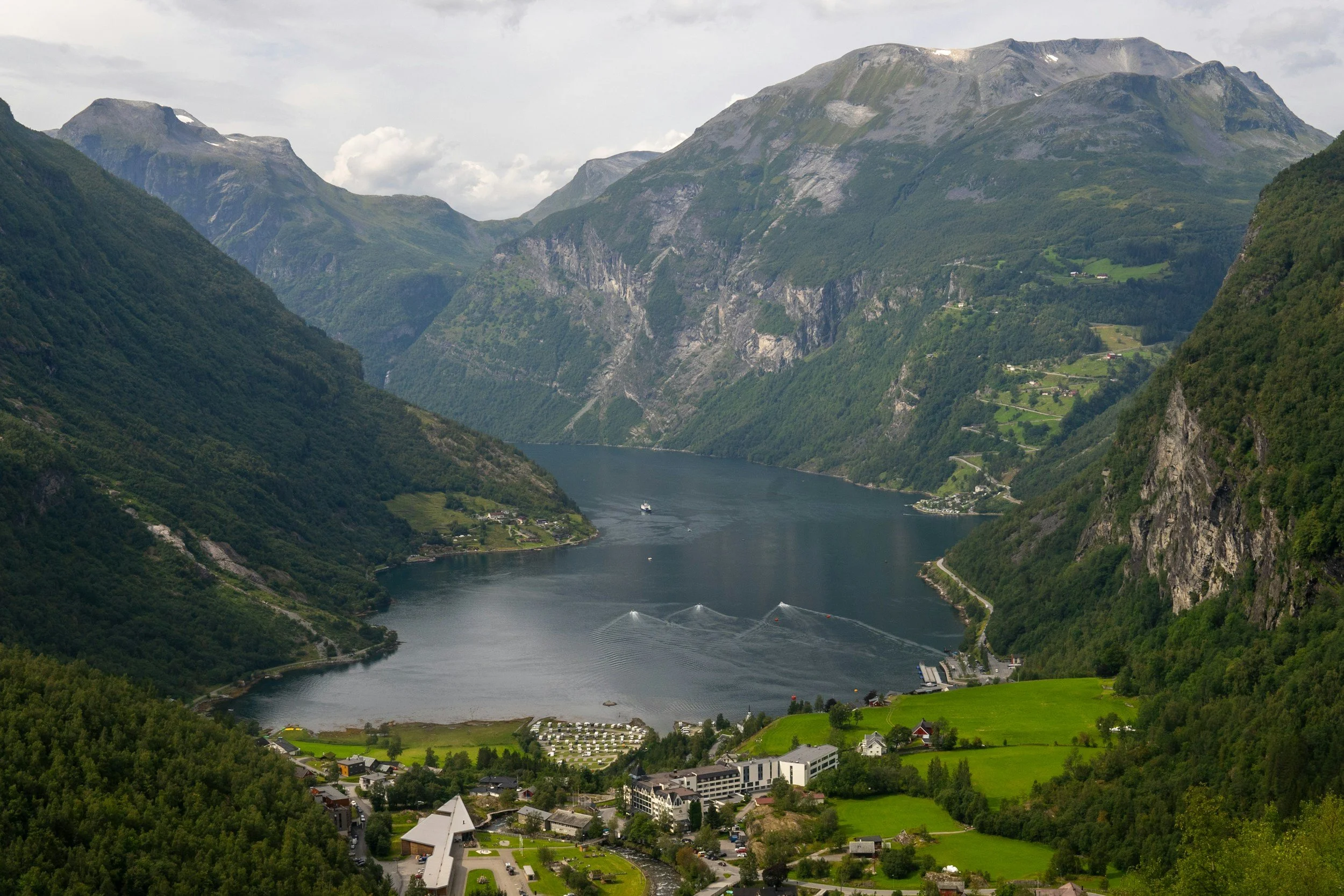
Geiranger is located in Møre og Romsdal in Western Norway, at the end of the Geirangerfjord. The village sits between steep mountains and the fjord itself, creating the dramatic setting that has become synonymous with Norway's fjord region.
Although many international visitors think of Geiranger as an isolated destination, it is actually part of a wider region of fjords, mountains and valleys stretching across Western Norway. Many travellers combine Geiranger with destinations such as Loen, Olden, Stryn, Ålesund or Trollstigen as part of a larger road trip through the region.
Despite its global reputation, Geiranger itself is surprisingly small. The village has only a few hundred permanent residents, yet welcomes visitors from around the world throughout the main travel season.
Why Is Geiranger Famous?
Geiranger is best known for the Geirangerfjord, one of Norway's most famous fjords and part of the UNESCO-listed West Norwegian Fjords World Heritage Site.
The combination of steep mountains, waterfalls and narrow fjord landscapes has made Geiranger one of the most photographed destinations in Norway. For many international visitors, it represents the classic image of the Norwegian fjords.
Among the area's best-known attractions are the Seven Sisters waterfall, Flydalsjuvet, Ørnesvingen and Dalsnibba, all of which have helped cement Geiranger's reputation as one of Norway's most iconic destinations.
The destination is also one of the easiest places for first-time visitors to understand why Norway's fjords have become so famous. Dramatic viewpoints, towering mountains, powerful waterfalls and fjord cruises are all concentrated within a relatively small area.
Best Things to Do in Geiranger
Visit Flydalsjuvet
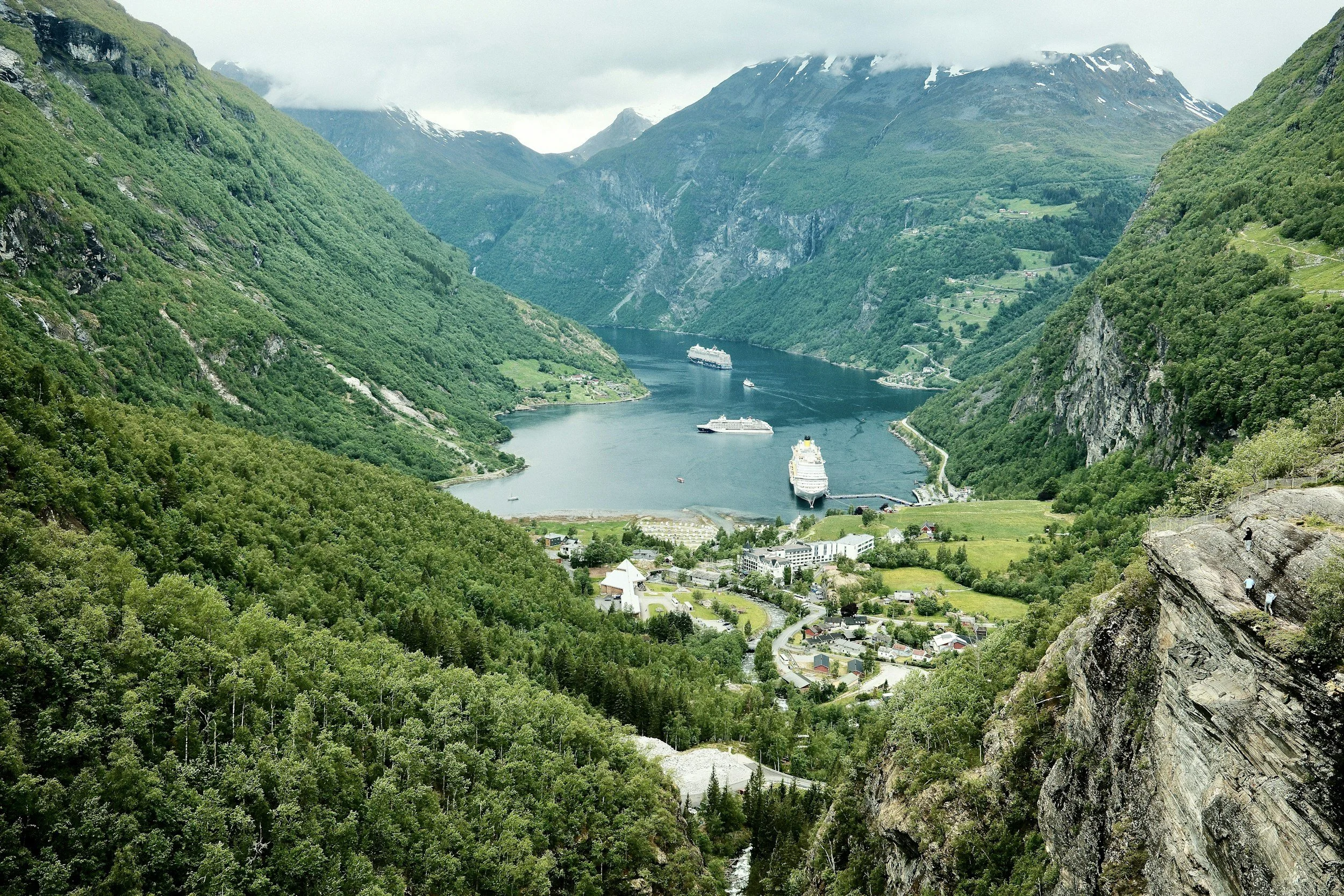
If you have seen a photograph of Geiranger, there is a good chance it was taken here. Flydalsjuvet offers the classic view across the fjord, village and surrounding mountains, and remains one of Norway's most famous viewpoints. Despite its popularity, the view genuinely lives up to the hype and is one of the few stops I would consider essential for first-time visitors.
Drive the Eagle Road
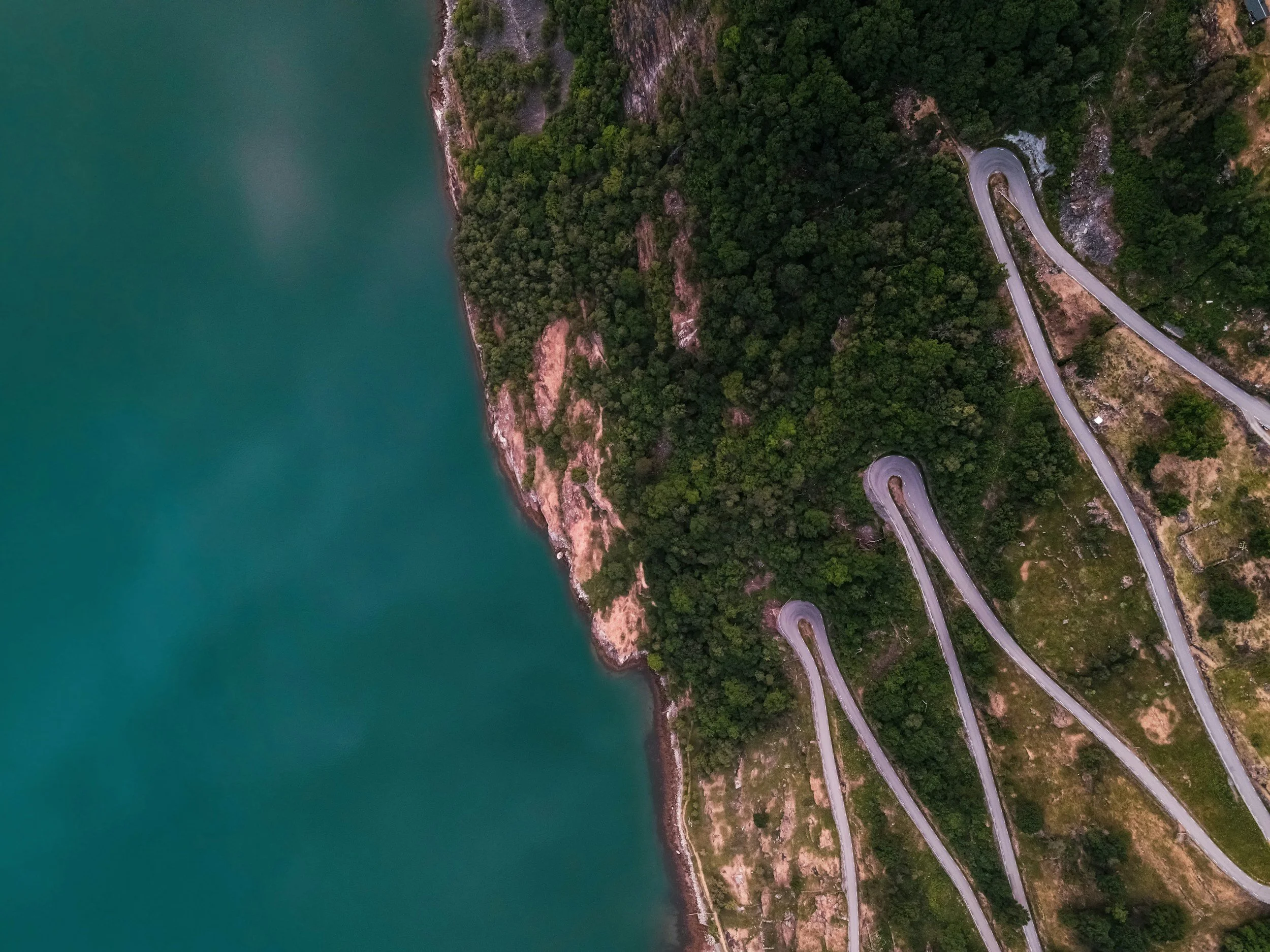
The Eagle Road (Ørnevegen) climbs steeply above Geiranger through a series of dramatic hairpin bends.
At the top, Ørnesvingen offers one of the best views overlooking the fjord and the Seven Sisters waterfall.
The Eagle Road is sometimes confused with Trollstigen, but the two are separate roads. Many visitors combine them as part of a wider road trip through Western Norway.
See the Seven Sisters Waterfall
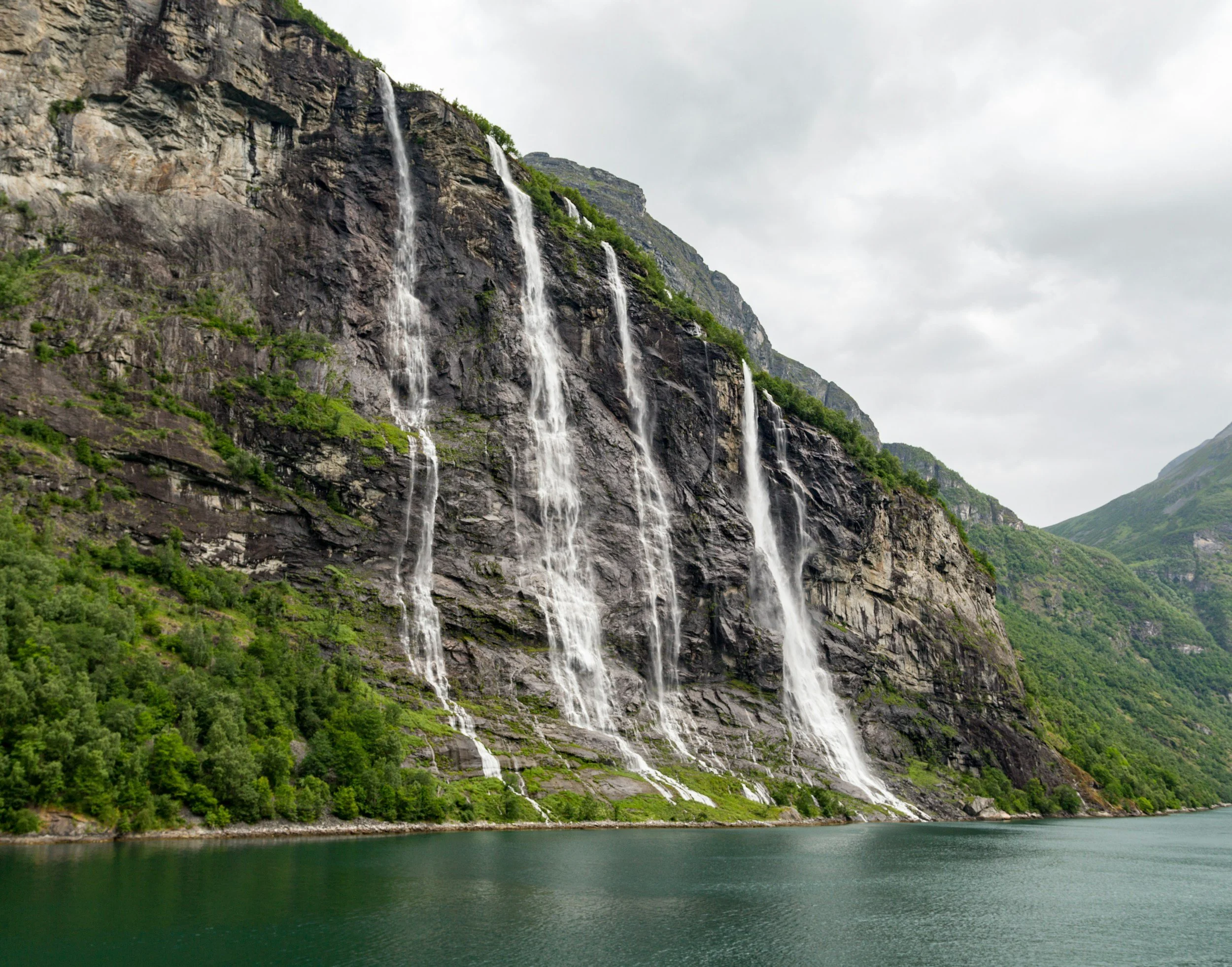
The Seven Sisters is Geirangerfjord's most famous waterfall.
The waterfall consists of several separate streams descending side by side from the mountainside and is best viewed from the water.
Experience Geirangerfjord from the Water
If there is one activity I would prioritise in Geiranger, it is getting out on the fjord itself.
From the water, the scale of the landscape becomes much easier to appreciate. The Seven Sisters waterfall, abandoned mountain farms such as Skageflå and the sheer fjord walls all look completely different when viewed from below. Many visitors focus on viewpoints, but some of the most impressive scenery is only fully appreciated from the fjord.
Drive to Dalsnibba
While Flydalsjuvet gives visitors the classic Geiranger view, Dalsnibba reveals the wider scale of the landscape. At around 1,500 metres above sea level, you look down on the entire fjord system while being surrounded by high mountains and, depending on the season, patches of lingering snow. On a clear day, this was one of the most impressive viewpoints of the trip.
Visit Hotel Union
Even if you are not staying there, Hotel Union is worth a visit.
Founded in 1891, it is one of Geiranger's most historic hotels and has welcomed travellers for well over a century. Long before modern tourism transformed the fjord region, visitors were already arriving in Geiranger to experience the dramatic landscape, and Hotel Union played an important role in that early history.
The hotel's position above the village provides excellent views across the fjord, while its historic atmosphere offers a glimpse into a very different era of travel. Visitors can stop for coffee, enjoy the gardens, explore the hotel's public areas or simply take in the scenery.
For travellers interested in the history of tourism in Norway, it is one of the most interesting buildings in Geiranger.
Explore the Village
Although small, Geiranger offers cafés, restaurants, souvenir shops and waterfront walking paths.
Most visitors can comfortably explore the village itself within a few hours, making it easy to combine with viewpoints and fjord activities.
Visit the Norwegian Fjord Centre
Visitors interested in the region's geology, natural history and UNESCO World Heritage status should consider spending time at the Norwegian Fjord Centre.
The exhibitions provide useful context for understanding how the dramatic landscape surrounding Geiranger was formed.
Explore the Historic Fjord Farms
Some of Geirangerfjord's most remarkable sights are the abandoned mountain farms clinging to the steep fjord walls.
Places such as Skageflå provide a fascinating glimpse into the difficult lives once lived in these remote locations and are among the most distinctive cultural attractions in the region.
Explore Nearby Olden and Loen
Many visitors focus entirely on Geiranger and leave without exploring the wider region.
Olden and Loen offer some of the most beautiful scenery in Western Norway, including turquoise lakes, dramatic valleys, glaciers and mountain viewpoints. While Geiranger is unquestionably spectacular, I personally find parts of Olden and Loen more enjoyable because visitors are spread across a much larger area and the atmosphere feels noticeably less crowded.
How Many Days Do You Need in Geiranger?
One Day
A single day is enough to experience many of Geiranger's highlights.
Most visitors can comfortably fit in:
A fjord cruise
Flydalsjuvet
Ørnesvingen
Exploring the village
A drive to Dalsnibba
This is the typical experience for cruise passengers and travellers passing through as part of a wider Western Norway itinerary.
Two Days
For most visitors, two days is ideal.
An overnight stay allows time to experience the major viewpoints without rushing, enjoy a fjord cruise, explore the village and complete one or two hikes.
It also provides flexibility if weather conditions affect visibility at Dalsnibba or Flydalsjuvet.
Three Days or More
Three days or more is best suited to travellers using Geiranger as a base for exploring the wider region.
Additional time allows for more hiking, scenic drives and day trips to destinations such as Loen, Olden and Hellesylt.
Best Hikes in Geiranger
Storseterfossen
Distance: approximately 3–4 km return
Time: 1.5–2 hours
Difficulty: Easy to Moderate
Storseterfossen is one of the most popular hikes in Geiranger and a good choice for most visitors. The trail climbs steadily through farmland and open scenery before reaching the waterfall itself.
What makes the hike special is that visitors can walk behind the waterfall, providing a completely different perspective from most waterfall walks in Norway.
For travellers with limited time, this is probably the easiest hike to combine with sightseeing elsewhere in Geiranger.
Vesteråsfjellet
Distance: approximately 4–5 km return
Time: 2–3 hours
Difficulty: Moderate
Starting from the historic Westerås Farm, this hike provides increasingly impressive views across Geiranger village, the fjord and the surrounding mountains.
The trail is steeper than Storseterfossen but remains achievable for most reasonably fit visitors.
The main attraction is the view itself, making it one of the best effort-to-reward hikes in the area.
Skageflå
Distance: varies depending on route
Time: typically 3–5 hours
Difficulty: Moderate to Challenging
Skageflå is one of Norway's most famous fjord hikes.
The abandoned mountain farm sits dramatically above Geirangerfjord and offers some of the most iconic scenery in the region. Many visitors reach it via a combination of boat transport and hiking, while others complete longer routes entirely on foot.
The hike involves steep sections and should not be underestimated, but the views from the farm are among the finest in Western Norway.
If you only complete one more demanding hike in Geiranger, this is arguably the one to choose.
Fosseråsa
Distance: approximately 2 km
Time: 45–60 minutes
Difficulty: Easy
Fosseråsa begins in the village itself and follows a historic path alongside waterfalls and old stone stairways.
The route includes viewpoints, information boards and several opportunities to stop and enjoy the scenery.
It is ideal for visitors who want a short walk without committing to a longer mountain hike.
Løsta
Distance: approximately 8–10 km return
Time: 5–7 hours
Difficulty: Challenging
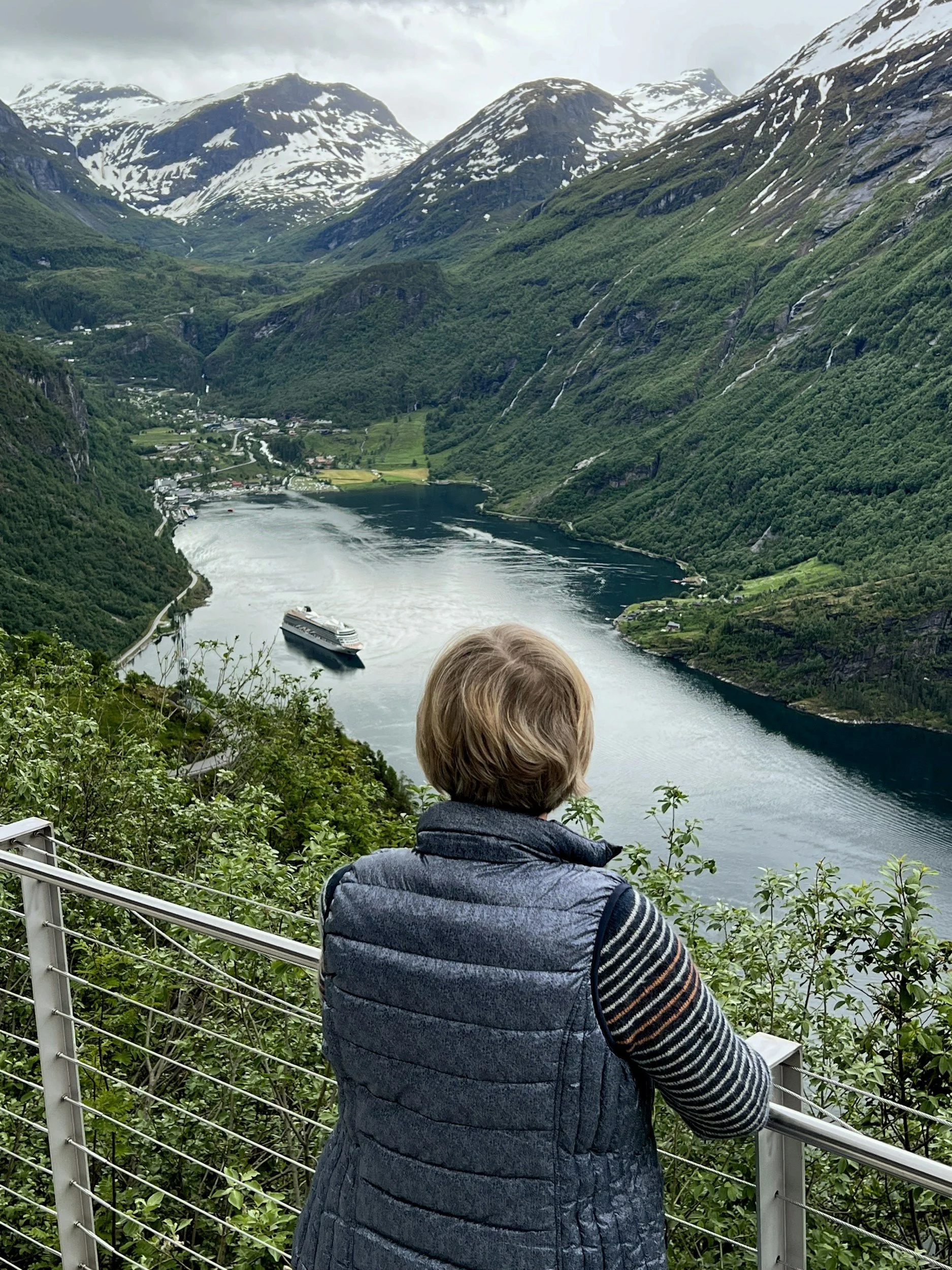
Løsta is one of the area's more demanding hikes and is best suited to experienced hikers.
The reward is panoramic mountain scenery and outstanding views across Geirangerfjord from above.
Compared with the more popular routes, Løsta generally attracts fewer visitors and feels more remote.
This is a hike for travellers looking for a full day in the mountains rather than a short sightseeing walk.
What to Wear for Hiking in Geiranger
Even on warm summer days, weather conditions can change quickly in the mountains surrounding Geiranger. Waterproof footwear, a windproof jacket and extra layers are recommended for most hikes.
Visitors often underestimate how much cooler and wetter conditions can feel away from the village, particularly on exposed trails and higher viewpoints.
For shorter walks such as Fosseråsa and Storseterfossen, comfortable walking shoes are usually sufficient in dry weather. Longer hikes such as Skageflå and Løsta require proper hiking footwear and a daypack with extra clothing, water and snacks.
When Is the Best Time to Visit Geiranger?
The experience changes significantly throughout the year, and the right season depends on what you hope to see.
Spring
Spring is one of the most underrated times to visit.
Snowmelt feeds the waterfalls, mountain peaks often remain snow-covered and visitor numbers are generally lower than during summer. This is often when waterfalls such as the Seven Sisters are at their most powerful.
Summer
Summer is the busiest season and when most visitors arrive.
Roads, viewpoints and fjord cruises are fully operational, while long daylight hours allow travellers to fit multiple activities into a single day.
However, this is also when crowds, traffic and cruise ship arrivals are at their highest.
My own visit took place in mid-July, and while the scenery was spectacular, it was also the busiest fjord destination I experienced during that trip.
Autumn
Autumn brings fewer visitors and a noticeably calmer atmosphere.
The surrounding mountains begin to change colour, accommodation becomes easier to find and roads are generally less congested than during peak summer.
September can be an excellent compromise between accessibility and lower visitor numbers.
Winter
Winter offers a completely different experience.
Visitor numbers drop dramatically, some roads close due to snow and many tourism services operate on a reduced schedule. While accessibility becomes more limited, Geiranger gains a sense of tranquillity that can be difficult to find during summer.
Seasonal Road Access
One of the biggest differences between visiting Geiranger in summer and the rest of the year is road access.
Many of the area's most scenic mountain roads are seasonal and typically remain closed throughout winter due to snow. Roads such as the route to Dalsnibba and sections of the Geiranger–Langvatn road usually open sometime between late May and June, depending on snowfall and weather conditions.
Trollstigen, one of Norway's most famous scenic roads, also operates seasonally and normally opens in late spring or early summer. Opening dates vary from year to year and are determined by snow conditions and road maintenance.
Visitors travelling between October and May should be aware that weather and snow can affect access to viewpoints, mountain roads and some hiking trails. Those visiting between June and September generally experience the greatest flexibility and easiest access to the region's most famous attractions.
What Is the Weather Like in Geiranger?
Like much of Western Norway, Geiranger has a maritime climate characterised by mild summers, cool winters and frequent rainfall throughout the year.
The weather can change quickly, particularly in the mountains surrounding the fjord. It is not unusual to experience sunshine, cloud, rain and mist within the same day.
Summer temperatures are generally comfortable rather than hot, while winter brings colder conditions and shorter days. Spring often sees powerful waterfalls fed by snowmelt, while autumn can bring colourful landscapes and changing mountain conditions.
Because so much of the Geiranger experience revolves around viewpoints such as Flydalsjuvet and Dalsnibba, visibility often matters more than temperature. A clear day can reveal some of Norway's most spectacular scenery, while low cloud can completely transform the landscape.
For that reason, visitors should be prepared for rapidly changing weather conditions regardless of the season.
Where Should You Stay in Geiranger?
Most accommodation is concentrated around the village and fjord shoreline, making it relatively easy to access viewpoints, restaurants and boat trips.
In the Village
Staying in the village provides the most convenient access to restaurants, cafés, fjord cruises and the waterfront.
This is generally the best option for visitors spending one or two nights in Geiranger.
Fjord-View Hotels
Many visitors choose accommodation overlooking the fjord, particularly during summer when the scenery can be enjoyed late into the evening.
Properties such as Hotel Union have become well known for their views and location.
Cabins and Campsites
Cabins and campsites are popular among road-trippers exploring Western Norway.
They often provide a more affordable alternative while still offering excellent access to the surrounding scenery.
Booking well in advance is recommended during the busiest weeks of the summer season.
Where to Eat in Geiranger
Geiranger is a small village, so visitors should not expect the same culinary scene found in larger Norwegian cities. Nevertheless, several restaurants make the most of local ingredients and spectacular surroundings.
Brasserie Posten
Probably the closest thing Geiranger has to a destination restaurant. Located by the fjord in the centre of the village, it focuses on Norwegian ingredients and local suppliers while taking advantage of its waterfront setting. This is a good choice for visitors looking for a proper sit-down dinner rather than a quick meal between sightseeing stops. During summer, the outdoor seating makes it one of the best places in the village to enjoy the fjord atmosphere.
Westerås Restaurant
If I could only recommend one place based on setting alone, it would probably be this one. Perched high above Geiranger on the historic Westerås farm, the restaurant overlooks the fjord, village and surrounding mountains. Many visitors combine lunch or dinner here with a hike to Storseterfossen, making it feel more like part of the Geiranger experience than simply a place to eat. The focus is on Norwegian and Scandinavian dishes served in a converted barn with some of the best views in the region.
Restaurant Skageflå
One of the more refined dining experiences in Geiranger. The restaurant takes its name from the famous mountain farm overlooking the fjord and focuses on seasonal ingredients, local produce and a more contemporary approach to Norwegian cuisine. This is the sort of place that works particularly well for couples or travellers celebrating a special occasion during their fjord trip.
Restaurant Olebuda
A more relaxed alternative located by the waterfront. Olebuda is known for seafood, local flavours and a casual atmosphere that suits travellers arriving from fjord cruises or spending the afternoon exploring the village. It feels more traditional and informal than some of the area's hotel restaurants.
Geiranger vs Other Norwegian Fjords
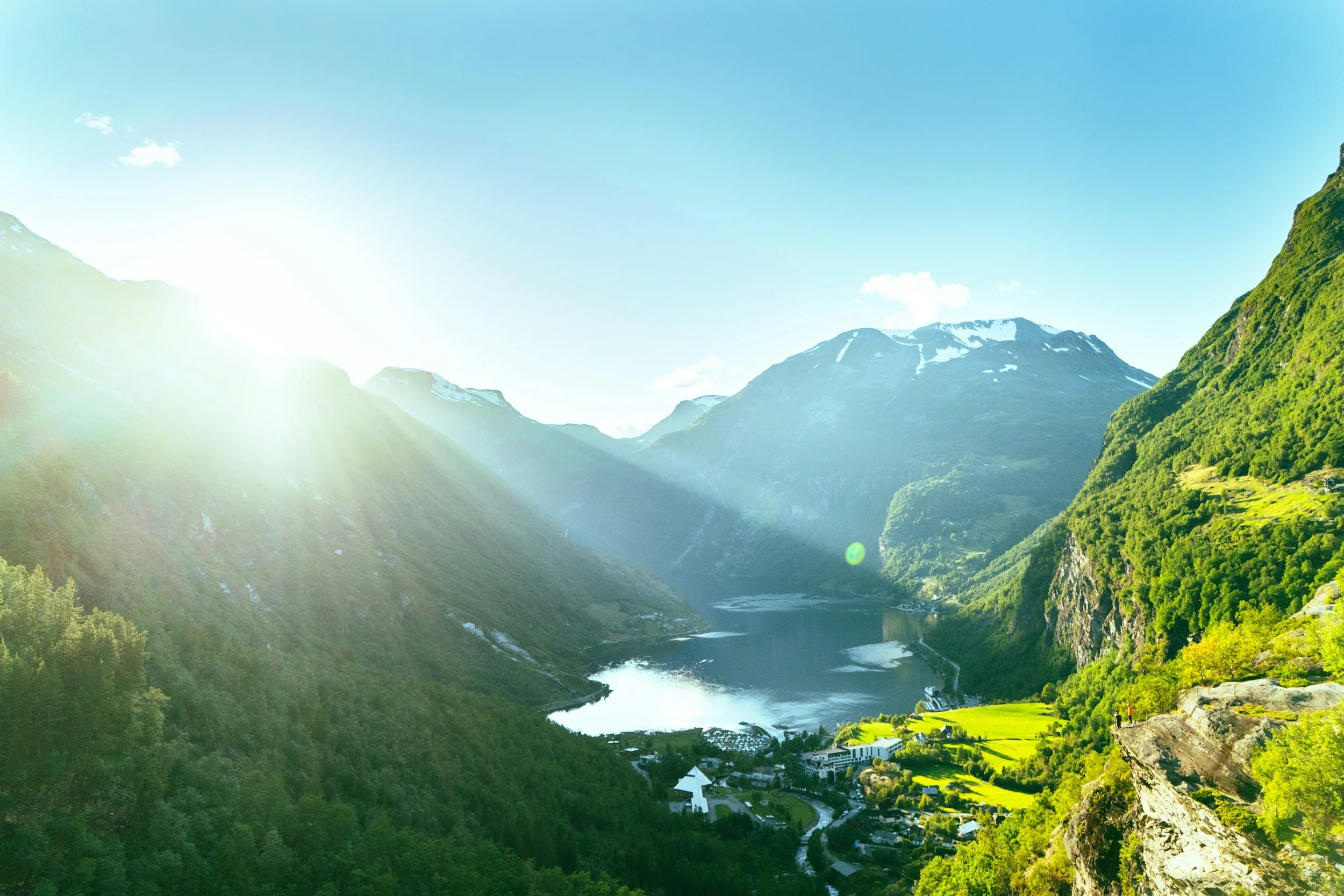
Many visitors assume Geiranger is automatically the best fjord destination in Norway. In reality, it is simply the most famous. Having returned to Olden and Loen many times over the years, I naturally compare Geiranger to nearby parts of Nordfjord.
Olden and neighbouring Loen can certainly be busy during summer. Cruise ships arrive, popular attractions attract visitors and there is no shortage of tourists. Yet the atmosphere has always felt noticeably different to me.
Part of the reason may simply be geography. Geiranger is a relatively small village where much of the activity is concentrated around the harbour and village centre. Olden and Loen, by contrast, feel far more spread out. Visitors disperse between the fjord, surrounding valleys, hiking areas, mountain viewpoints, attractions and accommodation scattered throughout the region.
During my visit to Geiranger in mid-July, the contrast was striking. After spending time in Olden and Loen, arriving in Geiranger felt almost like stepping into a different world. The roads were packed with cars, coaches and motorhomes, the village was crowded with visitors and the overall atmosphere felt far more hectic than anywhere else I experienced during that trip.
We eventually found a place to eat, only to discover that much of the menu had already sold out. Combined with stretched service and the sheer number of people, it left me feeling that Geiranger was struggling under the weight of its own popularity.
The scenery itself was every bit as spectacular as I had expected. What surprised me was not the landscape, but how different the overall atmosphere felt compared with Olden and Loen. While those destinations can certainly be busy during summer, they have always felt calmer, more spacious and more relaxed to me.
That does not necessarily make one destination better than another. It simply highlights how different the visitor experience can be within Western Norway.
Travellers looking for Norway's most iconic fjord scenery will almost certainly find Geiranger worth visiting. Those seeking a quieter experience may find themselves drawn towards destinations such as Olden, Loen or other parts of Nordfjord.
Is Geiranger Worth Visiting?
Yes.
The scenery genuinely lives up to its reputation. The Geirangerfjord is one of Norway's most dramatic landscapes, and there is a reason it appears on so many Norway itineraries.
At the same time, Geiranger is not a hidden gem. Visitors should understand that one of Norway's most famous destinations also attracts some of Norway's largest visitor numbers.
For travellers seeking iconic fjord scenery, spectacular viewpoints and easy access to some of Western Norway's most famous landscapes, Geiranger remains a worthwhile addition to almost any itinerary.
For those seeking solitude and a slower pace, other fjord regions may ultimately prove more rewarding.
Useful Apps for Visiting Geiranger
Yr
Norway's national weather service and the most useful app for checking rapidly changing mountain and fjord conditions. Because visibility has such a significant impact on viewpoints such as Dalsnibba and Flydalsjuvet, Yr is often more useful than a general weather app.
UT
Developed by the Norwegian Trekking Association (DNT), UT provides hiking routes, trail descriptions and maps throughout the region. It is particularly useful for visitors planning hikes such as Storseterfossen or Skageflå.
Vegvesen Trafikk
The Norwegian Public Roads Administration's app provides information about road closures, mountain conditions, ferry disruptions and traffic issues. This can be particularly helpful when travelling through Western Norway's mountain roads.
Google Maps Offline
Mobile coverage is generally good, but downloading offline maps before arriving can still be useful when driving through remote mountain areas.
Final Words
Geiranger is often reduced to a handful of famous photographs. The Seven Sisters, Flydalsjuvet and the dramatic curve of the fjord have become so familiar that it is easy to feel as though you already know the destination before arriving.
The reality is more complicated. Geiranger is both one of Norway's most spectacular landscapes and one of its most visited. It can feel crowded, commercial and surprisingly busy, particularly during the height of summer. Yet none of that changes the fact that the scenery is genuinely extraordinary.
Perhaps the best way to approach Geiranger is not as a hidden gem, but as one of Norway's great classics. Arrive with realistic expectations, allow time to experience the fjord from both the water and the surrounding mountains, and remember that Geiranger is only one chapter in the much larger story of Western Norway.