
Traveling to Norway With a Dog: Rules, Etiquette and Practical Advice
Planning to travel to Norway with your dog? This guide covers everything you need to know, from entry requirements and leash laws to hiking, dog etiquette, public transport, seasonal advice and practical tips for exploring Norway safely and responsibly with your four-legged companion.
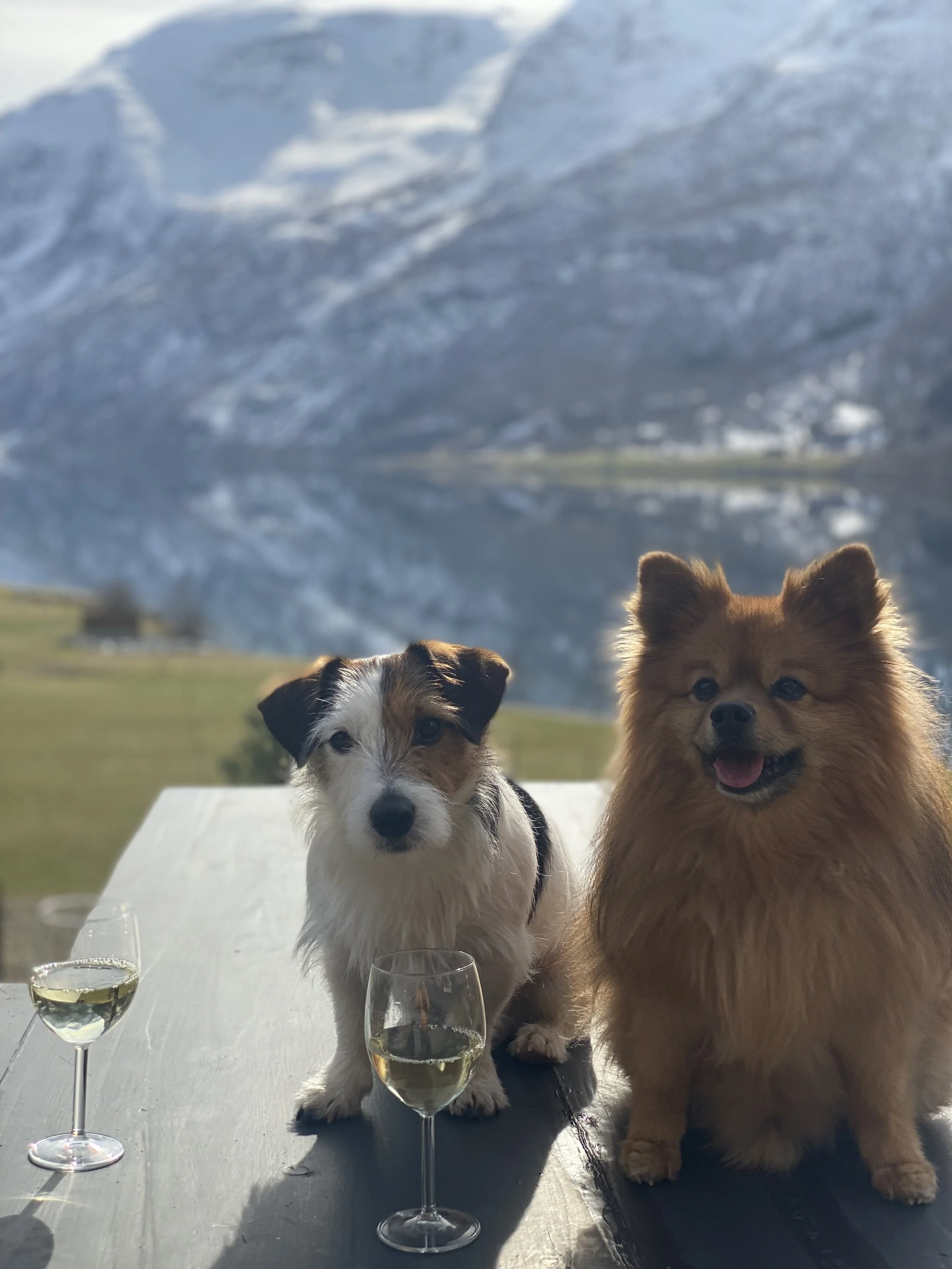
As a Norwegian, I've grown up with Norway's outdoor culture and the responsibilities that come with owning dogs here. Today, I regularly travel between the UK and Norway with my own two Norwegian dogs, so I know both the official requirements for bringing a dog into the country and the practical realities of travelling around Norway with one.
While the paperwork is important, it's only part of the picture. Many visitors are surprised by Norway's leash laws, free-roaming sheep in the mountains, seasonal challenges, and the unwritten rules of dog etiquette that most Norwegians simply grow up with.
In this guide, I'll explain both the official regulations and what it's actually like to travel with a dog in Norway, so you can feel confident before you arrive.
Table of Contents
Bringing Your Dog to Norway
Entry Requirements for Dogs
Tapeworm Treatment Before Entering Norway
Banned Dog Breeds in Norway
Norway's Leash Law: Understanding Båndtvang
Dog Etiquette in Norway
Hiking With a Dog in Norway
Dogs, Wildlife and Livestock
Travelling With a Dog in Norway in Winter
Travelling With a Dog in Norway in Summer
Can Dogs Go Into Restaurants and Cafés in Norway?
Can Dogs Go Into Shops in Norway?
Staying in Hotels With a Dog
Public Transport With Dogs
Travelling by Ferry
Driving in Norway With a Dog
Dog-Friendly Beaches and Swimming
Camping With a Dog
Veterinary Care in Norway
Practical Packing List
Common Mistakes Visitors Make When Travelling to Norway With a Dog
Frequently Asked Questions
Final Words
Bringing Your Dog to Norway
Bringing your dog to Norway is relatively straightforward if you prepare in advance, but it isn't something you should leave until the last minute. Norway has some of Europe's strictest animal health regulations, designed to protect both domestic animals and wildlife from diseases that are rare or absent here.
The exact requirements depend on which country you're travelling from. Visitors arriving from another EU or EEA country will usually have a simpler process, while those travelling from countries such as the UK will need an Animal Health Certificate instead of an EU Pet Passport.
One of the biggest mistakes people make is assuming that the rules for entering Norway are the same as those for entering the EU. Although Norway is part of the EEA and the Schengen Area, it has its own animal health regulations, including mandatory tapeworm treatment for most dogs entering the country.
If you're planning a holiday, road trip or even moving to Norway with your dog, it's worth checking the official requirements several weeks before departure. Some requirements, such as rabies vaccinations or veterinary paperwork, can't always be arranged at short notice.
Entry Requirements for Dogs
The exact requirements vary depending on where you're travelling from, but most visitors will need the following before arriving in Norway:
A microchip that complies with international standards
A valid rabies vaccination
The correct travel documents (either an EU Pet Passport or an Animal Health Certificate, depending on where you're travelling from)
Tapeworm treatment completed within the required timeframe
Compliance with Norway's breed-specific legislation
The order of these steps also matters. Your dog must normally be microchipped before receiving its rabies vaccination for that vaccination to be recognised for travel. If the microchip was inserted afterwards, you may need to repeat the vaccination process.
If you're travelling from Great Britain, don't assume your usual pet documents are enough. Since Brexit, most UK travellers need an Animal Health Certificate issued by an authorised veterinarian shortly before travel. These certificates are only valid for a limited period, so you'll need to plan your appointment carefully.
Although it may seem like a long checklist, it's generally straightforward once you know what's required. Most problems occur because travellers either leave the paperwork too late or rely on outdated advice found on forums or social media instead of checking the latest guidance from the Norwegian Food Safety Authority.
Tapeworm Treatment Before Entering Norway
If there's one requirement visitors are most likely to overlook, it's tapeworm treatment.
Norway requires most dogs entering the country to be treated against fox tapeworm (Echinococcus multilocularis), a parasite that is not established in mainland Norway. The aim is to keep it that way.
The treatment must be administered by a veterinarian, recorded correctly in your dog's travel documents, and given within a specific timeframe before crossing the Norwegian border.
This timing catches many travellers out. If you're driving through Europe, the important date isn't when you leave home—it's when you actually enter Norway. For example, if you're travelling from the UK through France, Germany, Denmark and Sweden before reaching Norway, your tapeworm treatment still needs to be valid when you cross into Norway.
There is an alternative 28-day treatment programme for people who travel regularly between Norway and certain neighbouring countries, but this is mainly intended for frequent travellers. If you're visiting Norway for a holiday, the standard pre-entry treatment is usually the relevant option.
Because the rules are so specific, it's worth discussing your travel itinerary with your vet well before departure. A simple timing mistake can prevent your dog from meeting Norway's entry requirements.
Banned Dog Breeds in Norway
Norway has breed-specific legislation that prohibits certain dog breeds and their crossbreeds from being imported, owned or bred in the country.
The banned breeds are:
Pit Bull Terrier
American Staffordshire Terrier
Dogo Argentino
Fila Brasileiro
Tosa Inu
Czechoslovakian Wolfdog
If your dog is a mixed breed with uncertain ancestry or resembles one of these breeds, it's important to investigate the rules before making travel plans. In some situations, you may be asked to document your dog's breed.
For most visitors this section won't apply, but if there's any uncertainty about your dog's background, don't assume that the rules are the same as in your home country. Norway's legislation is enforced, and it's far better to clarify any questions before you travel than after you've arrived.
Norway's Leash Law: Understanding Båndtvang
One of the most important things to understand before travelling around Norway with a dog is båndtvang, Norway's national leash law.
Every year, from 1 April to 20 August, dogs must be kept on a lead or securely enclosed throughout the country. Many visitors are surprised by this because Norway has so much open space, but the rule applies whether you're walking through a city park, a forest or high in the mountains.
The purpose of the leash law is to protect wildlife and livestock during one of the most sensitive times of the year. Spring and summer are when birds are nesting, wild animals are raising their young and sheep, goats and reindeer are grazing freely across much of the country. Even a well-behaved dog can unintentionally disturb wildlife simply by chasing, barking or running through nesting areas.
It's also important to remember that the national leash law is only the minimum requirement. Many municipalities introduce additional local rules, and some areas have extended or even year-round leash requirements. Nature reserves, bird sanctuaries, popular recreation areas and places with grazing livestock often have stricter regulations than the national law.
Whenever you're visiting a new area, look out for local information boards and signs. If you're unsure whether your dog is allowed off lead, keep them on one.
Dog Etiquette in Norway
Norwegians generally love dogs, but we also expect owners to keep them under control and be considerate of the people and animals around them.
One of the biggest differences visitors notice is that dog owners don't usually allow their dogs to run over and greet other dogs. Even if your dog is friendly, the other dog may be elderly, nervous, reactive, recovering from an injury or simply in training.
Always ask before allowing your dog to approach another dog. A simple "Is it okay if they say hello?" is considered polite and is appreciated by most owners.
The same applies to people. Don't assume everyone wants to meet your dog. Keep your dog close in busy places, don't allow them to jump up at strangers or children, and avoid letting them sniff around people sitting at cafés or having picnics.
If you're walking on a narrow hiking trail and meet other people, shorten the lead and let them pass comfortably. The same applies if you meet cyclists, horses or families with young children.
And one rule should always be followed, wherever you are:
Always pick up after your dog.
Whether you're walking through a city, hiking to a famous viewpoint or exploring a quiet beach, cleaning up after your dog is simply part of being a responsible dog owner.
Hiking With a Dog in Norway
Norway is one of Europe's best countries for hiking with a dog, but it also presents challenges that many visitors underestimate.
Trails are often much rougher than they appear in photos. A hike may only be a few kilometres long but still involve steep climbs, loose rocks, slippery roots or long sections with uneven ground. Before choosing a route, think about your dog's age, fitness, confidence and previous hiking experience—not just the distance.
The weather is another factor that catches many visitors by surprise. Mountain weather can change incredibly quickly. It's not unusual to start a hike in warm sunshine and finish it in wind, rain or temperatures close to freezing. Smaller dogs, older dogs and breeds with short coats may need an extra layer, even in the middle of summer.
Water is another consideration. While many trails pass streams or lakes, you shouldn't assume you'll always find suitable drinking water when you need it. Carry enough water for both you and your dog, particularly on warm days or popular hikes where natural water sources may be limited.
If your dog isn't used to hiking on rocky terrain, keep an eye on their paws. Sharp rocks and long descents can quickly wear down paw pads, especially on multi-hour hikes.
During the national leash period, your dog must remain on a lead. Outside that period, remember that livestock and wildlife may still be present, so keeping your dog under reliable control is essential.
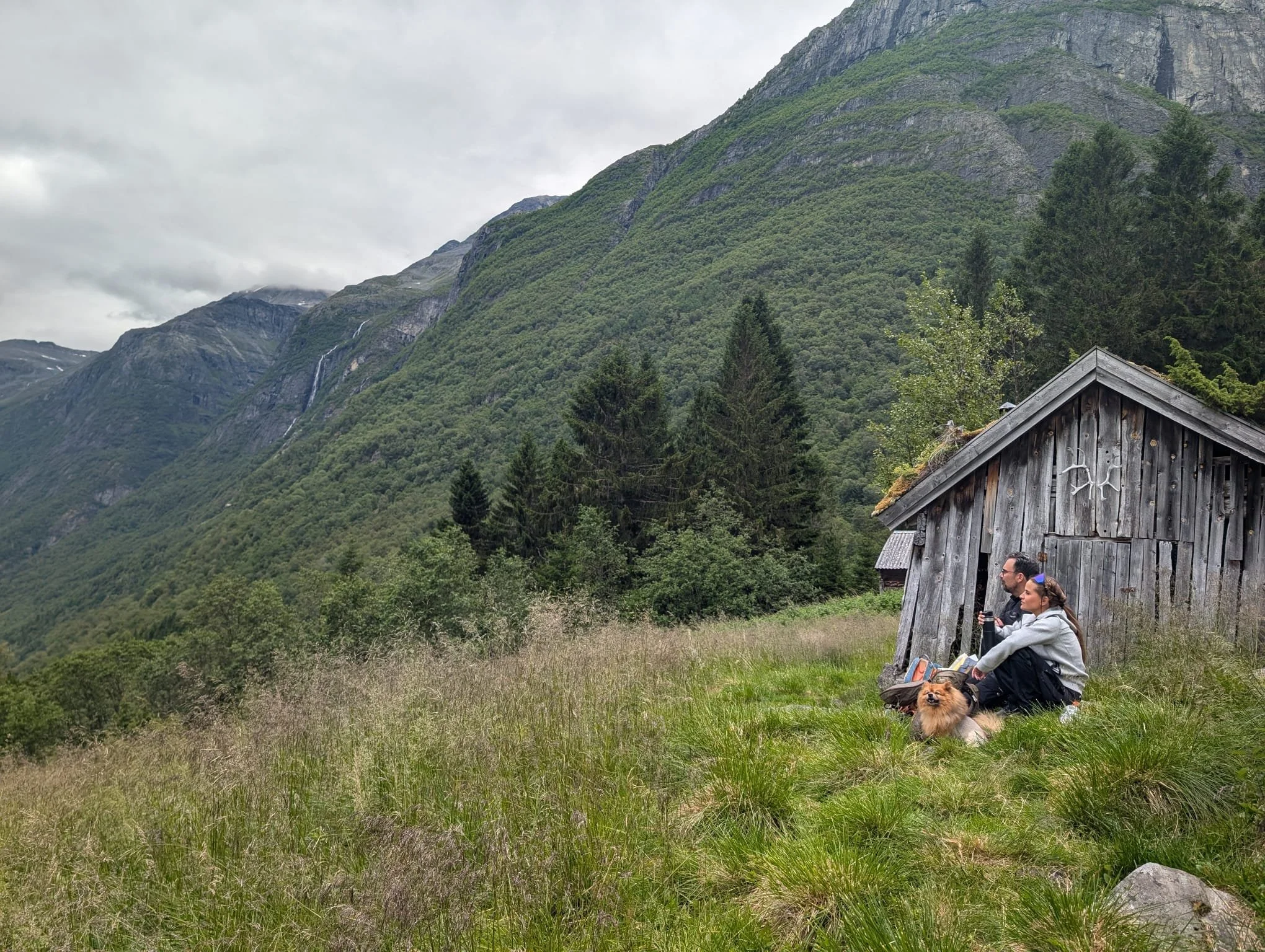
Finally, don't feel you have to tackle Norway's most famous hikes. Routes such as Preikestolen, Trolltunga and Besseggen are spectacular, but they can also be crowded, physically demanding and exposed. Some dogs will enjoy them, but many will have a much better experience on quieter forest walks, coastal paths or less demanding mountain trails.
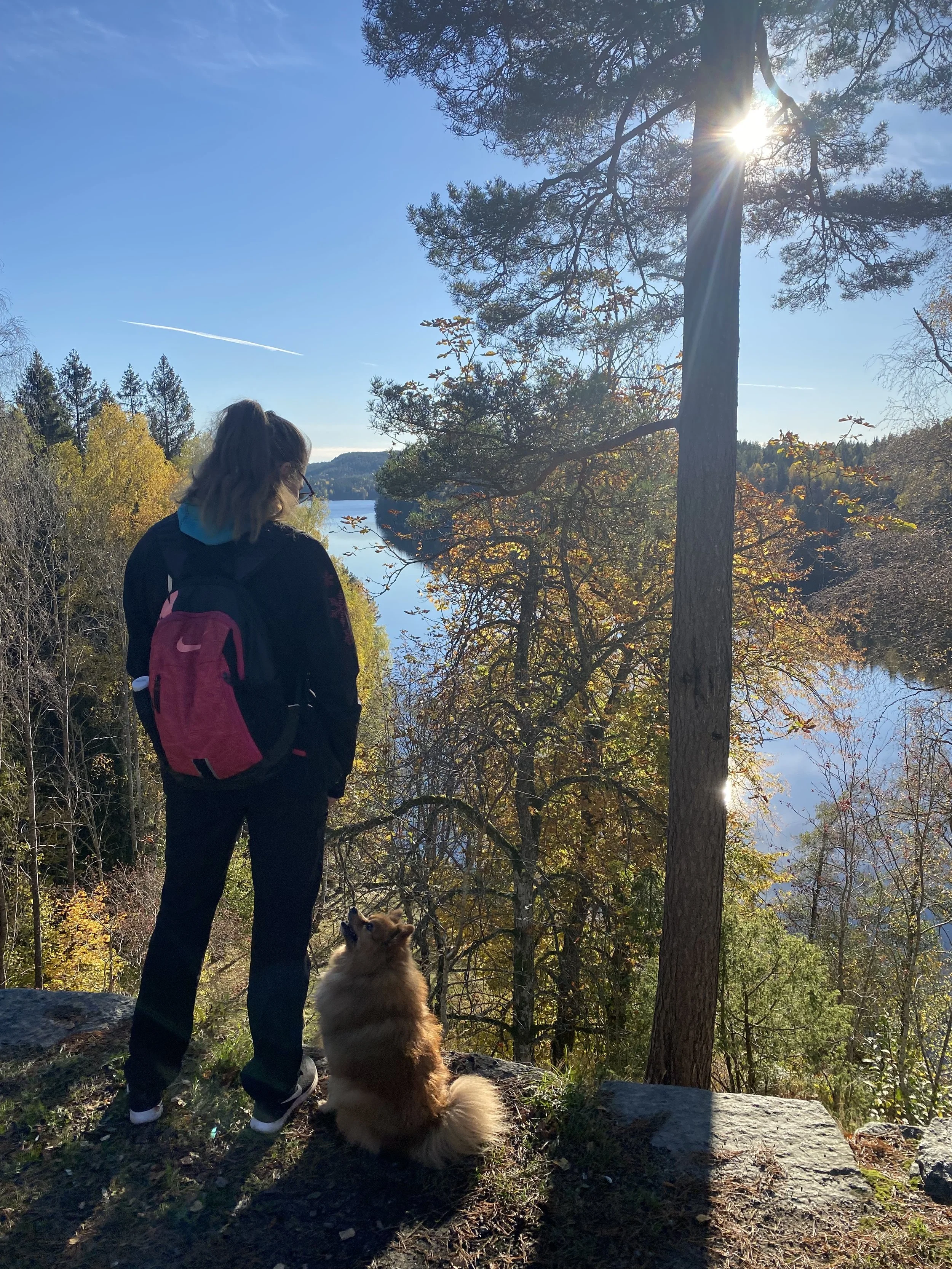
One thing I always remind myself is that the best hike isn't necessarily the most famous one. Some of my favourite walks with my own dogs have been quiet forest trails and lesser-known mountain paths where we could simply enjoy nature without the crowds.
Related Reading
Continue planning your outdoor adventures with these guides:
Dogs, Wildlife and Livestock
One thing that surprises many visitors is just how many animals roam freely in the Norwegian countryside.
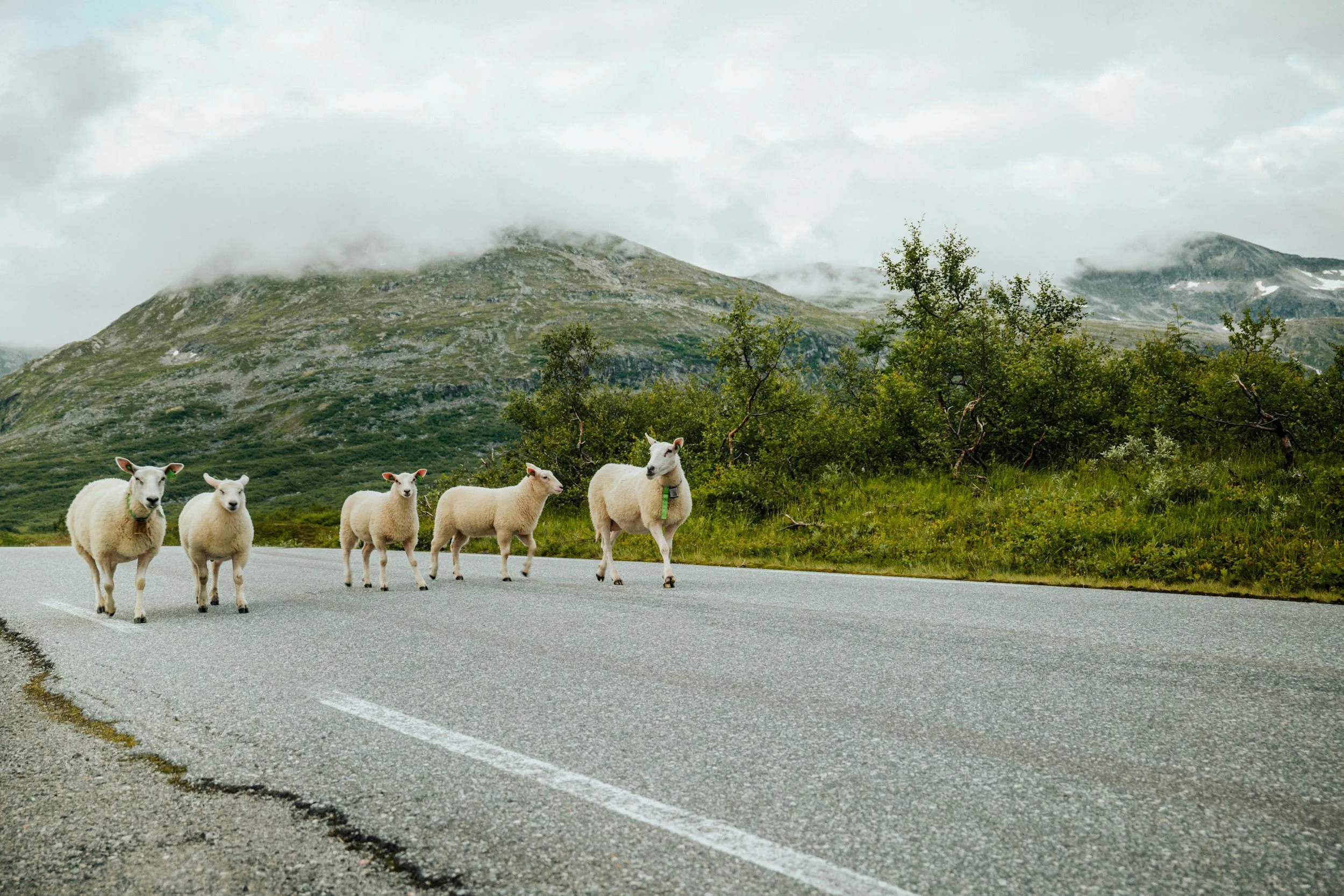
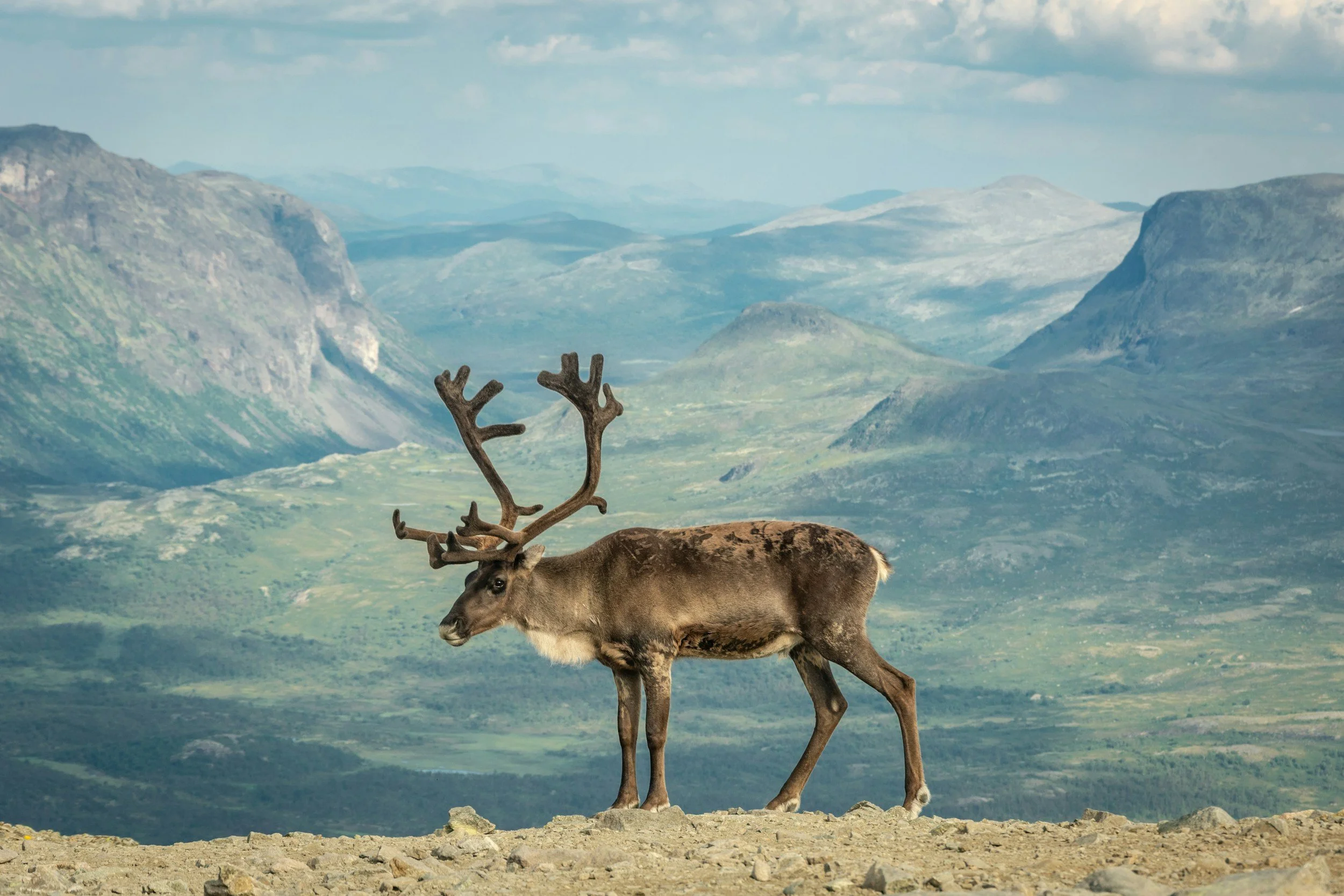
During summer, it's completely normal to encounter sheep lying beside hiking trails, goats wandering across mountain roads or reindeer grazing on open plateaus in northern Norway. Unlike in many countries, these animals often aren't fenced in.
Because of this, dogs must never be allowed to chase livestock or wildlife. Even if your dog only wants to play, chasing animals can cause stress, injuries or separate mothers from their young.
If you come across sheep or other grazing animals on a trail, slow down, keep your dog close and give the animals plenty of space. Never encourage your dog to interact with them, even if they appear calm.
The same applies to wildlife. Moose, deer, ground-nesting birds and countless smaller animals depend on these landscapes for breeding and raising their young. Respecting them is one of the reasons Norway's outdoor culture places such a strong emphasis on responsible dog ownership.
One of the things I love most about hiking in Norway is that we share these landscapes with wildlife rather than being separated from it. With that privilege comes a responsibility to make sure our dogs don't disturb the animals that live there.
Travelling With a Dog in Norway in Winter
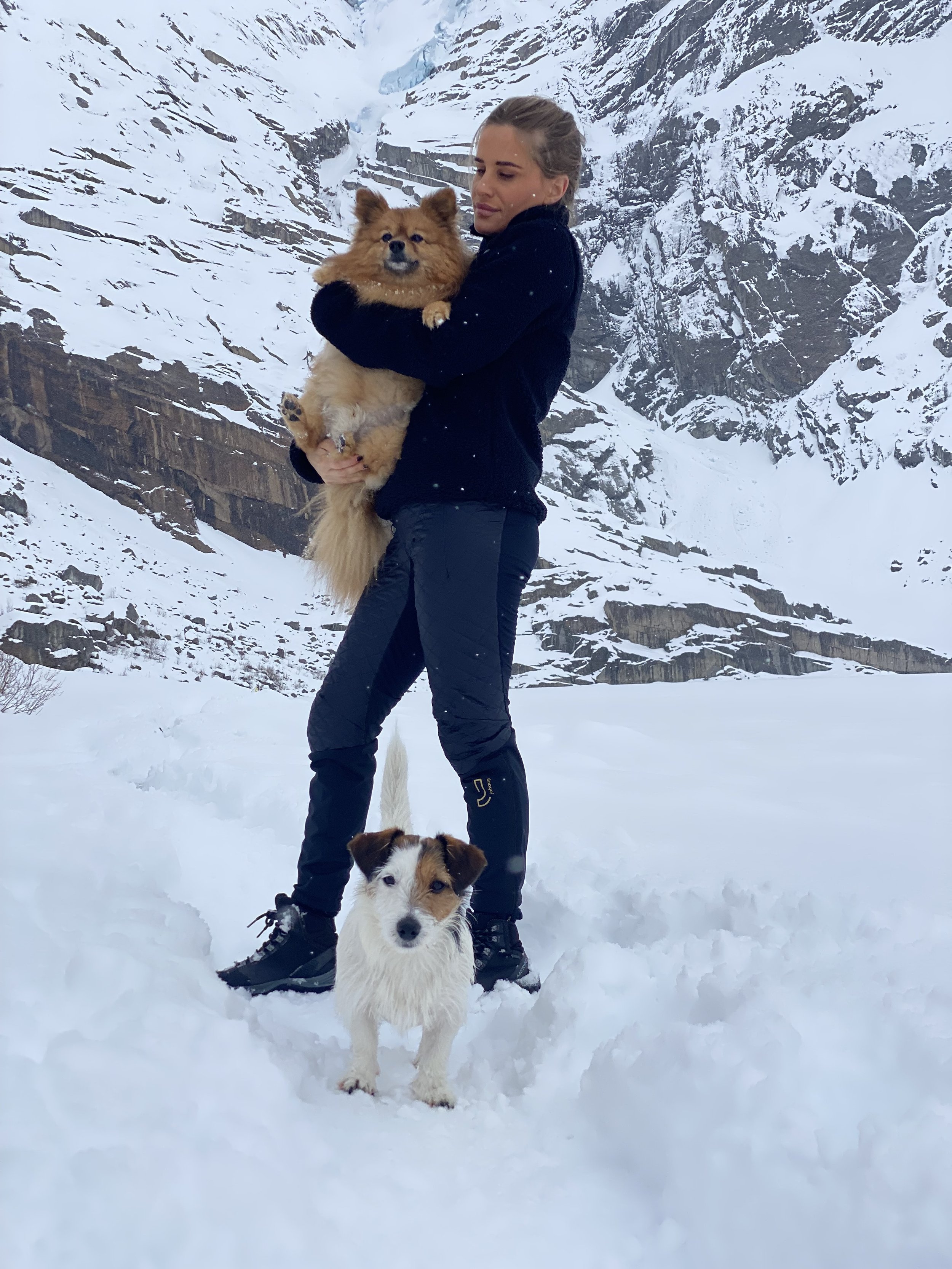
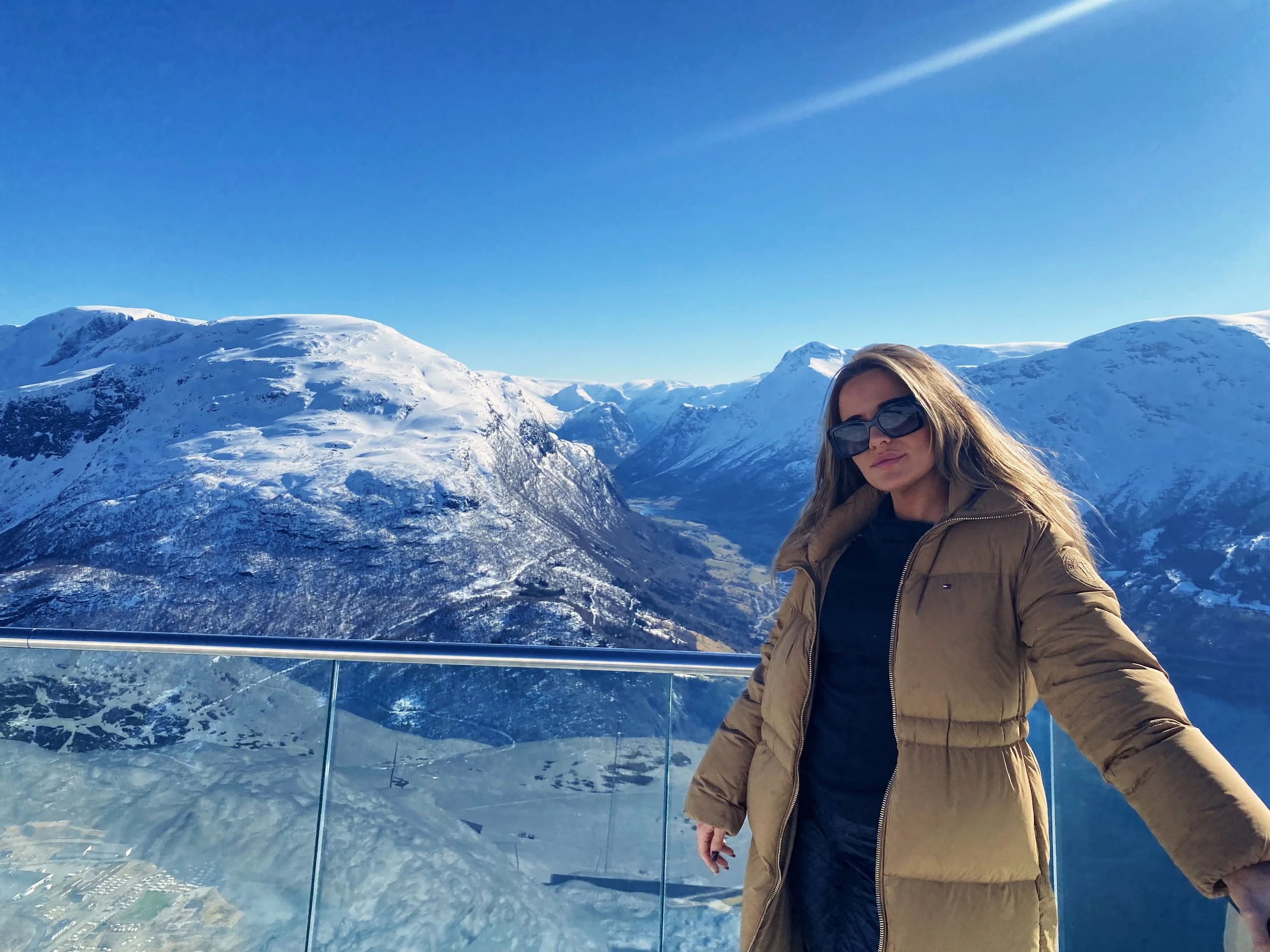
Many people imagine Norway as a winter wonderland for dogs, and in many ways, it is. Dogs that enjoy cold weather often love running through the snow, exploring frozen landscapes and joining their owners on winter adventures.
However, travelling with a dog in Norway during winter comes with a few challenges that visitors don't always expect.
Road Salt Can Hurt Your Dog's Paws
One of the biggest surprises for many visitors is the amount of road salt used in towns and cities during winter.
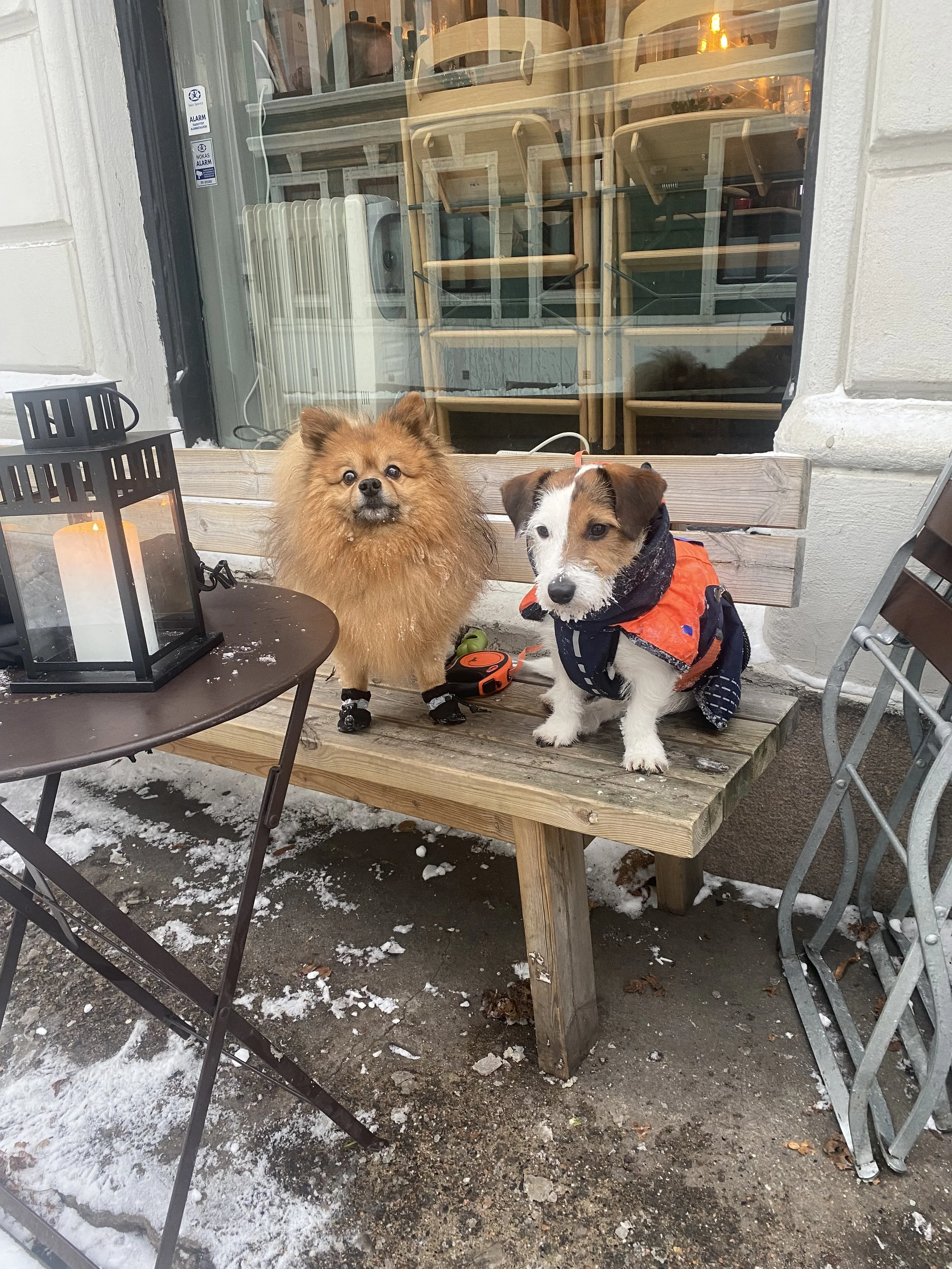
Salt, grit and de-icing chemicals help keep roads and pavements safe for people, but they can quickly dry out or irritate your dog's paw pads. Some dogs will begin licking their paws as soon as they get home, while others may start limping after walking on heavily salted streets.
If you're visiting Norwegian cities during winter, consider packing dog booties. While not every dog enjoys wearing them at first, they provide excellent protection against salt, ice and grit.
Paw balm is another worthwhile item to bring. Applying it before walks can help create a protective barrier, while using it afterwards helps moisturise paws that have become dry from the cold.
It's also a good idea to rinse your dog's paws with lukewarm water after walks to remove any remaining salt before they begin licking them clean.
Not Every Dog Is Built for Norwegian Winters
While breeds such as Huskies, Samoyeds and Norwegian Elkhounds are naturally suited to cold conditions, many other breeds are not.
Small companion dogs, short-haired breeds and dogs with very little body fat can become cold surprisingly quickly, especially if they're standing still, travelling in a stroller or joining you for outdoor cafés, Christmas markets or sightseeing.
A warm, waterproof dog coat can make a huge difference, particularly on windy days or when temperatures fall well below freezing.
Winter Days Are Short
If you're travelling during late autumn or winter, remember that daylight is limited.
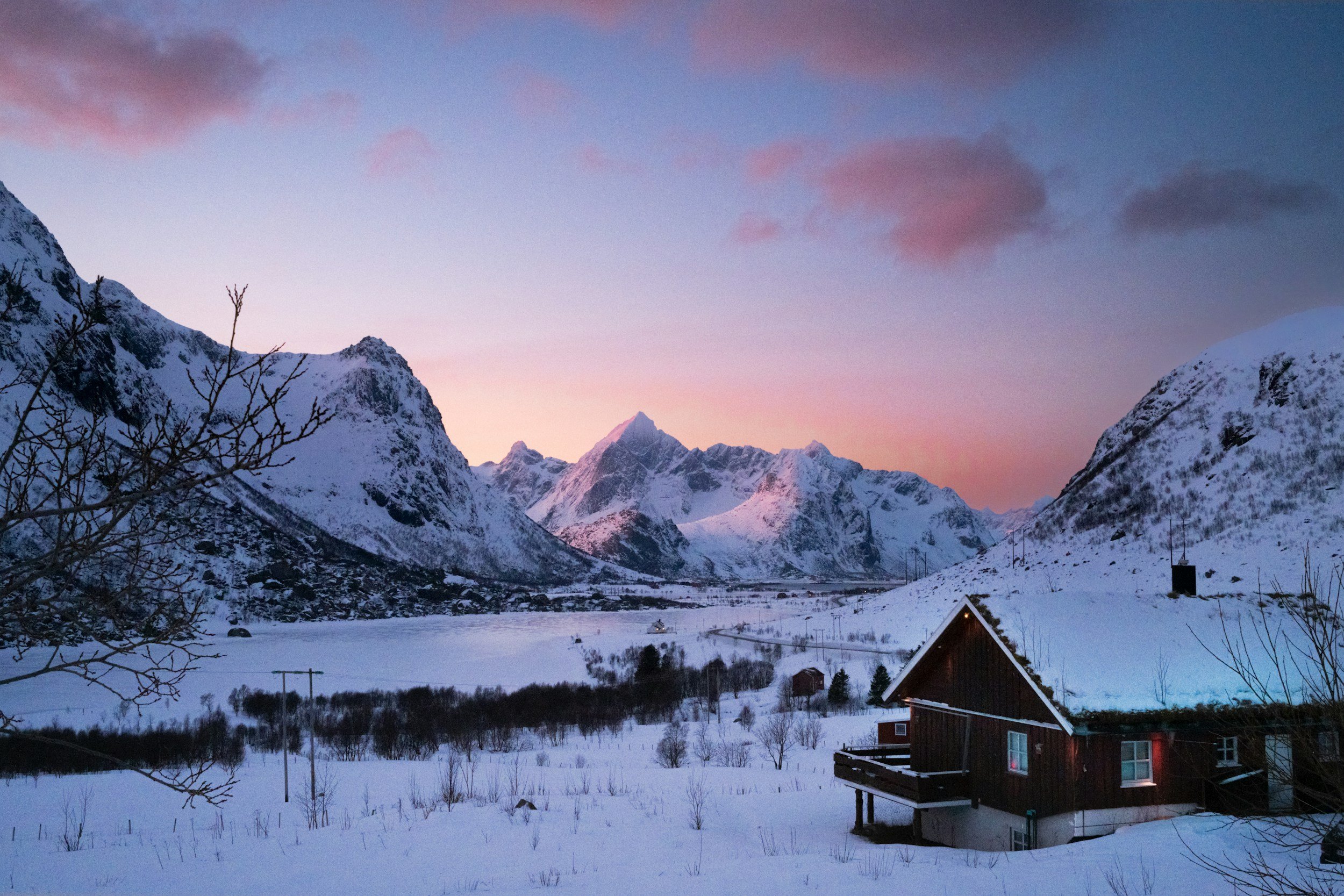
In southern Norway, the days become noticeably shorter, while in northern Norway, parts of the country experience the Polar Night, when the sun remains below the horizon for weeks.
If you're planning evening walks, a reflective harness, collar or light is highly recommended for both your safety and your dog's visibility.
Related Reading
Planning a winter trip to Norway? These guides will help you prepare:
Travelling With a Dog in Norway in Summer
Many visitors assume Norway stays cool throughout the summer, but that's far from the truth.
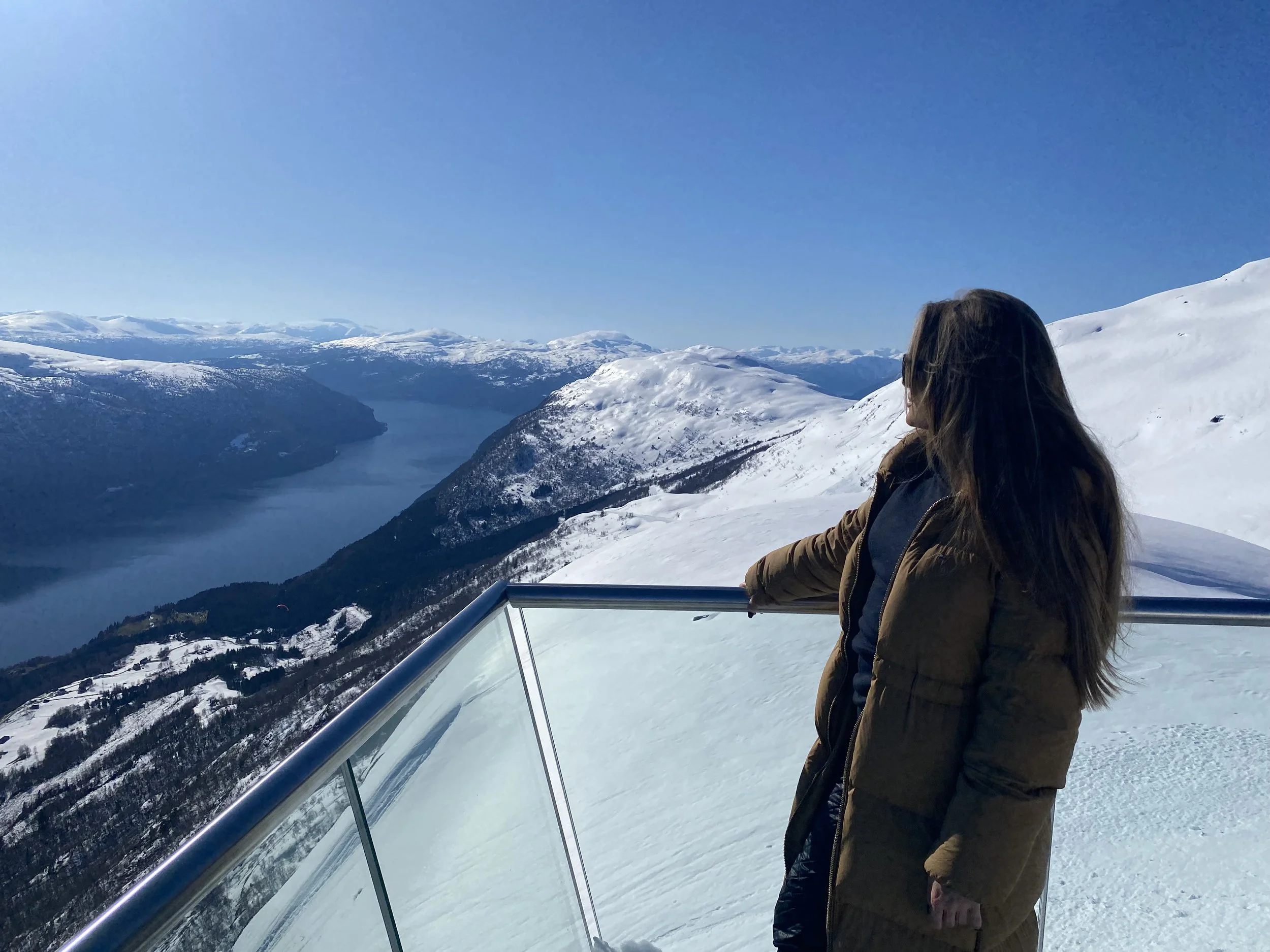
Southern Norway regularly experiences temperatures above 25°C (77°F), and during heatwaves, temperatures can exceed 30°C (86°F). Even northern Norway can have surprisingly warm summer days, particularly during periods of continuous daylight.
Hiking in Hot Weather
Dogs can overheat much more quickly than people, especially during long hikes where there is little shade.
If you're hiking in summer:
Start early in the morning or later in the evening whenever possible.
Carry more water than you think you'll need.
Take regular breaks in the shade.
Watch for signs of overheating, such as excessive panting, lethargy or reluctance to continue.
Remember that many of Norway's most famous hikes involve long periods of direct sun with very little shelter.
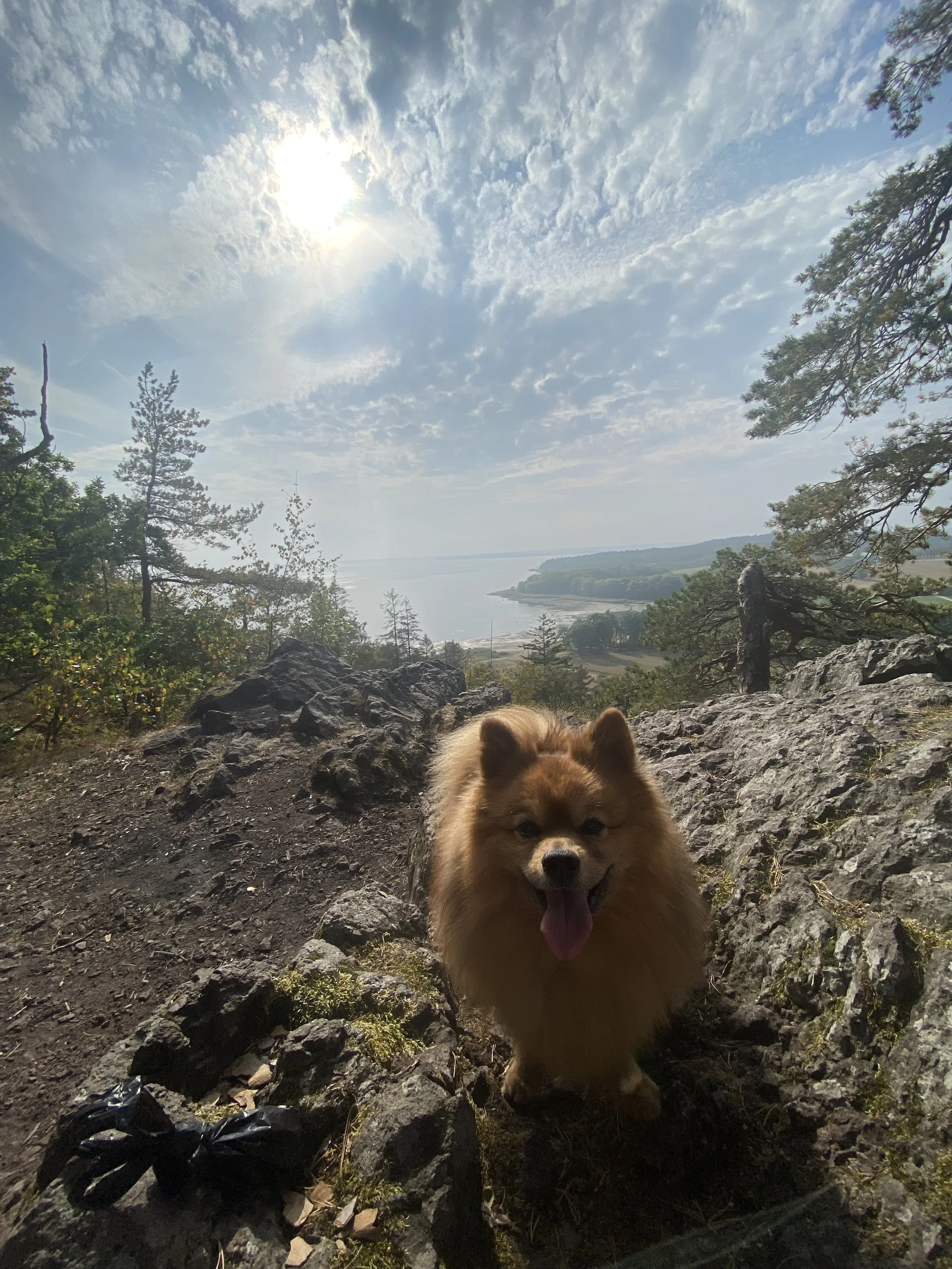
Visitors are often surprised when I tell them that Norway can get genuinely hot in summer. I always carry more water than I think we'll need, particularly on longer hikes.
Hot Rocks and Asphalt
Even if the air temperature feels comfortable, rocks, boardwalks and asphalt can become hot enough to burn sensitive paw pads.
Before setting off, place the back of your hand on the surface for a few seconds. If it's uncomfortable for you, it's probably too hot for your dog's paws as well.
Watch Out for Ticks
Ticks are common in many parts of southern Norway, particularly along the Oslofjord, the southern coast and much of Western Norway.
If you're spending time in forests, long grass or coastal areas, check your dog carefully after every walk. Using a tick preventative before your trip is highly recommended, and carrying a tick remover is always a good idea.
Be Aware of Adders
Norway's only venomous snake, the European adder, is found throughout much of the country.
Most dogs will never encounter one, but they become more active during warm spring and summer days, especially in rocky terrain, heathland and sunny woodland edges.
Keep your dog on marked paths where possible and avoid letting them investigate piles of rocks, long grass or fallen logs.
If your dog is bitten by an adder, contact a veterinarian immediately. Most dogs recover well with prompt treatment, but it should always be treated as an emergency.
Related Reading
Planning your trip? These guides will help you prepare for Norway's changing seasons:
Can Dogs Go Into Restaurants and Cafés in Norway?
One of the questions I get asked most often is whether dogs are allowed inside restaurants and cafés in Norway.
The short answer is: sometimes—but never assume.
Under Norwegian food hygiene regulations, businesses can allow dogs in areas where food is served, provided this does not compromise food safety. However, every café, restaurant or pub decides its own policy, and most choose not to allow dogs indoors.
Because of this, you should always ask before entering with your dog, even if you can see other people dining outside.
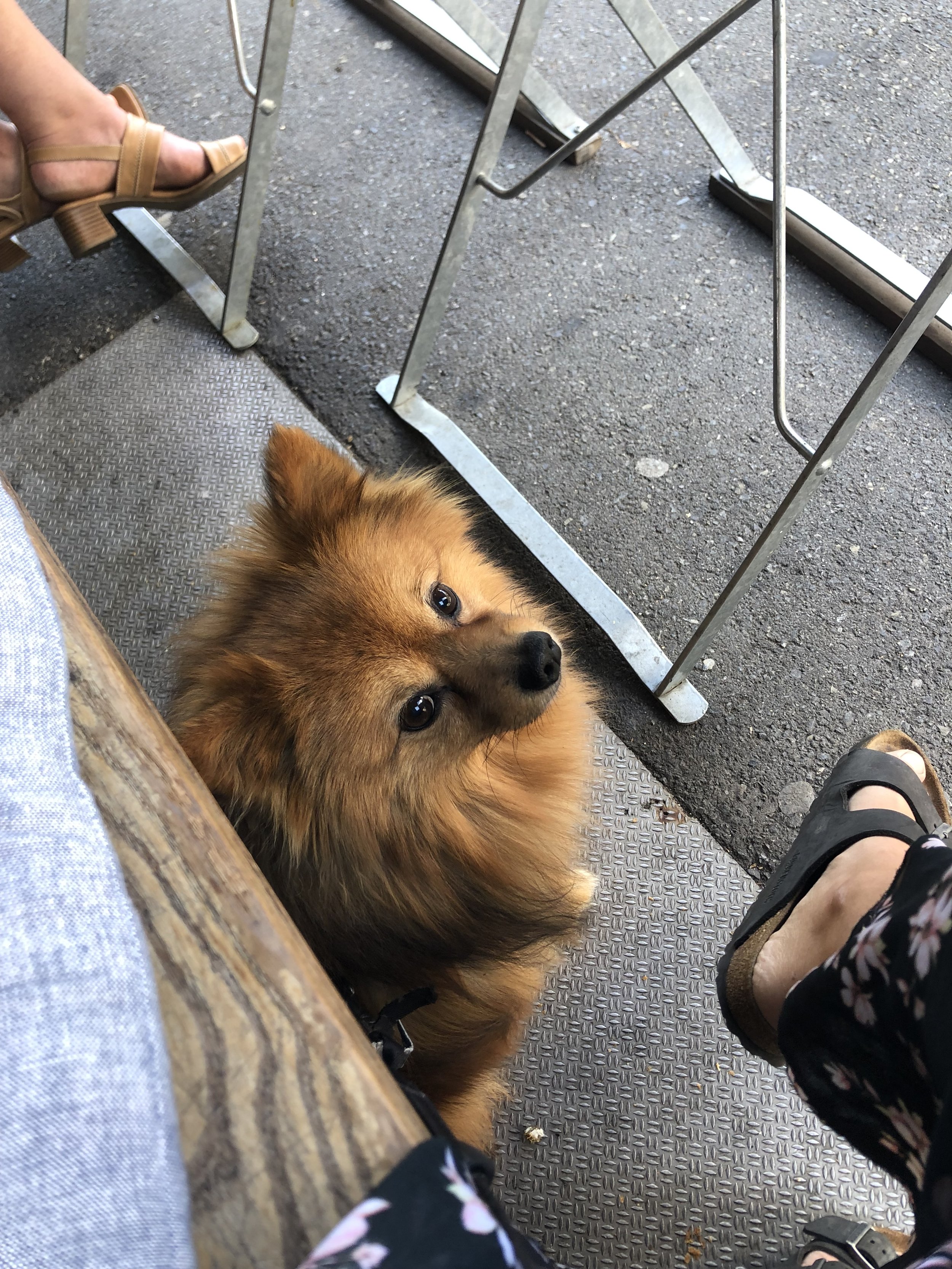
Outdoor seating is generally much more dog-friendly, especially during spring and summer. Many cafés will happily welcome well-behaved dogs on their terraces and some may even bring out a bowl of water without you asking.
Inside is much less predictable. Some independent cafés welcome dogs, while others only allow assistance dogs. Hotels often have their own rules as well, so don't assume that because your dog is staying at the hotel, they're automatically allowed into the breakfast room or restaurant.
If your dog is allowed inside, good etiquette is important. Your dog should remain on the floor, stay close to your table, avoid blocking walkways and never disturb other guests or staff.
When in doubt, simply ask. Most places are happy to tell you their policy.
Can Dogs Go Into Shops in Norway?
Unlike restaurants, shops are generally less dog-friendly.
Dogs are not normally allowed inside supermarkets or grocery stores, as these are considered food premises.
Other shops set their own rules. Some shopping centres prohibit dogs entirely, while others allow them in the common indoor areas but leave the decision to each individual shop.
Outdoor clothing stores, garden centres and pet shops are often more welcoming, but this is never guaranteed.
As a visitor, it's best not to assume. Look for signs at the entrance or ask a member of staff before walking in.
Staying in Hotels With a Dog
Norway has plenty of dog-friendly accommodation, but it's still important to plan ahead.
Many hotels offer designated dog-friendly rooms rather than allowing dogs in every room. Some charge an additional cleaning fee, while others include pets at no extra cost.
When booking accommodation, check:
Are dogs allowed?
Is there an additional fee?
Are there any size or breed restrictions?
Can dogs be left alone in the room?
Are dogs allowed in communal areas?
Are there good walking areas nearby?
Cabins, holiday homes and campsites are often excellent alternatives if you're travelling with a dog. They usually provide more space, direct access to nature and fewer restrictions than hotels.
Public Transport With Dogs
Travelling with a dog on public transport in Norway is generally straightforward, but the rules vary depending on the operator.
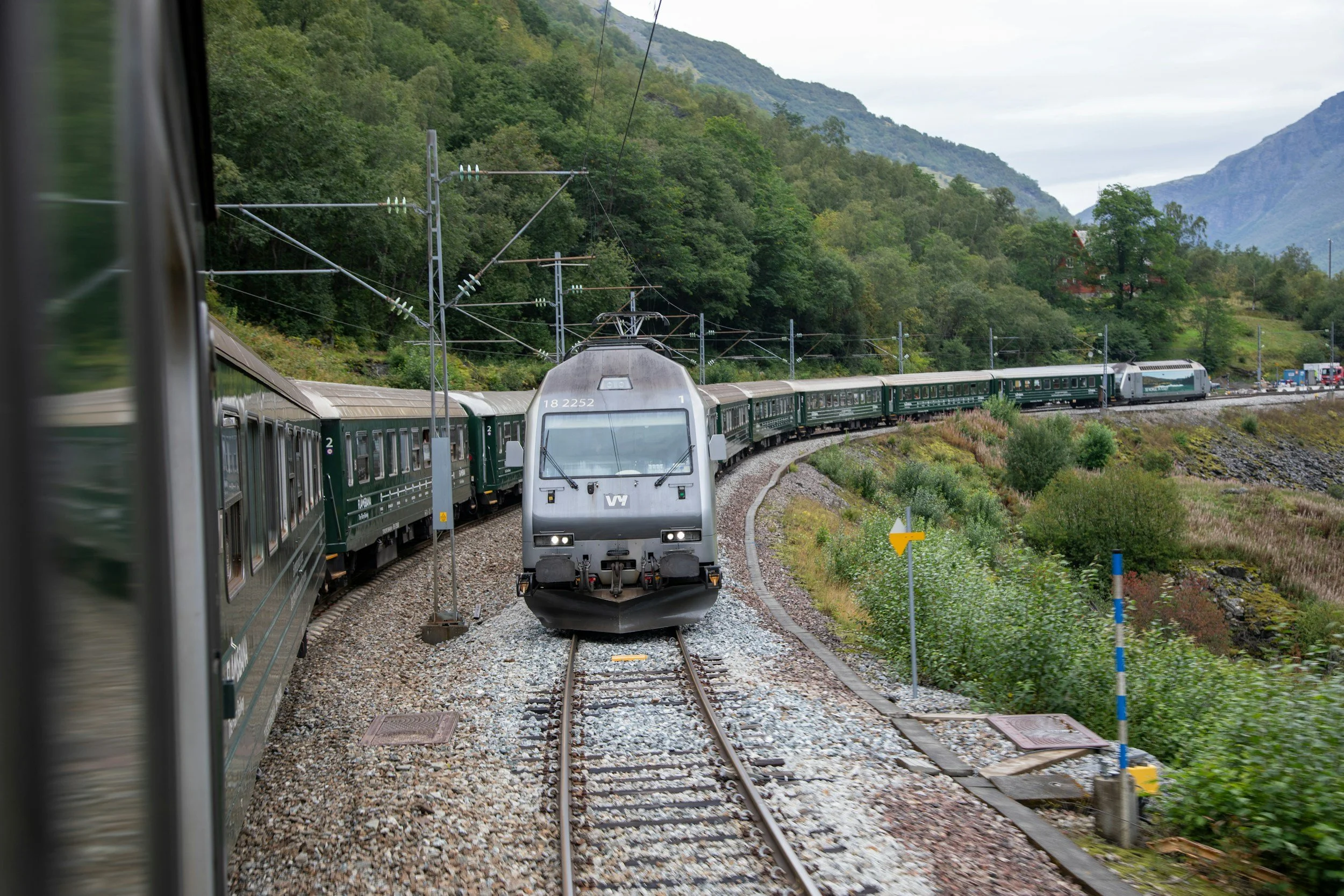
Dogs are allowed on most trains, buses, trams, metro services and passenger ferries, provided they are under control and kept on a lead.
Some operators require larger dogs to have their own ticket, while others allow them to travel free of charge. Long-distance trains may also have designated areas for passengers travelling with dogs, so it's worth checking before you book.
On buses and local transport, try to keep your dog close to you and away from doors and aisles so other passengers can board and leave easily.
If your dog is nervous around crowds or unfamiliar environments, avoid travelling during rush hour whenever possible.
Travelling by Ferry
If you're planning a road trip through Norway, you'll almost certainly travel on at least one ferry.
Most of the short car ferries that connect Norway's road network allow dogs without any issues. If you're travelling by car, many owners choose to leave their dogs in the vehicle during the short crossing, although you can usually take them onto the passenger deck if you prefer.
For longer ferry journeys and coastal voyages, the rules vary.
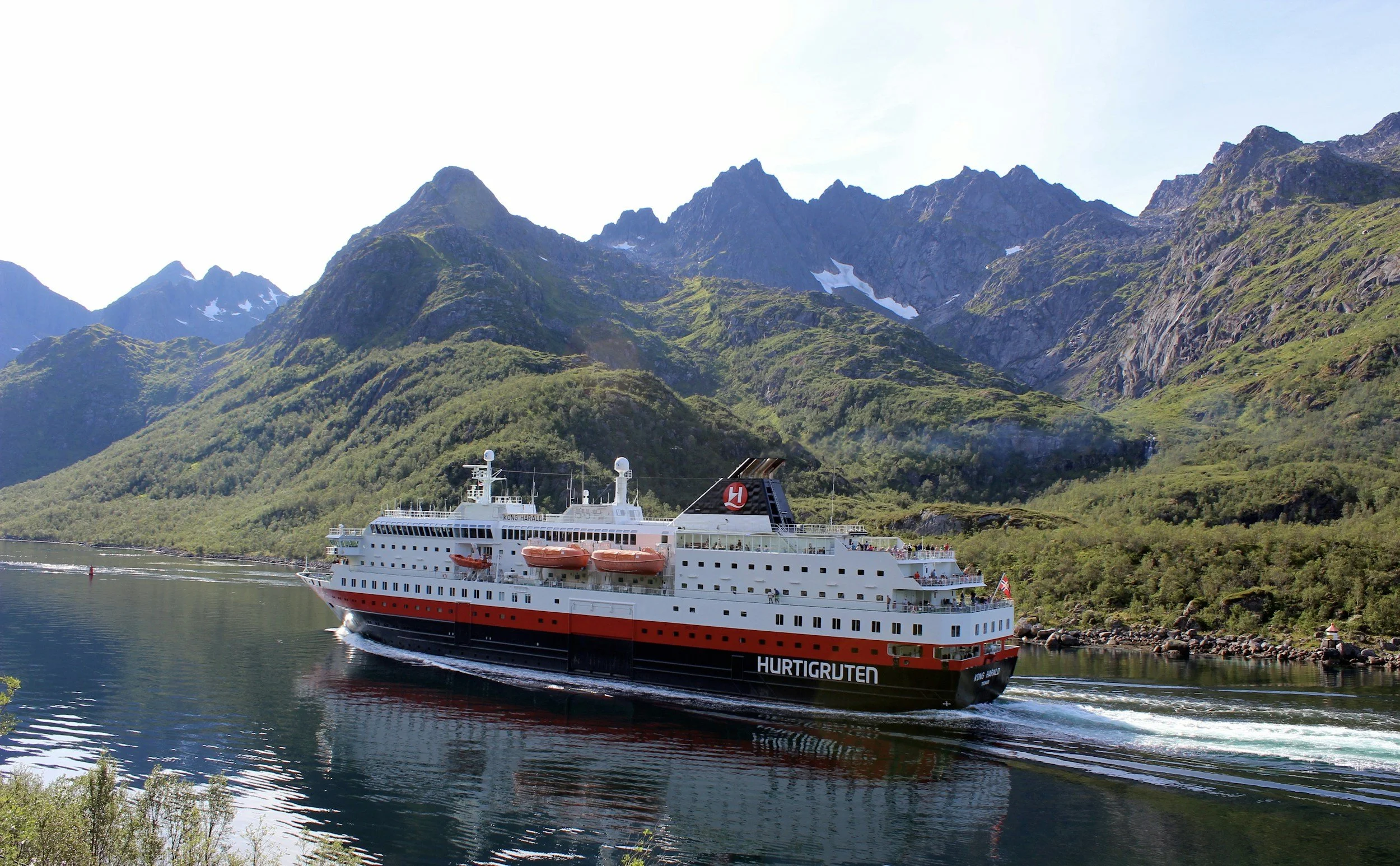
Operators such as Hurtigruten and Havila have designated pet cabins on selected ships, meaning dogs can stay with their owners during the voyage rather than travelling in kennels. These cabins are limited and often sell out well in advance, so it's important to book early if you're planning to travel with a dog.
Some ferries also have designated outdoor exercise areas for dogs, while others only allow dogs on certain decks.
Always check the ferry company's pet policy before booking, especially if you're travelling on an overnight route.
Camping With a Dog
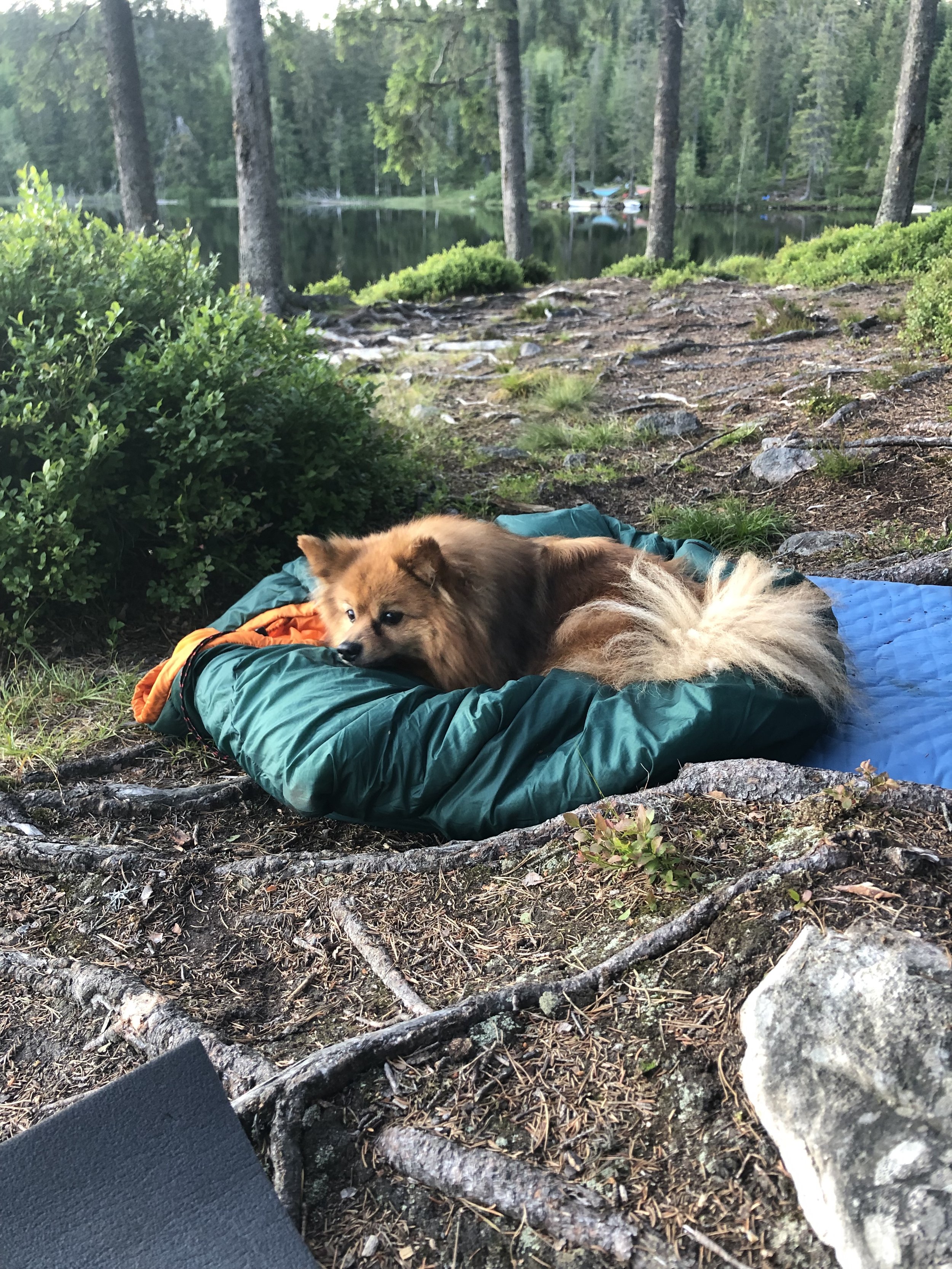
Camping is one of the best ways to explore Norway with a dog.
Whether you're staying at campsites, in cabins or making use of Norway's right to roam, you'll have no shortage of beautiful places to stop for the night.
However, camping with a dog also comes with responsibilities.
Keep your dog under control at all times, particularly around livestock and wildlife. Be considerate of other campers, don't allow excessive barking and never leave your dog unattended for long periods.
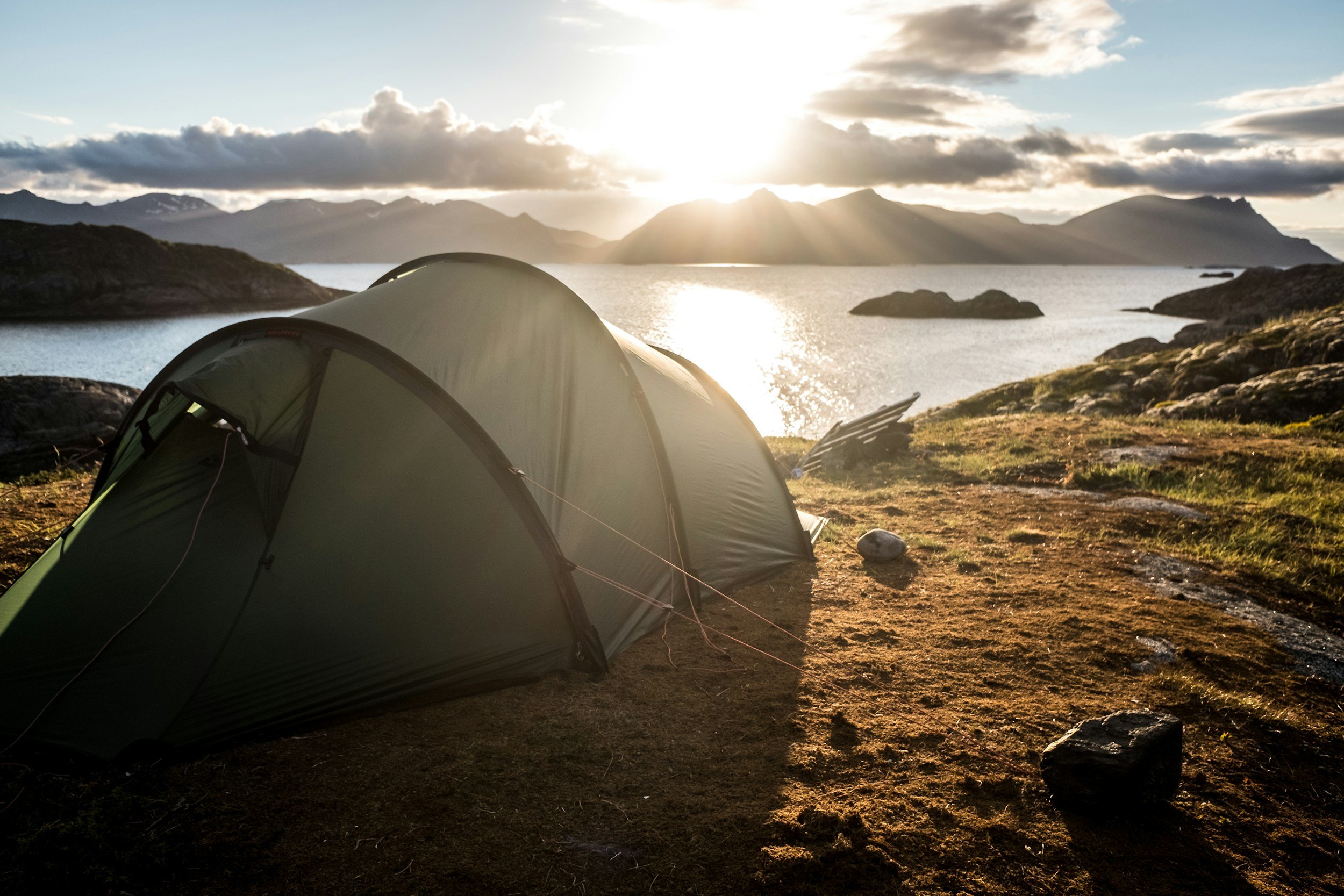
If you're wild camping under Norway's right to roam, remember that the same rules apply. Choose your campsite carefully, respect nature, leave no trace and always pick up after your dog.
A little consideration goes a long way, and it's one of the reasons travelling with dogs continues to be welcomed in so many parts of Norway.
Driving in Norway With a Dog
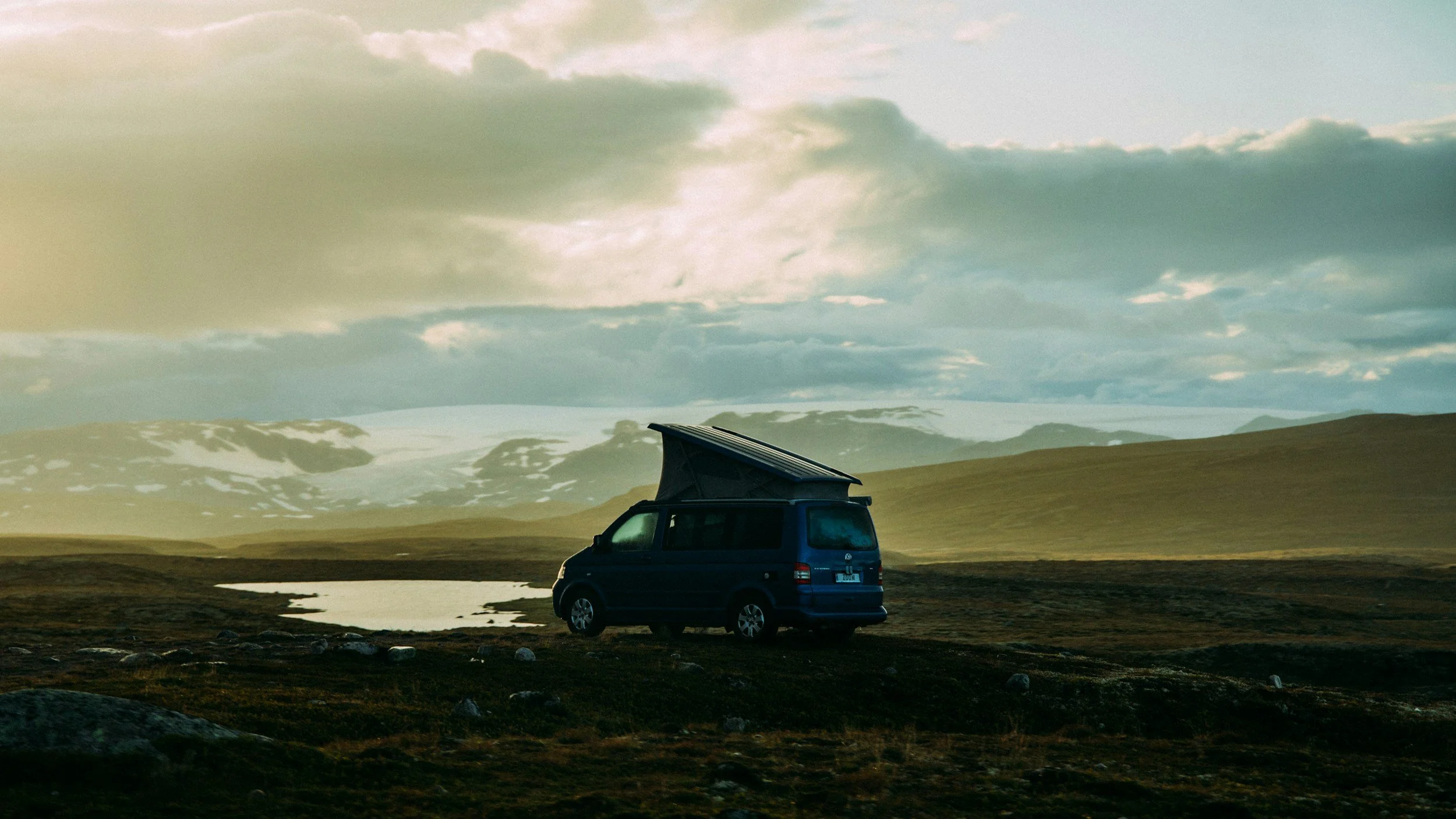
For many visitors, driving is the easiest and most enjoyable way to explore Norway with a dog. It gives you the flexibility to stop for walks, choose dog-friendly accommodation and reach places that are difficult to access by public transport.
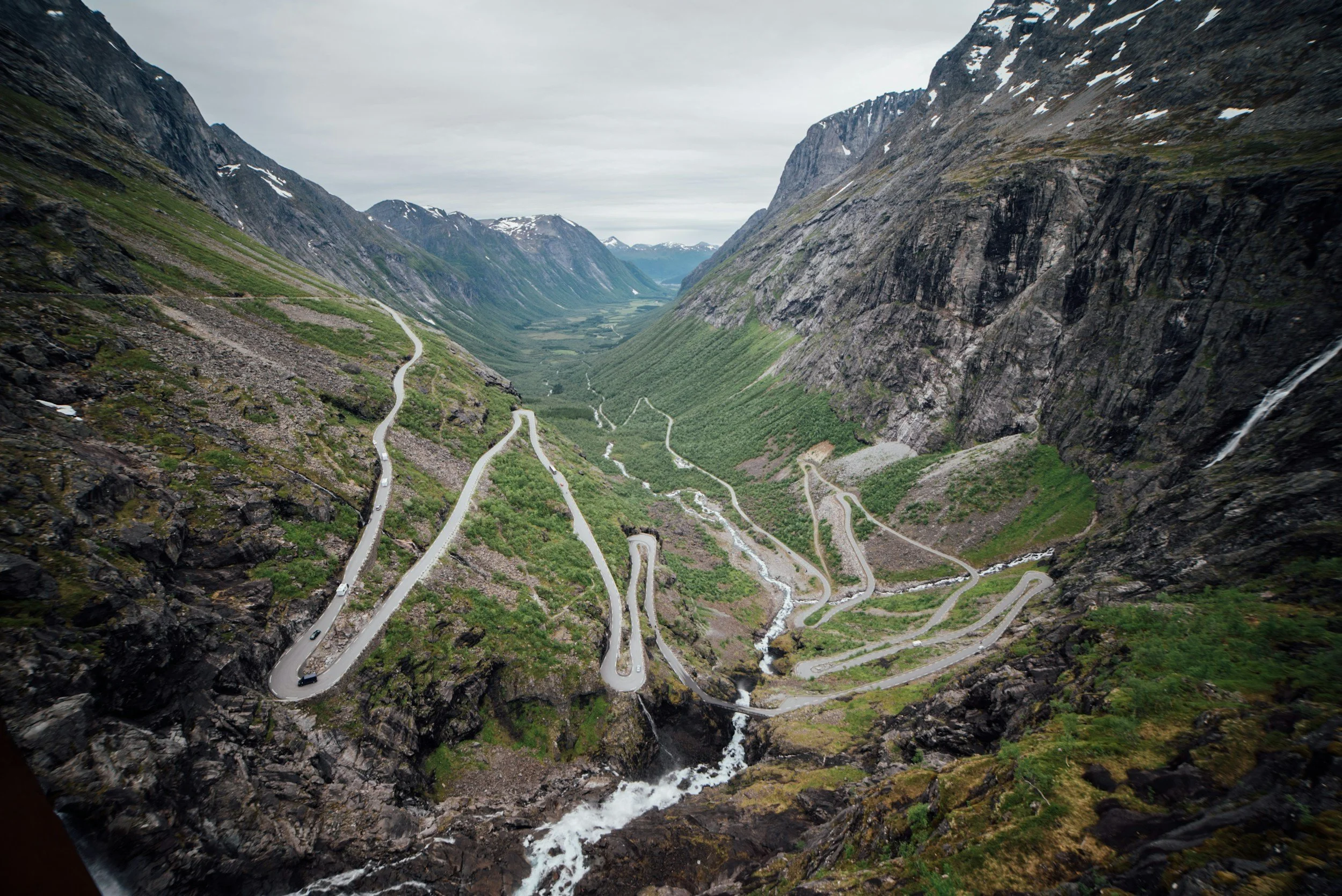
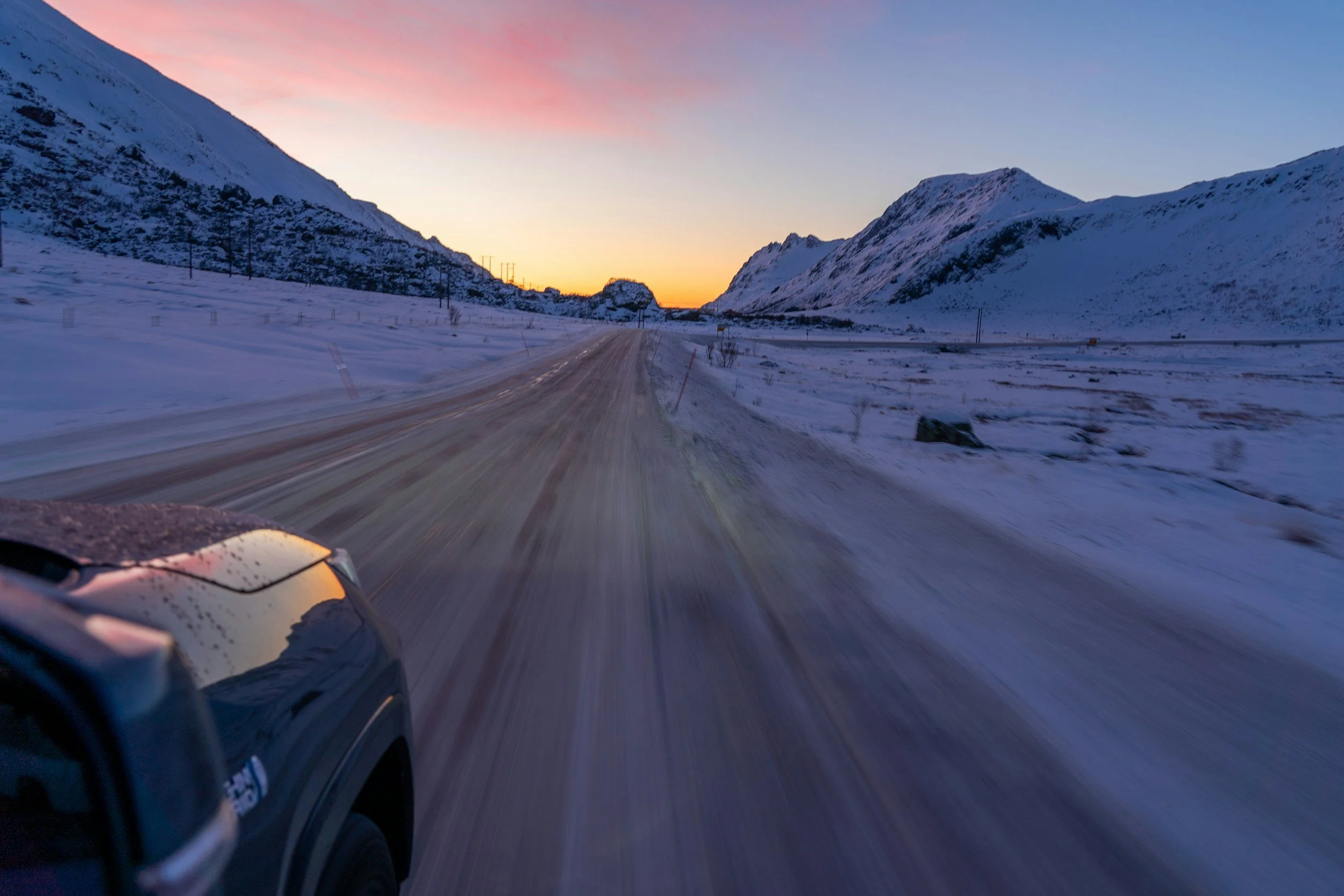
That said, driving distances in Norway are often much longer than they appear on a map. Mountain roads, ferry crossings and winding coastal routes mean you may spend several hours in the car between destinations, so it's important to plan regular breaks for both you and your dog.
Keeping Your Dog Safe in the Car
Norwegian law requires that dogs are transported safely in vehicles. The safest options are a crash-tested crate or a properly fitted dog seat belt attached to a harness.
Allowing your dog to move freely around the car is not only distracting for the driver but can also be dangerous in the event of sudden braking or an accident.
If you're hiring a car, check the rental company's policy in advance. Some companies require dogs to travel in a crate or ask that you use a protective seat cover.
Plan Plenty of Breaks
Long drives are common in Norway, particularly if you're exploring the fjord regions or travelling north.
Most roads have regular rest areas where you can stop to stretch your legs and let your dog have a short walk. These often have picnic tables, toilets and rubbish bins, making them ideal places for a quick break.
Always carry fresh water in the car, especially during summer, as some stretches of road can be surprisingly remote.
Never Leave Your Dog in the Car
Even though Norway is often associated with cool weather, parked cars can become dangerously hot during summer.
Likewise, during winter, temperatures can drop rapidly if the engine is turned off.
If you're planning to visit an attraction where dogs aren't allowed, it's much better to adjust your itinerary than leave your dog alone in the car.
Related Reading
If you're planning a road trip, these guides will help you prepare:
Dog-Friendly Beaches and Swimming
Many dogs love swimming, and Norway has countless lakes, rivers, fjords and beaches where they can cool off.
However, there isn't one national rule covering dogs on beaches. Some beaches welcome dogs throughout the year, while others have local restrictions during the busy summer months.
Always look for signs before heading onto a beach, particularly if it's a popular swimming area or located within a protected nature reserve.
If you're swimming in a fjord, remember that the water can remain surprisingly cold, even in the middle of summer. Rocky shorelines can also be slippery, so help your dog enter and leave the water safely.
If your dog isn't used to swimming, don't encourage them to jump from rocks, piers or boats.
Veterinary Care in Norway
Hopefully you'll never need a vet during your trip, but it's always worth knowing what to expect.
Norway has excellent veterinary care, and you'll find clinics in every city and most larger towns. More remote areas may only have one local practice, so if you're travelling in the mountains or northern Norway, it's sensible to know where the nearest clinic is before setting off.
If your dog becomes seriously ill or is injured, contact the nearest veterinary clinic as soon as possible. Outside normal opening hours, most areas have an emergency veterinary service.
Before travelling, it's also worth checking that your pet insurance covers treatment in Norway, as veterinary care can be expensive if you're paying privately.
Bring enough of your dog's regular medication for your entire trip, plus a little extra in case your journey is delayed.
Practical Packing List
Every dog is different, but this is what I would pack for a road trip around Norway.
Travel documents
EU Pet Passport or Animal Health Certificate
Rabies vaccination records
Tapeworm treatment documentation
Pet insurance details
Microchip information
Everyday essentials
Collar with ID tag
Comfortable harness
Standard lead
Long line for hiking
Food for the entire trip if your dog has a sensitive stomach
Food and water bowls
Plenty of poop bags
Favourite blanket or bed
Health and safety
Tick remover
Paw balm
Dog booties (especially for winter city breaks)
Cooling mat for hot summer days
Dog coat for smaller or short-haired breeds in winter
First aid kit
Any regular medication
For hiking
Plenty of drinking water
Portable water bowl
High-value treats
Dog towel
Reflective light or LED collar if walking after dark
Packing a few extra essentials takes very little space in the car but can make a big difference once you're on the road.
Common Mistakes Visitors Make When Travelling to Norway With a Dog
Even experienced dog owners can be caught out when visiting Norway for the first time. These are some of the most common mistakes I see visitors make, and they're all easy to avoid with a little planning.
1. Assuming Your Dog Can Walk Off Lead Everywhere
Norway has vast open landscapes, but that doesn't mean dogs can roam freely.
Many visitors see empty forests or mountain plateaus and assume it's safe to let their dog off lead. In reality, Norway has a national leash law from 1 April to 20 August, and many areas have additional local restrictions throughout the year.
Even outside the leash period, your dog should only be off lead if you have reliable recall and you're confident they won't disturb wildlife, livestock or other people.
2. Underestimating Norwegian Hikes
A trail that looks short on a map can still be physically demanding.
Steep climbs, rocky terrain, rapidly changing weather and long distances between facilities can make hikes much harder than visitors expect—for both people and dogs.
Choose hikes that suit your dog's age, fitness and experience, not just the view at the top.
3. Forgetting About Sheep and Other Livestock
One of the biggest surprises for many visitors is seeing sheep wandering freely across hiking trails and mountain roads.
Even the friendliest dog can cause problems by chasing or frightening livestock. Always keep your dog close when animals are nearby and never allow them to approach sheep, goats, cattle or reindeer.
4. Leaving the Paperwork Until the Last Minute
The paperwork for bringing a dog to Norway isn't difficult, but it does require planning.
Rabies vaccinations, Animal Health Certificates and tapeworm treatment all have specific requirements and timelines. Waiting until the week before you travel can quickly become stressful.
Start checking the requirements several weeks before your departure date and book any necessary veterinary appointments well in advance.
5. Assuming Every Restaurant or Shop Welcomes Dogs
Norway is generally dog-friendly, but that doesn't mean dogs are welcome everywhere.
Many cafés and restaurants are happy to accommodate dogs, particularly in outdoor seating areas, while others don't allow them at all. The same applies to shops.
When in doubt, simply ask before walking in.
6. Packing for Only One Type of Weather
Norwegian weather can change quickly, and conditions vary enormously depending on where you're travelling.
You might experience warm sunshine at sea level, strong winds in the mountains and near-freezing temperatures later the same day.
In summer, remember that dogs can overheat just as easily as they can get cold in winter. In winter, don't forget essentials such as paw balm, dog booties and a warm coat for breeds that aren't built for freezing temperatures.
7. Forgetting That Nature Comes First
One of the things that makes Norway so special is how closely we live alongside nature.
As visitors, we're guests in landscapes shared with wildlife, grazing animals and other people who come to enjoy the outdoors.
Keep your dog under control, respect local rules, always pick up after them and leave every place exactly as you found it. Doing so helps ensure that Norway remains as welcoming for future visitors—and their dogs—as it is today.
Related Reading
Continue planning your Norway adventure:

Frequently Asked Questions
Can I bring my dog to Norway?
Yes. As long as your dog meets Norway's entry requirements, including the correct documentation, rabies vaccination and tapeworm treatment where required.
Is Norway a dog-friendly country?
Yes. Norway is generally very dog-friendly, particularly if you enjoy spending time outdoors. However, responsible dog ownership is taken seriously, and visitors are expected to follow leash laws, respect wildlife and clean up after their dogs.
Can dogs go off lead in Norway?
Not during the national leash period between 1 April and 20 August. Outside this period, local rules may still apply, and dogs should always remain under control.
Can dogs travel on public transport?
Yes. Dogs are allowed on most forms of public transport in Norway, although individual operators may have their own rules regarding tickets and seating areas.
Can I take my dog hiking in Norway?
Absolutely. Norway has fantastic hiking opportunities for dogs, but choose trails that match your dog's fitness and experience, and always be aware of livestock, wildlife and changing weather conditions.
Are dogs allowed in restaurants?
Some restaurants and cafés welcome dogs, particularly in outdoor seating areas, while others don't. Always ask before entering rather than assuming.
Final Words
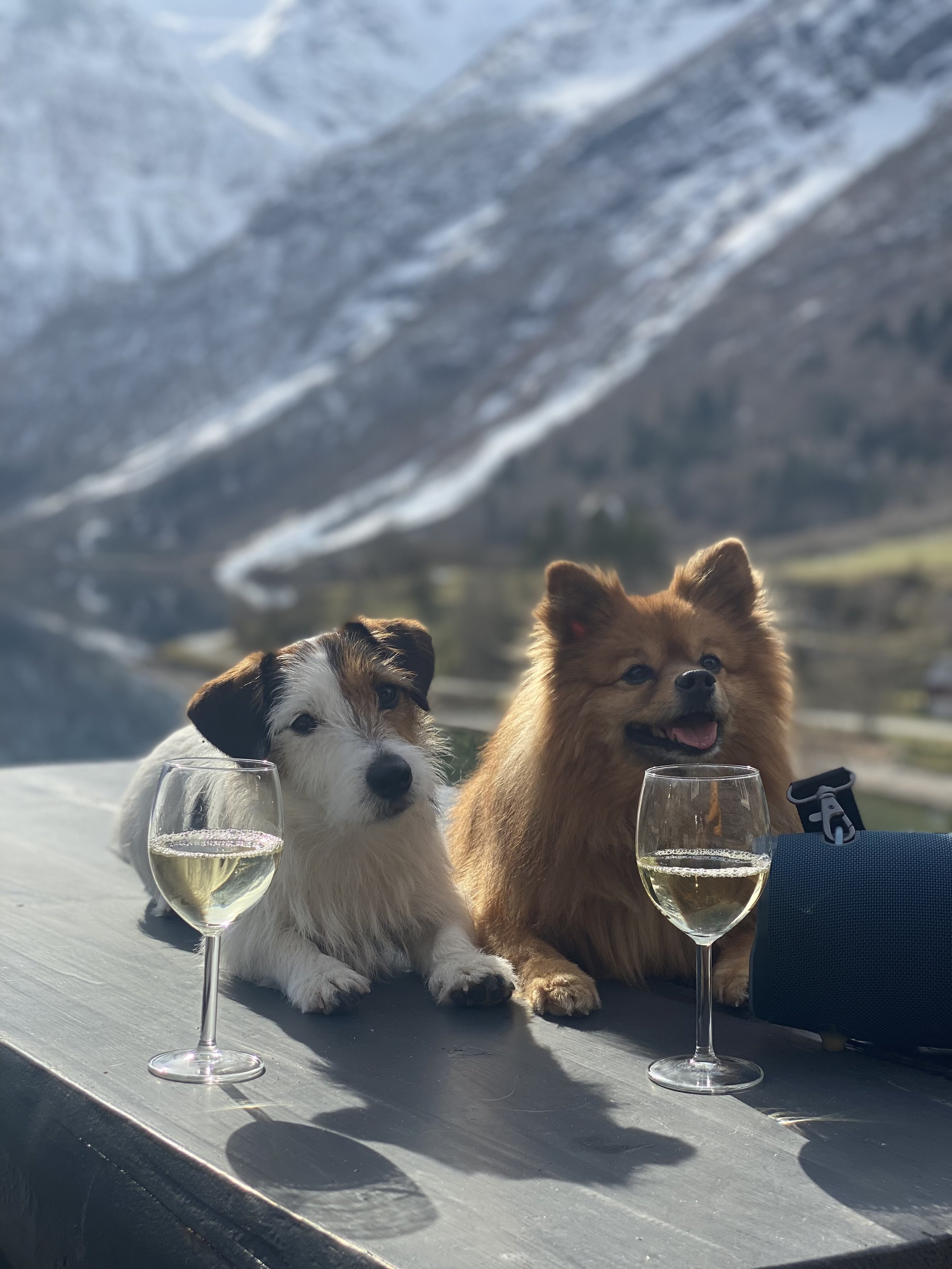
Some of my favourite memories from home include exploring Norway with a dog by my side. I hope this guide helps you create some of those memories too, while respecting the people, animals and landscapes that make Norway such a special place to visit. From quiet forests and dramatic mountains to scenic road trips and coastal walks, there are endless places to explore together.
As a Norwegian who regularly travels back and forth with my own dogs, I know that the official rules are only one part of planning a successful trip. Understanding the culture, respecting nature and being considerate of the people and animals around you will make your experience much smoother.
Do your preparation before you travel, pack for the season, and take the time to enjoy Norway at your dog's pace. With a little planning, it can be an unforgettable adventure for both of you.
More articles about Norway:




Wondering what to pack for hiking in Norway? Learn what to wear for easy walks, day hikes and mountain adventures, with seasonal packing tips, footwear advice and essential gear for every type of trail.