
Bergen vs Oslo: Which Norwegian City Should You Visit?
Bergen and Oslo are often compared because they are Norway's two best-known cities, yet they offer very different introductions to the country. Oslo is Norway's capital, shaped by forest, fjord and contemporary culture. Bergen is a historic coastal city surrounded by mountains and closely connected to the fjord landscapes of Western Norway. For most visitors, the question is not which city is objectively better, but which version of Norway they want to experience.
Two Cities, Two Different Sides of Norway
Although Bergen and Oslo are only around seven hours apart by train, they can feel surprisingly different.
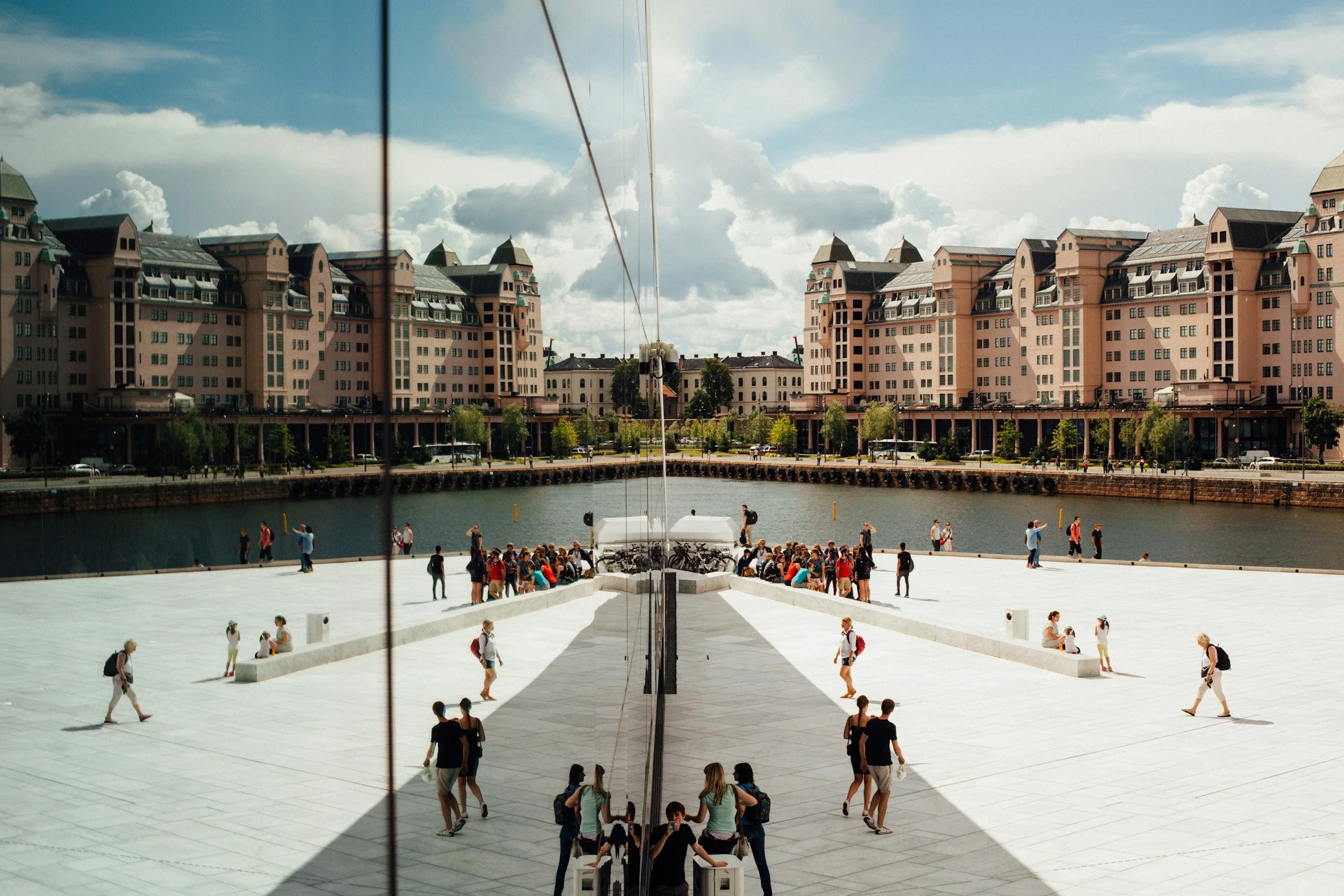
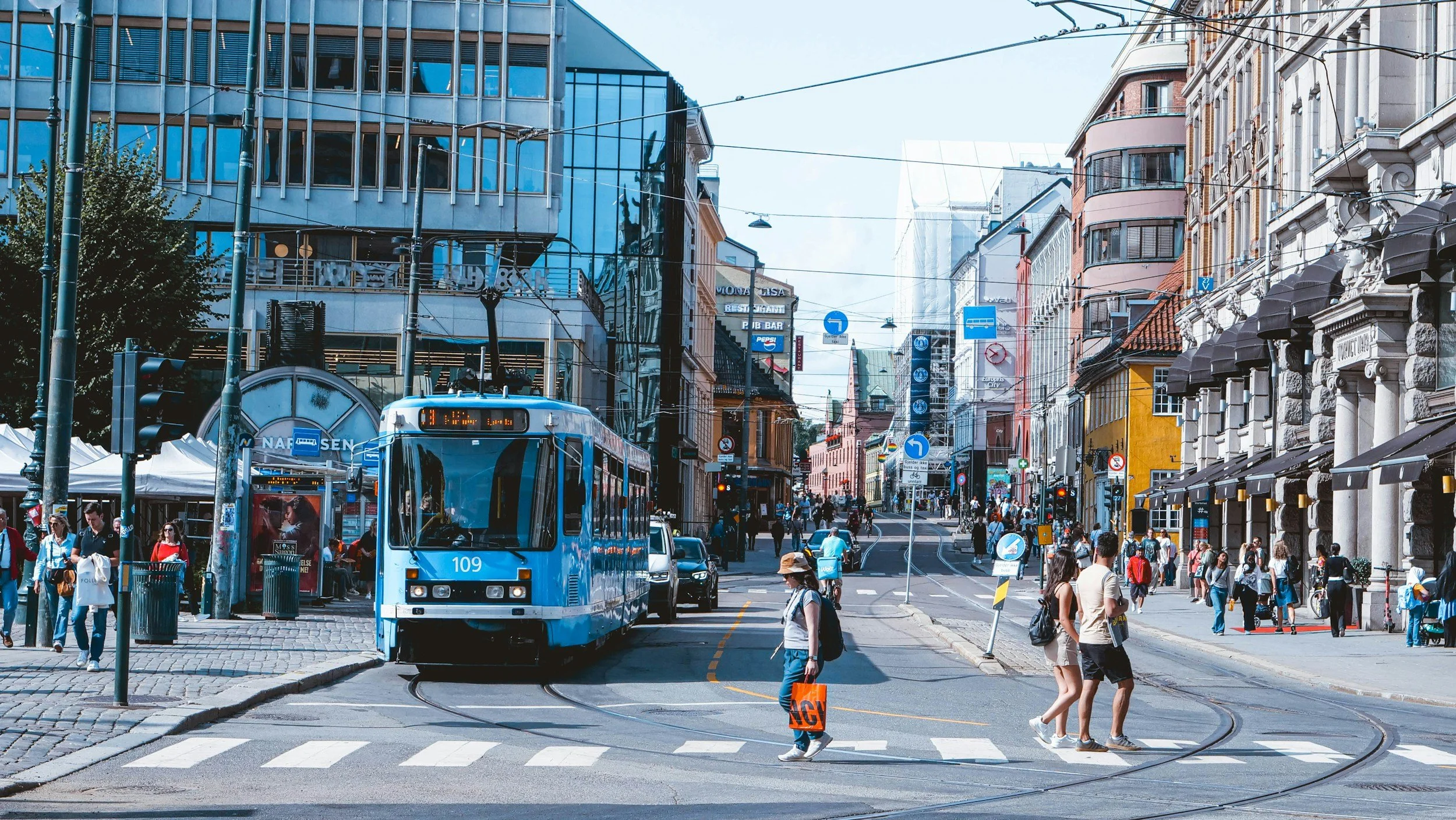
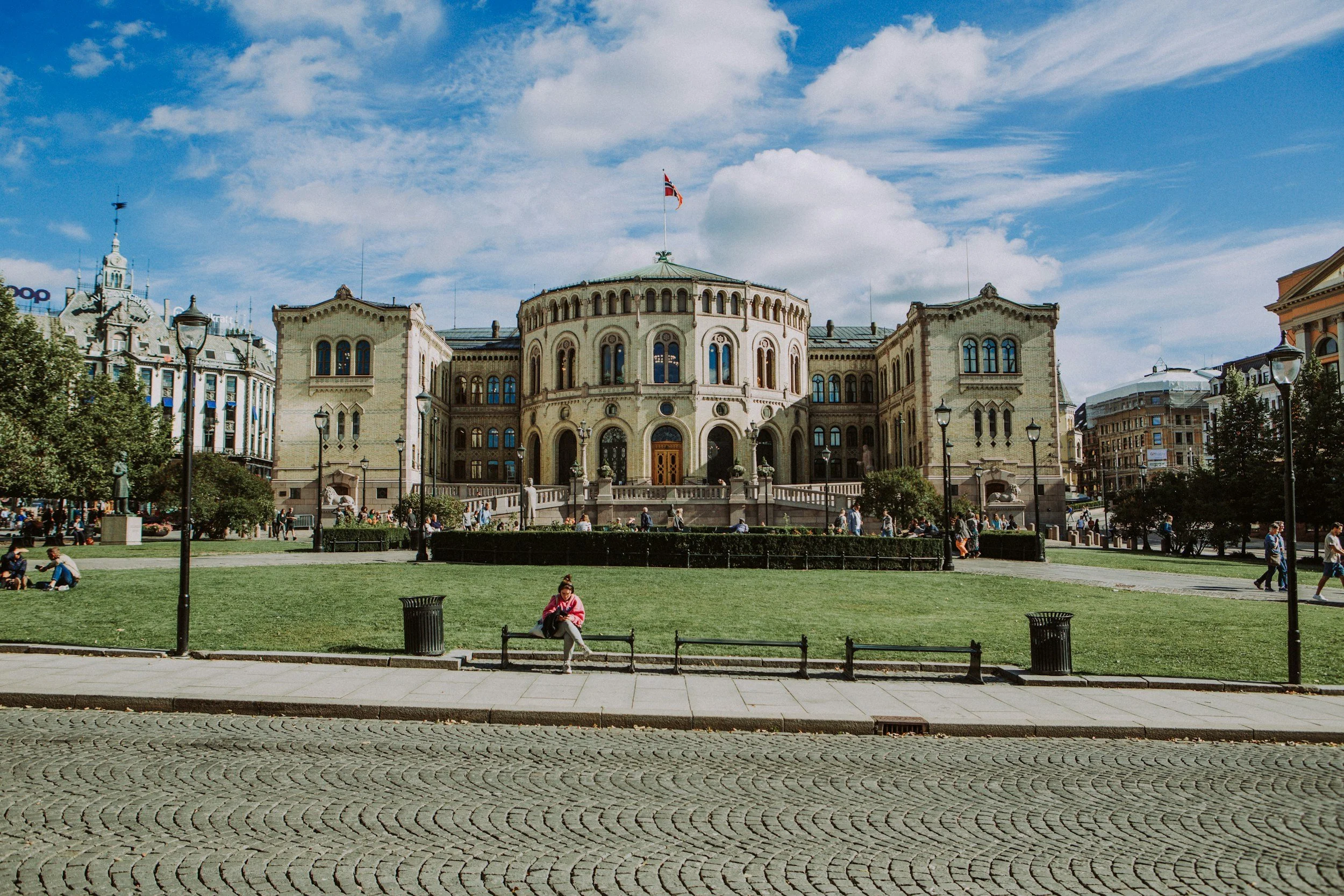
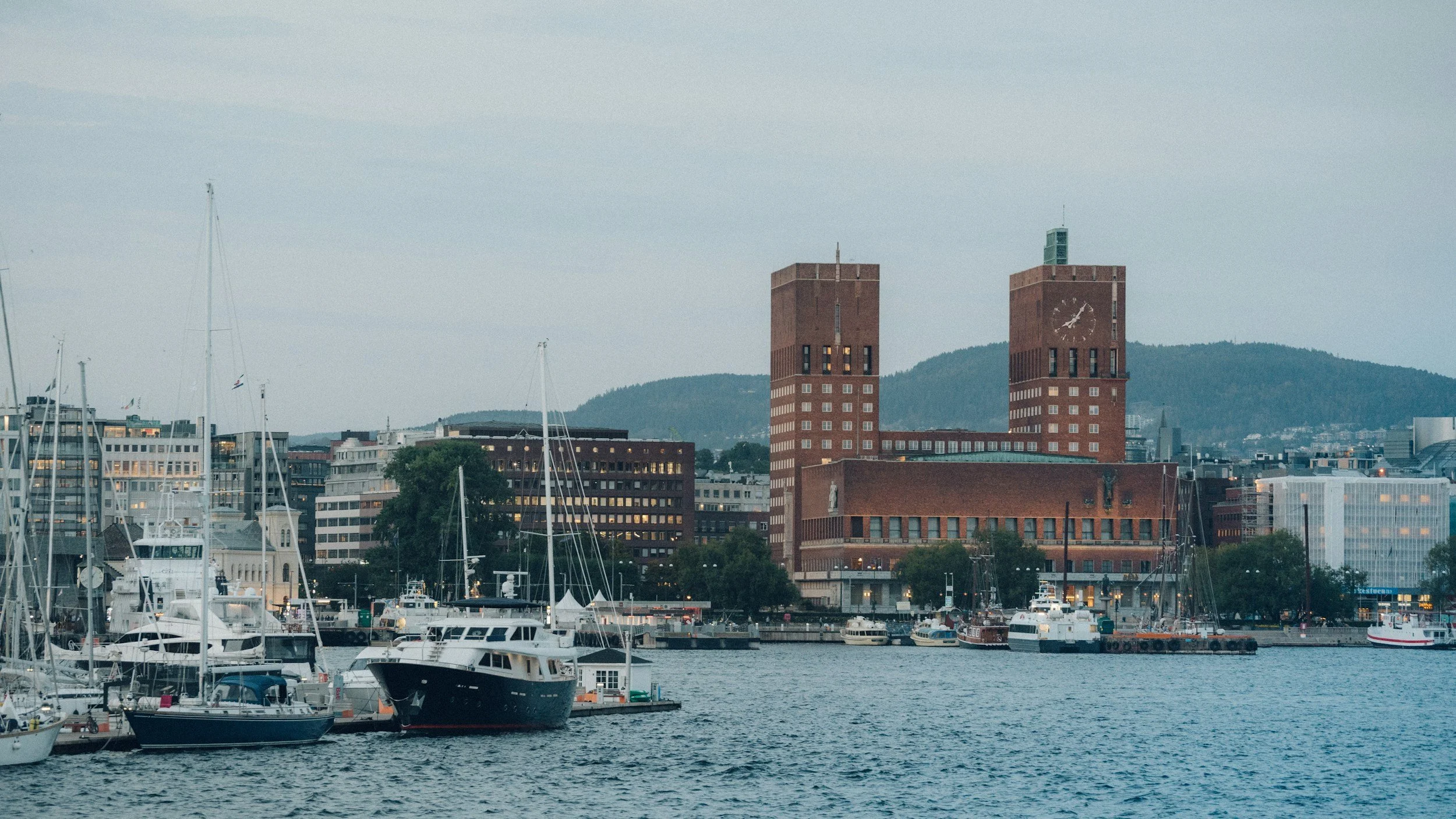
Oslo is Norway's largest city and political, cultural and economic centre. It is a capital city in the traditional sense, with major museums, government institutions, modern architecture and a large population.
Bergen developed differently. For centuries, it was Norway's most important trading city, connected to the sea and to international commerce through the Hanseatic League. Even today, Bergen feels more closely tied to the coast than to the rest of the country.
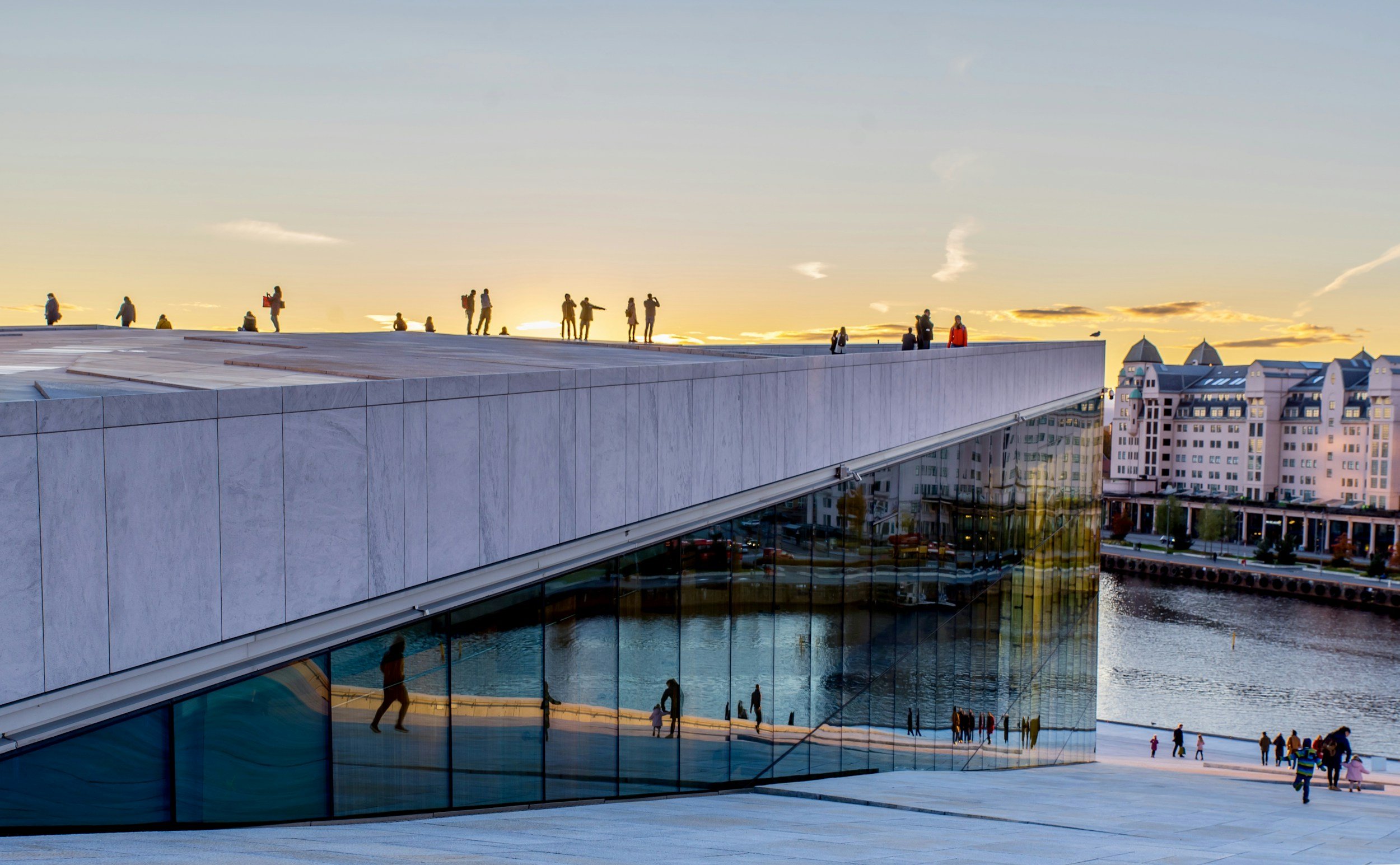
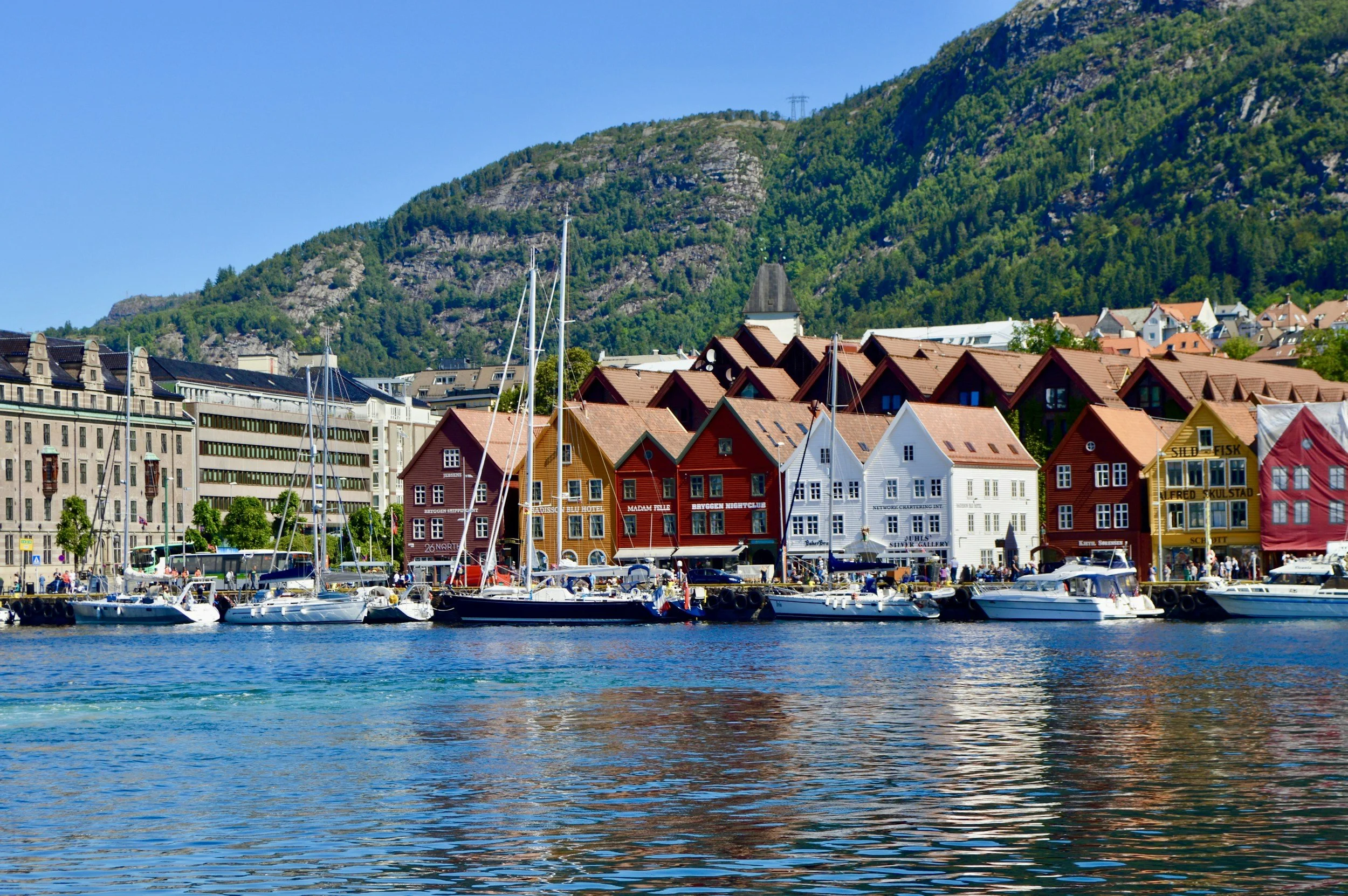
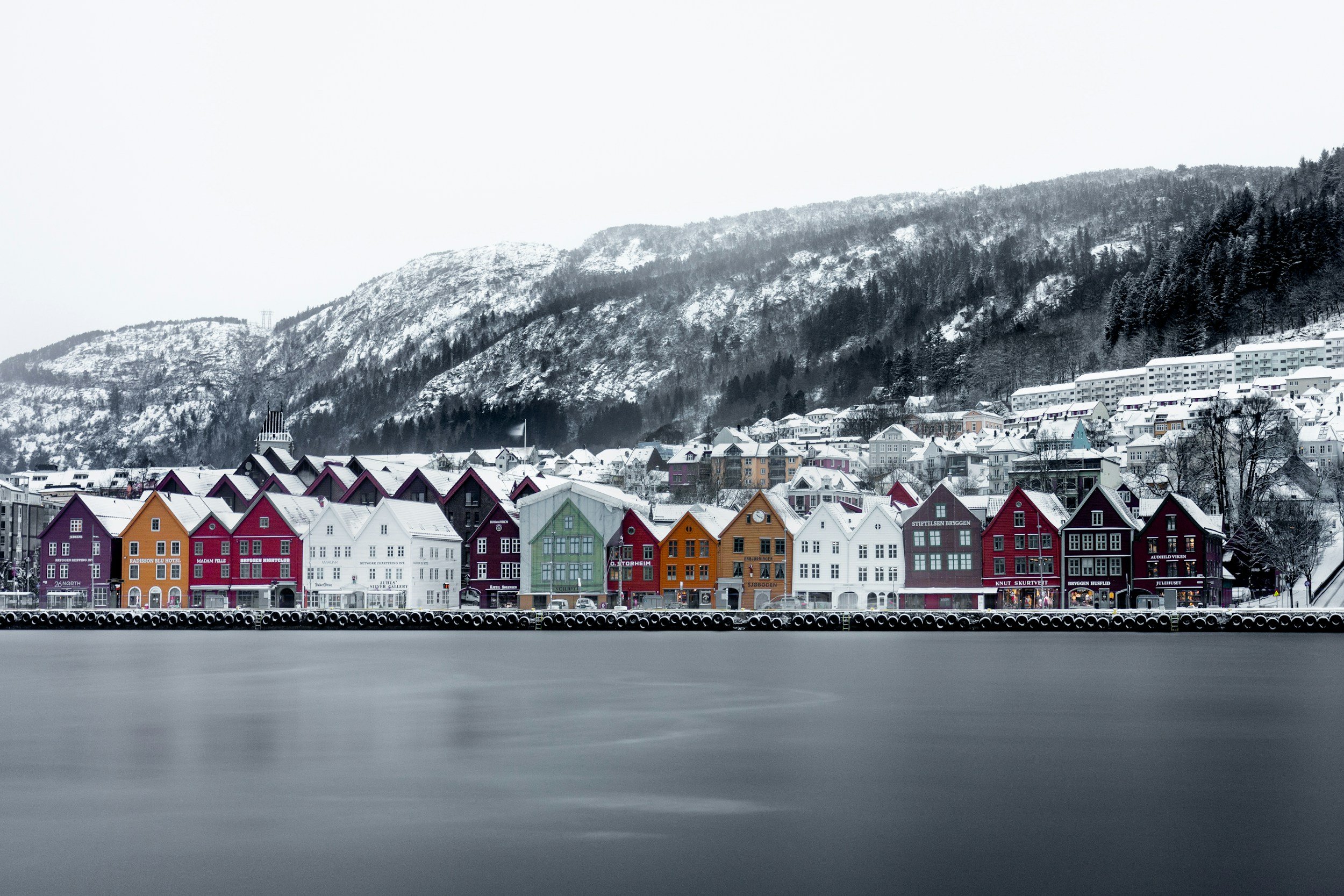
Many visitors arrive expecting Norway to look like Bergen. Fjords, mountains, colourful waterfront buildings and rapidly changing weather align closely with the image of Norway often presented abroad.
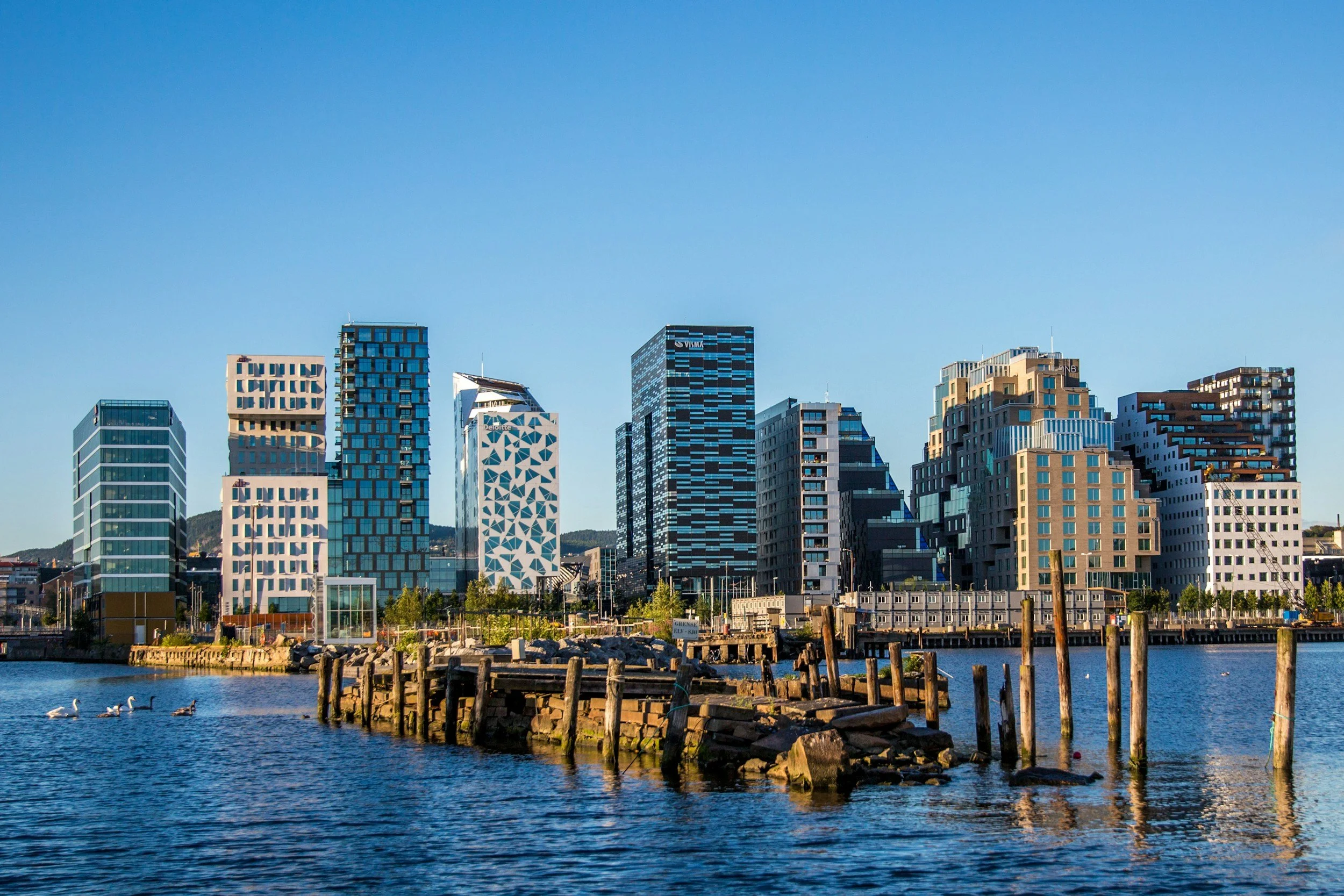
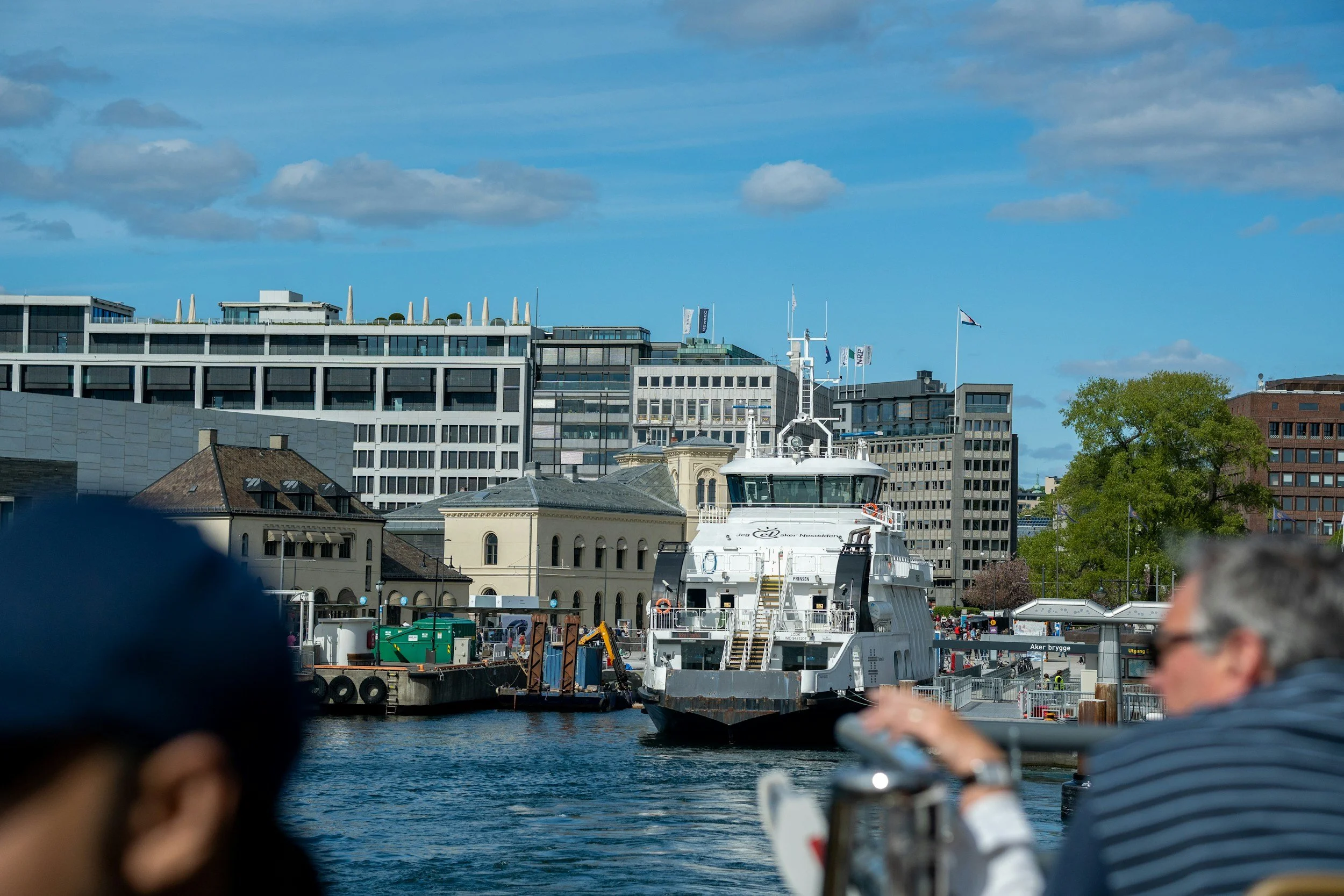
Oslo, meanwhile, often surprises people. Rather than dramatic fjord scenery, visitors find a modern city where forests, islands and waterfront neighbourhoods are woven into everyday life.
Oslo: Modern Norway Between Forest and Fjord
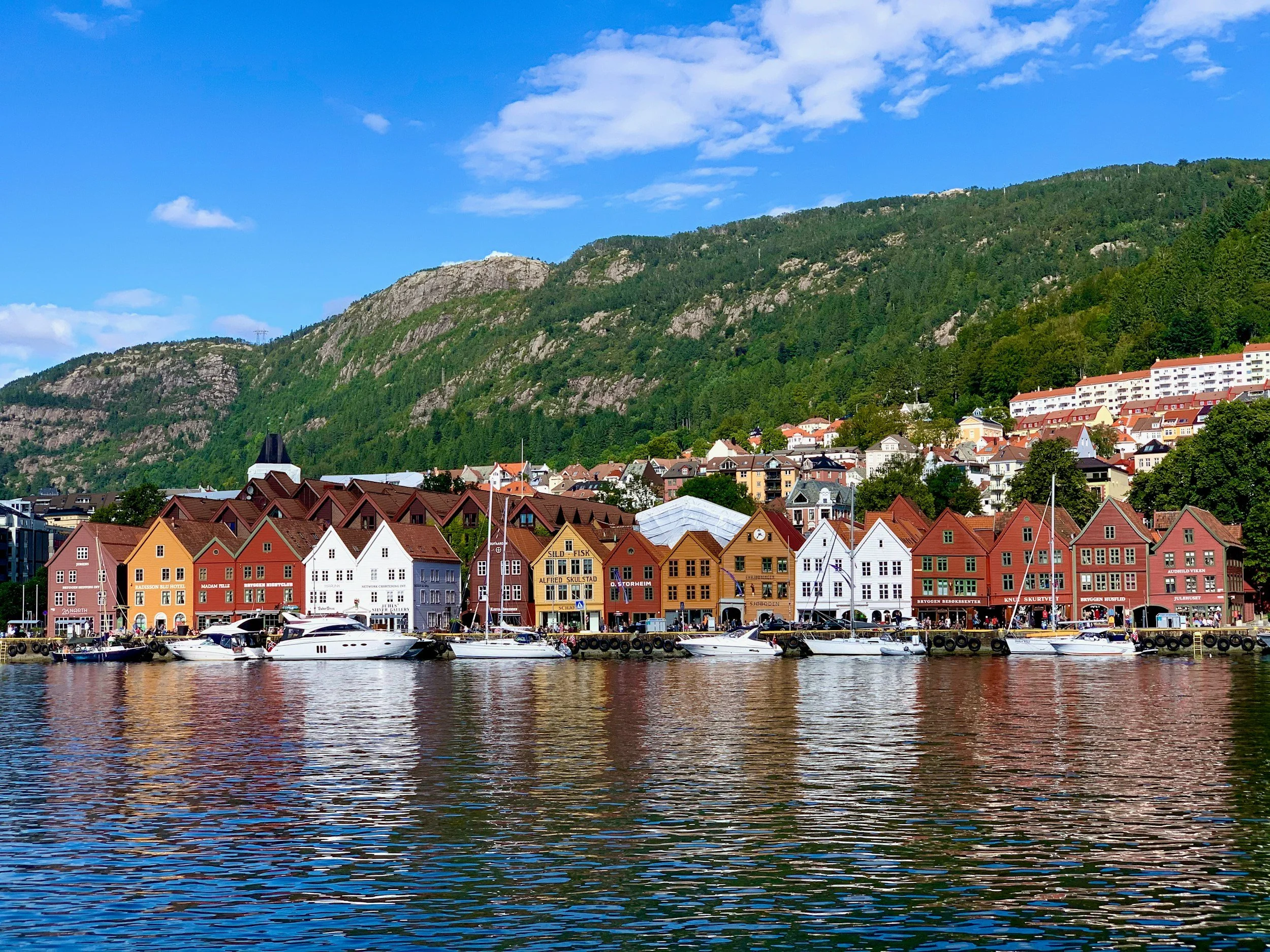
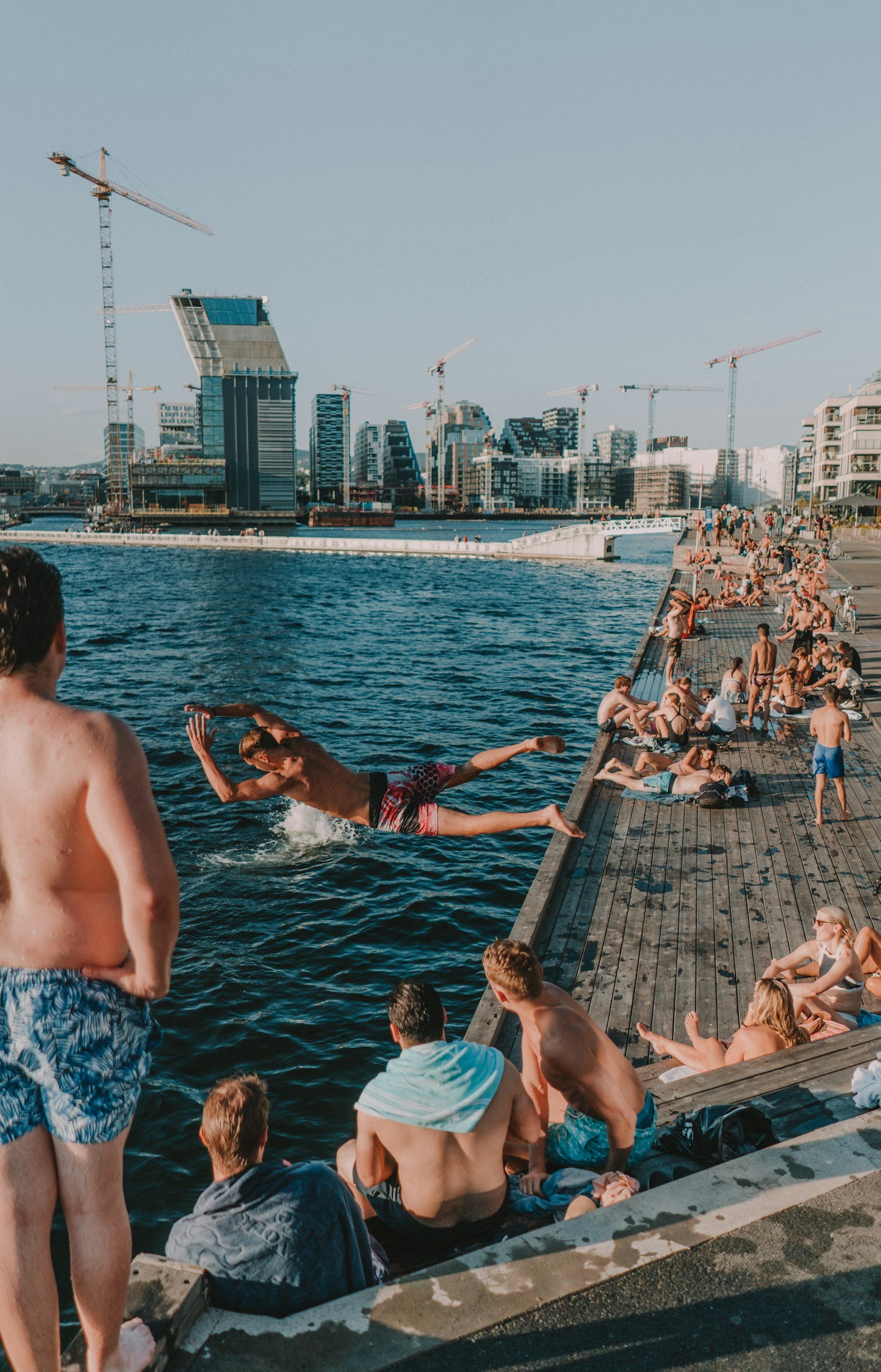
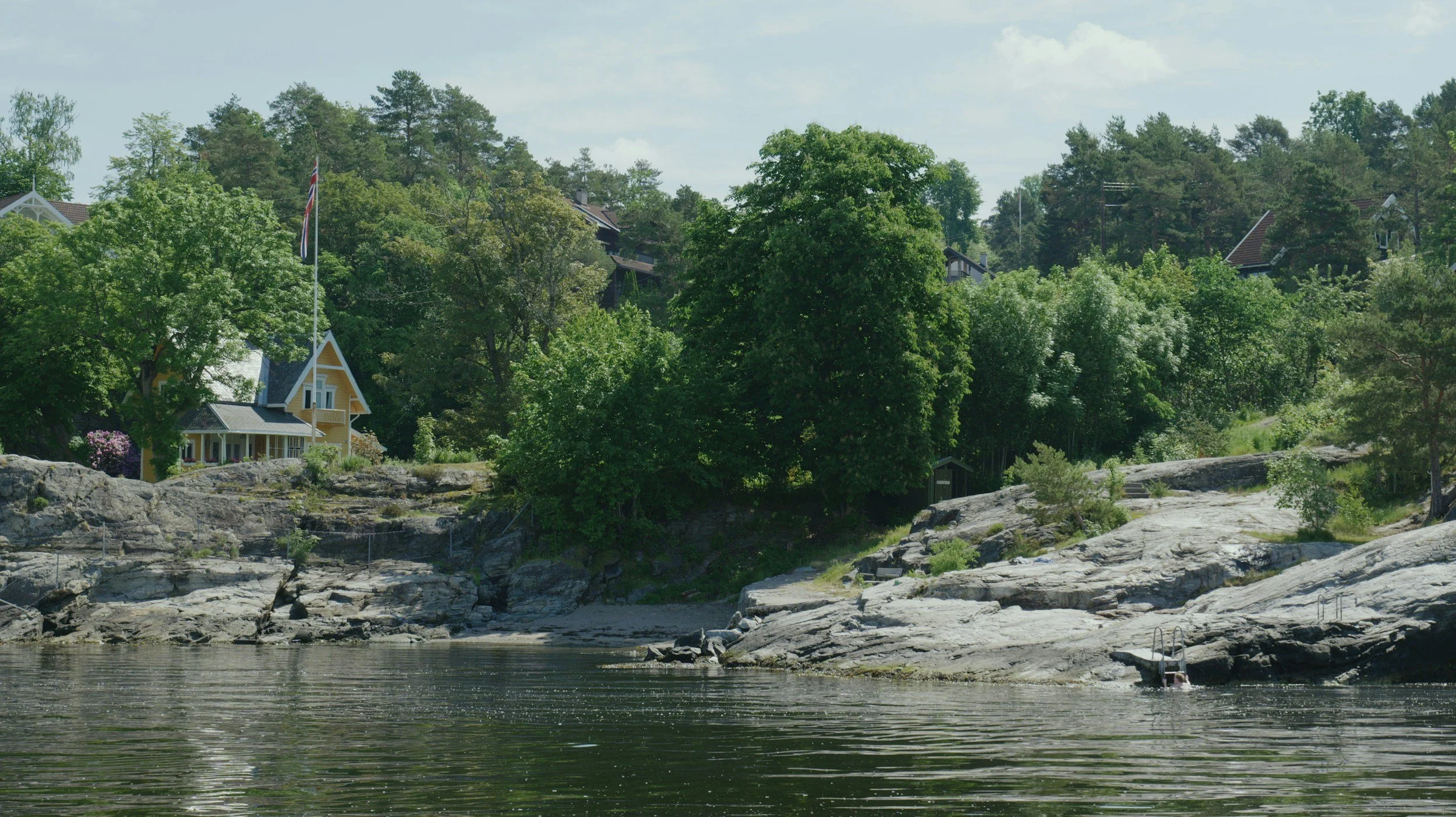
Oslo is one of the few European capitals where it is possible to spend the morning in museums, the afternoon swimming in the fjord and the evening walking through forest trails.
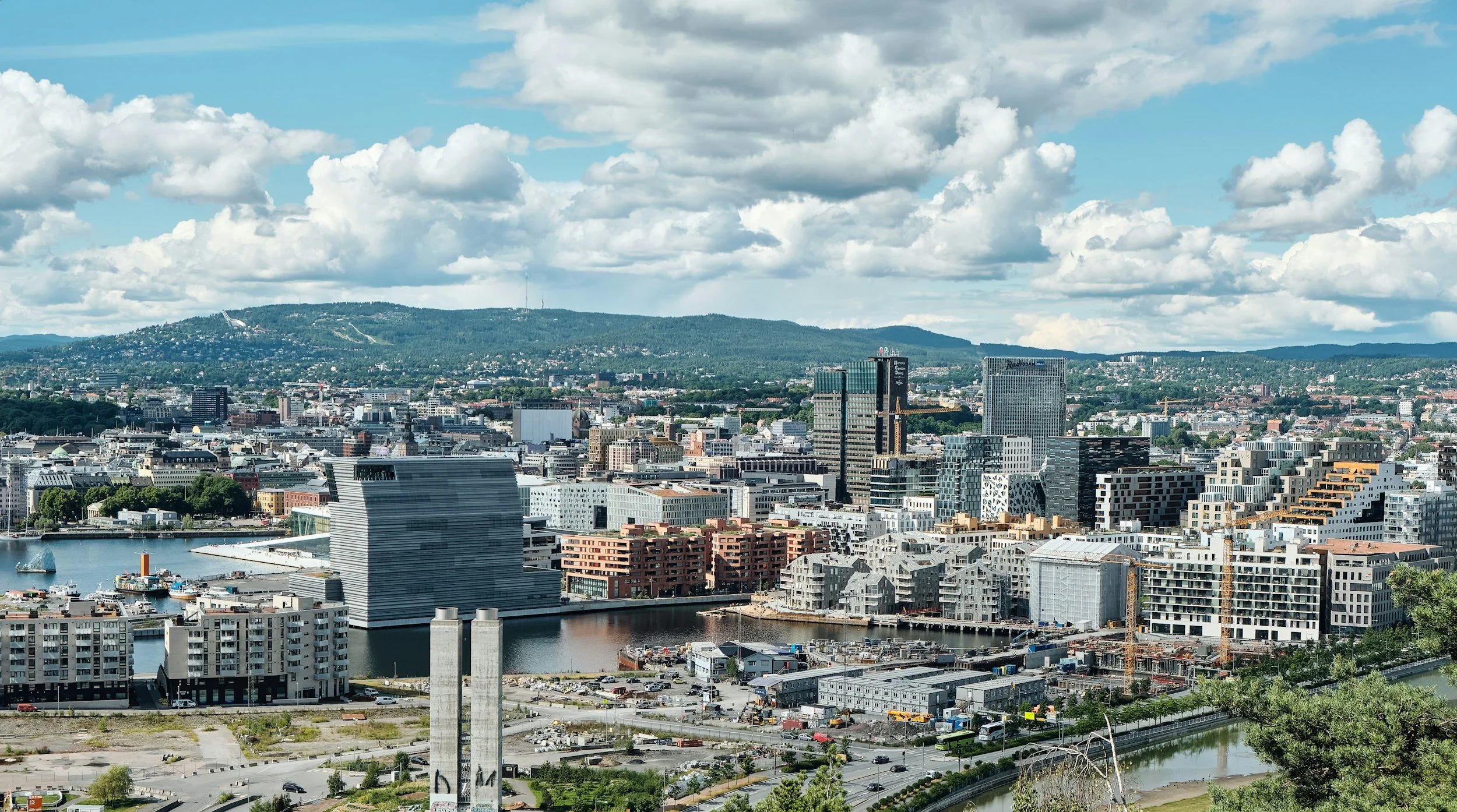
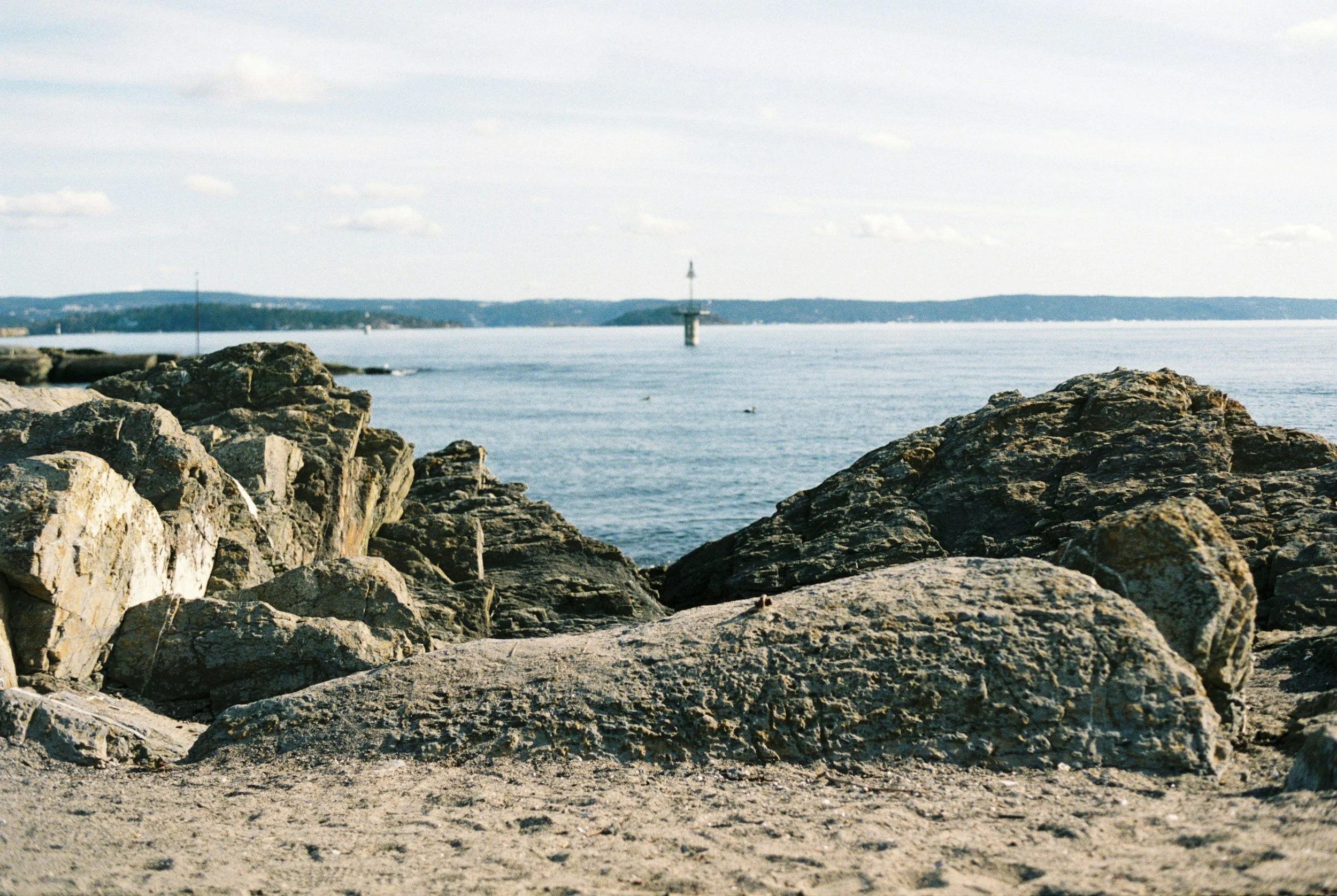
The city sits at the northern end of Oslofjord, surrounded by hills and the vast forested area known as Marka. Nature is never far away, but unlike Bergen, it is integrated into urban life rather than dominating it.
Many of Norway's most important cultural institutions are located here, including:
The Royal Palace
Akershus Fortress
MUNCH museum
The National Museum
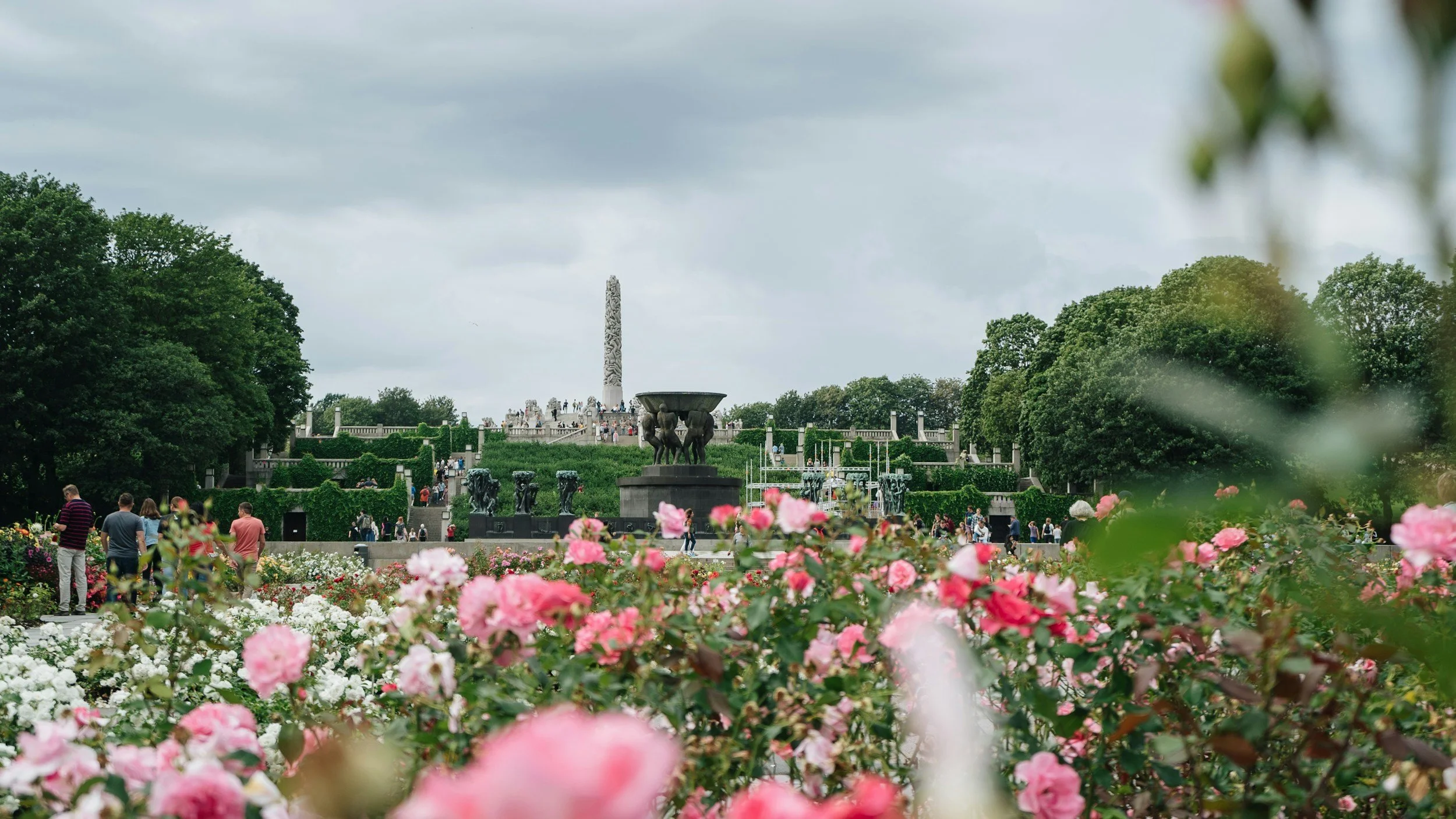
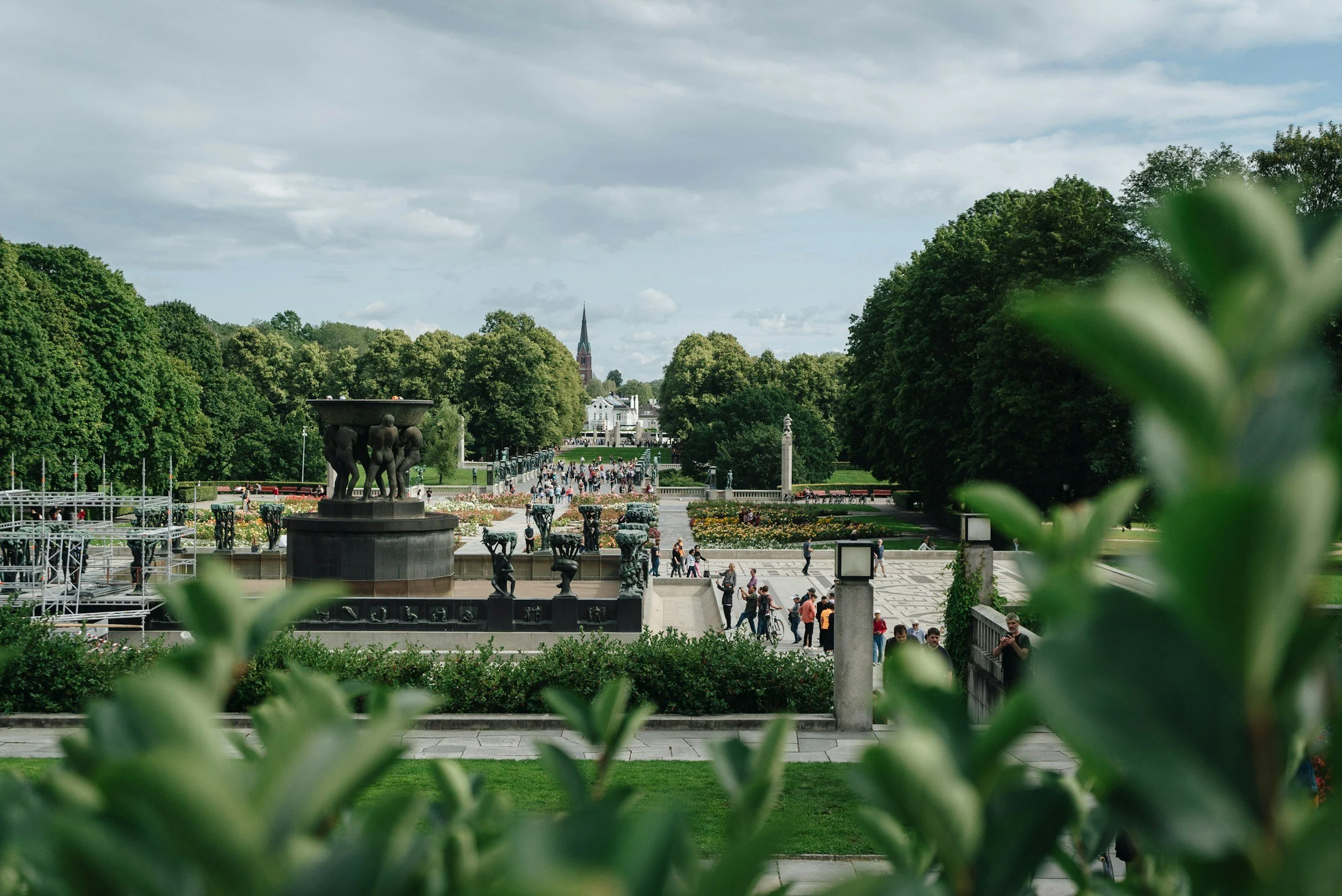
Vigeland Park
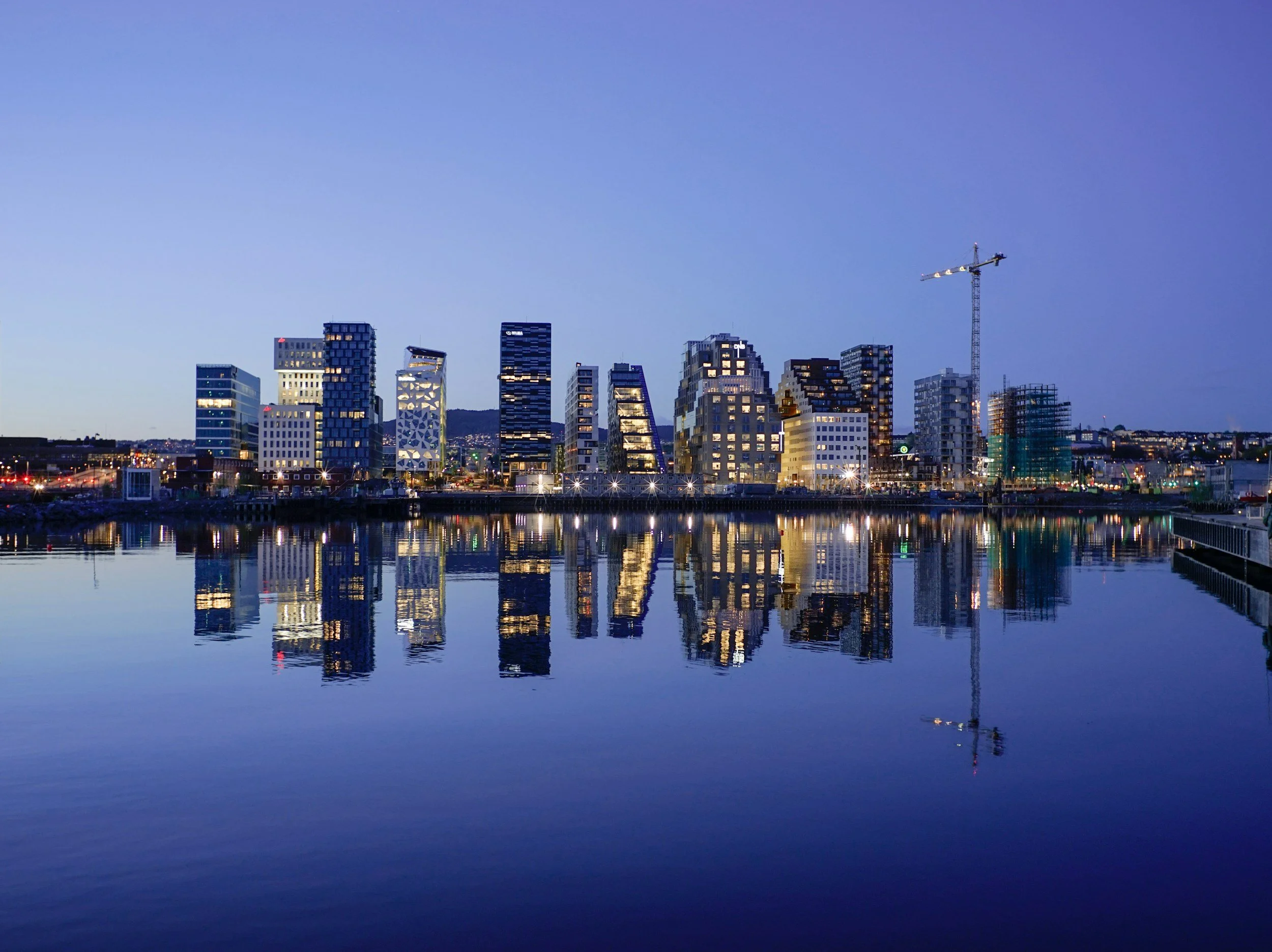
Neighbourhoods such as Bjørvika, Grünerløkka and Frogner each reveal different sides of the city, from contemporary waterfront development to historic residential districts and independent cafés.
For visitors interested in understanding modern Norway, Oslo often provides the broadest picture of how Norwegians actually live today.


Bergen: Norway's Historic Coastal City
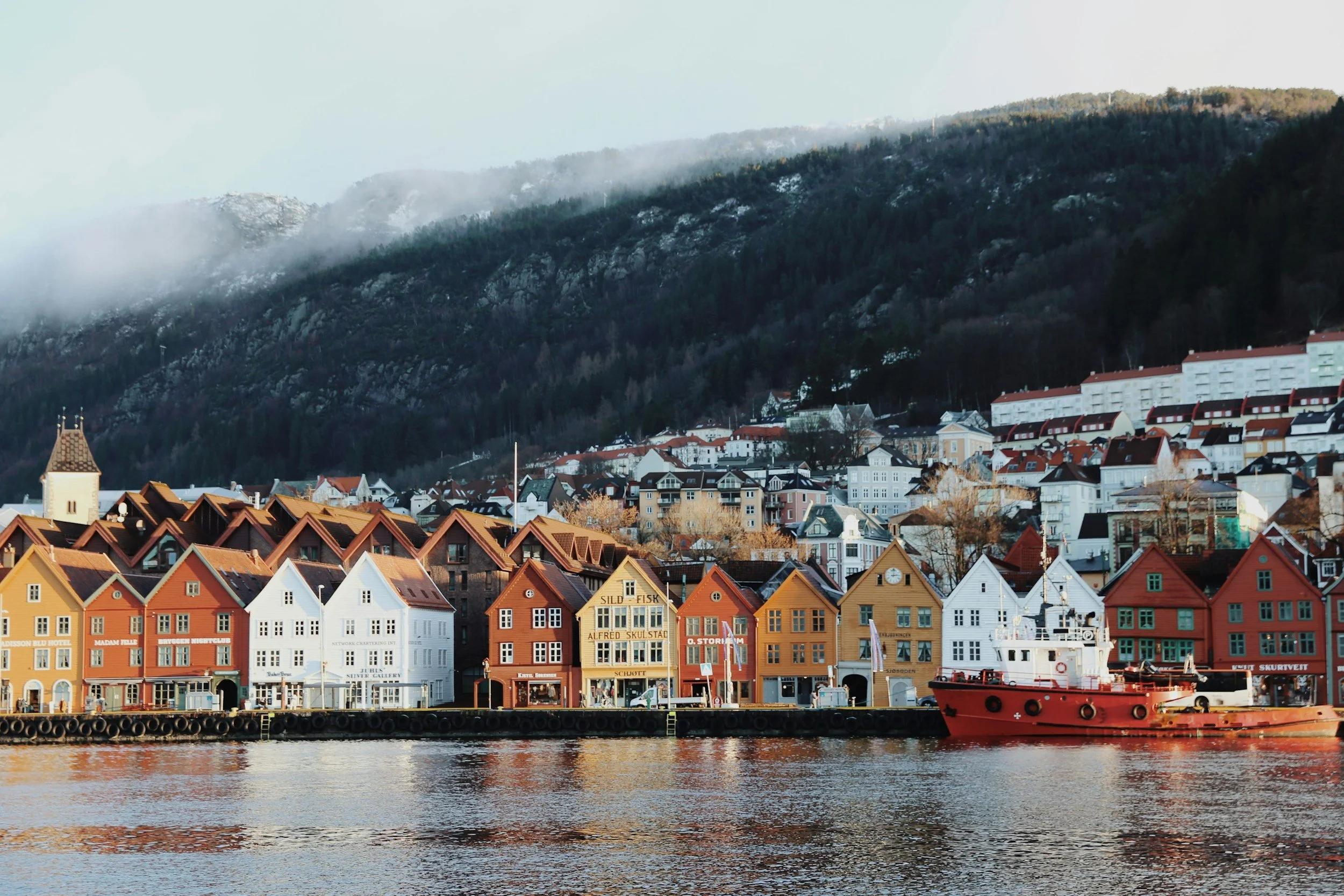
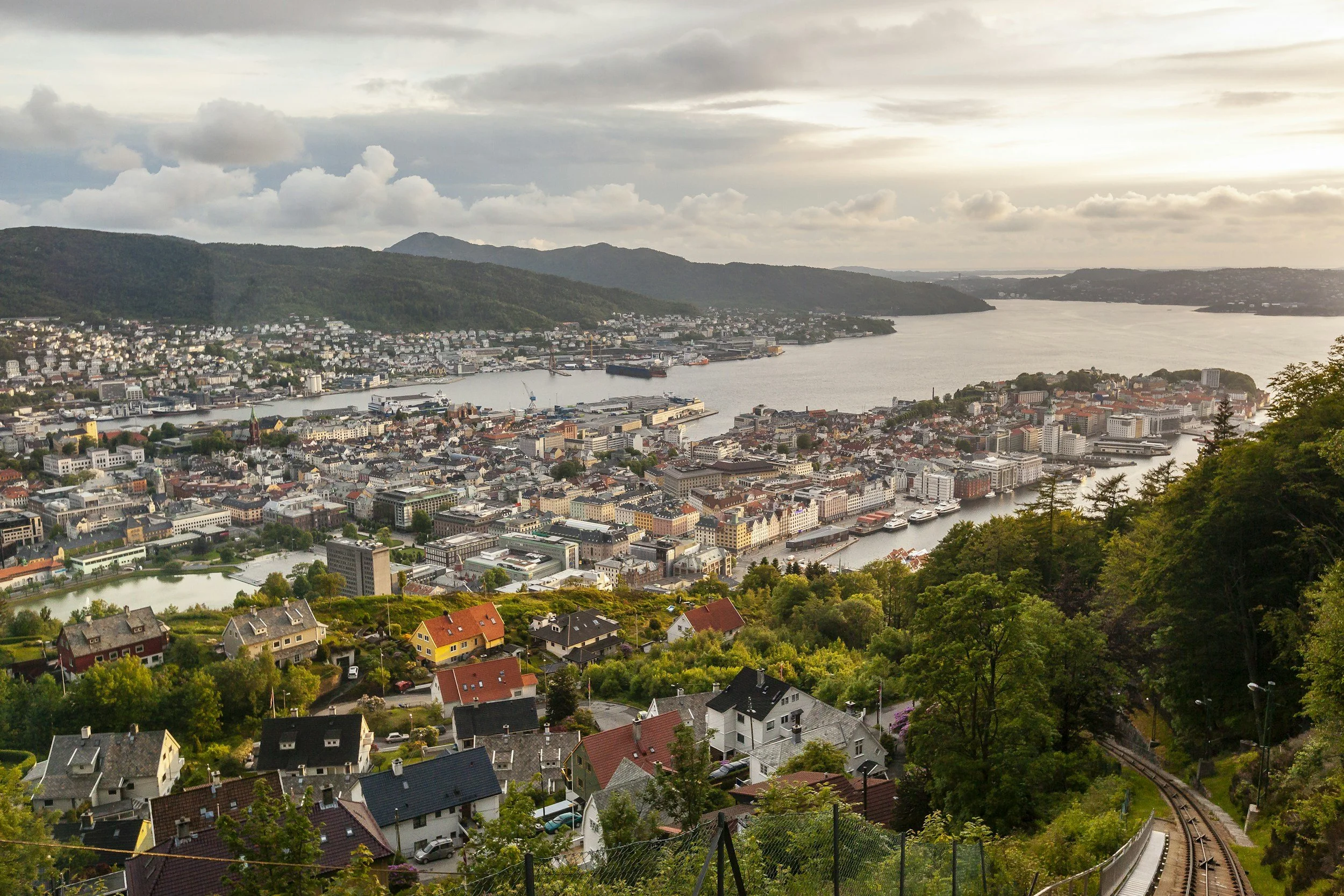
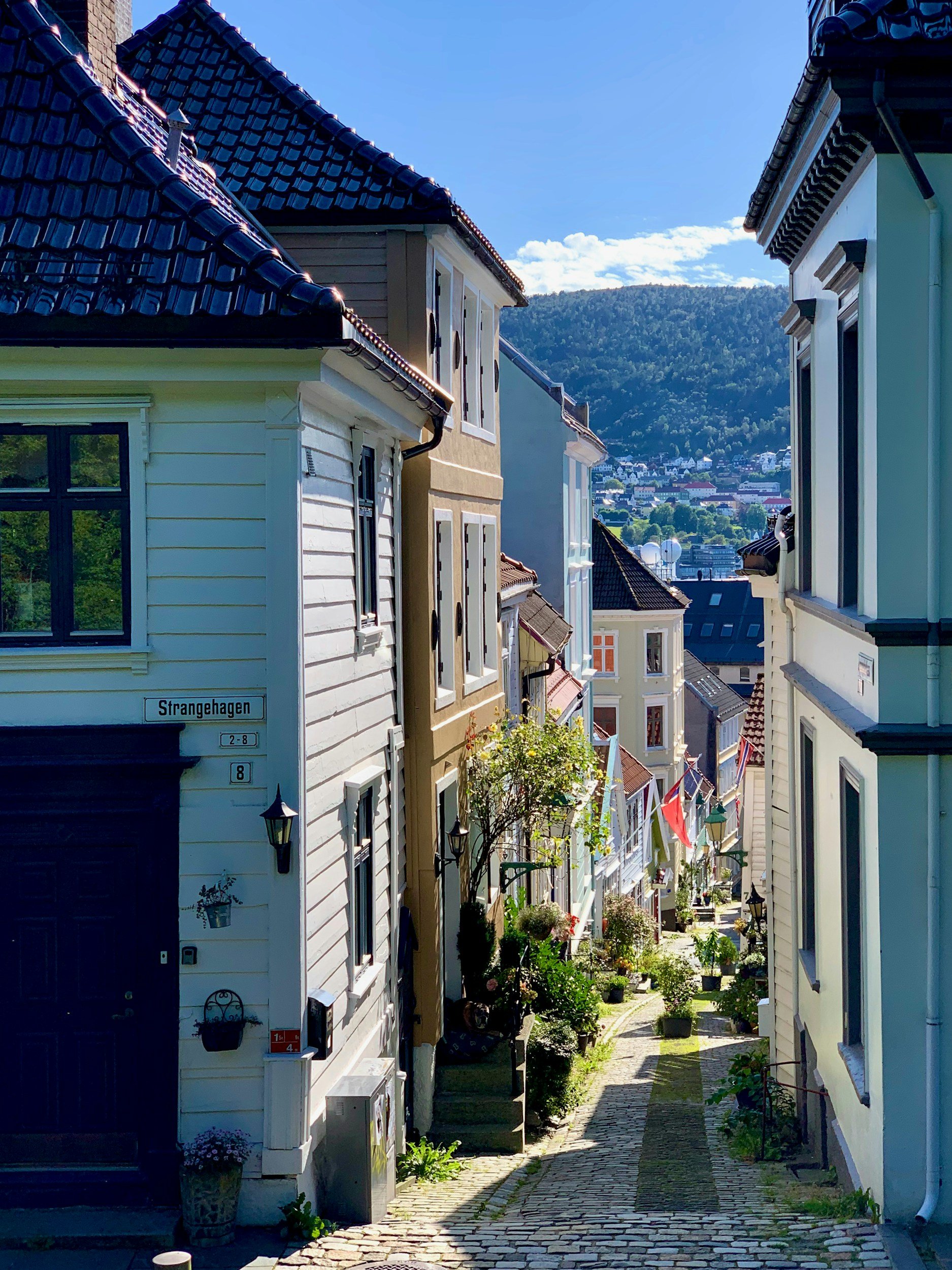
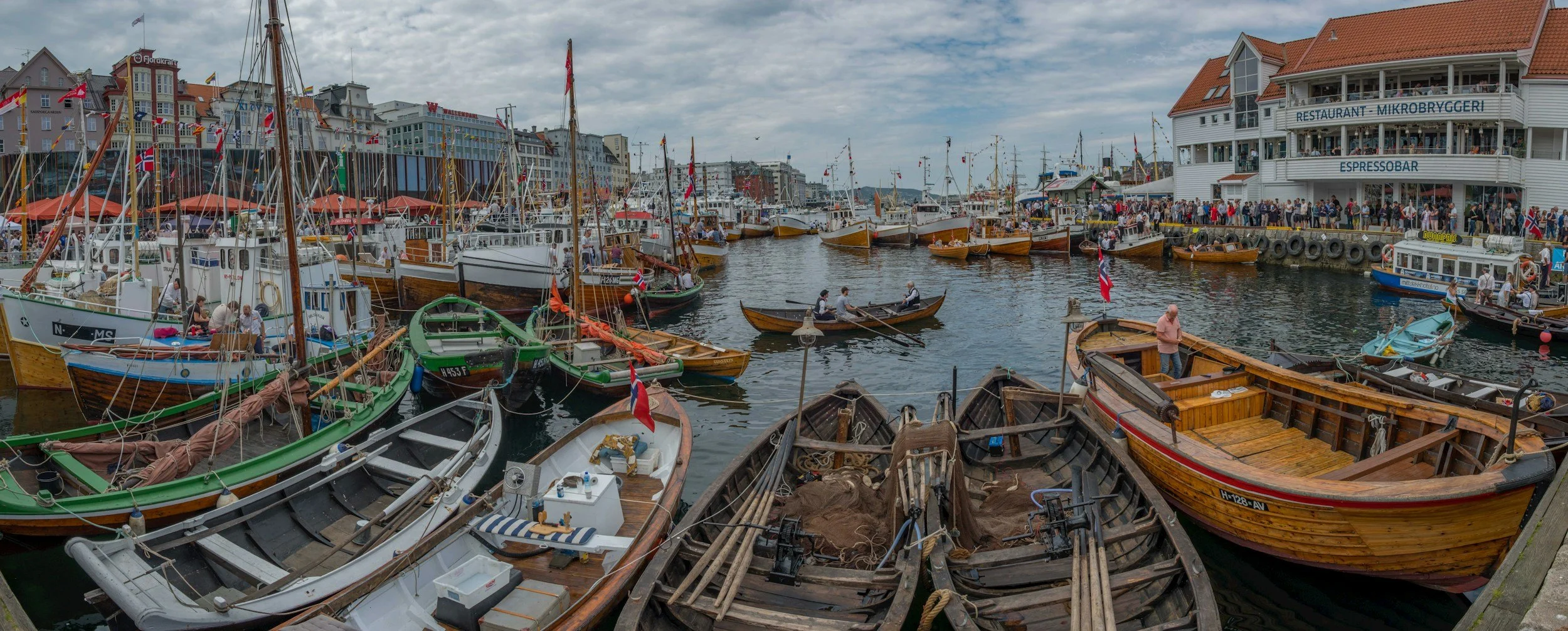
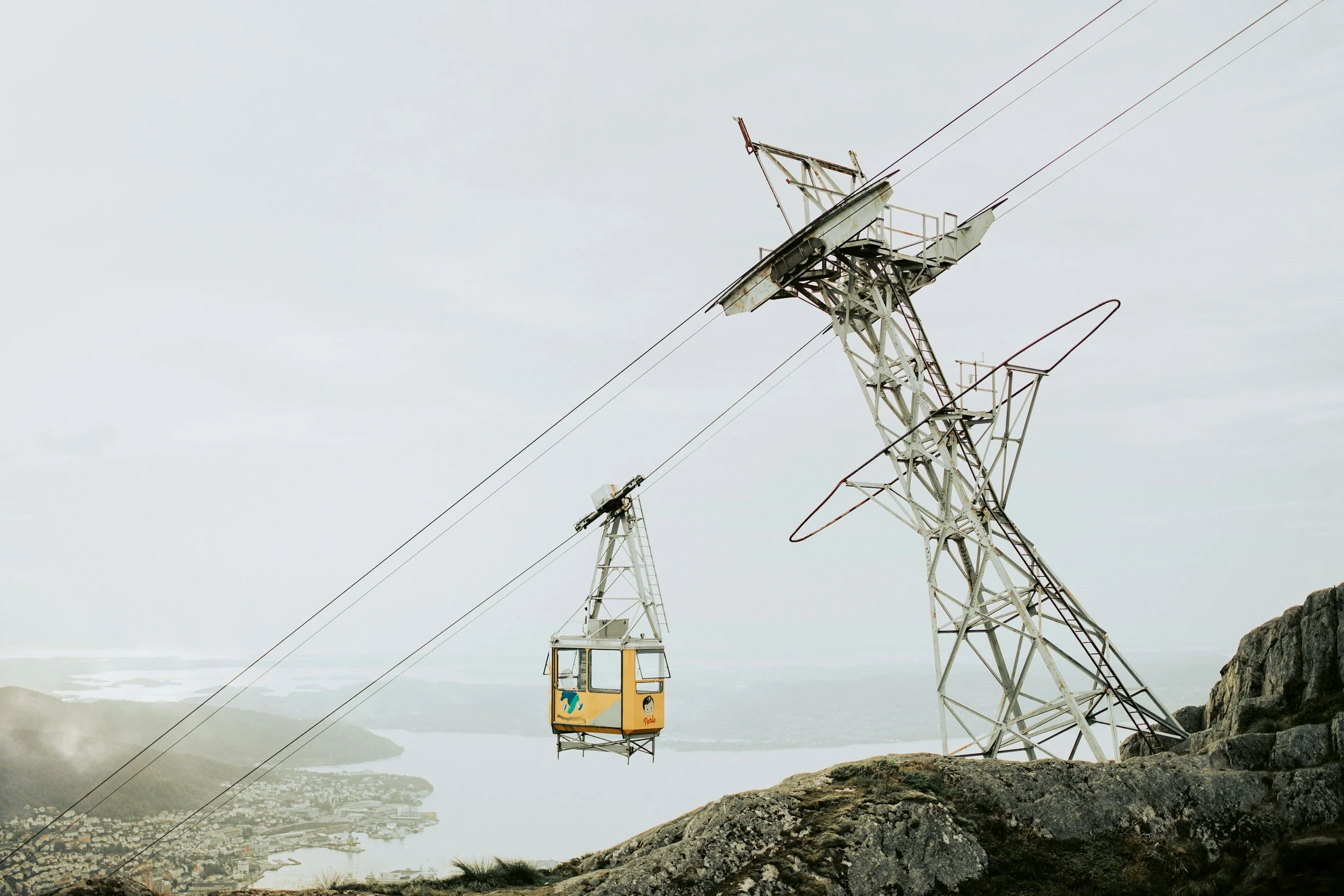
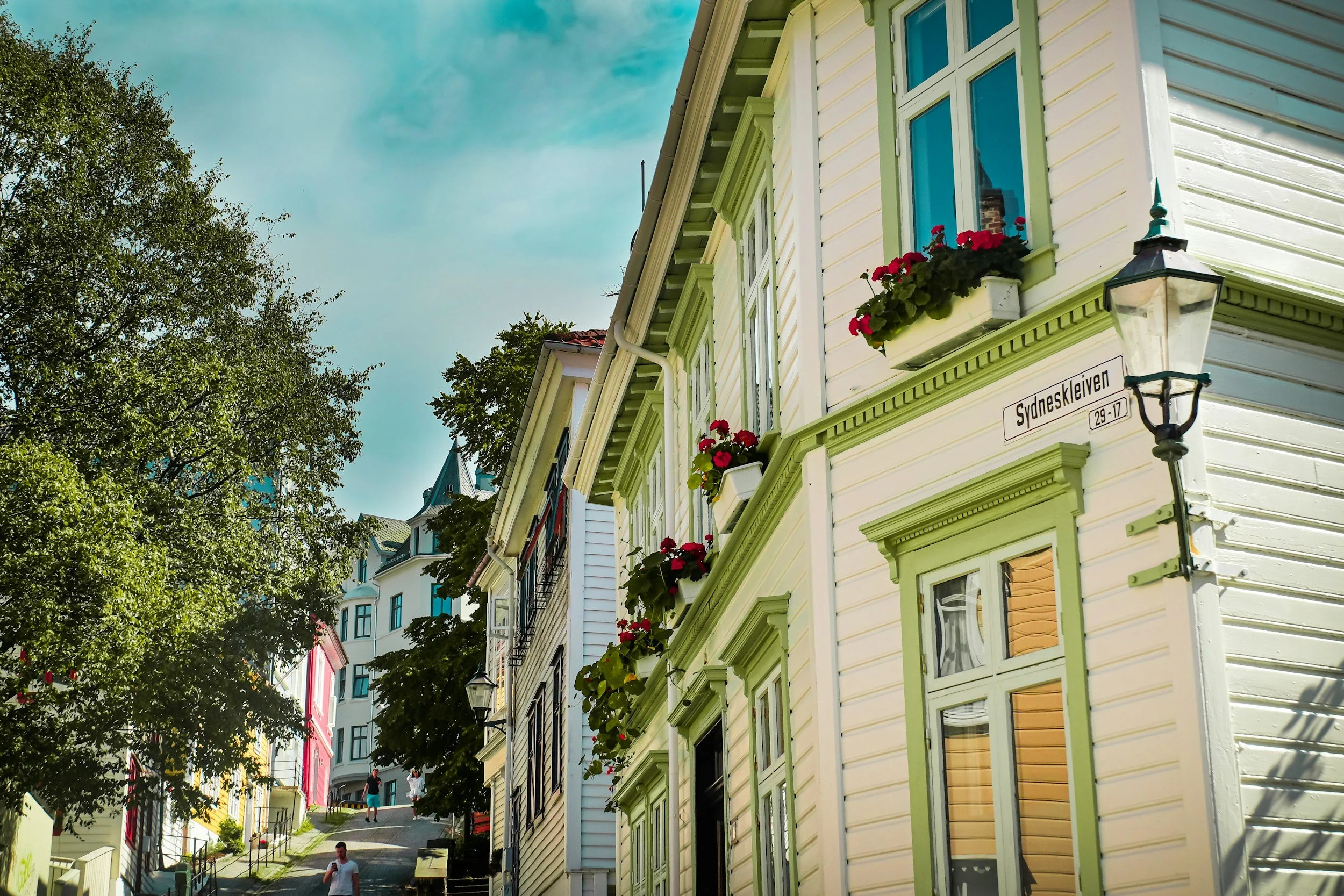
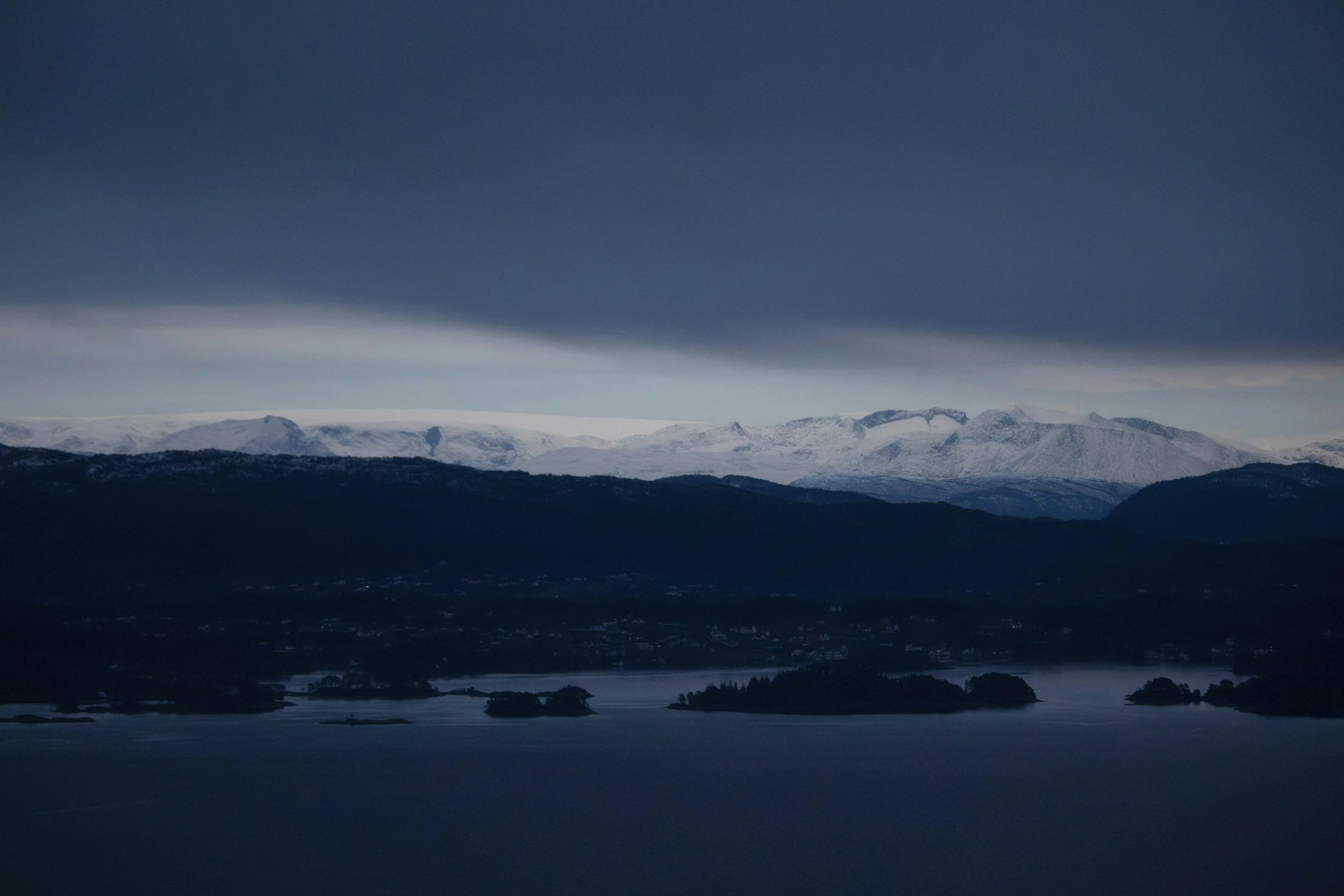
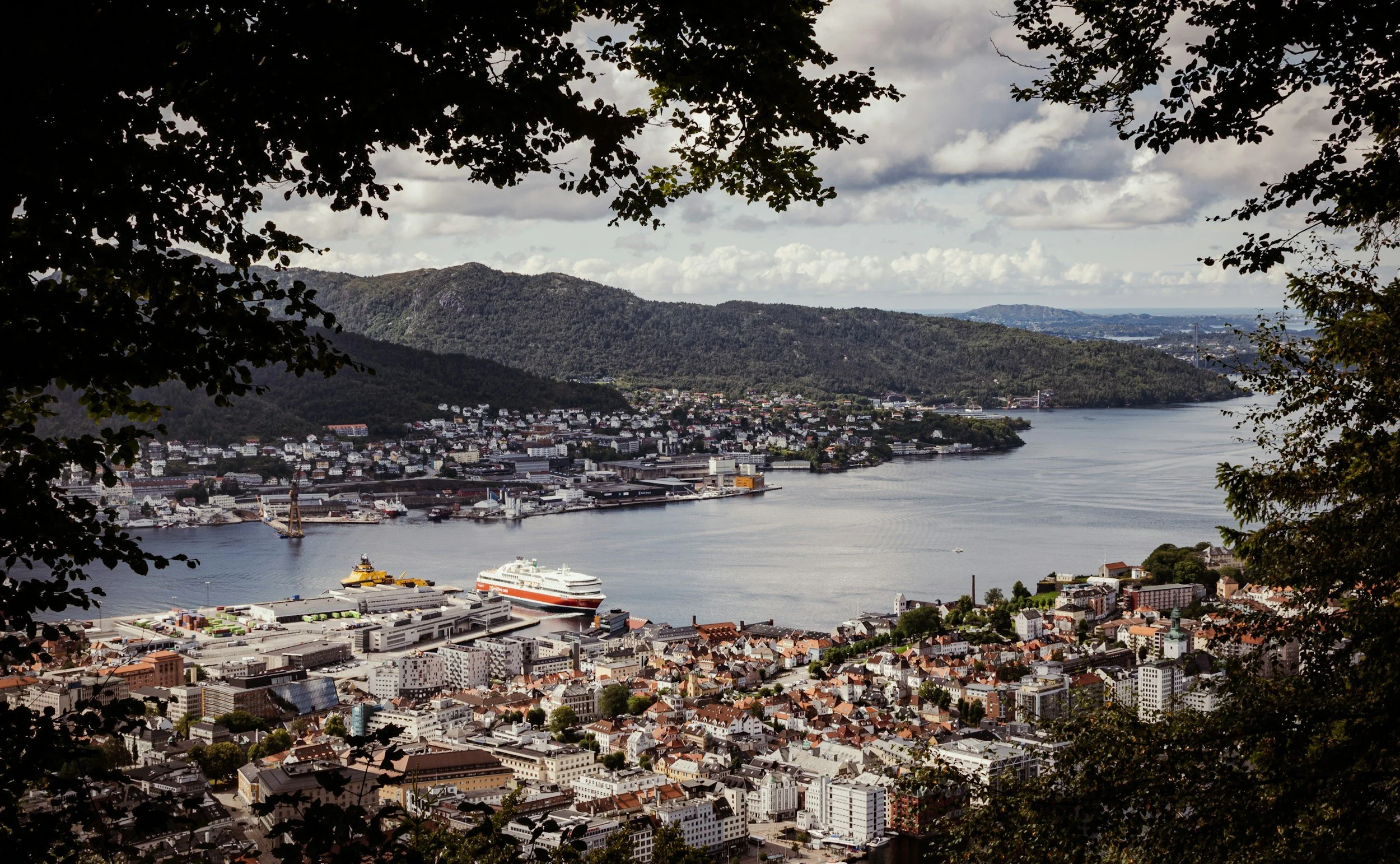
Bergen offers a very different atmosphere. Surrounded by mountains and facing the North Sea, the city feels shaped by geography in a way that Oslo does not. The weather changes quickly, the sea is ever-present and the mountains rise directly behind the city centre.
Bergen's history remains highly visible through places such as:
Bryggen
Fløibanen
Mount Fløyen
Mount Ulriken
The city's relationship with the sea has shaped everything from its architecture to its food culture and identity.
While Oslo often feels contemporary and outward-looking, Bergen retains a stronger sense of historical continuity. Many visitors describe it as feeling more immediately "Norwegian", although that perception often comes from its proximity to the landscapes most people associate with the country.

The Landscapes Around Them
The most significant difference between Bergen and Oslo is often not the cities themselves, but what lies beyond them.
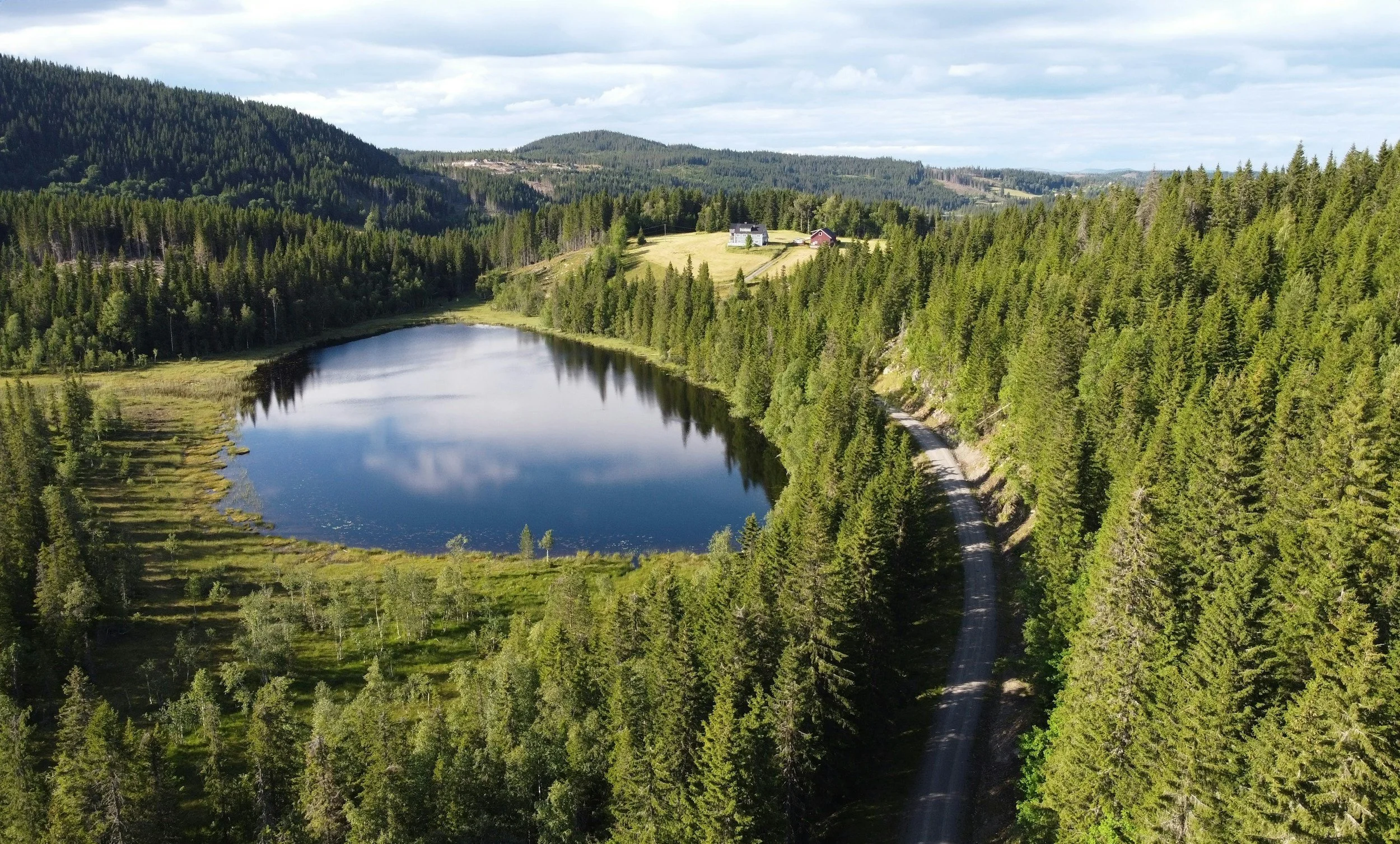
Around Oslo, the landscape is characterised by:
forests
lakes
rolling countryside
islands
coastal towns along Oslofjord
Places such as Drøbak, Son and the islands of the Oslofjord offer a different side of Norway, one that is closely tied to summer life, outdoor recreation and everyday Norwegian culture.
Around Bergen, the landscape changes dramatically.
Within a relatively short distance are:
Nærøyfjord
Aurlandsfjord
Hardangerfjord
Voss
Flåm
Many of Norway's most famous fjord landscapes are located within easy reach of the city, making Bergen a natural base for exploring Western Norway.
Bergen vs Oslo for Nature
Both cities offer excellent access to nature, but the landscapes are very different.
In Oslo, nature tends to feel accessible and integrated into daily life. Locals regularly use Marka for walking, skiing and running, while the Oslofjord provides opportunities for swimming, boating and island hopping.
In Bergen, nature feels larger and more dramatic. Mountains rise directly above the city, hiking trails begin near residential neighbourhoods and some of Norway's most famous fjord landscapes lie just beyond the urban area.
Visitors whose image of Norway centres around mountains, waterfalls and fjords often gravitate towards Bergen.
Those interested in forests, outdoor culture and a balance between city life and nature often find Oslo surprisingly appealing.
Bergen vs Oslo: Weather and Climate
The weather is one of the biggest differences between Bergen and Oslo.
Bergen sits on Norway's west coast, directly exposed to weather systems moving in from the North Atlantic. The surrounding mountains force moist air upwards, creating frequent rainfall throughout much of the year. This does not mean it rains constantly, but visitors should expect the weather to change quickly and should always pack waterproof clothing, even during summer.
Oslo lies east of the mountain ranges that run through southern Norway and is partially sheltered from many of the weather systems that affect the west coast. As a result, Oslo generally experiences:
less rainfall
more sunshine
warmer summer temperatures
colder and often snowier winters
During summer, Oslo can occasionally feel surprisingly warm, while Bergen tends to remain cooler and more changeable. The differences are significant enough that travellers sometimes feel as though they are visiting two different countries.
Bergen vs Oslo for Museums and Culture
When it comes to museums and cultural institutions, Oslo has a clear advantage simply because of its role as Norway's capital.
The city contains:
the country's largest museums
major art collections
national cultural institutions
the Norwegian Opera House
Visitors interested in Norwegian history, art, architecture and contemporary culture will generally find more to explore in Oslo.
Bergen certainly has museums and galleries of its own, but its cultural appeal is often more closely tied to the city's maritime history, architecture and setting than to large national institutions.
The Bergen Railway: Why Many Travellers Choose Both
One reason many visitors never actually choose between Oslo and Bergen is the Bergen Railway.
Opened in 1909, the railway connects Norway's two largest cities and is widely regarded as one of Europe's most scenic train journeys.
The route crosses:
forests east of Oslo
mountain valleys
the Hardangervidda plateau
remote high-altitude landscapes around Finse
steep valleys approaching Western Norway
The journey itself often becomes one of the highlights of a trip.
Because of this, many visitors combine both cities within the same itinerary, travelling between them by train before continuing towards the fjords of Western Norway.
Which City Is Better for First-Time Visitors?
There is no universal answer.
For travellers whose dream of Norway revolves around fjords, mountains and dramatic scenery, Bergen often aligns more closely with those expectations.
For travellers interested in museums, architecture, food culture and understanding contemporary Norwegian society, Oslo usually offers a broader experience.
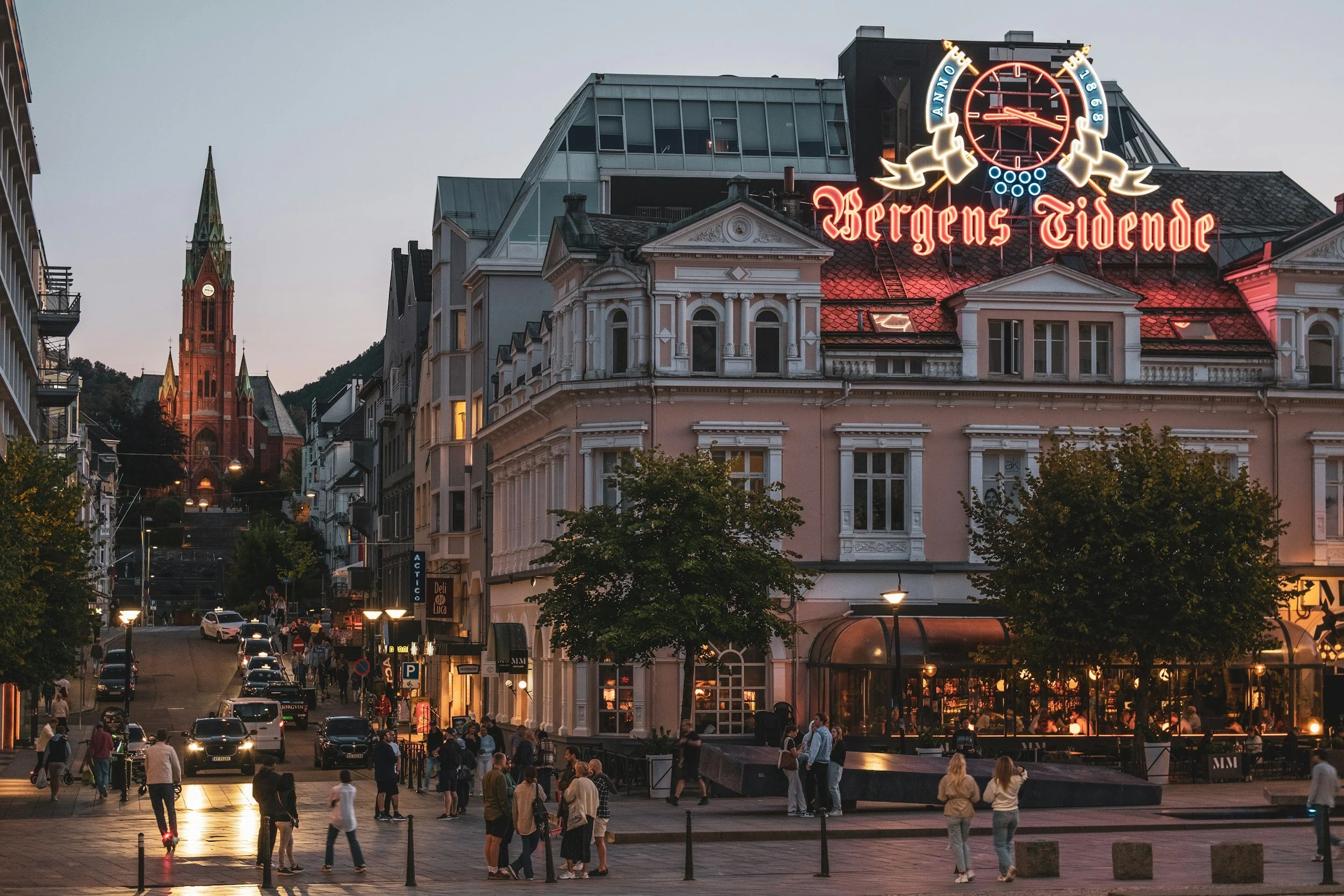
Many first-time visitors are surprised to discover that Oslo feels far greener and more connected to nature than they expected, while Bergen often turns out to be more urban than the postcard images suggest.
Ultimately, the better choice depends less on the cities themselves and more on what kind of Norway you want to experience.
If You Have a Week, Consider Both If your itinerary allows, combining Bergen and Oslo often provides the most complete introduction to Norway.
Together they showcase:
modern urban Norway
historic coastal Norway
Oslofjord
Western Norway's fjord landscapes
forests
mountains
cultural institutions
outdoor life
The Bergen Railway makes travelling between them relatively straightforward, and many visitors find that the contrast between the two cities becomes one of the most memorable parts of the journey.
Final Words
Bergen and Oslo tell different stories about Norway.
Bergen is shaped by the coast, trade, mountains and the fjords of Western Norway.
Oslo is shaped by its role as Norway's capital, where culture, politics, forest and fjord come together in everyday life.
Neither city is a better version of the other. They simply reveal different aspects of the country, and understanding those differences is often more useful than trying to decide which one is best.