
Best Day Trips from Oslo: Nature and Nearby Cities
This guide explores the best day trips from Oslo, including Drøbak and Oscarsborg, Fredrikstad, Tønsberg, Kongsberg and Kistefos. It compares coastal towns, historic sites, art, Viking heritage and industrial history, while explaining what makes each destination distinctive and how easily it can be reached from the capital.
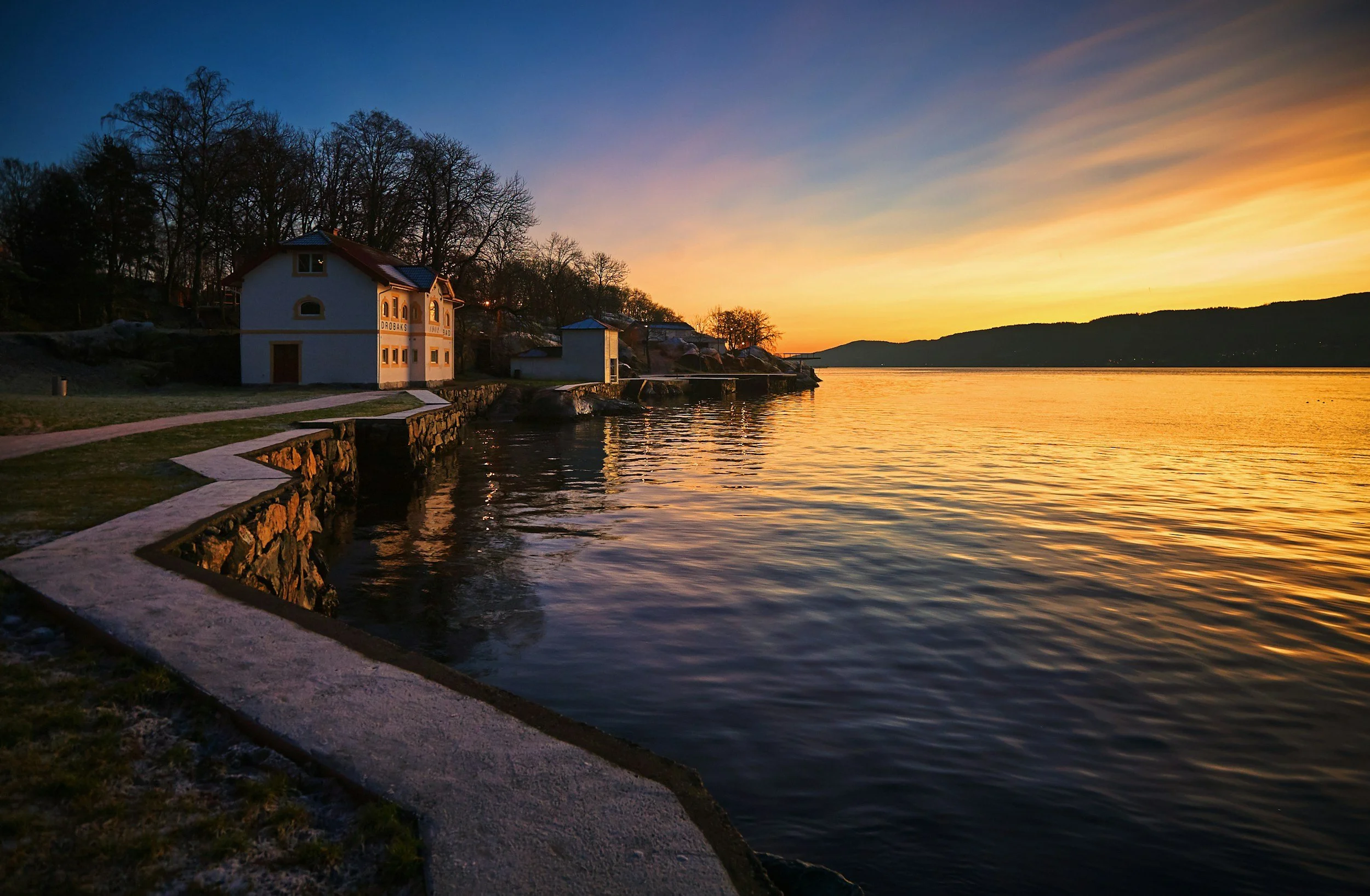
Oslo is one of the easiest places in Norway to use as a base for exploring beyond the city. Within roughly one to two hours, you can reach small towns along the Oslofjord, historic fortifications, important sites from Norway’s political and industrial past, Viking and medieval history, contemporary art museums and landscapes that feel surprisingly far removed from the capital.
Part of what makes Oslo such an interesting base is that nature is already unusually close to the city itself. The Oslofjord stretches directly into the centre, with islands reached by local ferry, swimming spots along the shoreline and a sauna culture that has become an increasingly visible part of life by the water. My The Oslofjord in Summer: Islands, Swimming and Sauna Culture guide explores this side of the capital in more detail, while Oslo and the Oslofjord: A Different Side of Norway looks more broadly at the relationship between the city, the fjord and the surrounding landscape.
That variety continues once you travel beyond Oslo. Eastern Norway is often overshadowed by the dramatic fjords and mountains farther west, but the region around the capital has a character of its own. Coastal towns such as Drøbak and Son are shaped by the Oslofjord and Norway’s long maritime history, Fredrikstad and Halden preserve traces of centuries of military conflict, while places such as Eidsvoll, Kongsberg and Tønsberg reveal very different chapters of Norwegian history.
Many of these destinations are also straightforward to reach by train or bus, which means you do not necessarily need to rent a car or change hotels every few days to see more of the region. Oslo can work particularly well as a base if you stay somewhere with convenient access to the central station or the city’s main public transport connections. My Where to Stay in Oslo: A Guide to the City’s Different Neighbourhoods can help you choose an area that works for both exploring the capital and travelling beyond it.
The day trips in this guide are all outside Oslo itself and have been chosen because they offer something meaningfully different from a normal day in the city. Some are best for history, others for art, coastal life or simply experiencing a smaller Norwegian town. Rather than trying to visit all of them, the aim is to help you choose the places that add the most to the kind of Norway trip you are already planning.
Drøbak and Oscarsborg Fortress
Drøbak is one of the most natural choices if you want to leave Oslo for a day without travelling far. The small coastal town sits beside the narrow Drøbak Sound in the Oslofjord and has an older centre of wooden houses, narrow streets, small shops, galleries and cafés clustered close to the harbour. It feels considerably more like a traditional Oslofjord town than an extension of the capital, particularly during summer when boats fill the harbour and much of the activity moves towards the water.
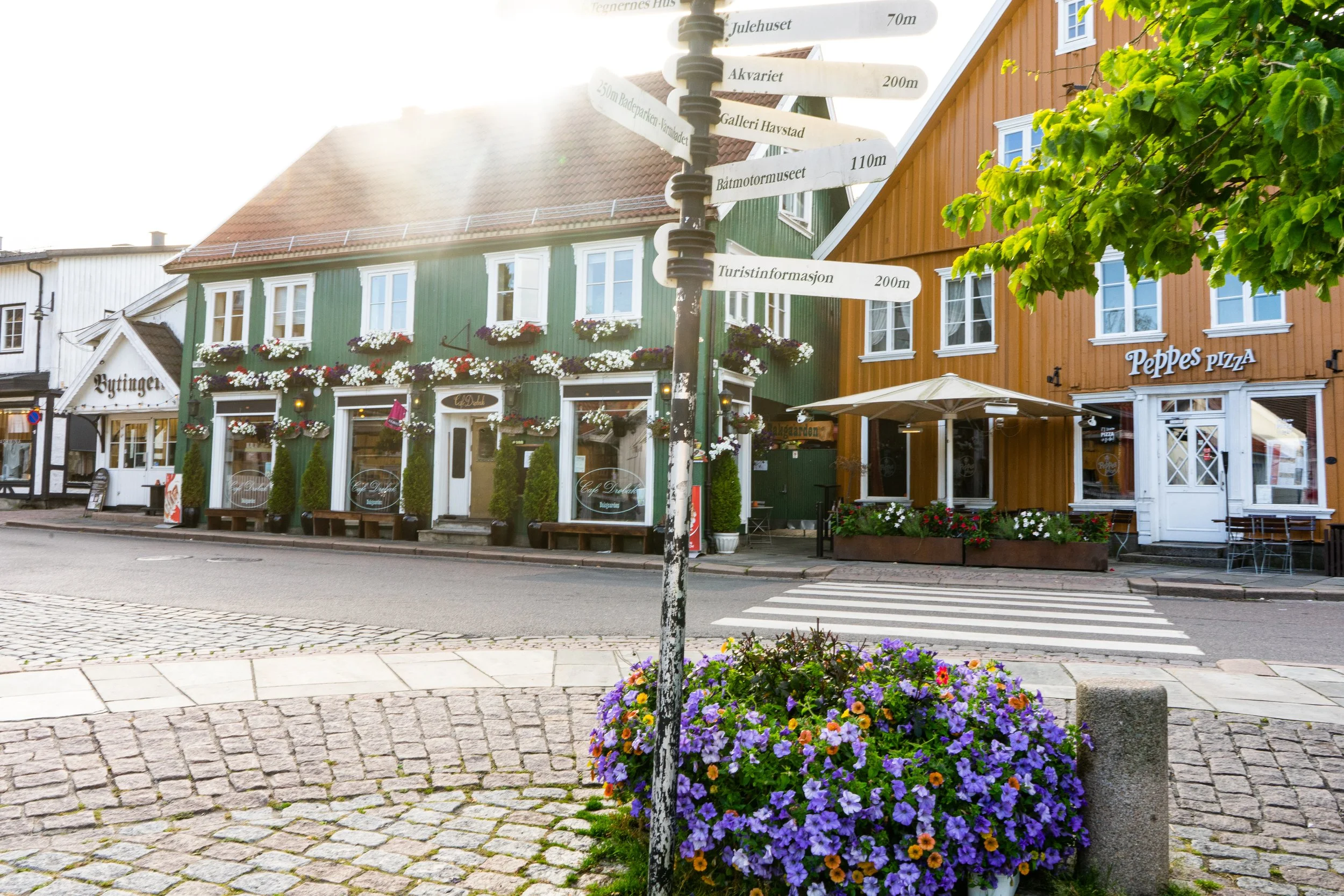
Photo: Mari Bareksten / Visit Drøbak & Oscarsborg
The pleasure of Drøbak is partly in simply spending time there. You can walk through the older streets, explore the harbour, stop for lunch or coffee and follow the waterfront rather than trying to work through a long list of attractions. It is small enough to explore slowly, which makes it particularly suitable for travellers who want a quieter day after several days of sightseeing in Oslo.
The much stronger full-day trip, however, combines Drøbak with Oscarsborg Fortress, situated on islands immediately offshore. The short ferry crossing takes you to a place that feels completely separate from the town, with fortifications, walking paths and views across the fjord.
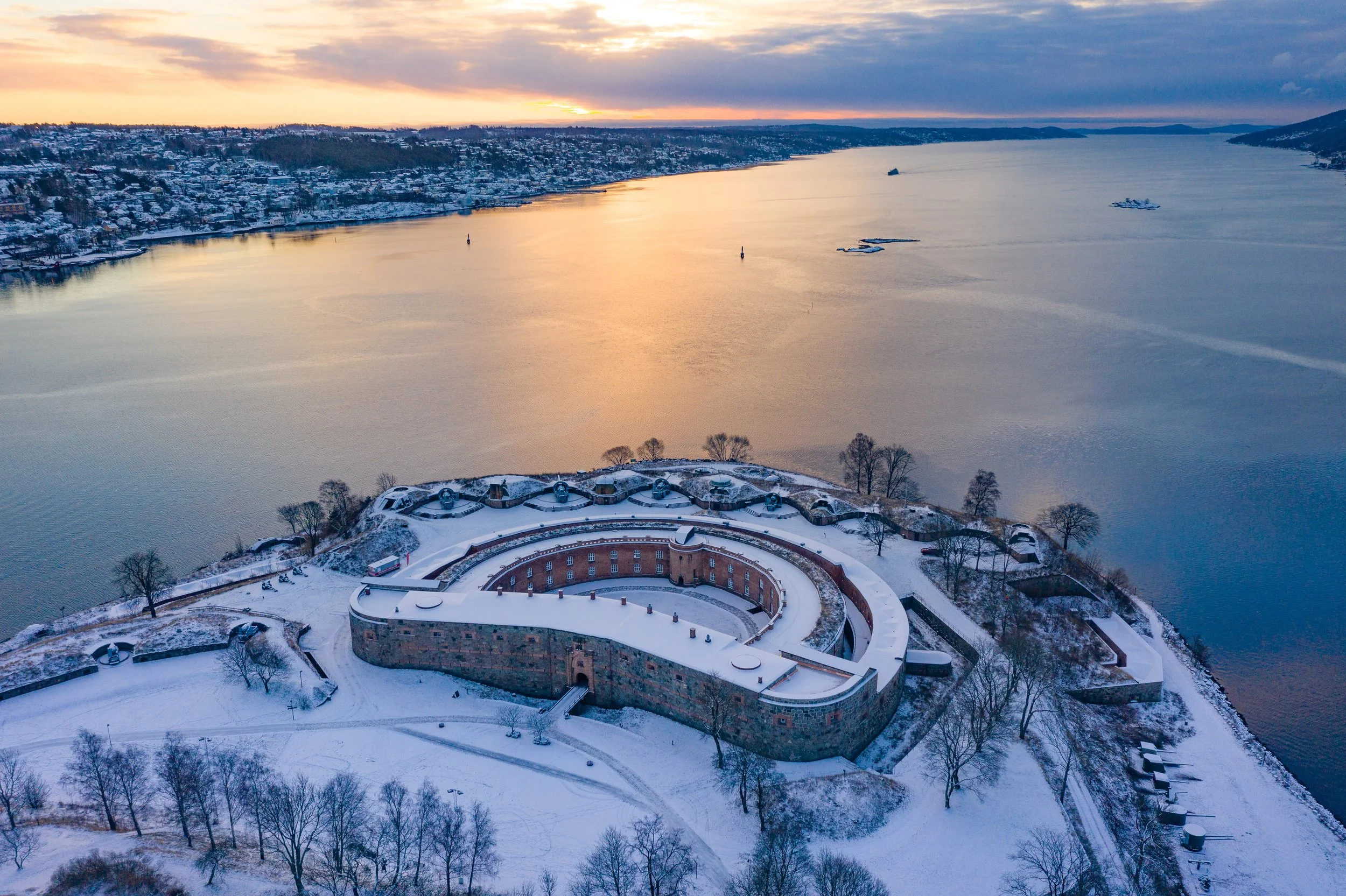
Photo: Drøbak & Oscarsborg
Oscarsborg occupies one of the narrowest points of the Oslofjord and played a decisive role during the German invasion of Norway on 9 April 1940. Norwegian forces at the fortress sank the German cruiser Blücher, delaying the advance towards Oslo and giving the Norwegian royal family, government and parliament valuable time to leave the capital.
Today, the island is far quieter. You can explore the fortress grounds, visit the museum, see the old military installations and walk around the shoreline. The combination of military history and the peaceful island setting gives Oscarsborg considerably more atmosphere than a conventional indoor museum.
In summer, it is also possible to make the Oslofjord part of the journey itself, with seasonal passenger boats operating in the area. If you have a full day, I would prioritise Drøbak with Oscarsborg rather than treating the town alone as the destination.
Getting to Drøbak from Oslo
The journey from Oslo to Drøbak takes roughly 45 minutes to an hour by bus, depending on traffic and the service you choose. Driving usually takes around 40 minutes. From Drøbak, local ferries provide access to Oscarsborg Fortress.
For more ideas on what to see and do, where to eat and what is happening during your visit, the official Visit Drøbak & Oscarsborg website is a useful place to continue planning your day.
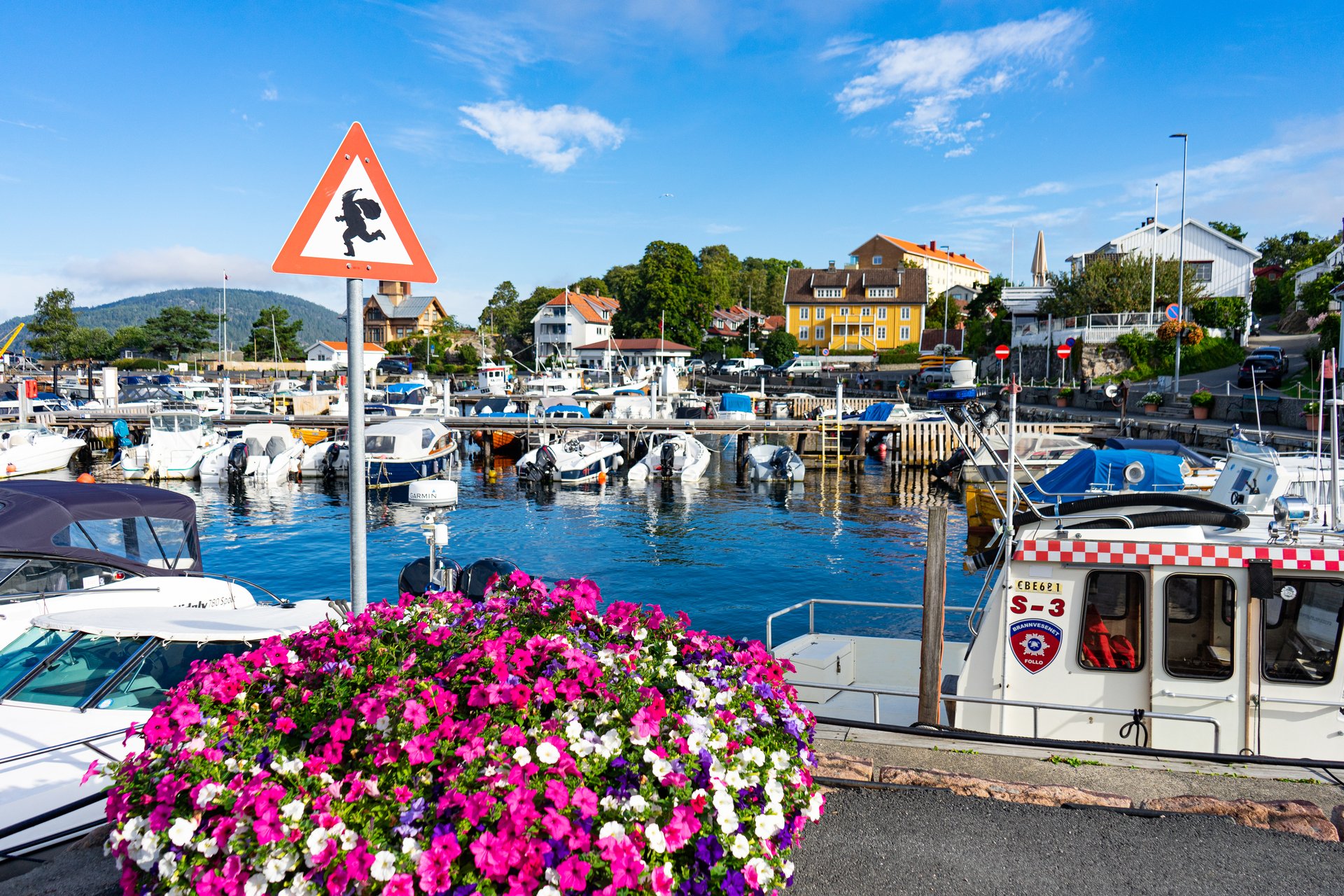
Photo: Mari Bareksten / Visit Drøbak & Oscarsborg
Son: Wooden Houses and Oslofjord Life
Son is one of the easiest places to reach from Oslo if you want to experience the atmosphere of a small coastal town without travelling far from the capital. Around 40 minutes south of Oslo, the town sits beside the Oslofjord and is known for its old wooden houses, narrow streets and busy guest harbour. In summer, cafés and restaurants spill towards the waterfront, boats fill the marina and the centre takes on the character of a traditional Norwegian summer town.
What makes Son more interesting than simply being picturesque is its maritime history. From roughly the 16th to the 19th century, Son developed as an important harbour for the export of Norwegian timber to the Netherlands. Its role was significant enough that old Dutch maps referred to the Oslofjord as Zoen Water, and several historic buildings from the town’s trading period still survive. Son later developed strong traditions connected to boatbuilding and became associated with artists during the early 20th century.
You do not need a complicated itinerary here. The town is best experienced by walking through the older streets, spending time around the harbour and stopping at one of the cafés or restaurants. Thornegården, one of Son’s historic buildings, is a good example of the preserved architecture associated with the town’s trading history, while the Son Coastal Centre has old boats, exhibitions and displays connected to fishing and coastal life.
If the weather is good, you can also rent a kayak, walk along the coast or simply make the waterfront the centre of the day. Son is particularly appealing in summer, when the harbour and outdoor life are at their best, although the historic centre gives the town character outside the main season as well.
Getting to Son from Oslo
Son is around 40 minutes south of Oslo by car. Public transport usually involves travelling to the Vestby or Sonsveien area and continuing by local bus. During parts of the summer season there are also weekend boat connections between Oslo and Son, which can turn the journey itself into part of the day trip.
Fredrikstad and the Old Town
Fredrikstad is one of the strongest choices if you want a day trip that combines history with a place that still feels like an ordinary Norwegian town.
The main reason to come is Gamlebyen, Fredrikstad's fortified Old Town. Founded in the 16th century, it is one of the best-preserved fortified towns in Northern Europe. What makes it particularly enjoyable is that it has not been turned into a sealed historical attraction. People still live and work within the fortifications, and historic military buildings sit alongside homes, galleries, workshops, cafés and small shops.
The best way to experience Gamlebyen is slowly. Walk through the cobbled streets before following the grassy ramparts and defensive earthworks surrounding the town. From there, the original layout becomes easier to understand, with moats, bastions and streets arranged as part of a larger defensive system.
You can easily spend several hours here without needing a strict itinerary. Stop for lunch, browse the galleries and workshops, visit the local museum if you want more historical context or simply walk along the fortifications.
Fredrikstad's relationship with the Glomma River adds another layer to the day. Small passenger ferries connect different parts of the city, including Gamlebyen and the modern centre, and form part of the local public transport system. Rather than visiting the Old Town and immediately returning to Oslo, I would cross the river and spend some time around the newer waterfront as well.
That contrast makes Fredrikstad feel like a real city rather than a single heritage attraction. Gamlebyen gives you the history, while the river and modern centre show how the town functions today.
Getting to Fredrikstad from Oslo
Direct trains from Oslo S reach Fredrikstad in around an hour. From the station, you can continue through the centre and use the local ferries to reach Gamlebyen. A car is not necessary.
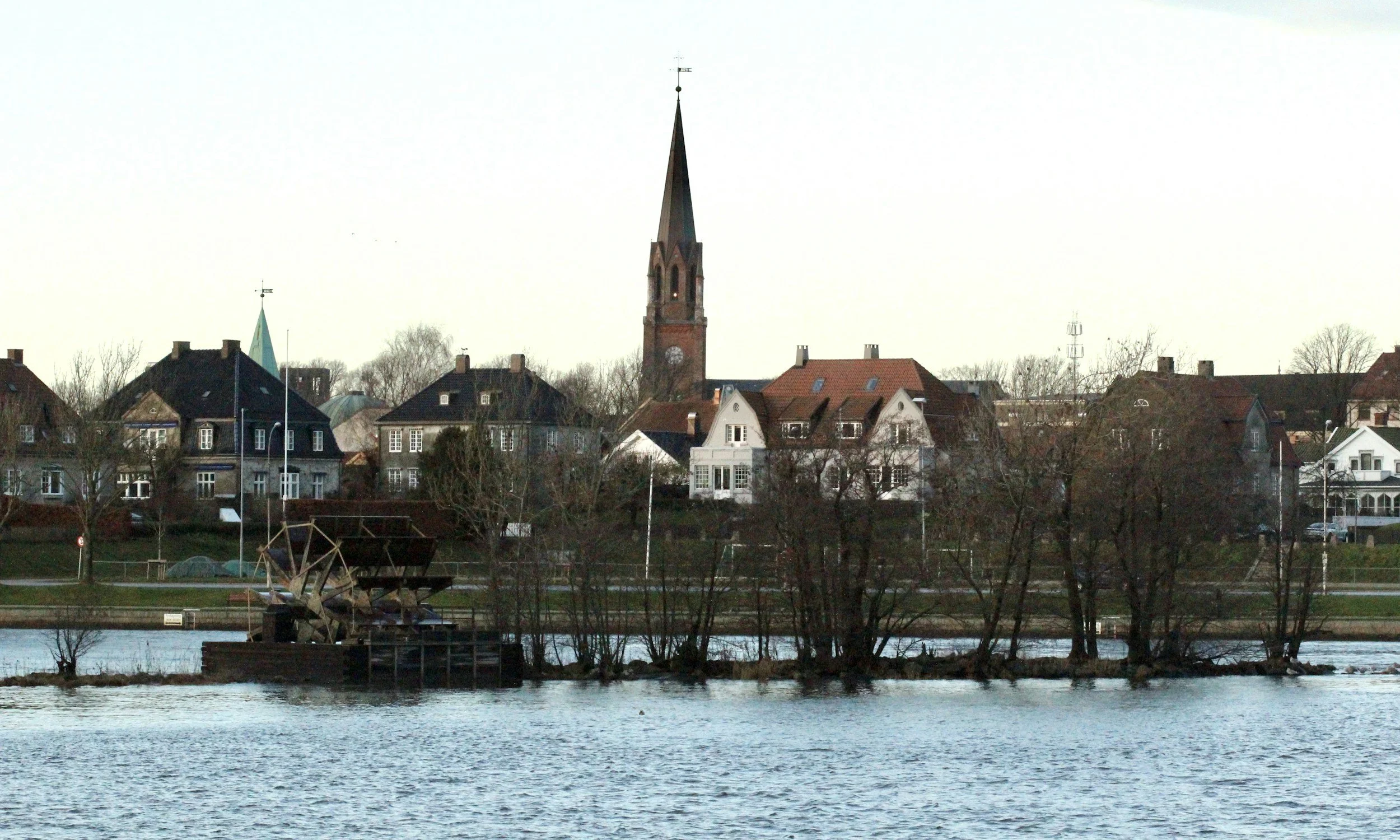
Eidsvoll 1814
Eidsvoll is not the place I would choose for cafés, shopping or scenery alone. I would go for one very specific reason: this is where one of the most important events in modern Norwegian history took place.
In 1814, representatives gathered at Eidsvollsbygningen to write and adopt the Norwegian Constitution. The events at Eidsvoll became fundamental to the development of modern Norway and are still reflected in the country's national identity, political traditions and celebration of Constitution Day on 17 May.
The manor house can be explored on a guided tour, taking you through the rooms in which the constitutional assembly met. The wider Eidsvoll 1814 site also includes exhibitions about the events of 1814, democracy and the political circumstances surrounding Norway's attempt to establish greater independence after centuries of Danish rule.
This is a more focused day trip than Fredrikstad or Tønsberg, but that is also its strength. If you are interested in Norwegian history, society or politics, Eidsvoll provides context for ideas and traditions you will encounter throughout the rest of the country.
It becomes particularly interesting if you are travelling around Norway close to 17 May. Visiting Eidsvoll helps explain why Constitution Day carries such significance in Norway rather than seeing the celebrations simply as parades, flags and people wearing bunad.
Getting to Eidsvoll from Oslo
Trains from Oslo S to Eidsvoll Verk take roughly half an hour. From the station, you can walk or use a local bus to reach Eidsvoll 1814, making this one of the easiest historical day trips from the capital.
Kistefos and Hadeland Glassverk
If art, architecture and Norwegian design interest you more than historic towns, I would devote a day to Kistefos and Hadeland Glassverk near Jevnaker.
Kistefos is unusual because contemporary art, industrial history, landscape and architecture have all been brought together in one place. The museum occupies the site of a former wood-pulp mill beside the Randselva river, where preserved industrial buildings now sit alongside a large outdoor sculpture park and changing contemporary exhibitions.
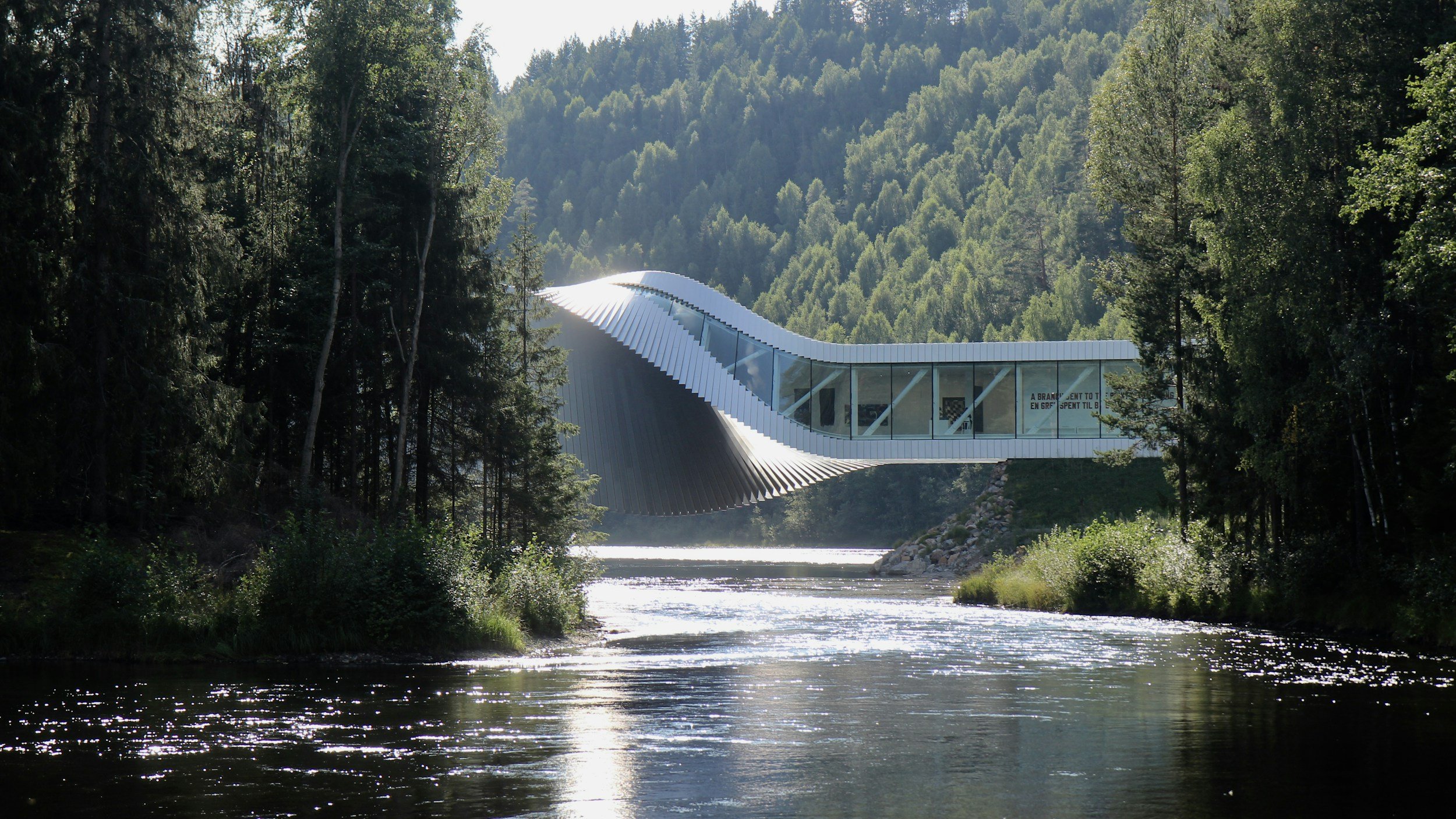
The sculpture park stretches through the forest and along the river, so visiting Kistefos feels very different from spending a day inside a conventional gallery. Works are integrated into the landscape, and walking between them becomes part of the experience.
The most recognisable building is The Twist, designed by BIG – Bjarke Ingels Group. It crosses the river while twisting through 90 degrees, functioning simultaneously as a bridge, gallery and architectural installation. You walk through it as part of the route around the museum rather than approaching it as a separate building.
Nearby Hadeland Glassverk represents another side of Norwegian design. Founded in 1762, it has a long history of glass production and craftsmanship. Visitors can watch glassblowers working with molten glass and learn more about the techniques behind products that might otherwise simply appear as finished objects in a shop.
There are also exhibitions, workshops, shops and places to eat, making Hadeland more than a short factory visit.
The two destinations work particularly well together because they represent very different periods in Norwegian design and creative culture. Kistefos is contemporary, international and architectural, while Hadeland is rooted in a much older craft tradition.
If you only want to visit one, I would choose Kistefos for contemporary art and architecture and Hadeland Glassverk for craftsmanship and Norwegian design traditions.
Getting to Kistefos and Hadeland from Oslo
The area is easiest to explore by car, but seasonal public transport connections can make it possible to visit from Oslo without one. If you plan to combine both Kistefos and Hadeland Glassverk in the same day, check the current seasonal transport and opening schedules before travelling.
Kongsberg and the Silver Mines
Kongsberg tells a very different story about Norway from the coastal towns around Oslo. This was a town shaped by what lay beneath the ground.
Silver was discovered in the area in the 17th century, and mining continued for more than three centuries. The industry transformed Kongsberg into a specialised community of miners, engineers and craftsmen and had a much wider influence on Norwegian technology and industrial development.
The Norwegian Mining Museum in central Kongsberg provides the historical context, with collections connected to silver mining, minerals, industrial history and the Norwegian mint.
The experience becomes considerably more memorable if you continue outside the centre to the Kongsberg Silver Mines at Saggrenda. During the main visitor season, a mine train travels deep into the mountain to King's Mine, giving visitors a much more physical sense of what mining actually involved.
Cold air, darkness, rock, machinery and enormous underground spaces make the history easier to comprehend than it is from museum displays alone. Generations of miners spent their working lives inside these mountains, and Kongsberg developed around that industry.
This is why I would choose Kongsberg if you have already seen plenty of fjord scenery, wooden houses and historic centres and want to understand another side of Norwegian history.
I would plan the day around the Silver Mines first and then use the museum and town centre to provide additional context. Mine tours are seasonal, so check the current timetable before planning your visit.
Getting to Kongsberg from Oslo
Direct trains connect Oslo and Kongsberg, with the journey taking roughly an hour to an hour and a half depending on the service. The Silver Mines are outside the town centre, so you will need an additional local connection if they are the focus of your trip.
Moss and Jeløy
Moss is probably the least obvious destination in this guide, and I would not recommend travelling there primarily for the city centre. The reason to make the journey is the combination of Moss's industrial history with the art, woodland and coastline of Jeløy.
Moss developed as an important industrial town, and Møllebyen, the old mill district beside Mossefossen, preserves part of that identity. The town's museum explores the milling, water-power and paper industries that shaped the area, giving Moss a very different historical character from Drøbak or Fredrikstad.
Cross the canal to Jeløy and the atmosphere changes. The surroundings become greener and more spacious, with woods, beaches, farmland, old estates and views across the Oslofjord.
The strongest destination here is Galleri F15 at Alby, one of Norway's established contemporary art institutions. Its location is part of the appeal. Rather than sitting in the centre of a city, the gallery occupies a historic estate surrounded by landscape, allowing you to combine an exhibition with a café visit and a longer walk towards the coast.
That is how I would plan Moss as a day trip. Spend some time in the centre if its industrial history interests you, but make Jeløy the main part of the excursion. In summer, you can combine the gallery with coastal walking and swimming. Spring and autumn are particularly pleasant if you want a quieter combination of art and nature.
Getting to Moss from Oslo
Frequent trains connect Oslo S with Moss, and the journey takes around 40 minutes. Jeløy lies beyond the centre, so allow additional time for the local journey to Alby and Galleri F15.
Halden and Fredriksten Fortress
Halden lies close to the Swedish border, and that location is central to understanding the town.
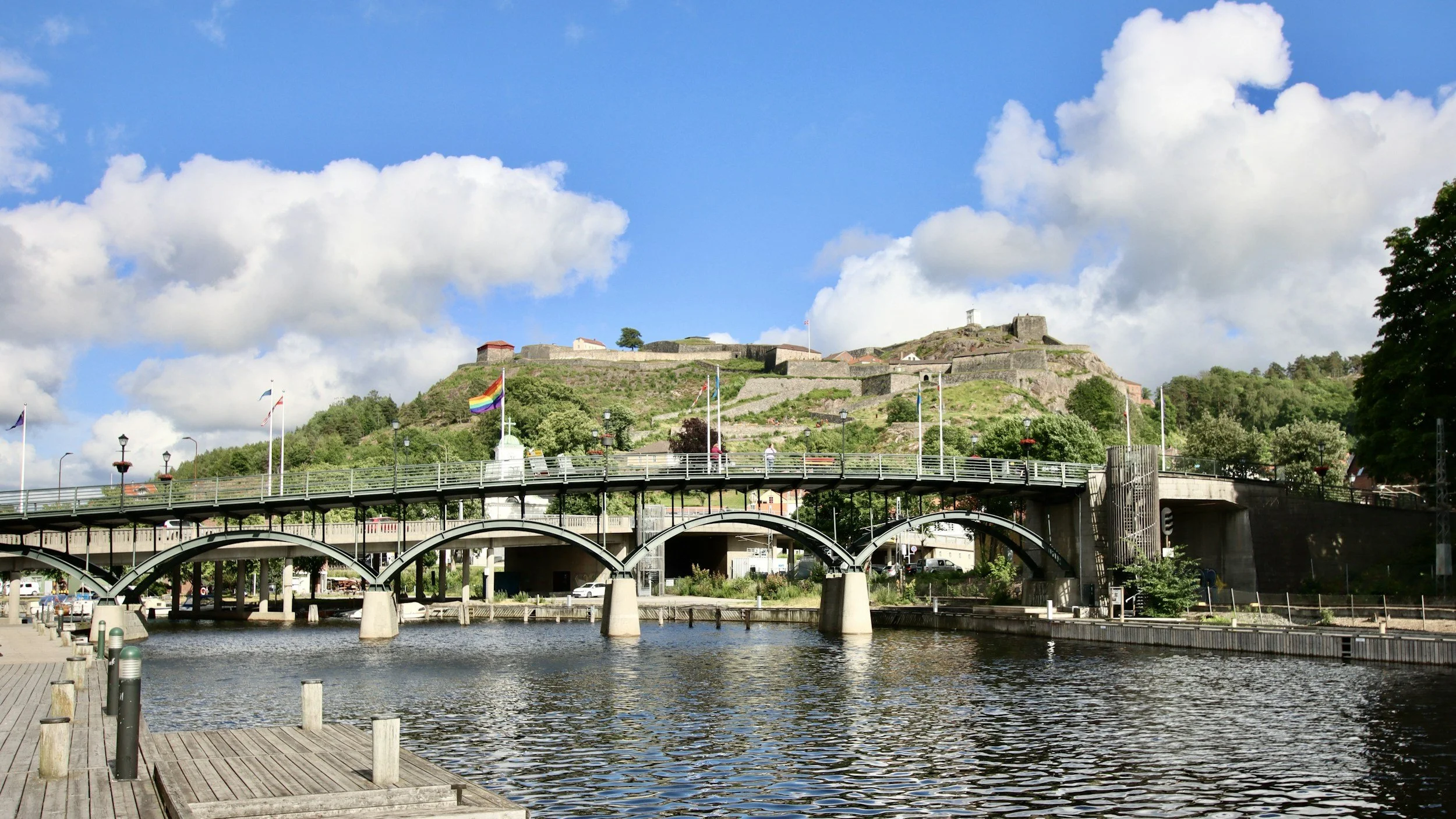
Above the centre stands Fredriksten Fortress, one of Norway's most important historical defensive sites. The fortress developed after Denmark-Norway lost territory to Sweden in the 17th century and became closely connected with centuries of military conflict along the border.
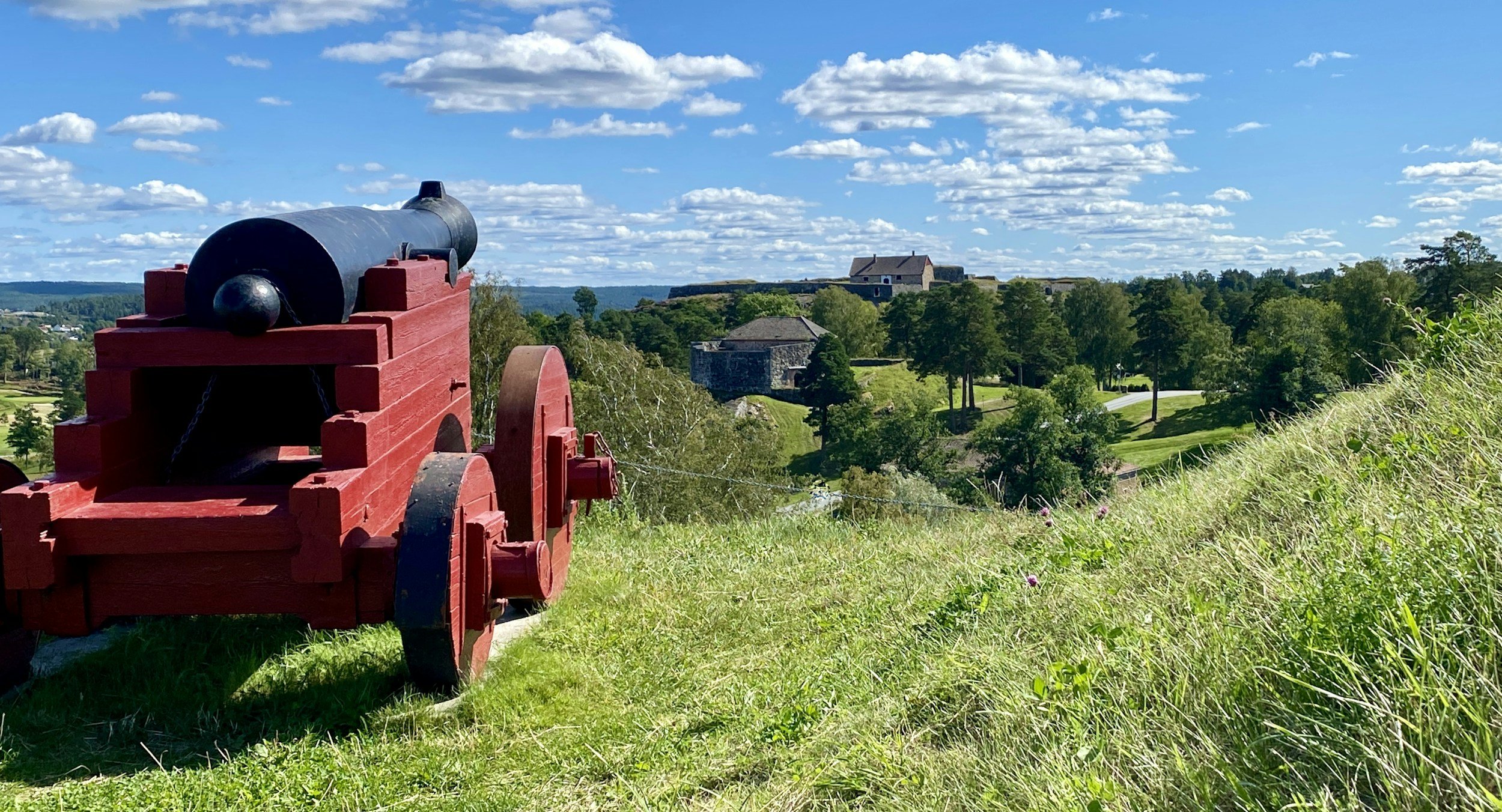
It is also famously associated with the death of the Swedish king Charles XII, who was killed while besieging Fredriksten in 1718 during the Great Northern War.
The fortress is extensive enough that you should allow time simply to walk through it. Walls, bastions and old military buildings spread across the hill above Halden, while the elevated position gives broad views over the town and Iddefjord.
The setting matters here. Fredriksten is not only a museum where you learn about Norwegian-Swedish conflict; the physical position of the fortress makes it immediately obvious why this location was strategically important.
I would also spend some time in Halden itself rather than travelling only for the fortress. The town has a compact centre, riverfront areas and a guest harbour, giving the day a softer contrast to the military history above it.
Halden is farther from Oslo than many of the other destinations in this guide, so it works best as a full-day excursion. If the history between Norway and Sweden interests you, however, Fredriksten makes the extra journey worthwhile.
Getting to Halden from Oslo
Direct trains connect Oslo and Halden, with the journey taking roughly two hours. Fredriksten Fortress rises above the town centre and can be reached from Halden on foot, although the climb is noticeable.
Tønsberg: Viking and Medieval Norway
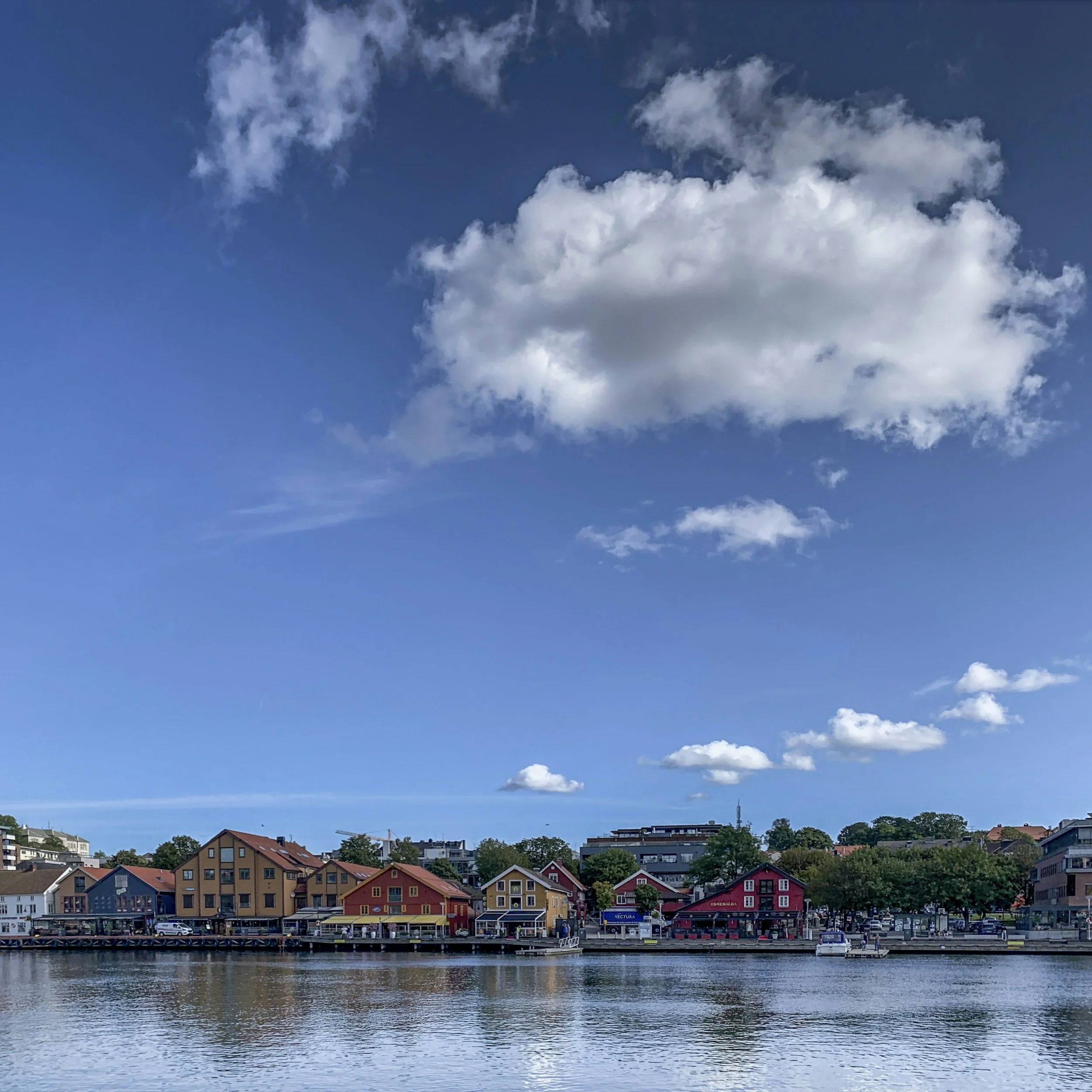
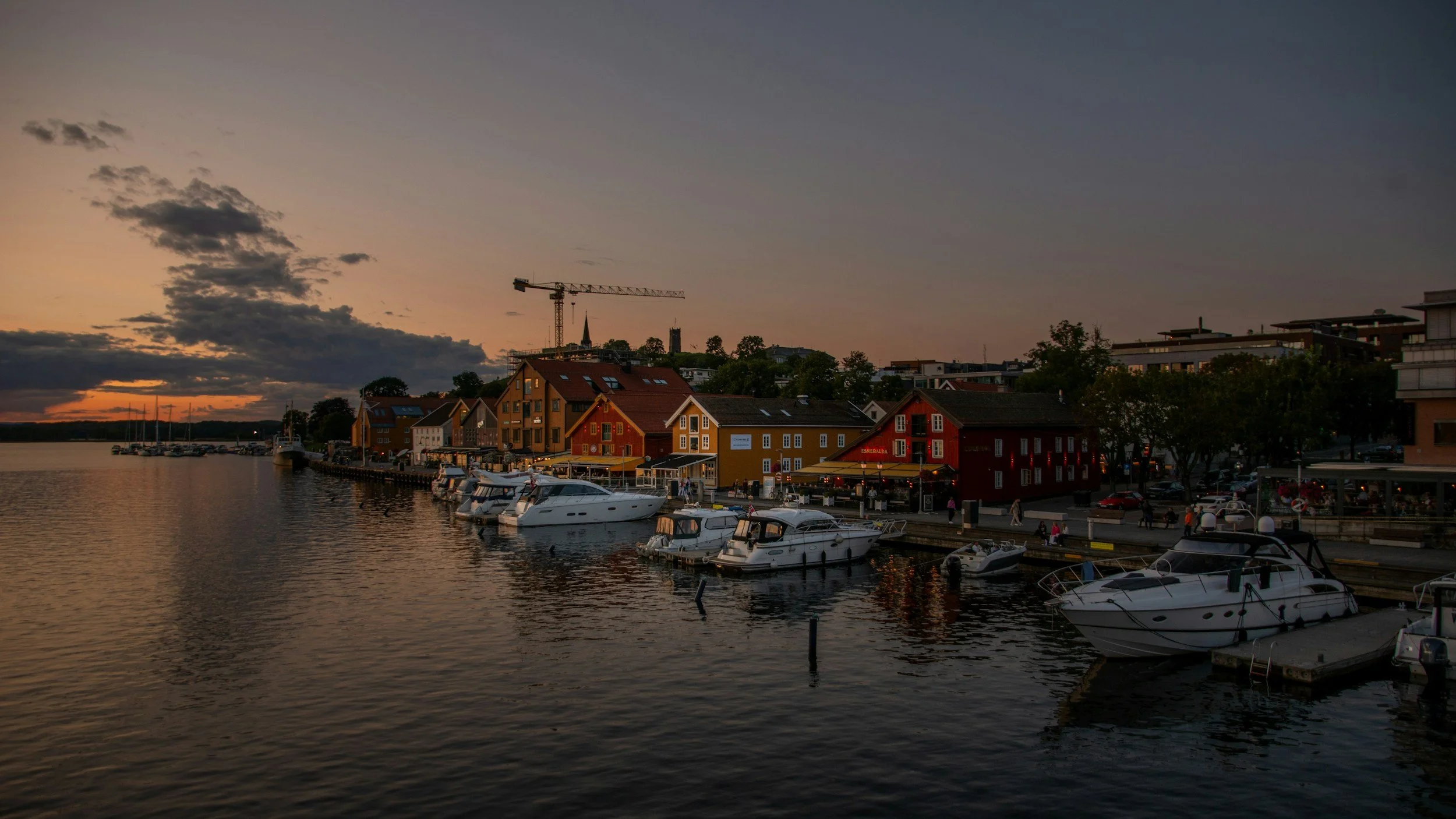
Tønsberg stretches the idea of a nearby Oslo day trip a little farther geographically, but the straightforward train journey makes it practical enough to include.
It is generally regarded as Norway's oldest town, and its history reaches back into the Viking Age. The surrounding Vestfold region is particularly important in Norwegian Viking archaeology, and the famous Oseberg ship was discovered just outside Tønsberg.
At the harbour, Saga Oseberg, a full-scale reconstruction of the Oseberg ship, provides a more tangible connection with that history. Seeing the ship on the water makes it easier to imagine these vessels as functional boats rather than simply archaeological objects displayed in museums.
Tønsberg is also one of the most useful day trips from Oslo for travellers interested in the Viking Age. The wider Vestfold region contains some of Norway’s most important Viking archaeological sites, and if this is one of the main reasons you are travelling in Norway, my Viking History in Norway: The Best Places to Visit by Region guide places Tønsberg within the wider story of Viking sites across the country.
Tønsberg remained important after the Viking Age. Above the modern town rises Slottsfjellet, where the ruins of Tunsberghus fortress mark one of medieval Norway's important centres of royal power.
The walk to the top gives you a broad view across Tønsberg and the surrounding fjord landscape, while the archaeological remains make the hill more than a simple viewpoint.
At the foot of Slottsfjellet, Slottsfjellsmuseet covers several layers of local and regional history, including medieval Tønsberg, Viking finds and the maritime history of Vestfold.
This mixture makes Tønsberg a more rounded day trip than a destination built around a single historical attraction. You can spend the morning exploring Slottsfjellet and the museum, walk down towards the harbour for lunch and then continue along the waterfront and Viking-related sites during the afternoon.
If Viking and medieval Norway are high on your list, I would choose Tønsberg over a more generic small-town excursion because the history here is substantial enough to justify the journey in its own right.
Getting to Tønsberg from Oslo
Direct trains from Oslo reach Tønsberg in roughly an hour to an hour and a half, depending on the service. The centre, harbour and Slottsfjellet are all accessible on foot once you arrive.
Which Day Trip from Oslo Should You Choose?
There is no reason to make all of these trips during the same stay. The better approach is to decide what would add something genuinely different to the time you are already spending in Oslo.
For a summer day beside the Oslofjord, I would choose Drøbak and Oscarsborg. Drøbak provides the small-town atmosphere and the fjord, while Oscarsborg gives the trip enough historical substance to fill a full day.
For the best combination of atmosphere and history, Fredrikstad is perhaps the most rounded option. Gamlebyen is substantial enough to explore slowly, while the river ferries and modern waterfront mean you are not spending the entire day inside a heritage attraction.
For Norwegian political history, choose Eidsvoll. For Viking and medieval history, choose Tønsberg. If the military relationship between Norway and Sweden interests you, travel farther south to Halden and Fredriksten Fortress.
For art, design and architecture, Kistefos and Hadeland Glassverk are the strongest pairing, particularly during their main visitor season. If you want something more industrial and underground, choose Kongsberg and make the Silver Mines the centre of the day.
And if what appeals to you is a quieter combination of art, coastline and walking, Moss becomes much more interesting once you look beyond the city centre and spend most of the day on Jeløy.
If you are still deciding what kind of Norway trip these day trips should fit into, my Which Type of Norway Trip Is Right for You? guide compares different ways of experiencing the country and can help you decide whether your trip should focus more on cities, fjords, mountains, road travel or the Arctic.
If you are planning several journeys like these by public transport, my Norway Train Travel Guide explains more about how the railway network works and when train travel makes more sense than renting a car.
When Is the Best Time for Day Trips from Oslo?
Most of these destinations can be visited for at least part of the year, but they are not equally good in every season.
Late spring through early autumn gives you the greatest flexibility. Drøbak, Moss and Tønsberg become much more enjoyable when the waterfront can form part of the day, while Kistefos operates primarily during the warmer part of the year. Summer also gives you more possibilities for combining museums and historical sites with walking, boat journeys, swimming and time outdoors.
History-focused trips are generally less dependent on warm weather. Fredrikstad's Gamlebyen, Eidsvoll and Kongsberg can all work outside the summer season, although opening hours and guided tours may be more limited.
Winter therefore does not make day trips from Oslo impossible, but I would choose destinations differently. Eidsvoll, Fredrikstad or a museum-focused trip to Kongsberg make more sense than planning a day around harbour life and coastal walking. If you are visiting during the colder months, my What to Do in Oslo in Winter: A Local Guide also covers the winter experiences worth prioritising in the capital itself, from museums and cafés to snowy walks and outdoor activities.

Final Words
One of the advantages of staying in Oslo is that you do not have to travel to Western Norway or deep into the mountains every time you want to see another side of the country. Eastern Norway has its own history and landscapes, and many of them begin surprisingly close to the capital.
A day in Drøbak introduces the small communities of the Oslofjord, while Oscarsborg adds one of the defining episodes of modern Norwegian history. Fredrikstad reveals a living fortified town, Eidsvoll explains the origins of Norway's Constitution, and Kongsberg tells the story of a society shaped by silver, mining and technology. Kistefos and Hadeland show two very different sides of Norwegian art and design, while Halden and Tønsberg take the story farther back through border conflicts, medieval power and the Viking Age.
You do not need to choose the destination with the greatest number of attractions. The best day trip is the one that adds something you are not already getting from Oslo.
For most first-time visitors, I would start with Drøbak and Oscarsborg or Fredrikstad. Both are easy enough to reach, clearly different from the capital and substantial enough to make the journey worthwhile. The others become particularly valuable when your interests point you towards a specific part of Norwegian history, culture, art or landscape.
More articles about Norway:












This guide explains Oslo’s main neighbourhoods, from the waterfront areas of Aker Brygge and Bjørvika to the quieter streets of Frogner and the hipster-oriented cafés of Grünerløkka.