
The Norwegian Right to Roam Explained
Allemannsretten, often called Norway's Right to Roam, gives everyone the freedom to hike, camp, ski and enjoy much of the country's countryside, even when the land is privately owned. This guide explains how Allemannsretten works, where you can go, what you can do, the rules around camping and outdoor activities, and how to use this unique right responsibly while travelling in Norway.
What Is Allemannsretten?
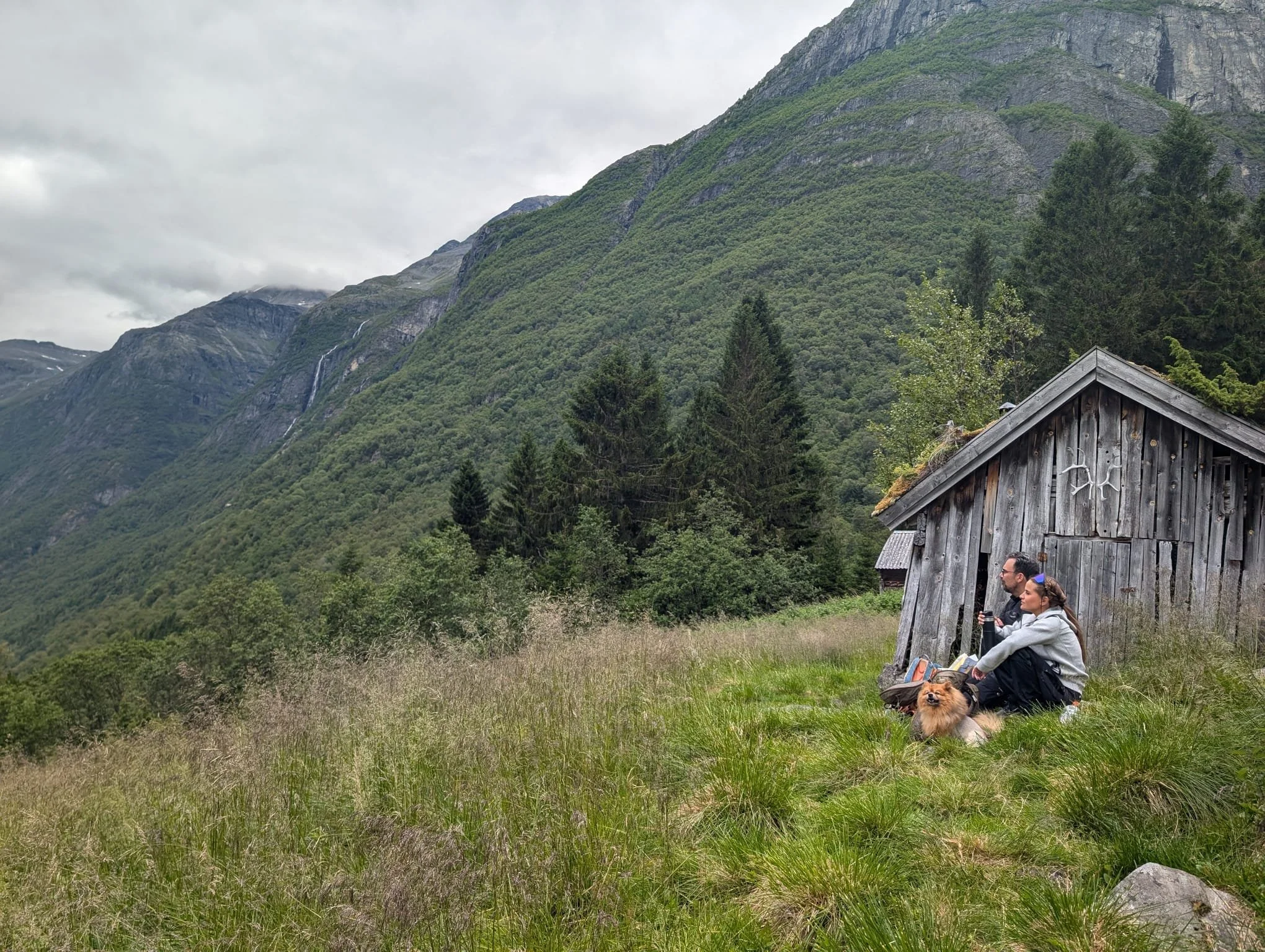
Allemannsretten literally translates as "every person's right".
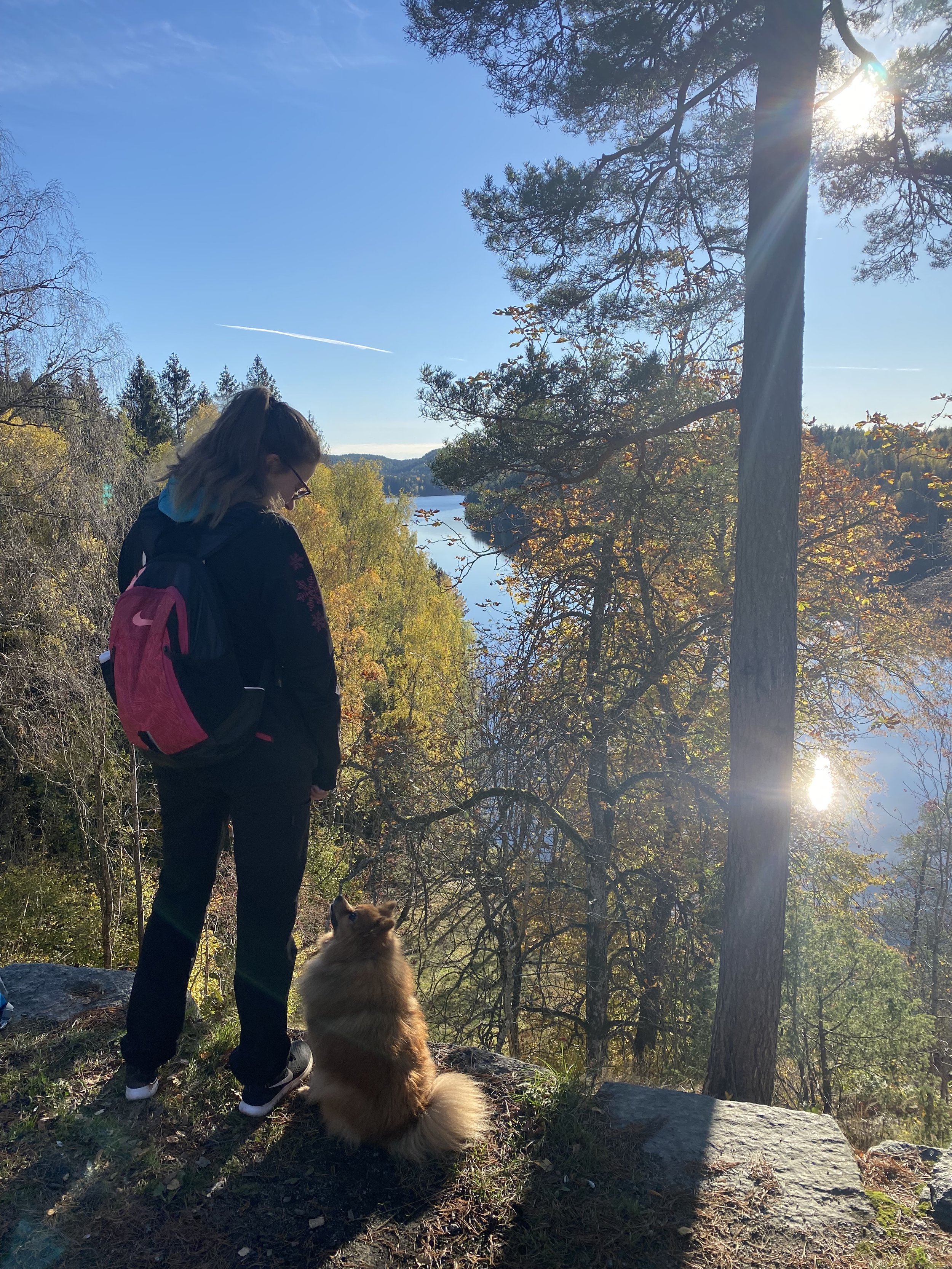
It is a legal right protected under Norway's Outdoor Recreation Act and allows everyone to access and enjoy uncultivated land, even when that land is privately owned.
Importantly, this right applies to everyone. Norwegian citizens and international visitors enjoy the same access rights.
The principle is built around a simple idea: nature should be accessible to all, provided people act responsibly and respect both the environment and the rights of landowners.
This balance between freedom and responsibility is what makes the system work.
Why Is the Right to Roam So Important in Norway?
To understand Norway, it helps to understand the importance of outdoor life.
Nature is deeply woven into Norwegian culture. Many Norwegians spend weekends hiking, skiing, fishing or simply spending time outdoors with family and friends. Children grow up learning outdoor skills from an early age, and many families own cabins that serve as a base for enjoying nature throughout the year.
The Right to Roam makes this possible.
Rather than viewing nature as something that belongs exclusively to those who own the land, Norwegian society generally views access to nature as benefiting everyone.
This philosophy helps explain why Norway has such a strong outdoor culture and why many Norwegians feel a deep connection to the landscapes around them.
For visitors from countries where access to private land is heavily restricted, Allemannsretten can be one of the most surprising aspects of travelling in Norway.
Understanding Innmark and Utmark
The most important concept to understand is the distinction between innmark and utmark.
Whether you can access an area often depends on which category it falls into.
What Is Utmark?
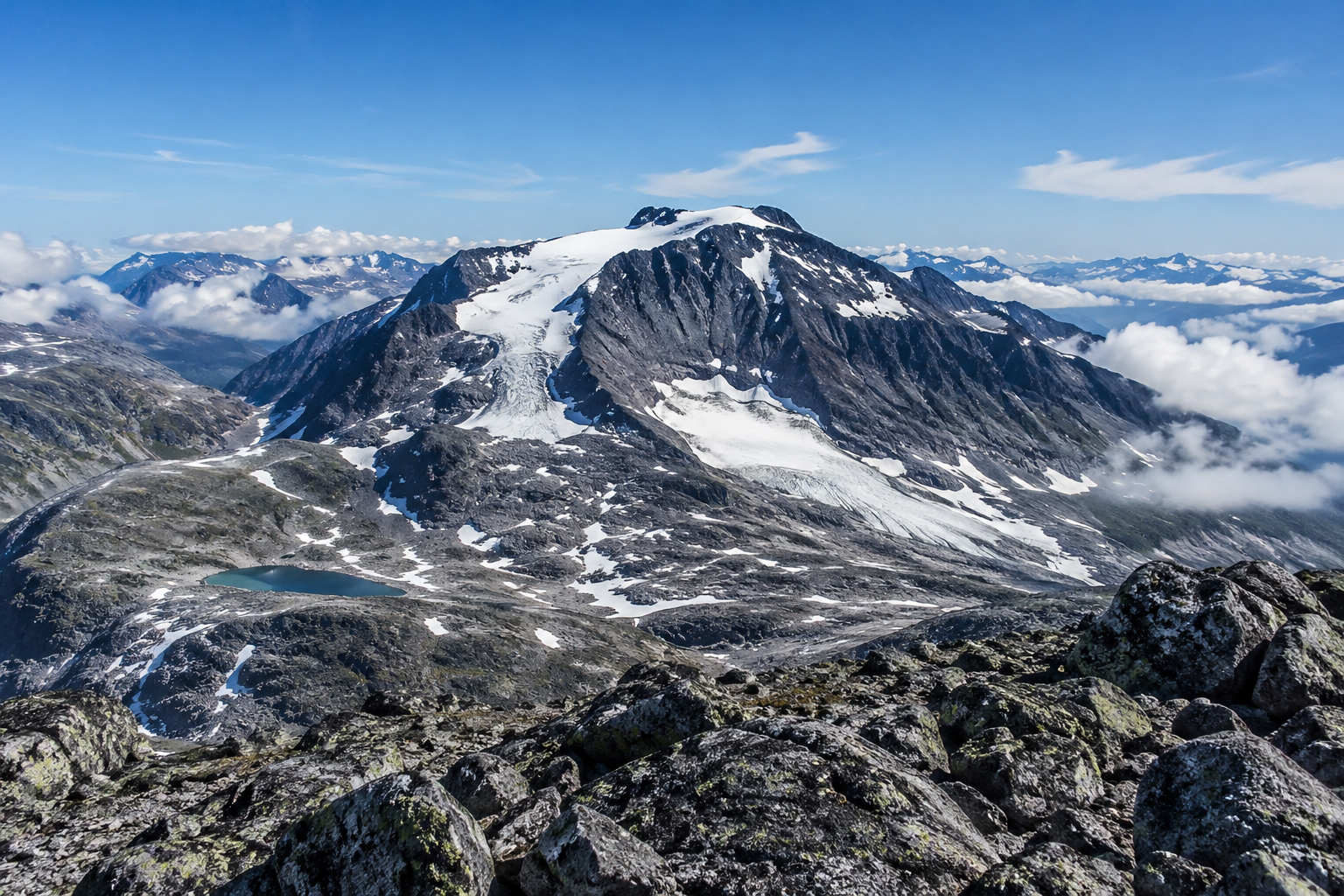
Utmark refers to uncultivated land.
Examples include:
• Mountains
• Forests
• Heathland
• Moorland
• Beaches
• Coastal areas
• Open countryside
• Most wilderness areas
This is where the Right to Roam generally applies.
Visitors may normally:
• Walk
• Hike
• Run
• Ski
• Camp
• Pick berries and mushrooms
• Enjoy nature freely
Most of the landscapes international visitors travel to Norway to experience fall into this category.
What Is Innmark?
Innmark refers to cultivated or developed land.
Examples include:
• Private gardens
• Farmyards
• Agricultural fields
• Planted farmland
• Areas immediately surrounding homes and cabins
The Right to Roam does not provide unrestricted access to these areas.
As a general rule, if land is clearly being used for farming, agriculture or private residential purposes, visitors should avoid crossing it unless there is a marked path or public access route.
Understanding this distinction is one of the keys to using Allemannsretten correctly.
Can You Walk Across Private Land?
One of the most common questions visitors ask is whether they can walk on privately owned land.
The answer is often yes.
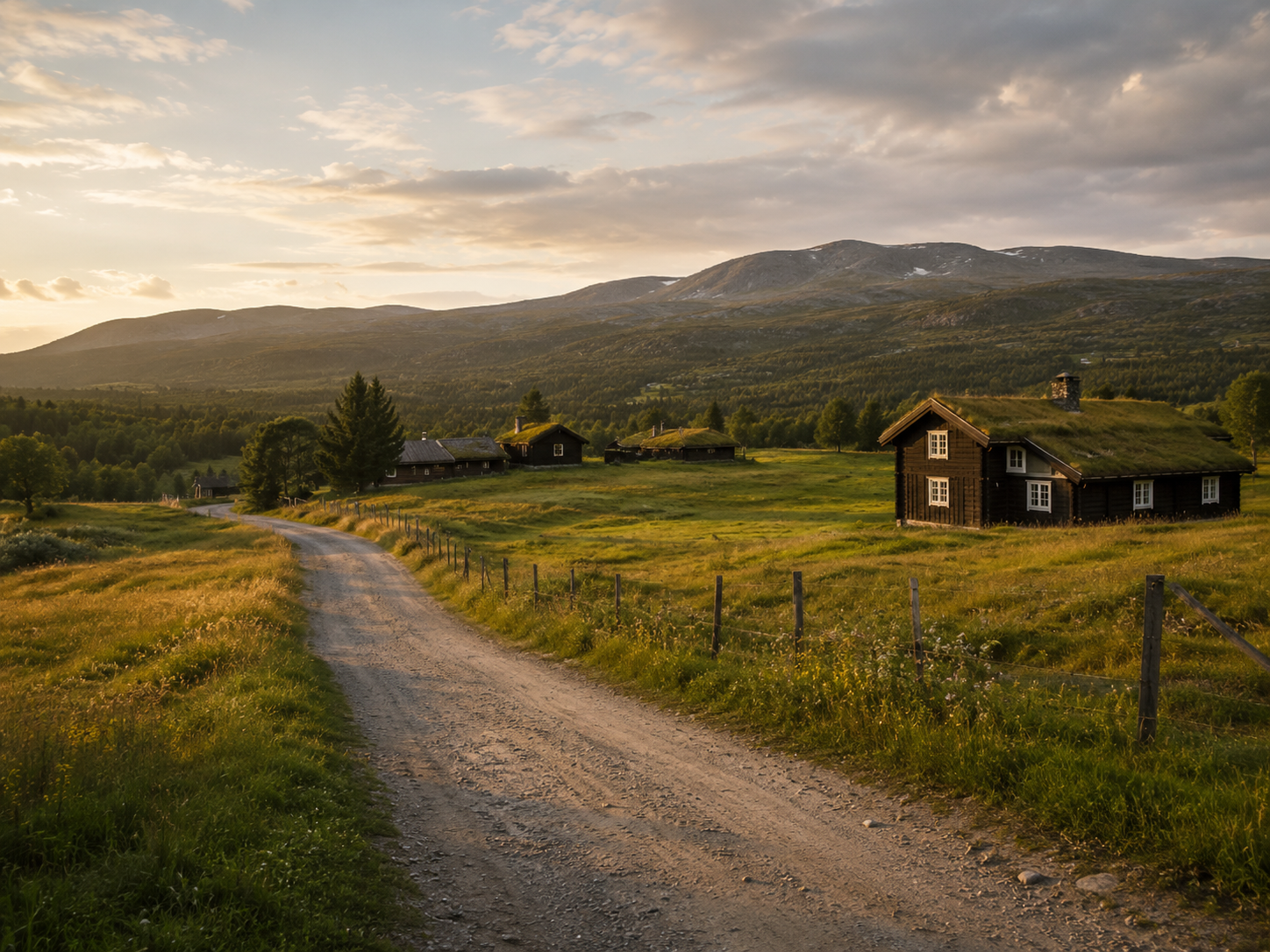
Ownership alone does not automatically restrict access. If the land is classified as utmark, people are generally free to walk, hike and enjoy the area regardless of ownership.
This is one reason why hiking in Norway feels so different from many other countries. Trails often pass through privately owned areas without creating conflict because the right of public access is widely understood and respected.
That said, visitors should always show consideration. Avoid causing disturbance, leave gates as you found them and respect signs indicating restrictions or protected areas.
Can You Walk on Private Roads?
Many visitors are surprised to discover that private roads are common in Norway, particularly in rural areas.
In many cases, walking on private roads is permitted.
Some roads may have restrictions on motor vehicles while still allowing pedestrians and cyclists. Others may lead to active farms, private properties or industrial sites where access may be restricted.
If signs indicate that access is prohibited, those restrictions should be respected.
For most visitors, however, encountering a private road does not necessarily mean they have reached the end of public access.
Can You Camp Anywhere in Norway?
Wild camping is one of the most famous aspects of Allemannsretten and one of the reasons many outdoor enthusiasts travel to Norway.
The short answer is yes, but with some important conditions.
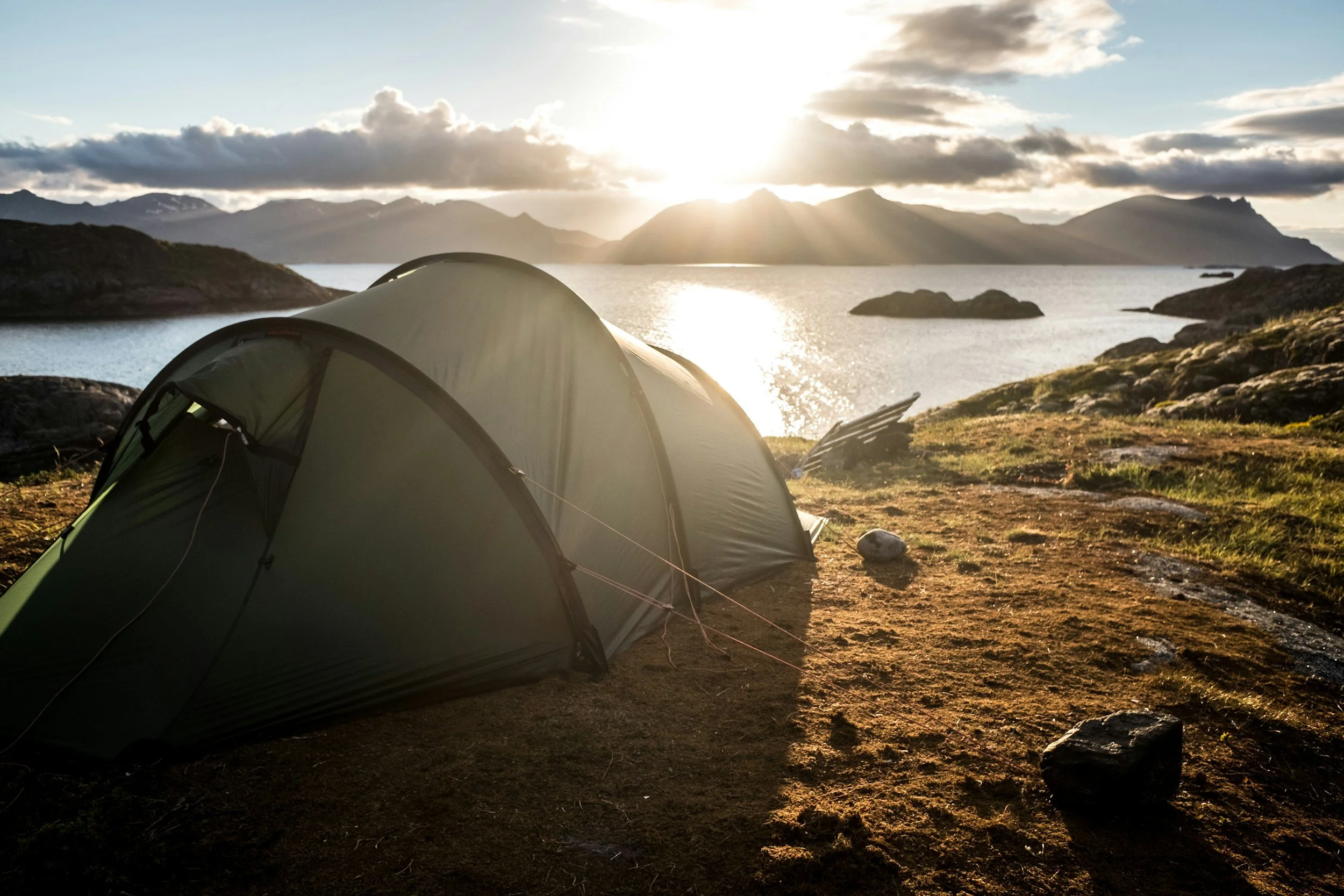
Under the Right to Roam, you may pitch a tent on uncultivated land provided you stay at least 150 metres away from the nearest inhabited house or cabin.
You may normally stay for up to two nights in the same location without seeking permission from the landowner.
In remote mountain areas, longer stays are often permitted as long as you are not causing inconvenience to others.
This means it is perfectly legal to camp beside a mountain lake, on open moorland or in a forest clearing, provided you follow the rules and leave no trace behind.
For many visitors, this freedom becomes one of the highlights of travelling in Norway.
Can You Light Fires in Norway?
The Right to Roam gives people broad access to nature, but it does not remove responsibility for protecting it.
One of the most important rules concerns open fires.
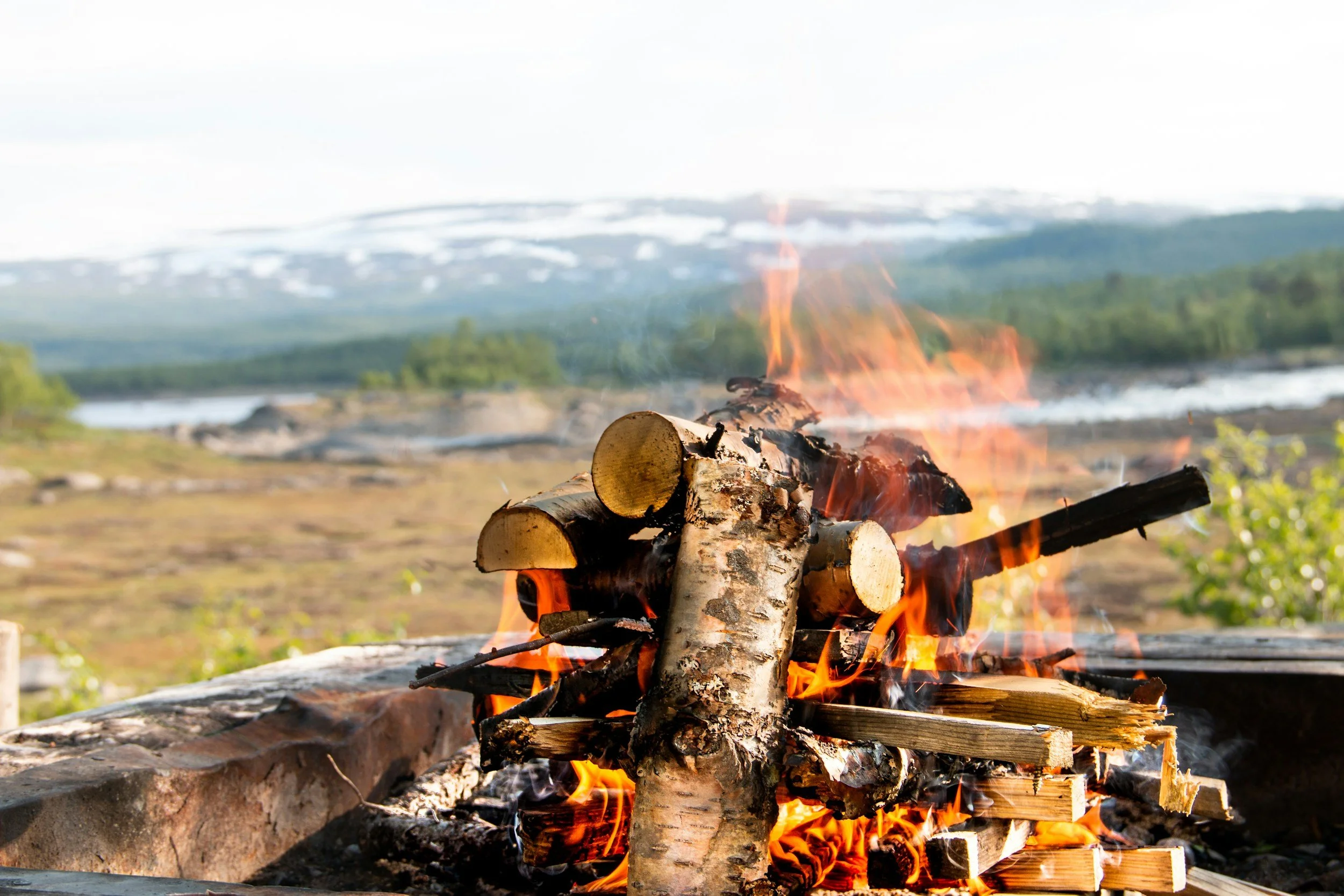
As a general rule, lighting fires in or near forests is prohibited between 15 April and 15 September. This nationwide rule exists because even small fires can spread quickly during dry conditions.
However, there are exceptions. Fires may be permitted where there is clearly no risk of wildfire, such as on snow-covered ground, on some beaches close to the waterline or in areas where local authorities have confirmed that conditions are safe.
Many popular outdoor areas provide designated fire pits that can be used when conditions allow.
Visitors should always check local guidance before lighting a fire and remember that they are responsible for ensuring it is safe to do so.
Can You Pick Berries, Mushrooms and Flowers?
One of the lesser-known aspects of Allemannsretten is the right to gather many natural resources for personal use.
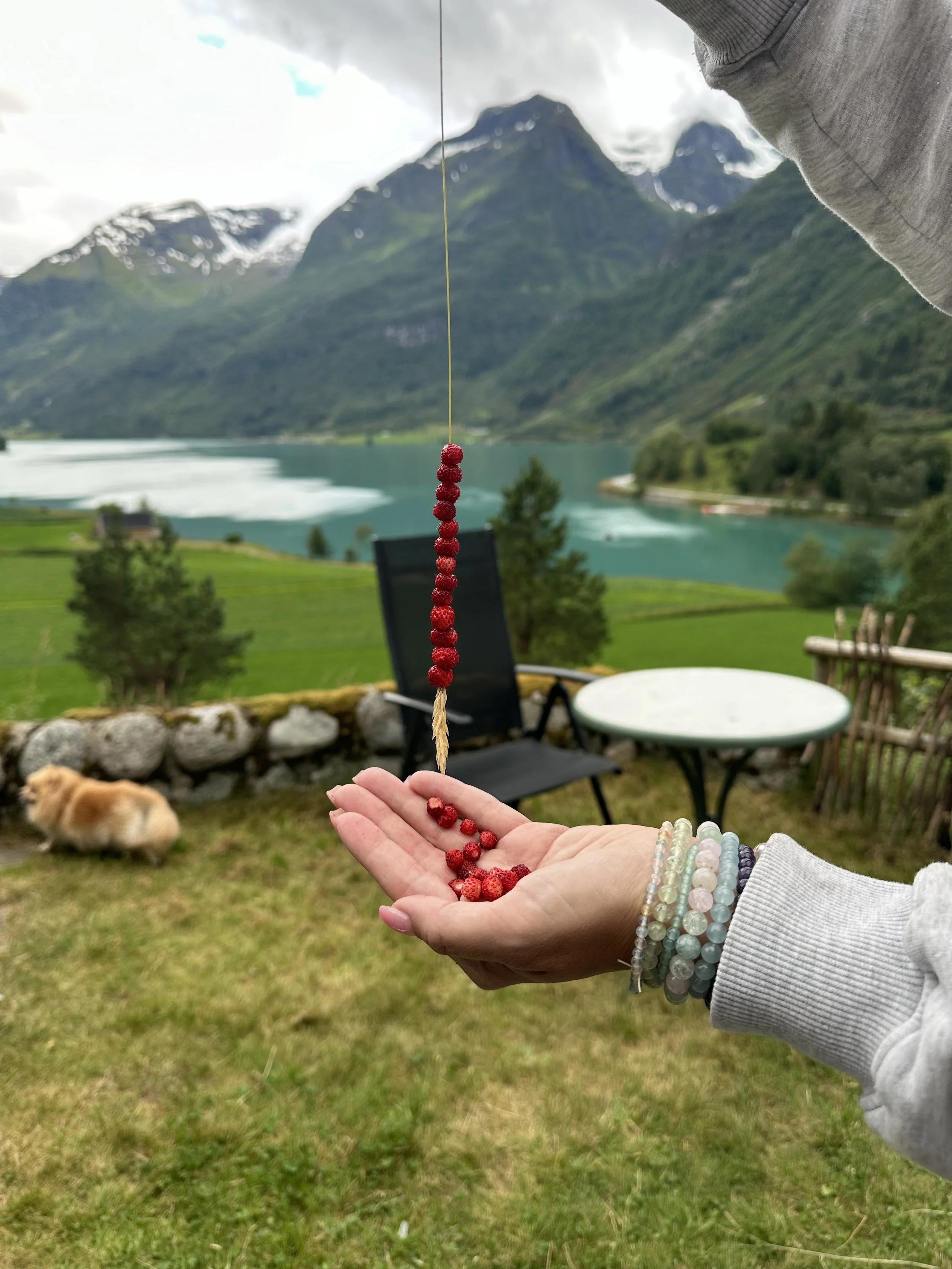
Visitors are generally free to pick wild berries, mushrooms and flowers in uncultivated areas.
This is a long-standing part of Norwegian outdoor culture, and many Norwegians spend late summer and autumn collecting blueberries, lingonberries, cloudberries and mushrooms.
There are some exceptions. Protected plant species should never be picked, and in parts of Northern Norway special rules may apply to cloudberries on private land.
For most visitors, however, gathering berries along a hiking trail is perfectly legal and one of the simplest ways to experience Norwegian outdoor traditions.
Can You Swim, Paddle and Use the Coastline?
The Right to Roam also extends to much of Norway's coastline.
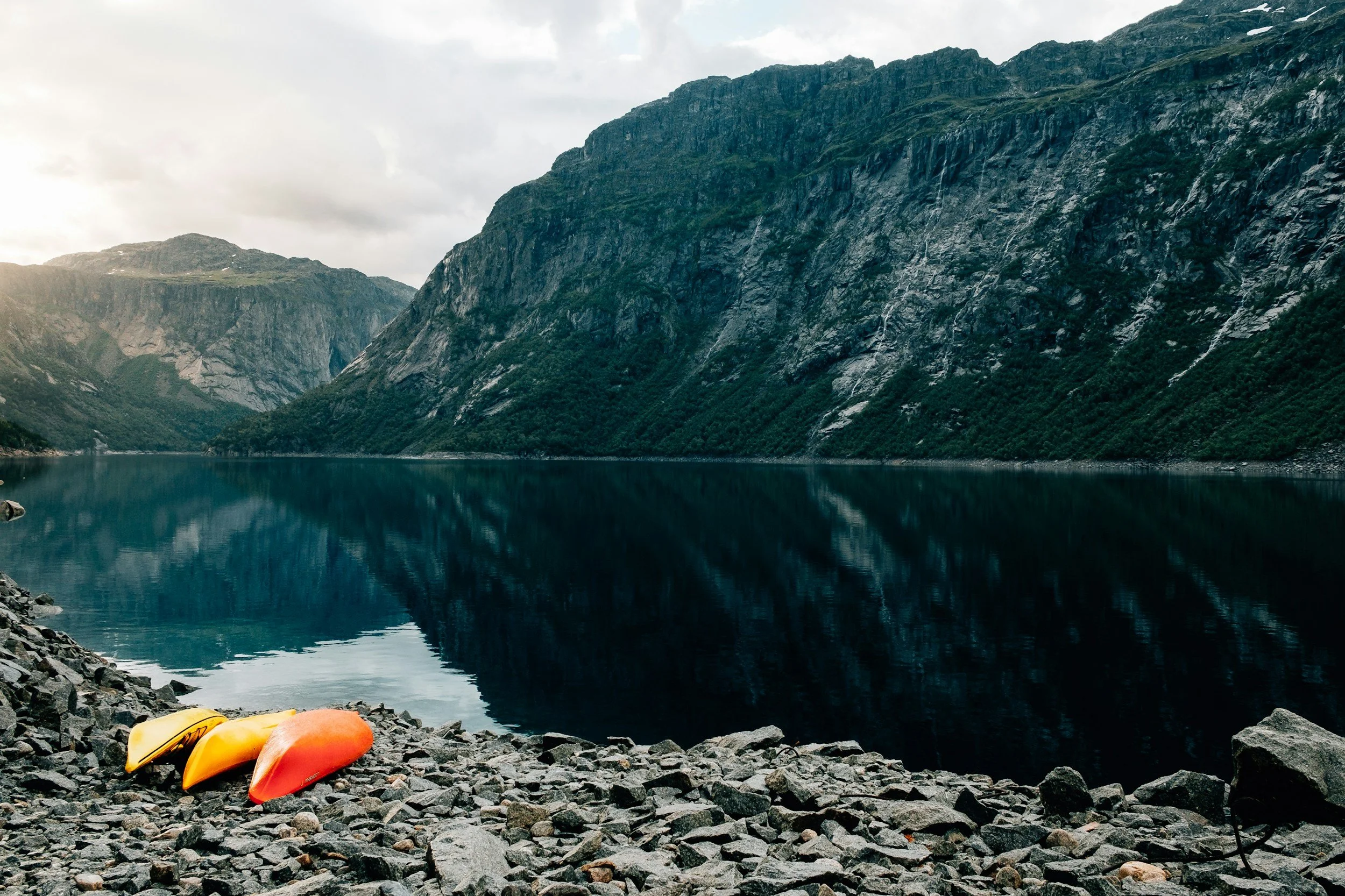
Visitors may generally swim, relax on beaches, launch kayaks and enjoy coastal areas, even when nearby land is privately owned.
This can be surprising for visitors from countries where access to waterfront areas is often restricted. In Norway, access to the coast is widely protected, helping ensure that beaches, islands and shoreline areas remain available to everyone.
Kayaking is particularly popular along Norway's coast, from the sheltered waters of the Oslofjord to the dramatic landscapes of the fjords and Northern Norway.
As always, visitors should avoid disturbing wildlife, respect private homes and leave the area as they found it.
Can You Bring a Dog Under Allemannsretten?
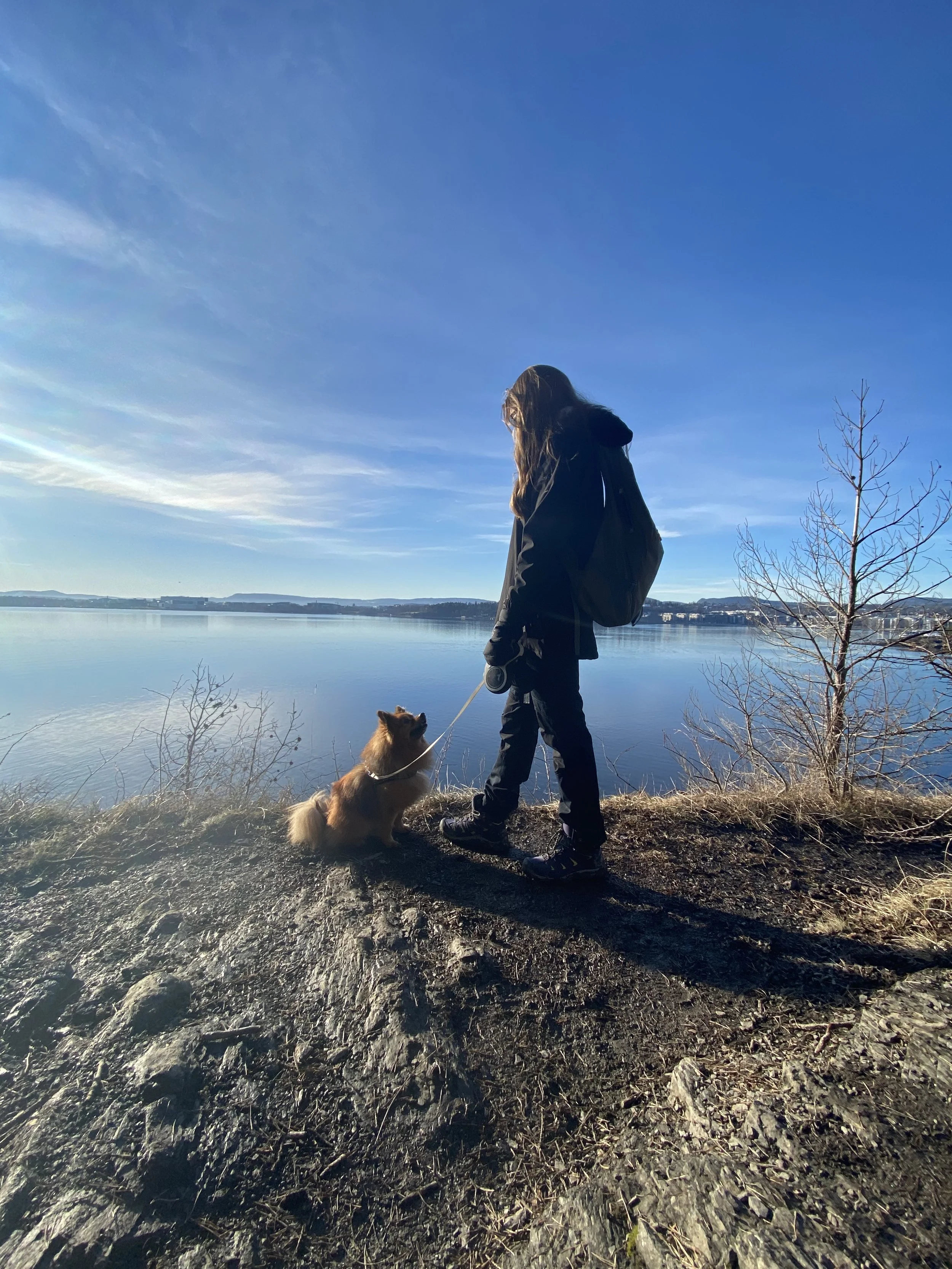
Dogs are welcome in much of Norway's outdoors, but owners must follow additional rules.
The most important is the national leash requirement, known as båndtvang.
In most of Norway, dogs must be kept on a lead between 1 April and 20 August. This protects wildlife during nesting and breeding seasons and prevents dogs from disturbing livestock.
Some municipalities extend these dates, particularly in areas with significant grazing animals or sensitive wildlife.
Visitors travelling with dogs should always check local regulations and be especially careful around sheep, goats, reindeer and other free-ranging livestock.
What About National Parks and Protected Areas?
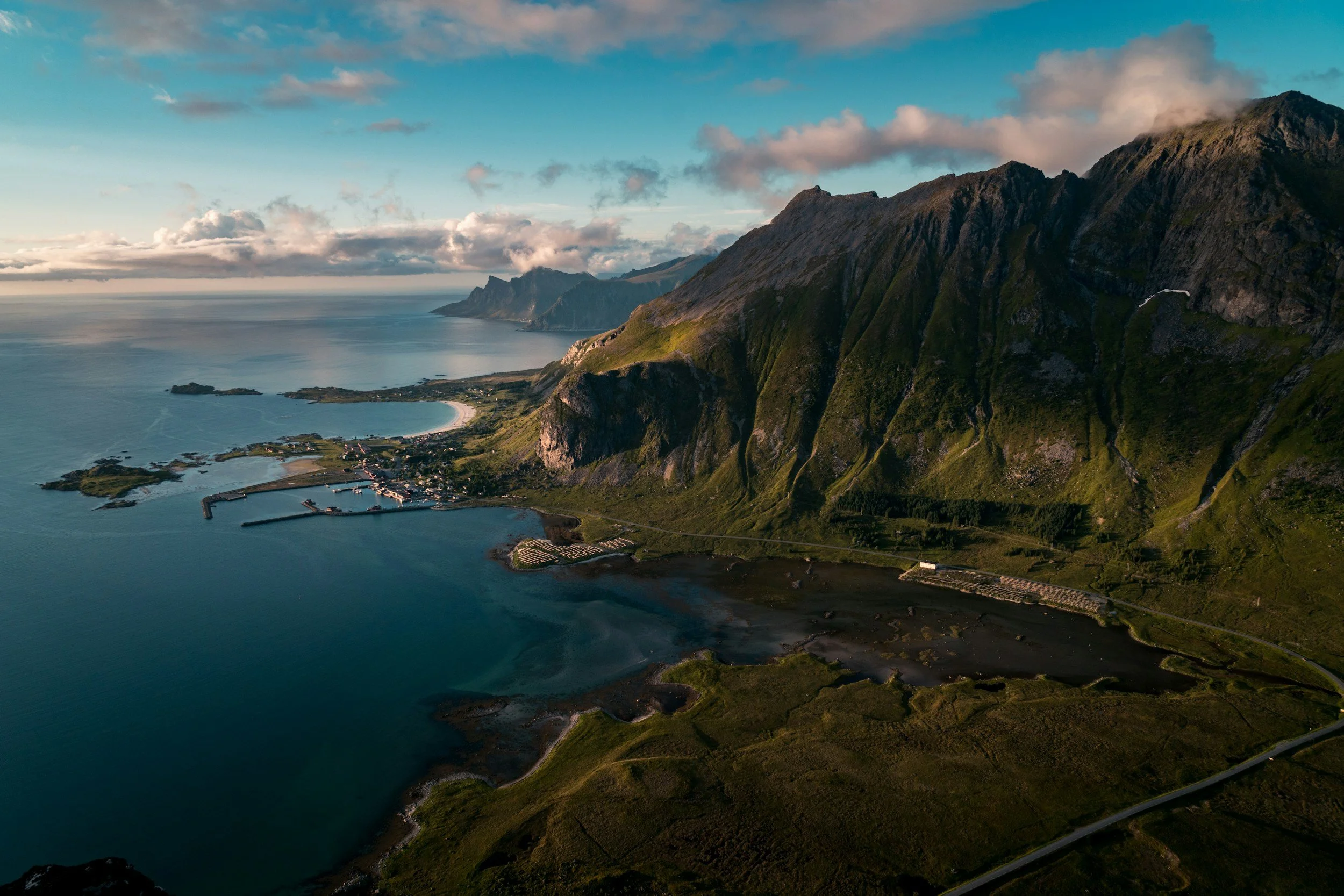
Norway's national parks generally remain accessible under Allemannsretten.
Visitors may hike, ski, camp and enjoy nature much as they would elsewhere in the countryside.
However, some protected areas have additional regulations designed to safeguard vulnerable wildlife, plant species or cultural heritage sites.
These restrictions are usually clearly signposted and may include seasonal trail closures, limits on camping in specific locations or restrictions intended to protect nesting birds and other wildlife.
Some of Norway's most famous national parks, including Jotunheimen, Rondane, Dovrefjell and Hardangervidda, are excellent examples of how conservation and public access coexist.
Visitors should always check local regulations before visiting protected areas, particularly if planning overnight camping trips.
Common Mistakes Visitors Make
Most visitors use Allemannsretten responsibly, but misunderstandings do occur.
One common mistake is camping too close to houses or cabins. Even in remote areas, people should respect the minimum distance requirements and avoid choosing locations that disturb local residents.
Another mistake is assuming that all private land can be crossed freely. While access rights are extensive, cultivated fields, gardens and farmyards remain private spaces.
Lighting fires during periods of high fire risk is another frequent problem, particularly during warm and dry summers.
Visitors should also remember that the Right to Roam comes with an obligation to leave no trace. Rubbish should always be taken away, wildlife should not be disturbed and nature should be left exactly as it was found.
The freedom that Allemannsretten provides depends on people behaving responsibly.
Why Allemannsretten Matters
Allemannsretten is far more than a practical set of outdoor access rules.
It reflects a broader Norwegian belief that nature should be available to everyone, regardless of income, background or land ownership.
The system helps explain why hiking, skiing and outdoor recreation are such important parts of Norwegian life. It also contributes to the strong connection many Norwegians feel towards the mountains, forests, coastline and open landscapes that surround them.
For visitors, understanding Allemannsretten offers valuable insight into Norwegian culture. It helps explain why trails remain accessible, why wild camping is possible and why outdoor life plays such a central role in everyday society.
Few countries offer the same combination of freedom, trust and responsibility when it comes to enjoying nature.
Final Words
Allemannsretten is one of the defining features of outdoor life in Norway.
The freedom to walk, ski, camp and explore across vast areas of countryside is something many Norwegians take for granted, yet it remains remarkable by international standards.
For visitors, understanding the Right to Roam can transform the experience of travelling in Norway. It opens the door to landscapes that might otherwise seem inaccessible and provides a deeper understanding of the country's outdoor culture.
At the same time, this freedom depends on respect. By following the rules, showing consideration for landowners and protecting the environment, visitors help preserve a tradition that has shaped Norwegian life for generations.
More articles about Norway:
Norway is not dark all winter, but winter daylight varies enormously depending on where you travel. This guide explains how light changes between Oslo, Tromsø and Svalbard, and why December, February and March feel so different.