
What to Wear in Norway (All Seasons): The Ultimate Guide Based on How Norwegians Actually Dress
Norwegians dress according to weather, activity and environment rather than season alone. Whether you are visiting in summer or winter, the key is layering, weather protection and appropriate footwear. This guide explains how Norwegians actually dress throughout the year, what to wear in cities versus nature, and how to pack for Norway's highly changeable conditions.
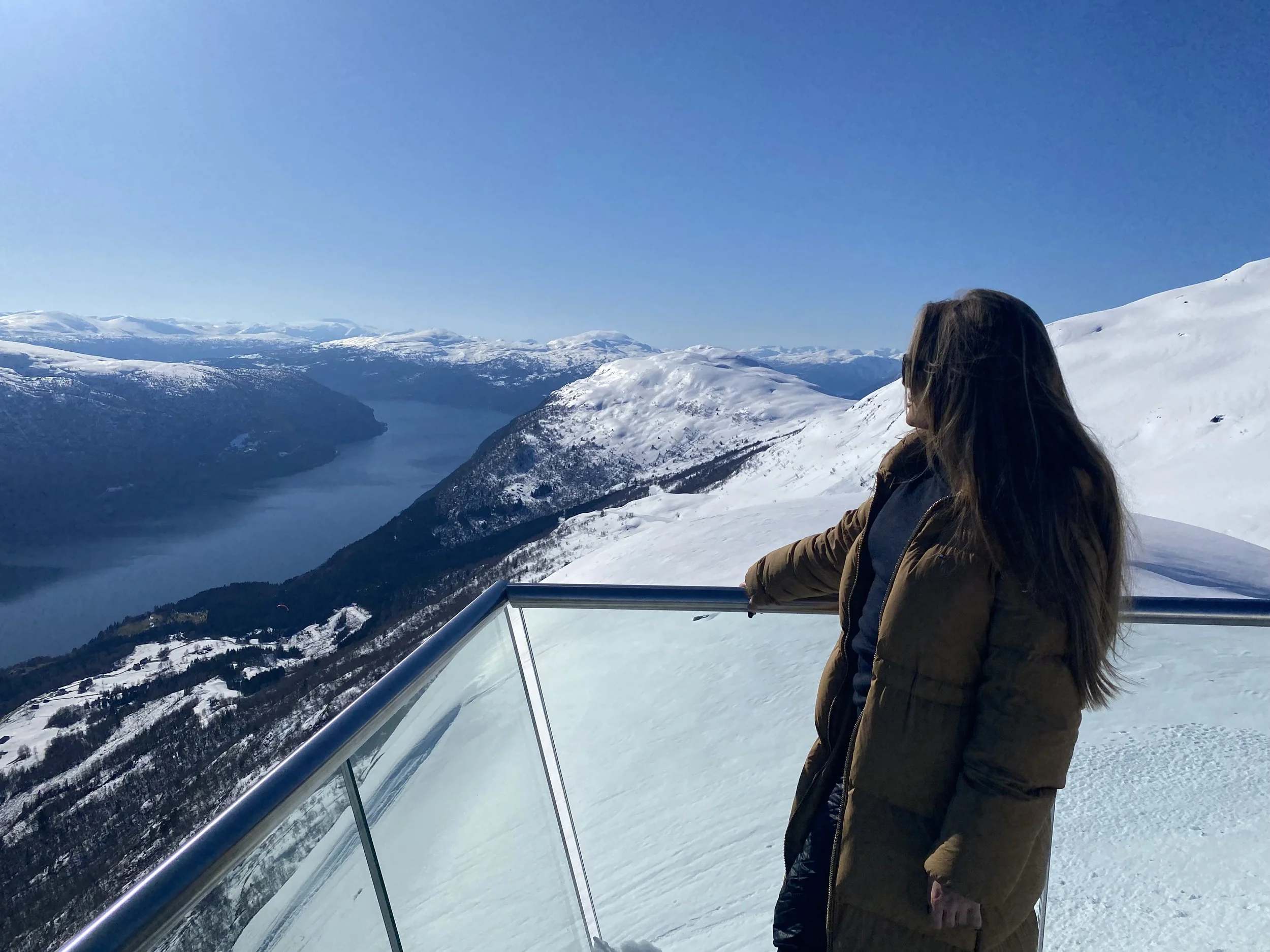
Knowing what to wear in Norway is not quite as simple as checking the average temperature for the month you are travelling. Norway stretches across a long coastline, deep inland valleys, high mountain areas and the Arctic north, and the weather can feel very different depending on where you are, how exposed the landscape is and what you are doing.
A mild day in Bergen can feel cold when rain and wind move in from the coast, while a colder winter day inland may feel more comfortable because the air is dry and still. In summer, Oslo can be genuinely hot, but the same day may feel considerably cooler beside a fjord or several hundred metres higher in the mountains. Even within one trip, you may move between cities, ferries, exposed viewpoints, mountain roads and heated indoor spaces, all of which place different demands on what you wear.
This is why Norwegians rarely think about clothing in terms of temperature alone. The more useful questions are usually where you are going, what you are doing and how long you expect to be outside. Layering, good footwear and protection from wind and rain matter because they make it possible to adapt, not because Norway requires technical clothing everywhere.
You certainly do not need to arrive dressed like a mountaineer if your holiday consists mainly of cities, trains and fjord cruises. At the same time, normal city clothes can become uncomfortable quickly if you take them onto a wet mountain trail or spend several hours outside in winter.
This guide explains how Norwegians actually approach clothing, what to wear in Norway throughout the seasons, how packing changes for cruises, hiking and fjord travel, and which Norwegian outdoor and wool brands you are likely to see while travelling around the country.
If you are still deciding when to travel, my Best Time to Visit Norway: A Seasonal Overview gives a broader picture of weather, daylight and seasonal conditions across the year.
How Norwegians Think About Clothing
One of the most useful things to understand before packing for Norway is that Norwegian clothing culture is strongly shaped by practicality.
That does not mean Norwegians do not care about how they dress. Norwegian cities have their own styles and people certainly dress differently for work, restaurants, social occasions and everyday life. But weather and environment are allowed to influence clothing in a way that may be more visible than in countries where outdoor wear is kept more separate from ordinary life.
A technical shell jacket does not look out of place on public transport. Hiking shoes may appear in a café after a walk. Wool jumpers, rain jackets and outdoor brands are part of normal everyday wardrobes, particularly outside the largest cities. This reflects the simple fact that people regularly move between indoor and outdoor environments and that outdoor life is closely integrated into Norwegian culture.
The important distinction is therefore not between “normal clothes” and “Norwegian clothes”. It is between clothes that work for the situation and clothes that do not.
If you are walking around Oslo on a dry summer afternoon, jeans, a dress, trainers, a cotton shirt or almost any other normal summer clothing can be completely appropriate. If you are hiking above a fjord in changing weather, the requirements are different because you need clothing that allows you to move, manage moisture and protect yourself from wind and rain.
That context-based approach is the foundation for almost everything that follows.
Layering: The Principle Behind Norwegian Dressing
Layering is often described as the secret to dressing for Norway, but it is useful to understand why it works rather than simply being told to wear three layers.
Norwegian weather can change quickly, but so can your own body temperature. Walking uphill generates heat. Standing still beside a viewpoint does not. Sitting inside a warm train is completely different from waiting on an exposed platform, just as being inside a cruise ship is different from standing on deck.
A layered wardrobe allows you to respond to those changes without needing a separate outfit for every part of the day.
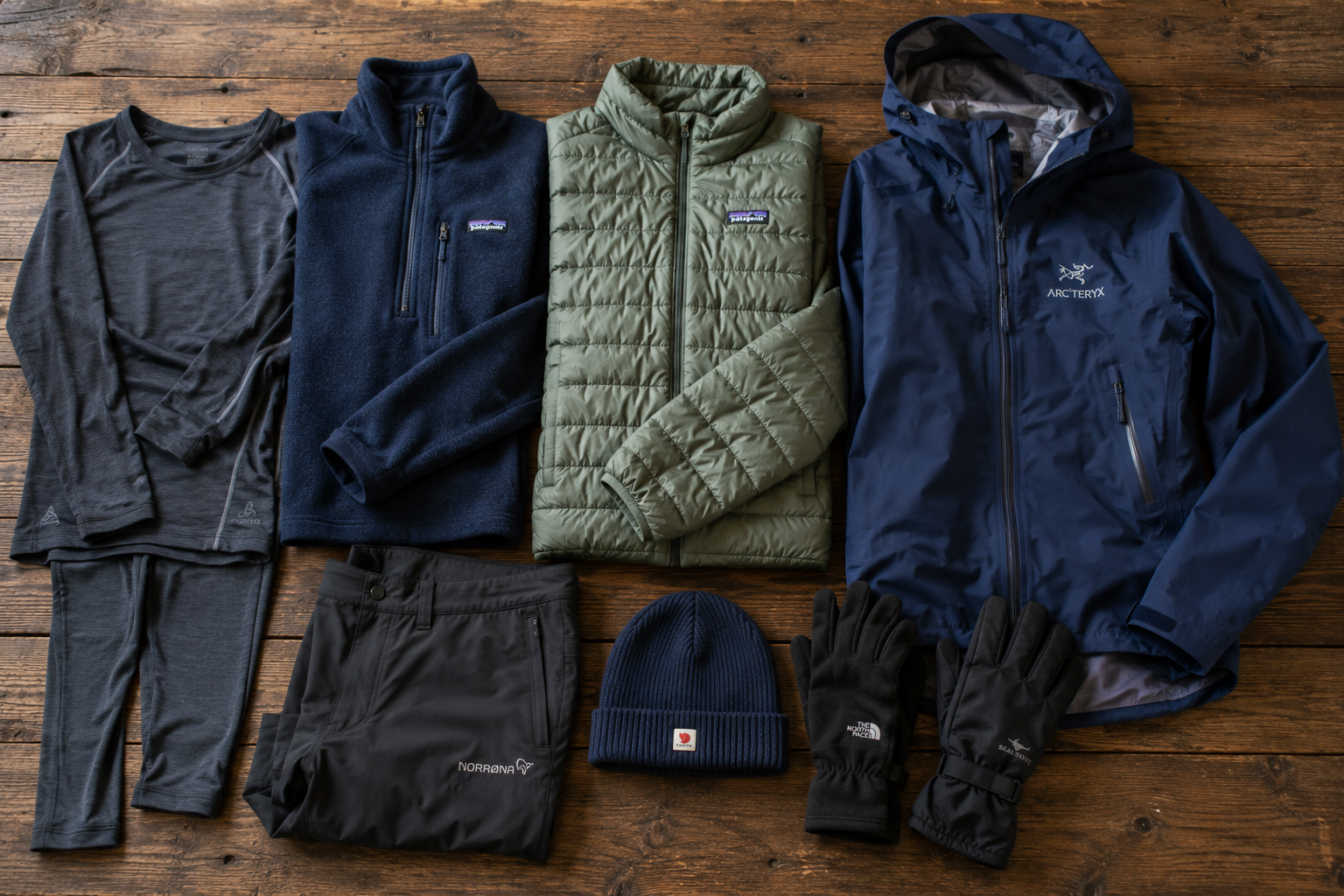
The layer closest to the skin is usually chosen according to temperature and activity. On an ordinary sightseeing day this could simply be a T-shirt, shirt or normal top. During colder weather or outdoor activity, wool or technical base layers become more useful because they regulate temperature and manage moisture better.
The middle layer provides insulation. In Norway this may be a wool jumper, fleece, cardigan, light down jacket or another insulating garment depending on the season. It is often the layer that goes into and out of a backpack throughout the day.
The outer layer has a different purpose. It protects you from the environment, particularly wind and rain. This distinction matters because the warmest jacket is not always the most useful jacket. Along the coast or in western Norway, a waterproof and windproof shell worn over lighter insulating layers may be far more practical than one very heavy coat.
Not every situation requires all three layers, and layering does not need to become complicated. In summer it may simply mean a T-shirt, a jumper in your bag and a rain jacket. In winter it may mean a wool base layer, an insulating mid-layer and a proper winter coat.
The idea is flexibility rather than maximum insulation.
Wool, Cotton and Technical Fabrics
Wool has a particularly important place in Norwegian clothing, both culturally and practically.
Traditional Norwegian knitwear reflects a much older relationship with wool, while modern outdoor brands use fine merino wool in base layers, socks and lightweight garments designed for hiking, skiing and everyday use. Wool is valued because it helps regulate body temperature, continues to provide insulation when slightly damp and does not develop odour as quickly as many other materials.
That does not mean wool is automatically the best fabric for every situation.
For high-intensity activity, technical synthetic materials may be preferable because they move moisture away from the skin efficiently and dry quickly. Someone running, cross-country skiing or climbing steeply uphill may therefore choose a technical base layer rather than wool.
Cotton is also sometimes discussed too negatively in generic Norway packing guides. There is nothing wrong with cotton for normal travel. Cotton T-shirts, shirts, dresses, jeans and everyday clothing are completely ordinary in Norway and can be perfectly comfortable in cities and during warm summer weather.
The limitation appears when cotton becomes wet during prolonged outdoor activity, particularly in colder conditions. It absorbs moisture and dries relatively slowly, which is why wool or technical fabrics are generally preferred as base layers for hiking, skiing and other situations where staying warm while managing perspiration matters.
The same contextual logic applies to almost every material. The question is not whether a fabric is “good for Norway”, but whether it is suitable for the environment and activity in which you plan to use it.
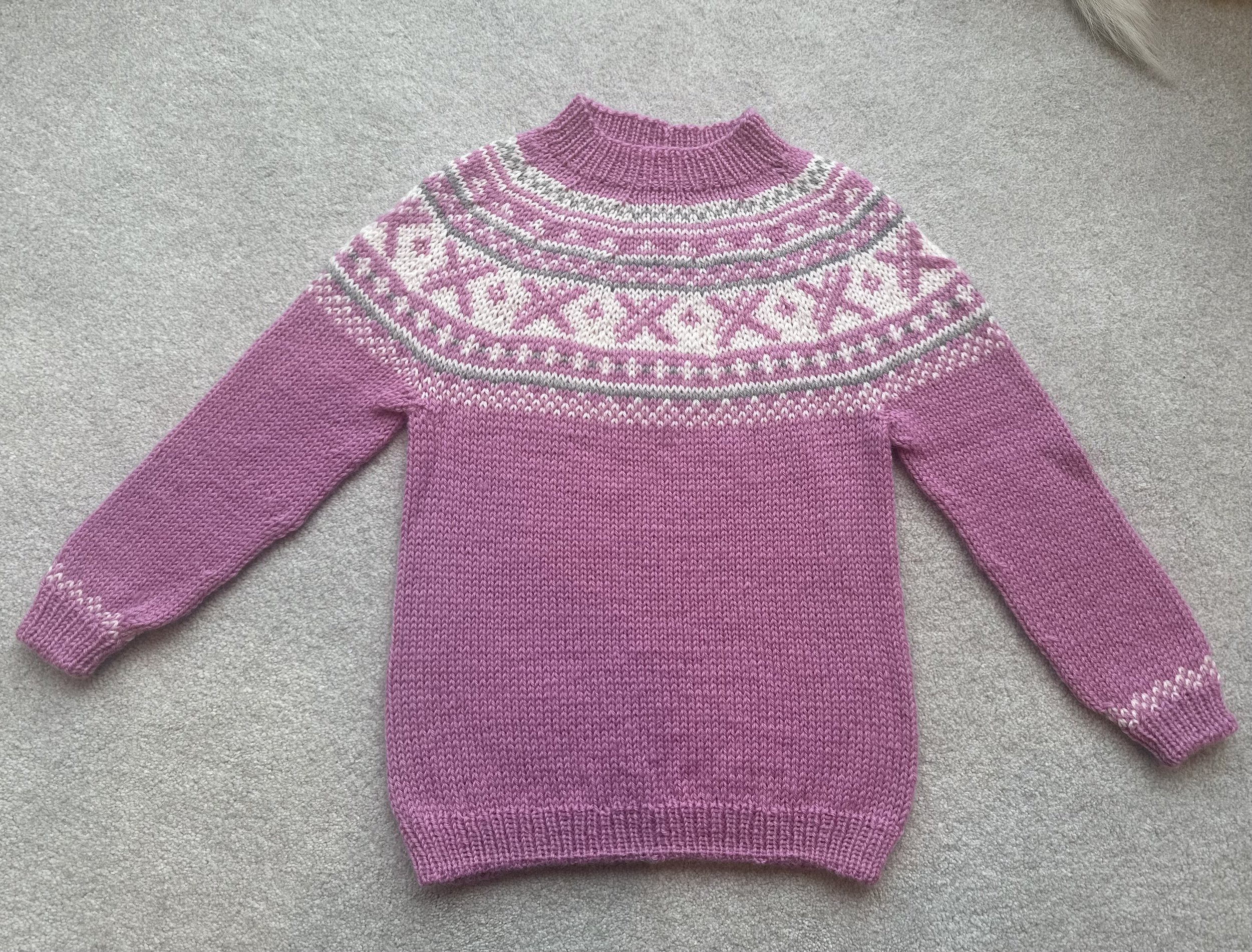
A hand-knitted Norwegian sweater made from 100% wool, reflecting a long tradition of pattern knitting designed for warmth, durability and life in a cold climate.
Coastal Norway, Inland Norway and the Mountains
Norway does not have one uniform climate, which is one reason generic packing advice can be misleading.
Coastal Norway is strongly influenced by the sea. In western areas, including Bergen and much of the fjord region, temperatures can be relatively mild compared with inland locations, but rain, wind and damp air can make conditions feel much colder than the thermometer suggests.
In these environments, wind and waterproofing often matter as much as insulation. A good shell jacket over a moderate warm layer may be more useful than a very heavy winter coat, particularly when temperatures are hovering above freezing.
Inland areas experience greater extremes. Winters can become much colder, while summer days can also become surprisingly warm. Dry cold behaves differently from wet coastal weather, and a calm day at minus temperatures can sometimes feel more manageable than a windy day just above freezing.
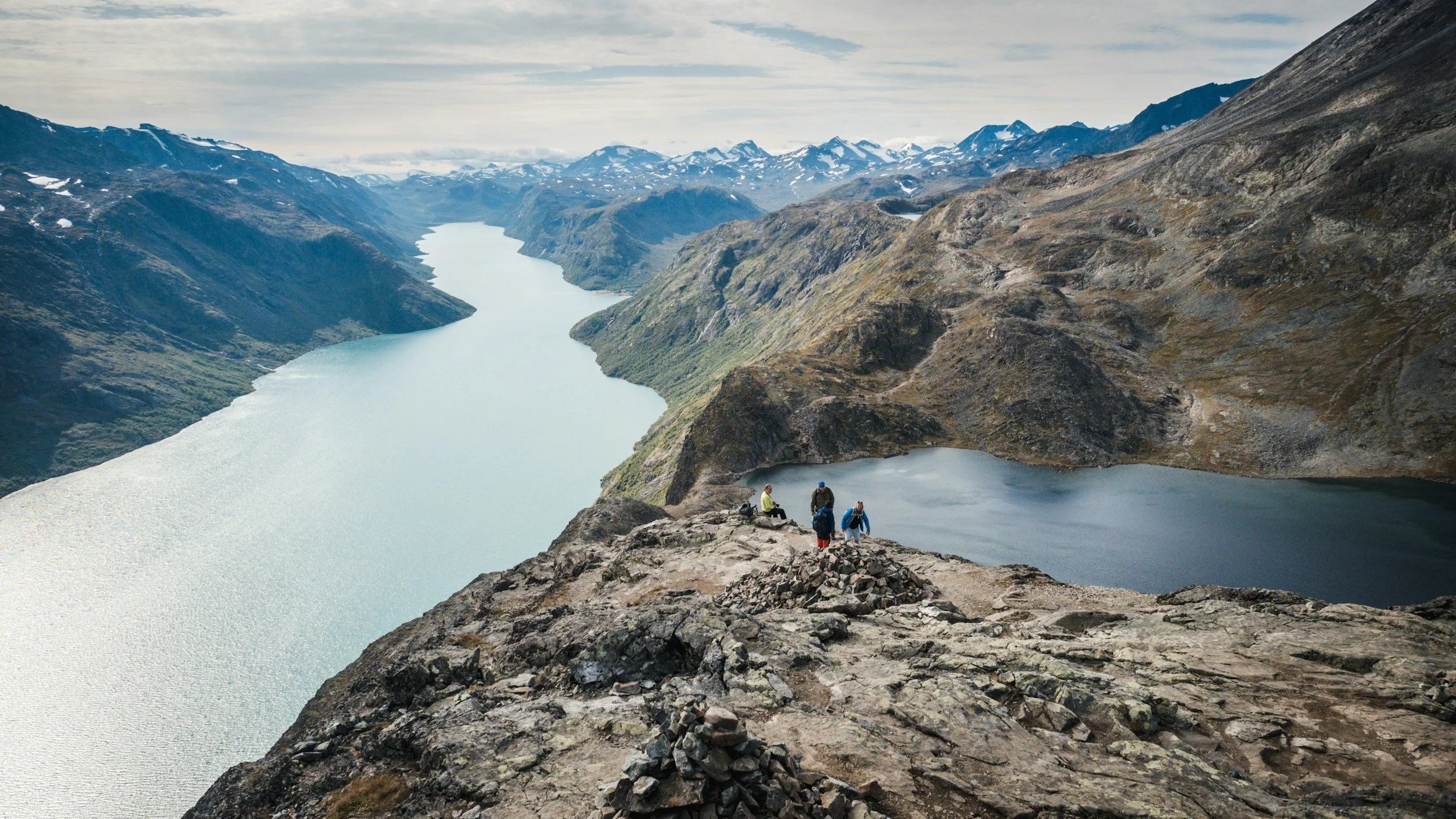
The mountains introduce another set of conditions altogether. Temperature generally decreases with altitude, exposure to wind increases and weather can change quickly. A pleasant summer day in a valley tells you relatively little about what conditions will feel like higher on a trail several hours later.
Northern Norway also varies enormously. Coastal places can experience relatively moderate temperatures compared with inland Arctic areas, while seasonal changes in daylight and exposure affect how long travellers may spend outdoors.
For this reason, where you are travelling within Norway is often just as important as the month in which you are travelling.
What to Wear in Norway in Winter
Norwegian winter is often the season travellers worry about most, but the amount of specialist clothing you need depends heavily on what your trip involves.
If you are spending most of your time in cities, you can dress much as you would for winter elsewhere in northern Europe. A warm coat, layers underneath, gloves, a hat and suitable footwear will cover most ordinary situations. Jeans and other everyday clothes remain completely normal, particularly when you are moving between hotels, restaurants, museums, shops and public transport.
A thin wool or thermal layer becomes particularly useful when temperatures drop or when you expect to spend longer periods outside. Wool tights or leggings can be worn beneath trousers, while a wool or fleece mid-layer provides additional warmth without requiring a huge coat.
Footwear becomes especially important in winter because the challenge is not simply cold. Pavements can be covered in snow, slush or ice, and a shoe that is warm but slippery is not particularly useful. Waterproof or water-resistant winter boots with good grip are therefore often a better investment than simply choosing the thickest pair available.
The situation changes considerably if your trip involves winter activities or prolonged time outdoors. Northern Lights excursions, dog sledding, skiing, snowmobiling and long periods standing outside require greater insulation because your body is not constantly generating heat through movement.
This is where proper base layers, insulated trousers, winter boots and heavier outerwear become more important. Tour operators in colder regions may also provide thermal suits or additional equipment for certain activities, so it is worth checking what is included before buying specialist clothing solely for one excursion.
Norway in winter can be very cold, but you do not need to treat every winter holiday as a polar expedition.
For a more detailed breakdown, including cold-weather accessories and practical packing advice, read my What to Pack for Norway in Winter: The Ultimate Cold-Weather Packing List.
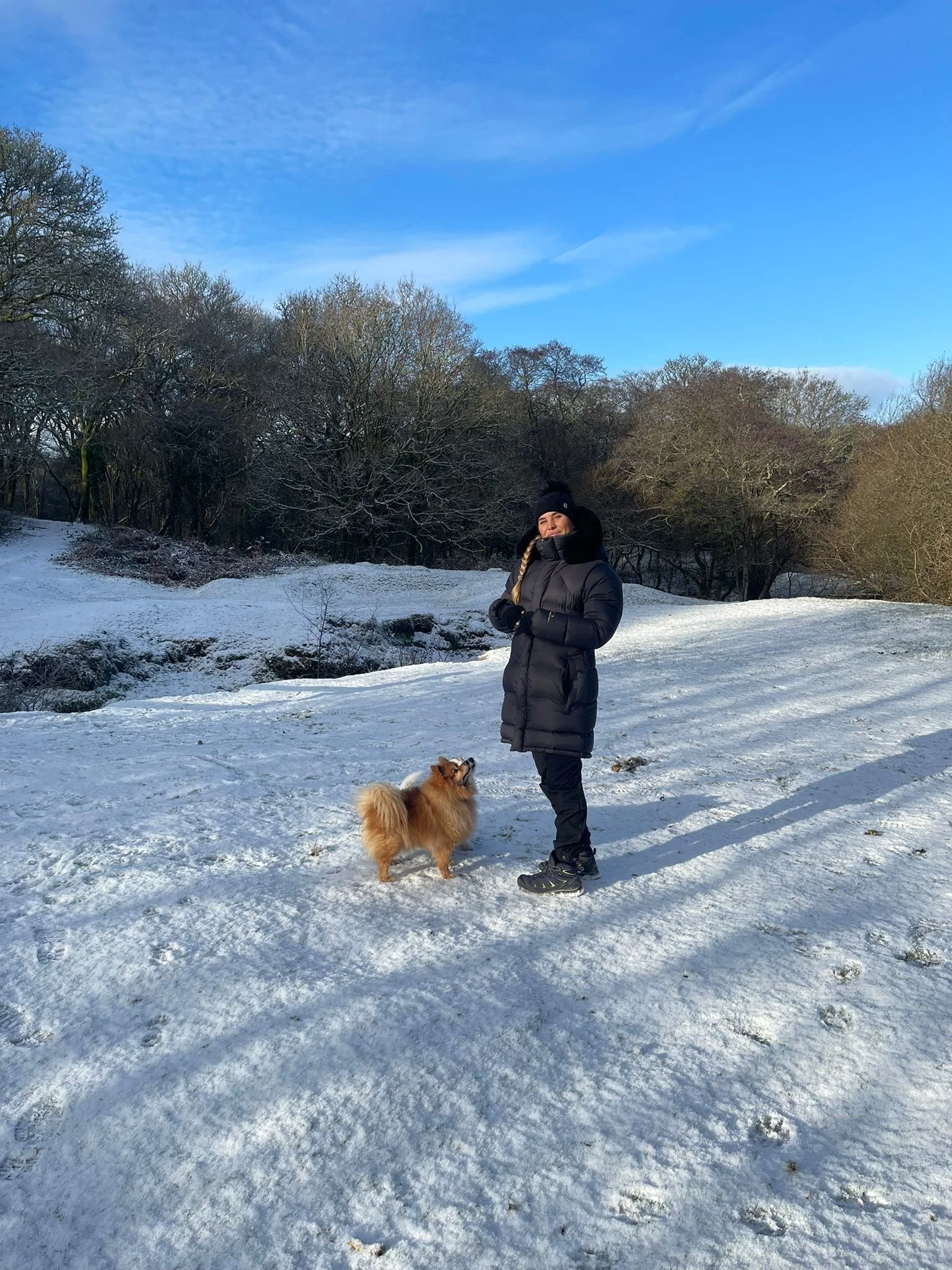
Everyday winter clothing in Norway prioritises warmth, insulation and practical comfort for dail outdoor life, even in cold conditions.
What to Wear in Norway in Spring
Spring is perhaps the most difficult Norwegian season to describe because it arrives unevenly across the country.
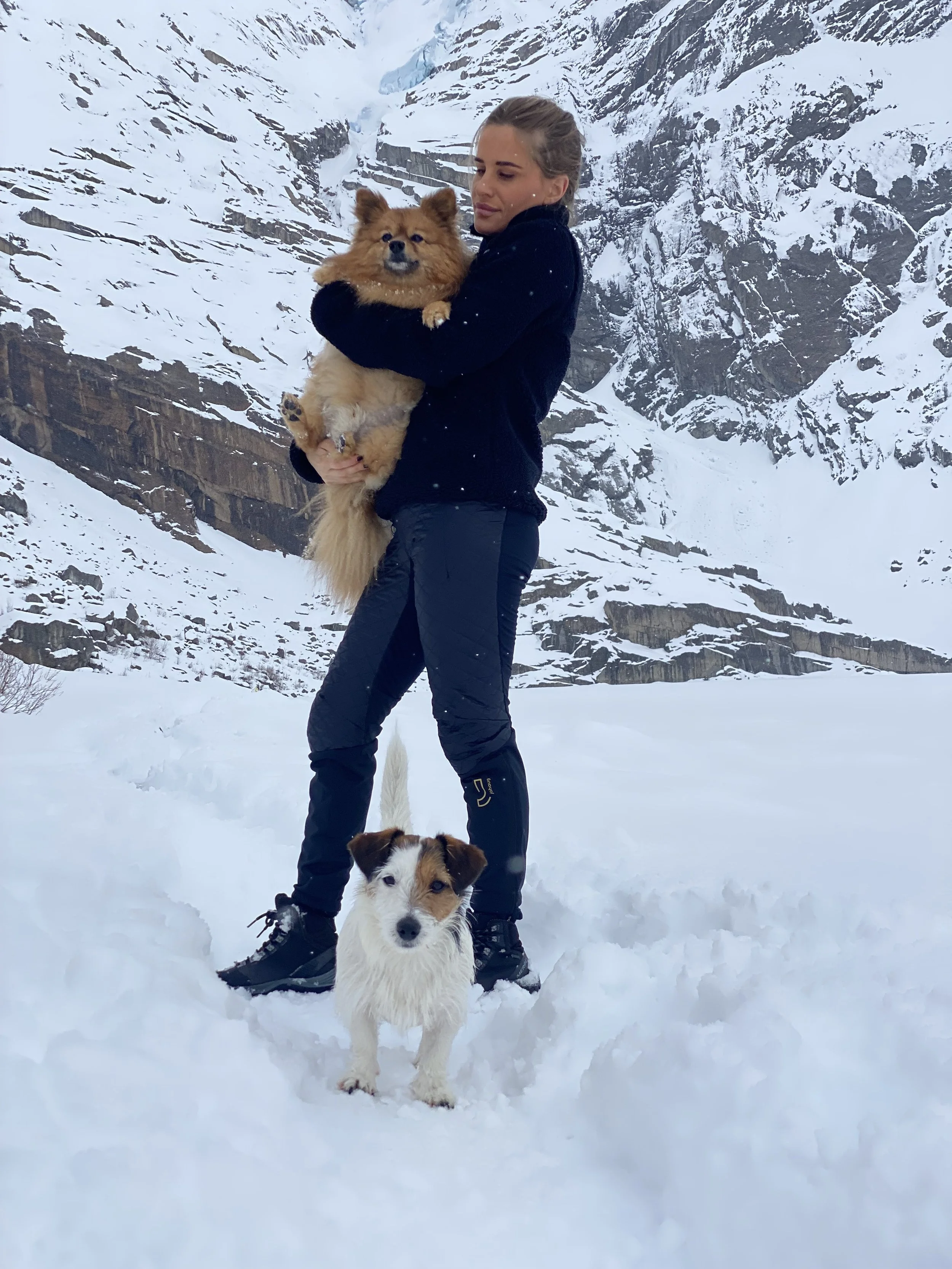
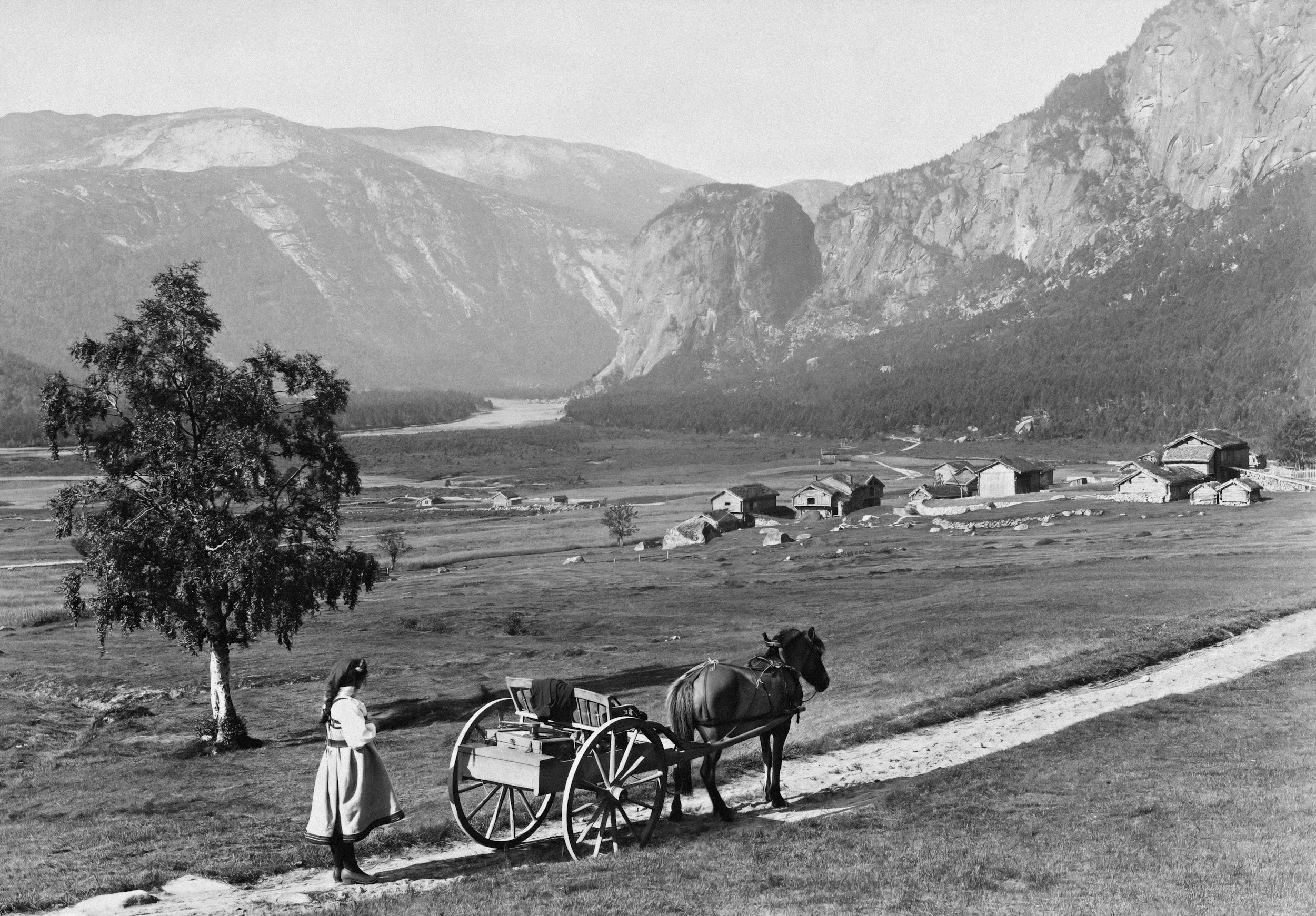
In the Norwegian mountains, practical clothing always takes priority. Even in spring, snow-covered terrain and changing conditions call for warm layers, sturdy footwear and freedom to move.
March can still be unmistakably winter in many places. Snow remains common in the mountains and inland areas, and even southern cities can experience cold periods. By April and May, conditions at lower elevations may become mild and increasingly green while snow remains visible on the surrounding mountains.
This difference can be especially striking for travellers moving between cities and higher terrain.
For an ordinary spring city trip, heavy winter clothing may quickly become unnecessary. A light top or thin wool layer combined with a jumper, cardigan, fleece or light jacket gives you much more flexibility than one very heavy coat.
A waterproof outer layer is useful because spring often brings rain and rapidly changing weather, while water-resistant shoes cope better with wet streets and melting snow.
If your trip includes the mountains, however, the calendar becomes less useful. Spring conditions at altitude may still resemble winter long after temperatures in Oslo, Bergen or Stavanger have become mild.
This is particularly important if you are planning hikes or driving across higher mountain areas. Always look at conditions for the specific location rather than assuming that “May in Norway” means the same thing everywhere.
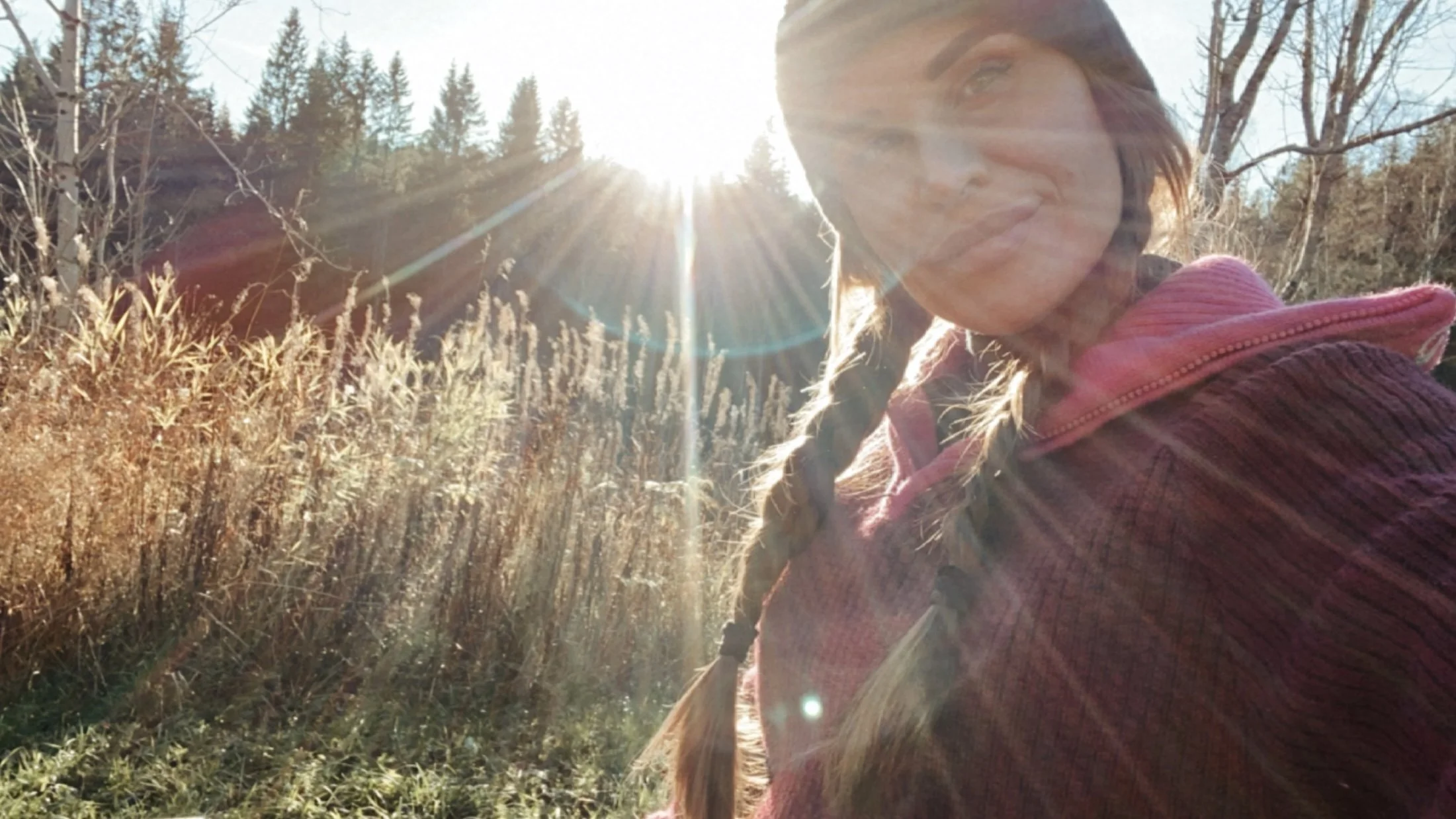
Spring in Noway calls for adaptable layering, as shifting temperatures can move quickly between cool mornings and milder daylight hours.
What to Wear in Norway in Summer
Norwegian summer deserves a more balanced reputation than it sometimes receives in travel guides.
It can rain. It can be cool. You should absolutely bring a layer for changing weather. But Norway can also be genuinely warm in summer, particularly in southern and inland areas, and there are periods when shorts, dresses, sandals and T-shirts are exactly what people are wearing.
The challenge is not that Norwegian summer is always cold. It is that conditions can change quickly and vary considerably within a relatively small geographical area.
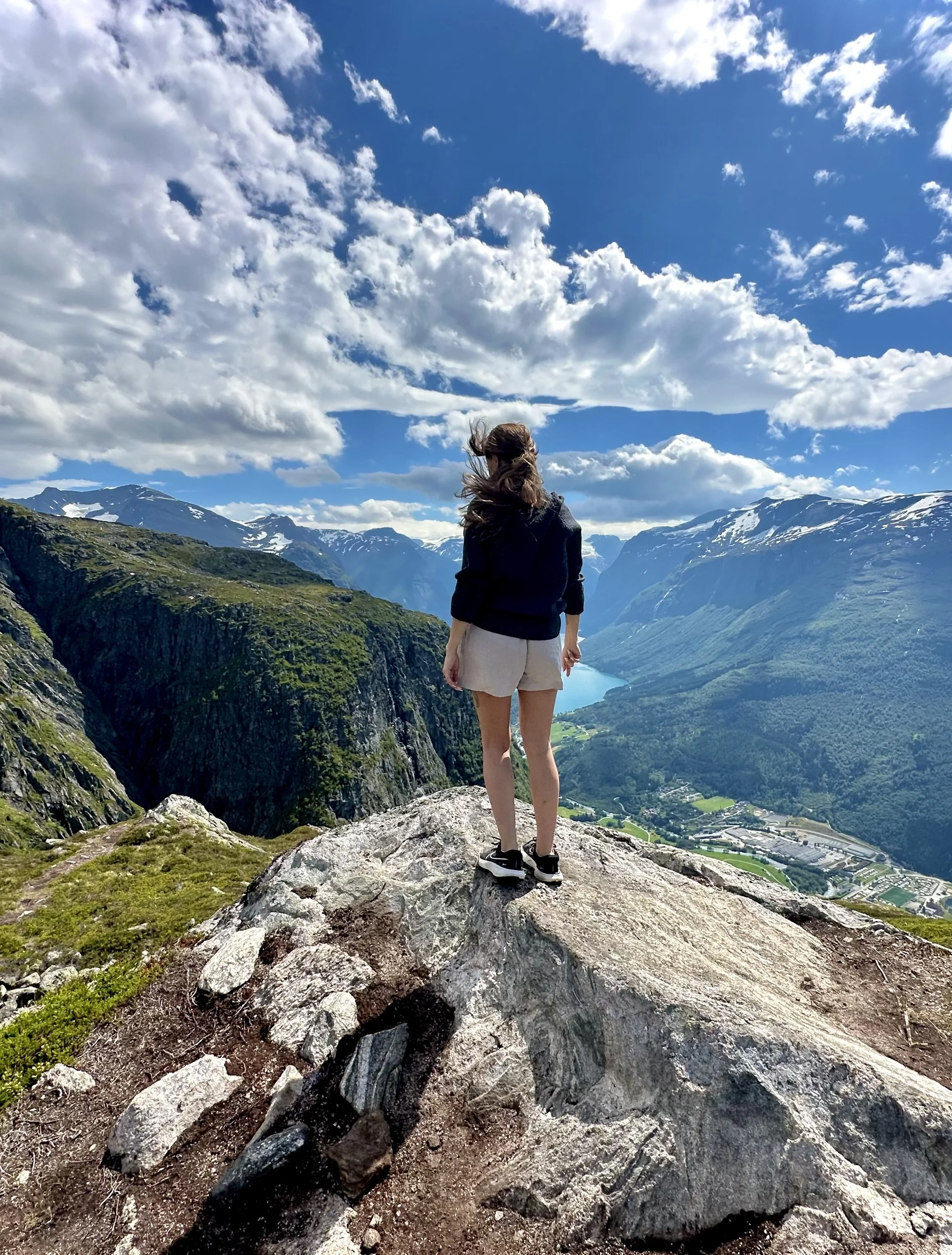
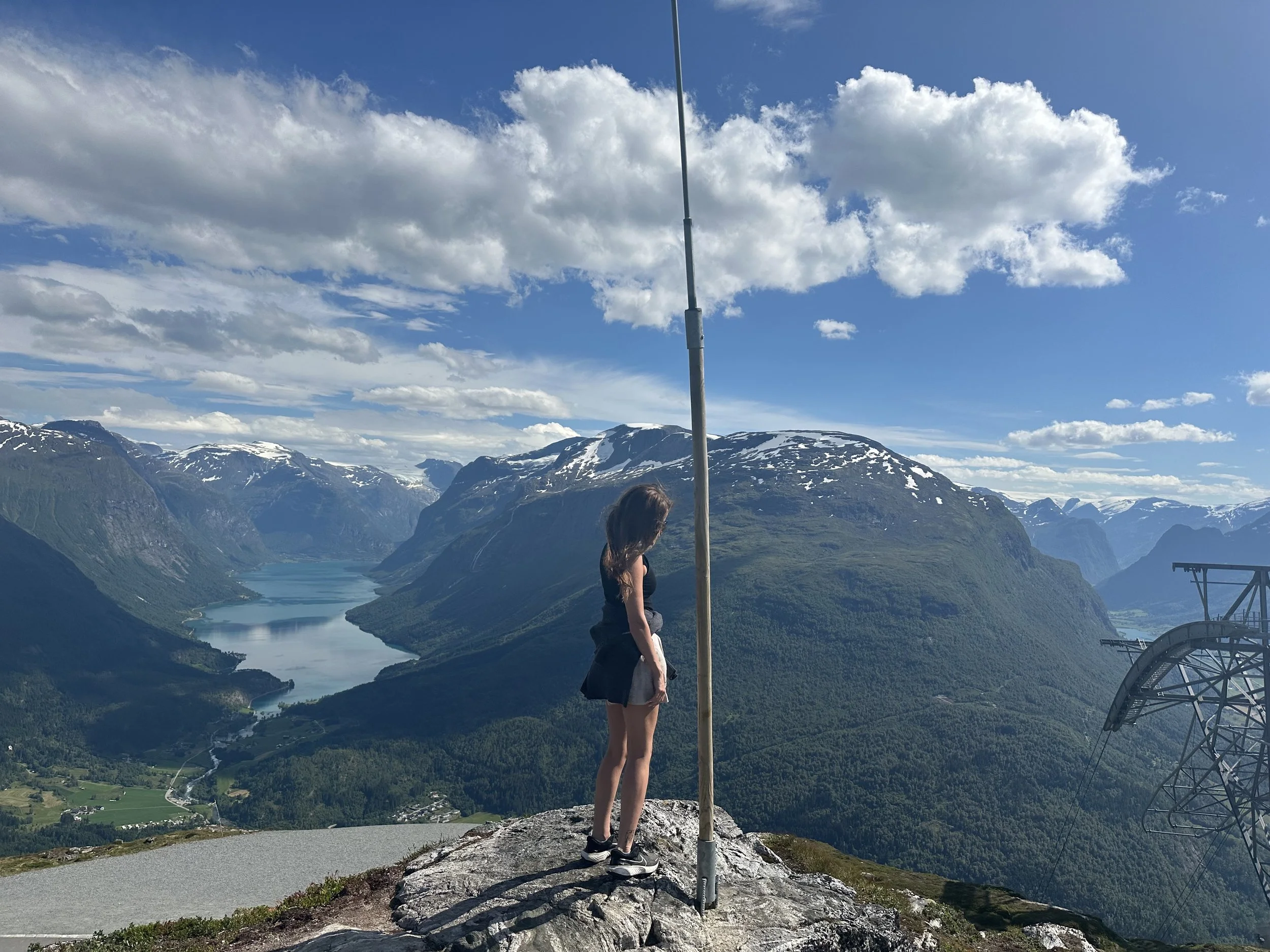
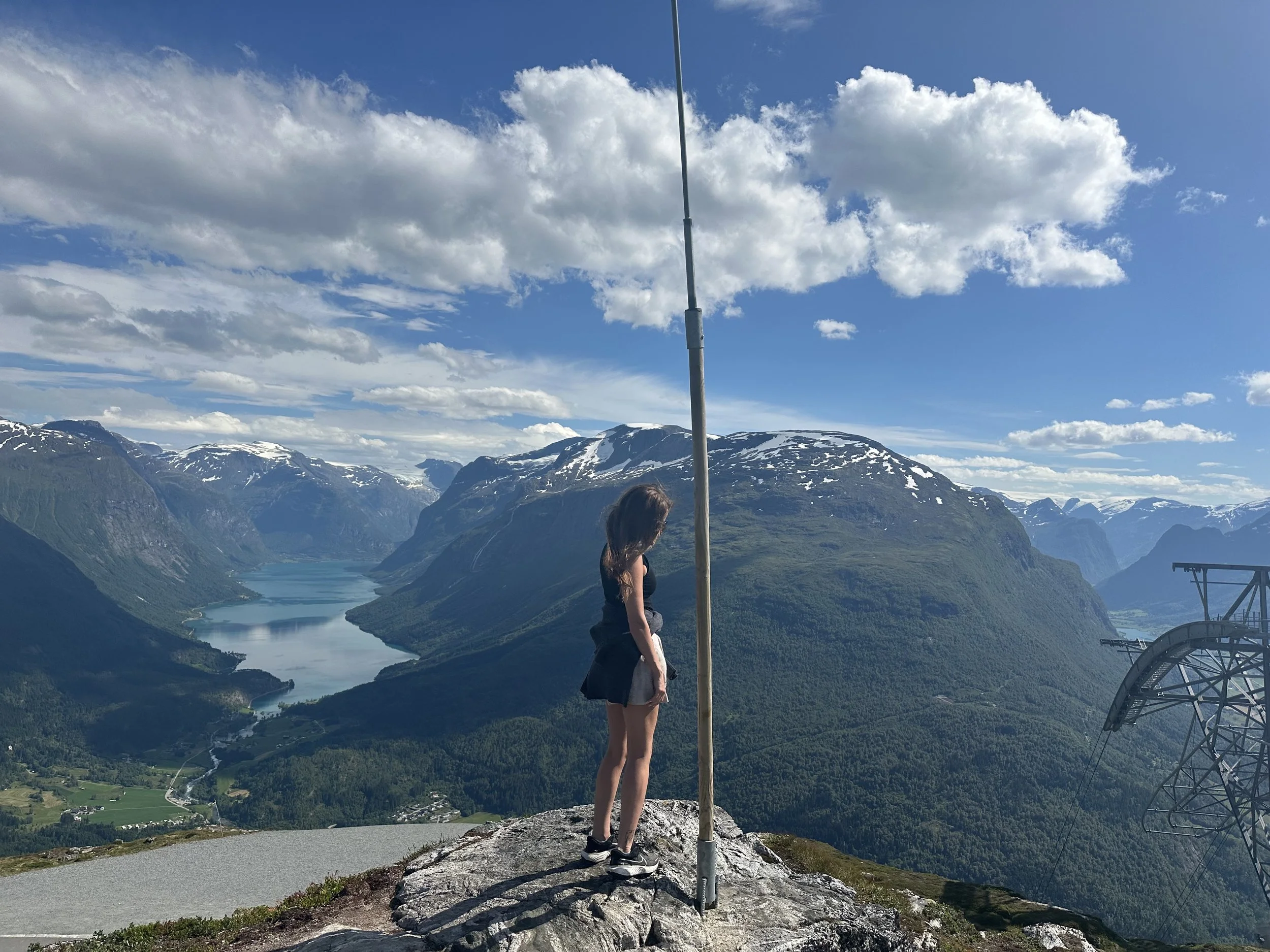
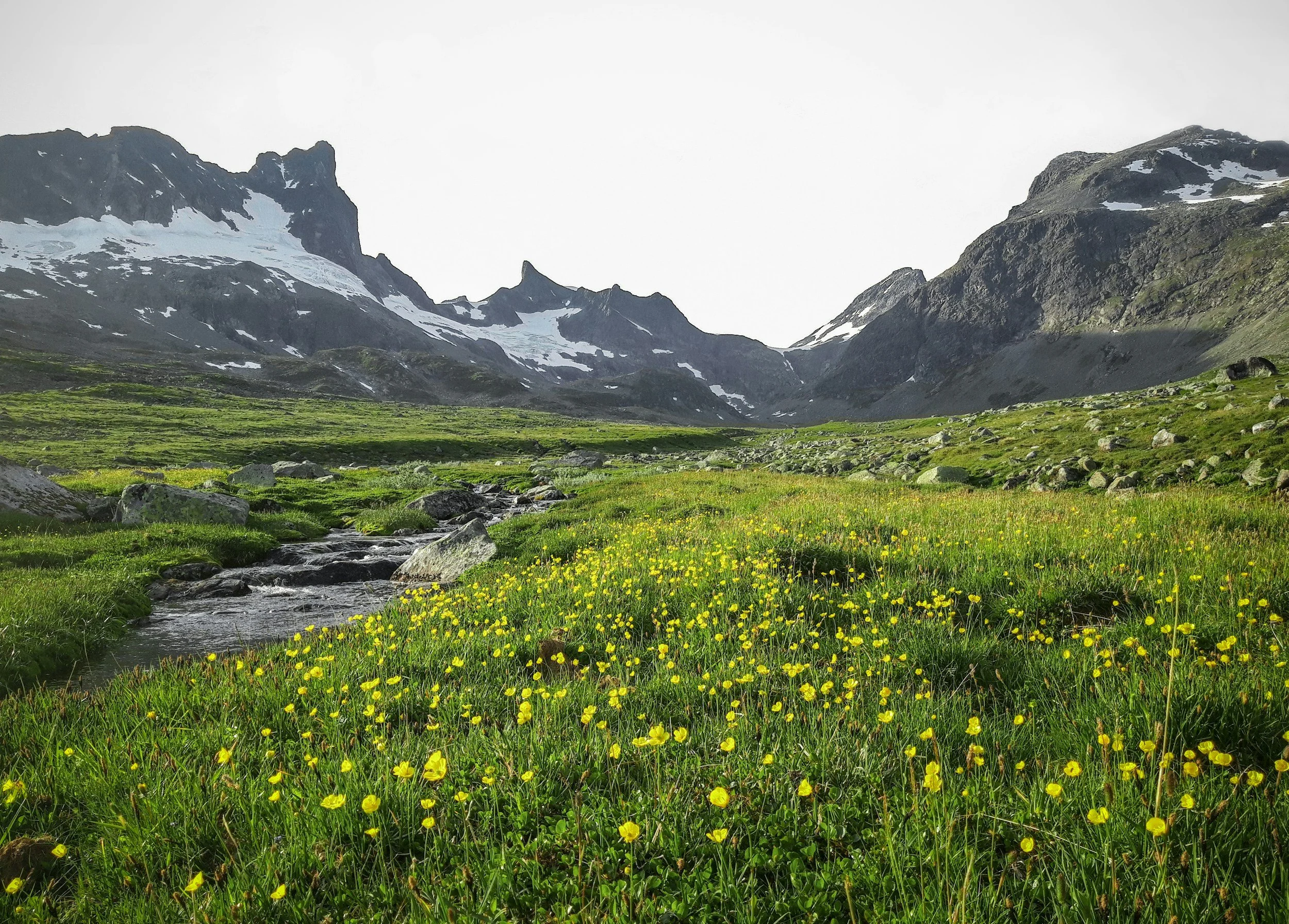
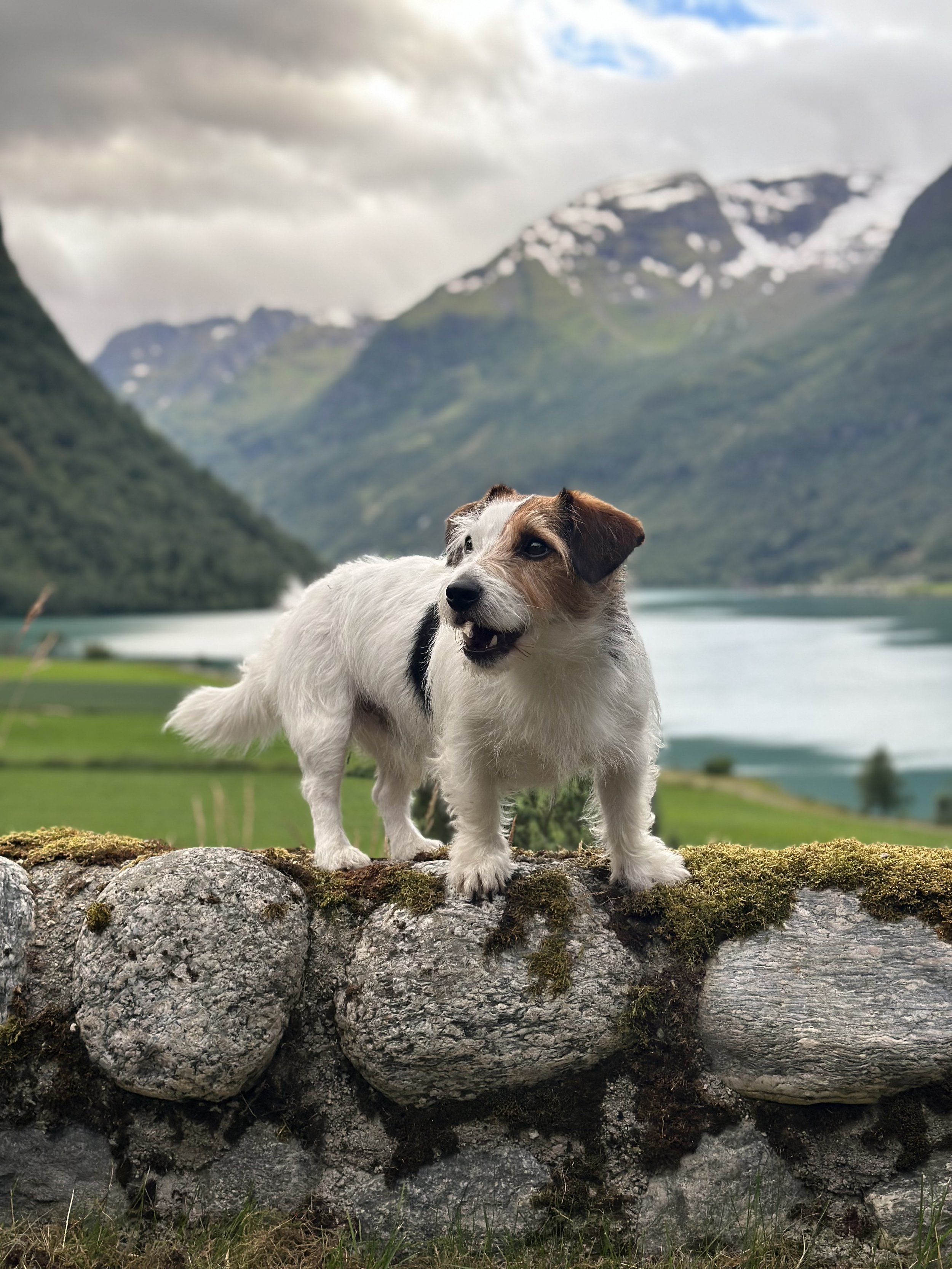
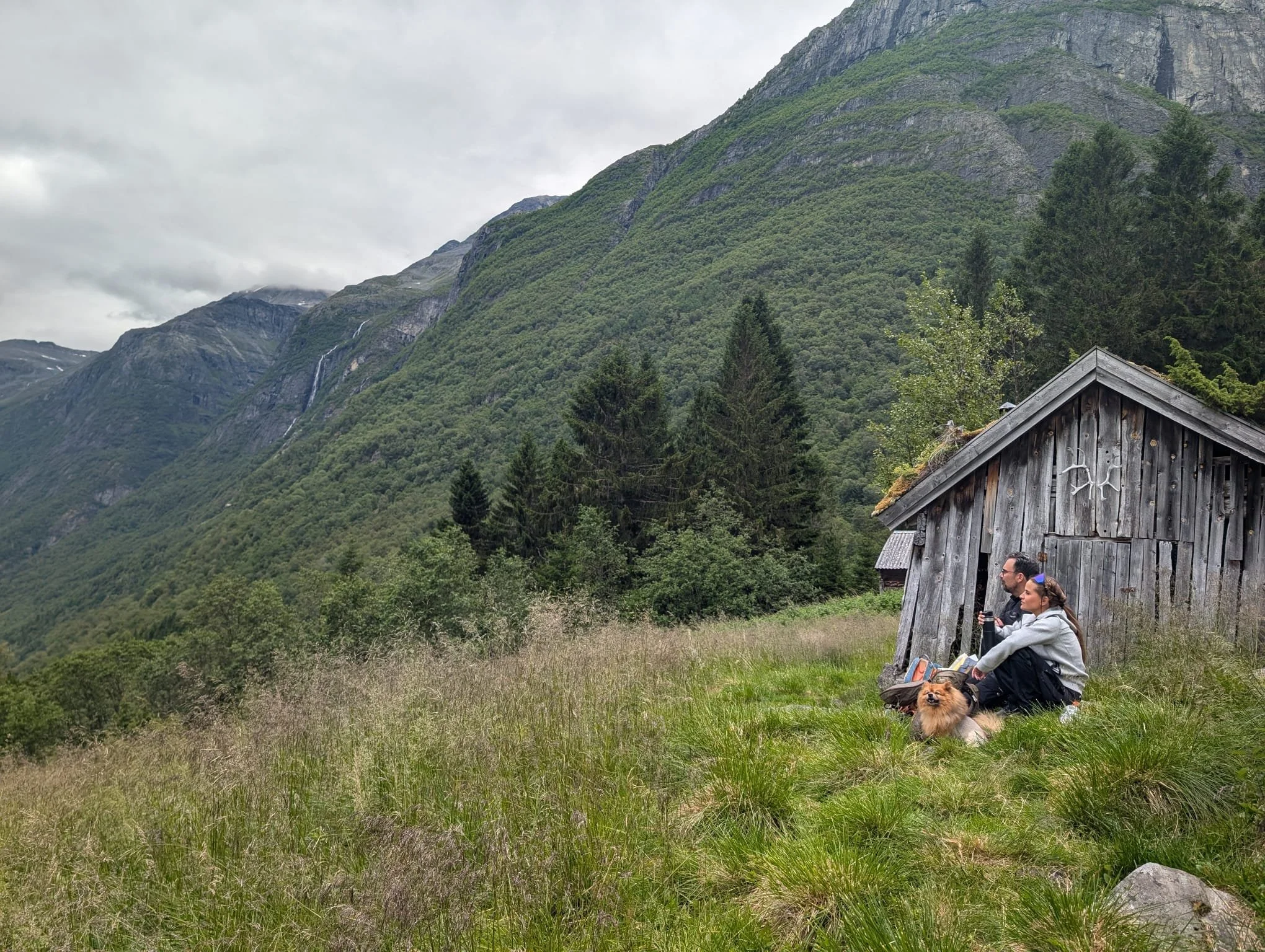
Summer temperatures in the Norwegian mountains can vary quickly between warm sunshine and cooler air, making light, adaptable layers essential, while carrying a small backpack with a warm sweater and windproof jacket helps ensure comfort in changing conditions.
You may spend the afternoon in warm sunshine in Oslo and need a jumper later in the evening. A warm day at the bottom of a valley may feel very different once you travel into the mountains. Coastal wind can make a temperature feel cooler, while rain can arrive after an otherwise pleasant day.
For most summer holidays, pack the same kind of everyday clothing you would normally wear in a northern European summer. Add a light wool jumper, fleece or similar layer that you can carry easily, along with a waterproof or windproof jacket if your itinerary includes western Norway, the coast or extended outdoor travel.
There is no need to spend an entire summer holiday in technical trousers and hiking boots unless your activities actually require them.
Comfortable trainers, walking shoes, jeans, light trousers, dresses, skirts and ordinary summer clothes are all perfectly useful for city travel, train journeys and most sightseeing. Proper hiking clothing belongs on the days when you are actually hiking.
Sun protection is also worth remembering. Long summer days, reflective water and time spent outside can give you more sun exposure than expected, particularly because cooler temperatures can make strong sunlight less noticeable.
For a dedicated warm-season packing guide, read my What to Pack for Norway in Summer: A Practical Guide for Changing Weather.
What to Wear in Norway in Autumn
Autumn begins gradually.
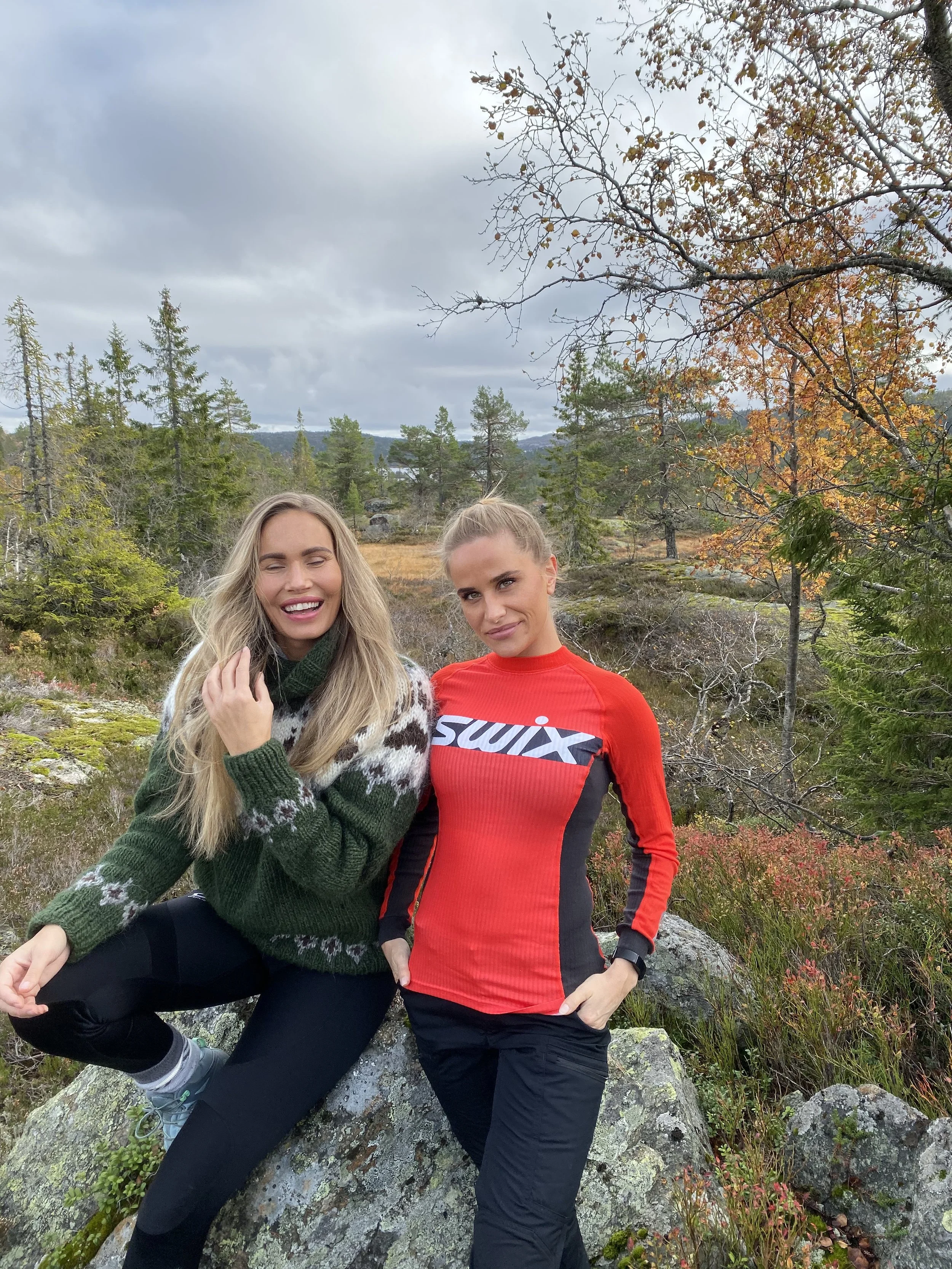
Traditional wool and technical base layers are both widely used, with the choice often depending on activity level, temperature and personal preference.
September can still bring mild, clear days, particularly early in the month, while evenings become cooler and weather becomes less predictable as the season progresses. By October and November, warm layers and weather protection become increasingly important.
The transition into wetter, cooler conditions makes autumn particularly well suited to layering.
A normal everyday top can be combined with a wool jumper, fleece or cardigan, while a waterproof jacket provides protection when rain moves in. Later in the season, an insulated jacket or warmer coat may replace the lighter outer layer.
Western Norway can become particularly wet, which is another situation where weather protection may matter more than simply adding more insulation. A moderately warm outfit beneath a waterproof shell can be much more comfortable than a thick coat that quickly becomes wet.
Inland and northern areas can cool much faster, and the first snow may arrive considerably earlier than visitors expect.
As in spring, the specific itinerary matters more than the season label alone.
What to Wear on a Norway Cruise
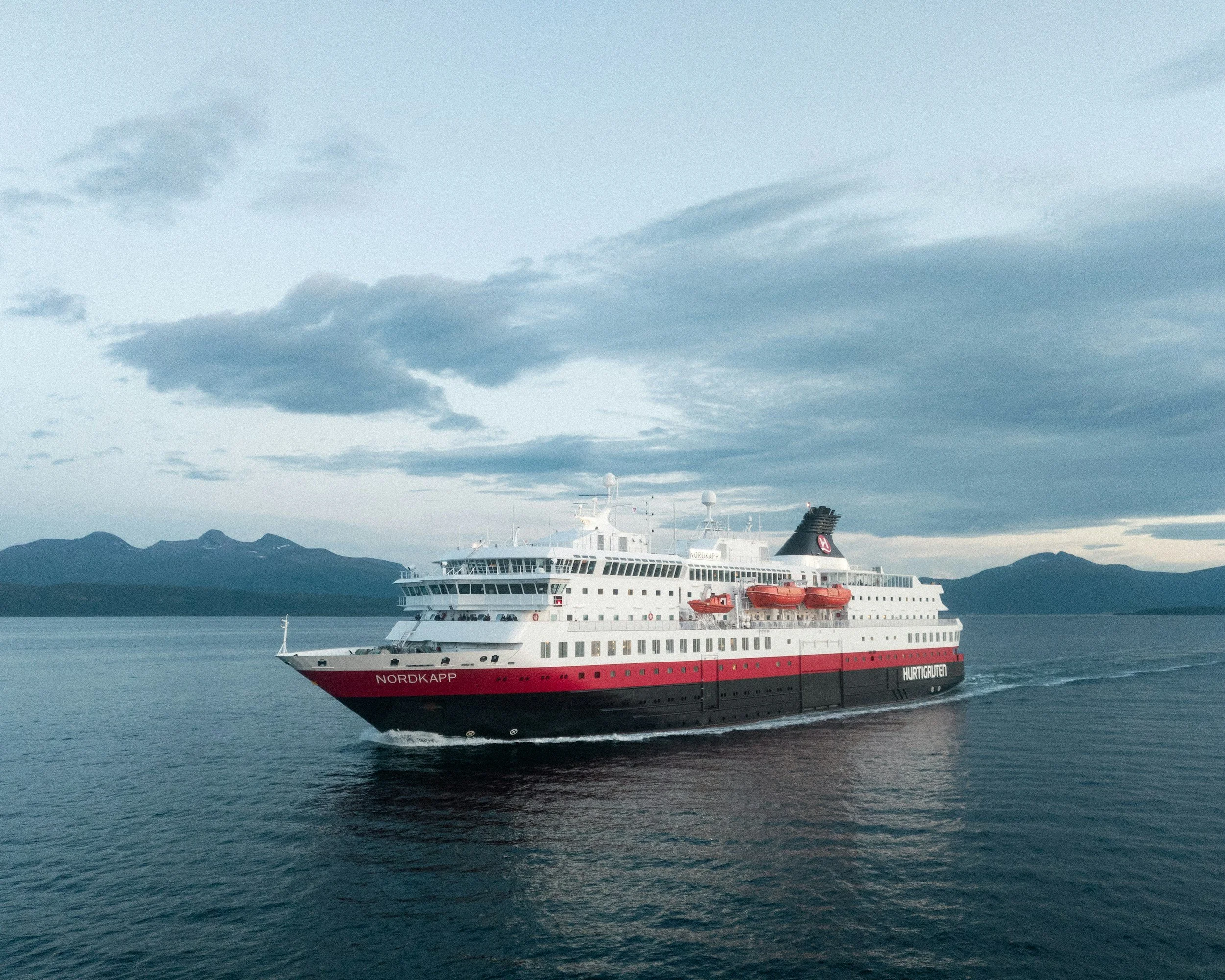
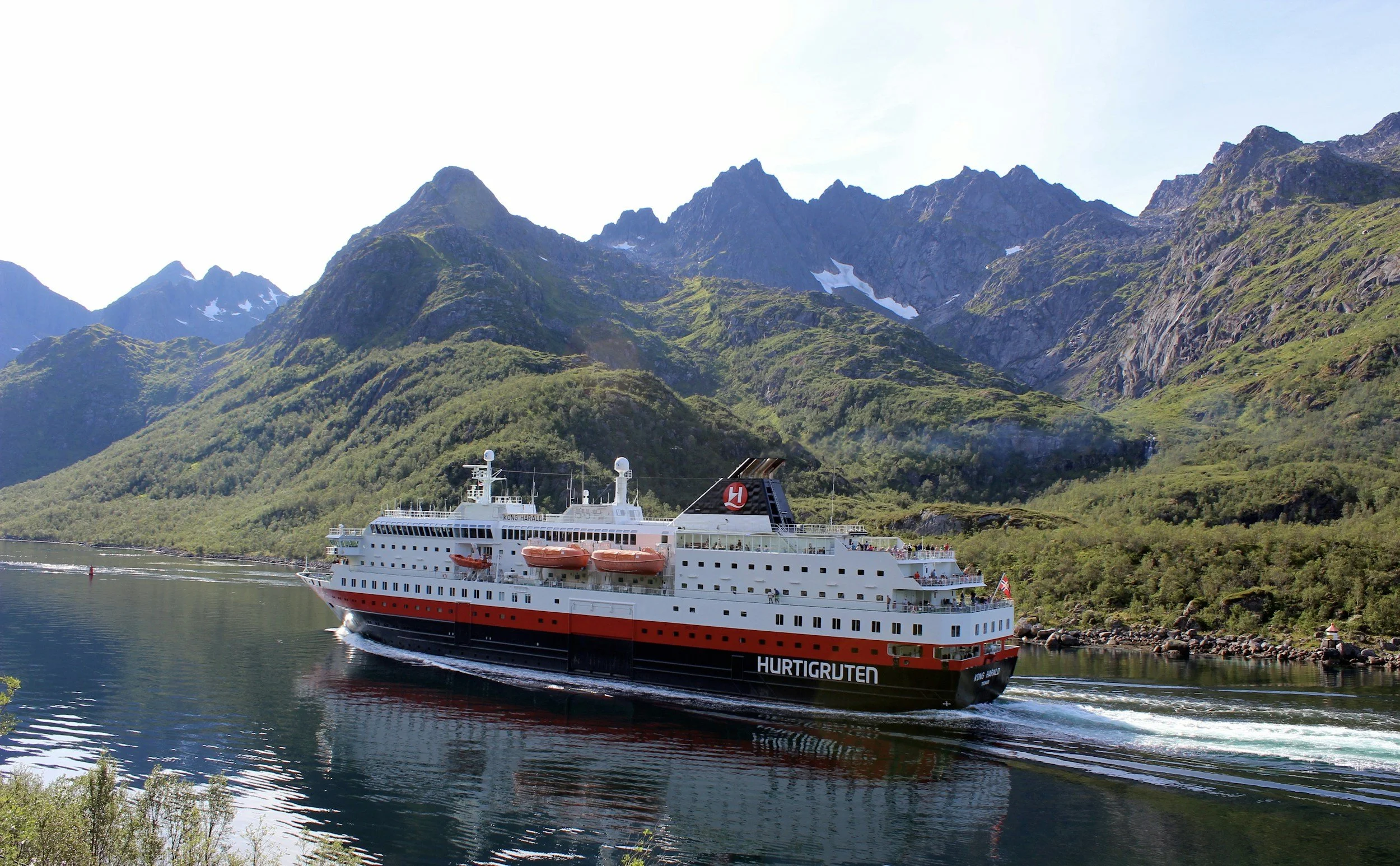
Cruise travel is one of the situations where Norway's layered approach to clothing makes particularly good sense.
A typical day may involve breakfast inside a warm ship, an hour outside watching the fjord scenery, a walk through a coastal town, a coach excursion to higher ground and an evening back onboard. You are moving repeatedly between sheltered and exposed environments, and the conditions can feel quite different even when the actual temperature barely changes.
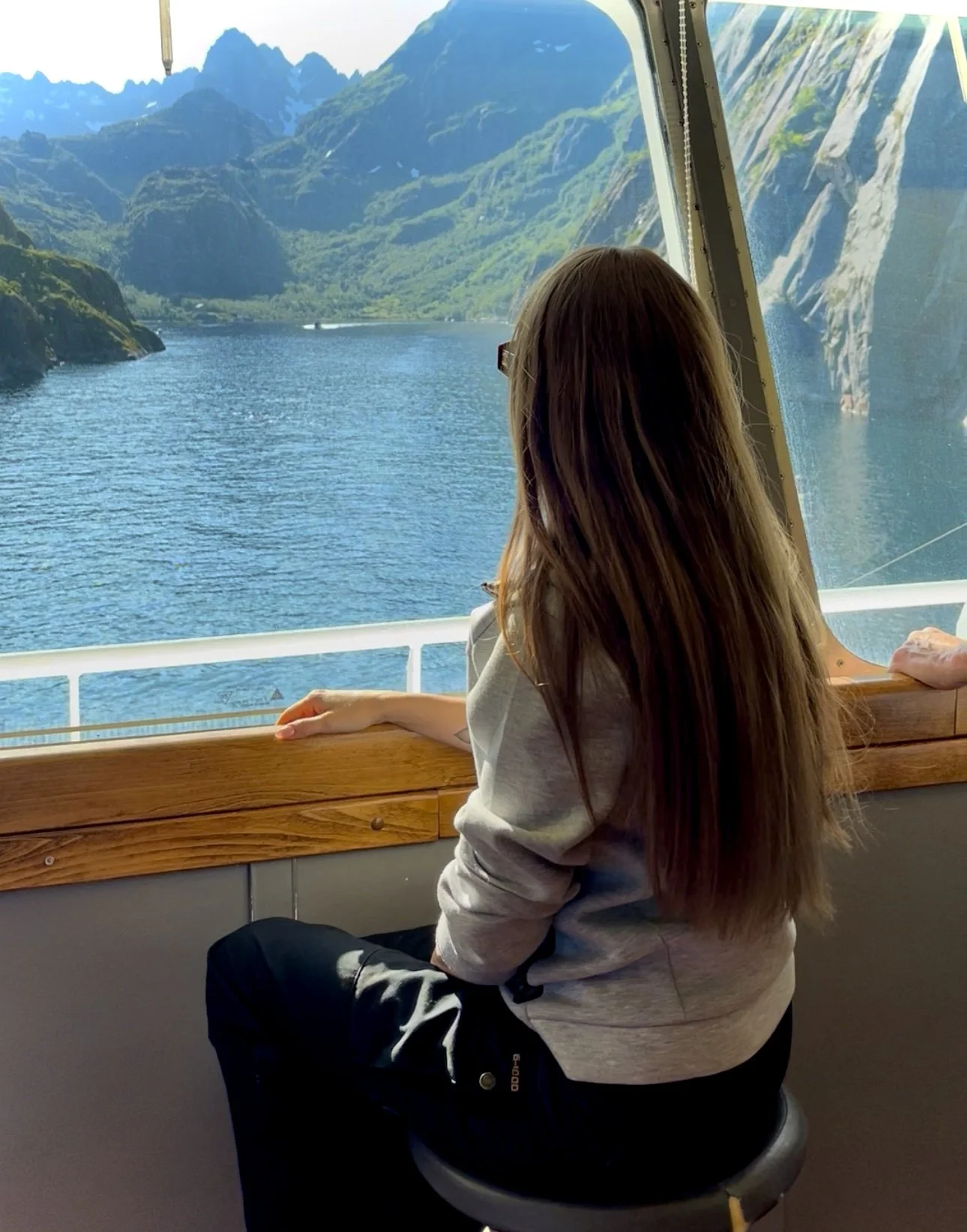
Outdoor decks are often noticeably cooler because of wind created by the ship's movement and exposure to open water. This can be particularly noticeable early in the morning or later in the evening when passengers go outside to watch the scenery.
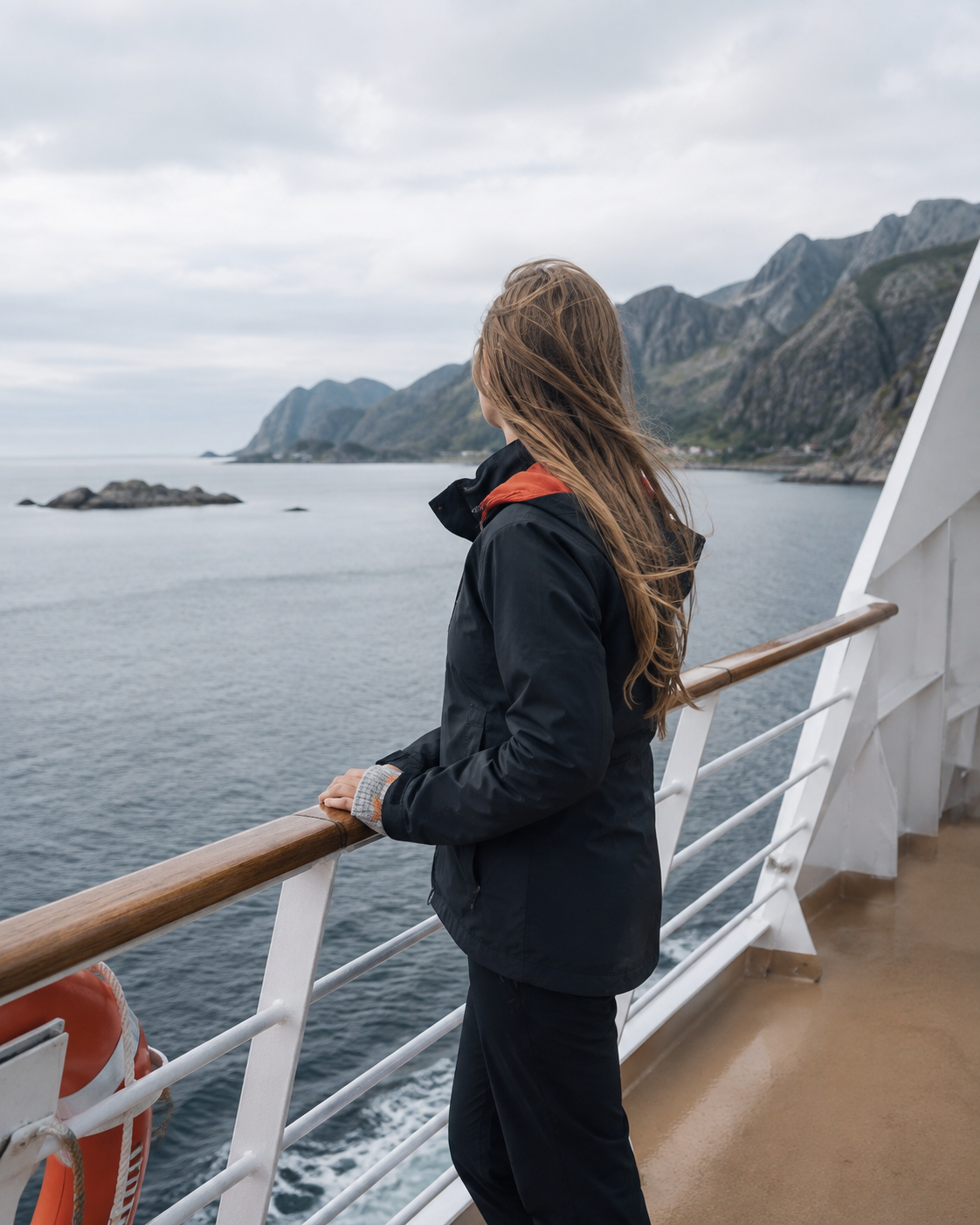
For this reason, a jumper, fleece or light wool layer combined with a windproof outer jacket is extremely useful. In wet weather, that outer layer should also be waterproof.
You do not generally need specialist cruise clothing during the day. Comfortable everyday clothes are appropriate onboard, and most passengers will spend much of their time moving between lounges, restaurants, cabins and outdoor decks.
What you need to think about more carefully is what happens when you go ashore.
A port visit to Bergen, Stavanger or Ålesund may involve little more than comfortable walking shoes and a rain jacket. A glacier excursion, mountain viewpoint or proper hike requires something very different.
If you know that your itinerary includes active excursions, pack specifically for those rather than assuming that cruise clothing and excursion clothing are the same thing.
Footwear should also be chosen with shore days in mind. Many travellers walk far more in port than they expect, particularly in historic centres, around viewpoints and during organised excursions.
For a complete cruise-specific list, including what to bring for both time onboard and days ashore, read my What to Pack for a Norway Cruise guide.
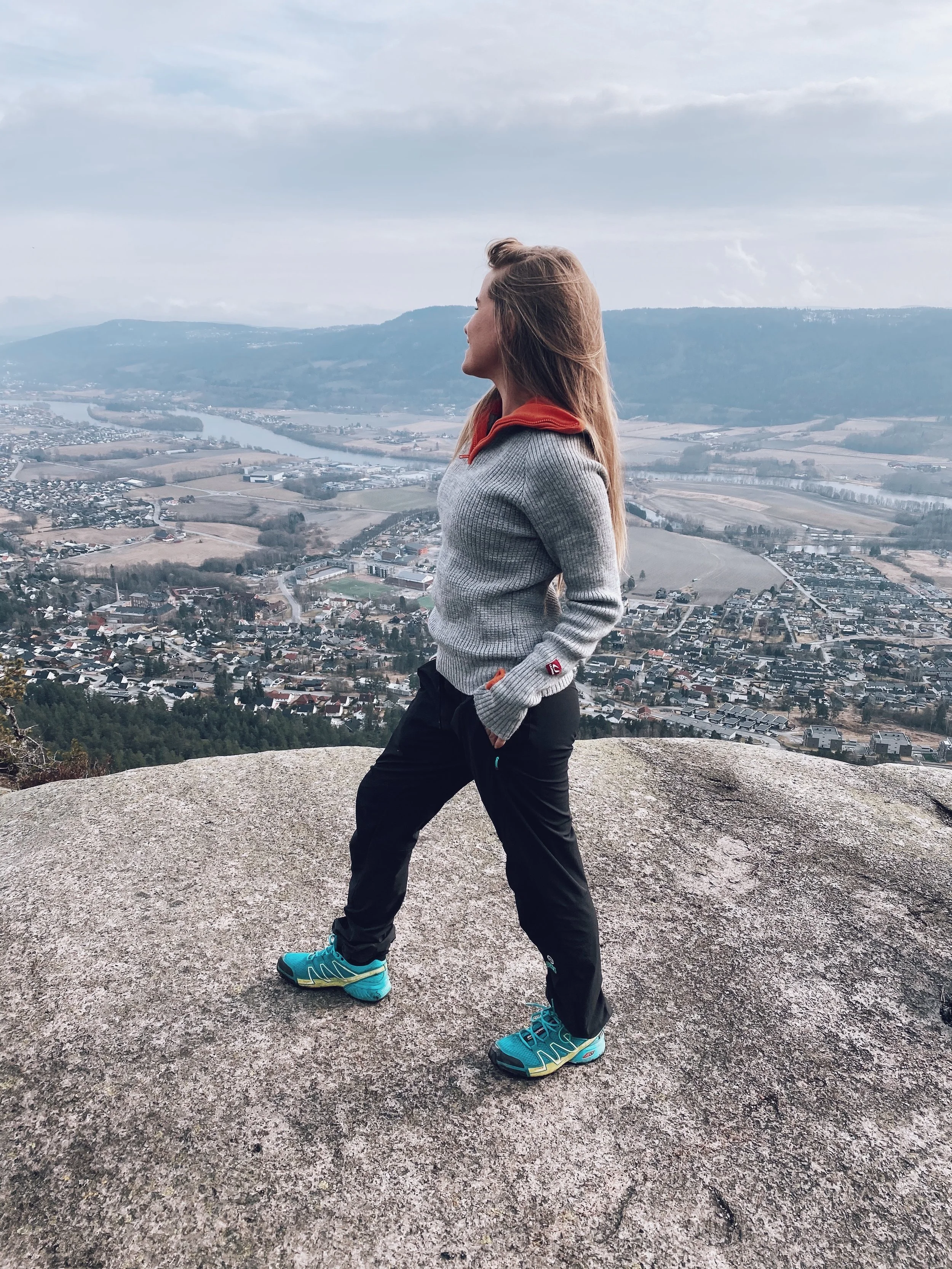
What to Wear for Hiking in Norway
Hiking is the point at which clothing becomes less about general comfort and more about managing changing conditions while your body is working.
What feels warm enough at the beginning of a trail may become too hot within twenty minutes of climbing. Once you stop, however, particularly on an exposed ridge or summit, your body temperature can fall surprisingly quickly.
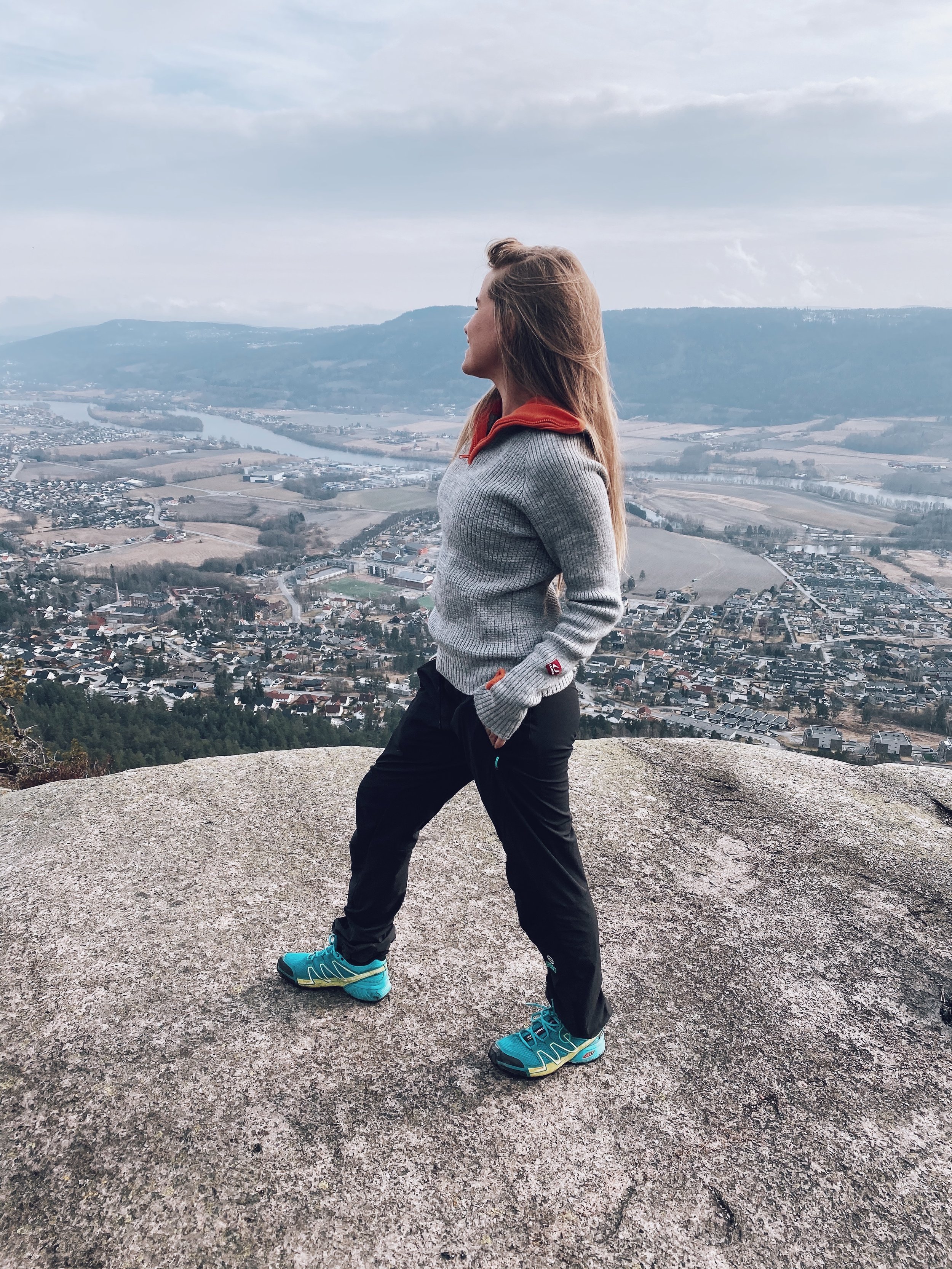
Norwegian weather often requires a balance between warmth and mobility. Layered clothing allows for movement while still providing protection to exposed landscapes.
This is why hikers rely so heavily on layers they can remove and replace throughout the day.
A thin wool or technical base layer works well next to the skin because it manages moisture more effectively than ordinary cotton clothing during sustained activity. Above that, a fleece, light wool layer or compact insulated jacket provides warmth during breaks and in cooler conditions.
A waterproof and windproof shell is one of the most important pieces because exposure can change quickly in Norwegian mountain areas. The jacket does not necessarily need to be heavily insulated. Its job is to create protection from the weather while the layers underneath provide warmth.
Hiking trousers are usually more practical than jeans on longer or more demanding hikes because they allow greater freedom of movement and dry more quickly if they become wet. That does not mean jeans are somehow unsuitable for every walk in Norway. On a short, dry path or an easy stroll they may be perfectly comfortable. The difference appears as conditions and terrain become more demanding.
Footwear follows the same principle.
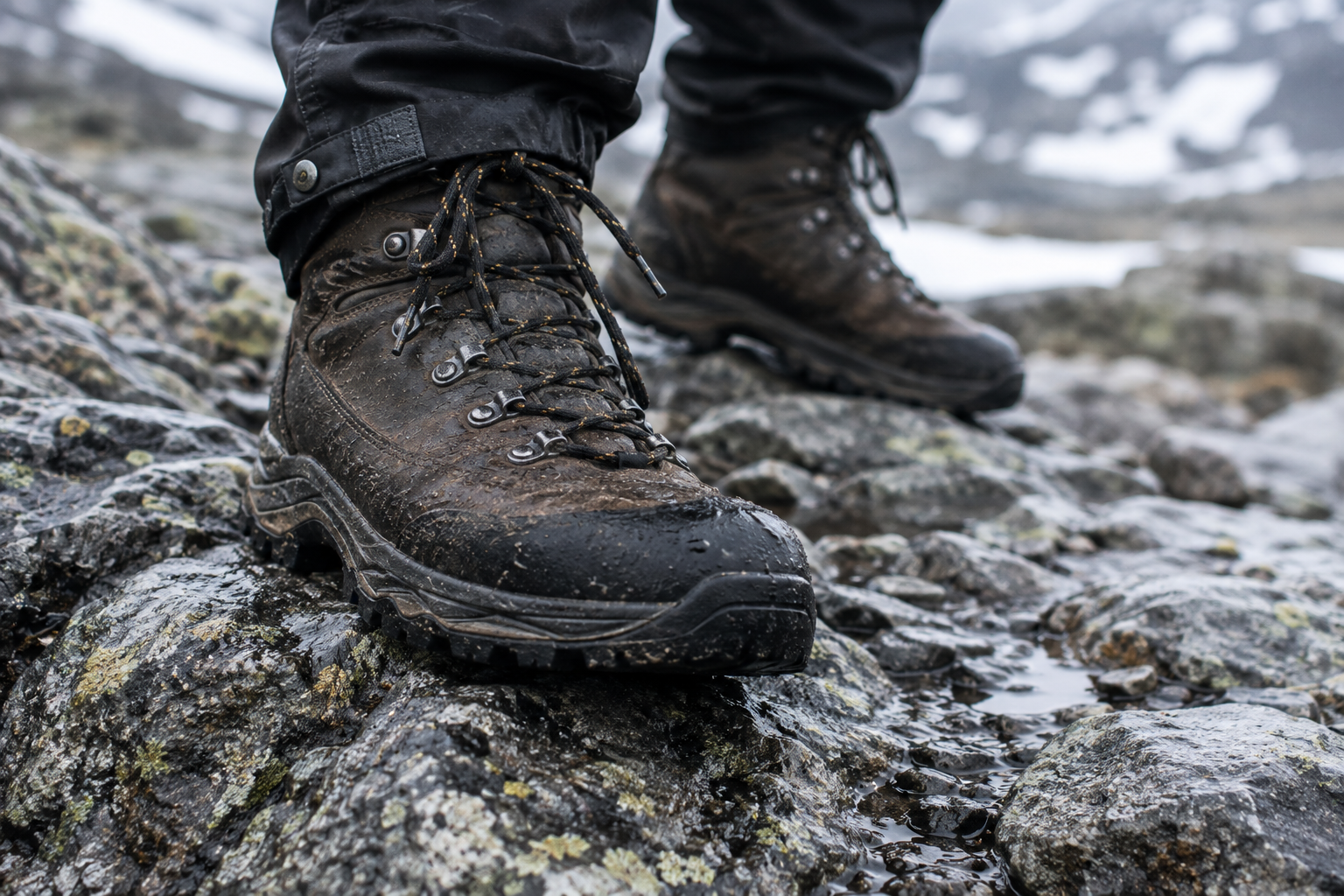
A prepared path around a lake does not automatically require heavy hiking boots. Trail shoes or sturdy walking shoes may be perfectly appropriate. Rocky terrain, wet ground, steep descents and longer mountain routes can require more grip, support and protection.
You should also pack for the conditions you may encounter later in the hike rather than simply dressing for the weather at the car park.
For a complete breakdown of backpacks, clothing, footwear, navigation, food and equipment, read my Hiking in Norway Packing Guide: What to Pack for Every Type of Hike:
What to Wear in Norwegian Cities
Norwegian cities are relatively easy to dress for because ordinary clothing is completely appropriate.
In Oslo, Bergen, Trondheim, Stavanger and other cities, people wear jeans, trousers, dresses, knitwear, shirts, trainers, boots and coats much as they do elsewhere in northern Europe.
The difference is often visible in the outerwear.
Rain jackets, technical shells and outdoor brands are more integrated into everyday wardrobes than visitors from some countries may expect. Someone wearing a Norrøna or Helly Hansen jacket on the tram is not necessarily heading into the mountains. It may simply be their normal jacket.
Norwegian city style tends to be fairly understated, and practical shoes are common because people walk and use public transport extensively.
This does not mean there is no room for more polished clothing. Restaurants, bars and evening activities are generally casual to smart casual, and you can dress up as much as you like. Formalwear is rarely necessary unless the occasion itself calls for it.
Season and location still matter. Bergen places more emphasis on rain protection, while Oslo and inland cities can experience colder, snowier winter periods where good winter footwear becomes particularly important.
For most city breaks, however, there is no reason to buy a technical wardrobe specifically for Norway.

Everyday city clothing in Norway is typically understated and practical, with an emphasis on comfort, clean lines, and weather-appropriate layers.
What to Wear in the Norwegian Fjords and Western Norway
Travelling through the fjords often involves more variation than a standard city break because the landscape itself shapes the day.
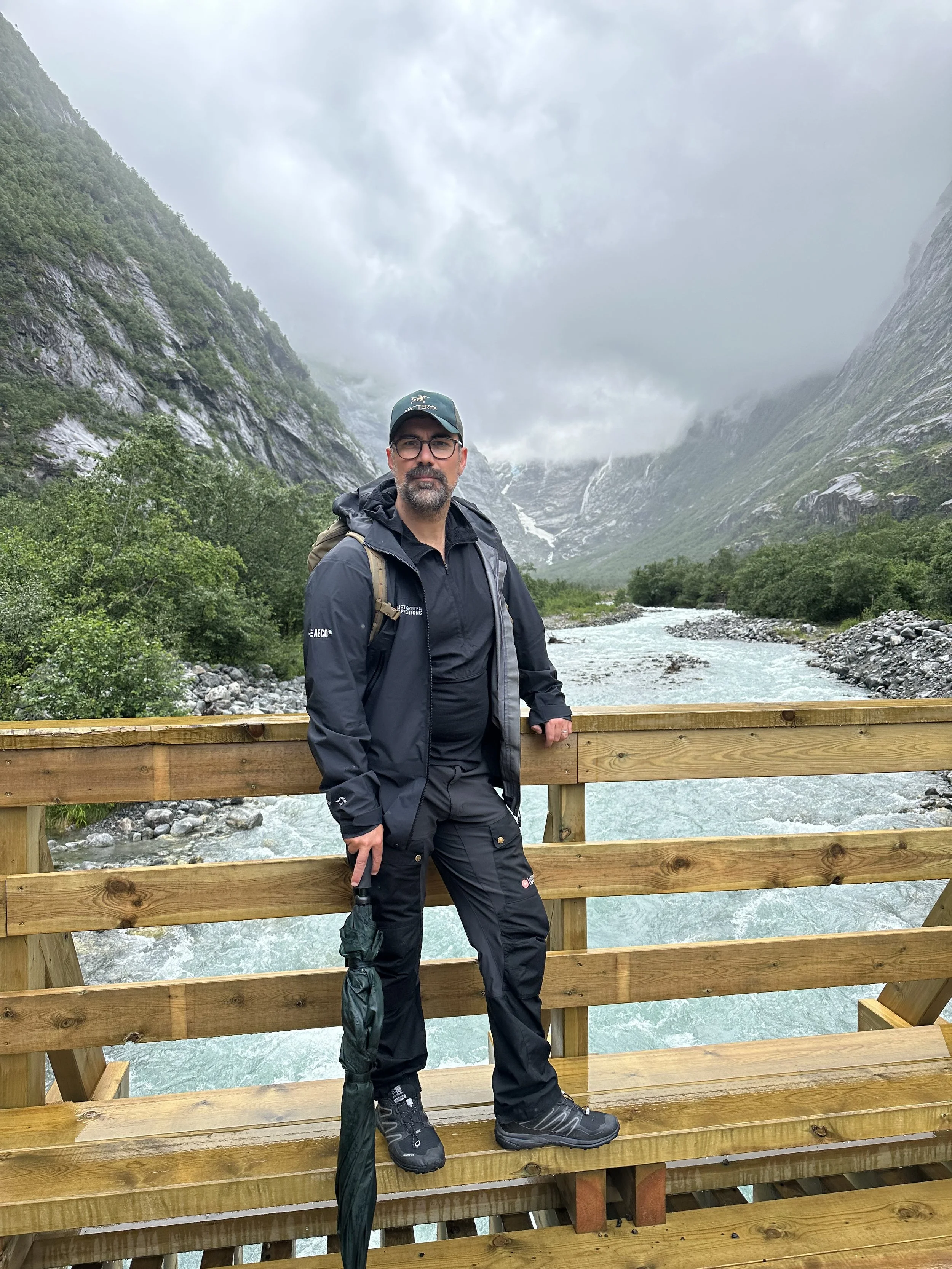
You may begin in a town at sea level, board a ferry, take a train or coach into the mountains and later stand at an exposed viewpoint before returning to a hotel or ship.
A practical fjord wardrobe therefore needs to move between these environments without requiring constant outfit changes.
A waterproof and windproof jacket is one of the most useful pieces, particularly in western Norway where rain can arrive frequently. Underneath, a jumper, fleece or light wool layer provides warmth when necessary and can easily be removed during milder periods.
Comfortable walking shoes are enough for the majority of fjord sightseeing, including ferry journeys, villages, rail travel and established attractions.
You only need hiking equipment if hiking is genuinely part of the itinerary.
This is an important distinction because the dramatic landscape can make travellers assume that all travel in the fjords requires mountain clothing. Much of it does not. You may spend an entire day surrounded by mountains while travelling by boat, train and road without ever stepping onto difficult terrain.
Footwear in Norway
There is no single best shoe for Norway.
For a summer city break, comfortable trainers may be all you need. For a rainy week in Bergen, a water-resistant walking shoe may make life easier. For a snowy winter trip, insulated footwear with good grip becomes much more important.
Cruise travellers should think about how many hours they will spend walking ashore, while hikers should choose footwear according to terrain and distance.
One of the most common mistakes is assuming that heavy hiking boots are automatically the safest option for every outdoor activity. They can be excellent on rough terrain but unnecessary and uncomfortable for an itinerary based mainly around cities and transport.
The opposite mistake is taking very thin, smooth-soled shoes into conditions where you need traction and weather protection.
As with the rest of your wardrobe, the best choice is the one that matches the activity.
Clothes That Work Differently Depending on the Situation
Norway does not have many absolute clothing rules, and items sometimes presented as things you should “never wear” are often perfectly appropriate in the right setting.
Cotton is a good example. A cotton T-shirt can be ideal on a warm day in Oslo. It becomes less useful as a base layer during a long, cold hike where sweat and changing weather make moisture management more important.
Jeans are another example. They are completely normal for cities, travel days, restaurants and general sightseeing. They become inconvenient when they get soaked on a hike because denim holds water and dries slowly.
A smart wool coat can be an excellent choice for a cold, dry city day while being a poor choice for several hours of rain beside a fjord.
Thin trainers may be perfect for a summer afternoon on dry pavements but unsuitable on ice or wet mountain terrain.
Rather than creating a list of forbidden clothes, it is more useful to think about where each item performs well.
That is much closer to the way Norwegians themselves approach clothing.
Norwegian Outdoor and Wool Brands You Will See
Outdoor clothing is highly visible in Norway, and several Norwegian brands have become closely associated with the country's relationship with nature, mountains, skiing and coastal life.
You do not need to buy any of them to dress properly for Norway. A good waterproof jacket performs the same function regardless of the logo on the chest. However, understanding some of the brands can make Norwegian clothing culture easier to recognise while you are travelling.
Helly Hansen
Helly Hansen was founded in Norway and has particularly strong roots in maritime clothing and protection from wet and windy conditions.
The brand now produces a broad range of technical outdoor clothing, but its association with sailing and the coast remains especially relevant in Norway. Helly Hansen jackets are common in cities as well as around harbours, ski areas and outdoor environments.
Bergans
Bergans has a long history within Norwegian mountain life and outdoor recreation.
The brand produces hiking clothing, backpacks, tents and other equipment and is strongly associated with Norwegian traditions of walking, skiing and spending time outdoors.
Norrøna
Norrøna is one of the more technical Norwegian outdoor brands and is particularly associated with skiing, mountaineering, hiking and demanding weather conditions.
Its shell jackets are widely recognisable, although the clothing is also commonly worn casually.
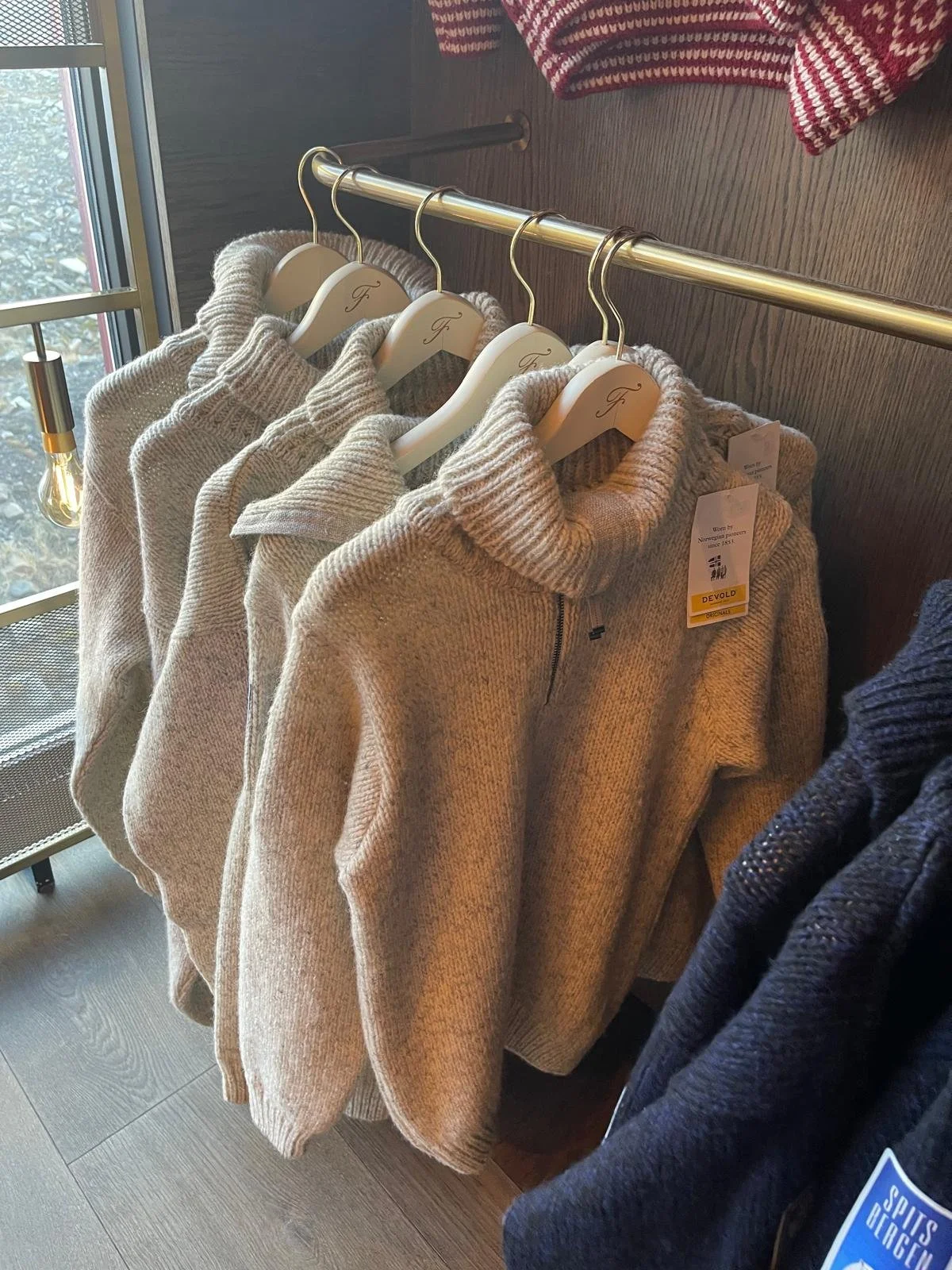
Norwegian wool sweaters from Devold reflect a long-standing tradition of natural fibres valued for warmth, breathability and durability in cold climates.
Devold
Devold represents a different part of Norwegian outdoor clothing culture.
The company is particularly well known for wool garments and modern merino base layers, connecting Norway's long tradition of using wool with contemporary outdoor clothing.
Dale of Norway
Dale of Norway is best known for patterned wool sweaters inspired by Norwegian knitting traditions.
These are not primarily technical performance garments in the same way as shell jackets or hiking clothing, but they remain closely connected with Norwegian winter and wool culture.
Kari Traa
Kari Traa is a Norwegian women's sportswear brand known particularly for wool base layers, colourful patterns and active clothing.
Amundsen Sports
Amundsen Sports draws heavily on Norwegian exploration, skiing and outdoor heritage.
Its clothing combines technical performance with a more distinctive heritage-inspired style and is often associated with winter and mountain environments.
Fjällräven
Fjällräven is Swedish rather than Norwegian, but it is extremely common in Norway.
Its backpacks and outdoor clothing are widely used for hiking, travel and everyday life, particularly the recognisable Kånken backpack.
Salomon and Merrell
Salomon and Merrell are not Norwegian either, but both are widely used for walking, trail running and hiking footwear.
Their popularity is a useful reminder that Norwegians do not necessarily seek out Norwegian brands simply because they live in Norway. Performance, comfort and suitability for the activity usually matter more.
Do You Need Expensive Outdoor Clothing for Norway?
No, and for many travellers buying an entirely new outdoor wardrobe would be unnecessary.
If your holiday mainly consists of cities, trains, ferries, fjord cruises, museums and ordinary sightseeing, much of what you already own will probably work perfectly well.
The need for specialist clothing increases as your exposure and activity increase.
Someone planning several long hikes in Jotunheimen has very different requirements from someone taking the train from Oslo to Bergen and spending several days exploring the fjords by boat.
If you are buying new clothing specifically for the trip, start with the gaps in your existing wardrobe. Perhaps you need a reliable waterproof jacket, shoes that can handle longer walking days or a warm layer that packs easily.
Those items will usually make a greater difference than buying expensive technical clothing simply because it is associated with Norway.
Final Words
The best way to pack for Norway is not to imagine one version of Norwegian weather.
A trip may begin in a city, continue through the fjords, include several days on a ship and end with a mountain hike. Each environment changes what feels comfortable, even if the season remains the same.
That is why Norwegian clothing is so closely connected with adaptability.
Normal clothes are perfectly suitable for a large part of any trip. Wool becomes valuable when warmth and moisture management matter. Technical clothing becomes useful when activity and exposure increase. A waterproof jacket matters most when the weather requires it, while proper hiking footwear belongs on terrain that actually justifies it.
You do not need to dress for the most extreme condition Norway could possibly produce.
You need to understand your own itinerary well enough to know when everyday clothing is enough and when the Norwegian weather, landscape or activity asks a little more from what you are wearing.
More articles about Norway:
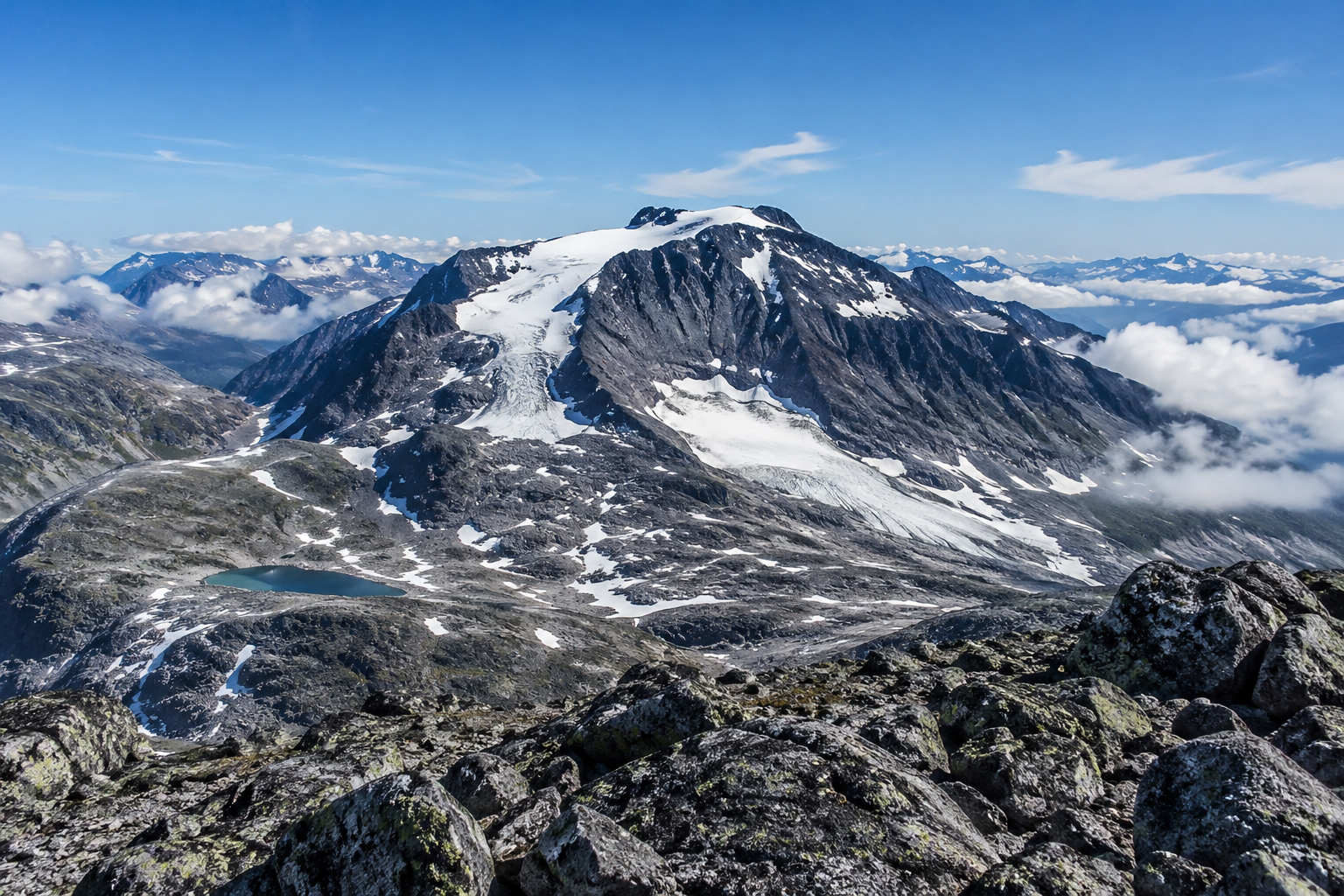
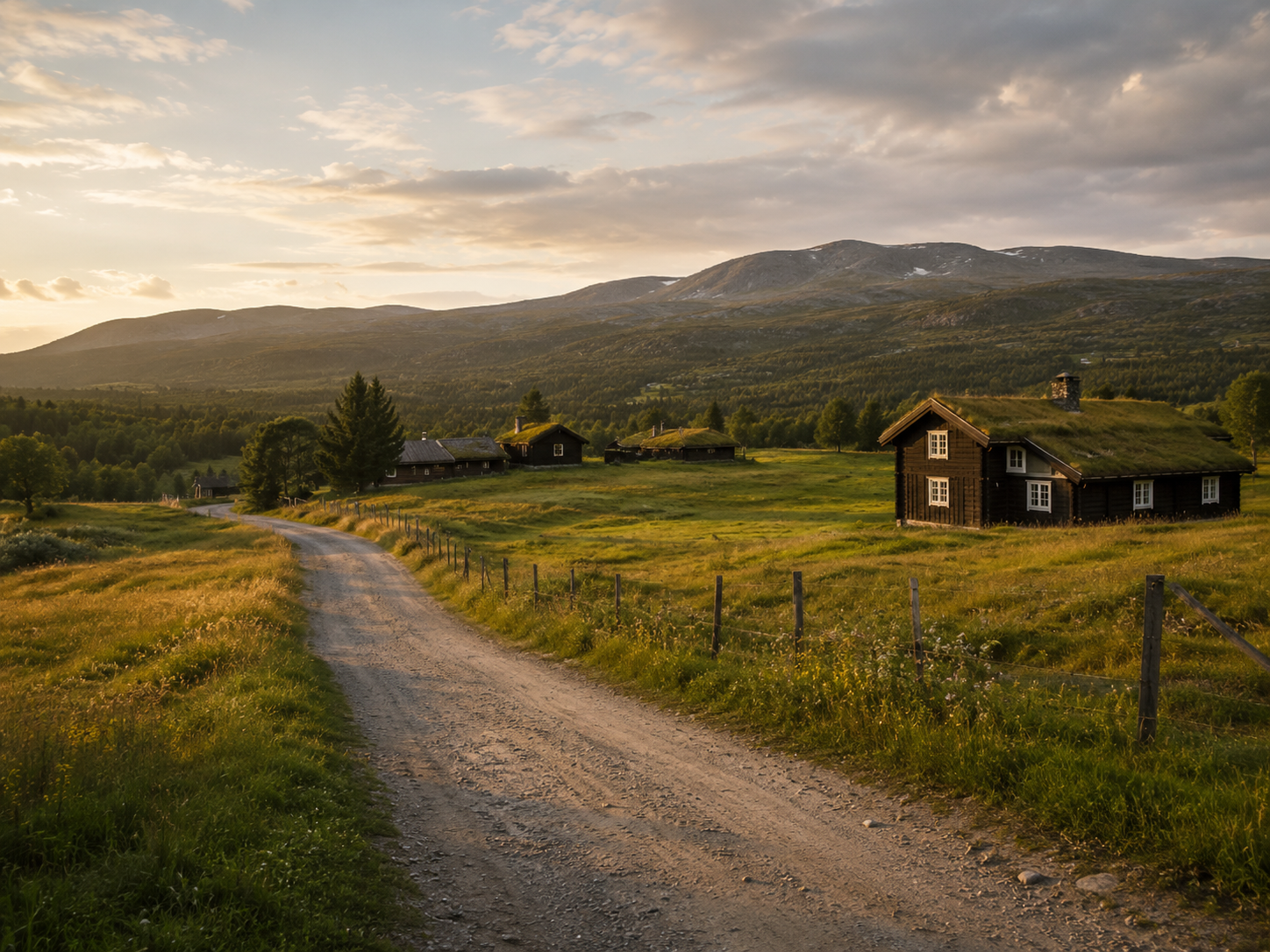
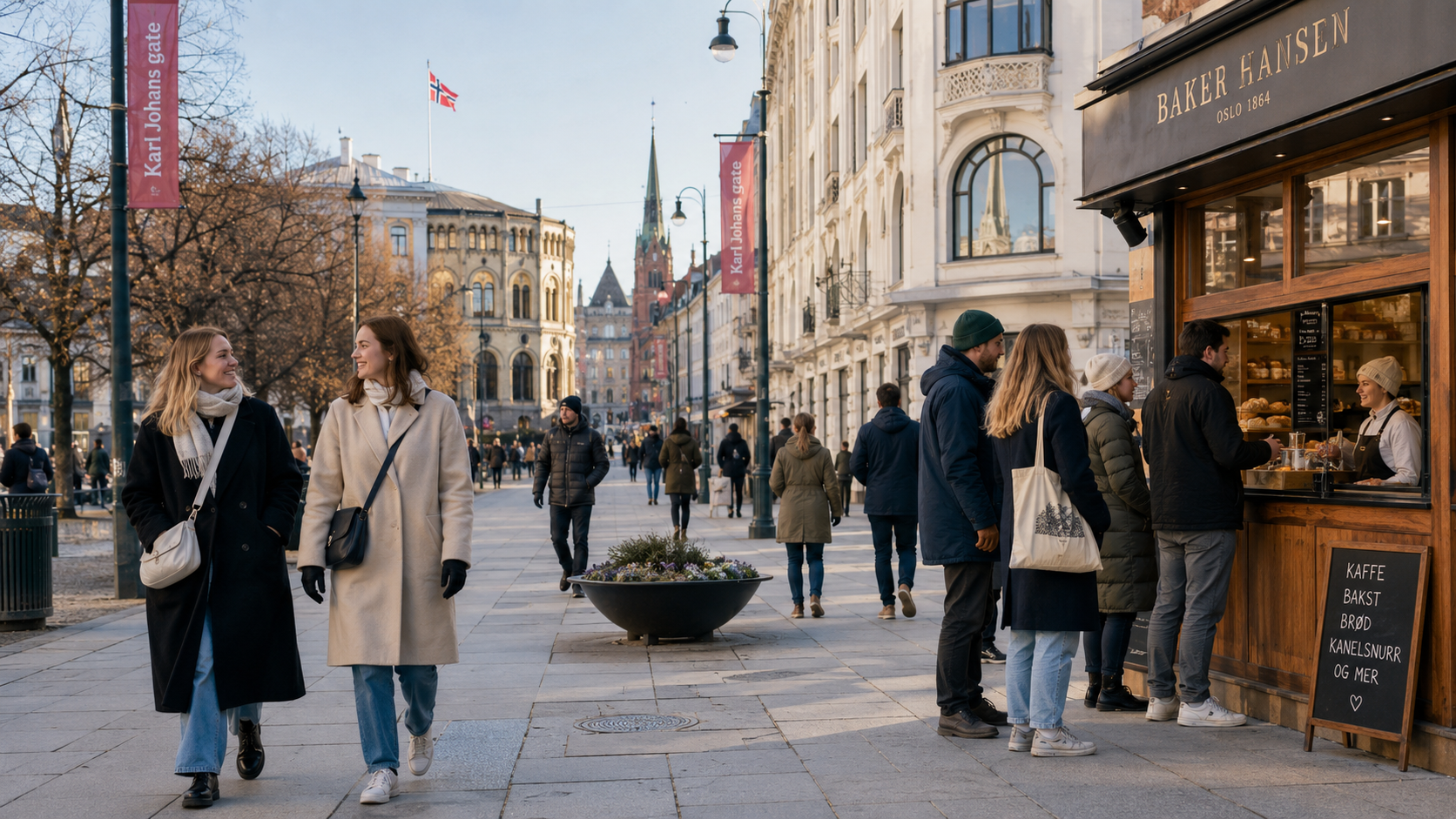
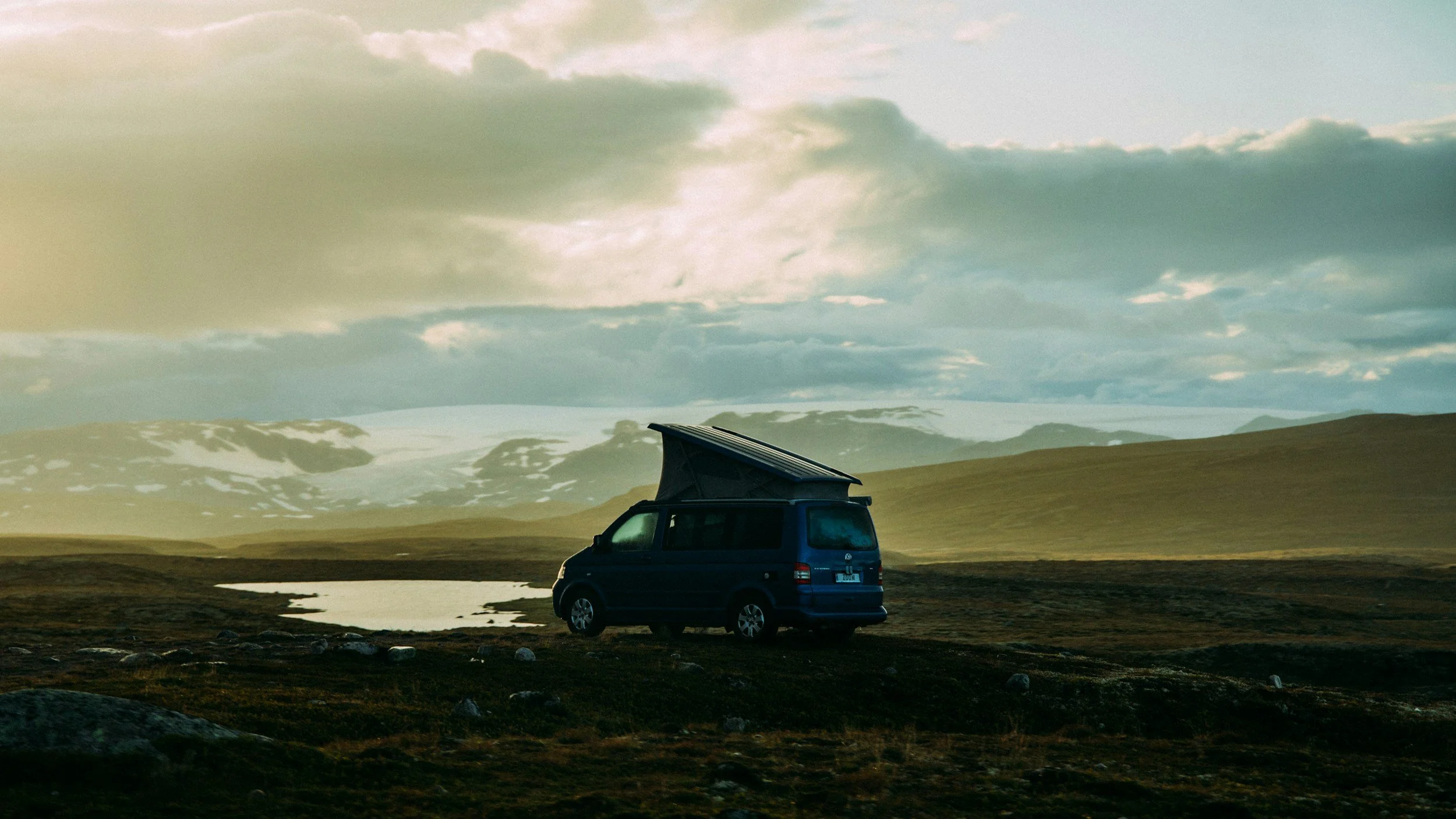
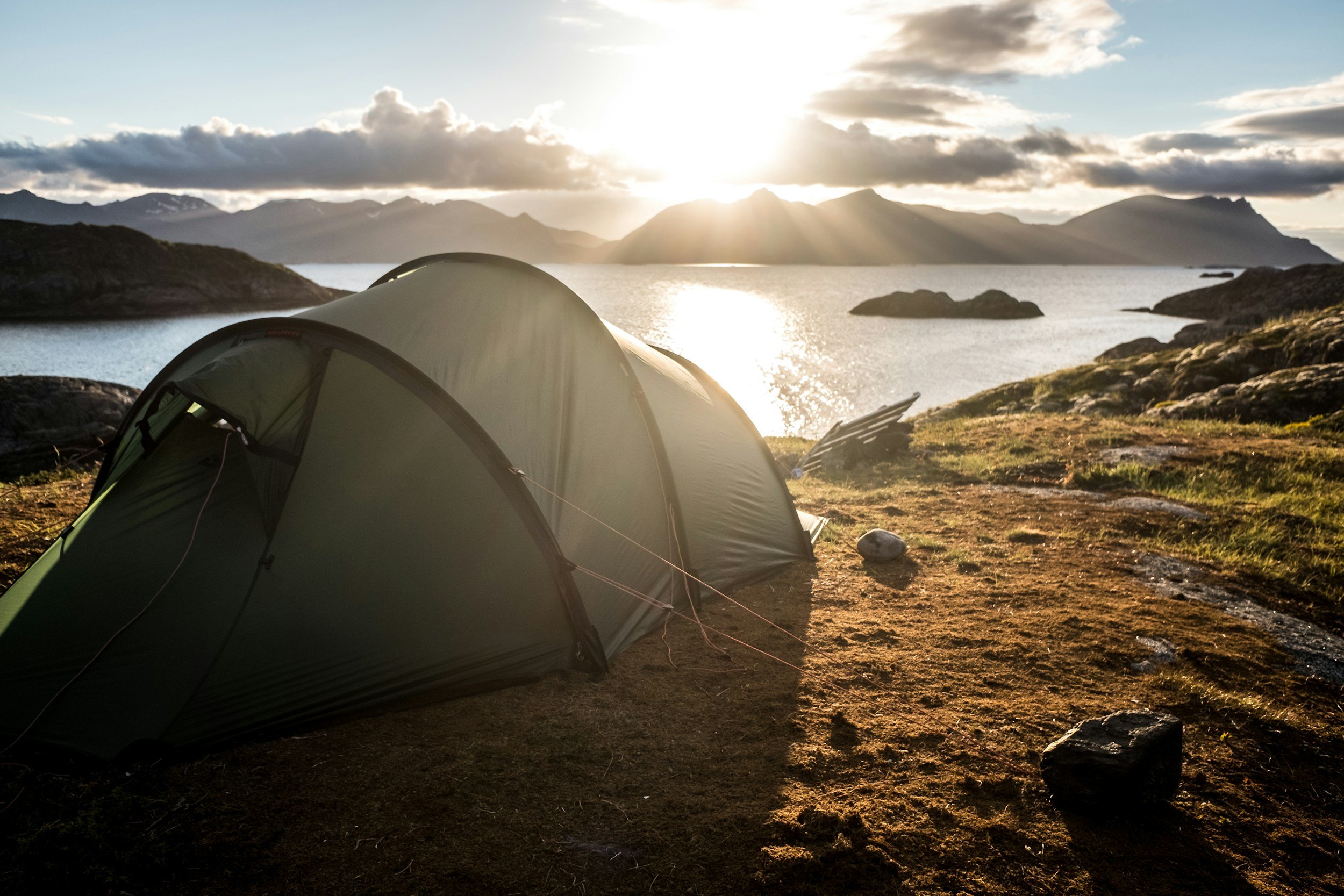
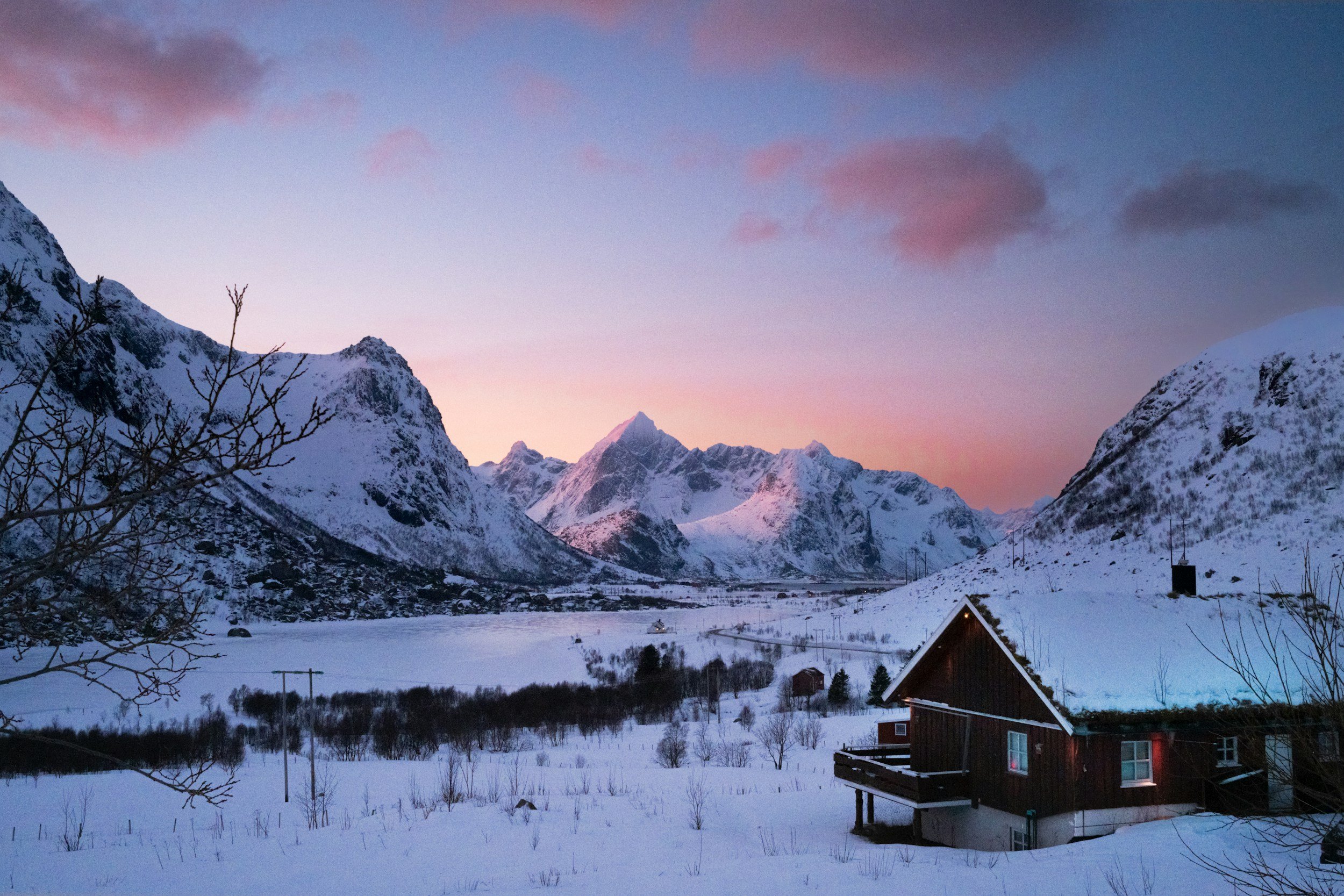
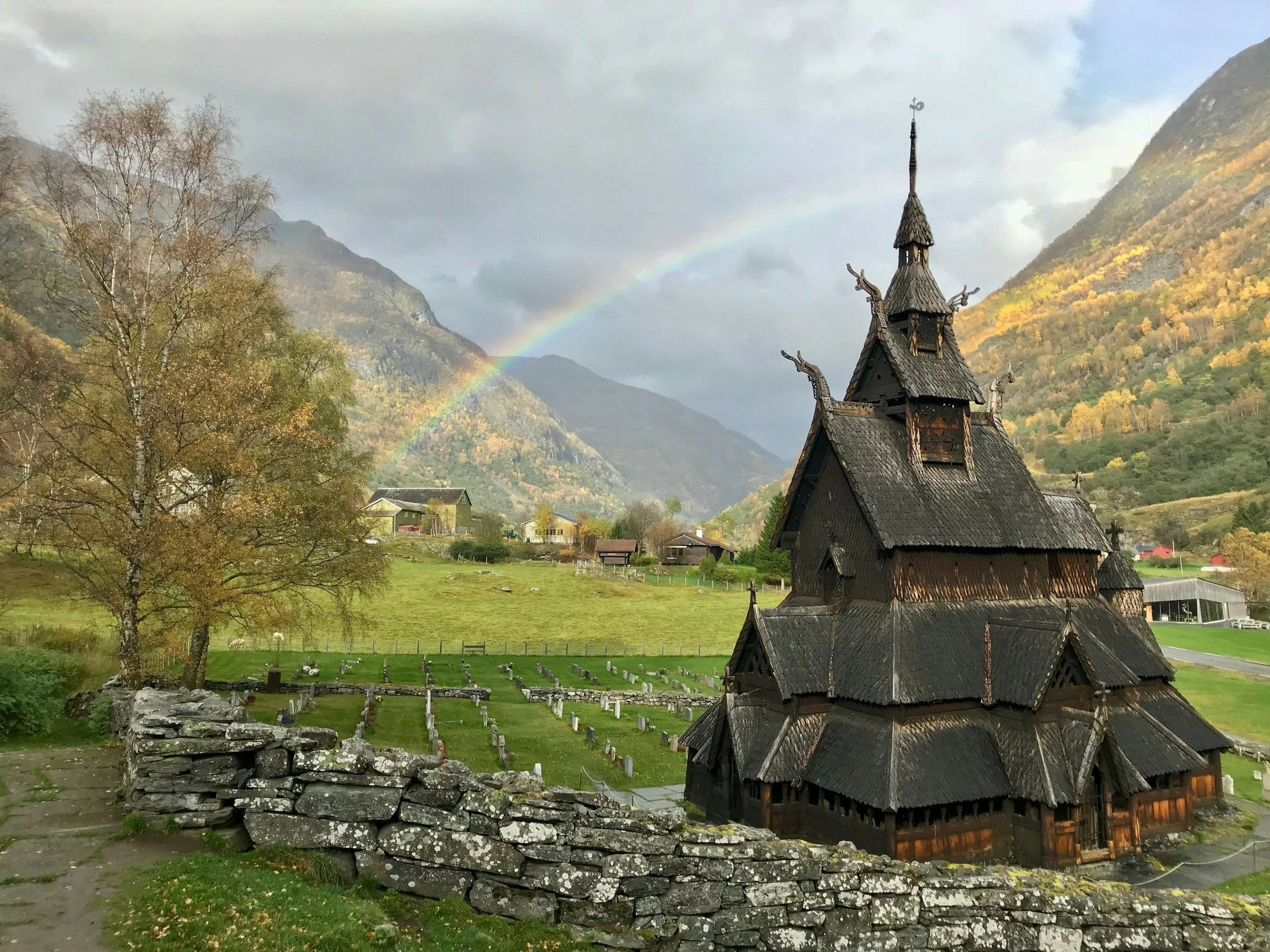
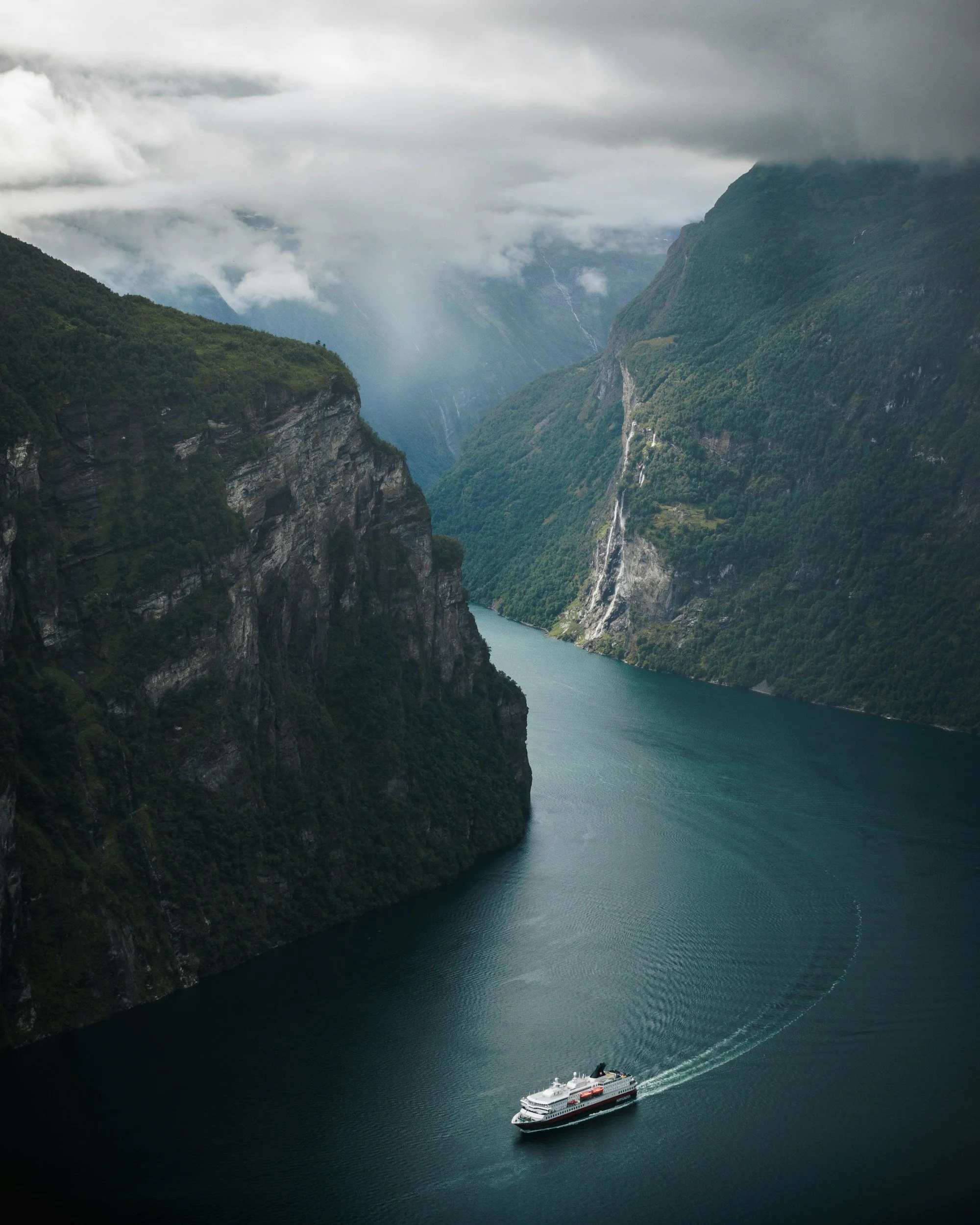
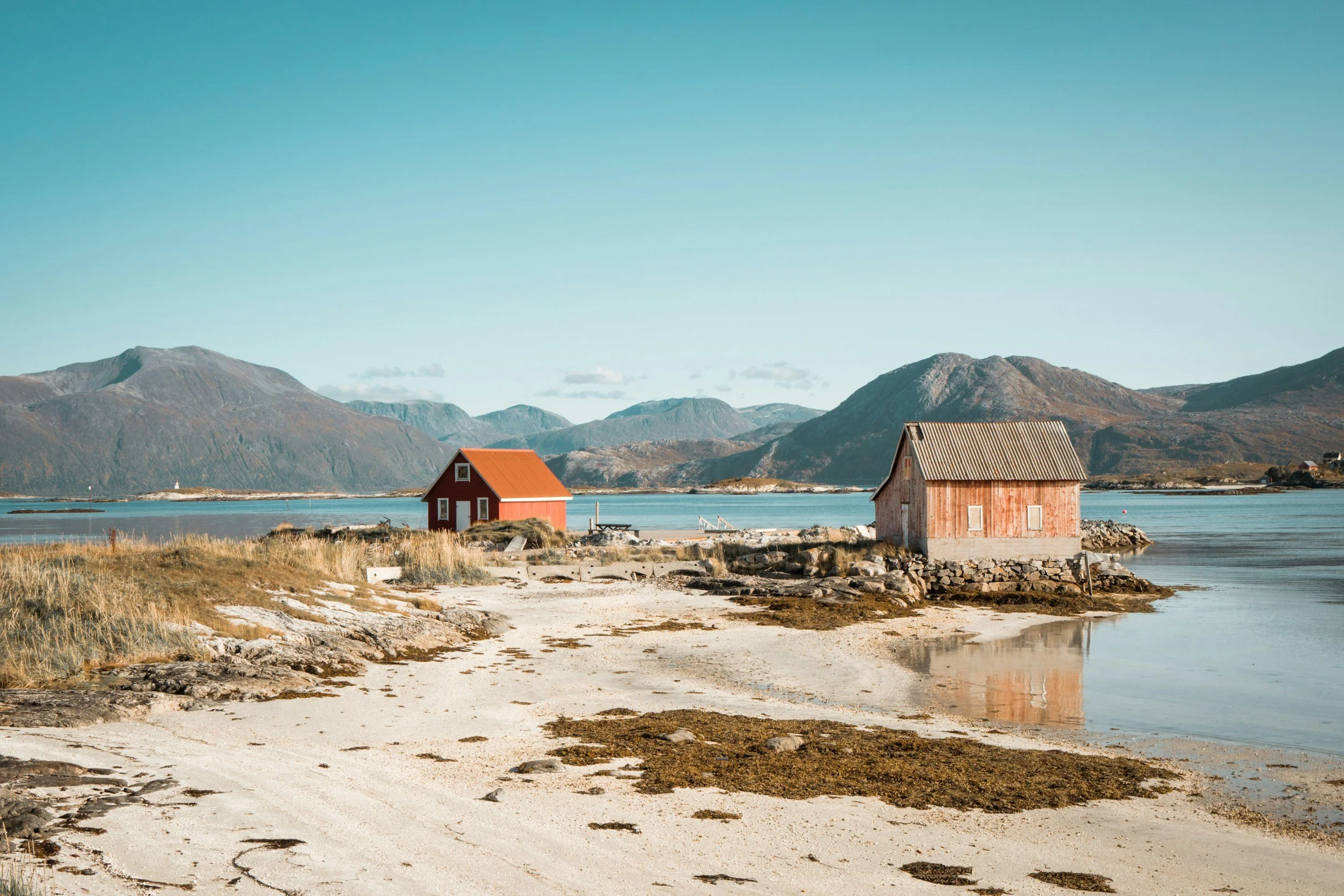
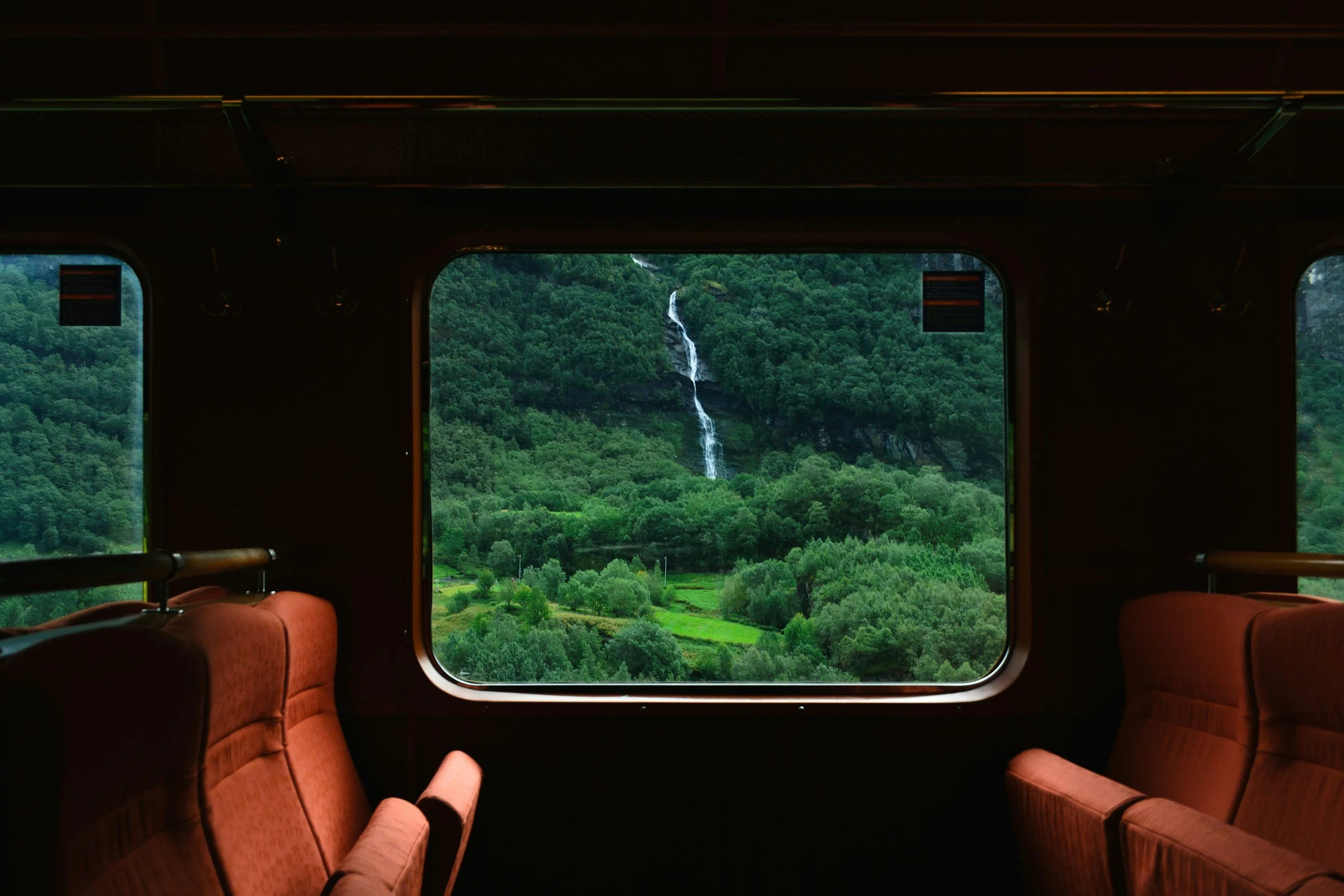
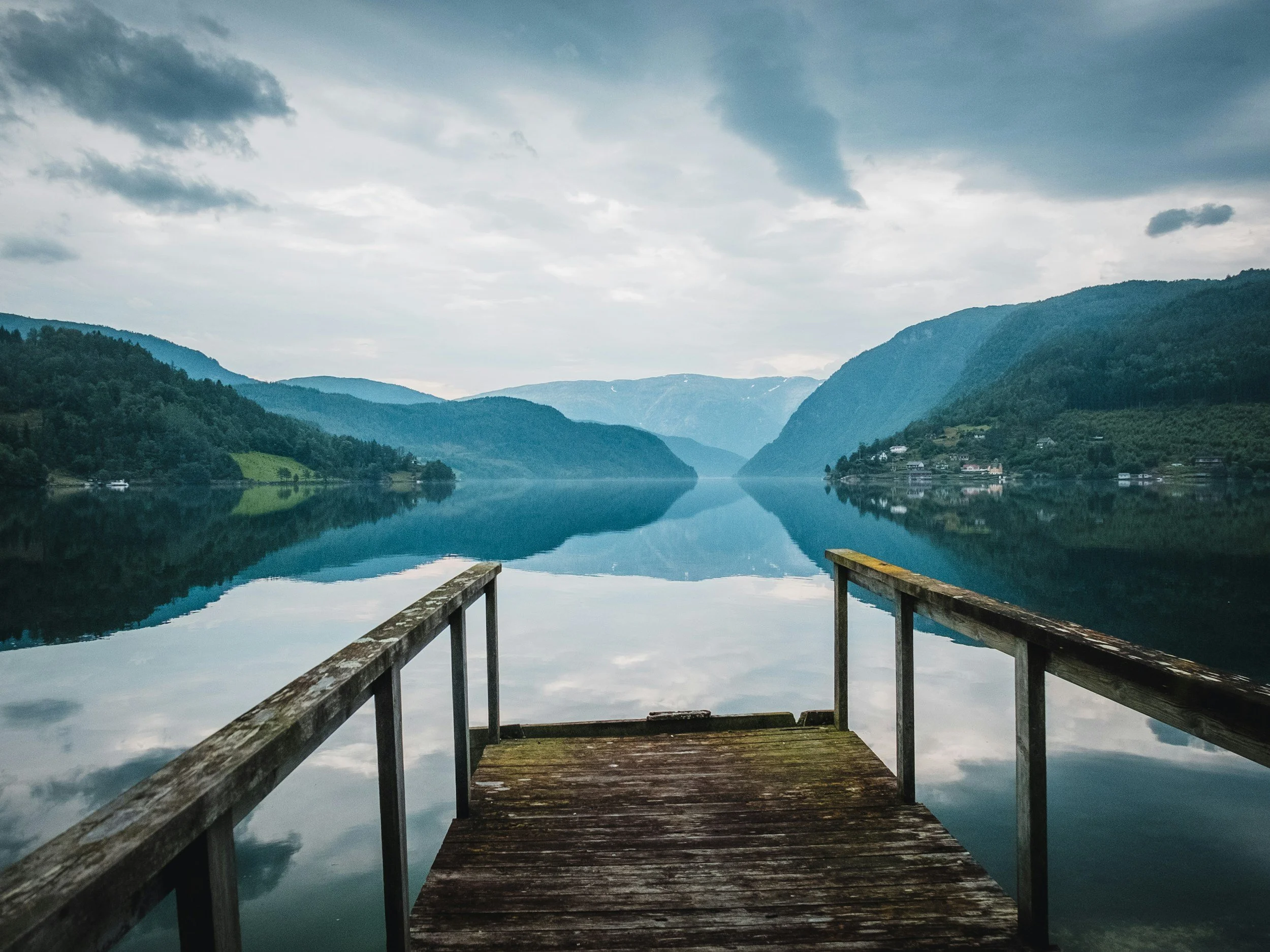
From warm city days to cool mountain evenings, this guide explains what to wear in Norway during summer and how to dress for changing conditions.