
Best Time to Visit Norway: A Seasonal Overview
The best time to visit Norway depends on what you want to experience. This seasonal guide compares winter, spring, summer and autumn across Norway, including the best months for hiking, road trips, fjords, Northern Lights, skiing, coastal cruises and wildlife, while explaining how daylight, weather, crowds and regional differences can shape your trip.
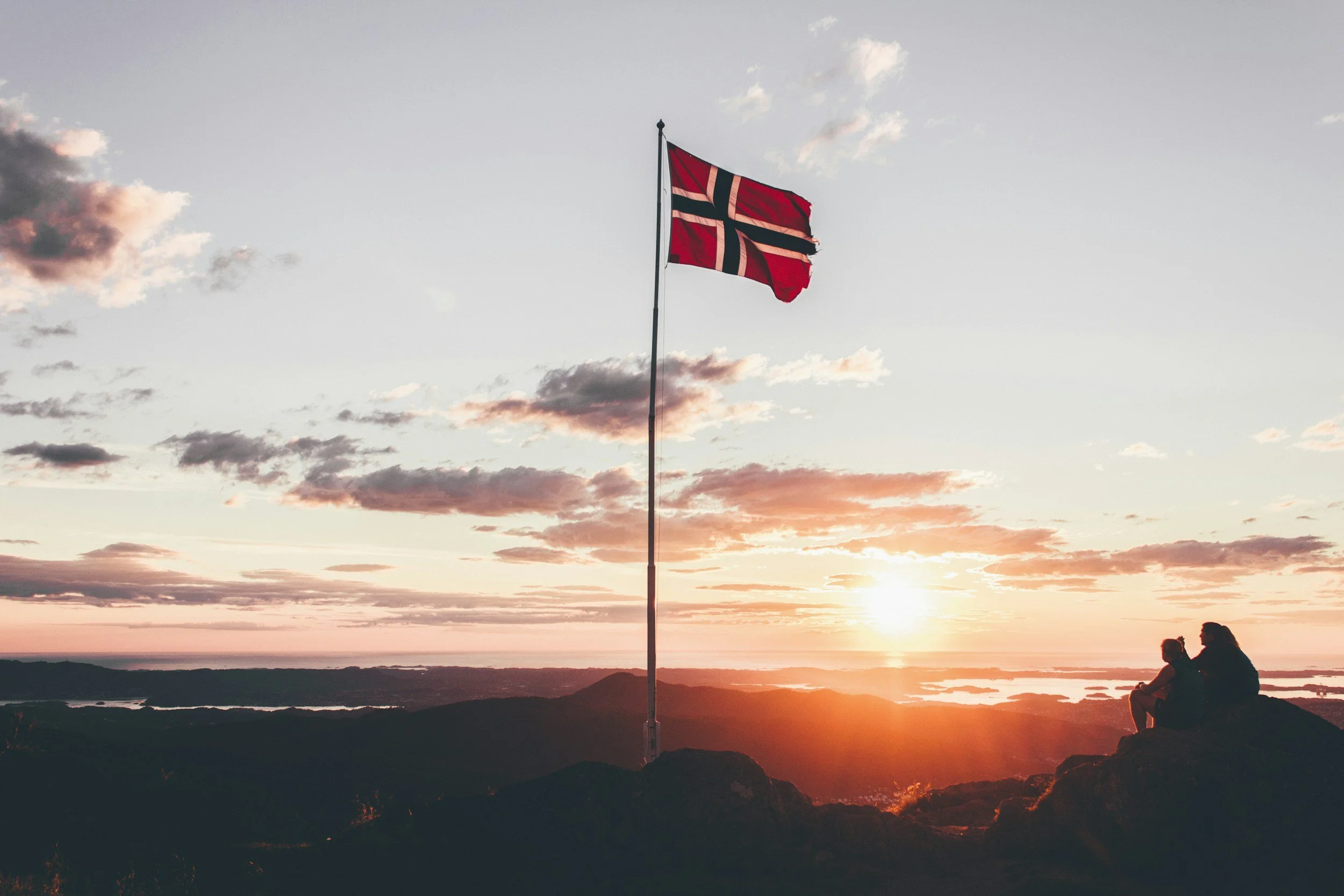
The best time to visit Norway depends on what you actually want to experience, but some seasons are undeniably better suited to particular kinds of trips.
If you want the greatest freedom to travel around the country, hike in the mountains and drive across scenic mountain roads, summer is usually the best choice. July and August offer the most reliable access to higher mountain areas, while late June through early September is an excellent period for a longer road trip. If you want to ski, winter and early spring are the obvious seasons, with February and March particularly attractive because Norway still has proper winter conditions while the days are becoming noticeably longer. For the Northern Lights, you need dark skies, which makes autumn through early spring the relevant period in Northern Norway. The established aurora season generally runs from late September to late March.
Those are useful starting points, but Norway is a country where the season changes much more than the temperature. It affects daylight, mountain access, road conditions, wildlife, outdoor activities and the way people spend their time. A February trip based around Tromsø, dog sledding and the Northern Lights is not simply a colder version of a July holiday through the fjords. It is an entirely different kind of journey.
Geography makes the choice more complicated. Western Norway is shaped by a maritime climate, inland areas experience greater temperature extremes, mountain regions remain colder than the valleys below them, and Northern Norway follows an extraordinary annual cycle of polar night, ordinary daylight and Midnight Sun. This means that the best month for one part of Norway is not necessarily the best month for another.
If you have not yet decided what kind of journey you want to take, Which Type of Norway Trip Is Right for You? is a useful place to start. It looks at the differences between fjord travel, mountain Norway, Northern Norway, cities, coastal travel and other ways of experiencing the country, which makes it easier to decide which season actually suits your trip.
Norway in Winter: December to February
Winter is the best time to visit Norway if you want snow, skiing, a proper Arctic winter experience or the Northern Lights. It is also the season when Norway feels furthest removed from the green fjord landscapes and long summer days that dominate much of the country's travel imagery. Snow changes the landscape, daylight becomes limited and everyday outdoor life shifts towards skiing, winter walks and time spent in cabins.
The experience varies considerably depending on where you travel. Southern cities such as Oslo continue with ordinary city life throughout winter, although snow, ice and short days become part of the journey. Along the west coast, temperatures can be relatively mild compared with inland Norway, but rain, wind and rapidly changing weather are common. Inland valleys and mountain areas are generally colder and more reliably snowy, while Northern Norway offers the most distinctly Arctic version of the season.
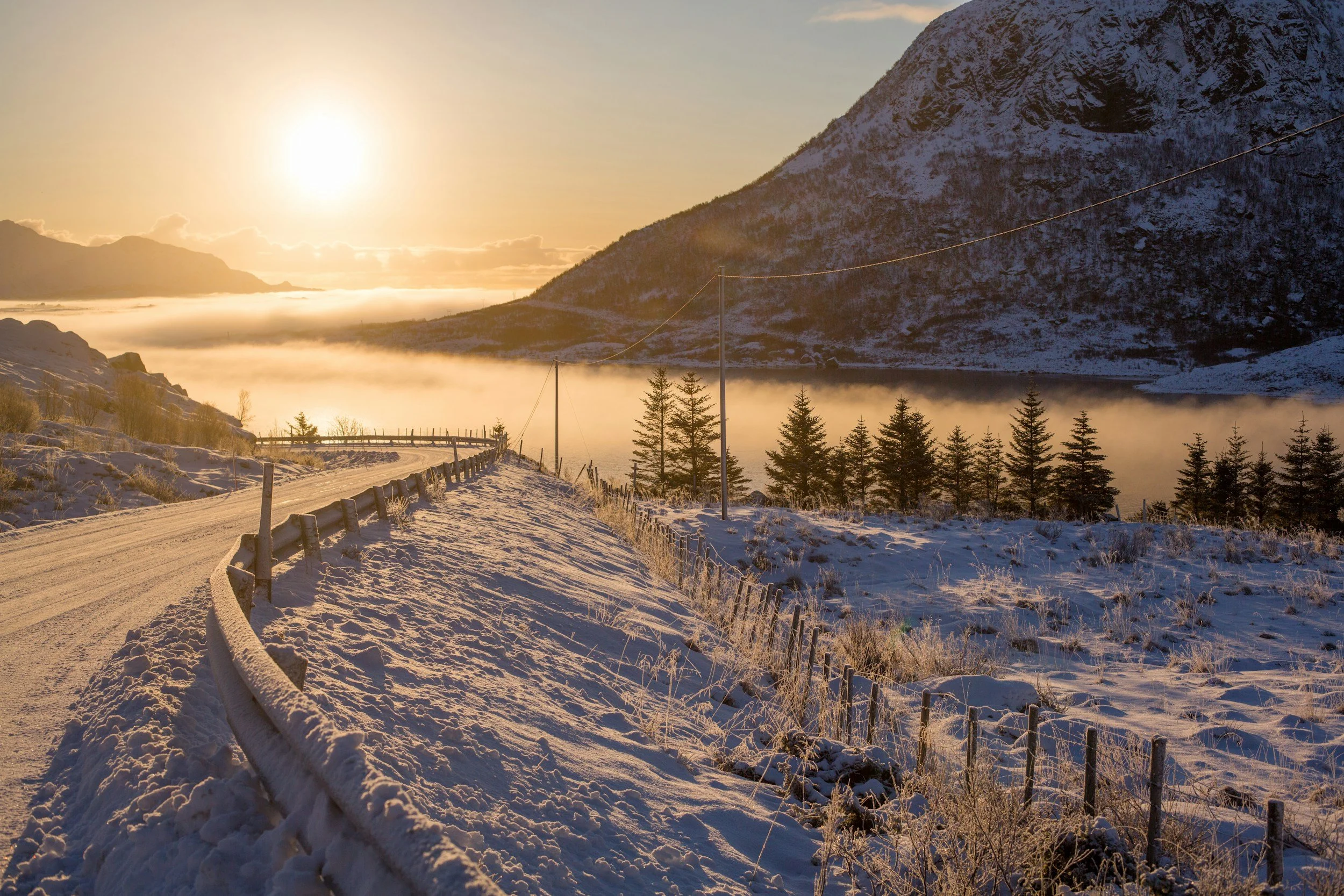
Winter and the Northern Lights
Winter falls in the middle of the Northern Lights season in Northern Norway. The wider aurora season generally runs from late September until late March, when the nights are dark enough for the lights to be visible, so you do not technically need to visit during December, January or February to see them. However, winter is particularly appealing if you want to combine the Northern Lights with snow-covered landscapes and other Arctic activities.
December and January bring the darkest part of the year. In areas above the Arctic Circle, this includes the polar night, when the sun remains below the horizon for a period that varies according to latitude. That does not mean complete darkness throughout the day. There can still be several hours of beautiful blue and twilight conditions, but the experience is very different from an ordinary winter day farther south.
February is one of the months I would particularly consider for a first Arctic winter trip. Snow conditions are well established in many northern areas, evenings remain dark enough for aurora hunting, but daylight is returning quickly. This makes it easier to spend the day exploring, skiing or joining winter excursions before looking for the Northern Lights in the evening.
March is also an excellent option and is still part of the Northern Lights season. The days are considerably longer by this point, while snow and winter activities remain an important part of the experience in Northern Norway. For travellers who want to combine aurora viewing with an active holiday rather than travelling primarily for darkness, February and March offer an especially good balance.
The Northern Lights themselves can never be guaranteed, regardless of when you travel. Dark skies are only one requirement, and cloud cover and solar activity also determine whether you actually see them. If the aurora is one of the main reasons for your journey, it is much better to spend several nights in the north than to rely on one evening.
My When (and Where) to See the Northern Lights in Norway guide covers the season, destinations and practical considerations in much more detail.
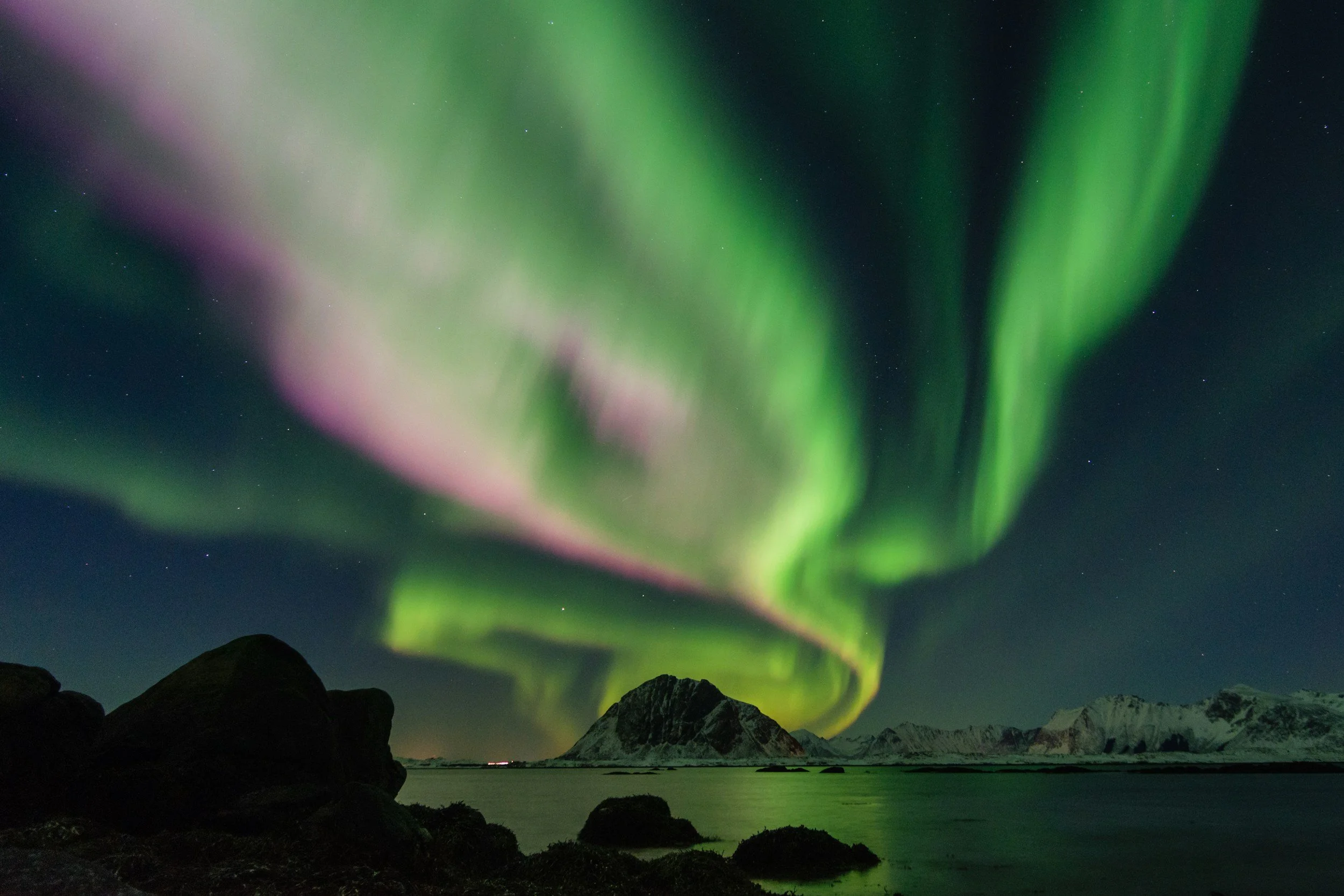
The Northern Lights in Norway are most visible in the Arctic north, especially in places like Tromsø, Lofoten, and Finnmark, where dark winter nights and clear skies create some of the best aurora conditions in the world.
Arctic Winter Travel in Northern Norway
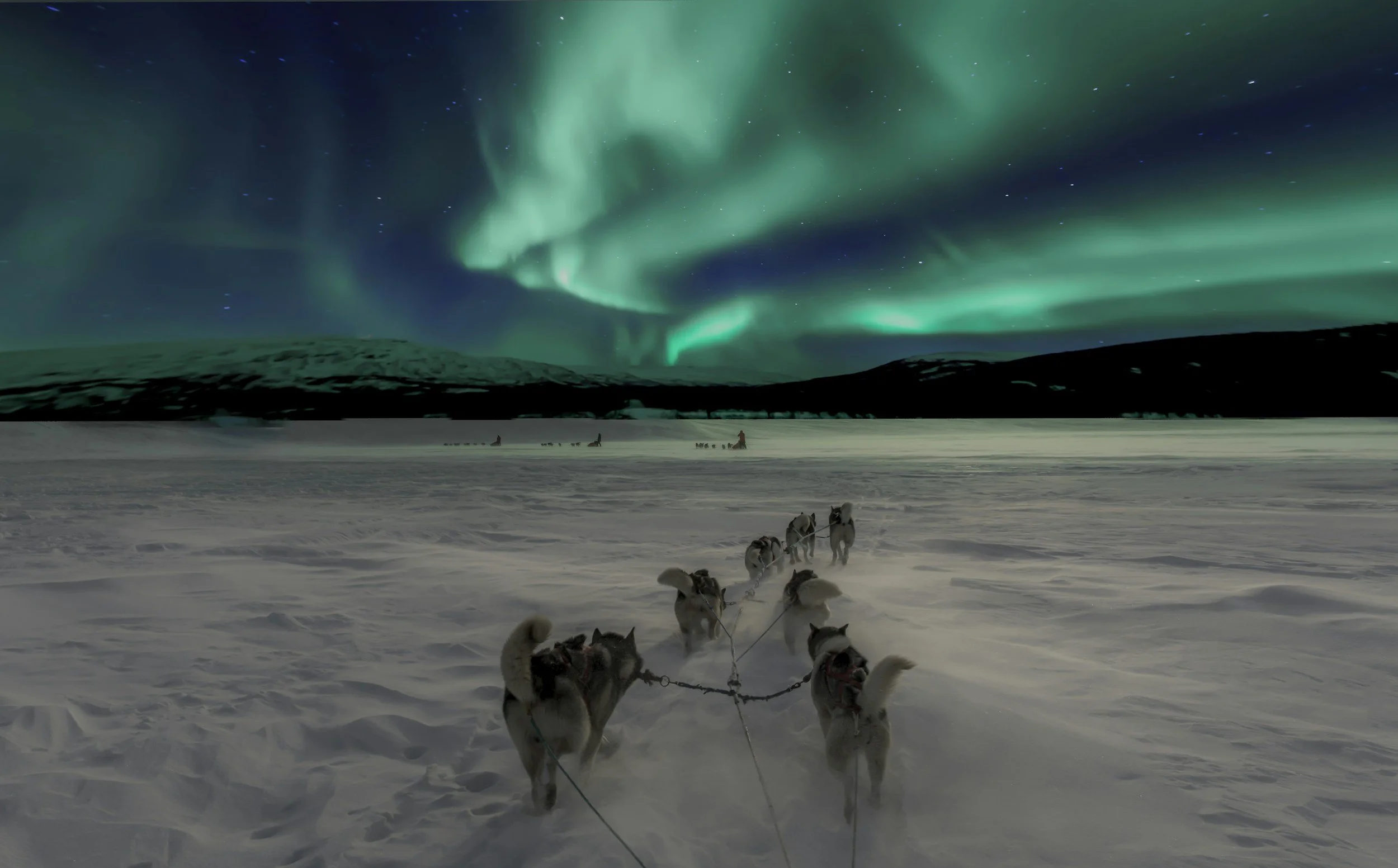
Northern Norway is the obvious choice if your idea of a Norwegian winter involves snow-covered mountains, dog sledding, reindeer, Northern Lights and a distinctly Arctic landscape.
Tromsø is particularly convenient because it combines a functioning city with easy access to winter activities. You can spend the day dog sledding, snowshoeing, skiing or travelling into the surrounding landscape and still return to restaurants, cafés and hotels in the city in the evening. It is also one of Norway's best-known bases for Northern Lights excursions.
If you are considering Tromsø specifically, my Tromsø Travel Guide: What to See, When to Go and What to Do looks at the destination in more detail.
Tromsø is not the only option. Finnmark offers a much more remote Arctic experience, while Lofoten combines dramatic mountains, fishing villages and coastal landscapes with winter weather and aurora opportunities. These destinations are not interchangeable, and someone wanting restaurants and organised excursions may prefer Tromsø, while another traveller may value the quieter landscapes of Finnmark or Lofoten.
For a broader introduction to the region, see my Northern Norway Travel Guide: What to See, When to Go and What to Expect.
Skiing and Norwegian Winter Life
Winter in Norway is also about much more than Northern Lights tourism.
Skiing is deeply embedded in Norwegian culture, particularly cross-country skiing. While international visitors often associate skiing with downhill resorts, cross-country skiing is the form of skiing most closely connected with everyday Norwegian winter life. Prepared tracks can be found around towns, through forests and across mountain areas, and on good winter weekends it is completely normal to see families heading out with skis, backpacks and something warm to drink.
Downhill skiing is widely available as well, with resorts spread across several parts of the country. The main winter season generally extends beyond February, and March can be particularly attractive because the snow remains while the days are becoming longer and the sun stronger.
For travellers who want a broader winter holiday rather than the darkest Arctic experience, February and March are therefore often excellent months. They offer a much better balance between proper winter conditions and enough daylight to spend several hours outside.
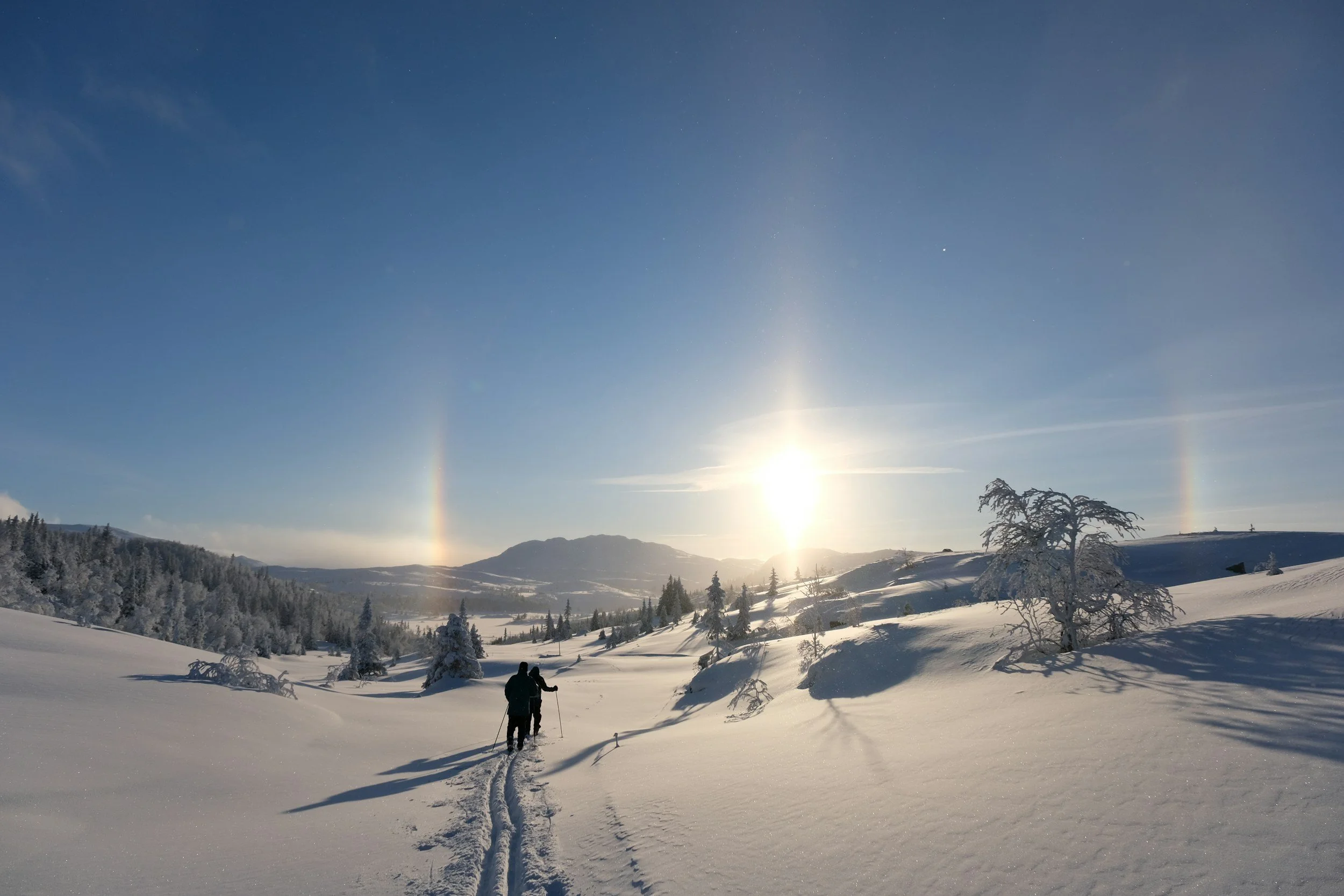
Winter in Norway is not only about downhill skiing and snow tours. Cross-country skiing is one of the most beloved activities among Norwegians because it is peaceful and accessible in many regions, allowing you to explore wide, snowy landscapes at your own pace, even though many visitors overlook it.
Cabin Culture in Winter
The Norwegian hytte is another important part of winter culture.
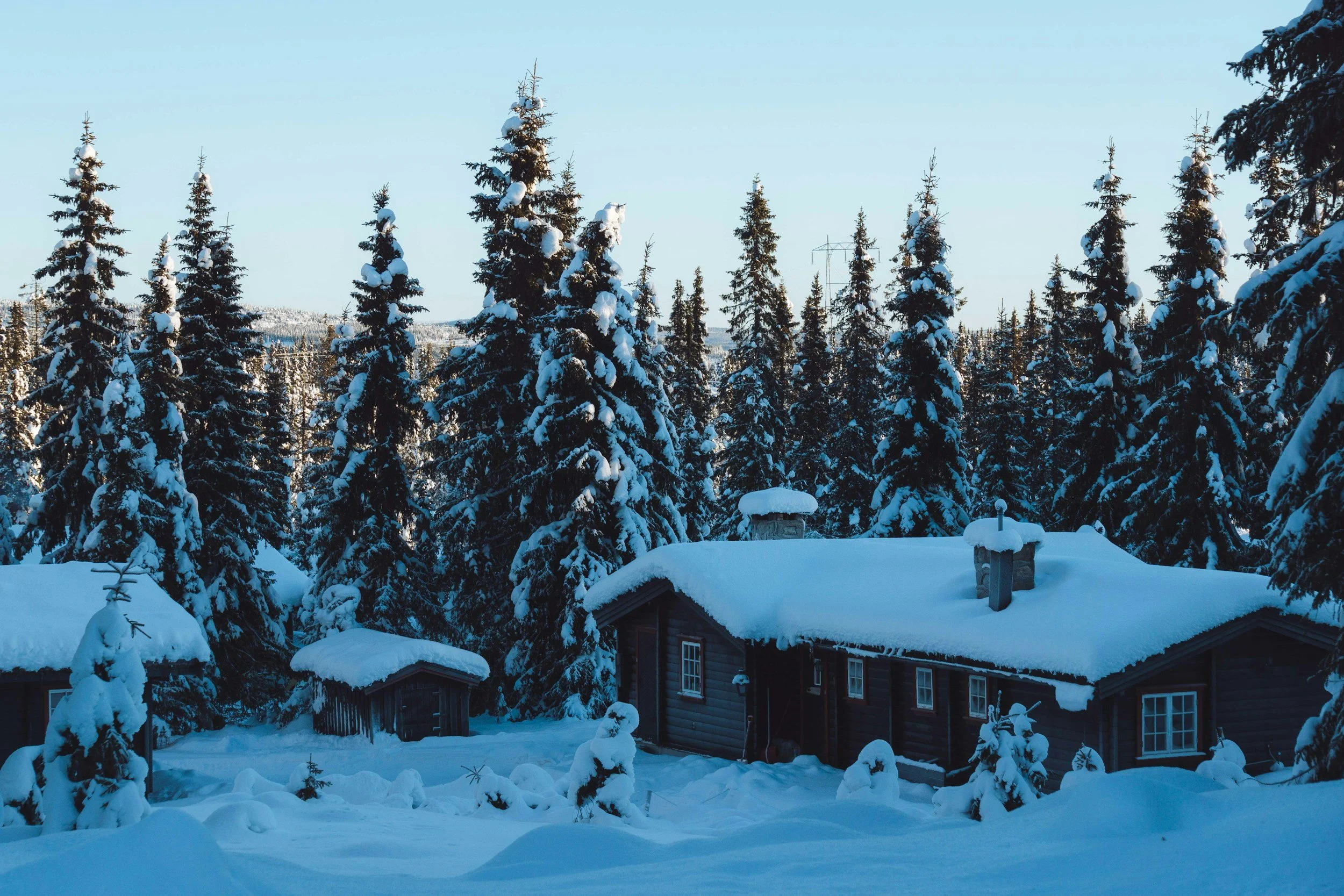
Cabins are used throughout the year, but winter and early spring have a particular connection with skiing and mountain life. A typical cabin trip might involve skiing or walking during the day, returning to the cabin in the afternoon and spending the evening around a fire, cooking and relaxing away from ordinary routines.
This becomes especially visible around Easter, when many Norwegians travel to mountain cabins and spend their days skiing in the stronger spring sunlight. March and early April can therefore feel very different from the deep winter atmosphere of December and January, even when there is still plenty of snow.
For visitors, staying in a cabin can be a way of experiencing winter beyond organised activities and city sightseeing. It offers a slower form of travel that is closely connected to Norwegian ideas about outdoor life, nature and escaping to quieter places.
My Norwegian Cabin Culture: Understanding Norway's Love Affair with Hytterexplains why cabins are such an important part of Norwegian life and why they are about much more than accommodation.
Winter in Norwegian Cities
You do not have to travel into the Arctic or spend a week skiing to enjoy Norway in winter.
Oslo can be particularly rewarding because the city combines museums, restaurants, cafés and cultural attractions with unusually easy access to winter nature. Snowy forests and cross-country ski trails begin surprisingly close to the urban centre, making it possible to combine a conventional city break with outdoor winter activities.
Winter also changes the atmosphere of Norwegian cities. There is less daylight and people spend more time indoors, but cafés, restaurants, museums and cultural life continue as normal. Snow can make city parks and surrounding landscapes particularly beautiful, although ice and slush also become practical considerations when walking around.
If Oslo is part of a winter itinerary, my What to Do in Oslo in Winter: A Local Guidecovers both indoor and outdoor experiences.
Bergen offers a different kind of winter city break. Its coastal climate generally means wetter and milder conditions than many inland areas, so you should not necessarily expect the reliable snow associated with mountain Norway or the Arctic north. This is another example of why "winter in Norway" does not describe one uniform experience.
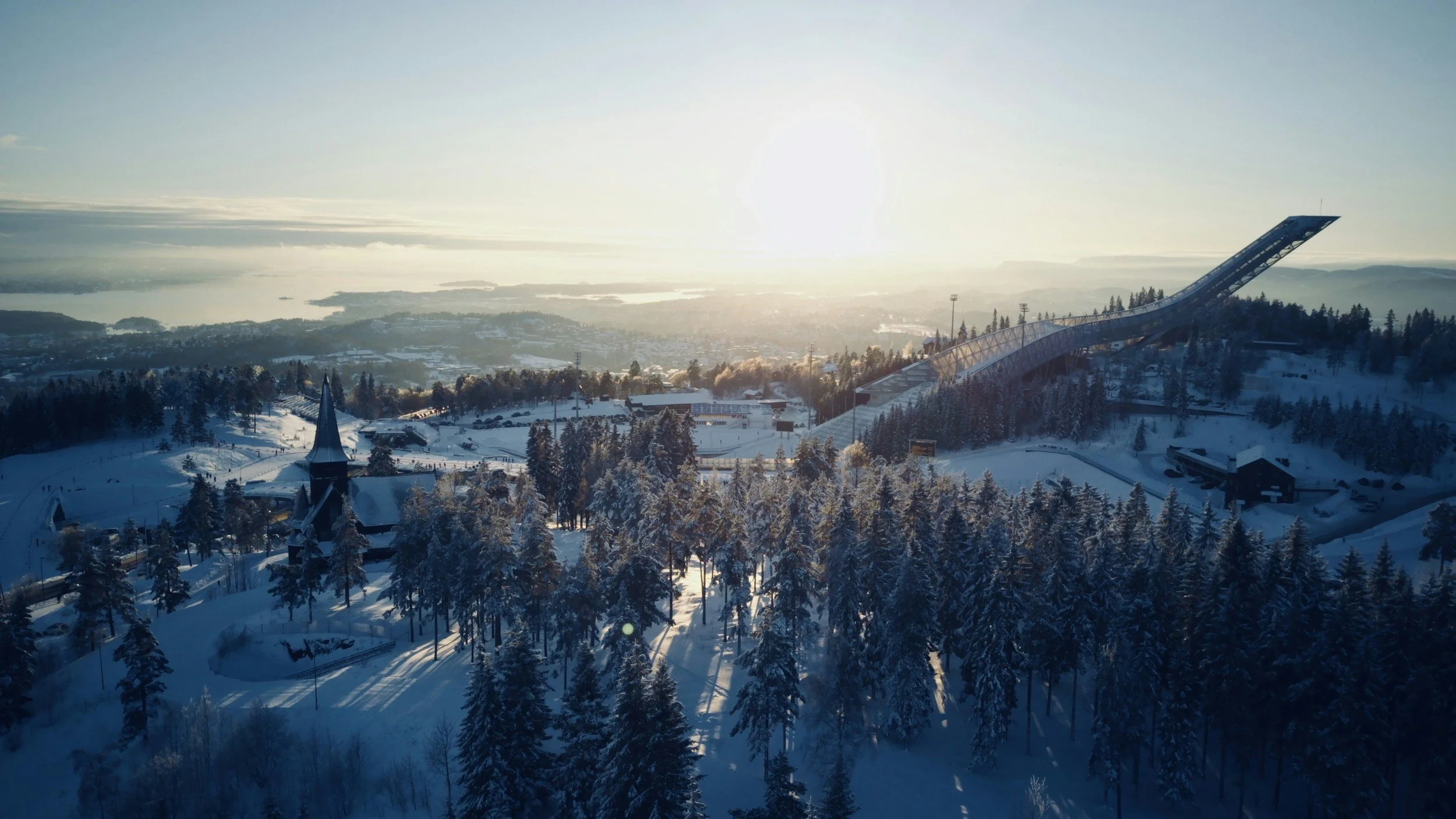
Holmenkollen in Oslo.
The Practical Side of Winter Travel
Winter does require more planning than summer, particularly if you intend to drive long distances or travel through mountain areas.
Snow, ice, wind and changing weather can affect roads, and some high mountain routes close seasonally. Other roads remain open but may be temporarily closed or operated under special conditions during severe weather. A winter road trip therefore requires considerably more flexibility than driving through Norway during July.
This does not mean that travelling around Norway becomes difficult in general. Trains, flights, coastal ships and public transport continue throughout the season, and winter travel between major towns and cities is completely normal.
The greatest difference appears when an itinerary depends heavily on remote roads, high mountain crossings or strict driving schedules. If you are not experienced with snow and ice, it can be much easier to use public transport or base yourself in one or two destinations rather than attempting a complicated winter road trip.
My Driving in Norway in Winter: Laws, Tyres, Road Conditions and What Travellers Must Know covers the practical side of winter driving in much more detail.
For a wider look at destinations and the realities of travelling during this season, Winter Travel in Norway: Where to Go and What to Expect is also useful.
So, Is Winter the Best Time to Visit Norway?
Winter is the best choice if snow and winter experiences are central to the trip rather than something you simply hope to tolerate.
For Northern Lights, the wider season runs from late September to late March, but winter gives you the strongest combination of dark skies and snowy landscapes.
For a classic Arctic adventure, I would particularly consider February or March, when you can combine Northern Lights with dog sledding, skiing and other daytime activities while still experiencing proper winter conditions.
For skiing, the season extends beyond the strict December-to-February definition of winter, and March can be one of the most rewarding months because the days are longer while the snow remains.
For cabin life and cross-country skiing, late winter and early spring are particularly important parts of Norwegian outdoor culture.
If your main priorities are high mountain hiking, long road trips and unrestricted access to scenic mountain roads, winter is not the best season. Those experiences generally belong to summer.
But if what you want from Norway is snow, skiing, Northern Lights, Arctic landscapes and the quieter rhythm of Norwegian winter life, this is exactly when you should come.
If you are planning a winter trip, my What to Pack for Norway in Winter: The Ultimate Cold-Weather Packing List covers the clothing, footwear and practical essentials you will need for cold, snowy and changing winter conditions.
Norway in Spring:
March to May
Spring is one of the most difficult Norwegian seasons to define because it does not arrive across the country at the same time. March can still feel entirely like winter in the mountains and much of Northern Norway, while by May southern towns, valleys and coastal areas may already be green and approaching early summer conditions.
That contrast is precisely what makes spring interesting. Snow can remain on the mountains long after it has disappeared from the valleys below, waterfalls become stronger as the winter snow begins to melt, and daylight increases remarkably quickly as the country moves away from winter. Travelling in Norway during spring can therefore give you several seasons within the same journey.
It is not, however, the best season for every type of trip. Spring works particularly well for fjord travel, cities, rail journeys, late-season skiing and travellers who prefer quieter destinations. It is much less predictable if your plans depend on high mountain hiking or scenic roads that cross terrain still affected by winter.
The month matters enormously, because March, April and May offer three quite different versions of Norway.
March: Winter With More Light
Although March is technically the beginning of spring, much of Norway still experiences it as a winter month.
Snow remains widespread in mountain regions, ski areas are operating and cross-country skiing continues across large parts of the country. What begins to change noticeably is the light. The days grow longer, the sun becomes stronger and outdoor winter activities become easier to enjoy for longer periods than during December and January.
This is one reason March can be such a good month for skiing. You still have winter landscapes and established snow conditions in many areas, but you are no longer dealing with the shortest days of the year. For Norwegians, this period is closely connected with påskefjellet, the tradition of spending Easter in the mountains, often at a cabin and with skis nearby.
March can therefore be a particularly good choice if you want a Norwegian winter experience without travelling during the darkest part of winter. Cross-country skiing, mountain cabins and longer sunny days can create a very different atmosphere from the deep winter of December and January.
Northern Norway is also still firmly within the Northern Lights season in March. Dark evenings remain, while the returning daylight gives you more time for daytime activities. This makes March particularly useful for travellers who want to combine an Arctic winter experience with skiing, dog sledding or sightseeing rather than spending most of the day in darkness.
In southern cities, March is more transitional. Snow may still be present, disappear completely or return after a milder period, so it is not a month where you can reliably picture either full winter or spring.
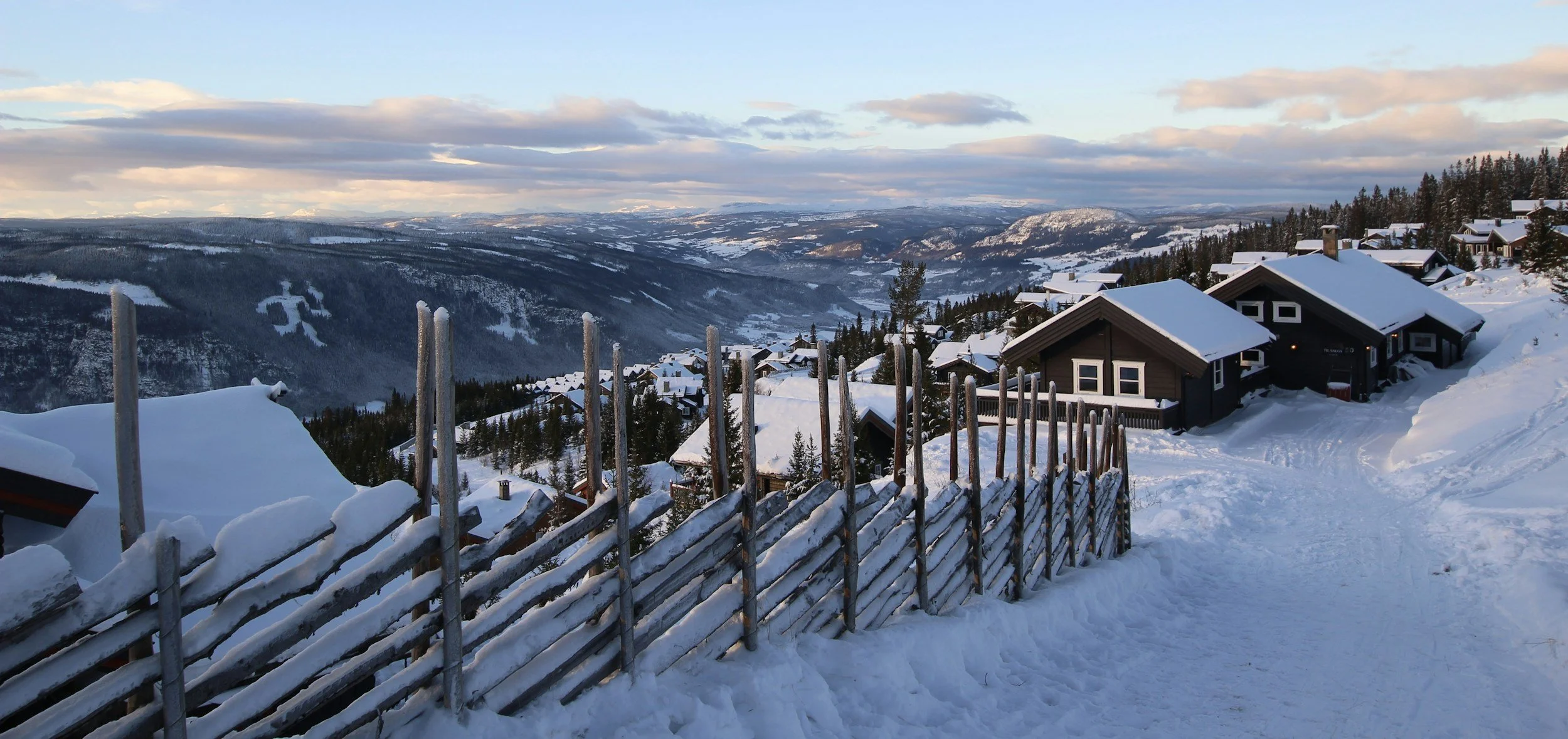
April: Norway Between Two Seasons
April is when the contrast between elevations becomes increasingly obvious.
At lower levels, particularly in southern and coastal Norway, spring begins to establish itself. Snow disappears from many towns, temperatures become milder and the first signs of green return to the landscape. Higher in the mountains, however, winter can remain very much intact.
This is a period when it is entirely possible to sit outside in relatively mild weather in a town and still see large amounts of snow on the mountains surrounding it.
For travellers, that creates both opportunities and limitations.
City trips become increasingly comfortable as the days lengthen and temperatures rise, while late-season skiing can still be possible in mountain areas. At the same time, April is generally too early to assume that high hiking routes will be clear of snow.
This is particularly important if you look at photographs of green valleys and assume that the hiking season has arrived. Conditions several hundred metres higher can be completely different, and snowmelt can make lower trails wet even after the snow itself has disappeared.
April is therefore better suited to travellers who want to experience the transition itself rather than those who require predictable summer conditions.
May: One of Norway's Most Interesting Shoulder-Season Months
Of the three spring months, May is the one I would most strongly consider for a conventional sightseeing trip through Norway.
By this point, southern cities and many lower-lying areas are properly into spring. Days are long, vegetation has returned and the landscape can feel surprisingly summery during warm periods. At the same time, snow often remains high on the mountains.
That combination can make May particularly beautiful in the fjord regions.
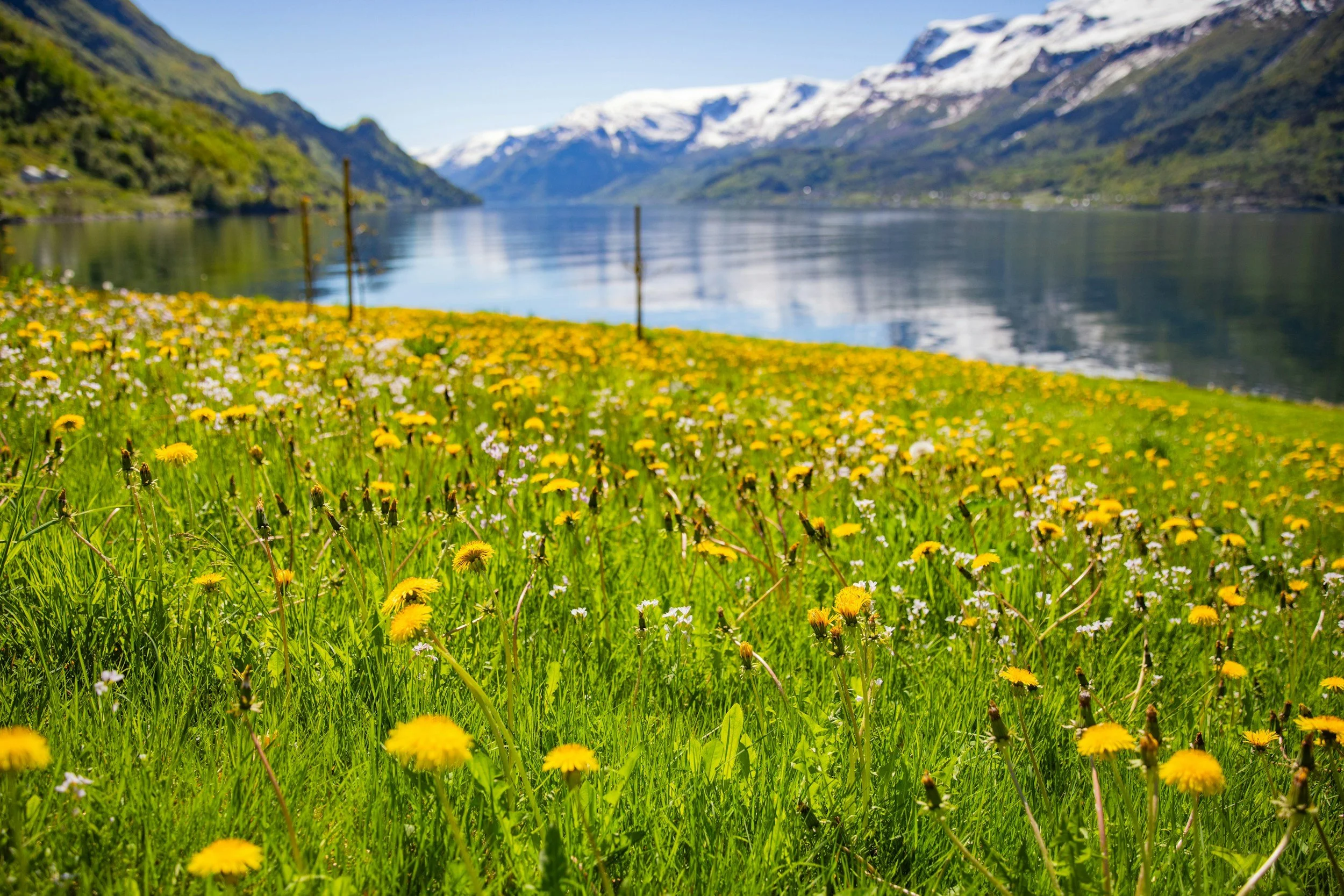
Western Norway is filled with rivers and waterfalls fed by snowmelt, and the contrast between green valleys, blue water and white mountain tops can be more dramatic than later in summer when much of the remaining snow has disappeared.
This is also before the busiest part of the international summer travel season. Popular destinations are certainly not empty, but May can feel considerably calmer than July and August, particularly outside the most famous attractions.
For travellers whose priorities are fjords, cities, train journeys, scenic drives at lower elevations and general sightseeing, May can therefore offer an excellent balance between long daylight and fewer visitors.
The main limitation remains the mountains. Higher trails can still be covered in snow, and some seasonal mountain roads may not yet have reopened after winter. May is therefore not simply a quieter version of July.
If the purpose of your trip is high mountain hiking, I would wait. If the purpose is to see the fjords, travel between towns and experience Norway during one of its most dramatic seasonal transitions, May becomes much more attractive.
Spring in the Norwegian Fjords
Spring deserves particular attention in the fjord regions because it creates conditions that summer cannot reproduce in quite the same way.
As snow begins to melt in the surrounding mountains, water flows into rivers and waterfalls throughout western Norway. At the same time, lower areas become green while snow can remain visible at altitude.
This makes late spring particularly attractive for travellers interested in scenery rather than high-altitude outdoor activities.
A fjord journey in May may include green orchards and farmland beside the water, powerful waterfalls and snow-covered mountains in the same landscape. By high summer, the mountains are generally greener and the amount of remaining snow is reduced.
The trade-off is that not every seasonal route or high mountain attraction will necessarily be available yet. If your journey depends on a particular scenic road or mountain crossing, check its opening status rather than assuming that spring conditions at sea level mean the road is clear at altitude.
If the fjords are the main reason for your trip, my The Different Fjord Regions of Norwayguide can help you decide which part of western Norway suits you best, while the Western Norway Travel Guide: Fjords, Routes and How to Plan Your Trip looks more broadly at how to travel through the region.
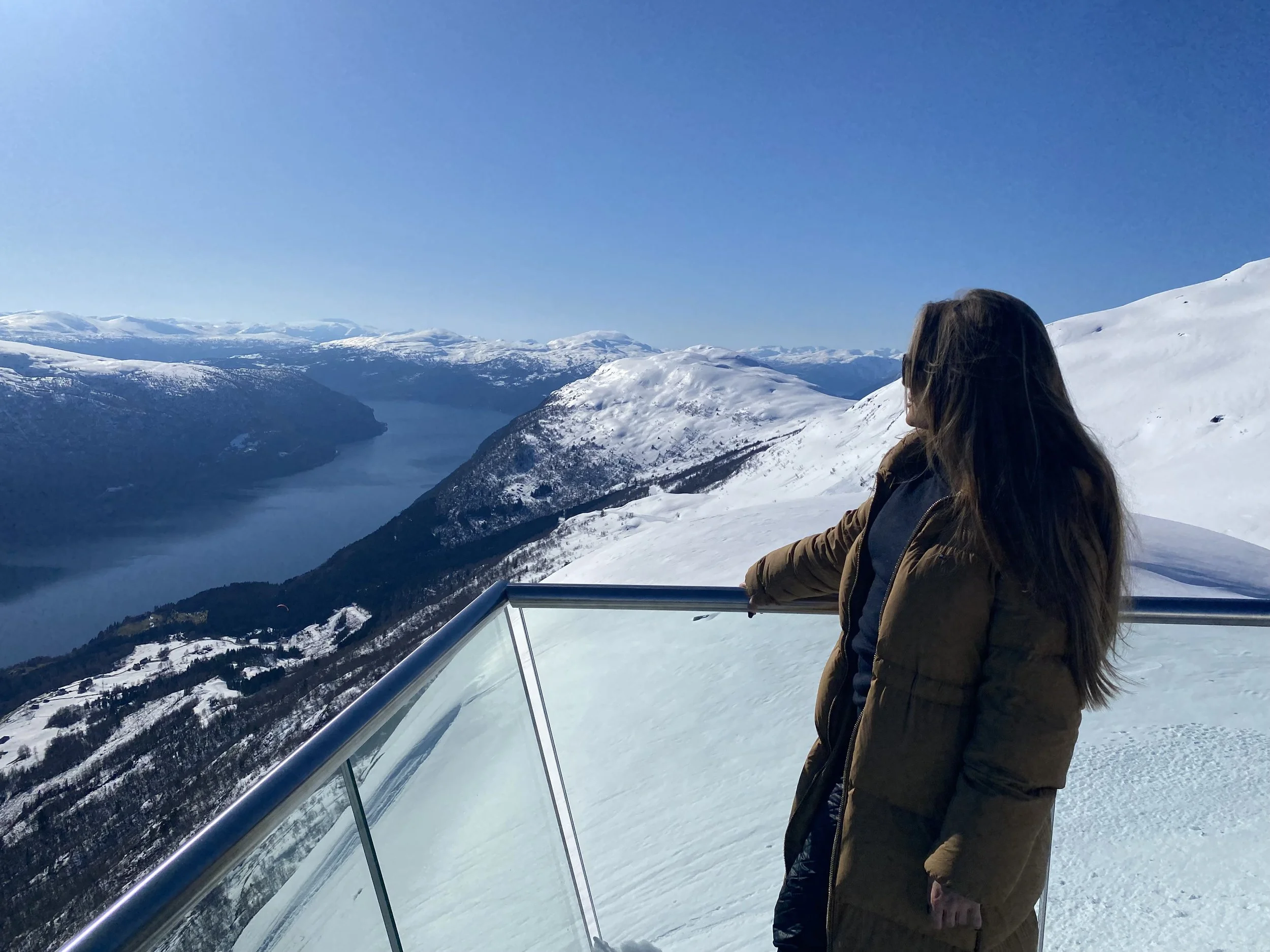
At the top of Loen Skylift in April, where the spring sun is shining, the mountains are still covered in snow, and the valley below is already free of it.
Spring Skiing and Cabin Life
Spring in Norway does not mean the end of skiing.
March and parts of April can provide some of the most enjoyable skiing of the season because the snow remains while the days become much longer. In mountain areas, ski touring and cross-country skiing can continue well into spring depending on altitude and conditions.
Easter is particularly associated with this period.
For many Norwegians, Easter means travelling to a cabin in the mountains, skiing during the day and spending the evenings indoors with family or friends. The image of sitting outside a cabin wall in strong spring sunshine while snow still covers the landscape is almost as recognisably Norwegian as the darker cabin atmosphere of midwinter.
This means travellers interested in Norwegian outdoor culture should not necessarily think of spring as the period after the ski season. In the mountains, early spring can be one of the most important skiing periods of the year.
My Norwegian Cabin Culture: Understanding Norway's Love Affair with Hytterexplains why cabin life is so closely connected with Norwegian ideas about nature, free time and outdoor life.
17 May and Spring in Norwegian Cities
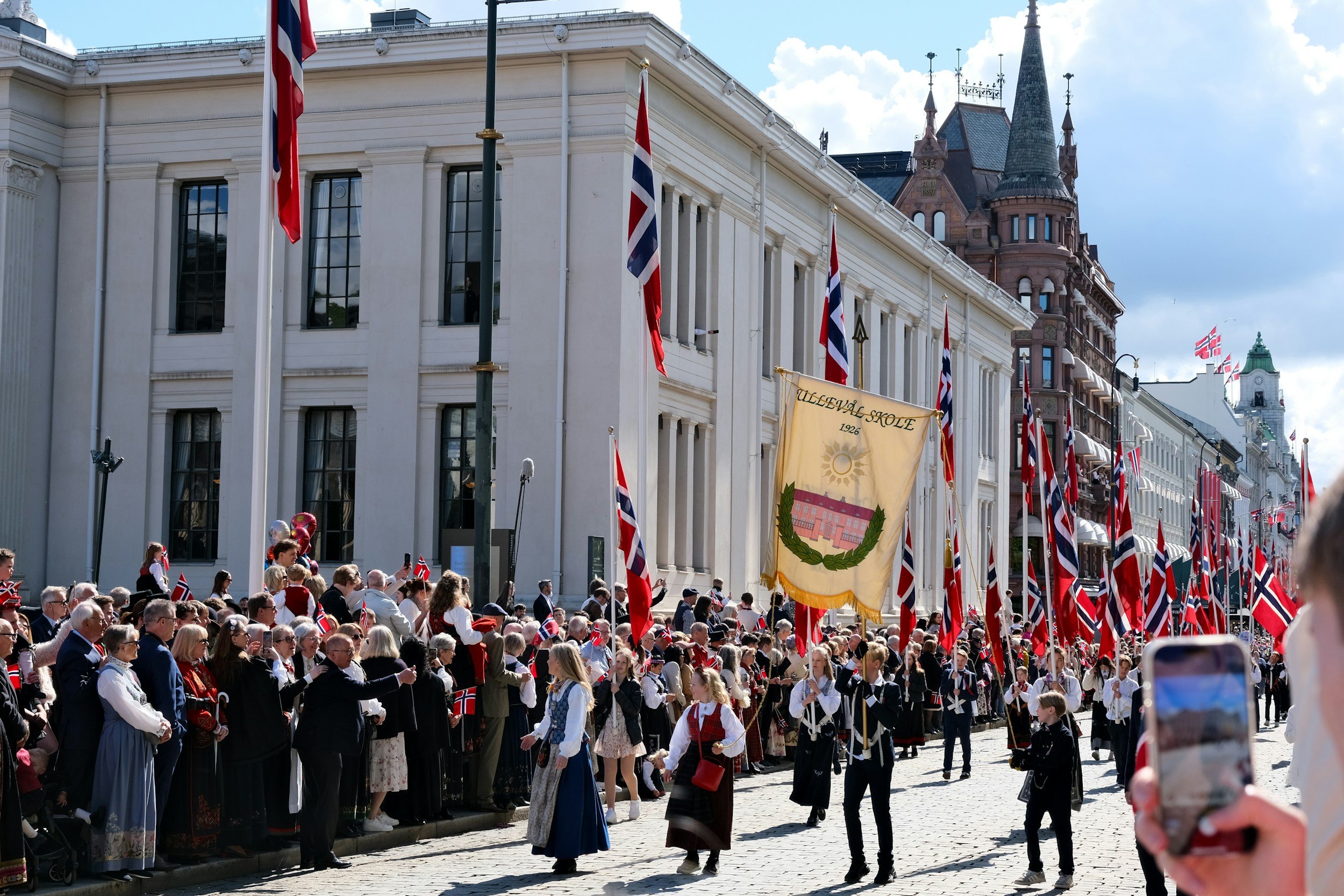
Spring also contains one of the most distinctive days to experience Norwegian cities and towns: 17 May, Norwegian Constitution Day.
This is not a quiet sightseeing day. Streets fill with children's parades, Norwegian flags, marching bands and people wearing bunad, Norway's traditional regional dress. Oslo hosts the country's largest celebrations, but 17 May is marked throughout Norway, from major cities to small communities.
For a visitor, it can be an unusually good opportunity to see a part of Norwegian culture that has very little to do with mountains or fjords.
It does, however, affect the practical side of travelling. The day is a national celebration rather than a normal business day, and cities can be extremely busy around parade routes and public events. If your itinerary includes 17 May, it is better to treat the celebration itself as part of the day's experience rather than trying to plan an ordinary sightseeing schedule around it.
Late May can otherwise be a particularly pleasant period for city travel. The days are long, temperatures are generally milder and outdoor cafés, parks and waterfront areas begin to feel much more active than they did a few weeks earlier.
Spring Road Trips
Spring can be beautiful for road travel, but it requires more route awareness than summer.
By May, roads at lower elevations are generally straightforward, and driving through fjord regions can be especially rewarding because of the spring landscape. Longer daylight also gives you much more flexibility than a winter road trip.
The complication comes when a route climbs into the mountains.
Some high roads close completely during winter and reopen only after snow has been cleared, with the exact date depending on conditions that year. Other roads remain open but can still encounter winter-like weather at altitude even when the valleys below are mild.
This is why a May road trip can be fantastic if the itinerary has been designed for May. It is less successful if you simply take a summer road-trip route and assume every mountain road will already be available.
If you are planning to drive, Norway Road Trip Planning: Common Mistakes First-Time Visitors Makeis useful for building a realistic route, while Driving in Norway: Everything You Need to Knowcovers the practical side of travelling by car.
What About Hiking in Spring?
Spring is where the word “hiking” needs the most qualification.
Lower-elevation walks can be completely accessible during spring, particularly later in the season. Coastal walks and paths around towns, forests and valleys may be perfectly suitable long before the high mountains are ready.
High mountain hiking is different.
Snow can remain well into spring and early summer, while melting snow creates wet ground and high river levels in some areas. A trail that is straightforward in August can require winter skills or simply be unsuitable for a normal hiking holiday in May.
This is why I would not choose spring for a first trip whose primary purpose is hiking in places such as Jotunheimen.
If mountain hiking is the main reason you are coming to Norway, July and August generally provide far more freedom. Spring is better viewed as a season for lower-level walking, skiing and sightseeing unless you have the experience and equipment required for lingering snow conditions.
Once you have chosen a specific hike and season, my Hiking in Norway Packing Guide: What to Pack for Every Type of Hike covers the practical equipment side in more detail.
Is Spring the Best Time to Visit Norway?
Spring can be one of the best times to visit Norway, but only for the right kind of journey.
If you want late-season skiing and Norwegian cabin culture, March and early spring can be excellent.
If you want fjord landscapes with strong waterfalls, green valleys and snow remaining on the mountains, May is one of the most interesting months of the year.
If you want cities and cultural travel with longer days but without the height of the summer season, late April and May are strong choices, with 17 May offering an especially distinctive Norwegian experience.
If you want a quieter road trip, May can also work extremely well, provided that you build the route around roads that are actually open rather than assuming full summer access.
Spring is less suitable if your priority is high mountain hiking or unrestricted access to Norway's highest scenic roads. Those experiences generally become much easier later in summer.
For most first-time spring visitors, May is the month I would choose because it offers the best balance of long daylight, spring landscapes, fjord travel and general accessibility.
But spring's real appeal is not that it provides a cheaper or quieter substitute for summer.
It is that Norway is visibly changing around you, and for a few weeks green valleys, powerful waterfalls and snow-covered mountains can all belong to the same journey.
Norway in Summer:
June to August
Summer is the most versatile time to travel in Norway and, for most first-time visitors, the easiest season in which to experience several very different parts of the country within the same journey. Long daylight, green landscapes and greater access to mountain roads and hiking areas make it possible to combine cities, fjords, road trips, rail journeys, coastal villages and mountain regions without many of the seasonal limitations that affect travel during the rest of the year.
That does not mean every part of Norway suddenly becomes warm and predictable from the beginning of June. Summer arrives differently depending on latitude and altitude, and snow can remain in the high mountains long after valleys and towns have turned green. June, July and August also have noticeably different characters. June brings the longest days and the beginning of the high mountain season, July is the height of Norwegian summer and the busiest holiday month, while August often provides excellent mountain conditions and gradually quieter travel towards the end of the month.
For travellers who want the greatest possible freedom to move around Norway, late June through August is the strongest overall period, while July and August are generally the best months for high mountain hiking.
June: Long Days and Early Summer
June is one of the most striking months in Norway because summer has arrived at lower elevations while large areas of snow can still remain in the mountains. Vegetation is fresh and green, waterfalls are strengthened by snowmelt and the days are exceptionally long. In Northern Norway, the Midnight Sun creates an even more dramatic change, with daylight continuing through the night in areas north of the Arctic Circle.
For road trips, fjord travel, train journeys and general sightseeing, June can be particularly attractive because you gain the enormous advantage of long days without necessarily travelling during the very busiest weeks of the Norwegian summer holiday period. A journey can stretch naturally into the evening, allowing time for ferry crossings, viewpoints, short walks and unplanned stops without constantly watching the clock.
The main limitation is high mountain access. June is certainly a summer month, but it does not guarantee snow-free conditions on higher trails. If your trip is built around substantial mountain hikes, July or August will usually give you more reliable options. For a broader first trip combining cities, fjords, scenic transport and easier outdoor activities, however, late June can offer an excellent balance between accessibility, long daylight and slightly lower visitor numbers.
July: Norway at the Height of Summer
July is Norway in full summer mode. This is the main holiday period for many Norwegians, and everyday life shifts noticeably towards cabins, boats, beaches, camping, hiking and time spent outdoors. Coastal towns become livelier, mountain areas fill with hikers and families leave the cities for summer houses and cabins around the country.
For visitors, July provides some of the greatest freedom of the year. Roads through higher landscapes are generally more accessible, the main hiking season is established and the long days make it possible to combine several experiences within the same journey. If you want to drive through mountain regions, spend several days around the fjords, add a major hike and still include Oslo or Bergen, July makes that kind of itinerary comparatively easy.
It is also the busiest period for tourism. Famous fjord destinations, cruise ports, scenic viewpoints and well-known hikes can feel significantly busier than they do in May, June or September. Accommodation in small destinations may become more expensive or sell out earlier, while parking around famous trailheads and viewpoints can be difficult during the middle of the day.
That should not be interpreted as meaning Norway becomes uniformly crowded. It does not. The country is large, and even in July it remains easy to find quiet valleys, rural roads, mountain communities and stretches of coastline far removed from the busiest attractions. The difference is that Norway's most famous places are famous for a reason, and summer is when the greatest number of people come to see them.
For travellers who value maximum accessibility above solitude, July remains an excellent month. If avoiding crowds is a major priority, late June, late August or early September may be more appealing.
August: Mountains, Long Days and a Gradual Change of Pace
August is sometimes overshadowed by July, but for mountain travel it can be one of the strongest months of the year. By this point, the high mountain summer has been established for some time, and lingering snow is generally less of an issue on many established routes than it can be earlier in the season.
The days are becoming shorter, but there is still plenty of daylight for substantial hikes, long drives and sightseeing. Early August remains busy in many popular destinations, while the atmosphere gradually changes as Norwegian school holidays end and domestic summer travel begins to decline.
For a trip centred on Jotunheimen, Valdres, Rondane or several substantial hikes, I would consider July and August before June. Norwegian mountain weather always requires respect, and no summer month guarantees stable conditions, but August offers a particularly useful combination of accessibility and established hiking conditions.
Towards the end of the month, evenings become cooler and the first subtle signs of autumn can begin to appear in mountain areas, giving late August a slightly different atmosphere from midsummer.
Summer in Oslo and Bergen
Summer is also an excellent season for travellers who want to combine Norwegian cities with nature rather than organising the entire trip around hiking or driving.
Oslo becomes noticeably more outdoor-oriented during the warmer months. The waterfront, islands and parks become part of daily life, swimming in the Oslofjord is easy to combine with museums and restaurants, and long evenings make it possible to spend much more of the day outside. The city can therefore work particularly well at the beginning or end of a larger summer journey.
Bergen provides a very different experience. It is smaller, more closely surrounded by mountains and an obvious gateway to western Norway and the fjords. Summer makes it easier to combine time in the city with fjord boats, rail journeys and excursions into the surrounding landscape, although Bergen's famously changeable weather does not disappear simply because it is July.
If you are deciding which city makes more sense for your itinerary, my Bergen vs Oslo: Which Norwegian City Should You Visit? guide compares the two and looks more closely at the type of trip each city suits best.
Summer in the Norwegian Fjords and Geiranger
Summer is the easiest season for a first journey through the Norwegian fjords because roads, ferries, boat services and attractions operate extensively, while long daylight allows travellers to combine several places within the same day.
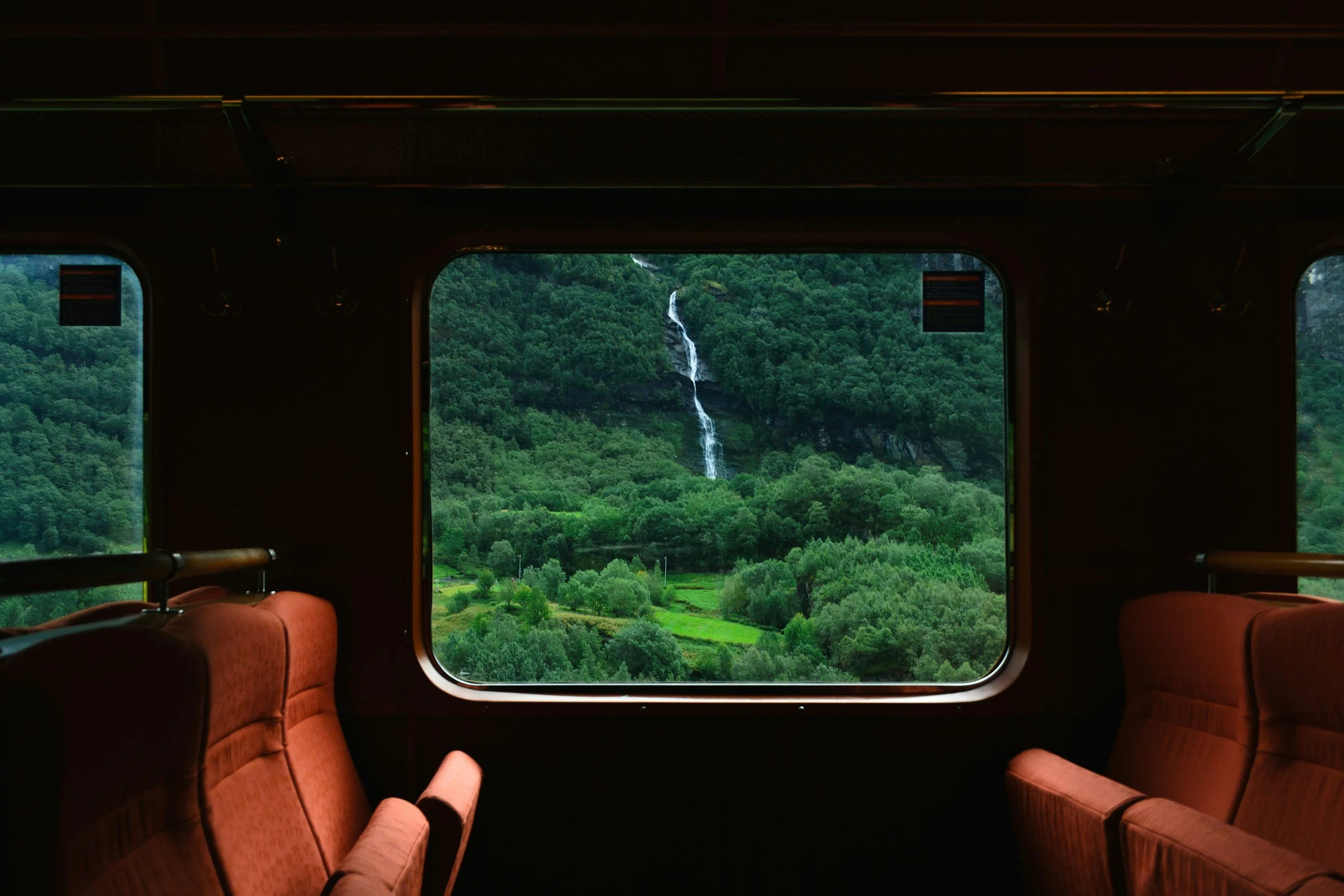
The landscape is also at its greenest. Waterfalls descend from the surrounding mountains, farms and villages sit along the shoreline and higher roads provide access to viewpoints that are more difficult or impossible to reach during winter.
Geiranger is one of the clearest examples of why summer is so popular. The Geirangerfjord, surrounding waterfalls and mountain viewpoints create one of Norway's most recognisable landscapes, and summer provides the broadest range of ways to experience it by road, boat and on foot.
Its popularity is also the main disadvantage. Geiranger can become extremely busy during the high season, particularly when cruise ships are in port. Staying overnight rather than arriving only for the busiest hours, visiting viewpoints earlier or later in the day and combining Geiranger with quieter parts of the wider region can create a very different experience.
My Geiranger Travel Guide looks more closely at what to see and how to plan a visit.
It is also worth remembering that “the Norwegian fjords” are not one single destination. Geiranger, Hardanger, Sognefjord and other fjord regions differ in landscape, accessibility and atmosphere. My The Different Fjord Regions of Norway guide explains those differences and is useful if you know you want to see the fjords but have not yet decided where to go.
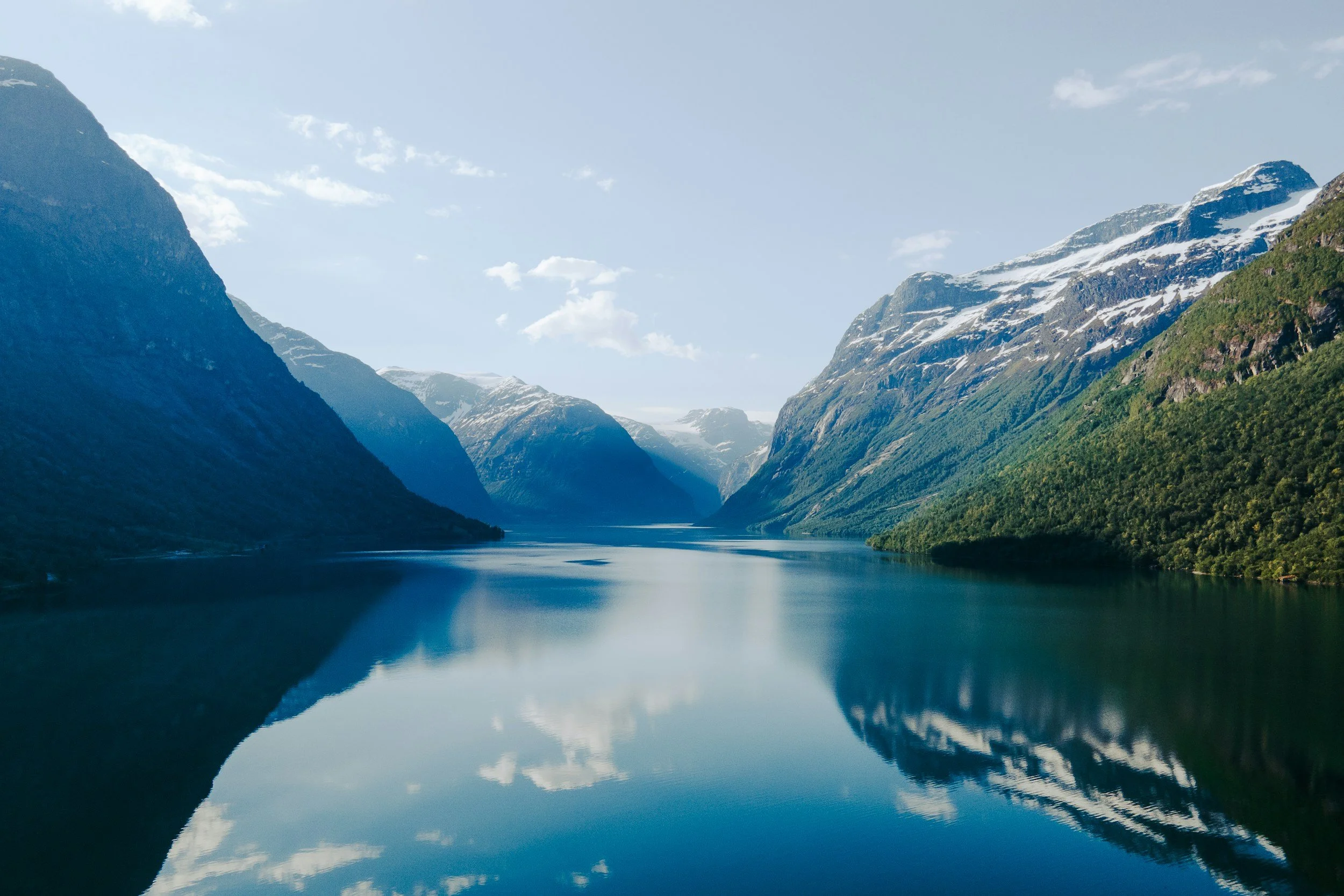
Norway’s fjords are one of the country’s biggest highlights, and many visitors explore them by scenic boat trips and fjord cruises, which offer easy access to dramatic mountains, calm waters and remote coastal landscapes.
Summer in Southern Norway
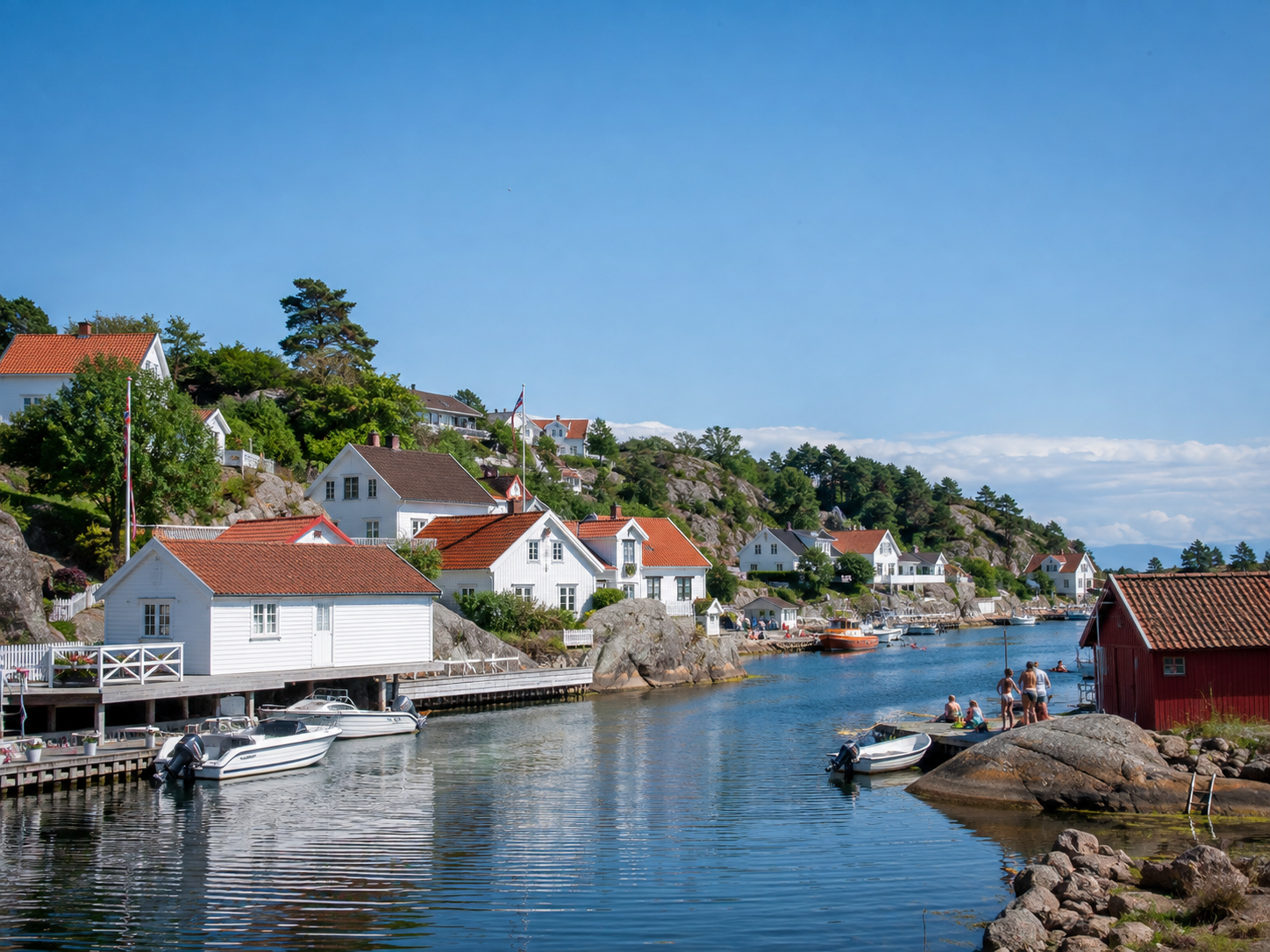
Southern Norway offers a very different kind of summer from the dramatic mountains and fjords farther north. The coast is dotted with small towns, islands, harbours and white wooden houses, and summer life is strongly connected with the sea. Boats, swimming, coastal cabins, outdoor restaurants and long evenings beside the water become central to the season.
This is also one of the parts of Norway where a genuinely warm summer holiday is entirely possible. During settled periods, beaches, swimming and lighter summer clothing make far more sense than the stereotype of Norway as permanently cold might suggest.
Southern Norway works particularly well for travellers who want a slower trip rather than a sequence of major natural attractions. A road journey can move between coastal towns, islands and inland landscapes without the pressure of trying to reach one famous viewpoint after another.
My Southern Norway Travel Guide explores this part of the country in more detail and is particularly useful if you want to experience a more relaxed Norwegian summer away from the busiest fjord routes.
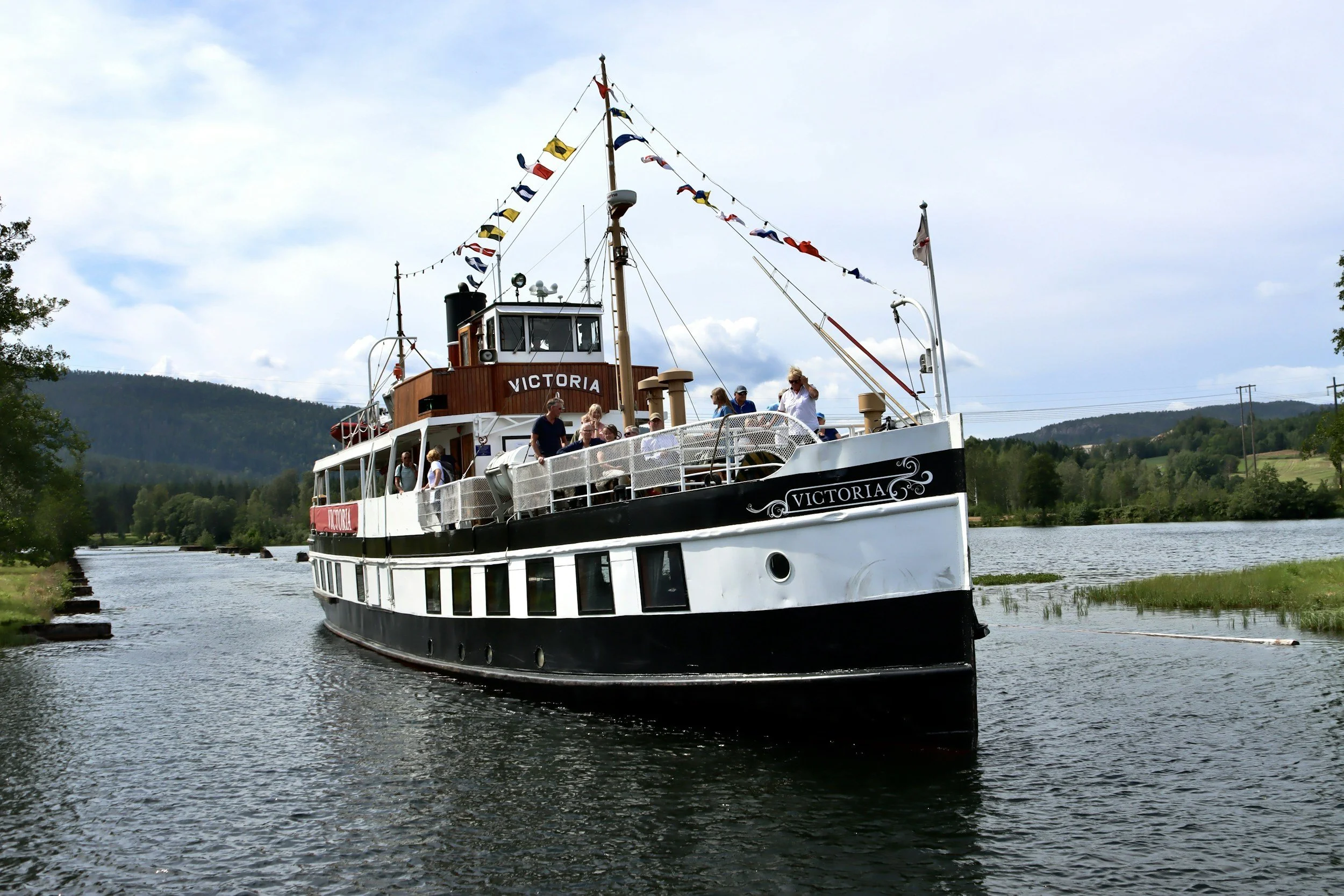
The Telemark Canal in Summer
The Telemark Canal belongs to another side of Norwegian summer travel that is easily overlooked when attention is focused only on fjords and mountains.
Travelling along the canal takes you through lakes, locks, forests and inland communities, creating a much slower journey through southern Norway. Historic canal boats and the lock system make the journey itself part of the experience rather than simply a way of reaching another destination.
Summer is the natural season for this kind of travel because the surrounding landscape is green and the journey can be combined with walking, cycling, road travel and overnight stops elsewhere in Telemark.
The canal also demonstrates that memorable Norwegian travel does not always require the country's largest mountains or most famous fjords. Inland waterways, cultural landscapes and smaller communities provide a different version of summer, and one that can feel refreshingly removed from the busiest international routes. For travellers on a longer road trip, it can also provide a welcome day where the car is left behind and the journey itself slows down.
Summer in Valdres
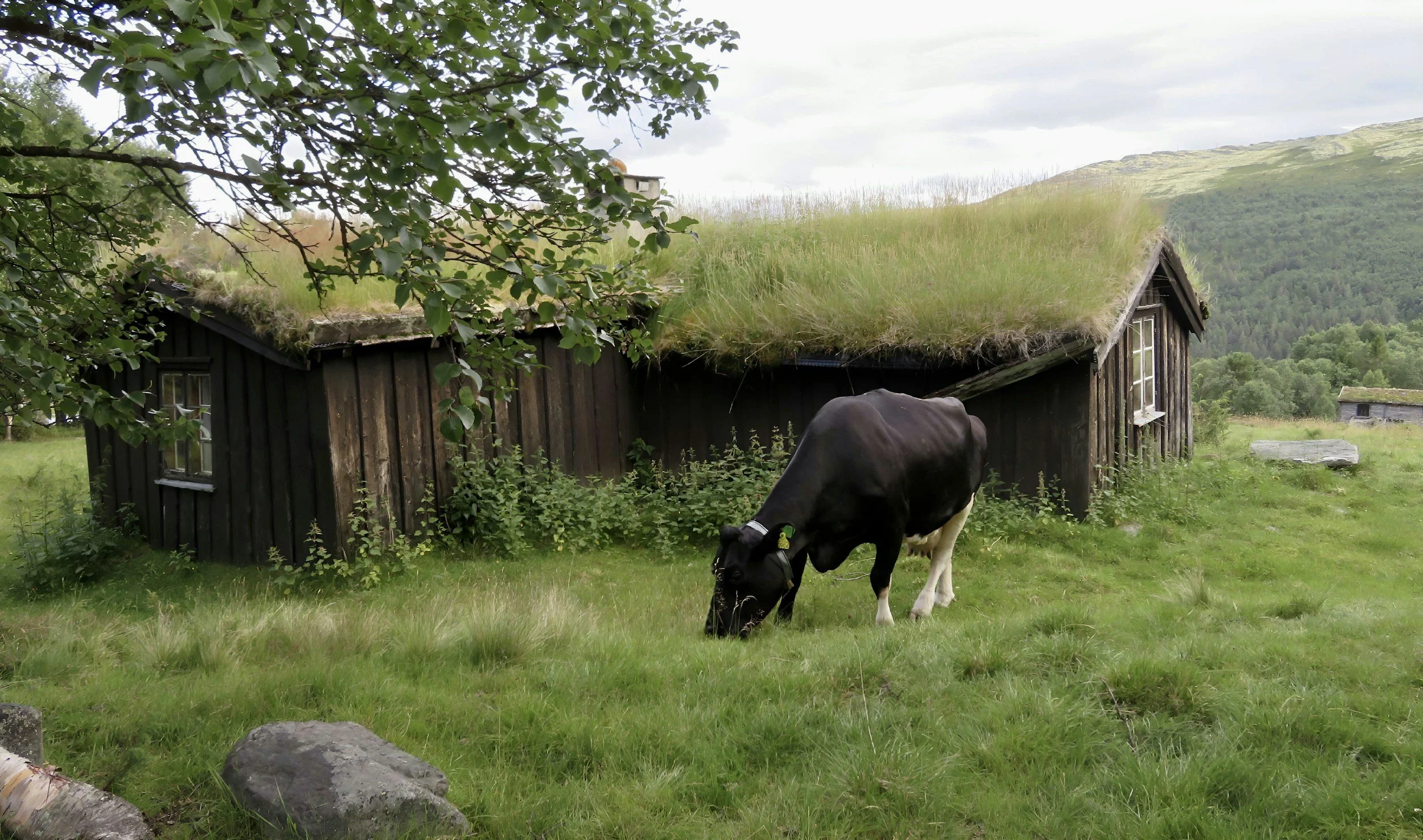
Valdres is one of the regions where summer reveals the close relationship between Norwegian mountain landscapes and traditional rural life.
The area lies between eastern Norway and the higher mountains of Jotunheimen, with valleys, lakes, mountain roads and farming communities creating a landscape that feels distinctly Norwegian without receiving the same concentration of international visitors as the most famous fjord destinations.
Summer also brings the traditional støl landscape to life. Seasonal mountain farming and grazing have shaped these areas for generations, and animals returning to higher summer pastures belong to a much older relationship between agriculture and the mountains.
This gives Valdres a cultural dimension that is easy to miss if a Norwegian journey focuses only on dramatic viewpoints. It also works extremely well as part of a road trip because the region connects naturally with Jotunheimen and the mountain landscapes farther north and west.
My Valdres, Norway guide explores the area's landscapes, villages, culture and outdoor experiences in much greater detail.
Summer in Jotunheimen
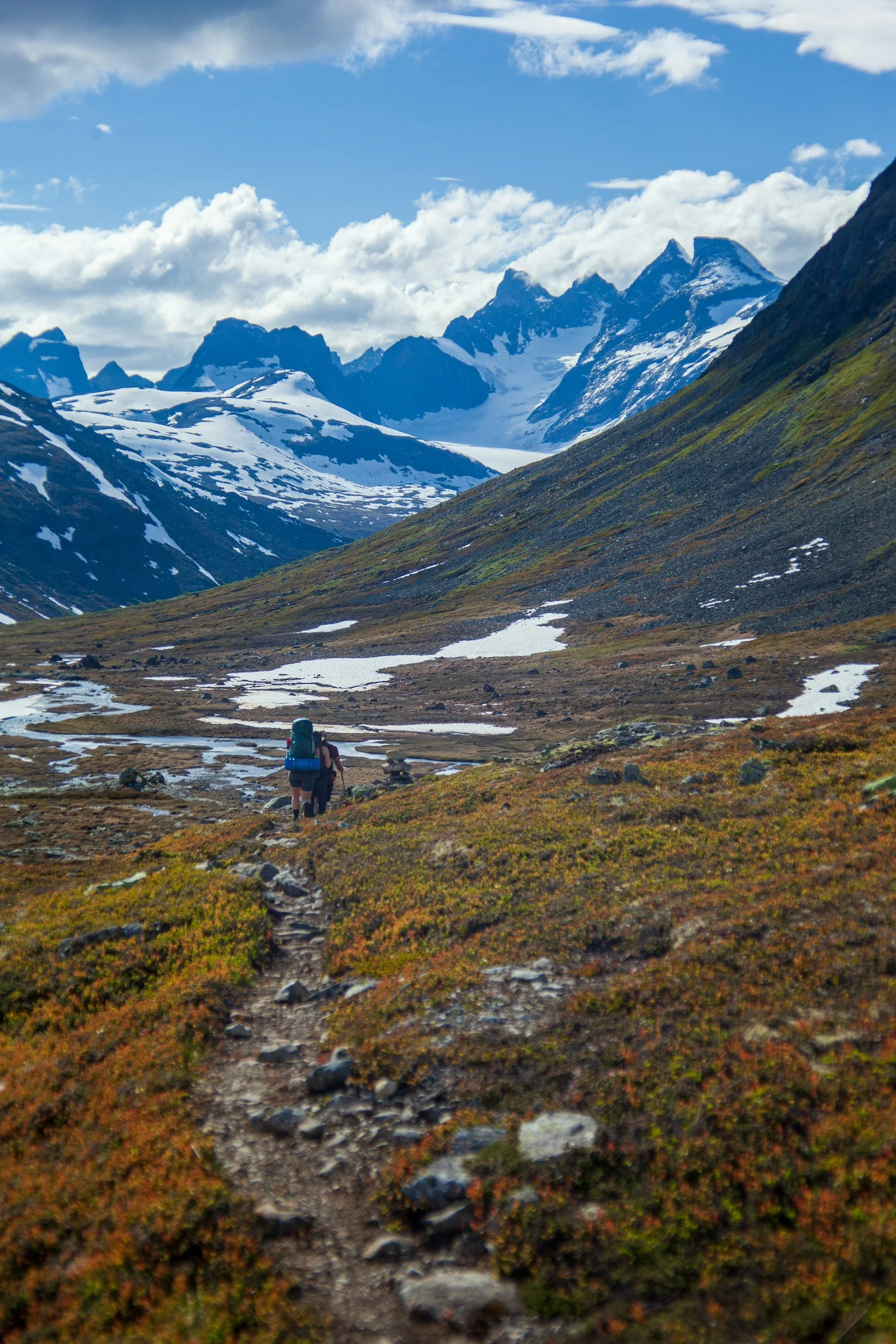
For travellers who associate Norwegian summer with mountains, Jotunheimen is one of the country's most important regions.
The name means “Home of the Giants”, and the area contains Norway's highest mountains alongside lakes, valleys, high plateaus and historic mountain lodges. Summer is when these landscapes become accessible to ordinary hikers rather than primarily to people equipped for winter mountain travel.
July and August generally provide the broadest range of hiking possibilities, although conditions should always be checked locally because weather can change rapidly at altitude.
Jotunheimen also shows why a Norway itinerary does not need to revolve around the fjords. Mountain Norway has its own character, with high roads, wide valleys, mountain lakes and landscapes where the journey itself becomes an important part of the experience.
My A Guide to Jotunheimen: Home to Northern Europe's Highest Mountainsgives a broader introduction to the region if you are considering including it in a summer itinerary.
Hiking Galdhøpiggen in Summer
Galdhøpiggen, at 2,469 metres, is Norway's highest mountain and the highest point in Northern Europe, making it a natural objective for many visitors travelling through Jotunheimen.
The mountain can be approached by different routes, and those routes provide quite different experiences. The journey from Juvasshytta involves a glacier crossing, while the route from Spiterstulen is longer and involves considerably more ascent.
For most ordinary hikers, summer is the relevant season for attempting the mountain. Even then, conditions at this altitude should not be underestimated simply because temperatures are warm in the valleys below.
For many travellers, Galdhøpiggen can become the centrepiece of a wider trip through Mountain Norway rather than an isolated hike.
My Galdhøpiggen: A Complete Guide to Hiking Northern Europe's Highest Mountain covers the routes, preparation and practical details in much greater depth.
If you want to experience more than one mountain region, my 10 Days in Mountain Norway itinerary connects Valdres, Jotunheimen and Rondane in a longer summer journey.
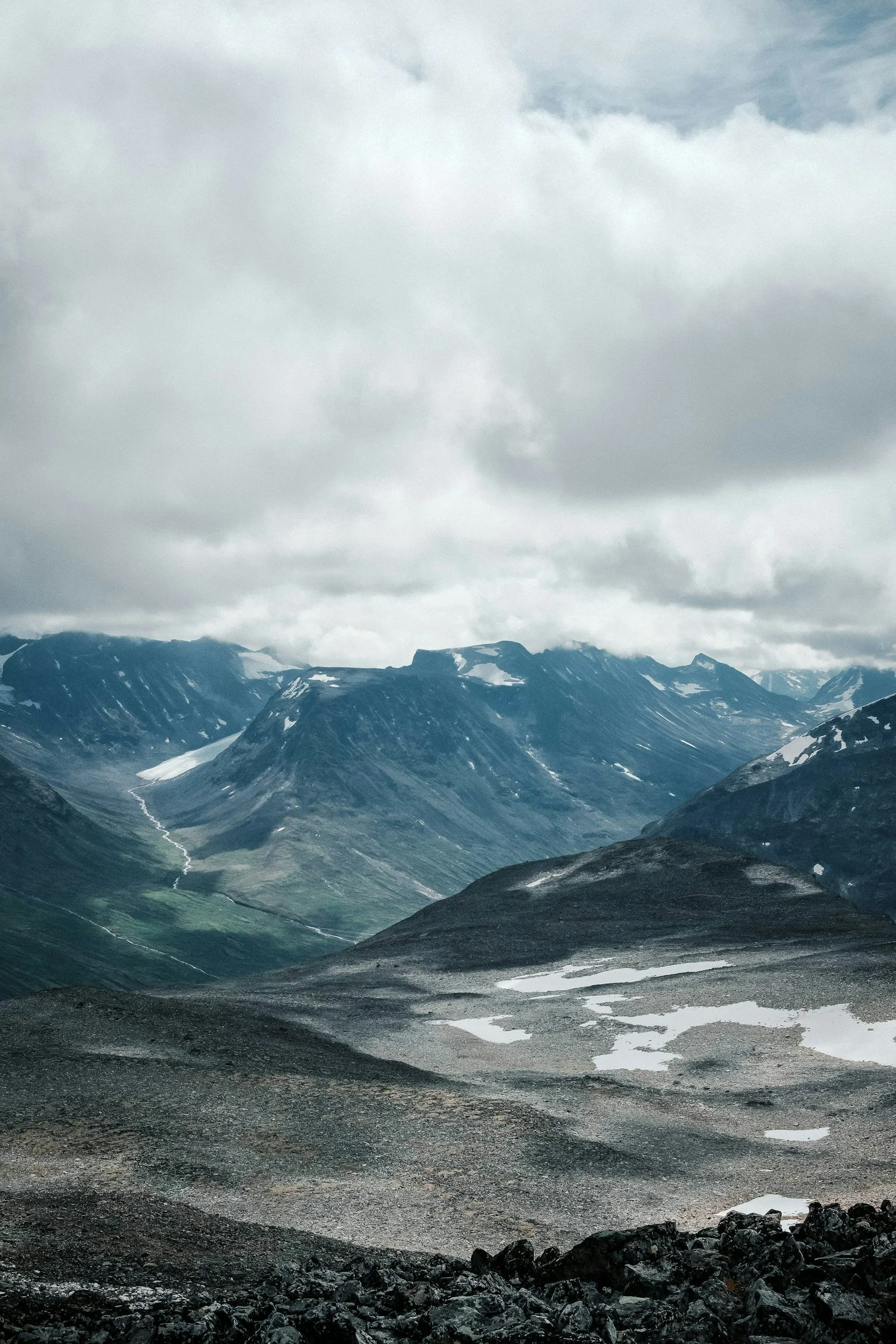
Summer in Northern Norway and Lofoten
Northern Norway in summer is almost the opposite of the classic Arctic winter experience.
Instead of darkness and snow, the region is defined by extraordinarily long days. Under the Midnight Sun, the distinction between afternoon and evening becomes blurred, and travellers can hike, drive or simply sit outside late at night in full daylight.
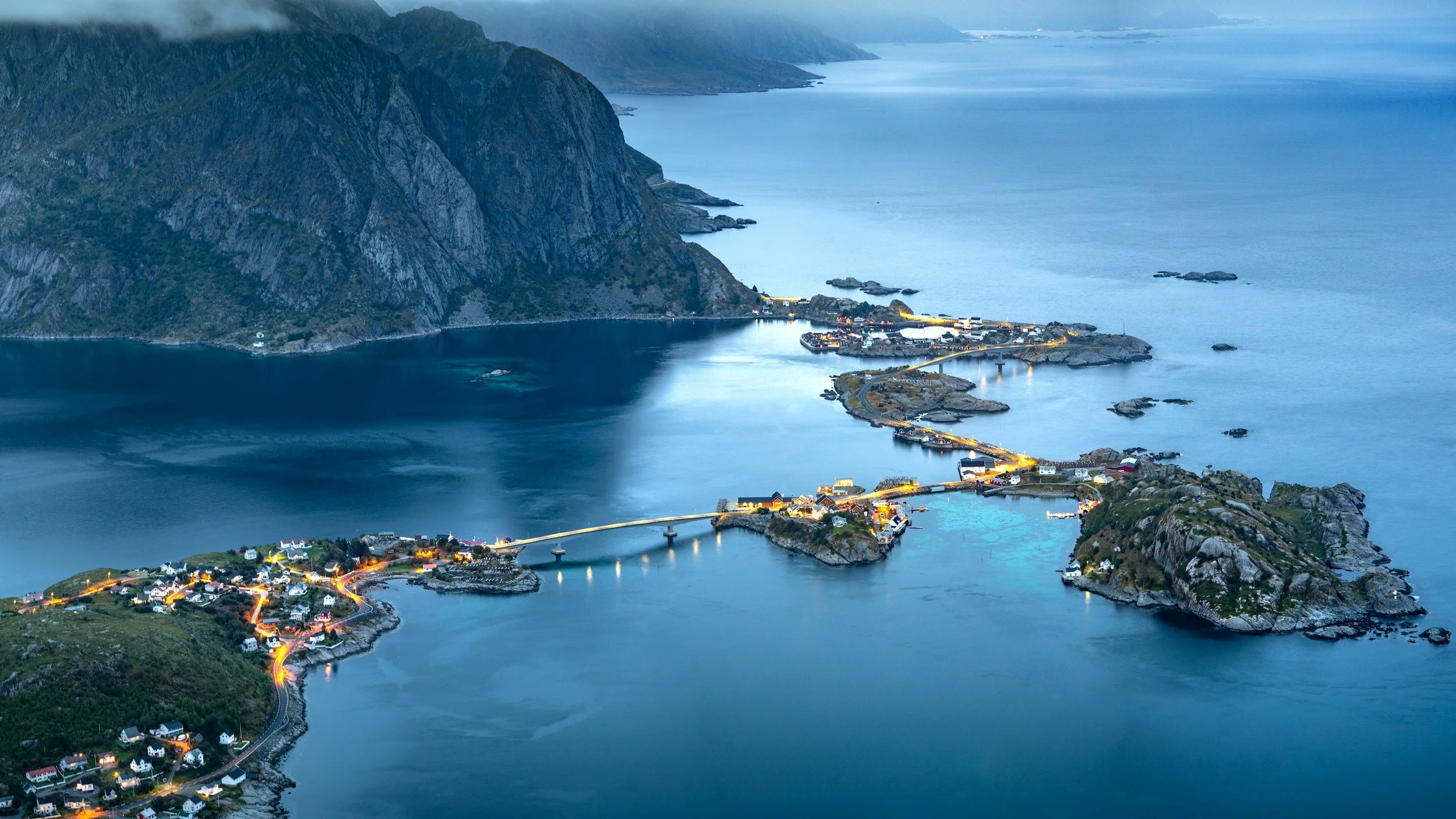
Lofoten is one of the most dramatic places to experience this. Steep mountains rise directly from the sea, beaches sit beneath jagged peaks and fishing villages are connected by roads that make the journey itself part of the destination.
Summer allows visitors to combine road travel, coastal hiking, kayaking, beaches and villages without the short daylight and difficult winter road conditions that shape travel during the colder months.
The popularity of Lofoten should not be ignored. It has become one of Norway's most sought-after summer destinations, and small communities, narrow roads and popular trailheads can experience considerable pressure during July and August. Parking responsibly, staying on established trails and remembering that the fishing villages are living communities rather than outdoor attractions becomes particularly important during the high season.
If Lofoten is part of your plans, the Lofoten Travel Guidelooks more closely at where to go and how to plan a journey through the islands.
Northern Norway extends far beyond Lofoten, however, and summer is an excellent season for longer journeys through a region where coastal landscapes, islands and remote communities can be much easier to reach than they are during winter. The Northern Norway Travel Guideprovides a broader introduction to this part of the country.
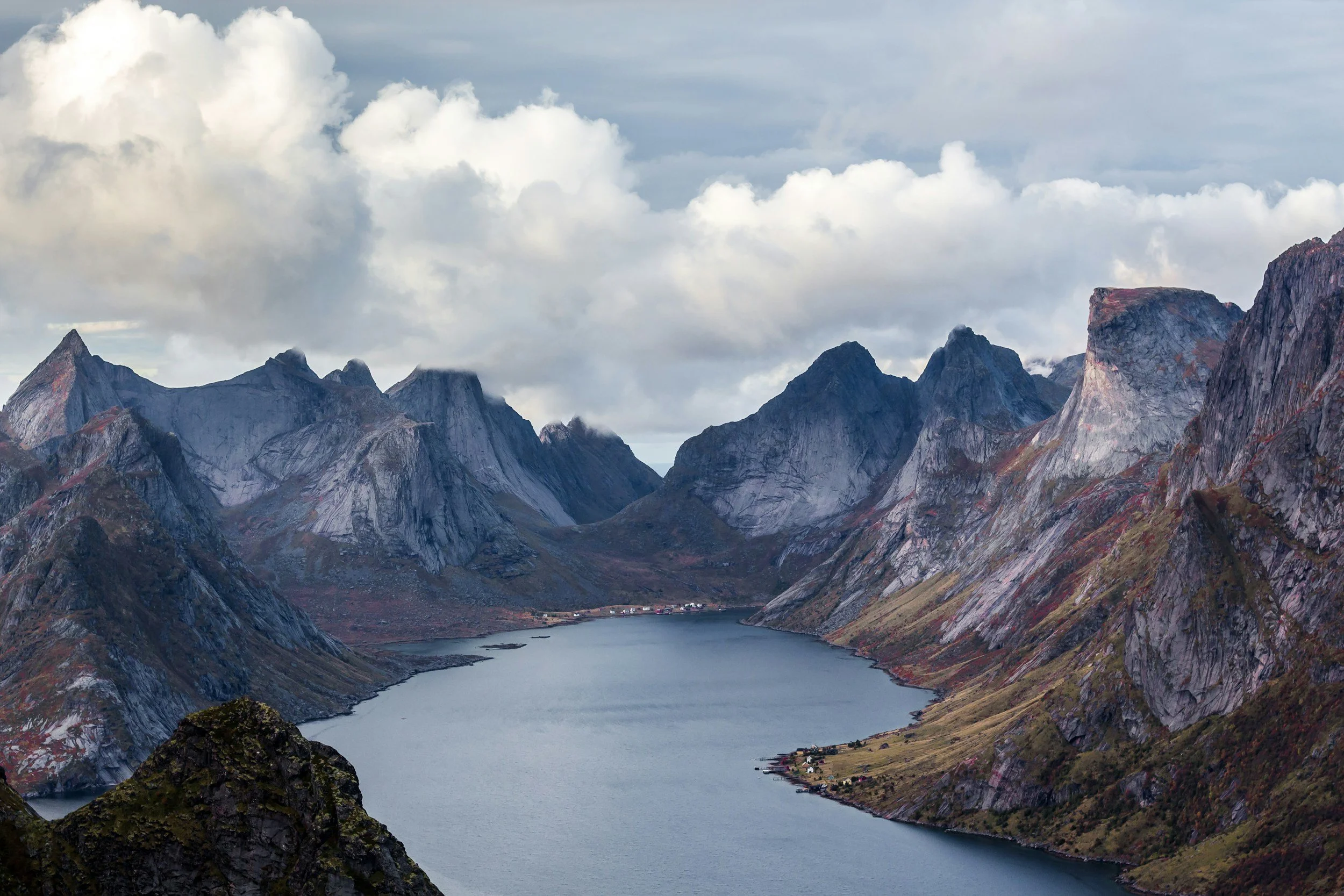
The Lofoten Islands are known for sharp mountain peaks, deep blue fjords and wild coastal scenery, making them one of the most dramatic places to visit in Norway.
Road Trips in Summer
For a first major road trip through Norway, summer is the easiest and most flexible season.
The advantage is not simply warmer weather. Norwegian roads frequently follow fjords, climb into mountains and depend on ferry crossings, which means travel times can be much longer than the distance on a map suggests. Long summer daylight gives you room for those delays and, more importantly, makes it possible to enjoy them.
A good Norwegian road trip should leave time to stop. You may find a viewpoint that was never part of the itinerary, wait for a ferry beside a fjord, stop for coffee in a small town or decide to walk a short trail because the weather has suddenly cleared. In summer, those decisions are easier because daylight does not disappear in the middle of the afternoon.
Mountain roads are another reason summer works so well. Routes that close or become difficult during winter are more broadly accessible, allowing travellers to connect fjords, valleys and mountain regions with far fewer seasonal restrictions.
This makes road travel particularly useful if you want to experience Norway beyond the main rail and cruise routes. A journey can connect Southern Norway, Telemark, Valdres, Jotunheimen and the western fjords, or take an entirely different shape through Northern Norway and Lofoten.
My Norway Road Trip Planning: Common Mistakes First-Time Visitors Make explains how to build realistic driving days, while Driving Distances in Norway: What Visitors Often Underestimateis particularly useful before deciding how many destinations to fit into one journey.
The disadvantage is that road travel becomes popular for exactly the same reasons. Famous scenic roads, ferry crossings, viewpoints and parking areas can be busy during July and early August. Trying to fit too many well-known attractions into the middle of the day can therefore produce a much more crowded version of Norway than travelling more slowly or staying overnight in smaller places.
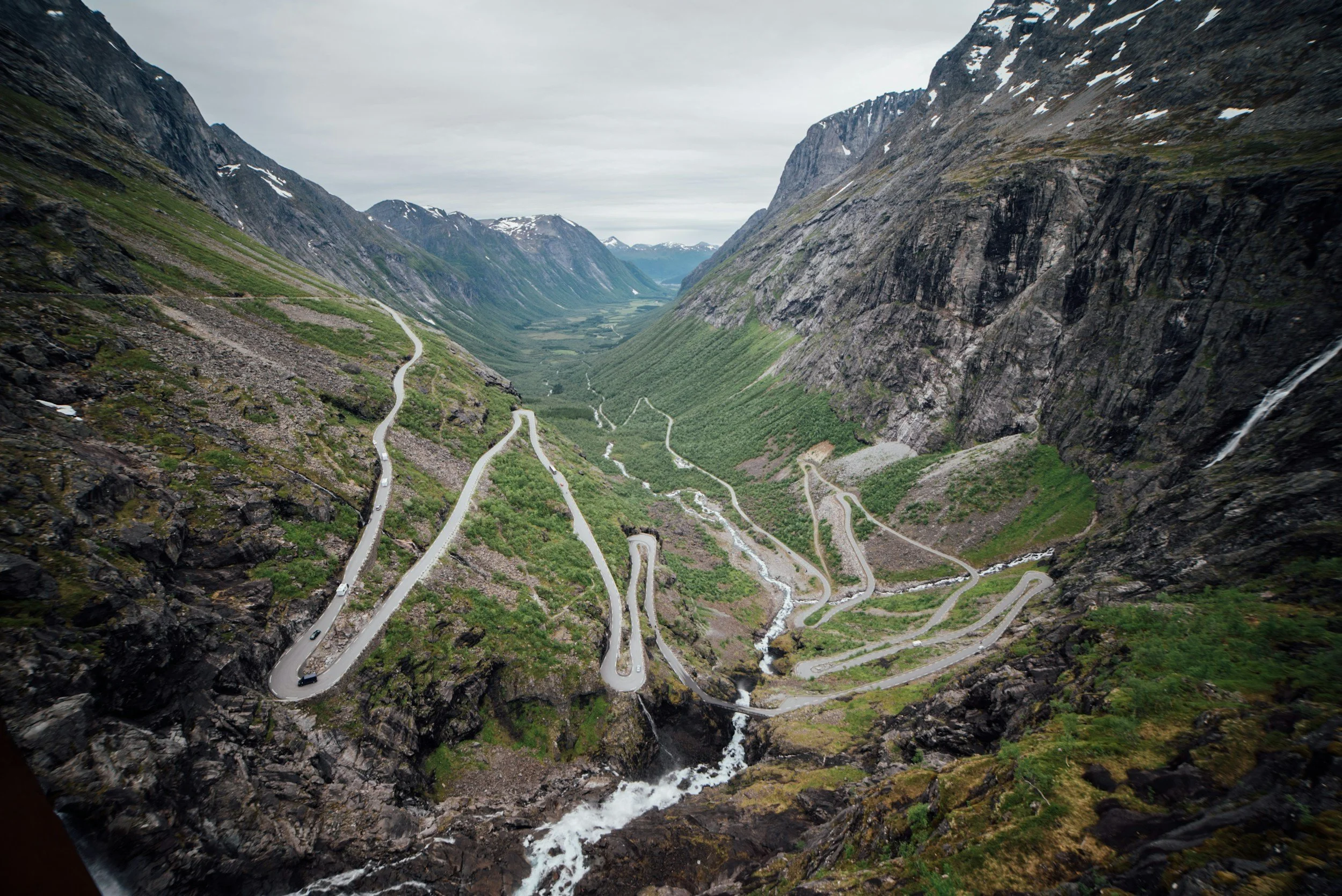
You Do Not Need a Car to Travel Norway in Summer
A road trip gives you enormous freedom in Norway, but it is far from the only way to experience the country. If you would rather not drive, summer is also one of the easiest seasons for combining cities, mountain scenery and fjords by train, boat and local transport.
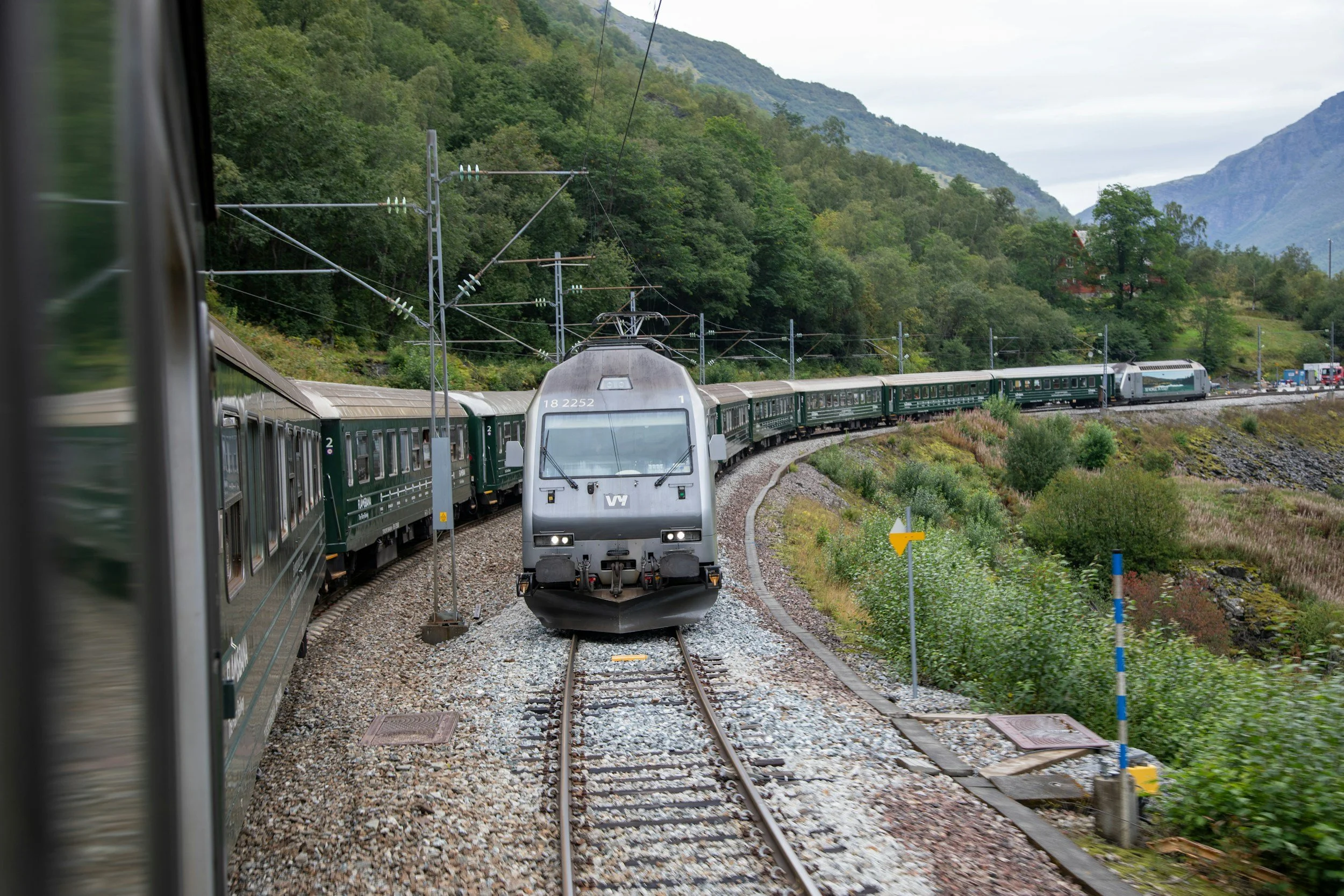
The railway between Oslo and Bergen is one of the country's best-known scenic journeys, crossing high mountain landscapes before descending towards western Norway. From the Bergen Railway, the Flåm Railway provides a dramatic connection down towards the fjord landscape, making it possible to experience a substantial change in scenery without hiring a car.
This is also where Norway in a Nutshell becomes particularly relevant. The journey combines rail and fjord transport and provides one of the easiest ways for first-time visitors to experience several classic Norwegian landscapes without organising a road trip of their own. It works especially well for travellers who want to connect Oslo or Bergen with Flåm and the fjords while allowing someone else to handle the transport logistics.
My Norway in a Nutshell article explains how the journey works and whether it is the right choice for your itinerary, while my Norway Train Travel Guide looks more broadly at travelling around Norway by rail.
Travelling without a car does mean giving up some flexibility. You cannot stop spontaneously in remote valleys, take every scenic mountain detour or reach smaller rural places as easily. But for an itinerary centred on Oslo, Bergen, Flåm, rail travel and the fjords, public transport can also make the journey considerably simpler.
For many first-time visitors, the choice is therefore not between seeing Norway properly and travelling without a car. It is between two different styles of journey: the flexibility of a road trip and the ease of linking some of the country's best-known landscapes by train and boat.
Norwegian Summer Traditions
Summer is also one of the best seasons for understanding how Norwegians use their own country.
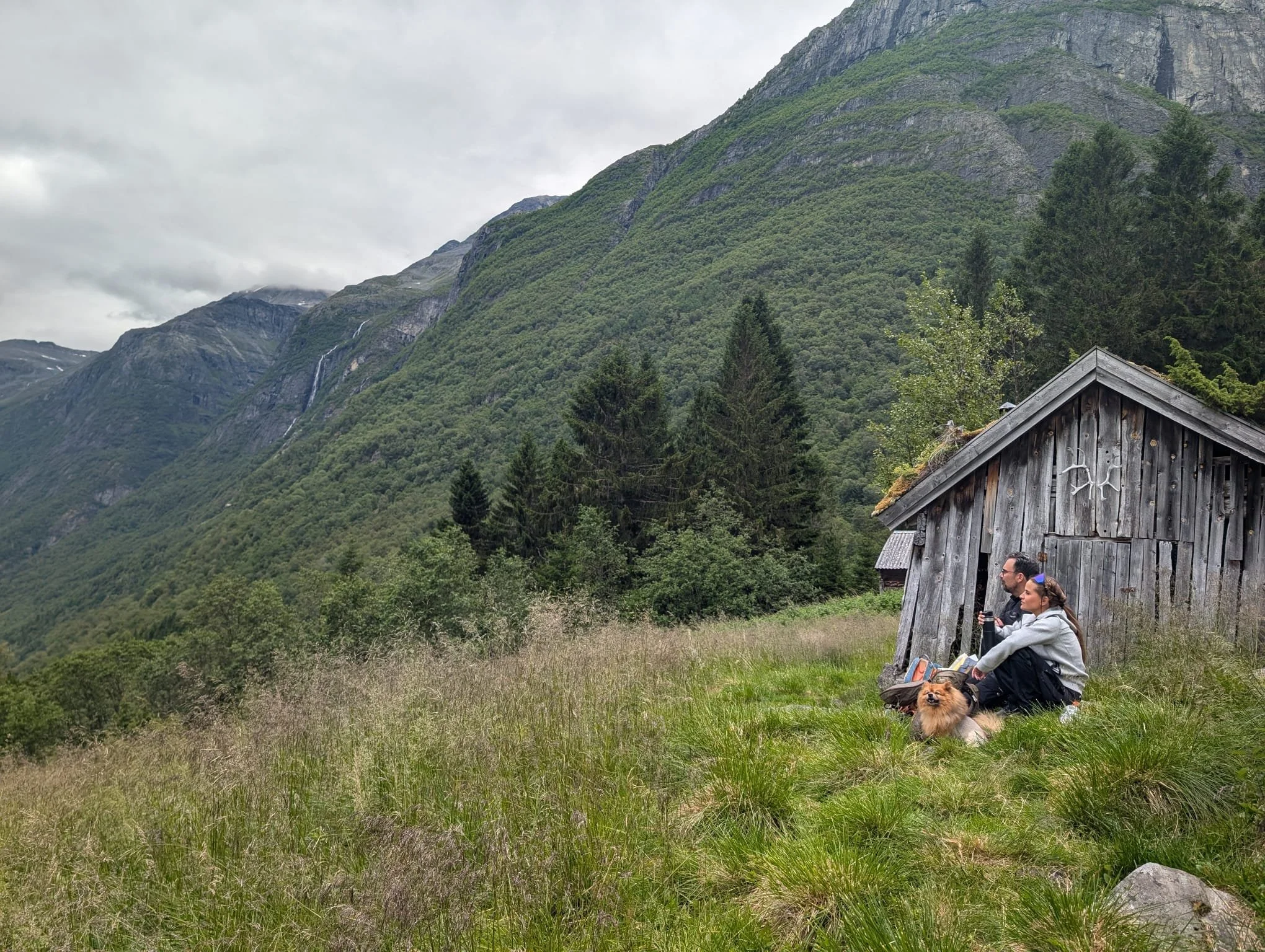
The Norwegian summer holiday is closely connected with cabins, boats, swimming, barbecues, hiking, road trips and spending as much time outdoors as the weather allows. Families travel to coastal cottages and mountain cabins, boats fill harbours and people make use of lakes, beaches and forests in ways that often have little to do with formal tourist attractions.
There is a strong appreciation for simple seasonal experiences: eating outside late in the evening, swimming in a lake or the sea, picking berries, taking the boat out, walking in the mountains or spending a few days somewhere without an ambitious itinerary.
Long daylight changes the rhythm of the day as well. Dinner can easily be followed by several more hours outside, particularly in June and July, when darkness barely arrives in much of the country and does not arrive at all for a period in the far north.
My Norwegian Summer Traditions article explores these customs in more detail and is useful if you want to understand summer as part of Norwegian culture rather than simply as a convenient travel season.
Norwegian Outdoor Culture in Summer
Summer is also when Norwegian outdoor culture becomes especially visible.
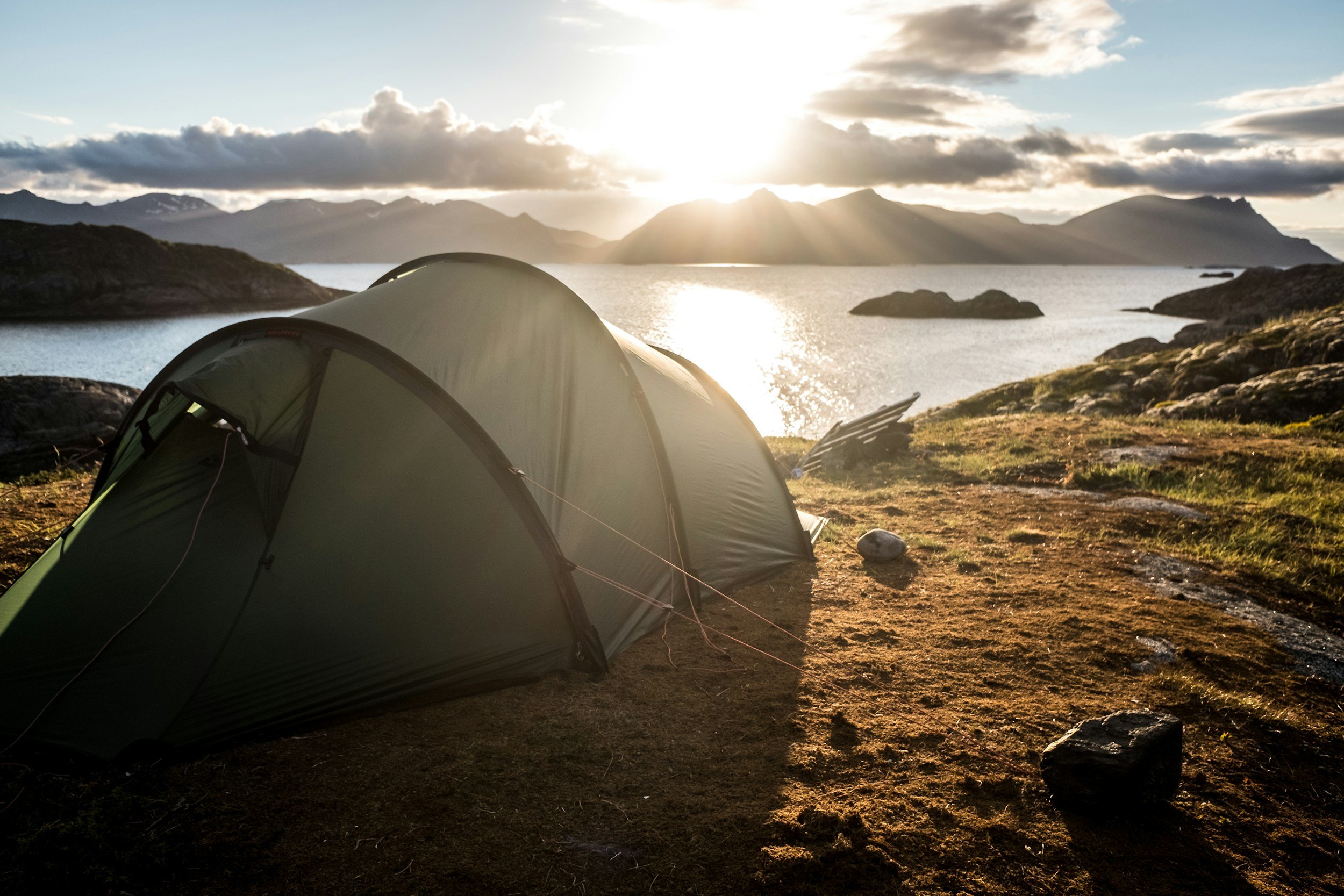
The idea of friluftsliv, broadly associated with spending time outdoors and maintaining a close relationship with nature, applies throughout the year, but summer makes participation much easier. Hiking, camping, fishing, cycling, swimming and cabin trips become normal parts of weekends and holidays.
You do not need to climb a mountain to participate in this culture. A short walk after dinner, swimming in a lake or spending an afternoon beside the sea belongs to the same wider relationship with outdoor life.
Norway's right to roam also gives people extensive access to uncultivated countryside, helping to explain why hiking and camping extend far beyond formal national parks and commercial sites.
My Norwegian Outdoor Culturearticle explores this relationship in greater depth, while The Norwegian Right to Roam Explained covers the practical rules and responsibilities that visitors should understand before camping or travelling through the countryside.
The Downside of Summer: More Visitors and Higher Demand
The advantages of Norwegian summer are precisely what make it the country's busiest travel season.
July is particularly popular because Norwegian school holidays overlap with the main international travel period. Cruise traffic is also high in many fjord destinations, while famous hikes, scenic roads and small villages can receive visitors arriving by car, coach and ship at the same time.
This is most noticeable in places with limited physical space. A small fjord village can feel very busy when several groups arrive simultaneously, and a narrow mountain trail can feel completely different when large numbers of people are using it during the same part of the day.
Accommodation demand increases too, particularly in smaller destinations where the number of hotels, cabins and guesthouses is limited. Planning ahead matters much more in Geiranger or a small mountain community than it does in Oslo.
Summer therefore rewards slightly more planning than its accessibility might suggest. Popular accommodation should be booked earlier, famous attractions can be more pleasant early or later in the day, and including quieter regions in the itinerary can prevent the entire journey from becoming a sequence of crowded highlights.
Valdres, inland areas, parts of Southern Norway and many less famous mountain valleys can provide a completely different experience from the busiest fjord ports even during the same week in July.
If avoiding peak tourism matters more than having maximum accessibility, late June, late August and early September are worth considering before automatically choosing the middle of July.
Summer Weather and What to Pack
Norwegian summer is sometimes described as though travellers should expect to be cold every day. That is not accurate.
Southern and inland areas can experience genuinely warm weather, and there will be days when shorts, dresses, T-shirts and sandals are entirely appropriate. Beaches, swimming and eating outside are normal parts of Norwegian summer life.
The reason travellers still need layers is variability. A warm afternoon can turn into a cool evening, coastal wind can change how a temperature feels and mountain areas can be considerably colder than the valleys below. Western Norway also experiences frequent rain, even during summer.
For general sightseeing, normal summer clothing should therefore form the basis of your wardrobe. Add a warm layer and appropriate protection from wind or rain rather than packing as though every day will involve extreme weather.
Mountain hiking requires a different approach because weather and temperature can change rapidly at altitude, but there is no reason to wear technical hiking clothing throughout an ordinary city, fjord or road-trip holiday.
My What to Pack for Norway in Summer: A Practical Guide for Changing Weather explains how to prepare for those differences without overpacking.
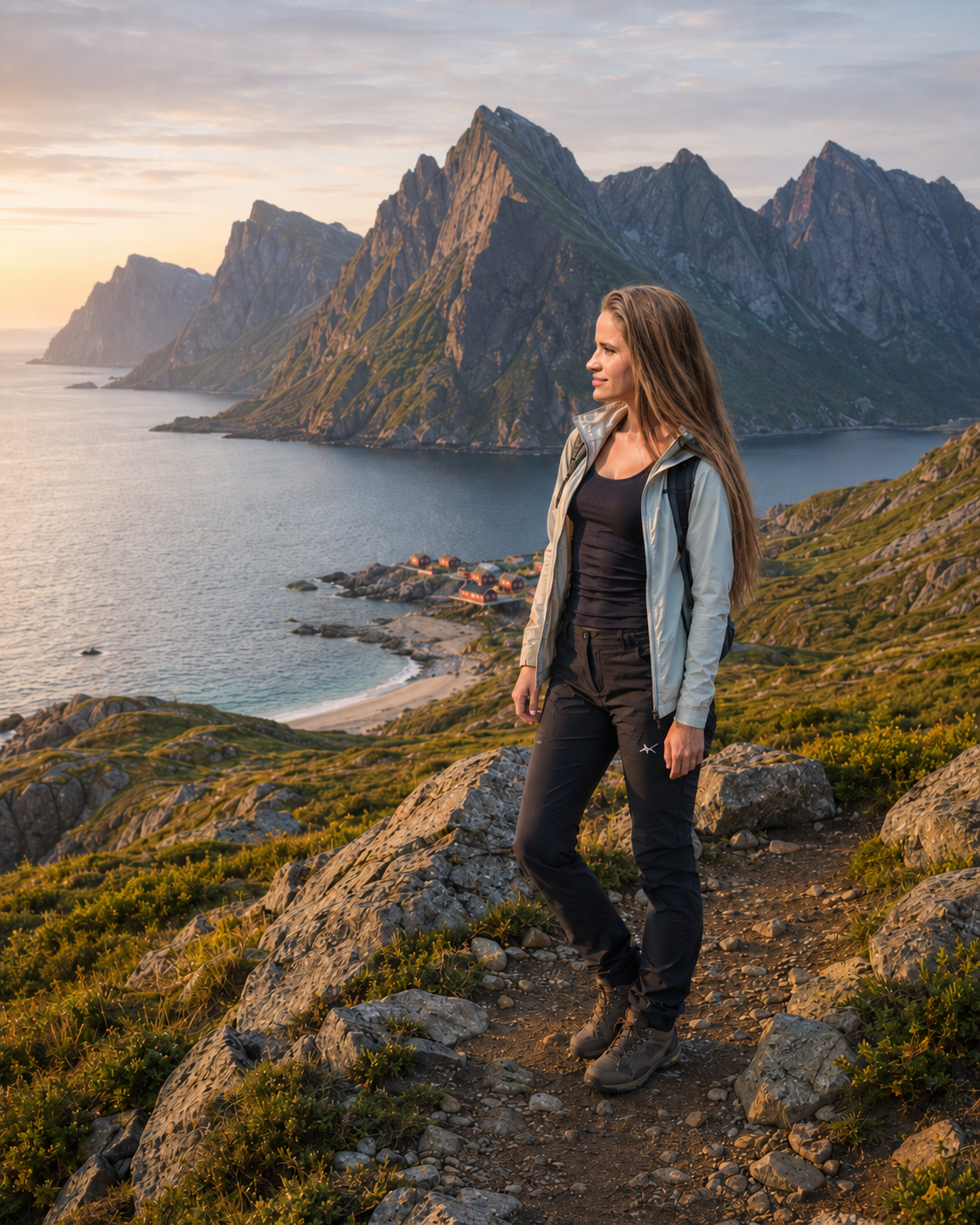
Is Summer the Best Time to Visit Norway?
For the broadest possible first trip, yes, summer is the best overall season for most visitors.
If you want to combine cities, fjords, road travel, rail journeys, mountains and outdoor activities, late June through August provides more freedom than any other period of the year.
For high mountain hiking, July and August are the months I would choose first, particularly for Jotunheimen and objectives such as Galdhøpiggen. For a long road trip, late June through August gives you the greatest combination of daylight and road access, while early September can provide a quieter alternative.
For travellers who do not want to drive, summer also makes it particularly easy to combine Oslo or Bergen with train and fjord travel, including journeys such as Norway in a Nutshell.
For Geiranger and the major fjord regions, summer provides the widest range of transport and sightseeing possibilities, although July can also bring the largest crowds. For Southern Norway and the Telemark Canal, summer is the season when coastal and inland life feels most active, and a journey can be built around boats, swimming, towns and slower travel rather than only major natural attractions.
For Lofoten and Northern Norway, summer brings the Midnight Sun, long road-trip days and easier access to coastal hiking, although July and August are also the periods when the most popular places receive the greatest number of visitors.
For Valdres and Mountain Norway, July and August allow you to combine mountain roads, hiking, summer farming landscapes and traditional rural areas.
Summer is also the season when many aspects of Norwegian summer traditions and outdoor culture are most visible, from cabins and boats to swimming, camping and evenings that seem to continue almost indefinitely.
The reasons to choose another season are equally clear. If the Northern Lights, skiing, snow or a classic Arctic winter landscape are central to your plans, summer is the wrong season. If avoiding the busiest tourist period is more important than having maximum access, May or September may suit you better.
But if this is your first visit and you want the freedom to experience several very different versions of Norway within the same journey, summer remains the strongest overall choice.
Norway in Autumn: September to November
Autumn is one of the most atmospheric times to travel in Norway. The bright green landscapes of summer gradually turn gold, orange, red and brown, the air becomes cooler and clearer, and the busiest part of the tourist season begins to disappear. In the mountains, the change can happen remarkably quickly, with valleys and birch forests transforming within a few weeks before the first snow returns to higher ground.
For travellers who enjoy hiking, cabins, quieter roads and landscapes that feel less dominated by peak-season tourism, September can be one of the most rewarding months of the year. The first part of the month often retains much of summer's accessibility, while cooler temperatures make walking more comfortable and autumn colours begin appearing across mountain and inland regions.
By October, the atmosphere becomes distinctly autumnal. Forests and lower landscapes can be beautiful, but daylight is shortening quickly and mountain conditions become less predictable. November sits much closer to winter, particularly inland and in Northern Norway, and is better suited to cities, cultural travel, coastal journeys and the beginning of winter experiences than to a classic hiking holiday.
Autumn is therefore not one single travel season. September, October and November offer quite different versions of Norway.
September: One of Norway's Best Shoulder-Season Months
If I wanted to travel through Norway after the summer crowds but still spend a significant amount of time outdoors, September would be the autumn month I would choose first.
Early September can retain many of the practical advantages of summer. Roads are generally still operating under normal conditions, many hiking areas remain accessible and there is enough daylight for long days outdoors. At the same time, Norwegian school holidays are over and the main international summer rush has begun to subside.
The weather is naturally less predictable than in the middle of summer, particularly at altitude, but this can also be one of the pleasures of the season. The air becomes noticeably fresher, mornings can be cool and clear, and walking in the mountains can feel more comfortable than hiking during a warm July afternoon.
The landscape is also beginning to change. Mountain birch, heather and low vegetation gradually take on autumn colours, while valleys and forests develop deeper shades of yellow and gold. In places such as Valdres, Jotunheimen and Rondane, the transition can make familiar summer landscapes feel completely different.
September can therefore be an excellent month for a trip through Mountain Norway, particularly if you value scenery and quieter trails more than having the warmest possible weather. My Valdres, Norway guide and A Guide to Jotunheimen: Home to Northern Europe's Highest Mountain are useful if you are considering this part of the country.
The important thing is to remember that autumn is moving in one direction. In June, conditions generally become more summery as the weeks pass. In September, the opposite is true. A route that feels like late summer at the beginning of the month can experience much colder weather by the end, particularly in the mountains.
For this reason, early September is generally a safer choice for a trip that depends heavily on hiking than late September.
Hiking in Norway in Autumn
Autumn hiking can be exceptionally beautiful, especially during September.
Cooler temperatures are often comfortable for walking, insects become less of an issue than during parts of summer, and the combination of autumn vegetation, clear air and quieter trails can make mountain landscapes feel especially peaceful.
There is also something different about the light. The sun sits lower in the sky than it does around midsummer, creating softer light across valleys and mountains, while the warmer colours of autumn become more pronounced in the mornings and evenings.
This is one of the periods when simply walking through the landscape can be as rewarding as reaching a famous summit.
However, autumn hiking requires more caution as the season progresses. Days become shorter, temperatures fall quickly after sunset and the first snow can arrive at higher elevations surprisingly early. Weather that would be inconvenient in July can become much more significant in September or October because there is less daylight and less warmth available if plans take longer than expected.
For high mountain routes, I would generally favour early September rather than October. Lower forest walks, valley trails and coastal routes can remain enjoyable much later, but a late-autumn walk at lower elevation should not be treated as evidence that conditions are equally suitable high in the mountains.
If hiking is an important part of your autumn trip, my Hiking in Norway Packing Guide: What to Pack for Every Type of Hike covers clothing, footwear and equipment in more detail.
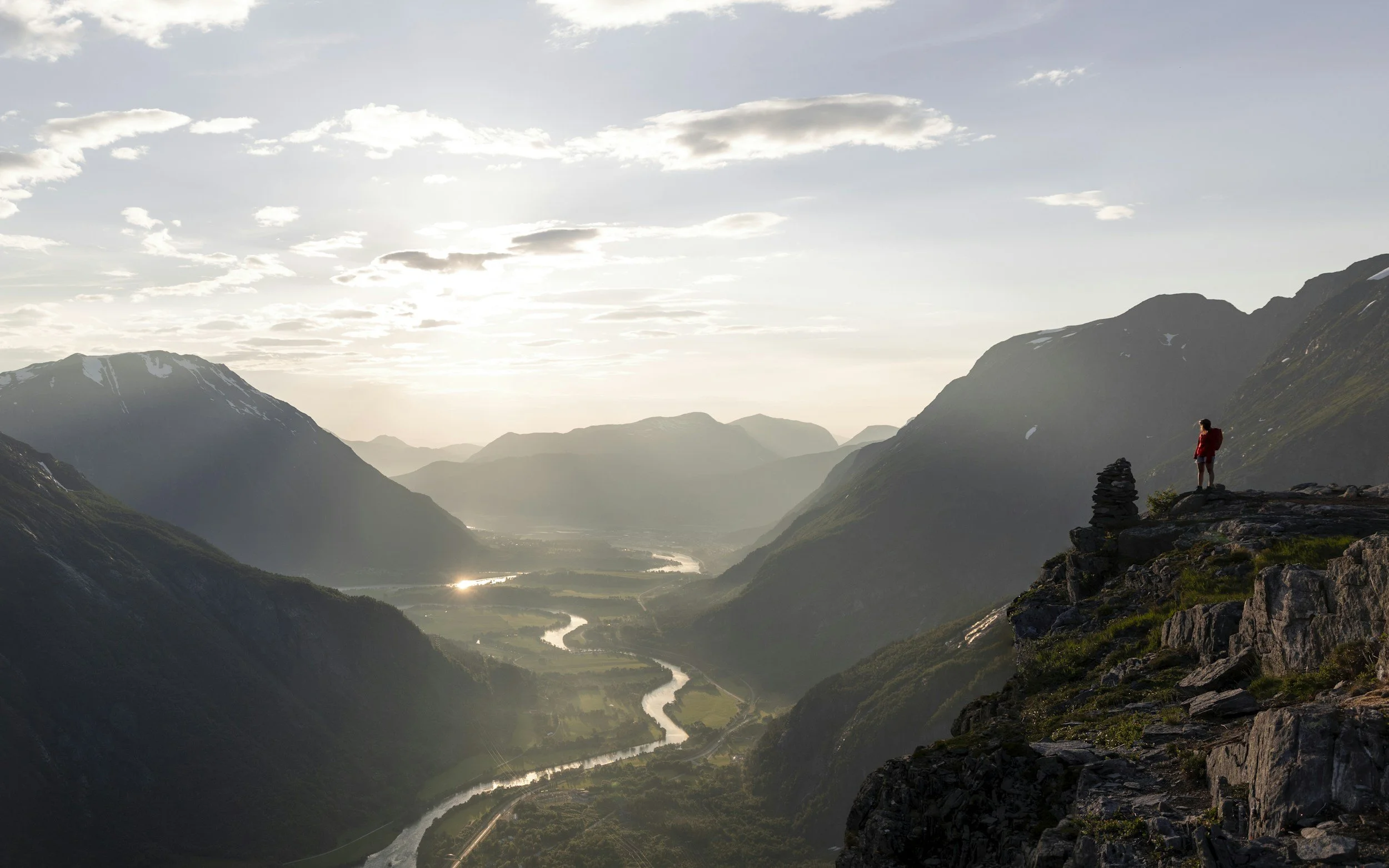
Hiking in Norway offers dramatic mountain viewpoints, winding valleys and vast open landscapes that make the country one of the best places in Europe for scenic outdoor adventures.
Autumn in Valdres and Mountain Norway
Autumn suits Mountain Norway particularly well because so much of the landscape is shaped by vegetation that changes colour dramatically as summer ends.
Valdres is a good example. The green farming landscapes and mountain pastures of summer gradually shift into warmer autumn tones, while cooler temperatures and quieter roads create a more subdued atmosphere than during the main holiday season.
The traditional støl season is also winding down. Animals return from higher summer pastures and the landscape begins preparing for winter, making autumn feel like a natural conclusion to the rural summer rather than simply a change in weather.
Jotunheimen becomes more dramatic as well. The highest mountains remain rocky and austere throughout the year, but the vegetation in the valleys and lower slopes changes around them. On clear September days, the combination of autumn colour, blue lakes and the first traces of fresh snow on higher summits can be particularly striking.
Rondane is another beautiful autumn region, with wide mountain landscapes and vegetation that takes on strong autumn colours before winter arrives.
A road journey through these areas in September can therefore provide a very different experience from the same route in July. There are fewer visitors, cooler days and a stronger sense that the landscape is changing around you.
My 10 Days in Mountain Norway itinerary connects Valdres, Jotunheimen and Rondane and can also be useful as inspiration for an early-autumn route, although weather and mountain conditions should naturally be checked carefully at this time of year.
Cabin Culture in Autumn
Autumn is also one of the seasons when Norwegian cabin culture makes particularly good sense.
Summer cabins are associated with swimming, boats and long evenings outside, while winter cabins often revolve around snow and skiing. Autumn sits somewhere in between. A cabin becomes a base for shorter hikes, forest walks, berry or mushroom picking and evenings indoors once the temperature drops.
This is where the Norwegian idea of kos becomes particularly visible.
The Danish word hygge is better known internationally, but Norwegians are more likely to describe something as koselig or talk about kos: warmth, comfort and the pleasure of being somewhere pleasant with food, candles, a fire or good company while the weather outside becomes colder.
Autumn lends itself naturally to that atmosphere.
A day might begin with a walk through the mountains or forest, followed by an afternoon back at the cabin with wool socks, coffee, something warm to eat and a fire once darkness arrives. It is not a complicated experience, but simplicity is part of the attraction of Norwegian cabin life.
For many Norwegians, autumn weekends are also an opportunity to leave the cities before winter arrives, spending time hiking, picking berries or mushrooms, fishing or simply being outside during the last part of the snow-free season.
For a deeper look at why cabins matter so much in Norway, my Norwegian Cabin Culture: Understanding Norway's Love Affair with Hytter explores the tradition beyond simply treating a cabin as a place to stay.
October: Autumn Colours, Cooler Days and More Norwegian hygge
October is when autumn becomes impossible to miss.
Depending on region and elevation, forests and lower landscapes can take on rich yellow, orange and brown colours, while the air becomes noticeably colder and the days shorten. The change is especially visible in inland areas and around forests and valleys where deciduous vegetation dominates.
October can be beautiful for slower travel.
This is a good month for travellers who enjoy towns, cabins, forest walks, food, culture and driving through autumn landscapes without requiring every high mountain trail to remain accessible. A short walk followed by a long lunch or an evening beside a fire fits the season much better than trying to recreate an ambitious July hiking itinerary.
It can also be a particularly pleasant time for Norwegian cities. Parks change colour, cafés feel more inviting as temperatures fall and museums, restaurants and cultural attractions become more central to the trip. Oslo has the additional advantage of large forest areas immediately around the city, making it easy to experience autumn nature without travelling far into the mountains.
Bergen has a different character. Autumn on the west coast can be considerably wetter, so rain protection becomes more important, but the surrounding mountains and changing weather can also create a dramatic atmosphere of their own.
October is generally much quieter than July and August, which is an important advantage for travellers who dislike peak-season tourism. You are less likely to encounter the same concentration of tour groups and road traffic, and popular towns can feel more like places where people actually live.
The trade-off is that some tourist services begin operating on reduced schedules as the summer season ends. A quieter destination can therefore also mean fewer seasonal boat departures, attractions with shorter opening hours or restaurants that no longer operate every day.
Autumn travel works best when you appreciate that quieter atmosphere rather than expecting all the infrastructure of July with fewer people.
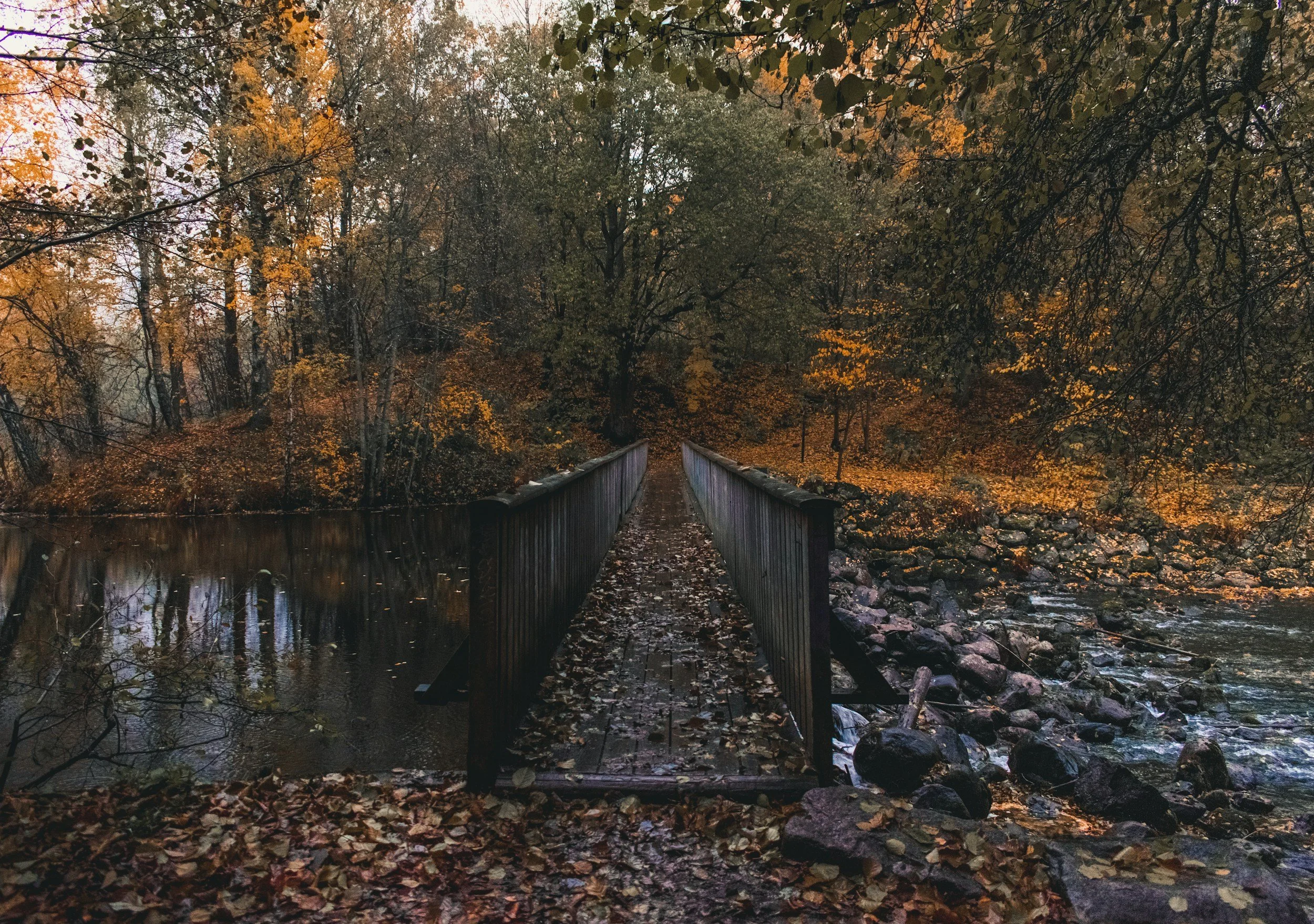
Norway in autumn is known for its dramatic colours with deep gold orange and brown tones transforming the forests and landscapes
Autumn and the Return of the Northern Lights
While southern Norway is moving through autumn colours, Northern Norway is undergoing another important seasonal change: proper darkness returns.
The Midnight Sun disappears during summer, and as the nights become darker again, the Northern Lights become visible. Late September marks the beginning of the main aurora season in Northern Norway, which continues through winter and into early spring.
This makes September and October particularly interesting if you want to experience the north without committing to a full winter journey.
You may see autumn landscapes rather than deep snow, while still having sufficiently dark nights for the possibility of seeing the aurora. The experience is therefore very different from travelling to Tromsø or Finnmark in February.
For some travellers, that is an advantage. Daytime activities can take place in autumn conditions, while evenings can be spent looking for the Northern Lights.
If aurora viewing is one of the main reasons for your trip, my When (and Where) to See the Northern Lights in Norwaygoes into much greater detail about the season and the differences between destinations.
Road Trips in Autumn
Early autumn can also be an excellent time for a Norwegian road trip.
September retains much of the freedom of summer while reducing some of the tourism pressure. Ferries and roads are generally straightforward to use, the days are still long enough for substantial driving and the changing vegetation gives familiar routes an entirely different appearance.
For scenic driving through Mountain Norway, Valdres or parts of western Norway, early September can therefore be one of the most rewarding times of the year.
There are fewer cars on many routes, parking at viewpoints may be easier and smaller destinations can feel calmer.
As autumn progresses, however, the road-trip calculation changes. Daylight decreases, weather becomes more unpredictable and snow can begin affecting higher mountain roads. Seasonal scenic routes also move gradually towards their winter closures.
This is why I would distinguish between a September road trip and a November road trip rather than treating both simply as autumn travel.
September can still support a long, flexible driving itinerary. By November, I would generally build a more conservative route around lower elevations, cities and major transport corridors rather than assuming that high mountain roads will behave like they did two months earlier.
Fewer Tourists, but a Quieter Travel Season
One of autumn's greatest advantages is that the character of tourism changes.
July can bring cruise passengers, coaches, road trippers and hikers into the same small destinations at the same time. By September, much of that intensity begins to fall away, and by October many places feel dramatically quieter.
For travellers who value atmosphere and space, that can make Norway much more enjoyable.
A viewpoint where visitors queue for photographs in July may be almost empty on a cool September morning. Small towns can feel calmer, roads less pressured and popular walking areas more peaceful.
The trade-off is that a quieter season also means less demand for tourism services. Seasonal attractions, ferries, guided activities and restaurants may reduce their schedules or close entirely once the main summer period ends.
The best autumn trips therefore tend to be less dependent on a long checklist of seasonal attractions.
If your ideal journey consists of driving through changing landscapes, staying in cabins, walking when the weather is good, exploring towns and allowing the trip to slow down, autumn suits that style particularly well.
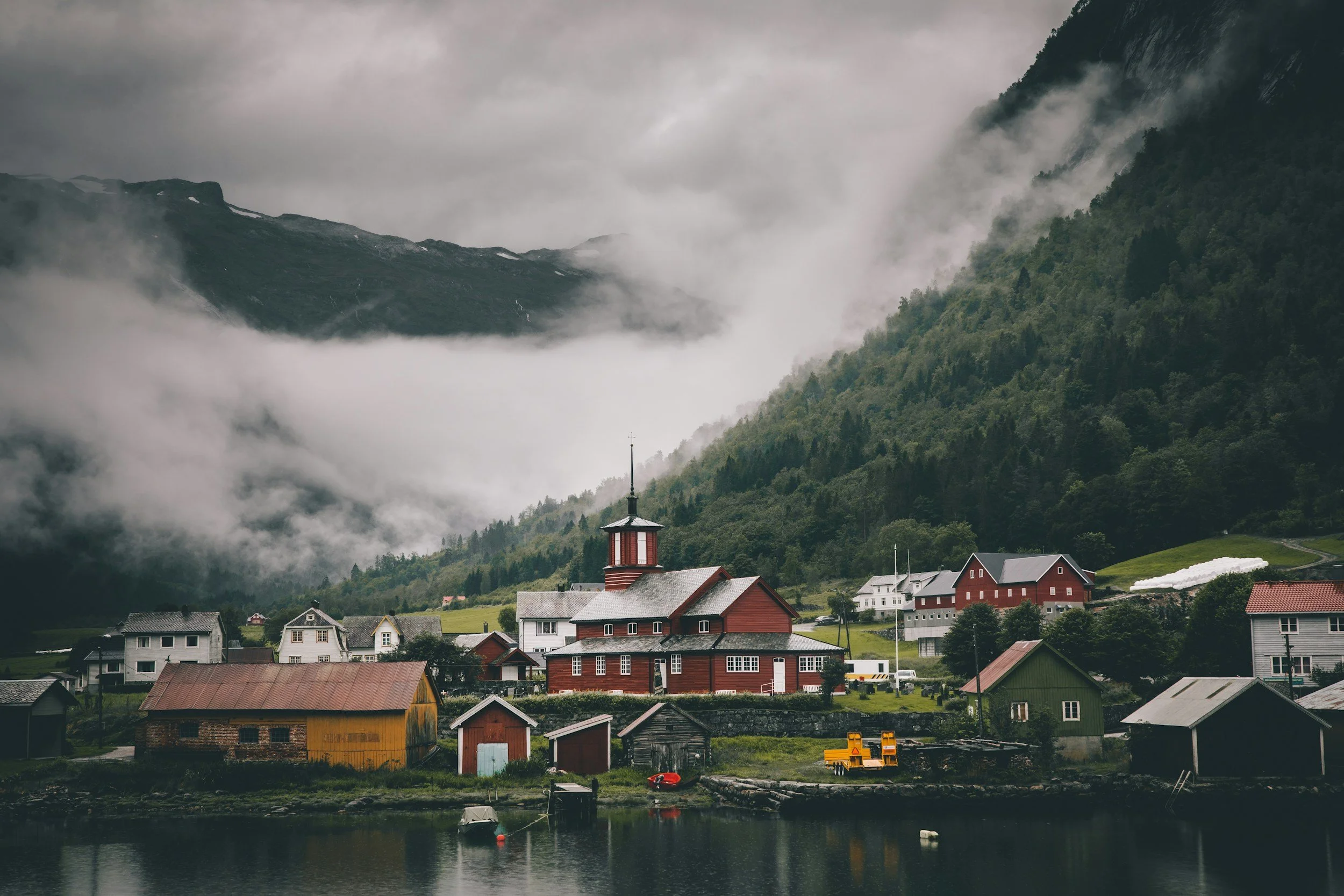
Travelling in Norway in May or September often means fewer crowds, more authentic village life and softer weather while still enjoying green landscapes open attractions and beautiful fjord scenery.
November: When Autumn Begins to Become Winter
November is the least conventionally attractive of the three autumn months for a general sightseeing trip, but it has its own character.
Most of the bright autumn colours have disappeared by this point in many parts of the country. Days are much shorter, temperatures are lower and snow becomes increasingly possible inland, in the mountains and in the north.
Rather than treating November as the final month of autumn tourism, it is often more useful to think of it as the transition into winter.
For high mountain hiking and ambitious road trips, I would choose another month. For cities, cultural travel, quieter coastal journeys and the beginning of the winter atmosphere, November can still work well.
Northern Norway becomes particularly interesting again because the nights are now long enough for serious Northern Lights travel, while the region moves steadily towards winter.
The experience depends on what you expect. November is not the month I would recommend if your dream of Norway involves bright autumn leaves and long hikes. September or early October is much better for that.
But if you prefer darker evenings, quieter streets, cafés, museums and the feeling of the country preparing for winter, November has a distinct atmosphere of its own.
What Autumn Feels Like in Norway
Perhaps the greatest appeal of autumn is not one particular attraction but the overall change in pace.
Summer encourages people to stay outside for as long as possible. The days are long, roads are busy and there is always another hike, swim, ferry or viewpoint that can be fitted into the evening.
Autumn gradually removes that pressure.
The cooler air makes walking feel different. Evenings arrive earlier. Cabins, cafés and fires become more appealing. The landscape feels temporary because the colours may be at their best for only a short period before wind and colder weather remove the leaves entirely.
There is more kos in the season, but it is not only about staying indoors. Some of the pleasure comes from going outside precisely because the air is cold, walking through a forest or mountain landscape and then returning somewhere warm afterwards.
It is a quieter relationship with Norway than summer offers.
Is Autumn the Best Time to Visit Norway?
Autumn can be one of the best times to visit Norway if scenery, hiking and quieter travel matter more to you than having the greatest possible seasonal accessibility.
For hiking and Mountain Norway, I would choose early September. You gain cooler temperatures, autumn colours and fewer visitors while still retaining much of the access of late summer.
For a road trip with fewer tourists, September is also the strongest autumn month. Roads are generally easier to plan around than later in the season, while the changing landscape gives the journey a completely different character from July.
For autumn colours and cabin culture, late September into October can be particularly rewarding, although the exact timing of colour changes varies between altitude and region.
For cities, forest walks, food and a more cosy Norwegian atmosphere, October can work beautifully, especially if you do not require a large number of seasonal attractions to remain open.
For Northern Lights without travelling during the deepest winter, late September and October give you dark nights in Northern Norway while the landscape may still be autumnal rather than fully snow-covered.
November is less suited to a classic autumn holiday and better viewed as the beginning of the transition towards winter.
The disadvantages of autumn are real. Days become shorter, mountain weather becomes less predictable, high-altitude hiking gradually becomes less suitable and some tourist services reduce their schedules after summer.
But the rewards are equally clear.
Autumn offers colourful landscapes, crisp air, quieter roads and trails, cabin weekends and a slower kind of travel. It is a season when Norway becomes less about fitting as much as possible into a long summer day and more about enjoying where you already are.
For travellers who prefer fewer tourists, mountain walks, autumn colours and Norwegian hygge to the busiest part of summer, September and early October can be some of the most beautiful weeks of the entire year.
Other Seasonal Experiences to Consider
Some Norwegian experiences do not belong neatly to one season. Instead, the time of year changes the nature of the experience itself, or determines whether a particular wildlife encounter is possible at all.
This is particularly true for travelling the Norwegian coast and for wildlife. A coastal voyage can be equally worthwhile in summer and winter, but for completely different reasons, while whale watching and other wildlife experiences may depend on much more specific seasonal patterns.
Best Time for a Norwegian Coastal Cruise
There is no single best season for travelling the Norwegian coast because a summer voyage and a winter voyage offer two very different versions of Norway.
If your priority is long daylight, green landscapes and seeing as much of the coastline as possible, summer is the obvious choice. Days are exceptionally long, and in Northern Norway the Midnight Sun means that coastal landscapes can remain visible throughout the night for part of the season. This gives you far more time to stand outside on deck, watch the changing scenery and explore ports during daylight.
Summer also makes it easier to combine the voyage with hiking, road travel or time elsewhere in Northern Norway before or after the sailing. The landscape is green, small coastal communities are at their most active and the mountains, islands and fjords are visible for much longer each day.
If the Northern Lights are one of the main reasons you want to travel along the Norwegian coast, you need to choose the darker part of the year instead. Once sufficiently dark nights return to Northern Norway, a coastal voyage gives you the possibility of seeing the aurora from the ship as it travels through northern waters. The wider Northern Lights season runs from autumn into early spring, so this does not mean you are limited to the deepest winter months.
Winter provides the most complete contrast with summer. Snow-covered mountains, dark coastal communities and limited daylight create a much more atmospheric journey, particularly in the north. You lose the endless visibility of summer, but gain the possibility of seeing the Northern Lights and experiencing the coast during the Arctic winter.
February and March can be particularly attractive if you want both winter scenery and the Northern Lights without travelling during the darkest part of the year. There is more daylight available for watching the coastline and exploring during the day, while evenings in the north remain dark enough for aurora viewing.
Autumn and spring sit between those two extremes. An autumn voyage can combine darker nights in the north with landscapes that have not yet entered full winter, while spring gradually brings longer days back to the coast as snow remains on the surrounding mountains.
The best time for a Norwegian coastal cruise therefore depends on what you want to see from the ship. Choose summer for Midnight Sun, long daylight and green coastal landscapes, and choose the darker months if Northern Lights, snow and Arctic atmosphere are more important to you.
If you are considering Norway's traditional coastal route specifically, my What It’s Actually Like to Travel on Hurtigruten: A Guide to Norway’s Coastal Voyage explains what the journey is really like and how it differs from a conventional cruise.
Once you have chosen the season, my What to Pack for a Norway Coastal Cruise covers what to bring for time onboard, exposed decks and excursions ashore.
Whale Watching in Norway
Whale watching is another experience where choosing the season first can make a significant difference.
There is no single Norwegian whale-watching season that applies to every species and every part of the coast. Different whales appear in different areas at different times, so the best month depends on both where you are travelling and which species you hope to see.
Northern Norway is particularly important for whale watching, but a winter wildlife trip in the north is not the same experience as looking for whales elsewhere along the Norwegian coast during the warmer months.
This means whale watching is worth planning deliberately rather than simply adding it to an itinerary after your travel dates have already been chosen. If seeing whales is one of the experiences you care most about, decide which species and part of Norway interest you first and then choose the season around that.
My Whale Watching in Norway: Where, When and Which Species You Can See guide explains the different seasons, locations and species in much greater detail.
Wildlife in Norway
The same principle applies to wildlife more generally.
Norway stretches from forests and mountain plateaus to islands, seabird colonies and Arctic environments, so the animals travellers may encounter vary enormously between regions.
Some wildlife experiences fit naturally into a summer road trip or hiking holiday, while others require travelling to a particular area at a very particular time of year. If seeing a specific species matters to you, the animal may ultimately determine both the destination and the dates of your trip.
This is especially important because wildlife does not follow the conventional tourism calendar. The fact that July is the easiest month for a general first trip through Norway does not automatically make it the best month for every wildlife experience.
My Wildlife in Norway: Where and When to See Norway’s Most Iconic Animals looks more broadly at the species found around the country, where they live and when travellers have the best opportunities to see them.
Choosing the Right Season for Your Norway Trip
Once the four seasons and these more specific experiences are considered together, choosing when to visit becomes less complicated.
You do not need another list repeating that summer is best for high mountain hiking or that winter is best for skiing. Those differences are more useful when understood in the context of the seasons themselves.
Instead, start with the experience that matters most to you.
A traveller dreaming about long mountain days has a different seasonal priority from someone wanting Northern Lights and dog sledding. Someone planning a first road trip needs different conditions from someone hoping to travel the Norwegian coast in winter, while a traveller determined to see a particular whale species may need to build the entire trip around a much narrower window.
If you know you want to visit Norway but still are not sure what kind of journey suits you, Which Type of Norway Trip Is Right for You? is a useful next step. It can help you decide whether your trip should focus on the fjords, mountains, Northern Norway, cities, the coast or a combination of several regions.
Final Words
There is no single best time to visit Norway because the country offers very different experiences throughout the year, but that does not mean the answer has to remain vague. Some seasons are clearly better suited to particular kinds of journeys. Summer provides the greatest freedom for road trips, fjord travel and high mountain hiking, while winter is the natural choice for skiing, snow-covered landscapes and a classic Arctic experience. Spring brings powerful waterfalls, longer days and the contrast between green valleys and snowy mountains, while autumn offers colourful landscapes, cooler air, quieter trails and a slower pace of travel.
The important thing is to decide what matters most to you before choosing the month. If reaching high mountain trails is essential, July and August make more sense than May. If you want the Northern Lights, you need to travel during the darker part of the year and spend time in Northern Norway. If you are drawn to long coastal journeys, the choice may come down to whether you would rather experience the Norwegian coast beneath the Midnight Sun or travel through snowy landscapes with the possibility of seeing the aurora at night. Wildlife can narrow the timing even further, particularly when a specific species is one of the main reasons for the journey.
Norway is also too geographically varied for the season alone to determine what your trip will look like. The west coast, inland valleys, high mountains and Arctic north can experience very different conditions during the same month, which is why the destination and season should always be considered together. A good Norway itinerary is not built around an abstract idea of the “best weather”, but around the landscapes and experiences you actually want to have.
Once you know which version of Norway you want to experience, the best time to travel becomes much easier to identify. The goal is not to find a perfect month without disadvantages, but to choose the season whose strengths match the journey you want to make.
More articles about Norway:
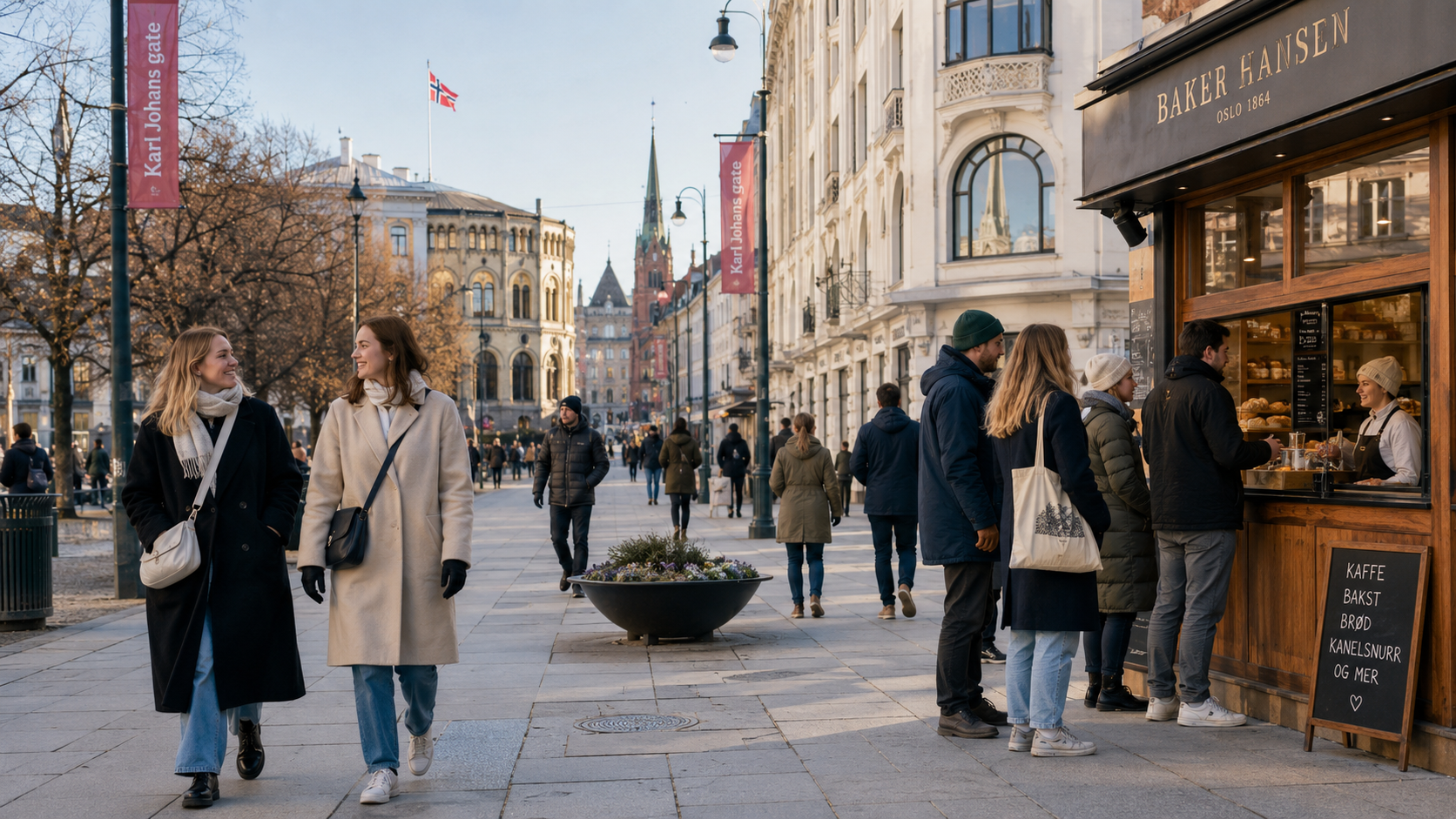
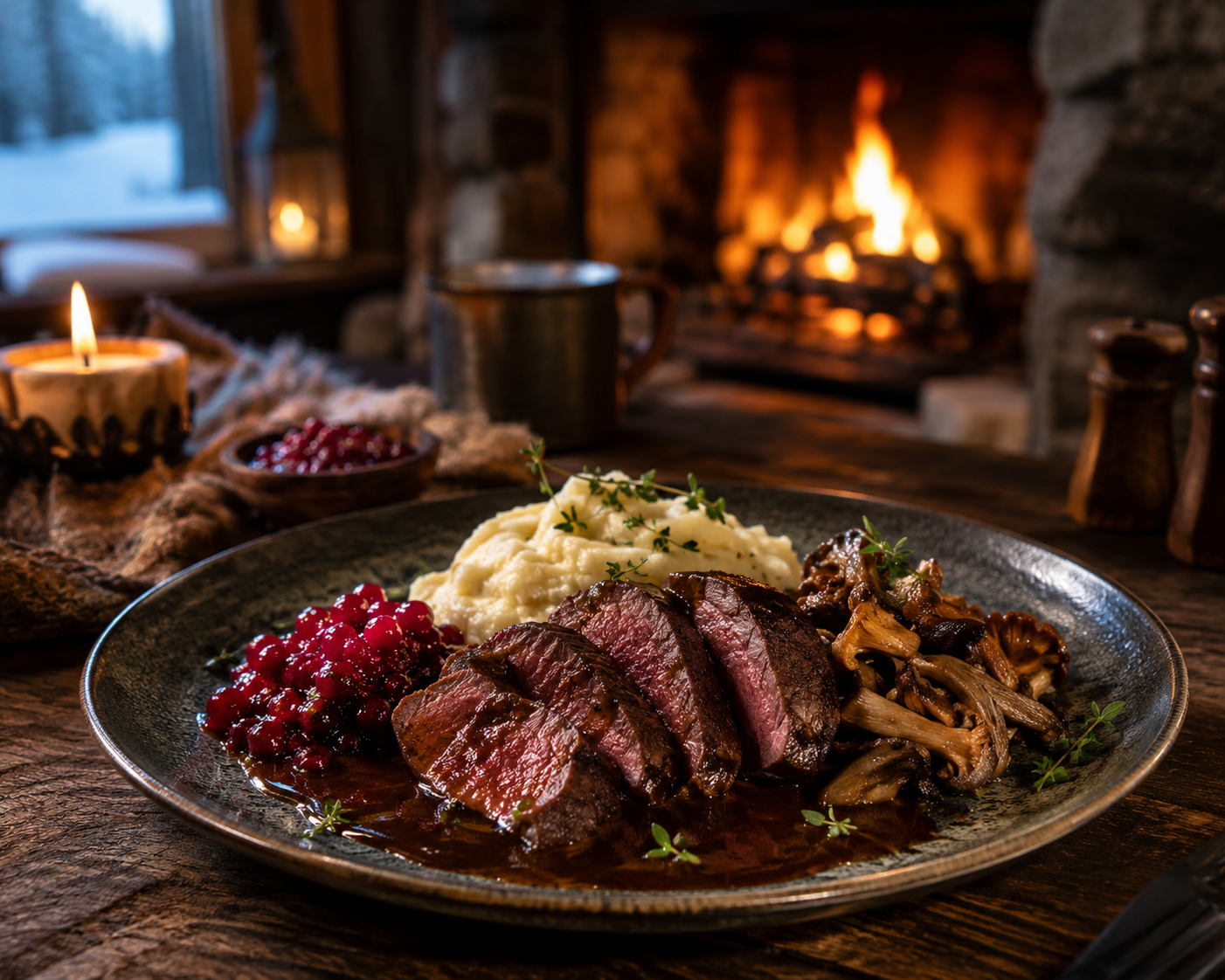
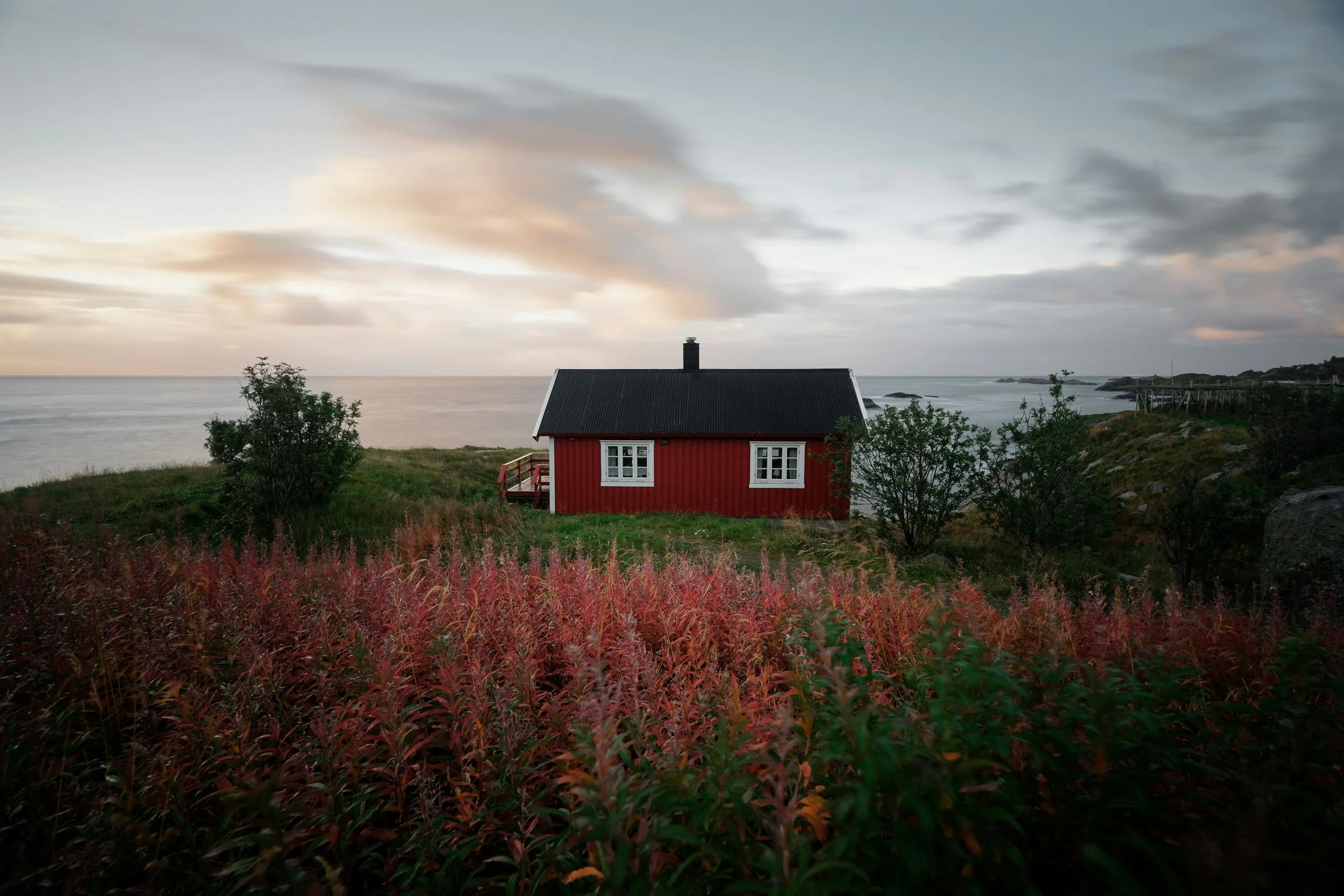
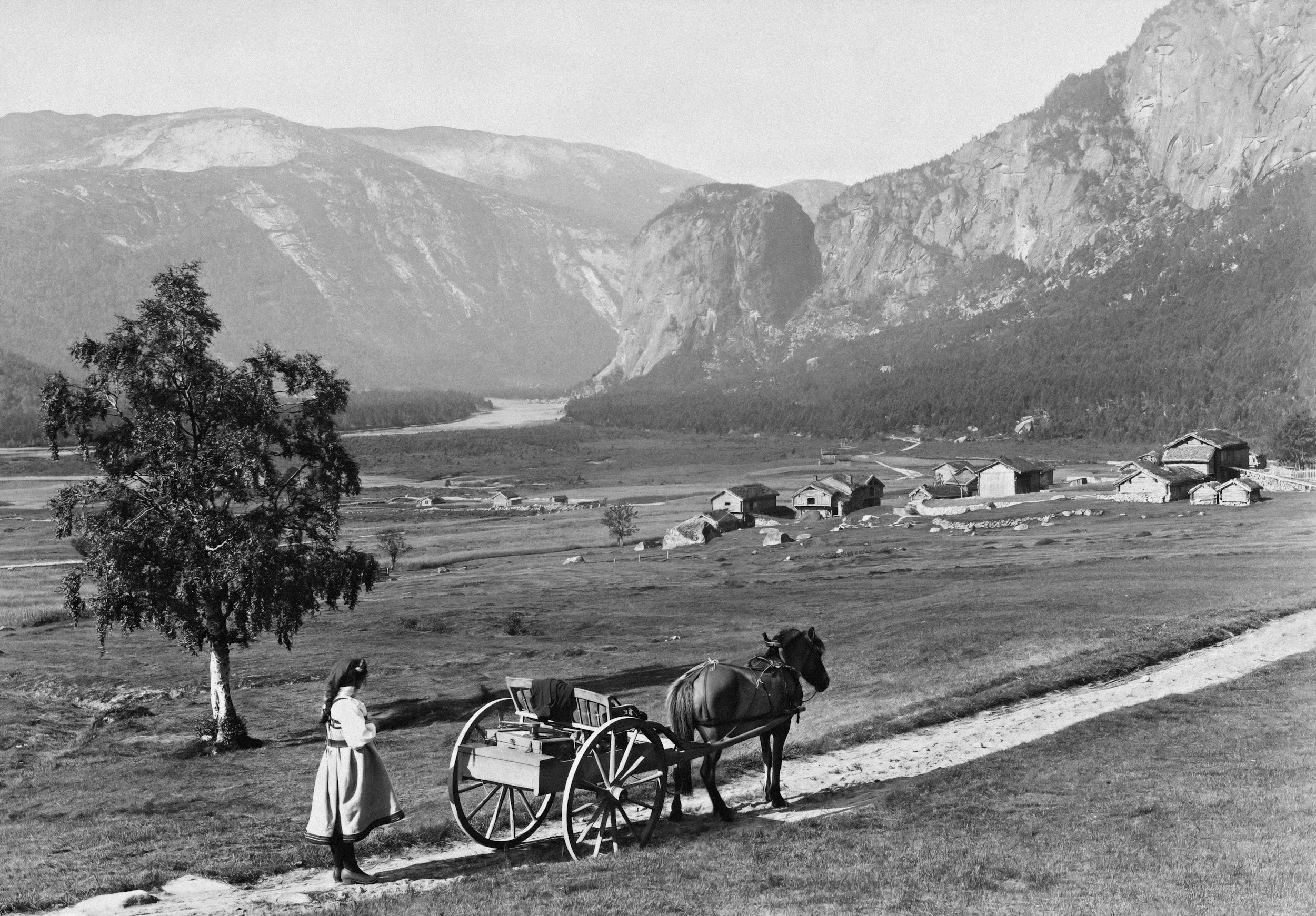
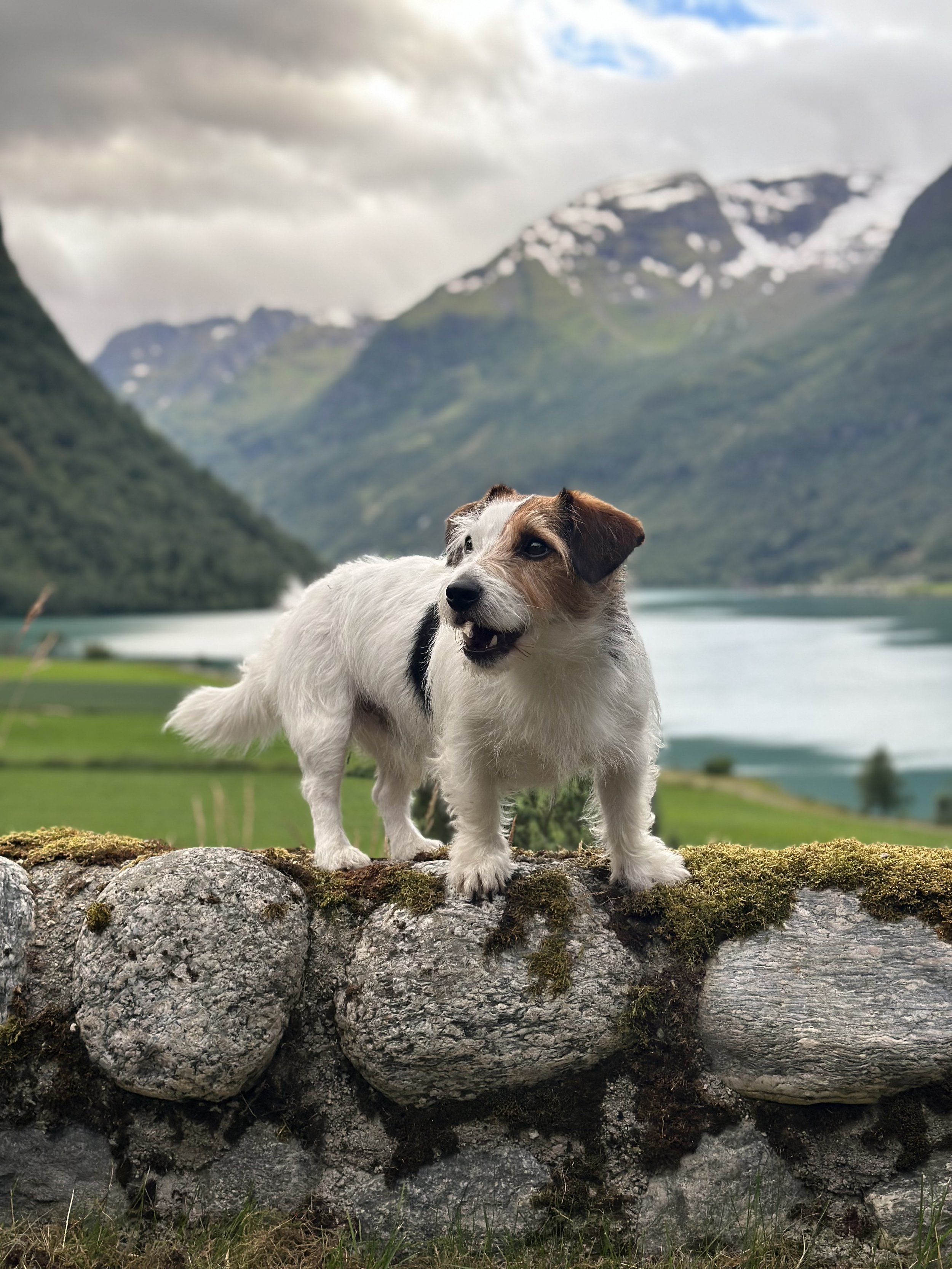
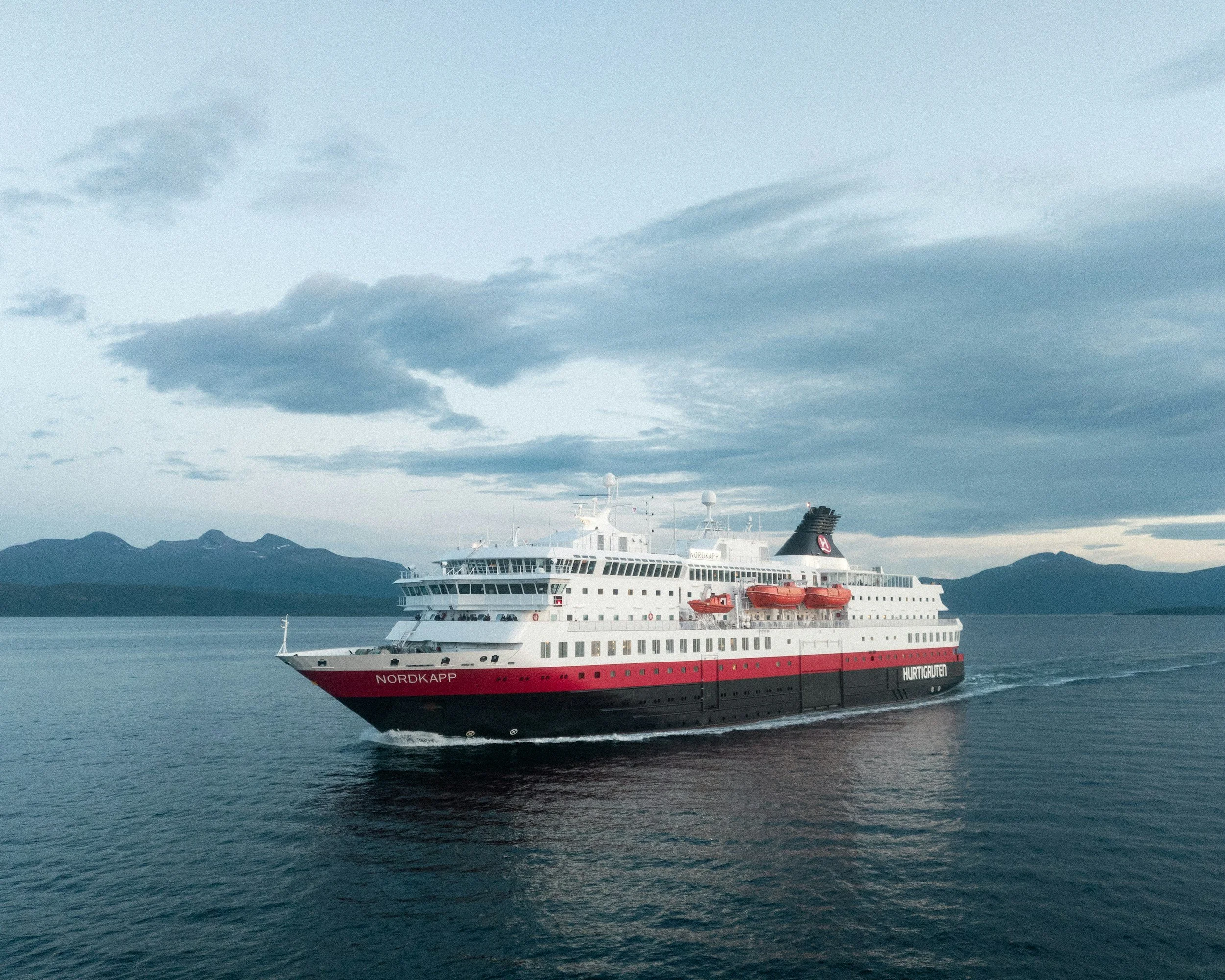
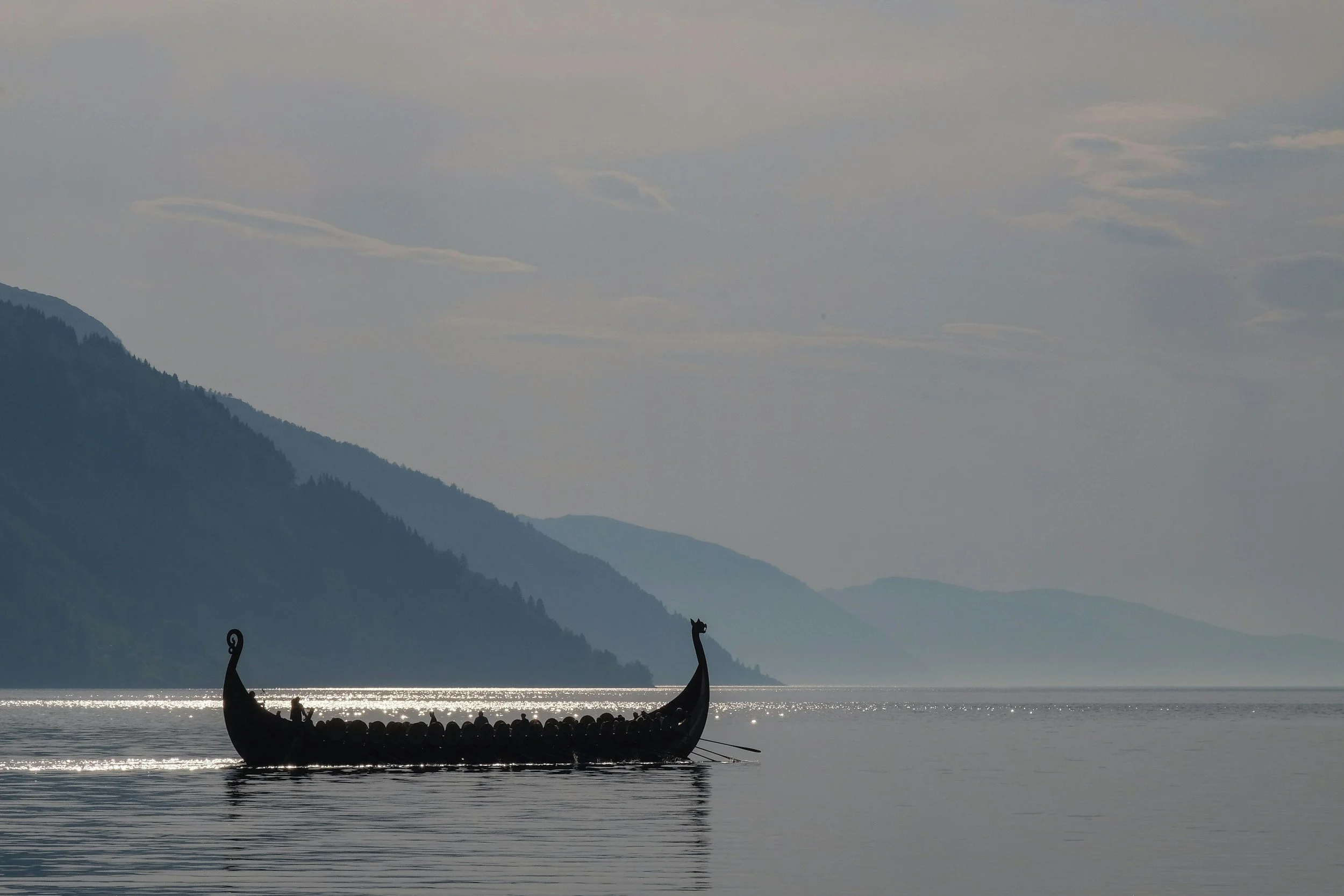
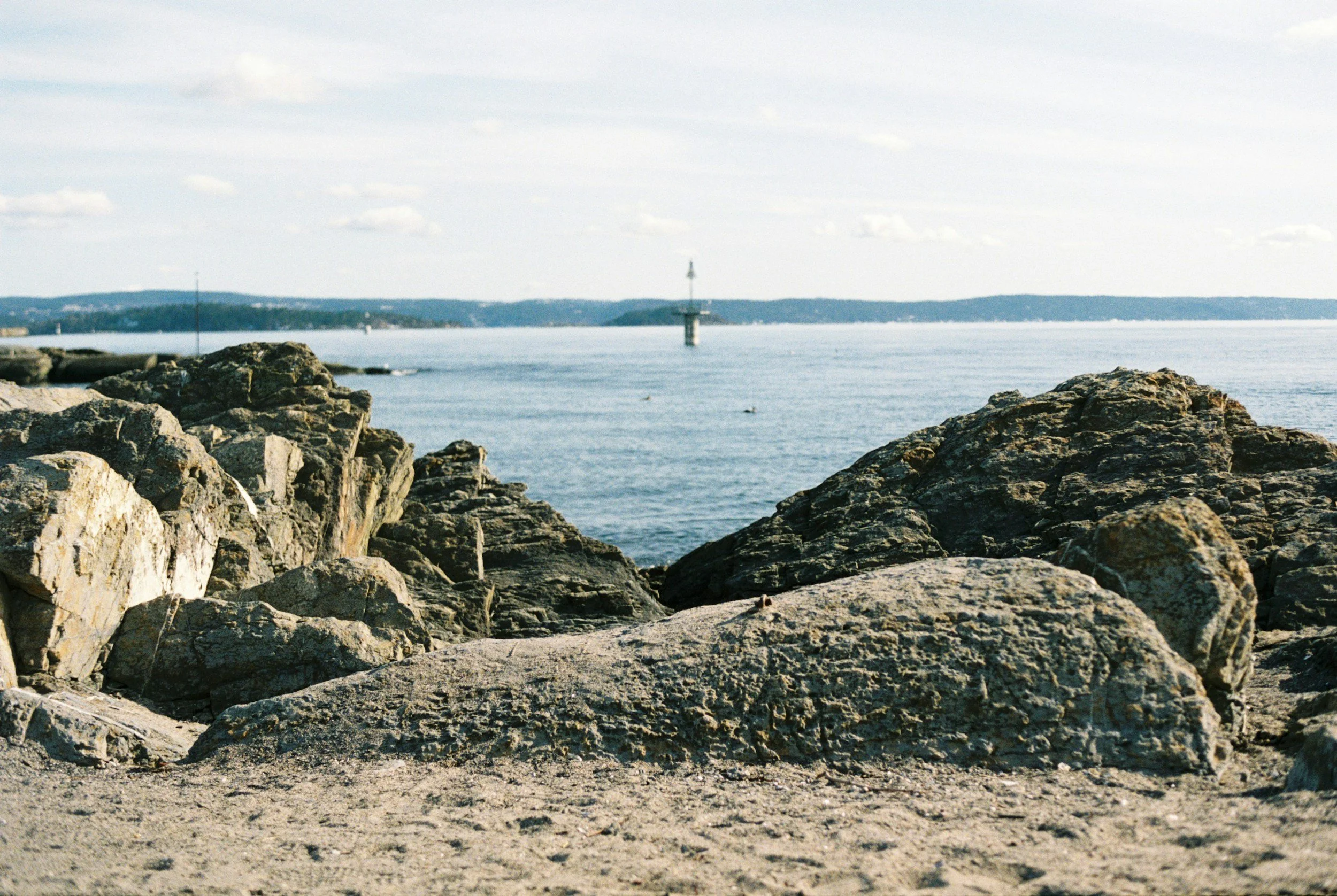
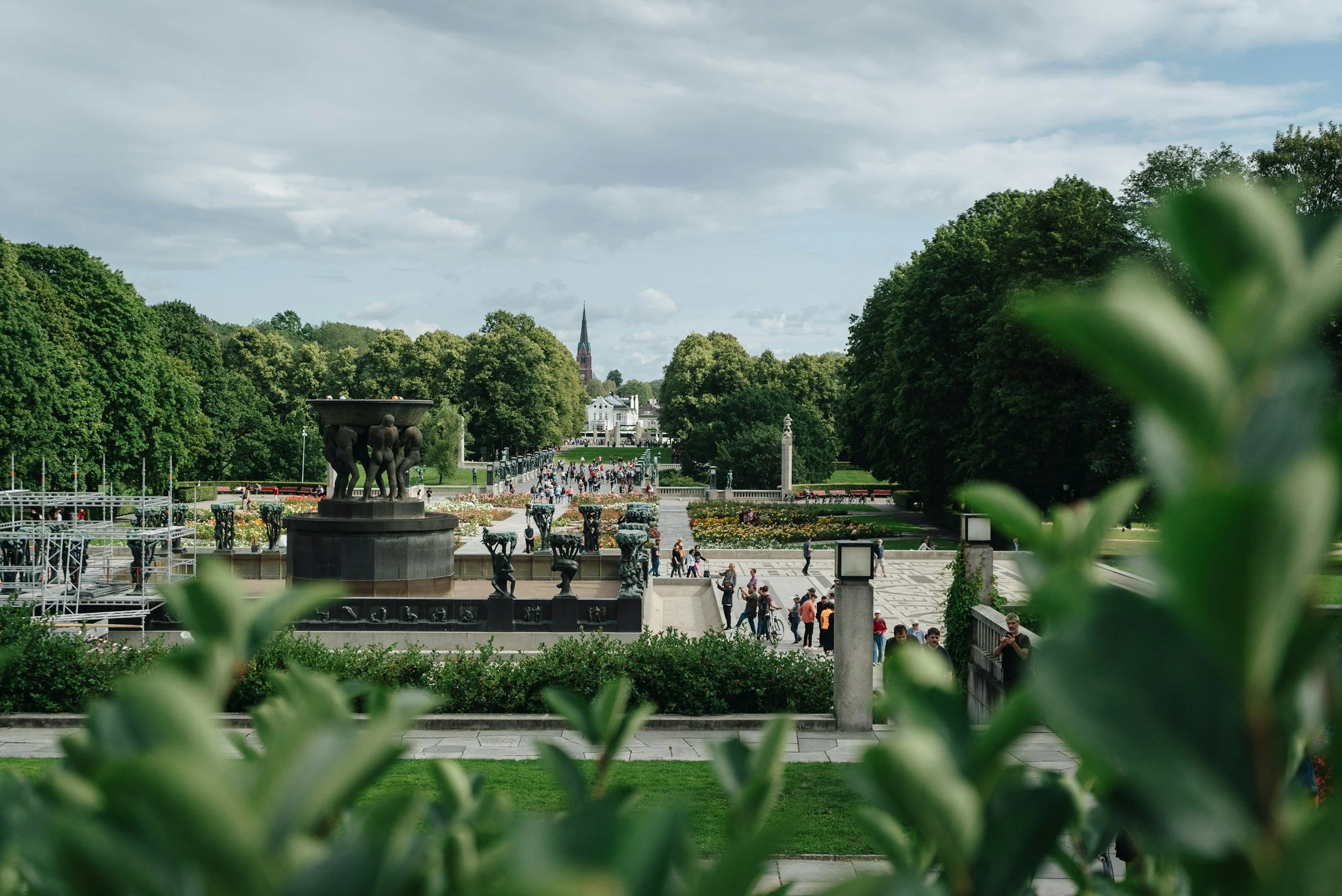
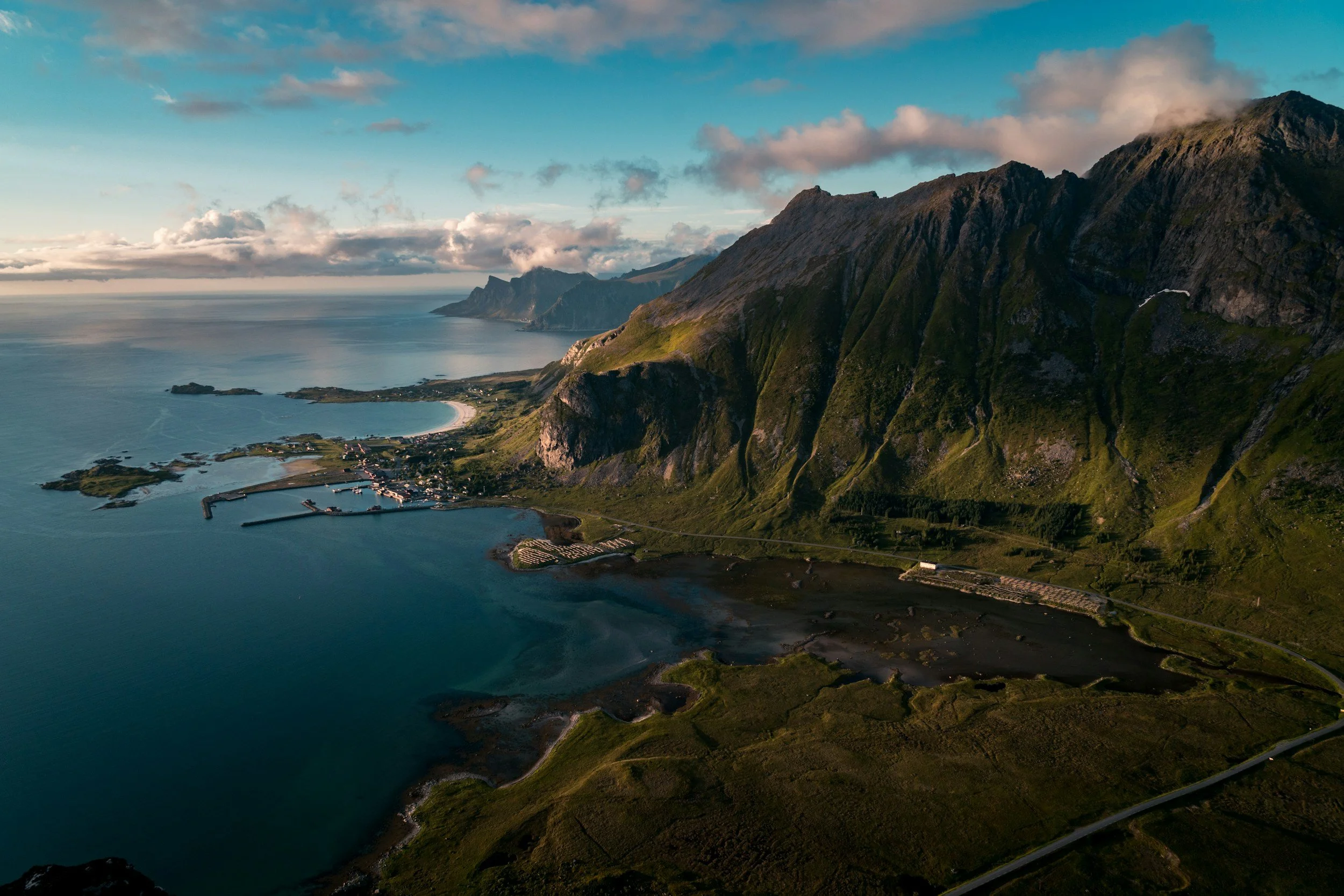
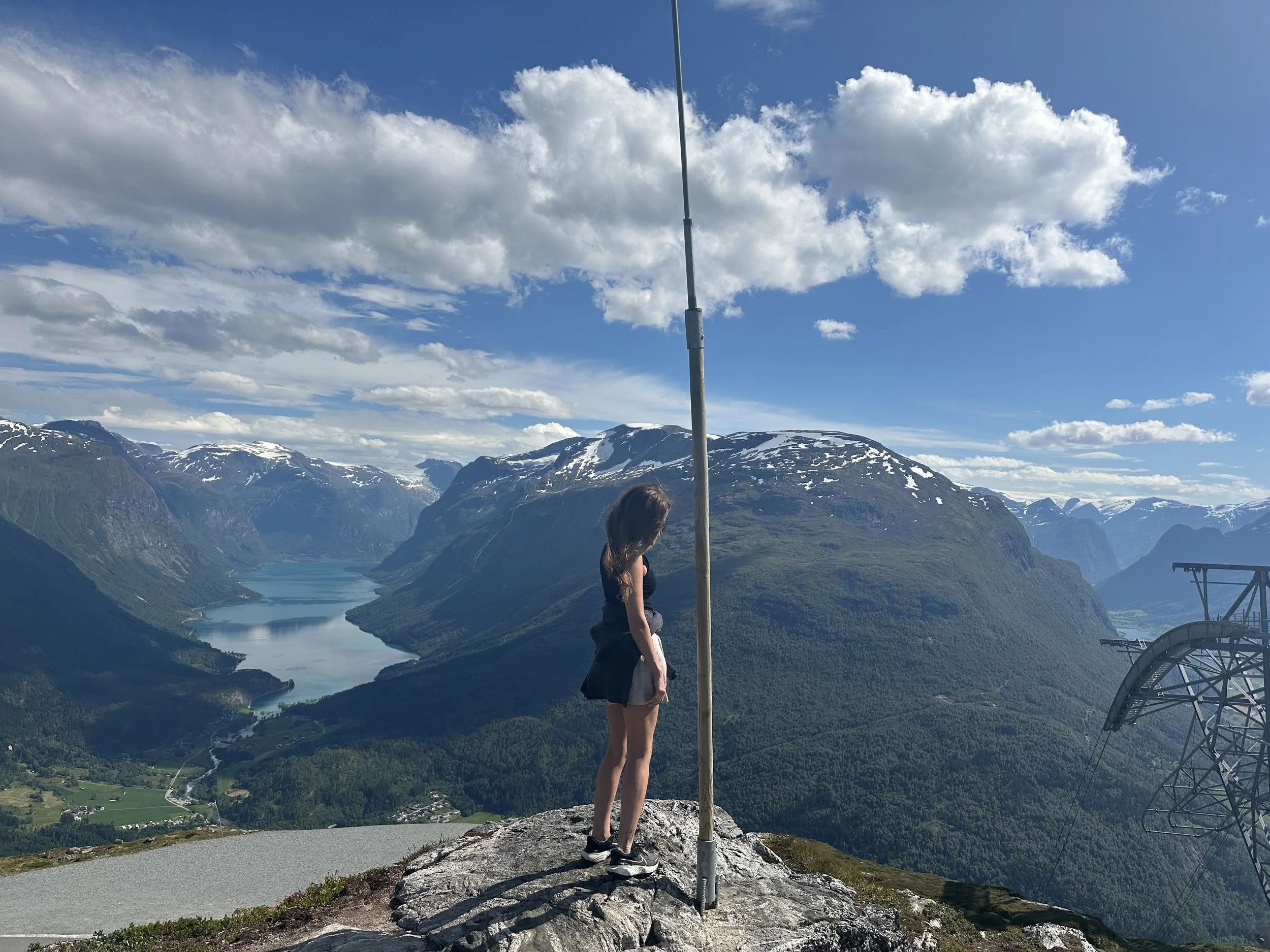
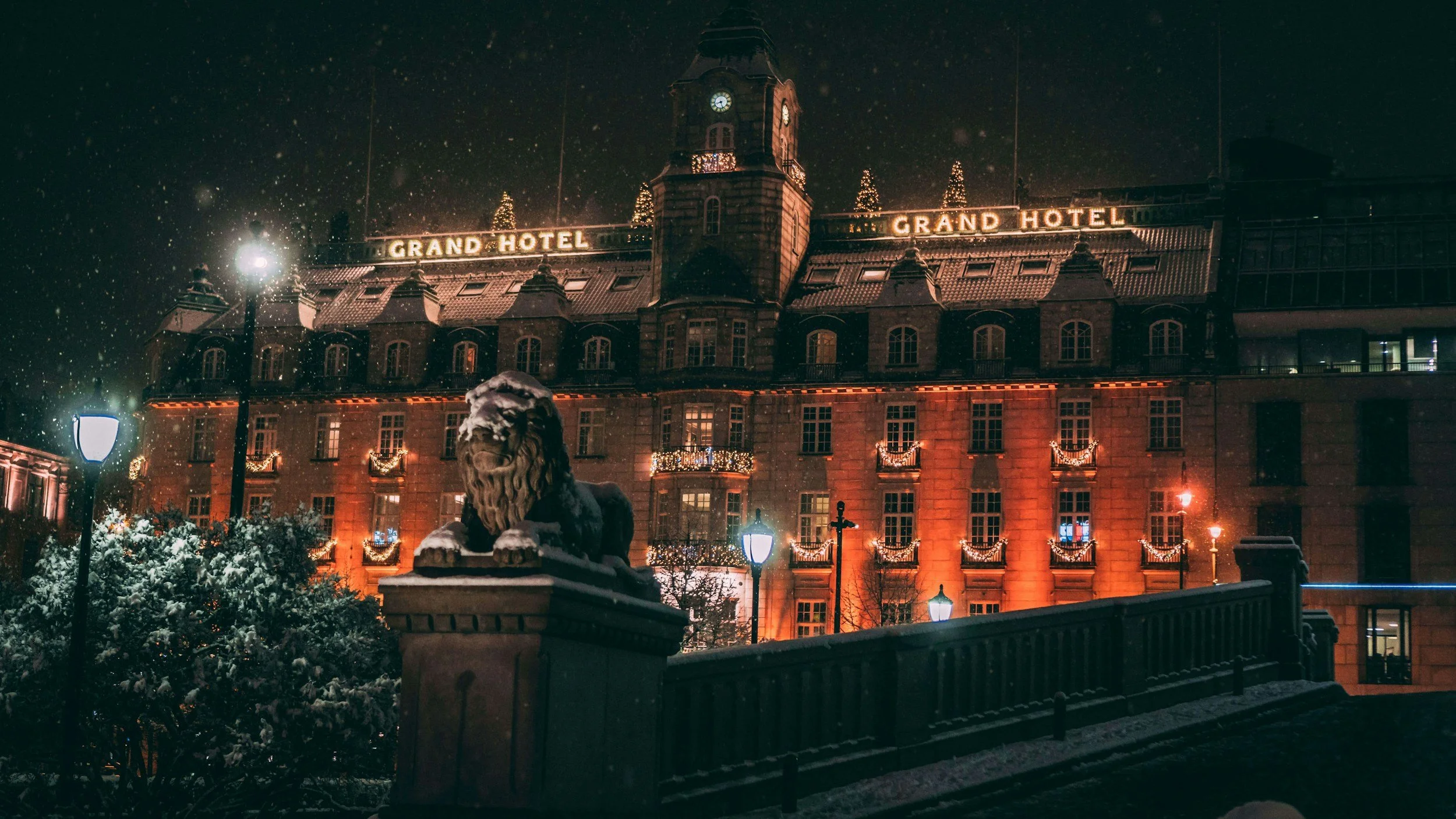

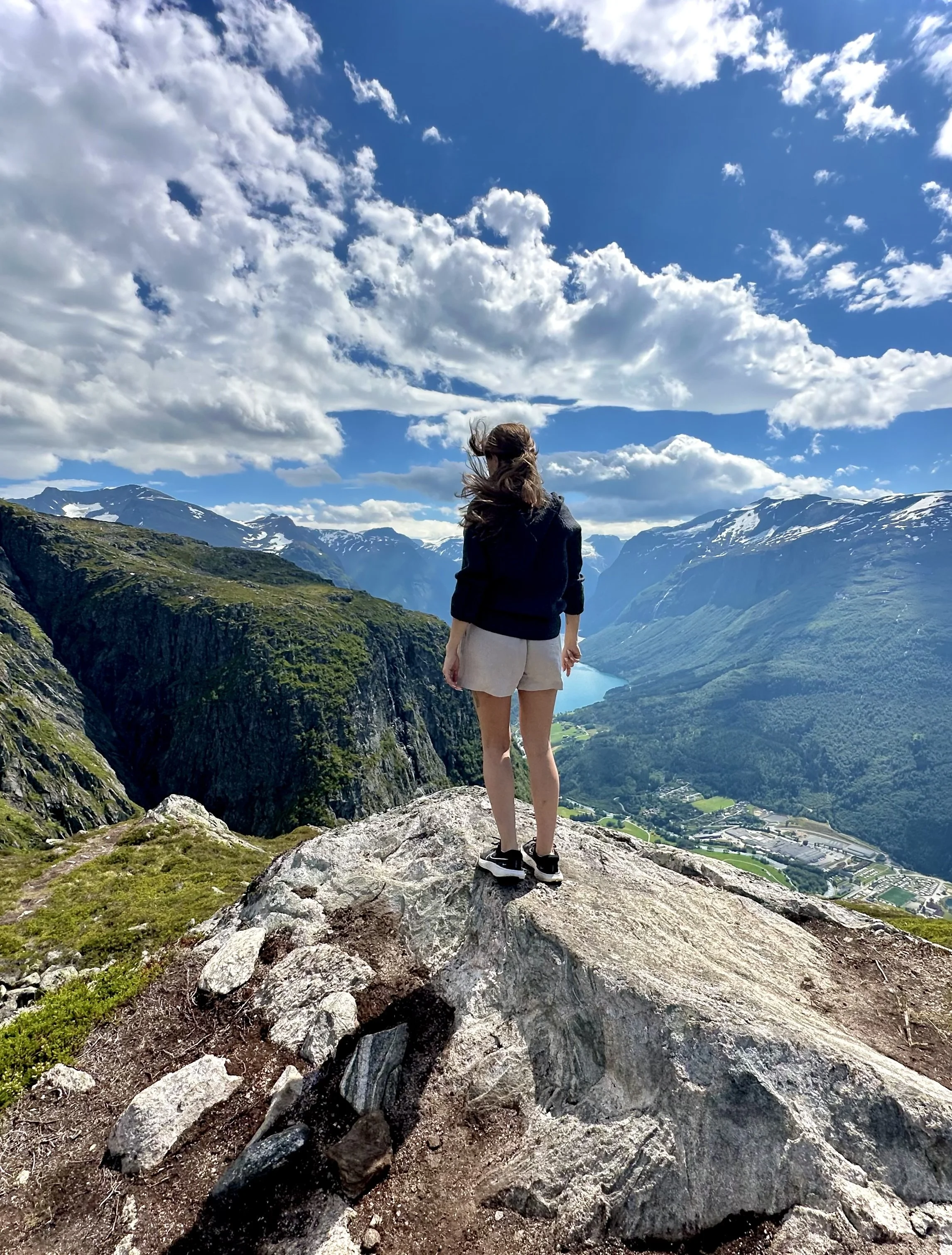
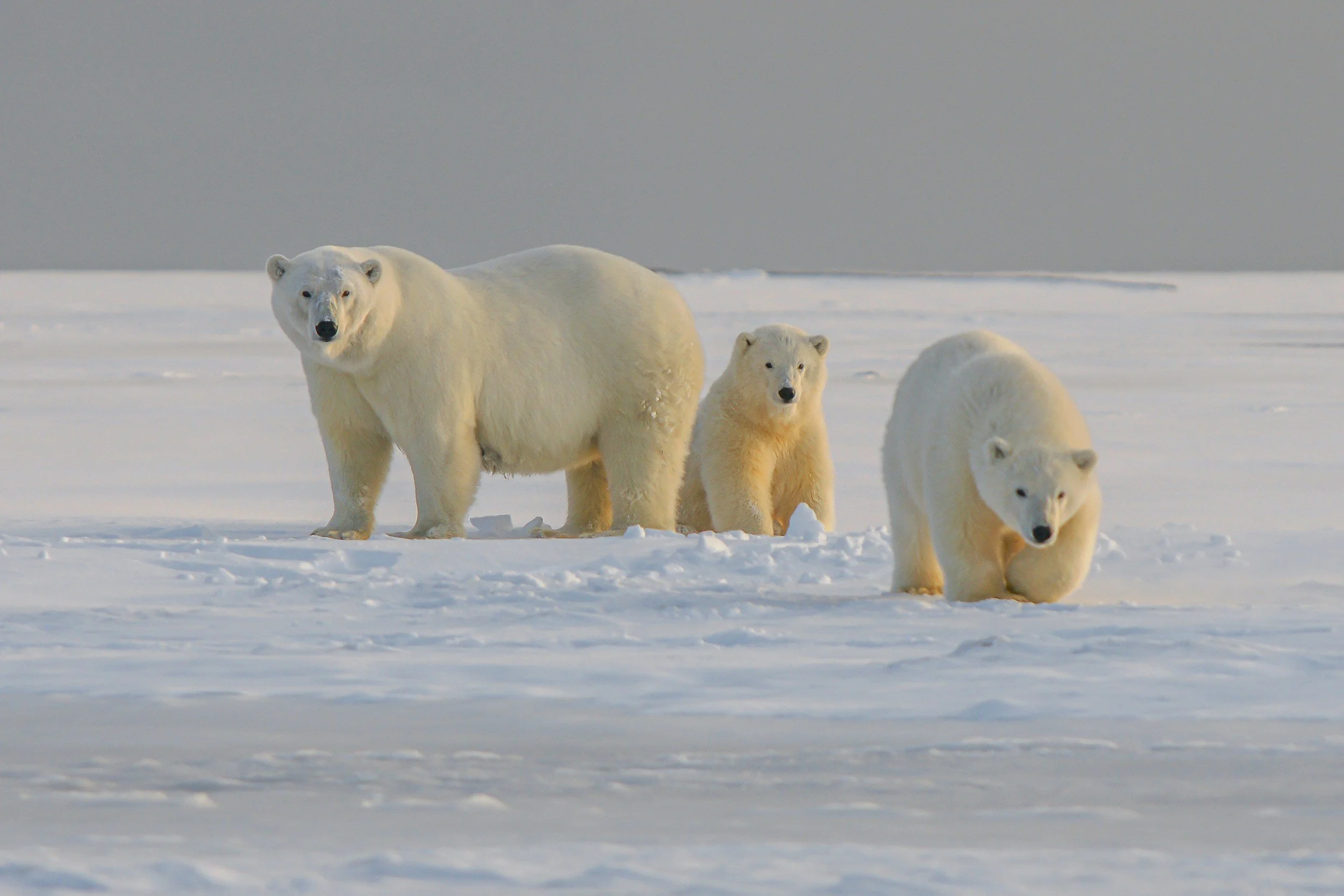
Everything you need to know about driving in Norway, from road rules, speed limits and fines to toll roads, ferries, tunnels, parking, EV charging, motorhomes, weather and road conditions.