
Norway Train Travel Guide: Routes, Tickets, Prices and Scenic Journeys
Norway's railways offer some of the most scenic train journeys in Europe. From mountain plateaus and deep valleys to Arctic landscapes and fjord connections, travelling by train allows visitors to experience the country at a slower pace while avoiding long hours behind the wheel.
At the same time, Norway's railway network is relatively limited compared to many other European countries. While trains connect several of Norway's largest cities and regions, they do not reach many of the fjords, islands and remote destinations that attract international visitors.
Understanding how Norway's rail system works is one of the keys to planning a realistic trip.
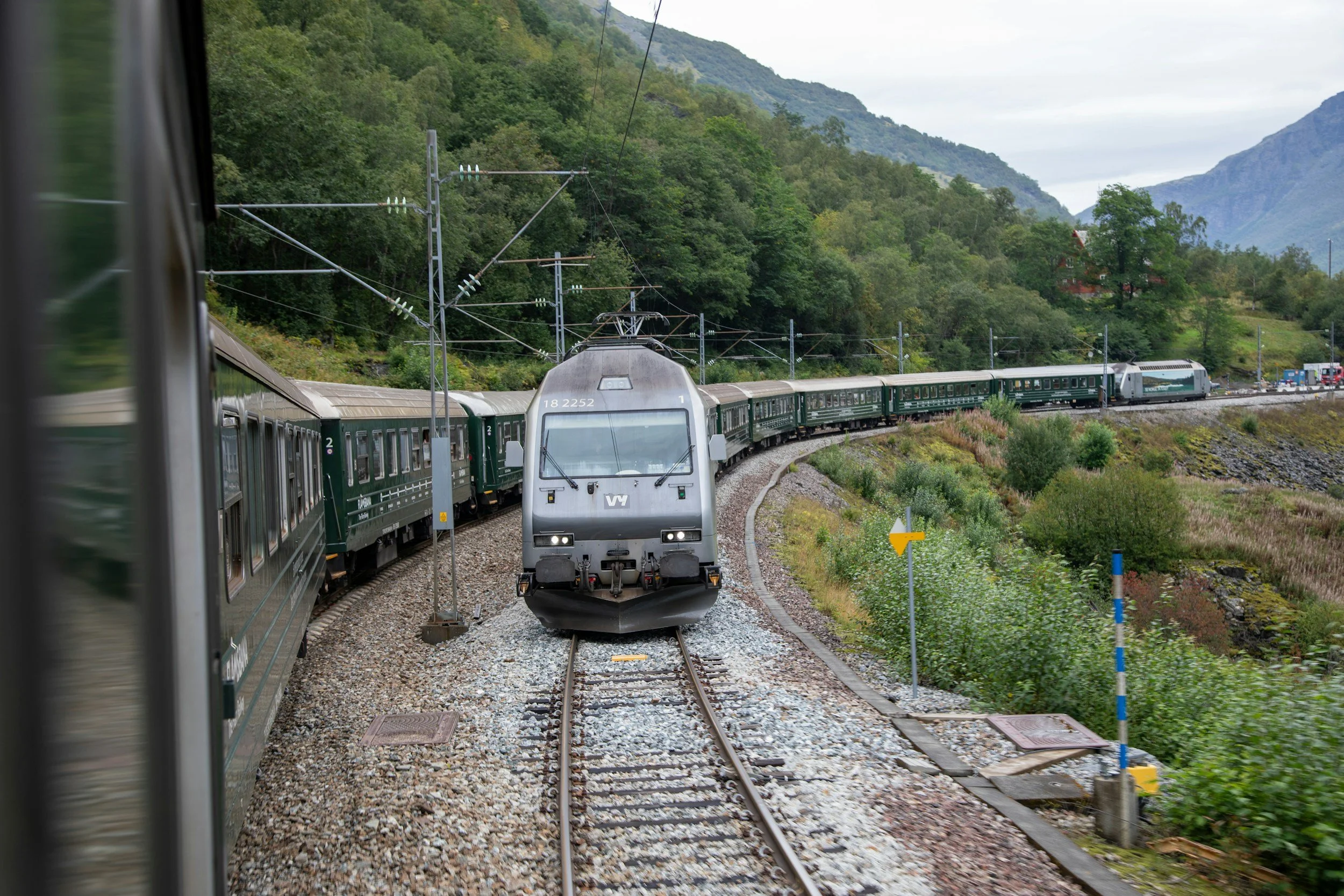
Is Norway Easy to Travel by Train?
The answer depends on where you want to go.
If your trip focuses on destinations such as Oslo, Bergen, Trondheim, Stavanger or Bodø, travelling by train is straightforward and comfortable.
However, many of Norway's most famous attractions lie beyond the railway network. Destinations such as Geirangerfjord, much of Lofoten and many smaller fjord villages require additional transport, often involving buses, ferries or domestic flights.
For most travellers, trains work best as one part of a wider transport strategy rather than the only way of getting around.
Where to Buy Train Tickets in Norway
There are three main ways to book train travel in Norway.
Entur
Entur is Norway's national journey planner and often the easiest starting point for visitors.
Unlike individual operators, Entur allows travellers to search journeys across trains, buses, ferries and local transport in a single system. This makes it particularly useful when planning trips that involve multiple forms of transport.
Vy
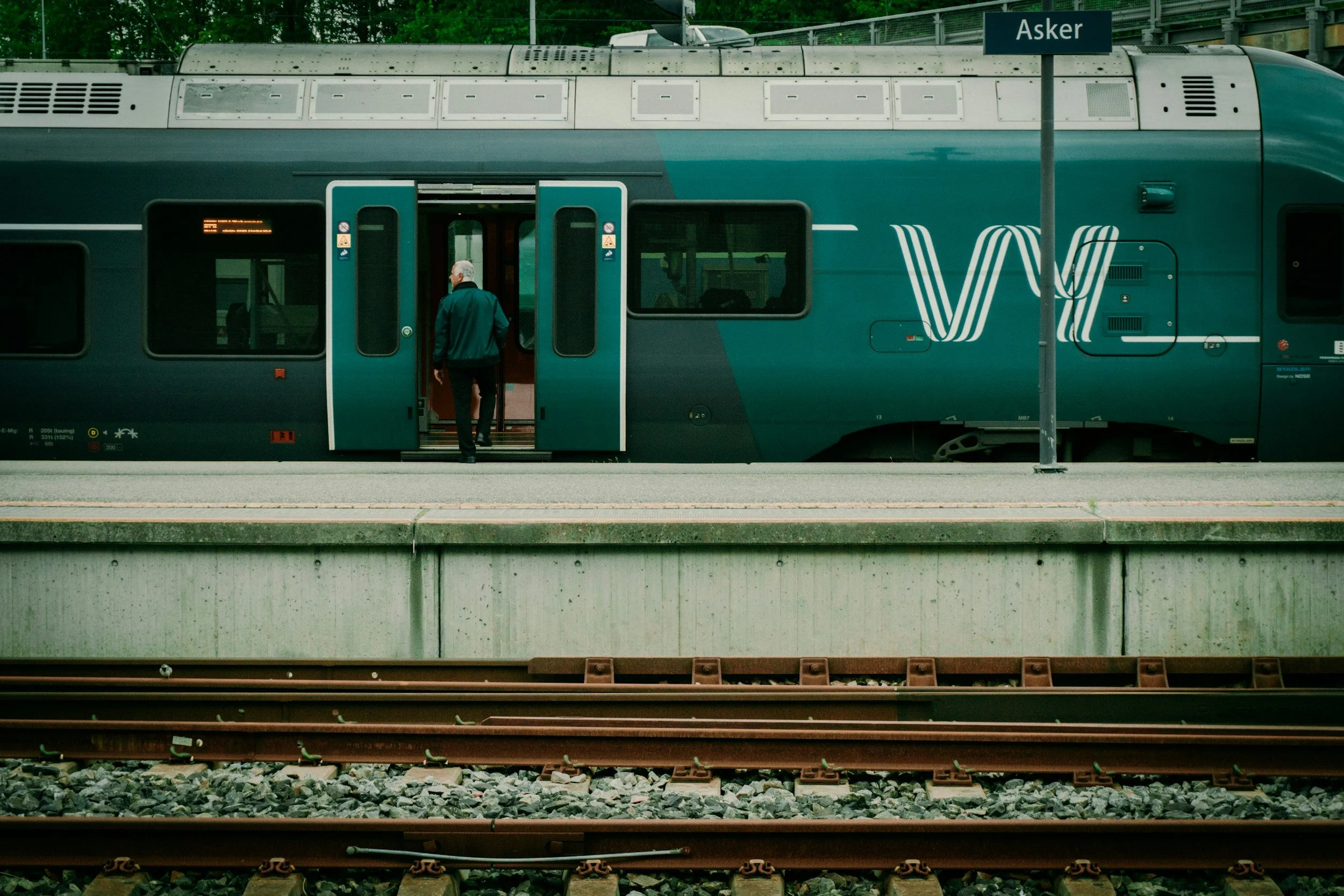
Vy is Norway's largest train operator and runs many of the country's most important routes, including the Bergen Railway and regional services around Oslo.
SJ Norge
SJ Norge operates several major routes, including services between Oslo and Trondheim and the Nordland Line between Trondheim and Bodø.
For most visitors, Entur is the simplest option for planning journeys, while tickets can often be purchased directly through the train operator as well.
Should You Book Train Tickets in Advance?
Yes, particularly during summer.
Norwegian train tickets generally operate using dynamic pricing, meaning cheaper tickets are often available when booked well in advance.
Popular routes can become significantly more expensive closer to departure, especially between June and August.
Advance booking is particularly recommended for:
Oslo to Bergen
Oslo to Trondheim
Trondheim to Bodø
Flåm Railway departures
Overnight trains
Booking several weeks or months ahead often results in noticeably lower fares.
How Much Does Train Travel Cost in Norway?
Prices vary depending on season, demand and flexibility.
The following examples represent typical advance-purchase fares rather than last-minute prices.
| Route | Typical Advance Fare |
|---|---|
| Oslo – Bergen | NOK 300–700 |
| Oslo – Trondheim | NOK 250–600 |
| Trondheim – Bodø | NOK 300–700 |
| Oslo – Stavanger | NOK 300–700 |
Flexible tickets and last-minute bookings can cost considerably more.
As with flights, early booking generally offers the best value.
Norway's Most Important Train Routes
Bergen Railway (Bergensbanen)
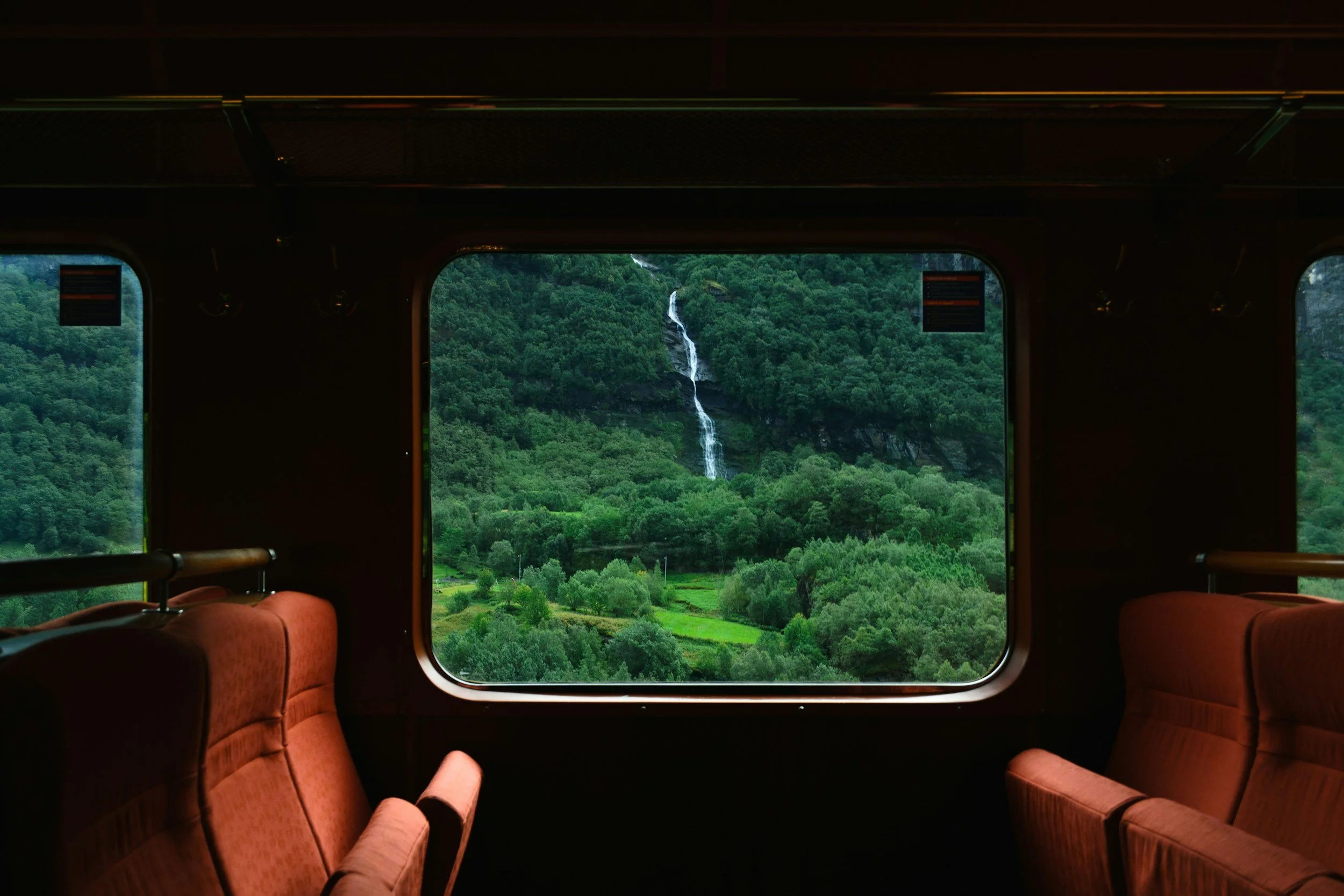
The Bergen Railway is widely regarded as one of Europe's most scenic train journeys.
Connecting Oslo and Bergen, the route crosses mountain plateaus, lakes, valleys and some of the highest railway terrain in Northern Europe.
Journey time is approximately 6.5 to 7 hours.
For many travellers, the railway itself becomes one of the highlights of their Norway trip.
Dovre Line (Dovrebanen)
The Dovre Line links Oslo and Trondheim through inland Norway.
Highlights include:
Gudbrandsdalen Valley
Dovrefjell National Park region
Traditional rural landscapes
Mountain scenery
Journey time is typically around 6.5 to 7 hours.
Nordland Line (Nordlandsbanen)
Running between Trondheim and Bodø, the Nordland Line is Norway's longest railway route.
The journey crosses the Arctic Circle and passes through remote forests, mountain landscapes and northern scenery rarely seen by international visitors.
Journey time is approximately 9 to 10 hours.
Sørland Line (Sørlandsbanen)
Connecting Oslo and Stavanger, the Sørland Line passes through southern Norway's forests, lakes and smaller communities.
While less famous internationally than the Bergen Railway, it provides a comfortable alternative for exploring southern Norway.
The Flåm Railway
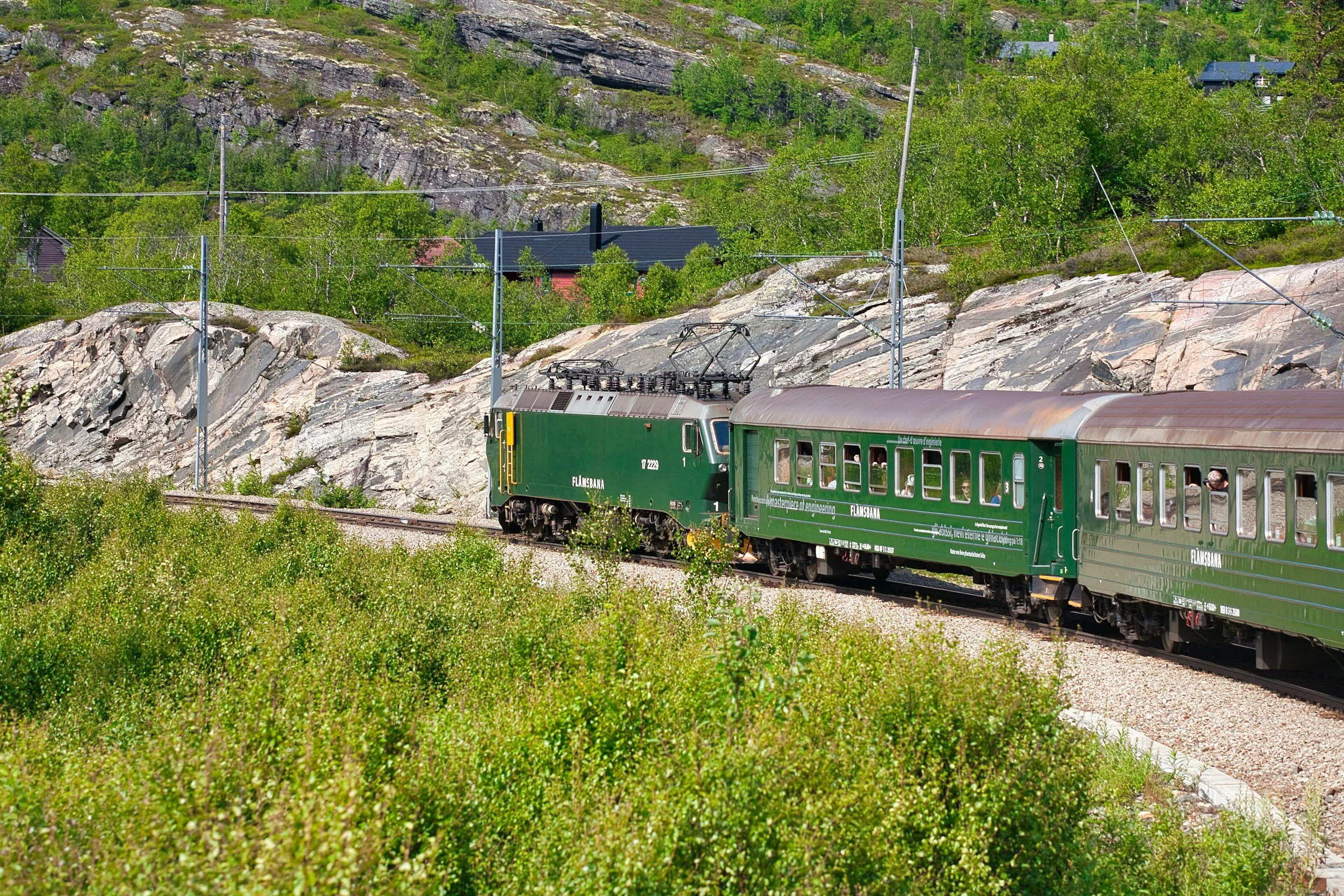
The Flåm Railway (Flåmsbana) is one of Norway's most famous rail experiences.
Running between Myrdal and Flåm, it descends through steep mountain landscapes, waterfalls and dramatic valleys before reaching the fjord.
Many visitors experience the Flåm Railway as part of the Norway in a Nutshell route, although it can also be booked independently.
Despite its popularity, it is important to understand that the Flåm Railway is a short scenic railway rather than a major transport route.
Can You Visit the Norwegian Fjords by Train?
Partly. This is one of the most common misconceptions visitors have when planning a trip to Norway. Many people assume trains travel directly along the fjords. In reality, most fjord destinations require a combination of transport methods.
| Destination | Direct Train Access |
|---|---|
| Bergen | Yes |
| Flåm | Yes (via Myrdal connection) |
| Sognefjord | Train and ferry combination |
| Hardangerfjord | Train and bus combination |
| Geirangerfjord | No direct train access |
| Lofoten | No direct train access |
For many travellers, combining trains with ferries is one of the most enjoyable ways to experience Norway.
Train Travel vs Driving in Norway
Both options have advantages.
Choose the Train If You:
Prefer not to drive
Want to enjoy the scenery without focusing on the road
Are travelling mainly between major cities
Plan to use public transport throughout your trip
Choose a Car If You:
Want maximum flexibility
Plan to explore fjord regions extensively
Want access to remote viewpoints and hiking trails
Prefer travelling at your own pace
For many visitors, the ideal solution is a combination of both.
A common approach is to use trains between major cities and rent a car for part of the journey in the fjord regions.
Is a Eurail Pass Worth It in Norway?
For many visitors, individual tickets offer better value.
A Eurail Pass may make sense if:
You are taking multiple long-distance rail journeys
You are travelling through several European countries
You value flexibility over finding the cheapest fares
However, travellers focusing solely on Norway often find that advance-purchase tickets cost less than a rail pass.
Always compare expected ticket costs before purchasing a pass.
Practical Tips for Train Travel in Norway
Book early during the summer.
Reserve seats on popular departures.
Download tickets to your phone before travelling.
Bring food and drinks for longer journeys.
Expect slower travel times than in many parts of continental Europe.
Allow extra flexibility during winter when weather can occasionally affect transport networks.
Use trains as part of a wider transport plan rather than assuming they reach every destination.
Final Words
Train travel offers one of the most relaxing ways to experience Norway's landscapes. Routes such as the Bergen Railway, Dovre Line and Nordland Line showcase some of the country's most impressive scenery while avoiding the challenges of long-distance driving.
However, successful Norway itineraries rarely rely on trains alone. The country's geography means that ferries, buses, boats and occasional flights often complement rail travel. Understanding these connections will help you plan a more realistic trip and make the most of everything Norway has to offer.