
Winter Travel in Norway: Where to Go and What to Expect
Planning a winter trip to Norway can mean anything from chasing the Northern Lights in Tromsø to skiing in Hemsedal, exploring snowy Røros or experiencing the fjords from Bergen. This guide compares Norway’s main winter destinations, explains how winter differs across the country and helps you choose the experience that best suits the way you want to travel.
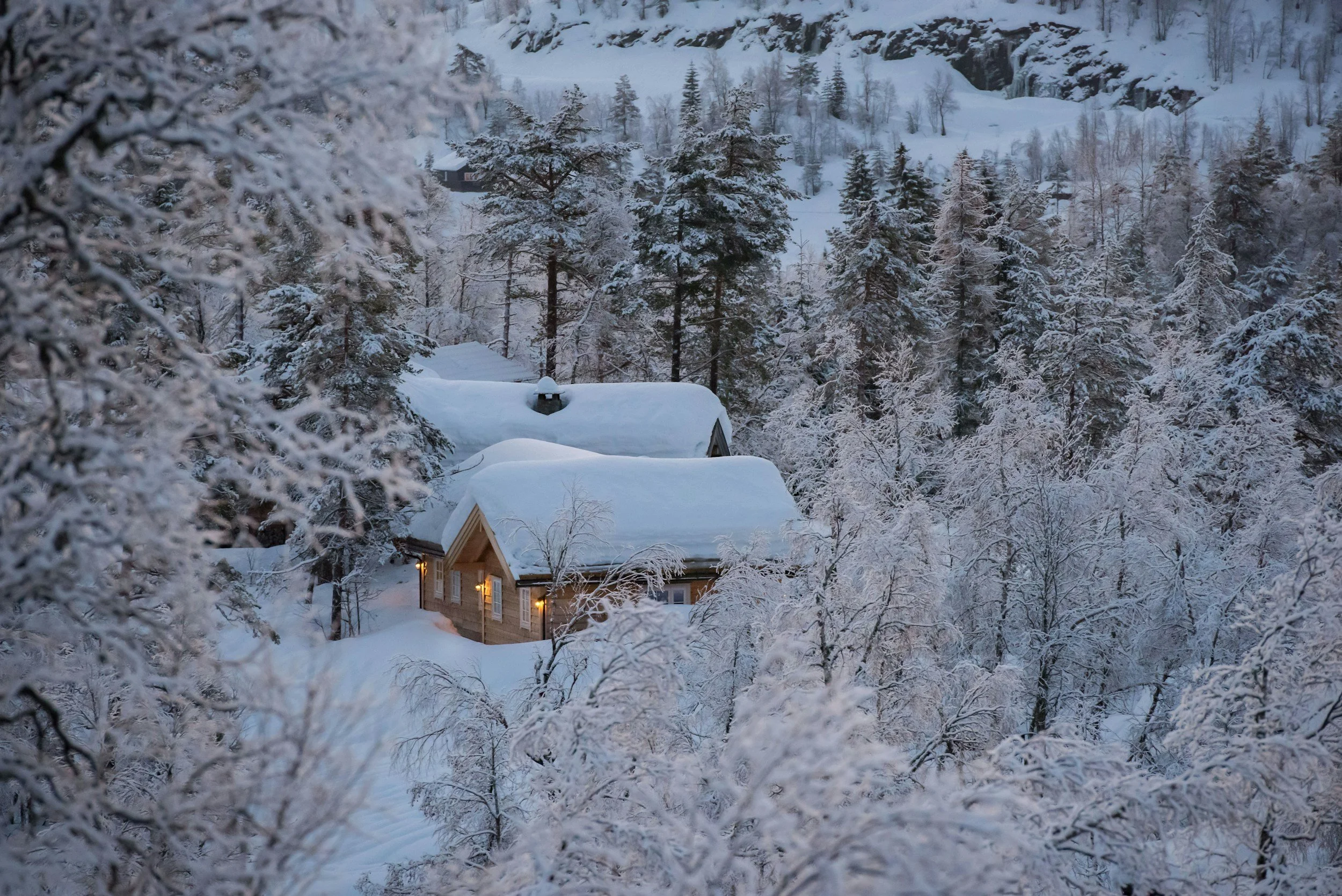
A traditional Norwegian winter cabin surrounded by snow-covered forest, capturing the quiet charm of hyttekultur and the slower rhythm of winter life in Norway.
Winter in Norway is not one single experience. How it feels, where people travel and what they do depends greatly on who is travelling and what they want from the season.
For many international visitors, winter in Norway means the far north. Northern Lights, Arctic landscapes, snow-covered mountains and experiences that feel very different from everyday life are often the main reasons for coming. Destinations such as Tromsø, Lofoten and Svalbard have come to define much of the international image of Norway in winter.
For many Norwegians, winter travel often looks quite different.
Rather than travelling north in search of the Arctic, many of us head inland towards the mountains. Winter weekends and holidays are often centred around skiing, cabins and familiar places that families return to year after year. The same ski trails, the same mountain communities and sometimes the same cabin become part of a seasonal rhythm shaped by snow conditions, daylight and time outdoors rather than sightseeing.
Neither version of winter Norway is more authentic than the other. They simply reflect different relationships with the season. Visitors may come north to experience the Northern Lights, polar landscapes and Arctic activities for the first time, while Norwegians are often returning to places and traditions that have been part of winter life for generations.
Understanding that difference is useful when deciding where to travel. Norway offers everything from Arctic cities and remote islands to mountain ski destinations, coastal voyages and winter city breaks, and the best choice depends less on finding the single “best” winter destination than on deciding what kind of winter you actually want to experience.
How Norwegians Travel in Winter:
Skiing, Cabins and Everyday Outdoor Life
In Norway, winter travel is closely tied to skiing, cabins and time outdoors. For many of us, a winter weekend can be as simple as packing the car on Friday afternoon, driving towards the mountains and spending the next few days outside. Cross-country skiing, downhill skiing and long days in the snow are not necessarily treated as special holiday activities. They are part of a winter routine that many people grow up with and return to year after year.
Cabins, or hytter, are central to this way of travelling. Some families own a cabin that has been used for generations, while others rent one for a weekend or holiday. The idea is usually much the same: a comfortable base close to nature where the days revolve around snow conditions, daylight and whatever you feel like doing outside. Evenings tend to be slower, with simple meals, warm interiors and time spent together after coming in from the cold.
This is also why cabin culture is about much more than accommodation. The cabin itself becomes part of the rhythm of the trip, and the contrast between spending hours outside in winter conditions and returning somewhere warm is a large part of the appeal. Norwegian Cabin Culture: Understanding Norway’s Love Affair with Hytter looks more closely at why cabins have such an important place in Norwegian life and how the tradition developed.
The same is true of skiing and outdoor life more generally. Norway’s winter culture is closely connected to friluftsliv, the idea that spending time outdoors is valuable in itself rather than something that always needs to have a particular goal. You can read more about that relationship with nature in Norwegian Outdoor Culture.
Visitors can experience this style of winter travel surprisingly easily. Cabins are available to rent throughout the country, and most established mountain destinations also have hotels, apartments and full ski resorts. You do not need access to a private family cabin to spend a few days skiing, cooking simple meals and settling into the slower rhythm that characterises many Norwegian winter trips.
Transport does require a little more thought. A car gives you the greatest flexibility for many mountain destinations, particularly when cabins and ski areas are outside town centres. Winter driving also brings snow, ice, changing road conditions and specific tyre requirements. For practical preparation, Driving in Norway in Winter: Laws, Tyres, Road Conditions and What Travellers Must Know covers what you need to know before getting behind the wheel.
A car is not always necessary, however. Places such as Geilo and Finse are directly connected to the railway network, and some other winter destinations can also be reached by a combination of train and local transport. Norway Train Travel Guide is useful if you would rather build part of your winter itinerary around rail travel instead.
This cabin and ski-oriented way of travelling helps explain why the places Norwegians return to each winter can look very different from the destinations that dominate the international image of Norway. For many of us, winter travel is less about seeking out something extraordinary and more about returning to familiar landscapes, familiar routines and a way of spending time that belongs specifically to the season.
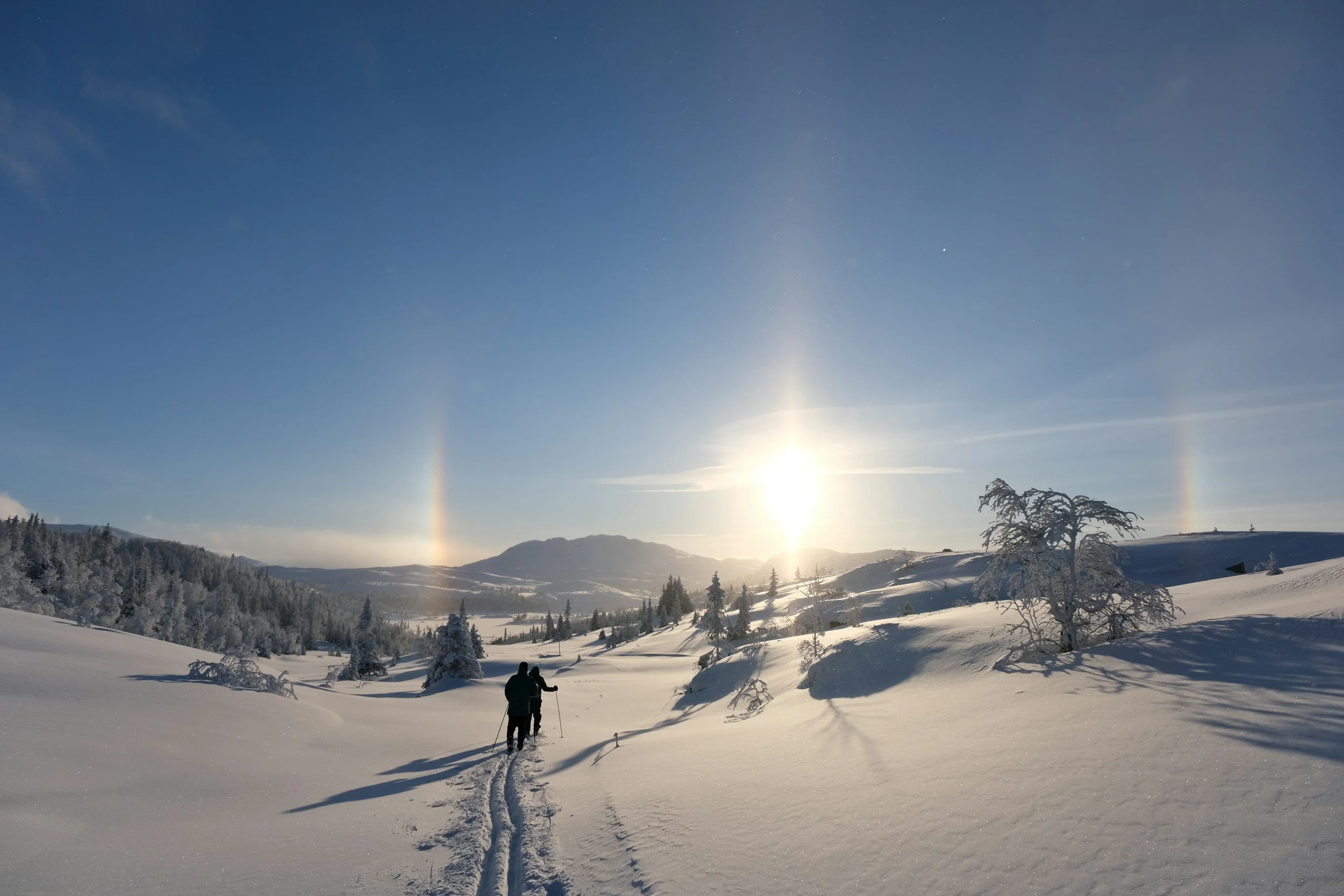
Cross-country skiing across open mountain landscapes is a central part of Norwegian winter culture, offering quiet, nature-based experiences far from busy resorts.
Winter Destinations Popular with International Travellers
While many Norwegians travel inland towards the mountains in winter, international visitors are often drawn in the opposite direction. Northern Lights, Arctic landscapes, snow-covered coastlines and the experience of life above the Arctic Circle have become central to the international image of winter in Norway.
Northern Norway offers several very different versions of that experience. Tromsø combines Arctic nature with a lively city, Lofoten is shaped by fishing communities, mountains and the sea, while places such as Kirkenes and Svalbard take you into increasingly remote northern landscapes. Choosing between them is less about which destination is the most dramatic and more about what kind of Arctic winter you want.
Tromsø: Northern Lights, Arctic Winter and Everyday City Life
Tromsø lies well north of the Arctic Circle, surrounded by fjords, islands and mountains, yet it is also a lively university city with restaurants, museums, cafés, concerts and an active local community. That combination is one of the main reasons Tromsø works so well for a first winter trip to Northern Norway. You can spend much of the day outside in an Arctic landscape and still return to the comfort and variety of a proper city in the evening.
The Northern Lights are naturally one of the biggest reasons people come. The aurora can normally be seen in the Tromsø region from late August until early April when the sky is dark and clear enough, although sightings are never guaranteed. Tromsø lies beneath the auroral oval, but weather matters enormously, which is why many organised tours travel away from the city in search of clearer skies.
If seeing the aurora is one of the main reasons for your trip, When (and Where) to See the Northern Lights in Norway explains the season in more detail, including where to go and what actually affects your chances of seeing them.
Winter in Tromsø also changes considerably depending on the month. The Polar Night lasts from roughly late November until the middle of January, when the sun remains below the horizon. This does not mean complete darkness throughout the day. Around midday there are hours of blue, pink and purple twilight, and snow reflects what little light there is across the city and surrounding landscape.
From the middle of January the light begins to return, and February and March can be particularly attractive months for a first Arctic winter trip. There is considerably more daylight for seeing the landscape and doing outdoor activities, while the evenings are still dark enough for Northern Lights. Snow conditions are also well established by this point in the winter.
There is much more to do than wait for the aurora. Dog sledding, reindeer experiences, snowshoeing and trips into the surrounding fjords and mountains are all part of the winter season. Whale watching is another important reason some visitors travel north, although this has a much shorter season than the Northern Lights. Around Tromsø, whale watching usually takes place from November through January, sometimes extending into early February, as the whales follow herring through the northern fjords.
If whales are an important part of your trip, Whale Watching in Norway: Where, When and Which Species You Can See explains how the season and species vary around the country rather than assuming that whale watching is available throughout the entire Norwegian winter.
What I think makes Tromsø particularly appealing is that you do not have to choose between an Arctic experience and ordinary city life. After several hours outside, you can return to restaurants, museums, cafés and cultural events rather than remaining at an isolated resort. The city itself is part of the experience, especially during the Polar Night, when everyday routines continue beneath a completely different pattern of light.
For a broader look at what to see, where to go and how to plan your time in the city and surrounding region, Tromsø Travel Guide: What to See, When to Go and What to Do goes much deeper into the destination.
Tromsø is therefore one of the strongest choices for travellers who want their first experience of Arctic Norway to include both nature and city life. December and January offer the deepest Polar Night atmosphere, while February and March provide a particularly good balance of snow, winter activities, returning daylight and dark evenings for the Northern Lights.
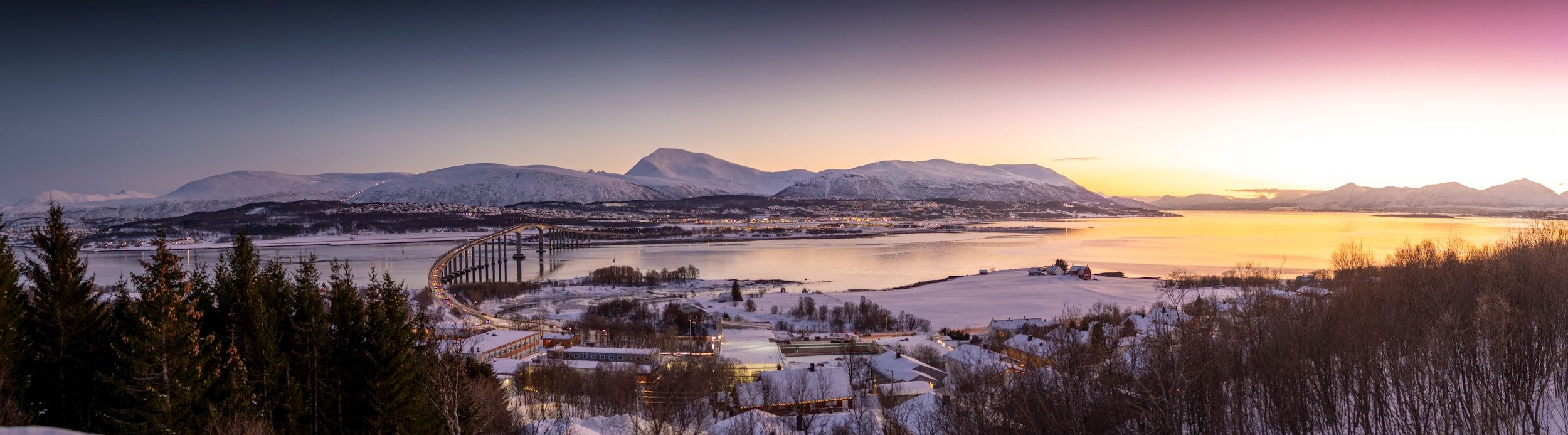
Tromsø in winter combines Arctic landscapes with city life, where fjords, bridges and snow-covered mountains frame one of Northern Norway’s most vibrant winter destinations.
Lofoten: Snowy Mountains, Sea and Winter Fishing
Lofoten is an archipelago off Norway’s northwestern coast, famous for steep mountains rising directly from the sea, fishing villages, white beaches and a landscape that feels dramatic in almost every direction. Winter changes the islands considerably. The roads and villages become quieter, the light becomes softer and more atmospheric, and the landscape can shift between snow, wind, clear skies and fast-moving coastal weather within the same day.
Winter in Lofoten is often described through scenery and the Northern Lights, but that only tells part of the story. This is also the season around which much of Lofoten’s history was built. From January to April, skrei, the migratory Northeast Arctic cod, returns from the Barents Sea to spawn in the waters around the islands. The annual Lofotfiske has supported communities here for centuries, and winter visitors will often see cod hanging from large wooden drying racks, known as hjell, around the fishing villages. This is not a historical display created for tourism. It is still a working fishing season and an important part of life in Lofoten today.
The different winter months also feel quite different. December brings the darkest part of the season and the long blue twilight associated with the Polar Night. By January the light begins returning quickly, while February and March usually offer a stronger combination of snow, longer daylight and active winter fishing. By March, the days are significantly longer, while the skrei season is still underway.
The Northern Lights can be visible from late summer into early spring when the sky is dark and clear enough. Lofoten has relatively little light pollution, so it is possible to see the aurora even close to some villages, although coastal weather can change quickly and nothing is guaranteed on a particular night.
Days here are generally slower than in Tromsø. You might drive between fishing villages, photograph the changing light, visit a museum connected to Lofoten’s fishing culture, take a short winter walk or simply spend time watching the weather move across the sea. If you want to understand the skrei fishery more deeply, the SKREI centre at Storvågan near Kabelvåg brings together exhibitions and museums connected to the fishing heritage of the islands.
A rorbu, one of the traditional fishermen’s cabins built close to the water, is also particularly atmospheric in winter. Many have been converted into comfortable accommodation, but their location beside the harbour still reflects the fishing economy that shaped the villages in the first place.
Winter travel in Lofoten does require more patience than a city-based Arctic trip. Roads are narrow in places, weather changes quickly and snow, wind and ice can make driving demanding even for people accustomed to winter conditions. If you are not comfortable driving on Norwegian winter roads, it is worth considering buses, transfers or organised excursions rather than assuming a rental car will automatically make the trip easier.
Lofoten is therefore a particularly strong choice if you are drawn to dramatic coastal scenery, photography, fishing culture and a slower kind of Arctic winter. It is less suited to travellers who want a dense programme of organised activities or completely predictable logistics.
If you are deciding between Norway’s two best-known Arctic destinations, Lofoten vs Tromsø: Which Is Better for Your Trip? compares the two more directly, including the differences in scenery, activities, atmosphere and travel logistics.
For a deeper look at the islands themselves, including where to stay, what to see and how to plan your route, Lofoten Travel Guide covers the destination in much more detail.
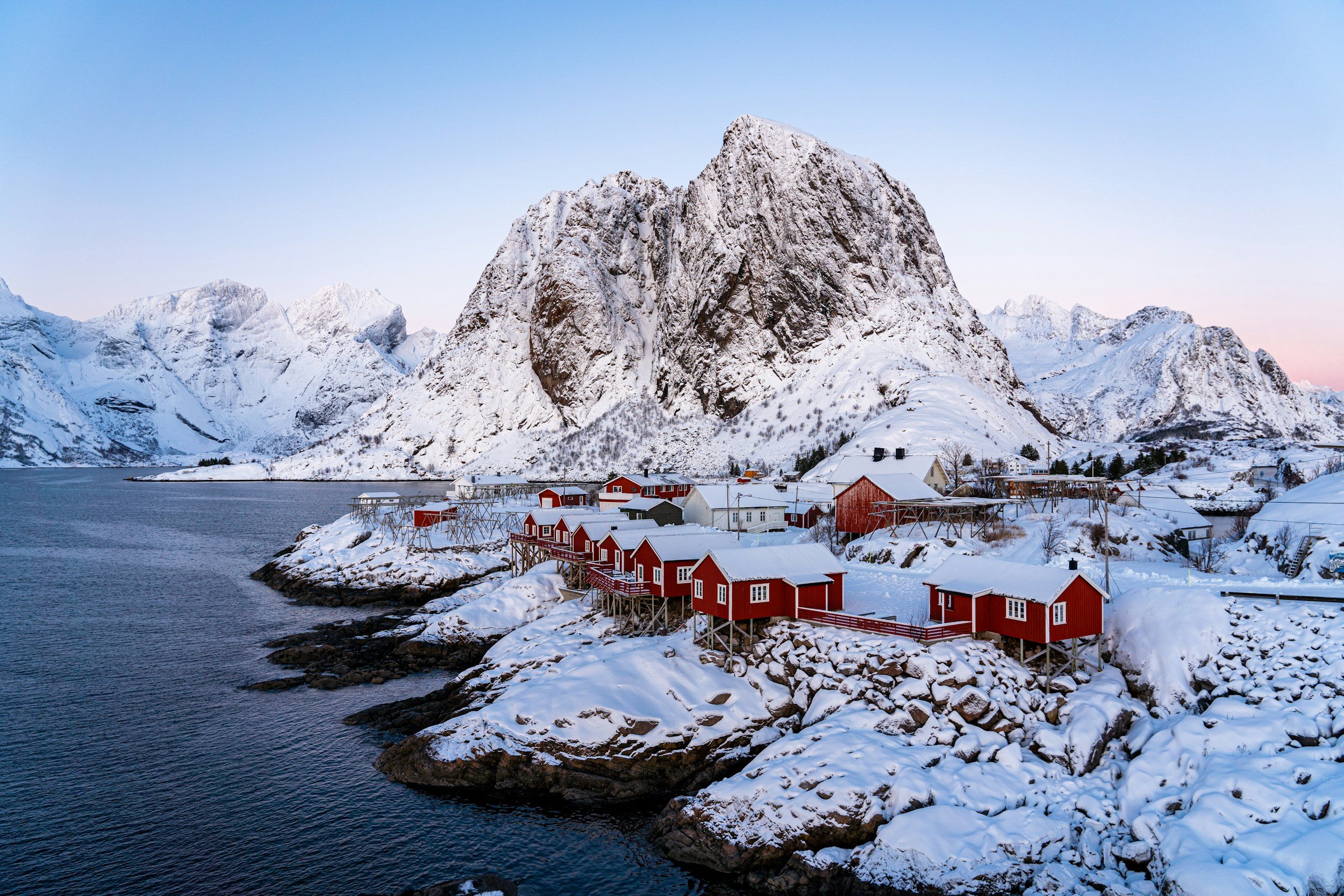
Lofoten in winter is known for dramatic mountains, traditional fishing villages and snow-covered coastlines, making it one of Norway’s most visually striking winter destinations.
Kirkenes: Deep Arctic Winter and Borderland Landscapes
Kirkenes lies in the far northeast of Norway, close to both the Russian and Finnish borders. Its location gives it a very different character from Tromsø or Lofoten. The landscape is broader and flatter, shaped by forest, tundra, frozen lakes and the Barents region rather than steep mountains rising directly from the sea. Winters are cold, snowy and generally drier than along much of the northern Norwegian coast, which can also mean clearer winter skies.
The border is an important part of Kirkenes’ identity. This is a Norwegian Arctic town shaped by its proximity to Finland and Russia, as well as by Sámi, Norwegian and wider Barents-region history. The Second World War also left particularly deep traces here, and the town was subjected to repeated bombing before Soviet forces liberated the area in 1944. That borderland history gives Kirkenes a character that is difficult to compare directly with Norway’s better-known Arctic destinations.
Winter activities tend to make use of the colder, more stable conditions. Dog sledding and snowmobile trips travel through forests and across frozen landscapes, while Northern Lights excursions benefit from the region’s relatively dry winter climate. King crab safaris are particularly associated with Kirkenes and offer something quite different from the winter experiences available around Tromsø or Lofoten. Depending on the excursion, visitors may travel across the ice or onto the fjord before the catch is prepared as part of the experience.
Another well-known winter attraction is Snowhotel Kirkenes, where parts of the accommodation and interior are constructed from snow and ice. You do not have to stay overnight to experience it, so it can also be visited as part of a wider winter itinerary in the area.
Kirkenes itself is small, and that is part of the experience. You should not come expecting Tromsø’s range of restaurants, nightlife and cultural venues. Instead, the appeal lies in having a compact town as a base for exploring a much larger Arctic landscape. The atmosphere is quieter, distances feel greater and organised excursions often take you quickly beyond the built-up area into forest, frozen water and open terrain.
For a broader understanding of this part of the country, Northern Norway Travel Guide: What to See, When to Go and What to Expect looks at how the regions and destinations of Northern Norway differ and how to decide where to spend your time.
Kirkenes is a particularly good choice if you want deep winter, quieter surroundings and activities that are closely connected to the landscape itself. It offers a different version of Arctic Norway from both Tromsø and Lofoten, with borderland history, colder inland influences and the vast landscapes of the far northeast at the centre of the experience.
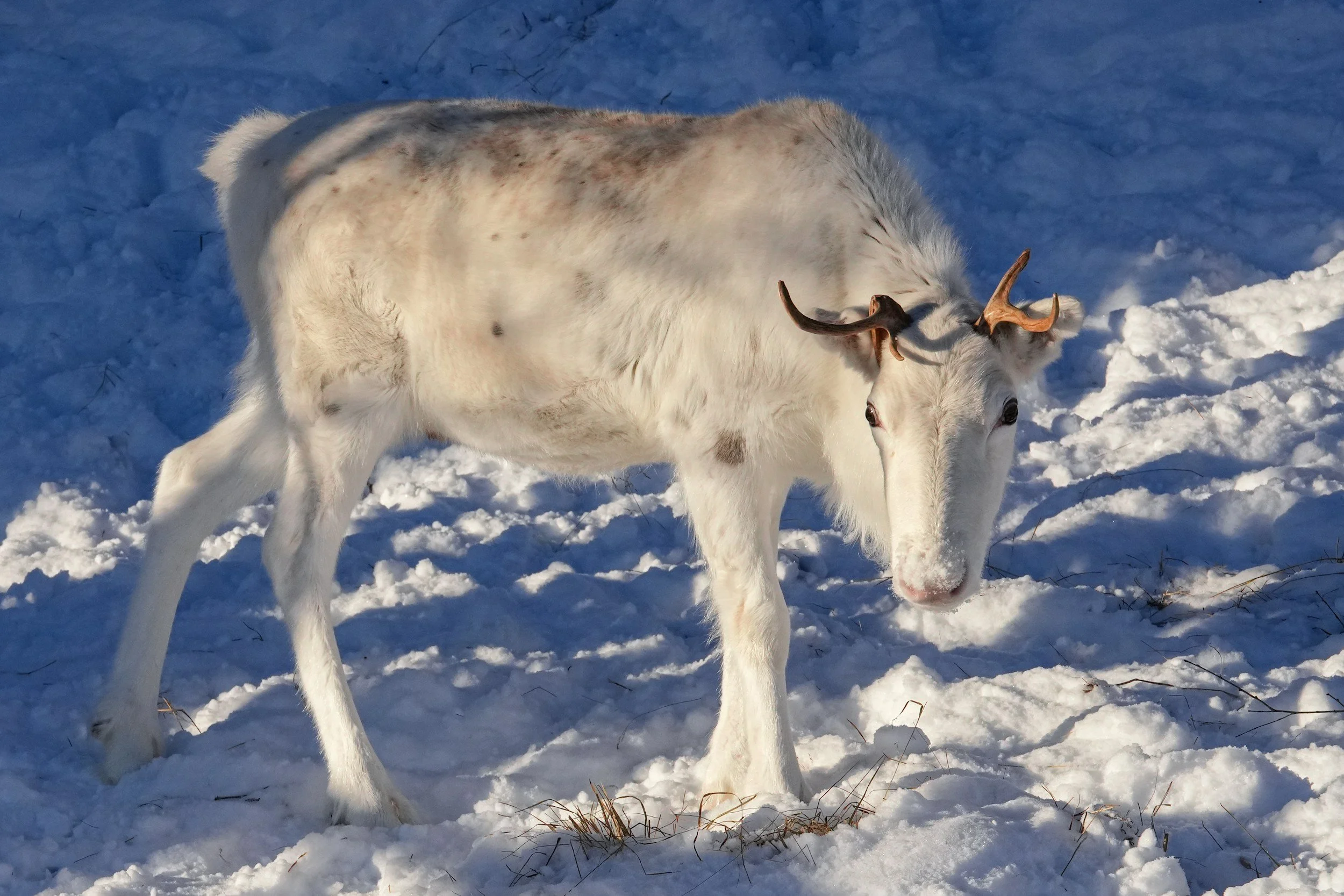
In Kirkenes, near the Russian border, winter landscapes are shaped by Arctic wildlife and vast, snow-covered terrain, offering a quieter and more remote winter experience in Northern Norway.
Svalbard: High Arctic Winter
Svalbard lies far north between mainland Norway and the North Pole, and winter here is fundamentally different from winter on the Norwegian mainland. Longyearbyen is surrounded by vast valleys, glaciers and mountains, with very little between the settlement and the High Arctic wilderness beyond it.
It is useful to distinguish between the different parts of the Svalbard winter because the experience changes dramatically with the light. Visit Svalbard defines Northern Lights Winter as the period from October through February, with the Polar Night lasting from around 11 November until 30 January. During this period the sun does not rise above the horizon, but that does not mean every day is equally black. The beginning and end of the Polar Night still bring periods of twilight, while the middle of winter is considerably darker.
March brings a completely different version of Svalbard. The Sunny Winter lasts from March into May, when the landscape is still covered in snow and ice but daylight returns rapidly. By late April, the Midnight Sun has already begun. For travellers who want to see more of the landscape while still experiencing full Arctic winter conditions, March and April can therefore be particularly rewarding.
Snowmobiles become one of the main ways of travelling beyond Longyearbyen once the landscape is covered in snow. Guided trips can take you through enormous valleys, towards glacier fronts and across parts of the frozen interior that would otherwise be inaccessible to most visitors. Dog sledding is another important winter experience, while ice caves beneath the glaciers reveal a completely different side of the landscape.
Wildlife is part of the environment too, with Svalbard reindeer and Arctic foxes among the animals you may encounter. Polar bears also live throughout the archipelago, but they should never be treated as a guaranteed wildlife sighting or something to seek out independently. Travelling beyond the settlements requires an understanding of polar bear safety and Arctic conditions, which is one reason organised excursions are the most practical way for most visitors to explore the wilderness.
Longyearbyen itself provides more comfort and variety than the extreme location might suggest, with restaurants, cafés, accommodation and cultural life. What sets Svalbard apart is not a lack of comfort, but the speed at which civilisation disappears once you leave the settlement. A relatively short journey can take you into landscapes where there are no roads, buildings or communities in sight.
Choosing when to visit therefore depends on which version of Arctic winter appeals to you most. December and January offer the deepest Polar Night experience and the possibility of seeing the Northern Lights even during what would normally be daytime. March and April provide increasing daylight, long snowmobile journeys and much better visibility of the enormous landscape while winter conditions remain firmly established.
Svalbard is best suited to travellers who actively want the High Arctic to be the focus of the journey. It requires more preparation than a winter city break in Tromsø, but it also offers a scale, darkness and sense of remoteness that mainland Norway cannot quite replicate.
For a much deeper look at Longyearbyen, seasonal conditions, activities, wildlife and practical planning, Svalbard: The Ultimate Guide to the Arctic Frontier covers the archipelago in detail.
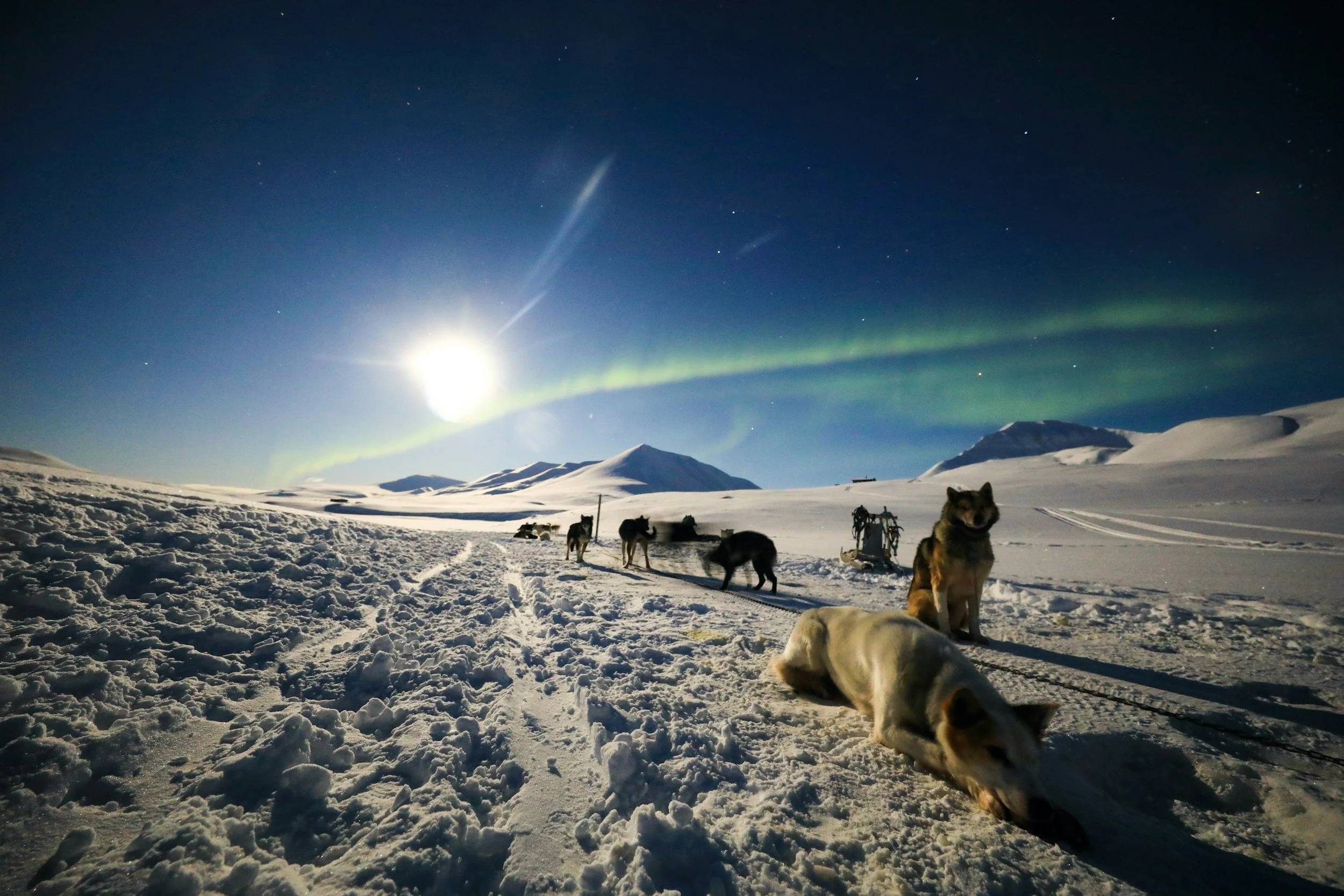
Svalbard offers one of Norway’s most extreme winter environments, where vast Arctic landscapes, polar light and dog sledding define the winter experience far above the Arctic Circle.
Hurtigruten: Experiencing Winter Norway from the Sea
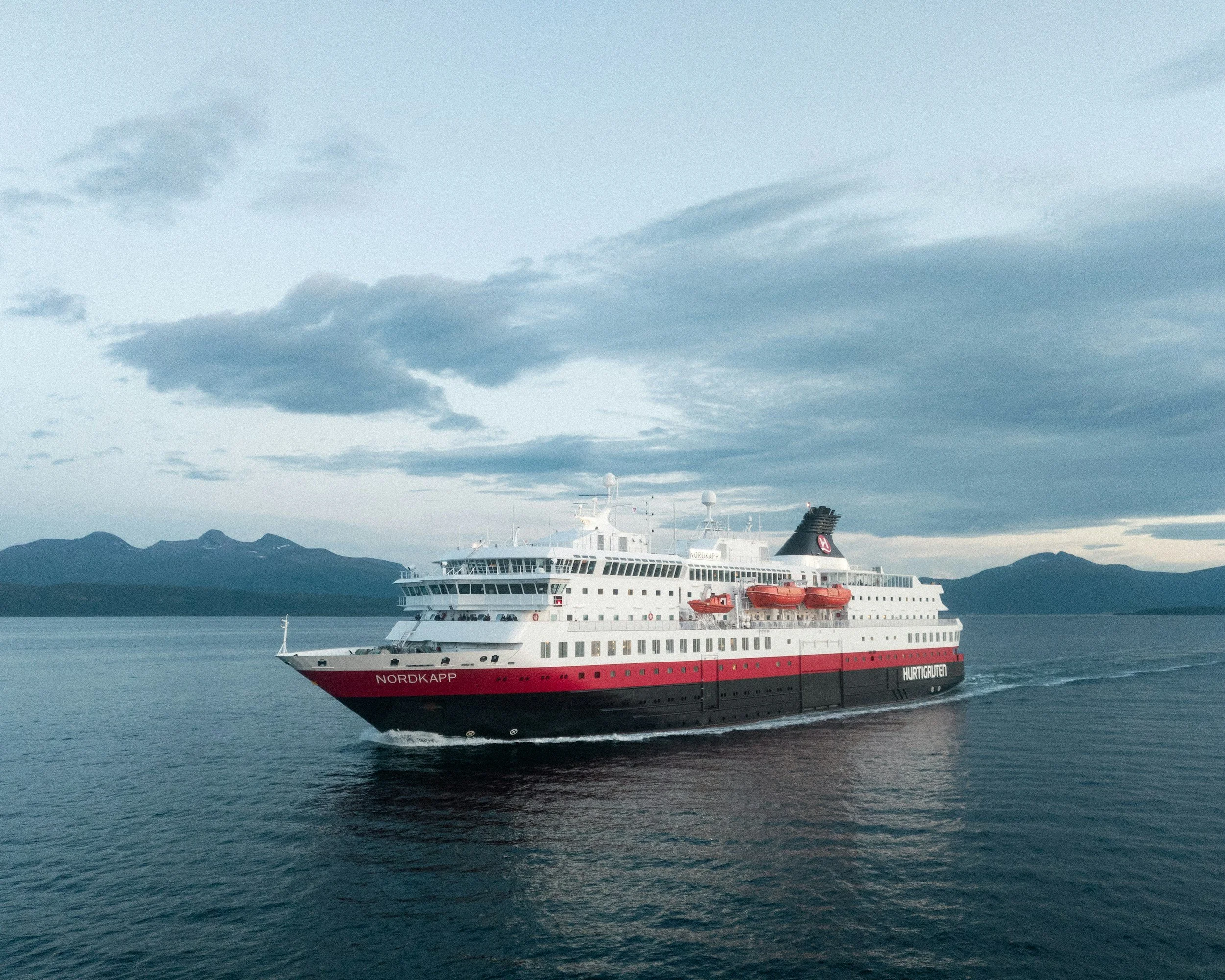
Hurtigruten is not a destination in itself, but one of the most distinctive ways to travel through Norway in winter. The Coastal Express follows the Norwegian coast between Bergen and Kirkenes, calling at cities, small towns and remote coastal communities along the way. Rather than choosing a single winter destination, you watch the landscape change gradually as the ship travels north from the milder west coast towards the Arctic.
Winter gives the voyage a very different character from summer. Daylight is shorter, particularly as you travel farther north, and the coast can shift between rain, snow, clear skies and heavy winter weather. Southern stretches are not necessarily covered in snow, while farther north the mountains, islands and coastal settlements are much more likely to have a distinctly Arctic appearance. The limited daylight also means that some scenery passes in darkness, but this is balanced by winter light, quieter ports and the possibility of seeing the Northern Lights from the ship.
The aurora is one of the great attractions of a winter coastal voyage, particularly once you reach Northern Norway. On clear nights, it can sometimes be seen directly from the deck, so you may be able to watch it without travelling away from the ship on a dedicated chase. It is still a natural phenomenon, however, and cloud cover can obscure the sky for long periods, so I would never choose the voyage on the assumption that a Northern Lights sighting is guaranteed.
What makes Hurtigruten different from a conventional cruise is the relationship with the communities along the route. The ships are part of a coastal transport system that has connected Norwegian towns for generations, carrying local passengers and freight as well as travellers completing longer voyages. Some port calls are brief, while others give you enough time to walk into town or join an excursion. The result is a journey where the coastline and the places along it become part of the experience rather than simply a backdrop between major sightseeing stops.
Winter can make that rhythm especially atmospheric. There are long stretches when the pleasure is simply being somewhere warm and watching snow-covered mountains, fishing communities, islands and changing light pass outside the windows. Farther north, the contrast between the dark sea, illuminated settlements and snowy landscape can be particularly striking.
For a closer look at the experience on board, the different types of port calls and what the coastal voyage is actually like from day to day, What It’s Actually Like to Travel on Hurtigruten: A Guide to Norway’s Coastal Voyage goes into much more detail.
Hurtigruten is a particularly good option for travellers who want to experience a large stretch of the Norwegian coast without repeatedly packing, driving on winter roads or changing accommodation. It is less suited to someone who wants complete control over every day or to spend several nights exploring each destination, but for a slower journey through changing coastal and Arctic landscapes, winter is one of the most atmospheric times to travel.
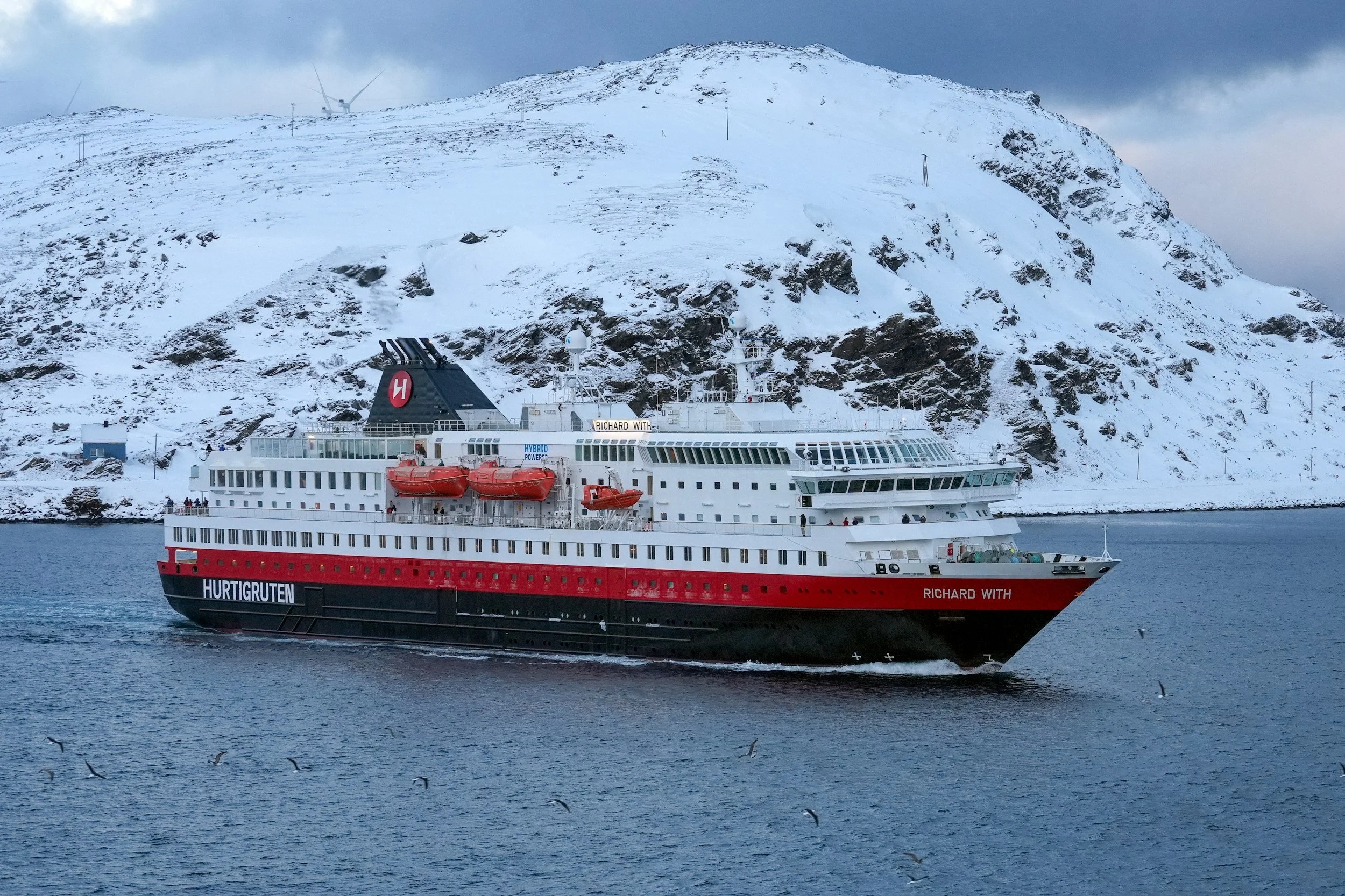
Coastal voyages with Hurtigruten are a defining way to experience Norway in winter, travelling between remote communities while passing fjords, snow-covered mountains and Arctic seascapes.
Ski Destinations and Mountain Winter:
Where Norwegians Actually Go in Winter
For many Norwegians, winter travel is less about seeking out somewhere new and more about returning to places that already feel familiar. Mountain destinations form an important part of winter life, particularly during weekends, school holidays and Easter, when cabins, ski trails and resorts fill with people who may have been returning to the same area for years.
The attraction is not necessarily dramatic scenery or a long list of things to see. What matters more is reliable snow, good cross-country trails or alpine slopes, easy access to the outdoors and somewhere comfortable to return to at the end of the day. A winter trip might revolve around skiing for several hours, stopping for something warm along the way, cooking dinner at the cabin and doing much the same again the following morning.
This repetition is part of the appeal. Families develop traditions around particular mountains, ski areas and cabins, and children often learn to ski in the same places their parents visited before them. During Easter, this becomes especially visible as large numbers of Norwegians head towards the mountains for skiing, cabin life and long days outside as the spring light begins to return.
The destinations below are therefore not intended as a ranking of Norway’s best ski resorts. Instead, they show some of the different ways mountain winter is experienced in Norway. Trysil represents the large, well-organised alpine resort; Hemsedal offers higher and more alpine terrain; Geilo combines downhill and cross-country skiing with particularly easy rail access; Hafjell is practical for shorter trips; Beitostølen is strongly associated with cross-country skiing and open mountain landscapes; while Finse offers something much more exposed and weather-dependent.
Together, they give a better picture of the kind of winter travel many Norwegians return to year after year, where skiing, cabins and time outdoors matter more than sightseeing.
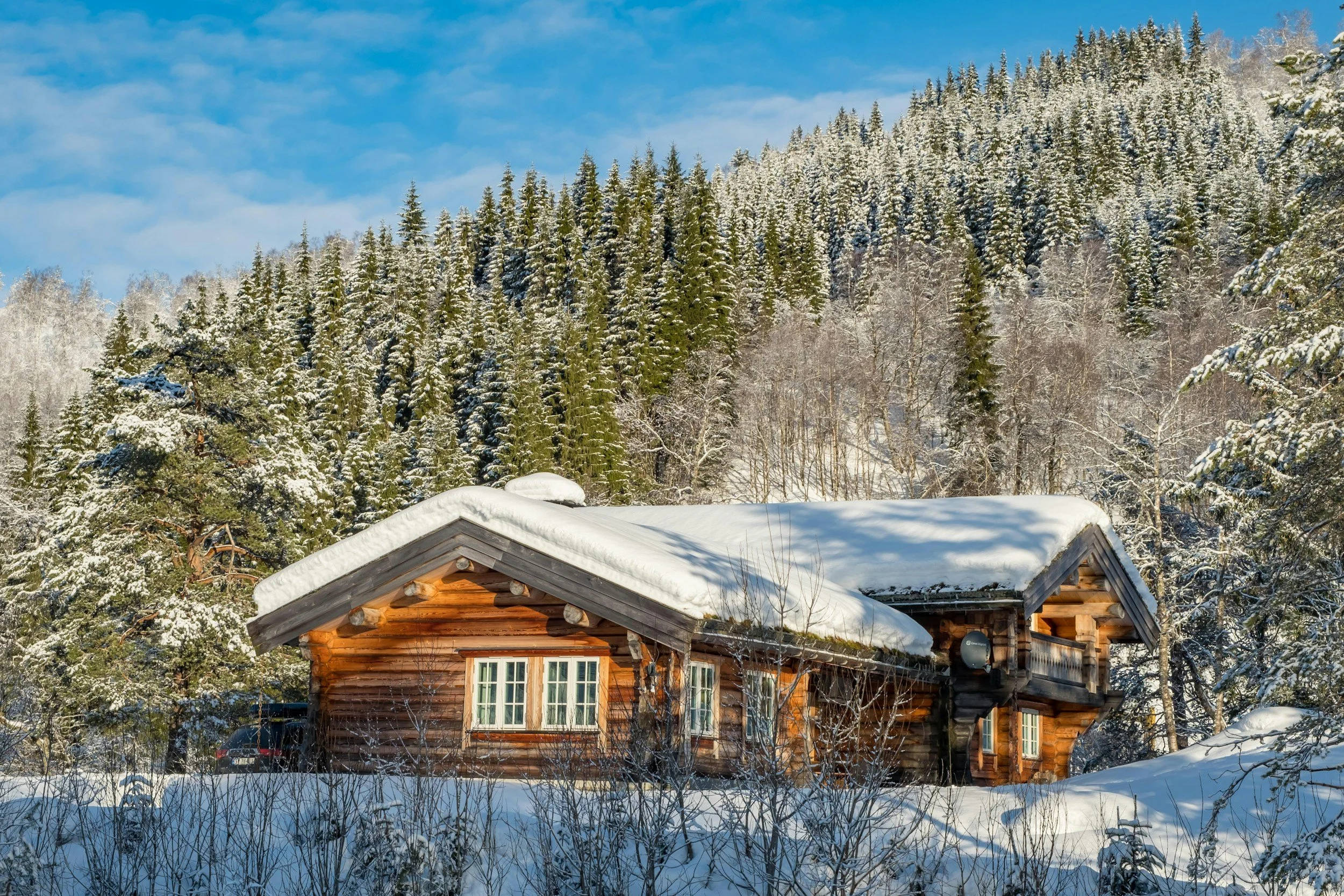
Norwegian mountain cabins are designed for comfort and everyday winter living, often located directly by ski trails so that skiing begins as soon as you step outside the door.
Trysil:
The Classic Family Ski Destination
Trysil, in eastern Norway close to the Swedish border, is Norway’s largest ski resort and one of the places most strongly associated with family winter holidays. The ski area is extensive, with around 70 slopes and more than 40 lifts spread across several connected areas, and much of the accommodation is designed around ski-in, ski-out access. That makes the logistics unusually simple once you arrive.
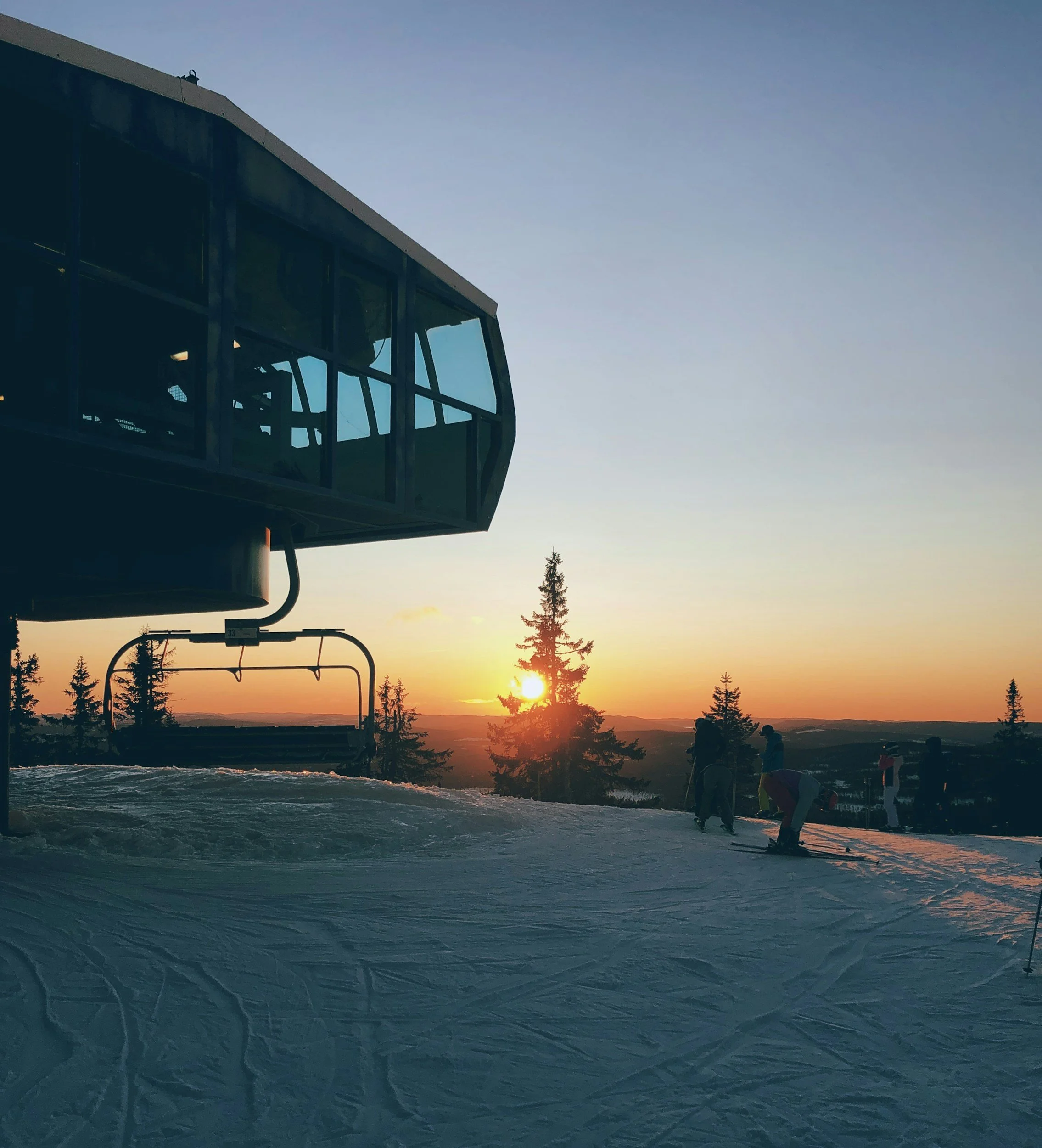
Trysil is Norway’s largest alpine ski resort, known for well-groomed slopes, modern lift systems and a relaxed, family-friendly atmosphere that attracts both locals and winter visitors.
What Trysil does particularly well is make skiing accessible to very different levels within the same destination. There are broad, easier pistes and dedicated children’s areas for beginners and families, but also steeper terrain around Høgegga for more experienced skiers. This makes it a practical choice for families or groups where not everyone skis at the same level, rather than a resort built primarily around advanced terrain.
Alpine skiing dominates the image of Trysil, but cross-country skiing is also an important part of the destination. Around 500 kilometres of prepared cross-country trails run through the surrounding forest and mountain landscape, with routes ranging from short family-friendly loops to much longer outings. That combination of downhill and cross-country skiing makes Trysil closer to the broader Norwegian winter culture described earlier in this article than a purely alpine resort would be.
Cabin life is a large part of the experience too. Many visitors stay in cabins or apartments close to the slopes, ski during the day and spend the evening cooking, relaxing and staying in rather than looking for a busy nightlife scene. Hotels and restaurants are available if you prefer more services, but the destination still works particularly well for the familiar Norwegian pattern of skiing, returning to the cabin and repeating the rhythm the following day.
Trysil is therefore one of the easiest mountain destinations to recommend to families, beginners and mixed-ability groups who want a straightforward Norwegian ski holiday. Its strength is not extreme terrain or a remote mountain atmosphere, but the combination of scale, reliable infrastructure, extensive skiing and a winter routine that is easy to settle into for several days.
Hemsedal:
Higher Mountains, Alpine Skiing and Après-Ski
Hemsedal lies in the mountains between Oslo and Bergen and is one of Norway’s best-known alpine ski destinations. The landscape is higher and more dramatic than at many of the country’s other major resorts, with steeper mountains and terrain that appeals particularly to confident skiers and snowboarders. It is often nicknamed the “Scandinavian Alps”, although the experience is still distinctly Norwegian, with cabins, cross-country trails and mountain life surrounding the main ski area.
Hemsedal also has a noticeably more social atmosphere than some of Norway’s quieter family-oriented ski destinations. For many Norwegians, the appeal is not only the skiing but what happens afterwards. Après-ski is a major part of Hemsedal’s winter identity, particularly on weekends and during Easter, when long spring ski days are followed by outdoor concerts, DJs and busy bars.
Stavkroa is the classic high-energy choice and has become something of an institution in Norwegian après-ski culture, with music, dancing and a much more party-focused atmosphere than you would find at most mountain resorts. Skistua also hosts large outdoor events during the spring season, while places such as Skarsnuten offer a slightly more relaxed version with terraces, mountain views and DJs.
Fýri Resort represents another side of modern Hemsedal. Its Rambler après-ski has a more relaxed, stylish atmosphere, while the resort’s Pool Club combines warm pools with the social feeling of an après-ski afternoon. It is a good example of how Hemsedal has developed beyond the traditional cabin and ski-resort model, particularly for travellers who want skiing combined with restaurants, drinks, spa facilities and a livelier social scene.
Easter is when this side of Hemsedal becomes especially visible. Norwegian Easter in the mountains is traditionally associated with skiing, cabins, oranges, chocolate and long days outside as the spring light returns, but in Hemsedal it also comes with concerts, festivals and some of the busiest après-ski of the season. You can spend the day skiing in increasingly strong spring sunshine and then find a completely different atmosphere once the lifts begin to close.
Cabin culture still remains central to Hemsedal, and plenty of visitors come simply to ski, cook dinner and spend quiet evenings together. That is part of what makes the destination interesting. It can be a traditional Norwegian mountain holiday, a serious ski trip or a much more social weekend depending on where you stay and what kind of experience you want.
Hemsedal is therefore particularly well suited to travellers who want strong alpine skiing but also value atmosphere away from the slopes. If Trysil feels practical and family-oriented, Hemsedal generally feels a little more mountainous, energetic and social, especially during weekends and Easter.
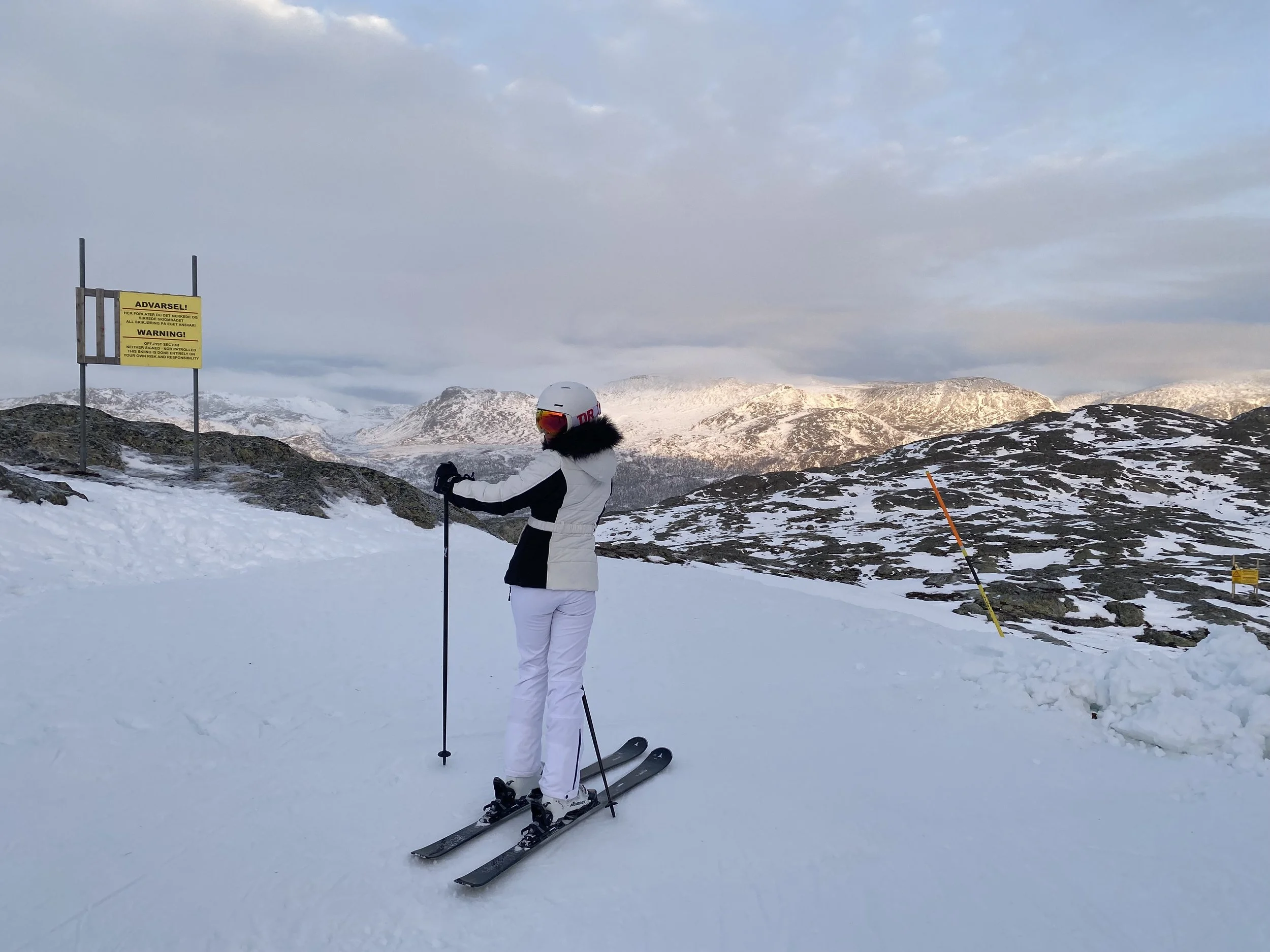
In Hemsedal, alpine skiing often takes place in open, high-mountain terrain, where weather, visibility and light shift quickly, and the landscape feels wide and exposed.
Geilo:
Traditional, Balanced Mountain Winter
Geilo sits between Oslo and Bergen at around 800 metres above sea level and has been one of Norway’s established winter destinations for generations. What makes it different from places such as Trysil or Hemsedal is the balance. Alpine skiing, cross-country skiing, cabin life, hotels and a compact town centre all sit close together, so the destination works well for people who want a traditional mountain winter without making downhill skiing the only focus of the trip.
Cross-country skiing is especially important here. Geilo and the surrounding Hol municipality have up to 500 kilometres of prepared trails when conditions allow, ranging from gentle beginner routes to longer trails through forest and open mountain terrain. That makes it a particularly good place to try the kind of skiing that is much more closely connected to everyday Norwegian winter culture than resort-based alpine skiing alone. Lessons and equipment rental are available if you have never tried cross-country skiing before.
The alpine side is also very accessible, with ski areas on both sides of the valley and slopes suited to different levels. Families are particularly well catered for, and a local ski bus connects accommodation, the centre and the slopes. There are also dog-sledding, sleigh rides and other winter activities if you want some variation between ski days.
Geilo also retains a strong cabin and hotel tradition. You can stay in a self-catering cabin or apartment and settle into the familiar rhythm of skiing during the day and staying in during the evening, or choose one of the established mountain hotels if you prefer restaurants, spa facilities and more services. The atmosphere is generally calmer and more traditional than Hemsedal’s more social après-ski scene, which makes Geilo particularly appealing to families, couples and travellers who want a slower mountain stay.
One of Geilo’s biggest advantages is how easy it is to reach without a car. The Bergen Railway stops directly in the town, with the journey taking about three and a half hours from Oslo and around three hours from Bergen. That is unusually convenient for a Norwegian mountain destination and makes Geilo one of the strongest choices if you want a proper winter stay while avoiding winter driving altogether.
Geilo is therefore a good choice if you want to experience several sides of Norwegian winter in the same place. You can try alpine skiing, learn to cross-country ski, stay in a cabin or traditional mountain hotel and spend several days in the snow without needing the more energetic resort atmosphere of Hemsedal or the scale of Trysil.
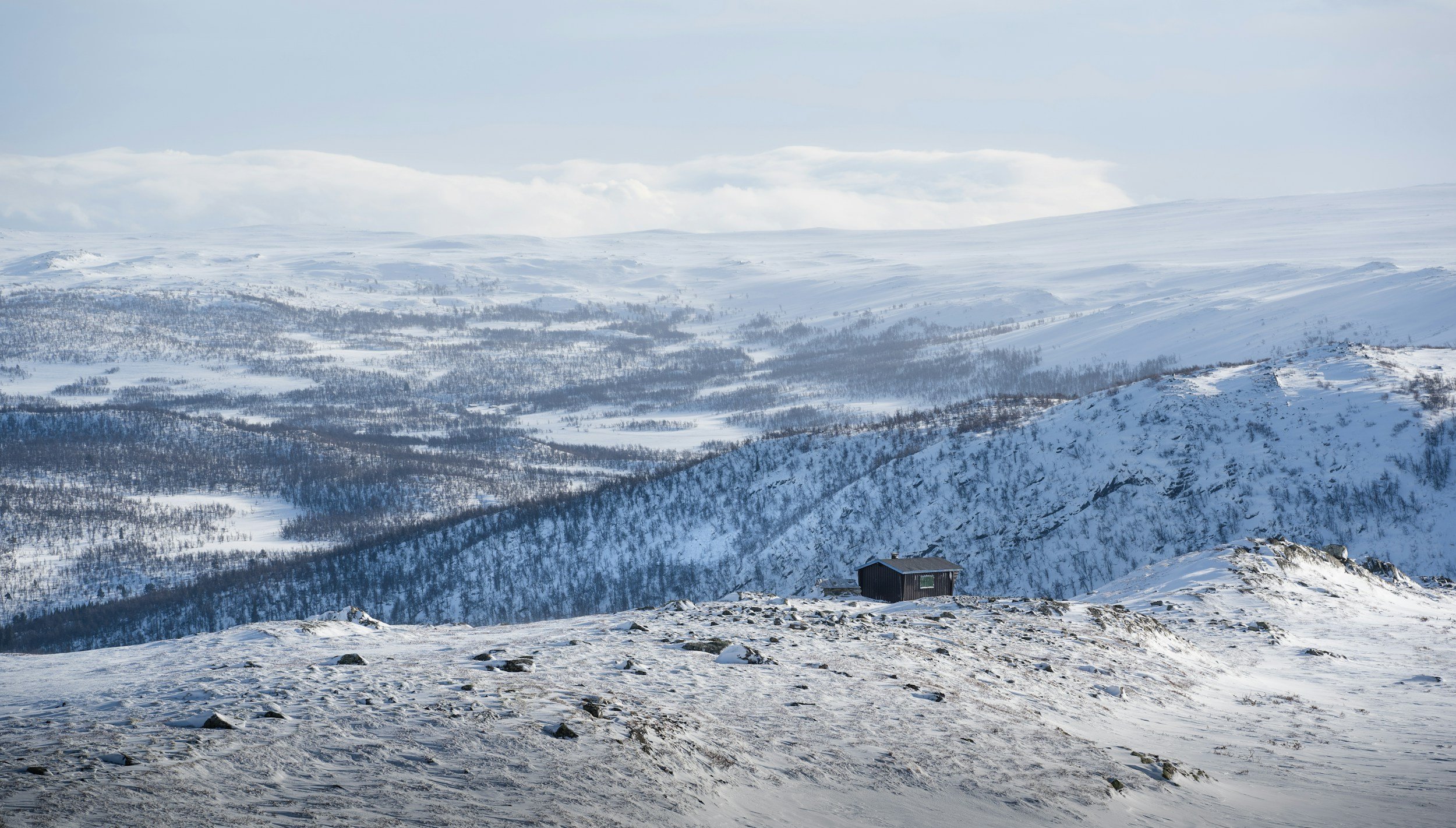
Open winter landscape near Geilo with snow-covered mountain plateau and distant valleys under soft winter light.
Hafjell:
Accessible, Family-Friendly and Olympic
Hafjell, just north of Lillehammer, is one of the most practical ski destinations to reach from Oslo and works particularly well for families and shorter winter breaks. The resort is large enough to offer a good range of skiing without feeling as sprawling as Trysil, and much of the accommodation is positioned close to the slopes, often with ski-in, ski-out access.
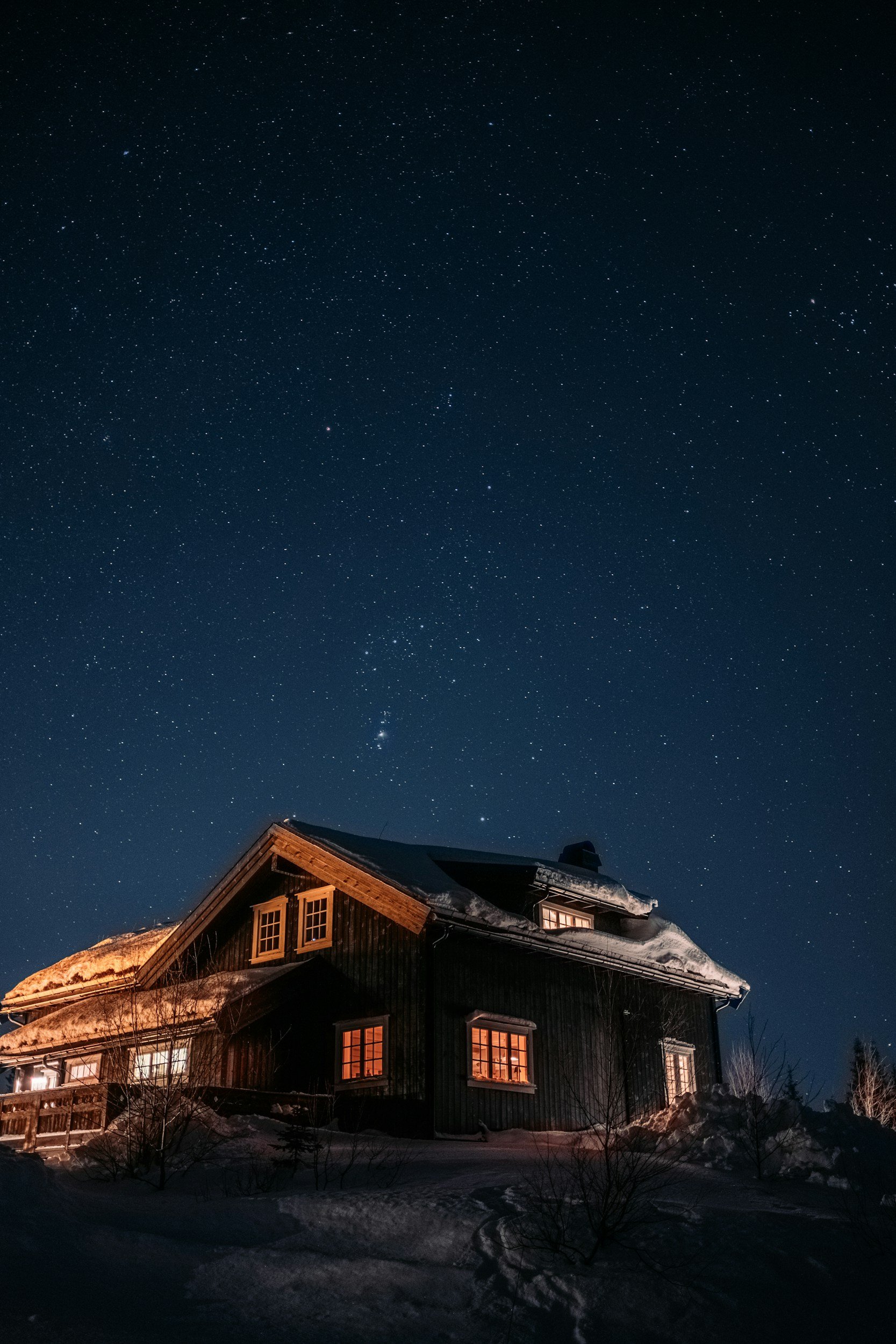
Evenings in ski areas like Hafjell often centre around warm, well-insulated cabins, where the contrast between cold mountain air outside and soft light indoors defines the winter experience.
The ski area has terrain for very different levels, from easy children’s slopes to more demanding black runs, as well as terrain parks and extensive cross-country skiing in the surrounding area. Snow conditions are generally reliable through the main winter season, and the resort is designed around straightforward logistics, with ski rental, ski school, restaurants and accommodation all concentrated around the mountain.
Hafjell also has an important place in Norwegian winter sports history. It was one of the alpine venues for the 1994 Lillehammer Winter Olympics, hosting the technical alpine events, including slalom and giant slalom. That Olympic connection still forms part of the identity of the wider Lillehammer region, where many of the venues from 1994 remain in use today.
One of Hafjell’s strengths is that it can be combined with the wider Lillehammer area rather than functioning only as an isolated ski resort. Lillehammer itself has museums, restaurants and its own Olympic history, while cross-country skiing is deeply established throughout the surrounding region. This makes Hafjell a good option for travellers who want alpine skiing but would also like a little more variety during a longer stay.
The atmosphere is generally practical and family-oriented rather than party-focused. There are restaurants and après-ski options on the mountain, but Hafjell does not have the same social reputation as Hemsedal. The main appeal is good skiing, relatively simple logistics and the ability to settle quickly into a winter routine without needing to travel deep into a remote mountain area.
Hafjell is particularly suitable for families, mixed-ability groups and travellers who want a Norwegian ski holiday that is easy to organise from Oslo. It also works well if you want to combine a few days on the slopes with time in Lillehammer and the surrounding Olympic region.
Beitostølen:
Cross-Country Skiing and Open Mountain Landscapes
Beitostølen sits high in Valdres at the edge of Jotunheimen and has one of the strongest cross-country skiing identities of Norway’s major winter destinations. The landscape is more open than in many forest-based ski areas, with long views towards the mountains and an extensive network of prepared trails leading away from the village.
Cross-country skiing is central to winter life here. Beitostølen regularly hosts major competitions and attracts both recreational skiers and elite athletes, but you do not need to be experienced to enjoy it. Equipment can be rented locally, lessons are available, and there are easier trails close to the village as well as much longer routes for people who want to spend most of the day on skis.
There is alpine skiing too, so Beitostølen is not exclusively a cross-country destination. The main ski centre is particularly suitable for families and beginners, while nearby Raudalen has steeper red and black runs for stronger skiers. This makes it possible for families or groups with different interests to stay in the same place without everyone having to do the same kind of skiing.
The village itself is compact, with hotels, cabins, restaurants and shops within a relatively small area. That gives Beitostølen a different feel from a large purpose-built resort. You can spend the day out on the trails, return to the village for something warm and then settle into a cabin or hotel for the evening without needing much transport once you are there.
Its location in Valdres is also part of the appeal. The region is shaped by mountain farming, local food traditions and communities spread between valleys and high mountain landscapes. Valdres, Norway: Mountain Farms, Local Food and Life Between the Valleys and Peaks explores that wider regional identity beyond Beitostølen itself.
Beitostølen also sits at the edge of Jotunheimen, one of Norway’s most important mountain regions. If you want to understand the wider landscape beyond the ski village, A Guide to Jotunheimen: Home to Northern Europe’s Highest Mountain explores the valleys, peaks and mountain environment that define this part of Norway.
Beitostølen is particularly well suited to travellers who want cross-country skiing to be a central part of their winter trip, but who still want the convenience of a proper mountain village and access to alpine skiing. Compared with Hemsedal, the atmosphere is less focused on après-ski, and compared with Trysil, the emphasis is much more strongly on Nordic skiing and open mountain landscapes.
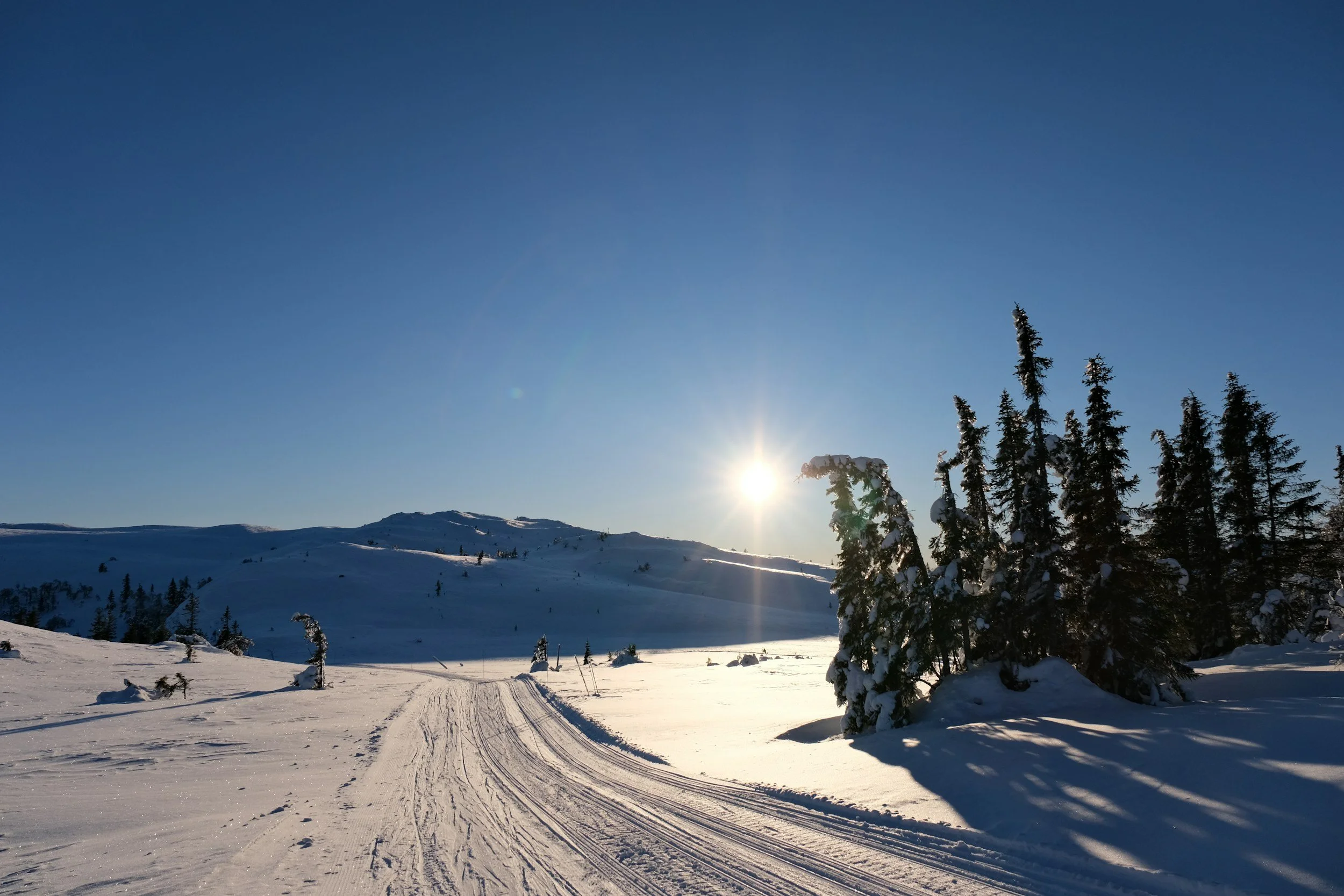
Beitostølen is known for open high-mountain terrain and extensive cross-country ski trails, where winter days are spent moving through wide, quiet landscapes under changing light.
Finse:
Raw High Mountain Winter
Finse sits at 1,222 metres above sea level on the edge of the Hardangervidda plateau and is home to Norway’s highest railway station. There is no road connecting Finse with the rest of the country, so arriving by train is part of the experience. You step off the Bergen Railway directly into a high mountain landscape of snow, frozen lakes and exposed plateau, with very little to soften the sense of being far above the valleys below.
Winter here is considerably more weather dependent than at organised ski destinations such as Geilo or Trysil. Finse is exposed to strong winds, heavy snowfall, poor visibility and rapidly changing mountain conditions. On a clear day the landscape can feel enormous and remarkably peaceful. When the weather turns, the same open terrain can become difficult to navigate very quickly.
Cross-country skiing and ski touring are central to winter life at Finse, with routes extending across Hardangervidda and towards the surrounding mountains and glaciers. This is also a popular area for longer ski expeditions, and you may see experienced skiers travelling with pulks loaded with equipment for several days in the mountains. Snowkiting is another activity associated with the open, windy plateau.
That does not mean Finse is only for expedition travellers. Finse 1222, the historic hotel beside the railway station, provides comfortable accommodation, food and a warm base in the middle of the mountain landscape. You can therefore experience the atmosphere of Finse without setting out on a demanding multi-day journey. The important distinction is that independent travel farther into the mountains requires much more experience and preparation than walking around an ordinary ski resort.
Finse also has a fascinating connection with Norwegian polar history. Fridtjof Nansen and other polar explorers used the area for training because its exposed winter conditions provided a useful environment for preparing for expeditions in much harsher polar landscapes. That history still feels appropriate when you stand on the plateau in the middle of winter and see how quickly wind and snow can transform the surroundings.
The railway is one of Finse’s greatest advantages. You can travel directly there from Oslo or Bergen without driving on winter roads, yet arrive somewhere that feels considerably more remote than many places that require hours in a car. At the same time, weather can affect both outdoor plans and transport, so a winter visit should always allow some flexibility.
Finse is therefore not simply a more extreme ski resort. It is better understood as a high mountain winter destination, where the landscape and weather determine the rhythm of the stay. For travellers who want open plateau, cross-country skiing, mountain history and a real sense of exposure to Norwegian winter, there are few places quite like it.
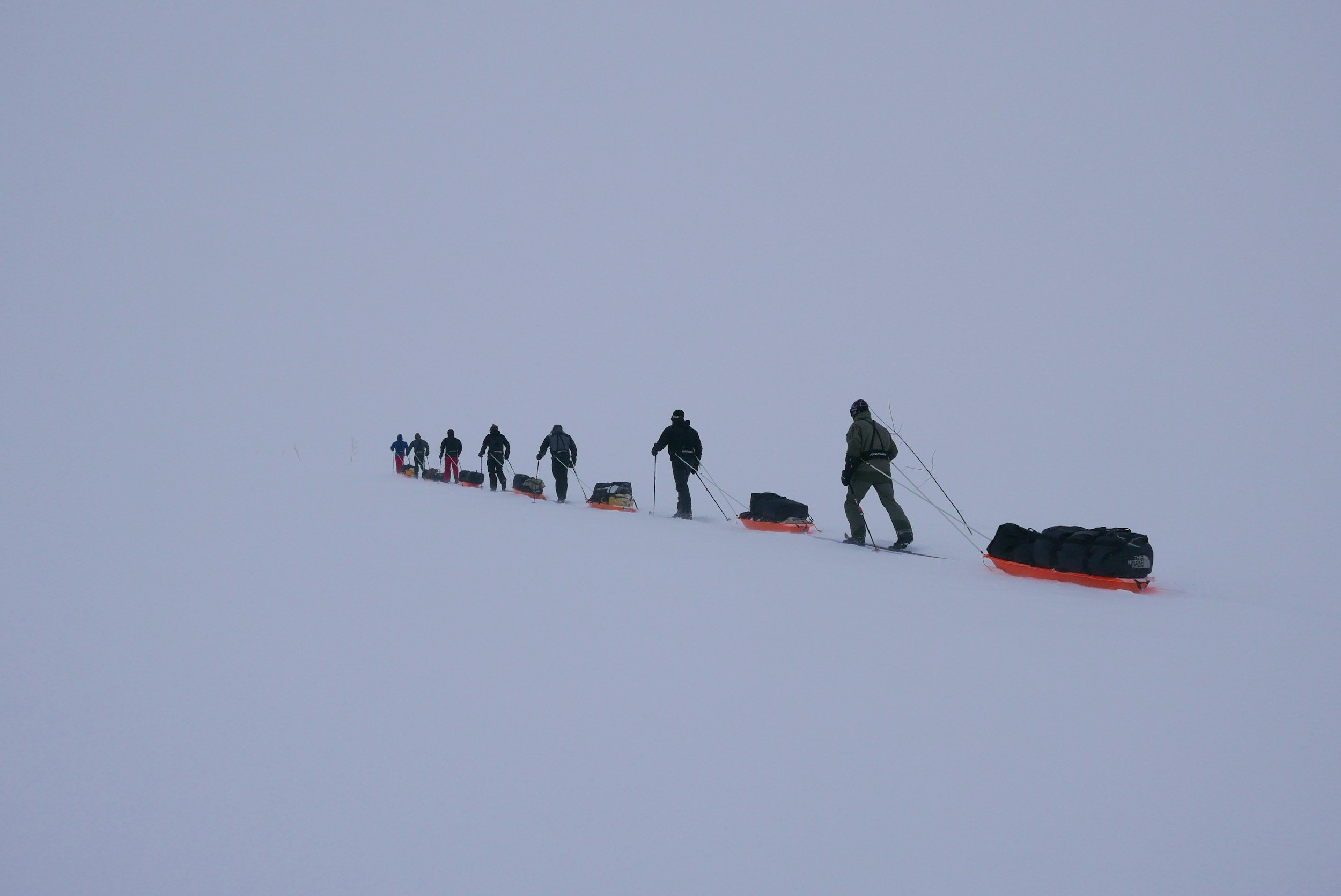
Around Finse, winter travel often takes place across exposed high-mountain plateaus, where skiing with pulks is the primary way of moving through vast, weather-driven landscapes.
Urban and Cultural Winter Destinations
Oslo:
Urban Winter and Nordic Everyday Life
Oslo offers a very different kind of Norwegian winter from Tromsø, Lofoten or the mountain resorts. The city sits at the end of the Oslofjord, surrounded by forest and hills, and one of its greatest strengths is how easily ordinary city life can be combined with winter outdoors. Conditions are milder and more variable than in the Arctic north, so winter can bring everything from deep snow and clear cold days to ice, slush and wetter periods.
What makes Oslo particularly interesting in winter is how little separation there is between the city and the landscape around it. You can take the metro towards Sognsvann or Frognerseteren and quickly reach the forests of Nordmarka, where prepared cross-country trails extend far beyond the edge of the city. Holmenkollen brings skiing history, forest access and views over Oslo together in one area, while Tryvann makes it possible to go downhill skiing or snowboarding without leaving the city at all.
Winter outdoor life is not limited to skiing. People continue to walk through the parks and along the fjord throughout the colder months, and the public saunas beside the Oslofjord have made the contrast between cold water and sauna heat an increasingly visible part of winter life in the centre. This combination of forest, fjord and city is less spectacular than the High Arctic, but it gives visitors a much closer look at how winter fits into everyday Norwegian life.
Oslo is also a strong choice if you do not want every day of your trip to depend on the weather. The National Museum, MUNCH, Astrup Fearnley Museum and the museums on Bygdøy provide substantial indoor options, while restaurants, cafés, concerts and nightlife continue throughout the season. A winter day can move naturally from a snowy walk or a few hours on skis to a museum, sauna and dinner without requiring long journeys between them.
This makes Oslo particularly suitable for travellers who want a city break with genuine access to Norwegian winter, rather than a trip built entirely around snow or Arctic activities. It is also a good introduction for visitors who are interested in skiing and outdoor culture but still want the flexibility, restaurants and cultural life of a capital city.
For a much closer look at how to spend your time in the city, including skiing at Tryvann, winter walks, Holmenkollen, fjord saunas, museums, cafés and restaurants, What to Do in Oslo in Winter: A Local Guide explores winter life in the capital in much more detail.
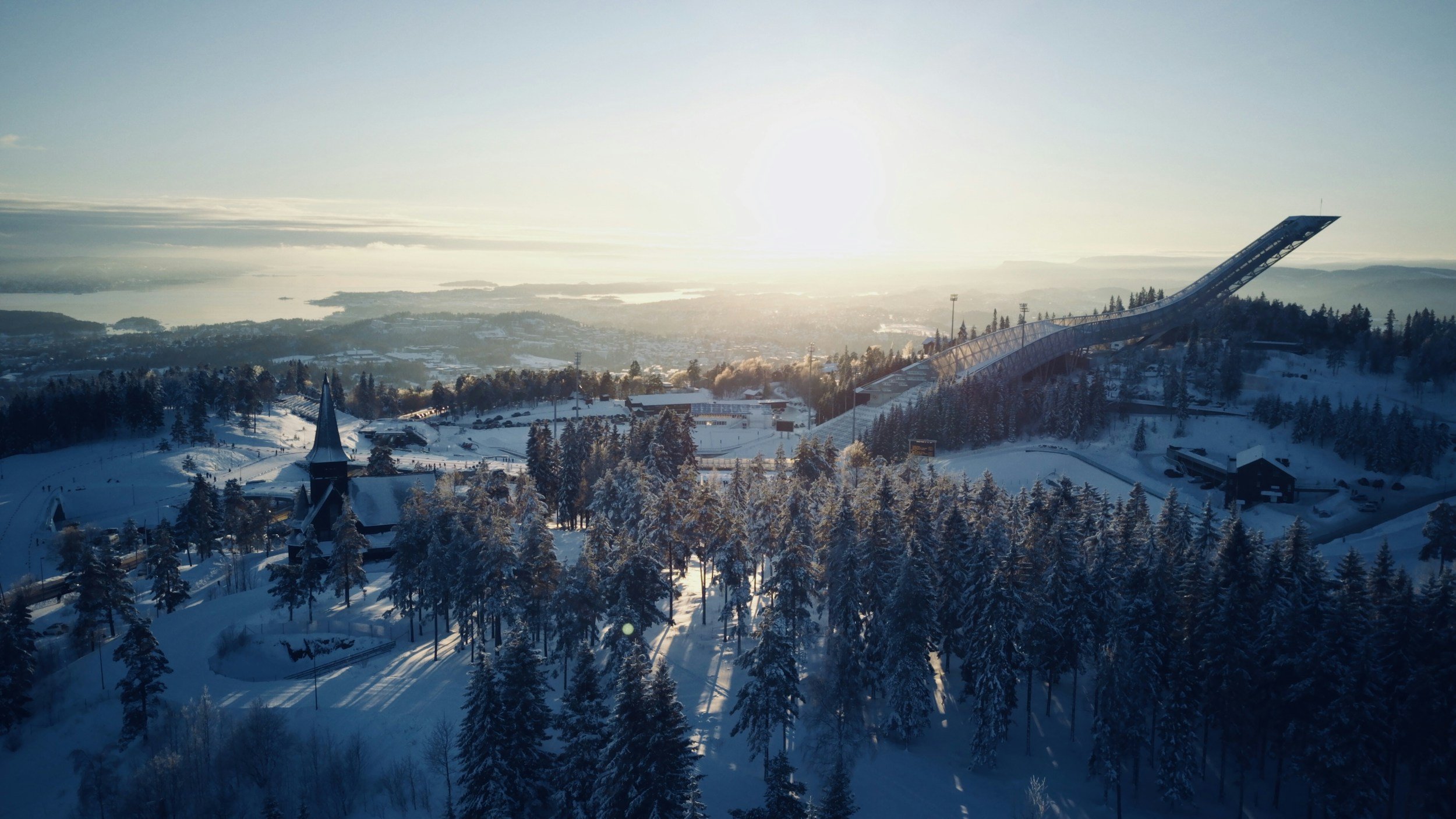
Winter in Oslo brings together city life and outdoor landscapes, where forests, viewpoints and ski facilities sit just above the city, offering wide views across snow-covered neighbourhoods and the fjord.
Bergen:
Fjords, History and Coastal Winter Atmosphere
Bergen offers a very different winter from both the inland ski destinations and the Arctic north. The city lies between the sea and steep mountains on Norway’s west coast, where the climate is relatively mild but also much wetter and more changeable. Snow is possible in the city, sometimes heavily, but it is not something you should expect to remain on the ground throughout a winter visit. Rain, wind and temperatures hovering around freezing are just as characteristic of a Bergen winter.
That unpredictability is also part of the atmosphere. Low clouds can settle around the mountains, rain moves across the harbour, and snow often remains visible higher above the city even when the streets below are wet. Bergen’s relationship with the sea becomes especially noticeable at this time of year, when the combination of dark water, wooden buildings and surrounding mountains gives the city a distinctly coastal winter character.
The historic Bryggen district is particularly enjoyable outside the busiest summer months. Without the same volume of cruise passengers and day visitors, it is easier to notice the narrow passages between the old wooden buildings and the traces of Bergen’s Hanseatic trading history. Winter is also a good season for exploring museums and cultural institutions such as KODE, as well as spending more time in cafés, restaurants and the older streets around the harbour.
You can still experience the landscape beyond the city during winter. The Fløibanen takes you above Bergen to Fløyen, where the view over the city, islands and surrounding mountains changes dramatically with the weather. Longer walks need to be approached according to conditions, but you do not have to undertake a serious winter hike to experience the mountains surrounding Bergen. Fjord cruises also operate during the colder part of the year, allowing you to see Western Norway from the water when waterfalls, mountains and small communities have a very different character from the busy summer season.
Winter in Bergen is therefore not primarily a snow holiday. It is better for travellers who are comfortable with unsettled weather and are interested in fjord landscapes, maritime history, food and cultural life. A clear, snowy day can be beautiful, but a successful winter trip to Bergen should not depend on getting one. The city is at its best when you accept the rain, mist and changing light as part of the experience rather than waiting for postcard-perfect winter conditions.
For travellers who want to experience Western Norway at a slower and quieter time of year, Bergen provides a useful base. You can spend one day surrounded by historic streets and museums and the next travelling into the fjords, while still returning to the comfort and cultural life of a proper city in the evening.
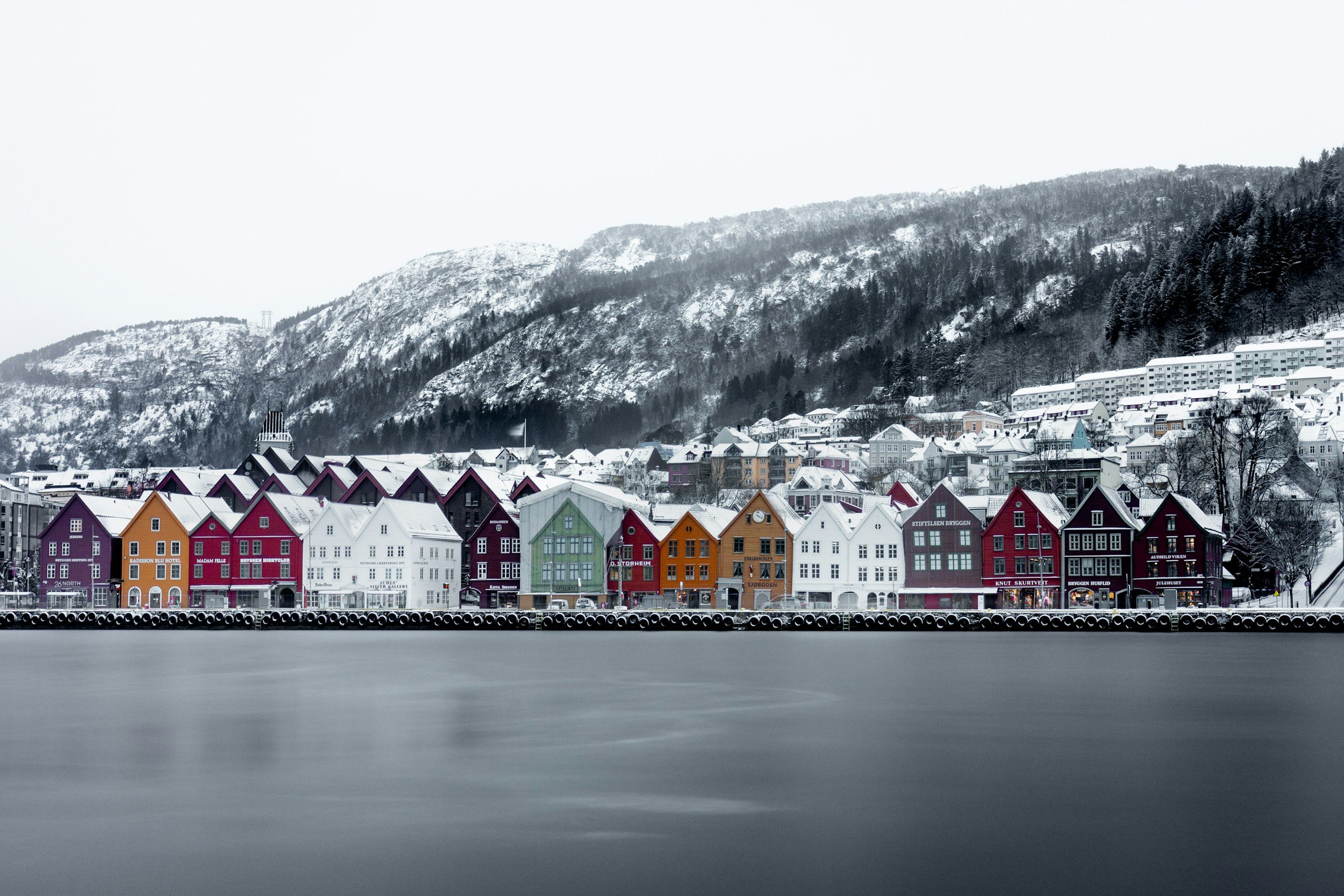
In winter, Bergen’s historic waterfront is noticeably quieter than in summer, with fewer visitors and a slower pace along the harbour under low winter light.
Røros:
Traditional Winter Norway
Røros lies inland in Trøndelag, more than 600 metres above sea level, and its winter climate is very different from the milder coast. Temperatures can fall far below freezing, snow commonly remains for long periods, and the dry continental climate can produce the kind of crisp, intensely cold winter days that many people imagine when they picture Norway. Unlike Bergen, where rain and changing temperatures are part of winter, Røros is a place where you should arrive prepared for genuine cold.
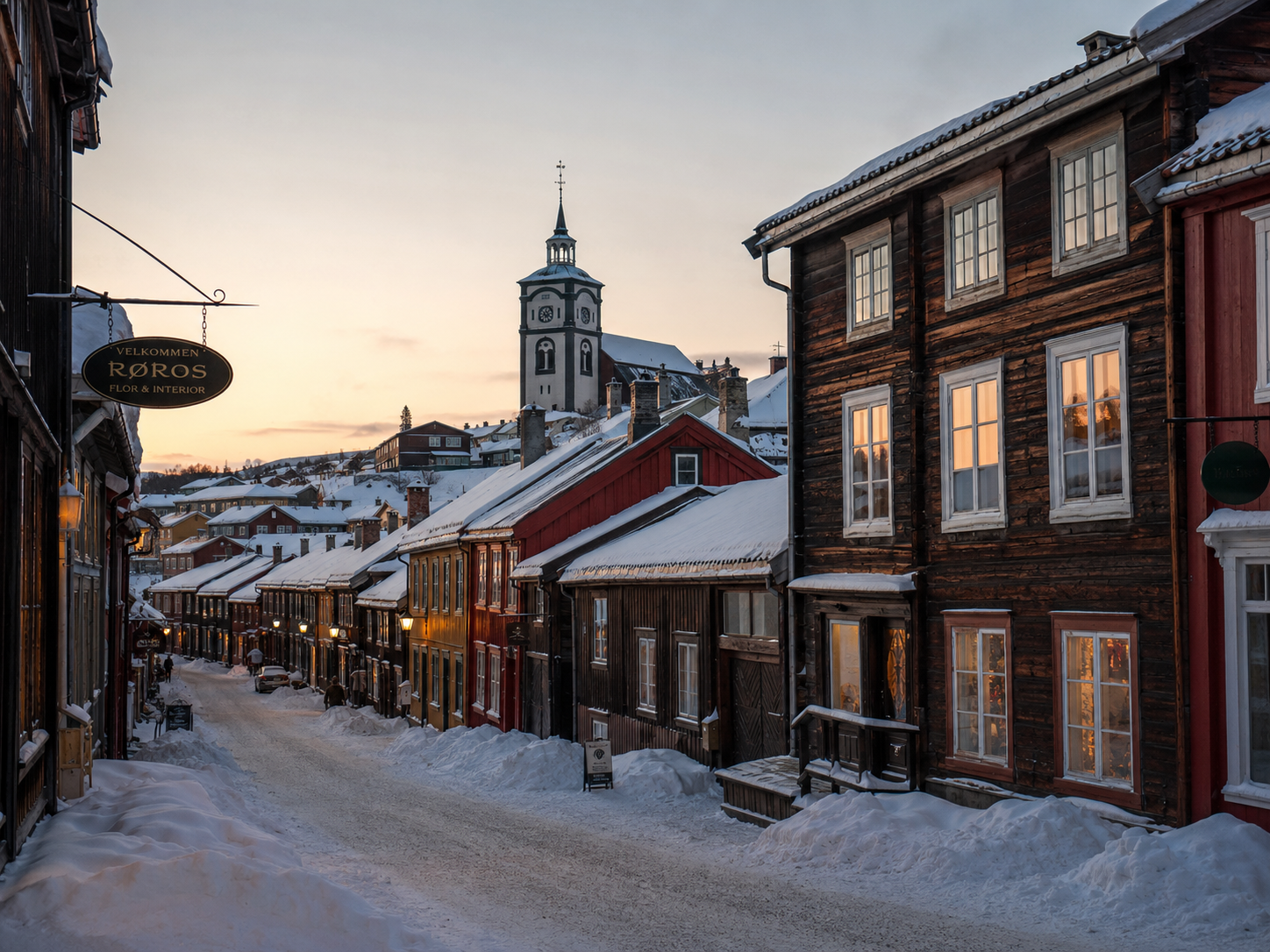
What makes Røros particularly special, however, is not skiing or dramatic mountain scenery. The former copper-mining town is a UNESCO World Heritage Site, with an unusually well-preserved collection of wooden houses, courtyards and narrow streets shaped by more than three centuries of mining history. Snow changes the town considerably in winter, settling between the old buildings and creating a setting that feels very different from Norway’s larger cities and modern ski resorts.
The best way to experience Røros is simply to spend time in the town. You can walk through the historic centre, visit Røros Museum and the old smelting works, explore small independent shops and cafés, and learn how mining shaped both the settlement and the surrounding landscape. Local food is also an important part of the region’s identity, with producers drawing on traditions connected to farming, hunting and the mountain environment around Røros. Norwegian Food: The Dishes, Desserts and Traditions That Define Norway looks more broadly at the food traditions that have developed across the country.
One of the most distinctive times to visit is during Rørosmartnan, the traditional winter market held each February. The market dates back to the nineteenth century and transforms the town for several days as traders, horses, sleighs, musicians and visitors fill the streets. Horse-drawn arrivals remain part of the tradition, giving the event a connection to the historic winter journeys that once brought people from across Norway and Sweden to trade in Røros. It is much busier than an ordinary winter week, but it is also one of the most culturally interesting times to see the town.
Outside the market period, Røros has a quieter rhythm. Horse-drawn sleigh rides, snowy streets and warm wooden interiors fit naturally into the setting rather than feeling like attractions created solely for tourists. There are also opportunities for cross-country skiing and other winter activities in the surrounding area, but you do not need to build a trip around them for Røros to be worthwhile.
International visitors may recognise the town from the Norwegian Netflix series Home for Christmas, which used Røros extensively as a filming location. The series captures something that is genuinely characteristic of the town in winter: the contrast between deep cold and darkness outdoors and the warmth of cafés, houses and restaurants inside.
Røros is particularly well suited to travellers who are interested in Norwegian history, food traditions and winter atmosphere rather than large ski resorts or Arctic excursions. It offers something quite different from the other destinations in this article: not the High Arctic, not a purpose-built mountain resort and not a major city, but a historic Norwegian community where winter remains a fundamental part of everyday life.
Choosing the Right Winter Trip in Norway
Choosing where to go in Norway during winter depends less on finding the single “best” destination and more on deciding what you want winter to be the centre of.
If the Northern Lights and Arctic landscapes are the main reason for travelling, Northern Norway and Svalbard make the most sense. Tromsø offers the easiest combination of city life and organised winter activities, while Lofoten is stronger for dramatic coastal scenery and fishing culture. Kirkenes feels more remote and continental, and Svalbard takes the experience into the High Arctic, where the landscape, darkness and weather become a much bigger part of the journey.
If you picture winter in Norway as skiing, cabins and days spent outdoors, the mountain destinations are a better fit. Trysil and Hafjell are particularly practical for families and alpine skiing, Hemsedal combines stronger mountain terrain with a lively social scene, and Geilo offers a balanced mix of alpine and cross-country skiing with excellent train connections. Beitostølen has a particularly strong cross-country identity, while Finse is something quite different: a remote high-mountain environment where weather and landscape shape the experience.
Oslo, Bergen and Røros work better if you want winter to form the setting for a broader trip rather than dominate every day. Oslo combines museums, restaurants and city life with remarkably easy access to skiing and forest trails. Bergen offers fjords, maritime history and a wetter coastal winter, while Røros is one of the strongest choices for traditional architecture, local food and the atmosphere of an inland Norwegian winter.
There is also the option of experiencing winter Norway from the coast. Travelling with Hurtigruten allows you to move through several climate zones and landscapes without organising a separate journey between each destination, although it gives you less time and independence in individual places.
If you are still deciding between a road trip, city break, coastal voyage, mountain holiday or Arctic journey, Which Type of Norway Trip Is Right for You? looks at those different ways of travelling through Norway and helps narrow down which style is likely to suit you best.
Once you know where you are going, preparation becomes much easier. What to Pack for Norway in Winter: The Ultimate Cold-Weather Packing List explains how to choose clothing, footwear and layers for the very different winter conditions you may encounter across the country.
Final Words
Winter changes Norway in ways that go far beyond snow. It changes how people travel, how much time is spent outdoors, how cities feel after dark and how strongly everyday life turns towards mountains, cabins, forests and the weather.
That is also why there is no single version of a Norwegian winter trip. In Tromsø or Svalbard, winter may be defined by darkness, Arctic landscapes and the chance of seeing the Northern Lights. In Hemsedal, Geilo or Beitostølen, it is more likely to revolve around skiing, cabins and long days outside. In Oslo, Bergen and Røros, winter becomes part of the atmosphere of the place rather than the entire reason for being there.
For many Norwegians, winter is not something to escape. It is a season with its own routines and traditions: cross-country skiing on a Sunday morning, weekends at a cabin, coffee and waffles after being outside, and the particular satisfaction of coming indoors after several hours in the cold.
What makes winter travel in Norway interesting is precisely this variety. The same season can mean polar night in the north, rain along the western coast, deep snow in the mountains and a completely ordinary working week in Oslo with skiing after work. Winter is not one landscape or one type of journey, but something that is experienced very differently across the country.
Perhaps that is the most useful thing to understand before coming here. Norway does not become one great winter destination when the temperature drops. Each region keeps its own character, and winter simply brings a different side of it to the surface.
More articles about Norway:
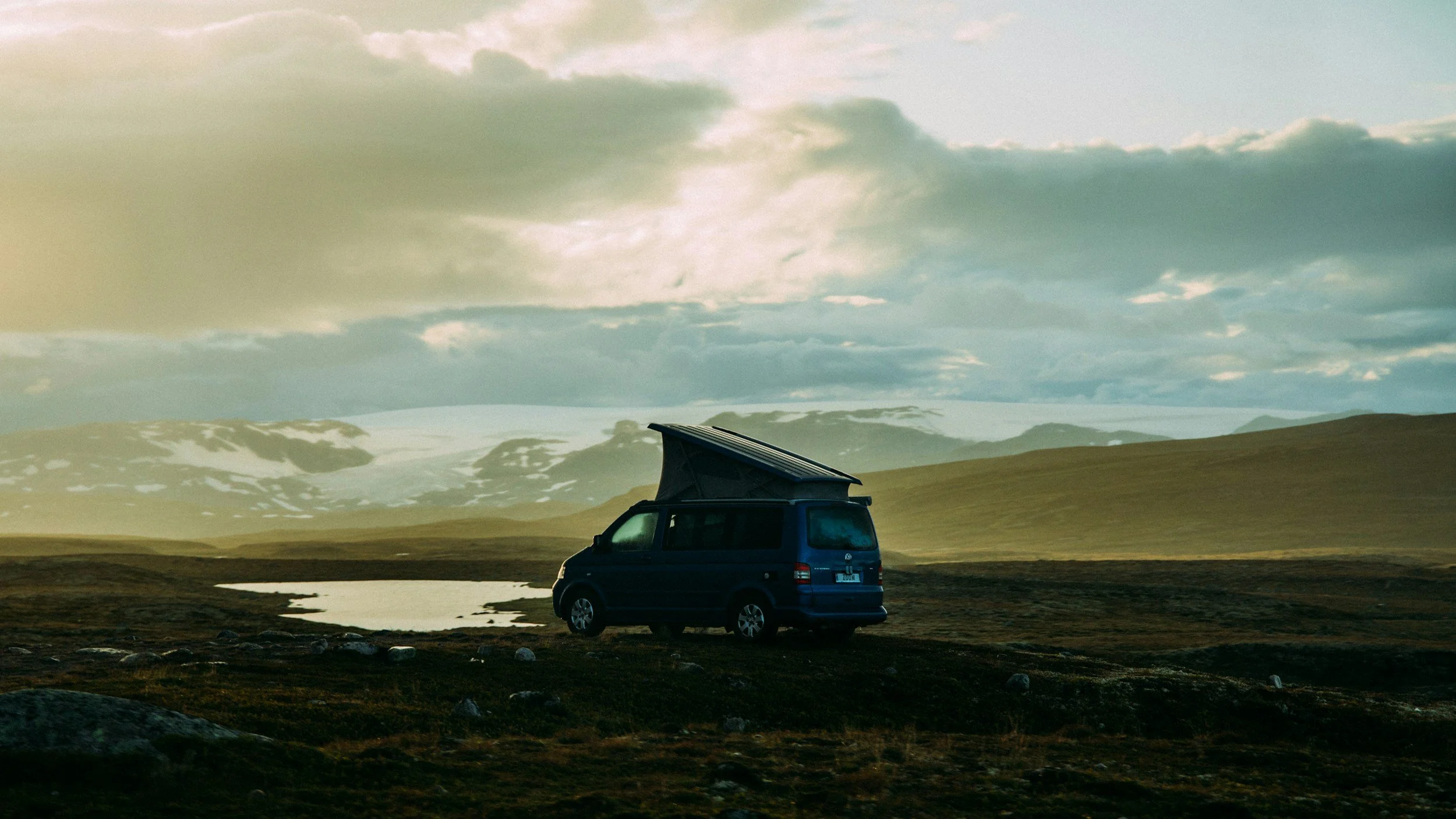
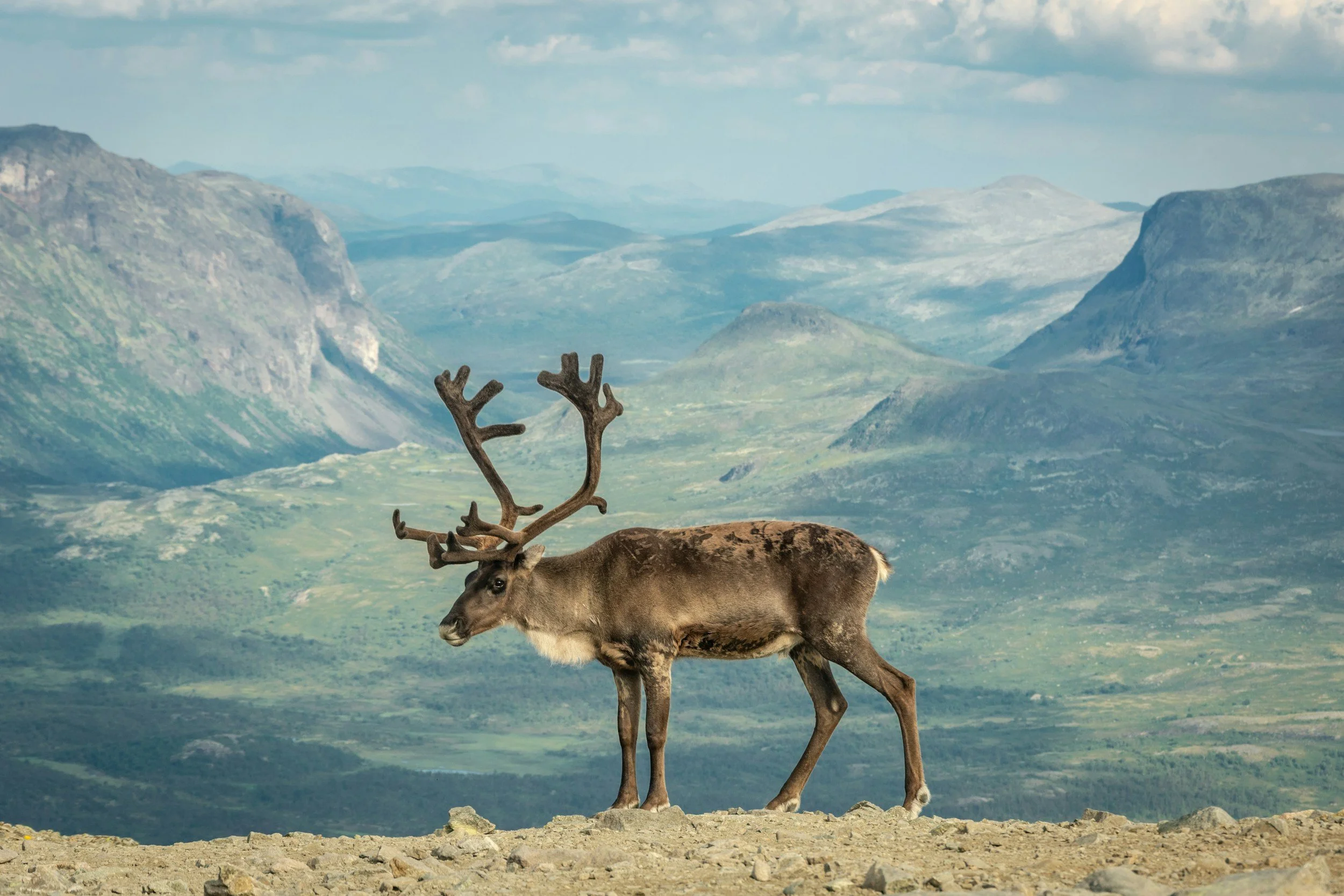
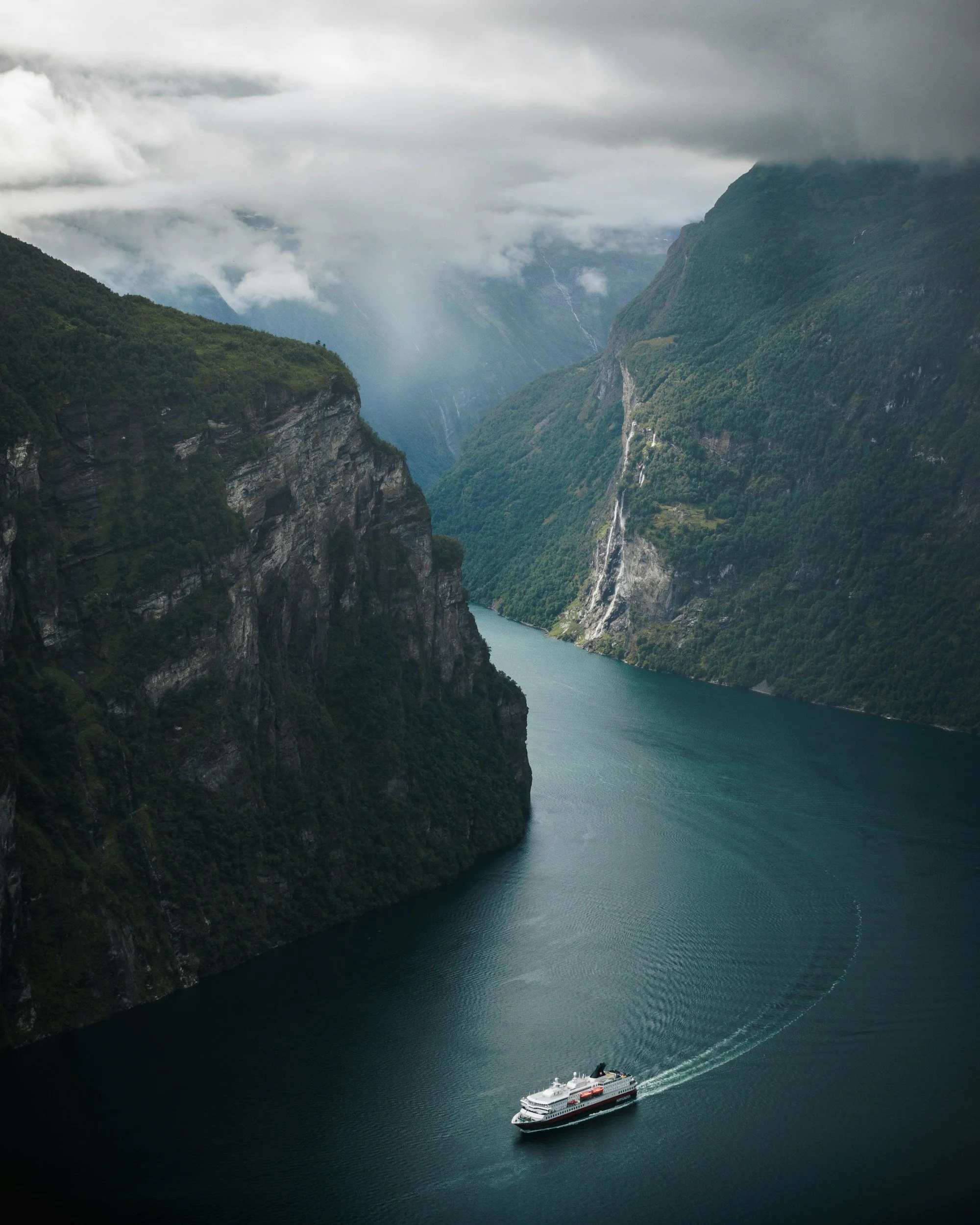
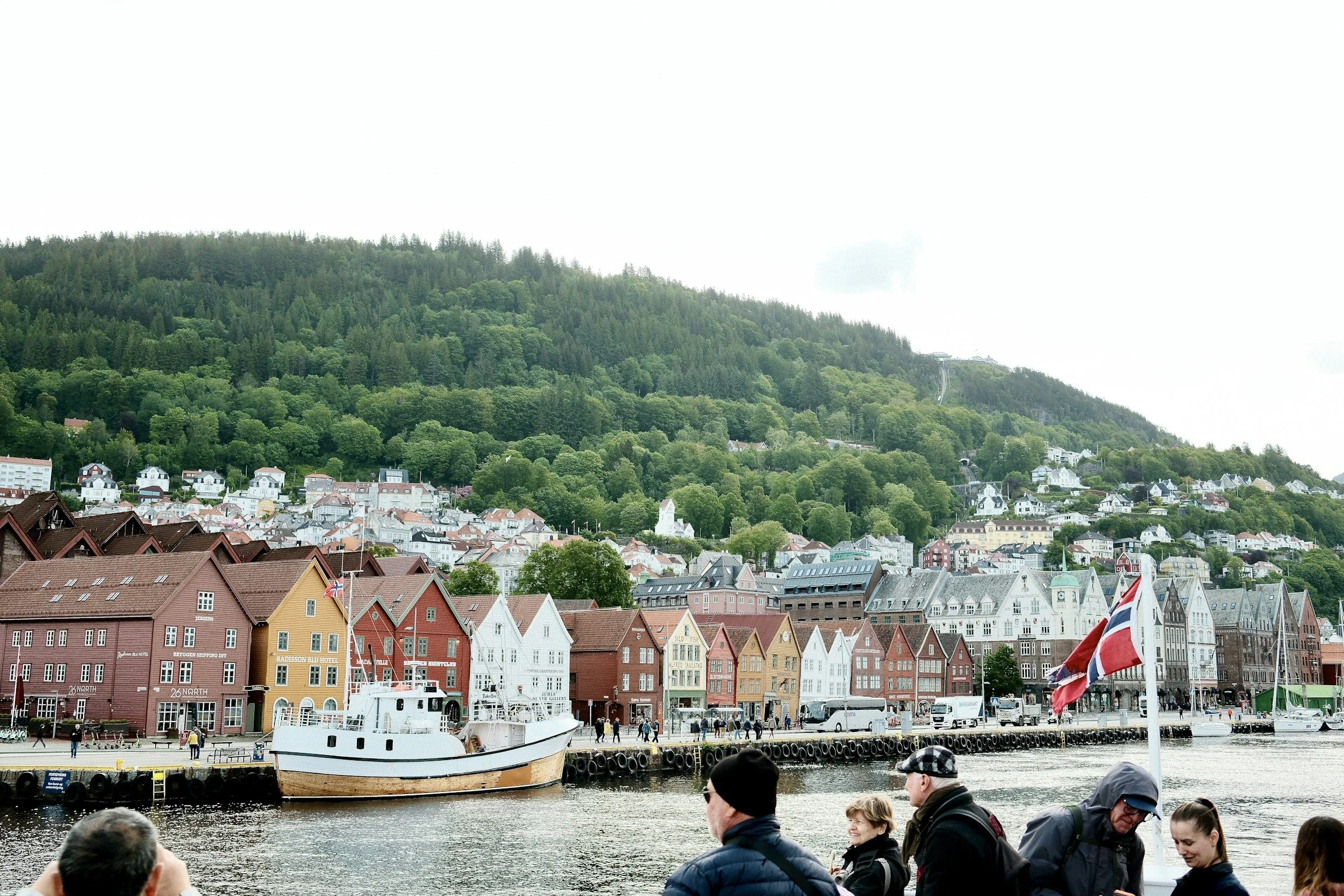

Explore Mountain Norway on a 10-day road trip through Valdres, Jotunheimen and Rondane, with scenic mountain roads, traditional summer farms, Besseggen and Galdhøpiggen along the way.