
Mountain Norway: Jotunheimen, Rondane, Valdres and Beyond
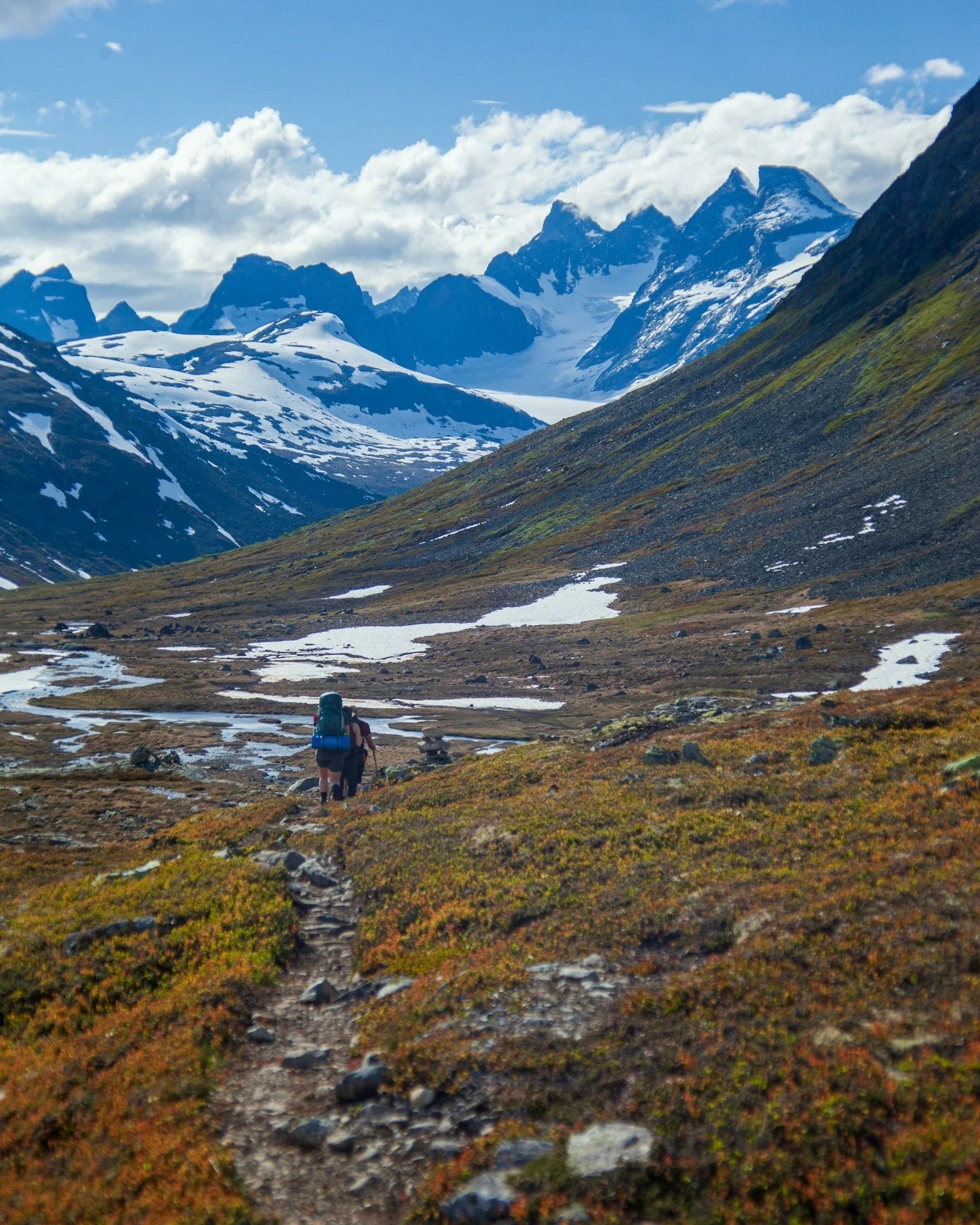
When many visitors imagine Norway, they picture dramatic fjords, colourful fishing villages and winding coastal roads. While these landscapes are undeniably beautiful, they represent only part of the country. To understand Norway more fully, it helps to look inland.
Mountain Norway is where many Norwegians spend weekends, holidays and family celebrations. It is home to some of the country's most spectacular hiking routes, traditional mountain farms, historic valleys and vast wilderness areas. For many Norwegians, the mountains are not simply a destination. They are part of everyday culture and identity.
From the towering peaks of Jotunheimen to the rolling landscapes of Rondane and the traditional valleys of Valdres, Mountain Norway offers a different perspective on the country.
What Is Mountain Norway?
Mountain Norway refers to the highland regions that stretch across large parts of southern and central Norway. Unlike the steep fjord landscapes of the west coast, these areas are characterised by broad valleys, mountain plateaus, alpine peaks and extensive wilderness.
Some of the best-known mountain regions include:
Jotunheimen
Rondane
Valdres
Hallingdal
Gudbrandsdalen
Dovrefjell
Hardangervidda
Trollheimen
Many international visitors compare Norway's mountains to the Alps. While there are similarities, the experience is often quite different. Norway's mountain regions are generally less developed, less crowded and more focused on outdoor recreation than large-scale tourism.
The result is a landscape that often feels remarkably wild, even in areas that are easily accessible.
Why the Mountains Matter to Norwegians
For many Norwegians, the mountains hold a special place in national culture.
Generations have spent holidays in mountain cabins, learned to ski on snowy plateaus and explored hiking trails during the short summer season. The mountains are associated with freedom, simplicity and time spent outdoors.
This connection is reflected in many aspects of Norwegian life:
Family cabins in the mountains
Easter holidays spent skiing and hiking
Long-distance hiking traditions
Cross-country skiing culture
Hunting and fishing
Berry and mushroom picking
Mountain tourism and outdoor recreation
Many Norwegian families have stronger ties to a mountain region than they do to any major city.
For visitors, understanding this relationship helps explain why the mountains remain such an important part of Norwegian identity.
Jotunheimen: Home of Norway's Highest Peaks
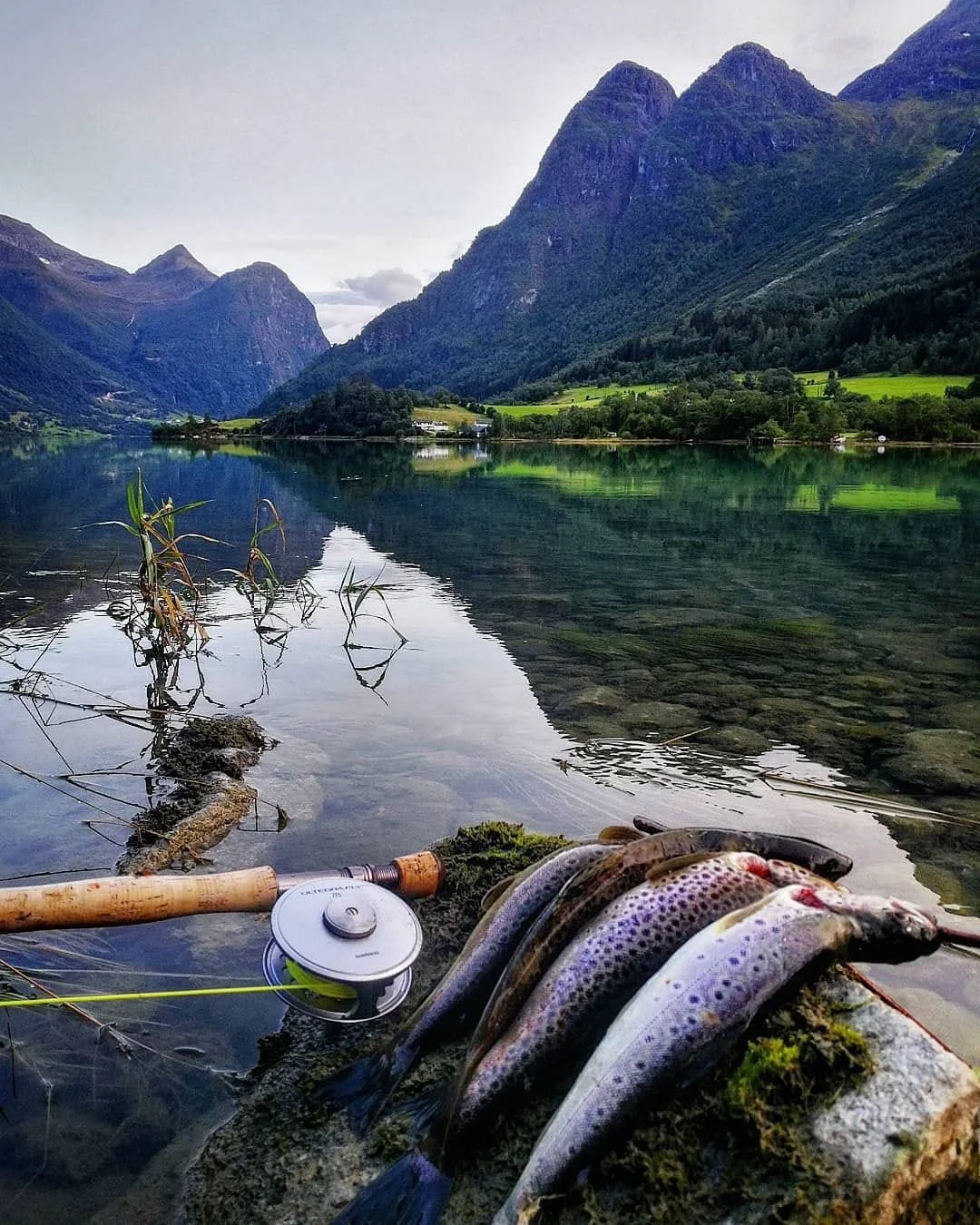
Jotunheimen is Norway's most famous mountain region and contains the country's highest peaks.
The name means "Home of the Giants", taken from Norse mythology, and it is easy to see why. Sharp peaks, glaciers and dramatic valleys dominate the landscape.
Highlights include:
Galdhøpiggen, Norway's highest mountain
Glittertind
Besseggen Ridge
Gjende Lake
The historic mountain lodges of Gjendesheim and Memurubu
Jotunheimen attracts hikers from around the world, particularly during summer when the snow retreats from many of the higher trails.
The region is also one of the best places to experience Norway's network of mountain huts operated by the Norwegian Trekking Association (DNT).
Rondane: Norway's First National Park
Established in 1962, Rondane became Norway's first national park.
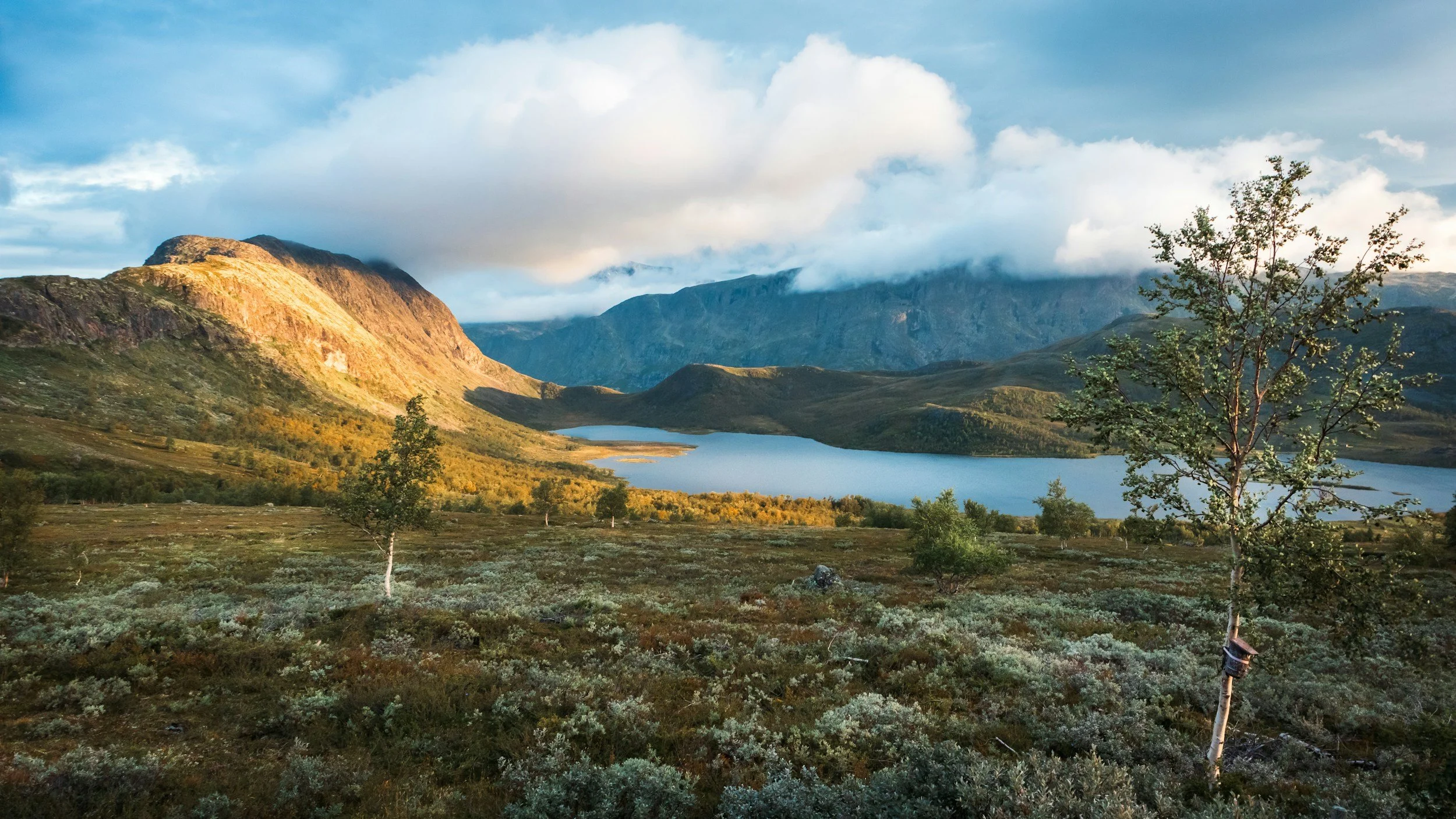
Compared with Jotunheimen, Rondane's mountains are softer and more rounded, creating a landscape that feels both peaceful and expansive. The area is particularly known for its wide views, open terrain and beautiful autumn colours.
Rondane is also one of the most important habitats for wild reindeer in Europe.
Visitors come here for:
Hiking
Multi-day trekking
Wildlife watching
Photography
Autumn landscapes
While international travellers often focus on Jotunheimen, many Norwegians consider Rondane one of the country's most beautiful mountain regions.
Valdres: Mountain Culture and Tradition
Valdres offers a different experience from the higher and more dramatic landscapes of Jotunheimen and Rondane. Here, the mountains are closely connected to farms, villages, summer pastures and traditions that are still part of everyday life.
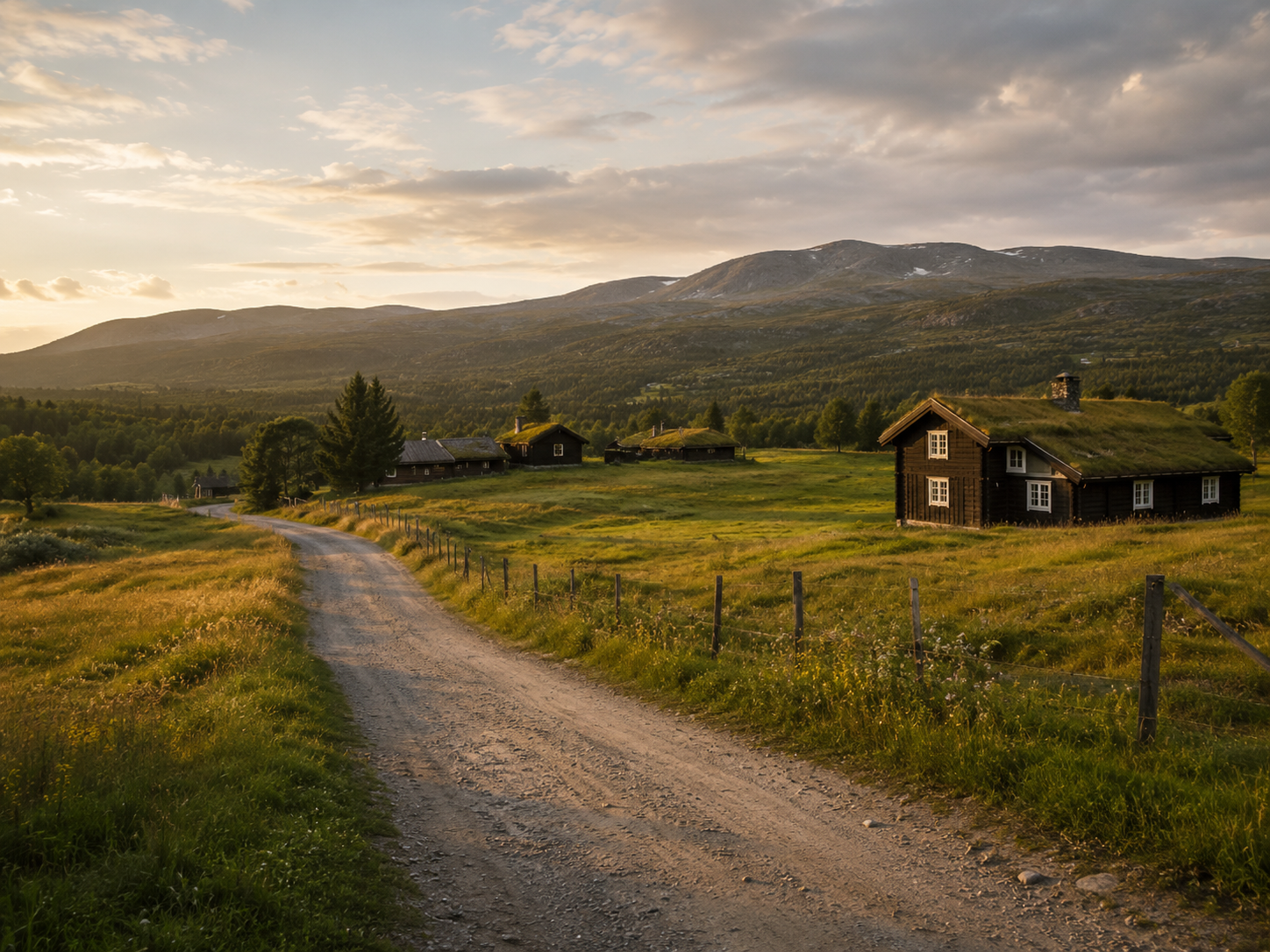
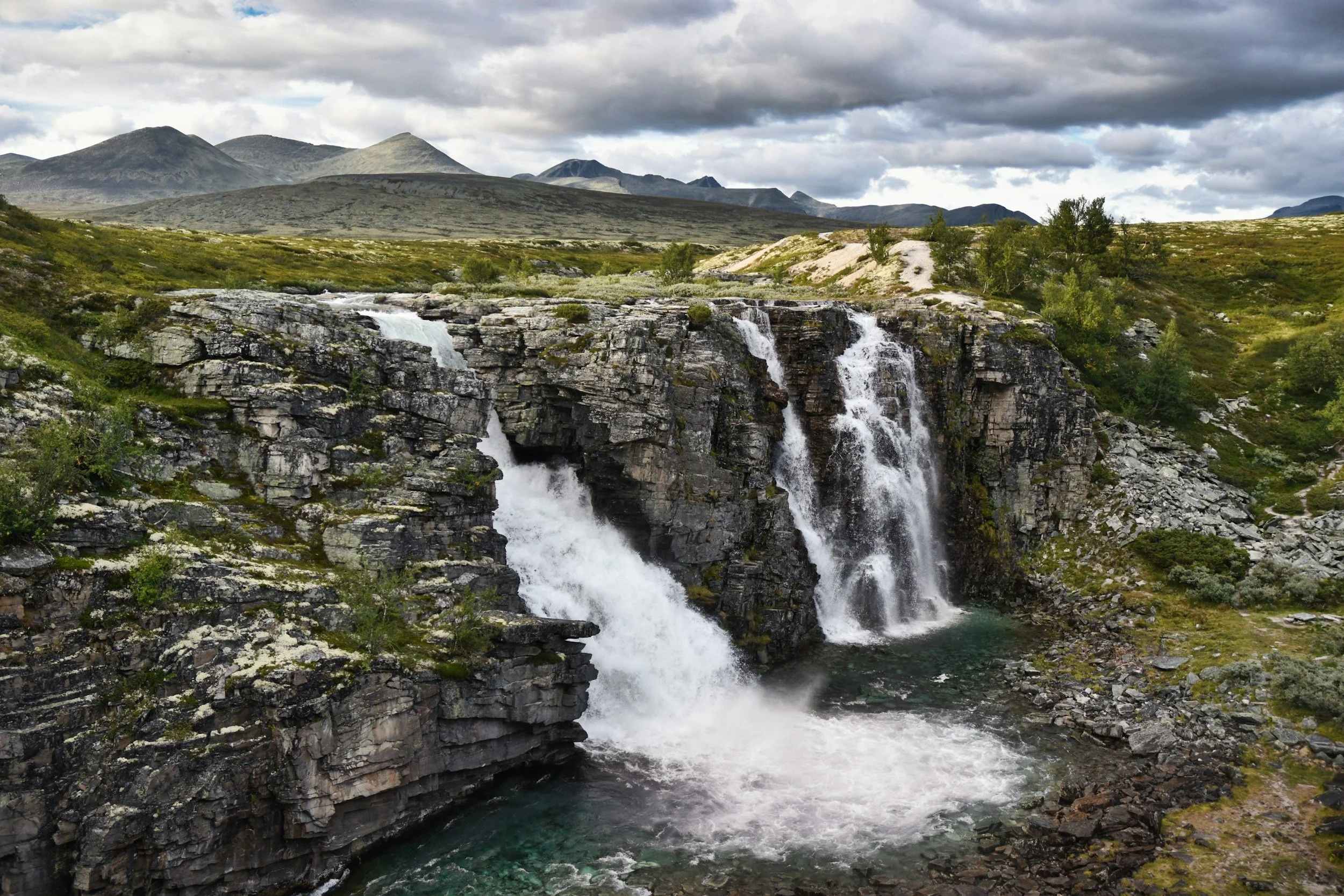
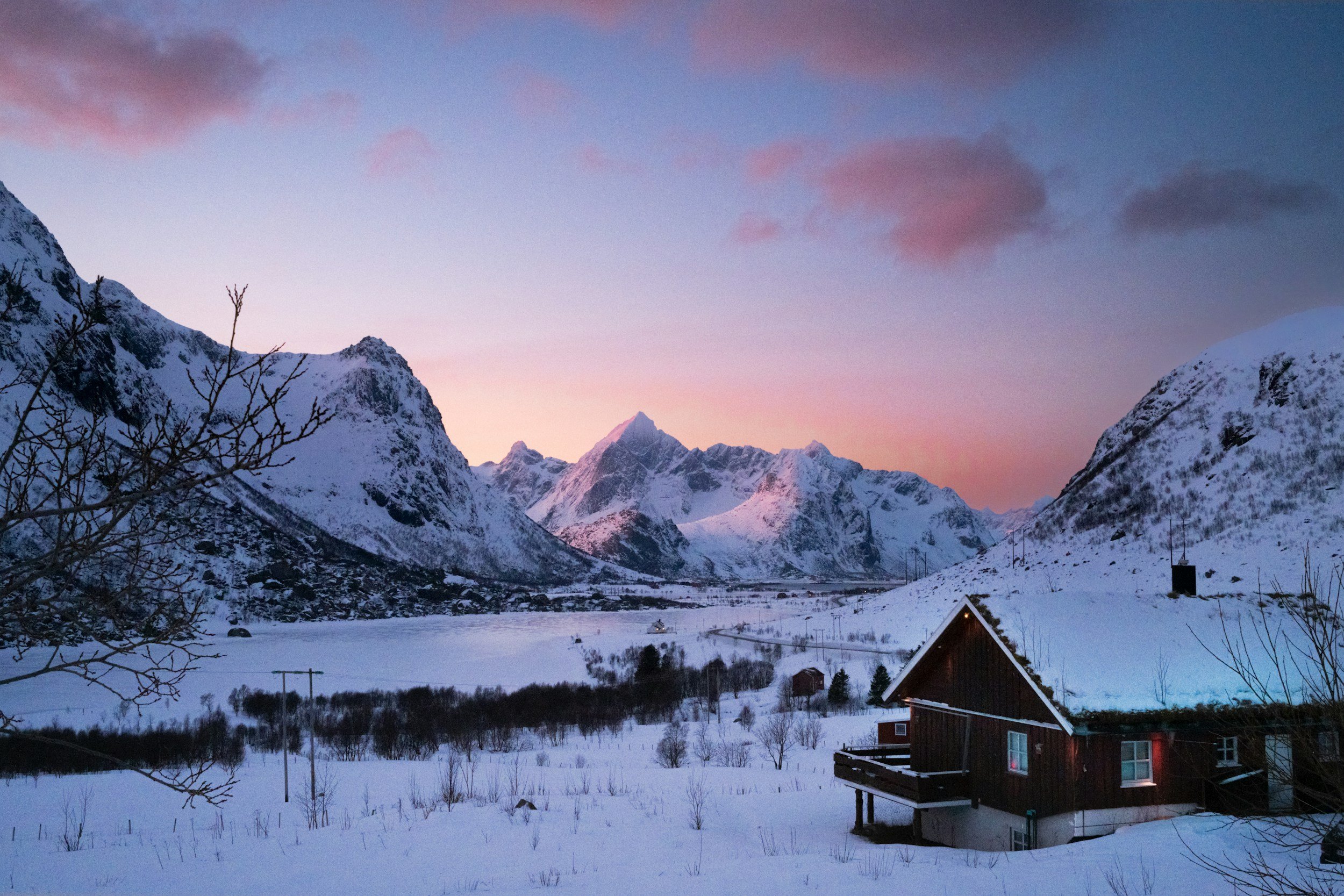
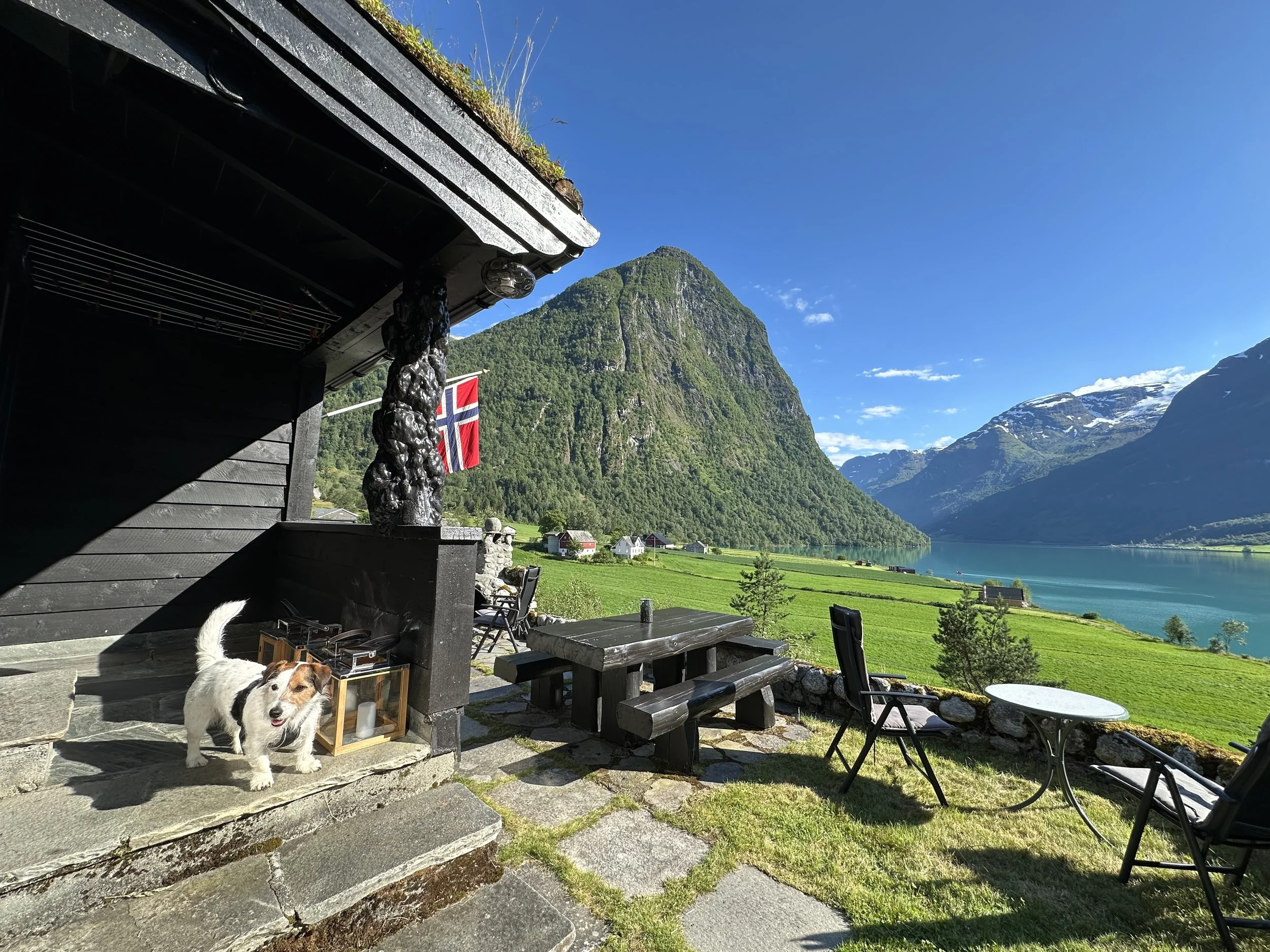
A quiet road through the mountain-farm landscape of Valdres, where old wooden buildings, open pastures and distant peaks come together in the evening light.
Located between Oslo and the western fjords, Valdres has long formed an important route through the Norwegian mountains. Traditional wooden farms, working summer farms known as støler, historic churches and mountain communities remain central to the region’s identity.
Valdres is particularly known for:
traditional summer-farm culture
folk music and regional costumes
local foods such as rakfisk, cured meats and dairy products
mountain cabins and historic farm buildings
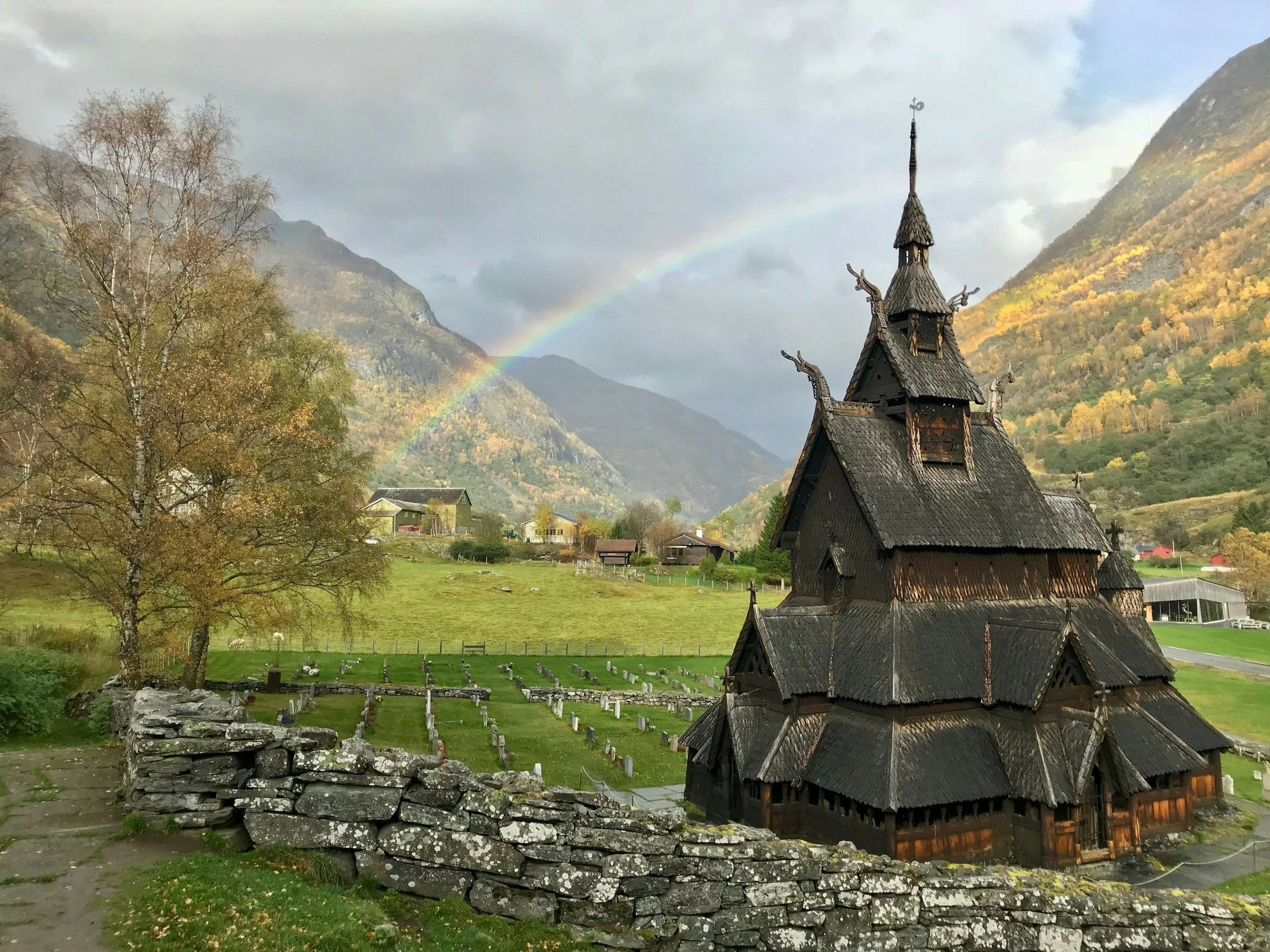
medieval stave churches and old travel routes
hiking, cycling and skiing through the cultural landscape
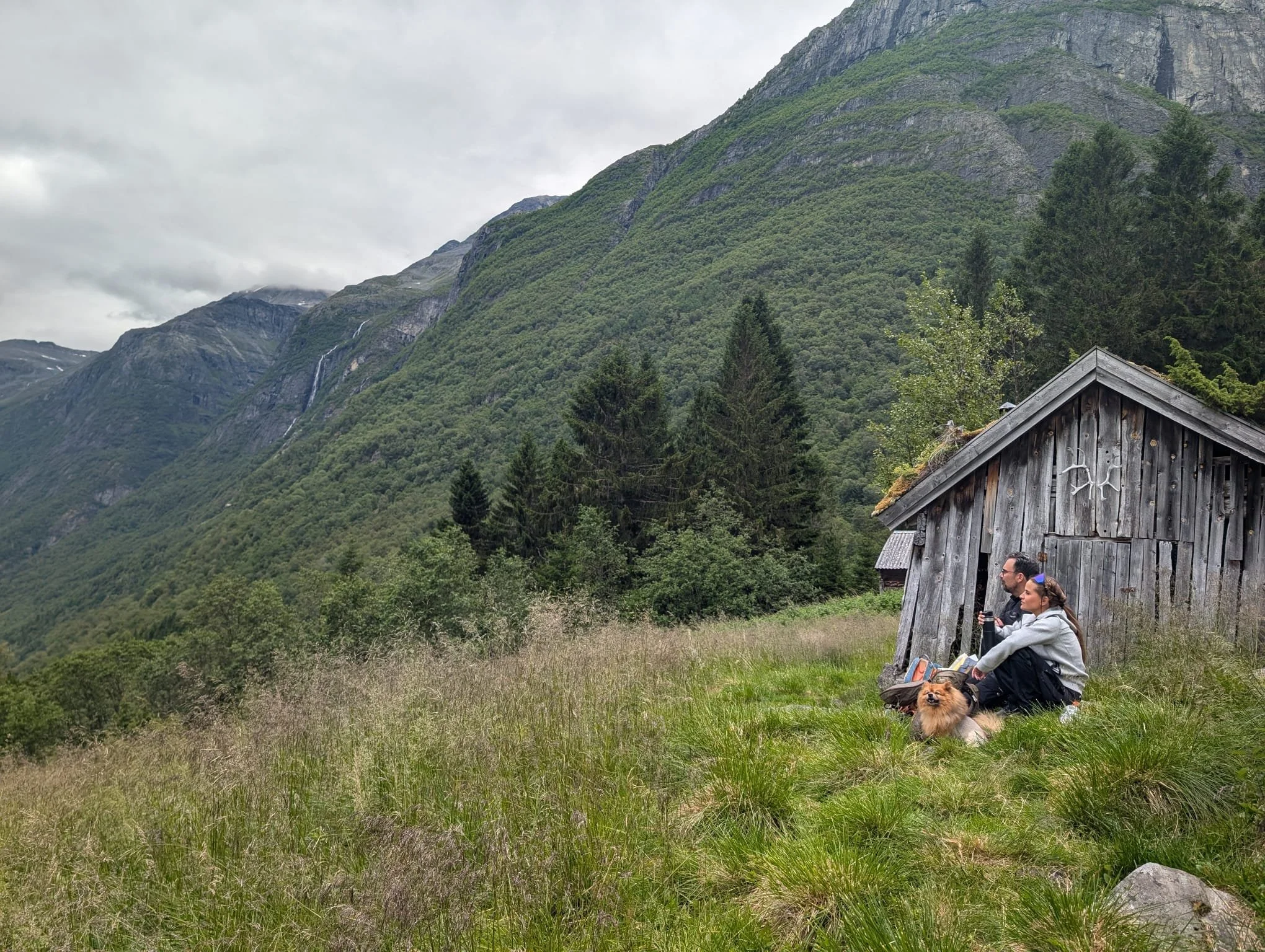
For travellers interested in rural Norway, Valdres provides a closer look at how farming traditions, local culture and outdoor life have developed alongside one another. Read my complete guide to Valdres to discover the region’s best hikes, summer farms, ski areas, local food and places to stay.
The Norwegian Cabin Tradition
No discussion of Mountain Norway would be complete without mentioning cabins.
Across the country, countless families own or regularly visit a mountain cabin. Some are simple wooden huts without modern conveniences, while others are comfortable year-round homes.
The cabin tradition is closely linked to the Norwegian idea of spending time outdoors and disconnecting from everyday life.
Many families return to the same mountain area for generations, creating strong emotional connections to particular valleys and landscapes.
If you would like to learn more about this unique aspect of Norwegian culture, see: Norwegian Cabin Culture: Understanding Norway's Love Affair with Hytter
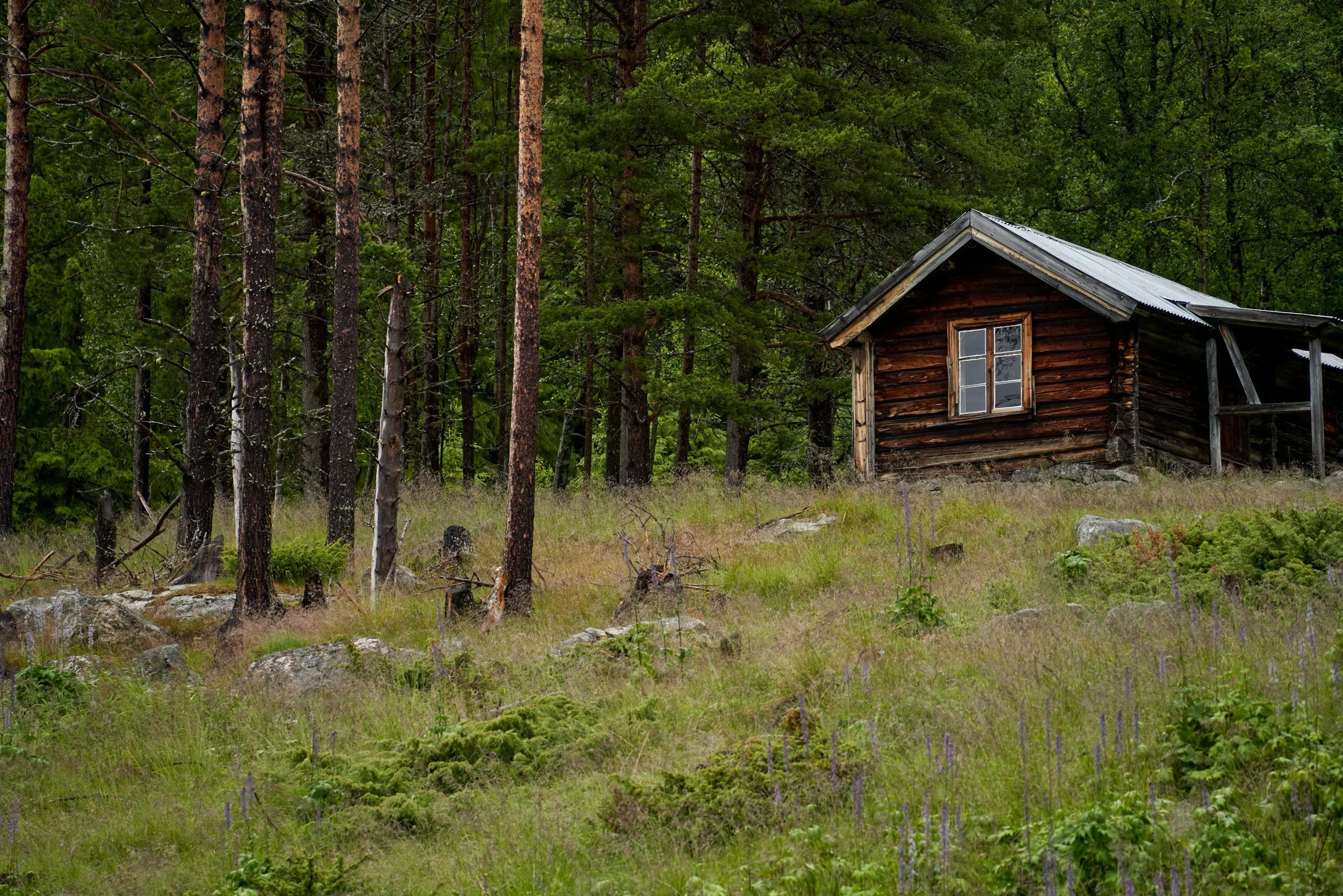
Summer in the Mountains
Summer is the most popular season for hiking and outdoor recreation.
During the long daylight hours, mountain regions become a playground for outdoor enthusiasts.
Popular activities include:
Hiking
Mountain biking
Fishing
Wild swimming
Trail running
Berry picking
Visiting traditional mountain farms
Many hiking routes remain snow-covered until June or even July, depending on altitude and weather conditions.
By late summer, the mountains are often covered in berries, and many Norwegians head outdoors to pick blueberries, cloudberries and lingonberries.
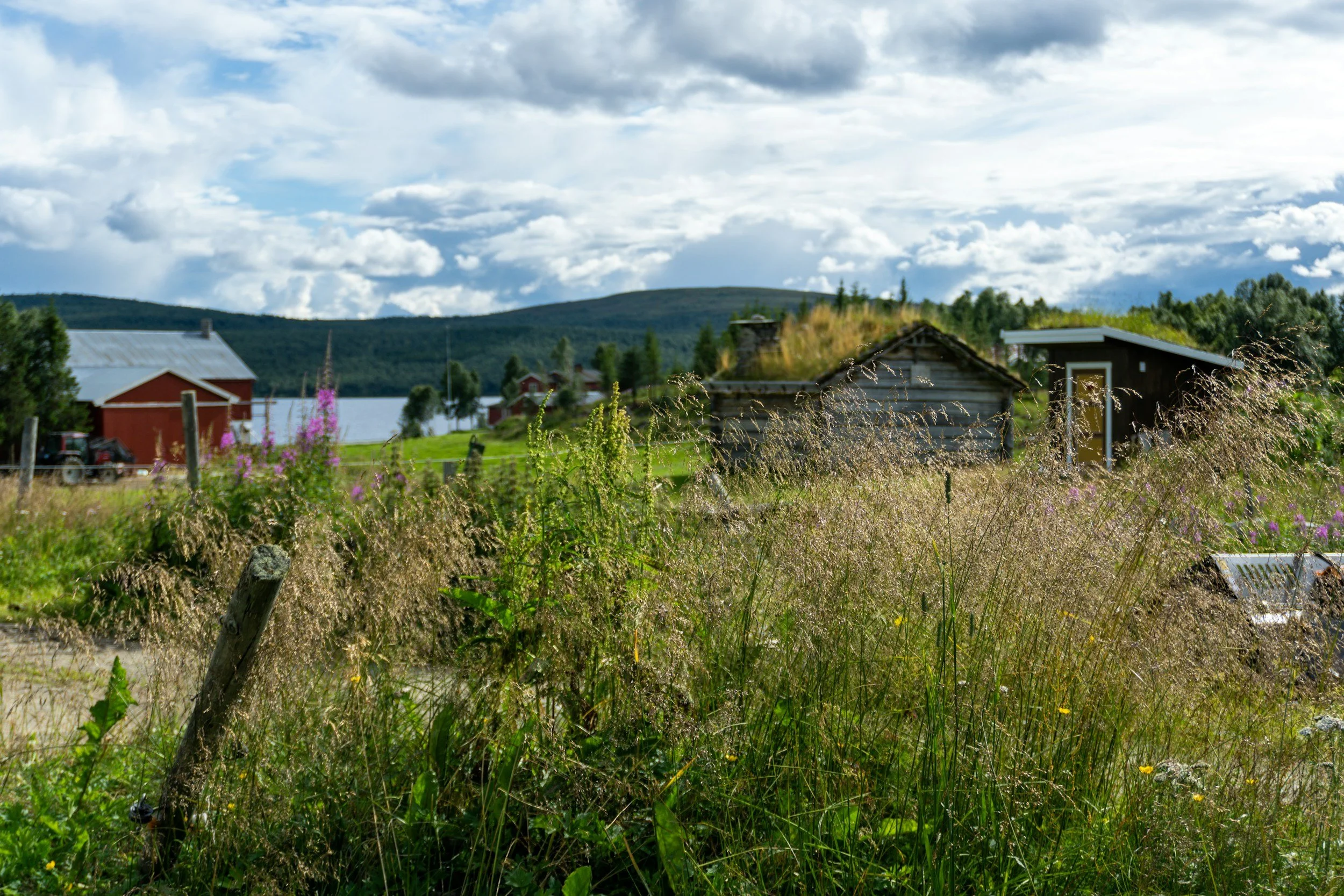
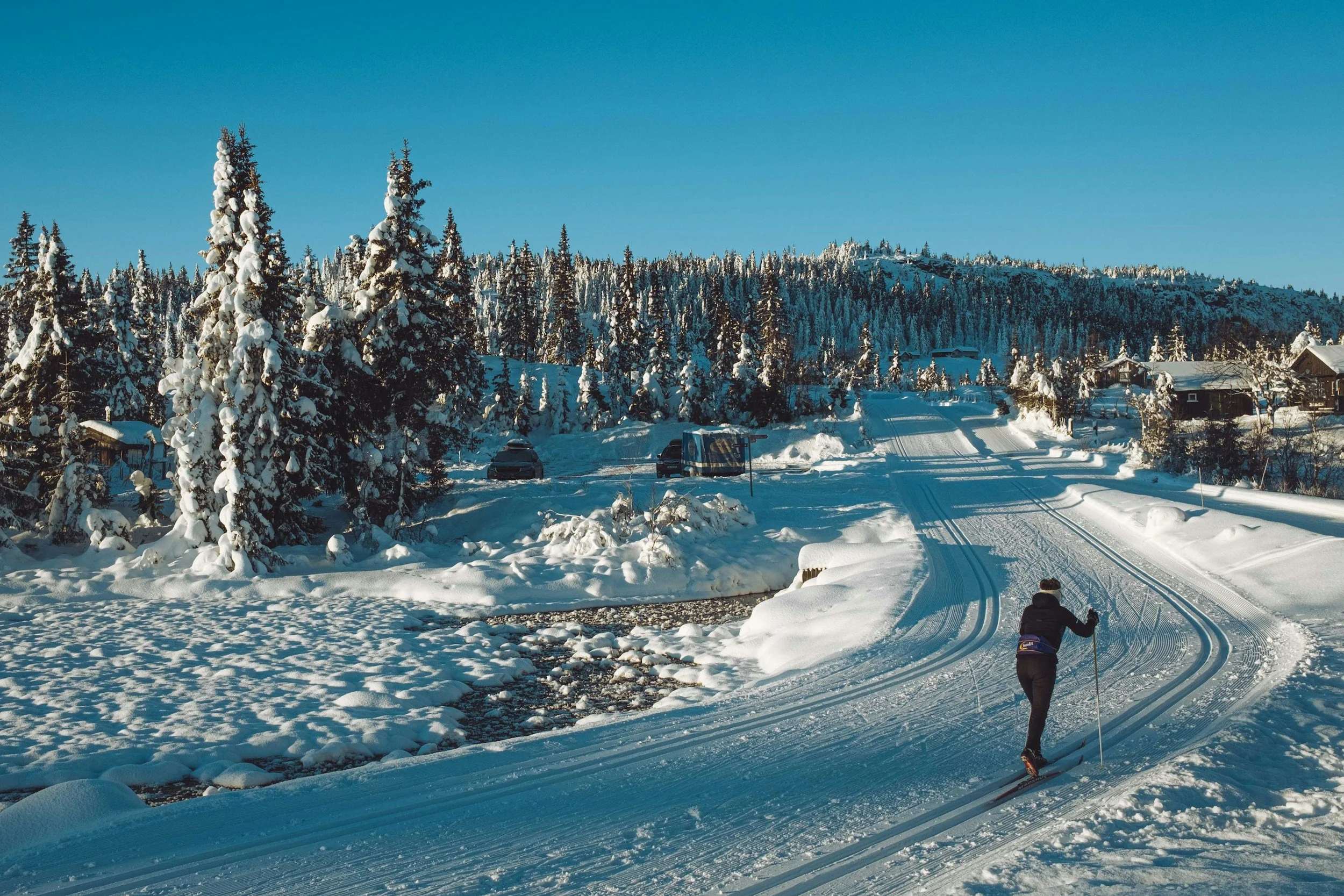
Winter in the Mountains
Winter transforms Norway's mountain regions into one of Europe's most significant outdoor recreation destinations.
Visitors are often familiar with alpine ski resorts such as:
Hemsedal
Trysil
Hafjell
However, skiing in Norway extends far beyond downhill resorts.
Cross-country skiing remains deeply embedded in Norwegian culture, and vast networks of groomed trails can be found throughout the mountains.
Many Norwegians spend Easter in mountain cabins, combining skiing, outdoor activities and family traditions.
For many families, Easter in the mountains is as important as Christmas.
Wildlife in Mountain Norway
Norway's mountain regions support a surprising variety of wildlife.
Among the most notable species are:
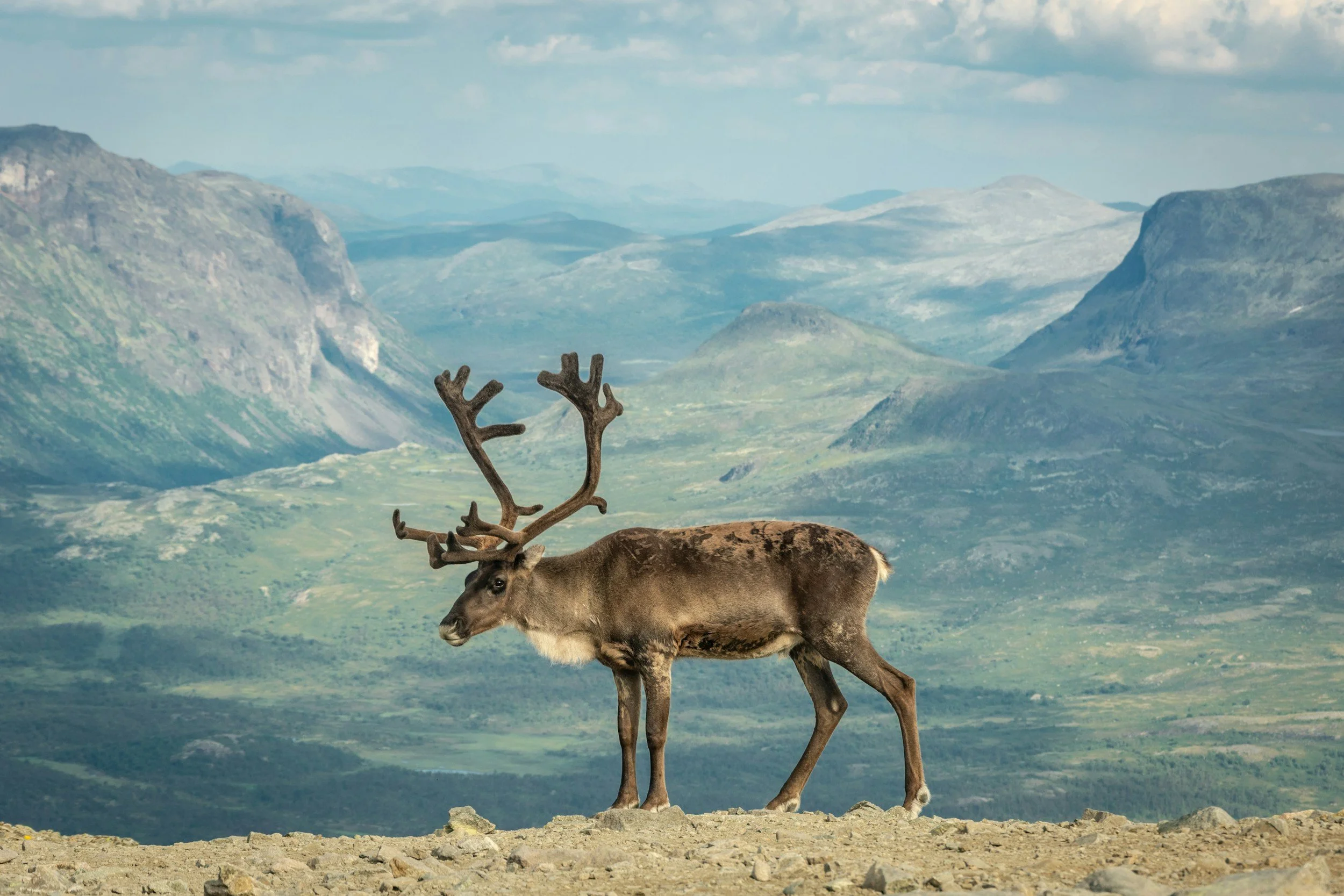
Wild reindeer
Musk ox
Arctic fox
Golden eagle
Wild reindeer are particularly significant, as southern Norway contains some of Europe's last remaining populations of truly wild mountain reindeer.
Dovrefjell is also one of the few places in Europe where visitors may encounter musk oxen in their natural environment.
Practical Tips for Visiting Mountain Norway
Before visiting Norway's mountain regions, keep the following in mind:
Mountain weather can change rapidly, even in summer.
Temperatures are often much lower than in nearby cities.
Snow may remain on high trails well into summer.
Proper footwear is essential.
Mobile coverage can be limited in remote areas.
Always check local conditions before setting out.
If you plan to hike extensively, Norway's network of mountain huts and marked trails makes exploring surprisingly accessible, even for visitors with limited experience.
Final Words
Mountain Norway offers a side of the country that many international visitors overlook.
While the fjords often attract the attention, the mountains reveal something equally important about Norway. They are places of recreation, tradition, family history and cultural identity. They are where generations of Norwegians have skied, hiked, fished and spent time in nature.
Whether you choose the dramatic peaks of Jotunheimen, the open landscapes of Rondane, the traditions of Valdres or one of Norway's many other mountain regions, you will discover a landscape that has shaped the country for centuries.
Related Reading:
Discover Valdres, a mountain region in Eastern Norway shaped by summer farms, local food, stave churches and outdoor traditions. This complete guide covers the best places to visit, hikes, cycling routes, ski areas and distinctive places to stay.