
What to Do in Oslo in Winter: A local Guide
I grew up in Oslo and lived in the city centre for most of my life, so winter there is something I know well. Oslo does not shut down when the temperature drops. People still go to work, meet friends, eat out, go to concerts and spend weekends outdoors. Public transport continues to run, cafés and restaurants stay busy, and the forests, ski trails and fjord remain remarkably easy to reach from the middle of the city. Winter simply becomes part of everyday life rather than something that puts it on hold.
It is also worth knowing that an Oslo winter does not look the same every day. There can be beautiful periods of snow and clear, cold weather, but also ice, slush, wet pavements and milder spells. That variation is part of winter in the city, and it is one reason I think Oslo works best when you plan a mixture of indoor and outdoor experiences rather than building an itinerary around snow alone.
For travellers who want a real winter city rather than a resort, Oslo offers an unusual combination. You can spend the morning in a museum, ski in the forest or at the city’s alpine slopes in the afternoon, warm up in a sauna beside the Oslofjord and still have restaurants, bars, concerts and normal city life around you in the evening. Nature never feels very far away, but you do not have to give up the advantages of staying in a capital city to experience it.
Where you stay can also make a noticeable difference to a winter visit, particularly if you want easy access to public transport, museums, restaurants and the routes that take you towards the forests and ski areas. My Where to Stay in Oslo: A Guide to the City’s Different Neighbourhoodsexplains how the main areas of the city differ and which ones work best depending on how you want to spend your time.
This guide focuses on what Oslo itself is actually like during the colder months, from museums, skiing and winter walks to sauna culture, food, nightlife and the everyday rhythm of the city.
Explore Oslo’s Museums and Cultural Institutions
Winter is one of the best times to explore Oslo’s museums. Shorter daylight and colder weather make it natural to combine time outdoors with a few hours inside, and many of the city’s major museums are substantial enough to become part of the day rather than simply somewhere to escape the cold. They also cover very different sides of Norway, from art and polar exploration to rural traditions and everyday life.
The National Museum
The National Museum is the best place to start if you want a broad introduction to Norwegian art, design and cultural history. Its collections extend far beyond paintings, bringing together visual art, architecture, decorative arts and design in one large museum. This makes it particularly useful for a winter visit because you can spend several hours here without feeling that you are stretching out a small exhibition simply to stay indoors.
For visitors who are new to Norwegian art, the museum also provides much more context than seeing individual famous works elsewhere. Edvard Munch is represented here, but so are artists, designers and movements that help explain how Norwegian visual culture developed over time. The building itself is spacious and calm, and I find that winter suits the slower pace of visiting particularly well.
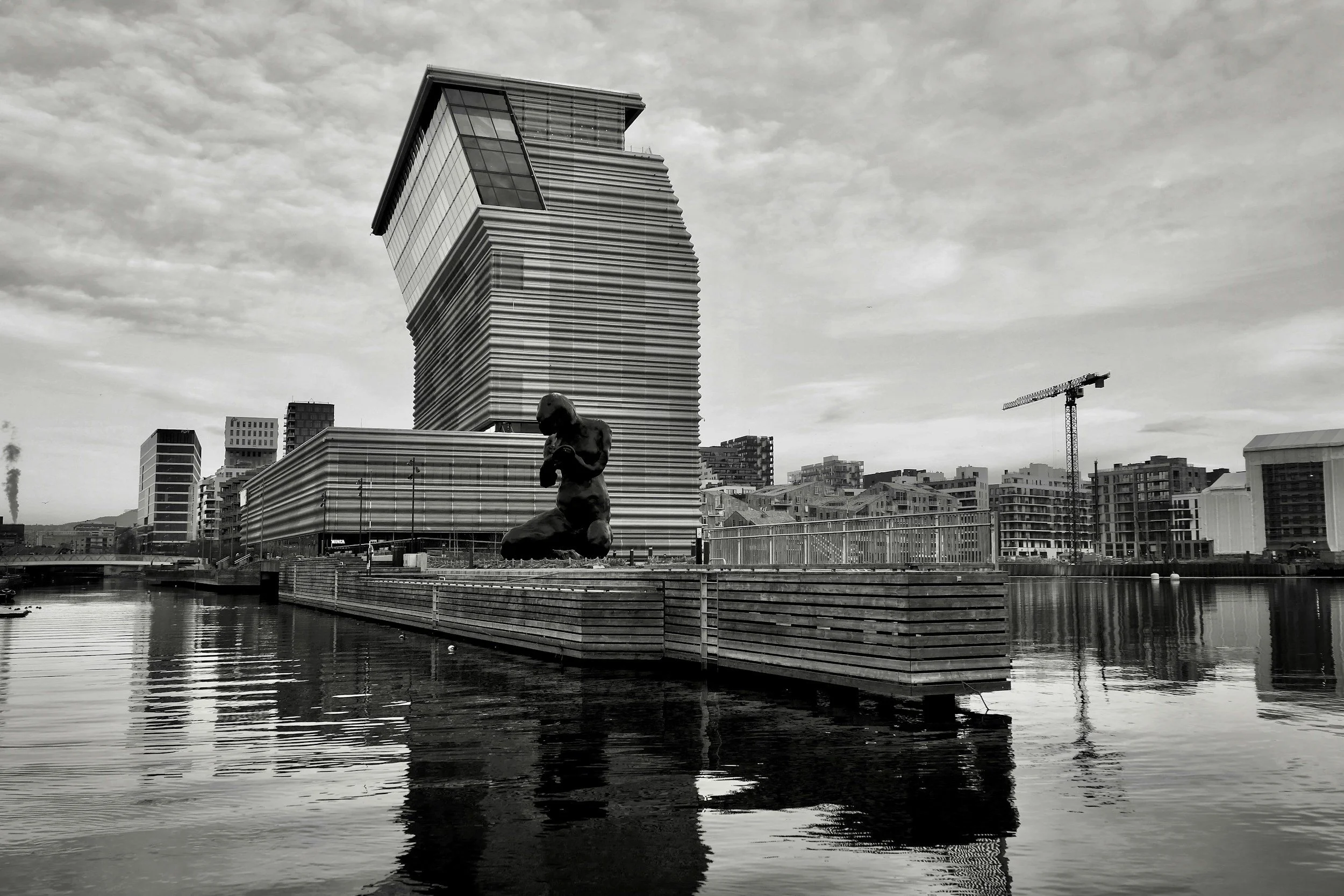
MUNCH
MUNCH offers a very different experience. Rather than giving a broad overview of Norwegian art, the museum allows you to go much deeper into the work of Edvard Munch and understand him beyond The Scream. His paintings can feel particularly appropriate in Oslo during winter, when the low light, darkness and colder atmosphere outside echo some of the moods that appear repeatedly in his work.
The museum also has changing exhibitions and views across Bjørvika and the Oslofjord, so I would allow more time than you might expect if you are genuinely interested in art. It can easily be combined with a winter walk around the Opera House and Bjørvika, giving you a good balance between being indoors and seeing one of the newer parts of Oslo.
Astrup Fearnley Museum
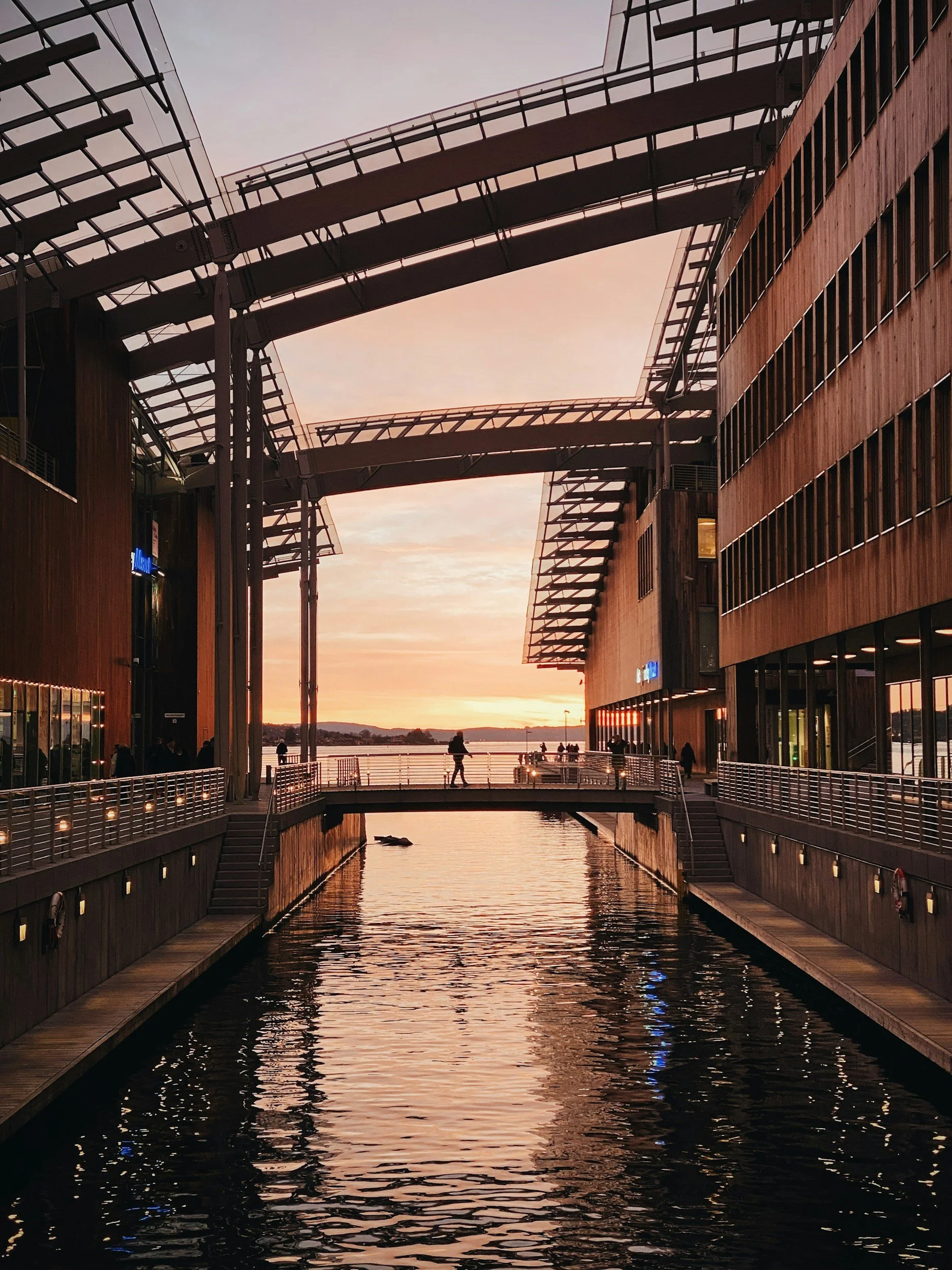
The Astrup Fearnley museum in Tjuvholmen.
For contemporary art, the Astrup Fearnley Museum on Tjuvholmen offers something quite different from both the National Museum and MUNCH. Its collection and temporary exhibitions focus on international contemporary art, and the museum itself, designed by Renzo Piano, is part of the experience. The glass-roofed buildings sit directly beside the Oslofjord, with the museum spread across the waterfront rather than enclosed within a traditional city block.
I particularly like this area in winter because the museum can be combined with a walk around Tjuvholmen and Aker Brygge. On clear days, the low winter light across the fjord can be beautiful, while on colder or wetter days you are never far from cafés, restaurants and somewhere warm. If contemporary art interests you, I would choose Astrup Fearnley alongside, rather than instead of, one of Oslo’s larger museums because it shows a very different side of the city’s cultural life.
The Fram Museum
The Fram Museum is the one I would recommend most strongly if Norwegian polar history interests you. It is built around the original polar ship Fram, which was used on expeditions associated with Fridtjof Nansen, Otto Sverdrup and Roald Amundsen, and being able to go aboard the actual vessel makes the history much more tangible than simply reading about the expeditions.
There is also something particularly appropriate about visiting the museum in winter. Norwegian polar exploration can otherwise feel quite distant from a modern city break, but stepping inside Fram while it is cold and dark outside gives the story a stronger sense of place. The museum explains not only the expeditions themselves but also the ships, equipment, planning and conditions that made this period of exploration possible.
The Norwegian Museum of Cultural History
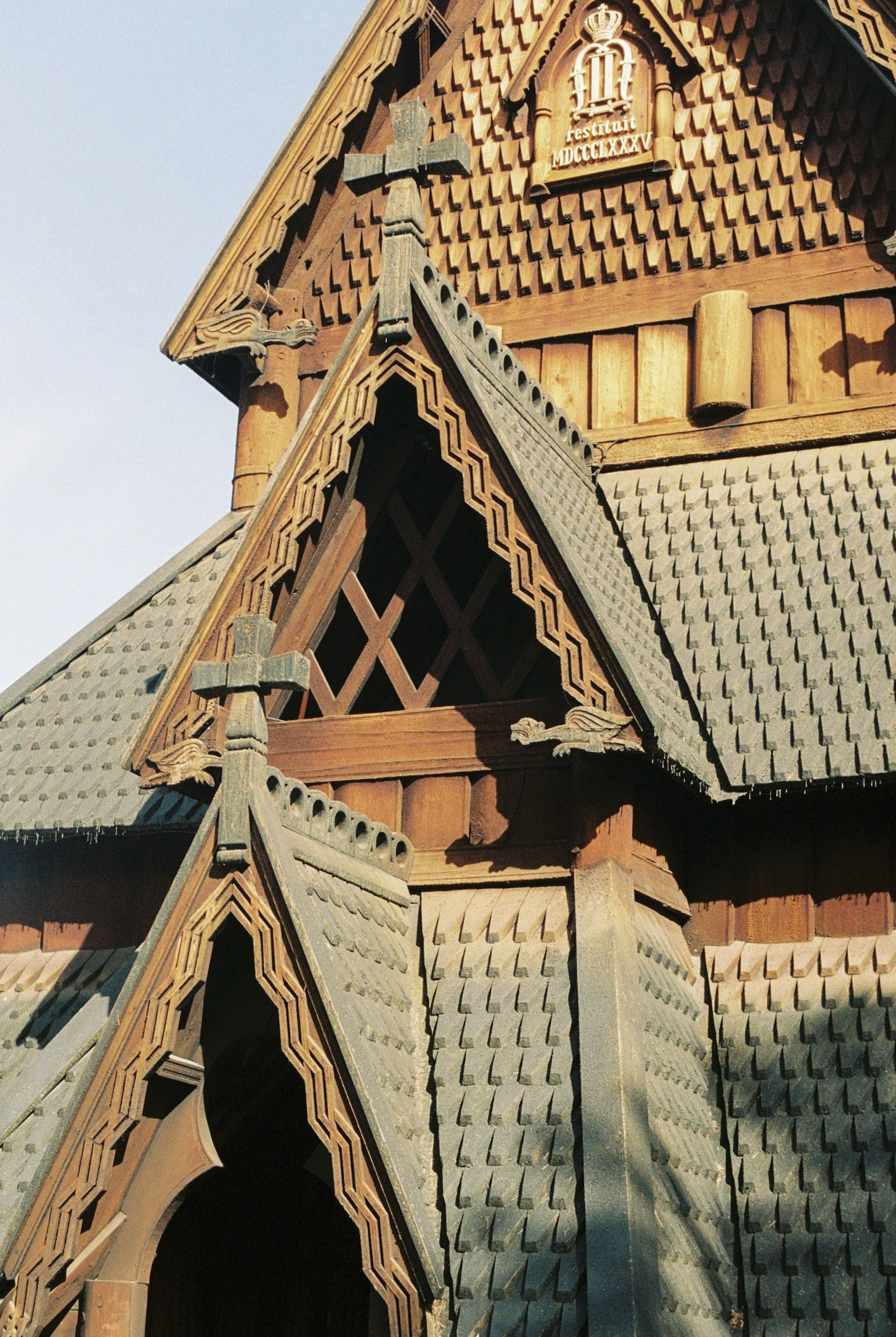
The Norwegian Museum of Cultural History, or Norsk Folkemuseum, is one of the best places in Oslo for understanding how people lived in different parts of Norway before modern life became more standardised. Historic buildings from around the country have been moved here, creating an extensive open-air museum alongside indoor exhibitions.
Winter changes the experience considerably. Snow around the old farm buildings, timber houses and the Gol stave church can make the outdoor sections feel quieter and more atmospheric than they do during the busy summer season. At the same time, this is not a museum where you should expect every outdoor activity or historical demonstration to operate exactly as it would in summer, so I would visit for the buildings, landscape and cultural history rather than expecting a full programme of seasonal activities.
The Fram Museum and the Norwegian Museum of Cultural History are both on Bygdøy, which makes them particularly easy to combine if you want to devote a larger part of the day to Norwegian history. I would not try to see every major museum in Oslo simply because the weather is cold, however. Choosing one or two that genuinely match your interests leaves room for the other side of an Oslo winter: walking by the fjord, spending time outdoors and experiencing how the city continues around the colder weather.
The Kon-Tiki Museum
The Kon-Tiki Museum is another strong reason to visit Bygdøy, particularly if you are interested in exploration and Norwegian maritime history. The museum is centred on Thor Heyerdahl’s expeditions and contains the original Kon-Tiki raft, which crossed the Pacific in 1947, as well as the reed boat Ra II and exhibitions covering Heyerdahl’s other journeys and research.
The museum was updated with new exhibitions in 2026, including more interactive displays around the Kon-Tiki expedition and the people involved in it. It is also open throughout the year, which makes it particularly useful for a winter itinerary when some of Oslo’s more seasonal attractions have reduced access.
Because the Kon-Tiki Museum, Fram Museum and Norwegian Maritime Museum sit close together at Bygdøynes, this is one of the easiest parts of Oslo in which to combine several museums in the same day. I would still choose according to your interests rather than trying to see all of them simply because they are nearby.
What About the Viking Ship Museum?
If you are looking for Oslo’s famous Viking Ship Museum, it is important to know that it is currently closed. The old museum on Bygdøy is being transformed into the new Museum of the Viking Age, which is planned to open in 2027.
The new museum will once again display the Oseberg, Gokstad and Tune ships, but they cannot currently be visited. If Viking history is particularly important to your Norway trip, my Viking History in Norway: The Best Places to Visit by Region guide covers other places where you can experience Viking history while the Oslo museum is closed.
Experience Oslo’s Sauna Culture
Winter in Oslo is not only about coping with the cold. One of the nicest ways to experience the season is to deliberately move between cold and warmth, and the saunas along the Oslofjord have become a visible part of life around the city’s waterfront.
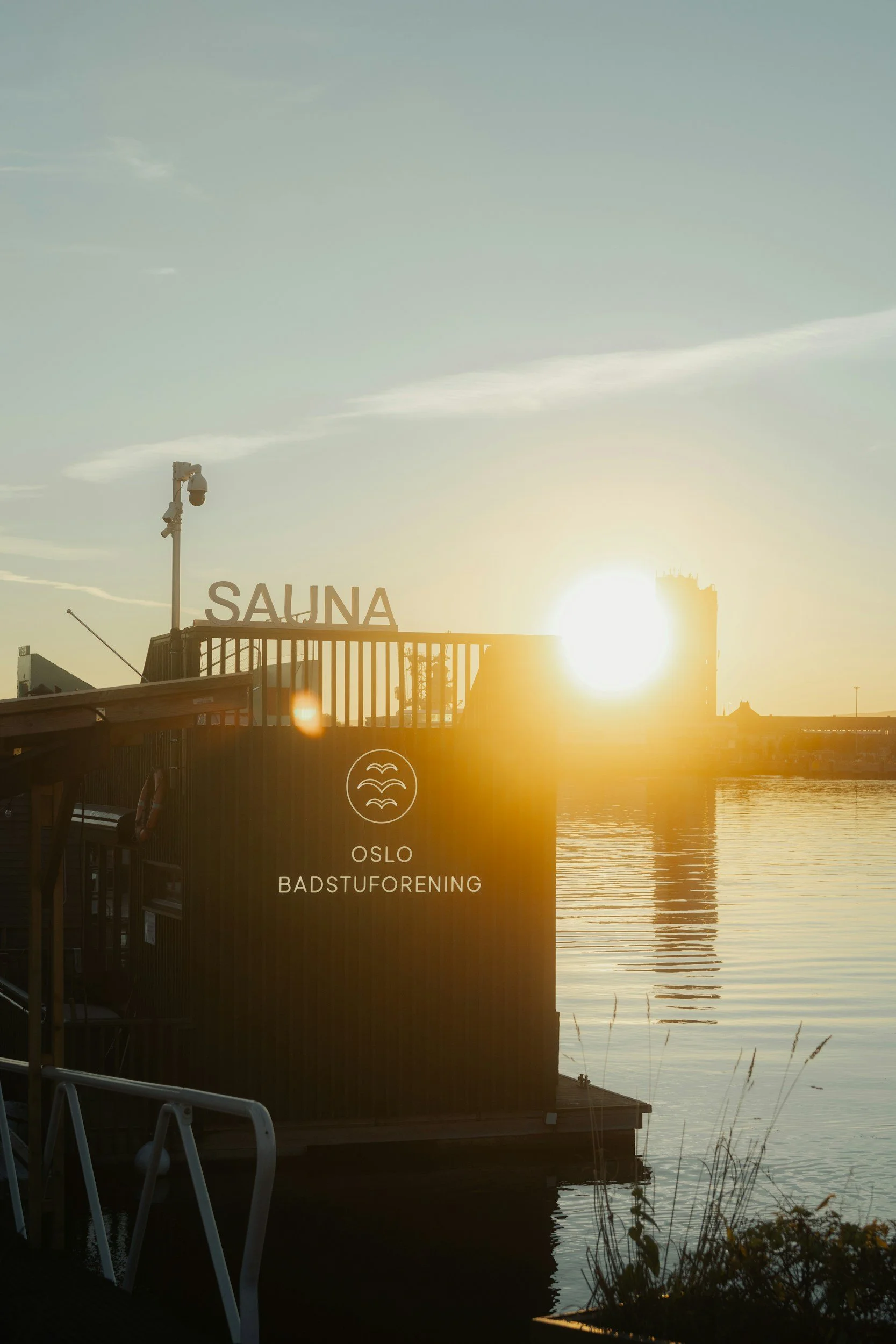
Several public saunas sit directly beside the fjord, particularly around the central waterfront, which means you can go from walking through the city to sitting in a hot sauna overlooking the water without travelling far. Some are floating on the fjord itself, while others are built along the harbour. The experience feels especially appropriate in winter, when the air outside can be below freezing and the city lights reflect across the dark water.
A typical session is fairly simple. You book a time, change at the sauna and spend the session moving in and out of the heat at your own pace. Many people step outside between rounds, and if you want the full experience, you can take a quick dip in the Oslofjord before returning to the sauna. The cold plunge is completely optional, although I would recommend trying it at least once if you feel comfortable doing so. The few seconds in the water are intense, but warming up again afterwards is part of what makes the experience so satisfying.
Sauna in Oslo is also much less formal than some visitors expect. It can be social, with friends talking between rounds, but it can just as easily be quiet and relaxing. You do not need to know any complicated rituals or be an experienced sauna user. Bring swimwear, a towel and something warm to put on afterwards, and book ahead if you are visiting at a popular time, particularly in the evening or at weekends.
What I like most about doing this in winter is the contrast. You can spend the day walking through cold streets or along the waterfront and then sit somewhere warm looking directly across the fjord. It captures something quite characteristic about winter life in Oslo: we do not necessarily avoid the cold, but find ways of enjoying it alongside warmth, comfort and time outdoors.
The fjord is much more than a backdrop to the city, and sauna culture is one example of how people actually use it. My Oslo and the Oslofjord: A Different Side of Norway guide looks more closely at the relationship between the city, the water and the outdoor culture surrounding it.
Go Skiing or Snowboarding at Skimore Oslo (Tryvann)
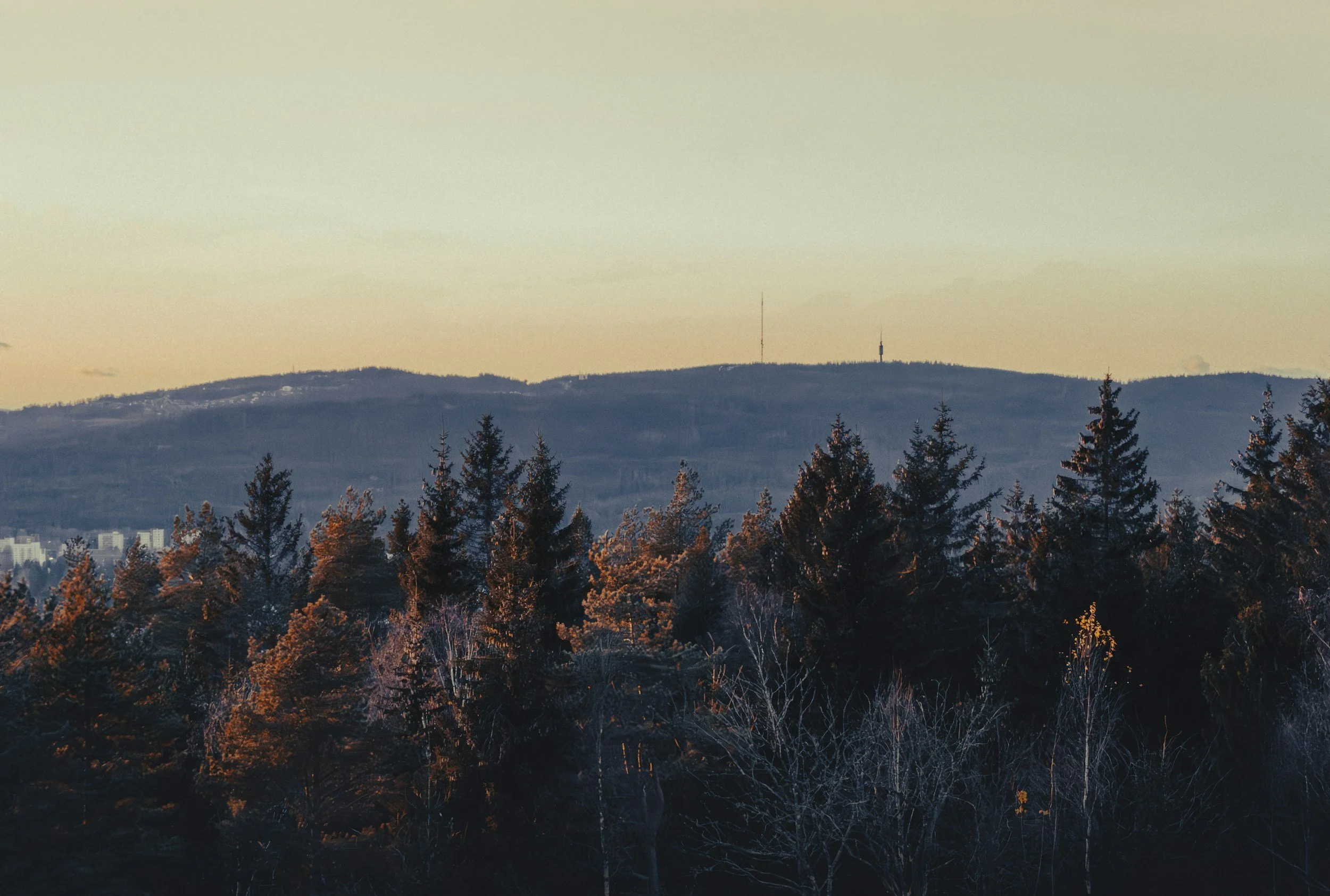
One of the more unusual things about winter in Oslo is that you can go downhill skiing or snowboarding without travelling to a mountain resort. Skimore Oslo, still commonly referred to as Tryvann, sits within Oslo itself, close enough to the centre that skiing can realistically be part of an ordinary winter day rather than a separate trip away.
The ski area has slopes for different levels, equipment rental and floodlighting that allows skiing to continue long after daylight disappears. That matters in Oslo, where winter afternoons become dark surprisingly early. Evening skiing is therefore not simply a practical way of extending the opening hours. It has an atmosphere of its own.
I grew up skiing at Tryvann every winter, and some of my strongest memories of the place are from evenings rather than daylight. We had slalom lessons after school, so by the time we were on the slopes it was already dark. The pistes were brilliantly illuminated against the surrounding winter forest, and there was something quite special about skiing beneath the lights in the cold evening air. Daytime skiing is lovely too, of course, particularly on a clear winter day, but the atmosphere at Tryvann after dark is one of the things I remember most vividly.
For those of us who grew up in Oslo, this was simply part of winter life. Going skiing did not necessarily mean packing for a weekend in the mountains. You could finish school, take public transport towards the forest, spend the evening on the slopes and still be home afterwards. That accessibility is one of the things that makes Oslo quite unusual as a capital.
Visitors can also experience Tryvann without travelling to Norway with their own ski equipment. Skis and snowboards can be rented at the resort, and lessons are available if you are a beginner or simply want some guidance before heading onto the slopes. This makes it realistic to include a few hours of skiing in an Oslo itinerary even when winter sports are not the main purpose of your trip.
The resort is accessible by public transport from central Oslo, which means you can spend the morning sightseeing or visiting a museum and head towards the slopes later in the day. If you are visiting in the middle of winter, I would not automatically dismiss an evening session because of the darkness. Skiing or snowboarding at Tryvann under the floodlights is an experience in itself, and one of the more atmospheric ways to spend a winter evening in Oslo.
As with any ski area, the length of the season and the number of open slopes depend on winter conditions, so check the current snow, lift and piste status before travelling up.
Visit Our Forests in Winter
Nordmarka and Østmarka
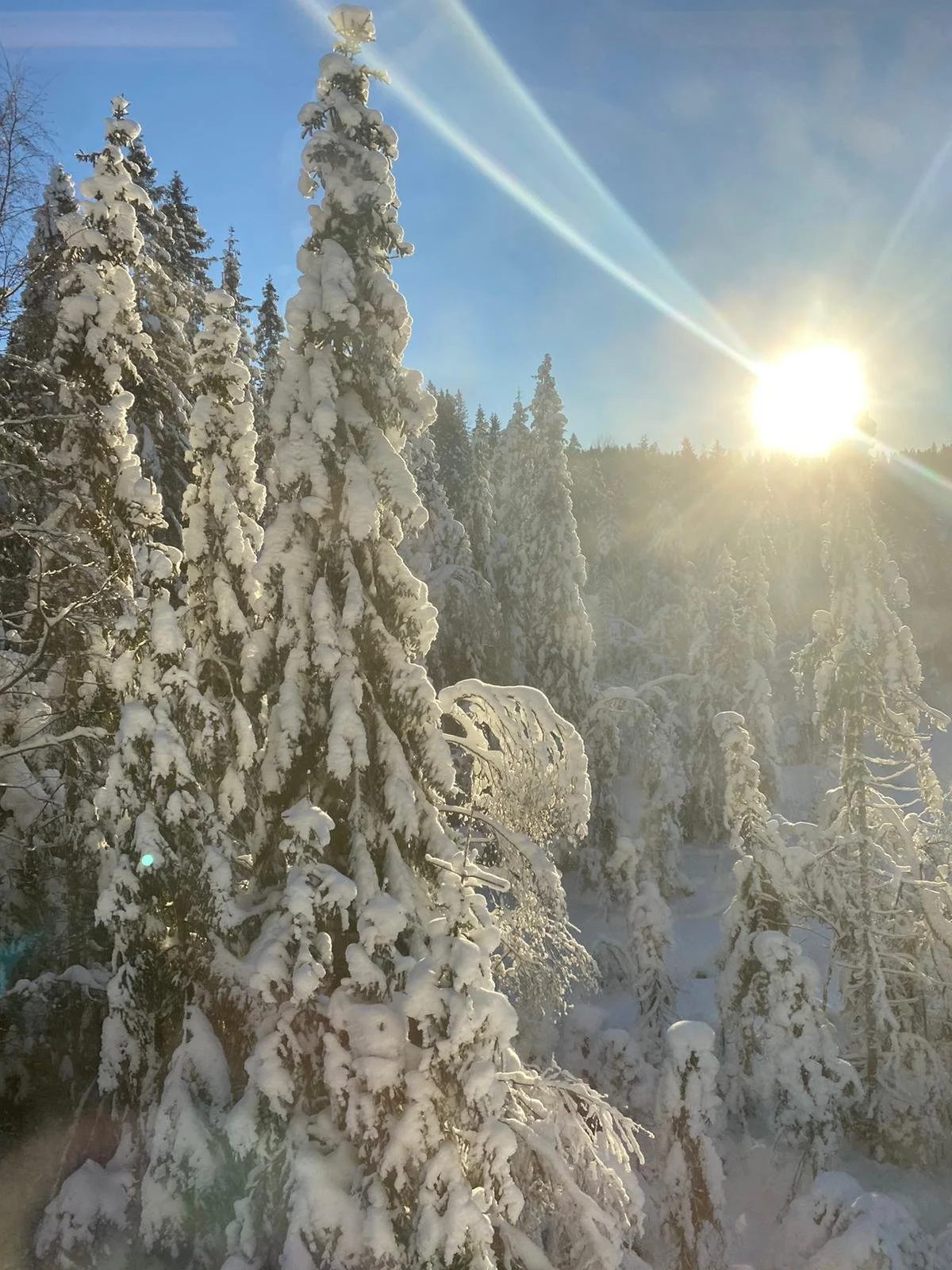
One of the things I think visitors sometimes underestimate about Oslo is just how close the forests are to everyday city life. Nordmarka and Østmarka are not places we think of as remote wilderness that requires a special expedition. For many people in Oslo, they are simply where you go when you want to ski, walk, exercise, meet friends or spend a few hours outside.
Winter is when that relationship becomes particularly visible. When there is enough snow, large parts of the forest are crossed by prepared cross-country ski trails, while other routes remain suitable for winter walking. You can also snowshoe in parts of the forest, although cross-country skiing is much more deeply rooted in the way people in Oslo traditionally use Marka.
An important part of the experience is stopping at one of the forest sports lodges, or markastuer, along the way. These are cabins and cafés scattered throughout the forests where skiers and walkers can come inside, warm up and buy something simple to eat or drink. A typical stop might mean a coffee or hot chocolate with a waffle, a sweet bun or something more substantial before heading back out into the snow.
That may sound like a small detail, but it is one of the things that makes a winter day in the Oslo forests feel particularly Norwegian. Going for a long ski or walk and then sitting inside a warm wooden cabin with wet gloves drying beside you and something sweet on the table is very much part of the rhythm of a day in Marka.
Tryvannstua, in the southern part of Nordmarka, is one example. The lodge has been a gathering point in this part of the forest since the 1930s and today serves food and baked goods, including buns made on site. It is also easy to reach from the Holmenkollen and Tryvann area, so you do not necessarily need to undertake a long ski trip to experience this side of forest culture.
Farther into Nordmarka you will find places such as Kikutstua, which sits beside Bjørnsjøen and is surrounded by an extensive network of ski trails. Reaching places like Kikut requires more effort, but that is also part of the appeal: the cabin becomes the destination of the ski trip rather than simply somewhere you happen to stop.
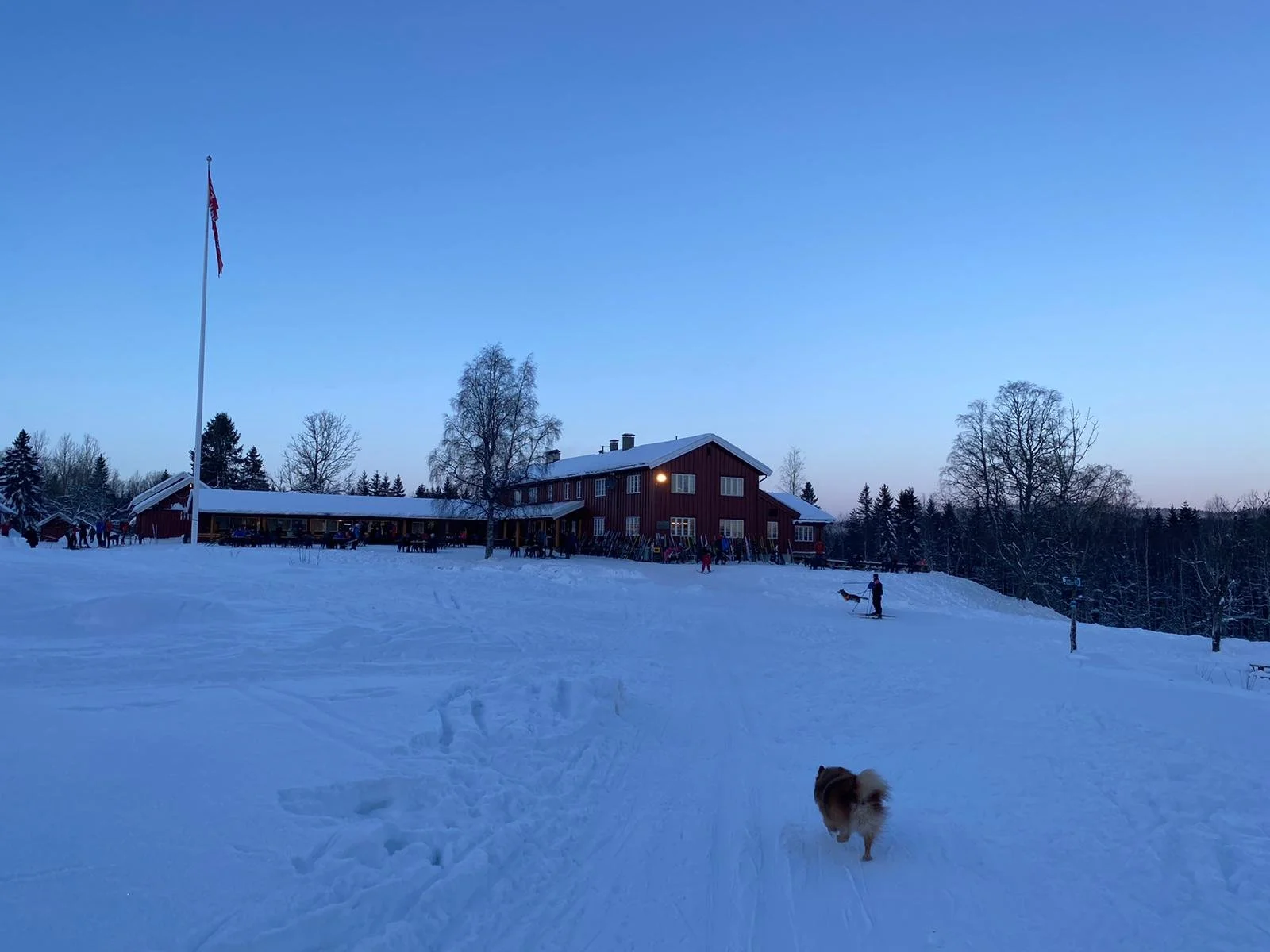
Ullevålseter is one of the classic stops in Nordmarka. If you ski from the Frognerseteren side of the forest towards Sognsvann, the red forest lodge makes a natural place to stop along the way for coffee, hot chocolate, waffles or a sweet bun before continuing through the forest.
Nordmarka
Nordmarka is the larger and more familiar forest area for many visitors. It has an enormous network of trails, frozen lakes, forest roads and traditional cabins, and there are many different ways to enter it from Oslo. You do not have to be an experienced skier to enjoy it. A short winter walk from Sognsvann or Frognerseteren can give you a taste of the forest, while confident cross-country skiers can continue much farther into Marka and make one of the sports lodges the goal for the day.
Østmarka
Østmarka lies east of the city and feels different. The landscape is more broken up by small lakes, ridges and forest, and parts of it can feel noticeably wilder than the better-known approaches into Nordmarka. There are forest lodges here too, including Mariholtet and Vangen, where a ski or winter walk can be combined with a café stop before heading back towards the city. VisitOSLO lists both among the winter sports lodges of Oslo’s forests.
What makes both Nordmarka and Østmarka remarkable is how easy they are to reach. You can leave central Oslo on public transport and, not long afterwards, find yourself surrounded by snow-covered forest and ski trails. That closeness between city life and outdoor life is a large part of Oslo’s identity, and winter is perhaps the season when you understand it most clearly.
My Norwegian Outdoor Culture guide explores this relationship with nature in more depth, including the idea of friluftsliv and why spending time outdoors is such an ordinary part of life in Norway.
Go for Winter Walks in Oslo
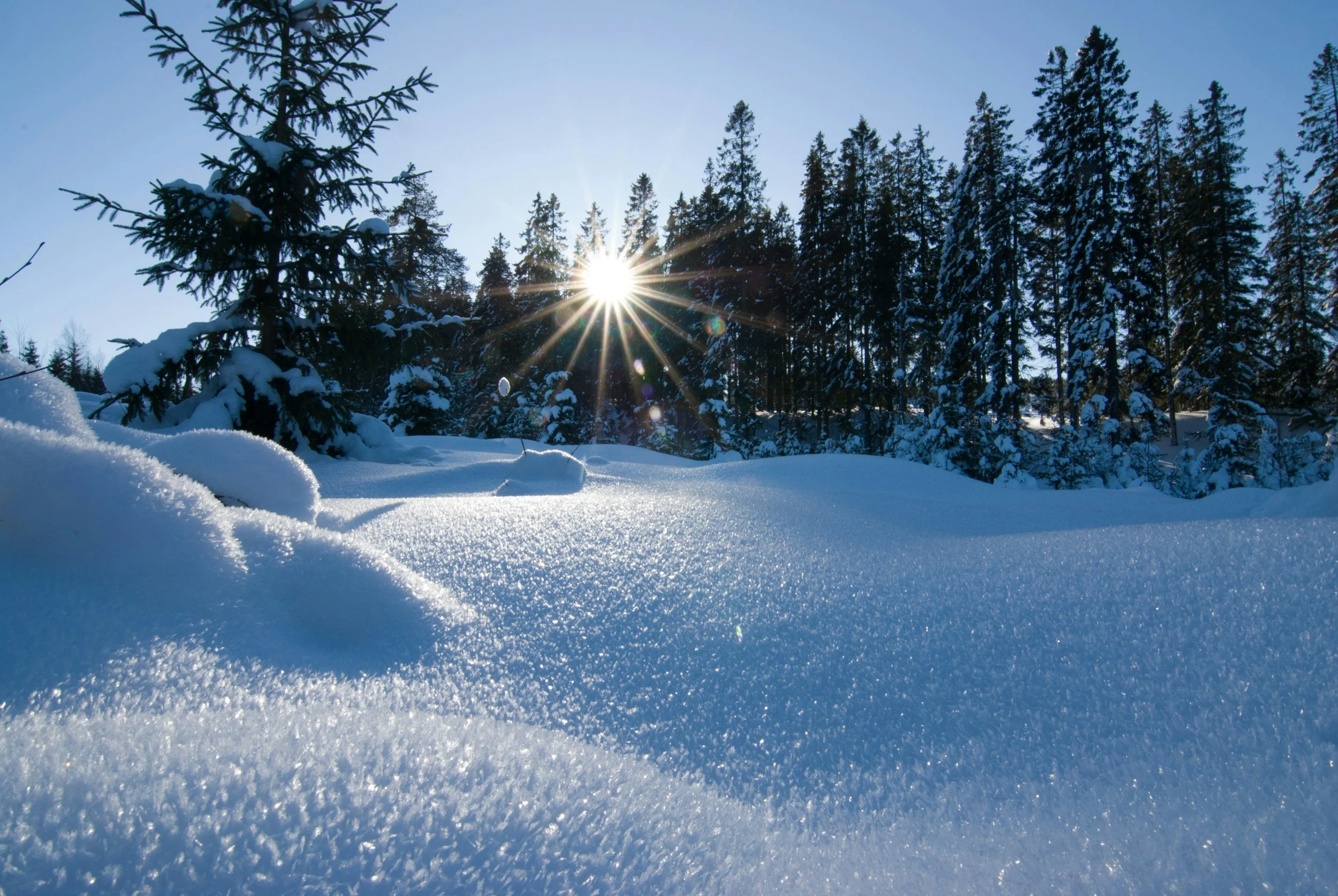
We keep walking in winter. Snow and cold do not mean that people suddenly stop using the city on foot, although the pace often changes a little. With warm clothes and shoes that can handle ice, slush and wet pavements, winter walking can be one of the nicest ways to experience Oslo. Low winter light, frost, snow and quieter parks can make familiar parts of the city feel completely different from summer.
What makes Oslo particularly good for walking is the variety. You can follow the waterfront through modern neighbourhoods, walk beside a river through former industrial areas, cross large parks or leave the denser city streets behind almost completely without travelling very far.
Aker Brygge and Tjuvholmen
For an easy winter walk close to the centre, Aker Brygge and Tjuvholmen are among the simplest places to start. The route follows the Oslofjord past restaurants, apartments, galleries, small beaches and modern architecture, with broad views across the water.
Tjuvholmen feels particularly exposed to the season because there is very little between you and the fjord. On clear winter days, the low sunlight across the water can be beautiful; when the wind is strong, it can also be considerably colder than the temperature in the more sheltered streets behind it.
This is an easy walk to combine with the Astrup Fearnley Museum, lunch or coffee, and it works well if you want to experience the waterfront without committing to a long outdoor day.
Sørenga and Bjørvika
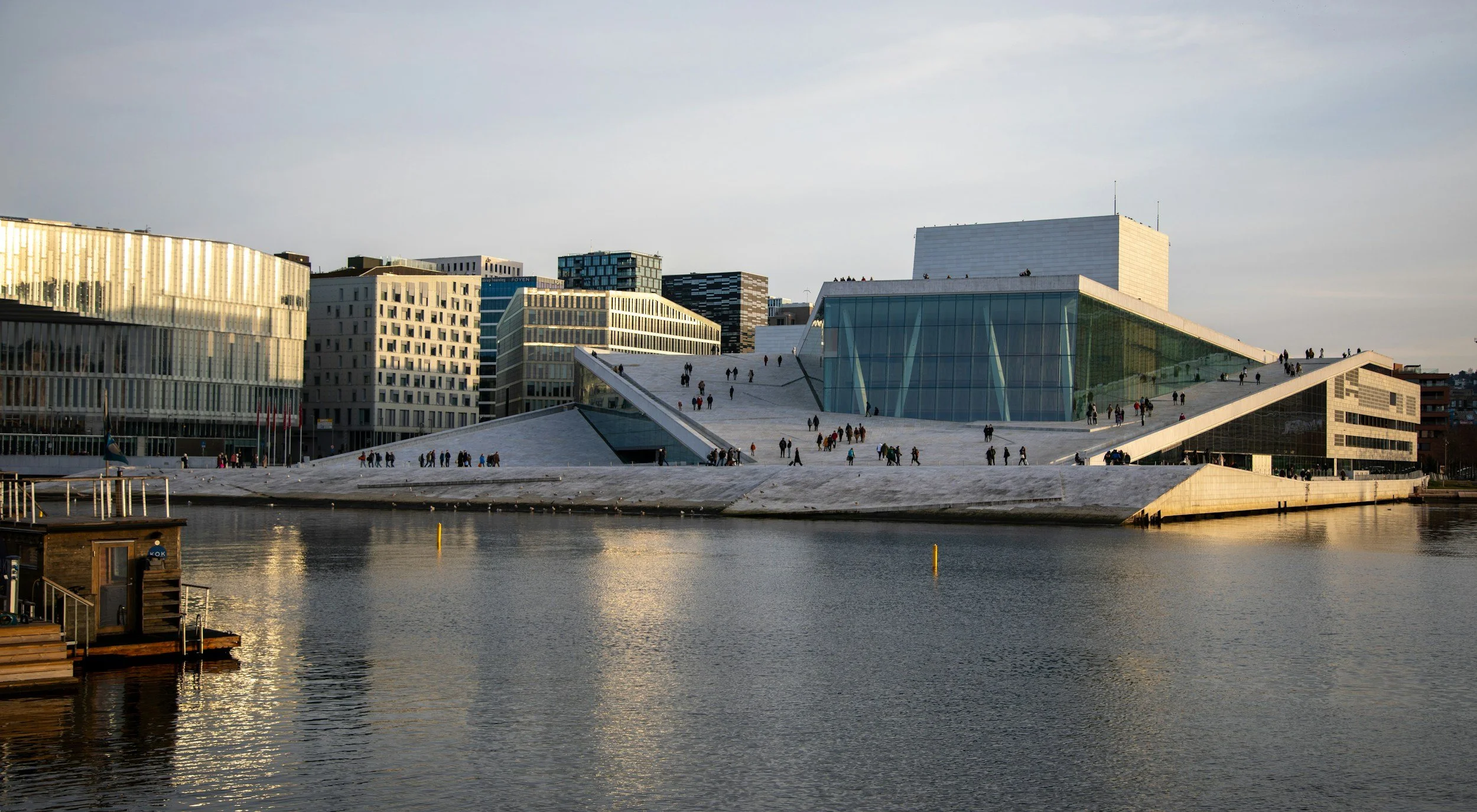
On the eastern side of the centre, Bjørvika and Sørenga give you a completely different waterfront walk. This is modern Oslo, with the Opera House, MUNCH, Barcode and newer residential areas built directly around the fjord.
I like this part of the city in winter because the architecture, water and winter light work particularly well together. You can walk across the roof of the Opera House when conditions allow, continue around the harbour towards MUNCH and then follow the waterfront towards Sørenga.
You may also see people swimming in the fjord in the middle of winter. Cold-water swimming has become increasingly visible around Oslo's waterfront, often combined with a sauna afterwards, so it is not unusual to see someone in a swimsuit while everyone else is walking past in coats and winter boots.
Bygdøy
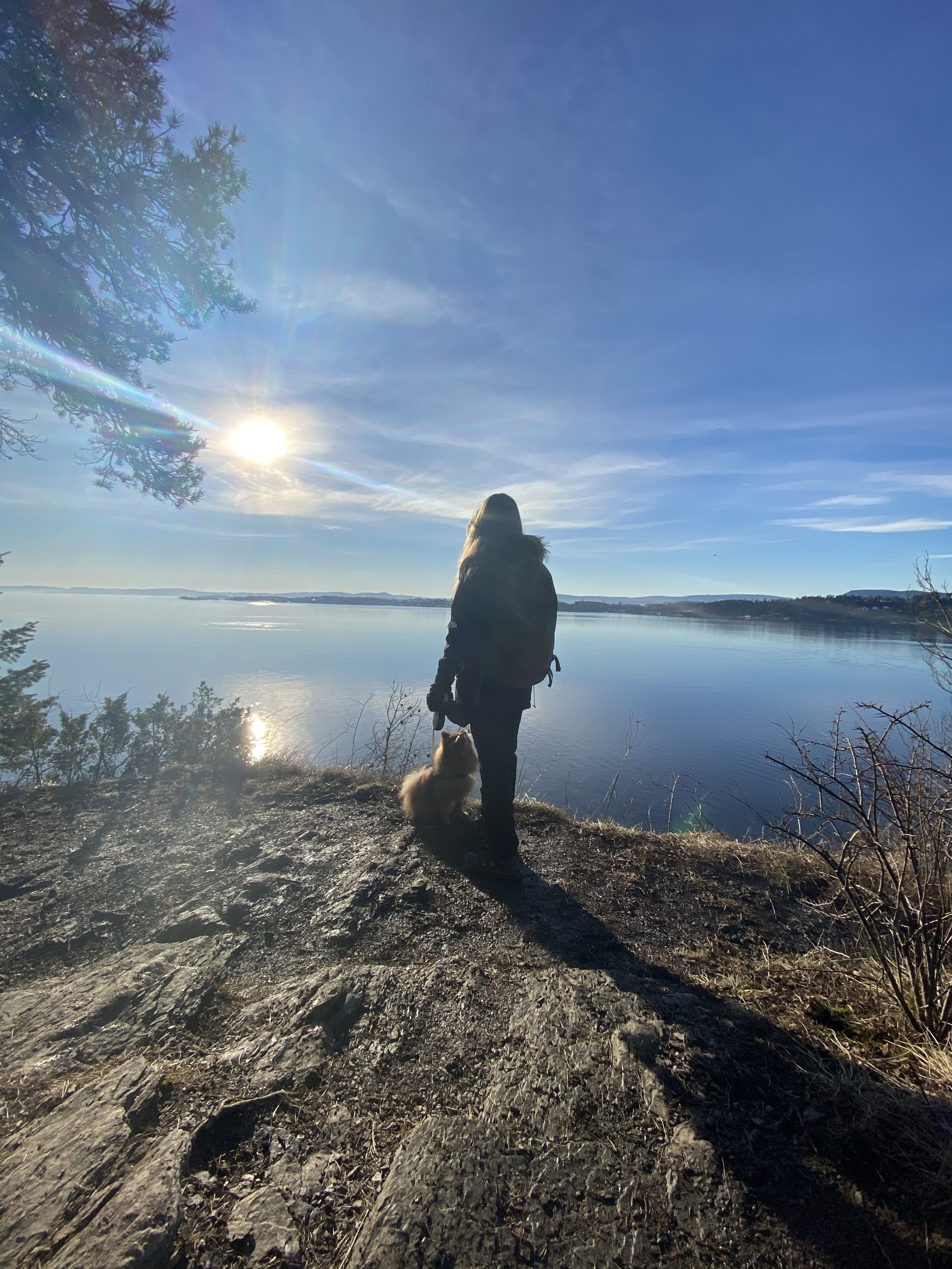
Bygdøy is one of the best choices when you want a walk that feels more natural and less urban while still remaining within Oslo. The peninsula combines quiet residential roads, woodland, beaches and coastal paths, with views across different parts of the Oslofjord.
Winter makes Bygdøy noticeably quieter. The beaches that can be busy on warm summer days become peaceful stretches of coastline, and the paths through the woods can feel surprisingly removed from the city.
It is also easy to combine a walk here with a museum visit. The Fram Museum, Kon-Tiki Museum and Norwegian Museum of Cultural History are all on Bygdøy, so this works particularly well on a winter day when you want to alternate between a few hours outside and somewhere warm indoors.
Walk Along the Akerselva River
If I had to recommend one longer city walk, Akerselva would be high on the list. The river runs through very different parts of Oslo, passing waterfalls, old factories, residential neighbourhoods, parks and areas that become progressively greener as you move away from the centre.
The route is particularly interesting because it tells part of Oslo's industrial history at the same time as giving you a good walk. Former mills and factory buildings sit beside the river in areas such as Vulkan and Grünerløkka, while farther north the surroundings gradually become quieter and more wooded.
In winter, snow and ice around the waterfalls can make the river especially atmospheric. You do need to pay attention to conditions, however, because sections of the paths can become slippery after periods of freezing and thawing.
You do not have to walk the entire river. It is easy to choose one section, stop for coffee or lunch in Grünerløkka or Vulkan and continue only as far as you feel like going.
Frogner Park
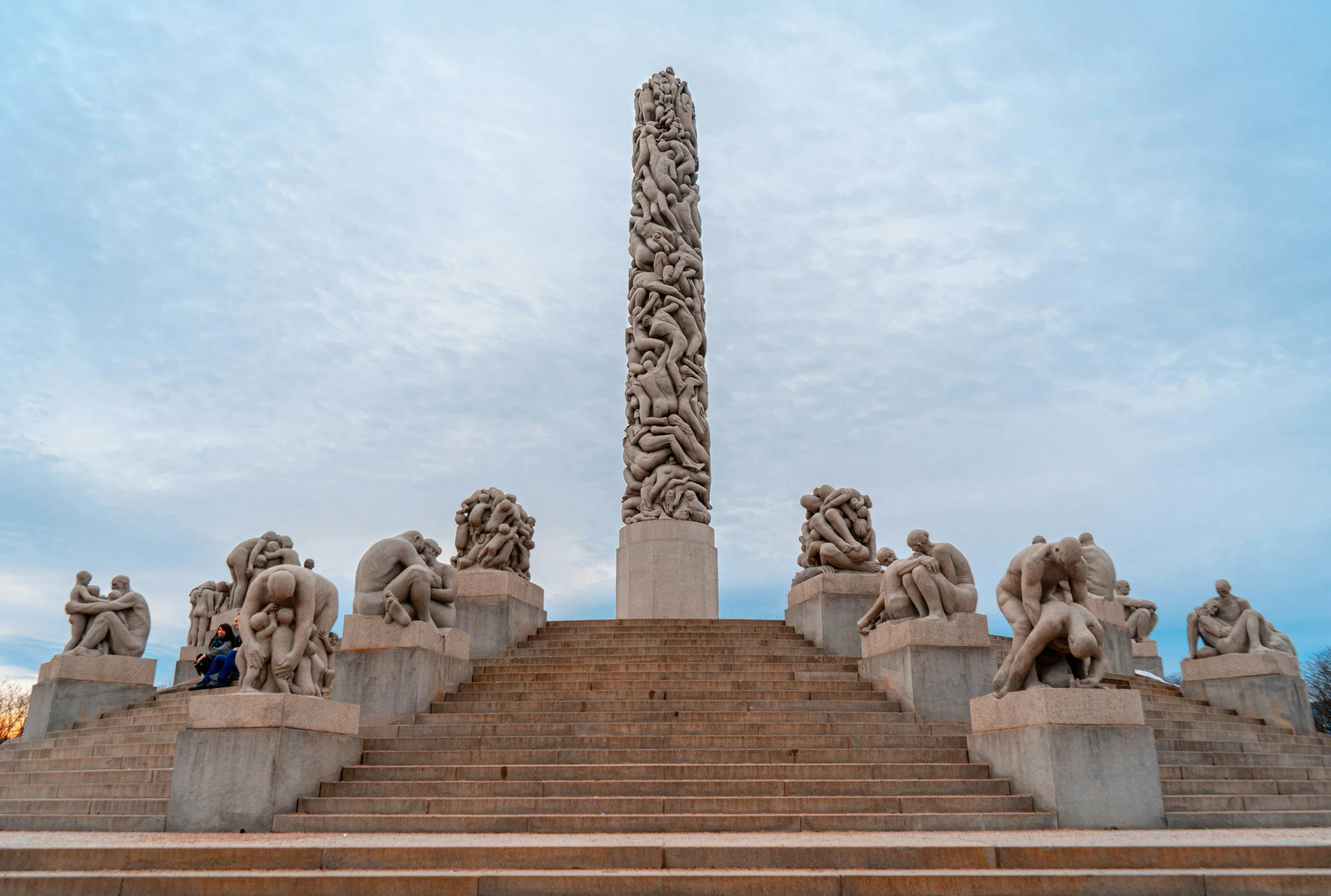
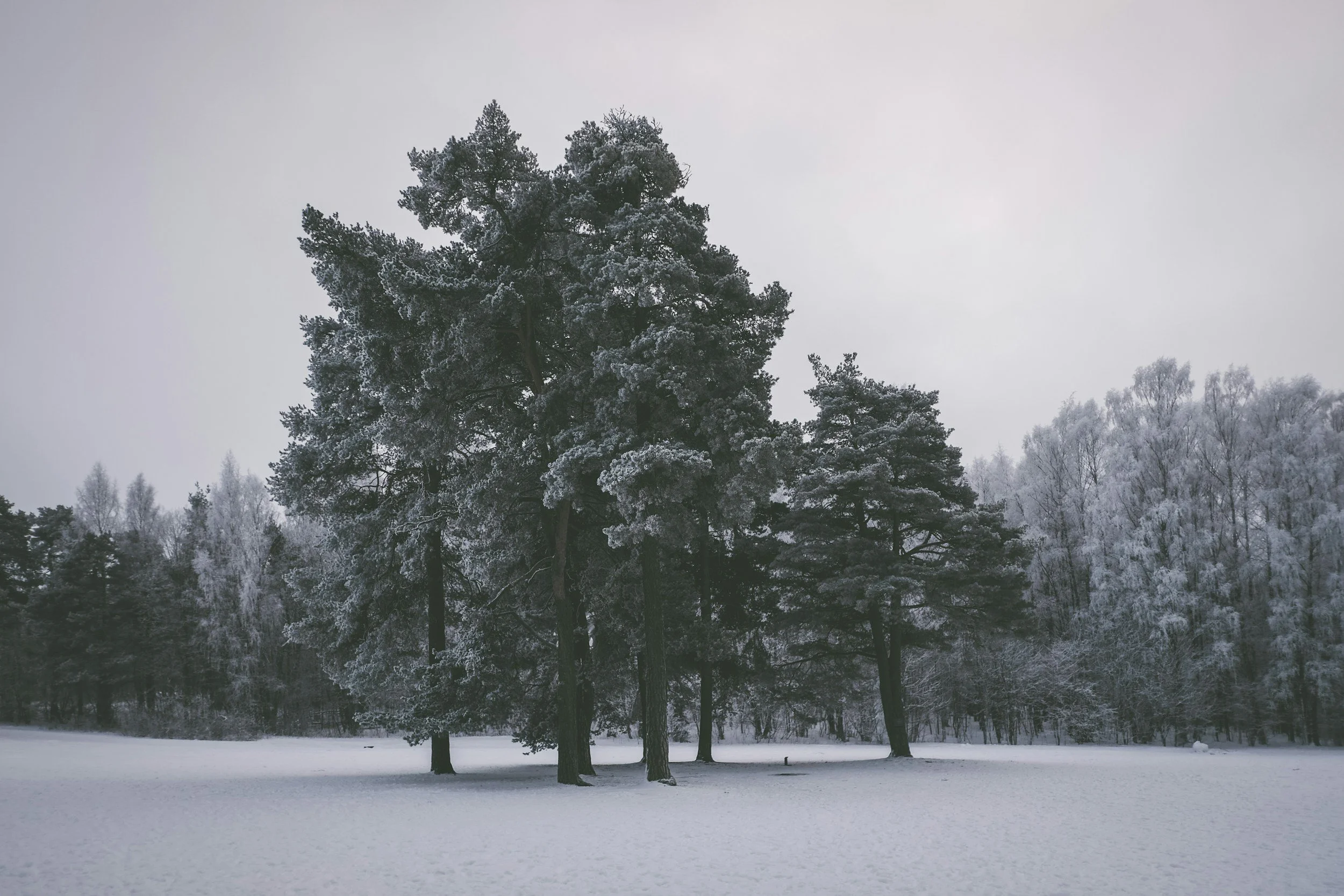
Frogner Park is an easy option if you want a winter walk without leaving the more central parts of Oslo. The broad paths remain useful throughout the year, and the open landscape gives the park a very different character once there is frost or snow.
The Vigeland sculptures are spread throughout the park, so the walk naturally combines outdoor time with one of Oslo's best-known cultural attractions. Winter can actually be a lovely time to see them because the park is generally calmer than during the busiest summer months, and snow changes the way the sculptures and surrounding landscape look.
I would not necessarily make Frogner Park a full-day destination, but it works very well as part of a slower winter morning or afternoon.
St. Hanshaugen
St. Hanshaugen feels much more like a neighbourhood park. It sits on a hill north of the centre and is surrounded by residential streets, cafés and everyday city life rather than major tourist attractions.
The elevated sections of the park give you views across Oslo, and when there is snow you will often see the park being used simply as people who live nearby would use it: walking dogs, meeting friends or spending some time outside.
It is a good choice if you want to see a more ordinary side of Oslo rather than building every walk around a landmark.
Ekebergparken
For a combination of art, woodland and some of the best elevated views over Oslo, Ekebergparken is difficult to beat.
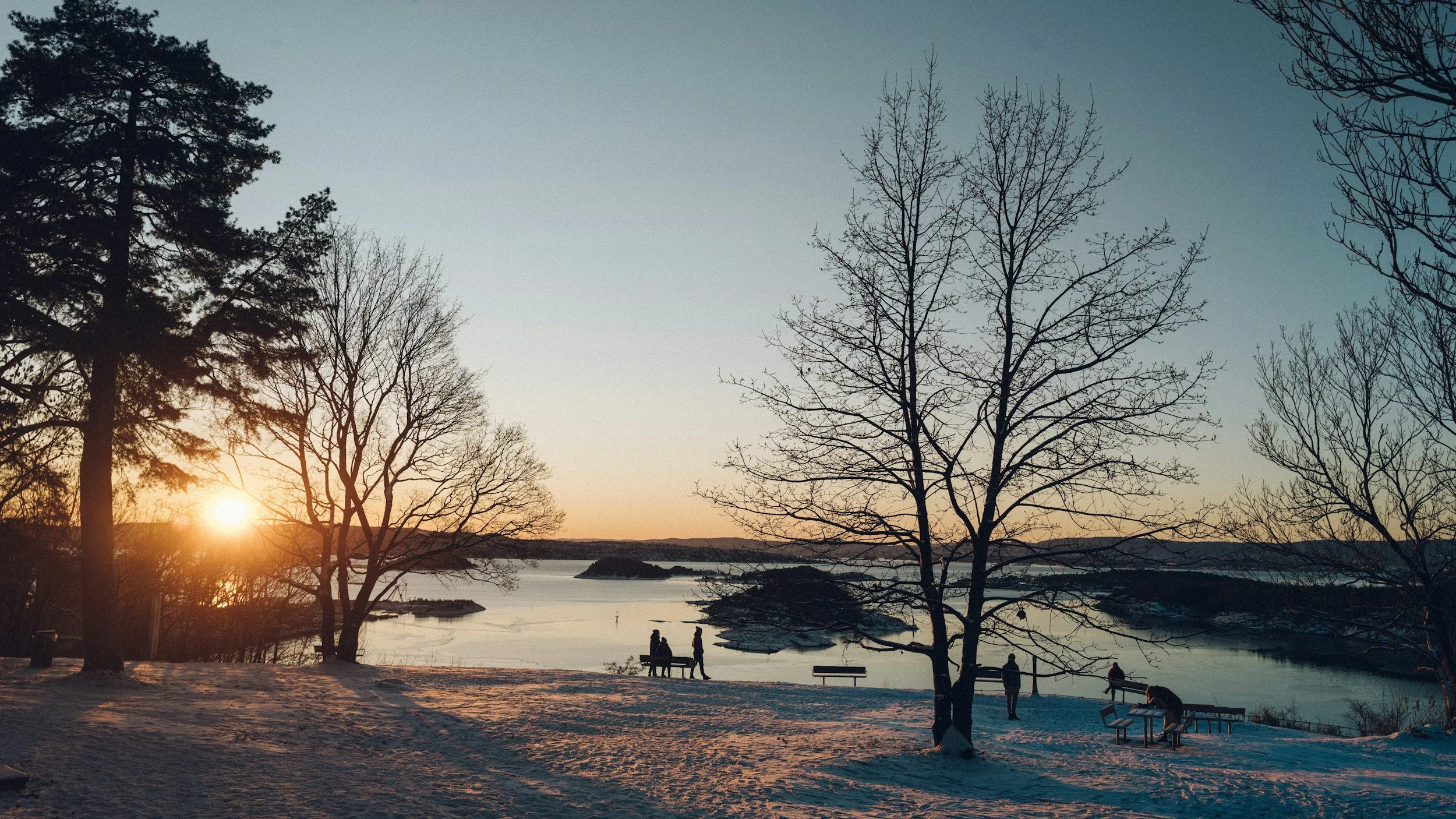
The sculpture park spreads through the wooded hillside above the eastern side of the city, with artworks appearing along the paths rather than being confined to a formal museum setting. As you climb higher, openings in the trees reveal views over Bjørvika, the islands of the Oslofjord and the city beyond.
Winter light can make these viewpoints particularly beautiful, especially when there is snow on the ground or clear air over the fjord. The paths can become icy, however, so this is one of the places where good winter footwear makes a noticeable difference.
Ekebergparken works well if you want a walk that feels more substantial than a stroll along the waterfront but do not have time to head into Nordmarka or Østmarka.
Grefsenkollen
If you want a winter walk with a proper view over Oslo, Grefsenkollen is one of the best places to go. The route climbs through the wooded slopes on the northern side of the city before opening up towards wide views across Oslo, the Oslofjord and the surrounding forests. Oslo Municipality describes the hike as relatively easy, with a little over an hour of walking from the nearest bus stop to the top.
What makes Grefsenkollen particularly nice in winter is the sense of climbing above the city without actually travelling very far from it. On a clear day, the view stretches across the rooftops towards the fjord, and around sunset the low winter light can make the whole city below look especially atmospheric. VisitOSLO also recommends the walk specifically in winter for the view over the snow-covered city.
At the top is Grefsenkollen restaurant, a historic timber building with large views over Oslo and the fjord. Depending on the season and opening schedule, you can stop for food or something warm to drink, which makes the walk particularly appealing on a cold day. The restaurant also runs winter experiences such as fire pits outside during parts of the colder season.
I would choose Grefsenkollen if you want something more substantial than a city park but do not want to spend most of the day travelling into Nordmarka. It gives you forest, a climb and one of the best elevated views of Oslo within a relatively compact winter outing. As always in winter, check the conditions before setting out, because snow and ice can make the paths considerably more slippery than they are in summer.
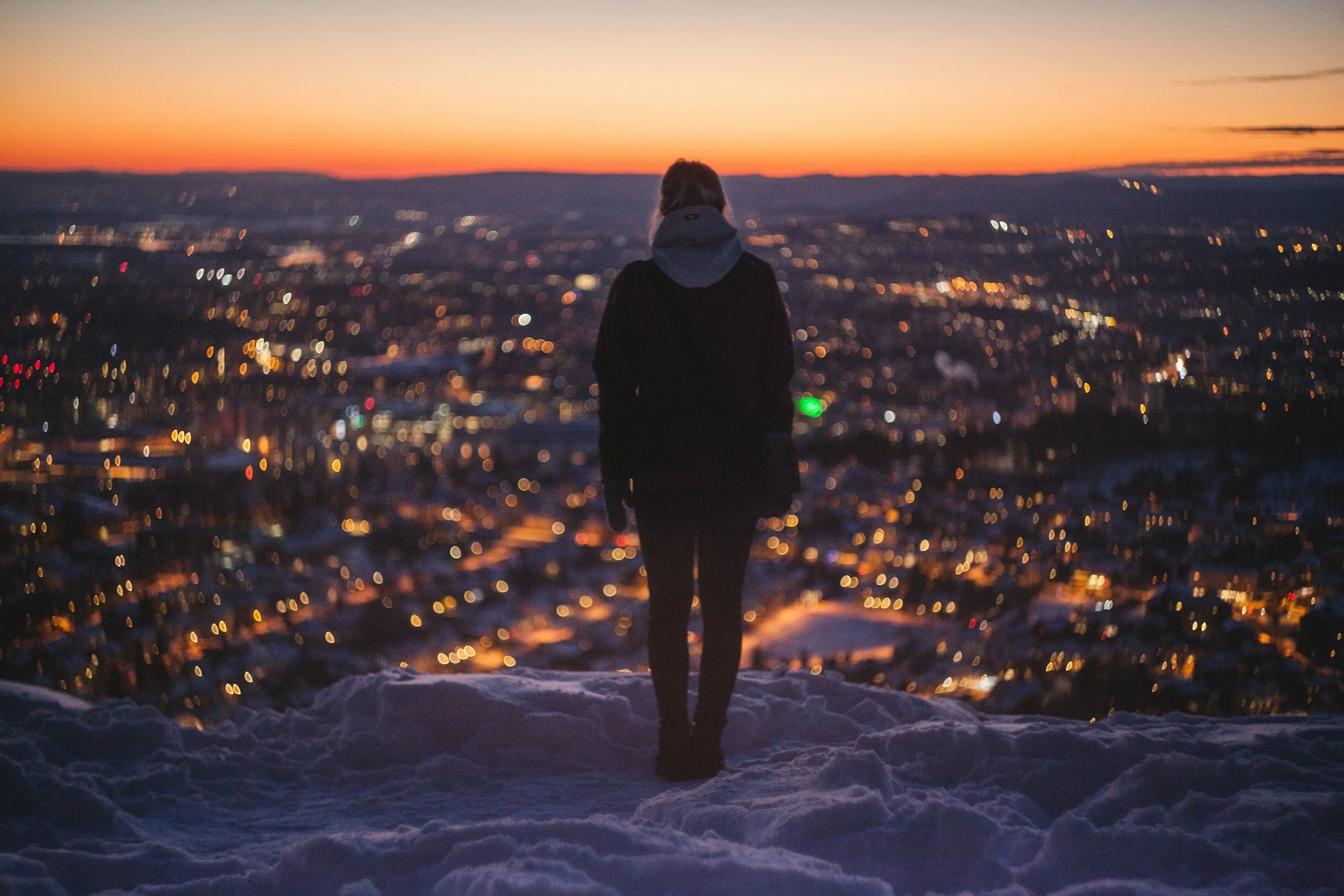
Sognsvann
If you want an easy introduction to Oslo’s winter nature, Sognsvann is one of the best places to start. The lake sits right at the edge of Nordmarka and is reached directly by metro from the city, so you can leave central Oslo and be beside a forest lake surprisingly quickly.
The path around the lake is about 3.3 kilometres and is maintained for walking throughout winter. It is also illuminated after dark, which makes Sognsvann particularly useful during the months when daylight is short. When there is snow, the forest and frozen lake can feel much farther from the city than they actually are, even though this is one of Oslo’s most popular everyday recreation areas.
You do not need to be a skier to enjoy it. Walking around the lake is an easy option, while cross-country ski trails continue from the area deeper into Nordmarka if you want something more active. When conditions are safe enough, Oslo Municipality also prepares areas on the frozen lake for walking and skating, although this naturally depends on the ice conditions that winter.
For me, Sognsvann is a good example of what makes Oslo different from many other capitals. It is not a distant nature attraction that requires a day trip. It is somewhere people go after work, at weekends, for exercise or simply for a walk, and the metro terminates almost at the edge of the forest.
If you want a simple winter experience without committing to a longer trip into Nordmarka, walking around Sognsvann is one of the easiest ways to get that combination of snow, forest and everyday Oslo outdoor life.
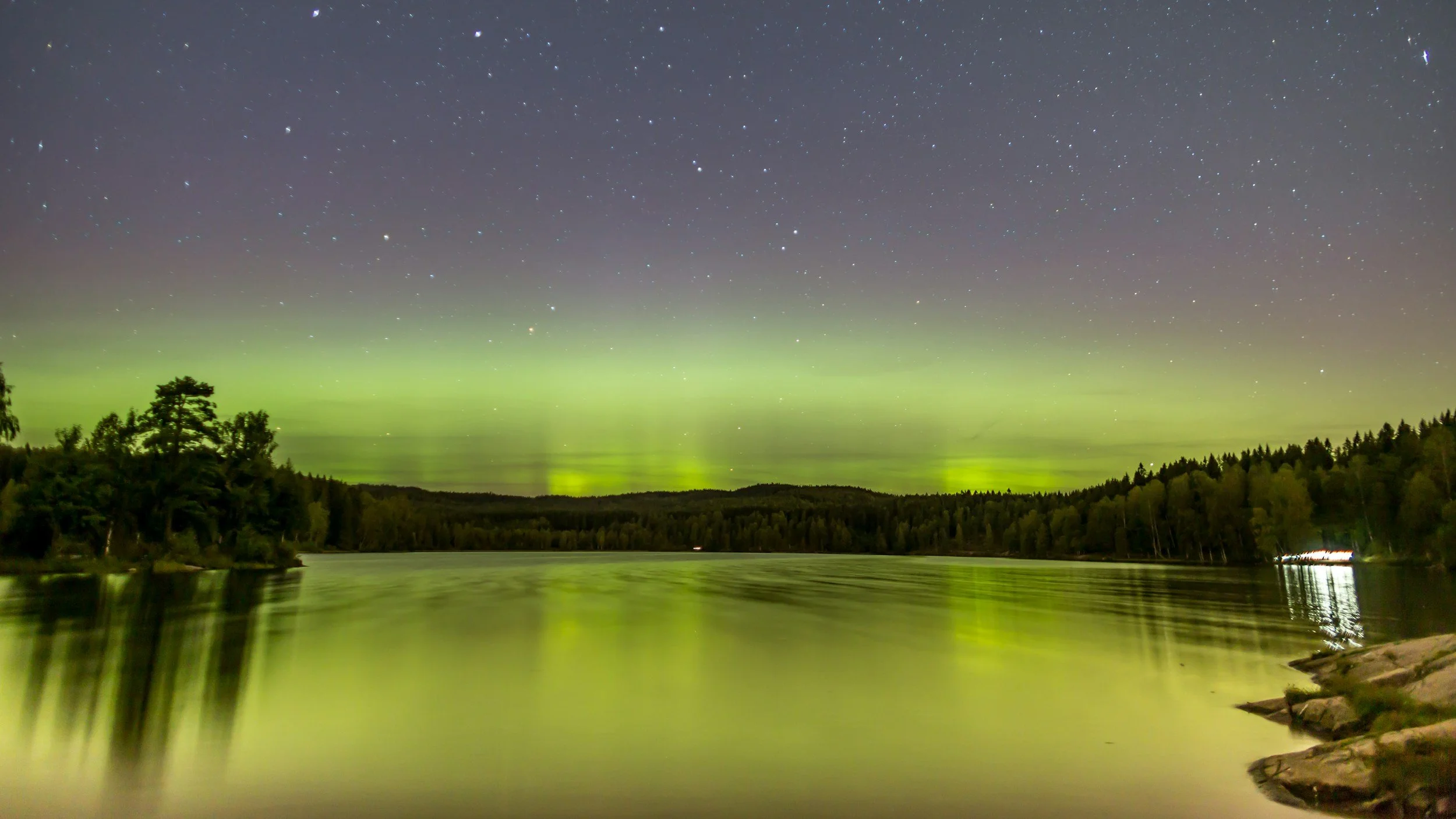
Visit Holmenkollen in Winter
Holmenkollen is one of the places in Oslo where our relationship with winter is perhaps most visible. It is not simply a ski jump on a hill above the city. For generations, people have travelled up here to watch skiing, go cross-country skiing themselves, walk in the forest, eat at the old restaurants and spend winter days outdoors. The first Holmenkollen ski competition was held in 1892, and the annual Holmenkollen Ski Festival has become so deeply associated with Norwegian skiing culture that it is sometimes described as Norway’s “second national day”.
The Holmenkollen Ski Jump is impressive even if you have no particular interest in ski jumping. Its position high above Oslo gives you a sense of just how quickly the city rises into forest and winter landscape, and from the top you can look back across Oslo and the fjord. The Ski Museum beneath the jump is also worth visiting if you want to understand why skiing carries so much cultural weight in Norway. Founded in 1923, it is the world’s oldest specialised ski museum and covers thousands of years of skiing history, including Norwegian polar exploration and the development of modern winter sport. The museum was extensively renewed for its centenary in 2023.
But I would not visit Holmenkollen only for the ski jump and then immediately take the metro back into the centre. Some of the atmosphere of this part of Oslo is found in the old restaurants and cafés scattered across the hillside.
Holmenkollen Restaurant is one of the most historic. The building dates from 1892 and was originally constructed as a sports lodge, at almost exactly the same time that organised skiing was beginning to establish Holmenkollen as one of the centres of Norwegian winter sport. It sits high above the city with broad views towards Oslo and the fjord, and its historic interiors make it feel very different from a modern city restaurant. Today the menu is based largely around Scandinavian cooking, but for me the real reason to come here is the combination of the setting, the history and the view.
A little farther up is Frognerseteren, another Oslo institution and one of the buildings I most strongly associate with this part of the city. The oldest part was completed in 1891 and was designed in dragestil, a late 19th-century Norwegian architectural style inspired by older timber buildings, stave churches and decorative Viking and medieval motifs. With its dark timber, carved details and position above Oslo, it looks especially atmospheric when there is snow outside.
Frognerseteren has both the more formal Finstua restaurant and Kafé Seterstua, so you do not need to plan a full restaurant meal to experience it. You can stop for coffee, something warm to eat or its well-known apple cake, while looking out across the city. This is also a natural place to stop before or after walking or skiing in the surrounding forest, and the final stop on metro line 1 is right beside the area.
That combination is what makes Holmenkollen particularly worth visiting in winter. You can see one of Norway’s most important sporting landmarks, learn about skiing history, walk through snowy forest and then sit inside a historic wooden restaurant overlooking Oslo. It almost feels as though you have travelled to a mountain destination, yet you are still within the city and can reach the area directly by metro.
If you have enough time, I would continue beyond the ski jump rather than treating Holmenkollen as a single attraction. A winter visit can easily become a half-day experience: start at the Ski Museum and jump tower, walk higher towards Frognerseteren, stop somewhere warm for food or coffee and, if conditions are good, continue for a short walk into Nordmarka. It is one of the clearest examples of why winter in Oslo feels different from winter in many other European capitals.
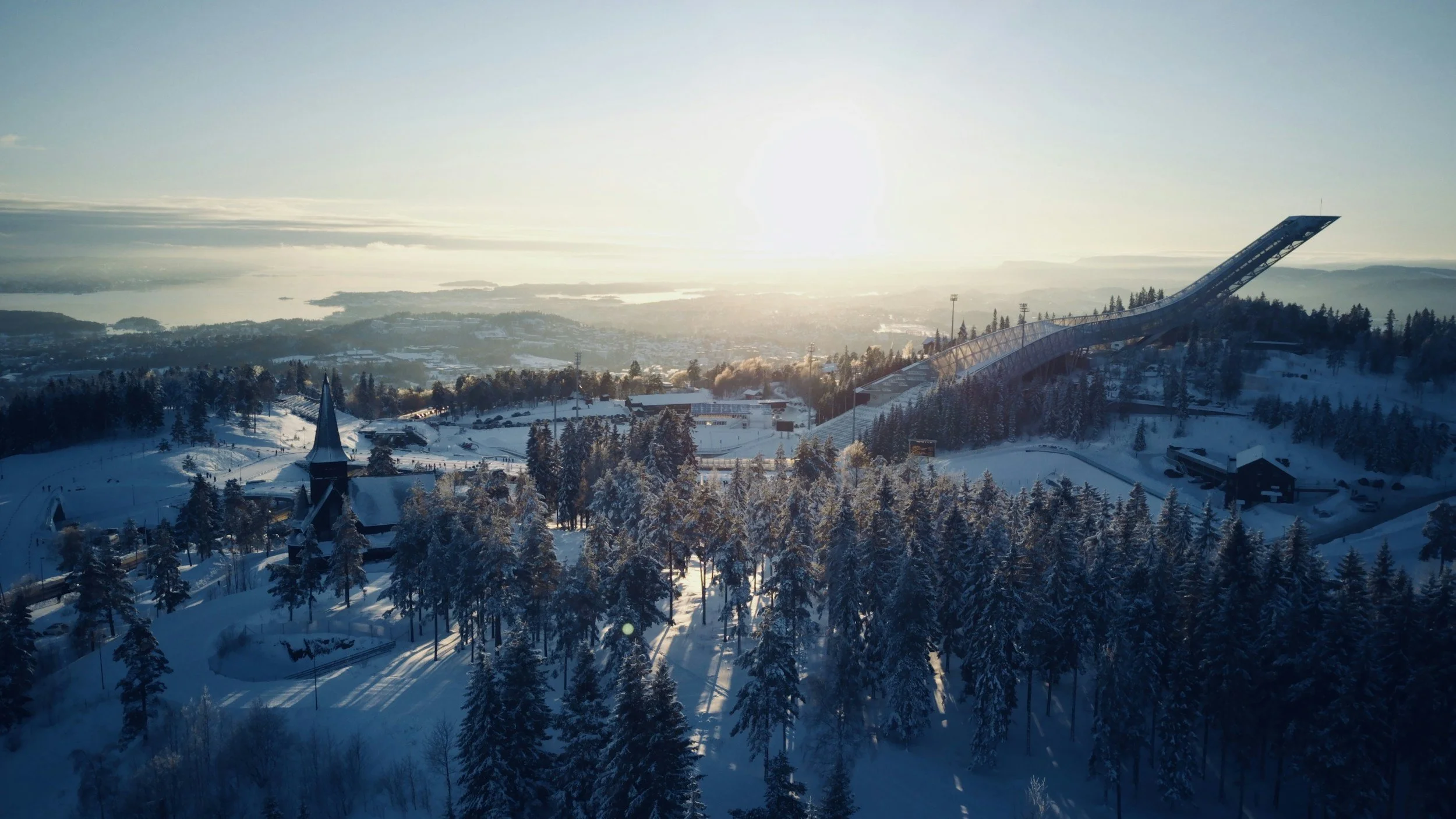
Relax and Recover at The Well Spa
Winter in Oslo does not have to be filled with activity from morning to evening. Some of the nicest winter days are the ones where you spend a few hours outside and then deliberately slow down somewhere warm. The Well, just outside Oslo, is one of the best places to do that.
The Well describes itself as the largest spa in the Nordics, and it is much more extensive than a typical hotel spa. There are 10 different pools, a cold plunge, 15 saunas and steam baths, relaxation areas and bathing traditions inspired by different parts of the world, including a Japanese onsen, hammam and Moroccan rhassoul. There are also regular sauna and aufguss rituals throughout the day, so you can easily spend several hours here rather than treating it as a quick stop between other activities.
I think it makes particular sense in winter because of the contrast between the season outside and the warmth inside. You can move between hot pools, steam rooms and saunas, rest for a while, and then step outside into the cold air before returning to the heat. The outdoor pool is actually kept cold during autumn and winter and can be used as a plunge after the Forest Sauna, while outdoor jacuzzis remain warm.
The Well is also intentionally designed as somewhere to slow down. The spa is mobile-free, so this is not really the place to rush through a checklist of facilities or spend the afternoon taking photos. I would give it at least half a day and treat it as one of the main experiences of that day, particularly after skiing, a long winter walk or several days of sightseeing around Oslo.
There are different types of sauna here, from traditional Finnish-style heat to gentler meditation saunas, as well as the outdoor Forest Sauna overlooking the trees. If you have never tried an aufguss, this is also a good place to experience one. During these guided sauna sessions, a sauna master uses water, essential oils and air circulation to intensify the heat and create a more structured sauna experience.
The Well is around 15 minutes outside Oslo, so it is not somewhere I would combine with a tightly packed city-centre itinerary. It works better as a deliberately slower afternoon or evening. Transport options vary by season, and The Well currently runs a dedicated bus from Oslo Bus Terminal on selected dates, so I would check the latest transport information before planning the visit rather than relying on an old shuttle timetable.
If you enjoy the hot-and-cold contrast but want something that feels more directly connected to the city itself, the fjord saunas in central Oslo offer a very different experience. The Well is the choice for a full spa day; the waterfront saunas are more about experiencing Oslo’s contemporary sauna culture directly beside the fjord.
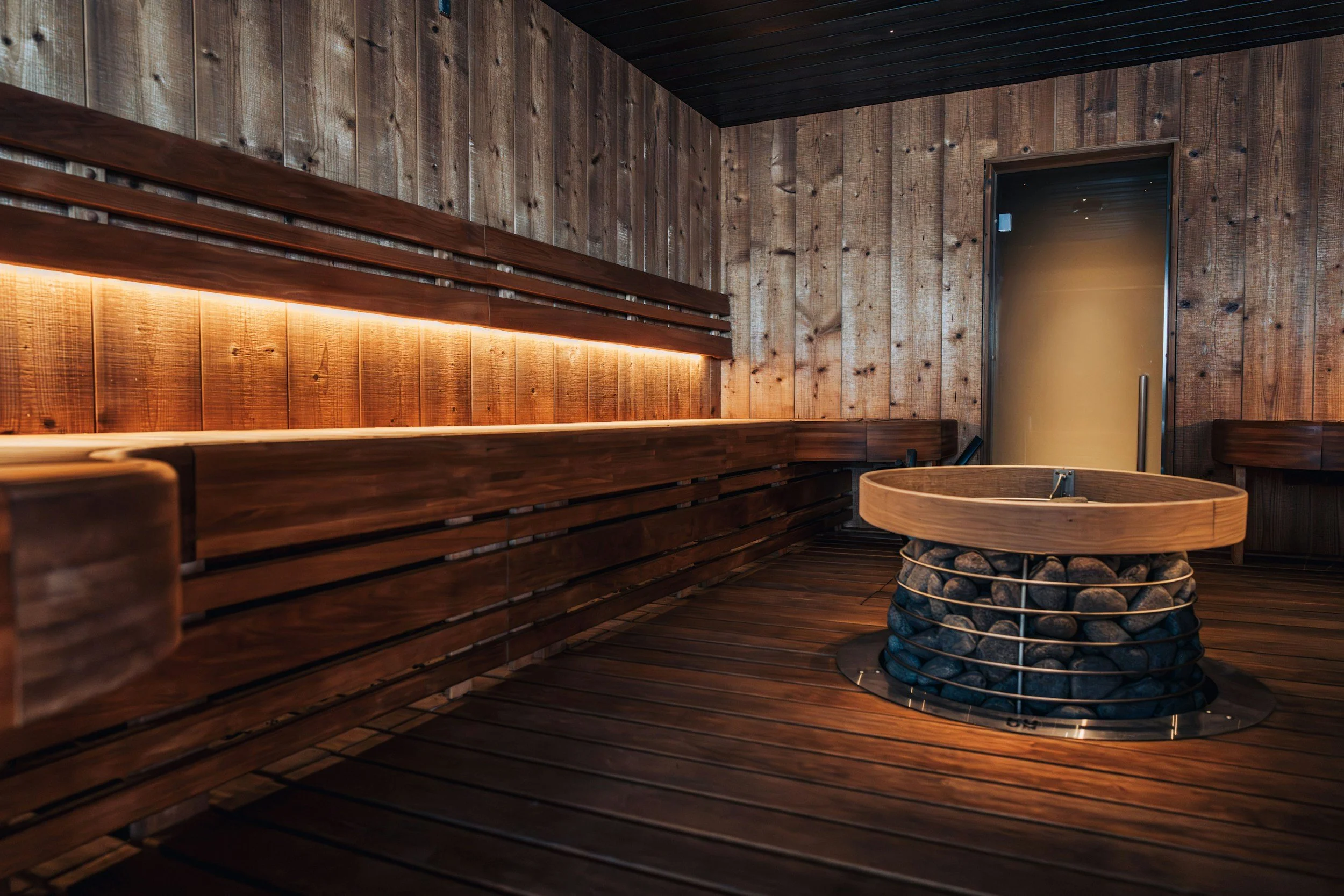
Spend Time in Oslo’s Cafés and Bakeries
Cafés are a natural part of the rhythm of winter in Oslo. A winter day often works best when you move between being outside and somewhere warm, whether that means stopping for coffee after a walk along the fjord, warming up after a museum visit or simply sitting somewhere for a while as the afternoon gets dark outside.
Oslo also has a strong coffee culture, and there are several places worth seeking out. Fuglen, in Universitetsgata, has been serving coffee in Oslo since 1963. Much of the interior reflects its mid-century identity, and the combination of specialty coffee, Norwegian vintage design and cocktails later in the day gives it a character of its own.
If you are particularly interested in coffee, Tim Wendelboe is another obvious name to know. His espresso bar in Grüners gate is focused on coffee from sourcing and roasting to brewing, and he has become one of the best-known figures associated with Norway’s specialty coffee scene.
For something more traditional, I have a very personal recommendation: Baker Brun in Bogstadveien. In my opinion, they make some of the best waffles in Oslo. Norwegian waffles are soft, thin and heart-shaped, and I would recommend trying one with brunost, a sweet, caramelised Norwegian brown cheese.
If you want to read more about Norwegian waffles and other traditional foods, take a look at my Norwegian Food: The Dishes, Desserts and Traditions That Define Norway guide.
Baker Brun is also perfectly located for a visit to Frogner Park, home to the Vigeland sculpture installation. After a winter walk through the park, I would continue up to Bogstadveien and stop there for a warm waffle and coffee.
Enjoy Oslo’s Restaurant Scene
Oslo’s restaurants remain very much alive throughout winter, and after a day spent walking, skiing or moving between museums, dinner can become one of the nicest parts of the day. The city now has everything from ambitious contemporary cooking to international restaurants and wine bars, but if you are visiting Oslo for the first time, there are also several older institutions where the history of the city is almost as interesting as the food.
Engebret Café is perhaps the clearest example. Established in 1857, it is Oslo’s oldest existing restaurant and has long been associated with the city’s cultural and political life. Henrik Ibsen, Edvard Grieg, Bjørnstjerne Bjørnson, Edvard Munch and Sigrid Undset are among the figures connected with the restaurant over the years. It still serves food rooted in Norwegian culinary traditions, and the historic rooms at Bankplassen make it particularly atmospheric in winter.
Grand Café, on Karl Johans gate, tells another part of old Kristiania’s story. It opened in 1874 and became an important meeting place for writers, artists, explorers and the Kristiania bohemian movement. Henrik Ibsen famously ate there regularly, while Edvard Munch, Roald Amundsen, Knut Hamsun, Gustav Vigeland and Fridtjof Nansen were also associated with the café. The history is still very much part of the character of the room today.
Nearby Theatercaféen has a different kind of old-Oslo atmosphere. It opened with Hotel Continental in 1900 and became a meeting place for actors, artists and other figures from the city’s cultural life. Its Art Nouveau interior, white tablecloths and famous portrait-covered walls make the room itself part of the experience. It is a good choice if you want a classic Oslo lunch or dinner in one of the city’s best-known institutions.
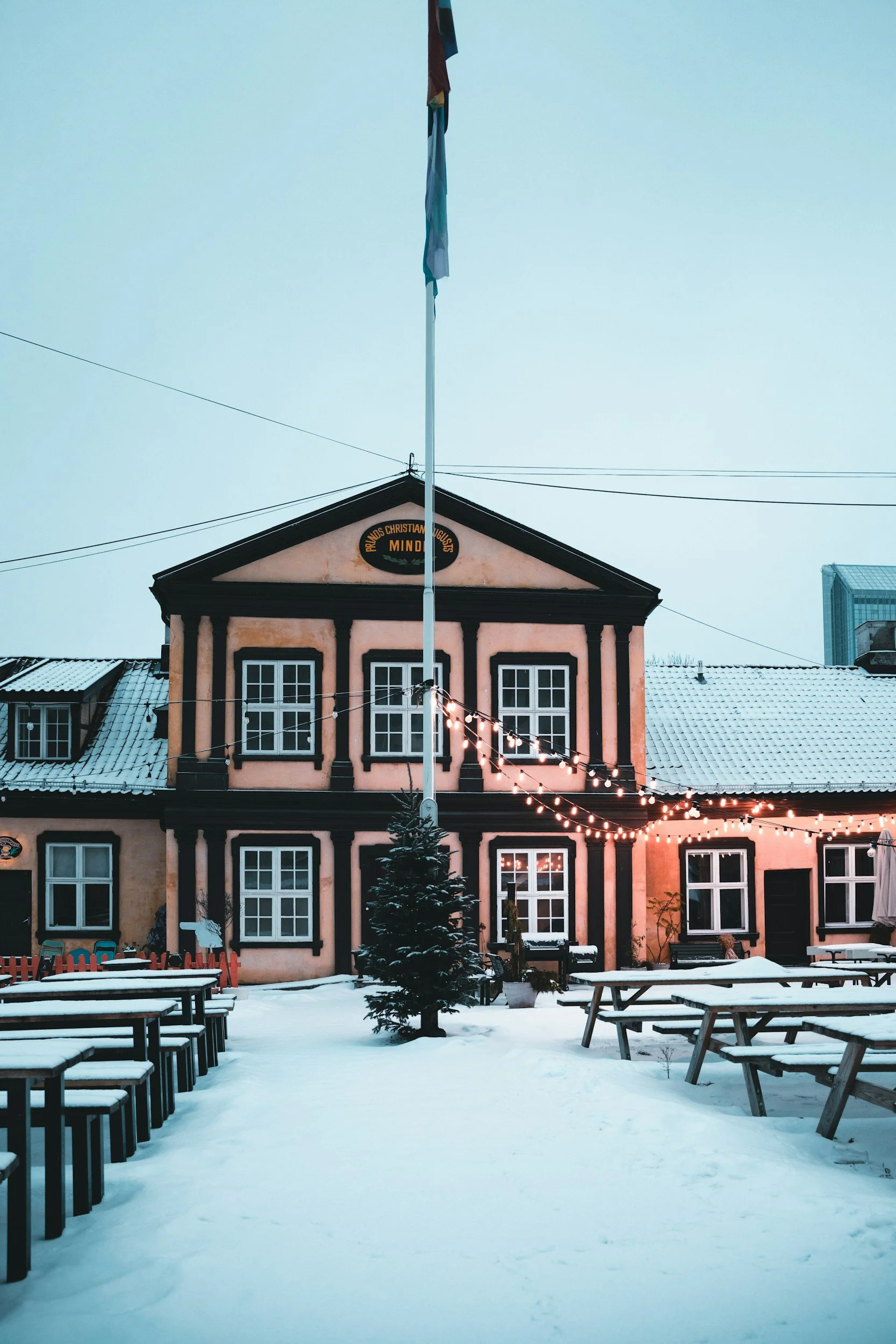
For a much older setting, Statholdergaarden occupies a distinctive salmon-pink house from 1640 in Kvadraturen. Today the main restaurant offers fine dining in ornate historic rooms, while Statholderens Mat & Vinkjeller downstairs provides a somewhat less formal alternative in the building’s old cellar vaults. If you want one special dinner during your Oslo stay, this is one of the places where the setting and history are as memorable as the meal itself.
Gamle Raadhus Restaurant offers another way to experience old Christiania. It is located in the city’s first town hall, dating from 1641, at Christiania Torv. The restaurant has a stronger focus on Norwegian ingredients and traditional dishes, making it particularly interesting if you want to eat somewhere historic while also trying food with a clearer connection to Norwegian culinary traditions.
At the other end of the spectrum is Restaurant Schrøder, which is far less formal and represents a more everyday side of traditional Oslo dining. It has been part of the city since the 1920s and is known for straightforward Norwegian dishes rather than fine dining. Readers of Jo Nesbø may also recognise it as the restaurant associated with Harry Hole.
These places offer very different versions of Oslo: Engebret for the city’s 19th-century cultural history, Grand Café for old Kristiania and its bohemians, Theatercaféen for the theatre and arts world, Statholdergaarden for historic fine dining, Gamle Raadhus for more traditional Norwegian food and Schrøder for something considerably more informal.
Winter is an especially good season for experiencing them. Darkness arrives early, old dining rooms glow against the cold outside, and sitting down somewhere warm after several hours of winter walking or skiing feels like a natural part of the day.
Shopping and Norwegian Design in Oslo
Shopping may not be the main reason to visit Oslo in winter, but it fits surprisingly well into a colder day, particularly between museums, lunch and time outdoors. If you are interested in Norwegian or Scandinavian design, there are also several places that are much more interesting than simply walking through an ordinary shopping centre.
For Norwegian design, I would start with Norway Designs in the city centre. The shop has been part of Oslo’s design scene since 1957 and brings together Norwegian and Scandinavian interiors, jewellery, accessories and everyday objects. Pur Norsk is another good choice if you are specifically interested in products by Norwegian designers, including smaller interior pieces that are actually possible to take home in a suitcase.
For a broader selection of Scandinavian interiors, Illums Bolighus is worth visiting. Its large store inside Glasmagasinet at Stortorvet carries furniture, lighting, tableware, textiles and design from across Scandinavia. Even if you are not planning to buy a chair or lamp, it is a good place to see the kind of contemporary Scandinavian design that appears in Norwegian homes.
If you are more interested in fashion, Bogstadveien and Hegdehaugsveien form one of Oslo’s main shopping streets, with a mixture of Norwegian brands, independent stores and international names. This is also easy to combine with Frogner Park and Baker Brun, so it can fit naturally into the same part of a winter day rather than requiring a separate shopping trip.
In the city centre, Steen & Strøm is Oslo’s historic department store and a good option when the weather is particularly unpleasant. Nearby Paleet, on Karl Johans gate, is smaller and more intimate, with fashion, lifestyle stores, cafés and restaurants. If you are looking for higher-end international fashion, the streets around this part of the centre also form Oslo’s main luxury shopping district.
For something less polished, Grünerløkka is still one of the better areas for independent shops, Norwegian fashion, vintage and second-hand clothing. Rather than going there simply because it is a fashionable neighbourhood, I would look for specific stores such as F5 Concept Store, which focuses on Norwegian fashion and design, and then explore some of the smaller vintage and independent shops nearby.
I would not devote an entire winter day to shopping unless that is genuinely one of your interests. But Norwegian design, wool clothing, outdoor equipment and a few well-chosen independent shops can add another side to the city, particularly on a day when the weather makes several uninterrupted hours outside less appealing.
Practical Considerations for Winter Visits
One of the most important things to get right for winter in Oslo is footwear. Conditions in the city can change quickly between fresh snow, compacted snow, ice, wet pavements and deep slush, sometimes all within the same day. A pair of boots that works well in dry snow may be much less useful once temperatures rise slightly and the streets become wet.
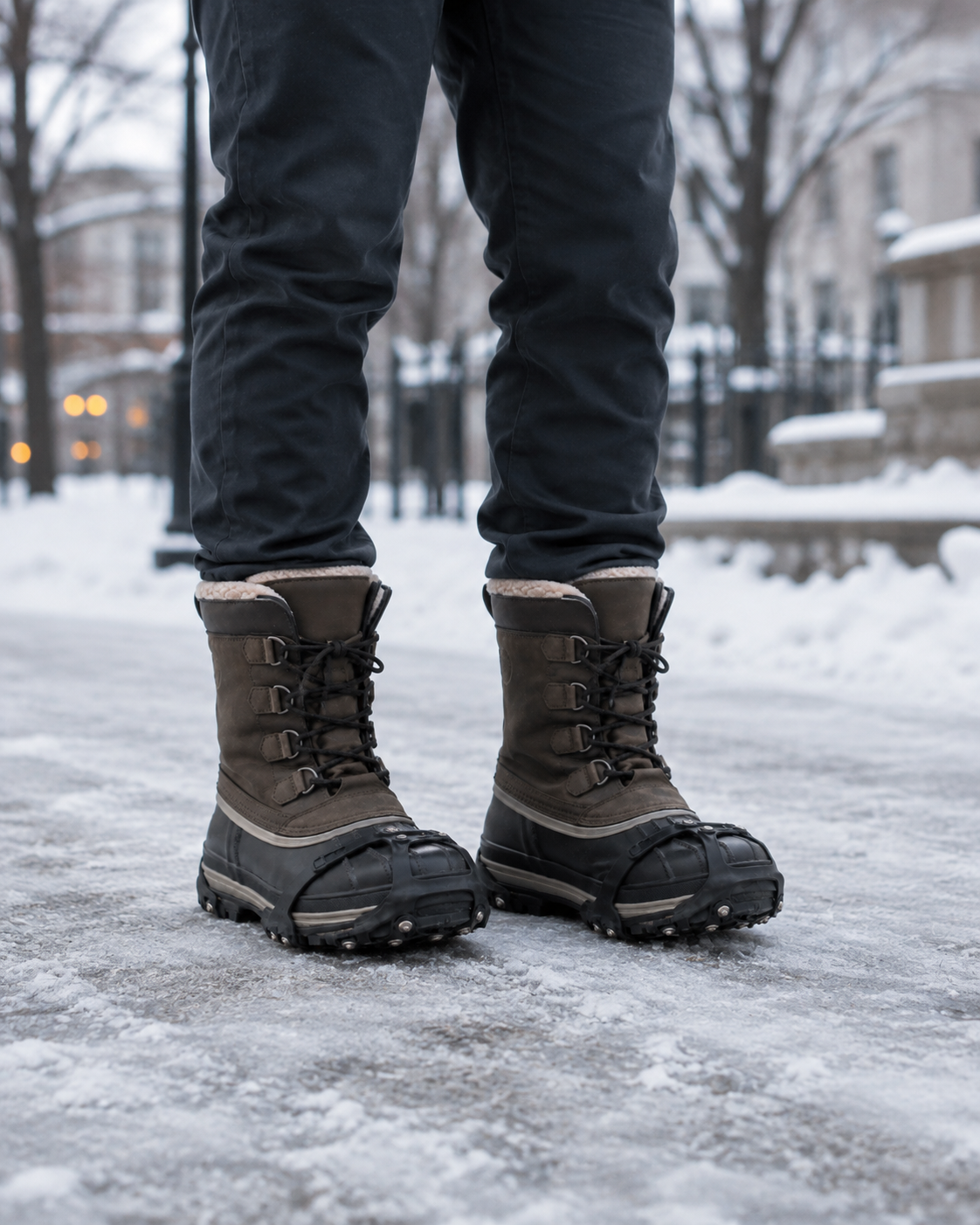
I would prioritise waterproof winter boots with insulation, a stable sole and genuinely good grip. Soft snow boots, moon boots, trainers and fashionable winter shoes can look suitable for the season while still being cold, slippery or unable to cope with wet snow and slush. If you plan to walk a lot, the difference between good and poor footwear becomes noticeable very quickly.
Ice grips, known in Norwegian as brodder, can also be extremely useful when pavements are icy. Removable versions are usually the most practical in the city because they can be taken off when you go indoors. Metal spikes can damage wooden and other indoor floors, and they are also uncomfortable on bare asphalt, which you will often encounter between patches of snow and ice.
Clothing is easier to manage if you think in layers rather than trying to find one extremely heavy outfit. Oslo winter days often involve moving repeatedly between cold outdoor conditions and very warm museums, cafés, restaurants and public transport, so being able to remove a layer is much more comfortable than overheating indoors.
If you are unsure what to bring, my What to Pack for Norway in Winter: The Ultimate Cold-Weather Packing Listcovers winter clothing, footwear, layers and the practical essentials I recommend for cold, snowy and changeable conditions in Norway.
Is Oslo Worth Visiting in Winter?
Yes, particularly if you want a winter trip that combines a real city with easy access to snow and nature. Oslo does not become dormant when the temperature drops. Cafés and restaurants remain busy, people still go to concerts and meet friends, museums and cultural venues continue as normal, and weekends can feel just as social as they do during the rest of the year.
What changes is the rhythm of the day. Winter encourages you to move between cold and warmth rather than spending ten uninterrupted hours sightseeing outside. You might walk along the fjord in the morning, spend a few hours in a museum, stop for coffee, ski in the forest or at Tryvann later in the day and finish somewhere warm for dinner. Fjord saunas, snowy parks, illuminated ski slopes and the forests surrounding the city become part of Oslo rather than separate winter attractions.
It is also important not to arrive expecting a perfect snow-covered city every day. Oslo winters can move between deep snow, clear cold weather, ice, slush and milder periods. If guaranteed Arctic conditions are the main reason for your trip, Northern Norway is a better choice. But if you want to experience how winter fits into everyday Norwegian city life, Oslo is genuinely rewarding.
Perhaps the biggest advantage is that you rarely have to choose between culture and nature. You can spend the morning looking at Munch, the afternoon skiing through Nordmarka and the evening in a restaurant in the centre, all without changing hotels or travelling particularly far. That combination is what makes Oslo different from many other European winter city breaks.
Final Words
Winter is one of the seasons when Oslo feels most like the city I grew up in. Skiing, forest walks, dark afternoons, warm cafés and evenings indoors are not things the city puts on for visitors. They are simply part of how life continues through the colder months.
You do not need to fill every day with specifically “winter” activities either. Some of the best experiences come from mixing them: a snowy walk followed by a museum, a few hours skiing before dinner, a sauna after being outside in the cold, or a waffle somewhere warm after walking through Frogner Park.
That balance between city life and nature is what I would build an Oslo winter trip around. The fjord is still there, the forests remain within easy reach, restaurants and cultural life continue after dark, and snow, when it comes, changes the atmosphere of places you might otherwise experience very differently in summer.
Oslo in winter is not about escaping the season. It is about learning to enjoy the city with it.
More articles about Norway:
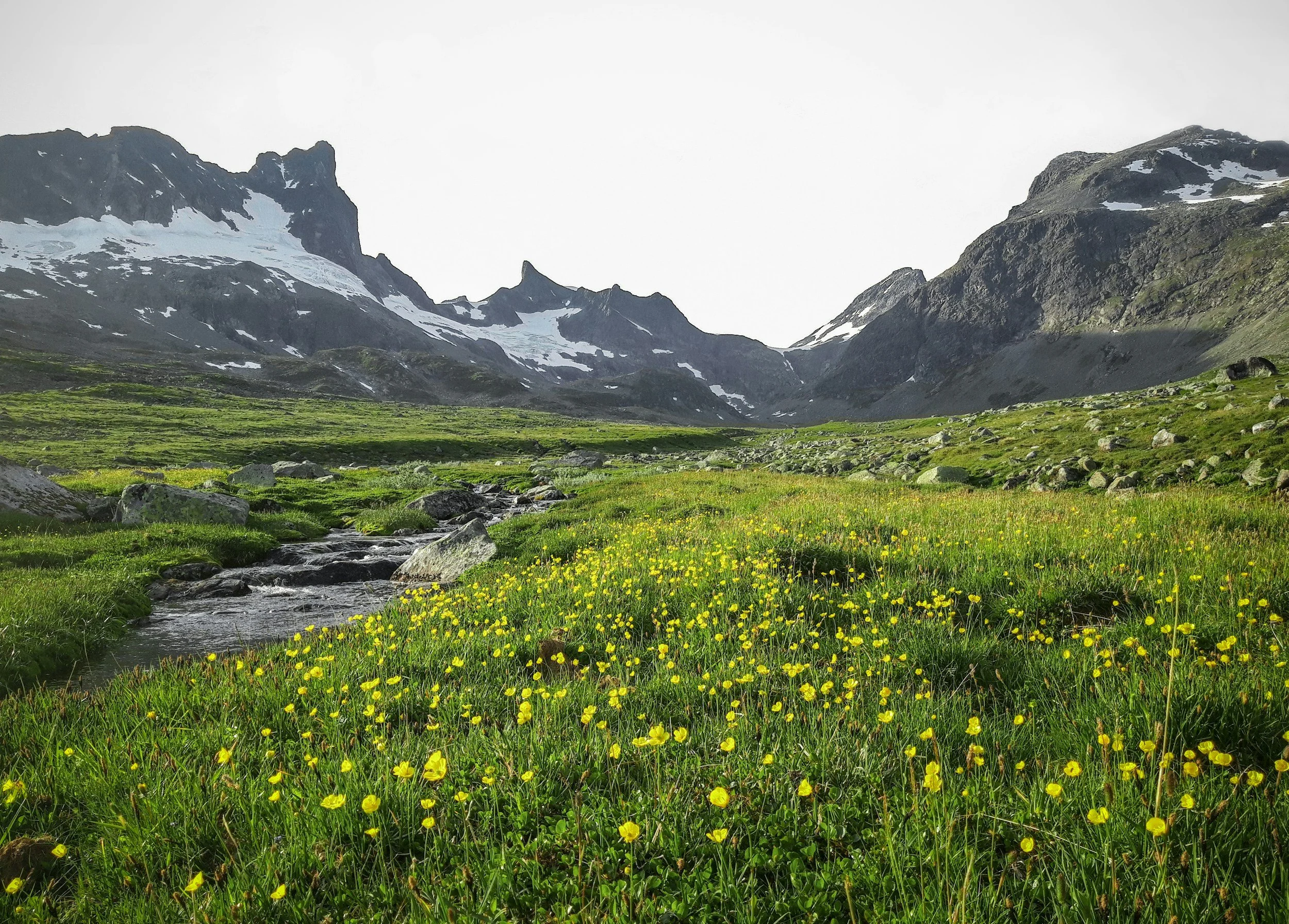


Discover the best places to experience Viking history in Norway, including museums, Viking villages, burial mounds, ship centres and historic sites by region.