
Lofoten vs Tromsø: Which Is Better for Your Trip?
Why Travellers Often Compare Lofoten and Tromsø
Few travel decisions come up more often when planning a trip to Northern Norway than whether to visit Lofoten or Tromsø. Both destinations are located above the Arctic Circle, both are associated with northern lights and dramatic scenery, and both regularly appear on itineraries for first-time visitors to Norway.
Yet despite these similarities, they offer very different experiences. Comparing them purely on scenery or popularity misses the point. The more useful question is not which destination is objectively better, but which one better matches the type of trip you want to have.
For some travellers, Tromsø provides the ideal introduction to Arctic Norway. For others, the landscapes and slower pace of Lofoten are exactly what they are looking for. Understanding the differences between the two can make planning significantly easier.
The Biggest Difference: City vs Landscape
The simplest way to understand the distinction is that Tromsø is a city, while Lofoten is a landscape.
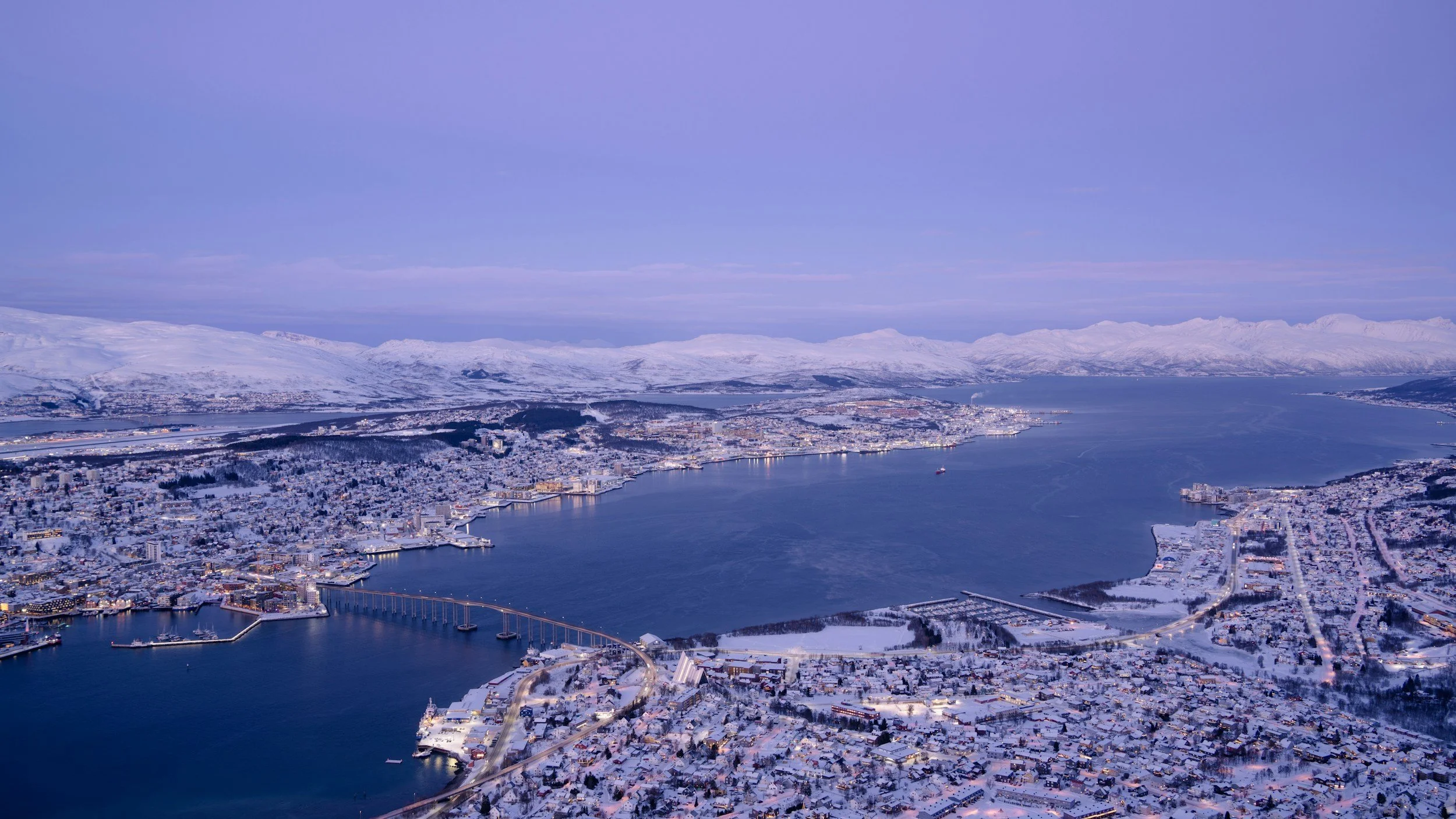
Tromsø revolves around a relatively compact urban centre surrounded by mountains, fjords and Arctic scenery. Restaurants, museums, hotels and organised excursions form a major part of the visitor experience. Many travellers spend their days joining activities and their evenings exploring the city itself.
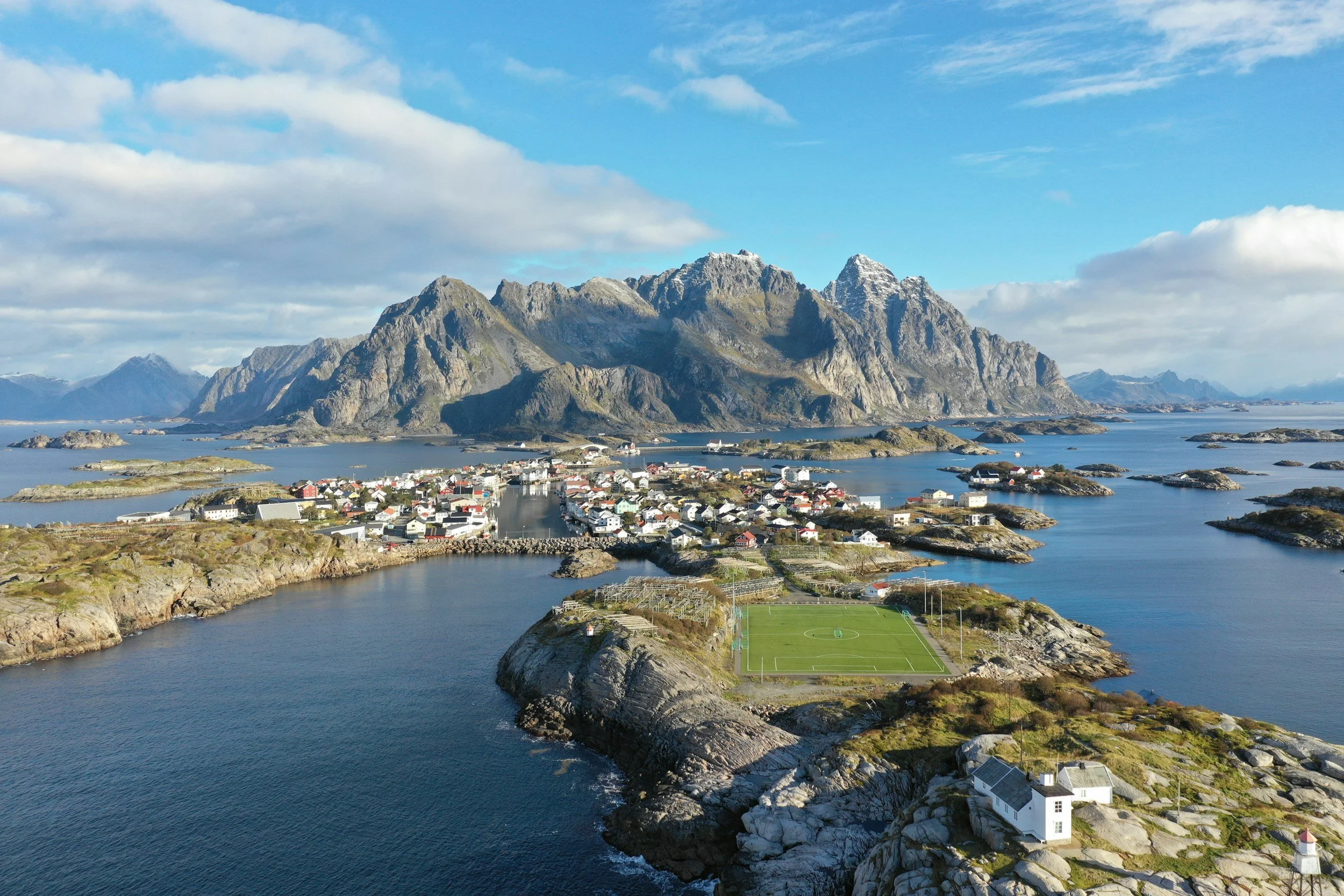
Lofoten works differently. The archipelago is not centred around a single destination but around a collection of villages, beaches, mountains and scenic roads. The experience is often built around moving through the landscape rather than returning to the same place each evening.
This difference shapes almost every other aspect of a trip.
Which Has Better Scenery?
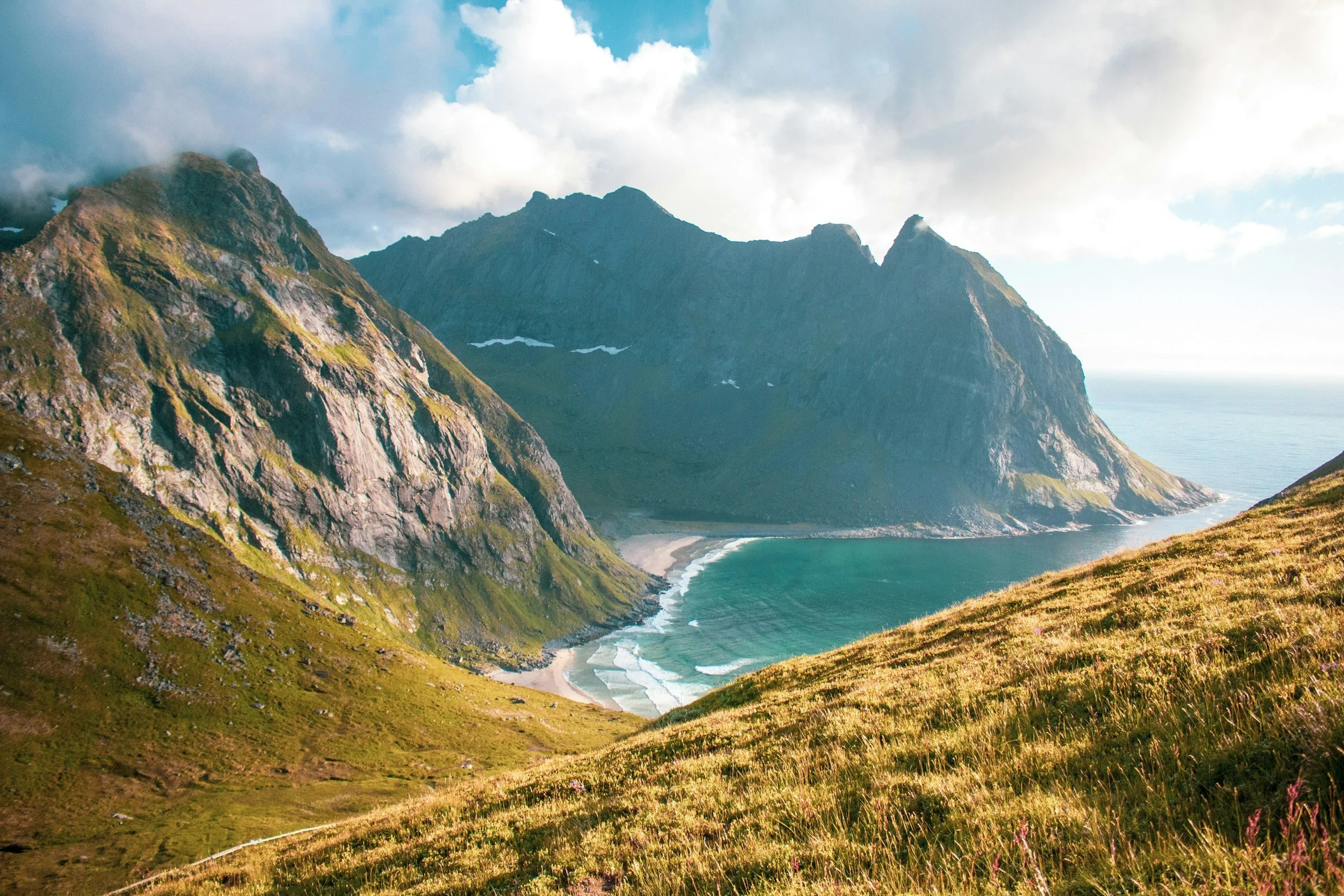
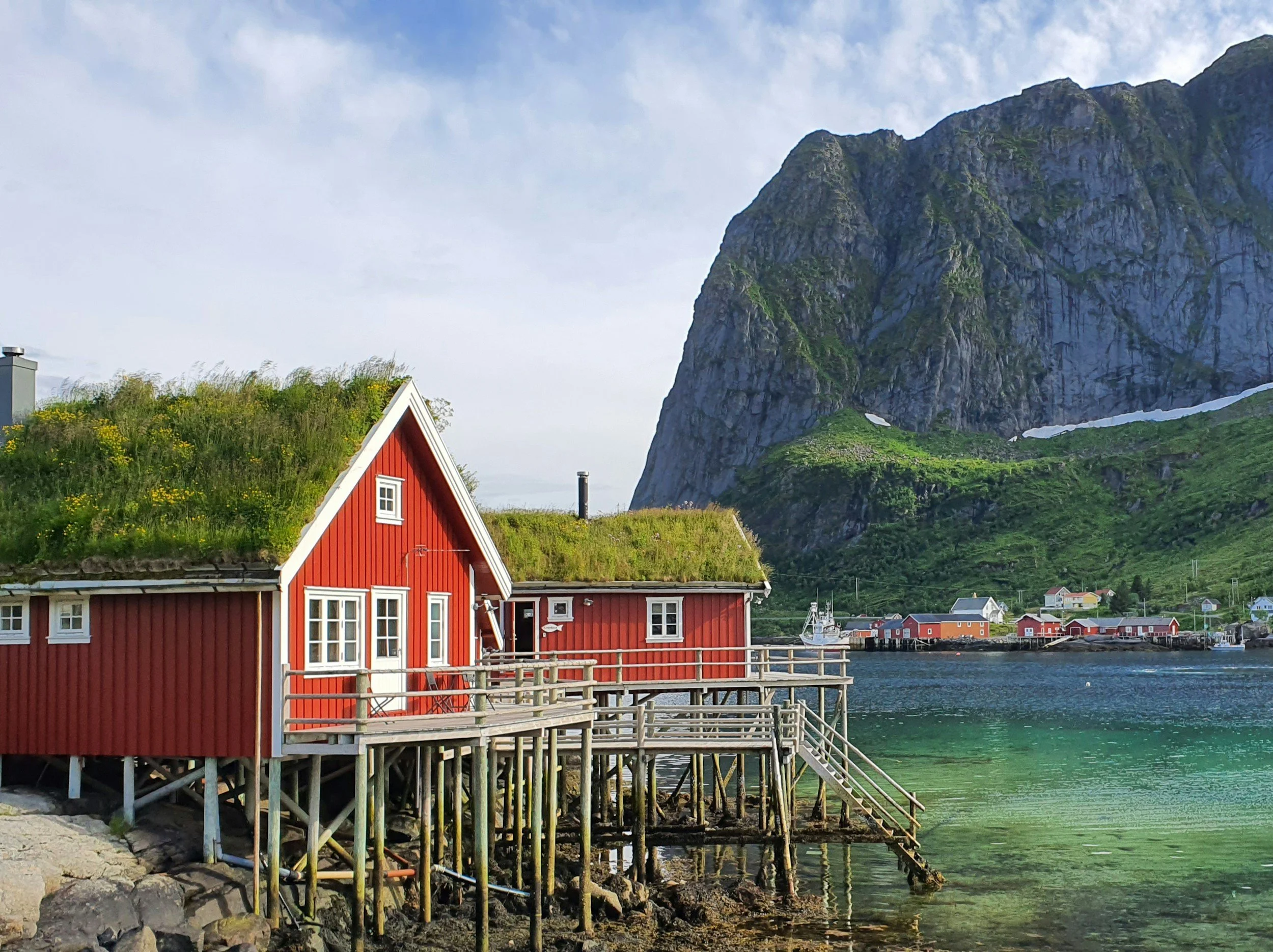
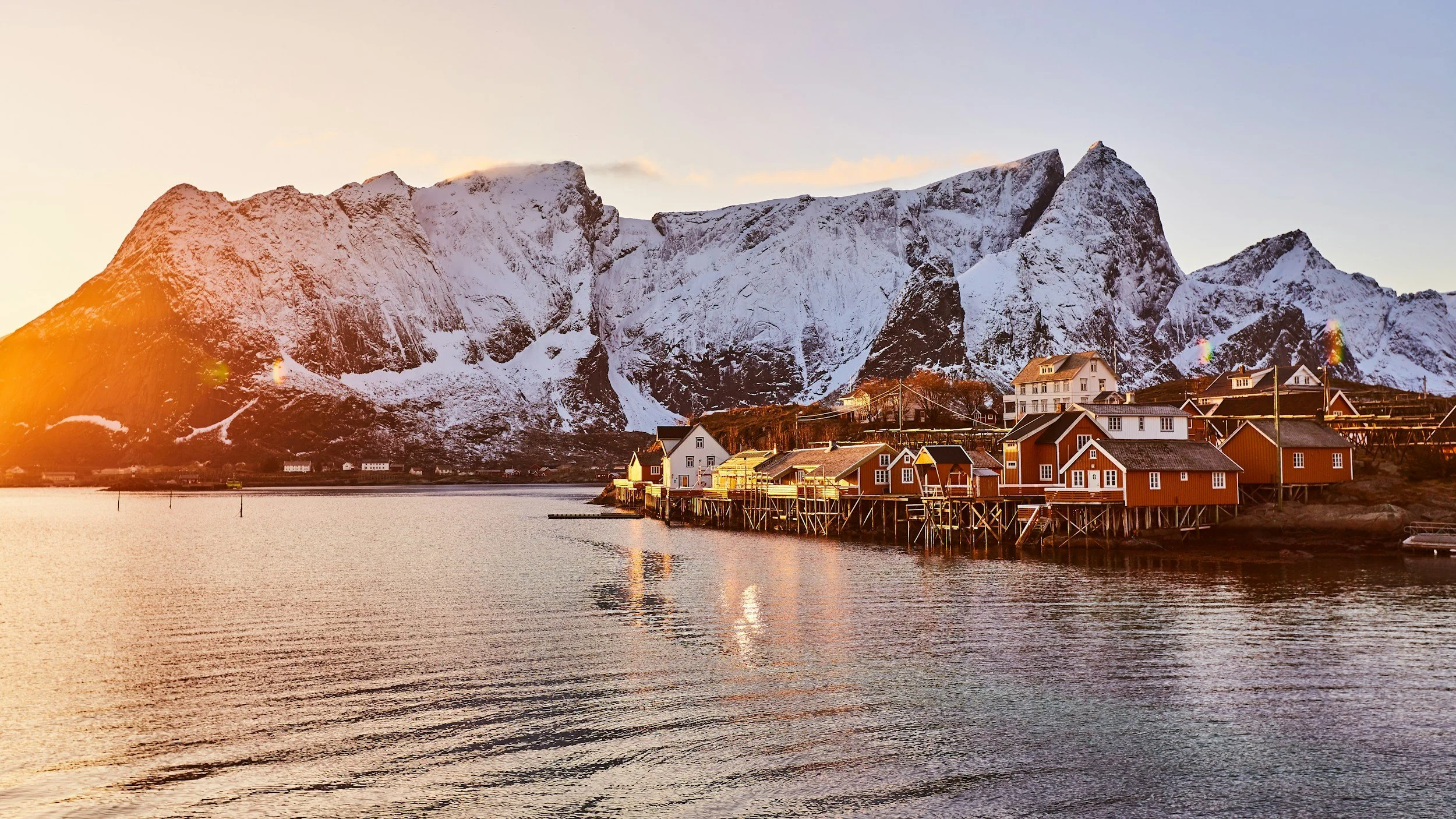
If dramatic scenery is your primary reason for visiting Northern Norway, Lofoten generally has the advantage. The landscapes are more concentrated, more visually distinctive and more immediately recognisable than those around Tromsø. Many of the photographs that have shaped international perceptions of Norway come from Lofoten's fishing villages, beaches and mountain ridges.
That does not mean Tromsø lacks impressive scenery. The city is surrounded by fjords, mountains and coastal landscapes, while nearby areas such as Kvaløya and the Lyngen Alps offer some of Northern Norway's most spectacular views. The difference is that scenery forms the core of the Lofoten experience, whereas in Tromsø it often serves as the backdrop to a wider range of activities.
For travellers whose main priority is landscape photography, scenic drives and dramatic coastal scenery, Lofoten is usually the stronger choice.
Which Is Better for Northern Lights?
Both destinations sit well within the auroral zone and offer excellent opportunities to see the northern lights. The biggest factor is usually weather rather than location.
The practical difference lies in how visitors experience the aurora. Tromsø has developed one of the world's largest northern lights tourism industries, with countless guided excursions operating throughout the season. Many tours actively search for clear skies and may travel considerable distances if conditions require it.
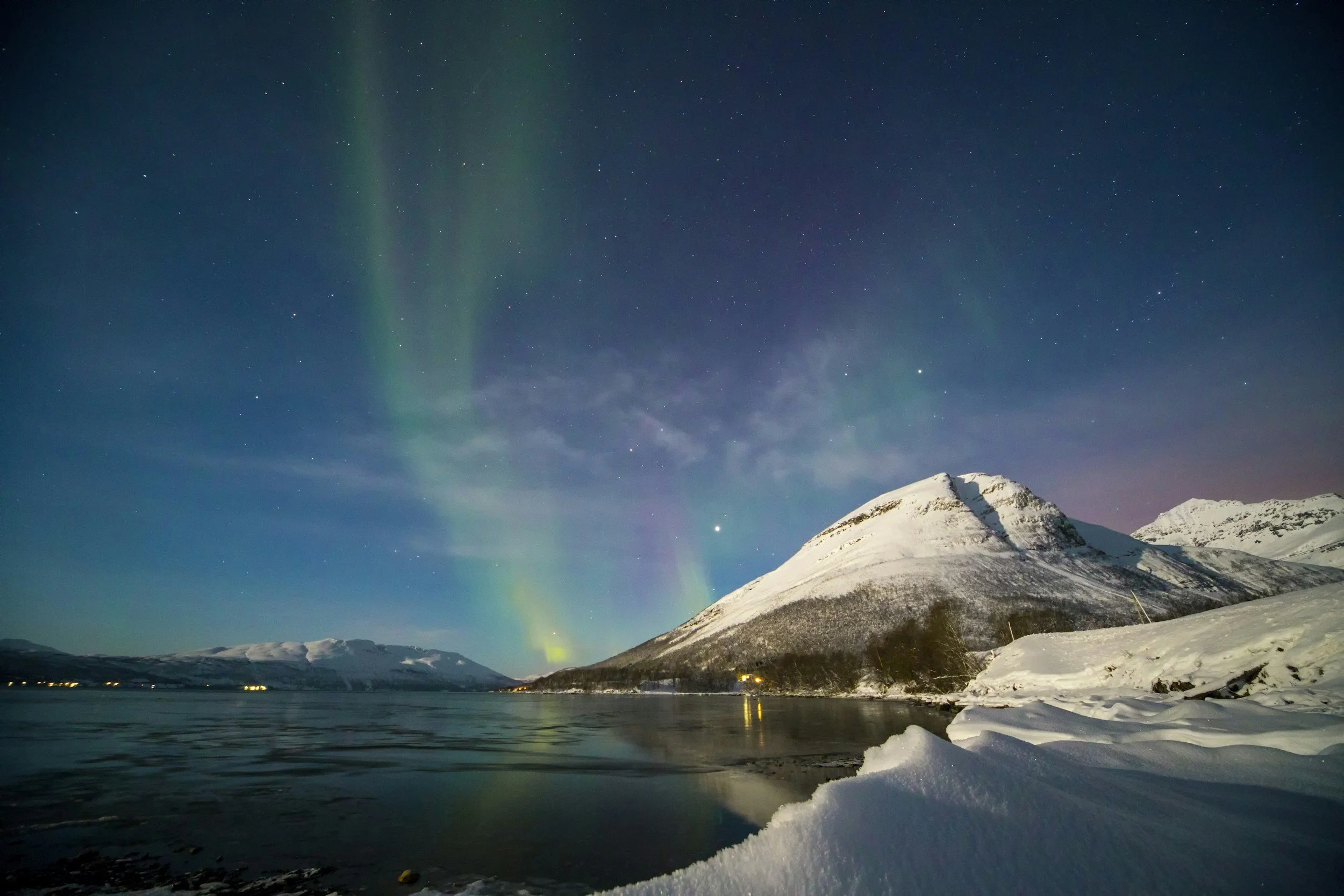
In Lofoten, northern lights viewing is often a more independent experience. Visitors frequently watch the aurora from beaches, harbours and scenic viewpoints rather than joining organised excursions. For photographers and travellers who enjoy exploring independently, this can be particularly rewarding.
If your goal is simply to maximise your chances of seeing the northern lights, Tromsø generally offers more options and greater flexibility. If you are equally interested in photography and dramatic landscapes, Lofoten can be an extraordinary place to experience them.
Which Is Better in Winter?
For a winter-focused trip, Tromsø is usually the stronger all-round destination.
The city has built much of its tourism industry around winter experiences and offers a huge range of organised activities. Dog sledding, whale watching, snowmobiling, Sami experiences, fjord cruises and northern lights excursions are all easily accessible without needing to organise transport independently.
Lofoten remains spectacular in winter, but the experience is different. Visitors often spend more time exploring independently, driving between villages and experiencing the landscape itself. Winter in Lofoten tends to feel quieter, slower and less activity-focused than Tromsø.
Travellers looking for a classic Arctic winter holiday often find Tromsø the easier and more rewarding choice.

Which Is Better in Summer?
Summer is where the balance shifts towards Lofoten.
The combination of midnight sun, hiking, beaches, fishing villages and scenic roads makes the archipelago one of Norway's most distinctive summer destinations. Endless daylight allows visitors to spend long days outdoors, and many of the experiences that define Lofoten are at their best during this period.
Tromsø remains enjoyable during summer and serves as a useful base for exploring surrounding landscapes. However, most visitors would agree that the city feels more strongly associated with winter travel than with summer tourism.
For travellers visiting Northern Norway between June and August, Lofoten is often the more compelling destination.
Do You Need a Car?
This may be the single biggest practical difference between the two destinations.
Many visitors can enjoy Tromsø without ever hiring a car. The city centre is compact, public transport is generally reliable and most excursions include transport. It is possible to spend several days in Tromsø while relying entirely on organised tours and local buses.
Lofoten works differently. While public transport exists, having a car provides significantly greater freedom and flexibility. Many of the beaches, hiking areas and villages that define the archipelago are easiest to reach independently.
Travellers who prefer not to drive will generally find Tromsø much easier to visit.
Which Is More Expensive?
Neither destination is cheap.
Accommodation, dining and activities tend to be expensive throughout Northern Norway. However, the nature of the expenses differs.
In Tromsø, organised activities often form a substantial part of the budget. Northern lights tours, whale watching excursions and winter experiences can quickly increase costs.
In Lofoten, accommodation and car hire are often the biggest expenses, particularly during the peak summer season when demand is highest.
For most travellers, the overall cost of a trip ends up being relatively similar.
Can You Visit Both?
If time allows, this is often the best solution.
Many visitors arrive in Tromsø first, spending several days experiencing northern lights, winter activities or Arctic culture before continuing to Lofoten. The combination provides a broader understanding of Northern Norway than either destination alone.
Rather than competing with one another, the two places often complement each other remarkably well. Tromsø provides the urban Arctic experience, while Lofoten delivers some of Norway's most iconic landscapes.
Final Words
Lofoten and Tromsø are frequently presented as alternatives, but they are not really trying to offer the same experience. Tromsø is best understood as an Arctic city surrounded by extraordinary nature, while Lofoten is a landscape destination shaped by fishing villages, mountains and the sea.
If your priority is northern lights tours, winter activities, whale watching and a destination that is easy to explore without a car, Tromsø is often the stronger choice. If your goal is dramatic scenery, scenic drives, photography and independent exploration, Lofoten generally leaves the deeper impression.
The decision ultimately comes down to what kind of Northern Norway experience you are seeking. Some travellers want organised Arctic adventures and a comfortable urban base. Others are drawn to fishing villages, winding coastal roads and the freedom to explore at their own pace.
If time allows, visiting both is ideal. Together, they offer two very different perspectives on Northern Norway and complement one another remarkably well. Tromsø provides the gateway, while Lofoten delivers many of the landscapes that have made the region famous around the world.
Related Reading
Exploring Northern Norway
Tromsø Travel Guide: What to See, When to Go and What to Expect
Lofoten Travel Guide: Planning a Realistic Trip to Norway's Most Famous Islands
Northern Norway Travel Guide: What to See, When to Go and What to Expect