
Norwegian Outdoor Culture: Friluftsliv, Hiking and Everyday Nature
Friluftsliv is an important part of Norwegian culture and describes the tradition of spending time outdoors as a natural part of everyday life. This guide explains what friluftsliv means, how it is connected to hiking, cabin life, weather, childhood and Norwegian traditions, and why nature plays such an important role in the way many Norwegians live.
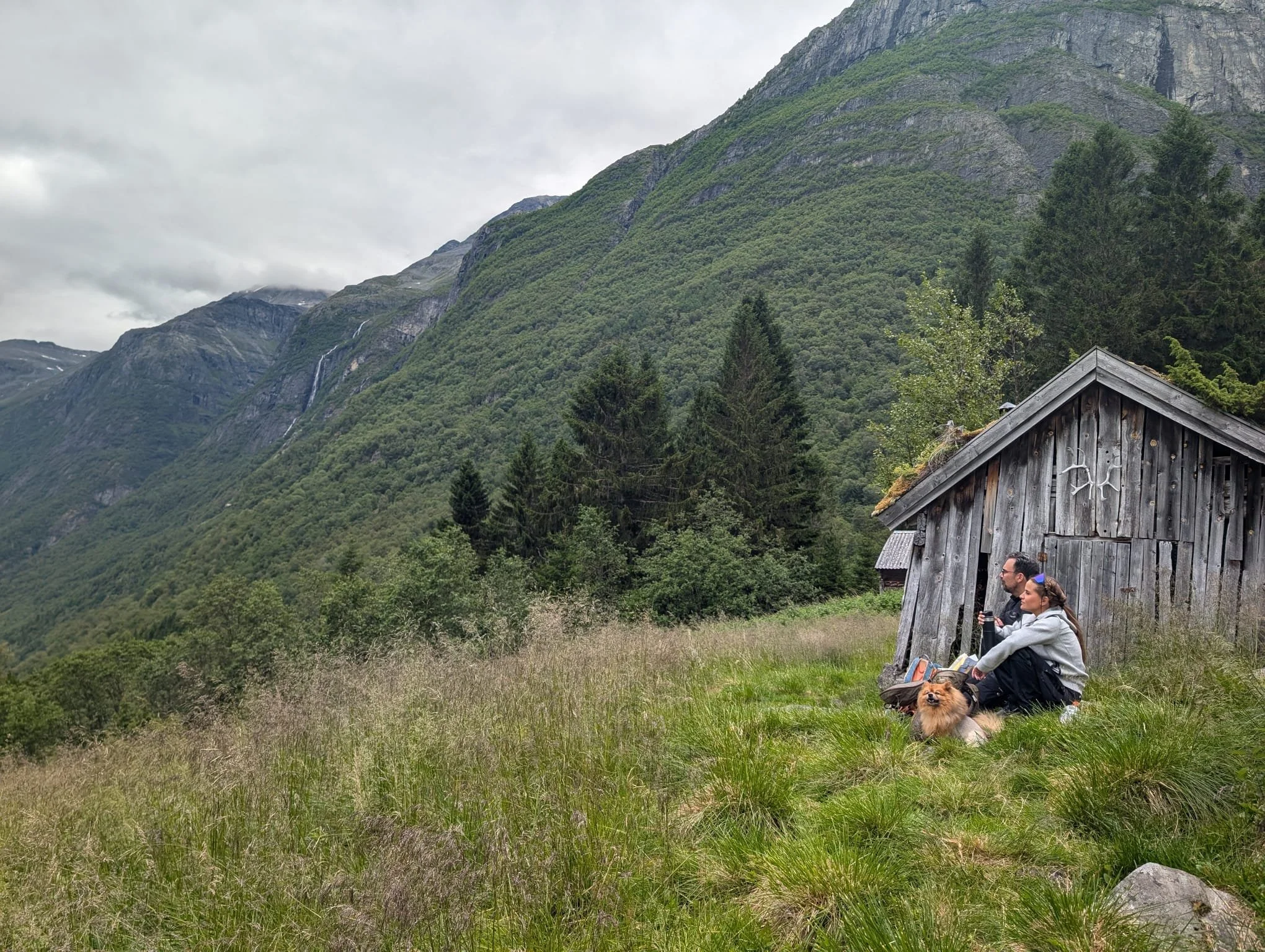
Friluftsliv is a Norwegian word often translated as “open-air life”. It describes the idea of spending time outdoors as a natural part of life, whether that means walking in the forest, skiing in winter, swimming in the fjord, spending time at a cabin, or simply sitting outside with a packed lunch and a cup of coffee.
The word has a strong place in Norwegian culture because nature is not only seen as something to visit on holiday. For many people in Norway, being outdoors is part of everyday life, family life, childhood, weekends and seasonal routines.
This article looks at what friluftsliv means in Norway, how it connects to hiking, cabin culture, weather and childhood, and why spending time outdoors has such a strong place in Norwegian everyday life.
What Is Friluftsliv?
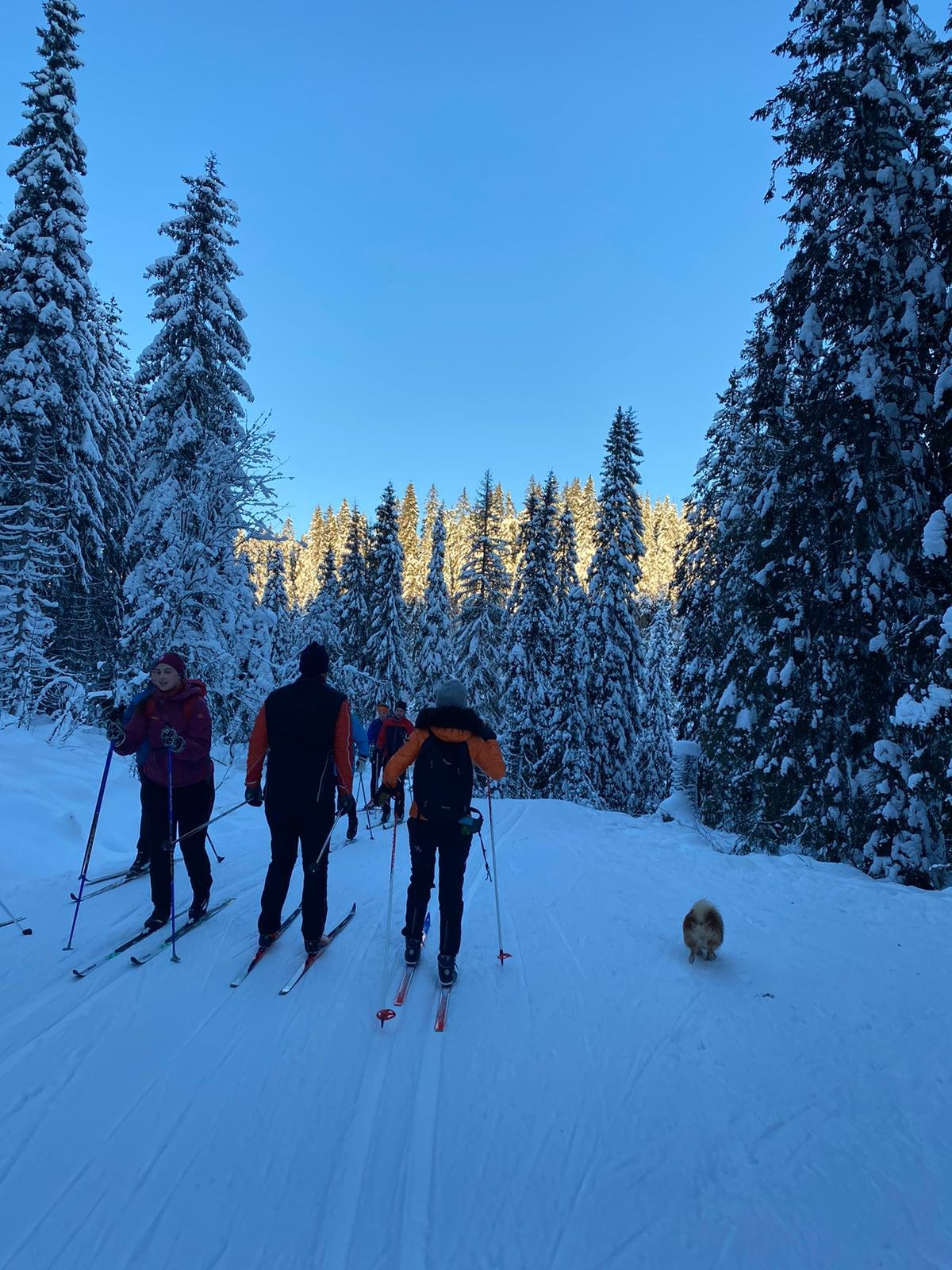
Friluftsliv is one of the most important ideas in Norwegian outdoor culture, but it is also one of the easiest to explain too dramatically. In everyday life, it usually means something much simpler than the English translation suggests.
At its core, friluftsliv is about spending time outdoors and seeing nature as part of ordinary life. It can mean going for a short walk after work, taking children outside in all kinds of weather, skiing in winter, swimming in the sea, sitting by a lake, walking in the forest, or spending a weekend at a cabin.
It does not have to involve a long hike, expensive equipment or a remote wilderness experience. Some people practise friluftsliv in the mountains, others by the coast, in the forest, in local parks or near the fjord. The important part is not how far you go, but the habit of being outside.
Friluftsliv Is Broader Than Hiking
Hiking is an important part of Norwegian outdoor culture, but it is not the same as friluftsliv. Hiking usually suggests a specific route, trail, summit or destination. Friluftsliv is broader and can include many different ways of spending time outside.
This difference matters when thinking about outdoor life in Norway. Famous hikes and viewpoints can be wonderful, but Norwegian outdoor culture is not limited to those experiences. A short walk in the forest, a swim in the fjord, a picnic by a lake or a slow afternoon outside can also be part of understanding how many Norwegians relate to nature.
Friluftsliv is often less focused on completing a route and more focused on the time spent outdoors itself. It can be active, but it does not always have to be athletic. It can involve mountains and wilderness, but it can also happen close to home, in a city forest, beside the sea, at a cabin or on an ordinary Sunday walk.
Related Reading
Everyday Nature in Norway
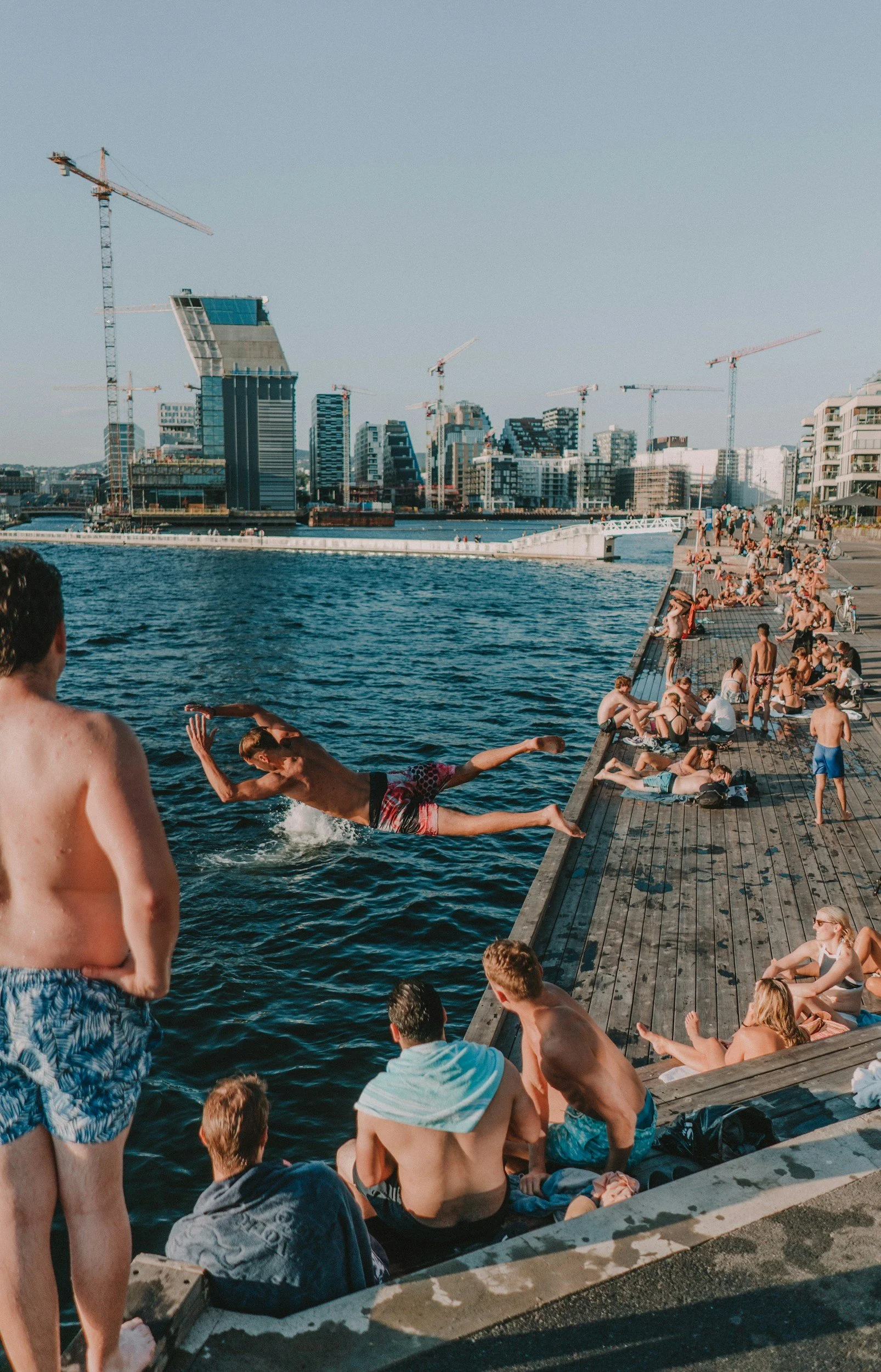
One of the most important things to understand about Norwegian outdoor culture is how ordinary it can be. Nature is not always treated as something separate from normal life. It is often part of the weekly rhythm.
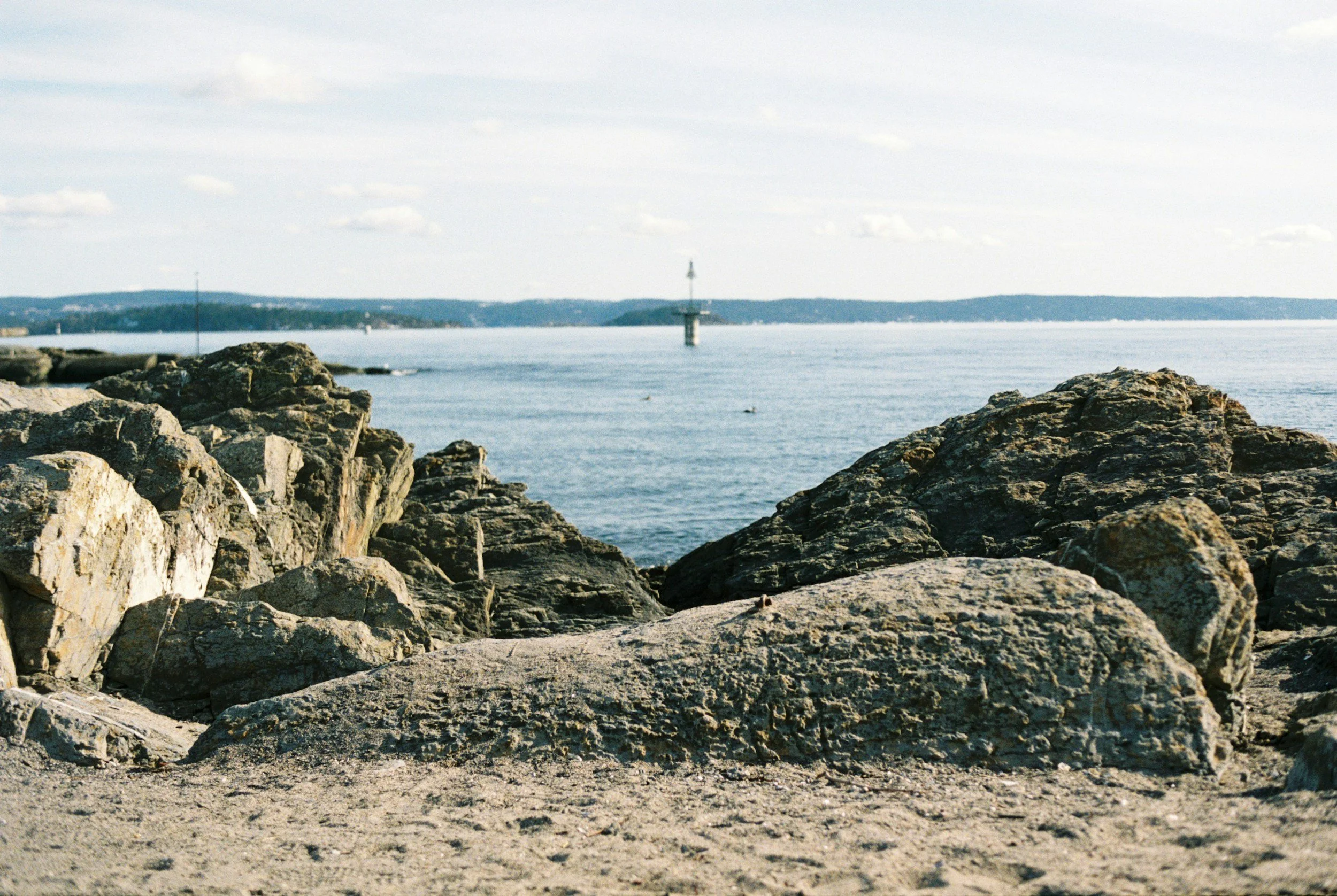
In and around Norwegian cities, people use local forests, hills, lakes, fjords and coastal paths in everyday ways. In Oslo, the forest areas around the city are used for walking, skiing, cycling, running and family outings. Along the Oslofjord, summer often means swimming, sauna visits, ferries, picnics and long evenings by the water.
This everyday relationship with nature is also visible in the language. The Norwegian word tur can mean many different things depending on context. It can be a short walk, a longer hike, a ski trip, a family outing, a cabin trip or a Sunday walk. A søndagstur, or Sunday walk, is a familiar part of Norwegian life, and it does not need to be dramatic to be meaningful.
This is one reason Norwegian outdoor culture can feel different from a more activity-based idea of outdoor travel. Often, the point is not to complete something impressive. It is simply to go outside, spend time in fresh air and make nature part of the day.
Related Reading
The Norwegian Relationship with Weather
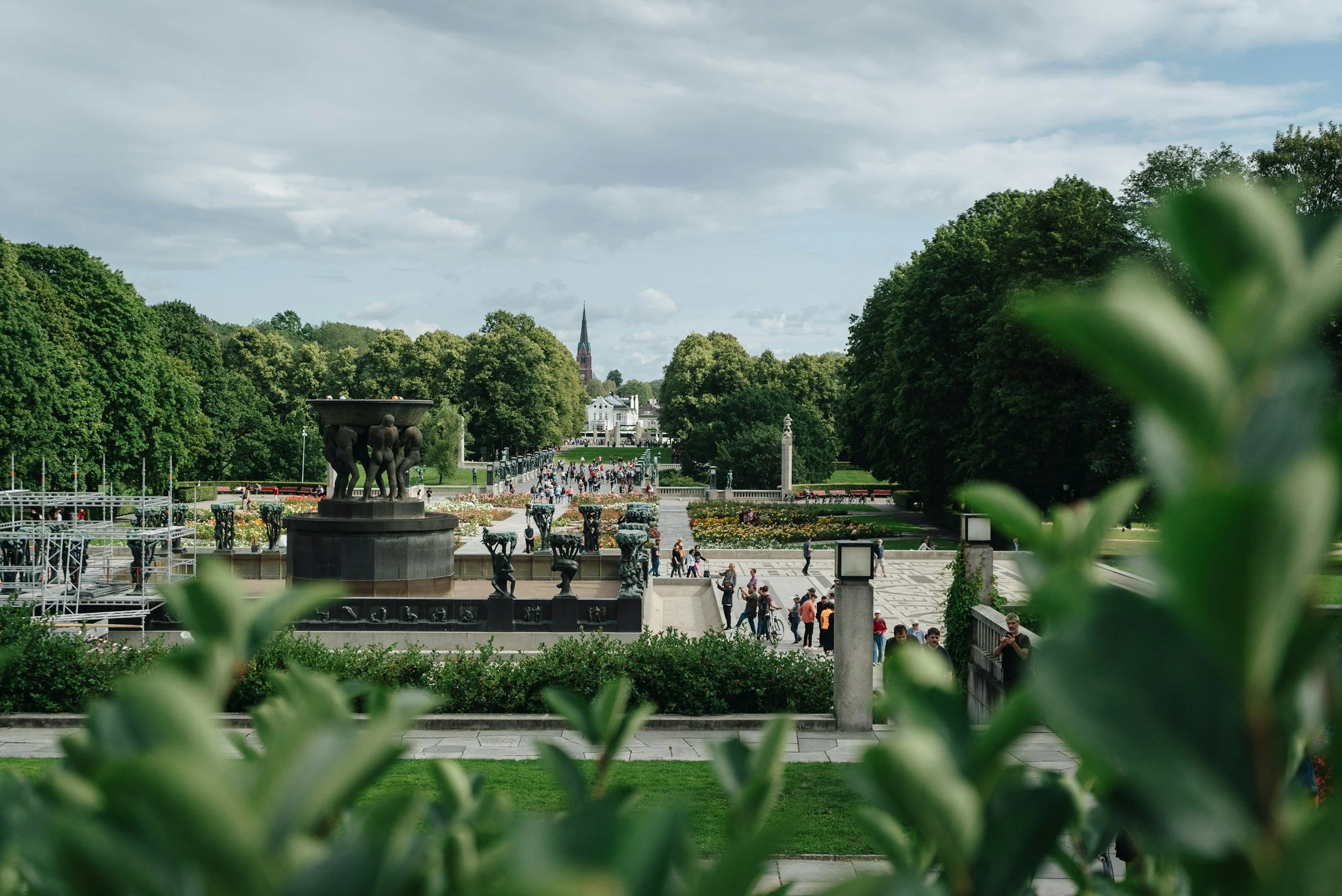
There is a well-known Norwegian saying: “There is no bad weather, only bad clothing.” Like many sayings, it is both useful and slightly annoying if taken too literally. Of course there is bad weather. Norway has plenty of it. Wind, rain, sleet, fog and sudden temperature changes can all affect your plans.
But the saying does reveal something real about the Norwegian mindset. Weather is often treated as something to prepare for rather than something that automatically cancels outdoor life. People still walk, commute, take children outside, go skiing, go to the cabin and spend time outdoors in conditions that might surprise visitors from milder or more predictable climates.
Clothing is therefore a very practical part of Norwegian outdoor culture. Wool, waterproof layers, windproof jackets, proper shoes and clothing that can handle changing conditions matter more than looking polished. This is especially important if you are visiting from somewhere where outdoor clothing is more associated with sport than with daily life.
Related Reading
Hiking in Norway: What Visitors Should Know
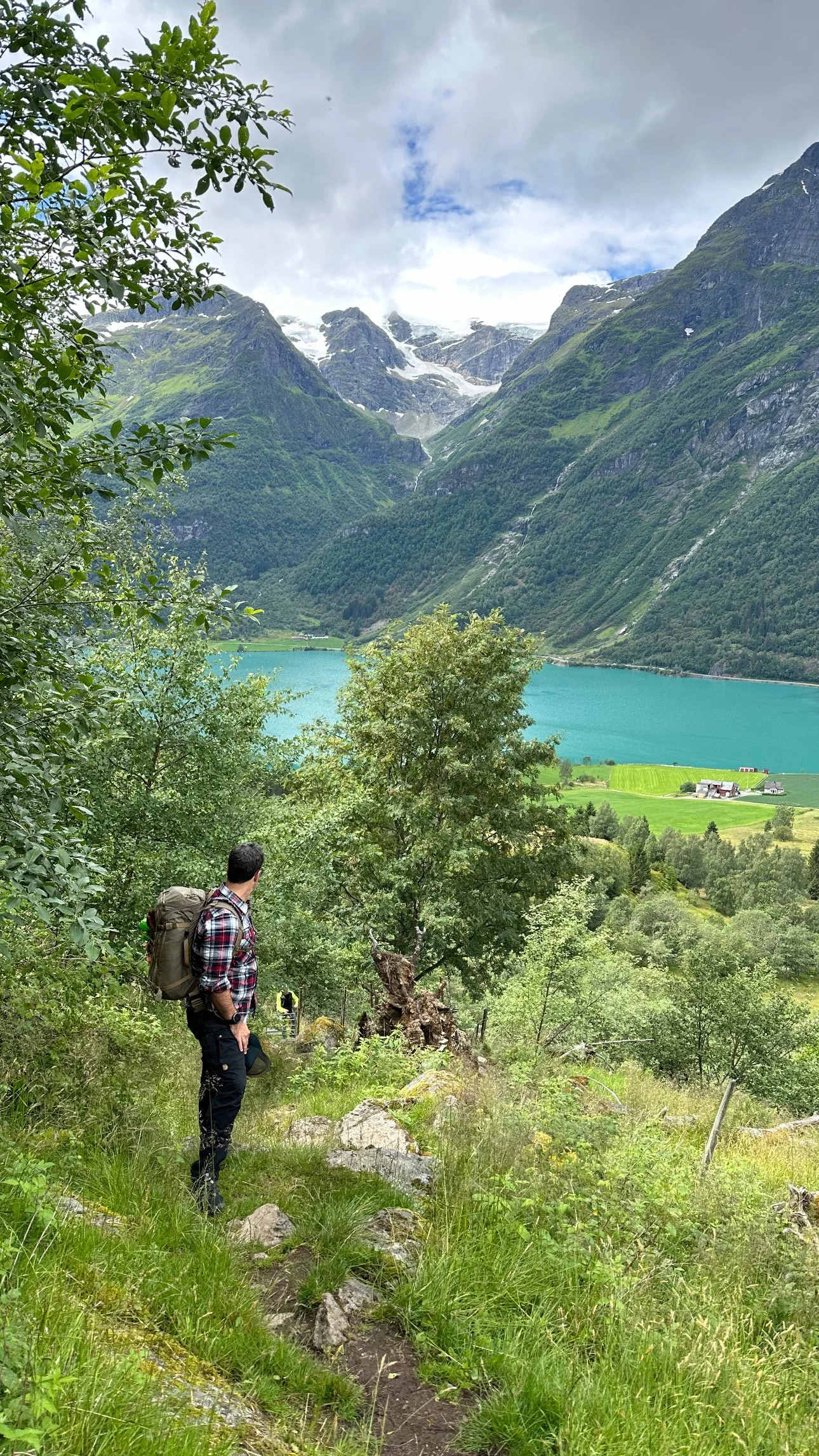
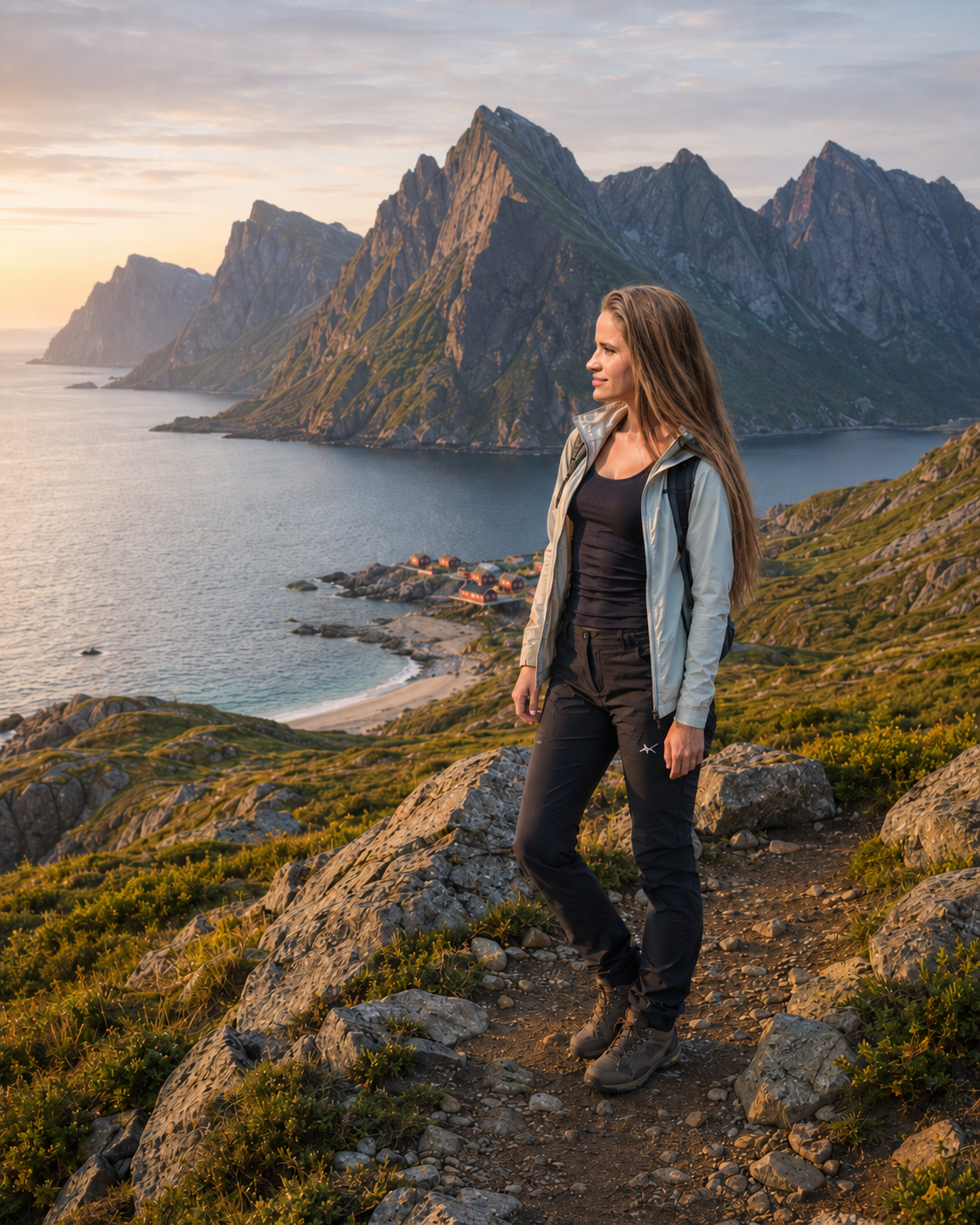
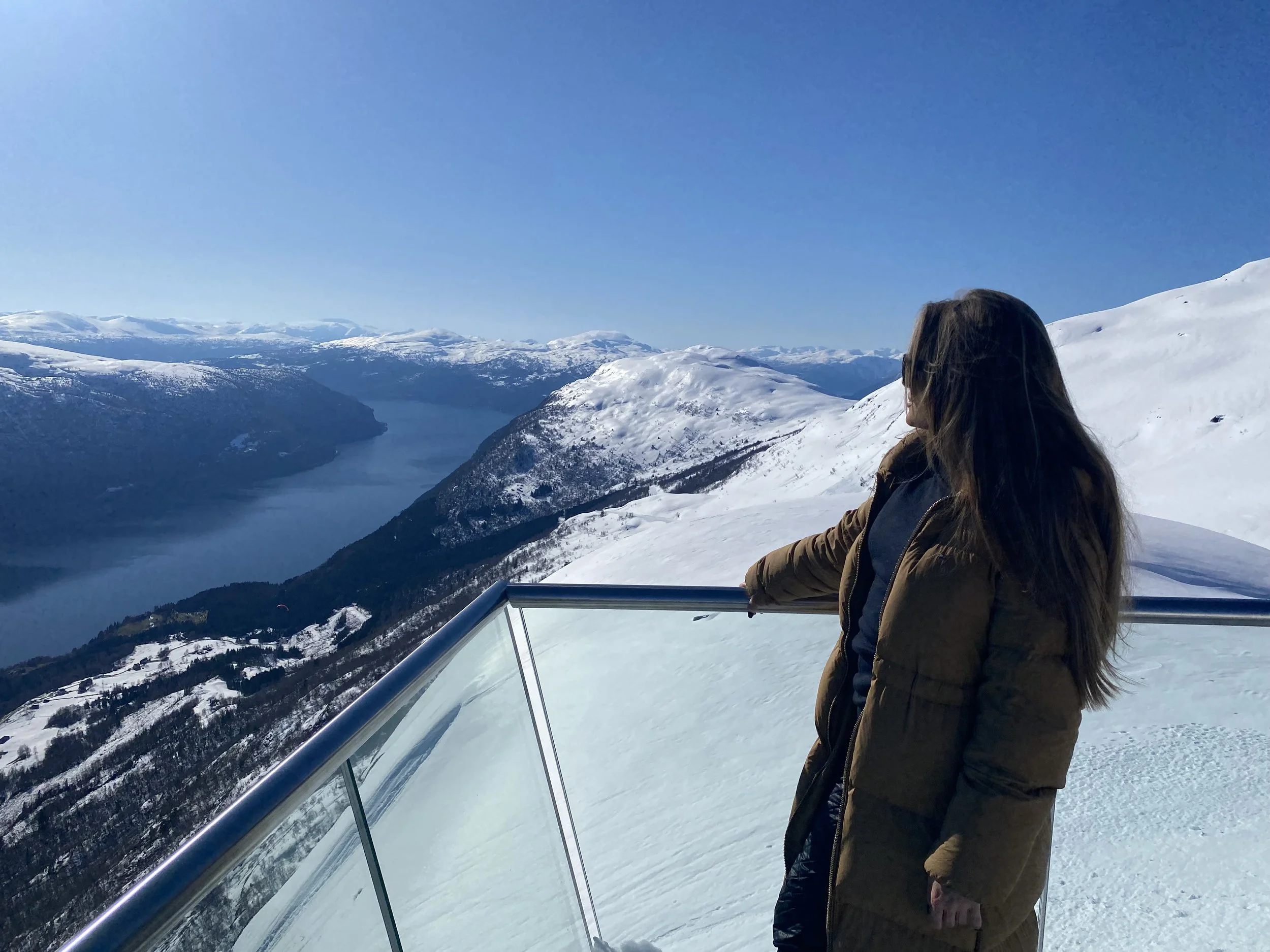
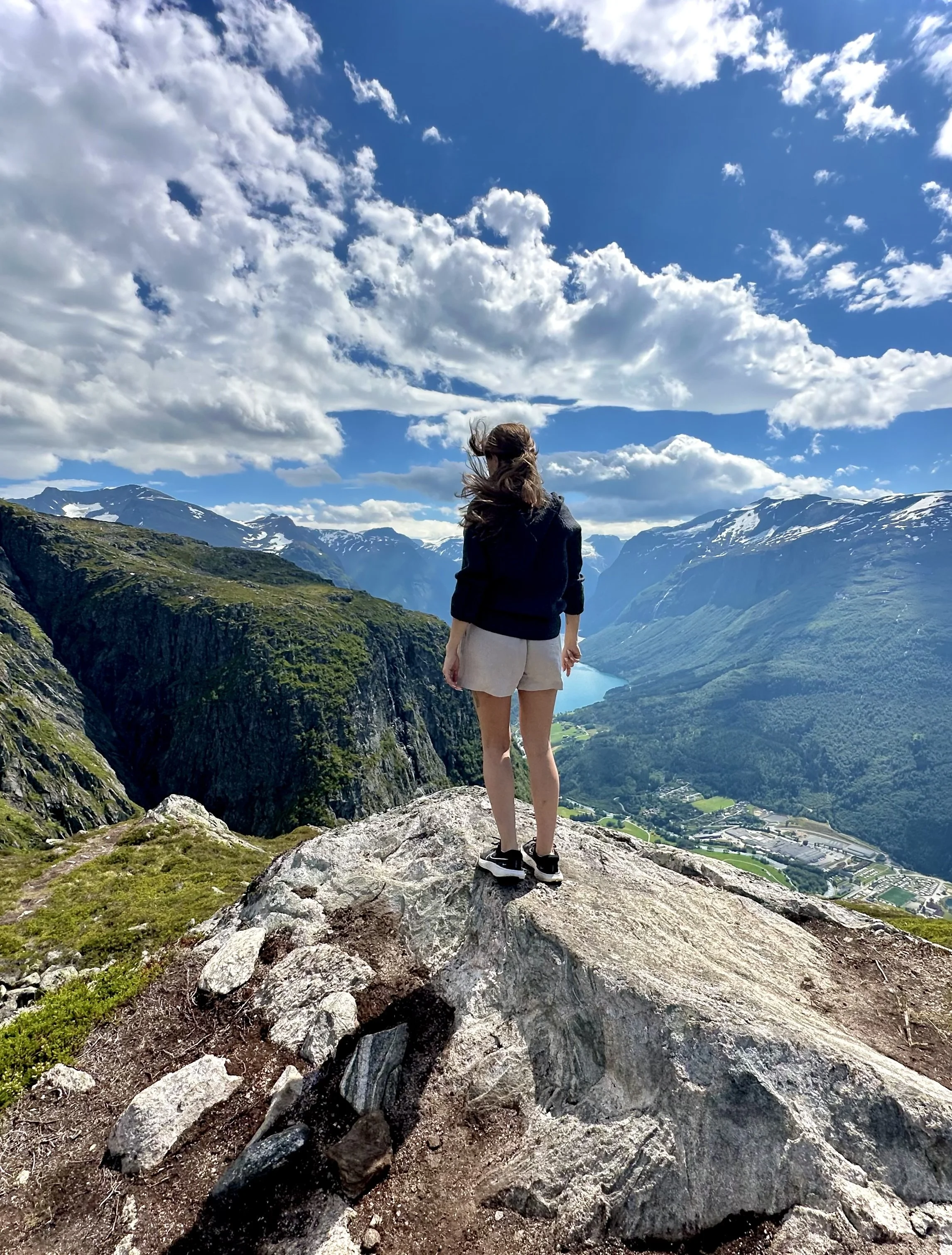
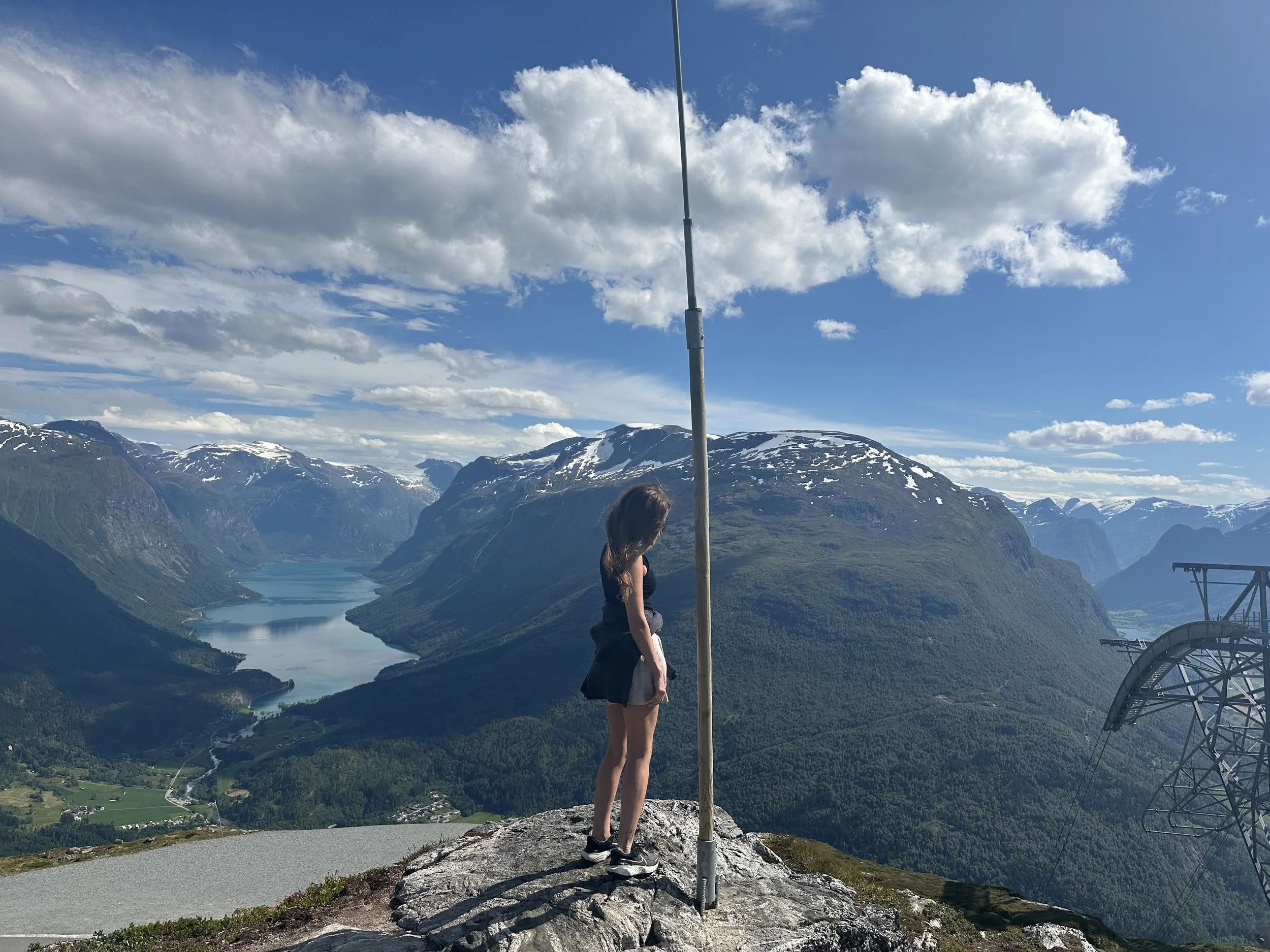
Hiking in Norway can be unforgettable, but it is worth approaching it with realistic expectations. Some famous hikes are more demanding than they look in photos, and Norwegian terrain can be rough even when the route is not technically difficult.
Visitors often underestimate the combination of elevation, weather, trail surface and limited facilities. A hike may not be very long in kilometres, but if it climbs steeply over rock, mud or exposed terrain, it can still take time and energy. Weather can also change quickly, especially in the mountains and along the coast.
This does not mean you should be nervous about hiking in Norway. It simply means you should choose routes carefully, check conditions, wear proper footwear and avoid planning your trip around hikes that may be unrealistic for your fitness, experience or the season.
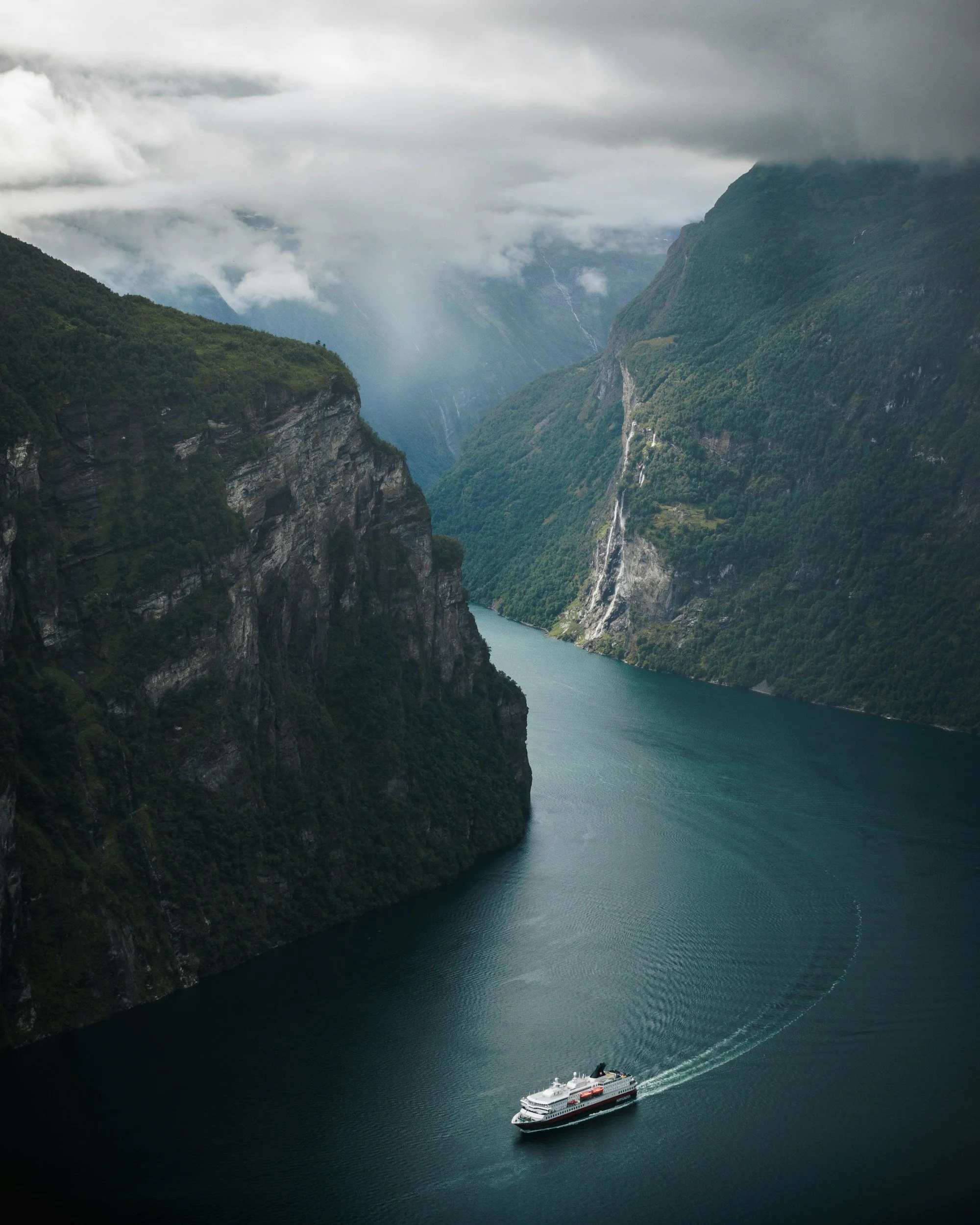
Some of Norway’s most famous natural places are also much busier than people expect. Geiranger, for example, is beautiful, but it can feel crowded and pressured in peak season, especially when many visitors arrive at once. If you want a broader fjord itinerary, it can be more useful to think about the region as a whole rather than simply choosing the most famous viewpoints.
For visitors who want to hike but do not want to build the whole trip around difficult trails, it can be better to mix scenic walks, viewpoints, fjord travel and easier outdoor experiences. Norway rewards slower planning. You do not have to turn every day into a major physical challenge to experience the landscape properly.
Related Reading
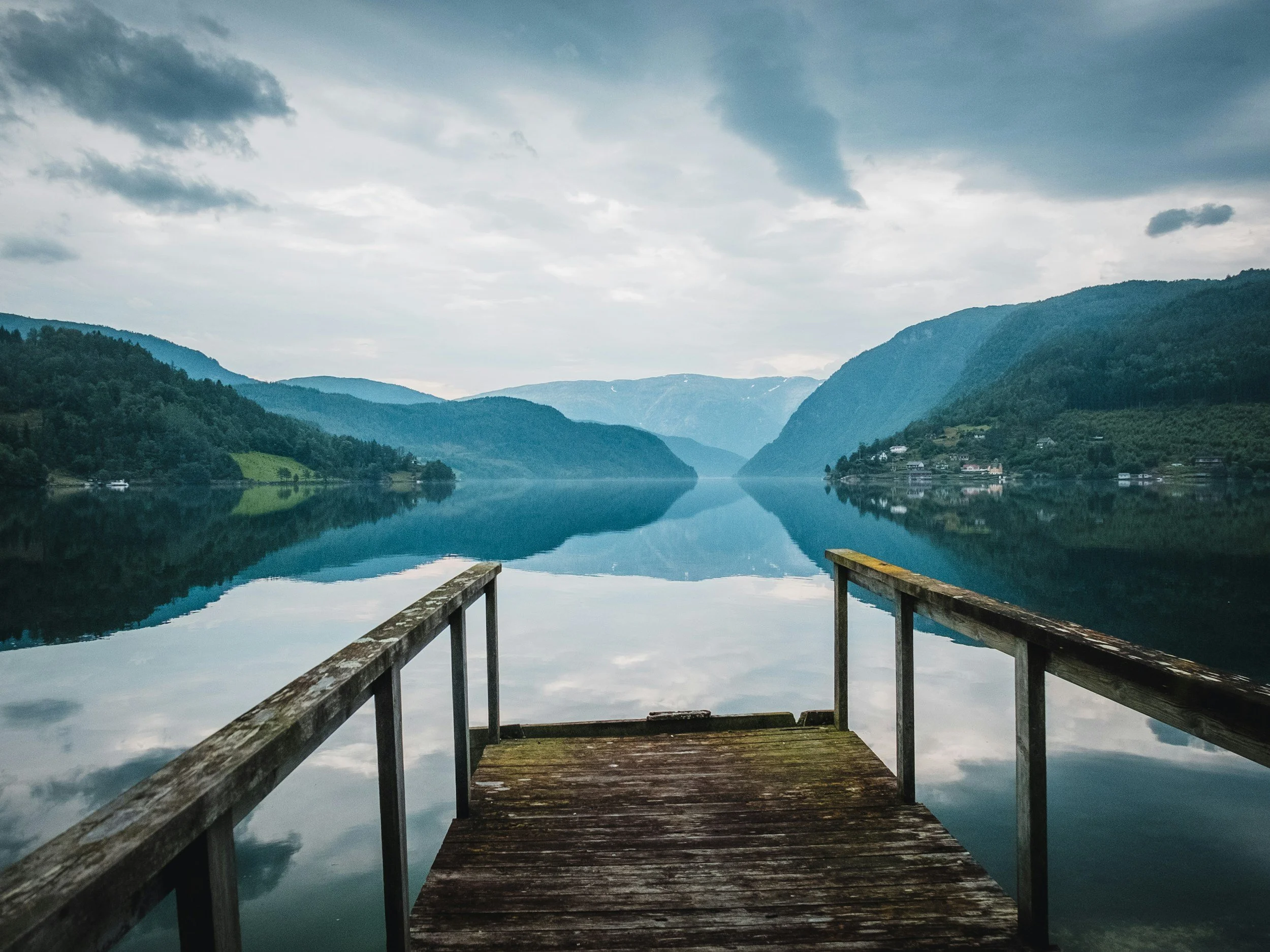
Cabins and the Role of the Hytte
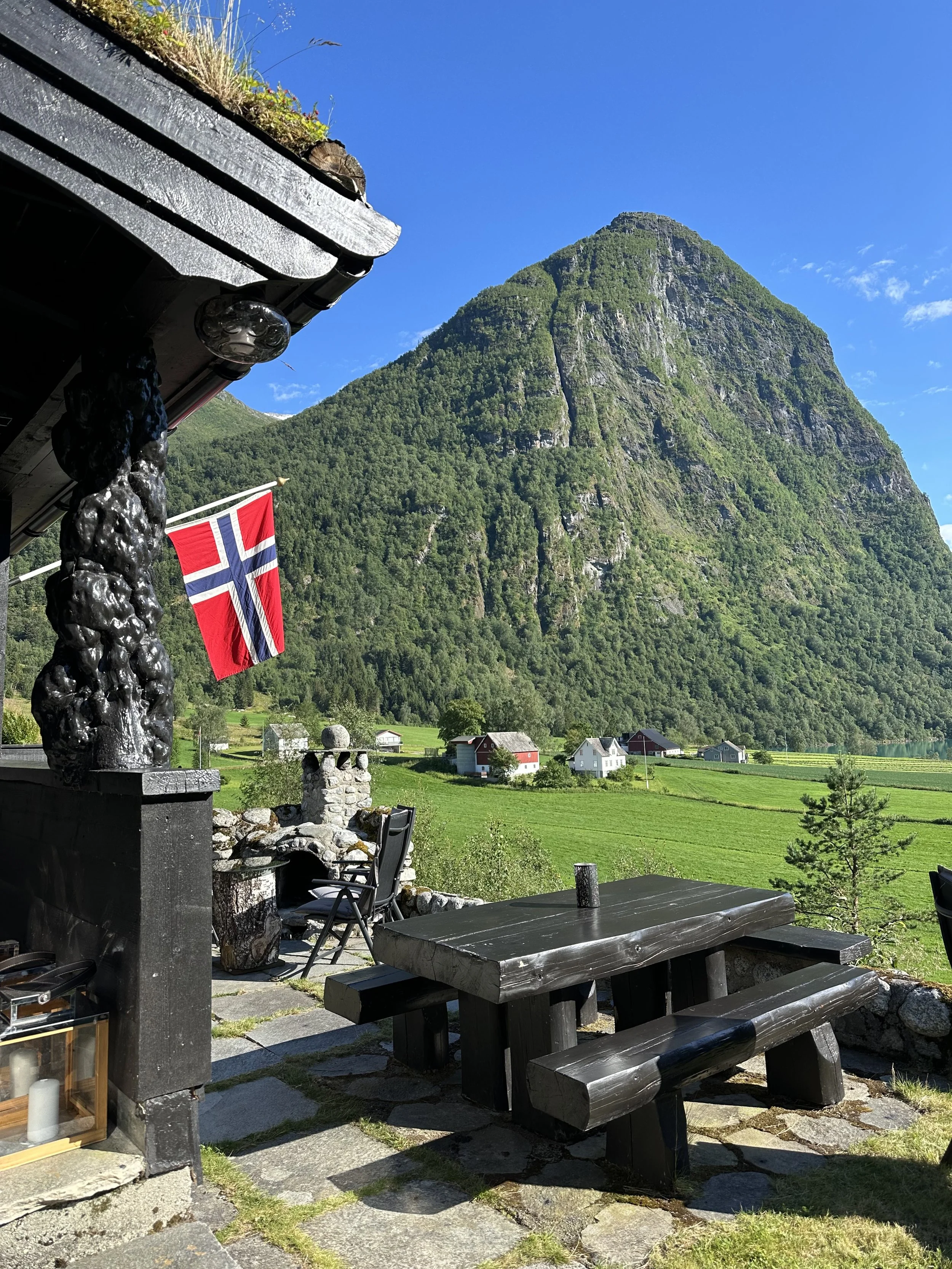
You cannot really talk about Norwegian outdoor culture without talking about the hytte, or cabin. For many Norwegians, the cabin is not just a holiday home. It is tied to family, repetition, simplicity, seasons and a particular kind of closeness to nature.
Some cabins are modern and comfortable, but the older idea of hytte life is often much simpler. It can mean carrying water, lighting a fire, using wool blankets, going without some everyday conveniences and spending more time outside because the cabin itself is not designed around constant entertainment.
This part of Norwegian culture is personal for me too. My family had a cabin in Valdres when I was growing up, without electricity or running water. We used paraffin lamps, collected water from a stream, accessed it on skis in winter and stored food in a cellar under the floor. That kind of cabin life is not glamorous, but it says a lot about the Norwegian relationship with nature. It is not always about comfort. Sometimes it is about rhythm, quietness and being close to the landscape in a very practical way.
Cabin culture also connects different parts of Norway. Some families go to the mountains, others to the coast, the forest or the fjords. In Western Norway, cabins may be tied to fjord landscapes and family roots. In inland areas such as Valdres, Jotunheimen or Rondane, they are often connected to mountains, skiing, walking and seasonal routines.
Related Reading
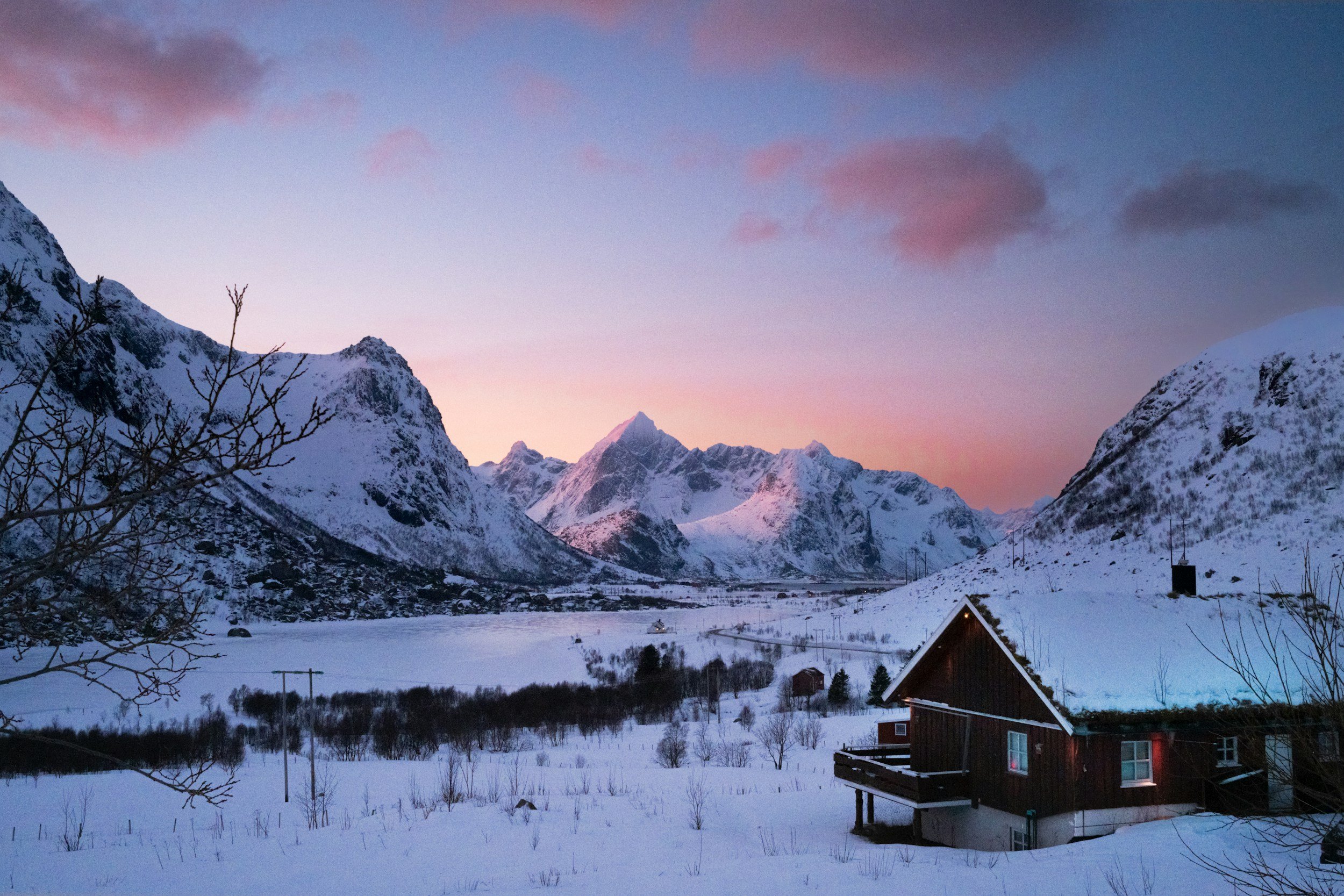
Children and Outdoor Life
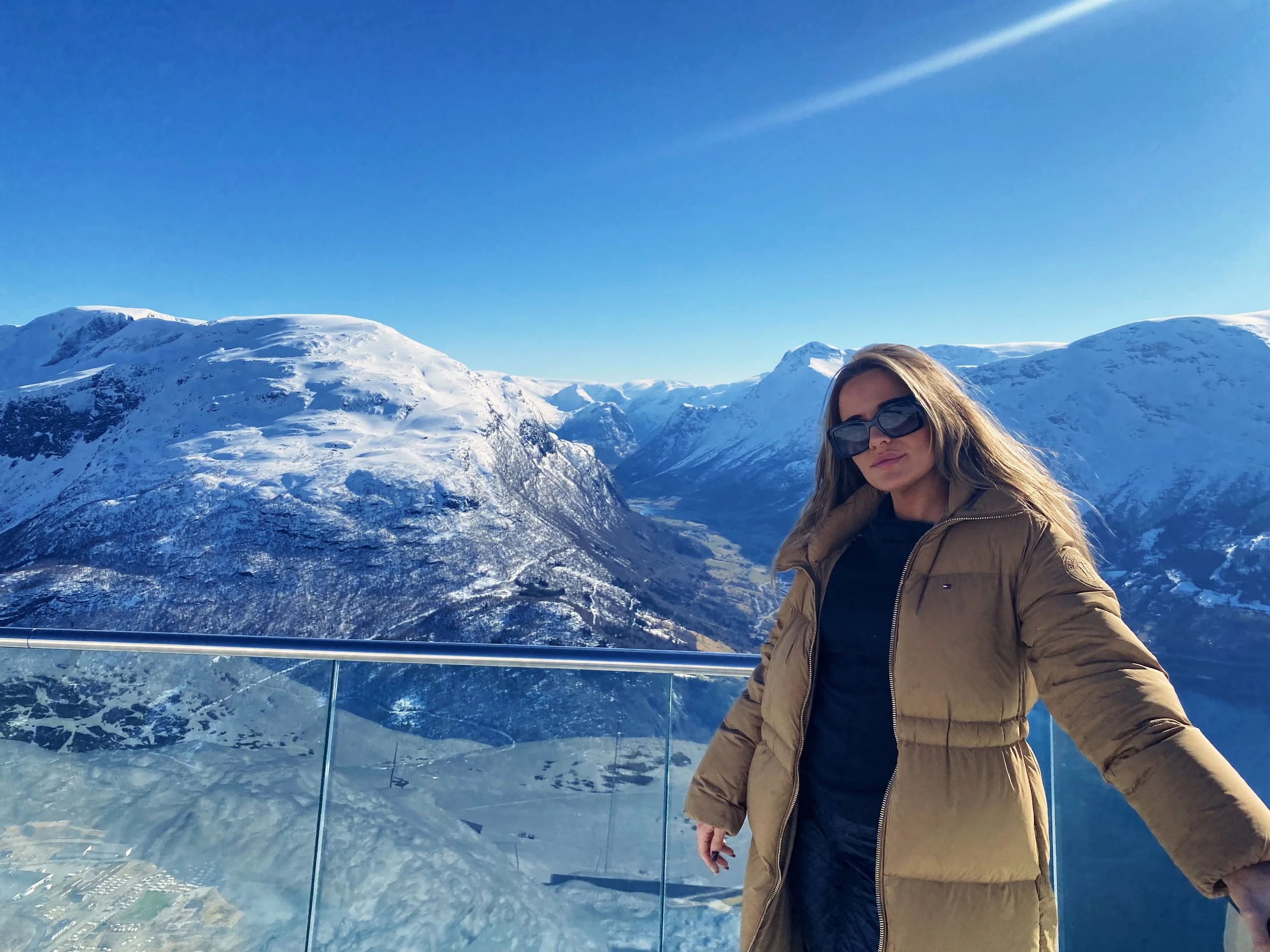
Norwegian outdoor culture often begins early. Children are usually introduced to outdoor life through everyday routines, not only through special trips or holidays. In many Norwegian kindergartens, children play outside every day throughout the year, including in rain, snow and cold weather. Being outside is not treated as something that only happens when the weather is perfect.
Outdoor play, forest walks, skiing, sledging, beach days, cabin trips and packed lunches are all part of how many children grow up. Children learn early that weather is something to dress for, not necessarily something that stops the day. Wool, waterproof clothing, mittens, hats and practical shoes are part of ordinary childhood in Norway.
This does not mean every Norwegian child grows up as a wilderness expert. That would be too simple. But many grow up with a basic familiarity with being outside in different kinds of weather. They learn that rain is not necessarily a reason to stay indoors, that wool keeps you warm, that packed lunches are normal, and that nature does not always need to be dramatic to be worth spending time in.
For visitors, this can explain why Norwegians sometimes seem relaxed about outdoor conditions that feel unfamiliar. It is not that everyone is fearless or extremely sporty. It is more that many people have grown up with outdoor life as something ordinary rather than exceptional.
Allemannsretten: Freedom with Responsibility
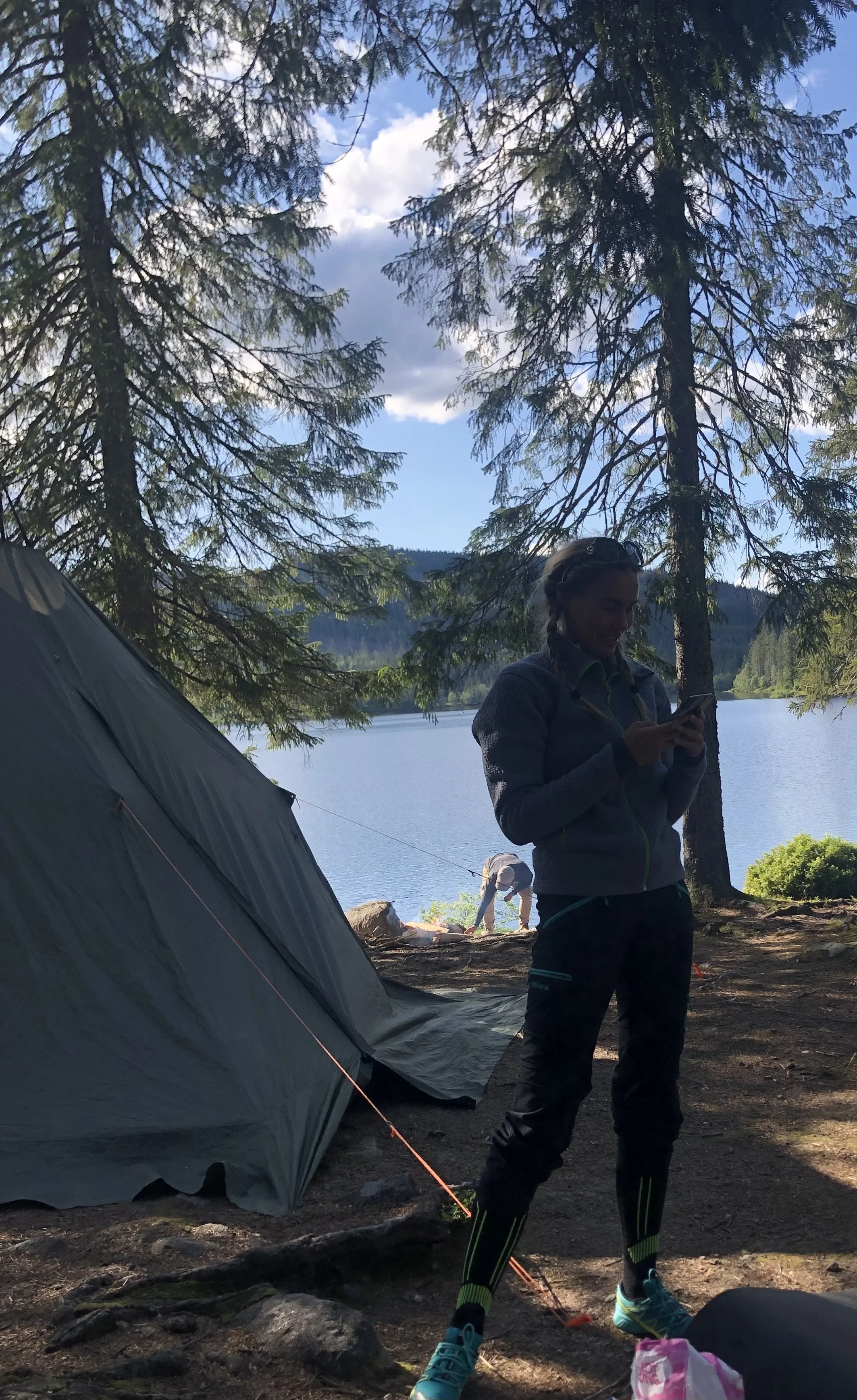
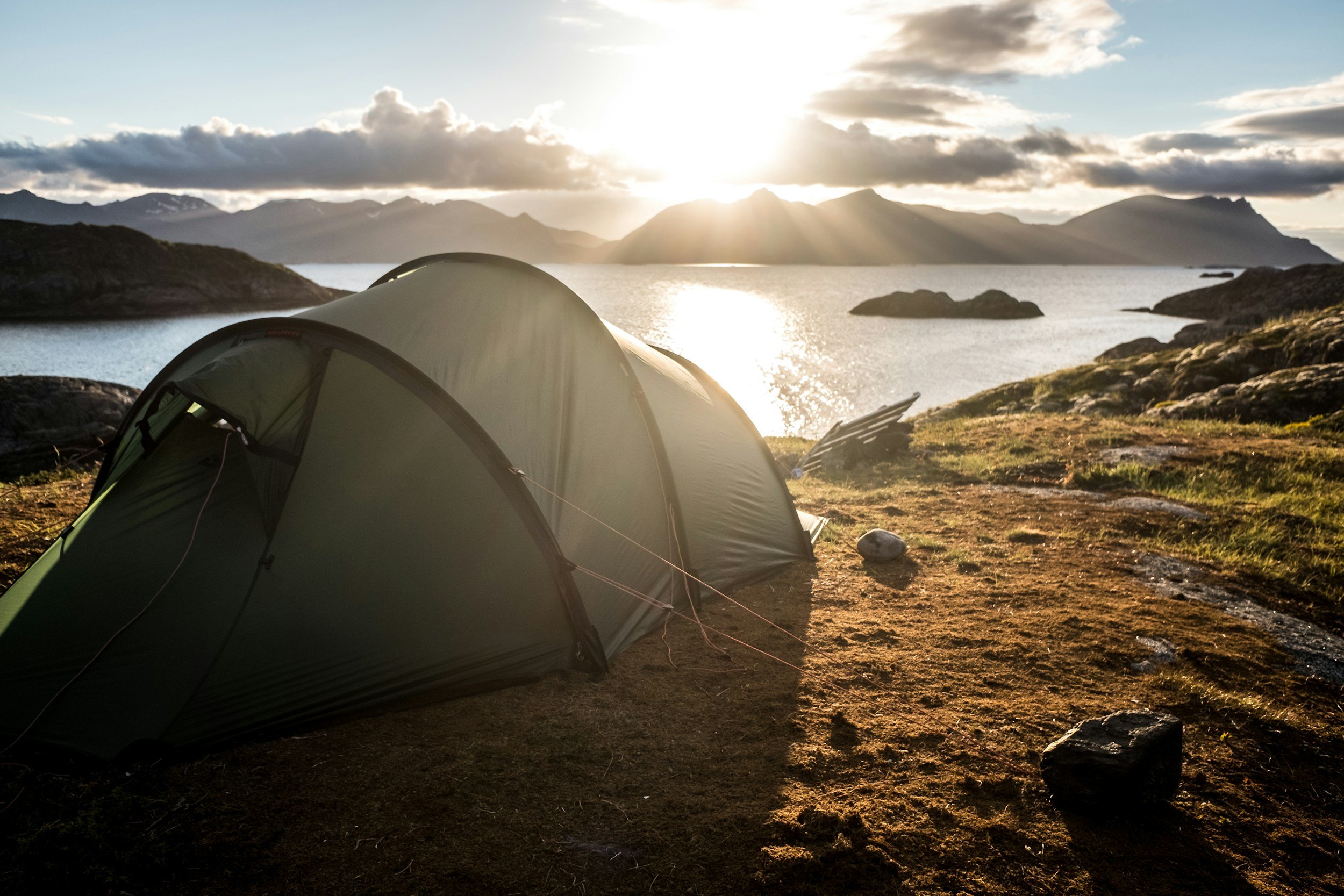
Another important part of Norwegian outdoor culture is allemannsretten, often translated as the right to roam. This gives people broad access to nature, including the right to walk, ski, camp and spend time in many uncultivated outdoor areas, as long as they do so responsibly.
This right is one of the reasons Norway can feel so open to visitors. You are not limited to fenced-off viewpoints or tightly controlled outdoor spaces in the same way you might be in some countries. But allemannsretten is not a free pass to do whatever you want. It depends on respect.
You need to keep distance from houses and cabins, avoid damaging nature, respect wildlife and grazing animals, follow fire regulations, close gates where needed and leave no rubbish behind. Freedom and responsibility belong together.
Related Reading
How Visitors Can Experience Norwegian Outdoor Culture
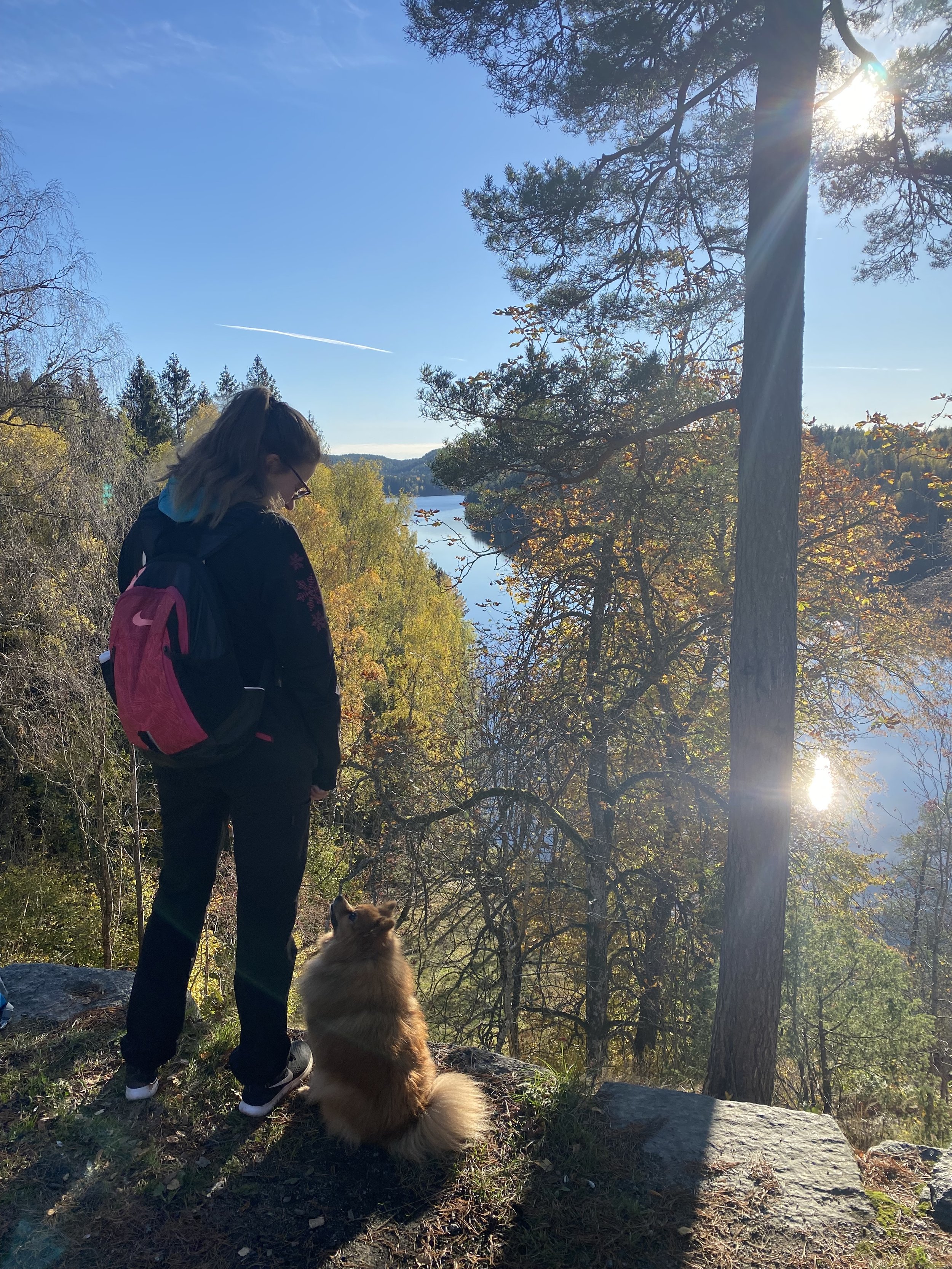
You do not need to climb a famous mountain to experience Norwegian outdoor culture. In fact, some of the most authentic experiences are much simpler.
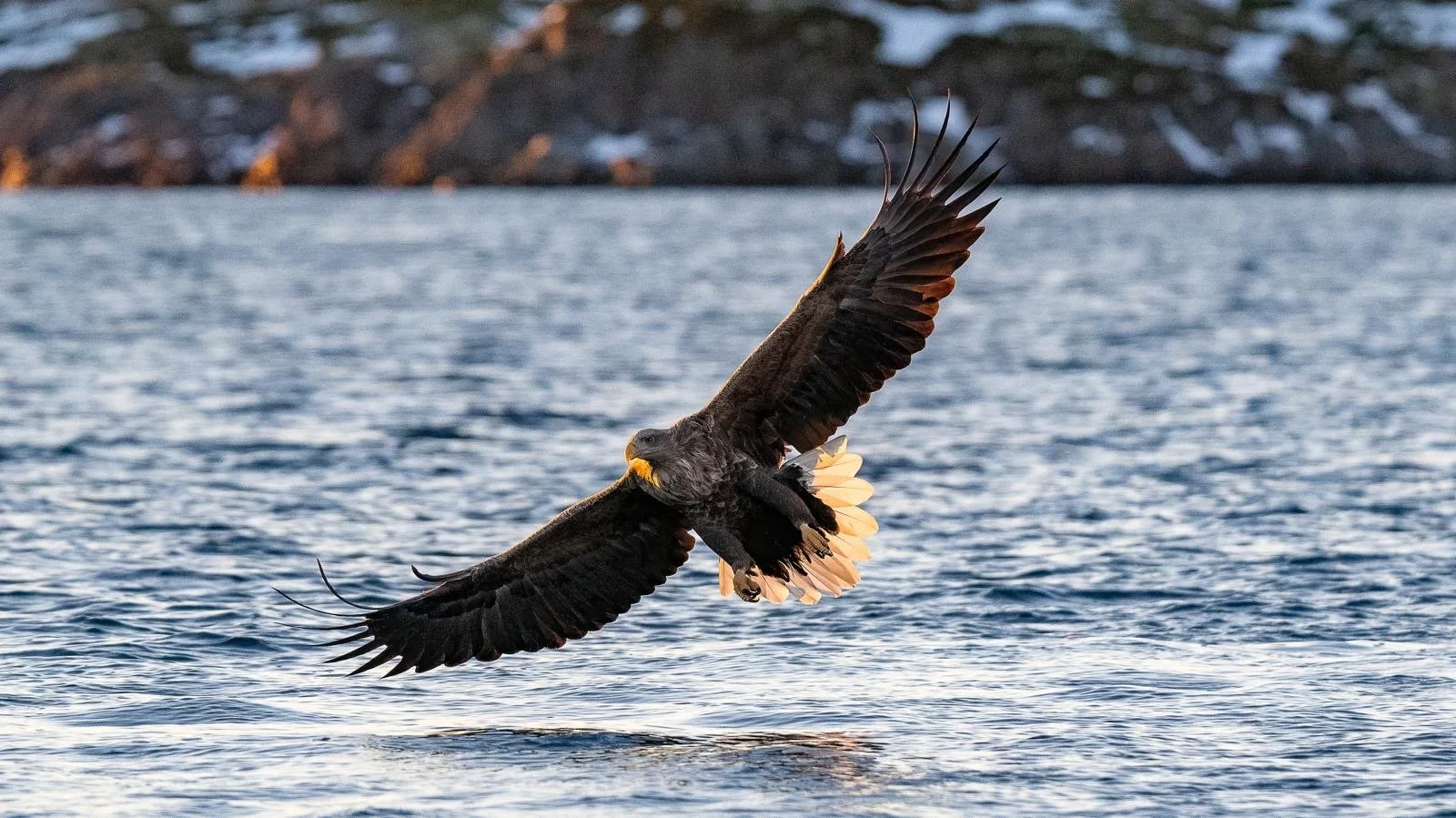
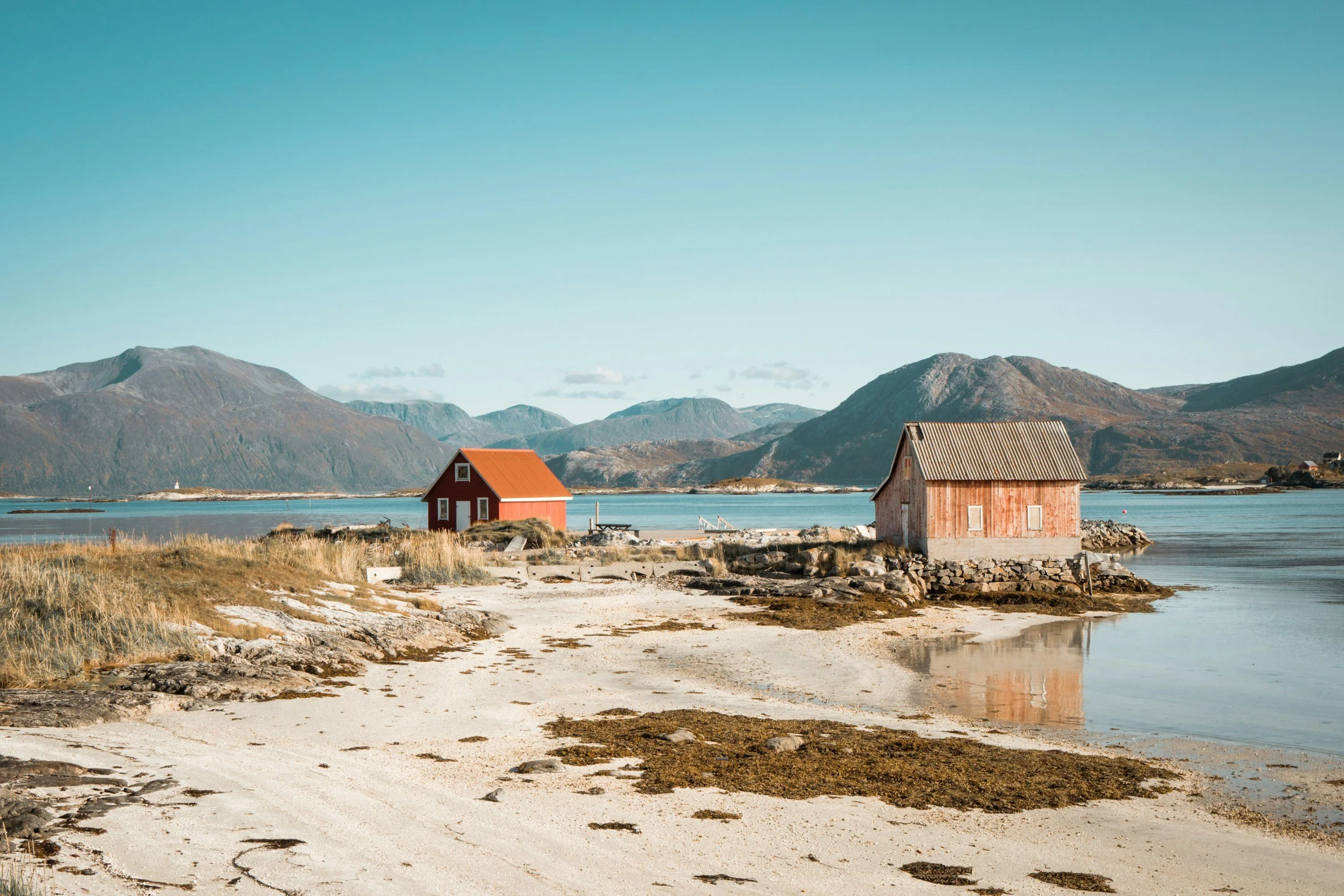
Take a local walk in the forest. Bring coffee or hot chocolate in a thermos. Sit outside for lunch even if the weather is not perfect. Swim in the fjord in summer. Try a sauna by the water. Take a ferry to an island. Walk along a coastal path. Visit a DNT cabin if it fits your route. Spend an afternoon in the marka around Oslo, or choose a realistic fjord walk instead of chasing only the most photographed hikes.
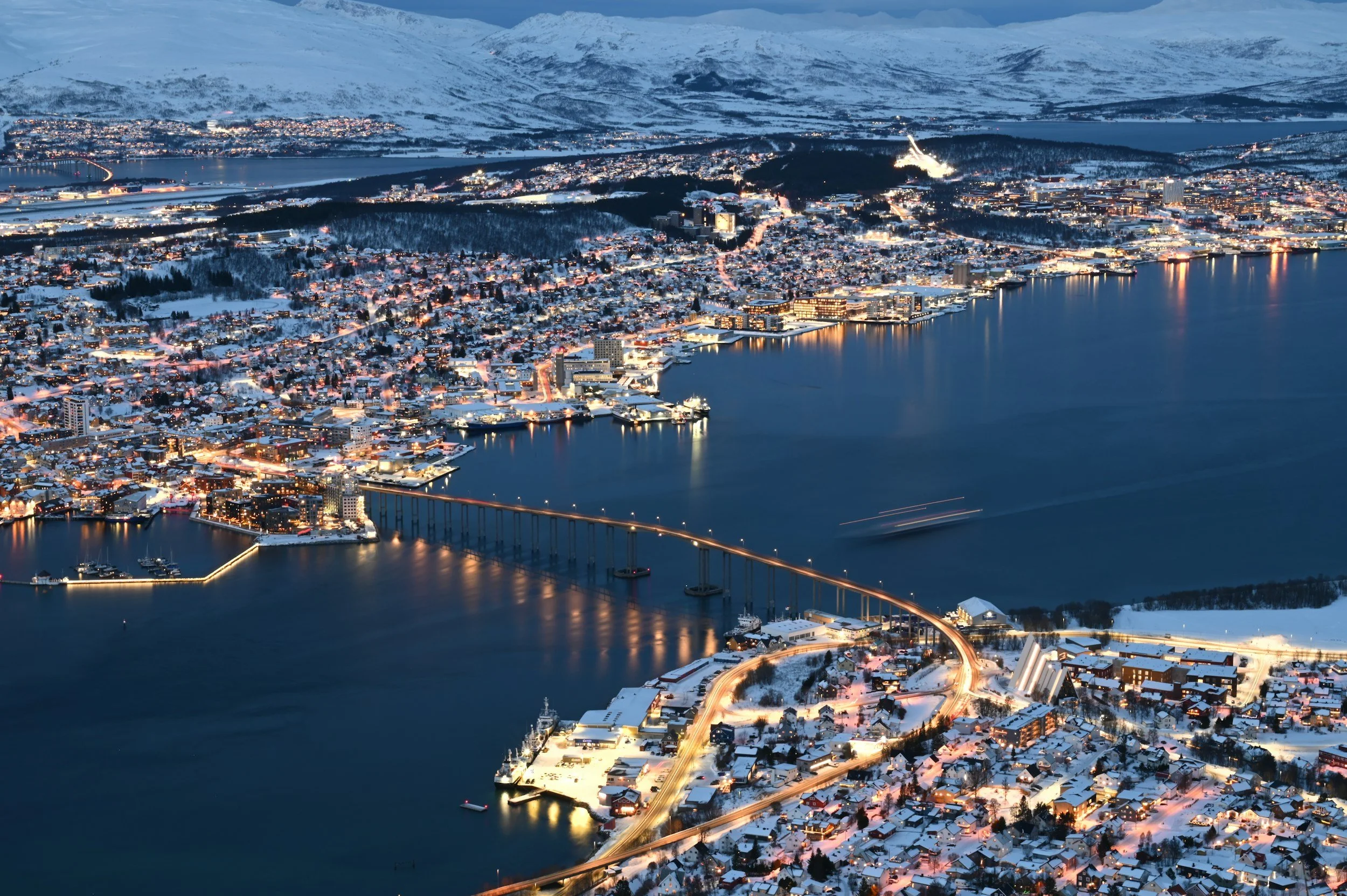
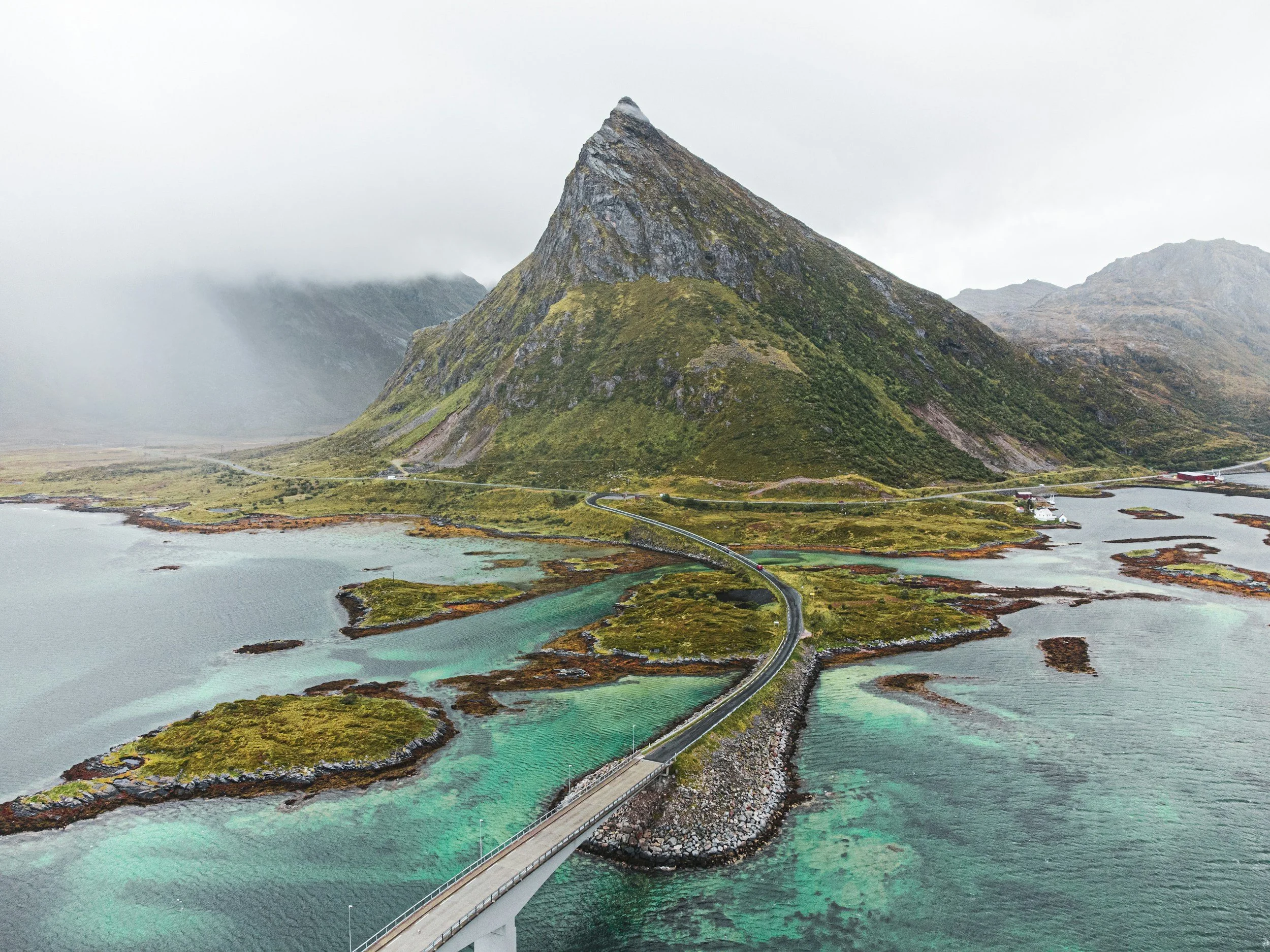
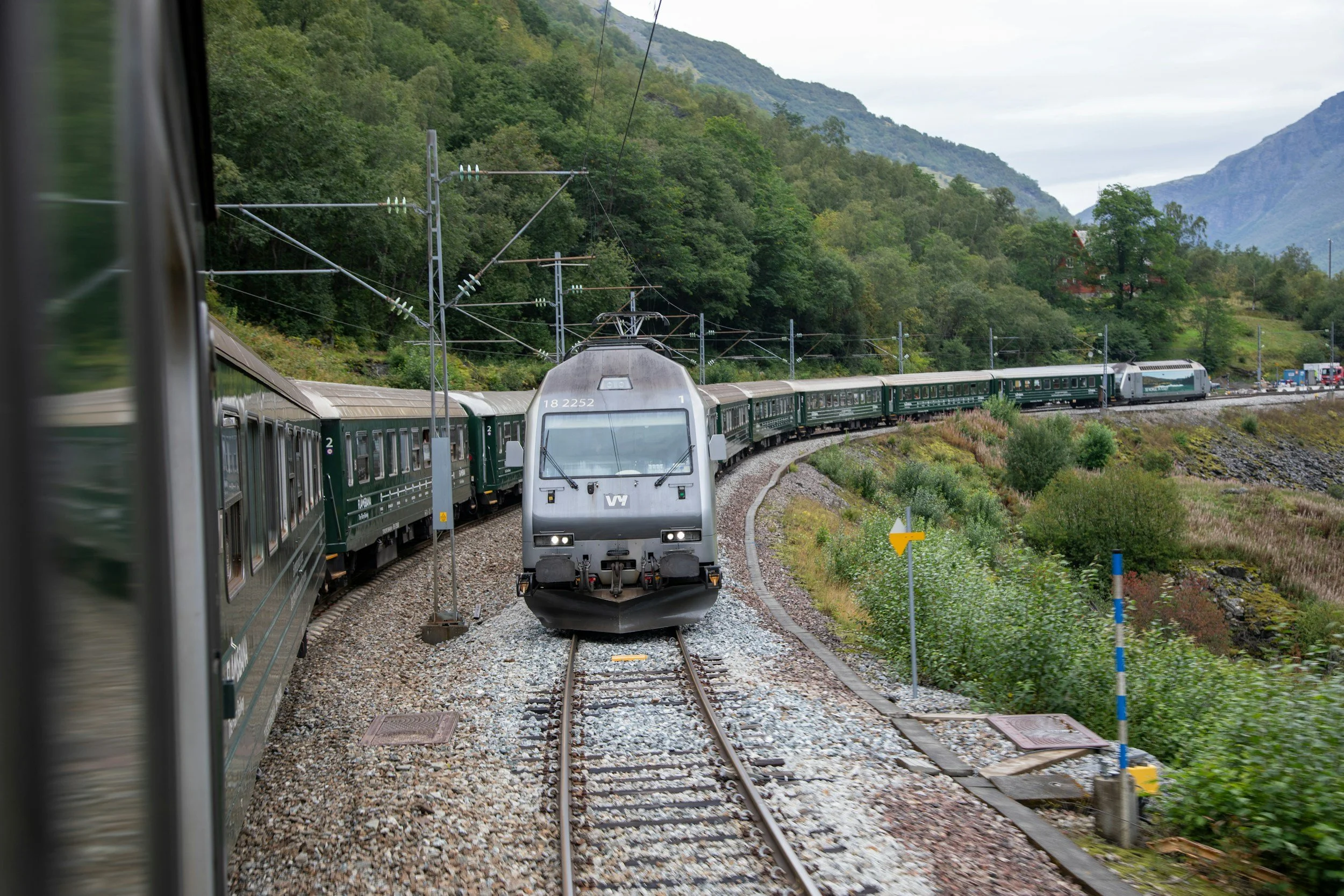
This approach is especially useful if you are planning your first Norway trip. Many visitors try to fit in too much: Oslo, Bergen, Geiranger, Lofoten, Tromsø, Svalbard, several hikes, a train journey and a road trip, all in one short itinerary. Norway looks simple on a map, but distances, weather and terrain can make travel slower than expected.
If you are planning a seasonal trip, it helps to understand the rhythm of the country before building your route. Summer, winter, coastal travel, mountain travel and city-based outdoor life can all feel quite different.
Related Reading
Common Misunderstandings About Norwegian Outdoor Culture
One common misunderstanding is that Norwegian outdoor culture is only for very sporty people. It is true that Norway has many active people and a strong hiking culture, but friluftsliv is much broader than fitness. A slow walk, a family cabin weekend or an afternoon by the fjord can be just as much a part of the culture as a demanding mountain hike.
Another misunderstanding is that outdoor life in Norway is always wild. In reality, much of it is local and familiar. It might happen in a city forest, beside a suburban lake, along a coastal path or in a small patch of nature close to home. The point is not always to escape civilisation completely. Often, it is simply to spend time outside.
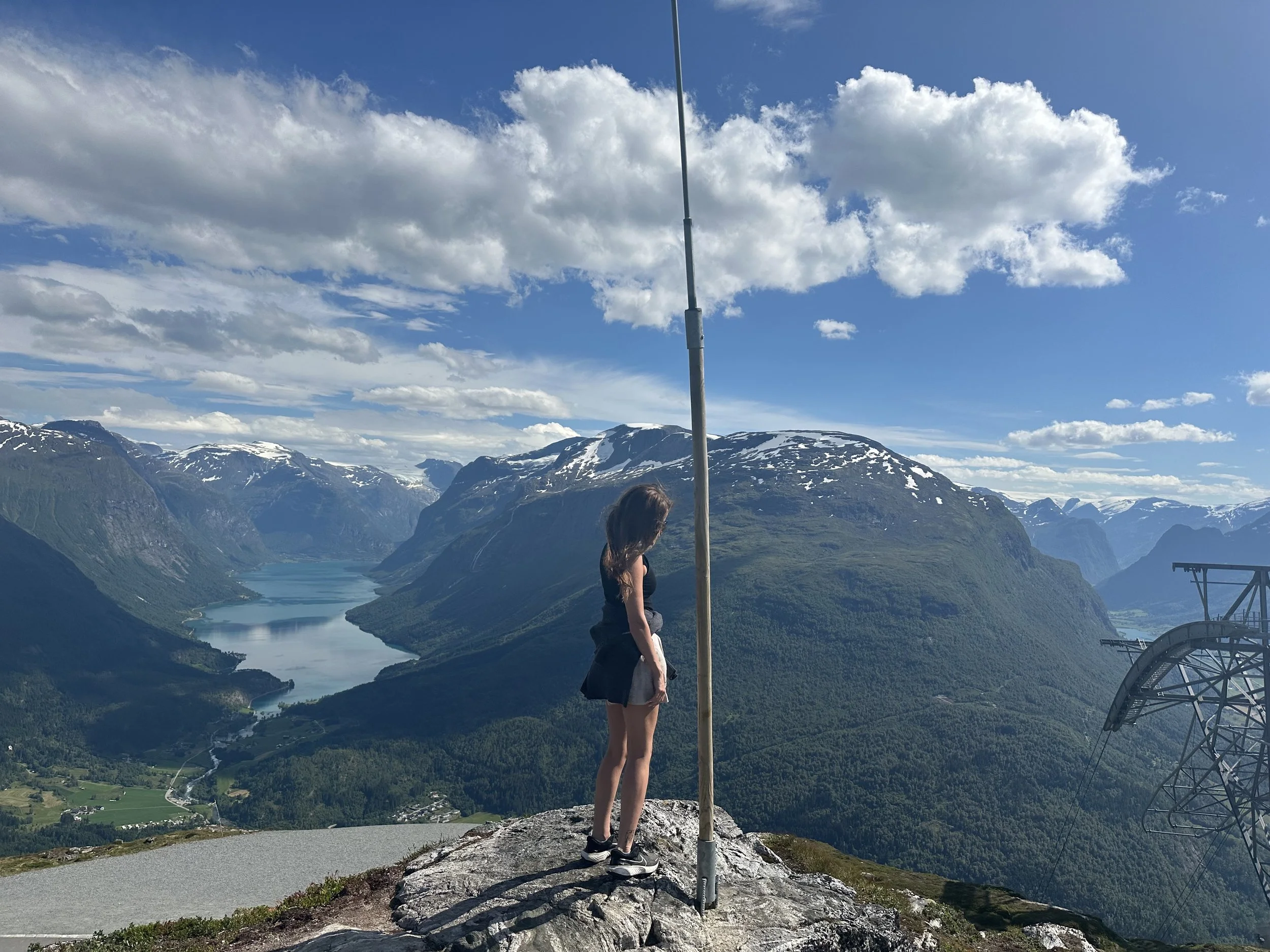
Visitors may also assume that the best outdoor experiences are always the most famous ones. But Norway is not only Trolltunga, Preikestolen, Lofoten and the northern lights. Those places can be extraordinary, but they can also be crowded, weather-dependent and logistically demanding. A quieter walk in Western Norway, a fjord swim near Oslo, a simple mountain day in Valdres or a coastal path in Northern Norway can often feel more connected to the way Norwegians actually use nature.
Related Reading
Final Words
Norwegian outdoor culture is not only about hiking, scenery or adventure. It is about a broader relationship with nature: practical, familiar, seasonal and often very ordinary. Friluftsliv can include mountain hikes and dramatic landscapes, but it can also mean coffee outside, a walk after work, children playing in the rain, a quiet cabin weekend or a swim in cold water because that is simply part of life.
For visitors, understanding this can make a trip to Norway feel richer. You do not have to chase every famous viewpoint to experience the country properly. Sometimes the more Norwegian experience is slower and simpler: dress for the weather, go outside, bring something warm to drink and let nature be part of the day rather than just the destination.
More articles about Norway:
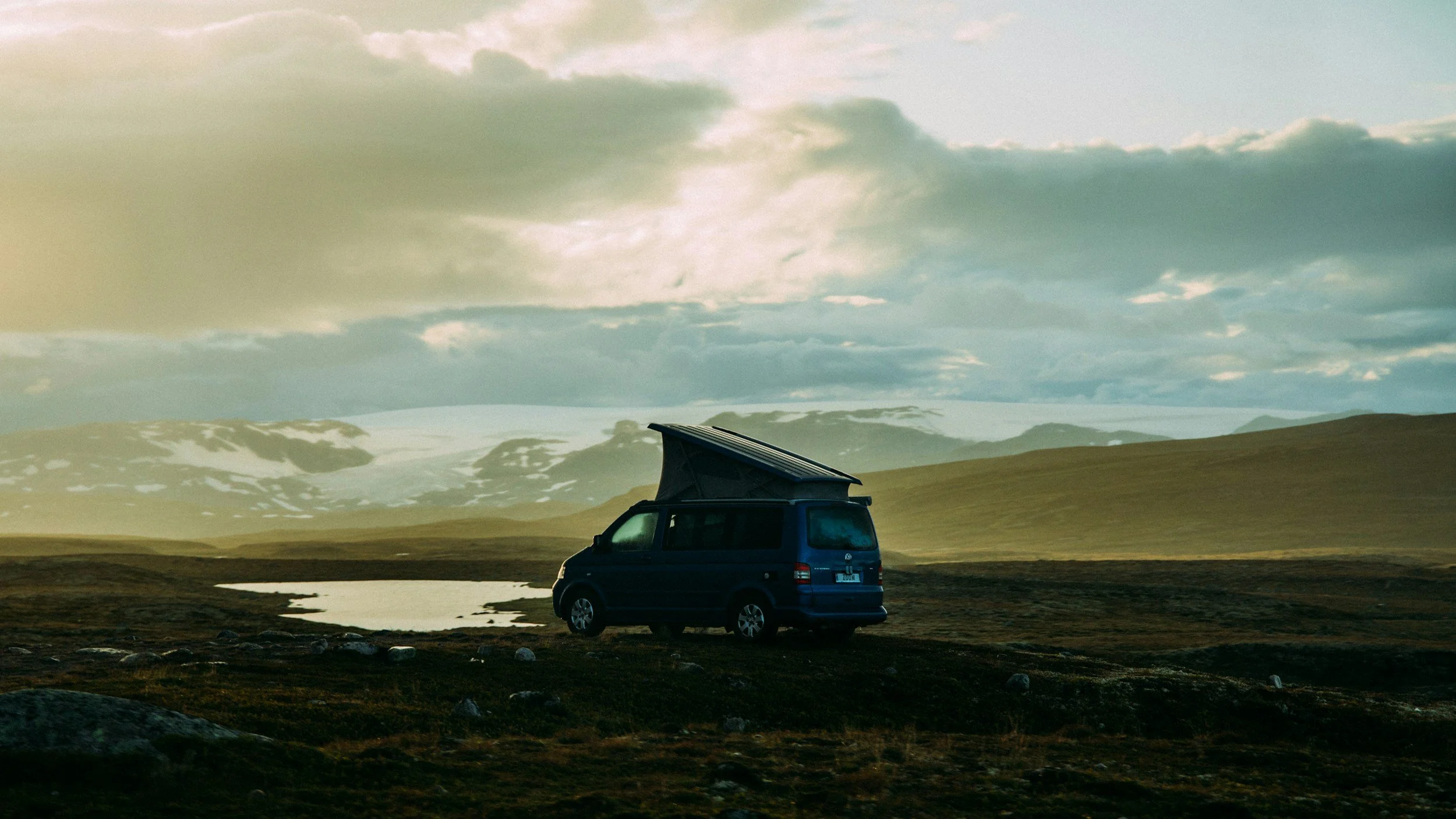

Discover how Norway's Right to Roam works, where you can hike and camp, and the key rules visitors should know before exploring Norwegian nature.