
What It’s Actually Like to Travel on Hurtigruten: A Guide to Norway’s Coastal Voyage
This article explains what it is actually like to travel on Hurtigruten, Norway’s historic coastal voyage between Bergen and Kirkenes. It covers the rhythm of life on board, the difference between Hurtigruten and a traditional cruise, what to expect from the scenery, port stops, cabins, food, excursions and who this journey is best suited for.
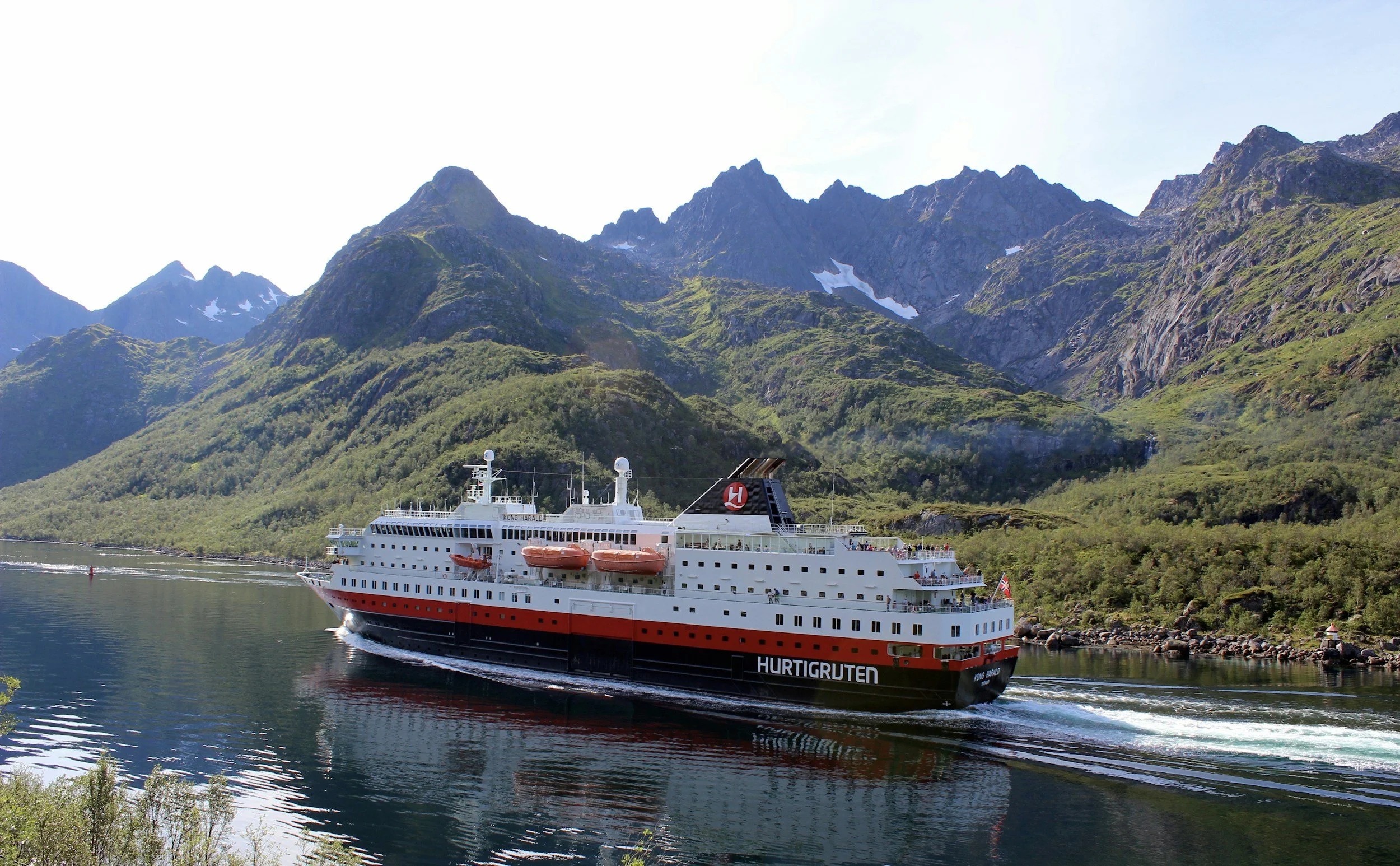
Hurtigruten is one of the most distinctive ways to travel along the Norwegian coast. It is often described as a cruise, and in some ways it does feel like one: you sleep on board, eat meals at sea, watch the coastline pass by and stop in towns along the route. But Hurtigruten is not quite the same as a conventional cruise ship experience, and that is exactly what makes it interesting.
The classic Coastal Express route travels between Bergen and Kirkenes, following the long Norwegian coastline through fjords, islands, fishing communities, Arctic towns and open stretches of sea. Hurtigruten has sailed this coast since 1893, and although the journey is now a major travel experience for visitors, it still has roots in the practical coastal route that connected communities before roads, bridges and airports changed how people moved around Norway.
For travellers, the experience is less about big entertainment, nightlife or resort-style luxury, and more about the rhythm of the coast itself. Days are shaped by changing weather, meals on board, short and long port stops, quiet hours by the window, and the strange satisfaction of watching Norway unfold slowly from the sea.
What Is Hurtigruten?
Hurtigruten began as a coastal service designed to connect towns and communities along Norway’s long and difficult coastline. Before modern roads and air travel made movement easier, the sea was one of the most important travel routes in the country. Hurtigruten carried people, post, goods and supplies between coastal settlements, making it part of everyday life rather than simply a leisure experience.
Today, Hurtigruten is also a major tourism product, but it has not lost that sense of being tied to the coast. The classic voyage still follows the Norwegian shoreline between Bergen and Kirkenes, stopping at coastal communities along the way. Some stops are in larger towns and cities, while others are small ports where the ship may only dock briefly before continuing north or south.
This is one of the reasons Hurtigruten feels different from a normal cruise. The ship is not just sailing between highlight destinations. The route itself is the point. You see the coast in sections: the fjords and islands of Western Norway, the historic towns further north, the Helgeland coast, Lofoten and Vesterålen, Tromsø, the open northern landscapes of Finnmark and finally Kirkenes near the Russian border.
Is Hurtigruten a Cruise?
This is one of the most common questions people have before booking, and the answer is both yes and no. Hurtigruten has many cruise-like elements: cabins, restaurants, excursions, lounges, viewing areas and multi-day itineraries. You can book it as a full coastal voyage, travel one way, or join for shorter sections of the route.
But Hurtigruten does not feel like a large international cruise ship in the usual sense. The atmosphere is generally quieter and more focused on the passing landscape. There is not the same emphasis on casinos, theatres, pool decks, shopping, formal nights or constant entertainment. The ship is more of a moving base from which to experience the Norwegian coastline.
That difference matters. Some travellers love Hurtigruten because it feels calmer and more connected to the country they are visiting. Others may find it too subdued if they expected a classic cruise holiday with lots happening on board. It is much better to think of Hurtigruten as a coastal voyage with cruise elements, rather than a cruise in the mainstream resort-at-sea sense.
The Rhythm of Life On Board
The rhythm of a Hurtigruten journey is one of the most important parts of the experience. You are not rushing between attractions in the way you might on a road trip, and you are not constantly packing and unpacking. Instead, the day begins to revolve around the sea, the meals, the ports and the view.
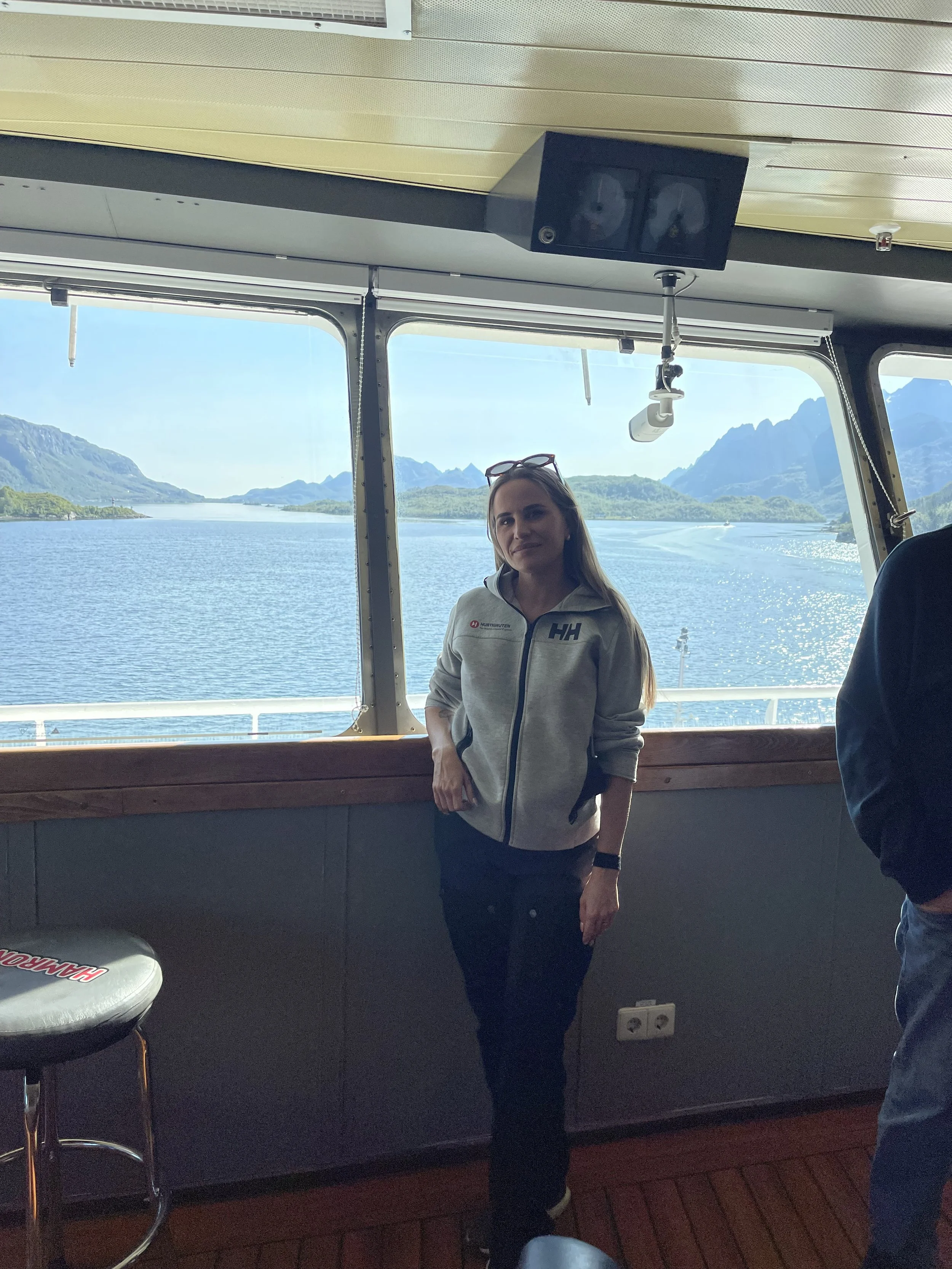
A typical day might start with breakfast as the ship moves past islands, mountains or small coastal settlements. You might go out on deck with a coffee, watch the weather shift, read in one of the lounges, or follow the route on a map as the ship approaches the next port. Some stops are long enough for a walk or an organised excursion, while others are brief pauses where you may only have time to watch local activity from the deck.
This slower rhythm is part of the appeal. There is time to notice things: the colour of the water, the houses scattered along the shoreline, the way the weather changes from one hour to the next, the difference between a sheltered fjord and a more exposed stretch of sea. In summer, the light can stretch late into the evening. In winter, darkness, snow and northern lights can make the journey feel more dramatic and enclosed.
It is not an action-packed trip every minute of the day. There will be quiet hours. There may be long stretches where the main thing to do is simply look outside. For the right traveller, that is exactly the point. Hurtigruten gives you permission to slow down and experience Norway in a way that is difficult to do when you are constantly driving, flying or trying to fit too much into one itinerary.
The Scenery: What You Actually See
The scenery is one of the main reasons people choose Hurtigruten, but it is worth understanding what kind of scenery you are signing up for. This is not one single dramatic fjord view repeated for twelve days. The Norwegian coast changes constantly, and the beauty of the journey is in the variation.
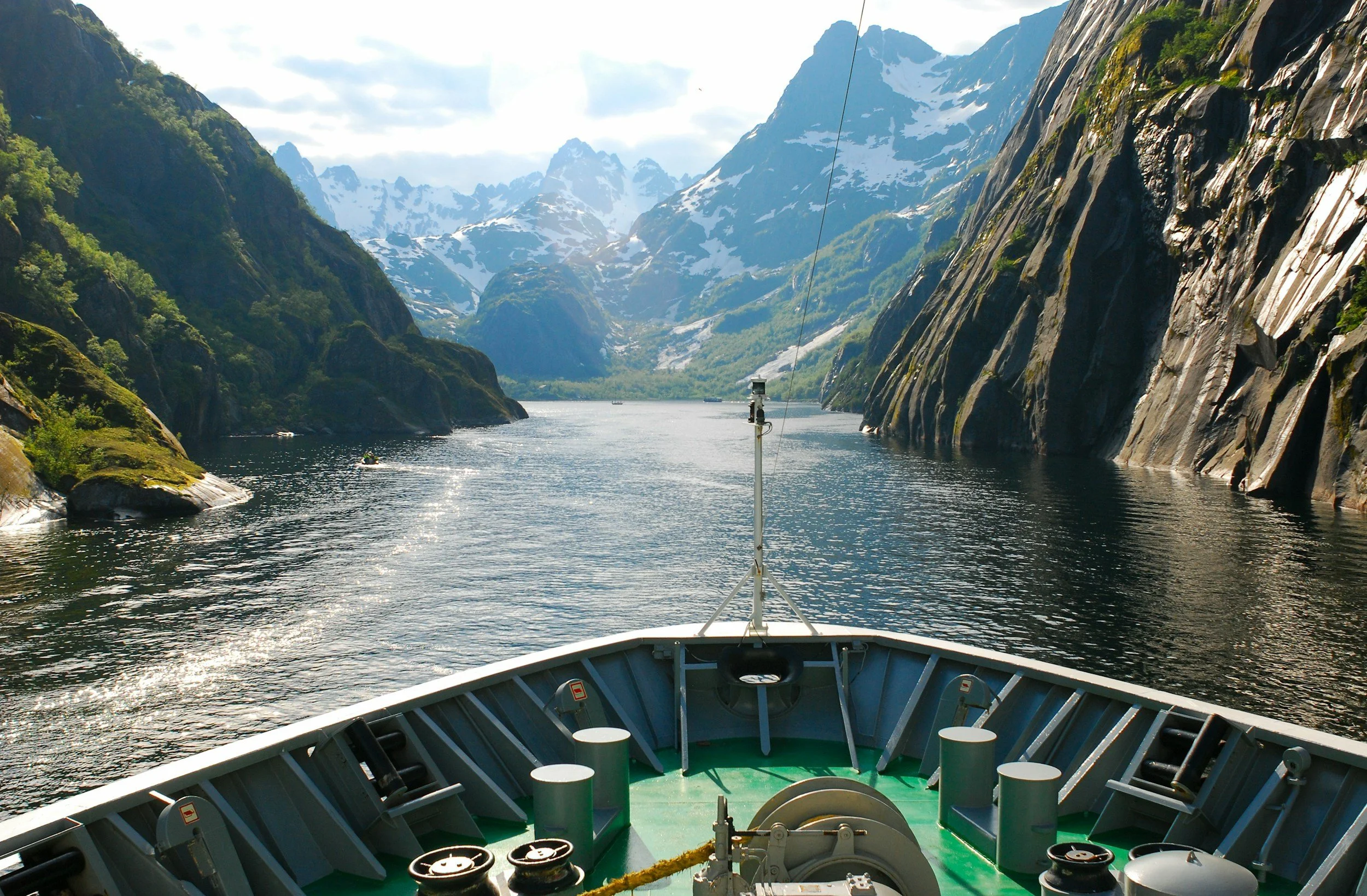
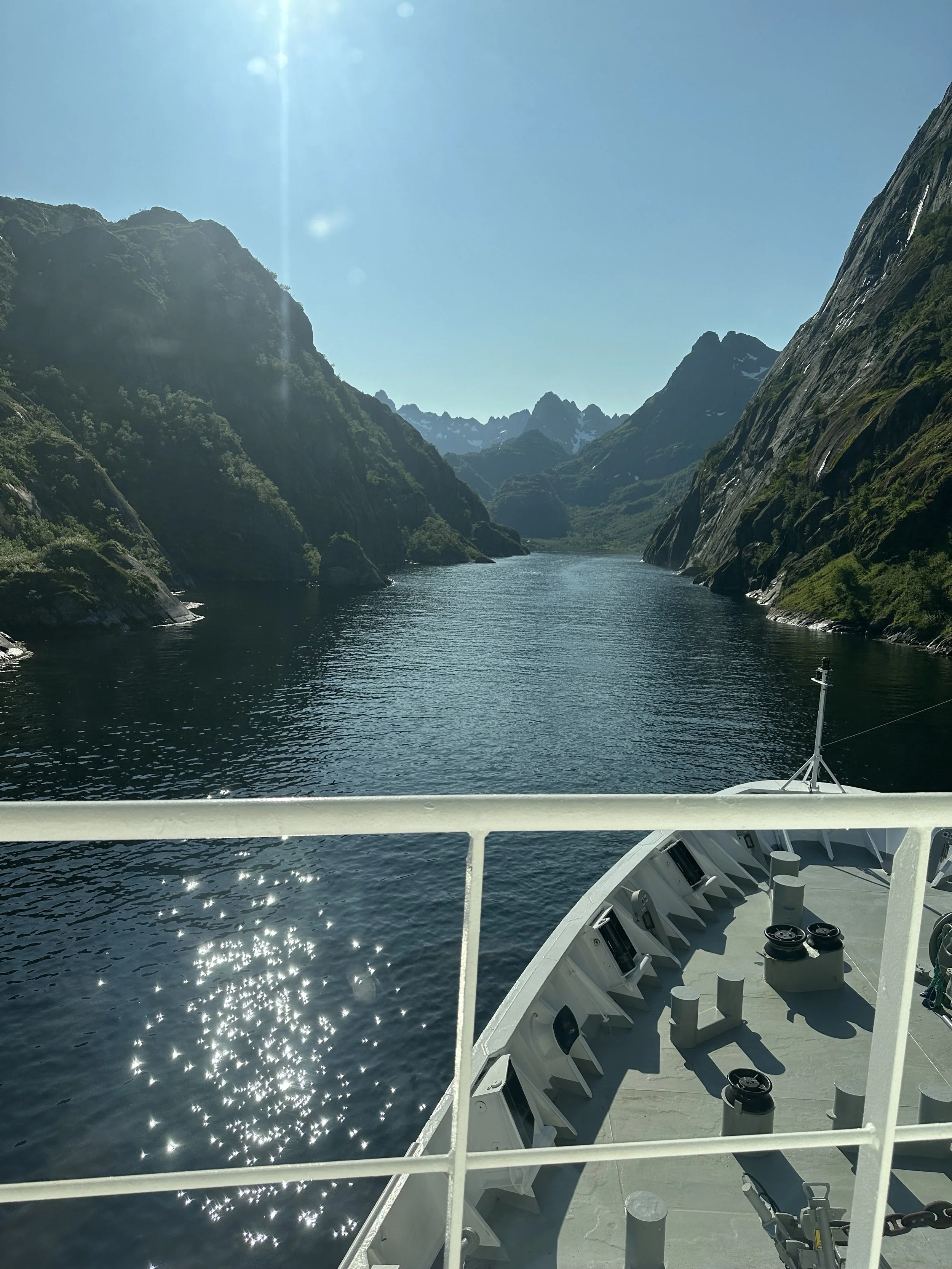
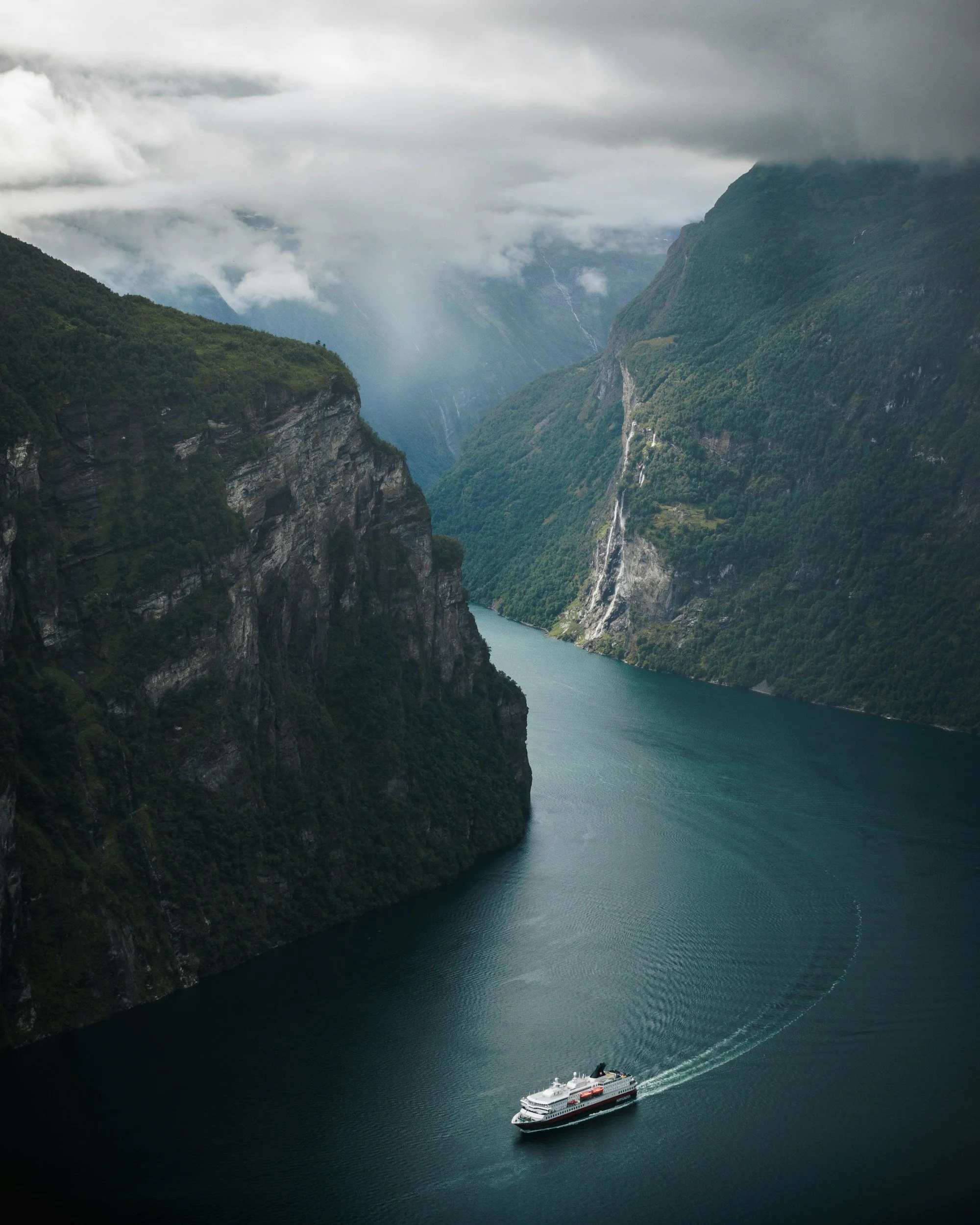
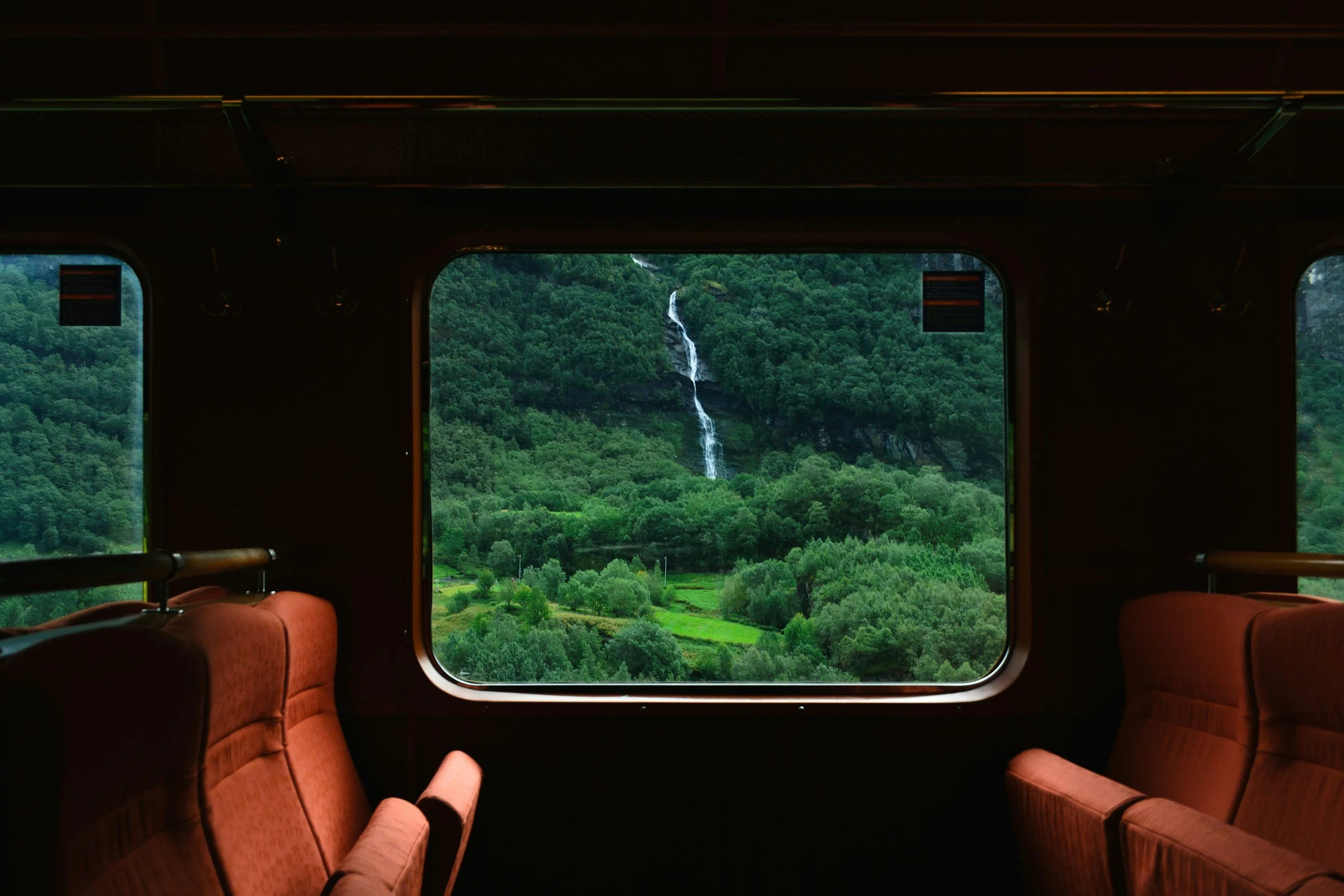
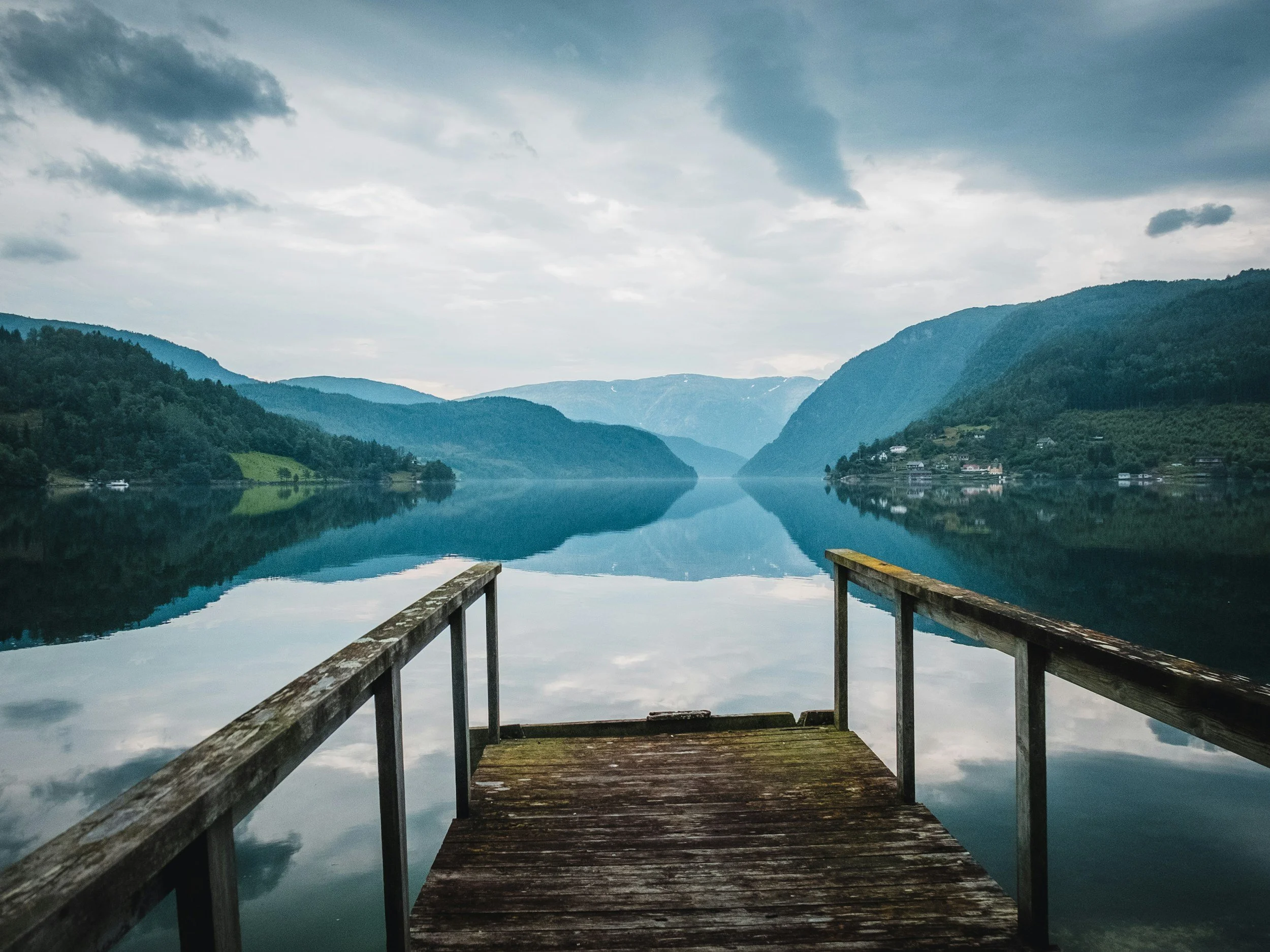
In Western Norway, the landscape can feel steep, green and fjord-like, with mountains rising sharply from the water and small communities tucked into the coast. Further north, the scenery becomes more open and rugged. Around Helgeland, the coastline is shaped by islands, myths, mountains and sea passages. Lofoten and Vesterålen bring some of the most recognisable northern scenery, with jagged peaks, fishing villages and dramatic coastal light.
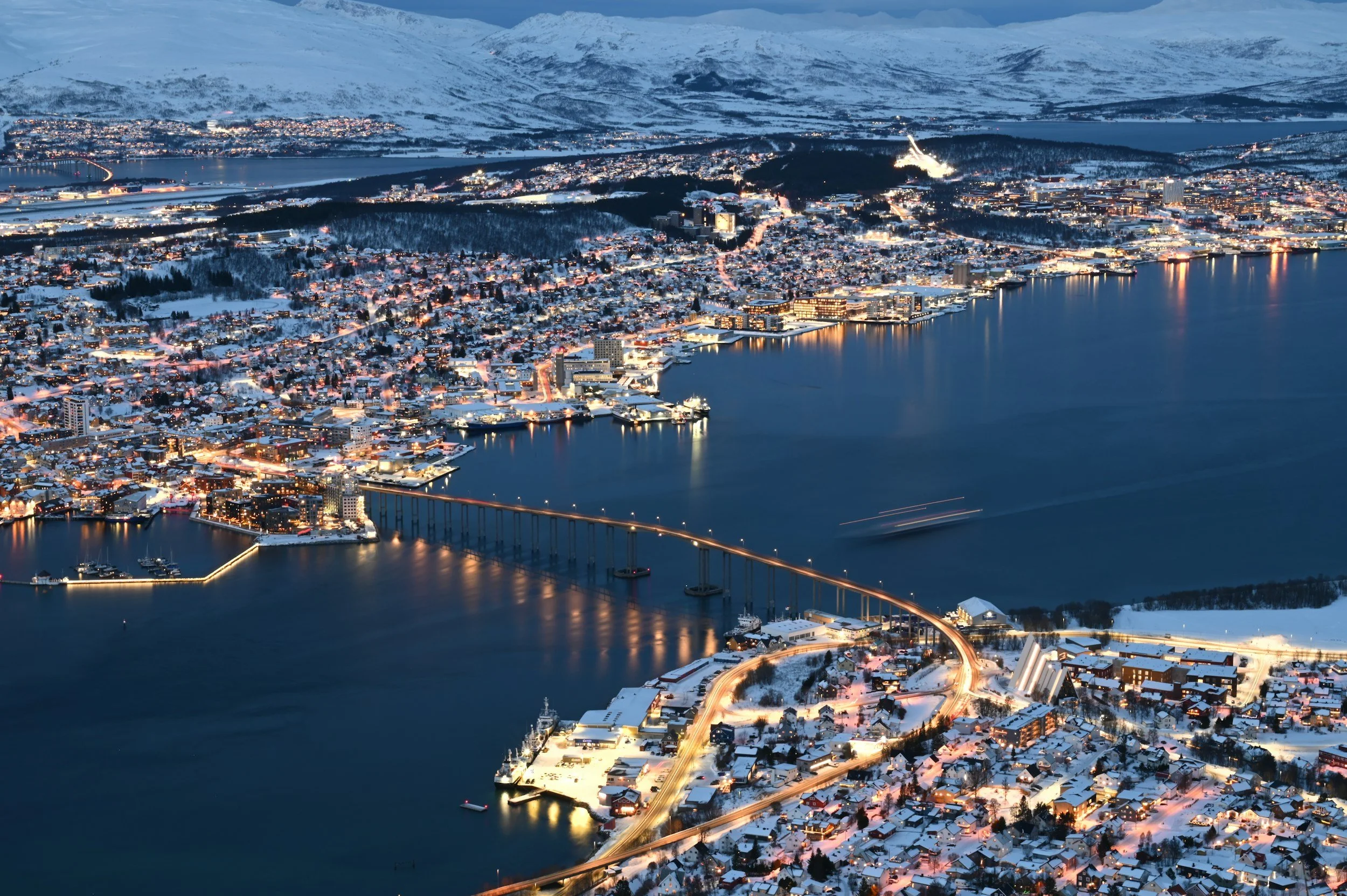
As the ship moves further into Northern Norway, the landscape becomes more Arctic in feeling. Tromsø adds a larger city stop in the north, while Finnmark feels more remote, windswept and exposed. By the time you reach Kirkenes, the journey has carried you far beyond the Norway many visitors imagine when they think only of fjords and postcard villages.
The important thing to know is that Hurtigruten is not scenic in a constant, polished way. Sometimes the weather will hide the mountains. Sometimes you will sail at night. Sometimes a port stop will feel functional rather than beautiful. But that is also what makes the route feel real. You are seeing a coastline people live along, not a route designed only around tourist viewpoints.
The Ports: Short Stops and Longer Stops
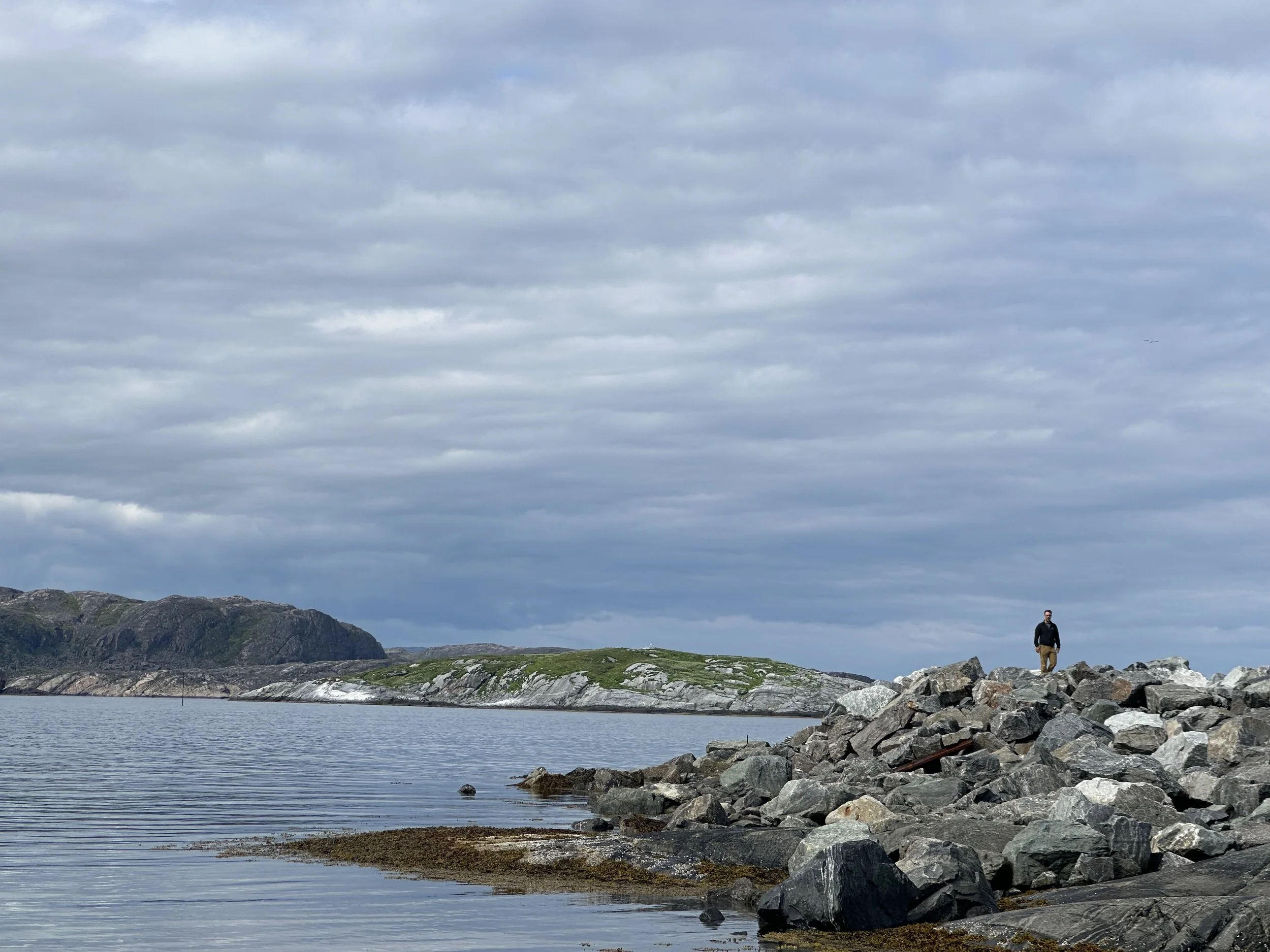
One thing that surprises many travellers is how different the port stops can be. Hurtigruten stops at many coastal communities, but not every stop is designed as a long sightseeing visit. Some ports are brief, practical stops where the ship may only remain for a short time. Others are longer stops where you can go ashore, walk around independently or join an excursion.
This is important when planning expectations. You should not imagine that every port will give you several hours to explore. In some places, you may only have enough time to step outside, stretch your legs and get a quick impression of the town. In others, the ship stays long enough for a proper look around. Larger stops such as Ålesund, Trondheim, Bodø, Tromsø, Honningsvåg or Kirkenes may offer more structured opportunities, depending on your itinerary and direction of travel.
The route also looks different northbound and southbound. Ports visited at night in one direction may be visited during the day in the other. This is one reason the full round trip gives a broader sense of the coast, while a one-way journey can still be very rewarding if you choose the direction carefully.
Cabins and Comfort
Cabins on Hurtigruten vary depending on the ship and cabin category, but in general you should expect comfort rather than over-the-top luxury. Some cabins are compact, some have sea views, some have limited or no view, and the location of your cabin can affect how quiet or convenient it feels during the journey.
For a shorter port-to-port trip, the cabin may simply be a practical place to sleep. For a longer voyage, cabin choice matters more. If you are travelling for several days or doing the full route, having a cabin you are happy to return to can make the experience feel much more relaxing. A window or outside cabin can be worth considering if you know you will spend time there during quiet stretches.
That said, Hurtigruten is not really a trip where you are meant to spend all your time in the cabin. The lounges, decks and viewing areas are part of the experience. Even if your cabin is simple, the ship itself becomes your moving viewpoint.
Food On Board
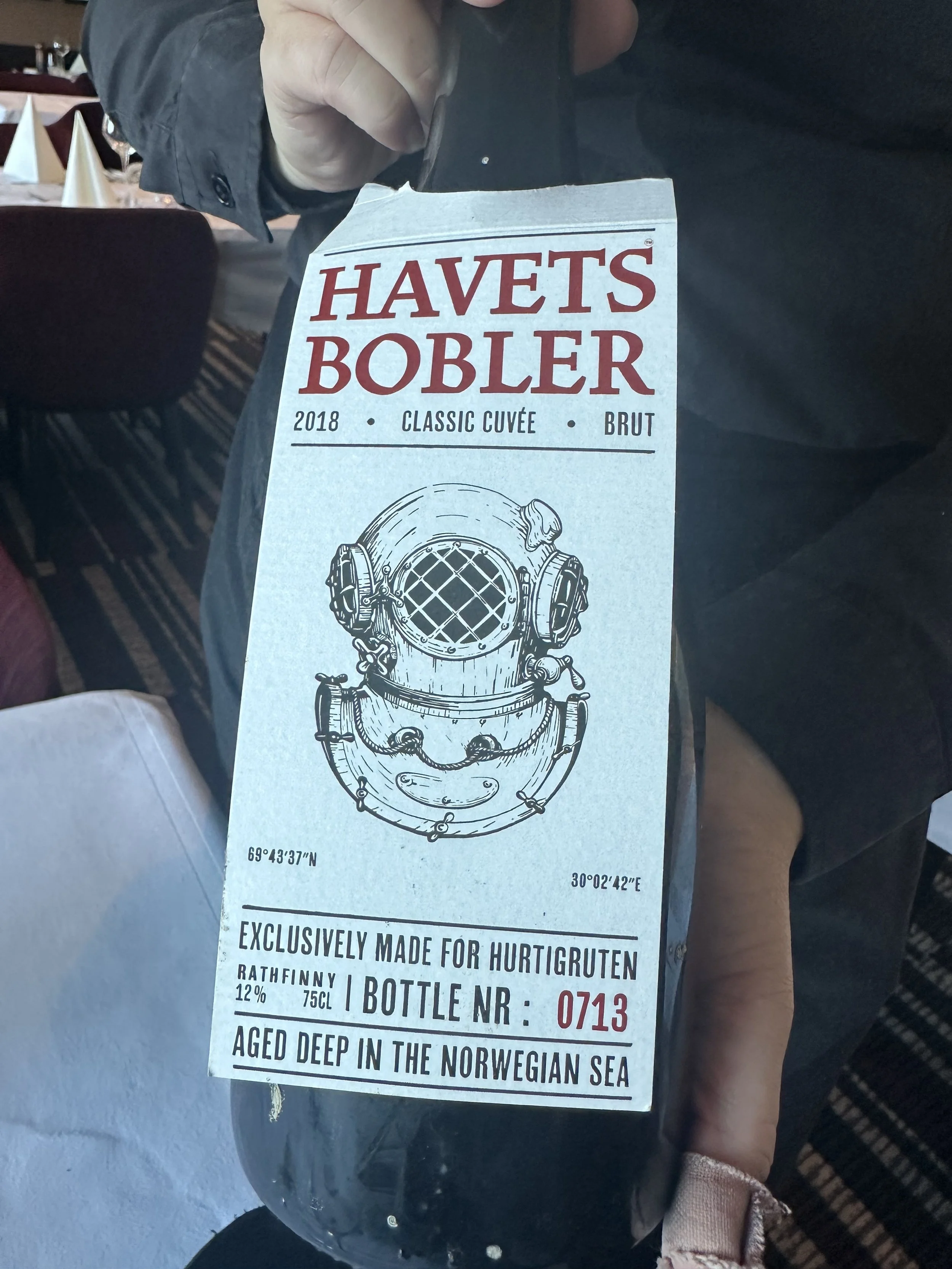
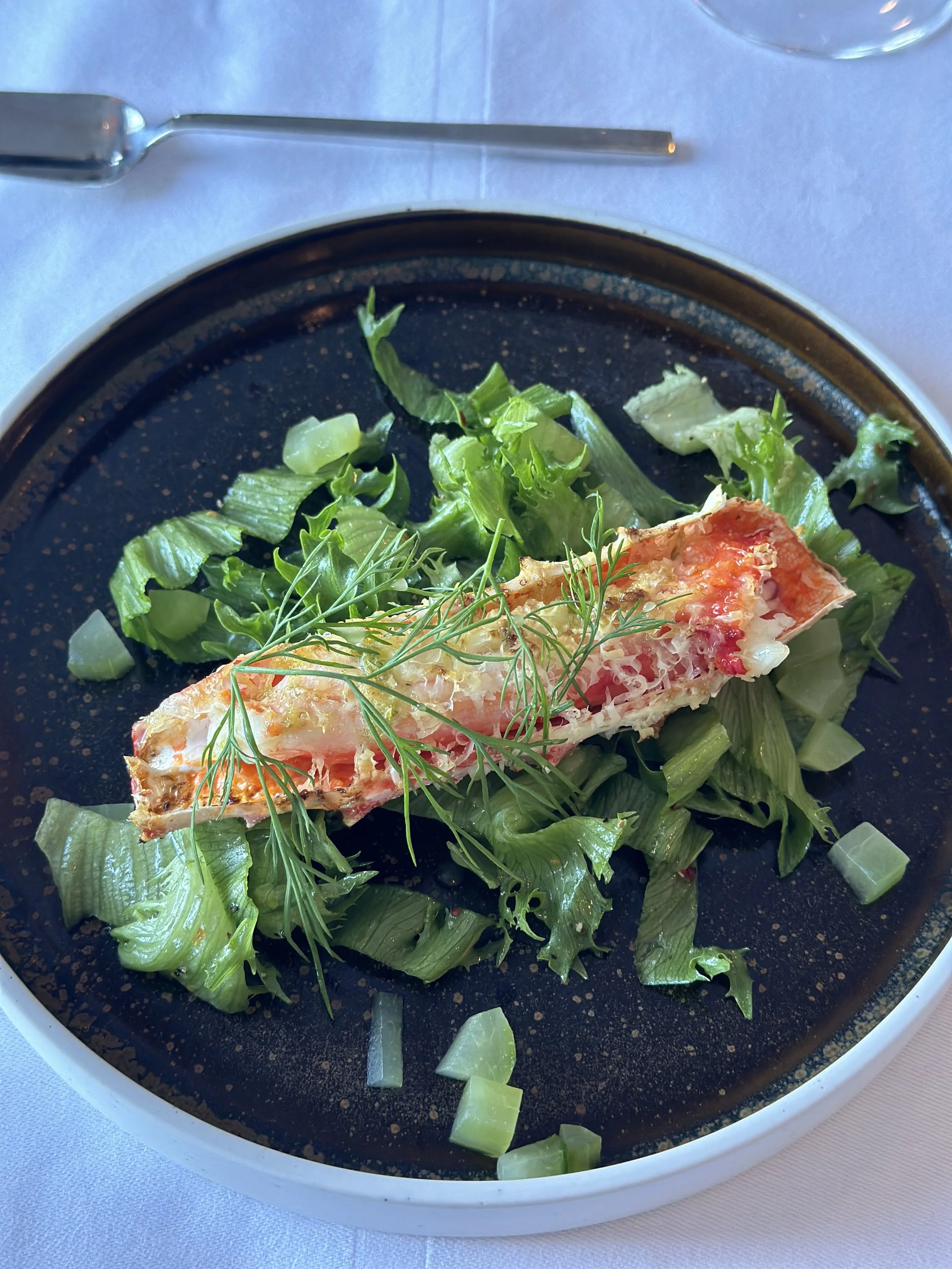
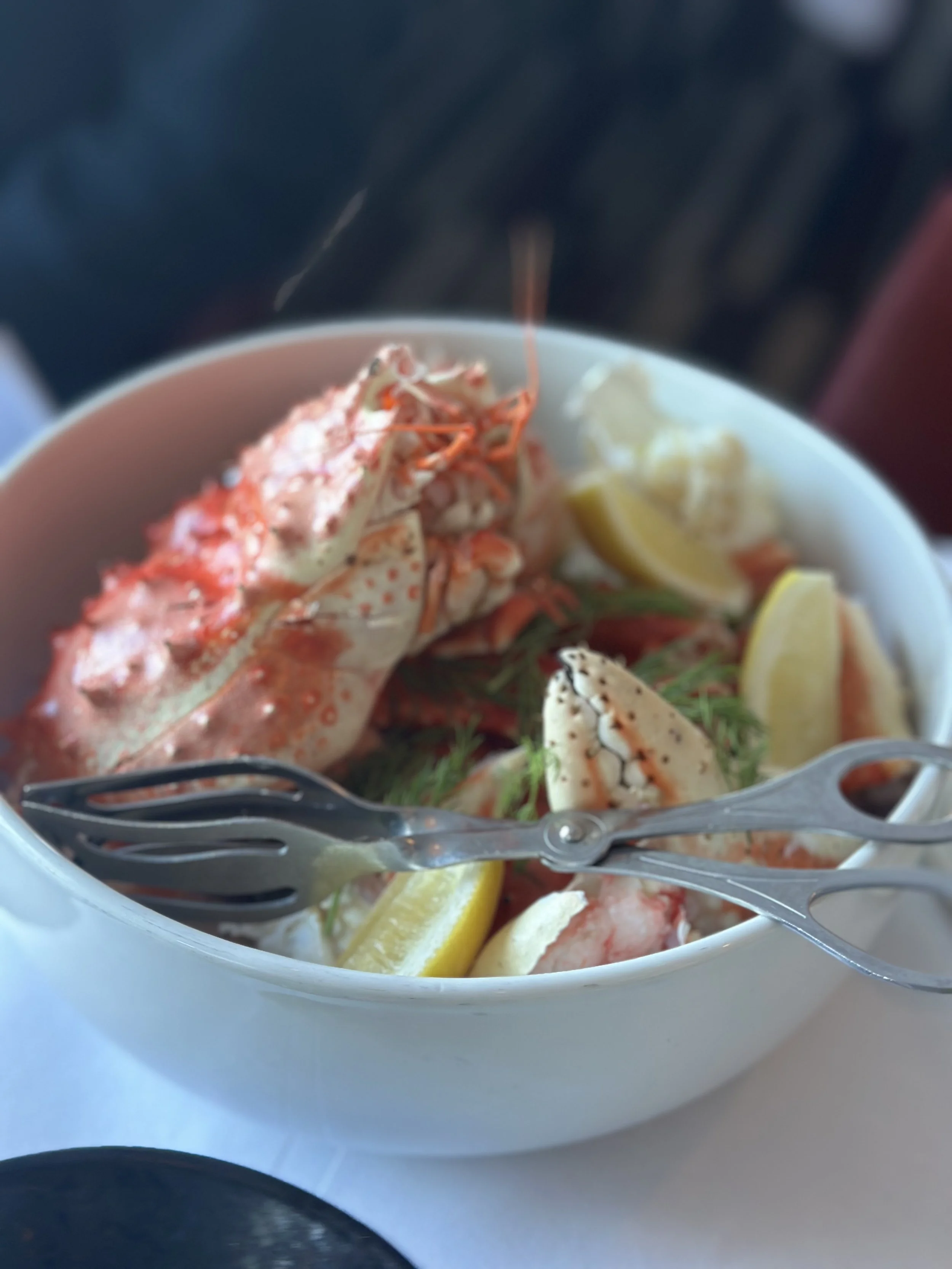
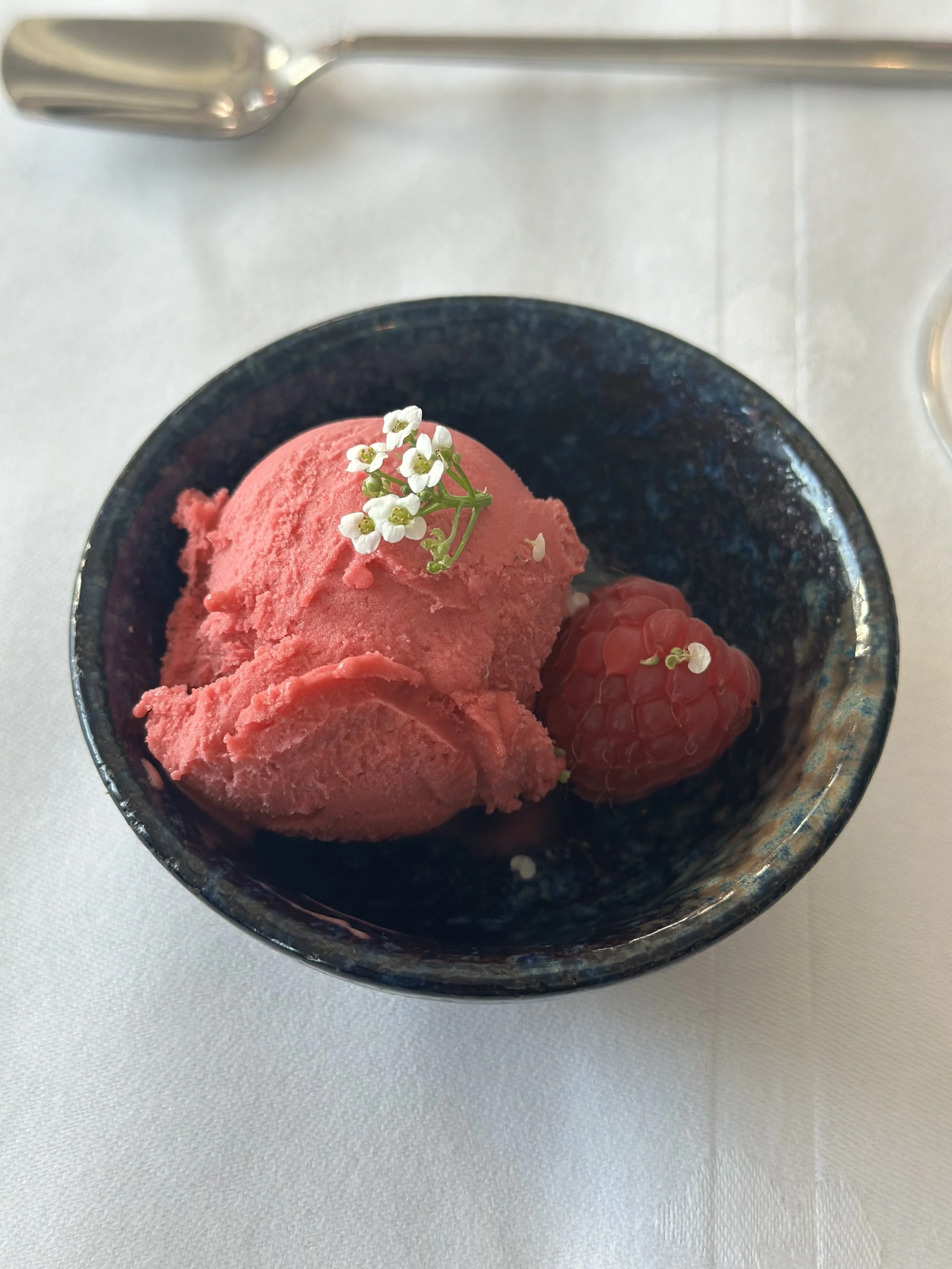
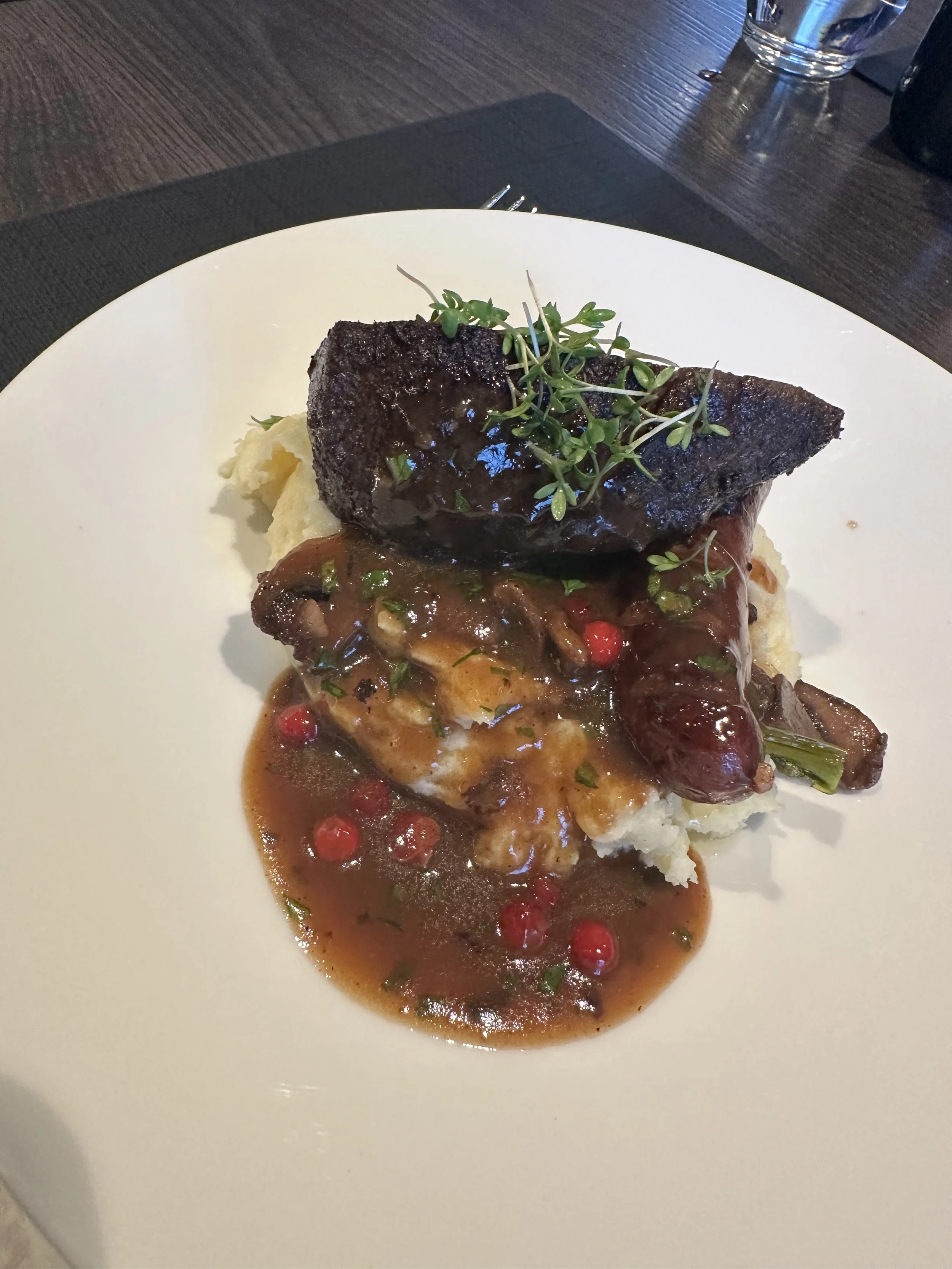
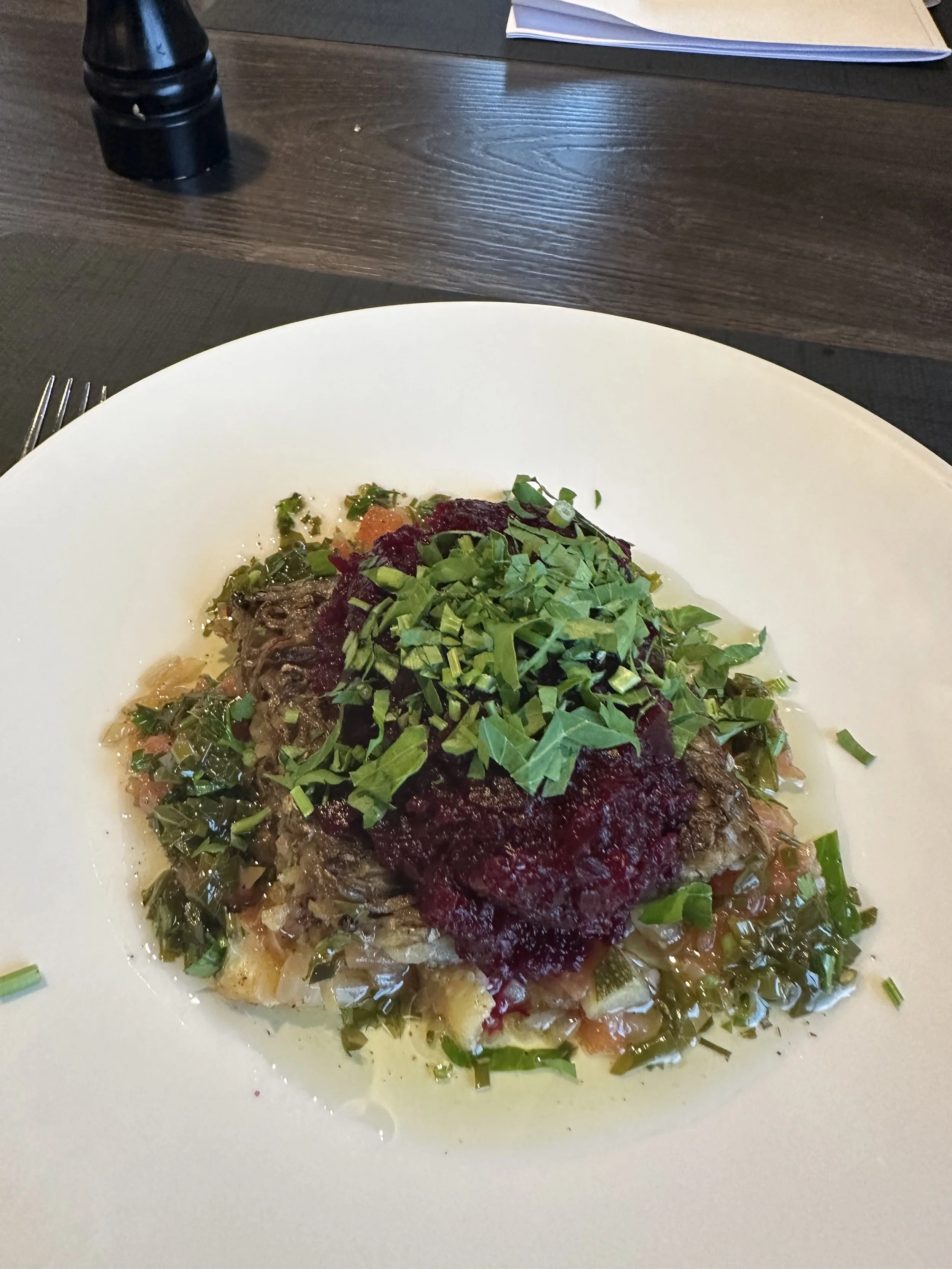
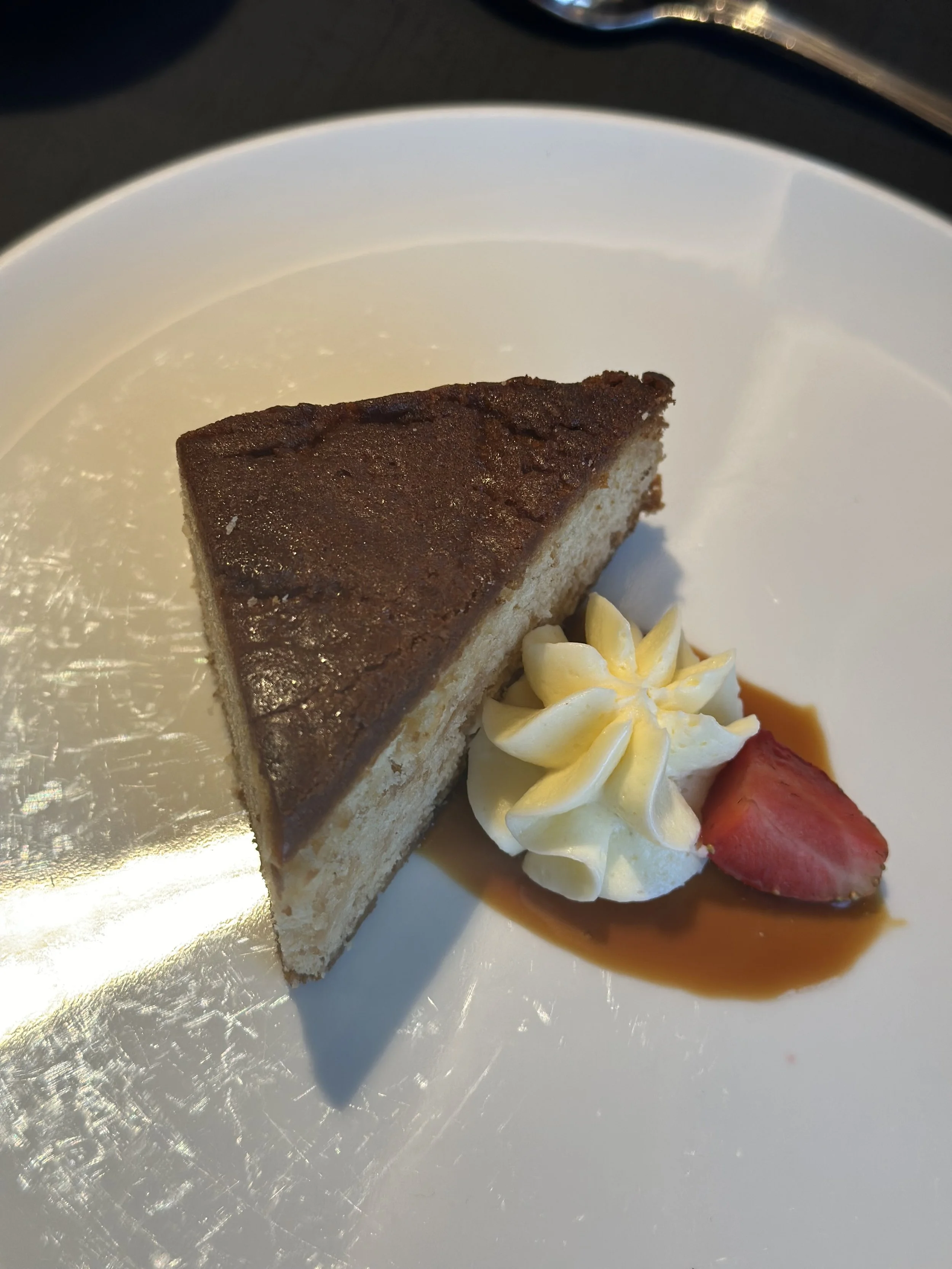
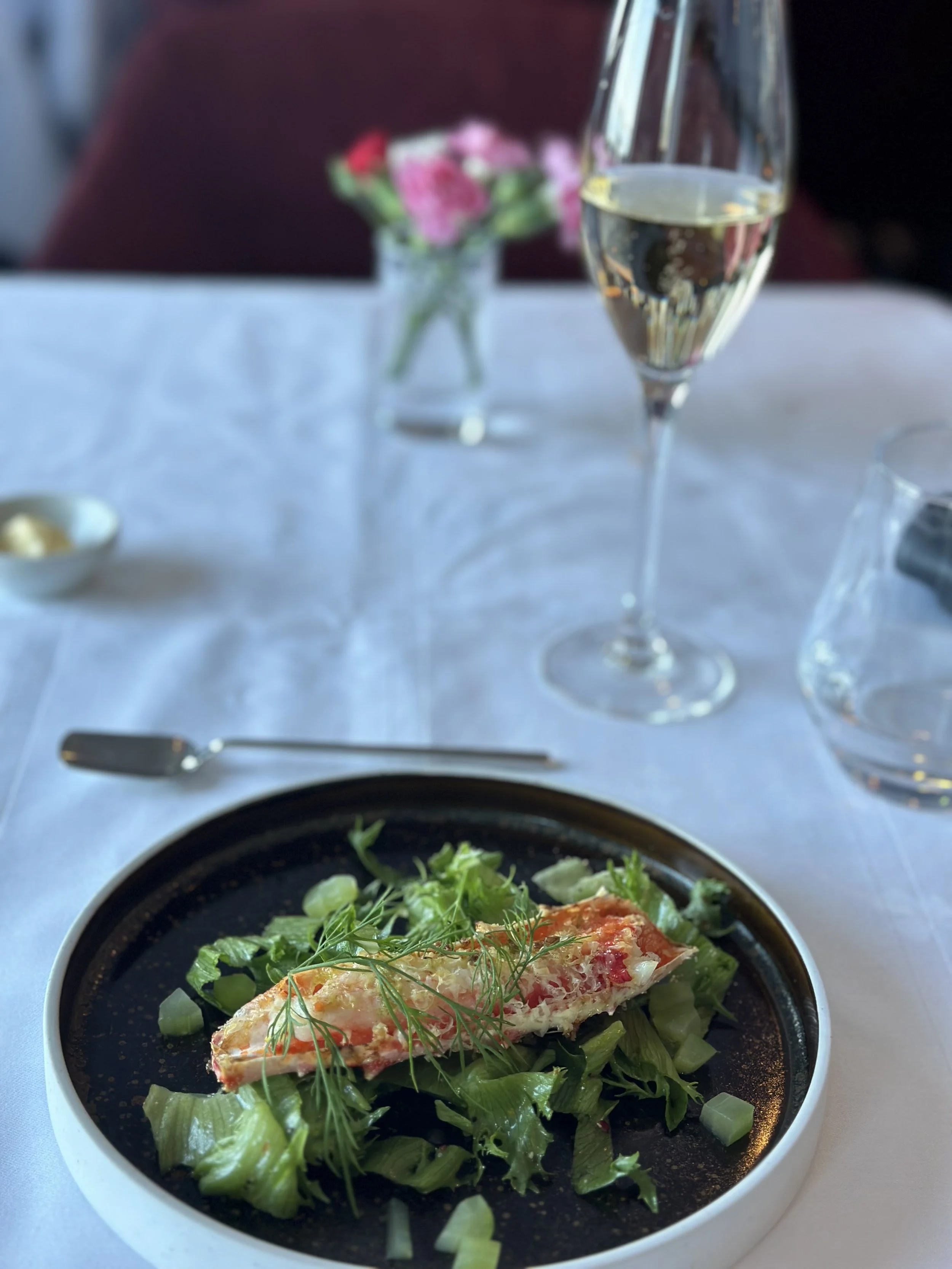
Food is a bigger part of the Hurtigruten experience than some travellers expect. Meals give structure to the day, and the emphasis is often on Norwegian coastal ingredients and regional food traditions. Fish, seafood, local produce and Nordic flavours are a natural part of the journey, especially because the route itself passes through communities shaped by fishing and coastal life.
The dining experience will depend on your ship, itinerary and booking type, so it is worth checking exactly what is included before you travel. Some guests will have full board included, while others travelling port-to-port or on shorter sections may have different arrangements. Drinks, snacks and extras may not be included in the same way as meals, and alcohol in Norway can be expensive.
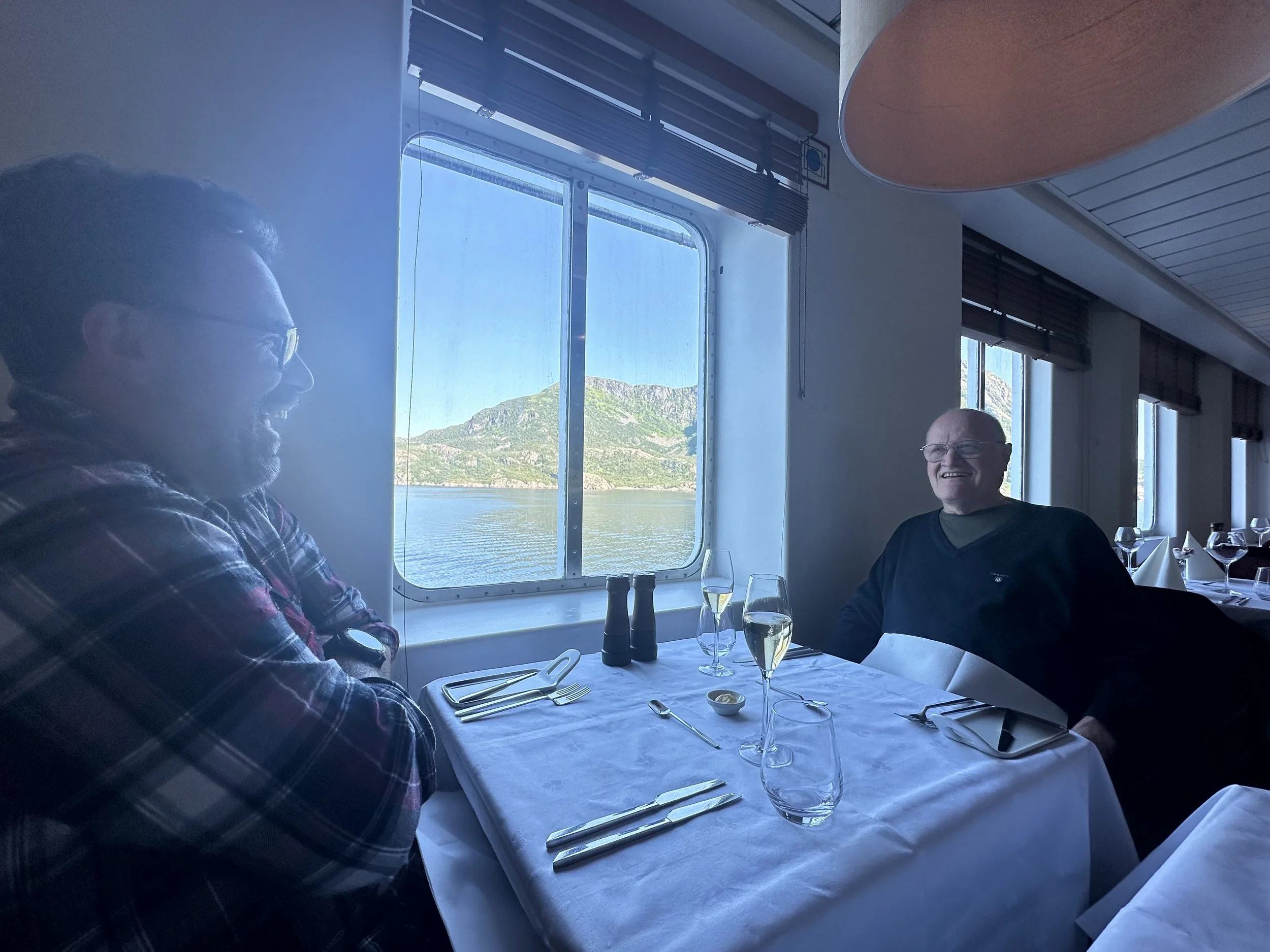
The food is not just practical fuel for the journey. It helps connect the experience to the coast. Eating fish while sailing past fishing communities, or having a long dinner as the light changes outside, can become part of what you remember from the trip.



Excursions: Are They Worth It?
Hurtigruten offers excursions in many ports, and whether they are worth it depends on what you want from the journey. If you like a lot of context, guided experiences and easy logistics, excursions can add a lot. They can help you see more in places where the ship does not stay long, or take you to sights that would be difficult to organise independently within the time available.
In Northern Norway, excursions can be especially useful. Activities around Tromsø, the North Cape, Lofoten, dog sledding, snow-based experiences, coastal culture or local food can give the journey more depth. They can also help break up longer days at sea, especially in winter when daylight is limited.
At the same time, you do not need to fill the entire journey with activities for it to be worthwhile. Part of the Hurtigruten experience is simply being on the route. If every day is packed with excursions, you may miss some of the quietness that makes the voyage special. A good balance is usually better: choose the excursions that genuinely interest you, then leave space for the ship, the view and the ordinary rhythm of the coast.
What Might Surprise You
The biggest surprise for many people is how calm Hurtigruten can feel. If you are used to conventional cruises, you may expect a full programme of entertainment and onboard activity. Hurtigruten is much more understated. The main attraction is outside the window.
Another surprise is how many stops happen at unusual times. Because the ship follows a fixed coastal route, it does not operate only around tourist convenience. Some ports may be visited late at night or early in the morning. This can feel strange at first, but it is also part of the character of the voyage.
The weather can also shape the experience more than people expect. A sunny summer day along the coast feels very different from a stormy autumn evening or a dark winter morning. Norway’s coastline is not a controlled backdrop. It is alive, changeable and sometimes rough. That unpredictability is part of the atmosphere, but it is worth preparing for mentally.
You may also be surprised by how much you enjoy the ordinary stretches. Not every moment is dramatic. There are quiet towns, grey skies, stretches of open water and practical port calls. But those moments help you understand the scale and character of Norway in a way that a highlight-only itinerary rarely does.
Best Time to Travel on Hurtigruten
There is no single right season for Hurtigruten, because the experience changes so much through the year.
Summer gives you long days, late light and the possibility of the midnight sun in the north. It is the easiest season for visibility, walking around ports and enjoying time on deck. The coast feels more open and lively, and this is a good time if you want long scenic days and milder weather.
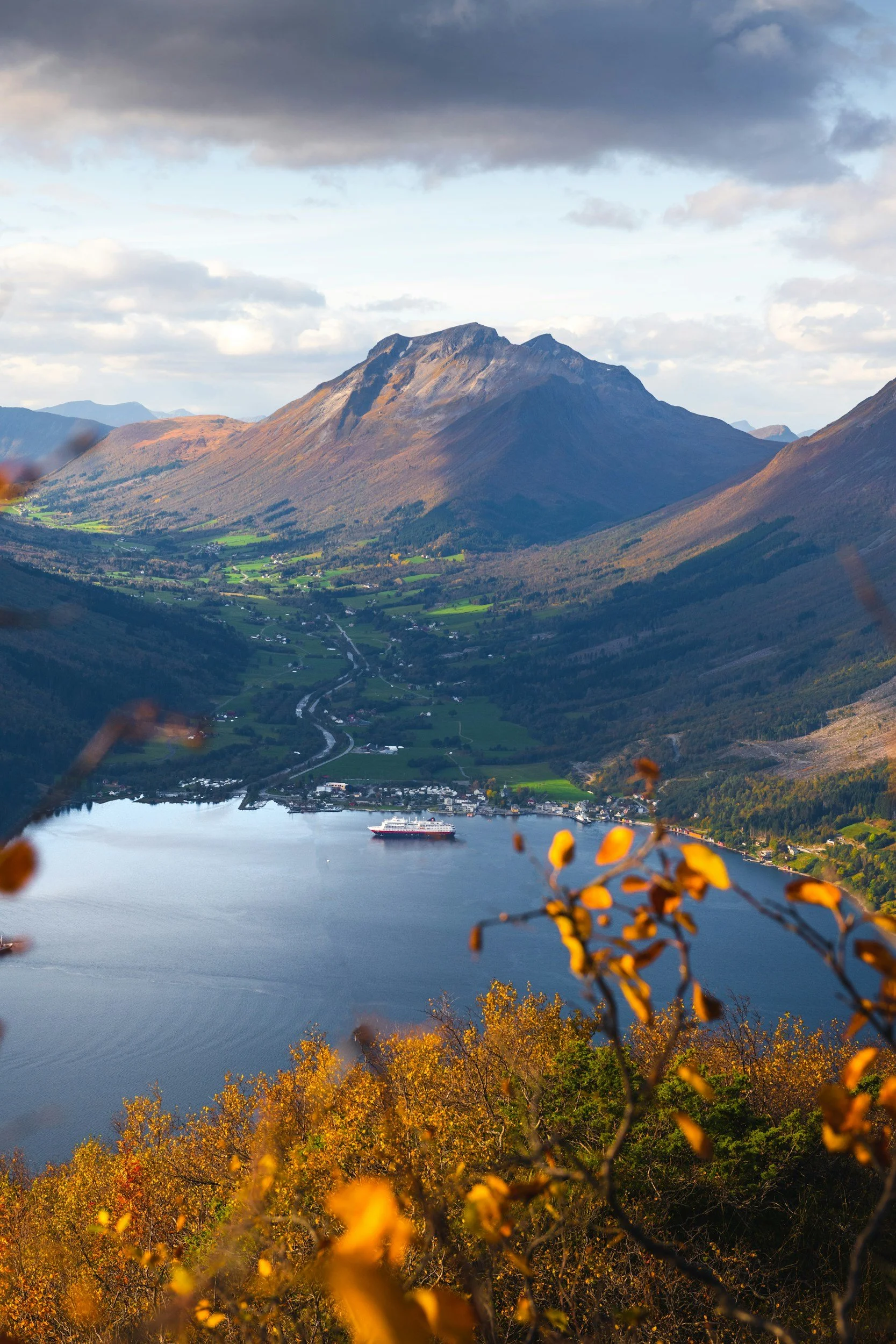
Autumn can be more atmospheric, with changing colours, fewer crowds and a moodier coastal feeling. The weather may be more unpredictable, but that can also make the journey feel more dramatic. For travellers who like quiet travel and shifting light, autumn can be a beautiful time.
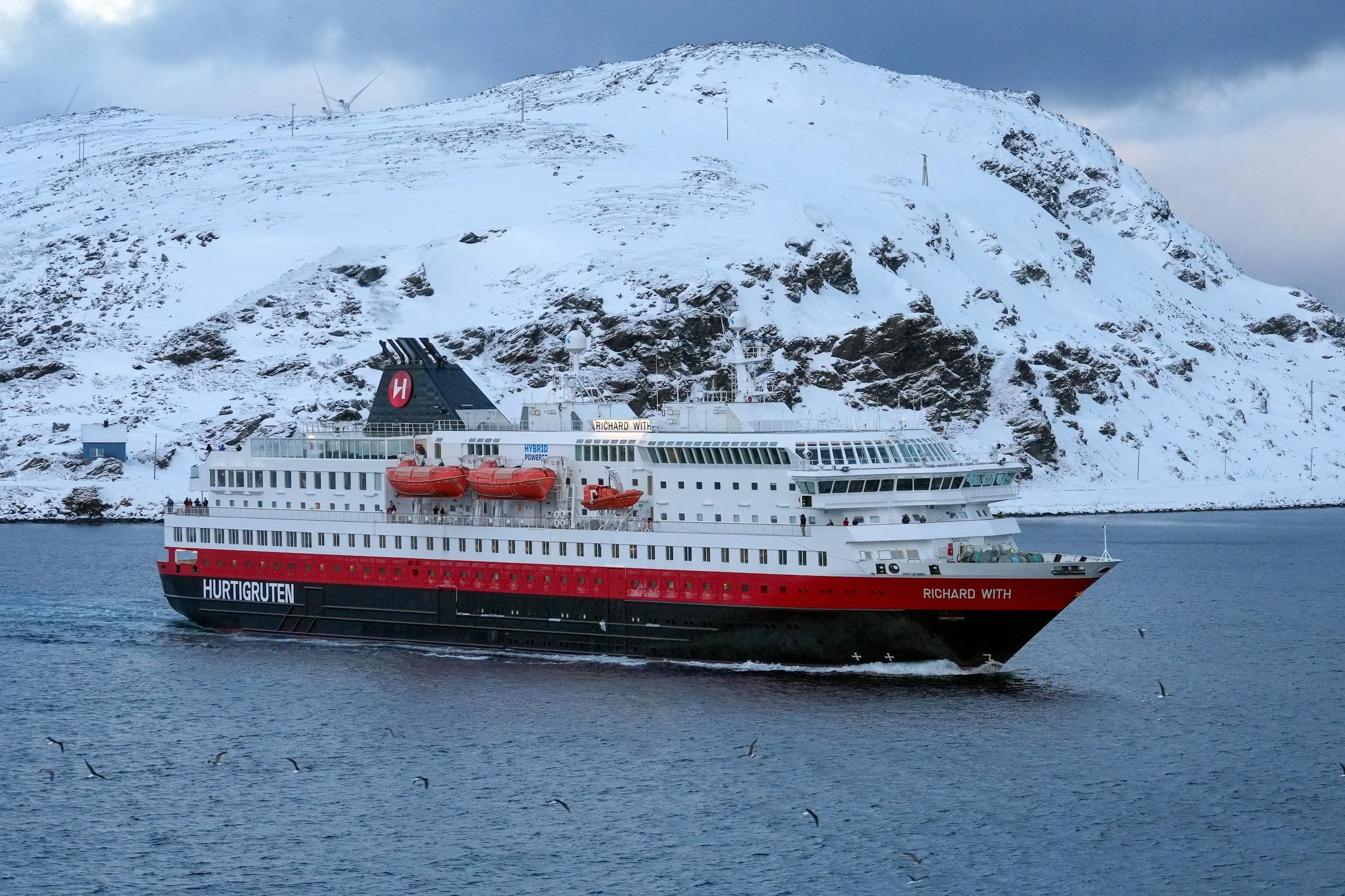
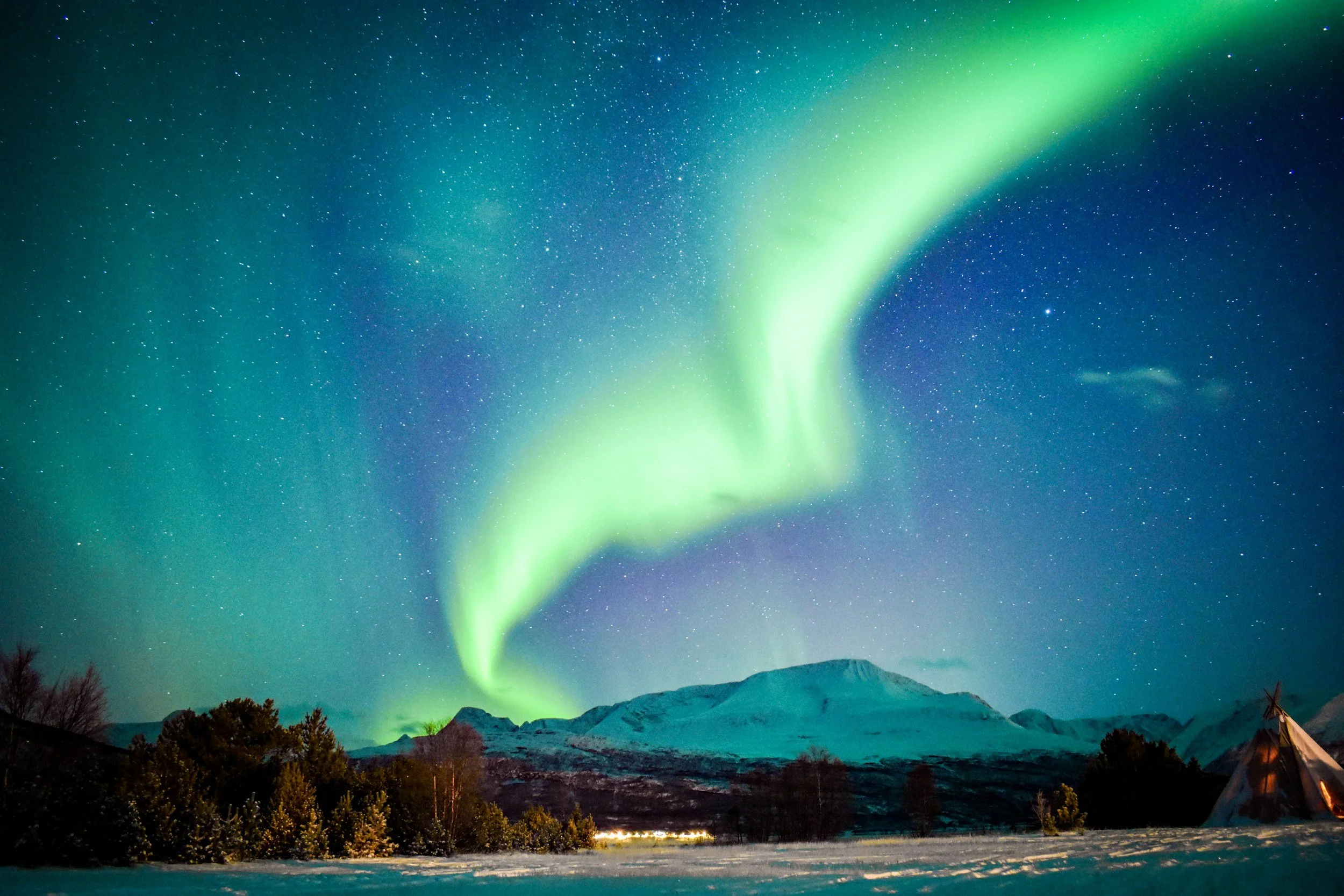
Winter is the season for darkness, snow, northern lights and a more Arctic mood. It can be magical, but it is also less gentle. Days are shorter, weather can affect the experience, and you need to be prepared for cold conditions. If you are drawn to northern light and winter landscapes, this can be one of the most memorable times to travel.
Spring brings returning light, snow still visible in the mountains and a sense of transition along the coast. It can be a good compromise for travellers who want brighter days without the busiest summer feeling.
Northbound, Southbound or Round Trip?
The classic Hurtigruten journey can be done as a round trip between Bergen and Kirkenes, as a northbound voyage, as a southbound voyage, or as a shorter port-to-port section. Which one you choose depends on your time, budget and what you most want from the experience.
The full round trip gives the most complete sense of the Norwegian coast. You see the same route in both directions, but not in the same way, because ports visited at night in one direction may appear in daylight on the return. This makes the full voyage feel less repetitive than it might sound.
The northbound route from Bergen to Kirkenes has a strong sense of progression. You begin in Western Norway and move steadily north into Arctic landscapes. For many travellers, that build-up is part of the appeal.
The southbound route from Kirkenes to Bergen can feel different, almost like travelling back from the edge of the map into softer coastal landscapes. It can also work well if you are combining Hurtigruten with a wider Northern Norway itinerary.
Shorter sections can be a good option if you are curious about Hurtigruten but do not want to commit to the full journey. A few nights on board can still give you a strong sense of the route, especially if you choose a scenic stretch.
Who Hurtigruten Is Best For
Hurtigruten is best suited to travellers who enjoy landscapes, slow travel, coastal culture and quiet observation. It works well for people who want to experience a large part of Norway without constantly changing hotels, driving long distances or managing complicated transport connections.
It is also a good fit for travellers who are interested in Norway beyond the obvious postcard version. The journey shows fjords and famous scenery, but it also shows working towns, fishing communities, weather, distance and the practical reality of life along the coast.
It is less suited to travellers who want a high-energy holiday, warm-weather relaxation, lots of nightlife or a cruise where the ship itself is the main destination. Hurtigruten is comfortable, but the real experience is the coastline. If that does not appeal to you, the journey may feel too slow.
Is Hurtigruten Worth It?
Hurtigruten can be expensive, especially if you book a longer journey with a better cabin and excursions. Whether it is worth it depends on what kind of value you are looking for.
If you want the cheapest way to travel in Norway, Hurtigruten will rarely be the answer. Flights, trains, buses or a carefully planned road trip may be more cost-effective depending on your route. But Hurtigruten offers something different: the chance to travel through Norway by sea, with accommodation, meals, transport and scenery woven into one continuous journey.
It is worth it if the voyage itself is what you want. If you are excited by the idea of following the coastline slowly, watching the weather move across the sea, waking up in a new part of Norway and seeing both famous places and ordinary coastal towns, then Hurtigruten can feel deeply rewarding.
It may not be worth it if you only want to tick off the most famous sights as quickly as possible. Hurtigruten is not the most efficient way to “do Norway”. It is a slower and more atmospheric way to understand the coast.
How Hurtigruten Differs from a Norway Road Trip
A road trip gives you more control. You can stop where you want, change plans, spend longer in one place and explore inland areas that Hurtigruten cannot reach. If your dream Norway trip is built around hiking, viewpoints, small roads, cabins and flexible detours, driving may give you more freedom.
Hurtigruten gives you something else. It removes much of the logistical pressure. You do not need to think about ferries, road conditions, long driving distances, parking, weather on mountain roads or packing and unpacking every night. The ship becomes your base, and the coast comes to you.
The trade-off is that you follow the ship’s rhythm rather than your own. You cannot linger in every place. You cannot suddenly decide to stay two extra days in Lofoten or skip a port because the weather looks better elsewhere. Hurtigruten is structured, but that structure is also part of why it can feel restful.
What to Pack for Hurtigruten
Packing for Hurtigruten depends on the season, but layers are important year-round. Even in summer, it can be windy on deck, and the temperature can feel cooler at sea than it does on land. A windproof jacket, comfortable shoes, warm layers and something you can wear outside in changing weather are useful in almost every season.
In winter, you need proper cold-weather clothing, especially if you plan to spend time on deck looking for northern lights or joining outdoor excursions. Thermal layers, a warm jacket, gloves, hat and good footwear will make the journey much more comfortable.
You do not need to dress as formally as you might on some traditional cruises. Hurtigruten is generally more relaxed, and practical clothing makes sense because the experience is so connected to weather and place. Think comfortable, warm and suitable for walking around ports rather than cruise glamour.
If you want read more about what to pack:
Final Words
Hurtigruten is not the fastest way to see Norway, and it is not the most flexible. It is also not a traditional cruise in the way many international travellers understand cruising. That is precisely why it stands out.
The journey is about rhythm, coastline and atmosphere. It is about seeing Norway from the sea, not only as a collection of famous sights, but as a long, lived-in coast shaped by weather, distance, fishing, small towns and northern light. Some moments will be spectacular. Others will be quiet, grey or ordinary. Together, that is what makes the voyage feel real.
For travellers who want constant entertainment or maximum sightseeing efficiency, Hurtigruten may feel too slow. But for those who want to understand the Norwegian coast in a deeper, calmer and more gradual way, it can be one of the most memorable journeys in Norway.
More articles about norway travel:

Packing for a Norwegian coastal cruise is less about formalwear and more about adapting to shifting weather. This guide covers what to wear on deck, ashore and onboard.