
Viking History in Norway: The Best Places to Visit by Region
This guide introduces the best places to experience Viking history in Norway, organised by region. It covers Viking museums, reconstructed villages, burial mounds, ship centres and historic landscapes in Oslo, Eastern Norway, Fjord Norway, Northern Norway and Trøndelag, helping travellers understand which Viking sites fit naturally into different Norway itineraries.
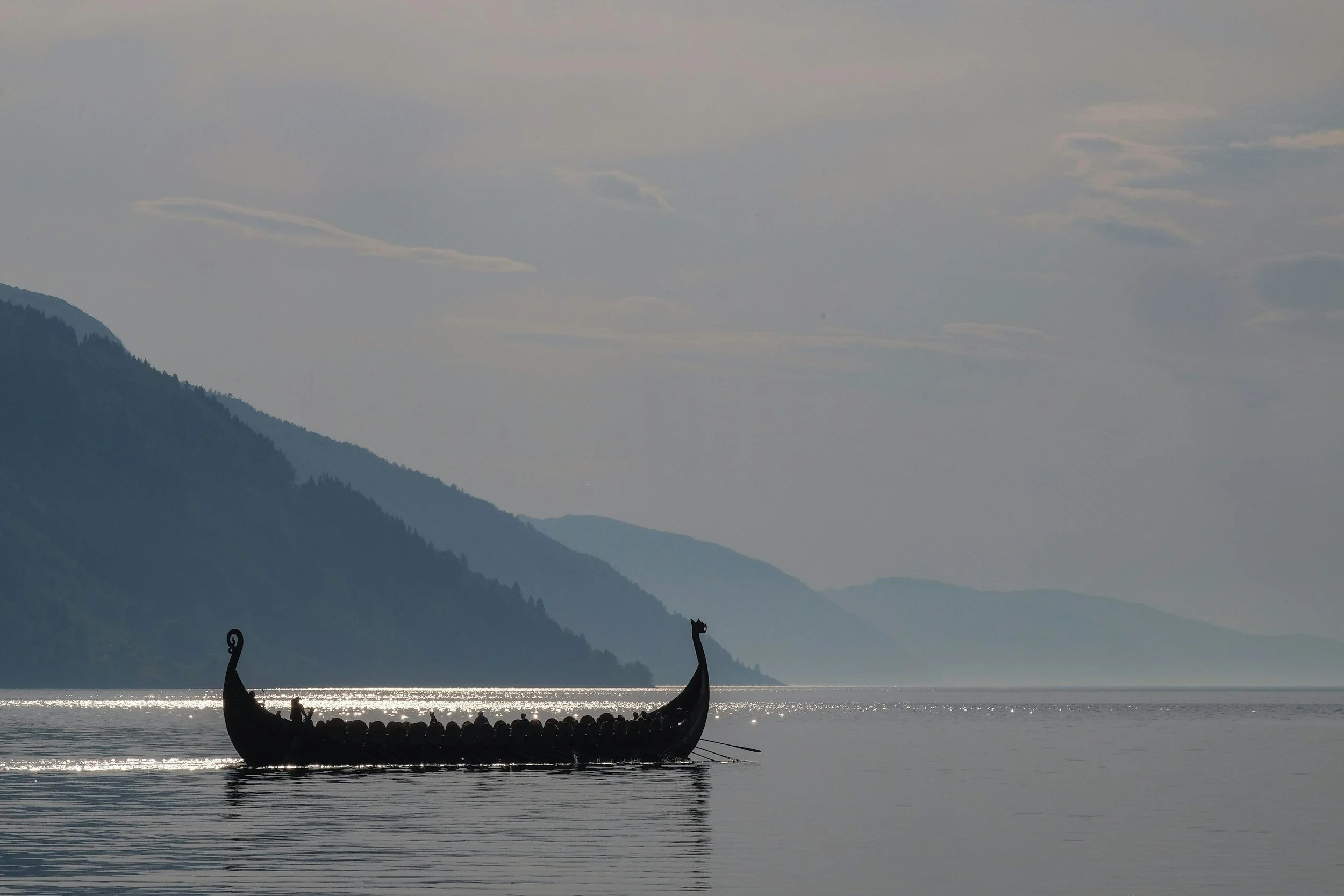
Norway’s Viking history is not found in just one museum or one famous site. It is spread across the country in fjord villages, burial mounds, reconstructed longhouses, coastal trading places, ship centres and historic landscapes. To understand Viking history in Norway, it helps to think regionally.
The best Viking places to visit depend on where you are travelling. If you are visiting Oslo, the Oslofjord region has some of Norway’s most important burial mounds and ship history. If you are travelling through Western Norway, Viking history is tied to fjords, coastal routes and early royal power. In Northern Norway, Lofoten offers one of the most atmospheric Viking experiences in the country, while Trøndelag tells the story of the end of the Viking Age and the transition into Christian medieval Norway.
What Visitors Should Understand About Viking History in Norway
The Viking Age in Norway is usually dated from around the late 700s to the mid-1000s, but it was not a single, simple story. Viking society included farmers, traders, craftspeople, chieftains, seafarers, warriors and poets. Many people lived settled lives based around farming, fishing, trade and family networks, while others travelled widely across the North Atlantic, Europe and beyond.
The sea shaped much of Viking Norway. The coastline, islands and fjords made movement possible long before modern roads connected the country. Ships were used for trade, travel, warfare, exploration and burial rituals, and many of Norway’s most important Viking sites are still connected to coastal landscapes.
This is why visiting Viking sites in Norway is not just about seeing reconstructed houses or museum displays. It is also about understanding geography. Fjords, sounds, burial mounds and coastal routes all help explain where power developed and why certain places mattered.
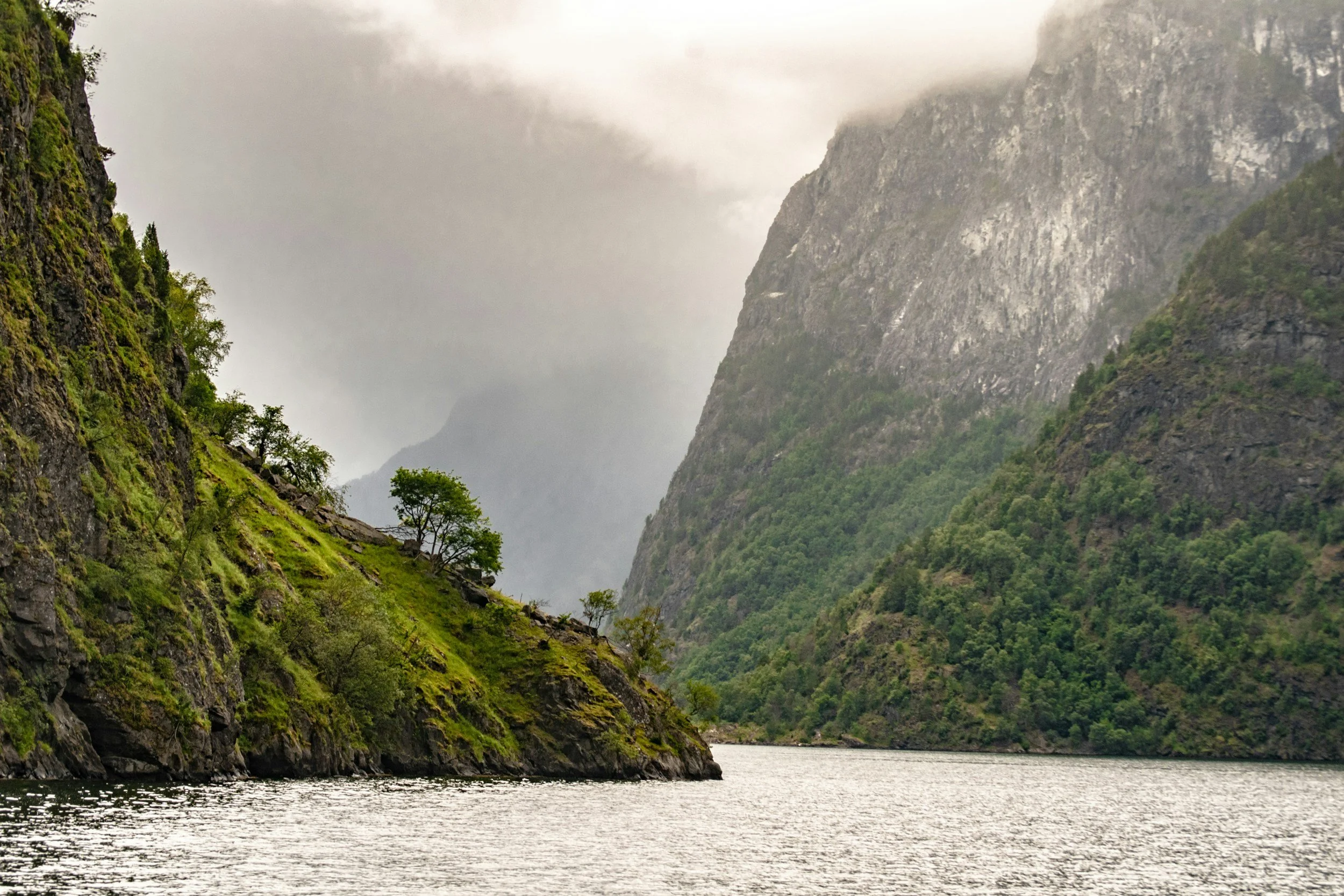
Viking Sites in Oslo and Eastern Norway
The Museum of the Viking Age, Oslo
Oslo is closely connected to some of Norway’s most famous Viking ship finds, including the Oseberg, Gokstad and Tune ships from the Oslofjord region. The former Viking Ship Museum on Bygdøy is currently being transformed into the new Museum of the Viking Age, with reopening planned for 2027.
When it reopens, this will again be one of the most important Viking museums in Norway. Until then, visitors should be aware that the original Viking ship museum is closed and should check current alternatives before planning a trip around it.
The Viking Planet, Oslo
The Viking Planet in central Oslo is a modern digital Viking experience using VR, film, holograms and interactive displays. It is not the same as seeing original artefacts or walking through an archaeological site, but it can be a useful introduction for visitors who want a Viking-themed experience while in the capital.
This is especially practical for families, cruise visitors or travellers with limited time in Oslo. It works best as an accessible overview rather than as a replacement for Norway’s original Viking ship collections.
Midgard Viking Centre and Borre, Horten
The Borre area near Horten is one of the most important Viking Age landscapes in Eastern Norway. It is known for its large burial mounds and its connection to elite power around the Oslofjord. Midgard Viking Centre helps visitors understand the significance of this landscape through exhibitions, reconstructed environments and events.
This is a good place to visit if you are travelling between Oslo and the Vestfold coast. The burial mounds are especially important because they show how power was displayed in the landscape. These were not hidden graves, but visible monuments connected to status, ancestry and control.
Kaupang Viking Town, Larvik
Kaupang near Larvik was one of the earliest known urban trading places in Norway. This makes it an important site for understanding trade, craft and contact with the wider world during the Viking Age.
Viking history is often imagined through ships and raids, but places like Kaupang show another side of the period. Goods, people and ideas moved across long distances, and trading places like Kaupang were part of that wider network.
Related Reading:
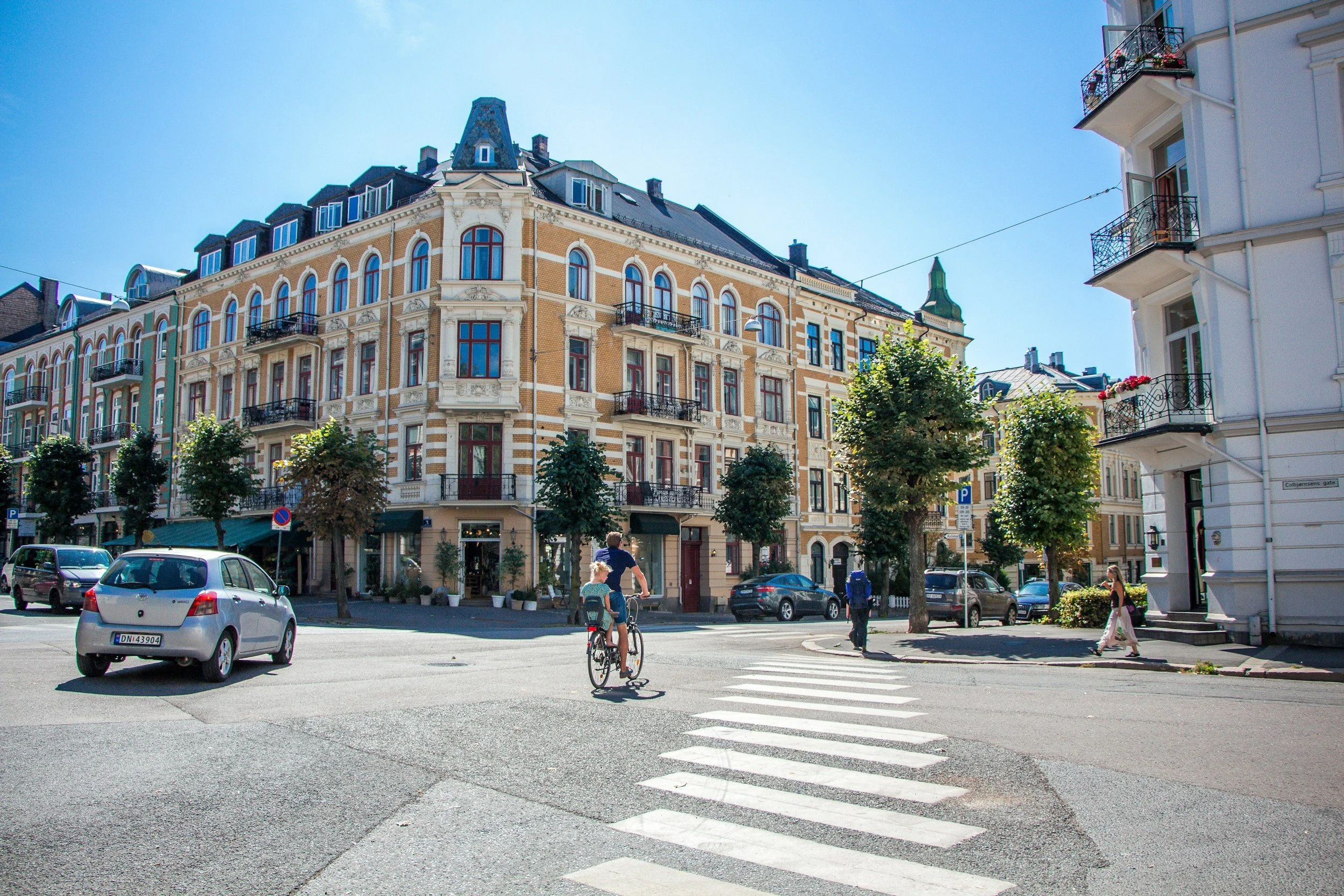

Viking Sites in Fjord Norway and Western Norway
Njardarheimr Viking Village, Gudvangen
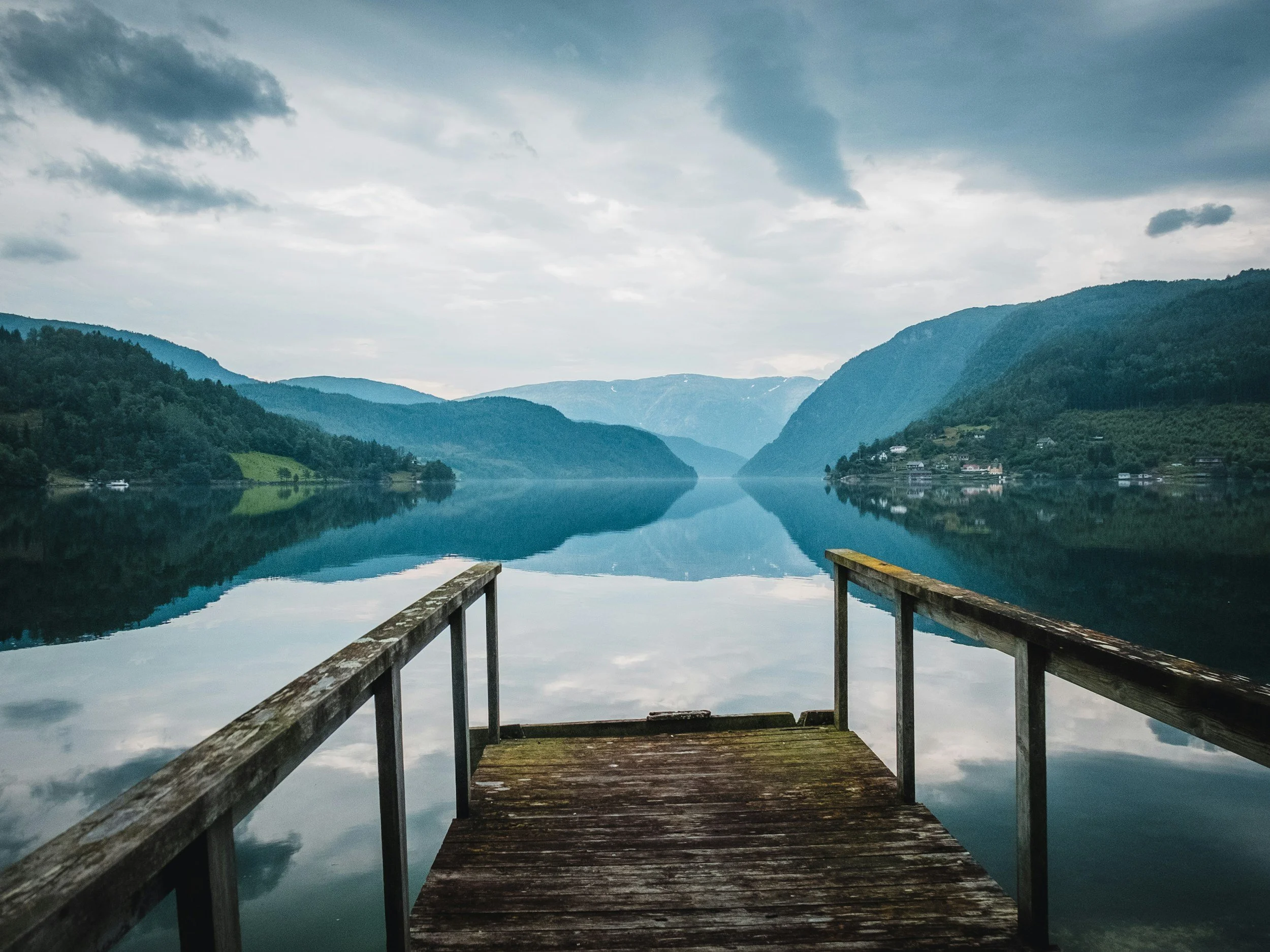
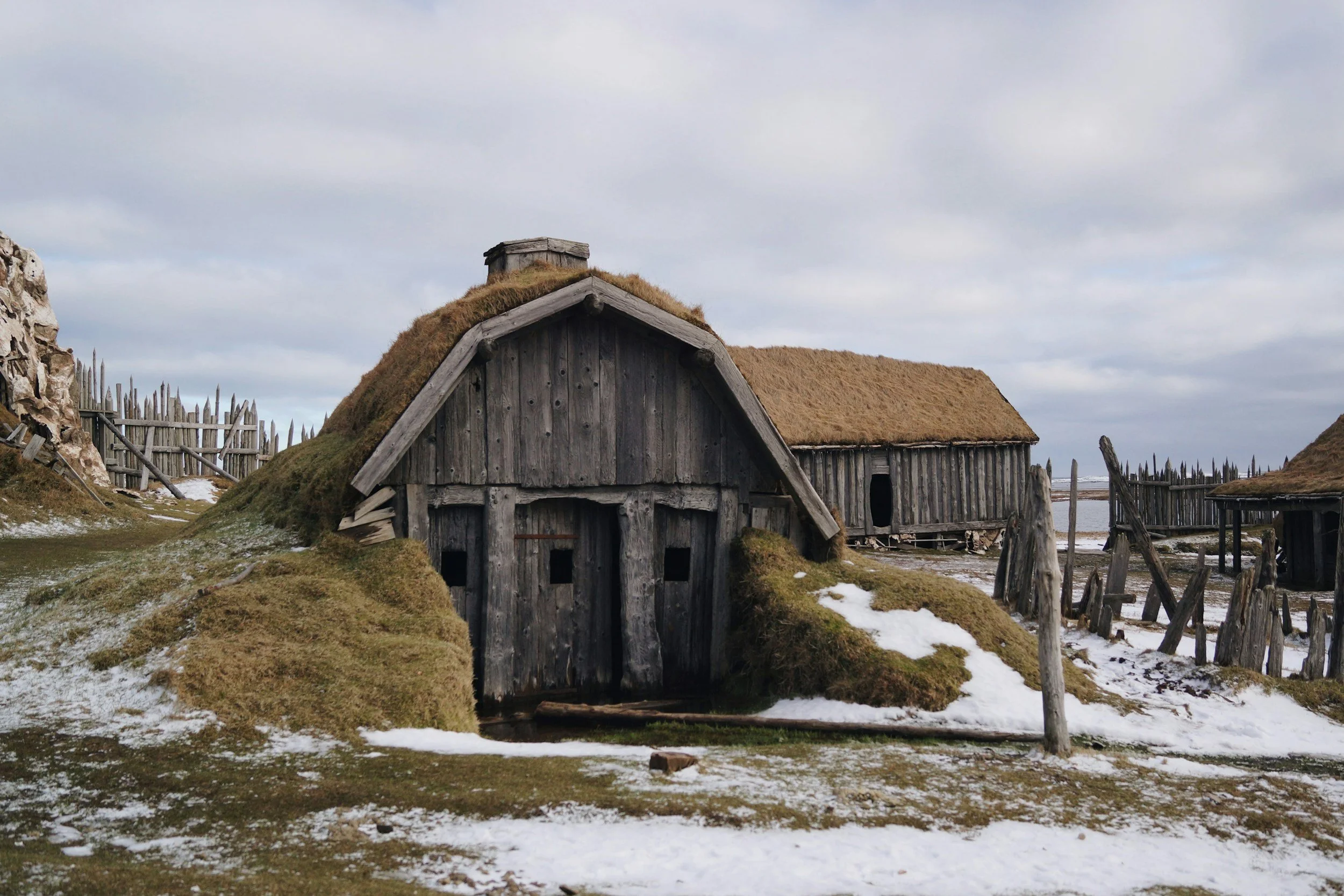
Njardarheimr in Gudvangen is one of Norway’s most visually striking Viking experiences. It sits at the end of the Nærøyfjord, surrounded by steep mountains and close to one of the most famous fjord landscapes in the country.
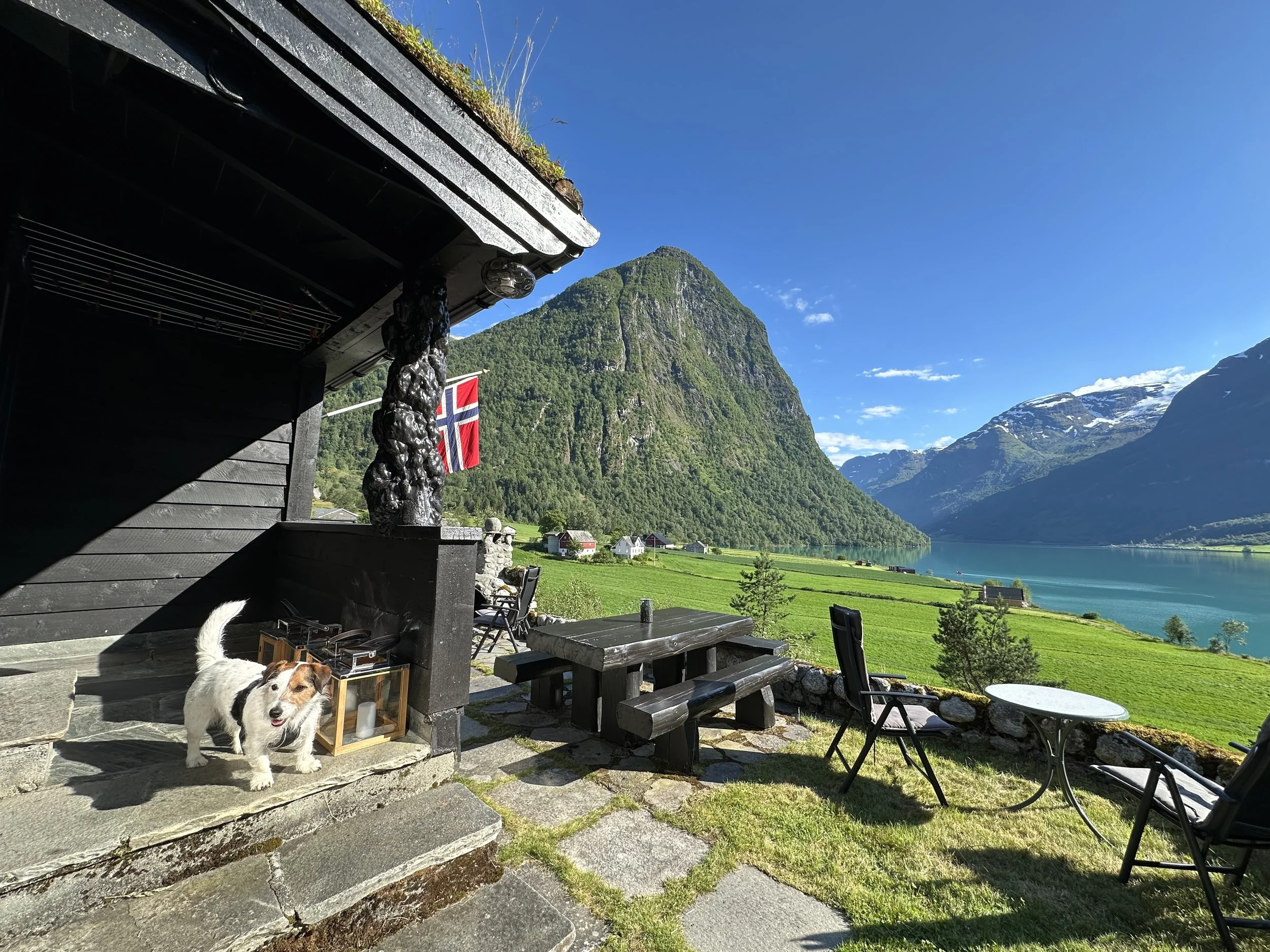
The village is a reconstructed Viking village and visitor experience, rather than an untouched archaeological site. Its strength is atmosphere, storytelling, craft and hands-on interpretation. It is especially easy to combine with Flåm, Aurland, the Nærøyfjord or a wider Western Norway itinerary.
Sagastad Viking Center, Nordfjordeid
Sagastad in Nordfjordeid is one of the best places in Norway to understand Viking ships and burial culture. The centre is home to the Myklebust ship, a full-scale reconstruction of one of the largest Viking ships ever found.
Nordfjordeid was an important place during the Viking Age, and Sagastad helps show how ships, burial rituals and local power were connected. This is a strong stop for travellers exploring the fjord region beyond the most famous tourist routes.
Avaldsnes and the Viking Farm at Bukkøy
Avaldsnes, near Haugesund, is one of the most historically significant Viking and early royal power centres in Norway. Its location by Karmsundet made it strategically important for controlling traffic along the west coast.
The Viking Farm at Bukkøy gives visitors a more practical sense of daily life, while the wider Avaldsnes area connects Viking history to kingship, trade routes and the early formation of Norway. This is one of the places where geography and history are especially closely linked.
Viking House, Stavanger
Viking House in Stavanger uses VR technology to tell the story of Harald Fairhair and the Viking Age in the region. It is a smaller, experience-based attraction, and opening hours may vary, so it is worth checking before visiting.
This can be a useful addition if you are already in Stavanger and want a short Viking-themed stop. It works best as part of a wider city visit rather than as the main reason to travel to Stavanger.
Related Reading:
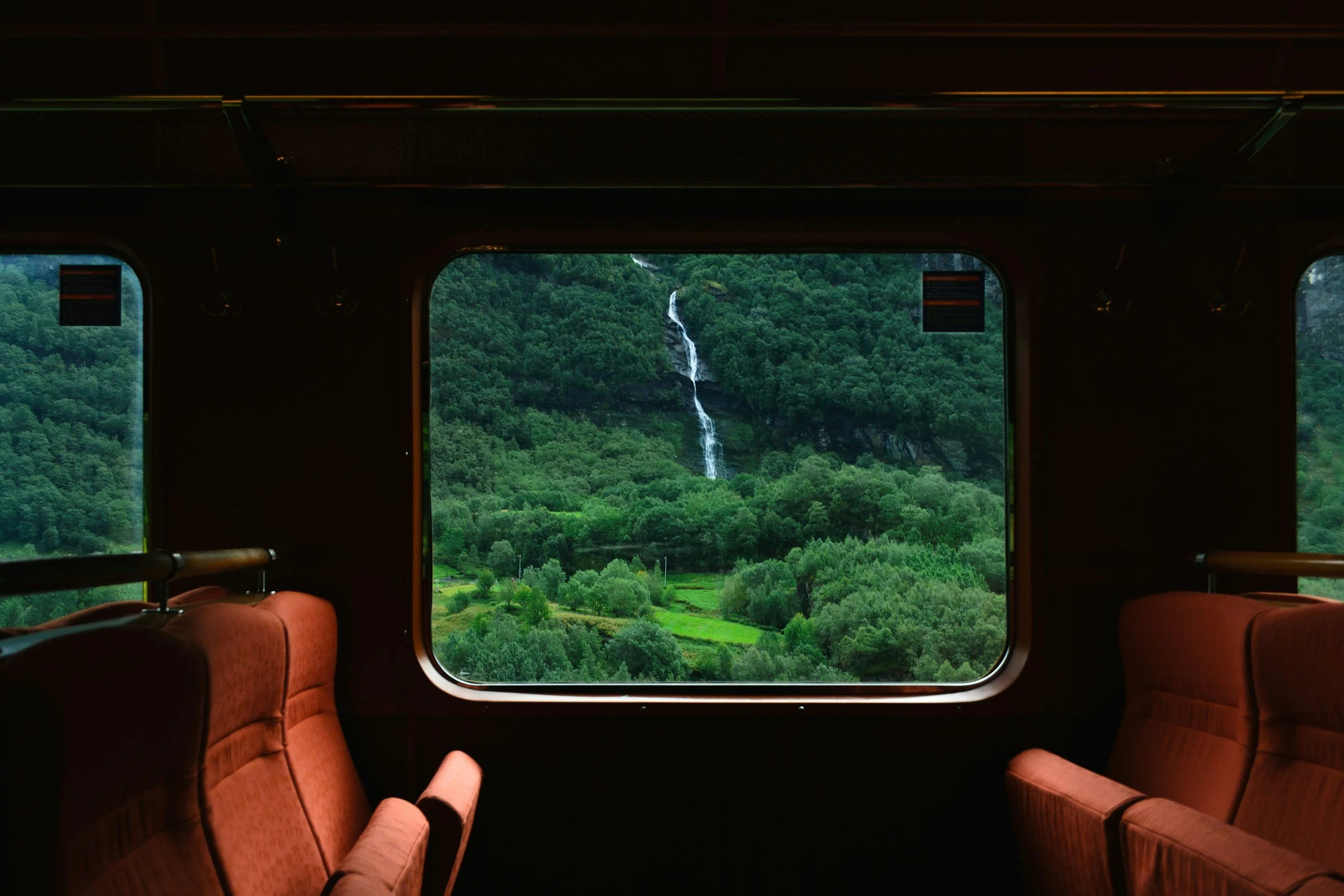
Viking Sites in Northern Norway
Lofotr Viking Museum, Lofoten
Lofotr Viking Museum is one of the most atmospheric Viking experiences in Norway. It is located at Borg in Lofoten, where archaeologists found evidence of a powerful chieftain’s farm. Today, visitors can explore a reconstructed longhouse, outdoor areas and exhibitions connected to Viking Age life in Northern Norway.
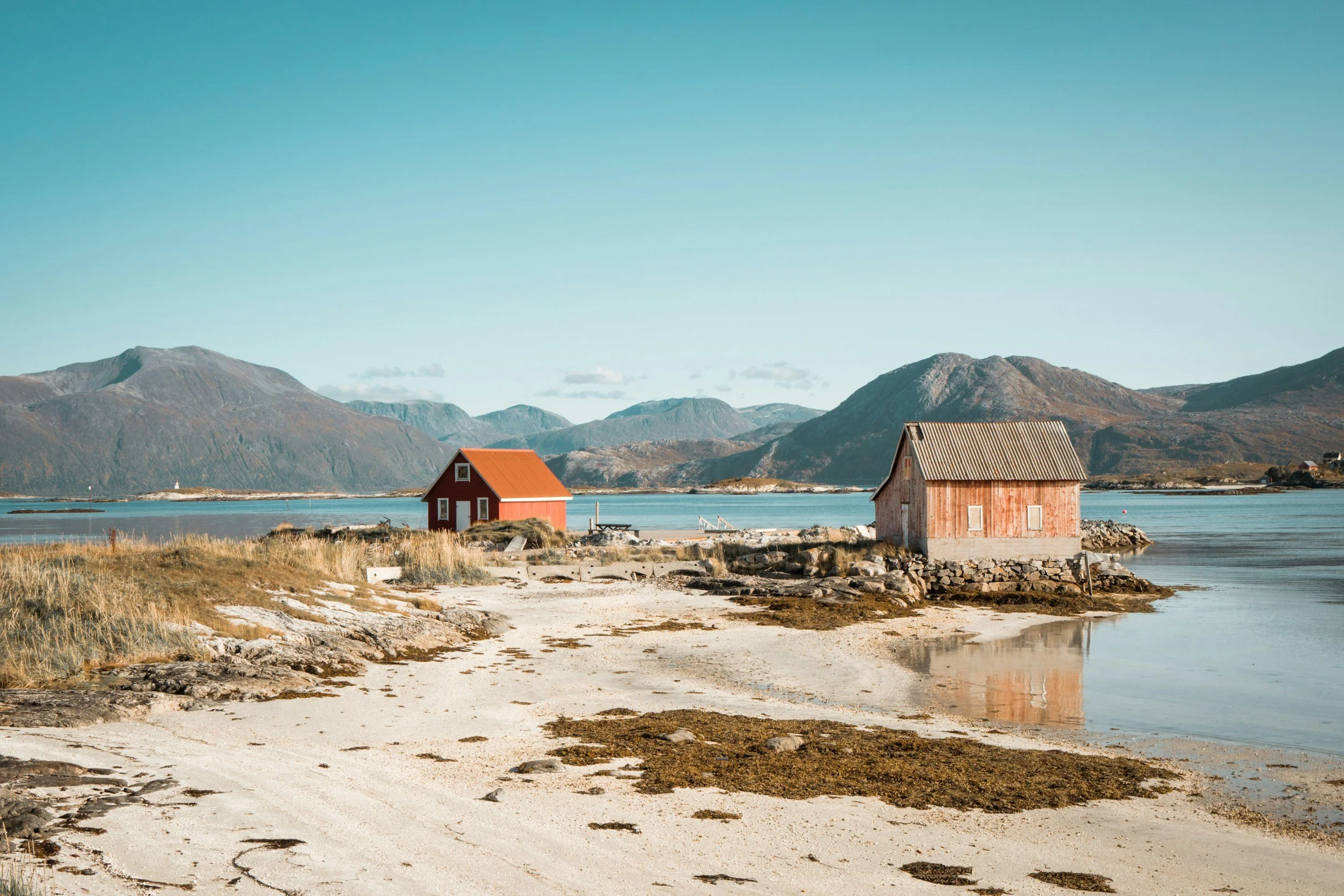
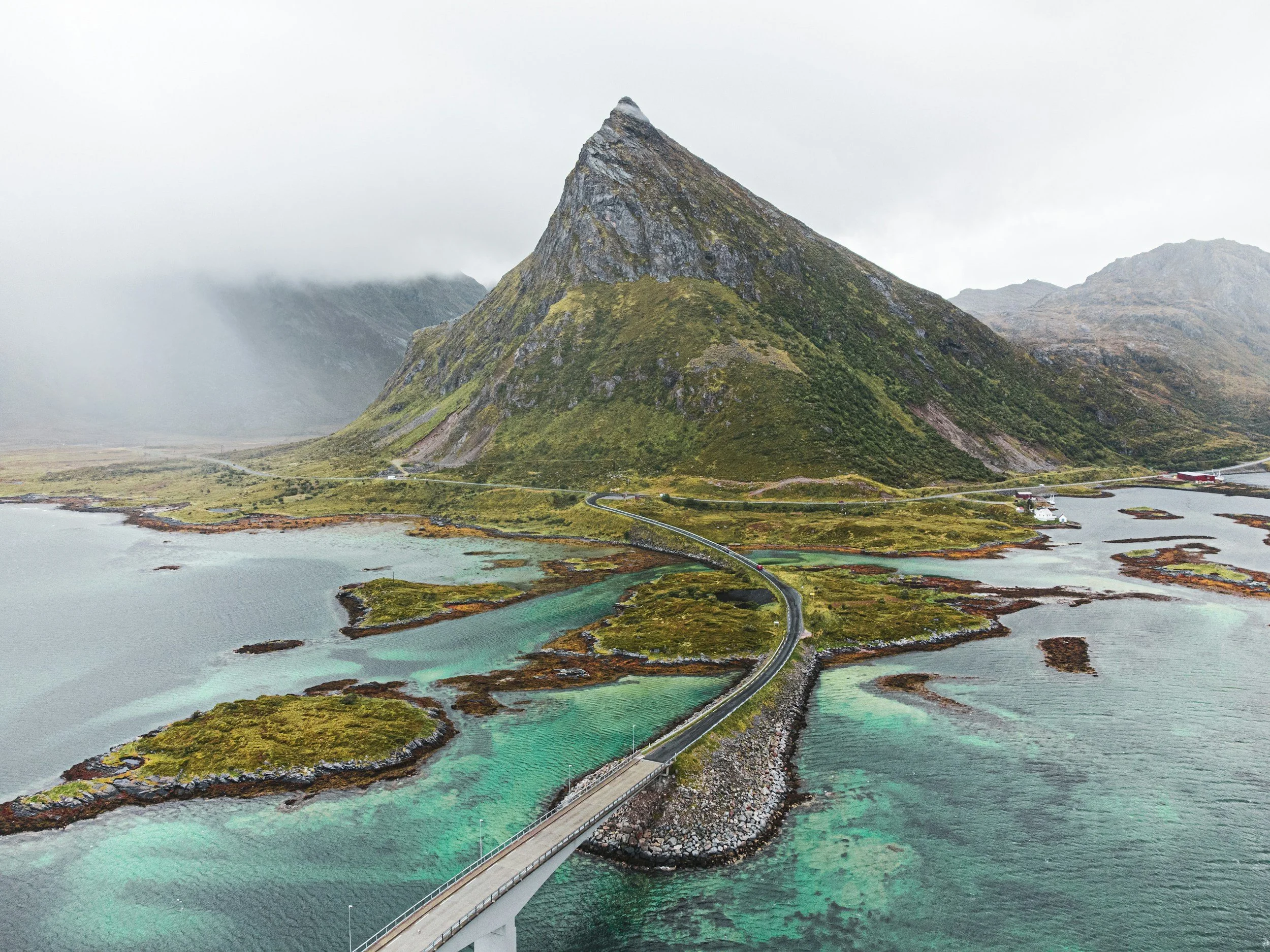
The setting is a major part of the experience. Lofoten’s mountains, coastline and open landscapes make it easier to imagine how power, farming, fishing and seafaring were connected. This is one of the best Viking sites to include if you are already planning a trip to Northern Norway.
The Viking festival at Lofotr has traditionally been one of the museum’s major events, but visitors should check current dates before planning around it, as festival programming can change from year to year.
Related Reading:
Viking Sites in Trøndelag and Mid-Norway
Stiklestad National Culture Centre
Stiklestad is one of the most important symbolic places in Norwegian history. This is where King Olav Haraldsson fell in battle in 1030, an event later tied to the Christianisation of Norway and the development of medieval kingship.
For Viking history, Stiklestad is important because it tells the story of transition. This is not mainly a site about ships and raids, but about power, religion and the shift from Norse society into Christian medieval Norway.
Stiklastadir
At Stiklestad, the reconstructed farm Stiklastadir gives visitors a more tangible sense of life around the end of the Viking Age. The site includes reconstructed buildings and seasonal activities that explore both Viking Age society and the changes that followed.
This makes Stiklestad especially useful for travellers who want to understand the Viking Age as part of a longer Norwegian history, rather than as a separate dramatic chapter.
Which Viking Sites Should You Choose?
If you are visiting Oslo, the most practical Viking-related stops are The Viking Planet, Midgard Viking Centre at Borre and Kaupang near Larvik. Once the Museum of the Viking Age reopens, it will again be the most important Viking museum in the capital.
If you are visiting Western Norway, Gudvangen, Sagastad, Avaldsnes and Stavanger are the most relevant places to consider. These sites connect Viking history to fjords, coastal travel, ships and early royal power.
If you are visiting Lofoten, Lofotr Viking Museum is the main Viking site to include. It is atmospheric, regionally important and easy to combine with a wider Lofoten itinerary.
If you are interested in the end of the Viking Age, Stiklestad in Trøndelag is one of the most meaningful places to visit. It helps explain the transition from Norse beliefs and chieftain-based power into Christian medieval Norway.
For families, the most engaging sites are often Lofotr, Njardarheimr, Stiklestad and The Viking Planet, because they include reconstructed environments, storytelling or interactive elements. For travellers most interested in archaeology and historic landscapes, Borre, Kaupang, Avaldsnes and Sagastad are especially worthwhile.
Related Reading:
Practical Tips Before Visiting Viking Sites in Norway
Opening hours vary a lot between seasons, especially at outdoor museums, reconstructed farms and smaller visitor centres. Summer usually offers the fullest experience, with more guides, activities and living-history elements. Outside summer, some places may have shorter opening hours or require advance booking.
It is also worth checking what kind of Viking site you are visiting. A reconstructed village, a VR attraction, a burial mound, a ship centre and an archaeological landscape all offer different kinds of understanding. The best Viking history itinerary combines more than one type of site.
Distances in Norway can also be longer than they look on a map. Instead of trying to visit every Viking attraction in one trip, it is usually better to choose the sites that fit naturally into the region you are already visiting.
Final Words
Viking history in Norway is regional, coastal and deeply connected to landscape. The best places to experience it are spread across fjords, islands, burial grounds, trading sites and old power centres.
For travellers, this makes Viking history a meaningful way to understand Norway itself. The fjords, coastlines and historic routes are not just beautiful scenery; they are part of the geography that shaped how people lived, travelled, traded and ruled.
Whether you visit Lofotr in Lofoten, Njardarheimr in Gudvangen, Sagastad in Nordfjordeid, Avaldsnes on the west coast, Stiklestad in Trøndelag or Borre by the Oslofjord, each place tells a different part of the same larger story. Viking Norway was never only about raids and legends. It was also about people building lives around the sea, using ships to connect worlds and leaving traces that still shape how Norway tells its history today.
Planning your Norway trip? These practical guides may help:








This guide explores Oslo’s connection to forest, fjord and everyday outdoor culture, from island ferries and waterfront saunas to Marka and quieter neighbourhood life.