
Norwegian Cabin Culture: Understanding Norway's Love Affair with Hytter
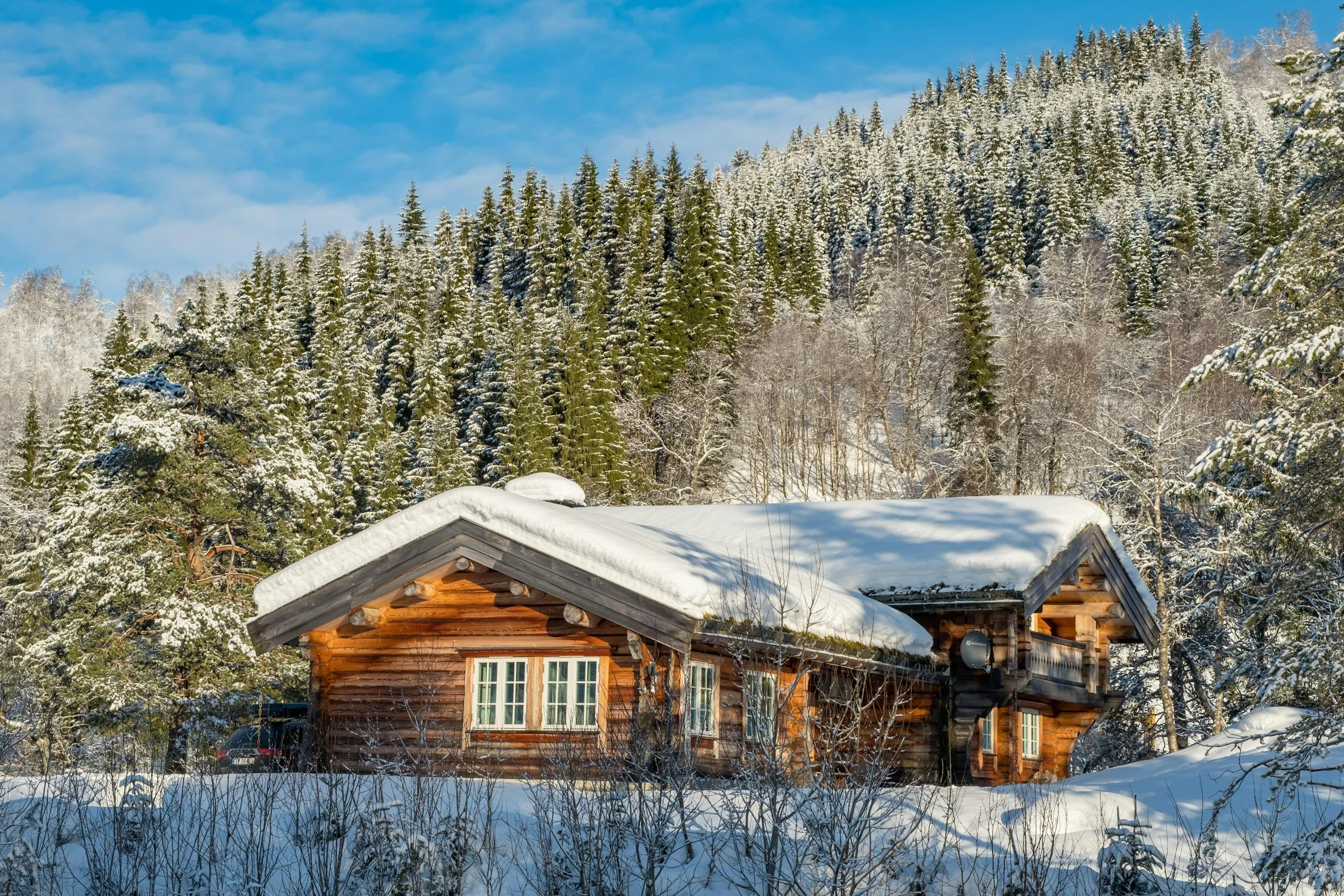
Few things are more deeply woven into Norwegian culture than the hytte.
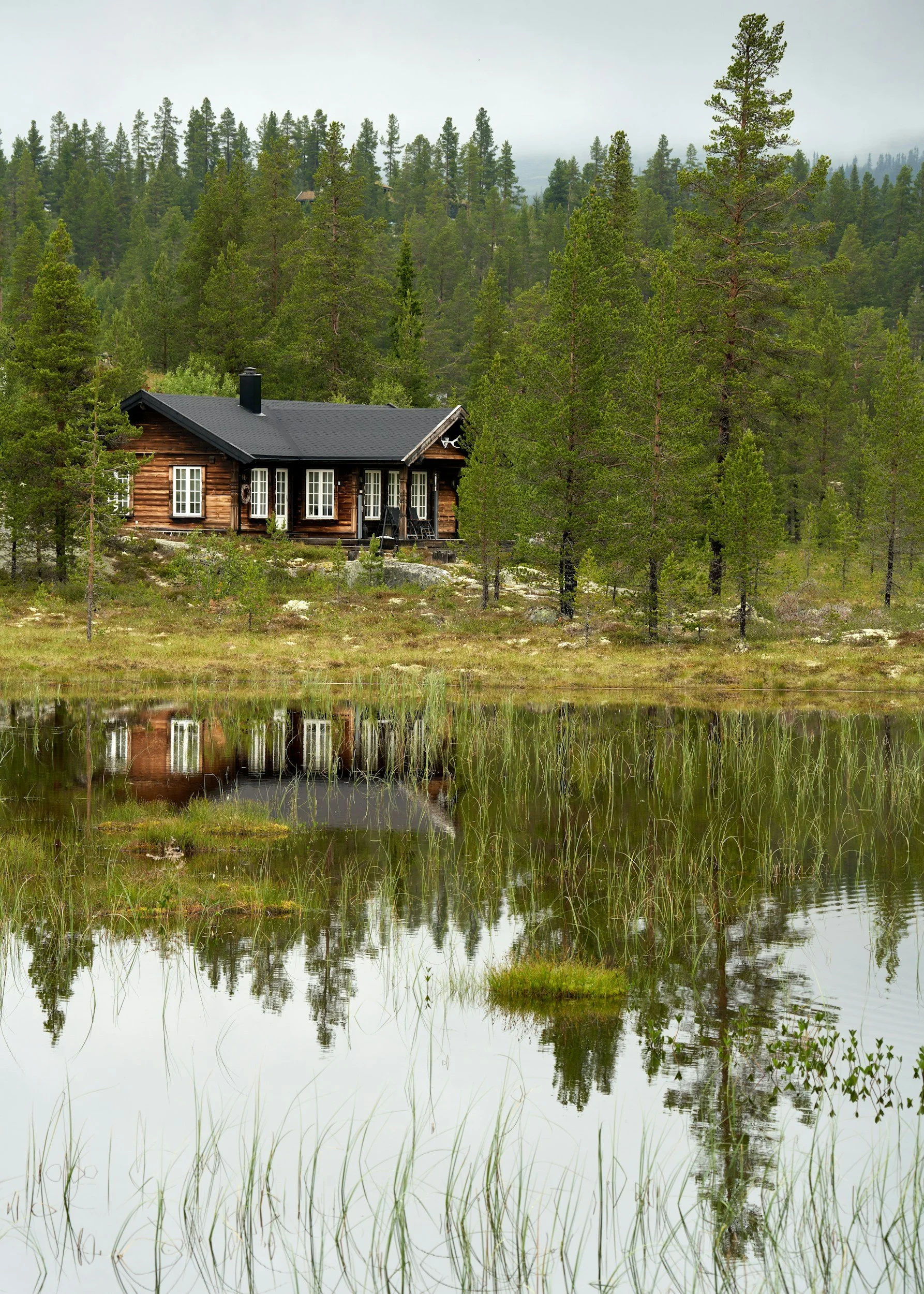
Across the country, from remote mountain plateaus and dense forests to windswept islands and dramatic fjords, cabins serve as places where Norwegians escape everyday life and reconnect with nature. For many families, the hytte is far more than a holiday home. It is a place filled with memories, traditions and a sense of continuity that often spans generations.
Visitors are often surprised by just how important cabin life is in Norway. While holiday homes exist in many countries, the Norwegian relationship with the hytte is something entirely different. It is a cultural institution, a symbol of outdoor life and, for many, a second home.
What Is a Hytte?
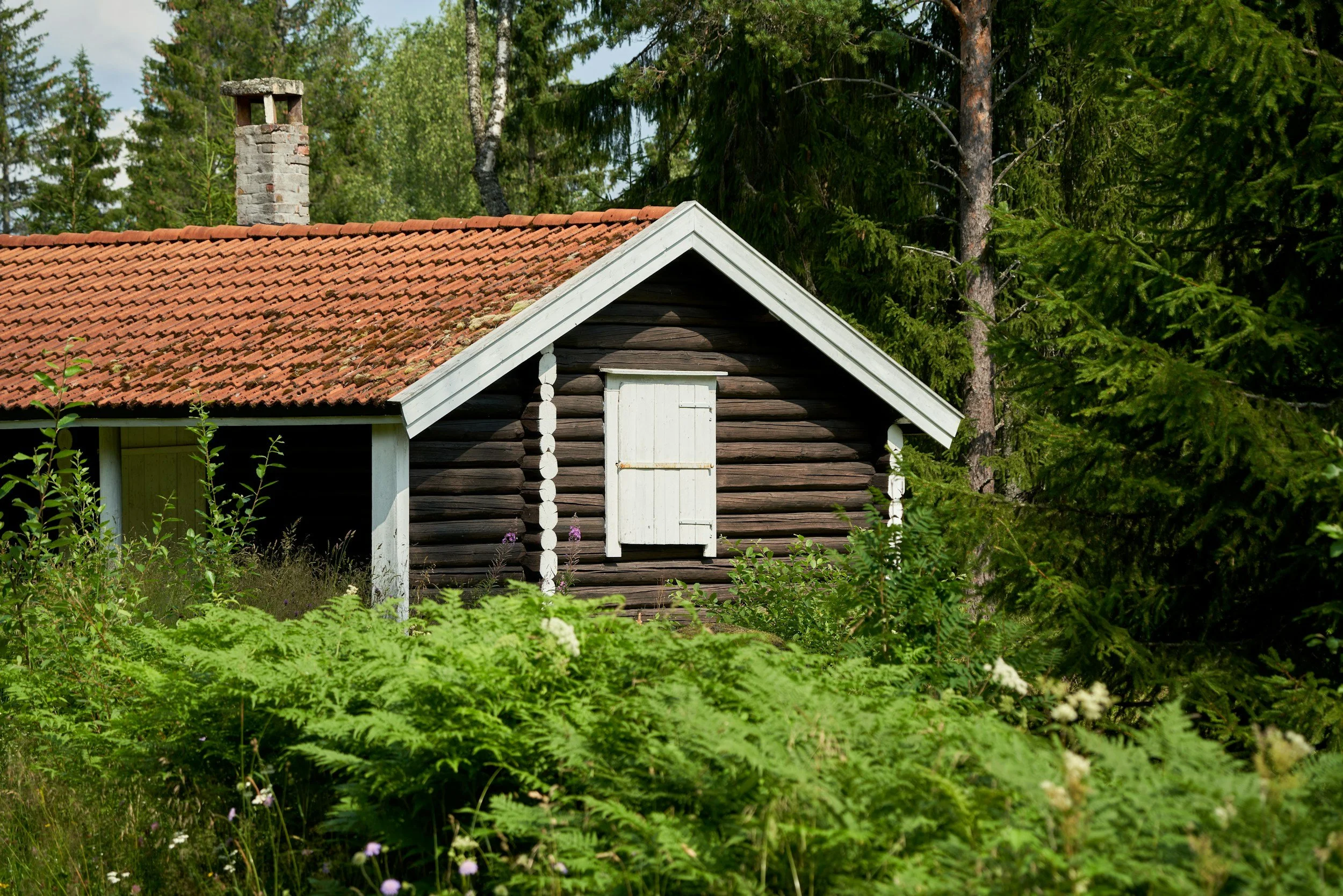
The word hytte simply means cabin or cottage, but the reality is far more varied.
Some hytter are simple wooden cabins with no electricity or running water. Others are modern mountain retreats with underfloor heating, designer kitchens and panoramic windows overlooking the landscape.
A hytte may be located:
In the mountains
By a fjord
Along the coast
Deep in the forest
Beside a lake
Despite these differences, they all share the same basic purpose: providing a place to slow down and spend time in nature.
Unlike holiday homes in some countries, hytter are not exclusively associated with wealth. Many ordinary Norwegian families own a cabin, often inherited from parents or grandparents. It is common for the same family to use the same hytte for decades.
Why Cabins Matter So Much in Norway
To understand Norway, it helps to understand why cabin culture became such an important part of Norwegian life.
A Deep Connection to Nature
Norwegians have a long tradition of spending time outdoors.
The cabin serves as a base for activities such as:
Hiking
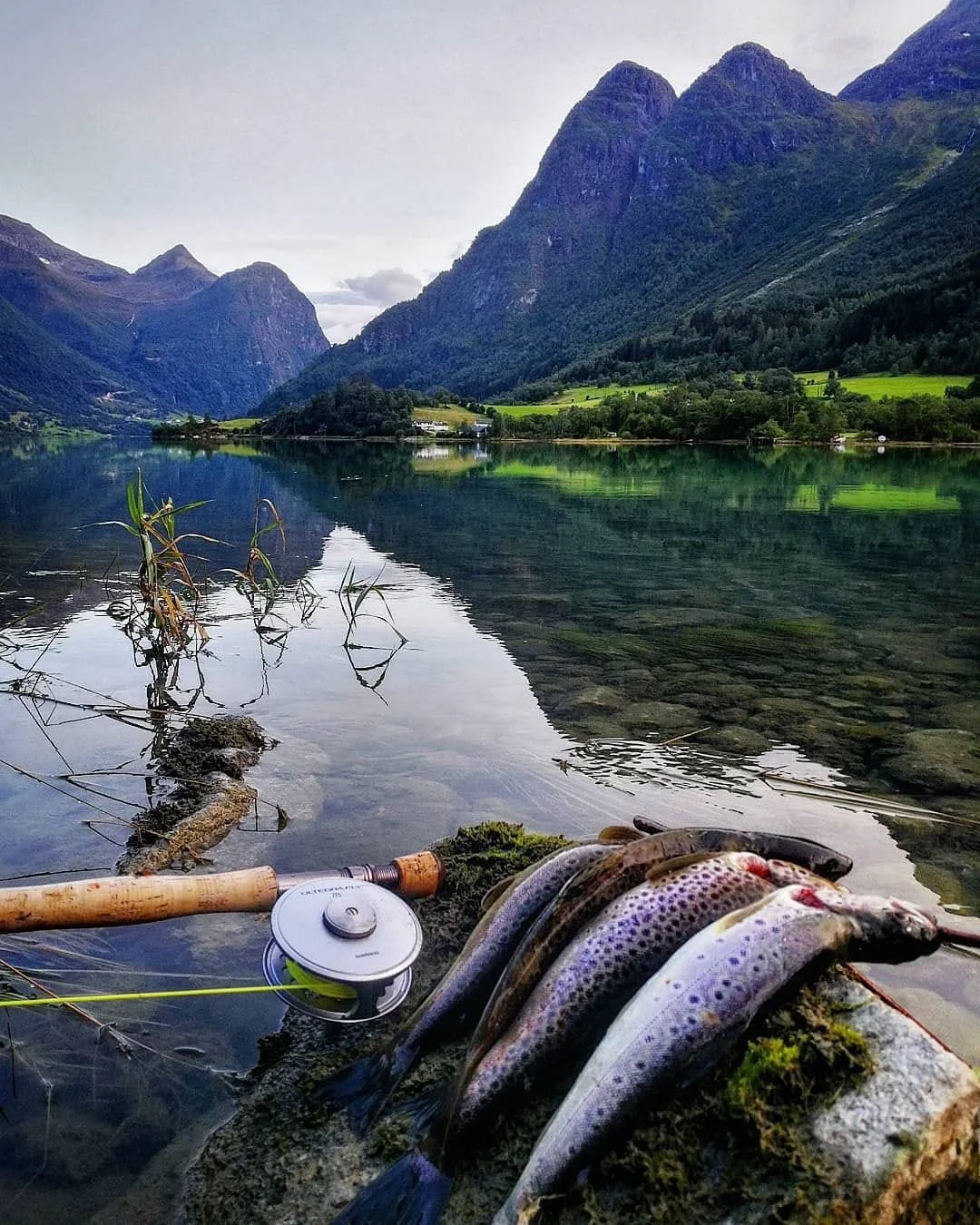
Fishing
Cross-country skiing
Alpine skiing
Berry picking
Swimming
Simply enjoying the landscape
For many people, a weekend at the cabin means spending most of the day outside regardless of the season.
This connection to nature is reflected in the Norwegian concept of friluftsliv, a philosophy that values spending time outdoors for wellbeing, recreation and connection with the natural world.
Family Traditions
For many Norwegians, some of their strongest childhood memories were created at the family cabin.
Summer holidays, Easter trips, Christmas gatherings and long weekends often revolve around the hytte.
Families return to the same place year after year. Children grow up exploring the same forest paths, skiing the same trails and swimming in the same lakes their parents once enjoyed.
As a result, cabins often become deeply tied to family identity and history.
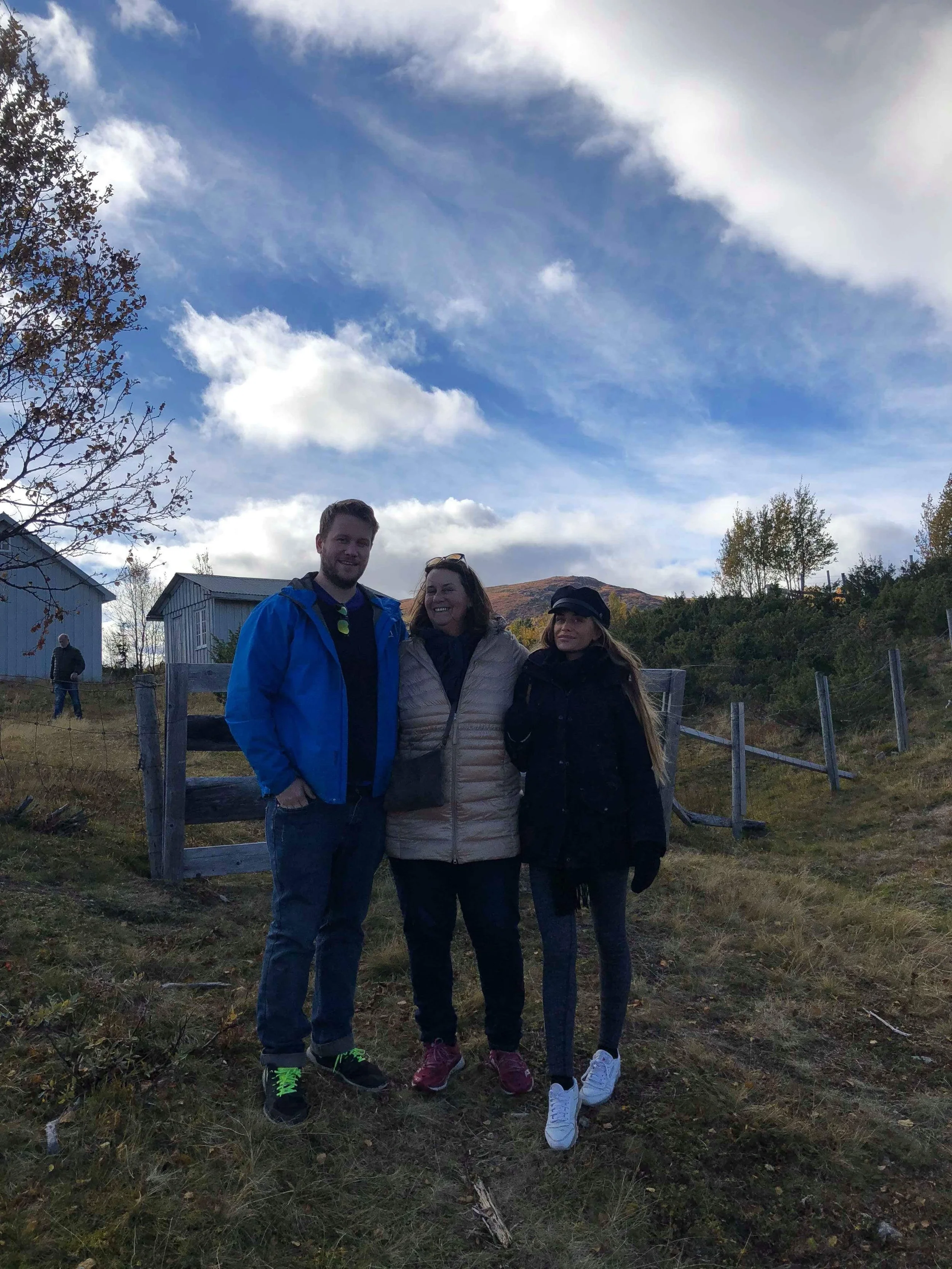
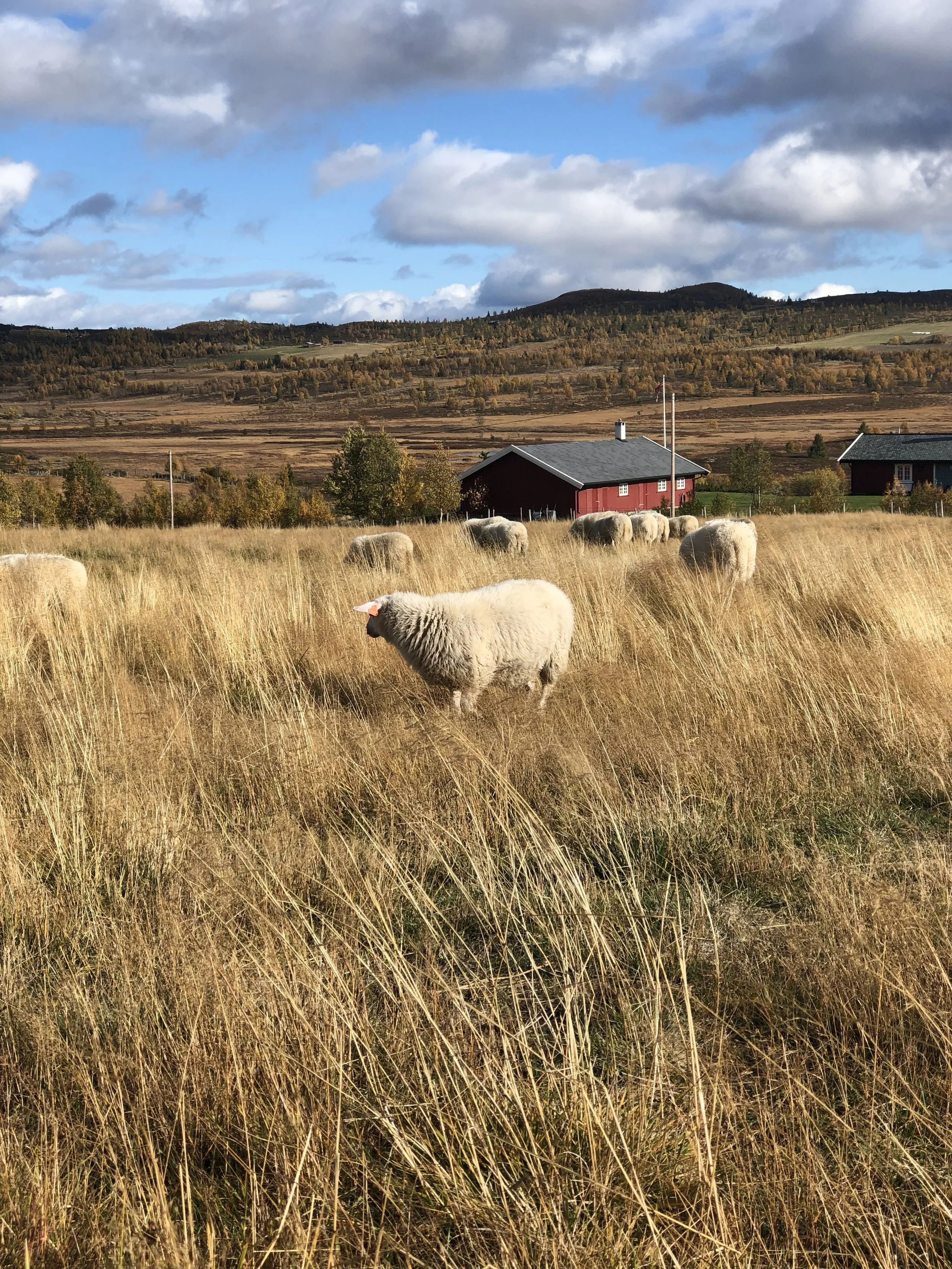
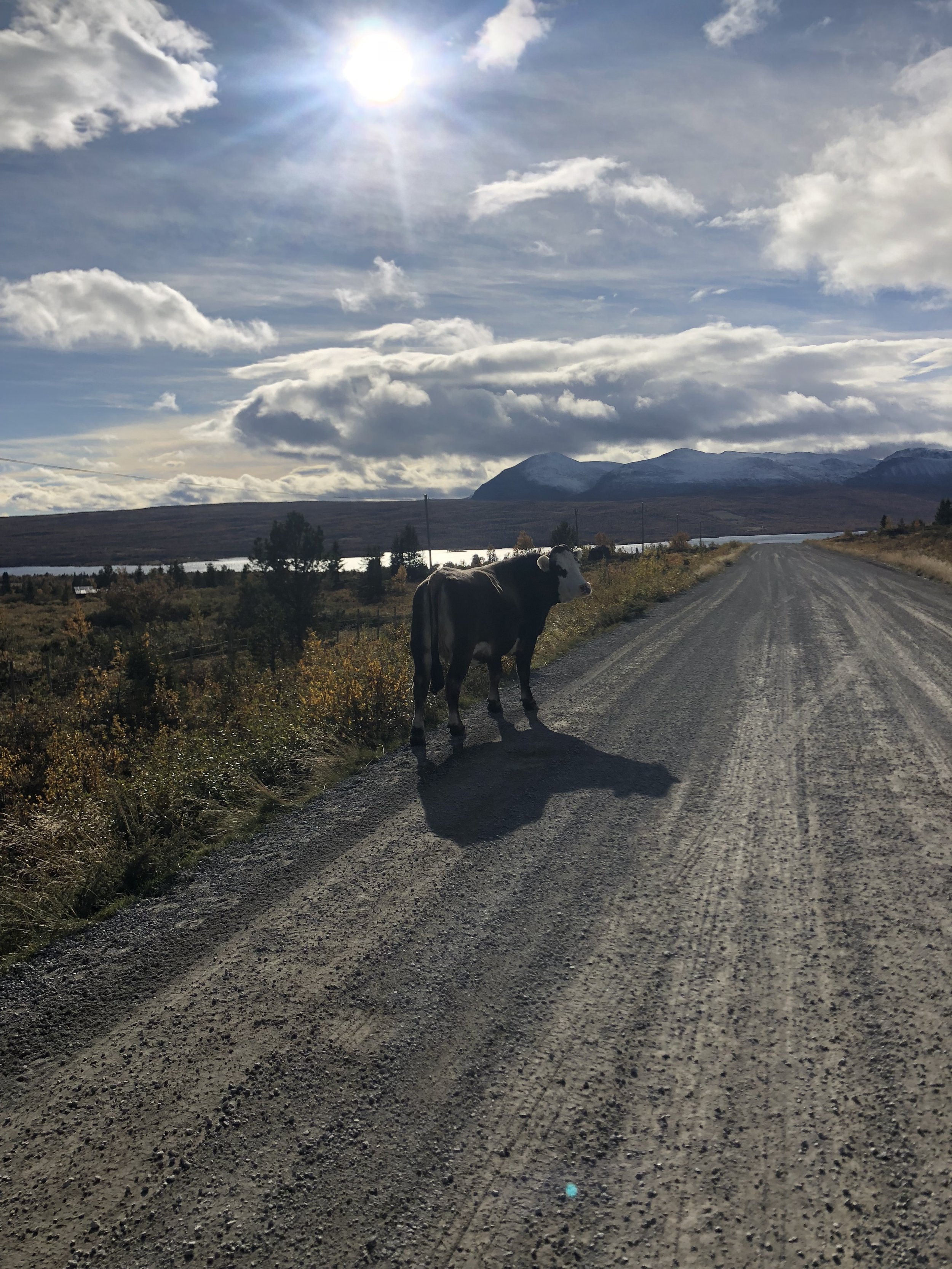
Some of my happiest childhood memories were made at my family's cabin in Valdres, in the mountains of Norway.
By modern standards, it was incredibly simple. There was no electricity, no running water and no road all the way to the cabin. In winter, we parked the car by the roadside, put on our skis and made our way up through the snow. Sometimes we even had to dig the outhouse out before we could use it.
Water came from a nearby stream, which often meant another ski trip in winter. Food was stored beneath a hatch in the floor, in a cool underground storage space. We lit paraffin lamps when darkness fell and heated the cabin with a wood-burning stove.
It was about as primitive as cabin life can be, and I absolutely loved it.
Life there was so different from everyday life in the city. We played board games, read books, went hiking in the mountains and spent our winters skiing across the snowy landscape. Most importantly, we spent time together as a family.
The cabin was eventually sold, and I still miss it deeply. There was a peace to that place that is difficult to describe. Looking back, I realise that what made it special wasn't comfort or convenience, but the simplicity, the nature and the memories we created there together.
Simplicity and Escape
The hytte also represents an escape from everyday routines.
Even modern cabins often encourage a slower pace of life.
People spend less time shopping, commuting and rushing between obligations, and more time:
Reading
Playing board games
Cooking together
Going for walks
Sitting around a fire
For many Norwegians, cabin life is not about doing more. It is about doing less.
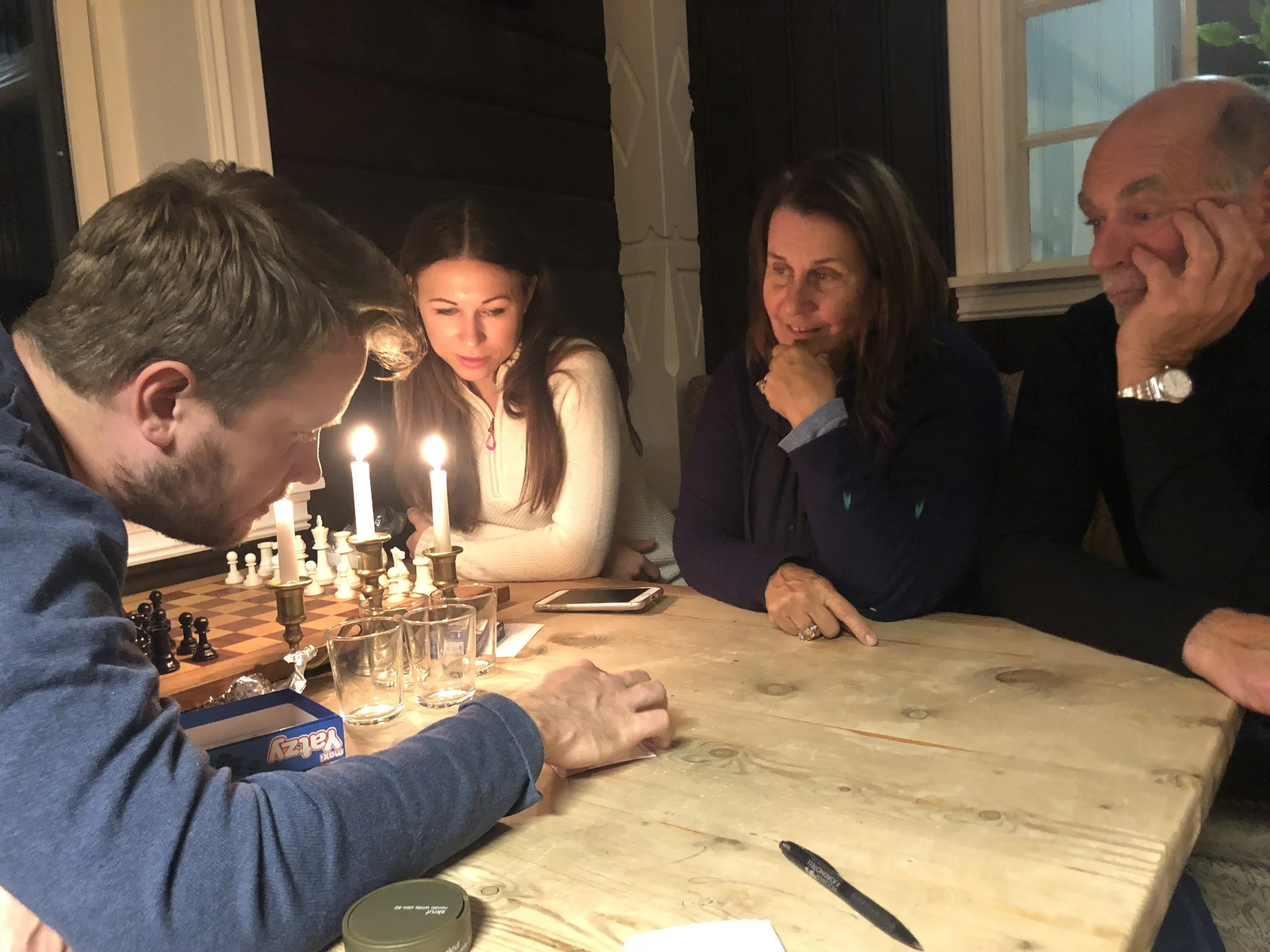
My family playing Yahtzee around the table at the cabin.
The Tradition of Easter at the Cabin
One of the most distinctive aspects of Norwegian cabin culture is Easter.
While Easter is often associated with family meals and religious celebrations in other countries, many Norwegians immediately think of mountains, skiing and cabins.
During Easter, thousands of families travel to mountain destinations across the country.
Typical Easter cabin traditions include:
Cross-country skiing
Long lunches in the sunshine
Eating oranges and Kvikk Lunsj
Playing board games
Reading crime novels (påskekrim)
Relaxing by the fireplace
For many Norwegians, Easter is the ultimate cabin holiday.
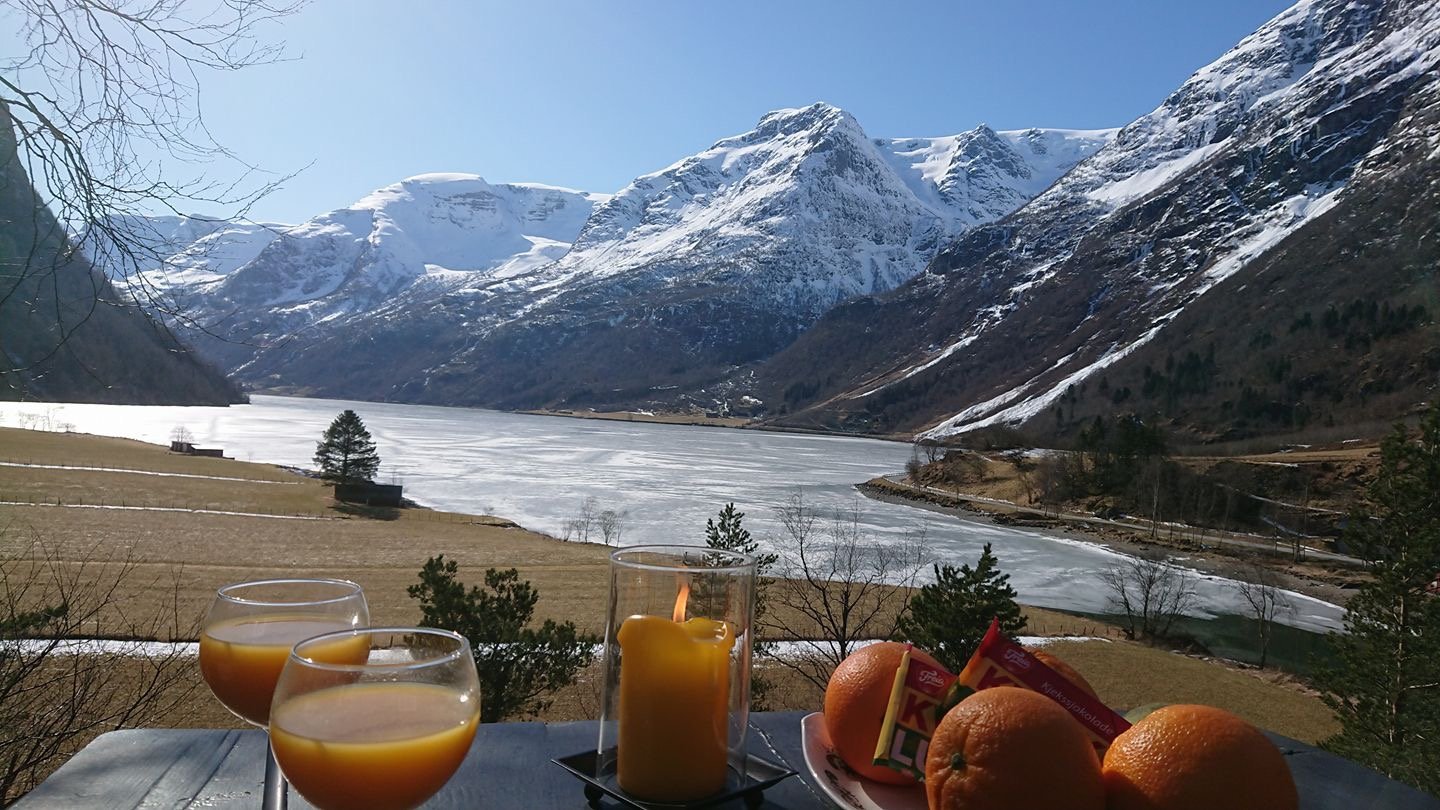
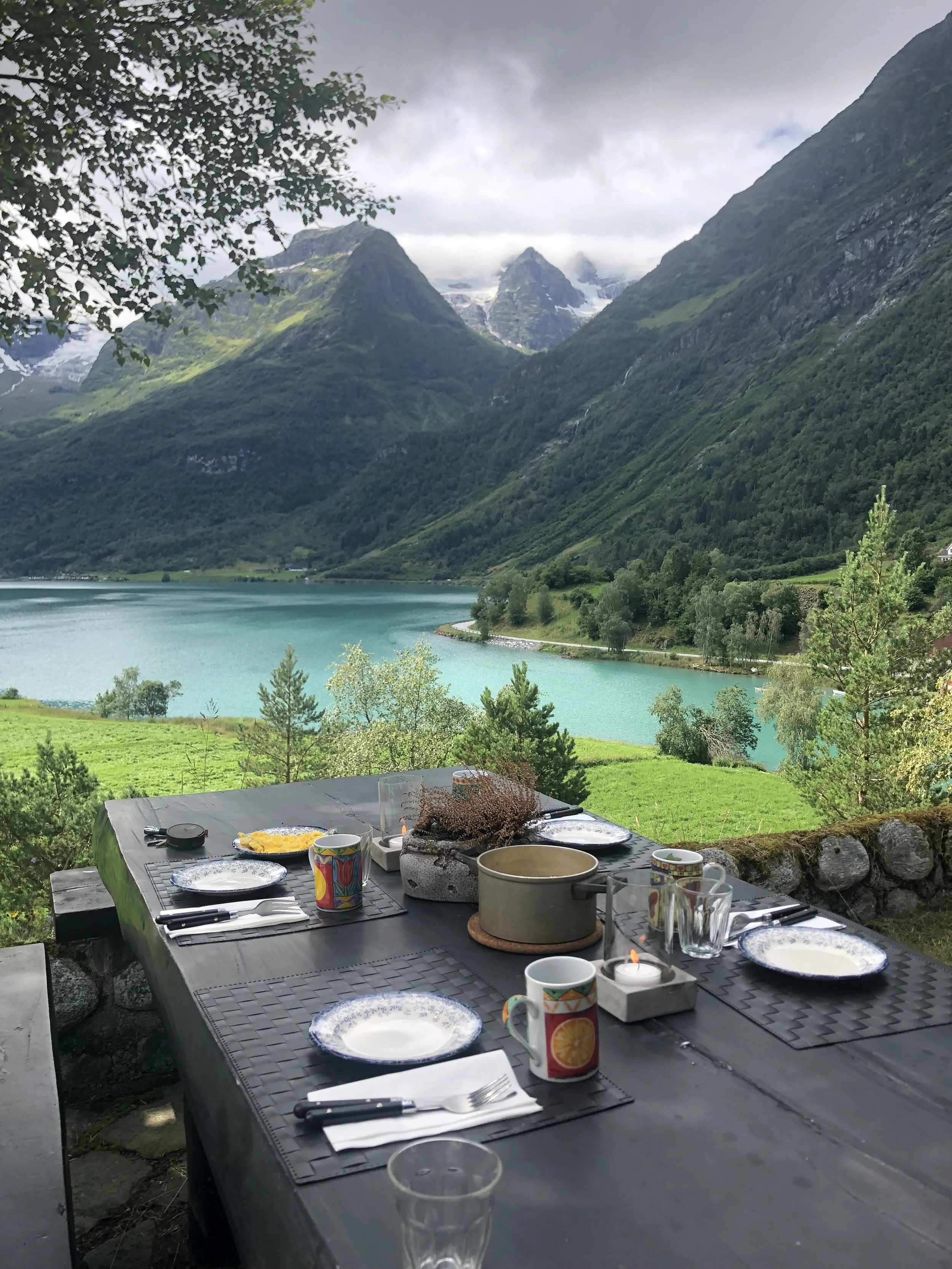
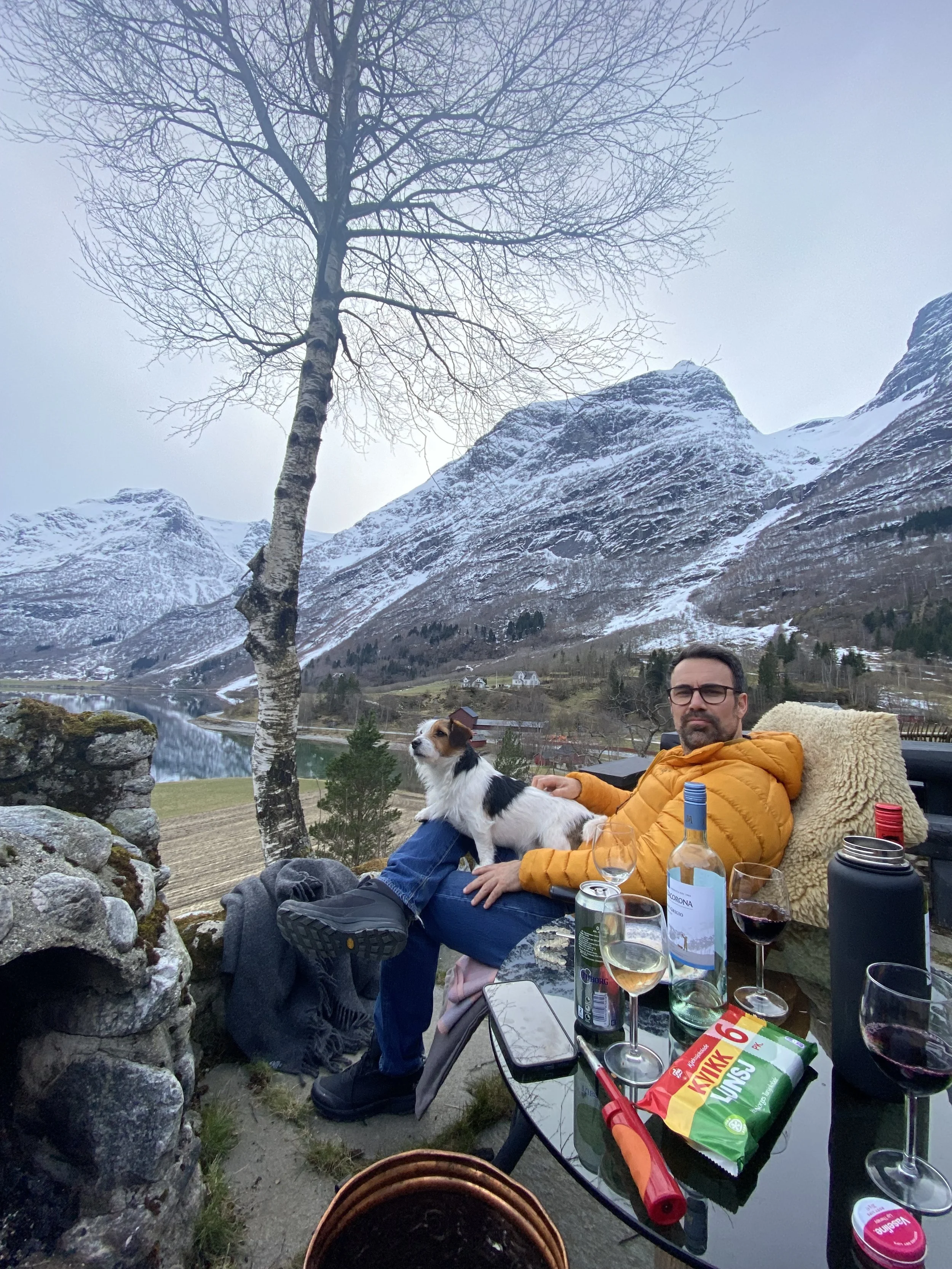
A sunny Easter day at the cabin in Olden, overlooking Oldevatnet. Oranges, Kvikk Lunsj and snow-covered mountains, some traditions never get old.
The Unwritten Rules of Cabin Life
Although every family has its own traditions, certain values are widely associated with cabin culture.
Everyone Helps
Cabin life often involves shared responsibility.
Depending on the cabin, this might include:
Chopping firewood
Carrying water
Cooking meals
Washing dishes
Cleaning before departure
The idea that everyone contributes is deeply rooted in Norwegian cabin culture.
Simplicity Is Valued
Unlike everyday life, the cabin is often a place where appearance and status matter less.
Old furniture, mismatched mugs and well-worn blankets are common features of traditional cabins.
Comfort is important, but authenticity often matters more than luxury.
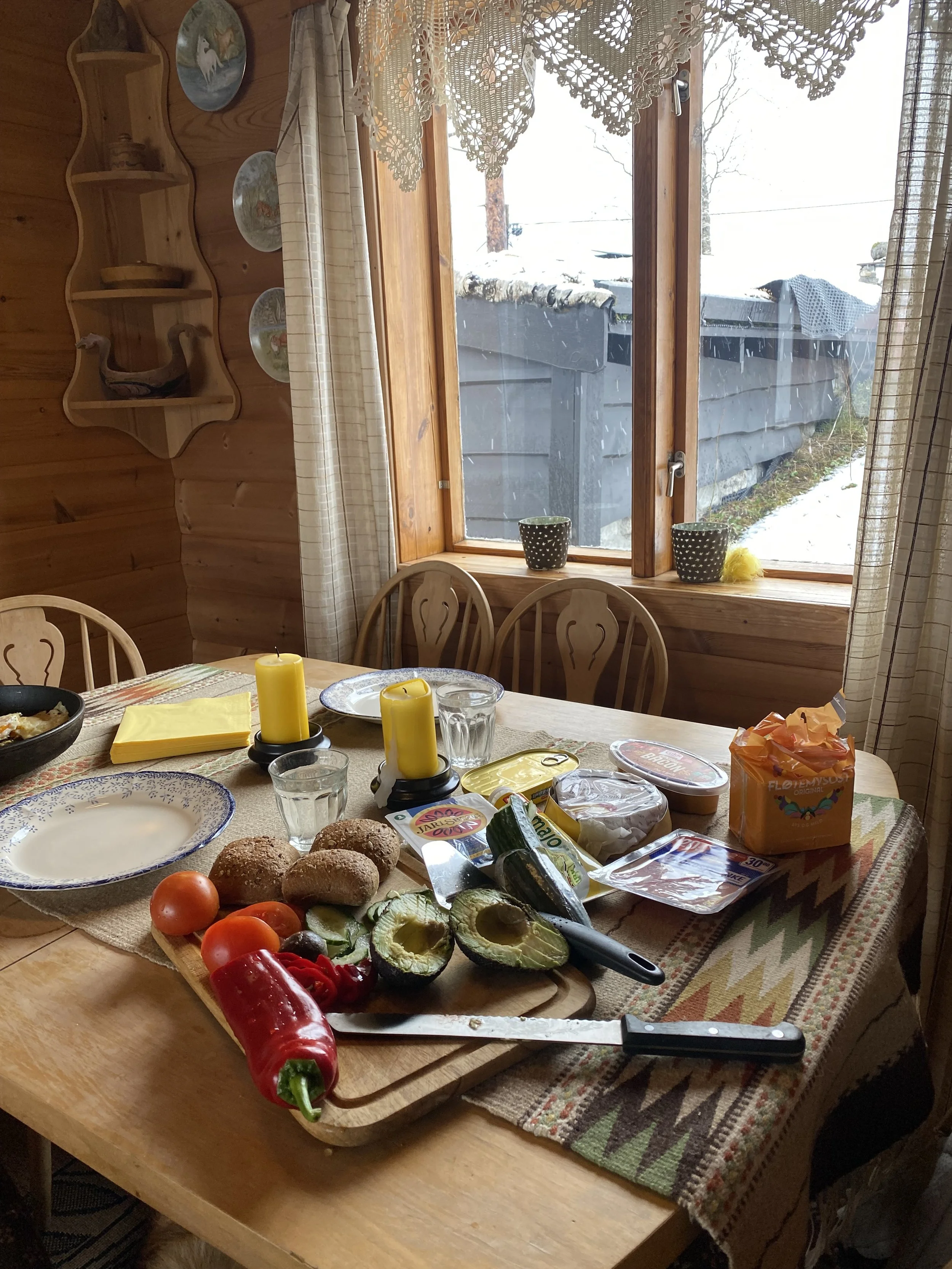
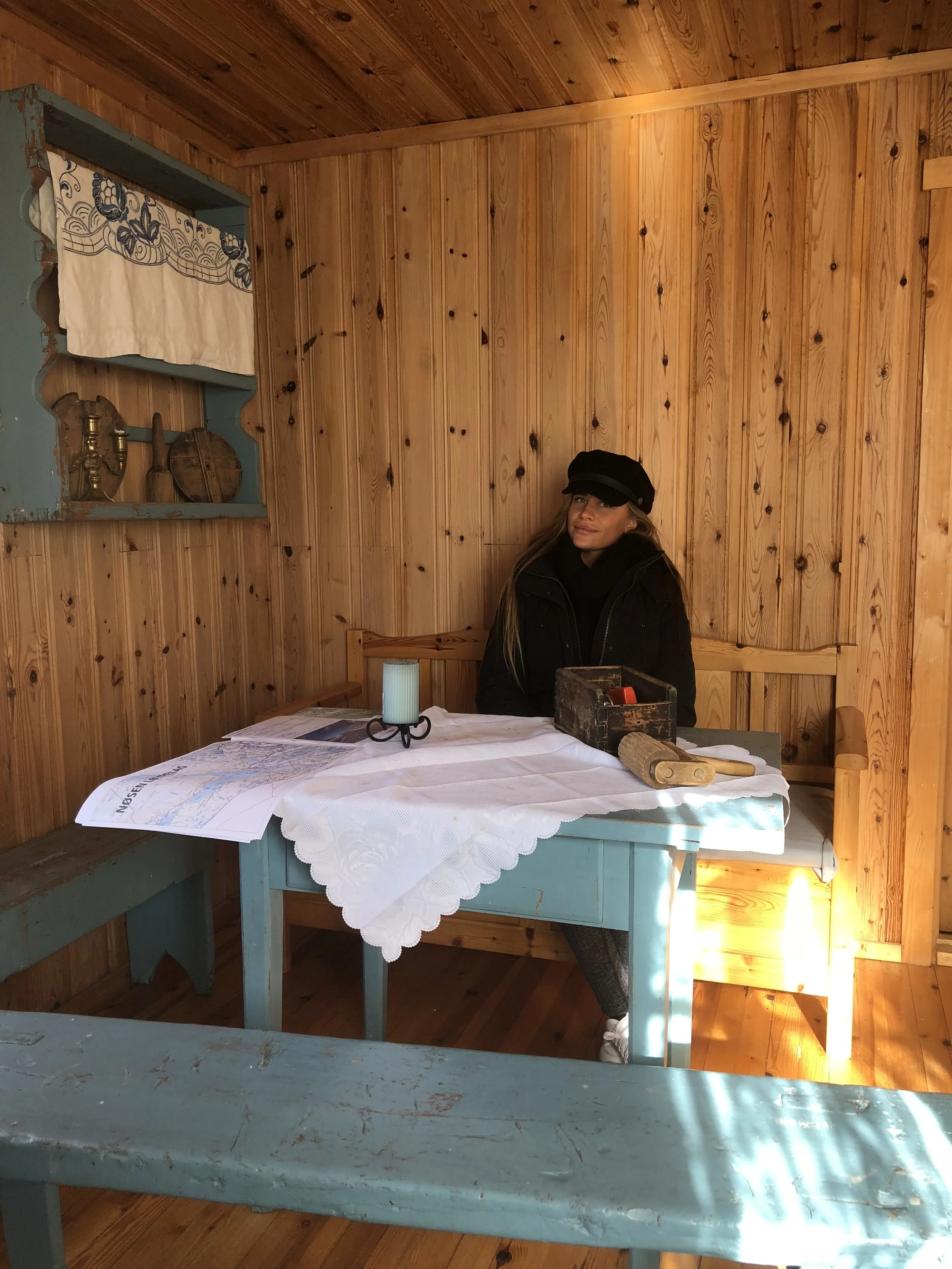
A traditional, self-built Norwegian cabin. The interior does not follow modern trends, but that is part of its charm. Natural wood, practical furniture, handmade details and a warm, authentic atmosphere that feels distinctly Norwegian.
For many people, this is exactly what cabin life should look like.
Outdoor Time Comes First
If the weather is good, people generally head outside.
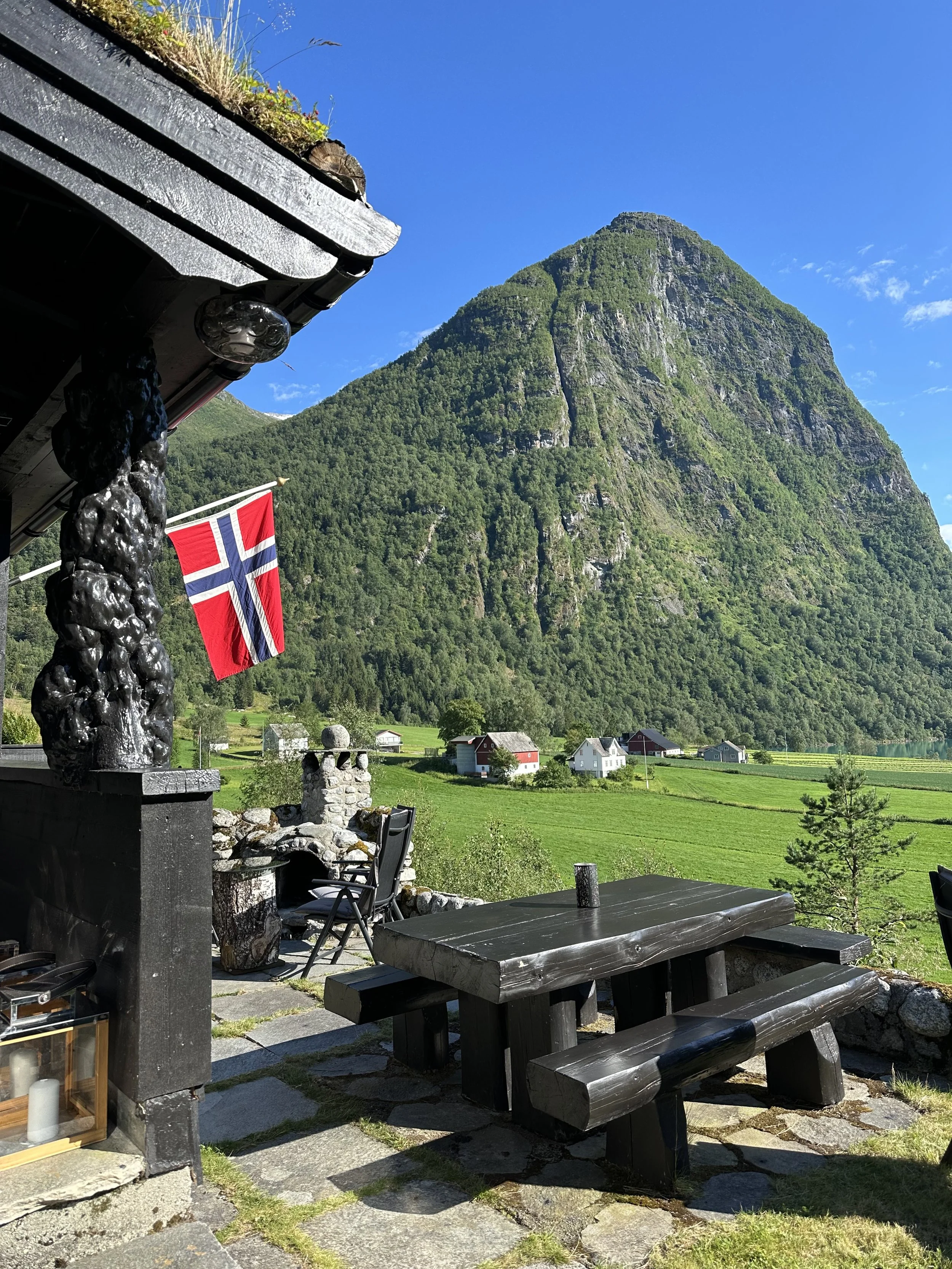
Whether it is skiing, hiking, fishing or simply sitting on the terrace, outdoor life remains at the centre of the cabin experience.

The Evolution of the Modern Norwegian Cabin
Cabin culture continues to evolve.
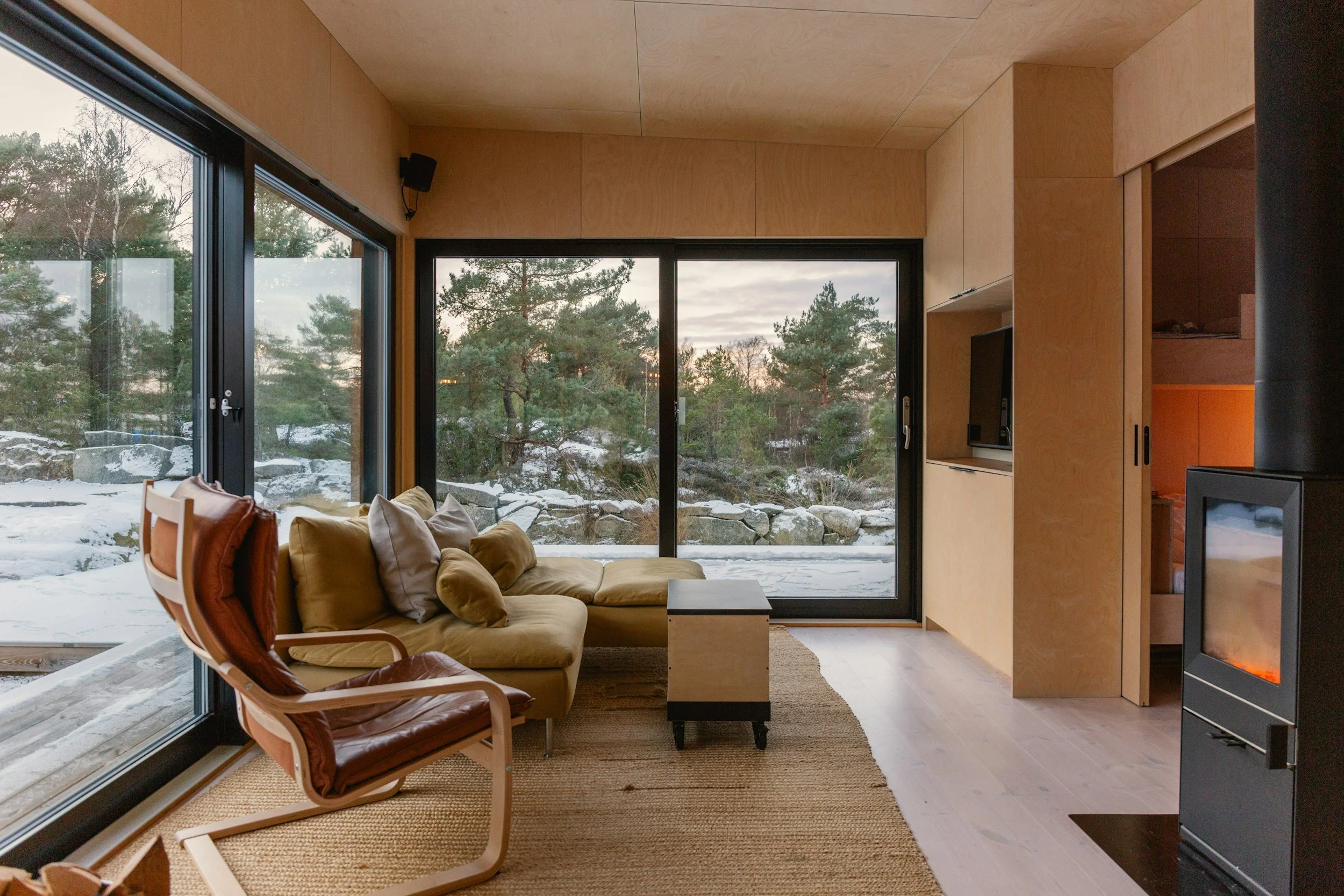
Many newly built hytter offer comforts that would have been unimaginable a generation ago, including:
Fibre internet
Large open-plan living spaces
Home offices
Spa-style bathrooms
Floor-to-ceiling windows
This development has sparked debate within Norway.
Some people welcome the added comfort and flexibility, while others worry that increasingly luxurious cabins move away from the simplicity that traditionally defined cabin life.
Yet regardless of how modern cabins become, the fundamental purpose remains remarkably similar: spending time in nature and with family.
Why Visitors Find Norwegian Cabin Culture Fascinating
Many international visitors are surprised by how central cabin life is to Norwegian culture.
In some countries, holiday homes are primarily luxury properties used occasionally. In Norway, cabins often feel more democratic and culturally embedded.
The hytte is not simply a place to stay. It represents a particular way of life built around:
Nature
Family
Simplicity
Outdoor activities
Slowing down
For many Norwegians, some of life's most meaningful moments happen at the cabin.
How to Experience Norwegian Cabin Culture Yourself
For visitors, staying in a hytte can be one of the most rewarding ways to experience Norway.
A cabin stay offers a different perspective from hotels and city breaks, providing a closer connection to both nature and everyday Norwegian traditions. Whether you spend a weekend in a mountain cabin, a week by a fjord or a few days on the coast, cabin life offers an opportunity to experience the slower pace and outdoor lifestyle that many Norwegians value.
Not All Cabins Are the Same
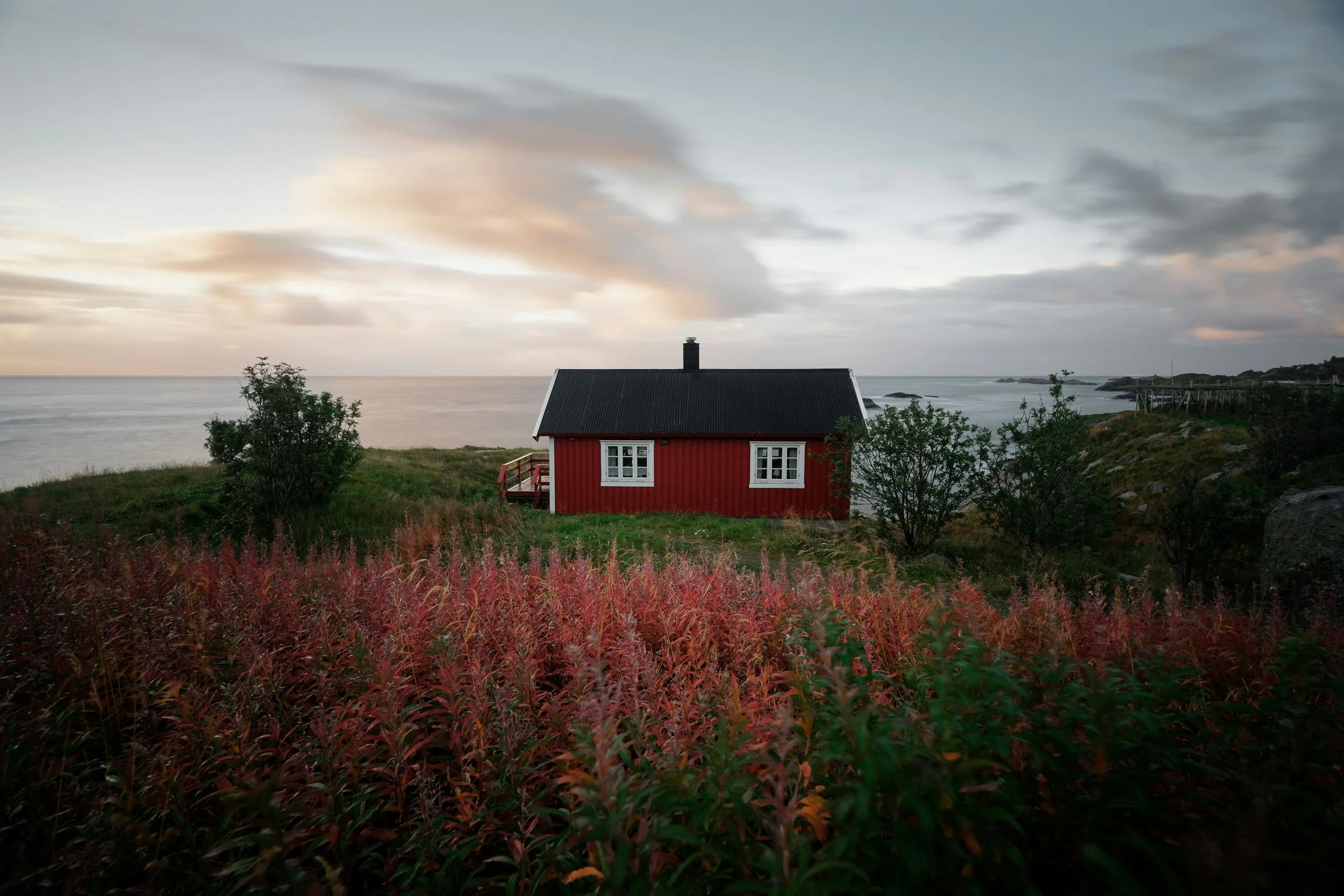
Many visitors imagine a traditional red wooden cabin beside a lake. In reality, Norwegian cabins vary enormously depending on location and purpose.
Before booking, consider what type of experience you are looking for.
For Mountain Hiking
If your goal is to explore some of Norway's most spectacular mountain landscapes, look for cabins near:
Jotunheimen
Rondane
Hardangervidda
Dovrefjell
For Cross-Country Skiing
Popular cabin destinations include:
Sjusjøen
Beitostølen
Geilo
Lillehammer
For Alpine Skiing
Visitors looking for downhill skiing should consider:
Hemsedal
Trysil
Hafjell
Oppdal
For Fjord Landscapes
If dramatic scenery is your priority, consider cabins near:
Sognefjord
Hardangerfjord
Nordfjord
Sunnfjord
For Coastal Cabin Life
Many Norwegians associate summer with life by the sea.
Popular coastal regions include:
Southern Norway
Helgeland Coast
Lofoten
Vesterålen
For Northern Lights and Arctic Landscapes
Popular areas include:
Tromsø
Lyngen
Alta
Finnmark
When to Rent a Cabin in Norway
Each season offers a different experience.
Summer (June to August)
Summer is ideal for:
Hiking
Fishing
Swimming
Fjord exploration
Midnight sun experiences in Northern Norway
Autumn (September to October)
Autumn offers:
Colourful forests
Quiet hiking trails
Berry and mushroom picking
Crisp mountain air
Cosy evenings by the fire
Winter (December to March)
Winter is perfect for:
Cross-country skiing
Alpine skiing
Snowshoeing
Northern Lights experiences
Traditional mountain cabin holidays
Easter
Easter is one of the most iconic times to experience Norwegian cabin culture.
Thousands of Norwegians travel to mountain cabins for skiing, board games, long lunches in the sunshine and the uniquely Norwegian tradition of reading crime novels known as påskekrim.
Where to Rent a Cabin in Norway
Visitors can find cabins through a variety of platforms. While international websites such as Airbnb and Booking.com offer many options, Norwegians often use dedicated cabin rental services.
Popular options include:
Inatur
DNT cabins (The Norwegian Trekking Association)
Novasol
Airbnb
Regional tourism websites
For travellers seeking a more traditional experience, Finn, Inatur and DNT often provide access to cabins that are closely connected to Norway's outdoor traditions and cabin culture.
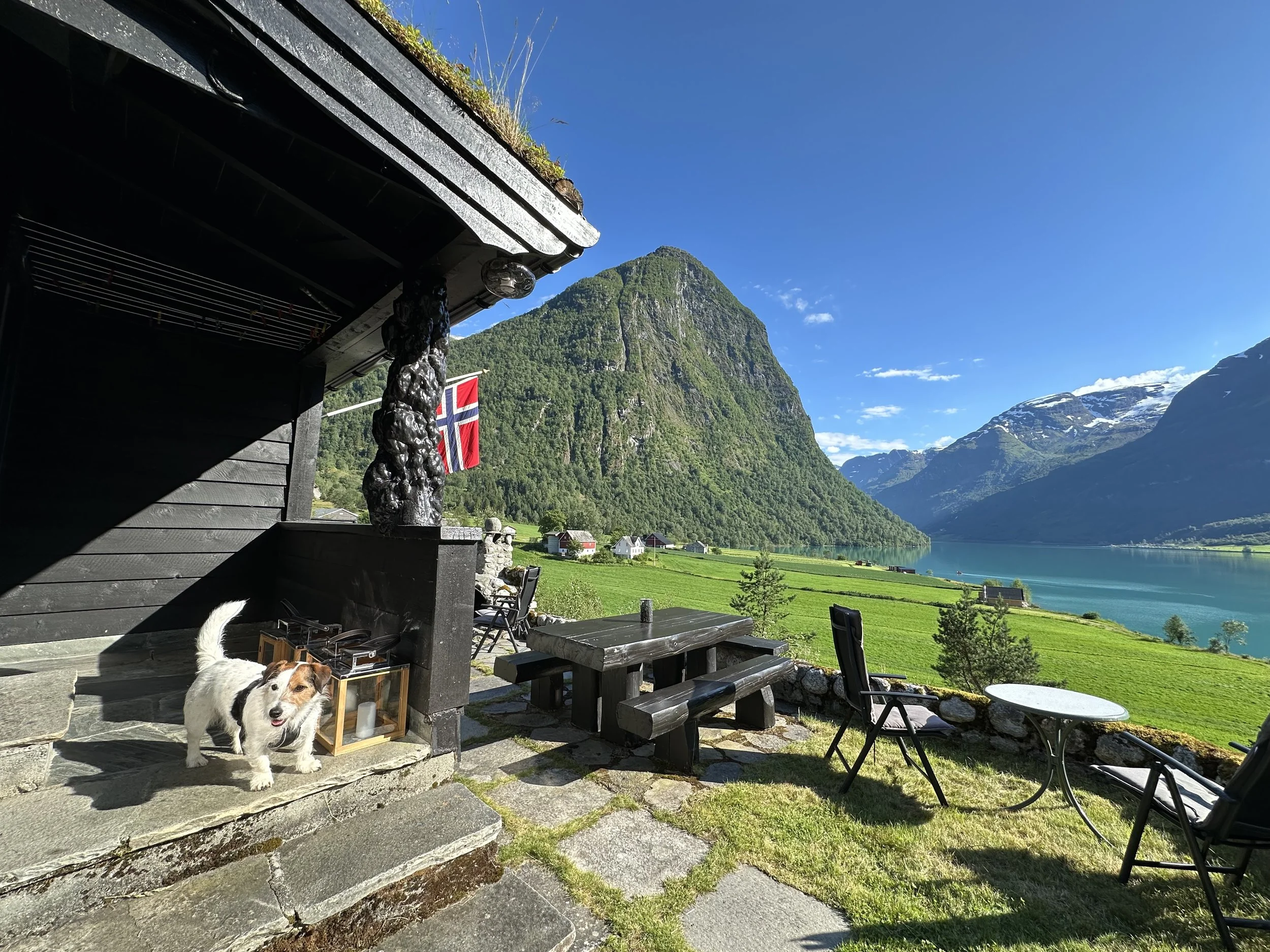
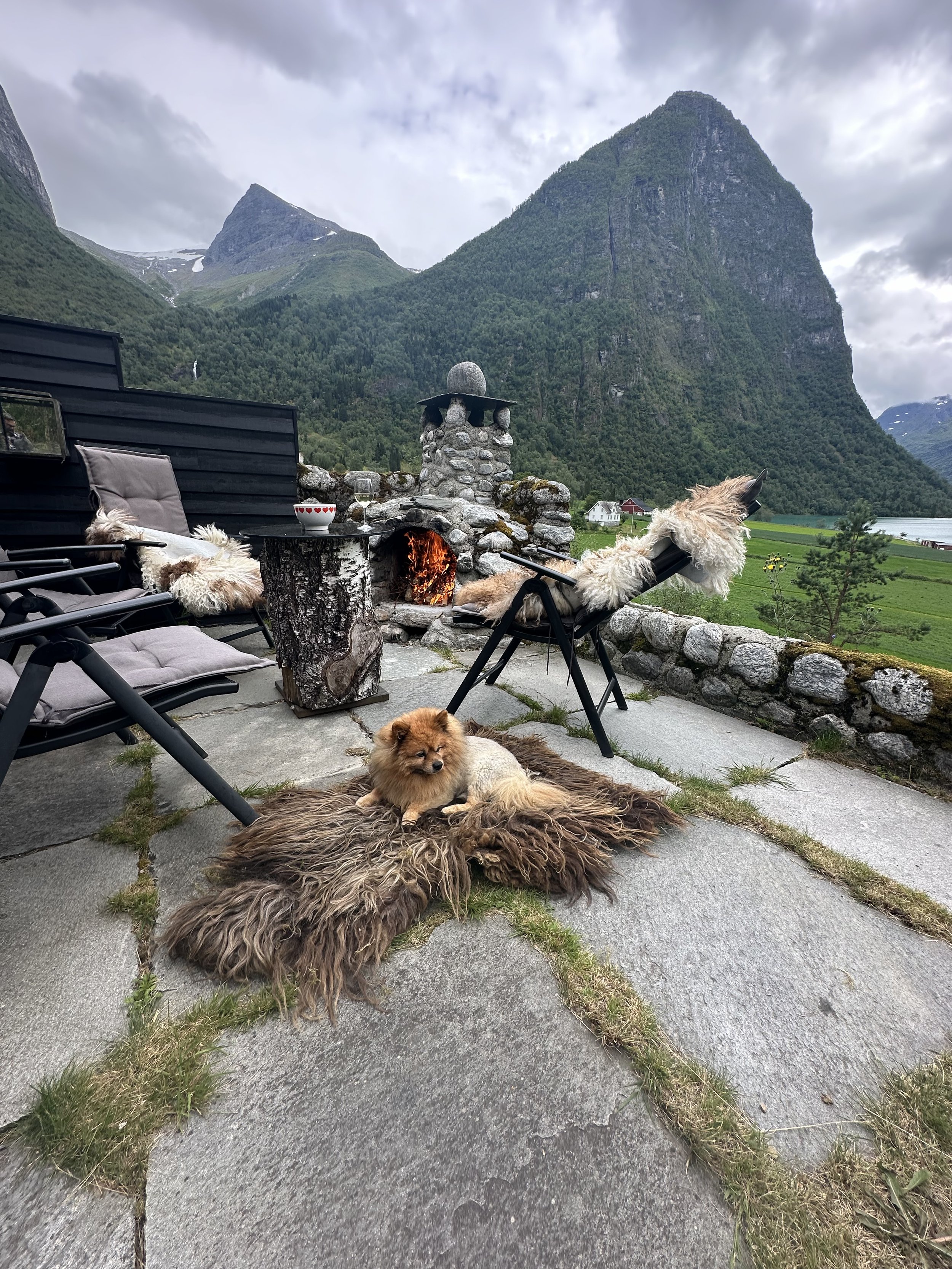
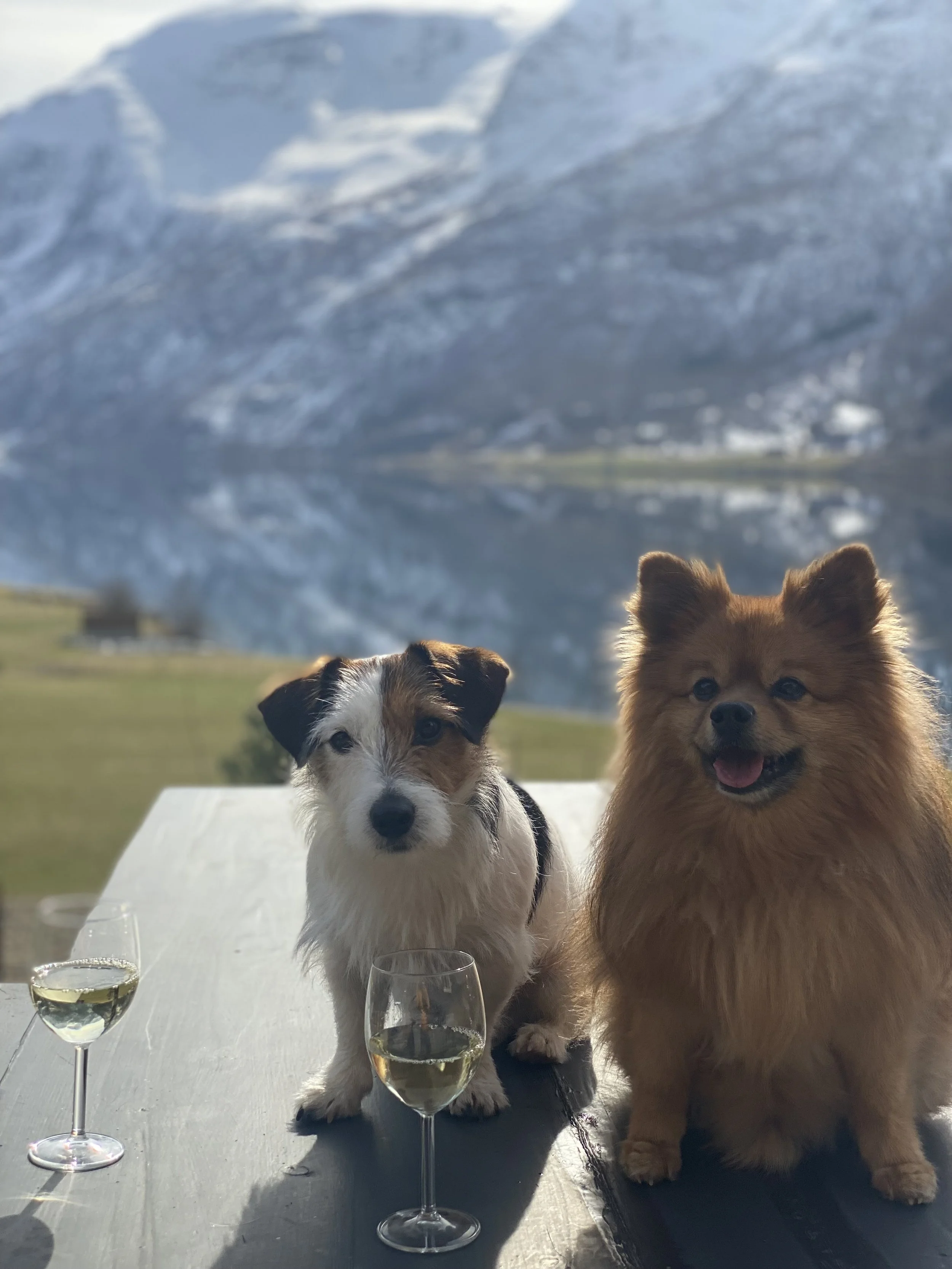
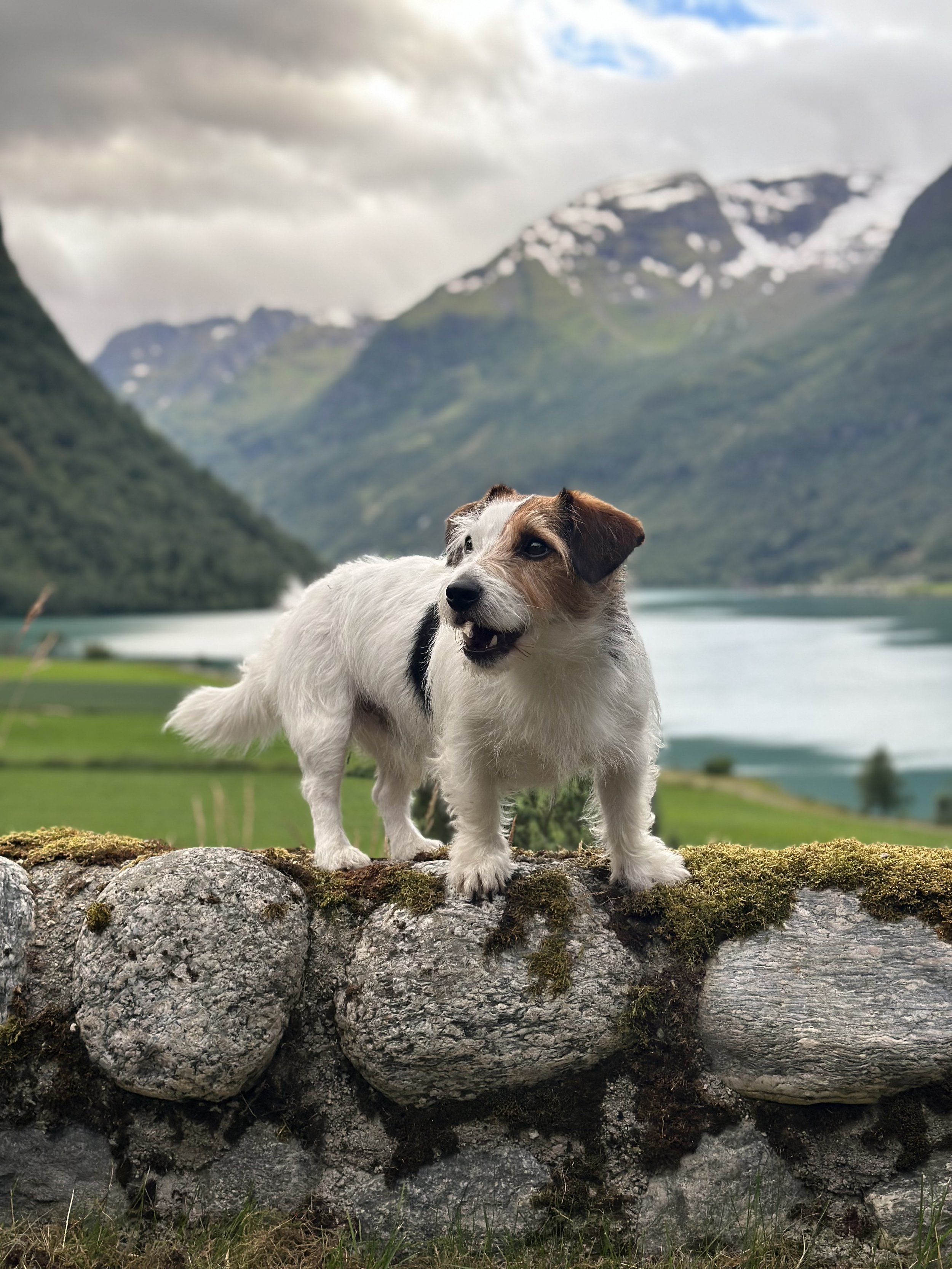
My dog Charlie enjoying a warm summer day at the cabin in Olden.
Final Words
To understand Norway, it helps to understand the hytte.
Whether it is a simple wooden cabin without electricity or a modern mountain retreat overlooking snow-covered peaks, the hytte occupies a unique place in Norwegian culture. It represents a way of life centred around nature, family and the simple pleasure of stepping away from everyday routines.
For many Norwegians, the cabin is not just somewhere they visit. It is where some of their most treasured memories are made.
Related Reading:
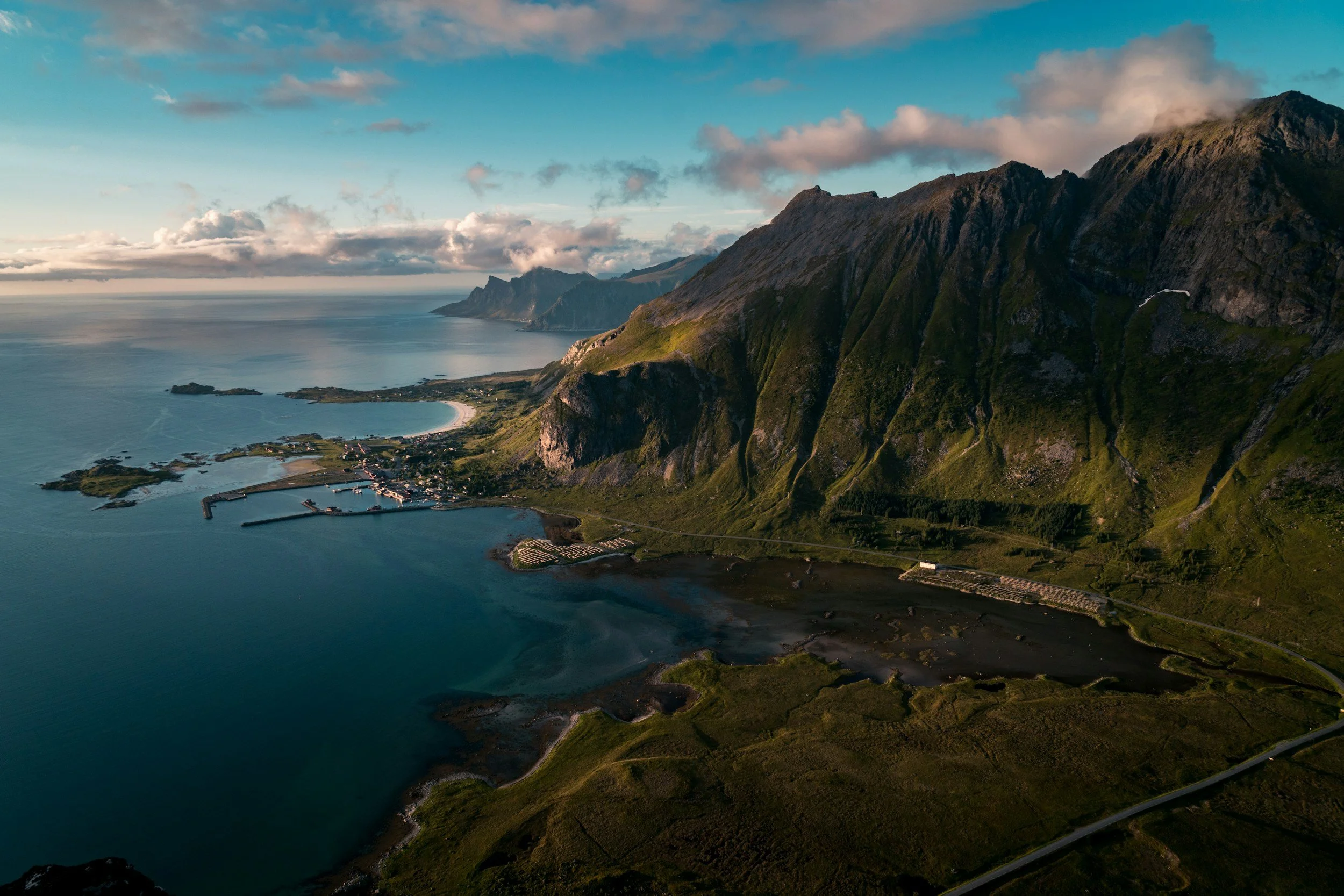
Find more articles about Norway here.
Norway is not dark all winter, but winter daylight varies enormously depending on where you travel. This guide explains how light changes between Oslo, Tromsø and Svalbard, and why December, February and March feel so different.