
The Oslofjord in Summer: Islands, Swimming and Sauna Culture
Many visitors arrive in Oslo expecting a capital city and leave surprised by how much of life revolves around the water.
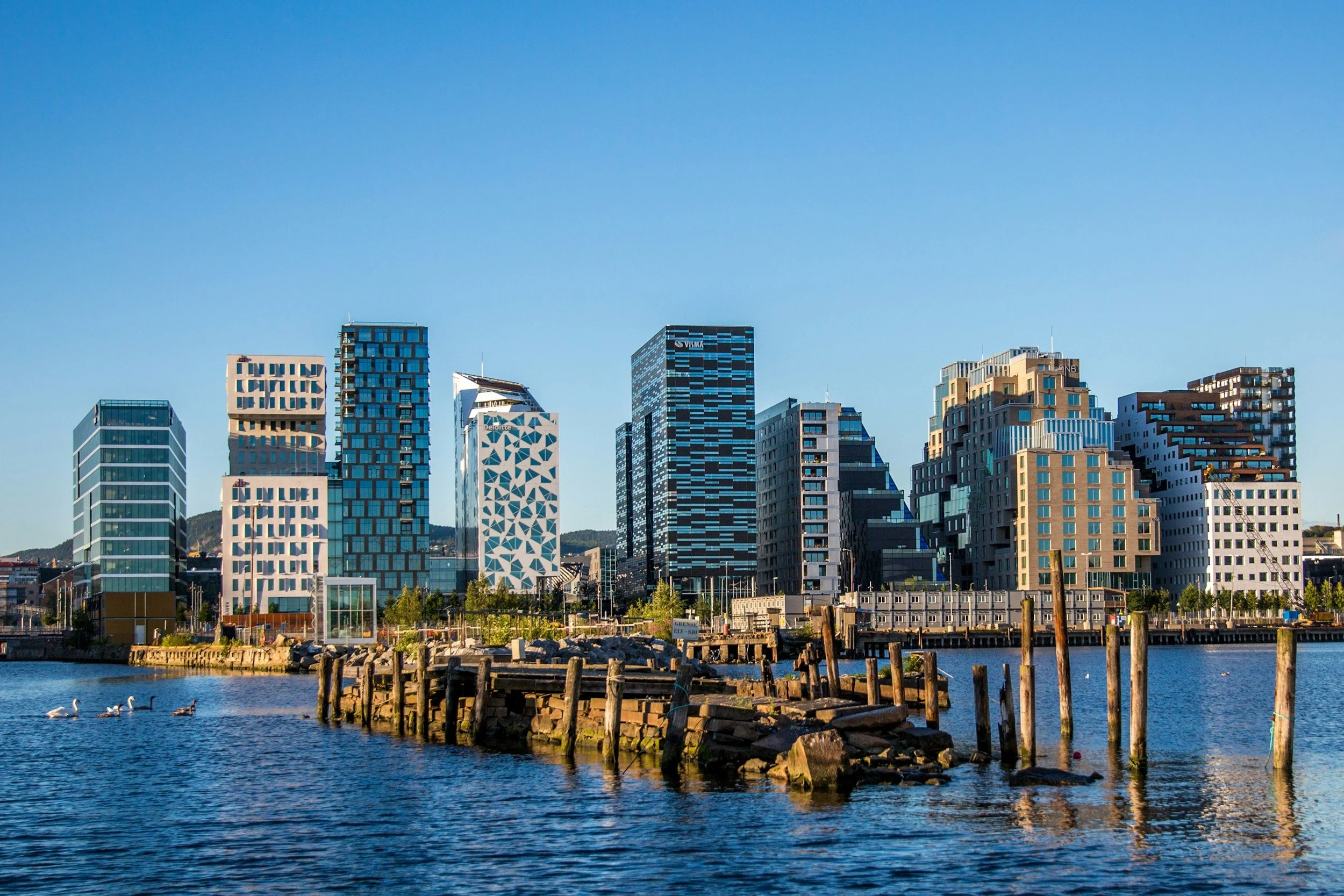
In summer, the Oslofjord becomes part of the rhythm of the city itself. Ferries replace buses, harbour saunas stay busy late into the evening, and swimming in the fjord becomes part of everyday life.
This is one of the things that makes Oslo feel fundamentally different from many other European capitals.
People swim before work, take ferries to the islands after the office, spend evenings along the waterfront and move constantly between urban spaces and the fjord itself.
Much of Oslo’s summer culture happens outdoors:
swimming
island ferries
waterfront dining
saunas
coastal walks
harbour promenades
small beaches integrated into the city
This creates a far more relaxed relationship between city and nature than many visitors expect from a capital.
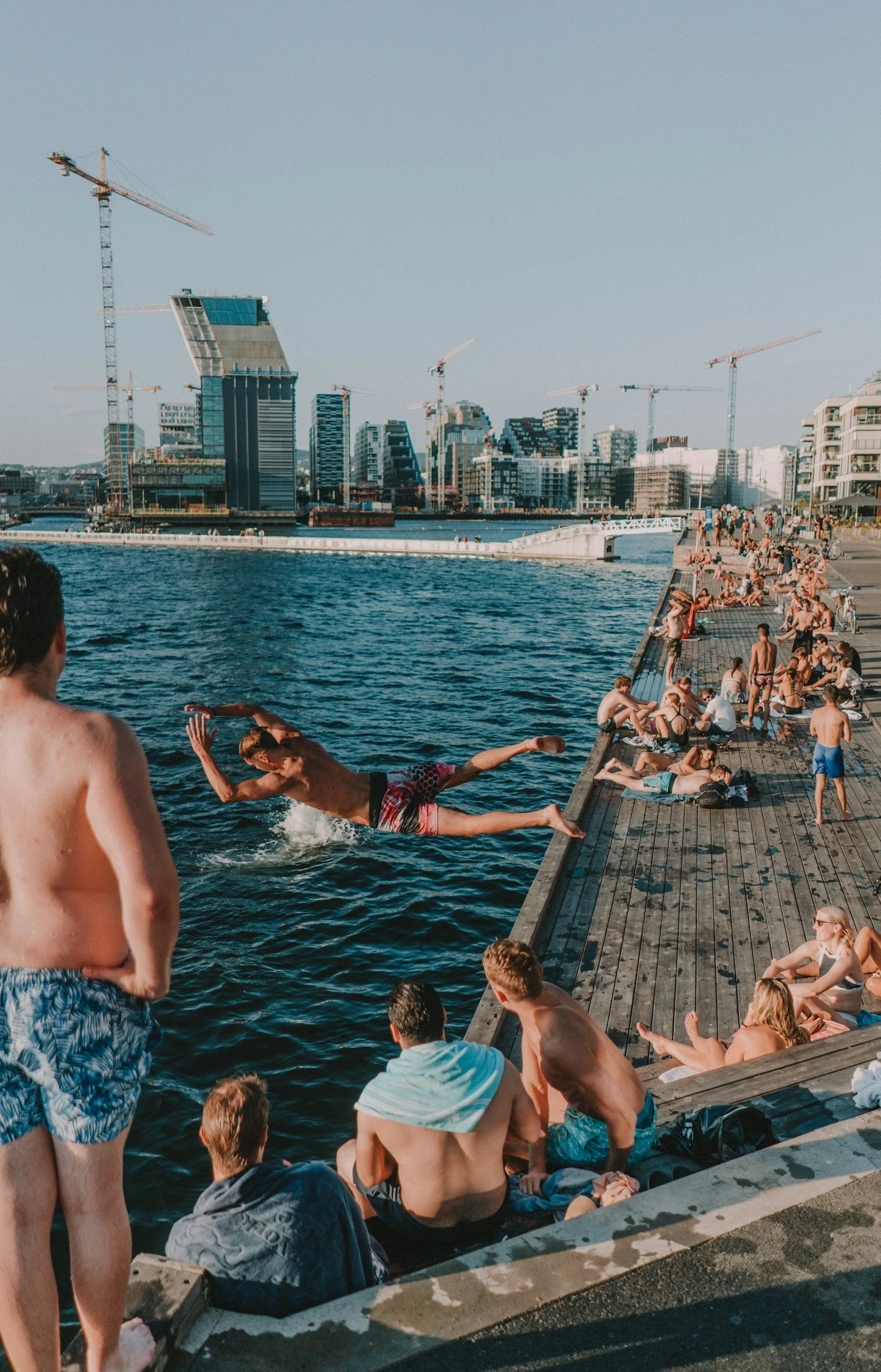
Swimming in the Fjord
One of the biggest surprises for many visitors is how common fjord swimming is in Oslo.
During summer, swimming areas across the city fill with locals throughout the day and late into the evening, particularly during warm weather and long light summer nights.
Some of the most popular swimming areas include:
Sørenga
Sørenga has become one of Oslo’s best-known summer swimming spots.
The area combines floating docks, swimming ladders, waterfront apartments, restaurants and wide pedestrian areas directly beside the fjord.
On warm days, it becomes one of the busiest parts of the city.
Bygdøy
Bygdøy offers a quieter and greener alternative to central swimming areas.
Beaches such as Huk and Paradisbukta are very popular on warm summer days.
Here you can enjoy beautiful coastal walks and combine museums with swimming.
The Islands
Ferries depart directly from the city centre and connect to islands with swimming areas, walking paths, small beaches and quieter atmospheres than the mainland waterfront.
Hovedøya is usually the busiest and most accessible, while other islands feel calmer and more residential.
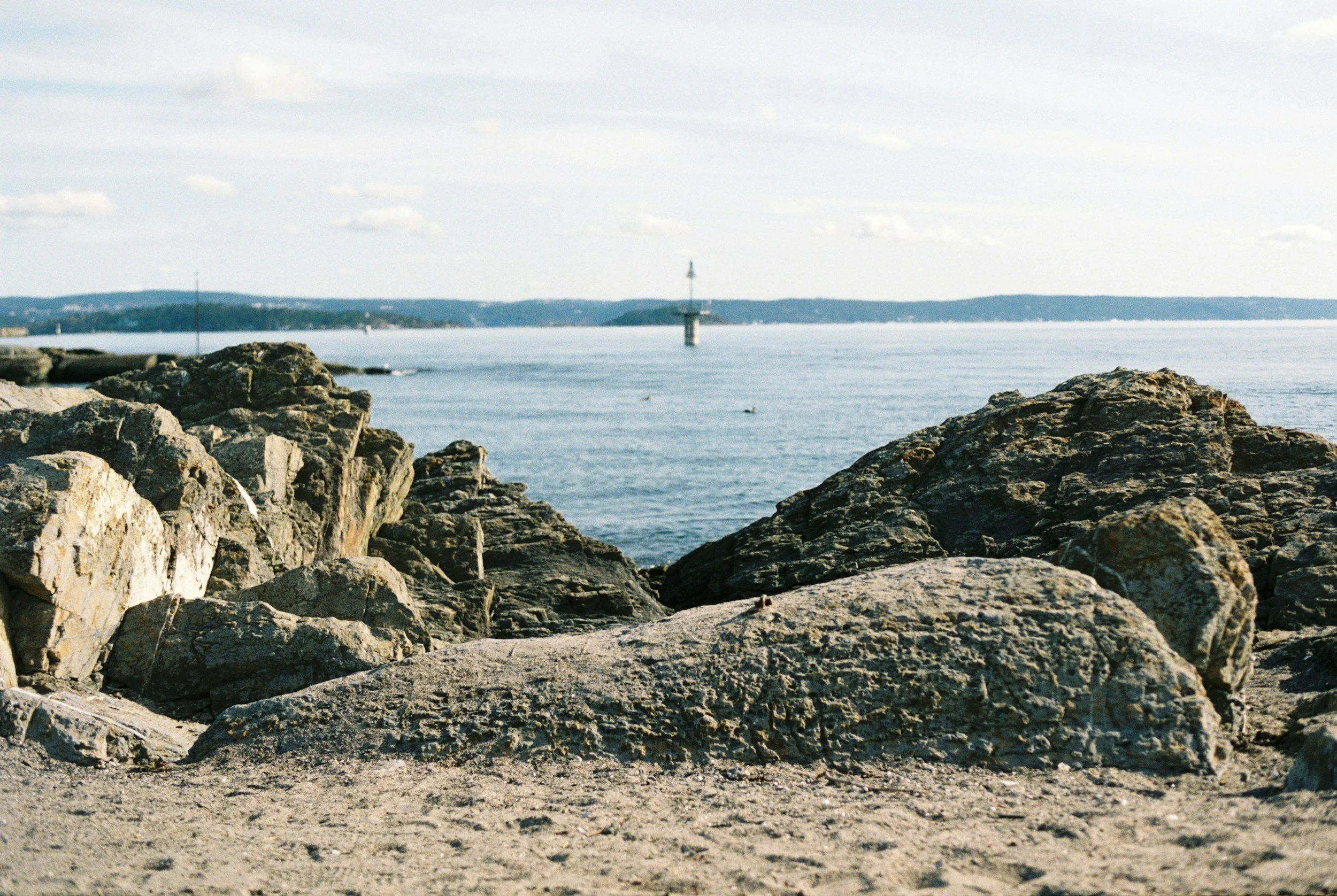
Oslo’s Sauna Culture
Public saunas have become one of the defining parts of modern Oslofjord culture.
Floating saunas now line several parts of the waterfront, particularly around Bjørvika and the central harbour area.
While saunas are used year-round, summer creates a very different atmosphere:
open water swimming
sunset sessions
outdoor social spaces
long evenings beside the fjord
The experience feels less like a spa environment and more integrated into everyday city life.
For many visitors, this combination of sauna, harbour swimming and urban waterfront is one of the most memorable parts of Oslo in summer.
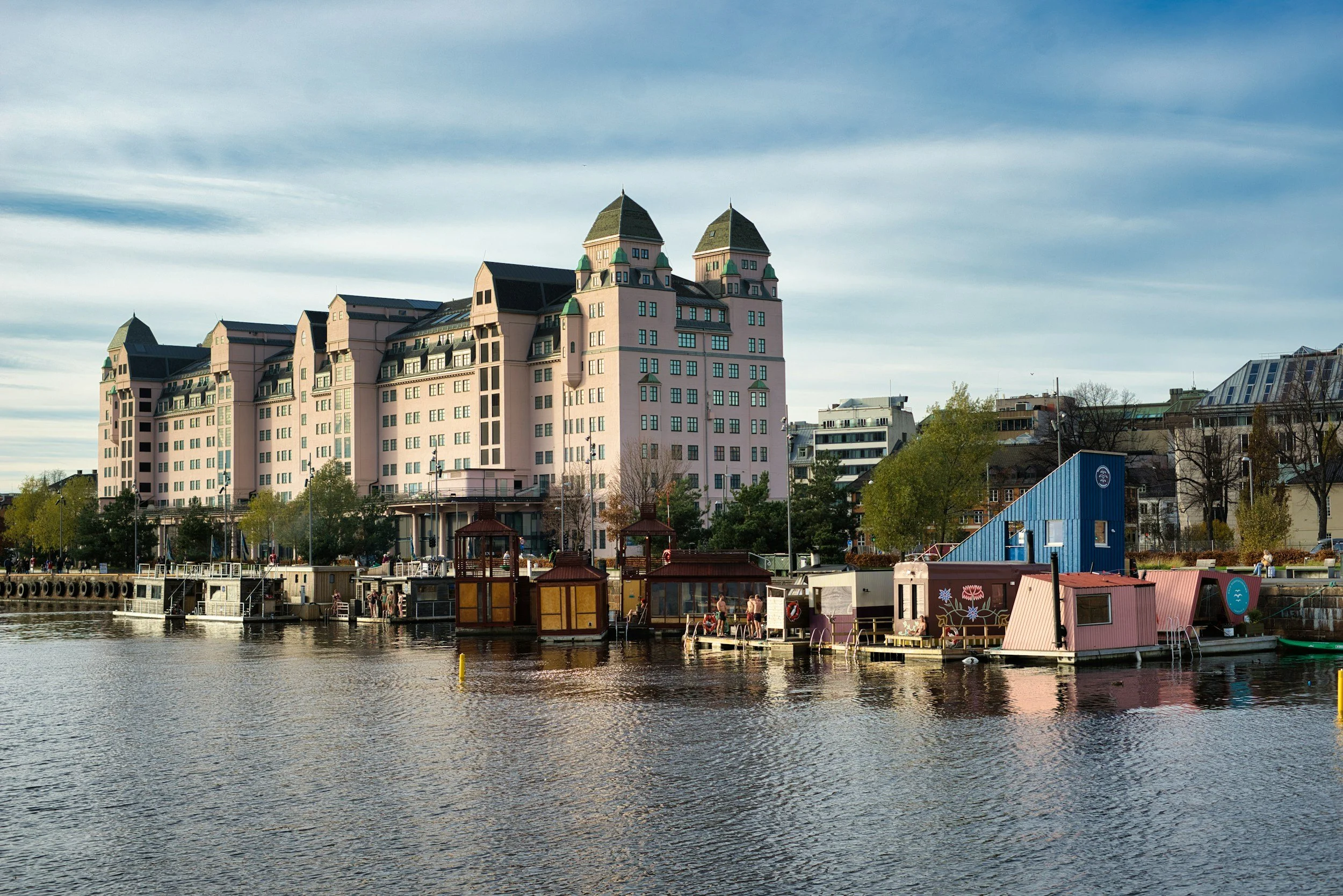
Island Ferries and Slow Summer Days
One of the simplest but most distinctive things to do in Oslo during summer is taking the local ferries into the fjord.
The ferries function as part of the city’s public transport system rather than tourist boats, which makes the experience feel unusually integrated into everyday life.
People use them casually:
carrying beach bags
bringing picnic supplies
moving between islands
swimming
spending entire afternoons outdoors
This creates a slower and more local rhythm than many visitors expect from a capital city.
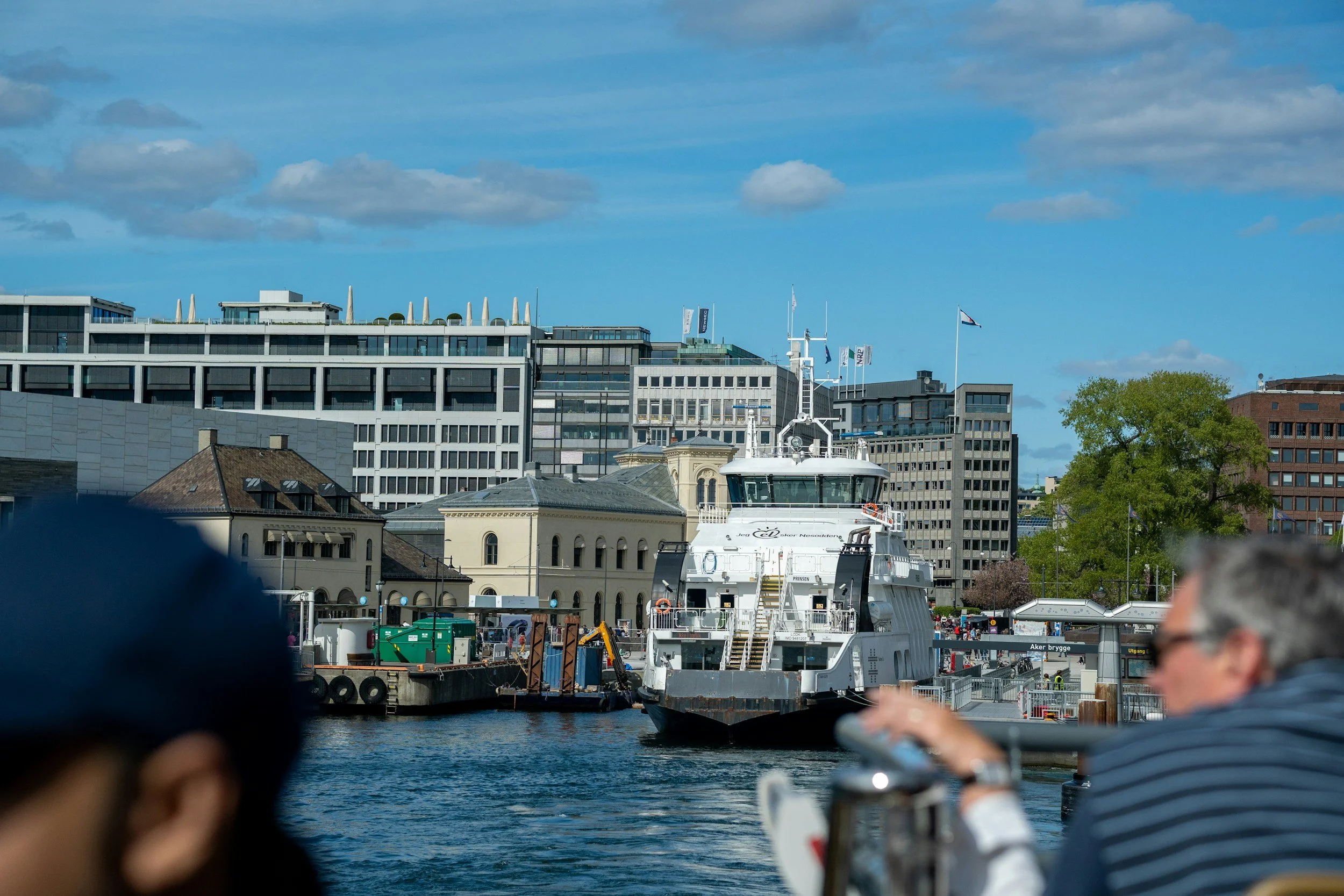
The Light Changes the City
Summer in Oslo is shaped heavily by daylight.
Long evenings change how the city functions:
restaurants remain busy late outside
waterfront areas stay active
people spend more time outdoors
the fjord becomes central to daily life
This is especially noticeable in June and July, when light stretches far into the evening.
The atmosphere becomes significantly more social and outward-facing than during winter.
Final Words
During summer, much of life in Oslo moves toward the water.
Swimming, ferries, saunas and evenings along the fjord become part of everyday life in a way many visitors do not expect from a capital city.
That atmosphere is a large part of what makes Oslo feel different from elsewhere in Norway, and from many other cities in northern Europe.
Related Reading
Where to Stay in Oslo: A Guide to the City’s Different Neighbourhoods
What to Pack for Norway in Summer: A Practical Guide for Changing Weather
Norway Train Travel Guide: Routes, Tickets, Prices and Scenic Journeys
More articles about Norway can be found at the Norway hub.