
Northern Norway Travel Guide: What to See, When to Go and What to Expect
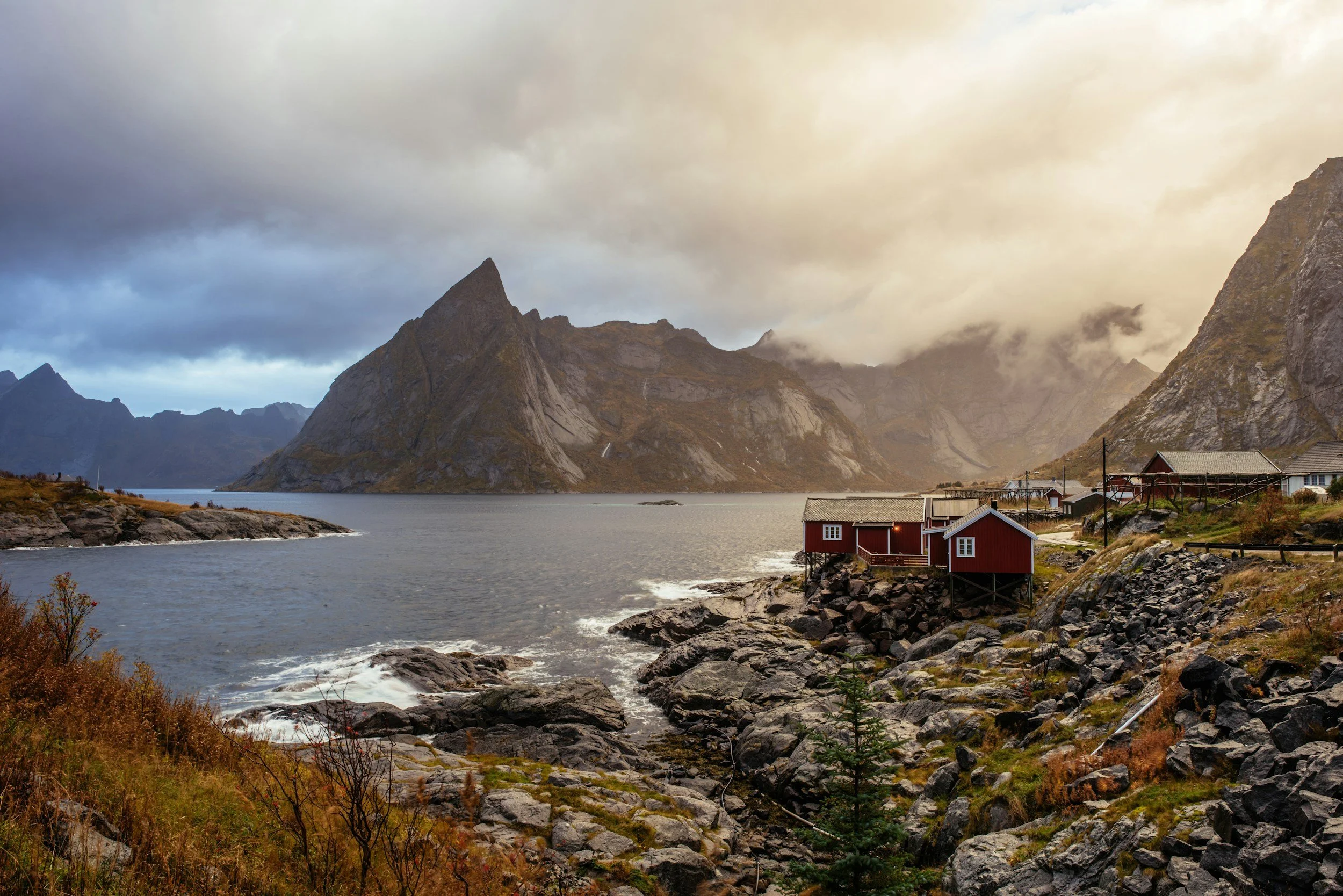
Northern Norway is where the structure of travel changes. Distances increase, light shifts dramatically through the year, and movement becomes dependent on season as much as geography.
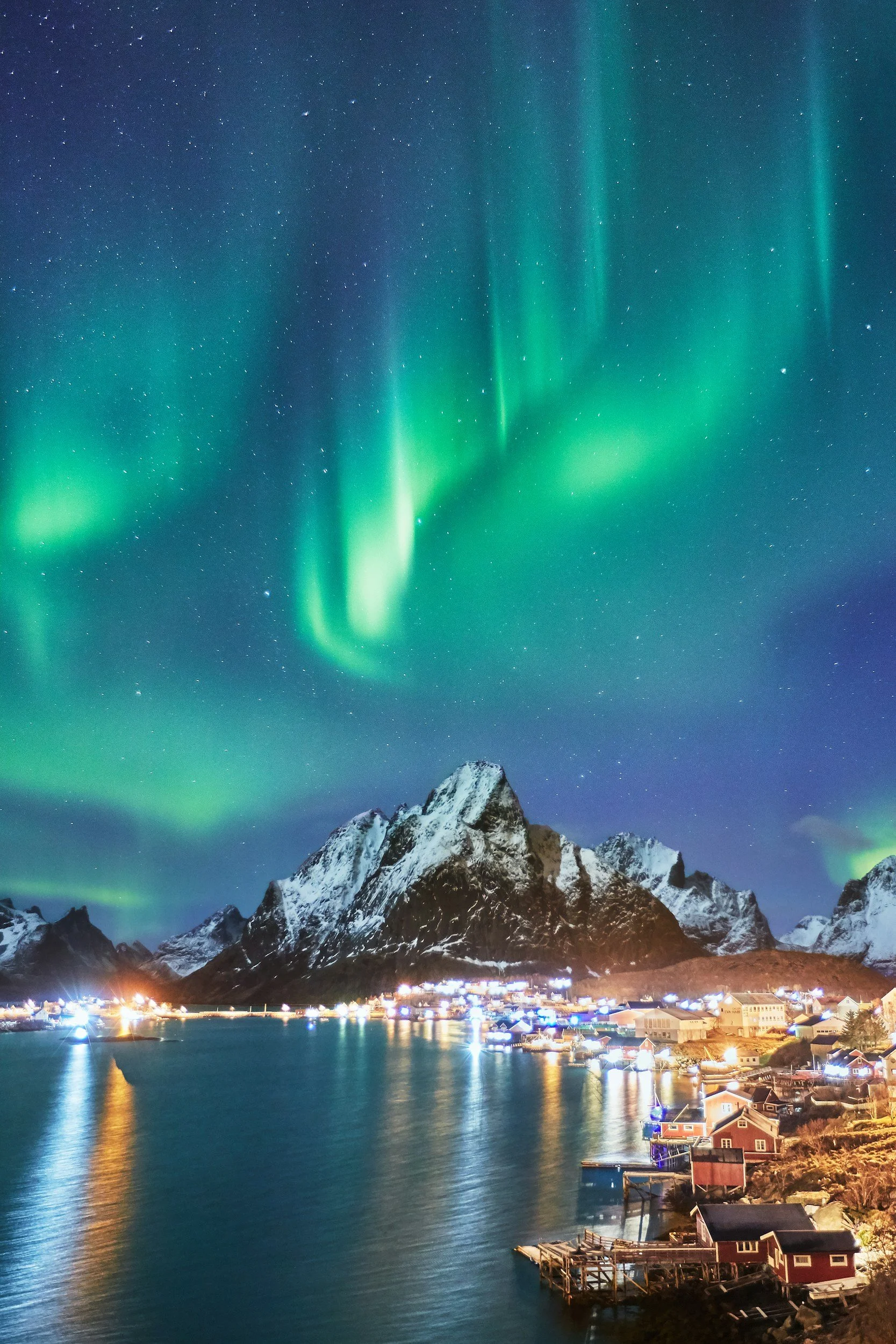
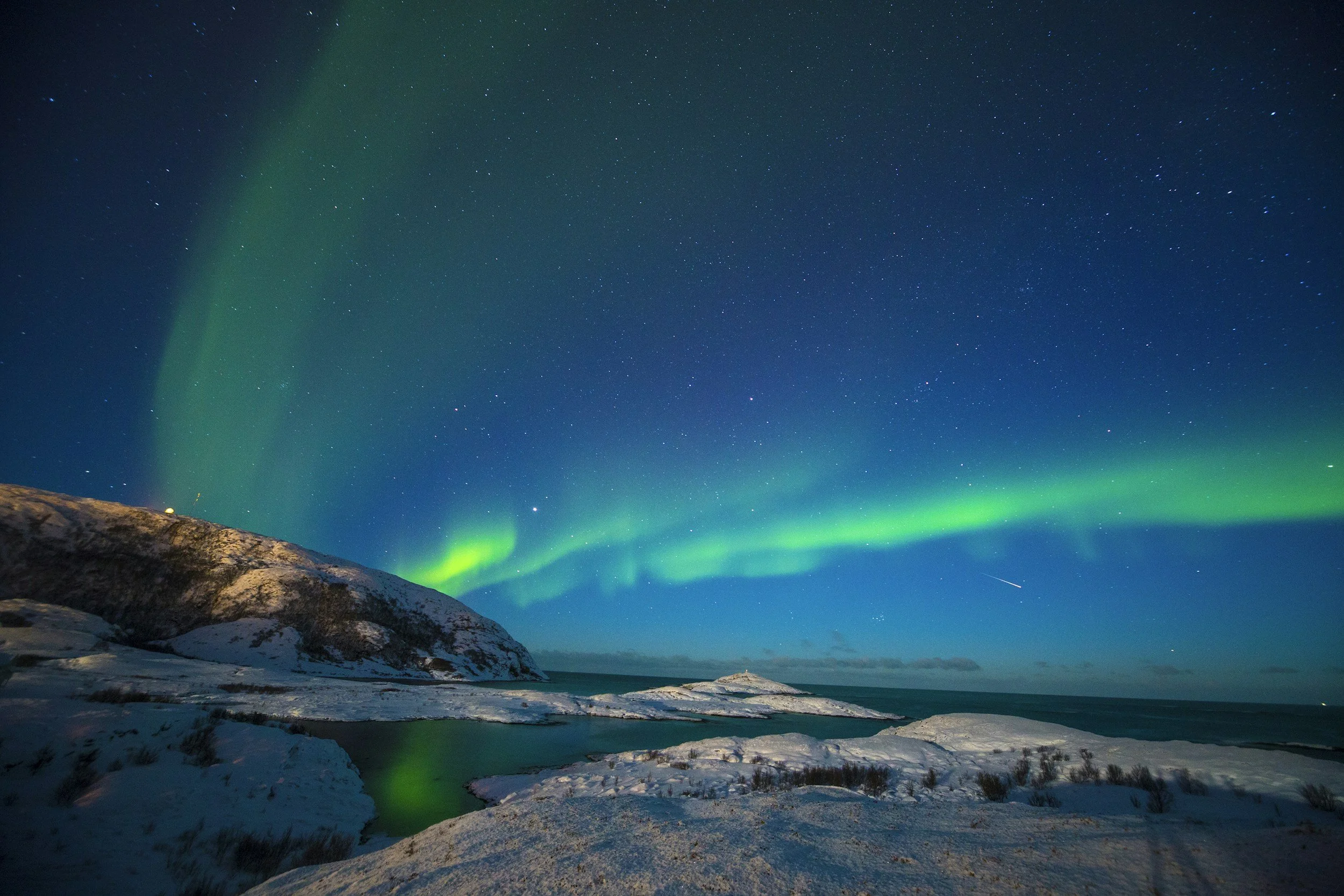
For many travellers, this is the reason to come to Norway. Northern lights in winter, midnight sun in summer, and a sense of scale that feels fundamentally different from the south.
Planning a trip here requires a different approach.
What is Northern Norway known for?
Northern Norway is known for the northern lights in winter, the midnight sun in summer, Arctic landscapes, and travel conditions shaped by extreme seasonal light and long distances.
Where is Northern Norway?
Northern Norway refers to the regions above the Arctic Circle.
It typically includes:
Tromsø and the surrounding Arctic regions
The Lofoten Islands
Finnmark
It is not defined by a single destination, but by latitude, light conditions, and climate.
What makes Northern Norway different?
Travel in Northern Norway is shaped by extremes.
Strong seasonal contrast (polar night vs midnight sun)
Larger distances between locations
Fewer transport options
Weather that affects both access and visibility
This is not a region you move through quickly. Conditions define how you experience it.
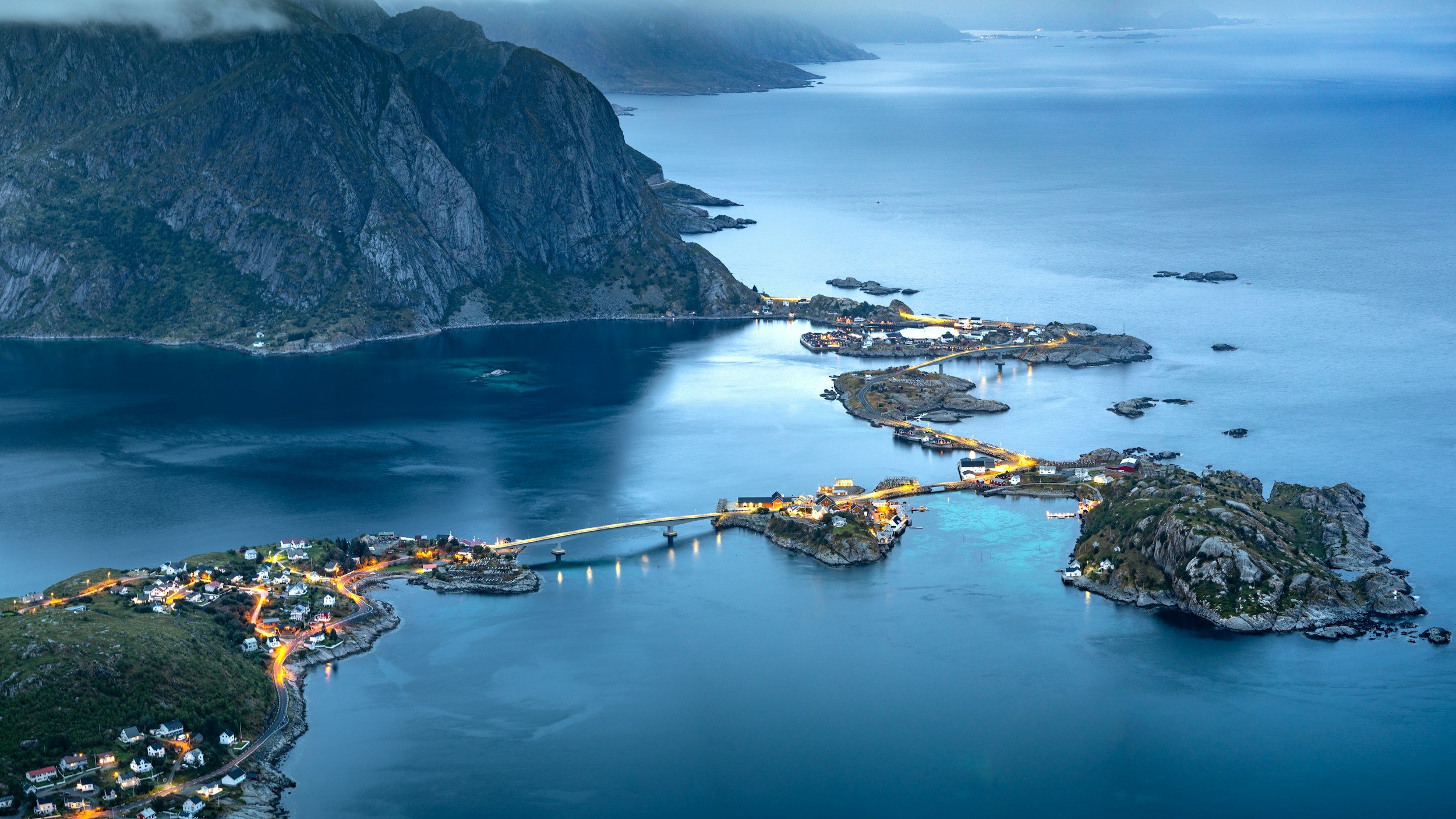
WHEN TO VISIT NORTHERN NORWAY
Timing determines what you can see and how you travel.
For a full seasonal overview, see Best Time to Visit Norway.
For winter-specific planning, see Winter Travel in Norway: Where to Go and What to Expect.
In general:
Winter (November–March) – Northern lights, snow, limited daylight
Spring (April–May) – Transition season, increasing light
Summer (June–August) – Midnight sun, easiest travel conditions
Autumn (September–October) – Quieter, start of northern lights season
What to see in Northern Norway
The region is best understood through a few key areas:
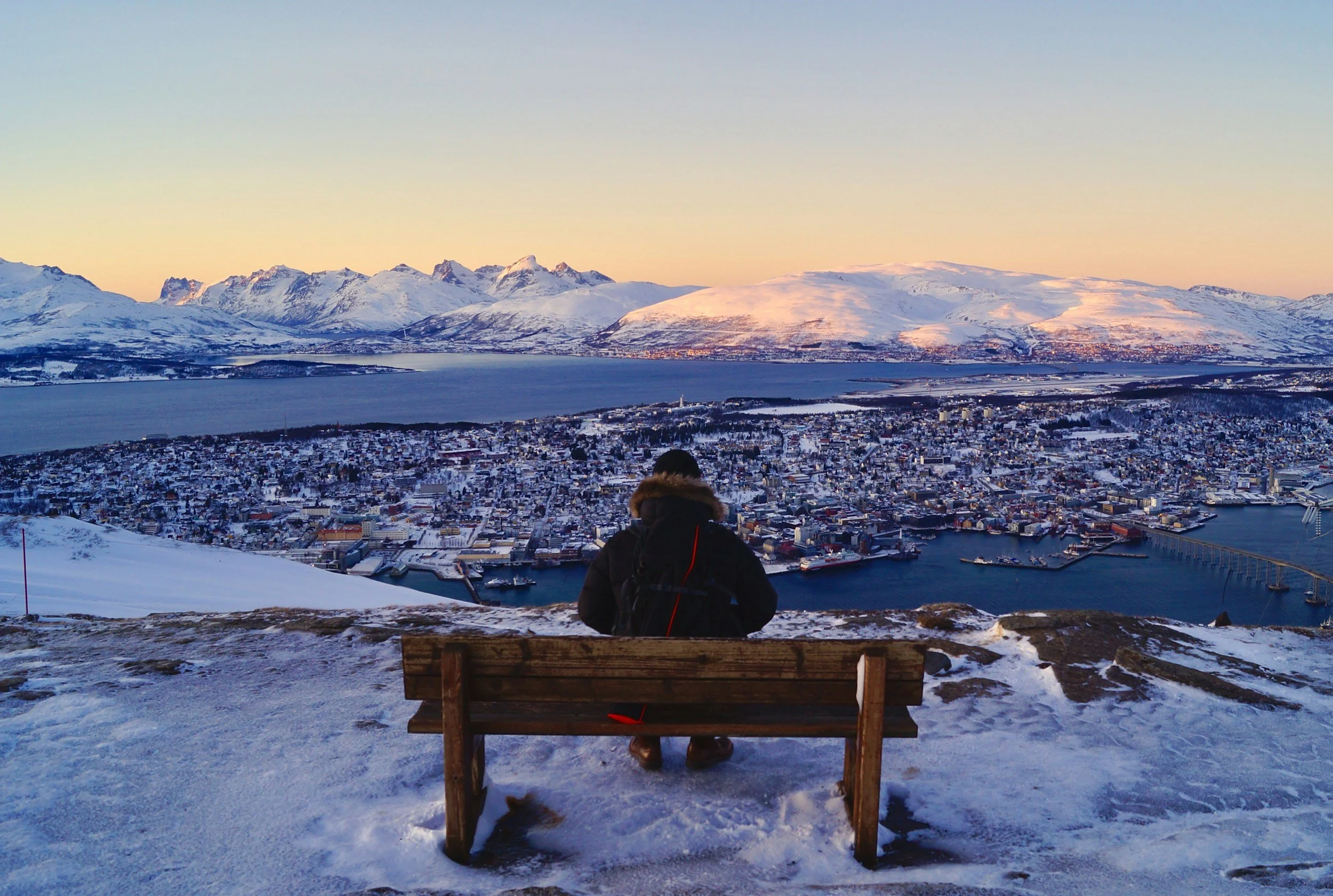
Tromsø
Main gateway to Arctic Norway
Strong base for northern lights and winter activities
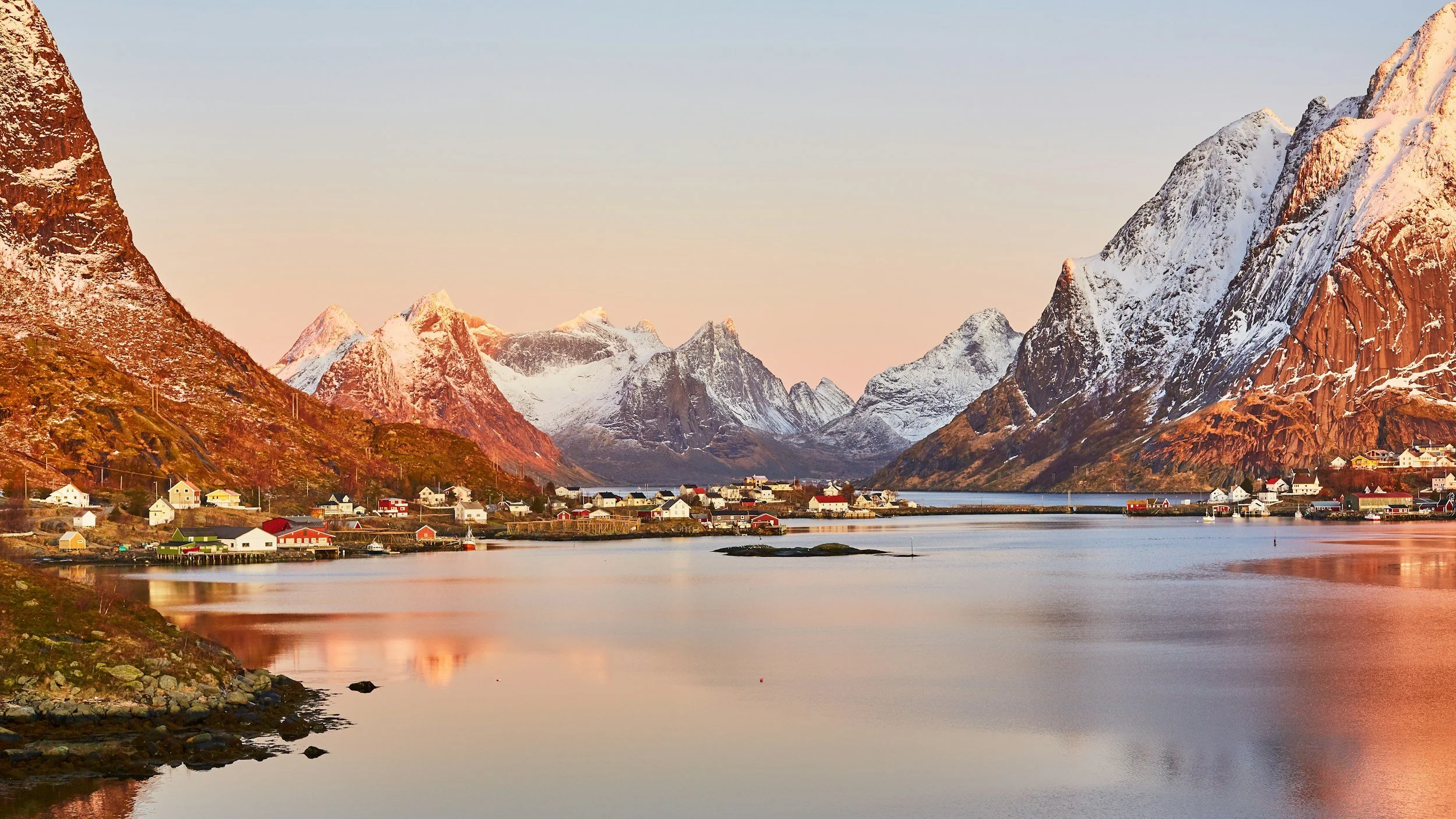
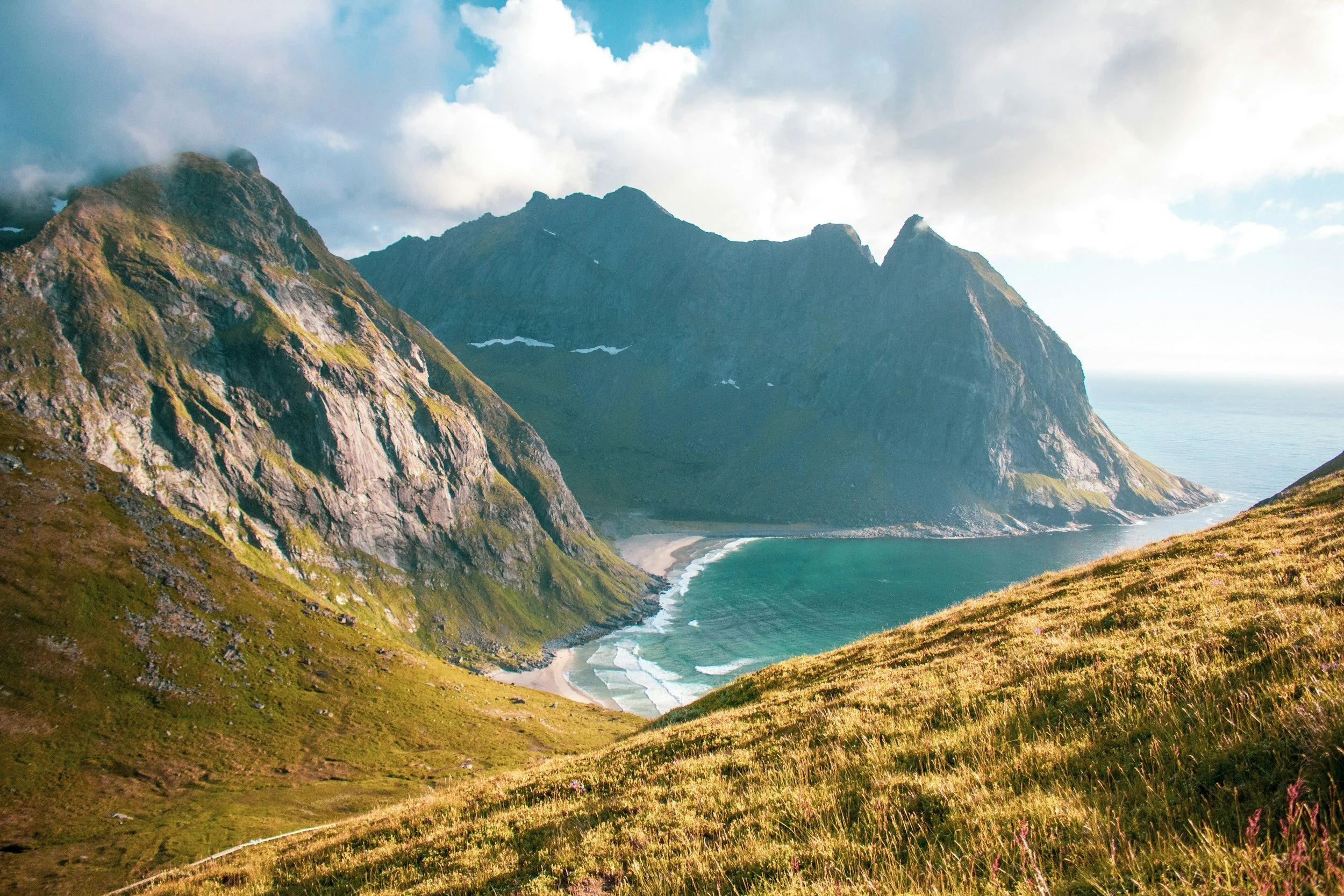
Lofoten Islands
Coastal landscapes and fishing villages
Visually distinctive, popular year-round
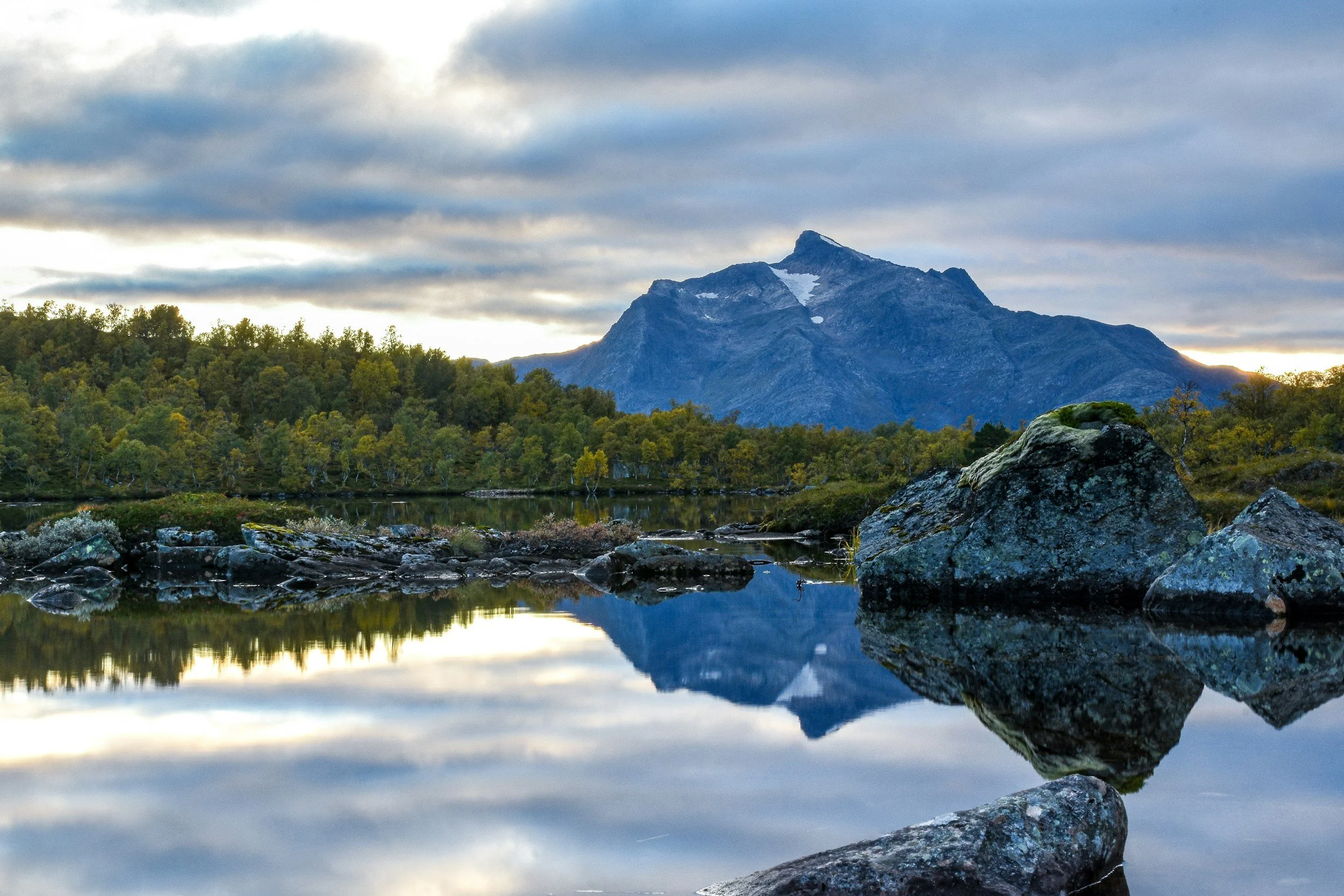
Finnmark
More remote and less visited
Wider landscapes, fewer crowds
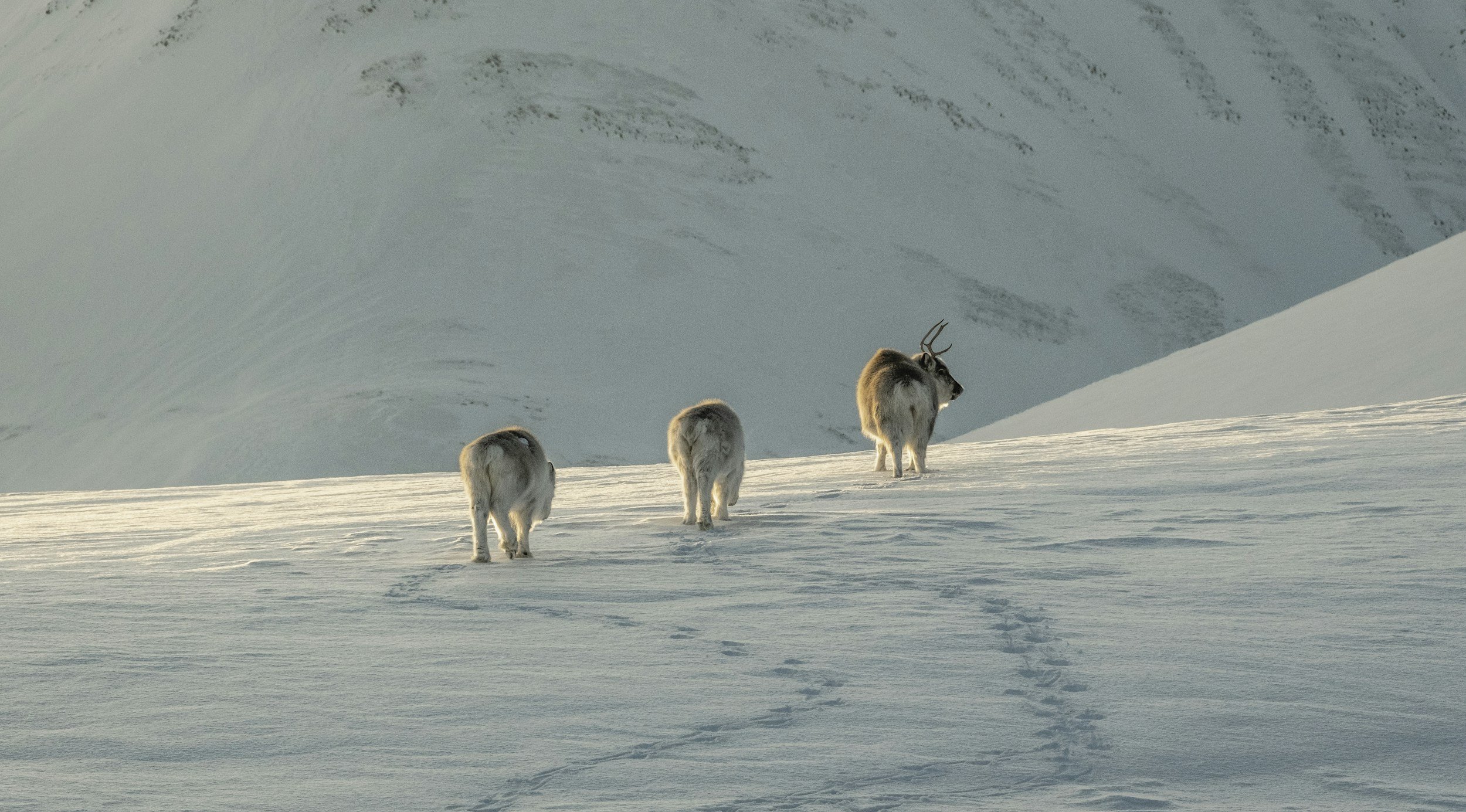
Further north
Travel becomes more specialised. For a High Arctic experience, see:
How to get around Northern Norway
Transport is more limited than in southern Norway.
For context, read Driving Distances in Norway: What Visitors Often Underestimate.
Is it easy to travel around Northern Norway?
Travel in Northern Norway is straightforward but slower and more limited than in southern regions. Flights are often required between destinations, and weather can affect both road and air travel.
In practice:
Flights are often necessary between regions
Driving works within defined areas (such as Lofoten)
Winter conditions can disrupt travel plans
If travelling in winter, see Driving in Norway in Winter: Laws, Tyres and Road Conditions.
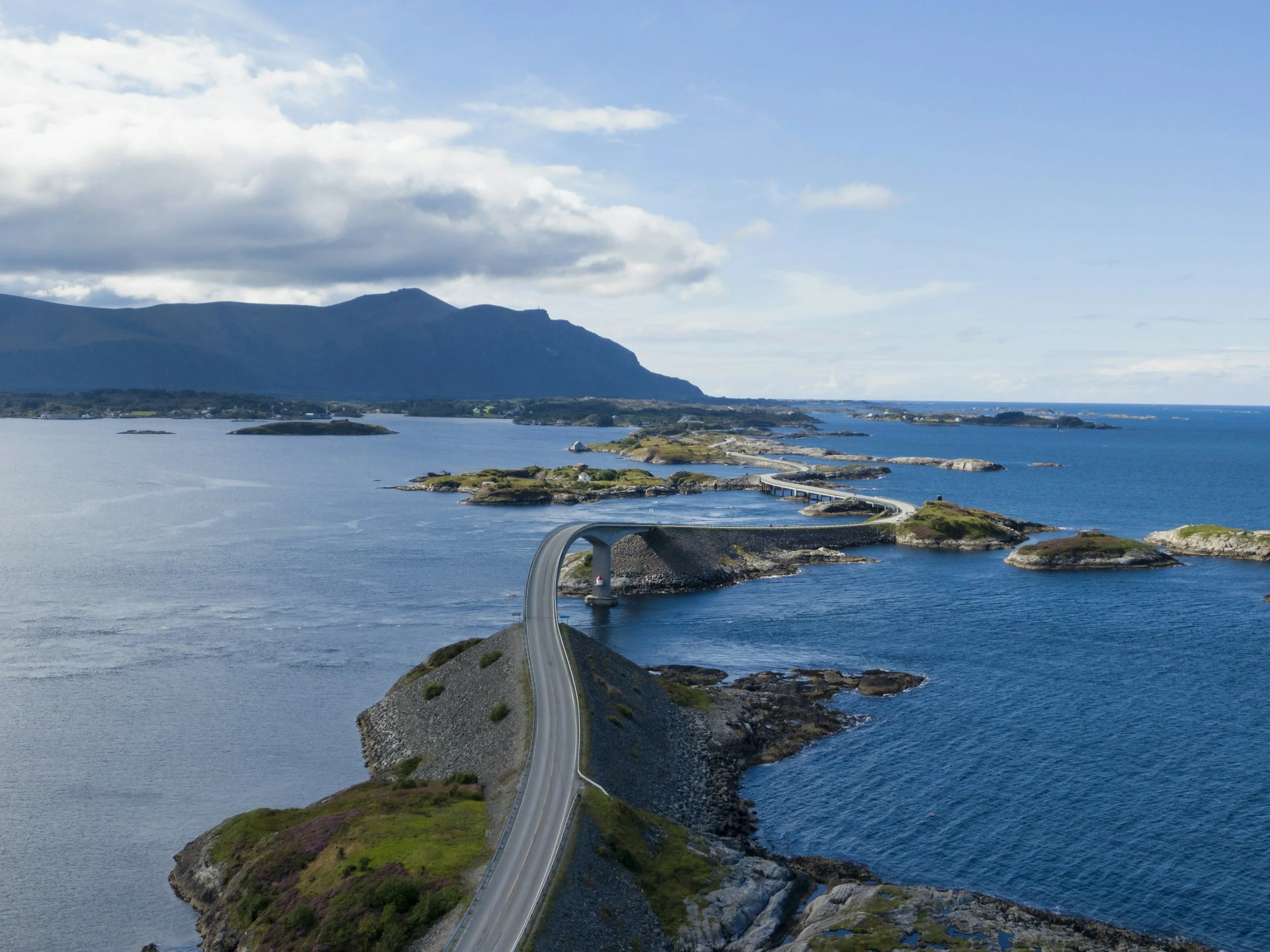
What to wear in Northern Norway
Clothing is critical, especially in winter conditions.
Start with What to Wear in Norway (All Seasons).
Layering is essential, with a focus on insulation and wind protection.
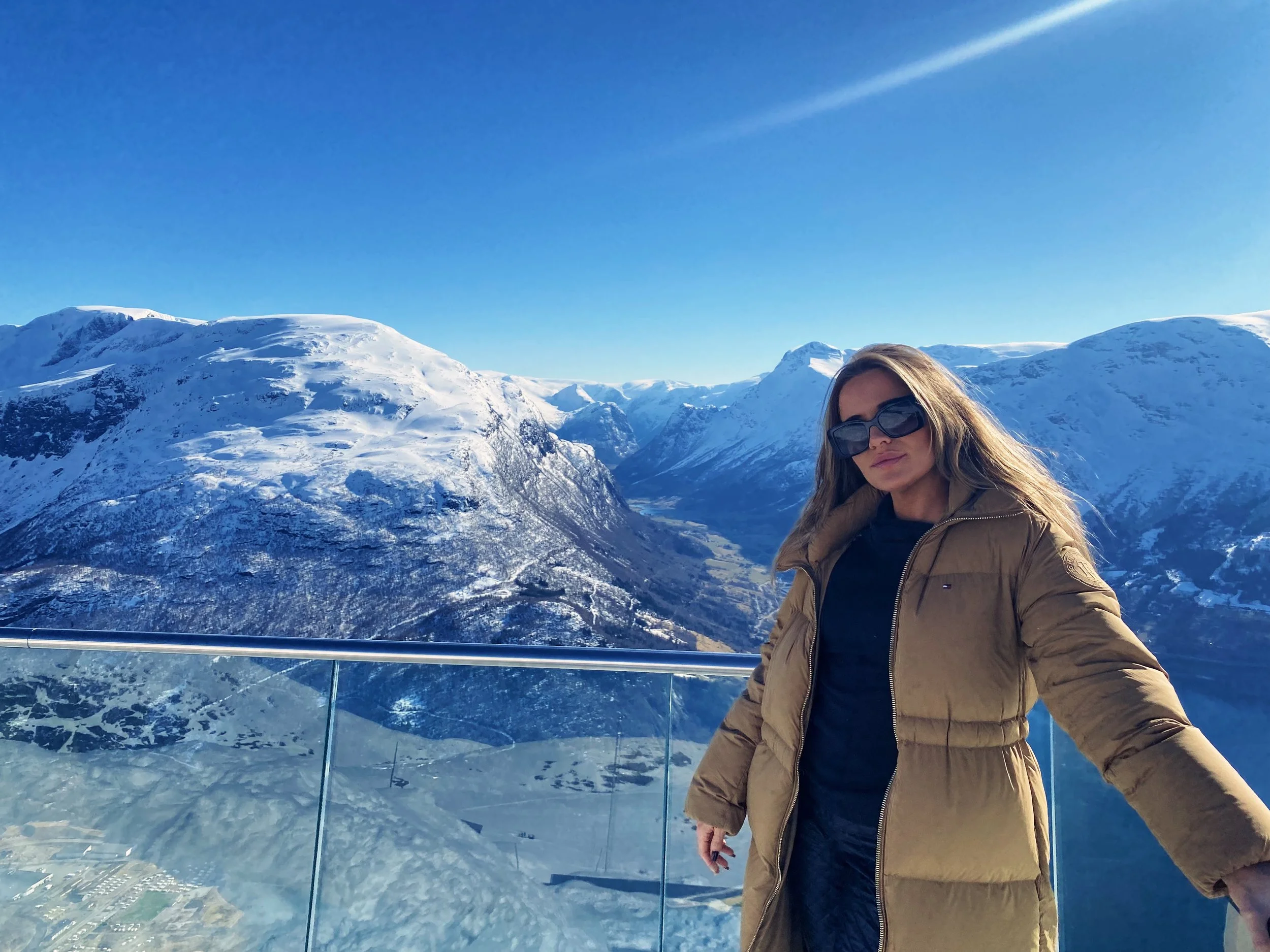
What travellers often underestimate
Northern Norway is not simply colder; it is structurally different.
Light conditions affect daily planning
Distances are longer than expected
Weather determines visibility (especially for northern lights)
This is where most travel expectations break down.
How Northern Norway fits into a wider Norway trip
Northern Norway is rarely combined with the fjords in a short itinerary.
Most trips focus on:
A dedicated Arctic journey
Or a combination of Oslo and one northern region
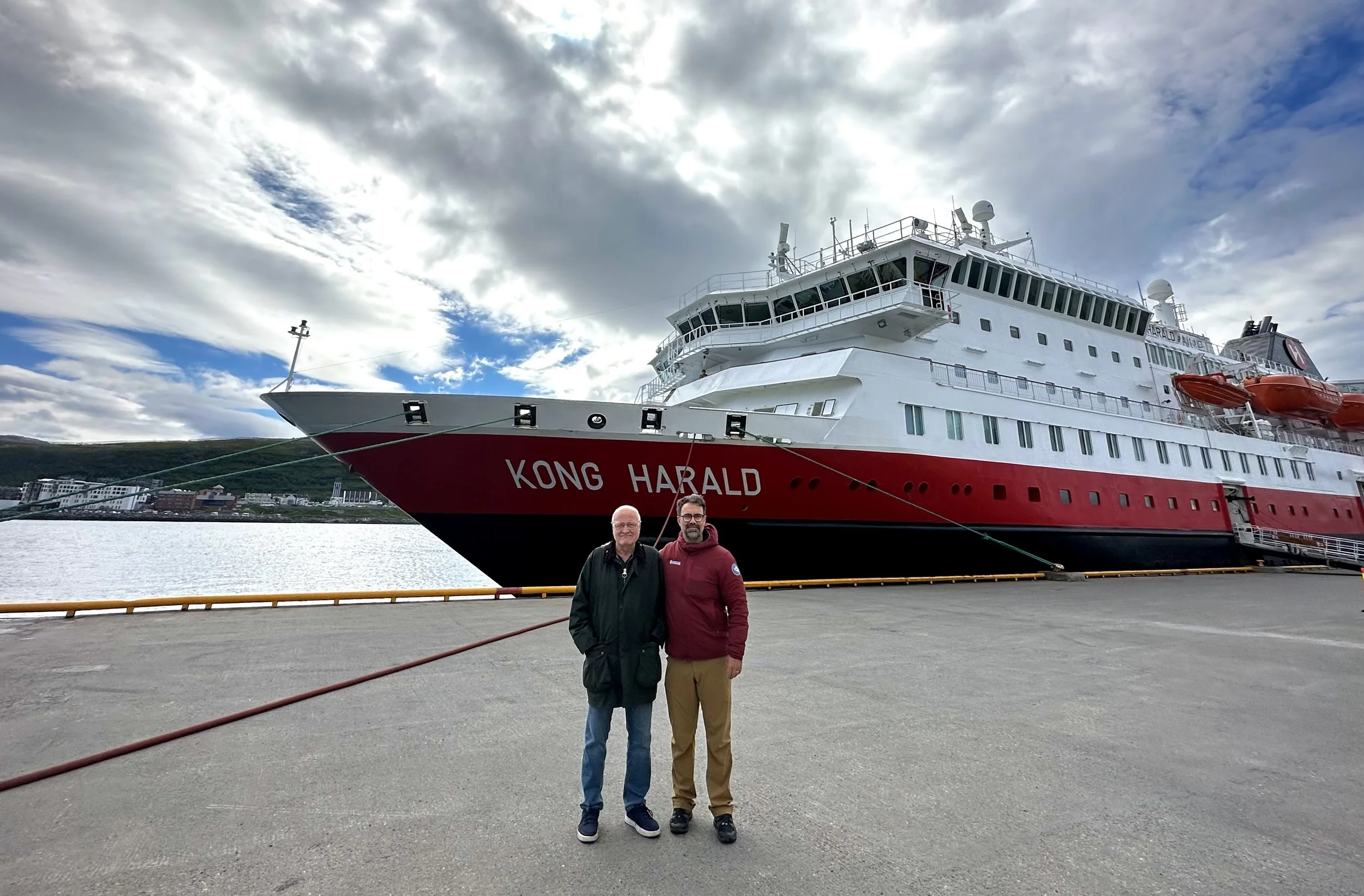
Trying to cover multiple regions usually results in excessive transit time, unless you take a cruise like Hurtigruten, which travels from Bergen to Kirkenes.
For the full trip structure, see the Norway Travel Guide.
FAQ: Northern Norway Travel
Is Northern Norway worth visiting?
Yes, Northern Norway offers a completely different experience from the rest of the country, with Arctic landscapes, unique light conditions, and strong seasonal contrasts.
How many days do you need in Northern Norway?
Most travellers need at least 4–6 days to explore one region properly, such as Tromsø or Lofoten.
Can you see the northern lights everywhere in Northern Norway?
Yes, but visibility depends on time of year, weather, darkness, and solar activity. Clear skies and low light pollution are key.
Do you need a car in Northern Norway?
A car is useful in regions like Lofoten, but flights and guided tours are often necessary to move between larger areas.
Final perspective
Northern Norway is defined less by specific places and more by conditions.
Light, weather, and distance shape the experience in ways that are not immediately obvious when planning.
Understanding that early changes how the trip is structured.