
7 Days in Northern Norway: A Realistic Arctic Itinerary
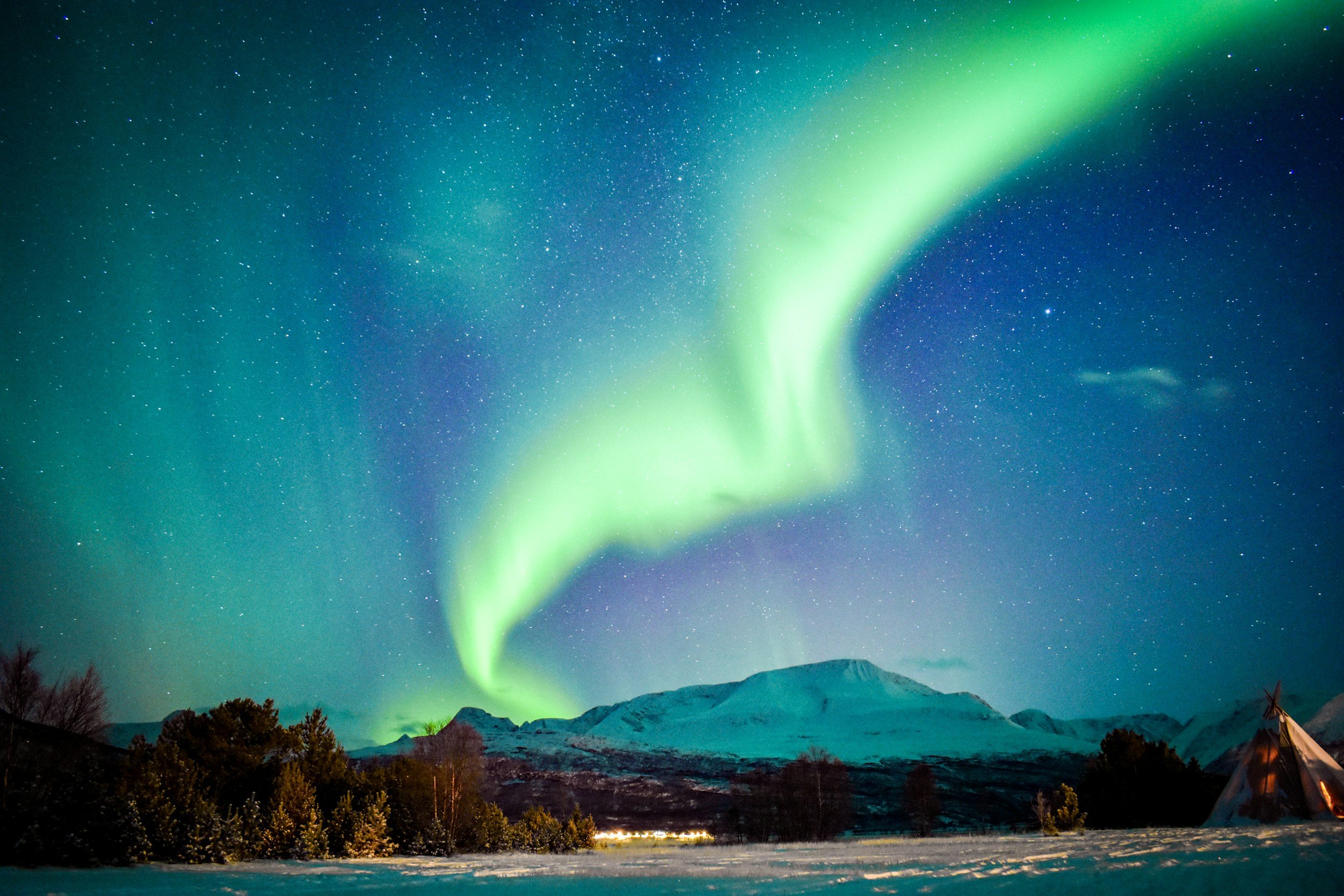
A realistic 7-day Northern Norway itinerary is best built around Tromsø and one of the surrounding Arctic region, rather than trying to cover all of Arctic Norway in a single trip.
Northern Norway is shaped by scale, weather and seasonality. Distances are longer than many visitors expect, conditions change quickly, and much of the experience comes from staying long enough to settle into the landscape itself.
This itinerary focuses on Tromsø and Senja.
Rather than constantly changing accommodation or attempting to combine Tromsø, Lofoten and several additional regions within one week, it is structured around fewer bases and more time within each place.
Before planning further, it helps to read Best Time to Visit Norway: A Seasonal Overview and What to Wear in Norway (All Seasons), as both will shape how this trip feels in practice.
Why This Itinerary Focuses on Senja Instead of Lofoten
Many first-time visitors assume a Northern Norway itinerary should include Lofoten.
While Lofoten is visually extraordinary, it is also one of the most heavily visited parts of Norway during peak seasons. Covering it properly within 7 days often involves significantly more driving, accommodation changes and logistical planning than visitors initially expect.
This itinerary focuses on Tromsø and Senja instead.
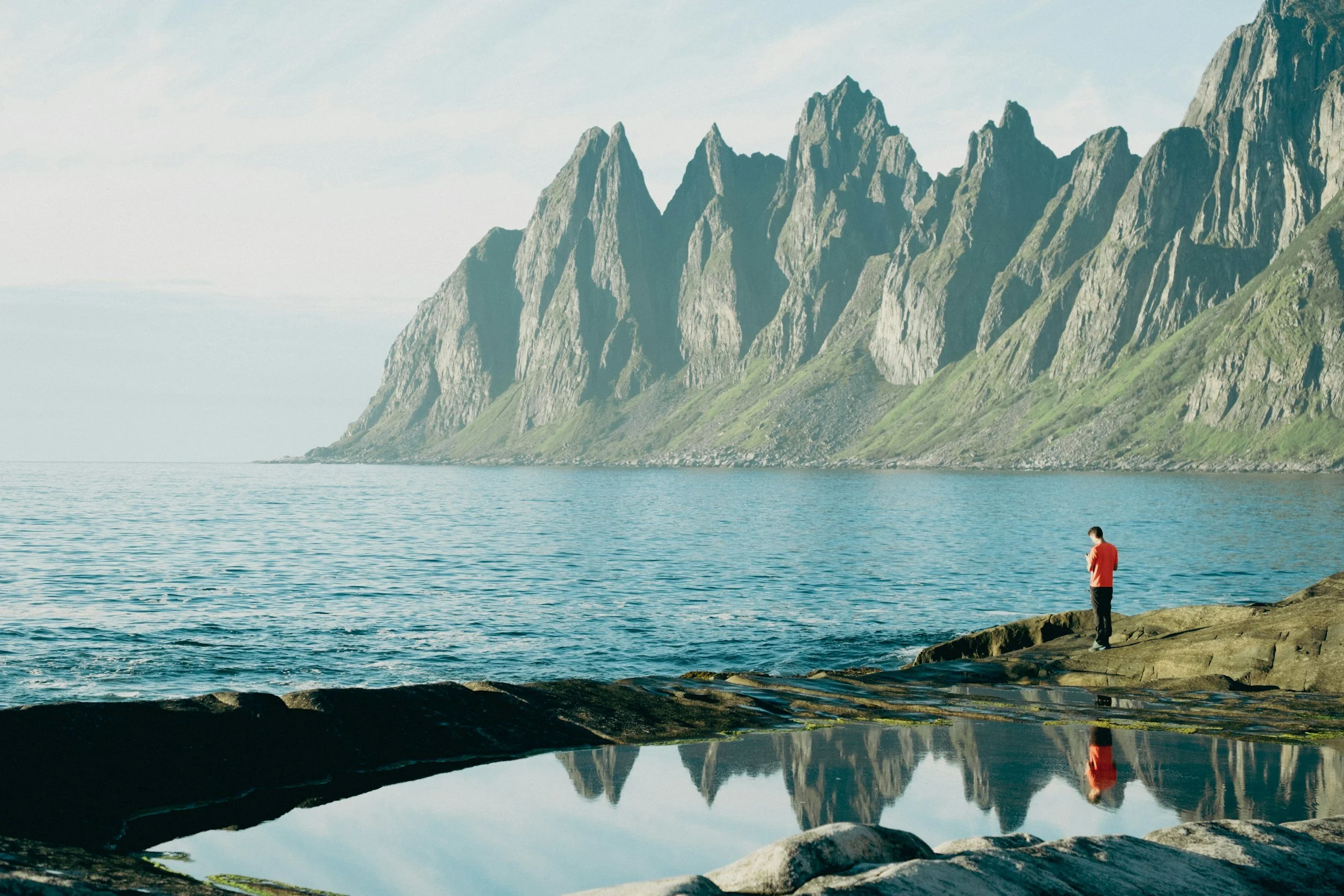
Senja offers many of the same qualities people associate with Arctic Norway: dramatic mountains, fishing villages, coastal landscapes and rapidly changing weather, but within a calmer and more manageable structure.
It is also generally quieter than Lofoten, particularly during summer, with less pressure on roads, accommodation and major viewpoints.
For a 7-day trip, this usually creates a more grounded experience of Arctic Norway.
Where Should You Start in Northern Norway?
For a 7-day Arctic itinerary, Tromsø is usually the most practical starting point.
It has the strongest flight connections in Northern Norway and works naturally as both an arrival point and a base before moving into surrounding Arctic landscapes.
| Base | Nights | Focus |
|---|---|---|
| Tromsø | 3 | Arctic city and surrounding landscapes |
| Senja | 3 | Nature and slower Arctic travel |
| Tromsø | 1 | Return and departure |
What to Know Before You Go Travel in Northern
Northern Norway changes dramatically between seasons.
Summer brings midnight sun, long evenings and easier driving conditions. Winter brings northern lights, snow-covered landscapes and limited daylight.
Accommodation should be booked well in advance during both the summer and the northern lights season.
For practical preparation, it is worth reading:
Day-by-Day Northern Norway Itinerary
This itinerary is designed as a flexible framework rather than a rigid schedule.
Day 1: Arrival in Tromsø
Arrive in Tromsø and keep the day light.
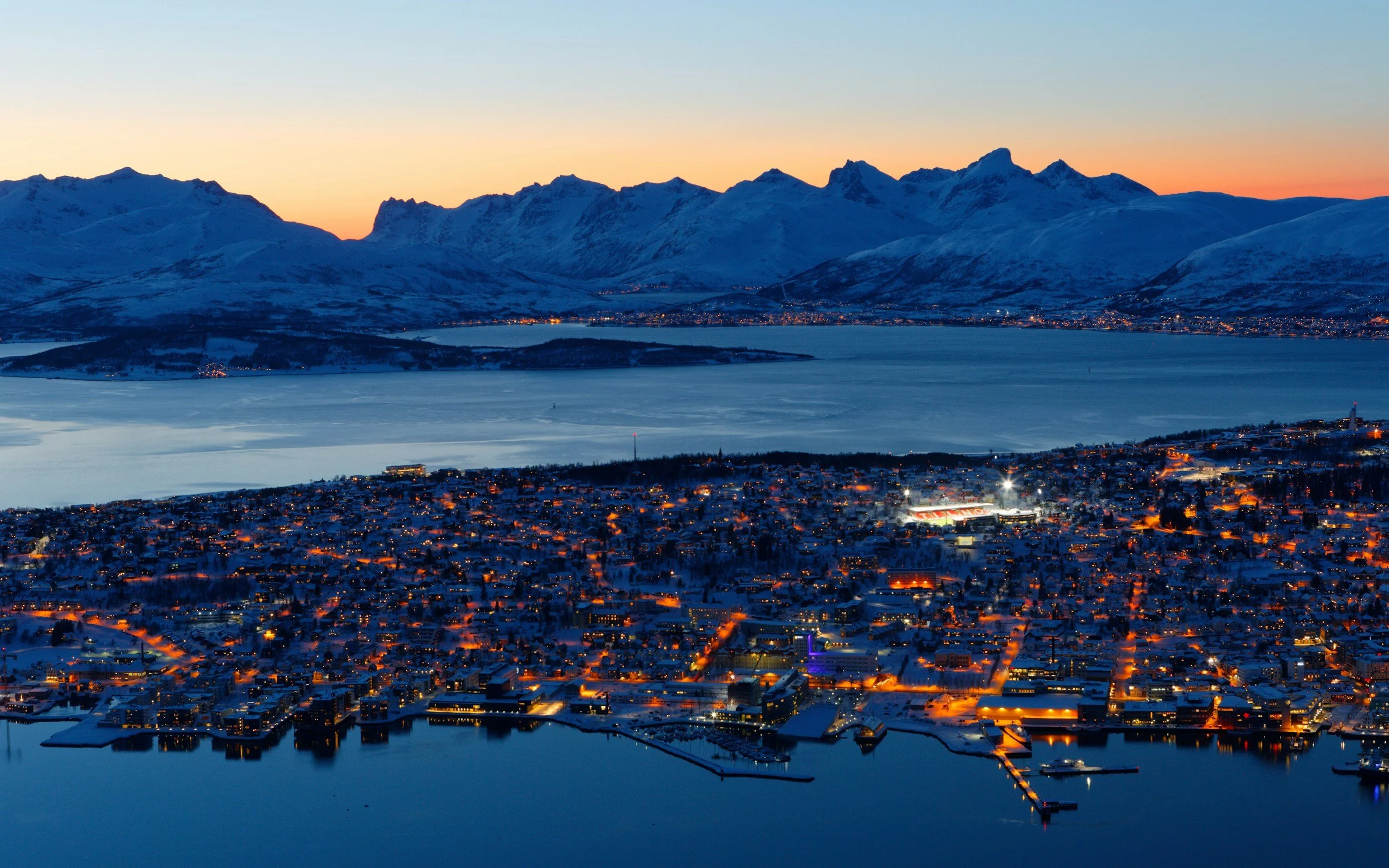
Walk through the harbour area, the waterfront and the centre of the city. Tromsø is compact, and much of the experience comes from the atmosphere itself rather than moving between major attractions.
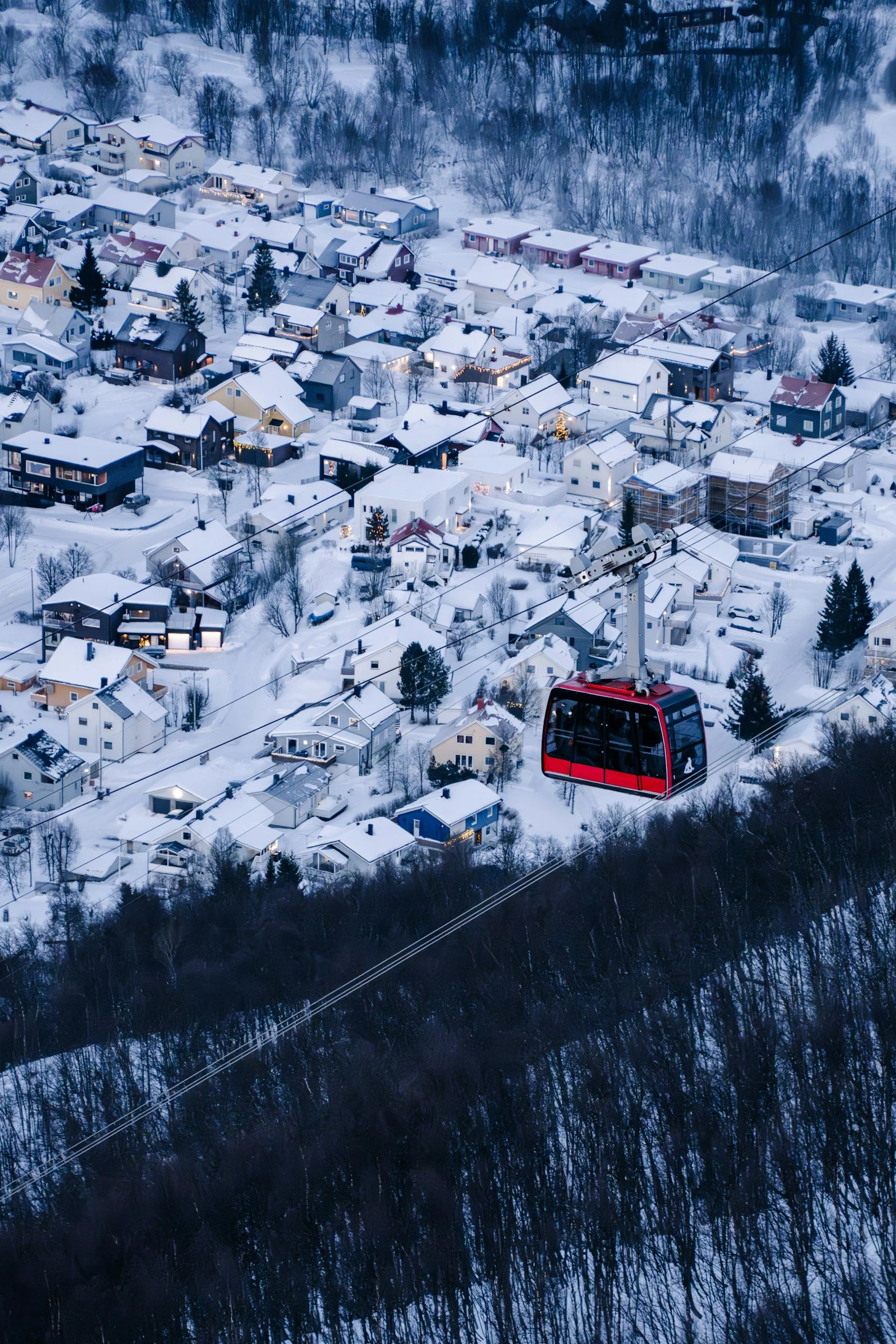
If conditions are clear, take the Fjellheisen cable car in the evening for views over the surrounding fjords and mountains.
Day 2: Tromsø
Spend a full day in the city.
Typical experiences include:
Arctic Cathedral
Waterfront cafés and restaurants
Fjellheisen
Museums and Arctic history
Harbour areas and coastal views
Depending on the season, this day may also include:
Northern lights excursions
Whale watching
Midnight sun experiences
Snowshoeing or winter activities
Tromsø also provides a broader cultural context for Arctic Norway through its museums, fishing history and relationship with the surrounding landscape.
Day 3: Arctic Landscapes Around Tromsø
Use this day to experience landscapes outside the city without changing base.
Possible options include:
Kvaløya
One of the easiest and most rewarding day trips from Tromsø.
Typical route:
Tromsø → Ersfjordbotn → Sommarøy → Tromsø
This route combines coastal scenery, mountain landscapes, Arctic beaches and small fishing communities.
Lyngen Alps
A longer alternative focused more heavily on dramatic mountain and fjord landscapes.
This route involves more driving and is more weather-dependent.
For a broader overview of Arctic Norway, regional differences and seasonal planning, it is worth reading Northern Norway Travel Guide: What to See, When to Go and What to Expect
Day 4: Travel from Tromsø to Senja
Travel south towards Senja.
Typical route:
Tromsø → Finnsnes → Senja
The journey itself is part of the experience, with changing coastal landscapes, bridges, fjords and mountain scenery along the route.
Arrive in Senja in the afternoon and spend the evening quietly.
For a broader understanding of Norwegian road travel and distances, read Driving Distances in Norway: What Visitors Often Underestimate.
Day 5: Senja Exploration
Spend the day exploring Senja slowly.
Common areas visitors focus on include:
Tungeneset
Bergsbotn
Mefjordvær
Hamn
Ersfjord Beach
The island is best experienced without trying to see everything at once.
Day 6: Senja Exploration
Use the second day in Senja flexibly.
Northern Norway changes constantly with weather and light conditions, and the landscape often feels entirely different from one day to the next.
This day may include:
Hiking
Coastal walks
Scenic driving
Wildlife experiences
Time in fishing villages
Slower photography-focused exploration
Hiking is an important part of travel in Northern Norway during the snow-free season.
In Senja, routes range from short coastal walks to steeper hikes such as Segla or Husfjellet.
During winter, outdoor experiences may instead include:
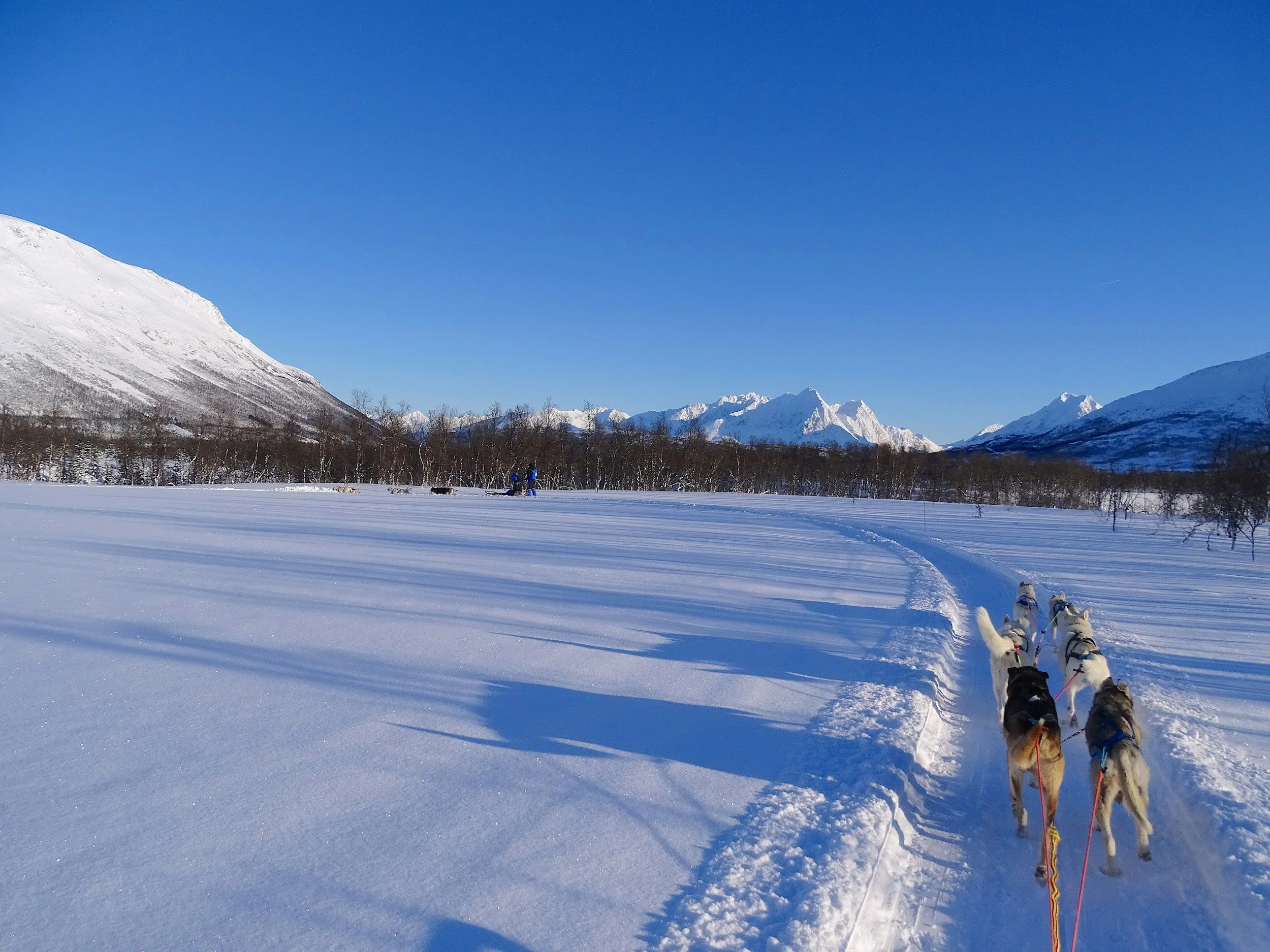
Husky sledding
Cross-country skiing
Snowshoeing
Ski touring
Arctic sauna and cold-water experiences
Wildlife and marine experiences also vary by season. Whale watching is most common around Tromsø during winter, while seabirds, coastal wildlife and Arctic marine landscapes become more prominent during summer.
Northern Norway is also shaped by fishing culture, outdoor life and Sami cultural influence, all of which form part of the region’s identity beyond the landscapes themselves.
Day 7: Return to Tromsø
Return to Tromsø for departure.
If your flight leaves early in the morning, it is usually better to return to Tromsø the evening before.
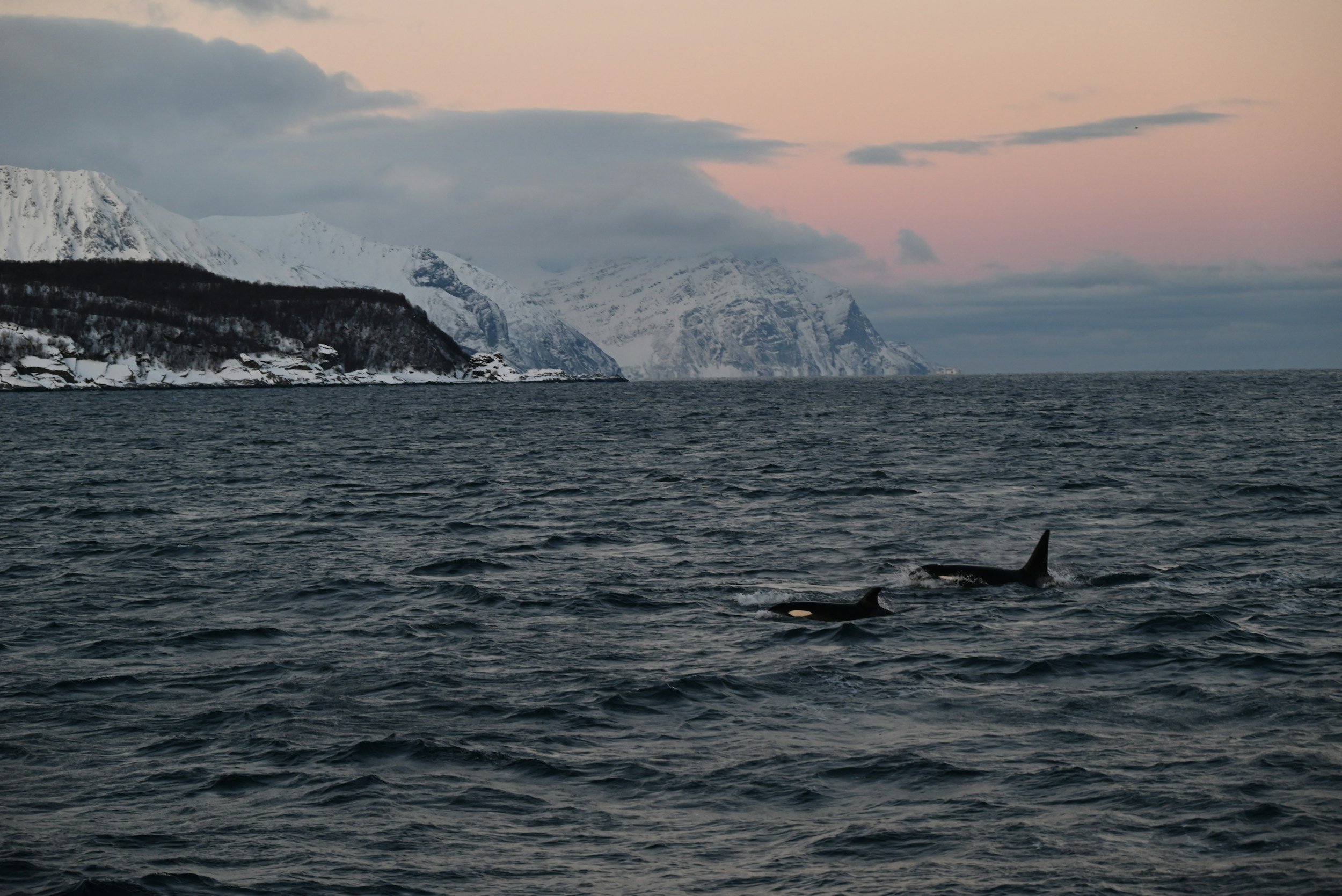
During winter, the waters around Tromsø and Senja also become one of the best places in Norway to see whales, including humpback whales and orcas, following the herring migration into northern fjords.
How to Get Around Northern Norway
Driving
Driving provides the most flexibility in Northern Norway and allows easier access to remote landscapes, scenic routes and smaller coastal communities.
Road conditions vary considerably between seasons, particularly during winter.
If travelling during colder months, Driving in Norway in Winter: Laws, Tyres, Road Conditions and What Travellers Must Know is useful preparation before planning a road trip.
Public Transport
Northern Norway can be explored without a car, though the structure becomes more fixed outside major towns.
Tromsø works well without a car. Senja is considerably easier with one.
Where to Stay
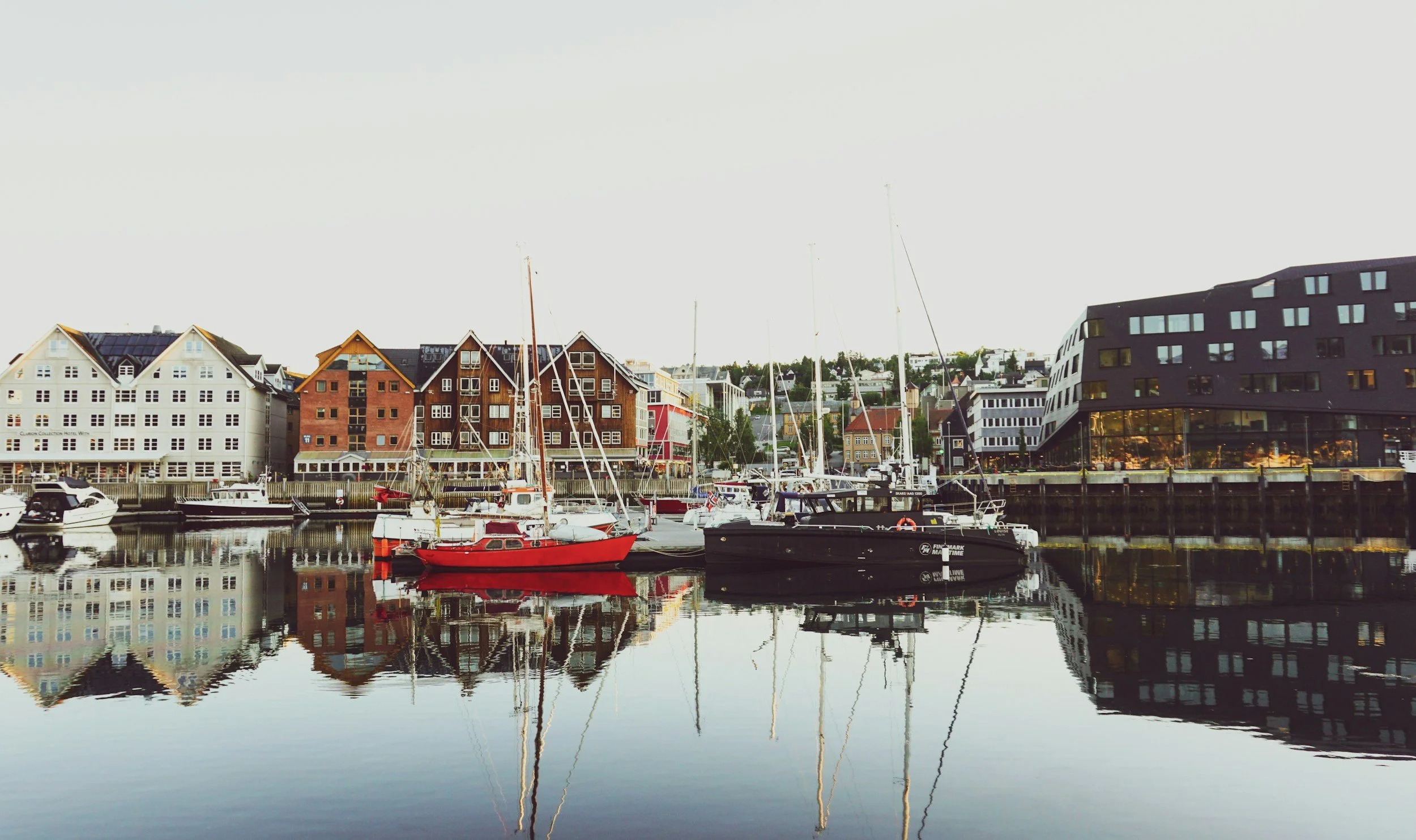
Tromsø
Best areas:
City centre
Harbour area
Waterfront hotels
Staying centrally works best for shorter stays and reduces the need for transport within the city.
Senja
Best areas depend on travel style, but common bases include:
Hamn
Mefjordvær
Gryllefjord
Near Finnsnes for easier logistics
Staying in one place for multiple nights generally creates a calmer experience than moving around the island constantly.
What to Actually Do in Northern Norway
Northern Norway is less about rushing between attractions and more about experiencing Arctic landscapes, weather, seasonality and outdoor culture.
What visitors actually do here often depends heavily on weather, light conditions and time of year.
Typical experiences include:
Scenic driving through coastal and mountain landscapes
Arctic beaches and fjord scenery
Flexible hiking depending on weather and season
Northern lights in winter
Midnight sun in summer
Whale watching during the winter season
Sea eagle and seabird landscapes along the coast
Reindeer visible in some regions and seasons
Cable car viewpoints around Tromsø
Fishing villages and small coastal communities
Arctic cafés, seafood and local food culture
Slower exploration with flexibility around weather conditions
Winter activities may also include:
Husky sledding
Cross-country skiing
Snowshoeing
Alpine skiing and ski touring
Arctic sauna and cold-water experiences
Northern Norway also has a strong relationship with outdoor culture and Indigenous Sami culture, both of which shape parts of the region’s identity and seasonal traditions.
In Tromsø, museums, Arctic history and coastal culture provide context beyond the landscapes themselves.
Hiking is equally central during the snow-free months, though conditions change quickly and many routes are weather-dependent.
In Senja, common options range from short coastal walks to steeper hikes such as Segla or Husfjellet. However, this itinerary works best when outdoor activities remain flexible rather than tightly scheduled into each day.
Arctic wildlife experiences also vary significantly by season. Whale watching is most common around Tromsø during winter, while seabirds, marine landscapes and coastal wildlife become more prominent during summer.
Accessibility and Mobility Considerations
Northern Norway can absolutely be experienced without intensive hiking, though accessibility varies depending on season, weather and how the trip is structured.
Tromsø itself is relatively manageable compared to many Arctic destinations. The city centre is compact, many areas are walkable and experiences such as the Fjellheisen cable car provide access to panoramic views without requiring mountain hiking.
Outside Tromsø, travelling by car allows greater flexibility and makes it easier to experience coastal scenery, viewpoints and Arctic landscapes at a slower pace. Many beaches, fjords and scenic areas can be experienced directly from the road or after only short walks.
However, Northern Norway is still heavily shaped by terrain and weather conditions. Some viewpoints involve uneven ground, gravel paths or uphill sections, and winter conditions can affect accessibility significantly due to snow, ice and reduced daylight.
This itinerary works best when approached flexibly rather than as a tightly scheduled sightseeing route.
FAQ
Is 7 days enough for Northern Norway?
Yes, if you focus on one part of the region rather than trying to cover all of Arctic Norway.
Do you need a car?
Not necessarily in Tromsø, but highly recommended for Senja and surrounding Arctic landscapes.
Should you include Lofoten?
Not within this itinerary. Adding Lofoten usually reduces the time spent within each place and creates a far more transit-heavy route.
When is the best time to go?
Summer offers midnight sun and hiking conditions, while winter offers northern lights and Arctic winter landscapes.
For a full seasonal breakdown, see Best Time to Visit Norway: A Seasonal Overview.
Final Perspective
Northern Norway is not really a place that reveals itself all at once.
The weather changes constantly, the light reshapes the landscape throughout the day and distances between places often feel larger than they appear on a map. Some days are clear and sharp, others disappear almost entirely into fog, snow or rain.
What people often remember afterwards is not a single viewpoint, but the feeling of the region itself: driving along the coast late at night under the midnight sun, seeing fishing villages appear between mountains and water, or watching weather move across the fjords from a quiet road in Senja.
This itinerary is built around having enough time to experience those moments properly.
For more practical guides, regional itineraries and seasonal Norway travel advice, you can explore the wider Norway collection here.