
Driving in Norway: Everything You Need to Know
A practical guide to driving in Norway, covering road rules, speed limits, fines, toll roads, ferries, fuel, EV charging, parking, tunnels, mountain passes, motorhomes, road standards and local driving culture. This guide explains how driving in Norway works for visitors, and what to understand before renting a car or planning a road trip.
Introduction
Driving in Norway can be one of the best ways to experience the country beyond the main cities. A car gives you access to fjord villages, mountain roads, coastal routes, valleys, islands and places that are difficult to reach by public transport alone. For many visitors, especially those travelling through Western Norway, Northern Norway or the inland mountain regions, renting a car makes the journey more flexible and memorable.
At the same time, driving in Norway is not always as straightforward as it may look on a map. Distances can take longer than expected, roads may be narrow and winding, ferries are often part of the route, tunnels can be long, and mountain roads may be affected by weather even outside winter. Norway is generally a safe and organised country to drive in, but visitors need to understand how the system works before setting off.
This guide covers the practical things visitors need to know: road rules, speed limits, fines, toll roads, ferries, petrol stations, EV charging, parking, road signs, tunnels, mountain passes, motorhomes and Norwegian driving culture.
Contents
Is Driving in Norway Difficult?
Do You Need a Car in Norway?
Basic Driving Rules in Norway
Speed Limits, Speed Cameras and Fines in Norway
Road Signs and Road Markings in Norway
Toll Roads and AutoPASS
Ferries in Norway
Fuel Stations and Petrol Prices
EV Charging in Norway
Parking in Norway
Road Standards in Norway
Tunnels in Norway
Mountain Passes and Weather-Exposed Roads
Motorhomes and Campervans in Norway
Animals on the Road
Renting a Car in Norway
Navigation, Apps and Road Information
Driving in Cities vs Rural Norway
What to Check Before a Long Drive in Norway
Common Mistakes Visitors Make When Driving in Norway
Is Driving in Norway Worth It?
Related Reading
Final Words
Is Driving in Norway Difficult?
The short answer
Driving in Norway is usually not difficult because of traffic itself. Compared with many countries, Norwegian roads are generally orderly, drivers tend to follow rules, and traffic outside the larger cities is often calm.
The challenge is the landscape. Norway is long, mountainous and coastal, with fjords, tunnels, ferries, bridges, islands and weather-exposed roads shaping how journeys work. A drive that looks simple on a map can involve slow roads, ferry crossings, sharp bends, roadworks, tourist traffic or limited places to overtake.
What makes Norwegian roads different?
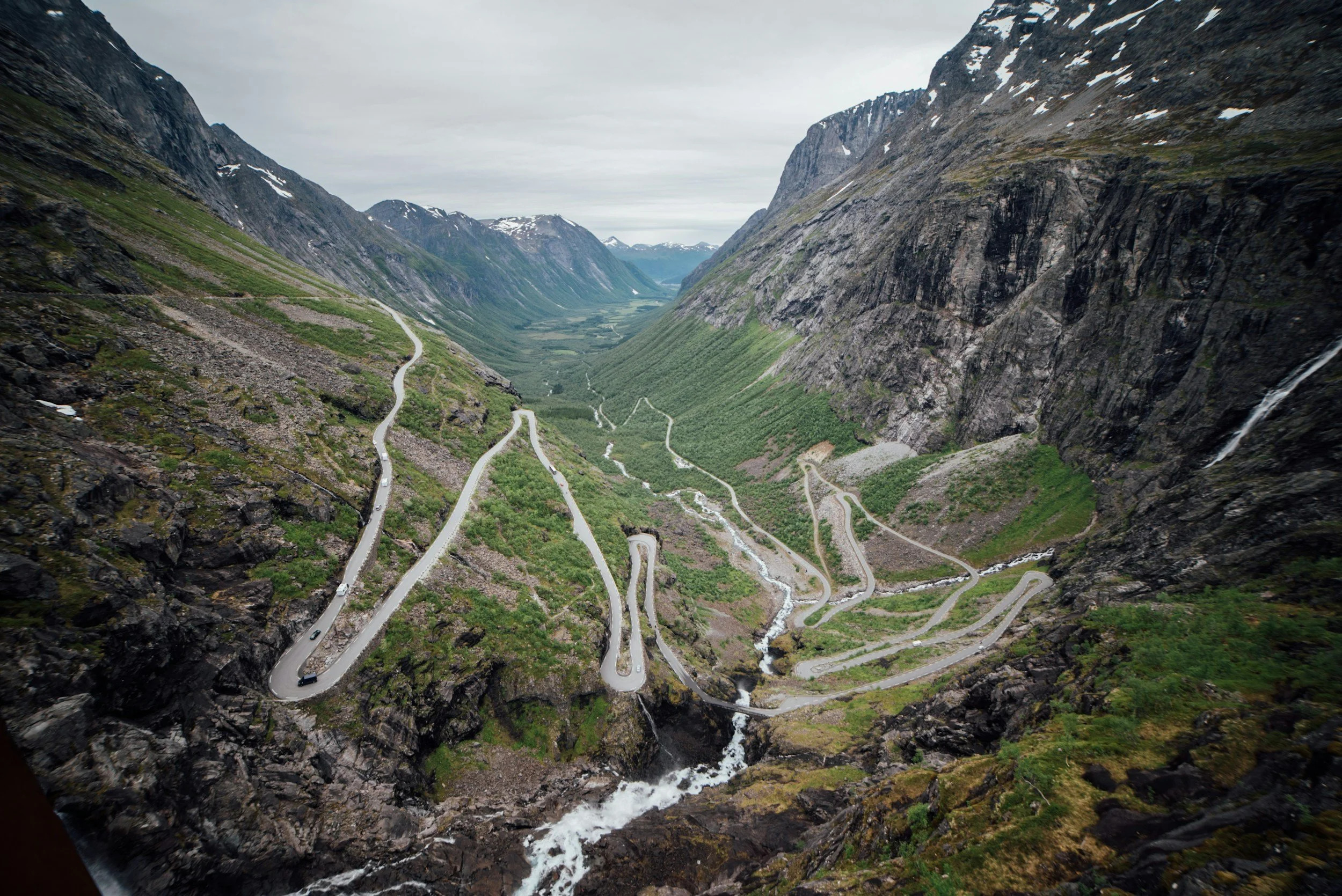
Visitors are often surprised by how varied Norwegian roads can be. On the same trip, you may drive on modern highways, narrow fjord roads, long tunnels, mountain passes and small local roads with passing places.
The main things that make driving in Norway different are:
roads can be narrow and winding
ferries may be part of the route
tunnels can be long
mountain roads can be weather-exposed
distances often take longer than expected
scenic roads are often slower than normal roads
wildlife and livestock may appear near the road
weather can change quickly, especially in mountain and coastal areas
The best way to approach driving in Norway is not to think only about distance. You also need to think about road type, weather, ferry crossings, speed limits and how much energy the drive will require.
Do You Need a Car in Norway?
When a car is useful
You do not always need a car in Norway, but there are many trips where renting one makes the experience much easier. A car gives you flexibility and allows you to reach places that public transport does not serve frequently.
A car is especially useful for:
fjord regions
Lofoten and Senja
Northern Norway road trips
rural accommodation
mountain areas
cabin stays
scenic routes
flexible itineraries
trips with luggage or photography equipment
routes where you want to stop often along the way
If your trip is built around landscapes, small villages, scenic detours or slower travel, a car can make a lot of sense.
When you may not need one
A car is not always necessary. In some places, it can even make the trip more complicated. Oslo, Bergen, Trondheim and Tromsø can all be explored without a car, especially if you are staying centrally.
You may not need a car for:
Oslo city breaks
Bergen city stays
train-based itineraries
Norway in a Nutshell-style routes
short urban trips
trips focused only on major towns
visits where parking would be expensive or limited
If your itinerary is mainly city-based, public transport may be easier. If your itinerary is rural, scenic or flexible, a car becomes much more useful.
Basic Driving Rules in Norway
Key rules visitors should know
Norway drives on the right-hand side of the road. Distances and speed limits are shown in kilometres, and road signs follow a broadly European system.
Visitors should be aware of these basic rules:
You drive on the right-hand side.
Seat belts are compulsory for both driver and passengers.
Dipped headlights must be used all year, including during daylight.
Hand-held mobile phone use is not allowed while driving.
The drink-driving limit is very low.
Children must use appropriate child restraints.
You must give way to buses in certain lower-speed areas.
Trams have priority.
You must adapt your speed to the conditions, not only to the posted speed limit.
The drink-driving limit in Norway is low enough that visitors should treat it as effectively zero-tolerance. If you are driving, it is safest not to drink alcohol at all.
What this means in practice
Norway is a rule-based driving culture. Drivers are expected to follow signs, use indicators, keep distance, give way correctly and avoid aggressive driving. Traffic rules are not treated casually, and visitors should assume that laws are actively enforced.
This does not mean driving in Norway feels tense. In many areas, it feels calm and organised. But it does mean that habits such as speeding, tailgating, stopping in unsafe places or ignoring signs can cause problems quickly.
Speed Limits, Speed Cameras and Fines in Norway
Speed limits are taken seriously
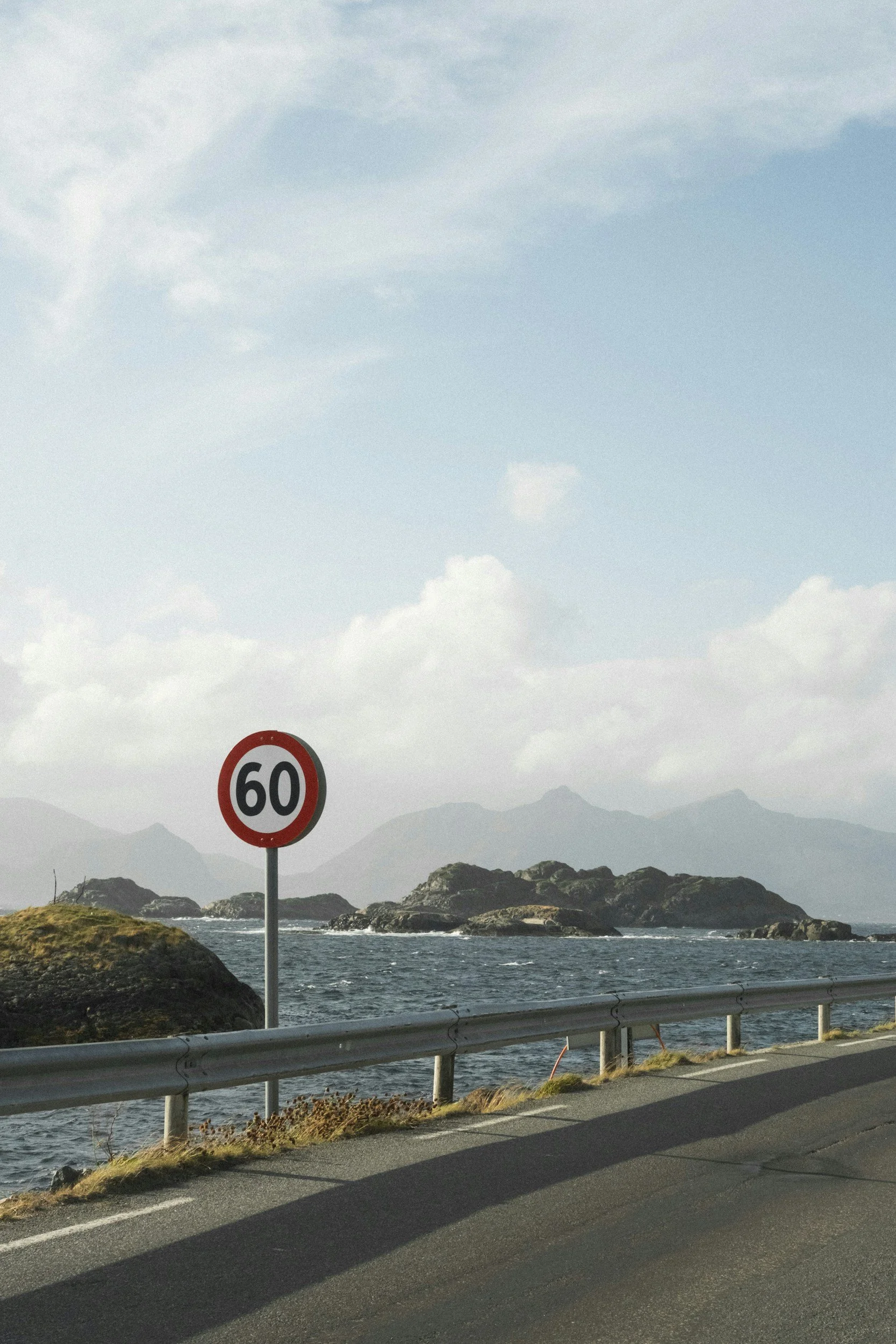
Speed limits in Norway should be taken very seriously. This is not a country where the posted speed limit is treated as a loose guideline. Norwegian roads often pass through villages, tunnels, mountain sections, wildlife areas and narrow stretches where the speed limit is there for a reason.
The general speed limit is often 50 km/h in built-up areas and 80 km/h outside built-up areas unless otherwise signed. Some residential areas have lower limits, while certain dual carriageways and motorways may have higher limits.
Even when the posted limit is higher, you are still expected to drive according to the conditions. Rain, snow, ice, fog, animals, roadworks, narrow roads and poor visibility may all require you to drive more slowly.
How expensive are speeding fines in Norway?
Speeding fines in Norway can be much higher than many visitors expect. The fines are not symbolic, and even relatively small offences can cost several thousand Norwegian kroner.
At the time of writing in 2026, the simplified penalty rates include the following examples:
Driving 6–10 km/h over the limit can result in a fine of NOK 3,350.
In speed zones of 60 km/h or lower, driving 16–20 km/h over the limit can result in NOK 8,650.
In those same lower speed zones, driving 21–25 km/h over the limit can result in NOK 13,450.
On roads with speed limits of 70 km/h or higher, driving 21–25 km/h over the limit can result in NOK 10,100.
On those higher-speed roads, driving 26–30 km/h over the limit can result in NOK 13,450.
Driving 31–35 km/h over the limit can result in NOK 16,050.
On motorways with speed limits of 90 km/h or higher, driving 36–40 km/h over the limit can result in NOK 16,700 under the fixed penalty system.
These figures show why visitors should not think of Norwegian speed limits as flexible. A small amount of careless speeding can quickly become a very expensive part of the trip.
Speed cameras and average speed control
Norway uses both police speed checks and automatic speed cameras. Some cameras measure your speed at a fixed point, while others are part of average speed control sections.
With average speed control, your speed is measured between two camera points. This means that your average speed across the whole section matters, not only how fast you are going when you pass the camera itself.
On roads with average speed control, slowing down only at the camera is not enough. If your average speed between the cameras is too high, you may still be fined.
What visitors should remember
For visitors renting a car, speeding fines can still reach you through the rental company. The rental company may also add an administration fee. Higher speeding offences may involve penalty points, licence consequences or a more serious police case rather than a simple fixed penalty.
The safest and most realistic advice is simple: in Norway, drive at or below the posted speed limit. This is especially important near villages, schools, tunnels, roadworks, wildlife areas, fjord roads and average speed camera sections.
Road Signs and Road Markings in Norway
Direction signs
Norwegian direction signs usually show place names, route numbers and distances in kilometres. This sounds simple, but Norwegian place names can be unfamiliar, and in rural areas you may need to follow signs for smaller destinations rather than only looking for the nearest large town.
It is useful to know the names of the places along your route before you start driving. This makes it easier to understand signs, ferry directions and route changes.
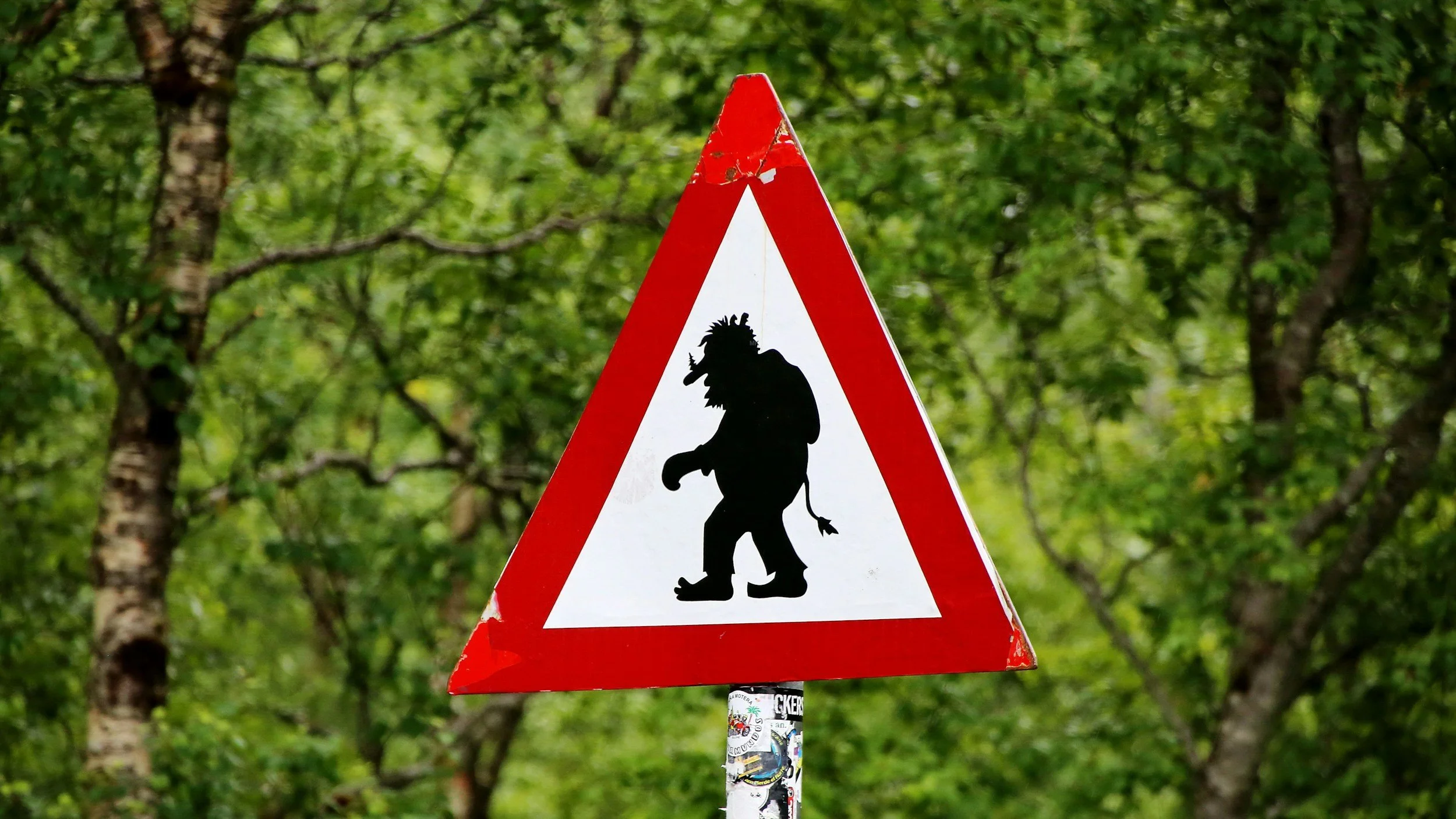
Warning signs
Warning signs are especially important in Norway because they often reflect real local conditions. They should not be treated as decorative or overly cautious.
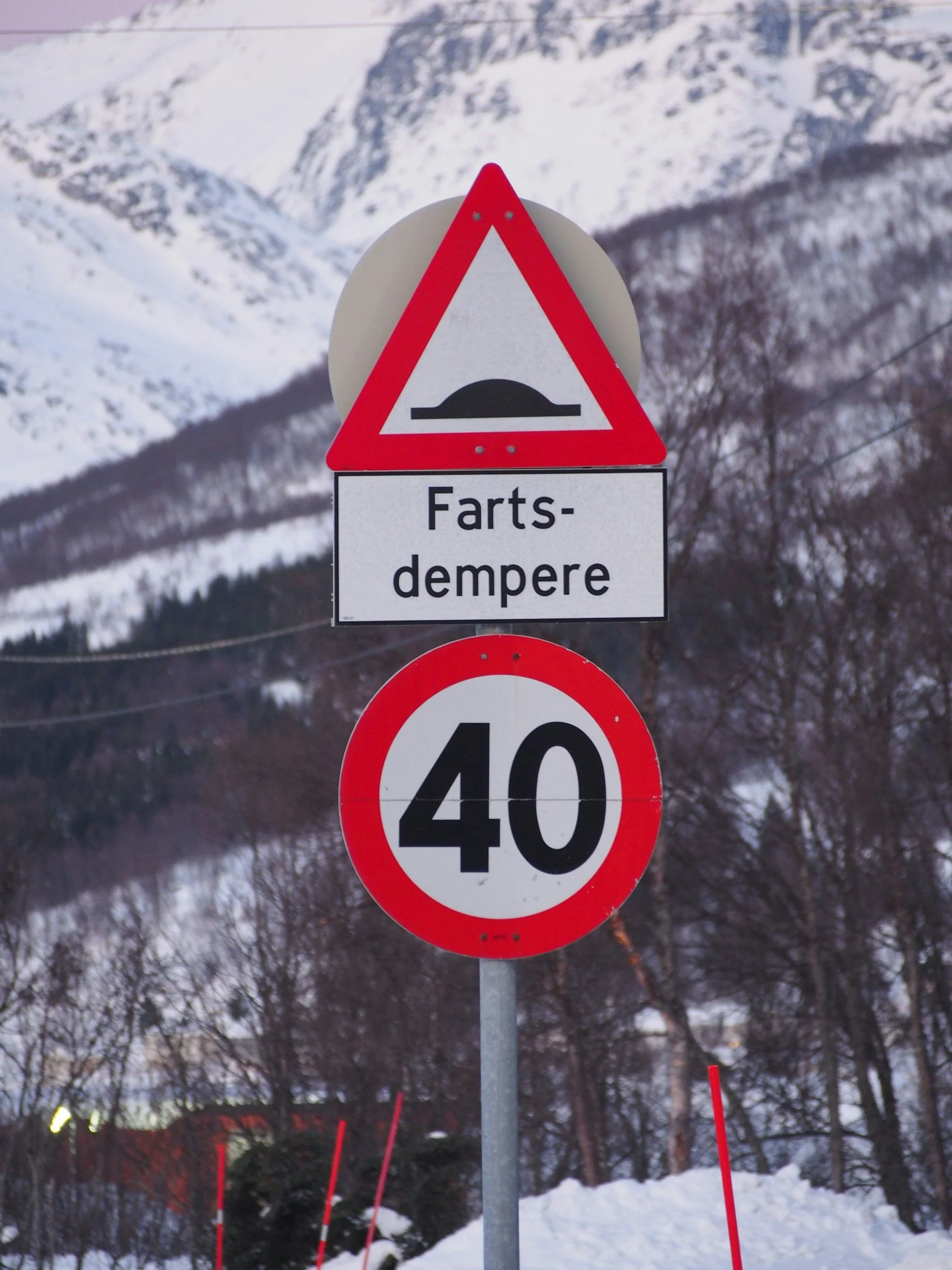
Pay close attention to signs warning of:
moose
deer
reindeer
sheep
rockfall
steep gradients
sharp bends
slippery roads
tunnels
narrowing roads
roadworks
ferry quays
If a road is marked for animals, falling rocks, difficult bends or slippery conditions, there is usually a reason.
Parking signs
Parking signs matter in Norway, especially in towns, cities, ferry areas, viewpoints and popular hiking destinations. Some car parks require payment through an app, some have time limits, and some areas restrict overnight parking or motorhome use.
Never assume that an empty space means unrestricted parking. Always check the signs before leaving the car.
Toll Roads and AutoPASS
How toll roads work
Norway has many toll roads, and visitors should expect tolls to be part of the cost of driving. Toll stations are usually automatic, so you do not stop to pay at a booth. Cameras or electronic systems register the vehicle, and the charge is billed afterwards.
AutoPASS is the Norwegian toll system. It is used for many road tolls and can also be connected to ferry payment systems. Foreign vehicles must also pay road tolls in Norway.
If you are renting a car
If you are renting a car, the rental company will usually handle toll registration, but this does not mean tolls are included in the rental price. You should ask how the charges will be handled before you leave the rental office.
Before driving away, ask:
how tolls are charged
whether ferry payments are included
whether there is an administration fee
how charges will appear after the trip
whether the rental company handles AutoPASS automatically
whether vehicle category affects toll or ferry prices
This is especially important on road trips through Western Norway, where tolls and ferries may appear several times in one itinerary.
If you drive your own car to Norway
If you drive your own car to Norway from abroad, you should check how foreign vehicles are billed for tolls before travelling. Registration, invoicing and vehicle category can affect how charges are handled.
This is especially relevant if your vehicle is large, electric, a motorhome, or registered outside Norway.
Ferries in Norway
Ferries are part of the road network
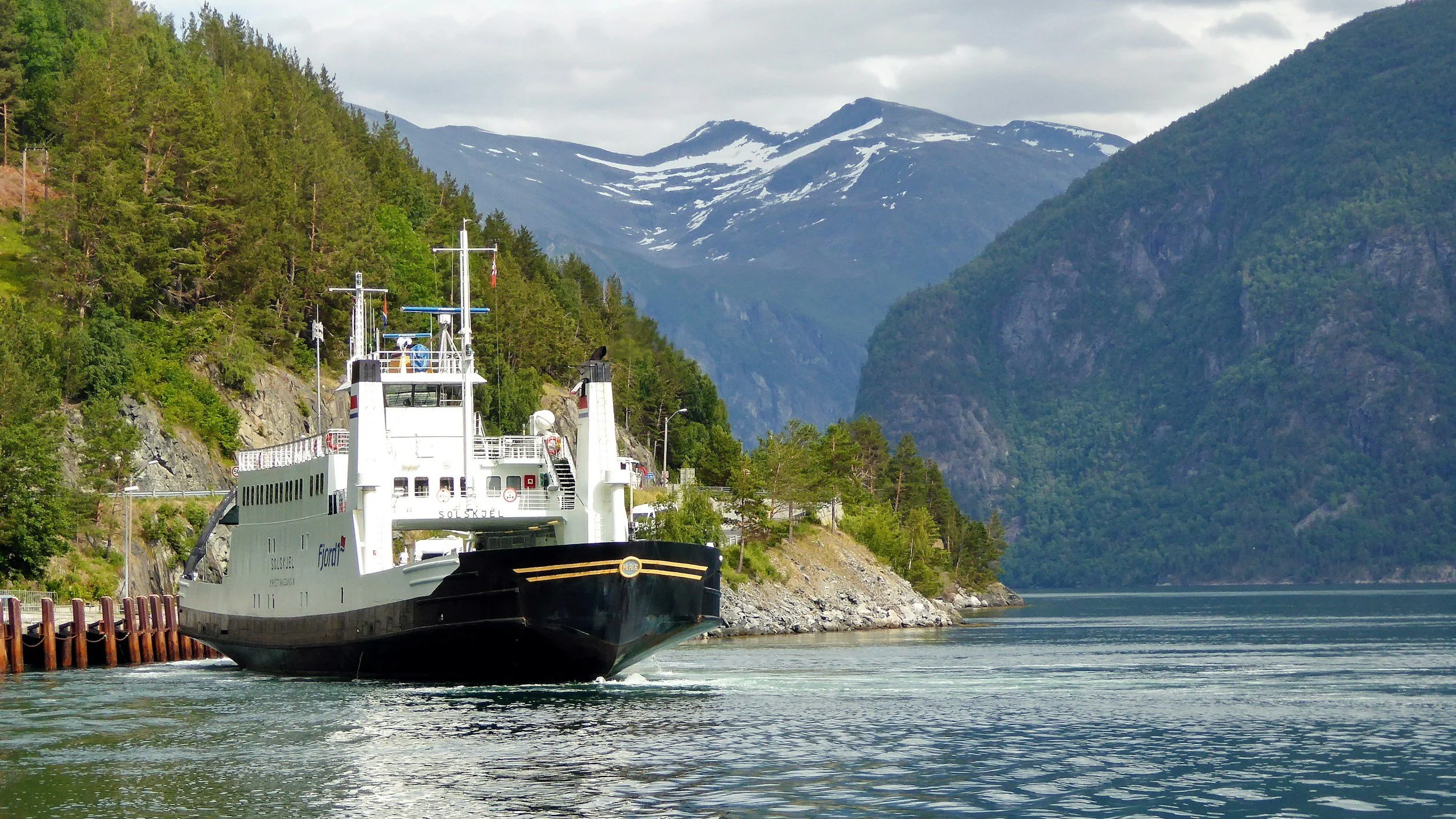
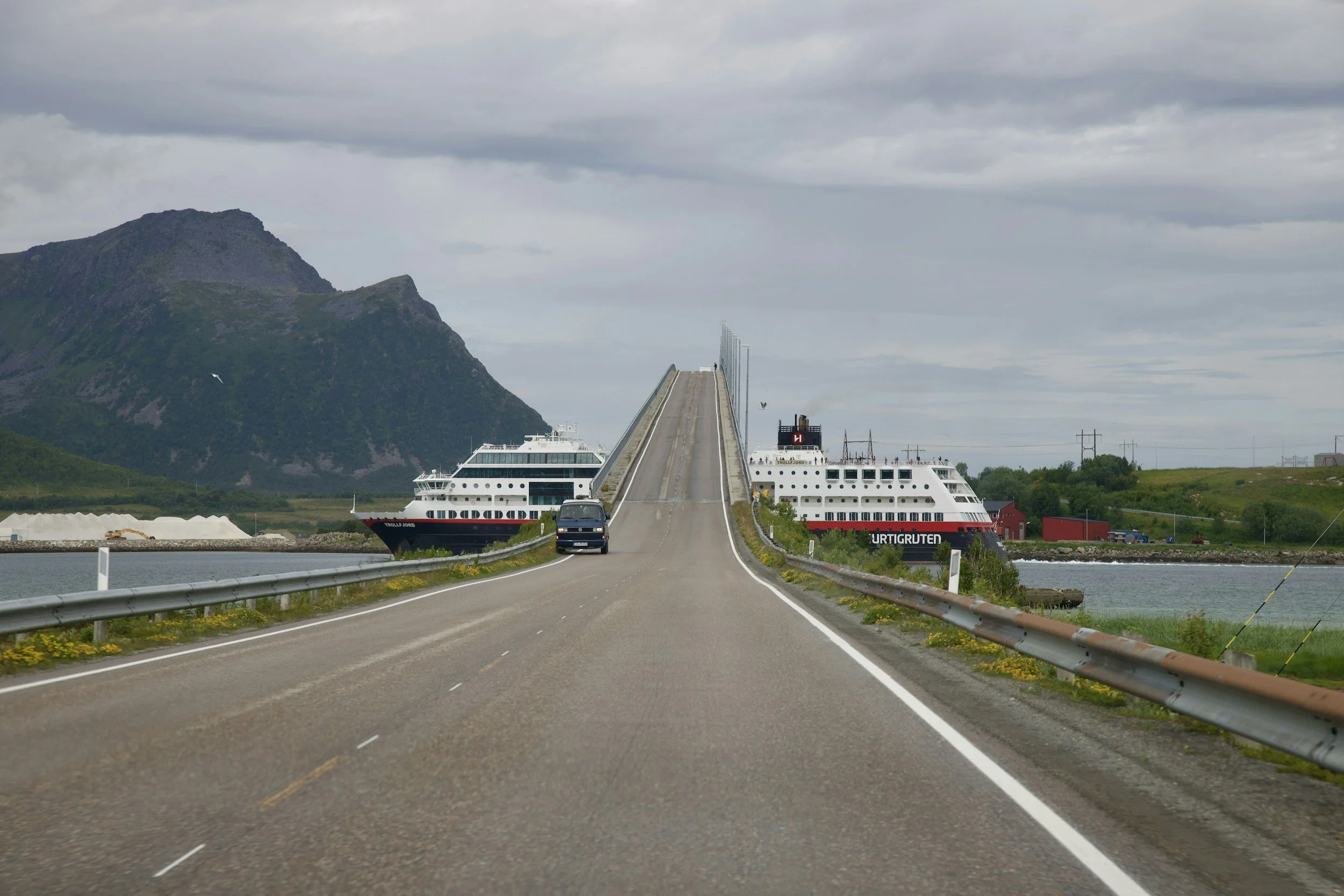
Ferries are a normal part of the road network in many parts of Norway, especially in fjord and coastal regions. They are not always separate scenic excursions. Sometimes they are simply how the road continues.
For visitors, this can be surprising at first. You may follow the road, arrive at a ferry quay, wait in line, drive on board, cross the fjord and continue driving on the other side. In many parts of Western Norway and coastal Norway, this is ordinary local transport.
What to expect when taking a car ferry
Taking a car ferry in Norway is usually straightforward. You drive to the ferry quay, join the correct lane and follow instructions from signs or ferry staff.
A typical car ferry journey works like this:
drive to the ferry quay
wait in the correct lane
follow crew instructions
drive on board when directed
park where you are told
switch off the engine
stay in the car or go to the passenger area, depending on the route
return to the car before arrival
drive off when directed
Some ferry crossings are short and practical. Others are scenic and feel like a natural pause in the journey.
Why ferries affect your itinerary
Some ferries run frequently, while others are less regular. In high season, queues can form on popular routes, especially in fjord areas, island regions and on scenic road trips.
A missed ferry may not ruin the day, but it can affect timing if you have a hotel check-in, restaurant booking or long onward drive. When planning a route in Norway, it is important to treat ferry crossings as part of the journey rather than unexpected interruptions.
For many visitors, ferries become one of the most memorable parts of driving in Norway. They give you time to pause, see the landscape from the water and experience how coastal Norway actually functions.
Fuel Stations
Where to fill up
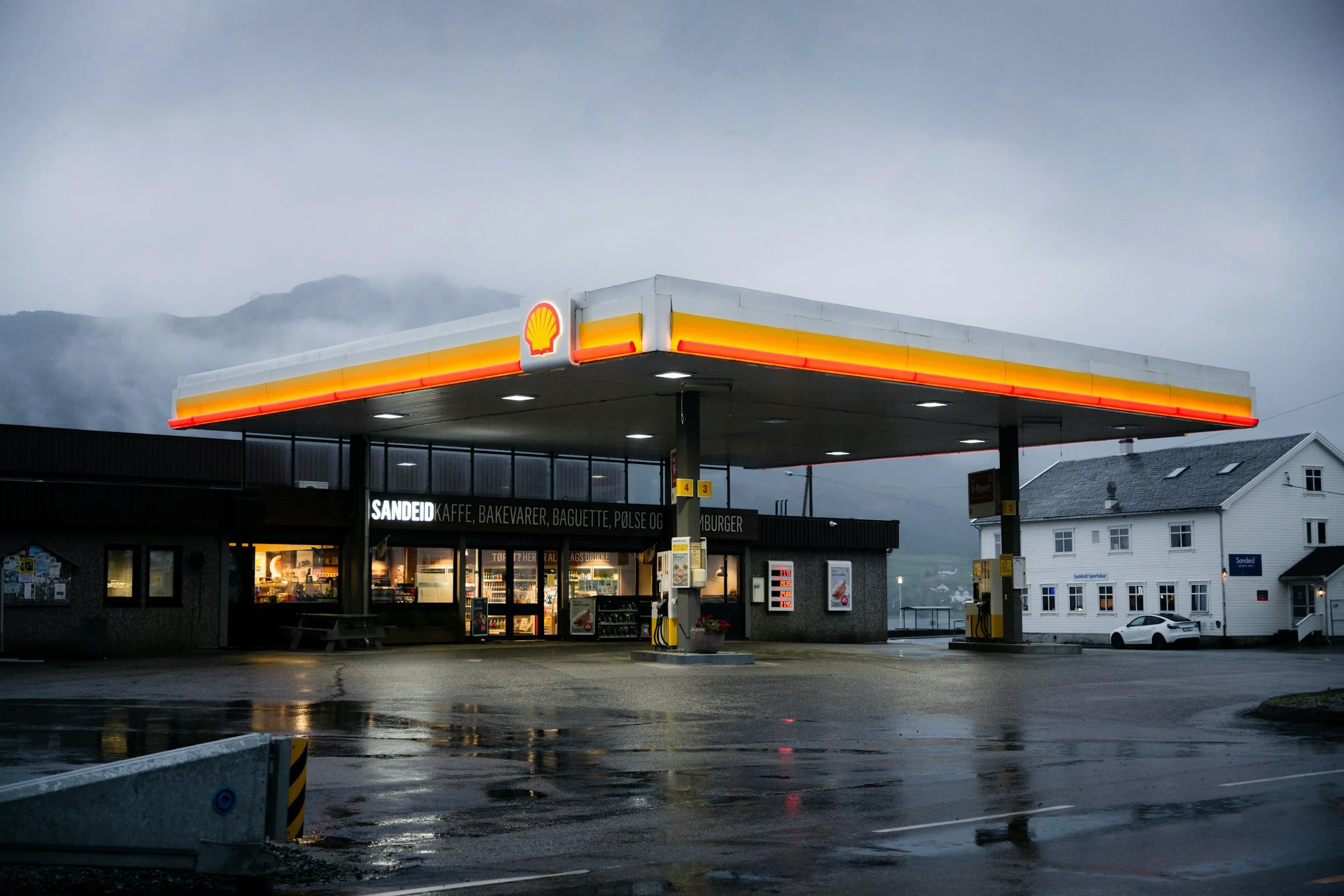
Fuel stations are common along main roads, in towns and near larger settlements. In remote areas, mountain regions and parts of Northern Norway, they can be farther apart.
This does not mean fuel is difficult to find, but it does mean you should plan sensibly. Do not wait until the tank is almost empty before thinking about where to stop.
Practical fuel advice
Before long drives, especially outside cities, it is sensible to think about fuel in advance.
Useful habits include:
fill up before long rural drives
do not wait until the tank is nearly empty
expect higher fuel prices than in many countries
check opening hours in remote areas
remember that some stations are unmanned
keep extra margin in Northern Norway and mountain areas
fill up before evening drives if you are heading into remote areas
Many fuel stations are self-service, and card payment is normal. Some smaller stations may be unmanned outside certain hours.
A good rule is to fill up when it is convenient, not only when it becomes urgent.
EV Charging in Norway
Norway is EV-friendly, but planning still matters
Norway is one of the easiest countries in Europe for electric car travel. Charging infrastructure is well developed, and electric cars are common throughout the country. Visitors can absolutely plan a Norwegian road trip with an EV.
However, EV travel still requires planning. Charging may be simple in cities and along major routes, but you should not assume that every remote destination has the exact charger you need at the exact moment you arrive.
Before driving an EV in Norway
If you are renting an electric car, ask the rental company how charging works before you leave. Different chargers may use different apps, cards or payment systems.
Before driving an EV in Norway, check:
whether the rental car includes a charging card
which charging apps you may need
whether the car has the right cables
where you will charge on longer routes
whether your accommodation offers charging
whether fast chargers are available near remote destinations
whether high-season queues may affect popular routes
how cold weather may affect range if travelling outside summer
It is also sensible to plan charging stops before long drives rather than improvising late in the day. This is especially useful in Northern Norway, mountain areas and smaller fjord villages.
EVs and accommodation
If you are staying in hotels, cabins or rural guesthouses, check charging availability before booking if you are relying on an electric car. Some accommodation has dedicated chargers, while other places may have limited capacity or no charging at all.
If charging is important to your route, do not leave it as an afterthought.
Parking in Norway
Parking in cities
Parking in Norwegian cities can be expensive, regulated and app-based. Hotels do not always include free parking, and street parking may be limited by time, resident zones or payment rules.
In cities, visitors should expect:
paid parking
app-based payment
time restrictions
resident parking zones
hotel parking fees
limited street parking
toll rings around some urban areas
cyclists, buses, pedestrians and trams
In Oslo especially, having a car in the city centre can be more inconvenient than helpful. If you are only visiting Oslo, you usually do not need a car.
Parking in rural areas
In smaller towns and rural areas, parking is often easier, but it is still not always free or unrestricted. Popular viewpoints, beaches, hiking areas, ferry quays and scenic stops may have limited spaces, especially in summer.
In rural and scenic areas, remember that:
popular viewpoints can fill up
hiking car parks may require payment
overnight parking may be restricted
motorhomes may have separate rules
ferry quays may have marked lanes and waiting areas
private land is not public parking
small villages may have limited parking space
Always check signs before leaving the car.
Do not stop dangerously for photos
One of the most important practical rules is not to stop dangerously for photographs. Norway has beautiful roads, but stopping on narrow roads, in passing places, near bends, at tunnel entrances or where you block local traffic is unsafe.
Use proper viewpoints, rest areas and car parks. If there is no safe place to stop, keep driving.
Road Standards in Norway
Main roads vs rural roads
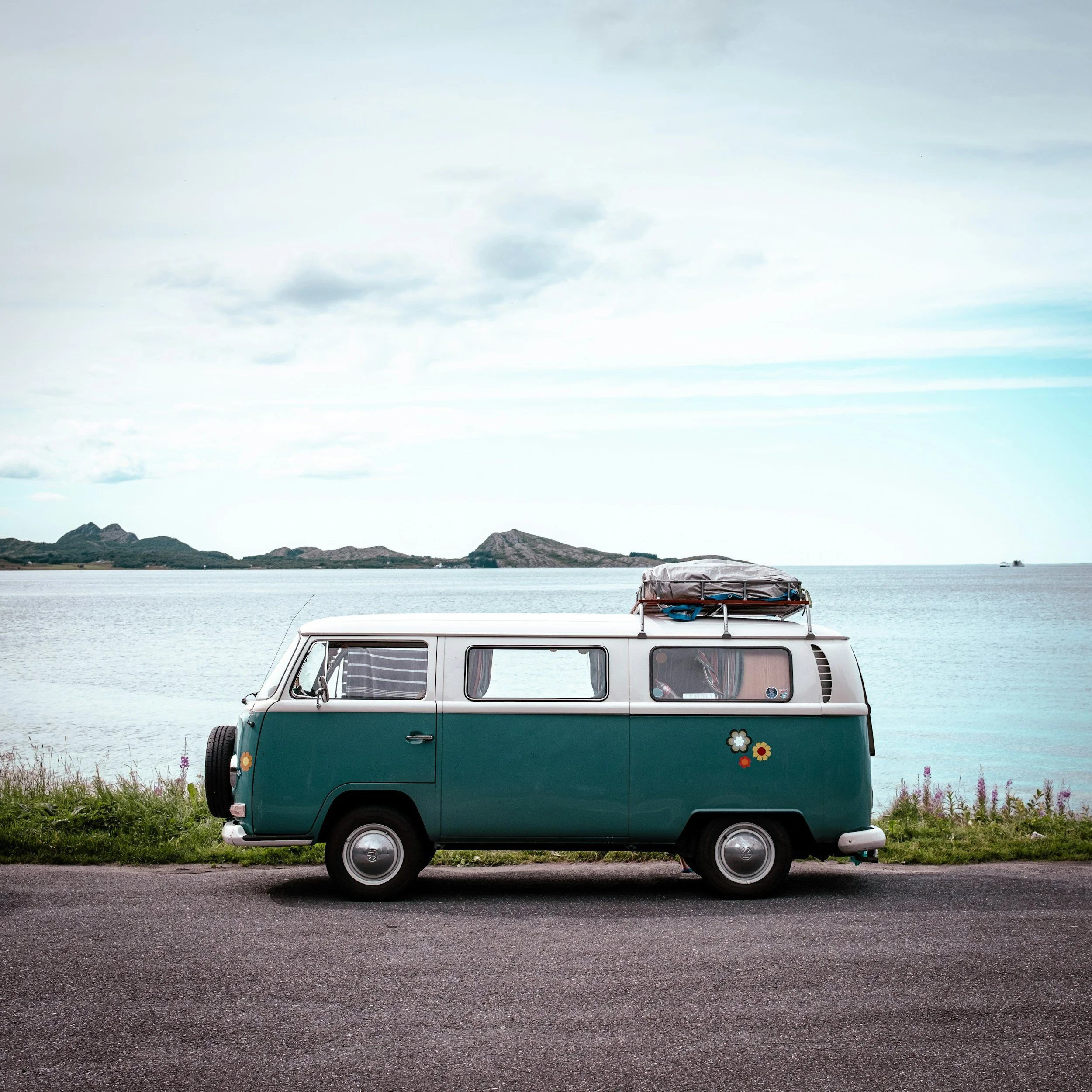
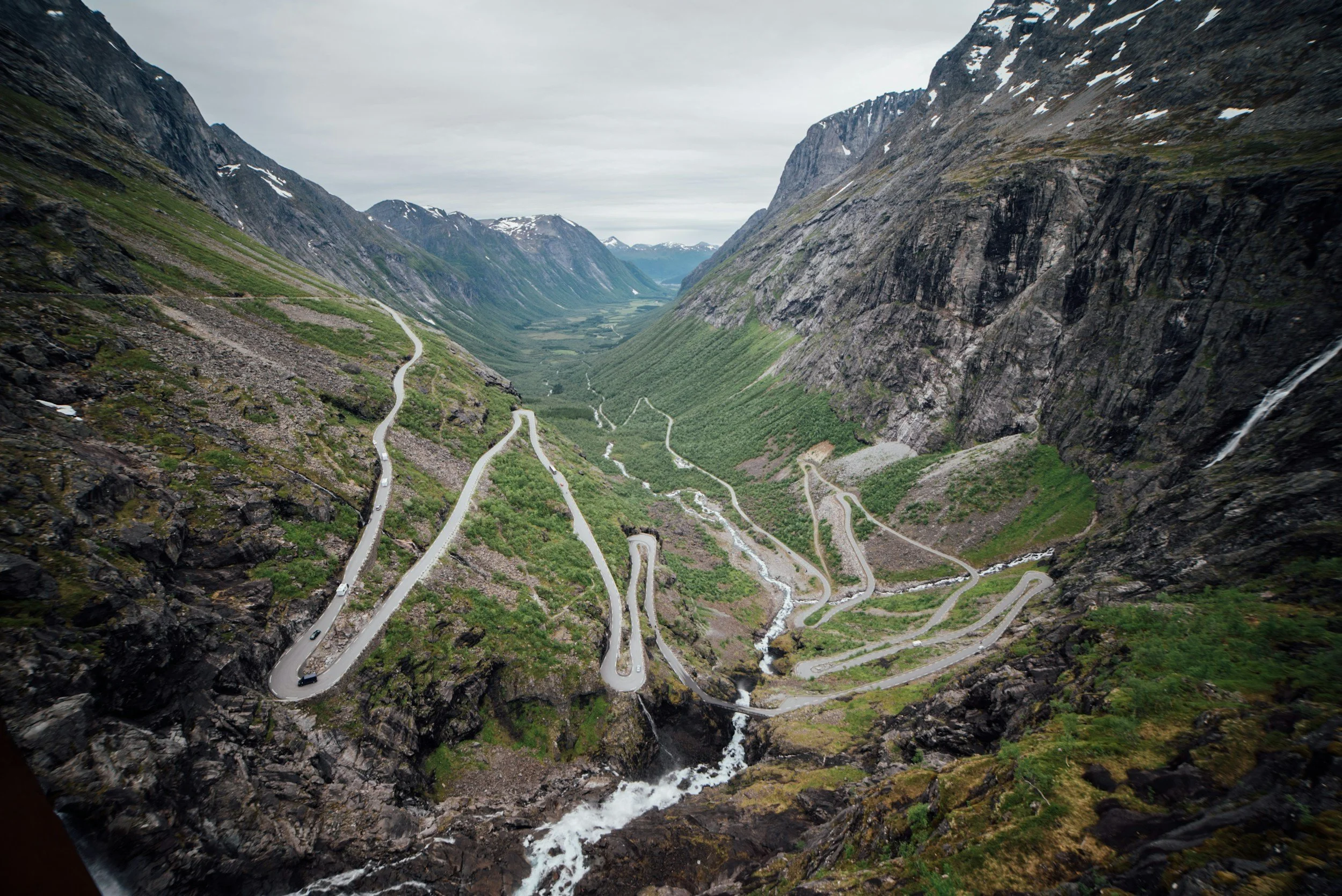
Norway’s road standards vary widely. Main roads between cities can be modern, smooth and easy to drive. Rural roads may be narrow, winding and slow. In fjord regions, roads often follow the shape of the landscape, with tight bends, steep drops, tunnels, bridges and occasional ferry crossings.
In mountain areas, roads may be exposed to weather. In Northern Norway, distances between settlements can be long. On smaller roads, there may be few places to overtake.
What visitors often find surprising
Many visitors expect Norwegian roads to be fast because the country is modern and well organised. In reality, the road quality may be good, but the landscape often makes driving slower.
Visitors are often surprised that:
roads can be narrow
overtaking may be difficult
fjord roads are often slow
tunnels are common
passing places must be used properly
buses and lorries need space
scenic roads are not always fast roads
a short distance on the map can take longer than expected
Norway is not a country where every route feels like a fast European highway. The road itself is often part of the journey, and the best itineraries allow enough time for that.
Passing places and slow traffic
Some narrow roads have passing places. These are not viewpoints, picnic spots or photo stops. They are there so vehicles can pass each other safely.
If you are driving slowly and traffic builds up behind you, pull over where it is safe and let others pass. This is especially important if you are driving a motorhome, towing a caravan or travelling slowly to enjoy the scenery.
Tunnels in Norway
What to expect
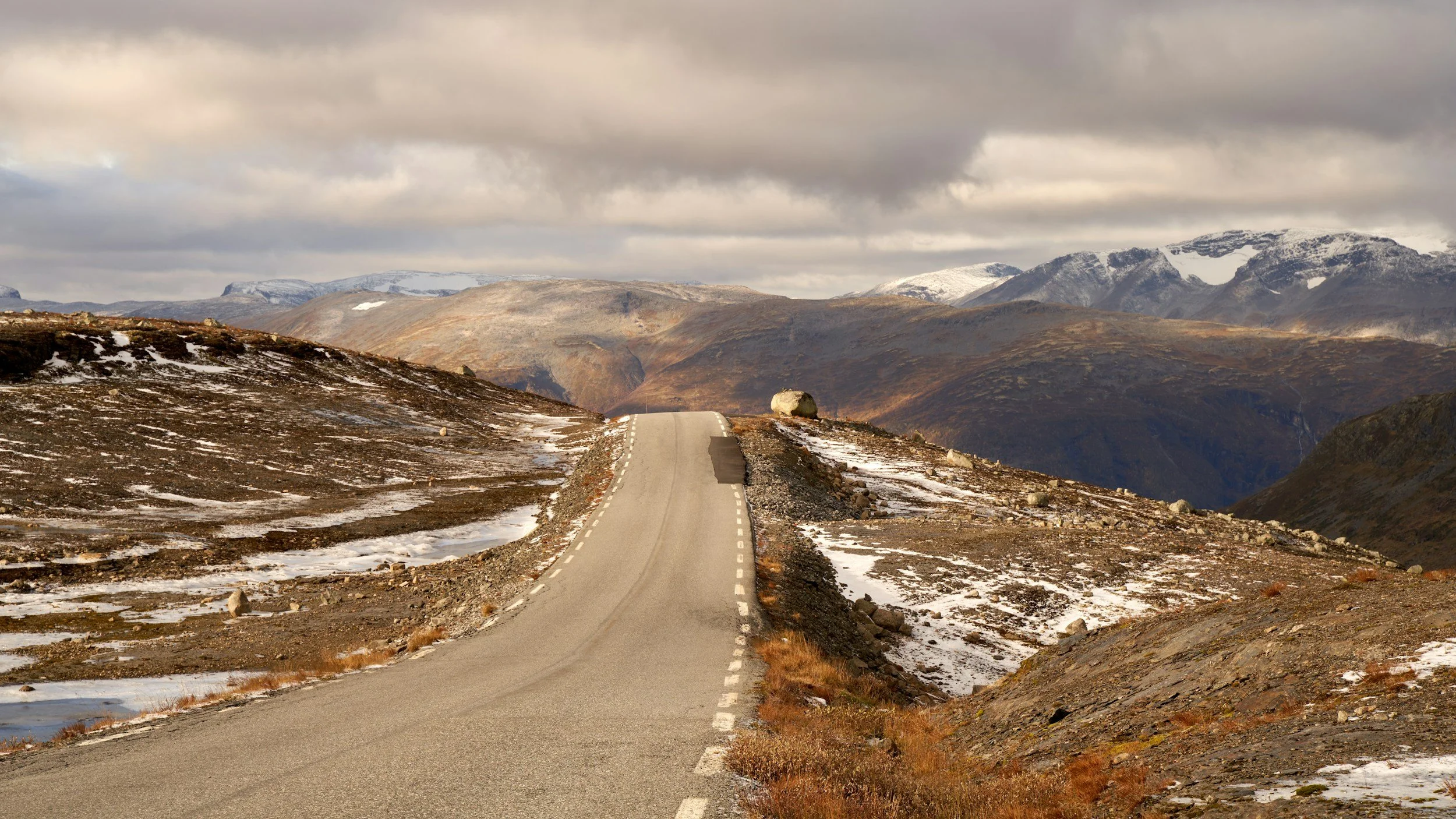
Tunnels are a major part of driving in Norway. Some are short, but others are very long. Some pass under fjords or through mountains, and some have roundabouts inside them.
Visitors should be prepared for tunnels that may feel:
long
dark
enclosed
steep
narrow
monotonous
different from tunnels they are used to elsewhere
Tunnels are one of the reasons Norwegian routes can feel unusual. They make travel possible through difficult terrain, but they also require concentration.
How to drive safely in tunnels
Before entering a tunnel, take off sunglasses, adjust your speed and stay alert. Do not stop in a tunnel unless there is an emergency.
When driving through tunnels:
keep a safe distance
follow speed limits
watch for signs
stay in your lane
do not overtake unless permitted
do not stop unless necessary
pay attention to changes in lighting
be prepared for roundabouts in some tunnels
Long tunnels can feel repetitive, so it is important to remain focused until you are fully out of the tunnel.
Mountain Passes and Weather-Exposed Roads
Why mountain roads need planning
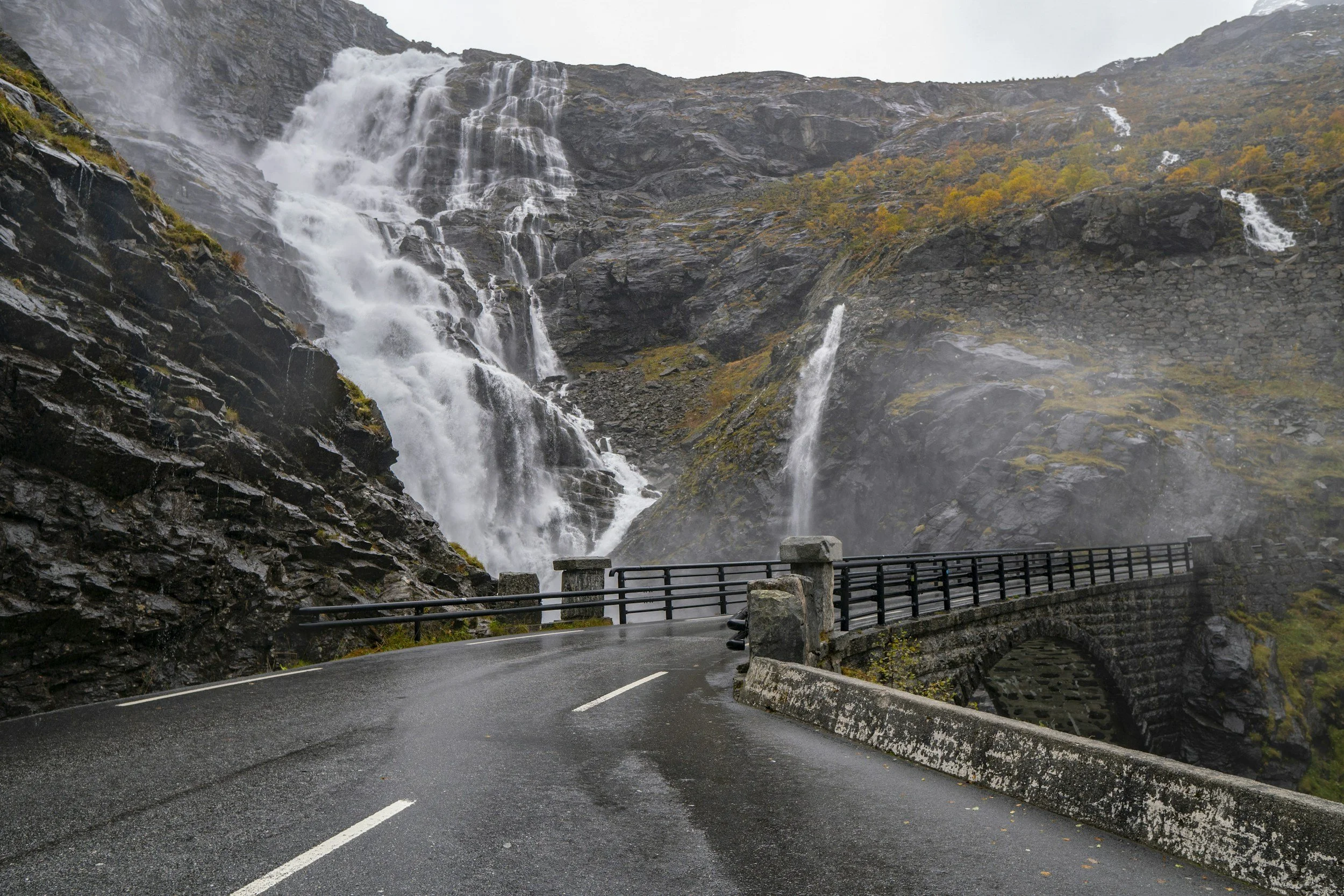
Mountain passes are one of the most important things to understand when driving in Norway. Some roads cross high, exposed terrain where weather can change quickly. This matters most in winter, but it can also matter in spring, autumn and occasionally summer.
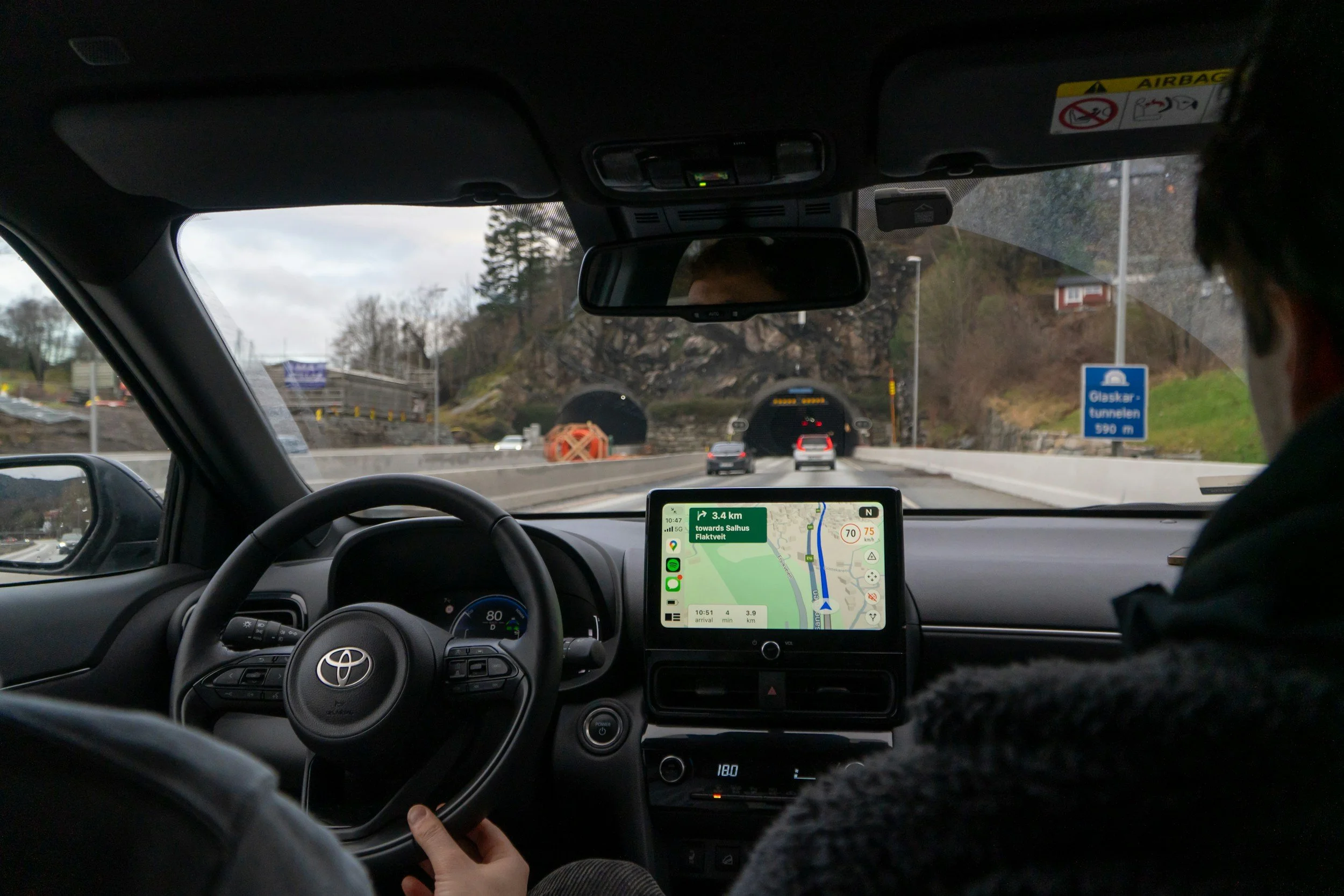
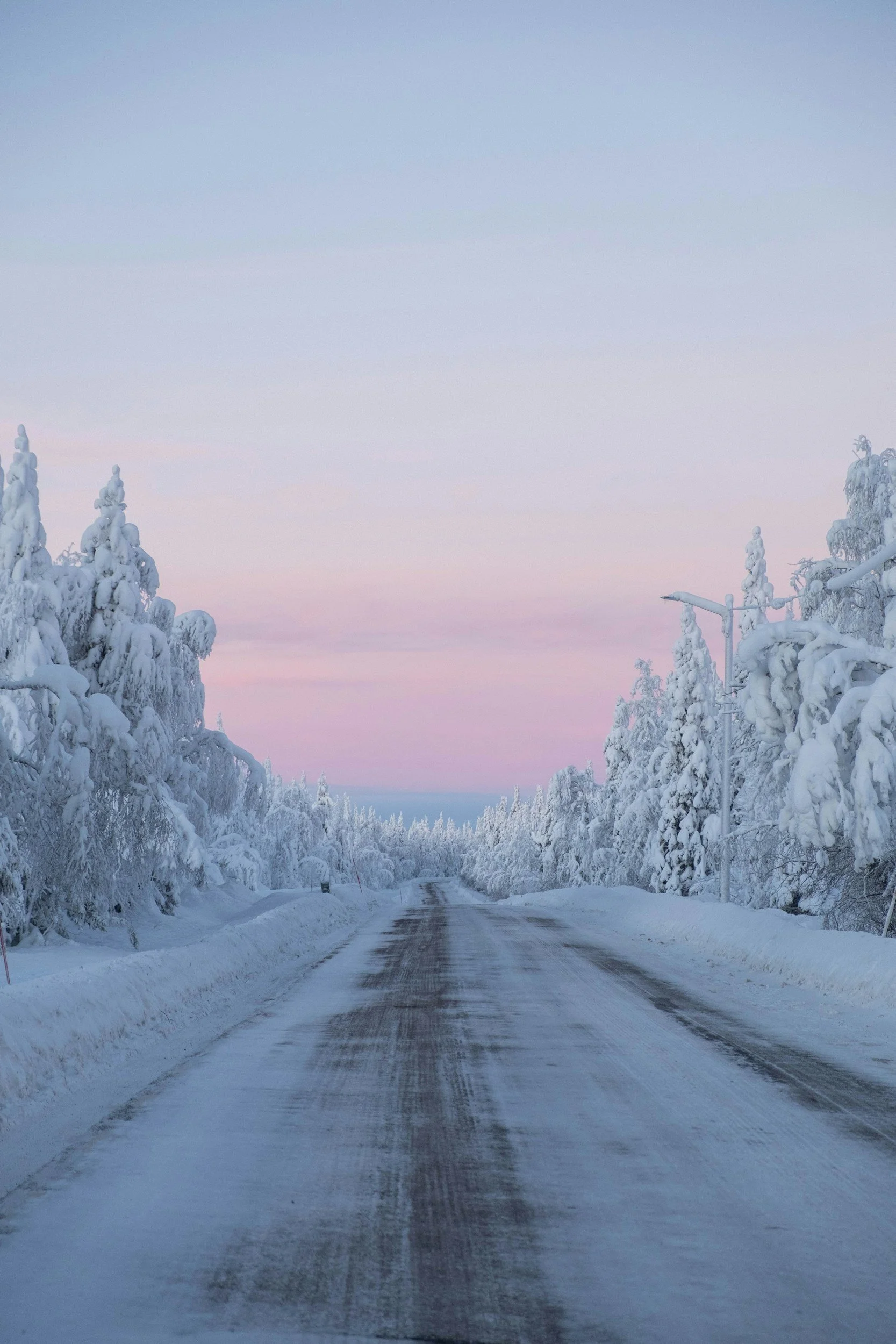
Higher roads may have snow, frost, fog, strong wind or poor visibility even when conditions are mild in the lowlands. Some scenic roads are seasonal and do not open until late spring or early summer, depending on snow conditions.
Check before you drive
Before a long drive, especially across mountains or through remote areas, check current conditions rather than relying only on a navigation app.
Useful things to check include:
current road conditions
weather forecast
mountain pass status
webcams
ferry updates
road closures
tunnel closures
seasonal scenic route openings
This is especially important if your route includes high mountain roads, exposed bridges, scenic tourist routes or remote areas.
When to read the winter driving guide
This article gives a general overview of driving in Norway. If you are travelling between late autumn and early spring, or if your route includes mountain passes in winter conditions, you should also read the dedicated winter driving guide.
Winter driving in Norway involves additional questions around winter tyres, snow, ice, darkness, convoy driving, closed roads and whether your itinerary is realistic for the season.
Motorhomes and Campervans in Norway
Why motorhomes need extra planning
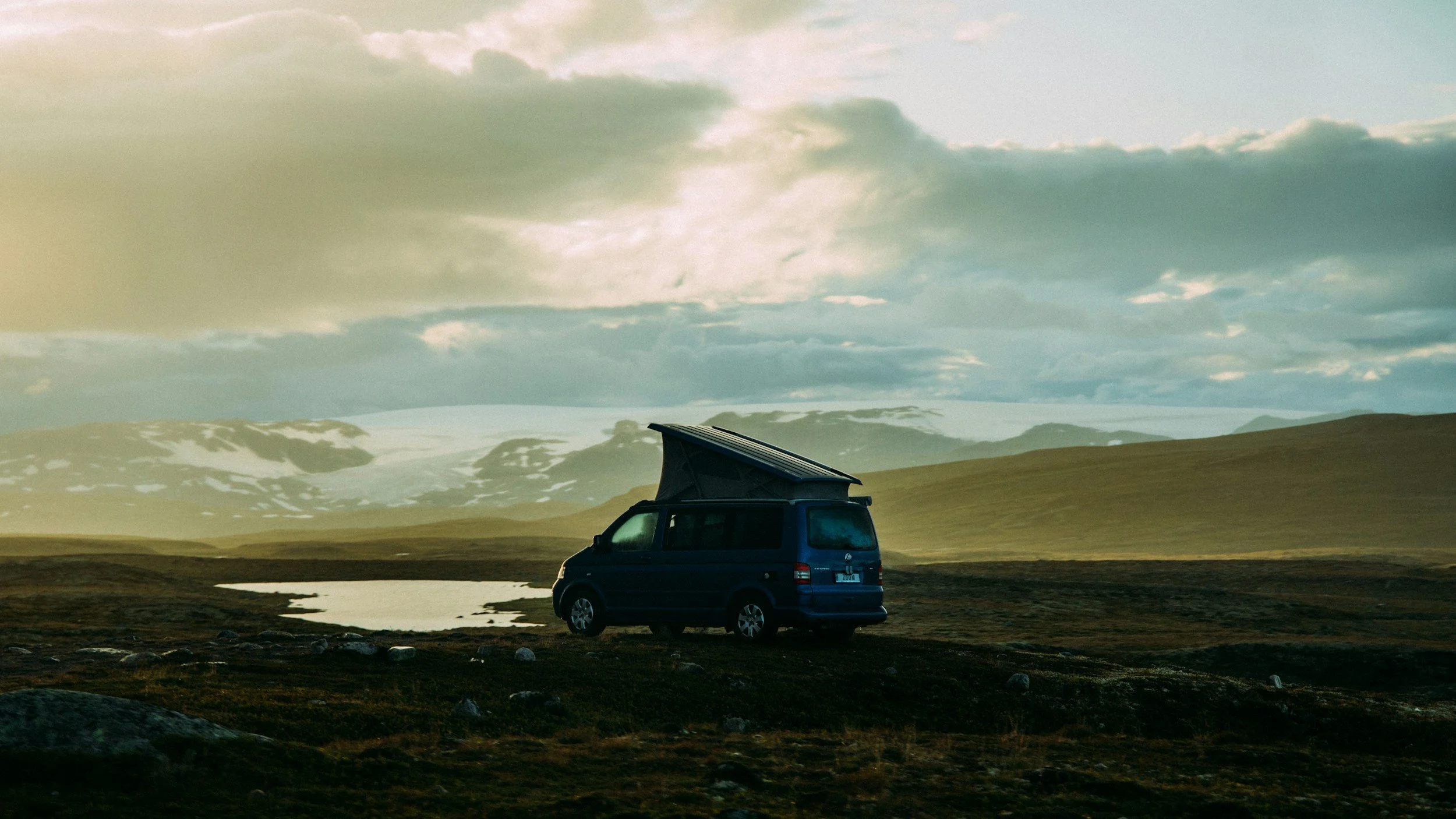
Motorhomes and campervans are popular in Norway, especially along the fjords, in Northern Norway and on longer summer road trips. They give visitors flexibility and allow a slower way of travelling.
However, motorhomes require more planning than a normal rental car. Many Norwegian roads are narrow, winding and shared with buses, lorries, cyclists, sheep, local drivers and other tourists. A large motorhome can make some scenic routes feel more demanding, especially on fjord roads, mountain roads and in small villages during peak season.
Things to consider before renting a motorhome
Before renting a motorhome or campervan in Norway, check the practical details carefully.
Important things to consider include:
vehicle height
vehicle width
total weight
toll category
ferry category
insurance conditions
campsite access
parking restrictions
waste disposal
fuel use or charging needs
comfort on narrow roads
A smaller campervan may be easier than a large motorhome in fjord regions, villages and tight car parks.
Where motorhomes can be difficult
Motorhomes are not equally easy everywhere. Some places are especially busy, narrow or pressured by tourism.
Motorhomes can be more difficult in:
narrow fjord roads
small villages
busy viewpoints
Lofoten in summer
Geiranger in high season
mountain roads
ferry queues
small car parks
roads with limited passing places
This does not mean you should avoid travelling by motorhome. It simply means you should plan realistically and drive considerately.
Motorhome etiquette in Norway
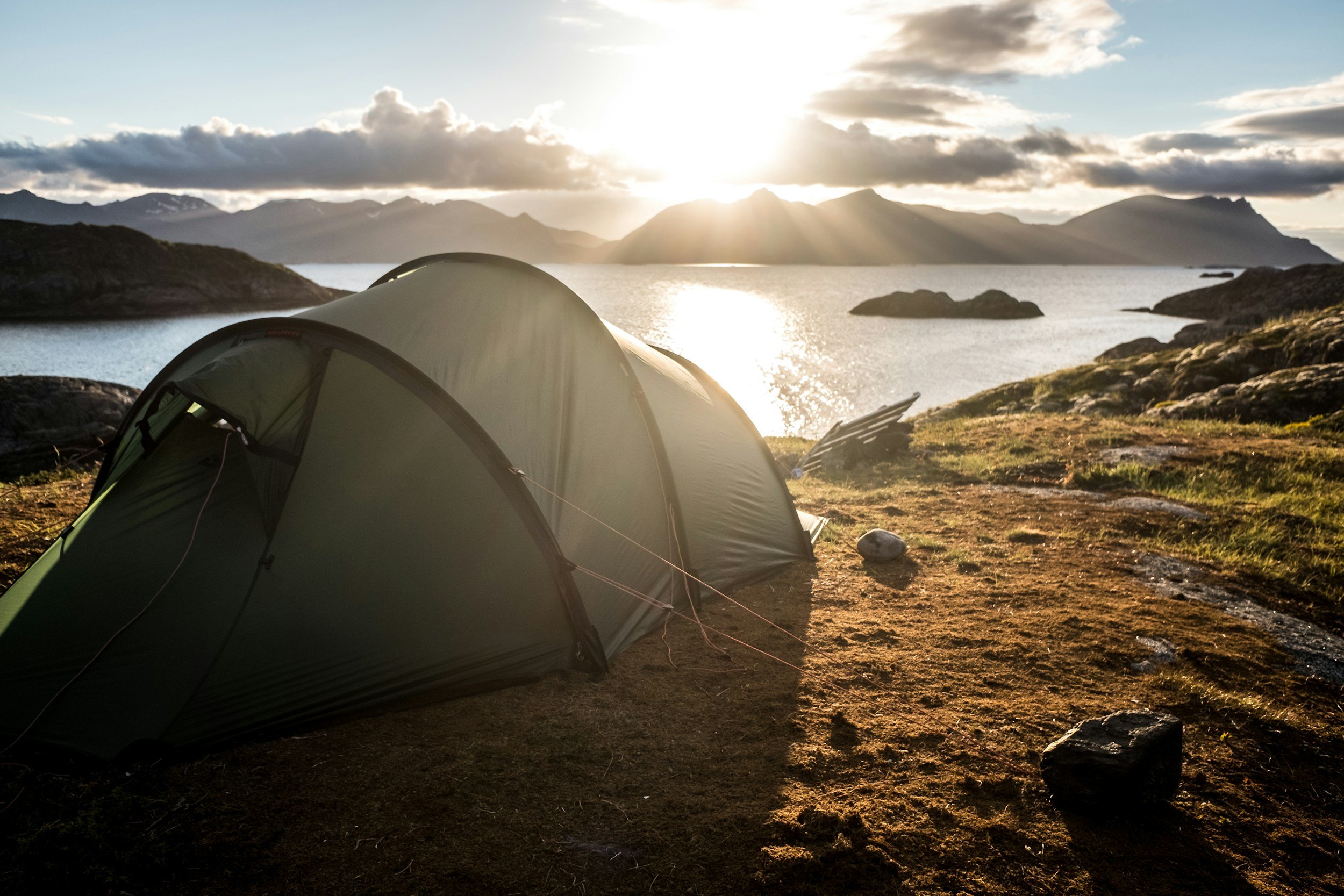
Visitors should also understand that Norway’s right to roam does not mean you can drive or park a motorhome anywhere you like. The right to roam is about access to nature, but motorised vehicles still need to follow roads, parking rules, signs, private property boundaries and local restrictions.
Good motorhome etiquette in Norway means:
do not park in passing places
do not block narrow roads
do not drive off-road
use designated waste disposal
take rubbish with you
respect private land
follow local parking signs
use campsites or designated motorhome areas where possible
avoid putting pressure on small communities in high season
Toilet waste, grey water and rubbish must be handled properly at approved facilities. This matters not only legally, but also culturally. Many popular Norwegian destinations are under pressure from tourism, and careless motorhome use creates problems for local communities.
Speed limits for larger vehicles
Motorhomes and vehicles towing caravans or trailers may also have different speed restrictions from ordinary cars. If you are renting a larger vehicle, check the rules that apply to its weight and category before driving.
This is particularly important if you are driving a heavy motorhome or towing a caravan.
Read more about camping rules and the right to roam
If you are travelling by motorhome or campervan, it is also worth understanding how Norway’s right to roam works. Allemannsretten gives people important access to nature, but it does not mean that vehicles can be driven, parked or camped anywhere without restrictions.
For a clearer explanation of camping rules, private land, uncultivated land and responsible outdoor behaviour, read: The Norwegian Right to Roam Explained:
Animals on the Road
Animals you may encounter
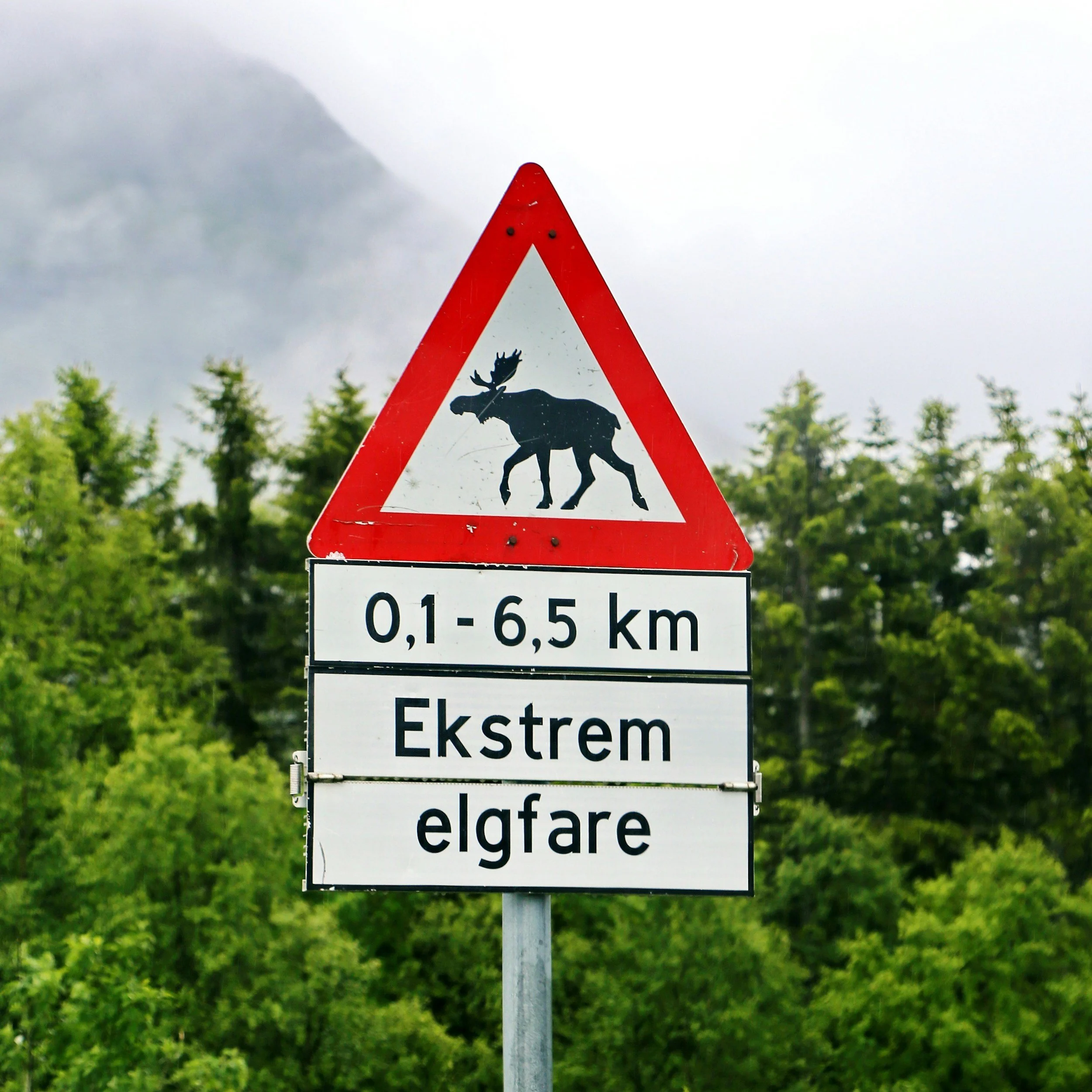
Animals are a real part of driving in Norway. Depending on where you are, you may encounter moose, deer, reindeer, sheep or goats near or on the road.
Animals you may see include:
moose
deer
reindeer
sheep
goats
Warning signs for animals should be taken seriously, especially in forested areas, rural valleys, mountain roads and Northern Norway.
Where to be especially careful
Be especially careful in:
forest areas
rural valleys
Northern Norway
mountain areas
roads with animal warning signs
dusk and early morning
places where livestock graze freely
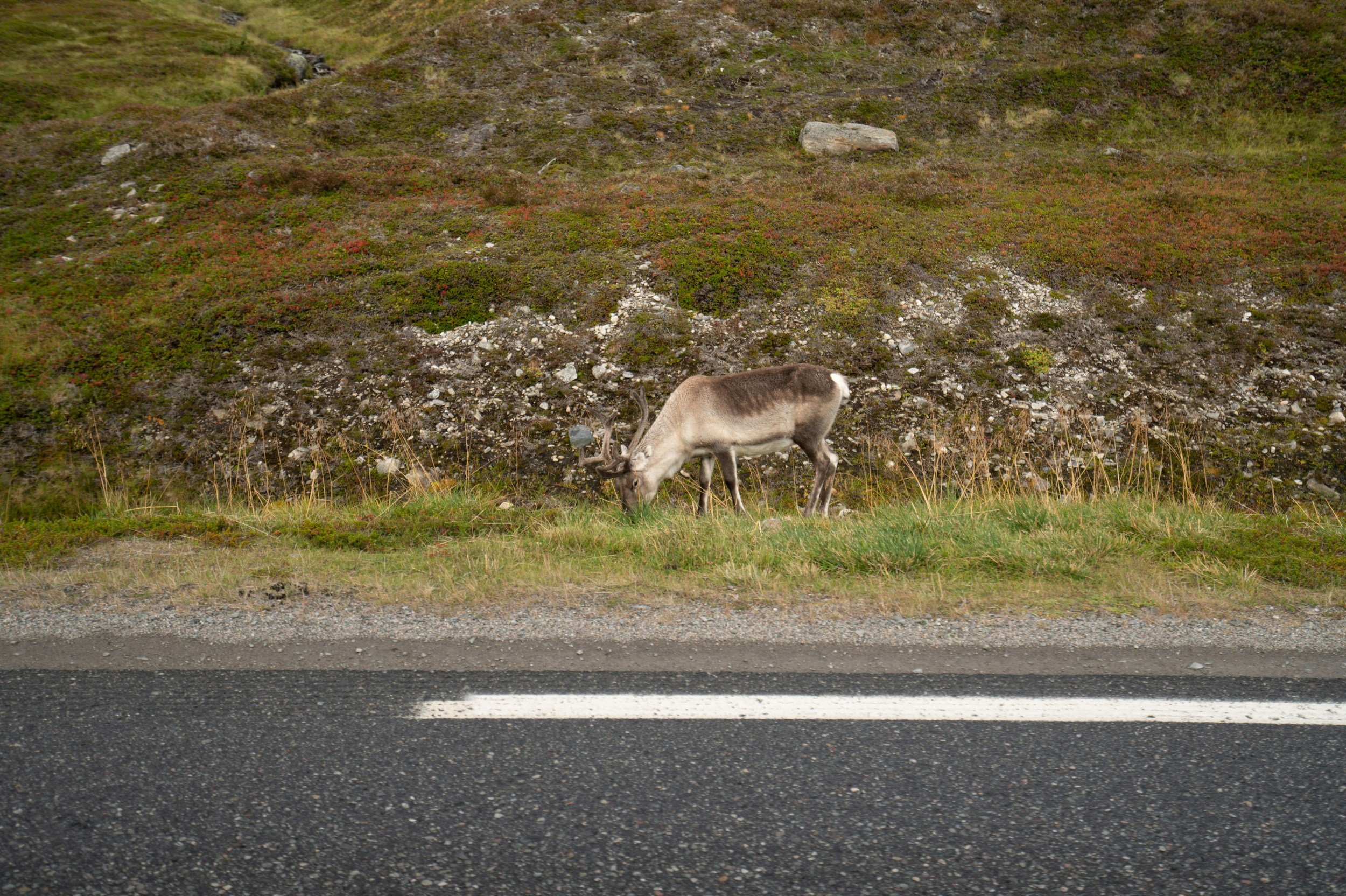
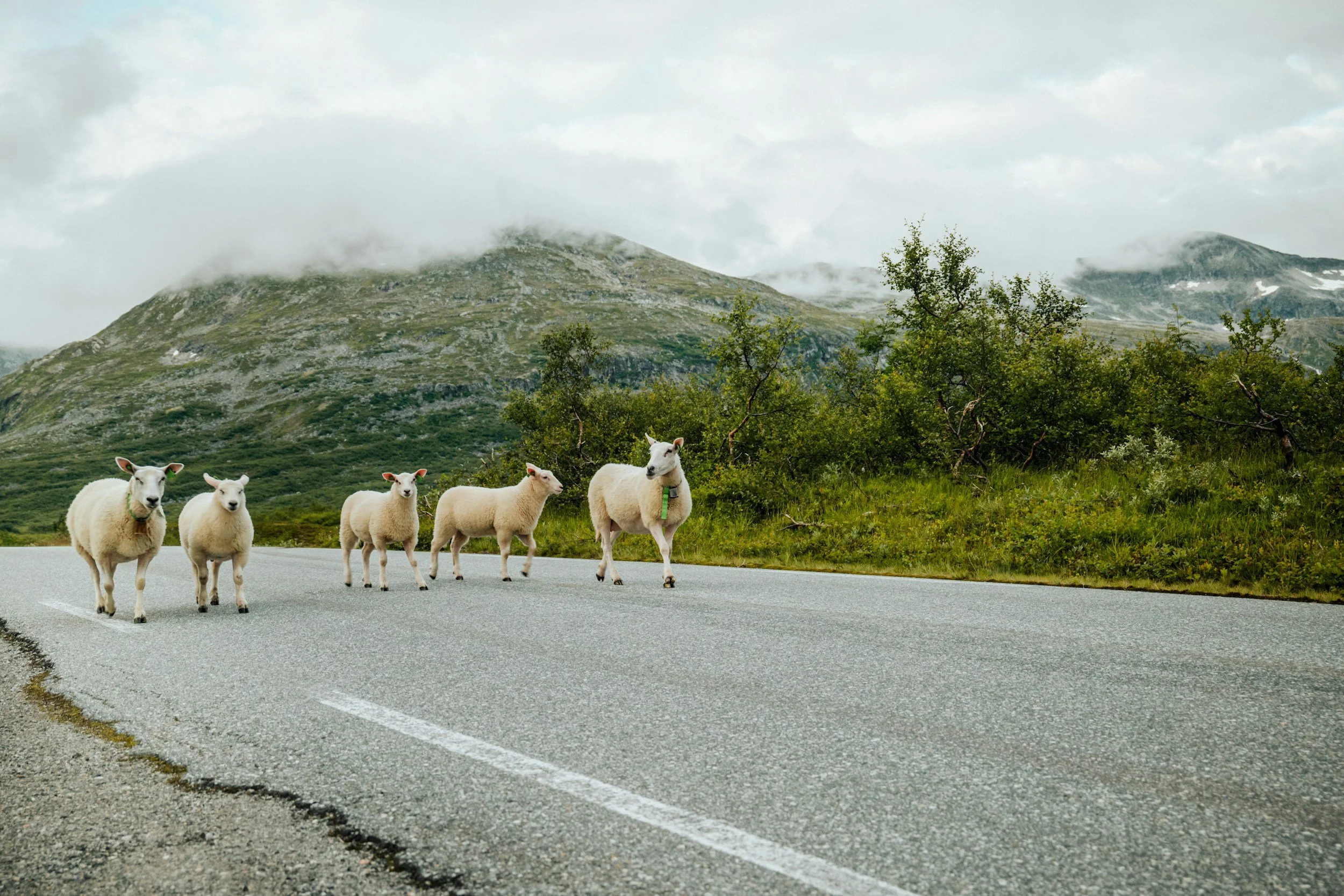
Reindeer can be particularly common along roads in parts of Northern Norway. Sheep may also lie on warm roads in summer, especially in rural and mountain areas.
If one animal crosses the road, others may follow. Slow down, stay calm and avoid sudden swerving unless absolutely necessary.
Read more about wildlife in Norway
Animals on the road are only one part of Norway’s wider wildlife landscape. If you want a better understanding of which animals live in Norway, where they can be seen and how visitors should approach wildlife responsibly, read: Wildlife in Norway: Where and When to See Norway’s Most Iconic Animals.

Renting a Car in Norway
What to check before leaving the rental office
When renting a car in Norway, check the practical details before leaving the rental office. This is especially important if you are planning a long road trip, driving through fjord regions or renting an electric car.
Before leaving, check:
toll payment system
ferry payment system
insurance and excess
fuel type
EV charging setup
manual or automatic transmission
winter equipment if relevant
cross-border rules
admin fees for fines or tolls
whether the car has the equipment required by Norwegian rules
Do not assume that everything is included in the rental price. Tolls, ferry charges, parking, charging and administration fees may appear separately.
What size car should you rent?
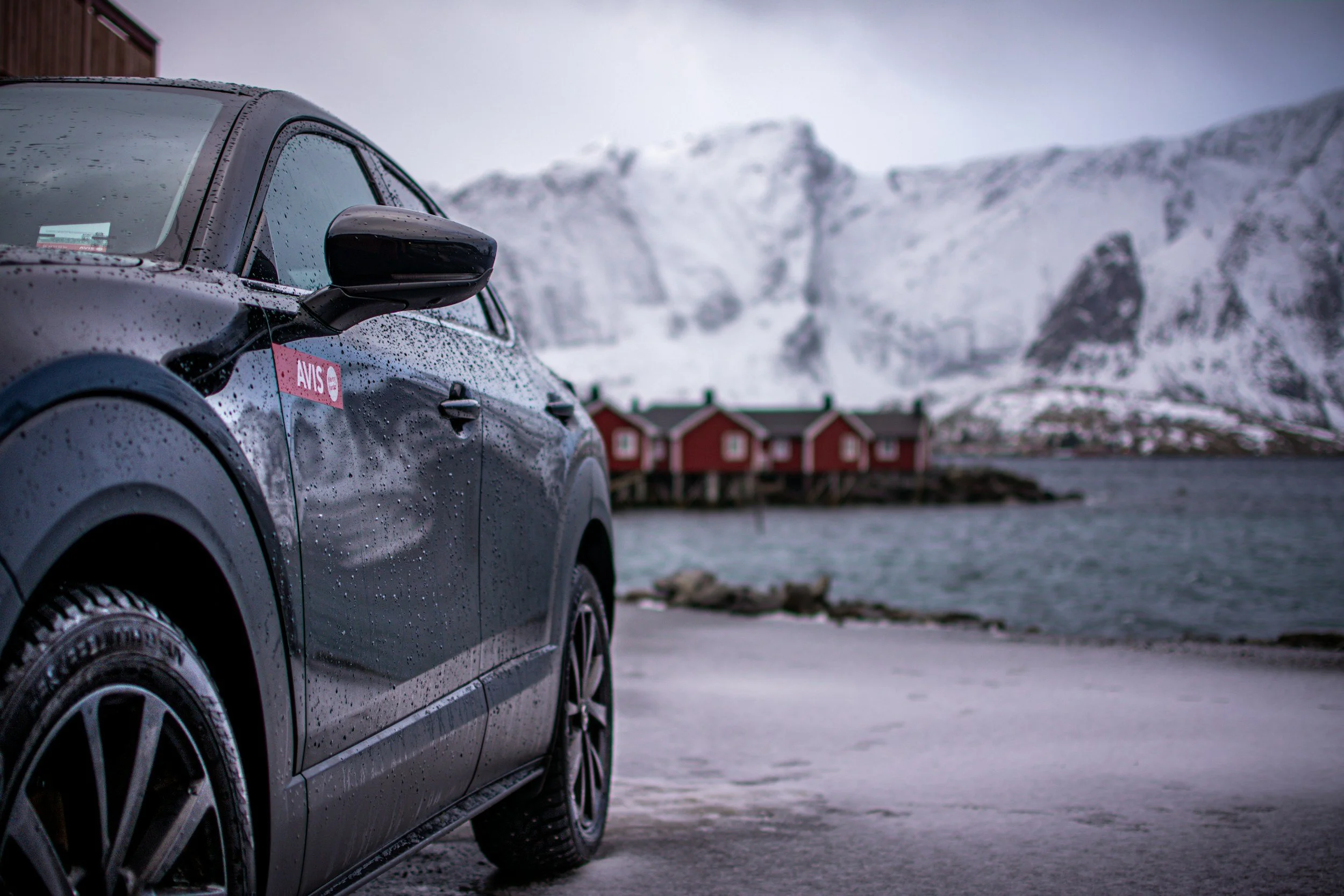
A smaller car is often easier in Norway than a large one. On narrow roads, village streets, ferry queues, tight car parks and mountain routes, a compact car can be more practical than a large SUV.
The best rental car for Norway is not necessarily the biggest. It is the one that suits your route, your confidence and the type of roads you will be driving.
If you are travelling mainly in cities, a car may not be needed. If you are travelling through fjords, mountains or rural areas, choose something comfortable but not unnecessarily large.
Navigation, Apps and Road Information
Do not fully rely only on Google Maps
Google Maps and Apple Maps are useful in Norway, but they should not be your only planning tools. They may estimate driving times optimistically, and they may not always reflect ferry queues, seasonal road closures, weather problems or the practical experience of driving narrow roads.
In Norway, the fastest-looking route is not always the most suitable route. A road may be scenic but slow, efficient but full of tunnels, or technically open but affected by weather.
Useful things to check separately
Before longer drives, check the parts of the journey that navigation apps may not fully explain.
Useful things to check include:
ferry times
road closures
mountain passes
weather
tunnel closures
charging stops
parking at your destination
seasonal roads
whether your route includes toll roads
whether your accommodation has parking
It is also sensible to download offline maps for remote areas, especially if you are travelling through mountains, islands or parts of Northern Norway. Mobile coverage is generally good, but it is not perfect everywhere.
Useful Apps for Driving in Norway
A few specific apps can make driving in Norway easier, especially for road conditions, weather, parking, EV charging and motorhome travel.
Vegvesen trafikk
Vegvesen trafikk is the official traffic app from the Norwegian Public Roads Administration. It is useful for checking road closures, roadworks, traffic incidents, ferries, tunnels, webcams and mountain passes.
This is one of the most important apps to know if you are driving through mountain areas, using ferries or travelling in more remote parts of Norway.
Yr
Yr is one of the main weather apps used in Norway. It gives detailed forecasts for towns, villages, mountain areas and coastal regions.
Before a long drive, it is worth checking the weather along the route, not only at your final destination. Weather can affect road conditions, ferries, visibility and mountain passes.
EasyPark
EasyPark is widely used for paid parking in Norway. Many towns, cities and private car parks use app-based payment, so it can be helpful to have the app ready before you need it.
Always check the signs where you park, as the app, zone code and payment rules can vary from place to place.
APCOA FLOW, OnePark and Parklink
Some car parks use other payment apps such as APCOA FLOW, OnePark or Parklink. There is not one single parking app that covers every car park in Norway, so visitors should always follow the instructions on the local parking sign.
If you are using a rental car, make sure the correct registration number is entered before starting a parking session.
Bil i Oslo
If you are driving in Oslo, Bil i Oslo can be useful for municipal parking. However, most visitors staying in central Oslo will not need a car, as parking can be expensive and public transport is usually easier.
Elton
Elton is one of the most useful EV charging apps for visitors, as it brings several charging operators together in one app. It can be used to find chargers, plan charging stops and pay for charging across multiple networks.
If you are renting an electric car in Norway, it is worth downloading Elton before the trip and checking whether it works with the charging networks along your route.
Bilkraft, Mer Connect and Circle K Charge
Some charging networks also have their own apps, including Bilkraft, Mer Connect and Circle K Charge. You may not need all of them, but they can be useful if you are driving longer distances or using specific charging providers.
If you are renting an electric car, ask the rental company which charging apps or charging card they recommend for your route.
park4night
For motorhomes and campervans, park4night can be useful for finding campsites, motorhome areas, service points and overnight stops. It can help with planning, but it should not replace local signs or Norwegian parking rules.
A place appearing in an app does not automatically mean you are allowed to stay there. Always check local restrictions, private land, overnight parking rules and proper waste disposal options.
Driving in Cities vs Rural Norway
Driving in cities
Driving in Norwegian cities is different from driving in rural Norway. In cities, the main challenges are parking, one-way systems, toll rings, buses, trams, cyclists and pedestrians.
In cities, expect:
more traffic
toll rings
expensive parking
cyclists and pedestrians
buses and trams
restricted streets
less need for a car
app-based parking systems
Oslo in particular is not a city where visitors usually need a car unless they are driving onward. If your trip is city-based, public transport is often easier.
Driving in rural Norway
In rural Norway, traffic may be lighter, but the roads can be more demanding. You may encounter narrow roads, blind bends, animals, tractors, motorhomes, cyclists, ferry crossings and long distances between services.
In rural areas, expect:
quieter roads
narrower roads
longer distances
animals near the road
fewer services
more scenic routes
more need for planning
limited overtaking opportunities
Rural driving is often calmer, but it requires more patience and awareness of the landscape.
What to Check Before a Long Drive in Norway
Before a long drive in Norway, check more than the distance. A realistic driving day depends on road type, weather, ferries, charging or fuel stops, parking and how demanding the route is.
Before setting off, check:
the weather forecast
current road conditions
ferry times
fuel or charging stops
parking at your destination
whether the route crosses a mountain pass
whether the road is seasonal
whether there are tolls
whether your driving time is realistic
whether your accommodation has parking or EV charging
whether there are roadworks or closures
whether you have enough time for breaks
The best Norwegian road trips are not rushed. They include time for delays, ferries, viewpoints, slower roads and unexpected stops.
If every day of your itinerary depends on perfect timing, it is probably too tight.
Common Mistakes Visitors Make When Driving in Norway
Planning too much driving
One of the most common mistakes visitors make is planning too much driving in too little time. Norway looks manageable on a map, but the shape of the country makes travel slower than many people expect.
Fjords, mountains, ferries and narrow roads all affect the journey. A route that looks short may still take much of the day if it includes slow roads, scenic stops, ferry waiting times or difficult conditions.
Underestimating ferries and slow roads
Visitors often forget that ferries are part of the road network in many areas. A route may technically be possible in one day, but if it includes several ferries, narrow roads and viewpoints, it may feel rushed.
The same applies to scenic roads. Beautiful roads are often slower roads. If you want to enjoy them properly, you need enough time.
Forgetting the real costs
Driving in Norway can be expensive, and the rental price is only part of the total cost.
Visitors often underestimate:
tolls
ferries
fuel
parking
EV charging planning
rental company admin fees
speeding fines
motorhome campsite fees
hotel parking charges
This does not mean driving is a bad option. It simply means the budget should be realistic.
Choosing the wrong vehicle
Another mistake is choosing a vehicle that is larger than necessary. A large SUV or motorhome may sound comfortable, but it can become awkward on narrow roads, ferry decks, small car parks and village streets.
For many road trips in Norway, a smaller or mid-sized car is easier and more practical.
Is Driving in Norway Worth It?
Yes, if you want flexibility
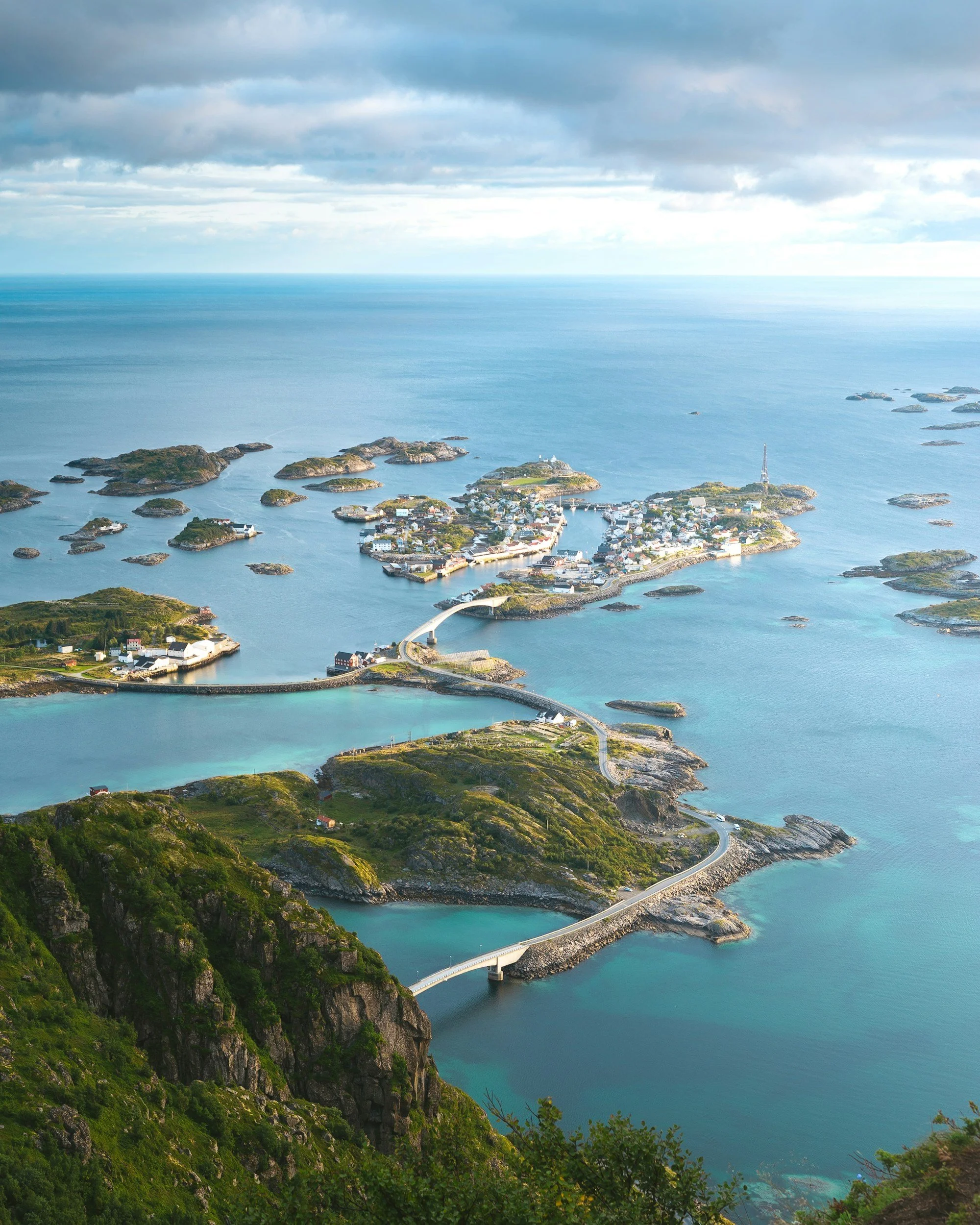
Driving in Norway is absolutely worth it if your trip depends on flexibility, rural places, fjords, mountains, islands or scenic roads. A car allows you to stop in small villages, stay in atmospheric accommodation, reach viewpoints at quieter times and experience parts of the country that public transport does not easily cover.
It is especially useful in fjord regions, Lofoten, Senja, mountain areas and parts of Northern Norway.
Not always, if your trip is city-based
A car is less necessary if your trip is focused on Oslo, Bergen, major cities or train-based routes. Norway has good public transport in many areas, and for some itineraries, trains, buses, ferries and organised routes may be more relaxing than renting a car.
The best answer depends on the trip. If you want freedom and are comfortable with slower, landscape-shaped travel, driving can be one of the most rewarding ways to see Norway. If you want a simple city break or a route between major towns, you may not need a car at all.
Final Words
Driving in Norway is not difficult in itself, but it requires patience, planning and respect for the conditions. Roads can be beautiful, slow, narrow, weather-exposed and highly rewarding, often on the same journey. Ferries, tunnels, toll roads, mountain passes, speed cameras and changing road conditions are all normal parts of driving here.
If you understand the system before you start, renting a car in Norway can be one of the best ways to experience the country beyond the main cities. The key is to plan realistically, follow the rules, allow more time than the map suggests, and remember that in Norway, the road is often part of the journey.
Related Reading
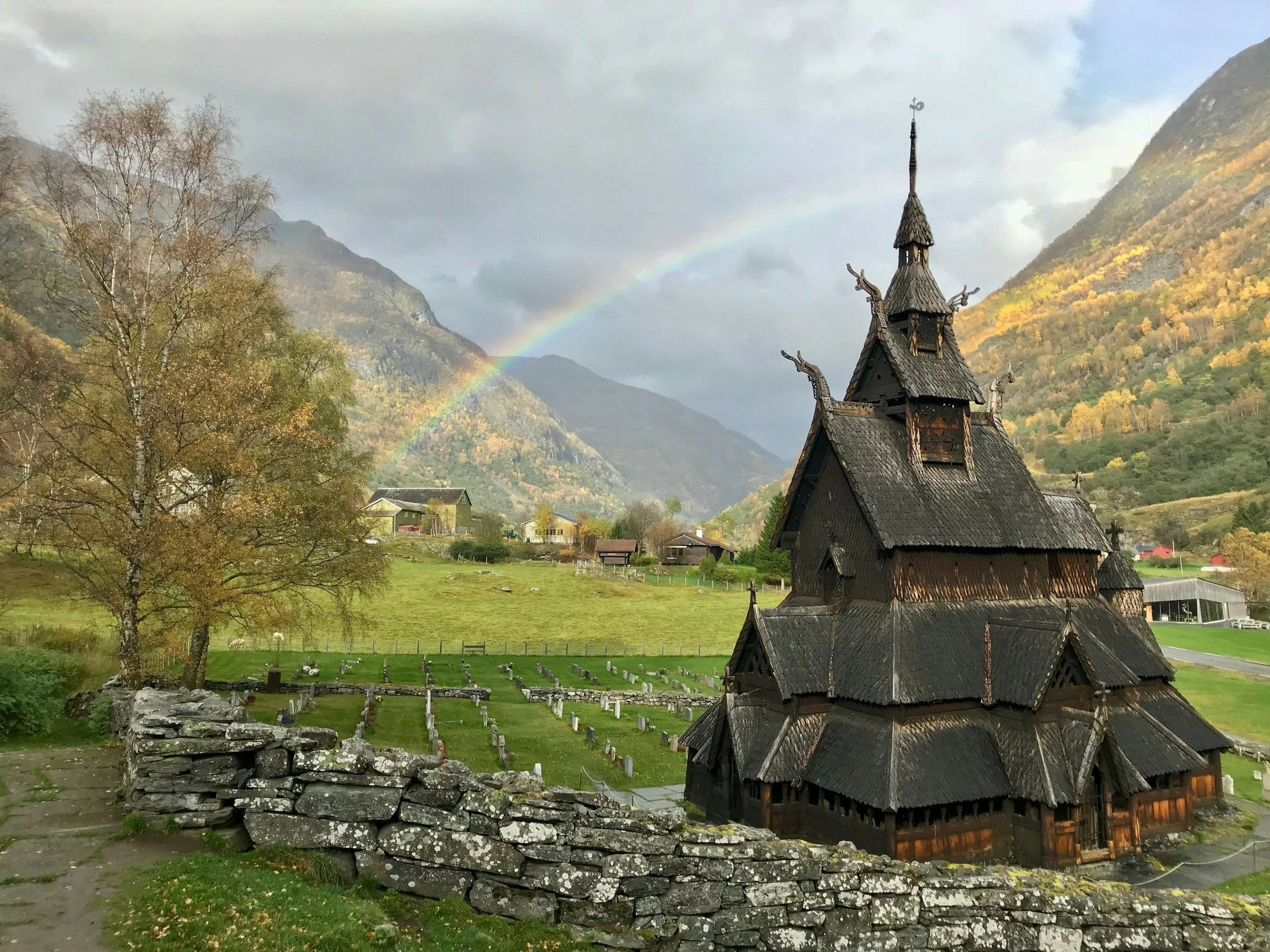
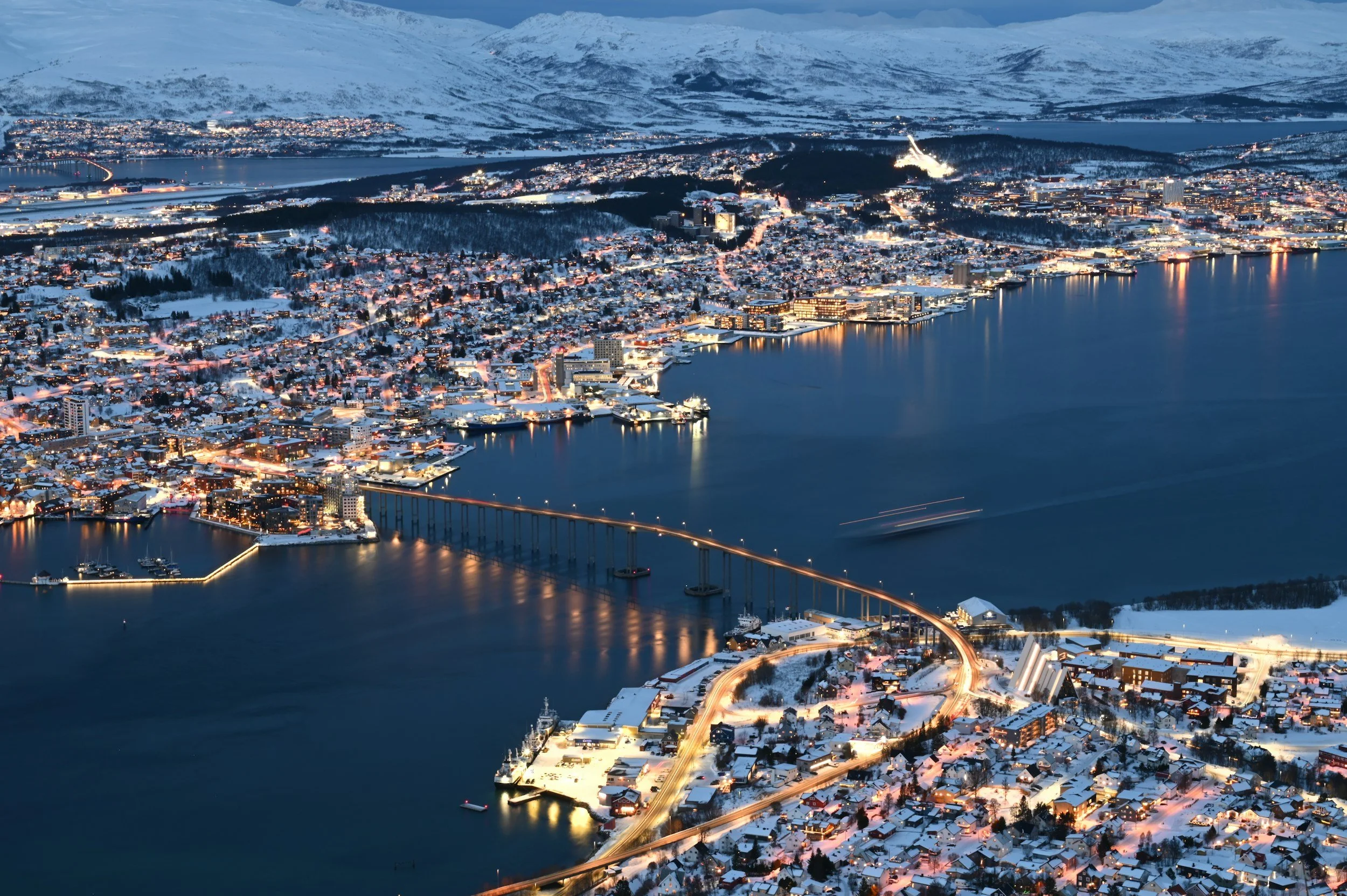
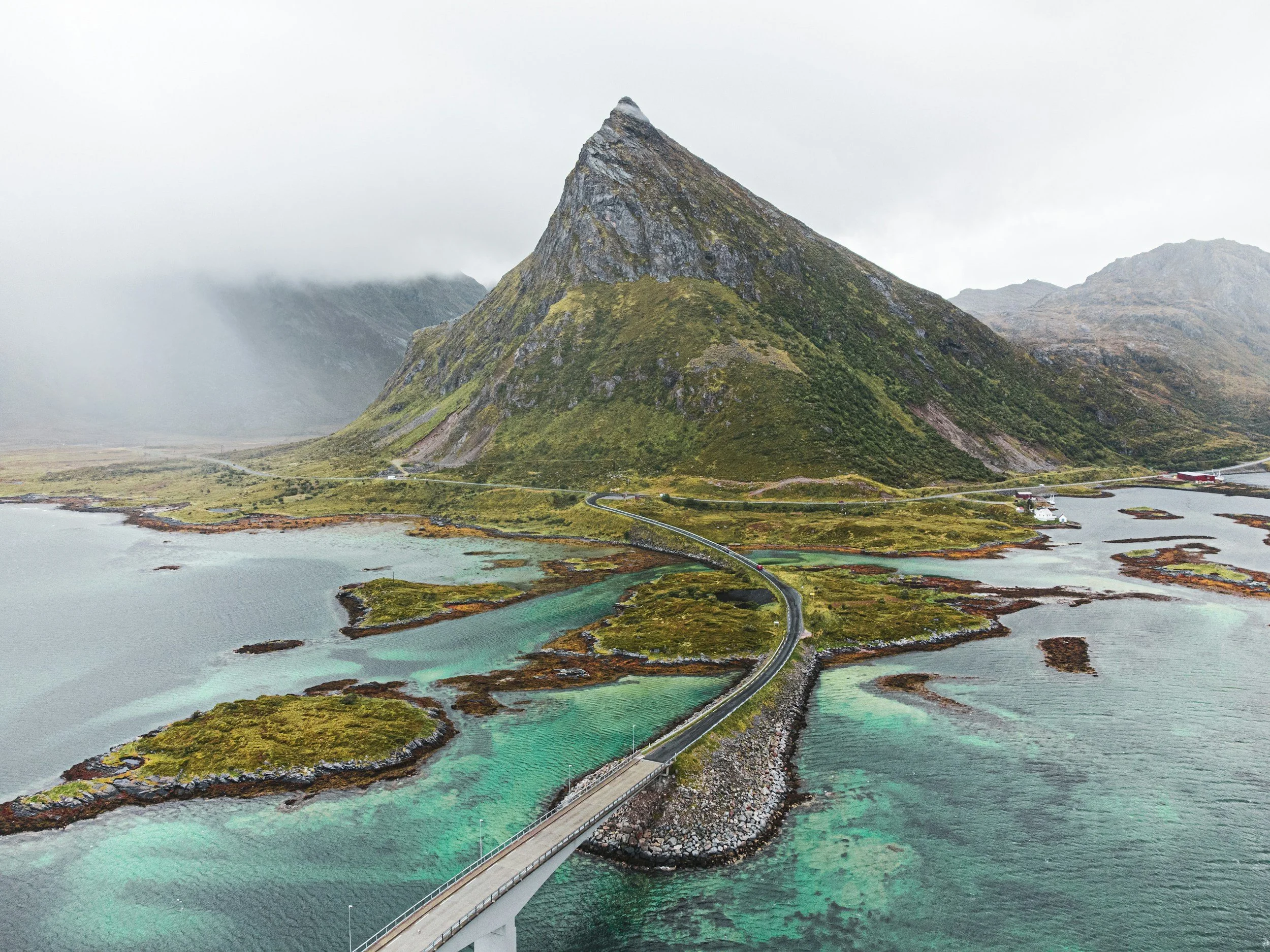

Driving in Norway in winter requires preparation, proper tyres and an understanding of rapidly changing conditions. This guide explains the legal requirements, road realities and how to assess whether winter driving is the right choice for your trip.