
Tromsø Travel Guide: What to See, When to Go and What to Expect
This guide combines practical travel planning with Arctic history, outdoor experiences and local culture. From choosing when to visit and where to stay to exploring northern lights tours, whale watching, mountain hikes, local food and the landscapes beyond the city, it provides a comprehensive introduction to Tromsø and the wider region of Arctic Norway.
In This Guide
What Makes Tromsø Different?
Where Is Tromsø?
Arctic History and Tromsø's Role in the North
Why Do People Visit Tromsø?
What to See in Tromsø
Best Excursions from Tromsø
Hiking Around Tromsø
When Is the Best Time to Visit Tromsø?
How Many Days Do You Need?
Do You Need a Car?
Where Should You Stay in Tromsø?
Where to Eat in Tromsø
Best Cafés in Tromsø
Beyond Tromsø
Tromsø vs Lofoten
What Do Visitors Often Underestimate?
Is Tromsø Worth Visiting?
Useful Apps for Visiting Tromsø
What Makes Tromsø Different?
Few places occupy the same position in Norwegian tourism as Tromsø. For many international visitors, it serves as their introduction to Arctic Norway, combining northern lights, winter landscapes and outdoor activities with the comforts of a functioning city. While destinations such as Lofoten, Senja and Svalbard often dominate travel photography, Tromsø has become the region's main gateway, attracting visitors throughout the year.
What makes Tromsø unusual is that it offers experiences many people associate with remote wilderness while remaining remarkably accessible. Visitors can spend the morning exploring museums and cafés, the afternoon on a whale-watching excursion and the evening searching for the northern lights. Few Arctic destinations offer that combination of infrastructure and nature.
Unlike many parts of Northern Norway, Tromsø does not require extensive planning or long drives between attractions. The city itself functions as a practical base, allowing visitors to experience much of the region without constantly moving accommodation or spending hours on the road. For travellers who want to experience Arctic Norway without committing to a full road trip, that accessibility is one of the city's greatest strengths.
Where Is Tromsø?
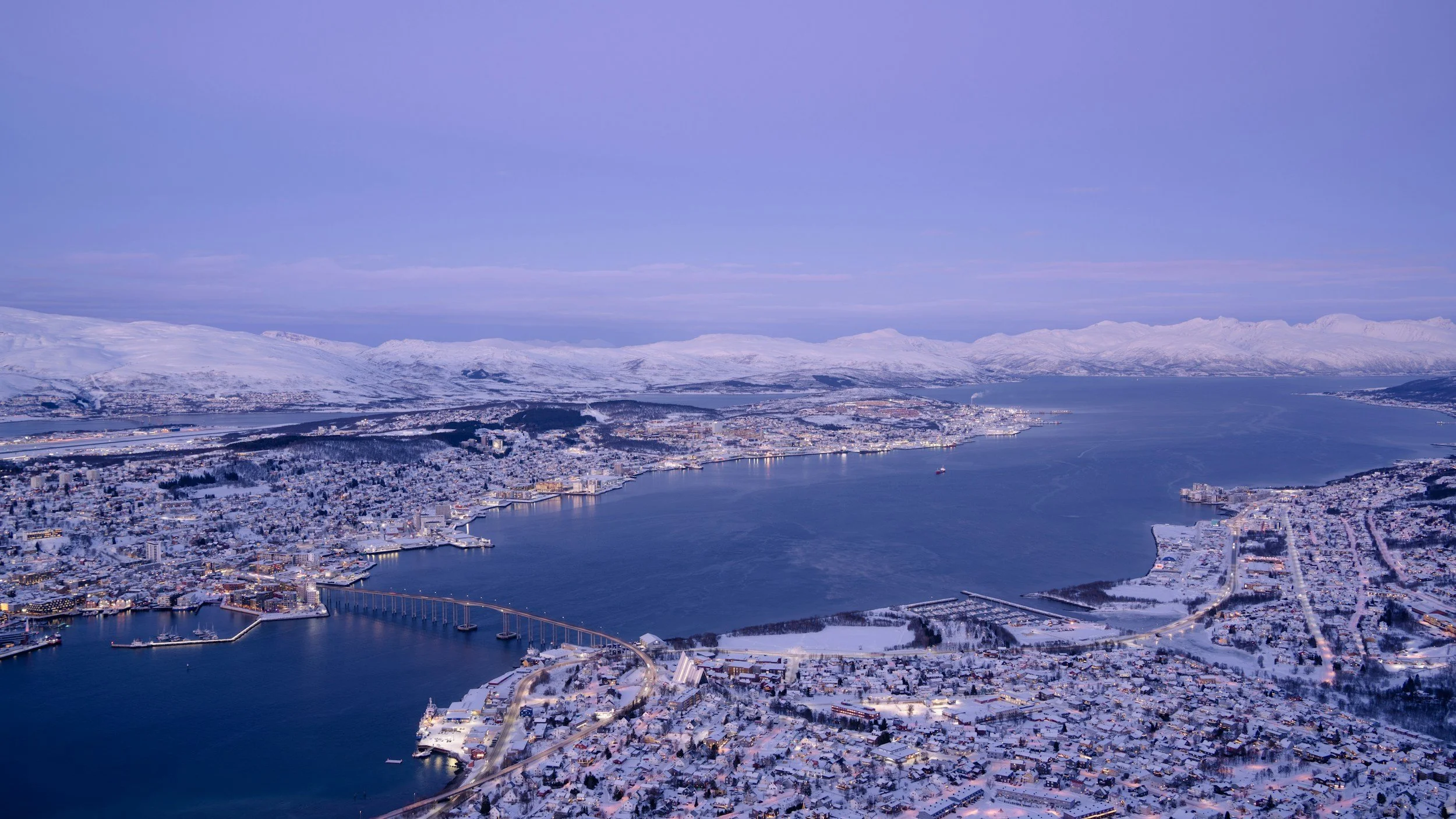
Tromsø lies approximately 350 kilometres north of the Arctic Circle in Troms County and is often referred to as the capital of Arctic Norway. Despite its northern location, it is a lively university city with a population of around 80,000 people, making it one of the largest urban centres in Northern Norway.
The city is spread across several islands and surrounding mainland areas, with much of the centre located on Tromsøya.
Mountains, fjords and open water surround the city, creating a dramatic natural setting that remains visible almost everywhere you go. This close relationship between urban life and nature is one of the characteristics that visitors often notice first.
While Tromsø frequently appears in marketing as a remote Arctic destination, it is better understood as a small city that happens to sit within an extraordinary landscape. Restaurants, museums, cafés and cultural events coexist alongside mountain scenery, winter activities and wildlife experiences, creating a destination that feels both accessible and distinctly northern.
Arctic History and Tromsø's Role in the North
Long before tourism became a major industry, Tromsø played a central role in Norway's relationship with the Arctic. During the nineteenth and early twentieth centuries, the city developed into an important hub for Arctic exploration, sealing, hunting and polar research. Its strategic location made it a natural departure point for expeditions heading north into some of the world's most challenging environments.
This history earned Tromsø the nickname "Gateway to the Arctic", a title that remains closely associated with the city today. Explorers, scientists and hunters passed through Tromsø on their way to Svalbard, Greenland and the polar regions, helping shape the city's identity as Norway's Arctic capital.
Visitors can still see traces of this history throughout the city. Historic buildings, museums and harbour areas provide insight into a period when Tromsø stood at the centre of Arctic exploration and northern trade.
Why Do People Visit Tromsø?
Most visitors arrive for one of two reasons: the northern lights or Arctic winter experiences. Tromsø has built an international reputation as one of the world's most popular destinations for aurora tourism, attracting travellers from across Europe, North America and Asia during the darker months of the year.
However, the city offers considerably more than northern lights alone. Whale-watching excursions operate during parts of the winter season, while fjord cruises, snowshoeing, dog sledding and Sami cultural experiences provide additional opportunities to explore the region.
During summer, the midnight sun transforms daily life, creating long days that encourage hiking, kayaking and exploration of the surrounding landscapes.
Part of Tromsø's appeal lies in this variety. Unlike destinations focused around a single attraction, it allows visitors to combine outdoor experiences with restaurants, museums, cultural events and a relatively active urban environment. This flexibility makes it appealing both to travellers seeking adventure and to those who prefer a more relaxed pace.
What to See in Tromsø
Arctic Cathedral
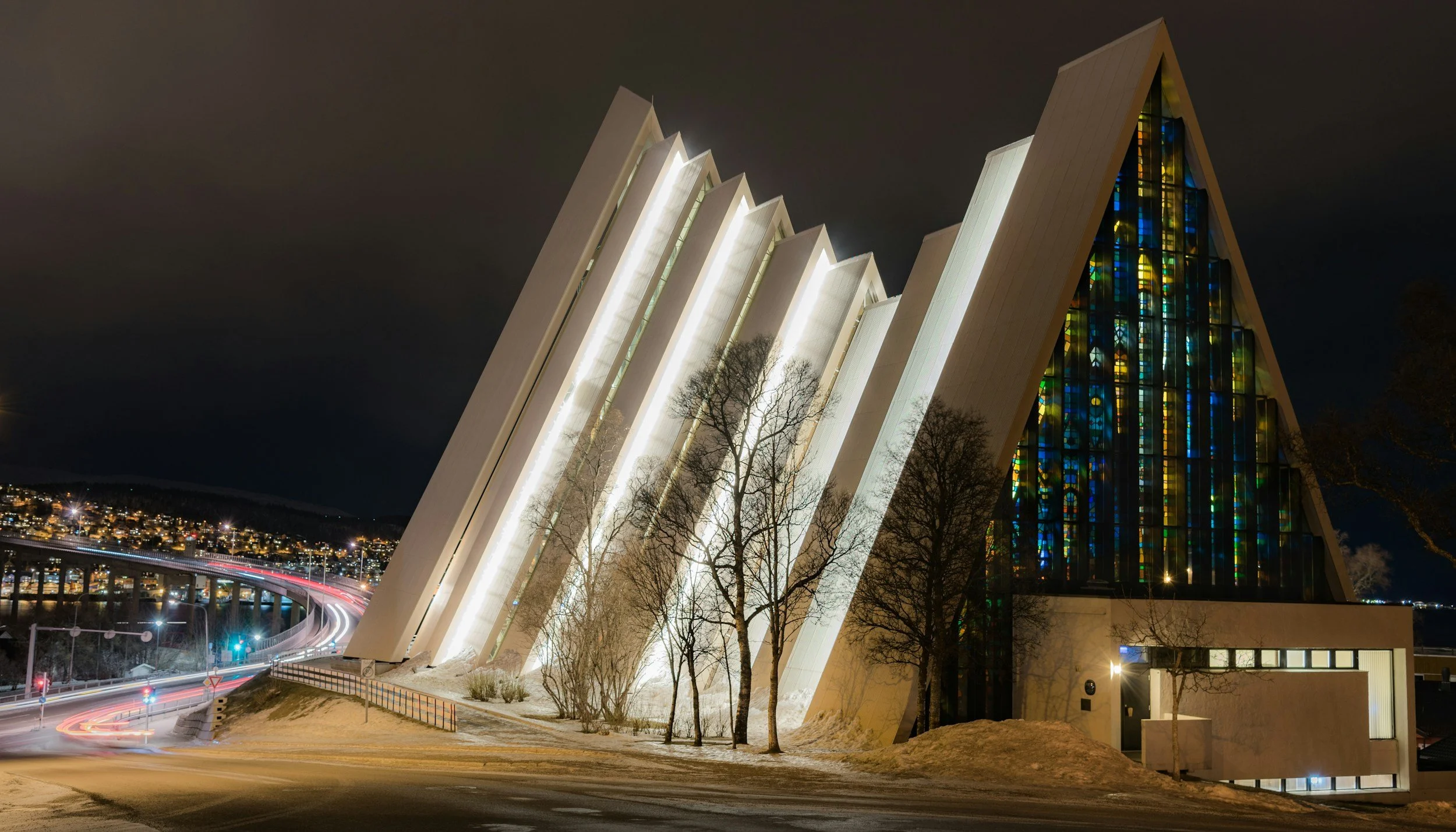
Completed in 1965, the Arctic Cathedral has become one of the most recognisable landmarks in Northern Norway. Its distinctive triangular design was inspired by Arctic landscapes, mountains and ice formations, creating a striking silhouette against the surrounding scenery.
Although technically a parish church rather than a cathedral, it remains one of Tromsø's most visited attractions. Visitors can admire the architecture, attend concerts or simply enjoy views of the building from across the water.
Fjellheisen
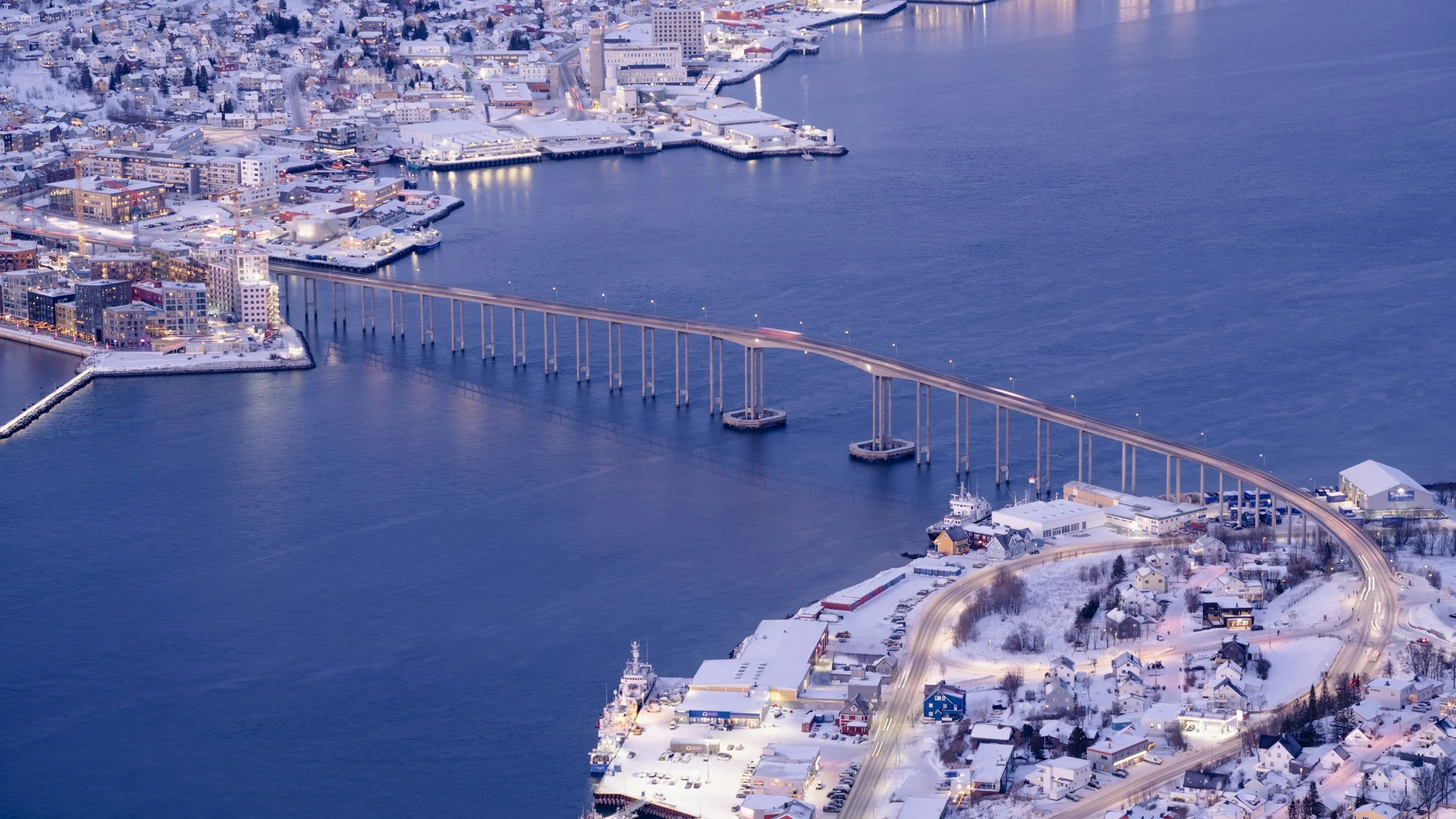
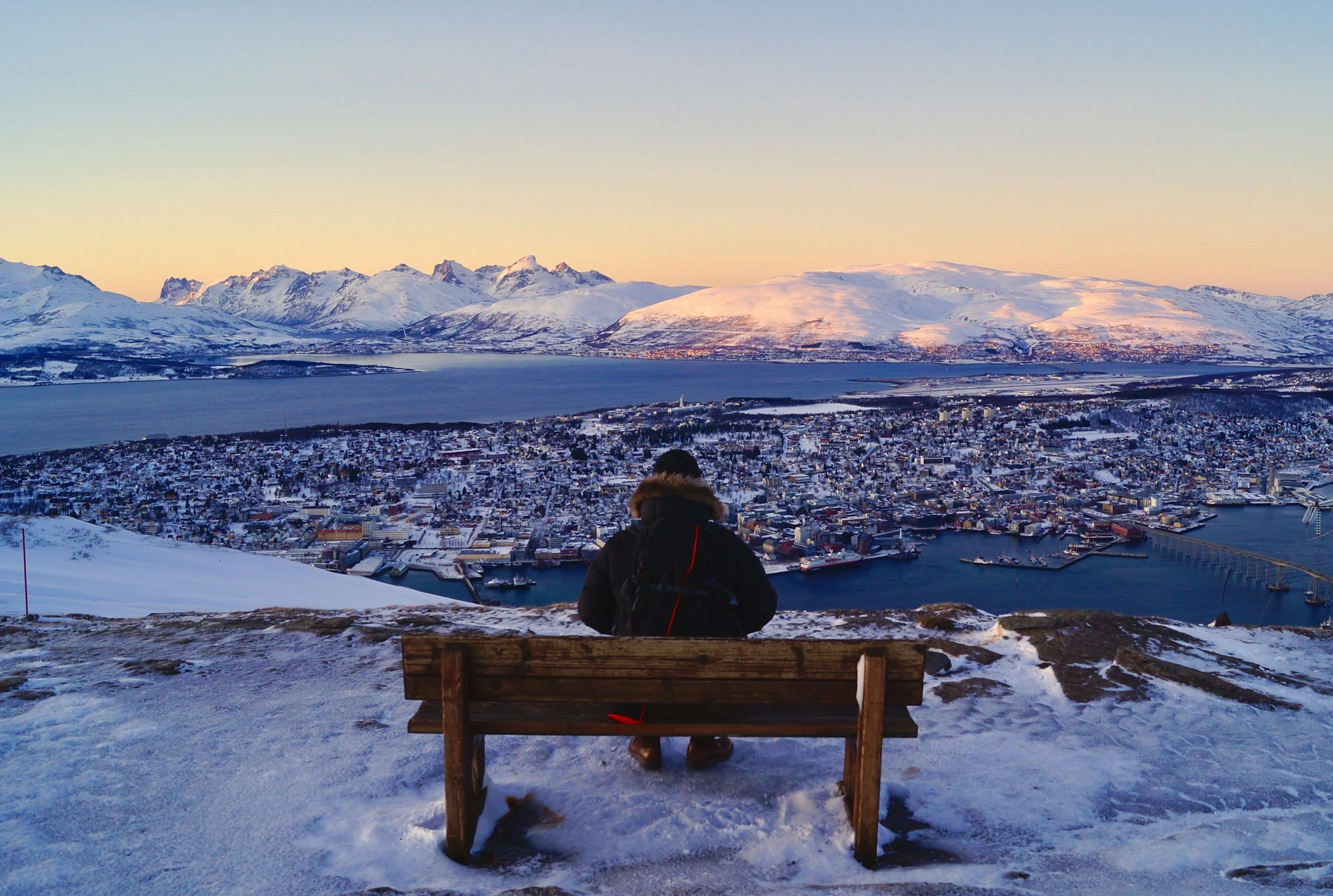
The Fjellheisen cable car transports visitors from Tromsdalen to Storsteinen, offering panoramic views across Tromsø, the surrounding fjords and distant mountain ranges. It is one of the easiest ways to appreciate the geography of the region and remains popular throughout the year.
During winter, the viewpoint is often used for northern lights viewing, while summer visitors can enjoy the midnight sun and access nearby hiking trails.
Tromsø Harbour and Waterfront
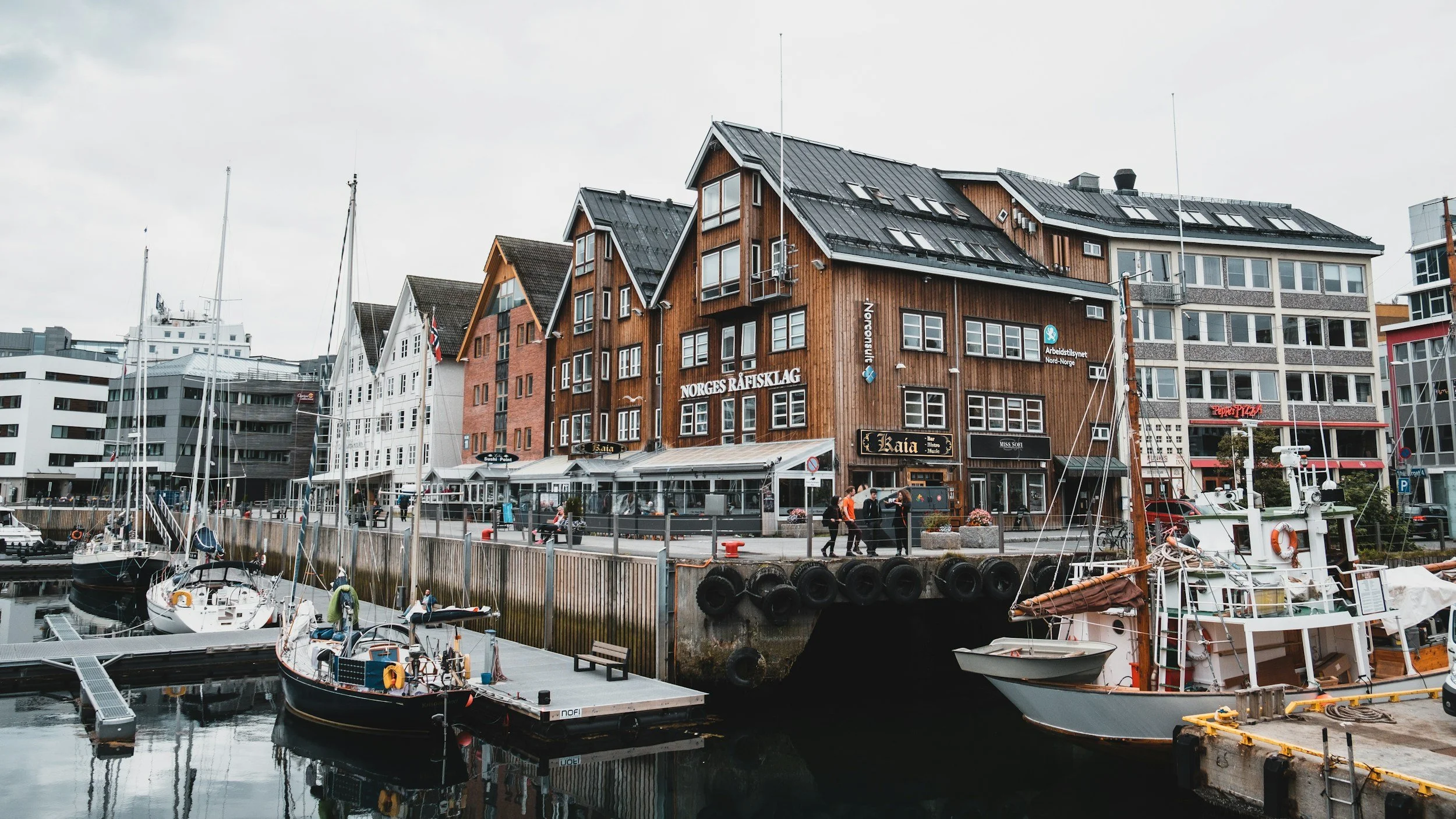
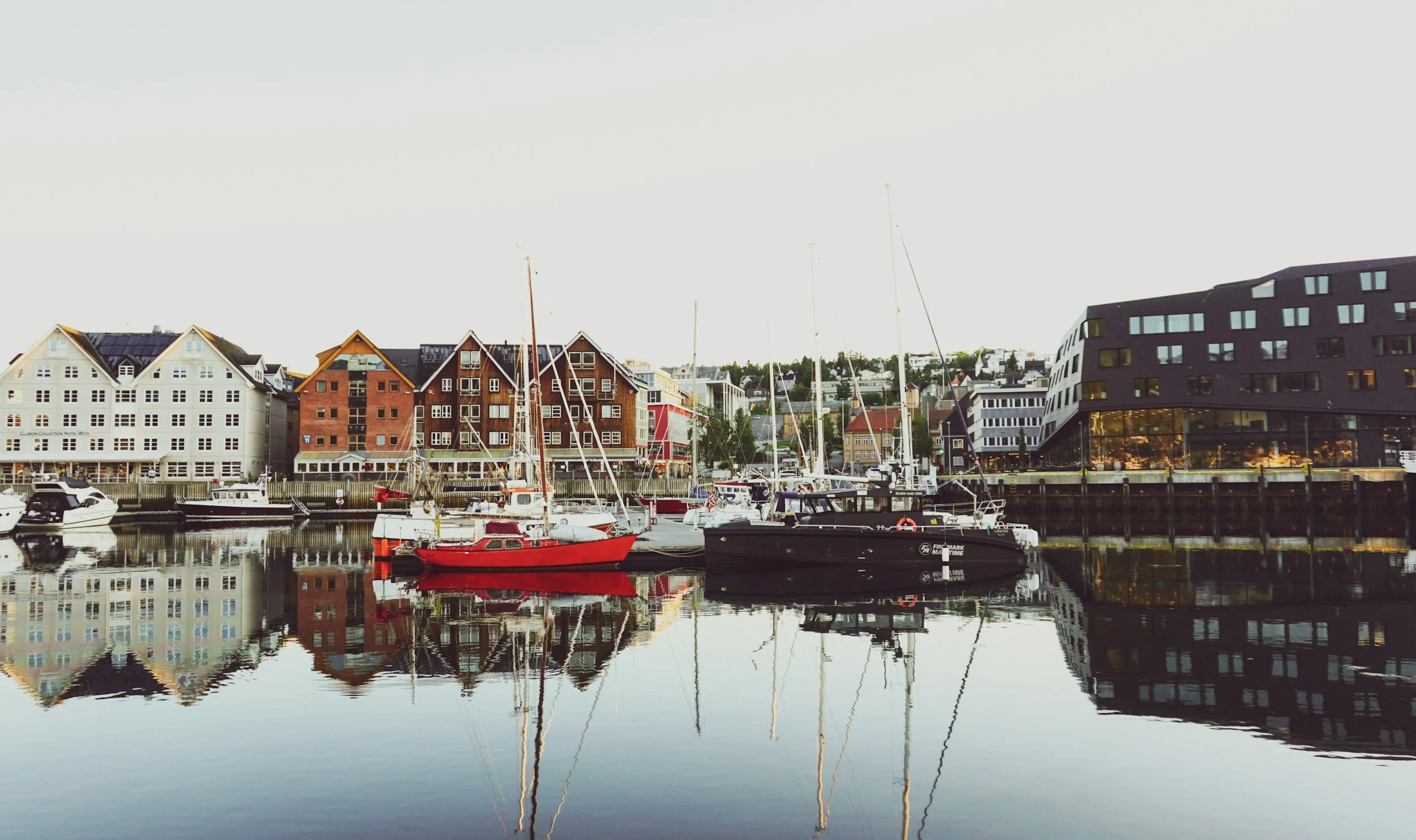
Tromsø's waterfront reflects the city's long connection to the sea. Ferries, fishing vessels, expedition ships and coastal traffic all contribute to the atmosphere of the harbour area, which remains one of the most pleasant places to walk in the city.
Polaria
Polaria combines education, research and visitor experiences focused on the Arctic environment. Exhibits explore Arctic wildlife, climate and marine ecosystems, while the resident seals remain one of the main attractions.
Polar Museum
For travellers interested in Arctic history, the Polar Museum is often considered one of Tromsø's most rewarding attractions. Exhibits focus on exploration, trapping, hunting and scientific expeditions, helping visitors understand the historical significance of the city and the wider Arctic region.
Best Excursions from Tromsø
Northern Lights Tours
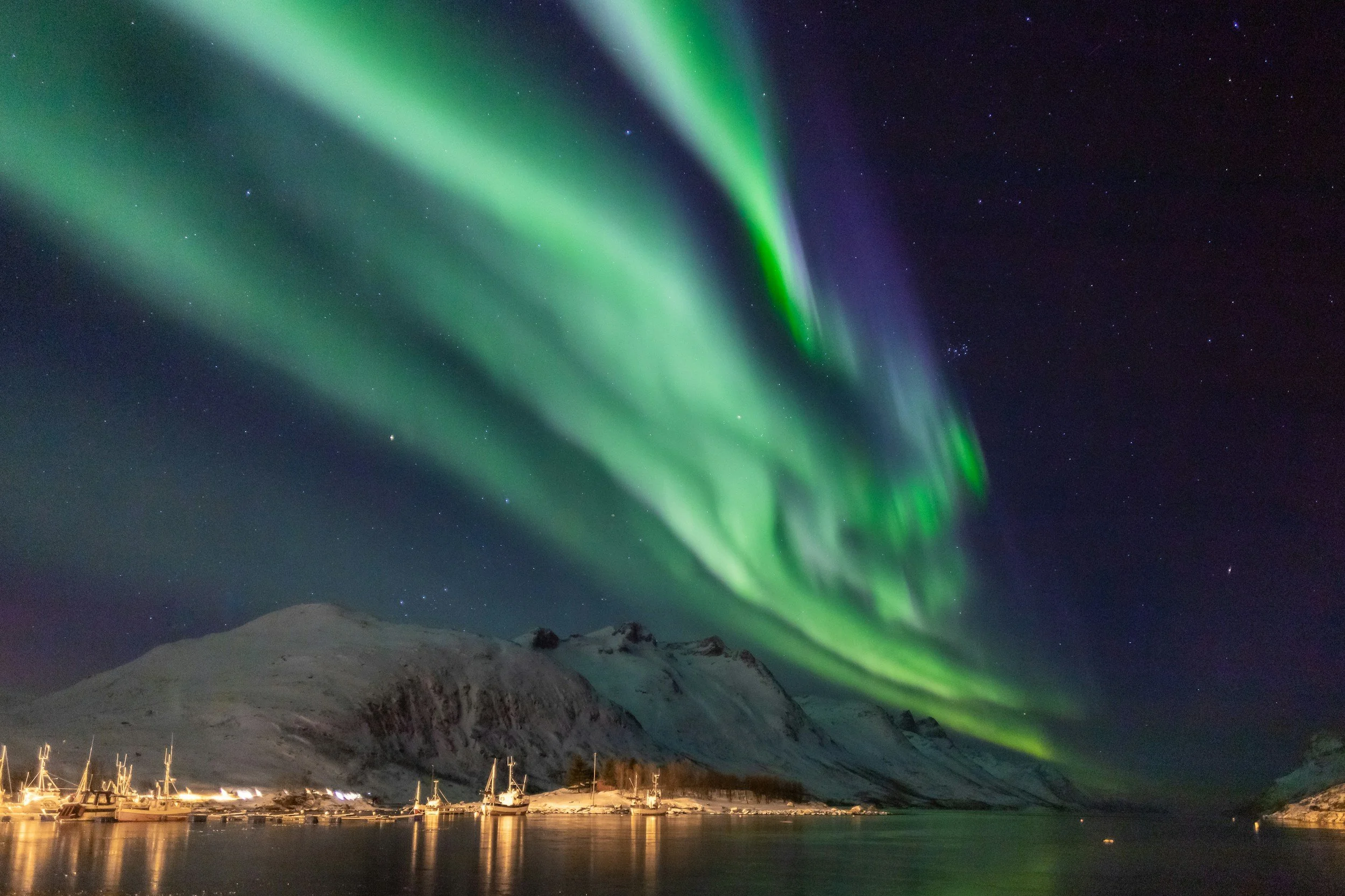
Northern lights tours are among Tromsø's most popular activities. Operators use local weather forecasts and cloud-cover models to maximise the chances of finding clear skies, often travelling considerable distances when conditions require.
Whale Watching
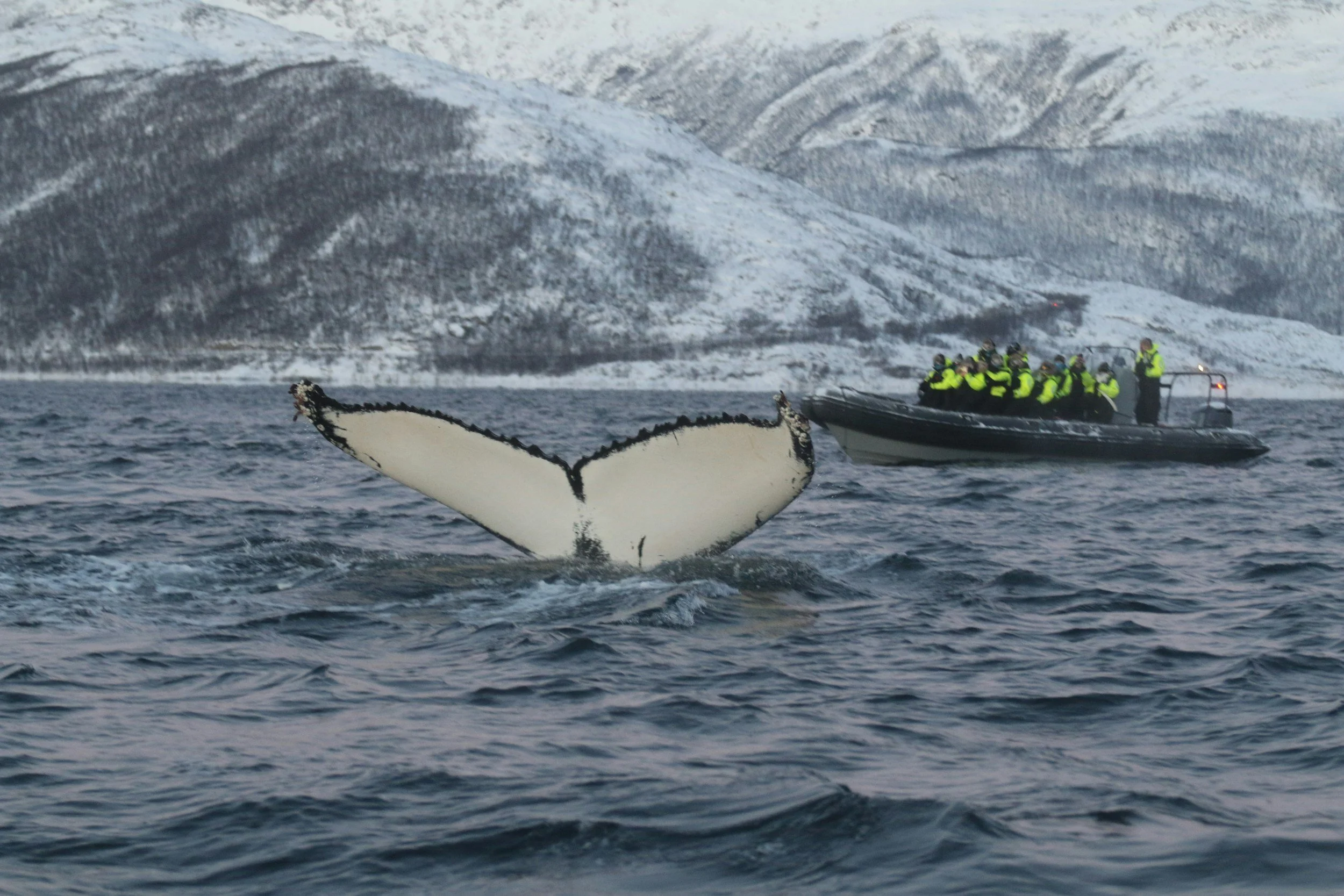
Whale-watching excursions typically operate between late autumn and early winter when herring attract large marine mammals to the region. Depending on conditions, visitors may encounter humpback whales, killer whales and other species.
Dog Sledding
Dog sledding offers one of the most iconic Arctic experiences available around Tromsø. Visitors can learn about sled dogs, assist with preparations and travel through snowy landscapes while guided by experienced mushers.
Reindeer Experiences and Sami Culture
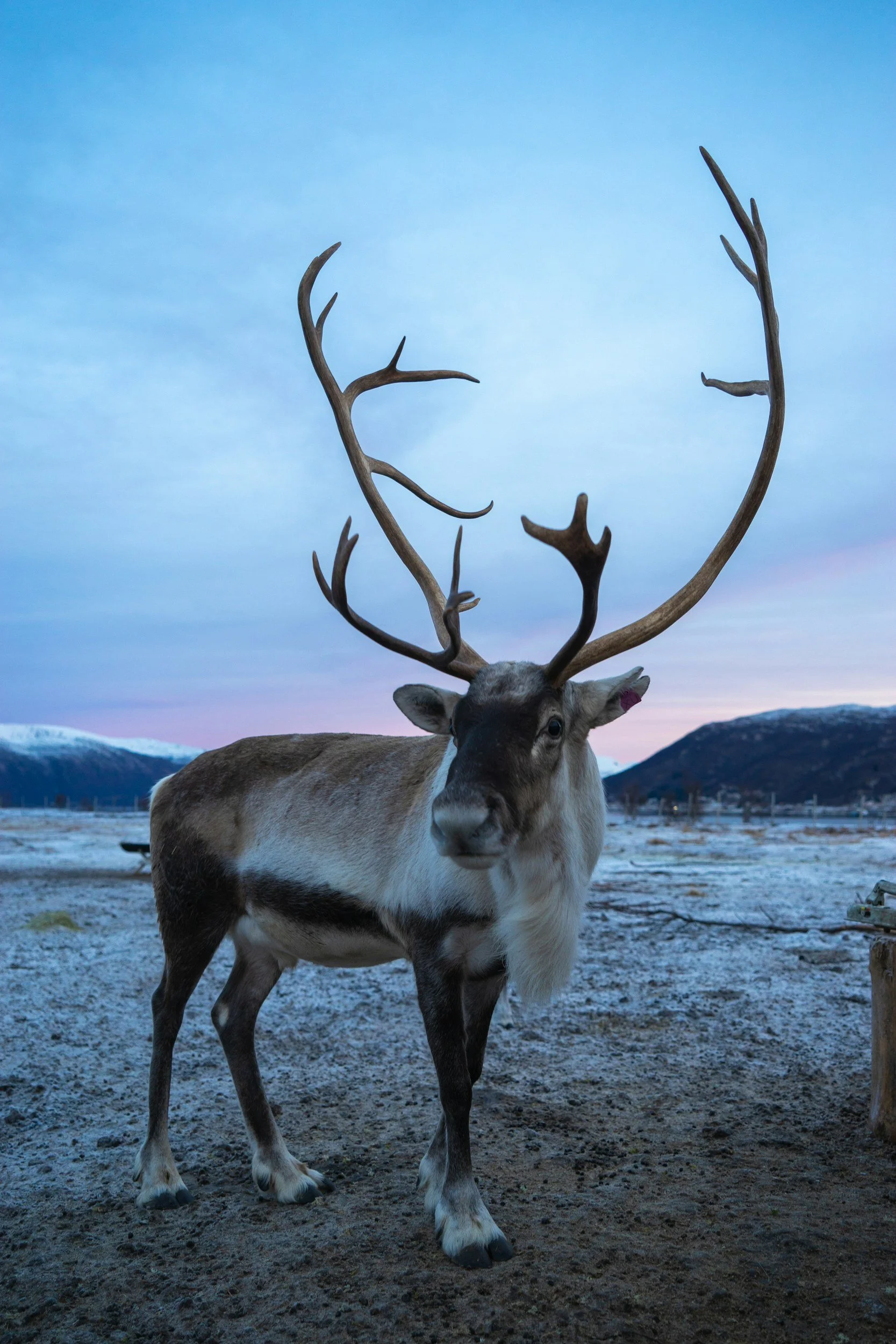
Several operators offer opportunities to feed reindeer, learn about Sami culture and hear traditional stories and music. These experiences can provide valuable insight into the Indigenous culture of Northern Scandinavia.
Fjord Cruises
Fjord cruises allow visitors to experience Northern Norway from the water. Depending on the season, excursions may focus on wildlife, fishing traditions, winter scenery or the midnight sun.
Snowmobiling
Snowmobile excursions typically take place in more remote areas beyond the city and offer access to landscapes that can be difficult to reach by road during winter.
Hiking Around Tromsø
Sherpatrappa and Floya
The Sherpa Steps lead to one of Tromsø's most popular viewpoints. Continuing beyond the steps towards Floya provides increasingly dramatic views across the city, mountains and surrounding fjords.
Storsteinen
Accessible via Fjellheisen or on foot, Storsteinen offers some of the best panoramic views in the region and serves as a starting point for several hikes.
Buren
Located on nearby Kvaløya, Buren is one of the most rewarding hikes close to Tromsø. The trail provides spectacular views of fjords, mountains and islands.
Brosmetinden
Brosmetinden offers a quieter alternative to some of the area's better-known hikes while still providing excellent views of the surrounding landscape.
Tromsdalstinden
Tromsdalstinden dominates the skyline east of the city and is one of the most significant mountains in the region. The hike is considerably more demanding than many shorter local walks and is best suited to experienced hikers.
When Is the Best Time to Visit Tromsø?
The best time to visit Tromsø depends entirely on what you hope to experience. Unlike many destinations where one season clearly stands above the rest, Tromsø changes dramatically throughout the year. Northern lights, polar night, whale watching, hiking and the midnight sun all occur during different seasons, making timing one of the most important decisions when planning a trip.
September to October: Autumn Colours and Early Northern Lights
Autumn is one of Tromsø's most underrated seasons. The surrounding landscapes take on autumn colours, visitor numbers are lower than in winter and darkness gradually returns, bringing the first opportunities to see the northern lights.
September often offers a particularly attractive balance between relatively mild temperatures, colourful scenery and aurora viewing opportunities. For travellers hoping to avoid peak-season crowds, early autumn can be an excellent choice.
November to January: Polar Night and Northern Lights
Winter is the season most international visitors associate with Tromsø. From late November until mid-January, the city enters the polar night period, when the sun remains below the horizon.
Despite common misconceptions, Tromsø is not in complete darkness during this time. Instead, several hours of blue twilight illuminate the landscape each day, creating a unique atmosphere that many photographers consider one of the most beautiful times of year.
This period is also prime northern lights season, and visitors can combine aurora hunting with dog sledding, reindeer experiences, snowmobiling and other winter activities.
February to March: Winter Activities and Longer Days
Many locals consider late winter one of the best times to visit Tromsø. Snow conditions are often excellent, northern lights remain visible and daylight hours increase significantly compared with midwinter.
This allows visitors to enjoy both daytime activities and evening aurora excursions during the same trip. February and March are therefore among the most popular months for travellers seeking a complete Arctic winter experience.
May to July: Midnight Sun
From late May until late July, the midnight sun remains above the horizon, creating continuous daylight throughout the region.
Daily routines begin to change as locals and visitors take advantage of the endless light. Hiking, kayaking, fjord cruises and outdoor activities often continue late into the evening, while mountain viewpoints remain accessible around the clock.
Although winter receives the greatest international attention, many travellers find summer equally rewarding.
Summer Hiking and Fjord Season
Beyond the midnight sun itself, summer provides access to some of the region's best hiking opportunities. Trails around Tromsø, Kvaløya and the surrounding mountains are generally snow-free, while fjord cruises, wildlife excursions and road trips become easier to organise.
Summer is also an excellent time for travellers who prefer landscapes, hiking and coastal scenery over winter activities and northern lights.
When Can You See the Northern Lights?
Northern lights season generally runs from September until early April, when nights are sufficiently dark for aurora viewing. Tromsø sits directly beneath the auroral zone, making it one of the world's most popular destinations for northern lights tourism.
However, no destination can guarantee a sighting. Success depends on a combination of solar activity, darkness and clear skies, making flexibility one of the most important factors when planning an aurora-focused trip.
What Is the Best Month to Visit Tromsø?
September:
For autumn colours and early aurora season.
December:
polar night and winter atmosphere.
February–March:
best overall balance of winter activities and daylight.
June–July:
midnight sun and hiking season.
The best month ultimately depends on whether your priority is northern lights, winter activities, hiking, wildlife or experiencing life above the Arctic Circle during the endless days of summer.
How Many Days Do You Need?
A three-day visit is usually sufficient to experience Tromsø itself and complete one or two organised excursions. This works particularly well for travellers whose primary goal is to see the northern lights or enjoy a short Arctic city break.
Visitors hoping to experience several activities often benefit from staying four to five days. This provides greater flexibility if weather conditions affect excursions and allows time to explore the city at a more relaxed pace. It also increases the chances of seeing the northern lights, which are never guaranteed on any given night.
Longer stays become particularly valuable for travellers combining Tromsø with destinations such as Senja, Lyngen or other parts of Northern Norway. In these cases, Tromsø often functions as a practical gateway rather than the sole focus of the trip.
Do You Need a Car?
One of Tromsø's biggest advantages is that many visitors do not need a car. The city centre is compact, public transport is generally reliable and a large proportion of organised tours include transport.
This distinguishes Tromsø from destinations such as Lofoten, where having a vehicle often provides a significant advantage. Visitors interested primarily in northern lights tours, whale watching, museums, restaurants and city attractions can comfortably explore Tromsø without driving.
A rental car becomes more useful for travellers hoping to explore surrounding fjords, mountain regions or nearby destinations independently. Even then, many visitors choose to spend part of their trip without a vehicle before hiring one for a specific section of their itinerary.
What makes Tromsø particularly appealing is that it functions as both a destination and a gateway to the wider region. Many travellers can stay in a single hotel throughout their visit while still experiencing northern lights tours, whale watching, dog sledding, fjord cruises and day trips to destinations such as Kvaløya and Sommarøy.
For first-time visitors to Arctic Norway, this combination of accessibility and adventure is one of Tromsø's greatest strengths. It allows travellers to experience the region's landscapes, wildlife and outdoor activities without the logistical complexity often associated with more remote destinations.
Where Should You Stay in Tromsø?
Choosing where to stay in Tromsø is generally simpler than in many other destinations in Northern Norway. Most visitors stay either in the city centre or within easy walking distance of it, allowing convenient access to restaurants, cafés, museums and organised excursions.
City Centre
The city centre is the most practical choice for most visitors. Restaurants, cafés, shops, museums and excursion departure points are all located within walking distance, making it easy to explore without a car. This is often the best option for first-time visitors and those staying only a few days.
Tromsdalen
Located across the bridge from the city centre, Tromsdalen offers a quieter atmosphere while remaining close to the main attractions. It also provides easy access to Fjellheisen, the Sherpa Steps and several popular hiking routes.
The Waterfront
Hotels along the waterfront provide some of the city's best views, particularly during winter when snow-covered mountains rise beyond the harbour. Staying near the water also places visitors close to restaurants, excursion operators and the main pedestrian areas.
Outside the City
Travellers seeking a quieter experience may prefer accommodation beyond the city centre, particularly on Kvaløya or in the surrounding fjord region. These locations often offer greater opportunities to experience nature directly and can provide darker skies for northern lights viewing, though a car is usually recommended.
Where to Eat in Tromsø
Tromsø's food scene reflects the city's position between Arctic traditions and modern Nordic cuisine. Seafood, game, locally sourced ingredients and northern Norwegian culinary traditions feature prominently throughout the city. While the city is relatively small, it offers an impressive range of dining experiences, from traditional Arctic cuisine to contemporary Nordic cooking.
Fiskekompaniet
Often considered one of Tromsø's leading seafood restaurants, Fiskekompaniet specialises in fresh Arctic seafood and seasonal ingredients from Northern Norway. The restaurant is particularly popular among visitors seeking a more refined dining experience while exploring the region's coastal food traditions.
Bardus Bistro
One of Tromsø's most consistently popular restaurants, Bardus combines a relaxed atmosphere with menus that showcase local ingredients and Norwegian culinary traditions. The restaurant attracts both visitors and locals, making it a good choice for travellers looking for an authentic dining experience rather than a purely tourist-focused venue.
Full Steam
Part restaurant and part cultural experience, Full Steam focuses heavily on Northern Norwegian food traditions. Seafood, stockfish and Arctic ingredients feature prominently on the menu, while the venue's connection to Tromsø's maritime history adds additional context to the dining experience.
Hildr
Hildr offers a more contemporary approach to Nordic cuisine, with smaller sharing-style dishes built around seasonal ingredients. The menu changes regularly and provides an excellent option for visitors interested in modern Scandinavian food rather than traditional seafood-focused dining.
Emmas Drømmekjøkken
One of Tromsø's best-known fine dining restaurants, Emmas Drømmekjøkken focuses on high-quality Northern Norwegian ingredients, including seafood, game and seasonal produce. The restaurant has built a strong reputation for showcasing regional flavours in an elegant setting.
Best Cafés in Tromsø
Tromsø has a surprisingly strong café culture for a city of its size. Long winters, university life and a strong local coffee tradition have helped create a café scene that is popular with both residents and visitors.
Risø
Part bakery, café and local institution, Risø is particularly known for excellent coffee, freshly baked pastries and relaxed breakfasts. It remains one of the most popular café stops in Tromsø and is a favourite among both locals and visitors.
Smørtorget
Smørtorget combines speciality coffee with brunch and lunch dishes in a modern Scandinavian setting. It is particularly popular for slow breakfasts, light lunches and relaxed afternoons in the city centre.
Kaffebønna
Tromsø's best-known local coffee chain has become something of a fixture in everyday life. With several locations throughout the city, Kaffebønna is a reliable choice for coffee, light meals and people-watching between sightseeing and excursions.
Raketten
Often described as one of Norway's most famous hot dog stands, Raketten offers a distinctly Tromsø experience. Located in the city centre, it has become known for gourmet sausages, local ingredients and a loyal following among both residents and visitors.
Svermeri
Combining café culture with vintage décor and a cosy atmosphere, Svermeri feels slightly different from the city's more conventional coffee shops. It is particularly popular for coffee, cakes and relaxed afternoons away from the busiest tourist areas.
Beyond Tromsø
Kvaløya
Often referred to as "the whale island", Kvaløya is one of the easiest day trips from Tromsø and offers some of the region's most dramatic coastal scenery. Mountains rise directly from the sea, while winding roads connect fishing communities, beaches and viewpoints that feel far removed from city life despite their proximity to Tromsø. Many northern lights tours, hiking routes and wildlife excursions take place on Kvaløya, making it one of the most rewarding areas to explore beyond the city.
Sommarøy
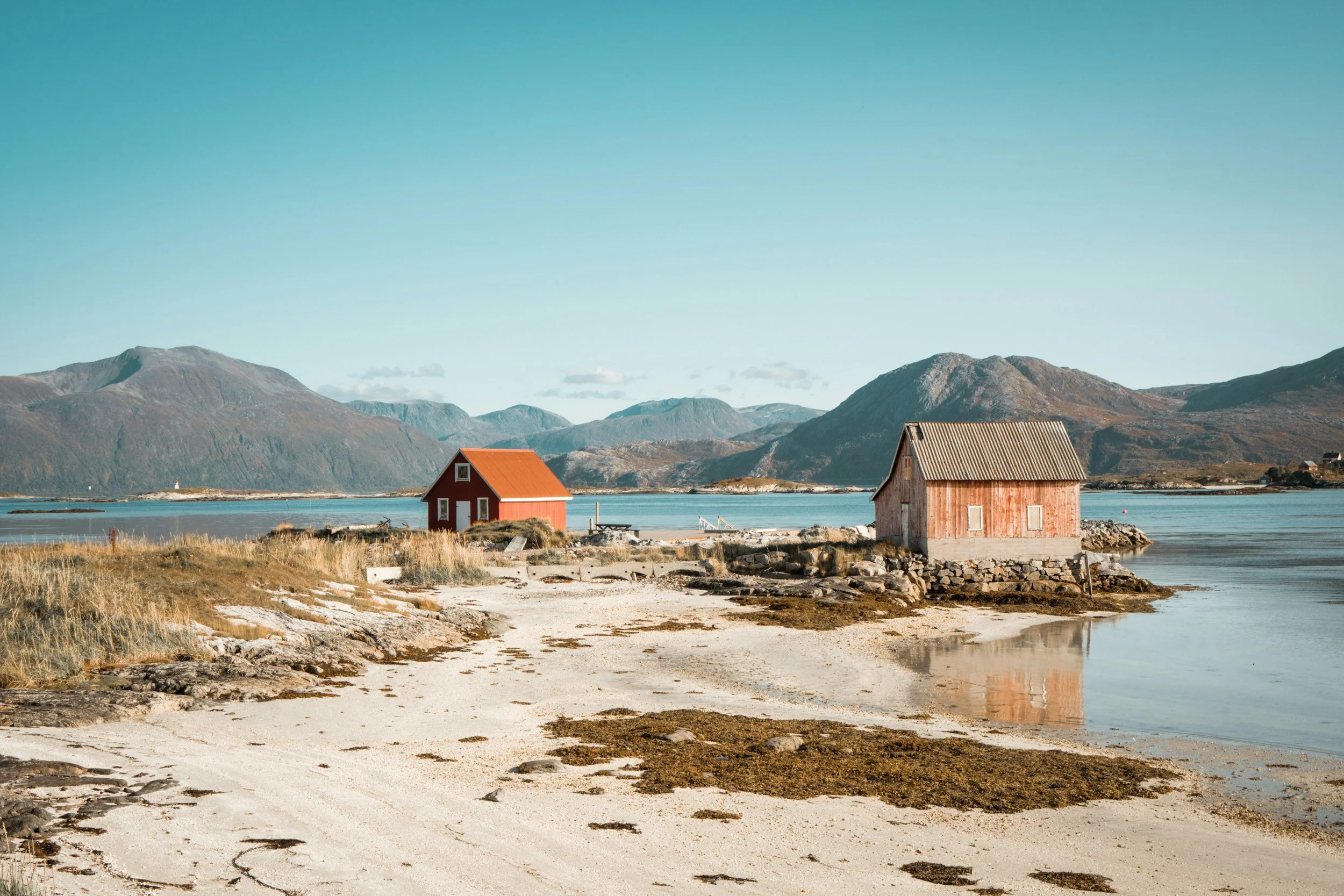
Known for its white-sand beaches, turquoise water and small fishing communities, Sommarøy often surprises visitors who associate Arctic Norway primarily with snow and mountains. During summer, the islands take on an almost tropical appearance, while winter brings dramatic coastal scenery beneath snow-covered peaks. Its relaxed atmosphere and beautiful coastal setting have made Sommarøy one of the most popular day trips from Tromsø.
Ersfjordbotn
Located on Kvaløya around 20 minutes from Tromsø, Ersfjordbotn is one of the region's most photographed fjord landscapes. Steep mountains surround the narrow fjord, creating dramatic scenery that changes constantly with the weather and seasons. Despite its proximity to the city, the village feels quiet and remote, offering visitors an easily accessible glimpse of the landscapes that define Arctic Norway.
Lyngen Alps
The Lyngen Alps are among Norway's most spectacular mountain regions, attracting hikers, climbers, skiers and outdoor enthusiasts from around the world. Sharp peaks rise directly from deep fjords, creating landscapes that differ noticeably from those found around Tromsø itself. While many visitors experience the area on a day trip, the region is large enough to justify several days of exploration.
Senja
Often described as a quieter alternative to Lofoten, Senja combines dramatic mountain scenery, fishing villages, fjords and coastal roads with significantly fewer visitors. The island's landscapes are among the most impressive in Northern Norway, and many travellers consider it one of the country's most underrated destinations. While it requires more time to visit than Kvaløya or Sommarøy, it rewards those willing to venture further beyond Tromsø
Tromsø vs Lofoten
Travellers often find themselves choosing between Tromsø and Lofoten, particularly when time is limited. While both destinations belong to Northern Norway, they offer very different experiences.
Tromsø functions primarily as a city destination and is often centred around organised activities. Visitors can experience northern lights, whale watching, museums, restaurants and Arctic culture without extensive travel between locations. It is one of the easiest ways to experience Arctic Norway without needing to plan a complex itinerary.
Lofoten, by contrast, is primarily a landscape destination. The emphasis is often on scenic drives, fishing villages, hiking and independent exploration. Many visitors hire a car and spend their days moving between different parts of the archipelago.
Neither destination is inherently better. The choice depends largely on whether you are seeking an Arctic city experience or a more landscape-focused journey through Northern Norway. For travellers with sufficient time, combining the two often provides the most complete experience.
What Do Visitors Often Underestimate?
Many first-time visitors underestimate how small Tromsø actually is. Although it is frequently described as the capital of Arctic Norway, it remains a relatively compact city. Most of the central area can be explored on foot within a relatively short period of time, and many of the main attractions are located close together.
The weather is another common surprise. Conditions can change rapidly throughout the year, particularly during winter, and visitors should prepare for snow, wind and variable temperatures. While the North Atlantic Current keeps coastal Northern Norway considerably milder than many people expect, winter conditions still require appropriate clothing and realistic expectations.
Perhaps the biggest misconception concerns the northern lights. While Tromsø is one of the world's most popular destinations for aurora tourism, no location can guarantee a sighting. Success depends on a combination of solar activity, darkness and clear skies, making flexibility an important part of any northern lights trip.
Many visitors also underestimate how quickly activities can sell out during the winter season. Northern lights tours, whale-watching excursions, dog sledding experiences and some of the most popular restaurants are often fully booked well in advance, particularly between December and March.
Another common mistake is spending the entire trip within the city itself. While Tromsø offers plenty to see and do, some of the region's most memorable landscapes are found beyond the urban centre. Destinations such as Kvaløya, Sommarøy and the Lyngen region can easily become highlights of a visit and are well worth considering if time allows.
Finally, many travellers underestimate how much more enjoyable Tromsø can be when they allow additional time in their itinerary. Weather, wildlife and northern lights sightings are never guaranteed, and an extra day or two often provides significantly more flexibility than a tightly planned schedule.
Is Tromsø Worth Visiting?
For travellers interested in Arctic experiences, Tromsø is one of Norway's most accessible and versatile destinations. The combination of natural beauty, cultural attractions and practical infrastructure allows visitors to experience Northern Norway without many of the logistical challenges associated with more remote regions.
It is not a wilderness destination in the traditional sense, nor should it be viewed as a substitute for places such as Lofoten or Svalbard. Its strength lies in the balance it offers. Visitors can experience Arctic landscapes and outdoor activities while still enjoying the conveniences of a city.
That combination has helped make Tromsø one of Norway's most popular year-round destinations and one of the most common starting points for travellers exploring the far north.
Useful Apps for Visiting Tromsø
A few apps can make travelling in Tromsø significantly easier, particularly during winter when weather conditions, transport and outdoor activities play a larger role in daily planning.
Yr
Norway's national weather service and one of the most trusted weather forecasting tools in the country. Weather conditions can change quickly in Northern Norway, making Yr invaluable for planning hikes, fjord excursions, whale-watching trips and northern lights outings.
Aurora
Aurora forecast apps help visitors track solar activity, cloud cover and northern lights forecasts. While no app can guarantee a sighting, they can help identify evenings when conditions are more favourable.
Hjelp 113
Norway's official emergency app. In addition to providing direct contact with emergency services, it can share your precise GPS location, making it particularly useful when hiking or travelling in remote areas.
Troms Reise
The official public transport app for Troms County. It provides journey planning, timetables and ticket information for buses throughout Tromsø and the surrounding region.
UT
Developed by the Norwegian Trekking Association (DNT), UT contains thousands of hiking routes, trail descriptions and maps across Norway. It is particularly useful for visitors planning to hike around Tromsø, Kvaløya or the Lyngen Alps.
Skyssvær
A specialised weather and sea-condition app used by many people along the Norwegian coast. It can be particularly useful for travellers planning fjord cruises, whale-watching excursions, kayaking or other maritime activities.
Google Maps Offline
Downloading offline maps before exploring Tromsø and the surrounding region can be extremely useful, especially when travelling beyond the city centre.
Park4Night
For travellers exploring Northern Norway by campervan, Park4Night helps locate campsites, parking areas, service facilities and overnight stops throughout the region.
Visit Tromsø
The official tourism app and information platform for the region. It includes activity listings, attraction information, event calendars and practical visitor information.
Final Words
Tromsø is often described as the gateway to the Arctic, but that description only tells part of the story. While many visitors arrive hoping to see the northern lights, go whale watching or experience the polar night, they often discover a destination that offers much more than a single Arctic highlight.
The city combines history, culture, food and outdoor experiences in a way that few destinations in Northern Norway can match. Visitors can spend the morning exploring museums and cafés, the afternoon hiking above the fjords or joining a wildlife excursion, and the evening searching for the aurora beneath Arctic skies.
Whether you visit during the midnight sun, the northern lights season or the blue twilight of polar night, Tromsø provides one of the most accessible introductions to Arctic Norway. Its combination of urban life, surrounding wilderness and centuries of northern history makes it far more than simply a base for excursions.
For many travellers, Tromsø becomes not just a destination in its own right, but the starting point for a deeper appreciation of Northern Norway and the Arctic as a whole.
Related Reading
Exploring Northern Norway
Northern Norway Travel Guide: What to See, When to Go and What to Expect
Lofoten Travel Guide: Planning a Realistic Trip to Norway's Most Famous Islands
Northern Lights and Winter Travel
Lofoten vs Tromsø: Which Is Better for Your Trip?
Planning Your Norway Trip
What to Wear in Norway (All Seasons): The Ultimate Guide Based on How Norwegians Actually Dress
Is Norway Safe for Tourists? Solo, Female and General Travel Safety
For more articles about Norway, visit the Norway hub.