
Which Type of Norway Trip Is Right for You?
Planning a trip to Norway but not sure where to start? This guide explores the different ways to experience the country, from iconic fjords, Arctic adventures and mountain hiking to wildlife, train travel, historic sites, city breaks, slow travel and local food. Whether you're visiting for a week or planning a longer itinerary, it will help you discover which type of Norway trip best matches your interests.
Introduction
Norway is often reduced to a handful of familiar images: dramatic fjords, steep mountains and the northern lights.
While those experiences are certainly part of the story, they represent only a fraction of what the country has to offer.
A trip to Norway might mean driving through fjord landscapes on the west coast, spending summer days among the islands of Sørlandet, watching orcas beneath Arctic skies, hiking in the mountains of Jotunheimen, travelling by train across remote plateaus, exploring centuries of history in cities such as Bergen and Trondheim, or slowing down in a cabin beside a lake.
The challenge is not deciding whether Norway is worth visiting. It is deciding which version of Norway appeals to you most.
One of the most common mistakes travellers make is planning the trip they think they should take rather than the one that genuinely matches how they like to travel.
This guide is designed to help you do the opposite.
Whether you dream of fjords, wildlife, train journeys, coastal life, mountain cabins, northern lights, food, history or simply slowing down, Norway offers remarkably different experiences depending on where and when you visit.
The question is not where to go first.
The question is what kind of Norway trip feels most like you.
In This Guide
You Dream of Fjords and Scenic Drives
You Picture White Wooden Towns and Summer by the Sea
You Imagine Snow, Northern Lights and Arctic Landscapes
You Love the Idea of Cabins, Fireplaces and Skiing
You Love Mountains, Cabins and Life Outdoors
You Travel for Wildlife
You Love to Travel by Train
You Like History
You Enjoy City Breaks
You Prefer Slow Travel
You Want to See the Norway Most Tourists Miss
You Want to See Norway from the Water
You Love Food, Local Produce and Culinary Travel
1. You Dream of Fjords and Scenic Drives
For many travellers, this is the Norway that first captures their imagination.
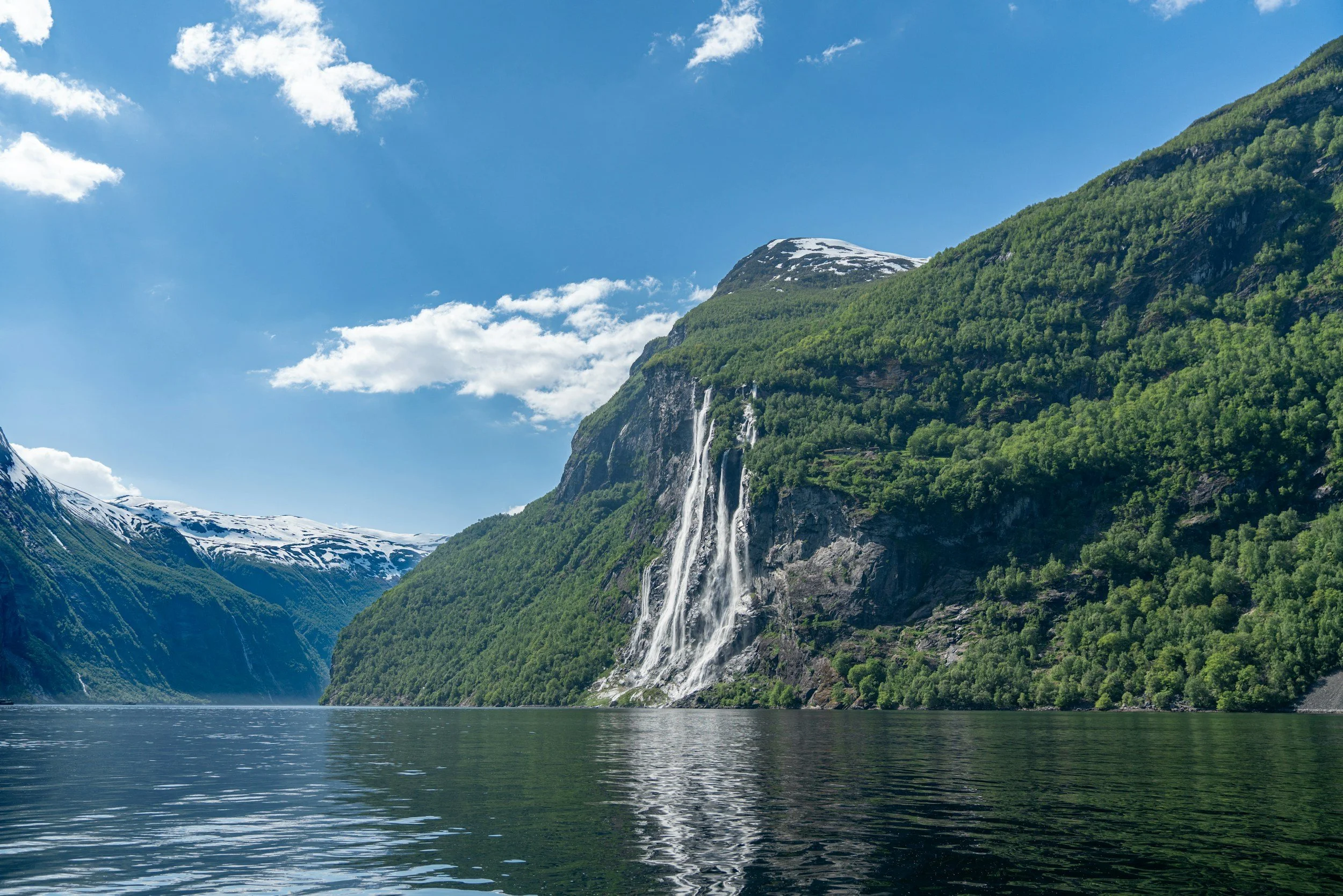
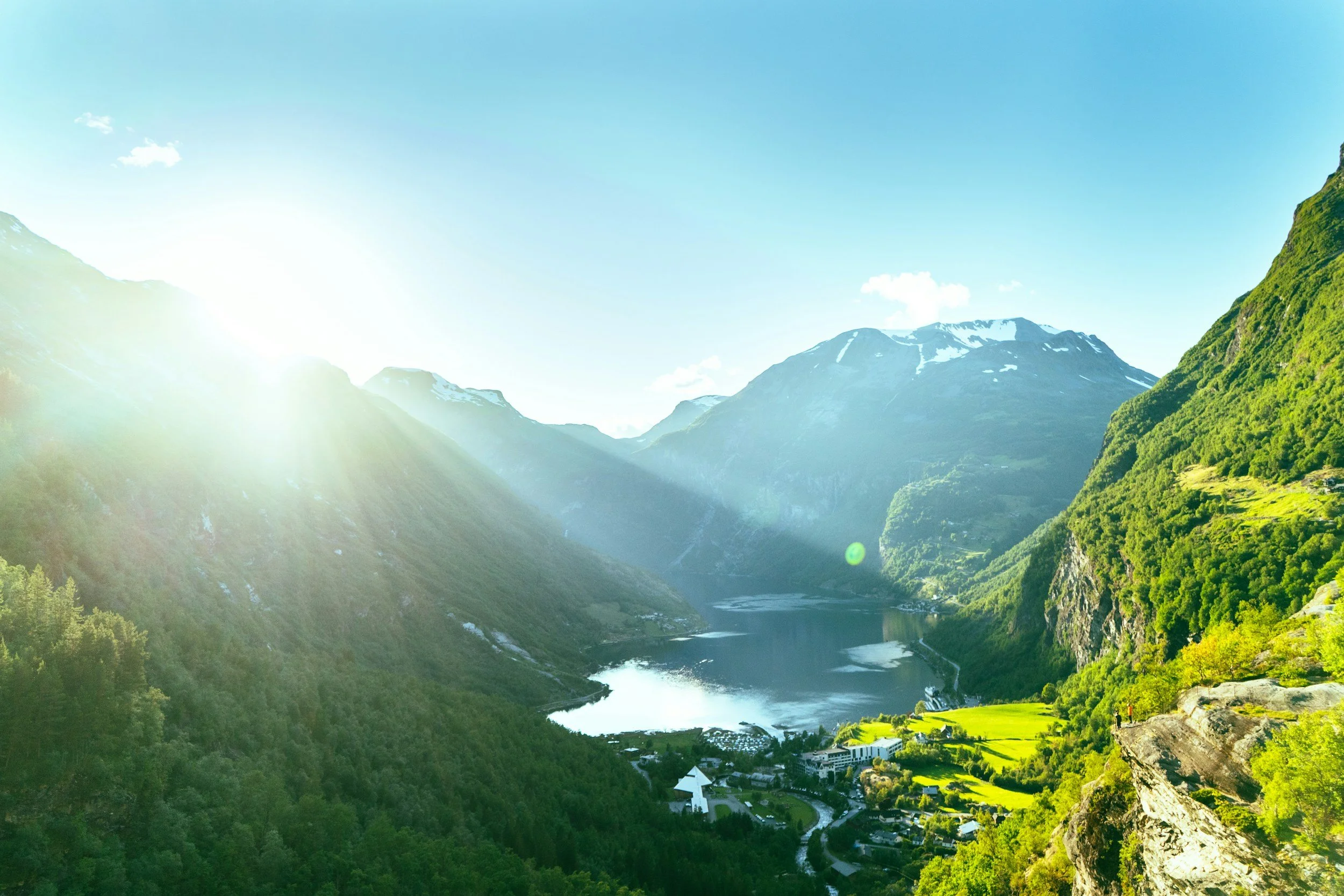
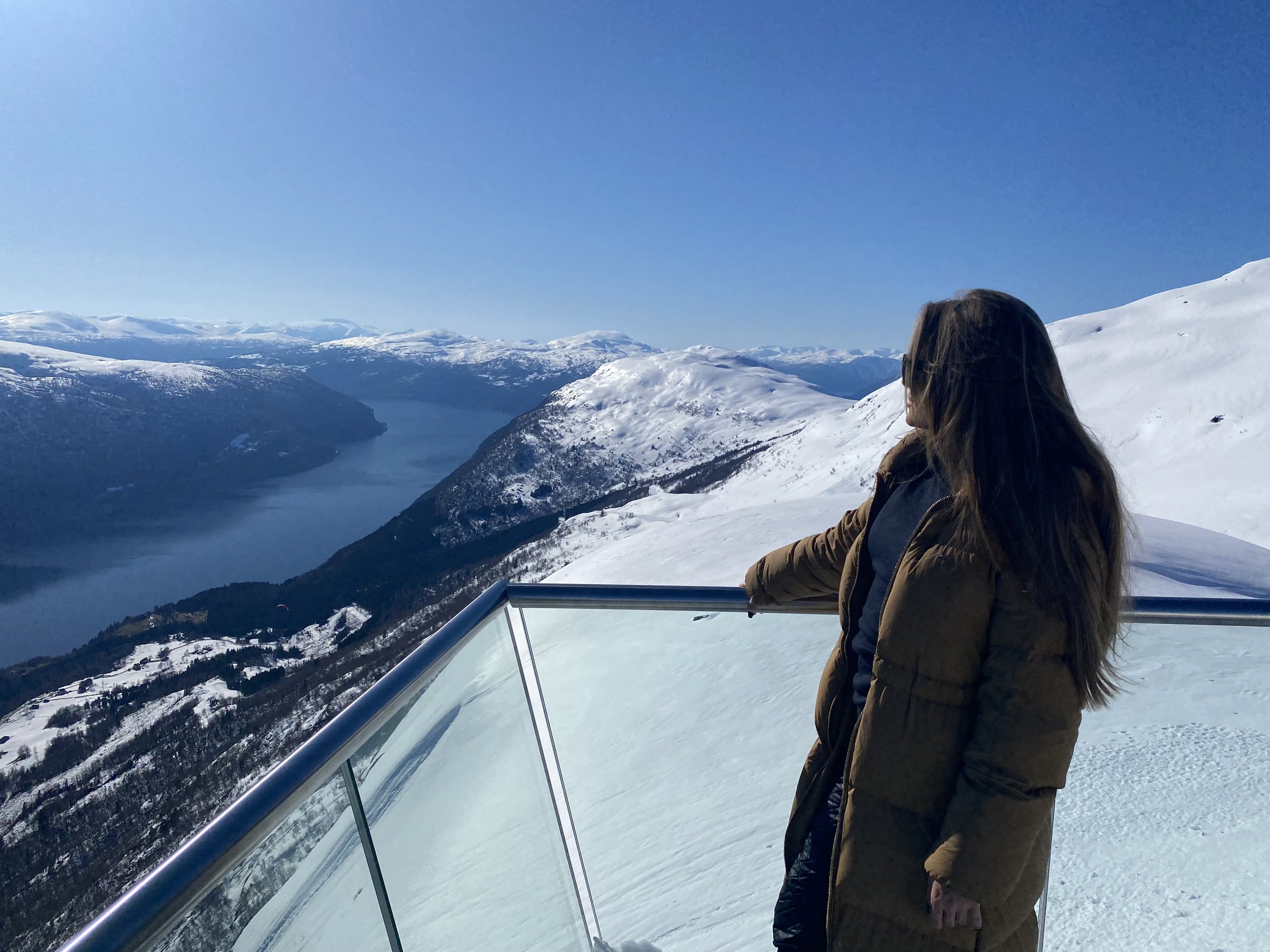
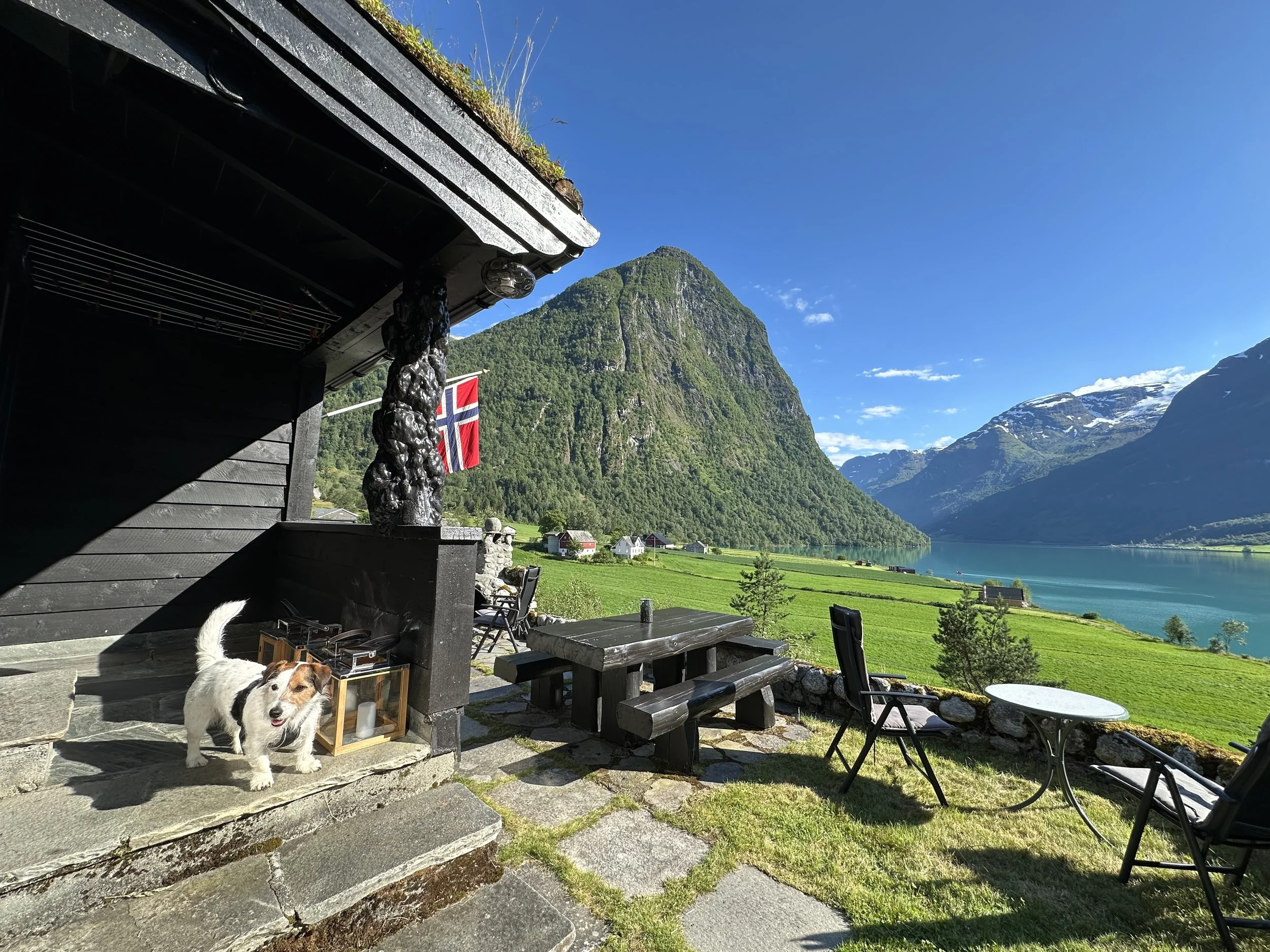
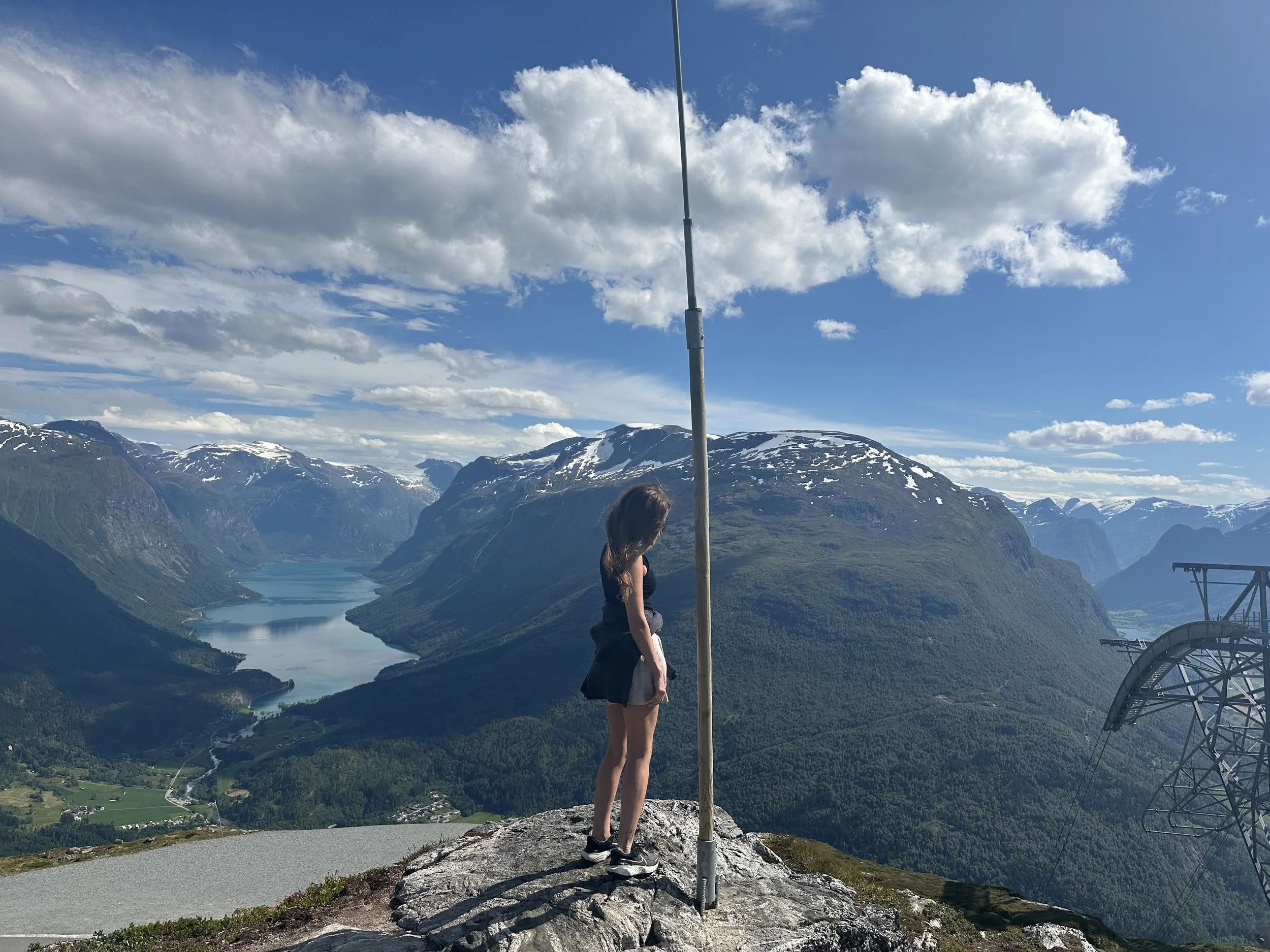
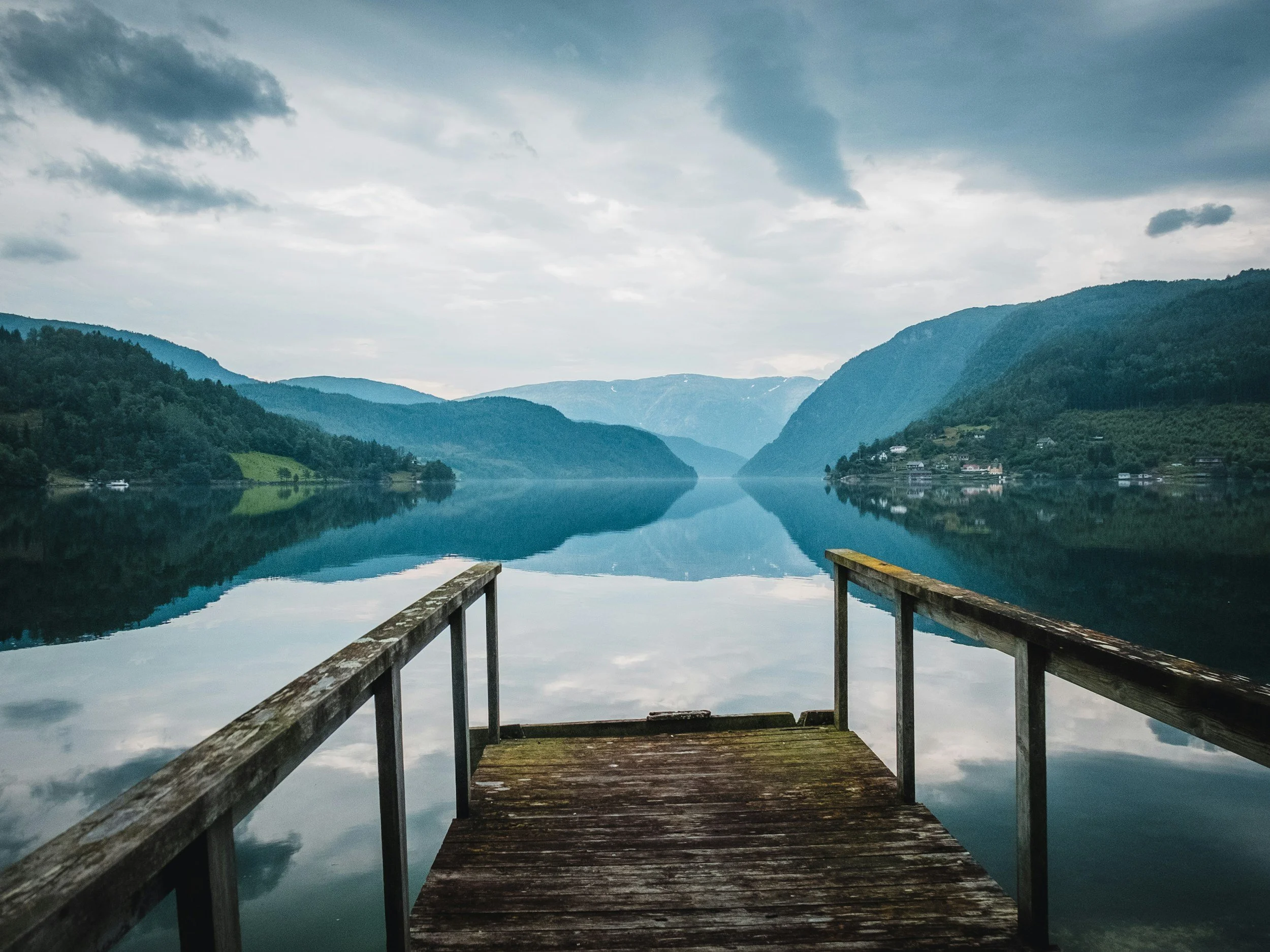
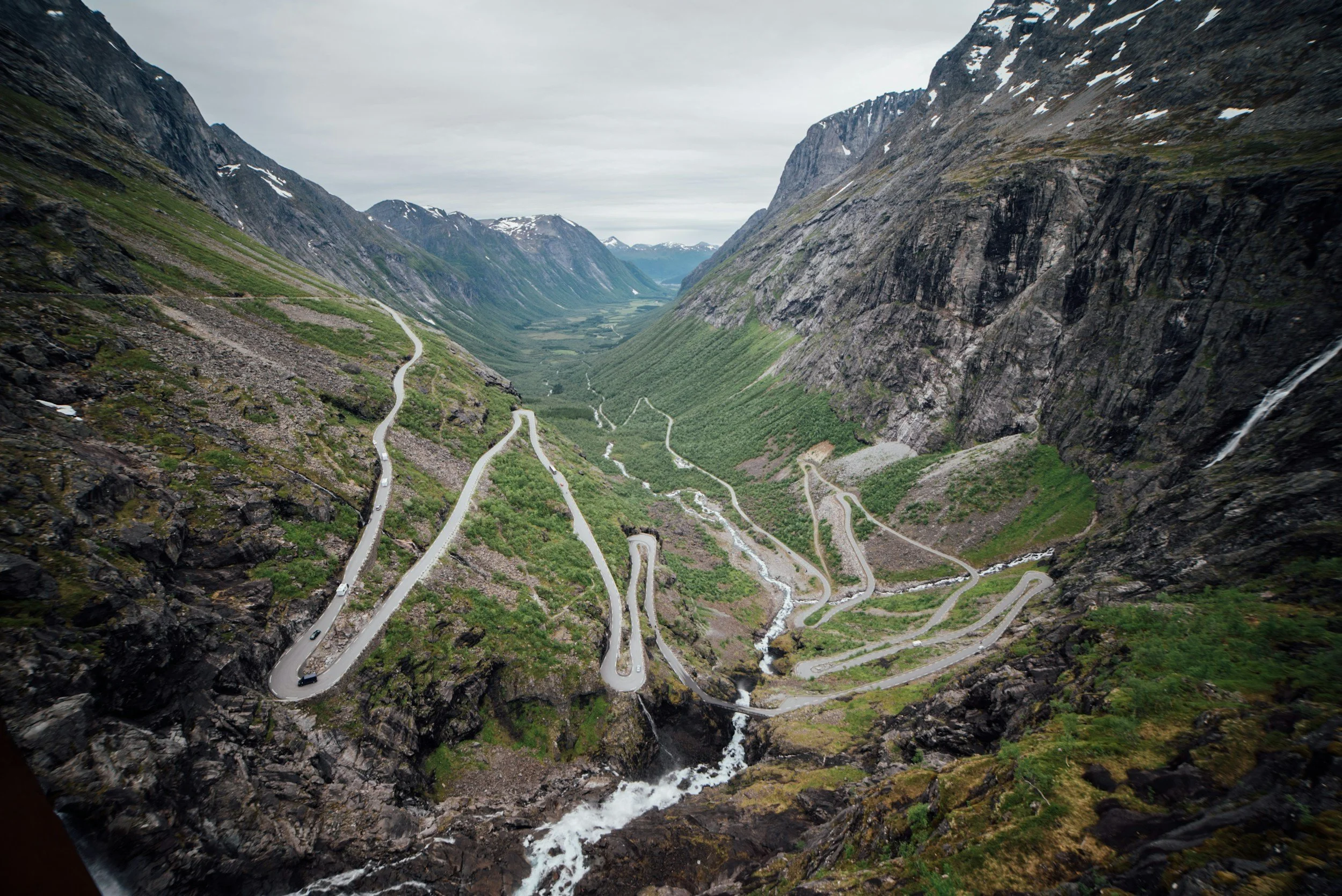
The image is instantly recognisable: narrow fjords stretching beneath towering mountains, waterfalls tumbling down steep cliffs and winding roads that reveal a new view around every corner. It is the Norway that appears on postcards, in travel brochures and across social media.
Yet what makes a fjord journey memorable is not usually a single viewpoint or attraction. It is the experience of moving through the landscape itself.
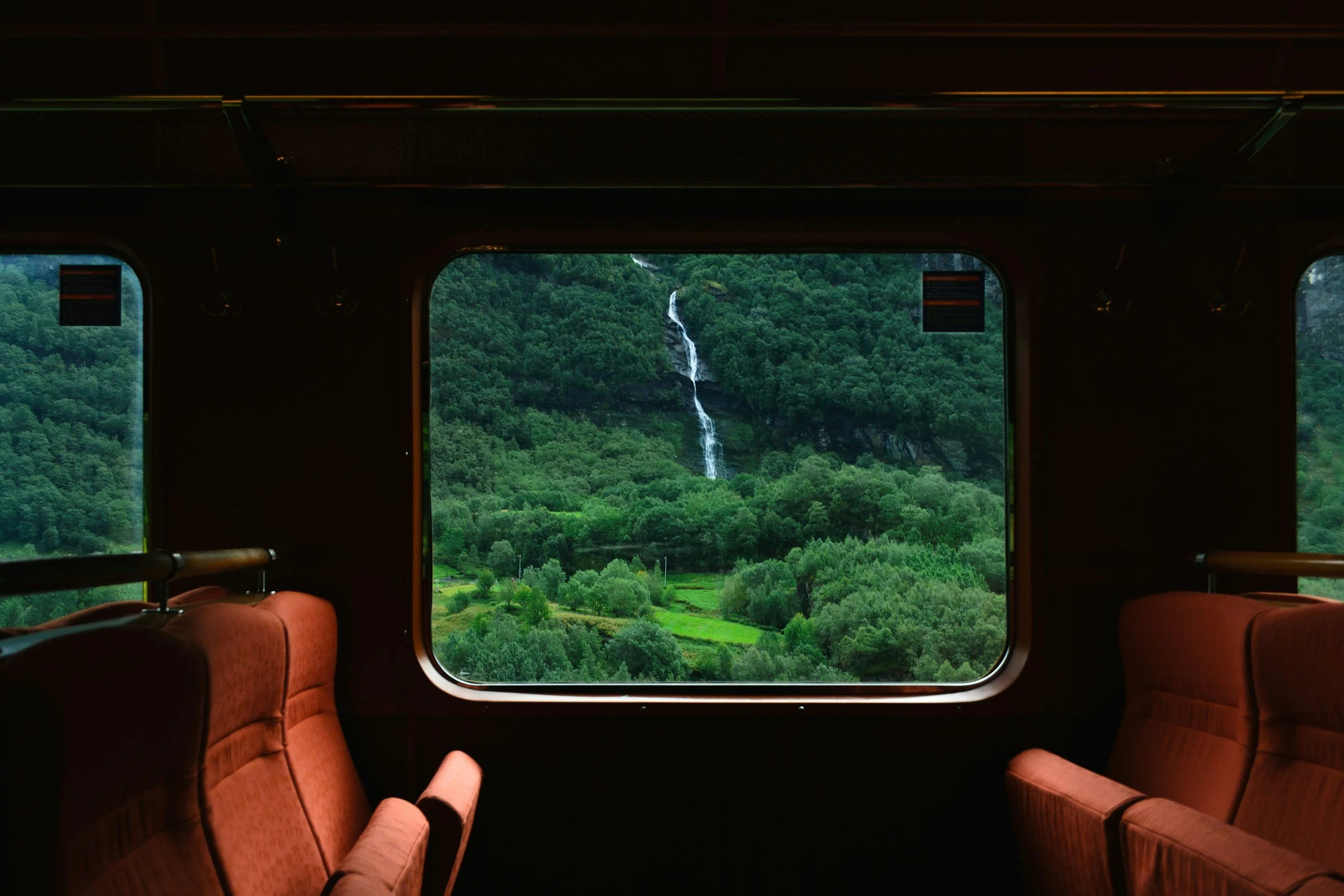
One moment you are crossing a fjord by ferry. The next, you are climbing a mountain road above the clouds. A few hours later, you are standing beside a waterfall or eating lunch in a small village surrounded by mountains. The scenery changes constantly, which is why many travellers find that a road trip works particularly well in this part of the country.
Western Norway is the heart of this experience. Regions such as Nordfjord, Hardangerfjord, Sognefjord and Geirangerfjord all offer their own character, but they share the same sense of scale and drama that has made Norway famous around the world.
The experience is at its best between late spring and early autumn, when mountain roads are open, ferries run frequently and waterfalls are often at their most powerful. June and early July are particularly beautiful, when snow still lingers on the mountains while valleys and fjord communities are fully alive for the season.
If your idea of travel involves constantly stopping the car because the view around the next bend is even better than the last, this is probably the version of Norway that suits you best.
Explore this side of Norway further:
2. You Picture White Wooden Towns and Summer by the Sea
Not every Norwegian travel dream involves fjords.
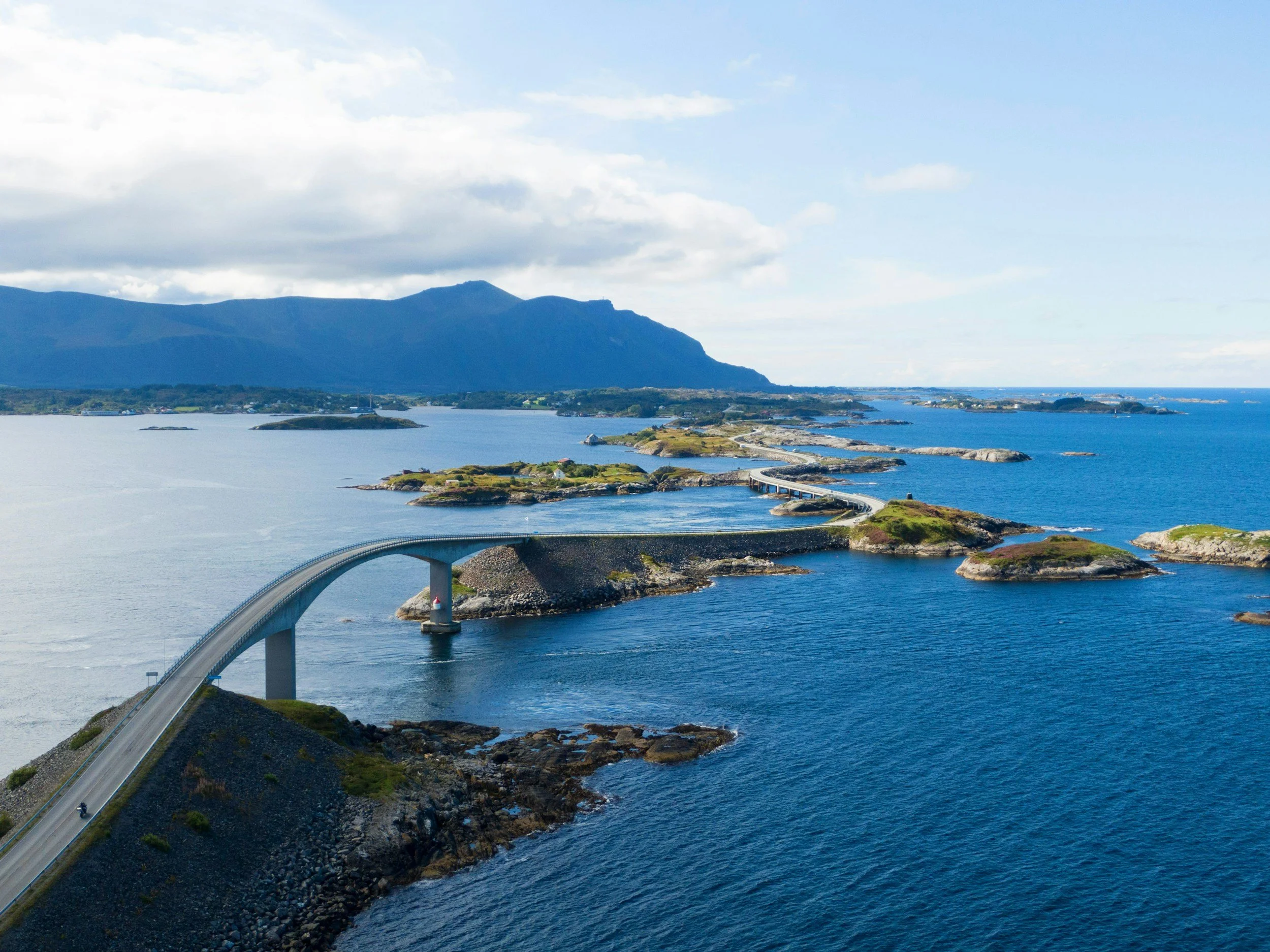
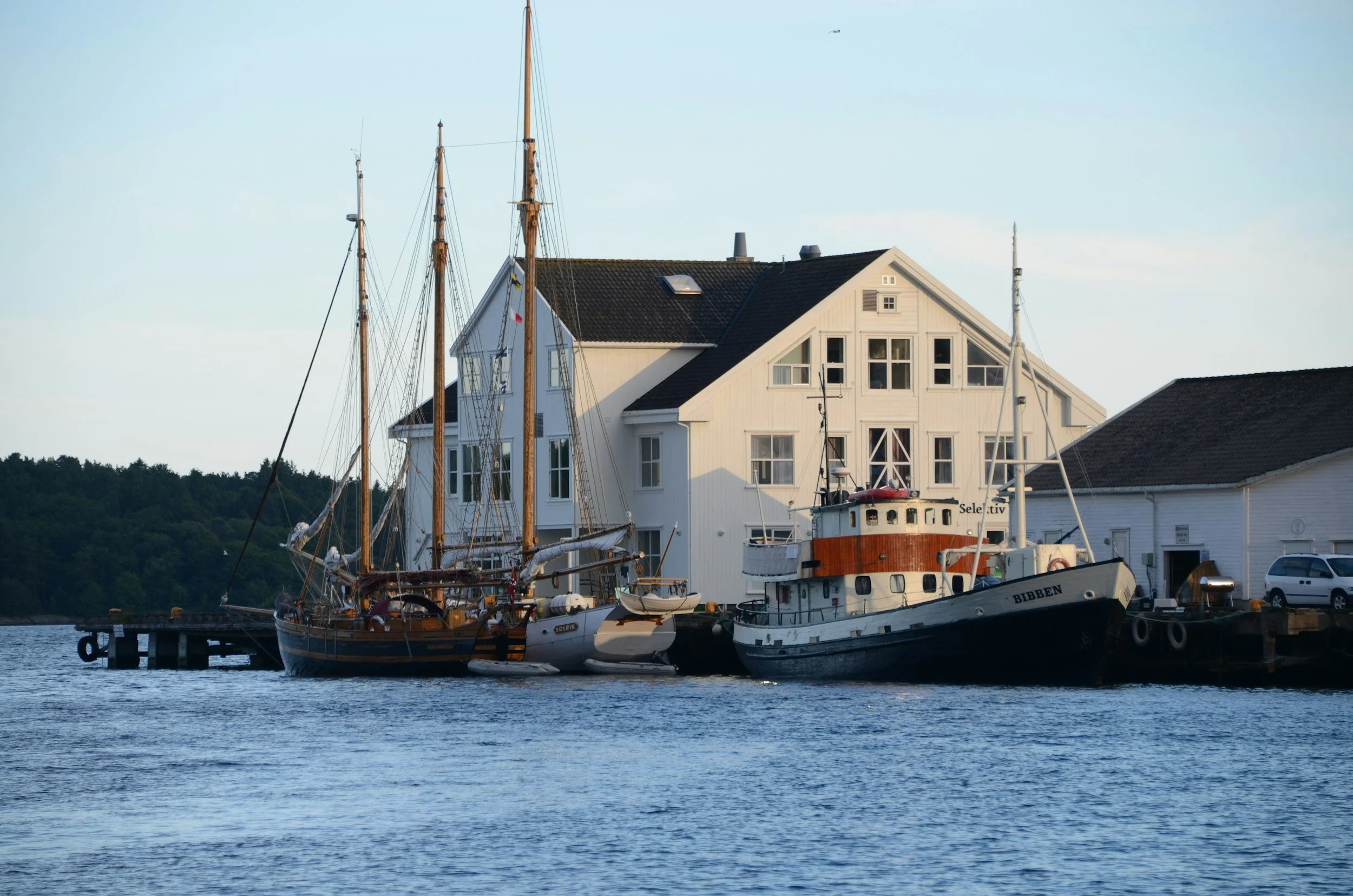
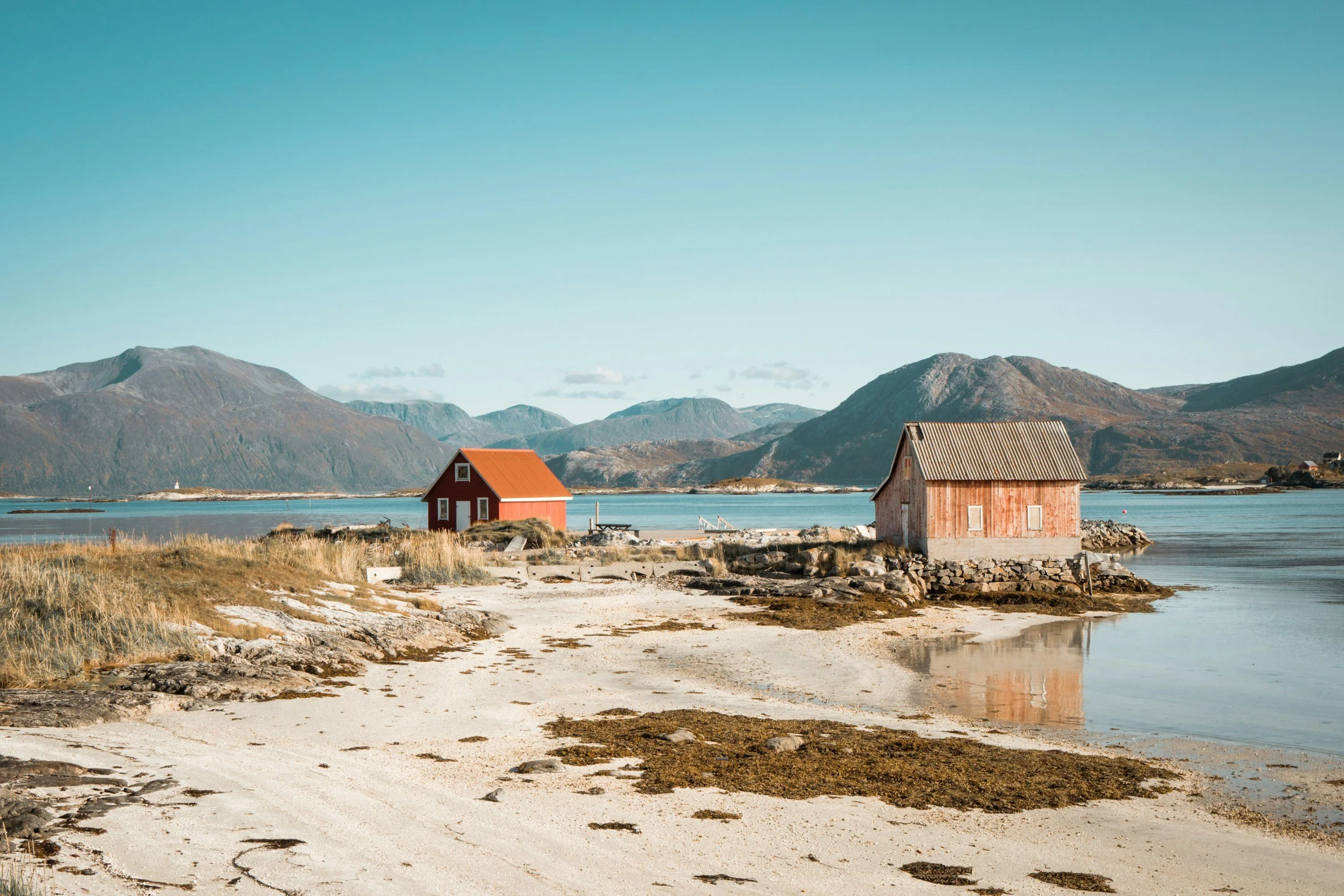
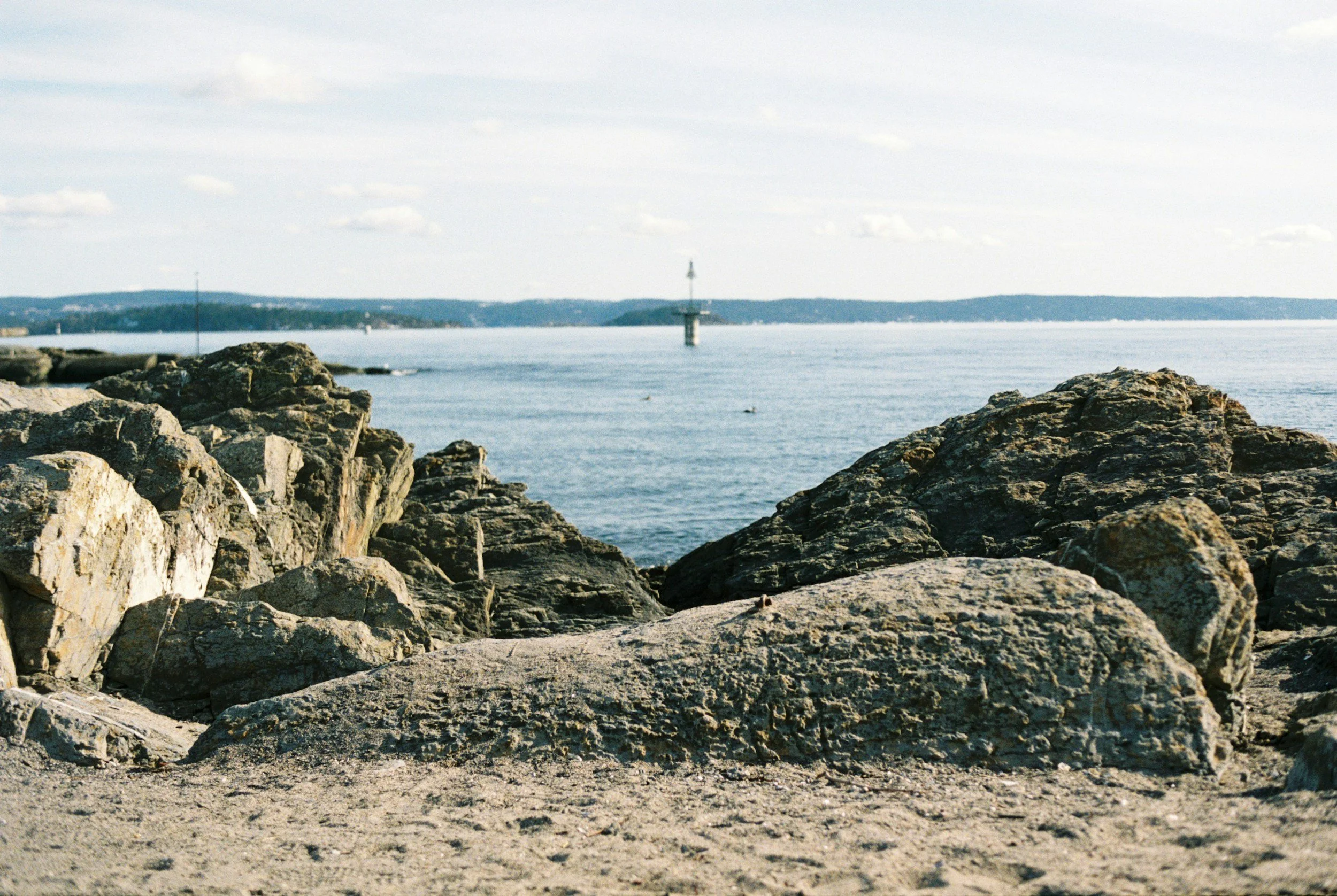
Many Norwegians spend their summers along the southern coast, where the landscape feels entirely different from the dramatic scenery of Western Norway. Instead of towering mountains and narrow fjords, you find sheltered harbours, pine-covered islands, smooth granite shorelines and some of the country's most beautiful coastal towns.
Places such as Kragerø, Risør, Tvedestrand, Grimstad and Mandal have been popular summer destinations for generations. White wooden houses line the waterfront, sailboats drift between islands and long evenings are spent outdoors as the sun slowly disappears beyond the skerries.
For many Norwegians, this is what summer looks like.
The appeal is not built around famous attractions or ambitious sightseeing itineraries. It is about slowing down and enjoying the season itself. Swimming from sun-warmed rocks, taking a boat to a nearby island, eating fresh seafood by the harbour or spending an evening on a cabin terrace overlooking the sea are all part of the experience.
There is a strong sense of nostalgia to Southern Norway in summer. It occupies a special place in the Norwegian imagination, not unlike the role that coastal New England plays in the United States or the Swedish west coast does in Sweden.
International visitors often overlook this part of the country in favour of the fjords. Yet travellers who enjoy coastal landscapes, maritime culture and a slower pace frequently discover that Southern Norway feels closer to their idea of a perfect summer holiday than any famous viewpoint ever could.
Explore this side of Norway further:
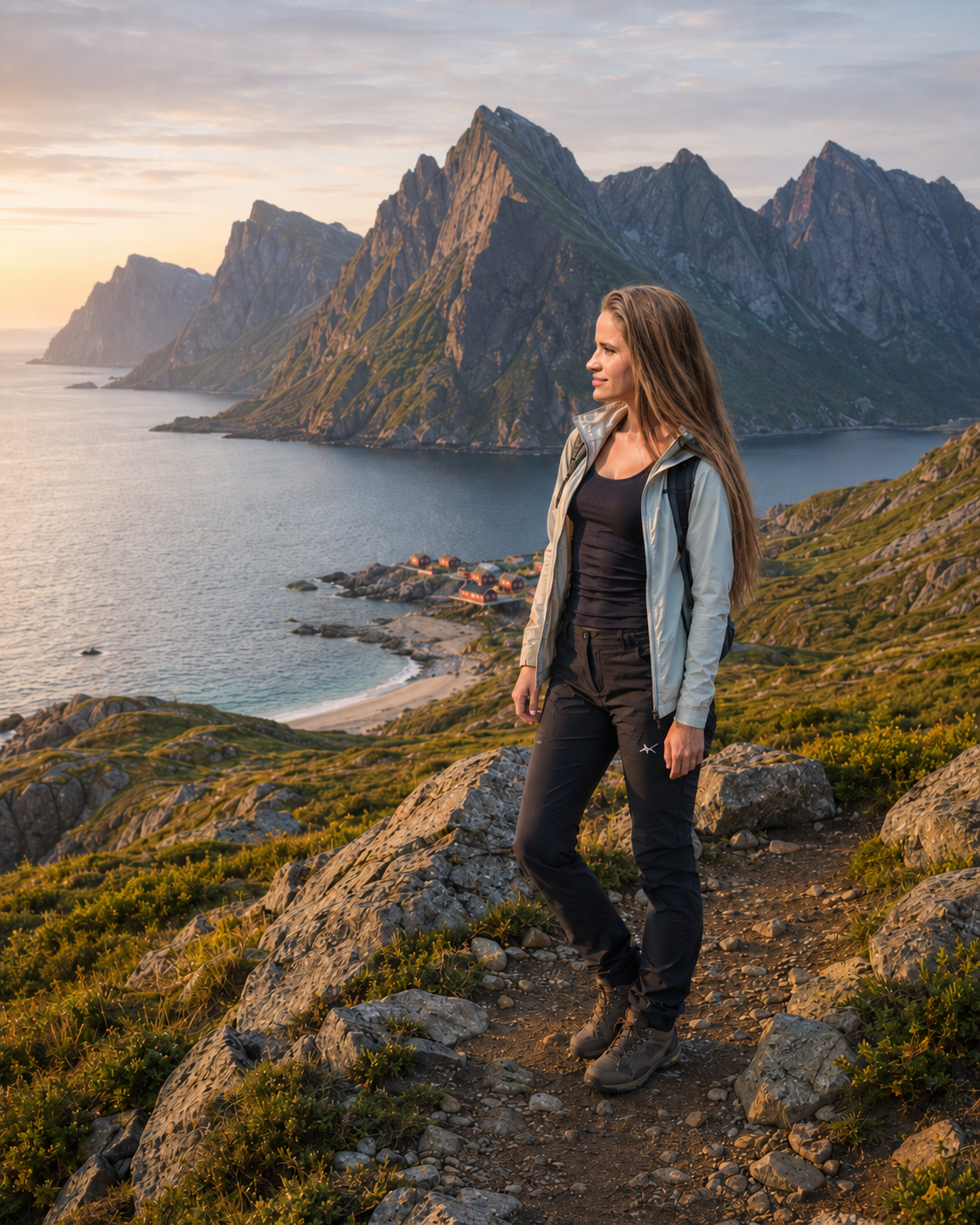
3. You Imagine Snow, Northern Lights and Arctic Landscapes
For some travellers, Norway begins where the roads become snow-covered and daylight becomes scarce.
While much of the country's tourism focuses on fjords and summer road trips, others are drawn to a completely different version of Norway. One defined by winter, silence and vast Arctic landscapes.
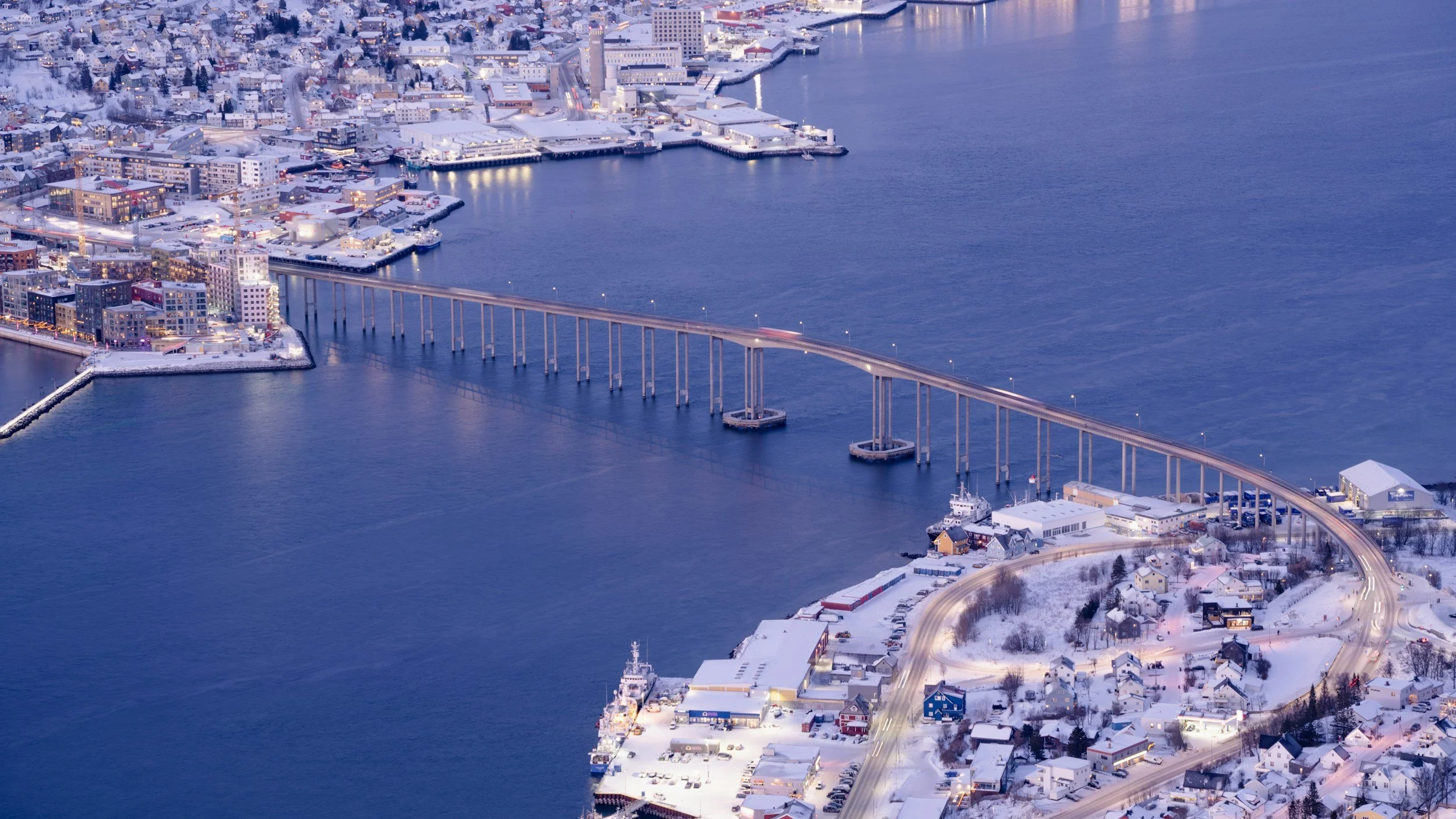
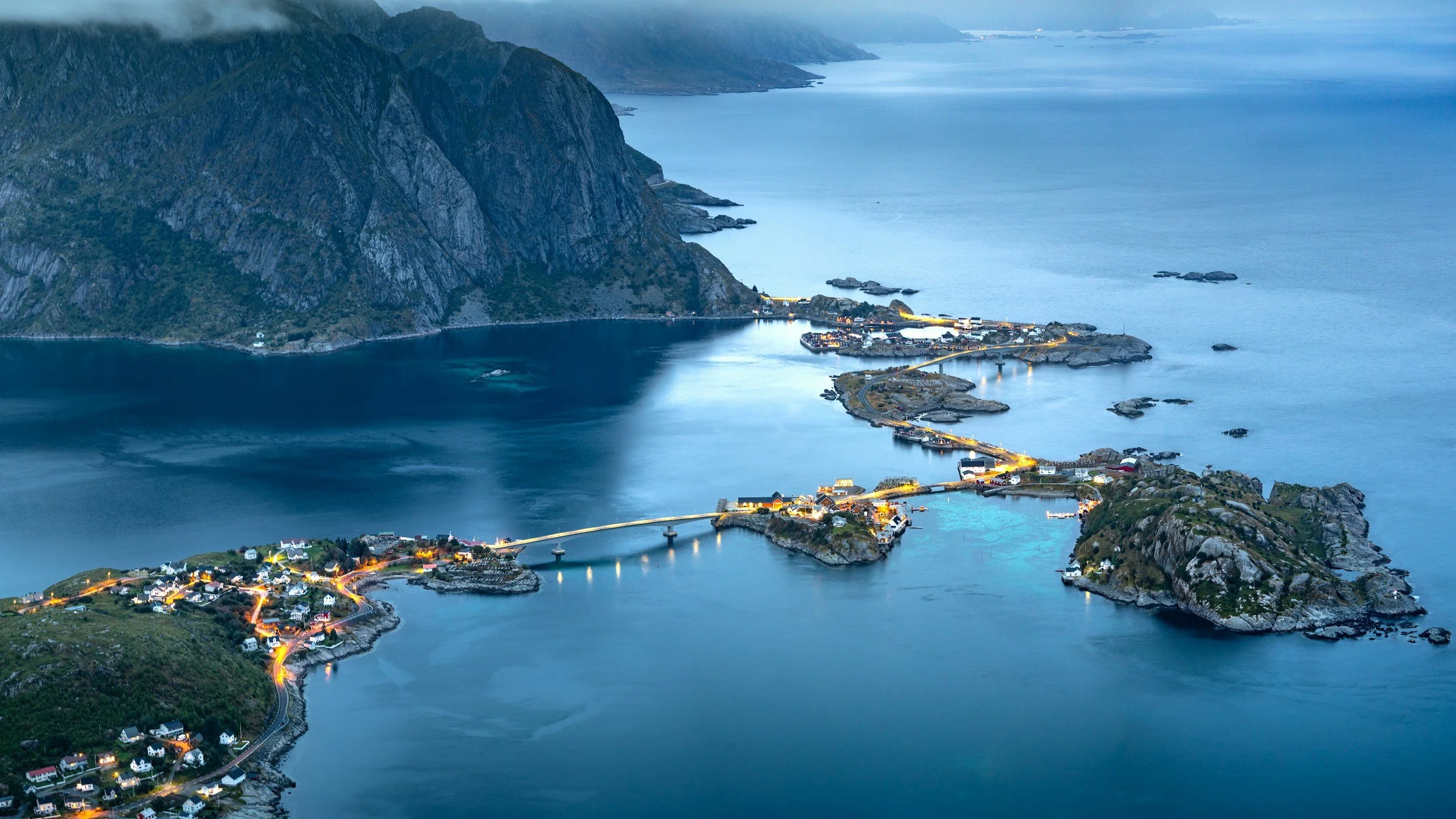
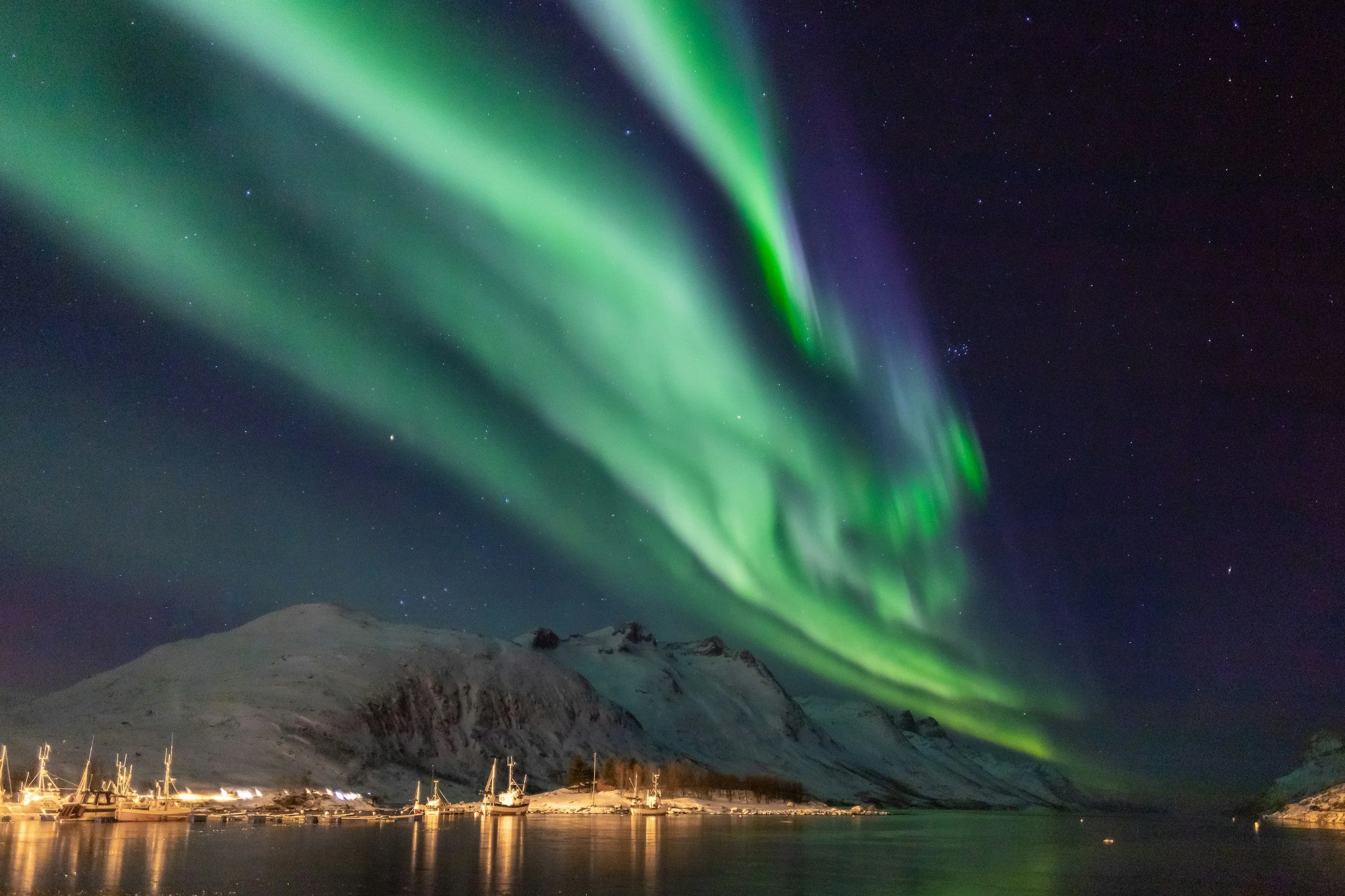
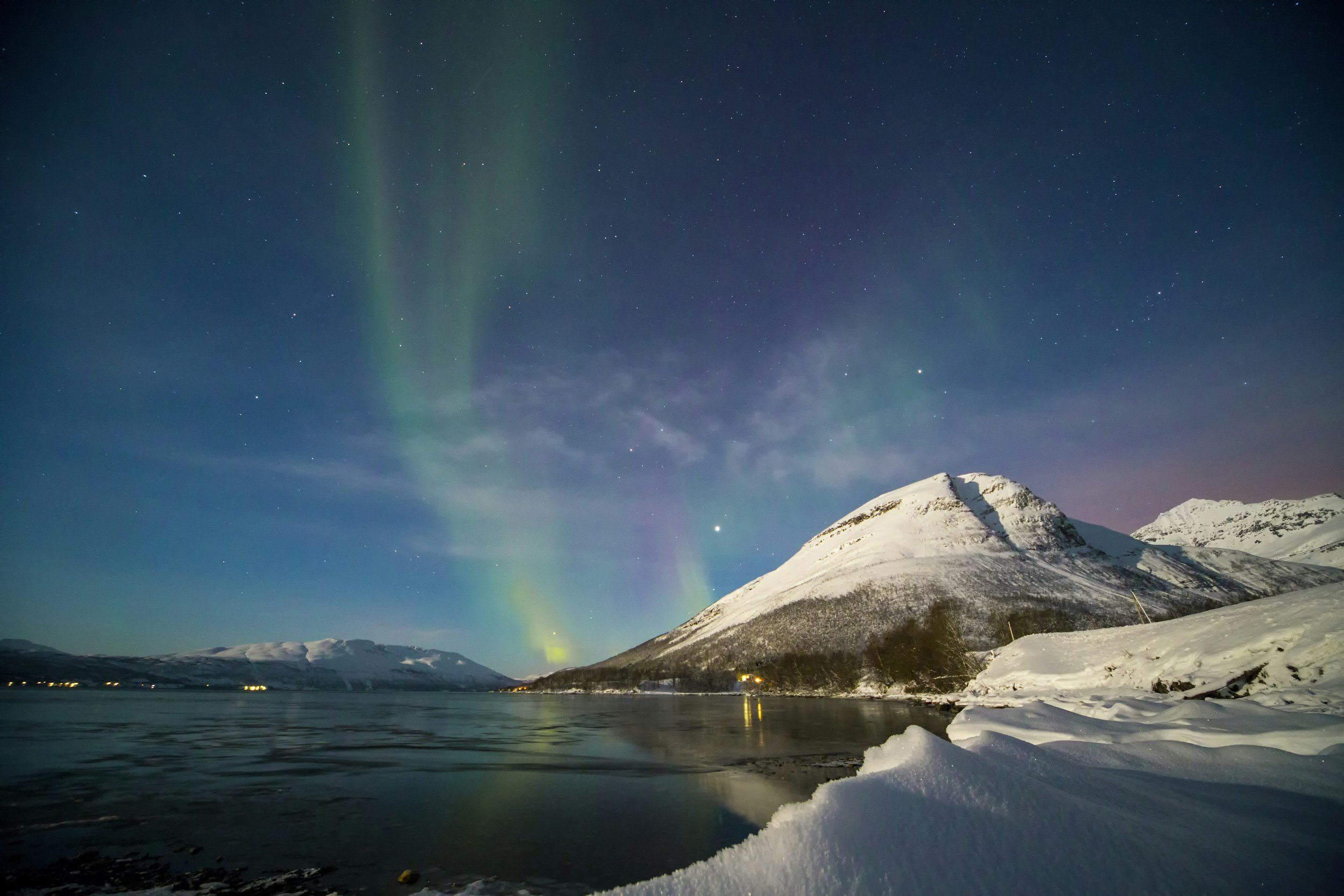
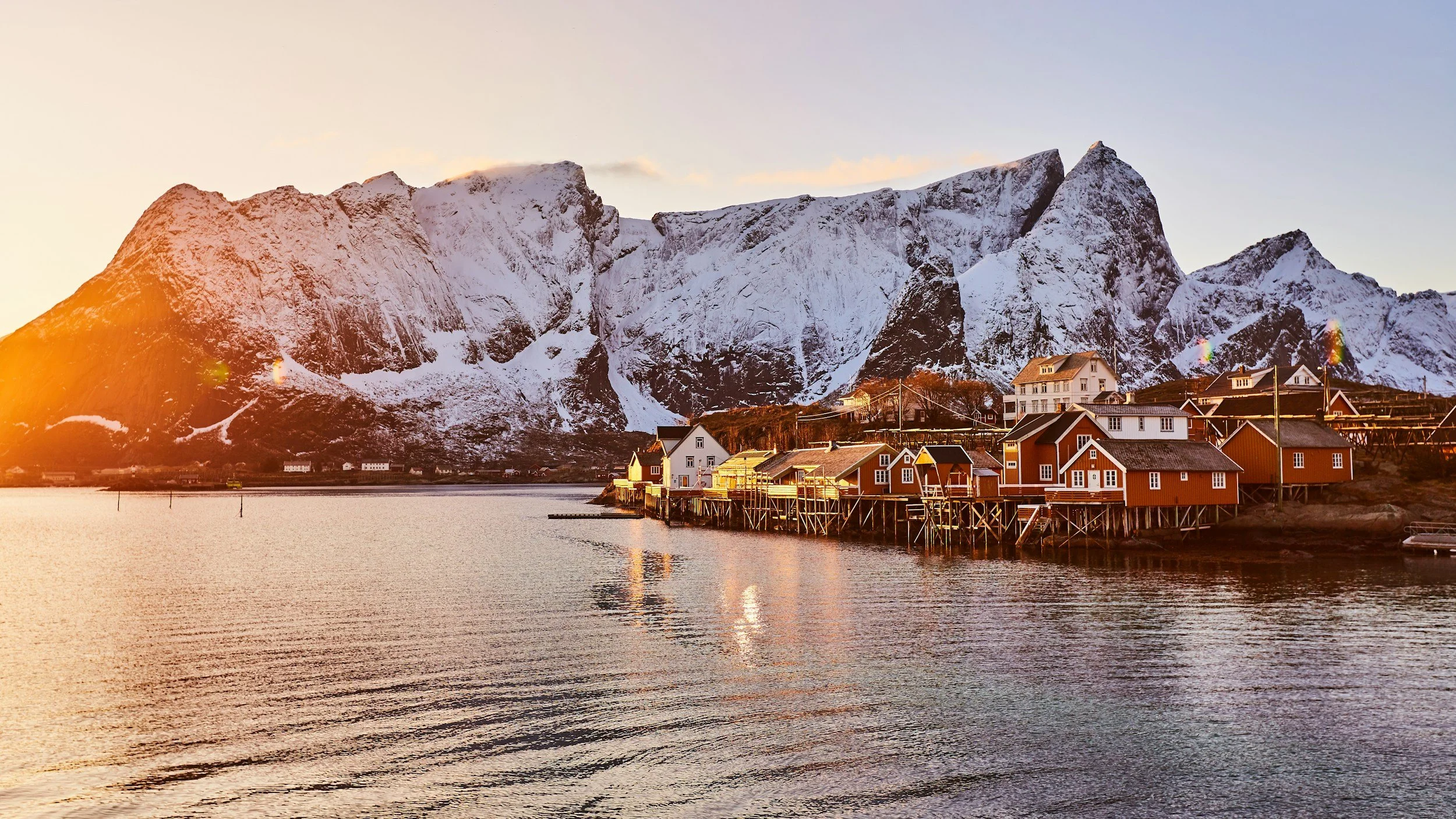
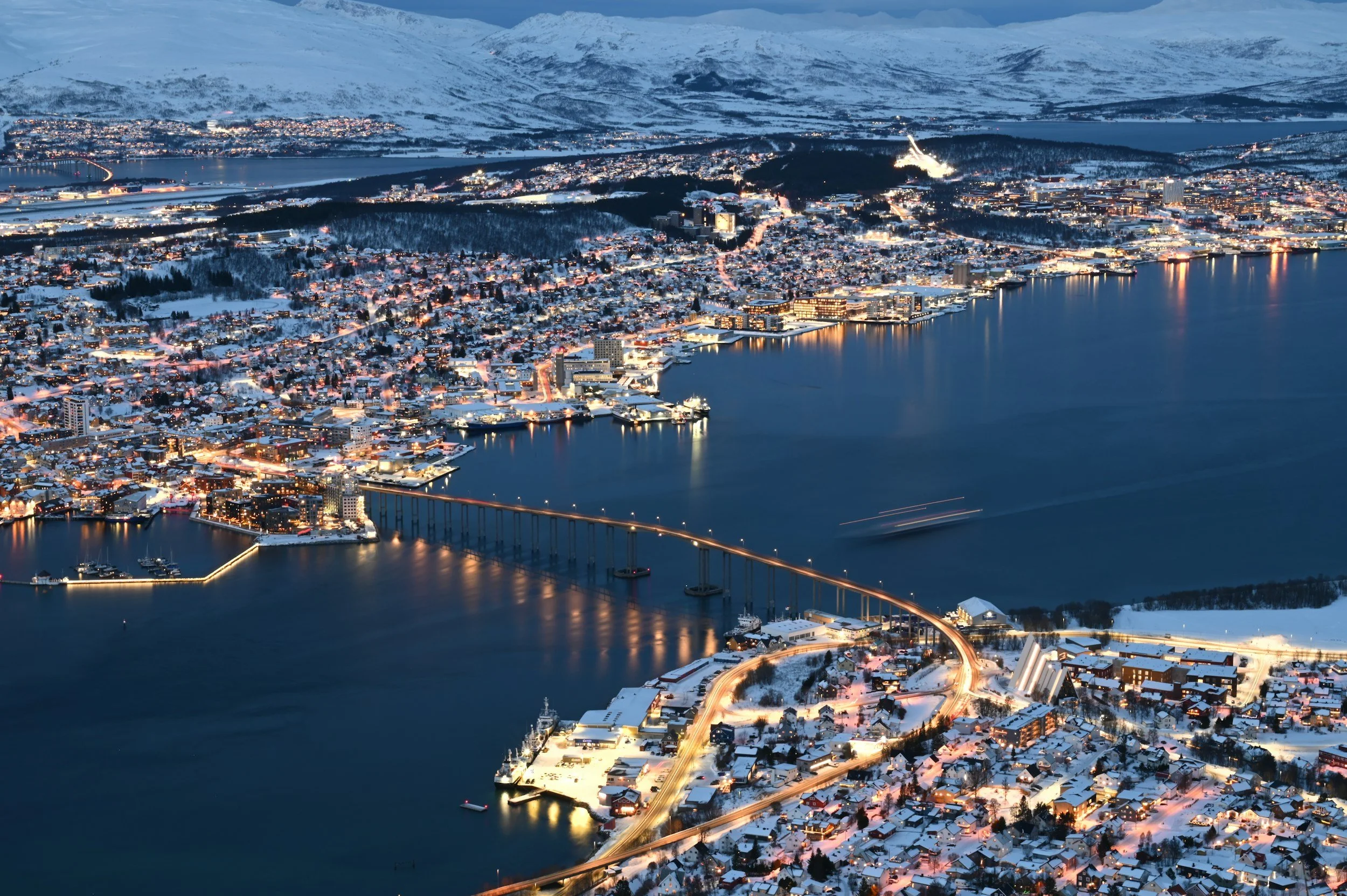
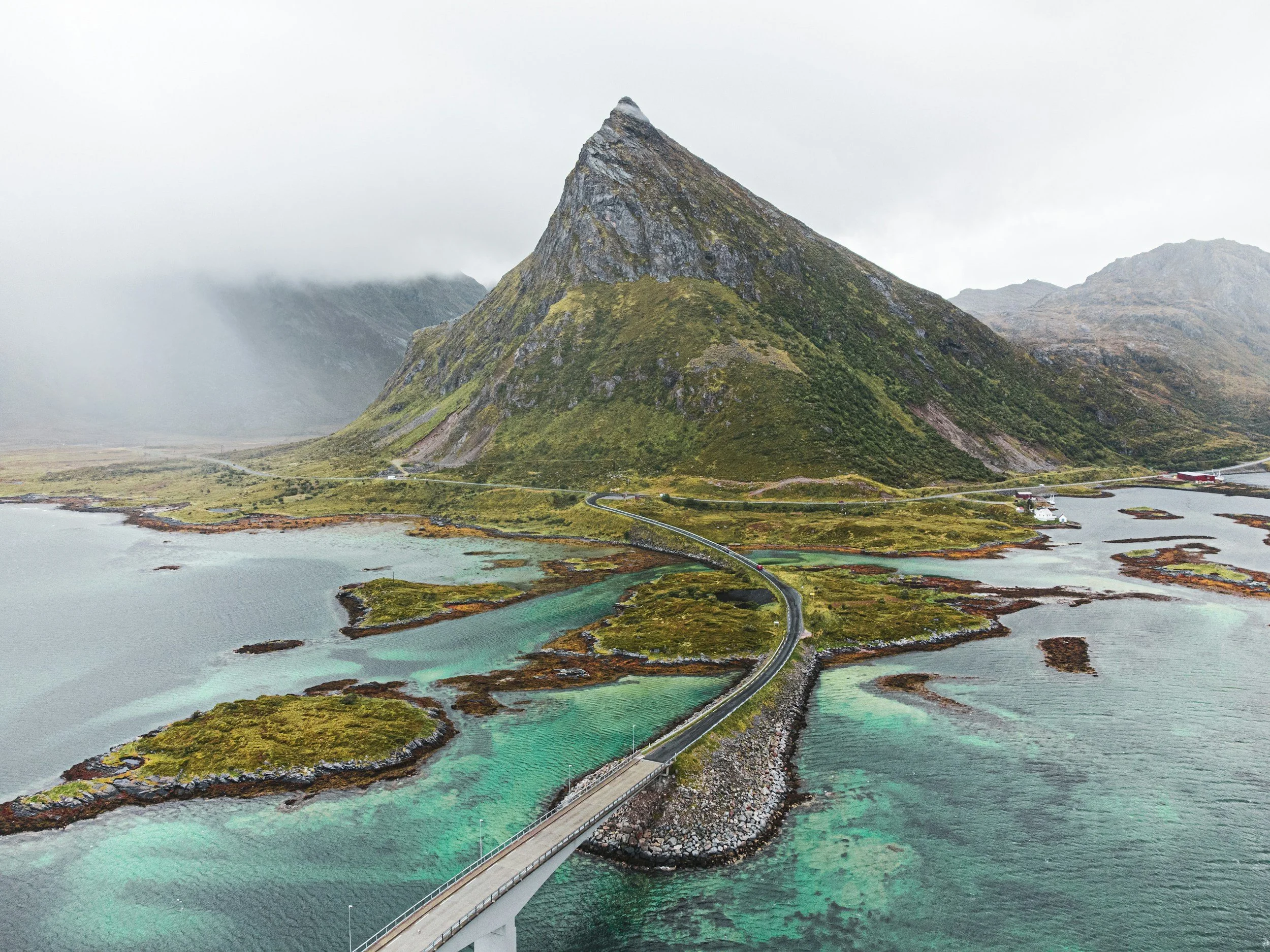
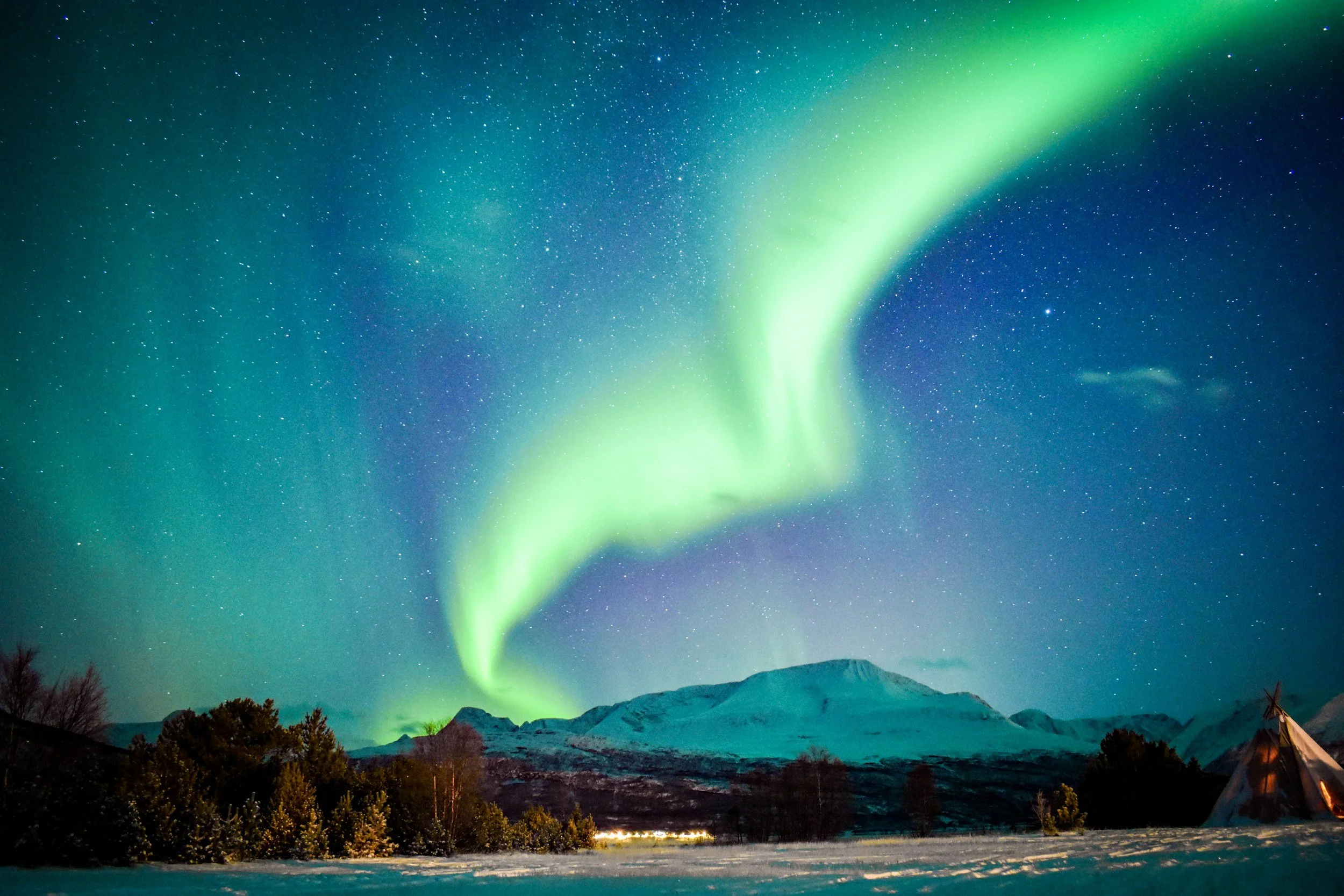
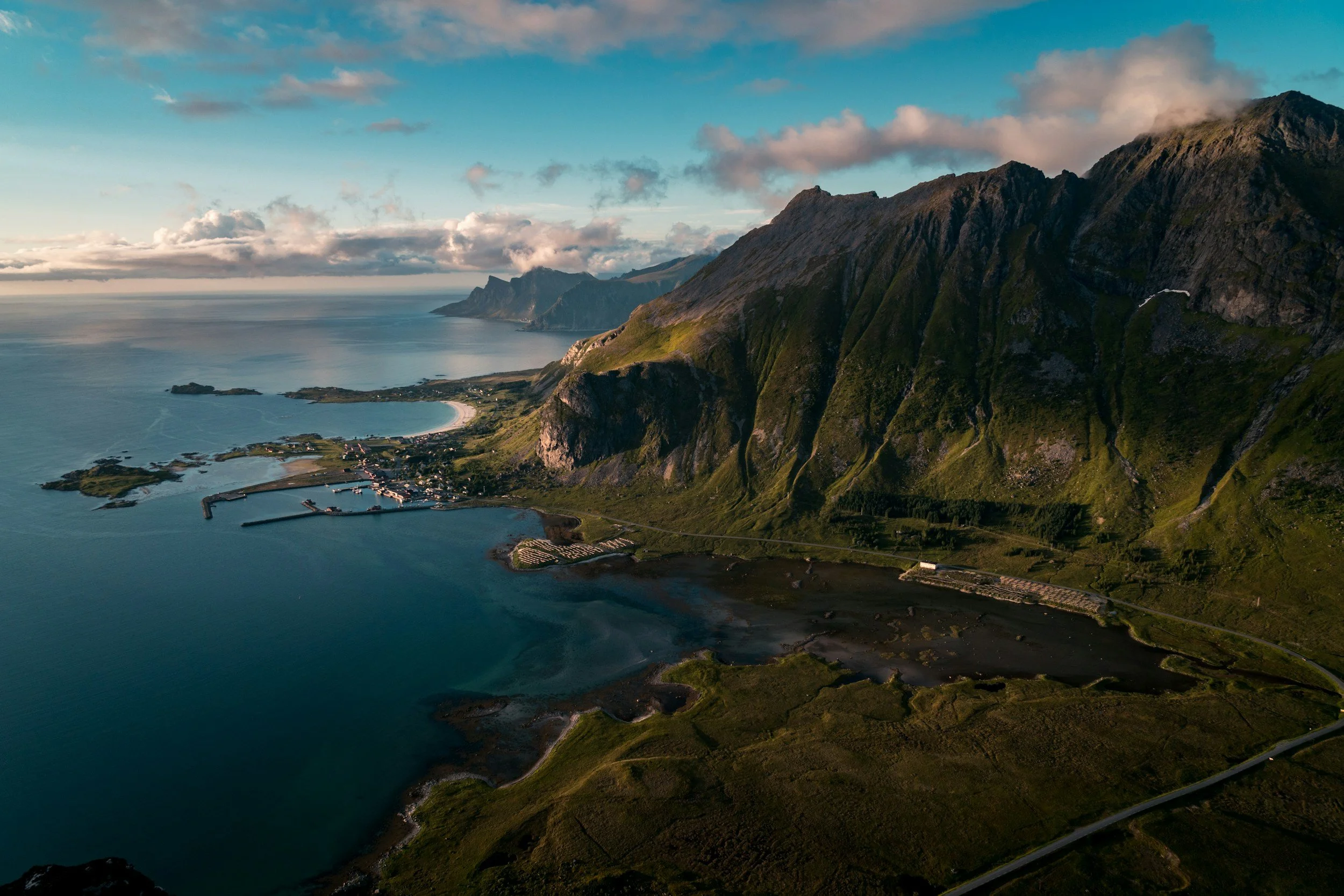
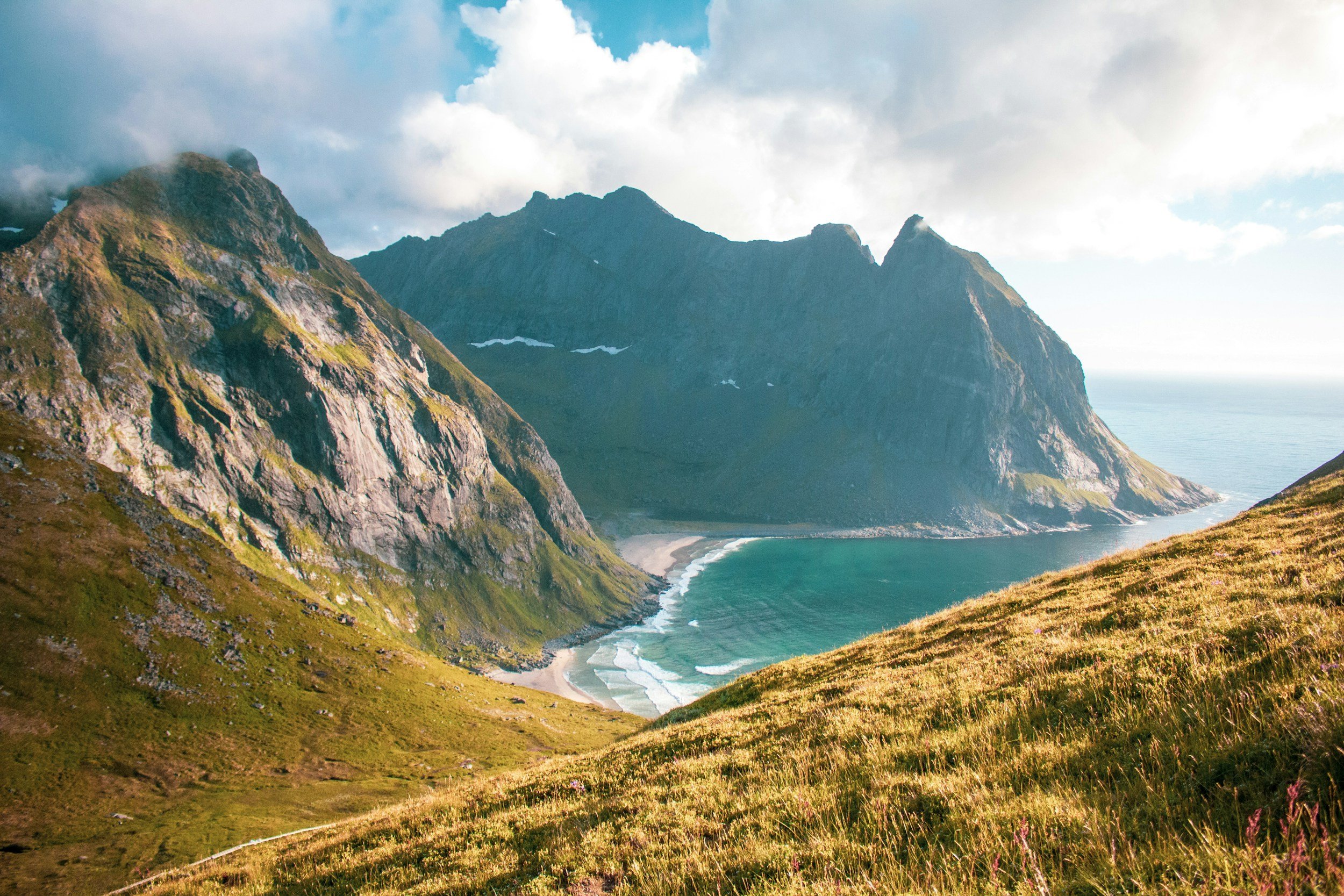
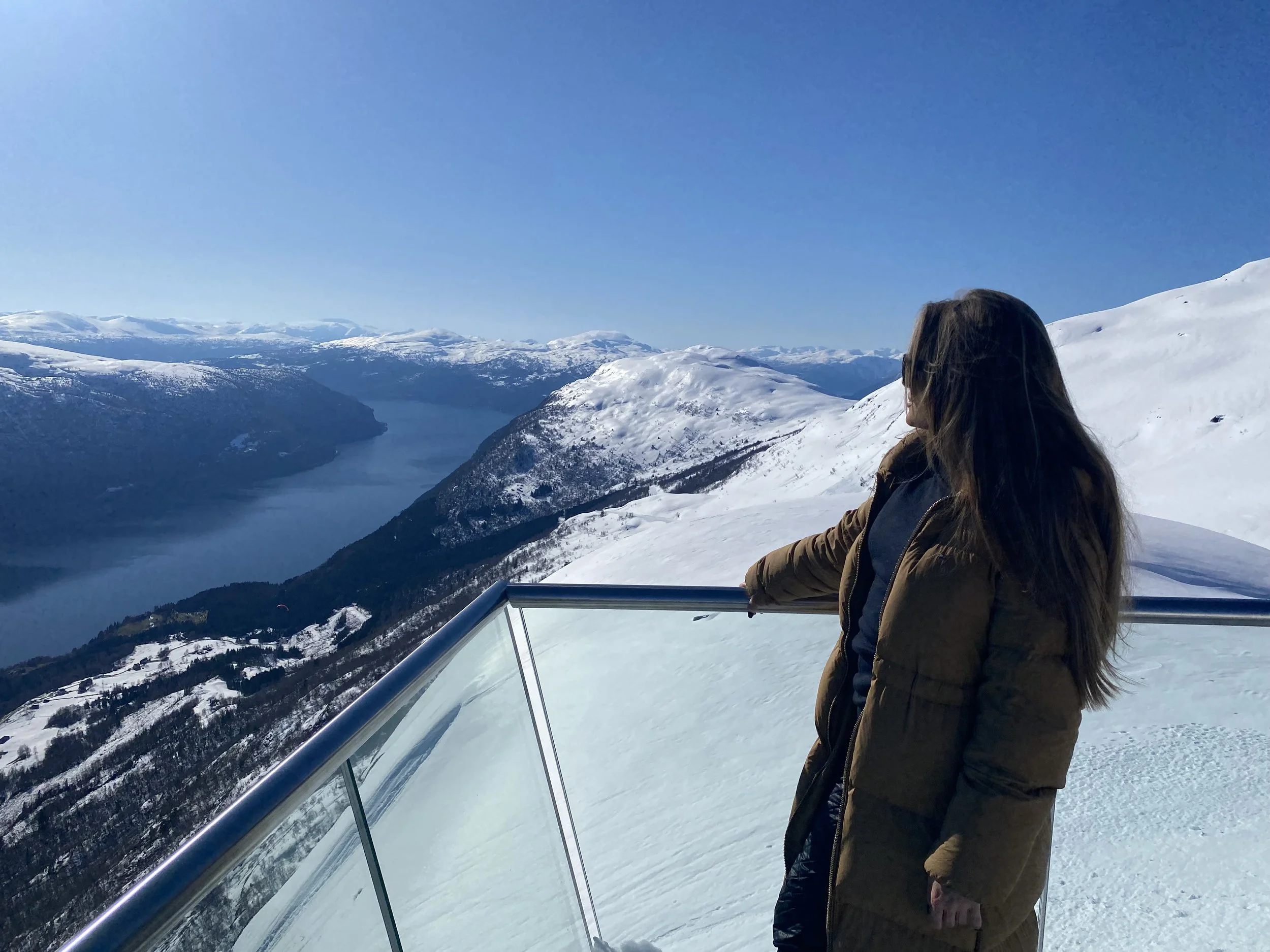
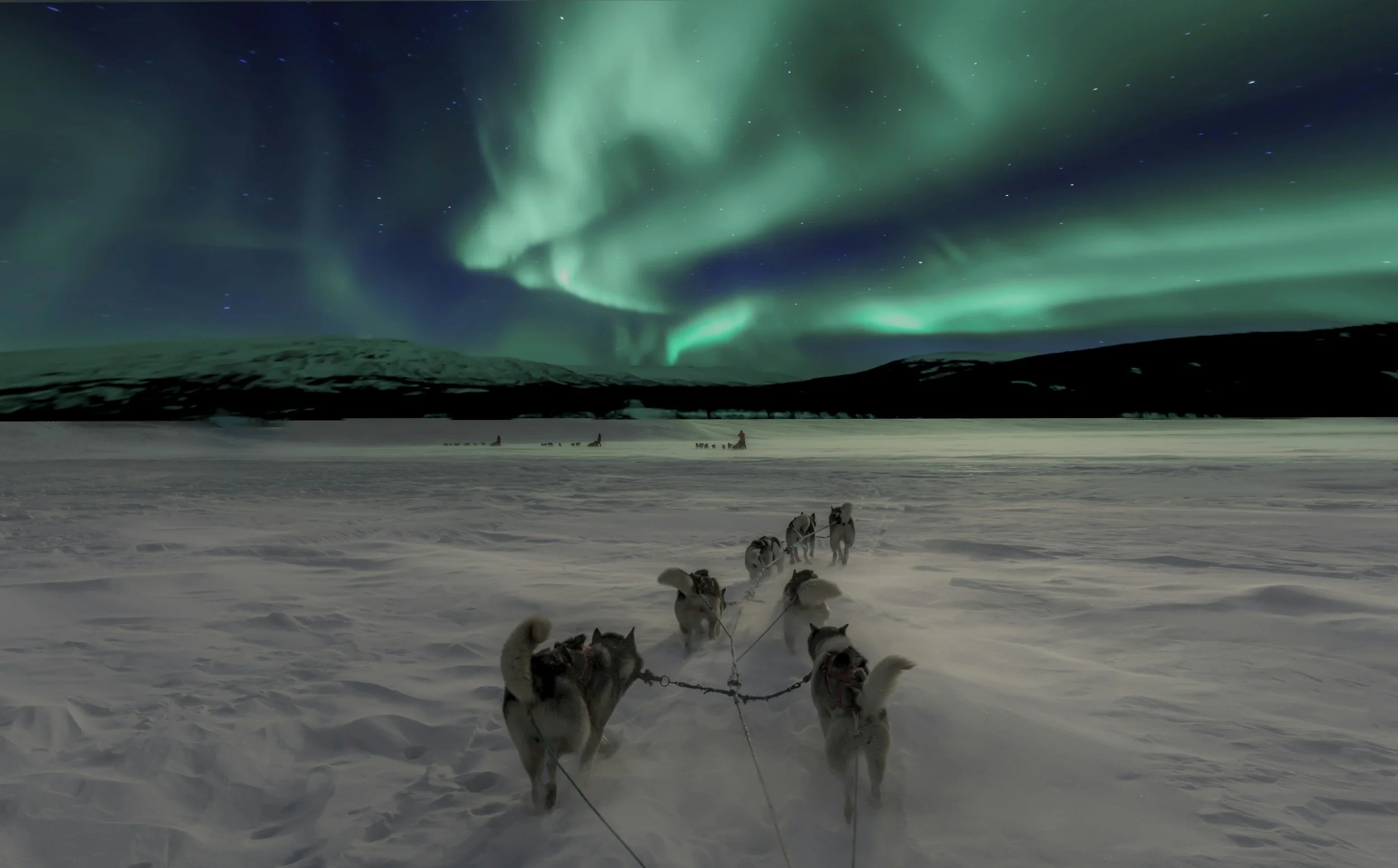
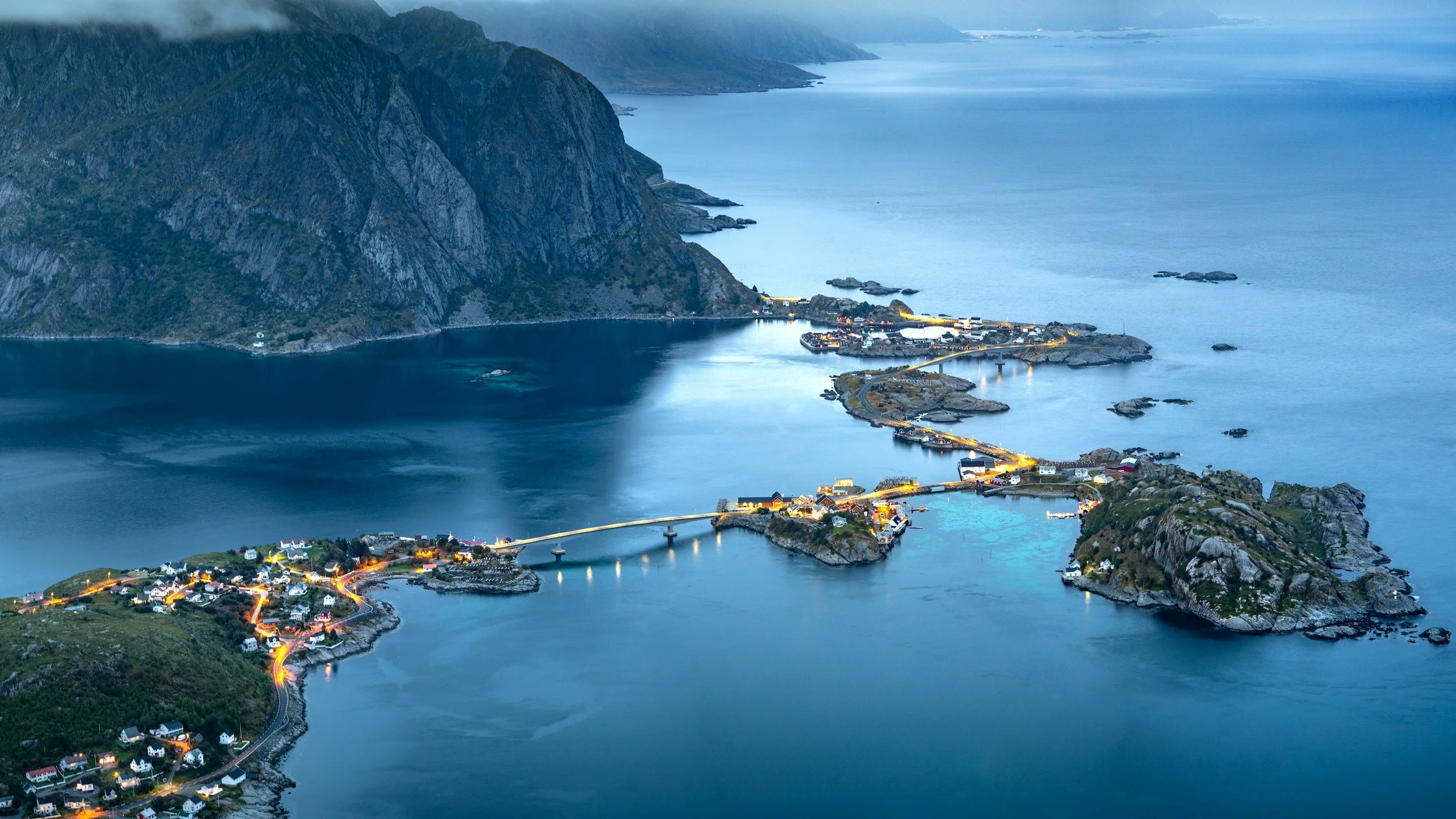
This is the Norway of northern lights dancing across the sky, reindeer moving across snowy plateaus and fishing villages illuminated against a backdrop of mountains and sea. In places such as Tromsø, Senja, Finnmark and Svalbard, the changing seasons shape daily life in ways that many visitors have never experienced before.
Winter often attracts the most attention, and for good reason. Between November and March, visitors come in search of northern lights, whale watching, dog sledding and snow-covered scenery. It is one of the few places in Europe where the landscape can still feel genuinely wild and remote.
Yet Arctic Norway is not only a winter destination.
Summer brings the midnight sun, endless daylight and an entirely different atmosphere. Hiking trails remain accessible late into the evening, fishing boats work beneath a sun that never fully sets and wildlife becomes easier to spot along the coast.
For many travellers, the appeal lies in the feeling of being far from the rest of the world. Distances are greater, weather plays a larger role and nature often feels less controlled than it does elsewhere in Europe.
This is not necessarily the Norway of cosy villages and famous viewpoints. It is the Norway of weather, wilderness and vast open landscapes.
And for some travellers, it becomes the version of Norway they remember most clearly long after they return home.
Explore this side of Norway further:
4. You Love the Idea of Cabins, Fireplaces and Skiing
For many Norwegians, the perfect winter holiday has very little to do with hotels, cities or sightseeing.
Instead, it revolves around a cabin in the mountains.
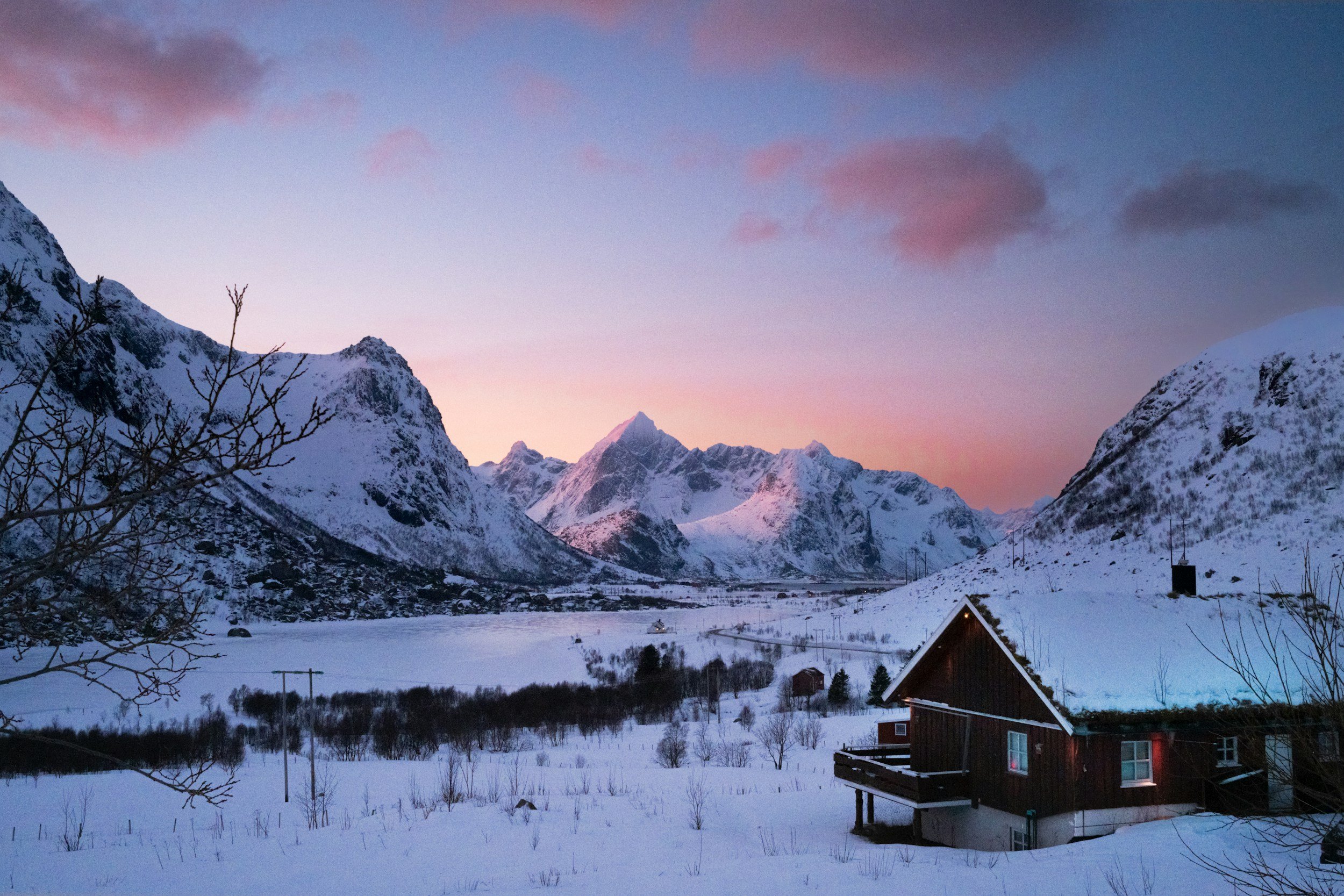
Across the country, families head to destinations such as Geilo, Hemsedal, Trysil, Hafjell and Beitostølen, often returning to the same places year after year. Days are spent outdoors, whether on cross-country skis, alpine slopes or simply walking through snow-covered forests, while evenings revolve around good food, board games and time spent together indoors.
For visitors unfamiliar with Scandinavian cabin culture, the appeal can be difficult to understand at first. It is not necessarily about luxury or constant activity. In many ways, it is about simplicity.
A day might involve skiing in the morning, hot chocolate by the fireplace in the afternoon and a quiet evening watching snow fall outside the window.
This version of Norway feels deeply connected to everyday Norwegian life. While international visitors often focus on famous landmarks and dramatic scenery, many Norwegians associate winter with mountain cabins, wool jumpers, packed lunches and long days outdoors regardless of the weather.
The landscape itself plays an important role. Vast mountain plateaus, frozen lakes and snow-covered forests create a sense of space that feels very different from both the fjords and the coast.
For travellers who enjoy winter sports, cosy accommodation and the rhythm of mountain life, this can be one of the most rewarding ways to experience Norway.
Explore this side of Norway further:
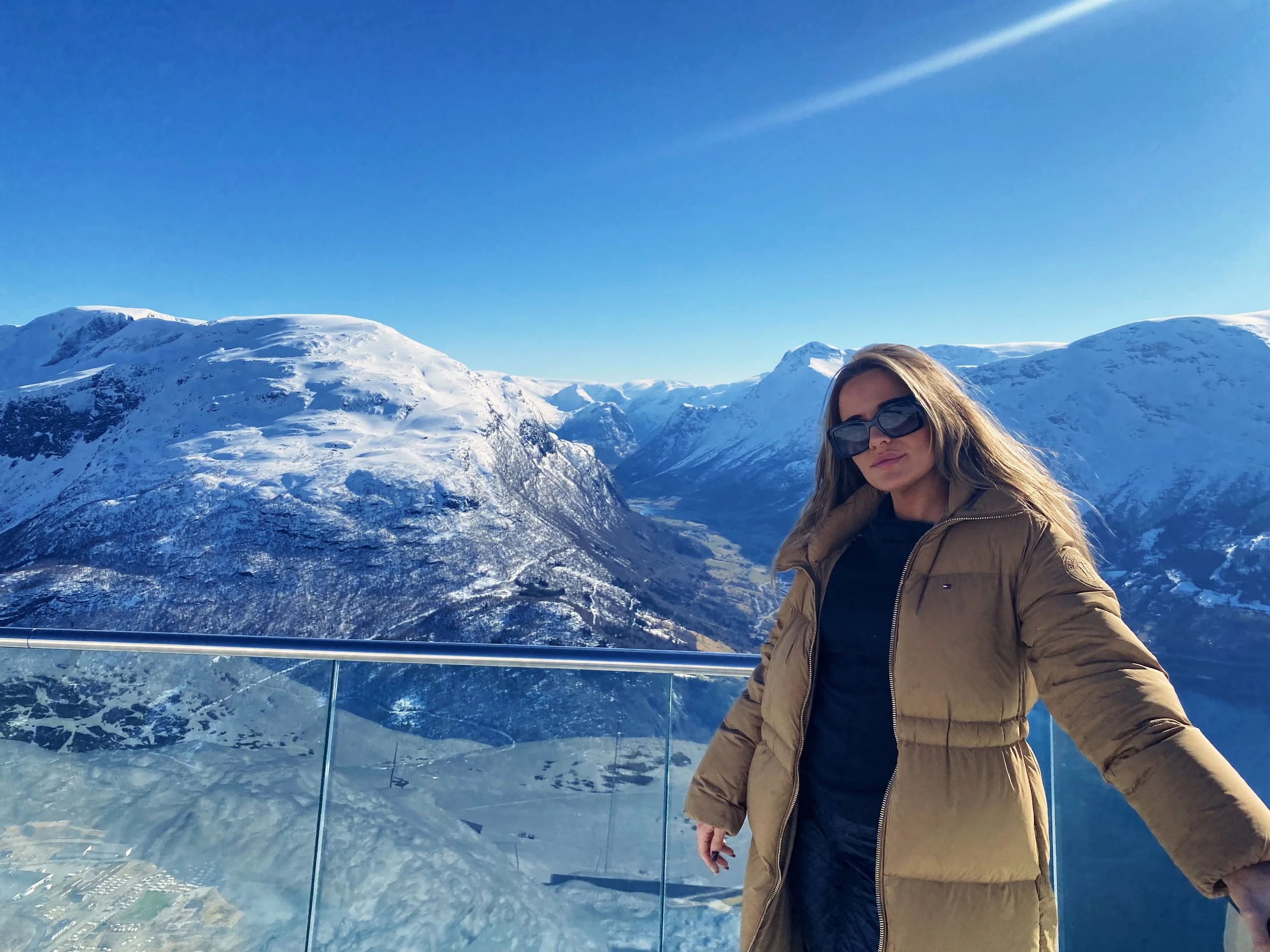
5. You Love Mountains, Cabins and Life Outdoors
For some travellers, Norway is neither about fjords nor cities.
It is about the mountains.
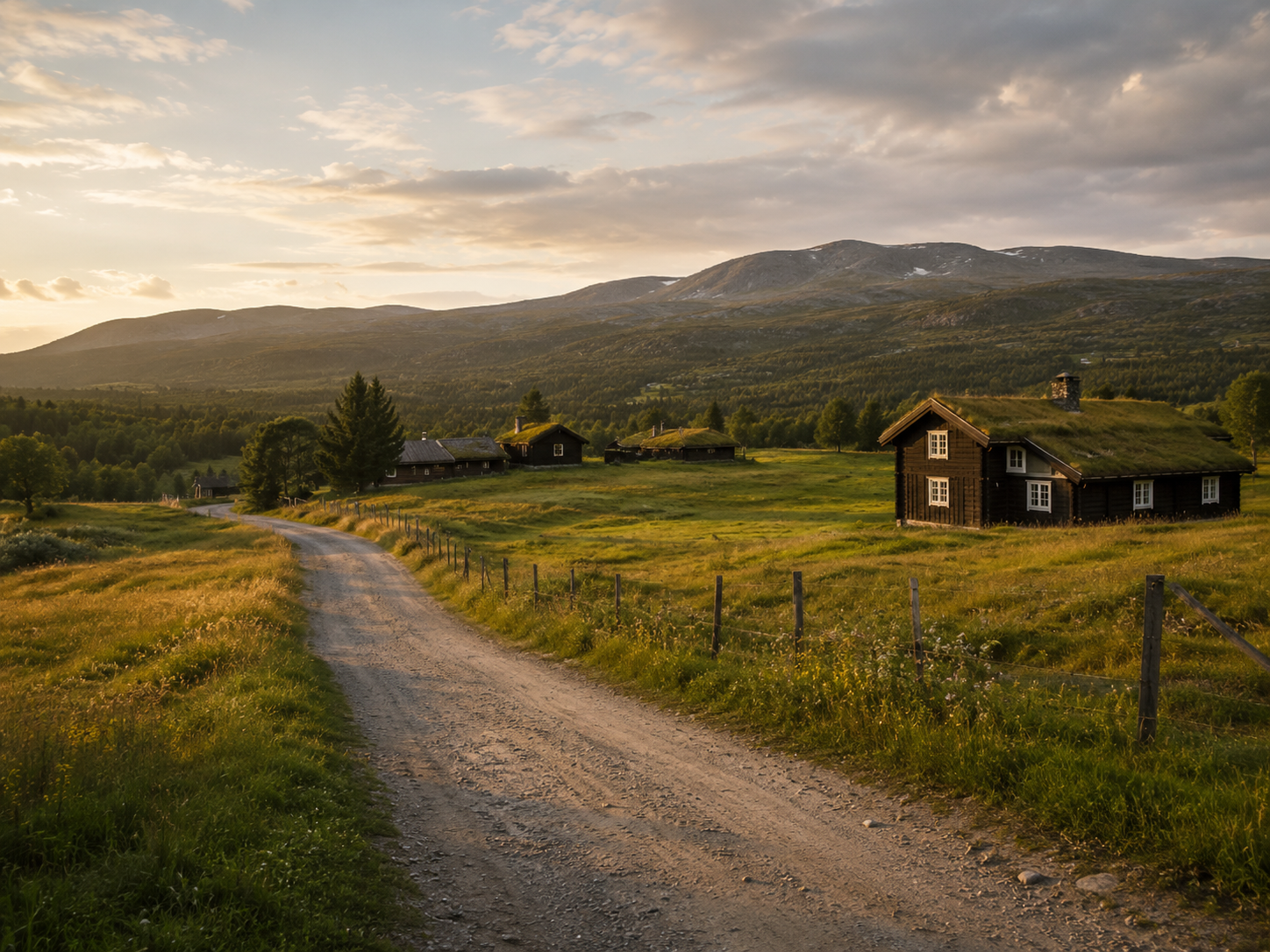
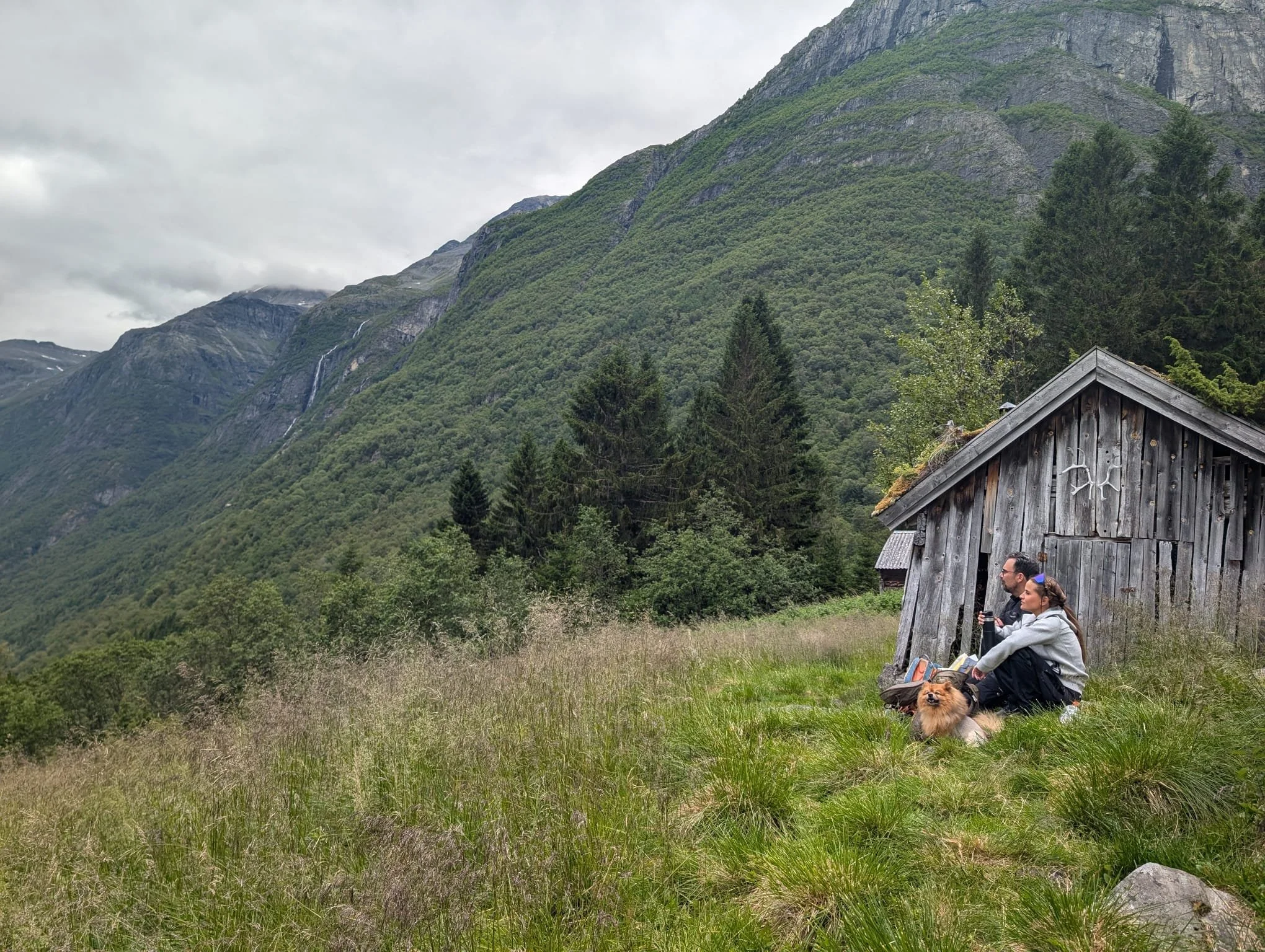
While international visitors often focus on the coast, many Norwegians feel their strongest connection to the country's inland landscapes. Mountain plateaus, valleys, forests, lakes and cabins form the backdrop to countless weekends, holidays and family traditions.
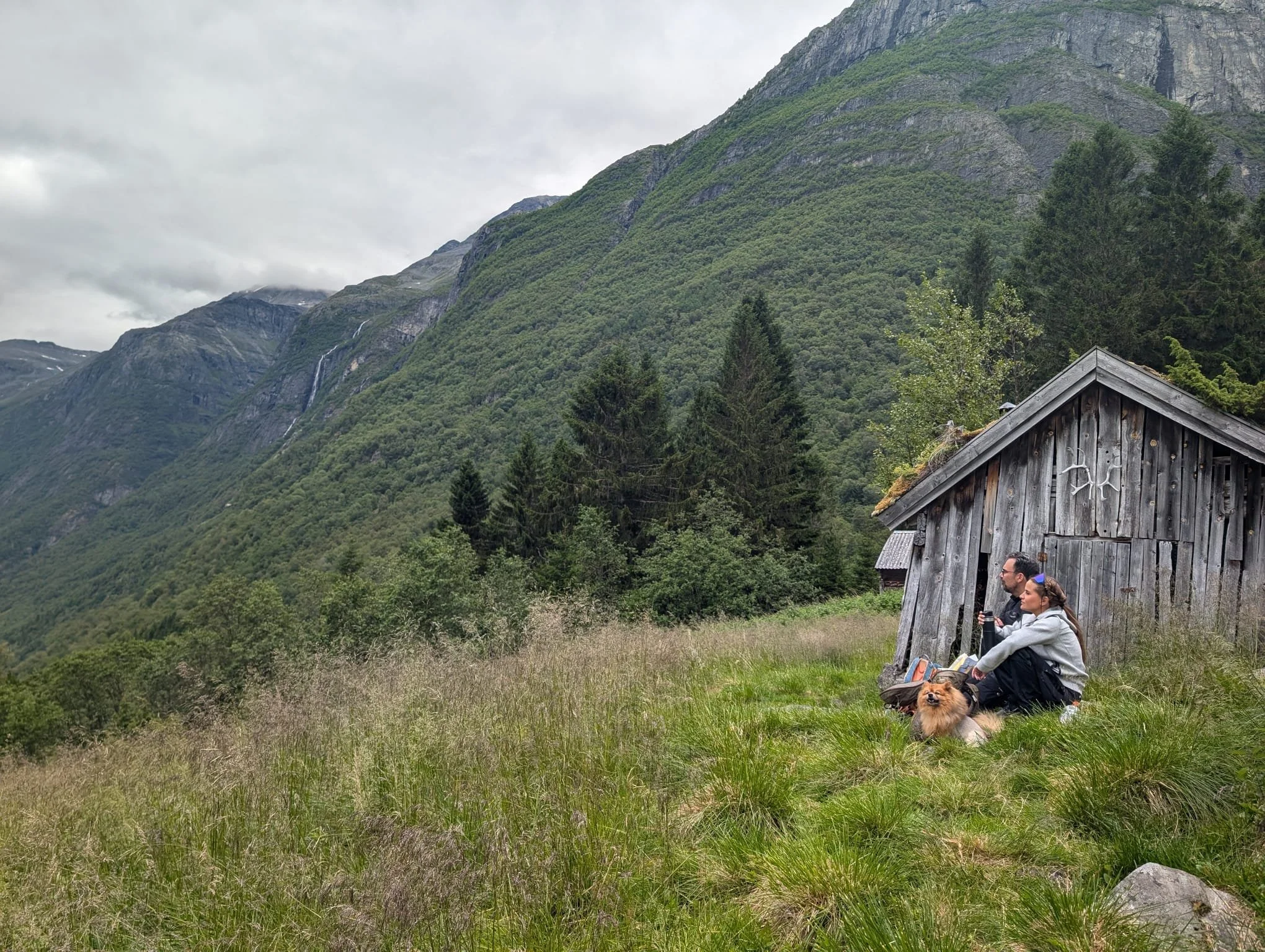
This is a Norway best experienced at a slower pace. Days might be spent hiking through Jotunheimen, fishing in a mountain lake, cycling quiet country roads or simply sitting outside a cabin watching the weather roll across the landscape.
Regions such as Gudbrandsdalen, Valdres, Rondane and Jotunheimen offer some of the country's most beautiful mountain scenery, while Lillehammer serves as a natural gateway to many of these areas.
Unlike the dramatic fjords or the Arctic north, mountain Norway often reveals its character more gradually. The appeal lies less in iconic viewpoints and more in the feeling of space, freedom and connection to nature.
Many visitors are surprised by how quickly this landscape gets under their skin. What begins as a few days in the mountains often becomes the part of Norway they remember most vividly.
For travellers who enjoy hiking, cabins, lakes, forests and long days outdoors, this version of Norway can feel every bit as rewarding as the country's more famous destinations.
Explore this side of Norway further:
6. You Travel for Wildlife
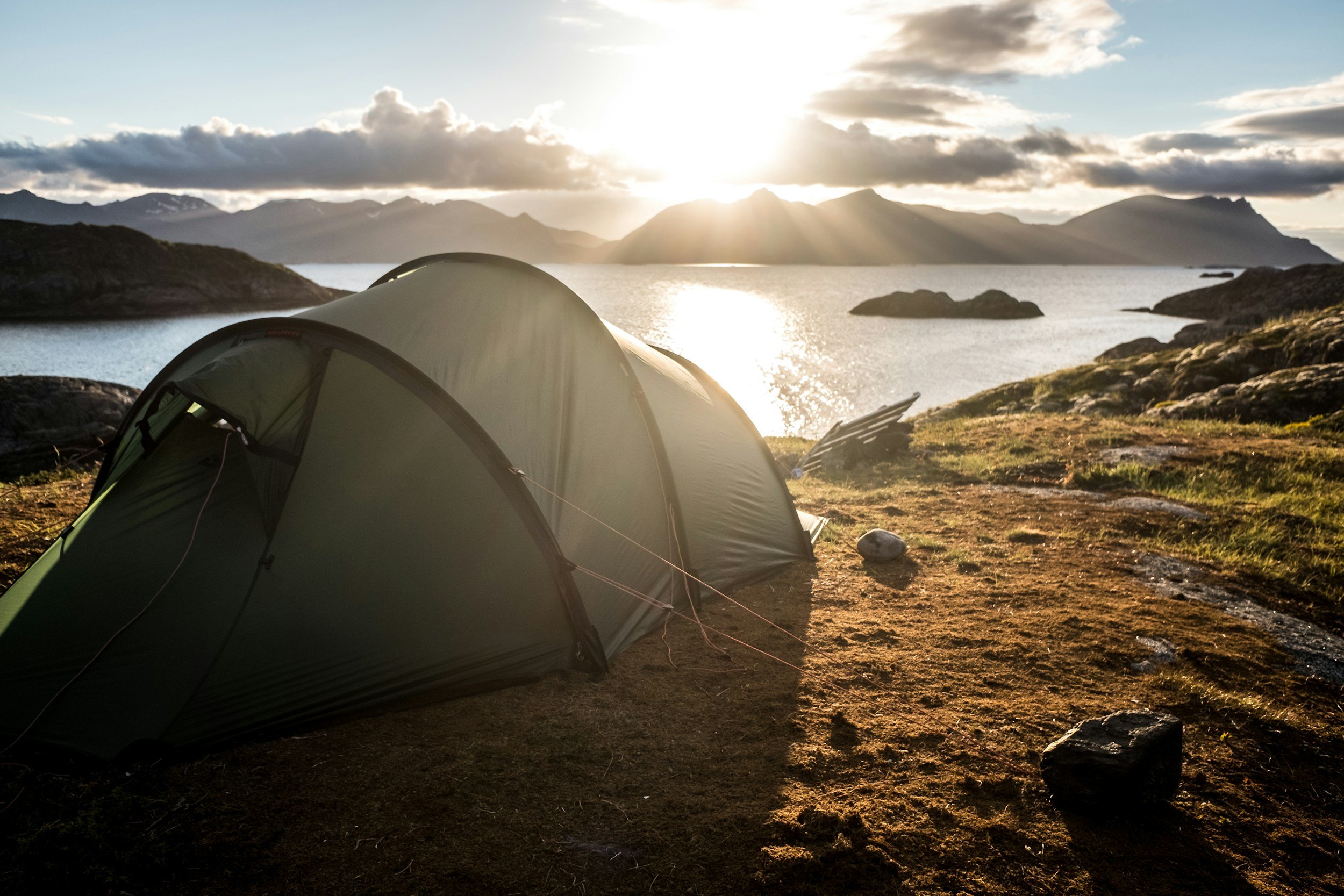
Many travellers associate Norway with dramatic landscapes, but for some visitors, the wildlife is just as compelling as the scenery itself.
What makes Norway particularly interesting is that the wildlife experience changes dramatically throughout the year.
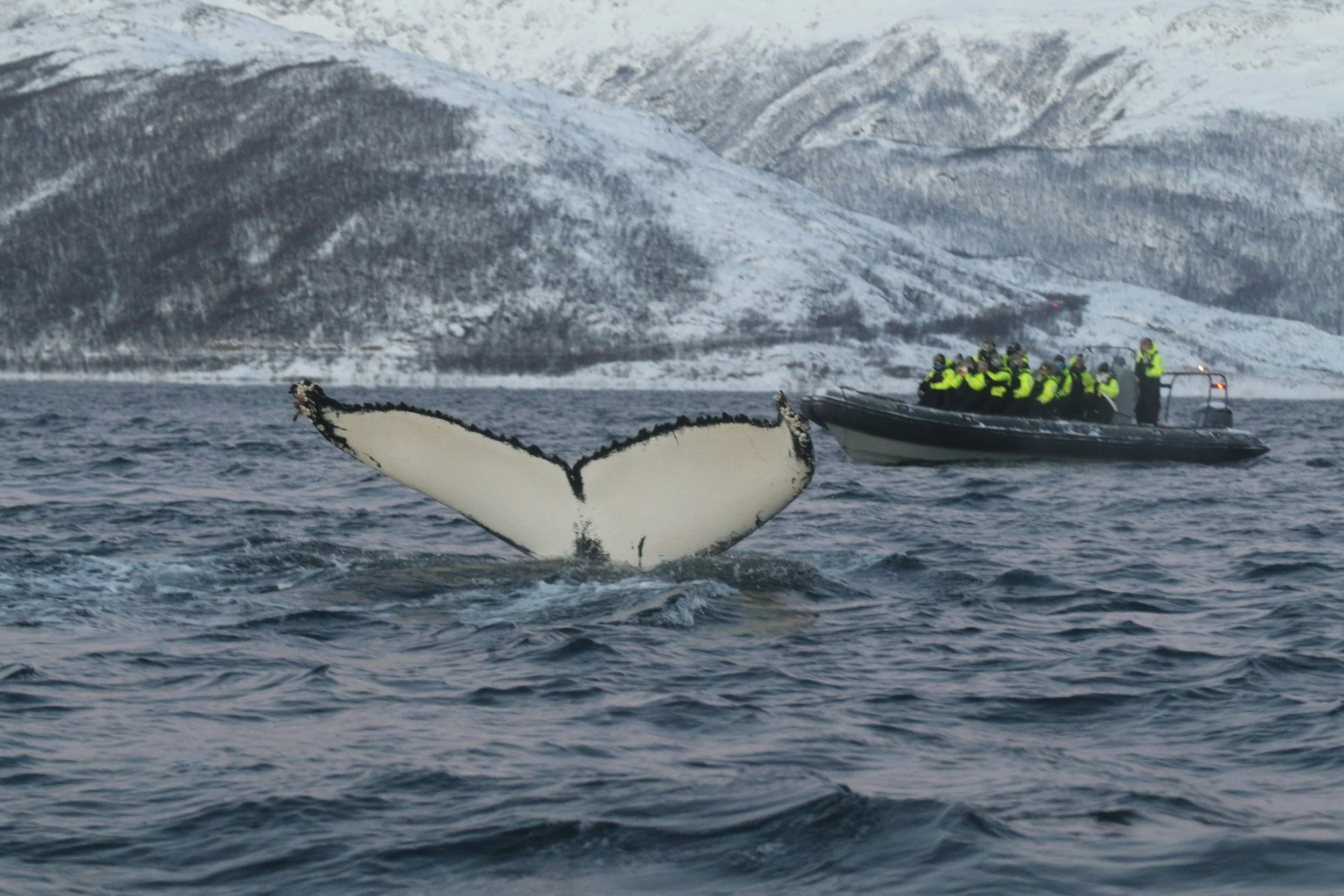
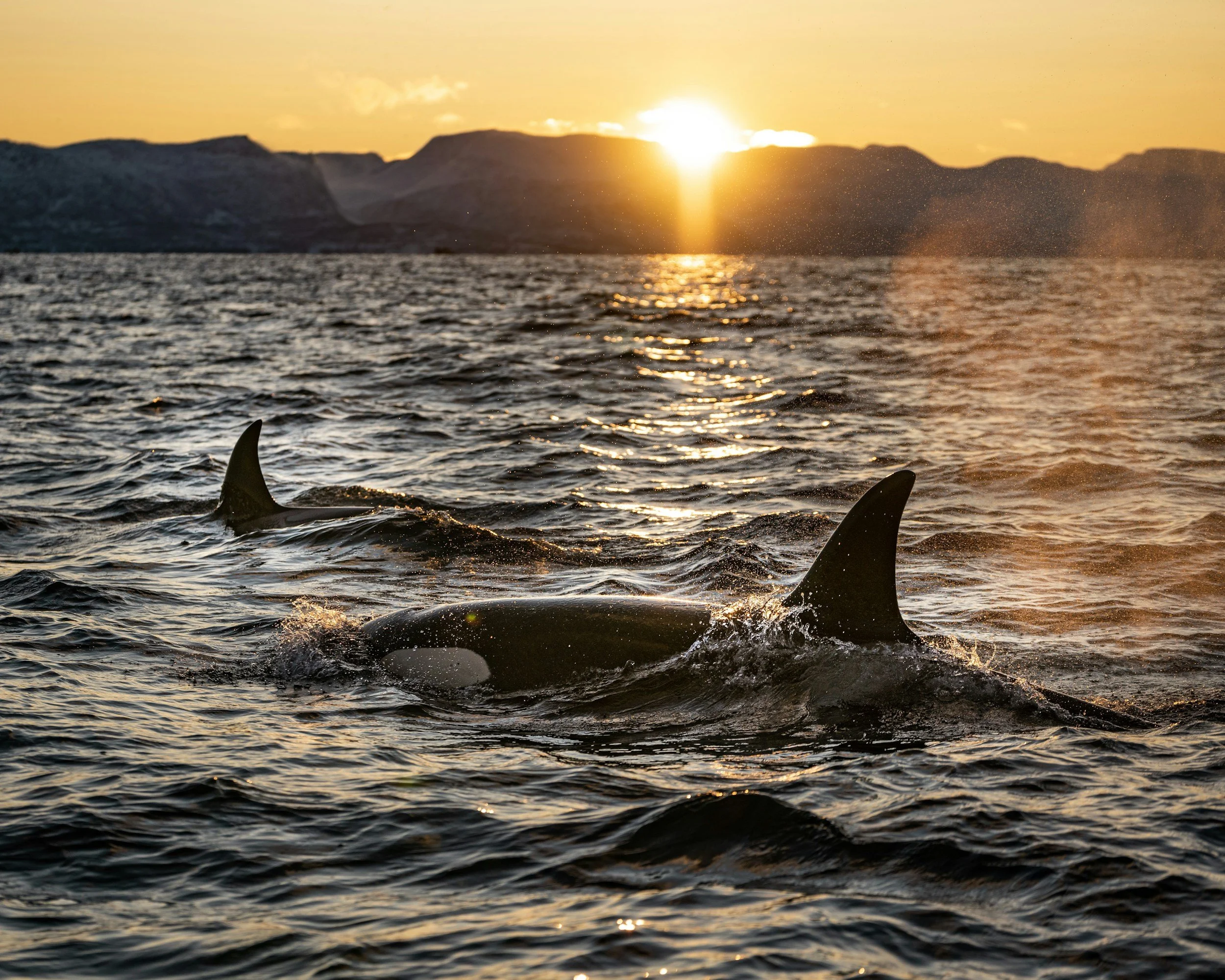
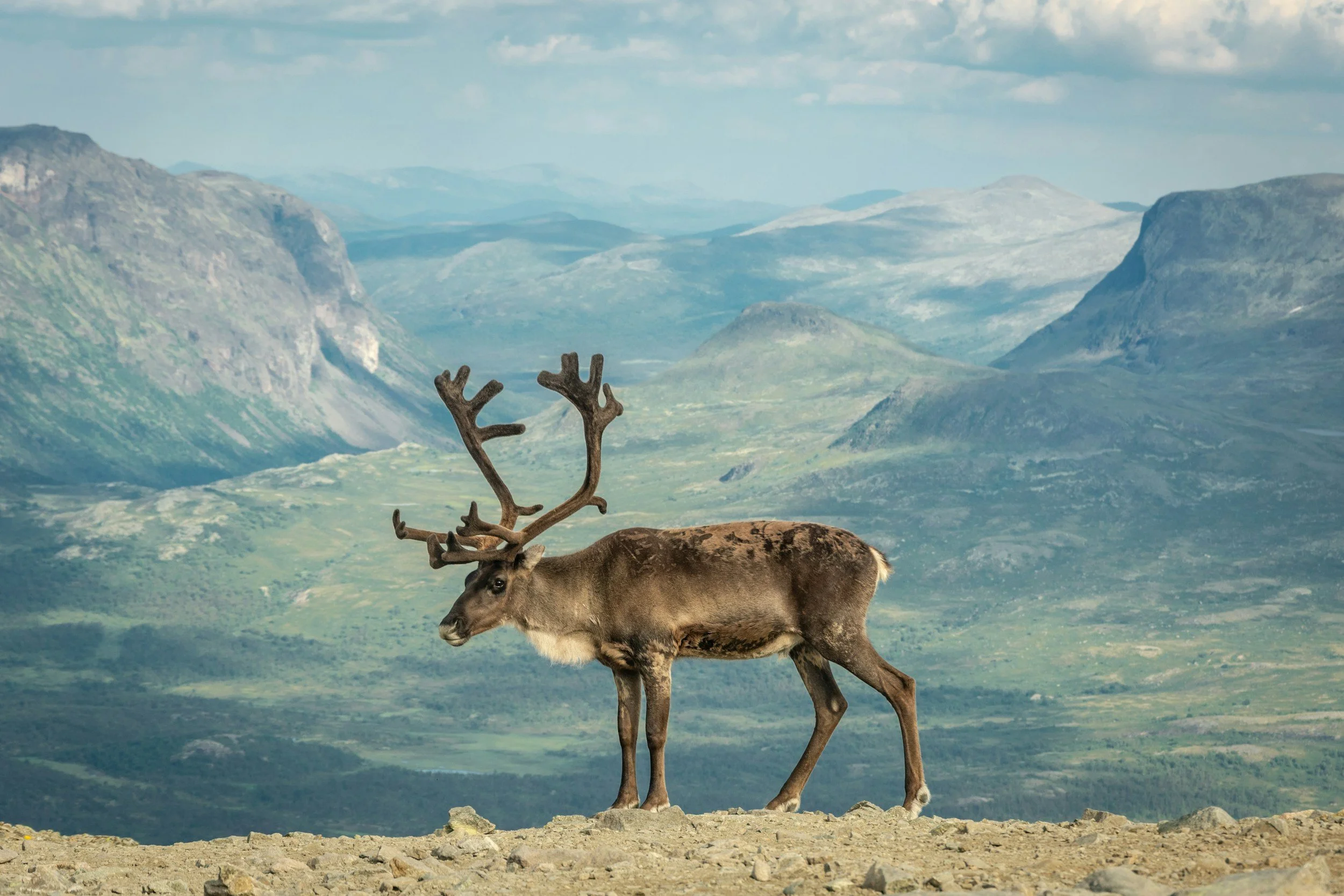
During winter, many travellers head north in search of orcas and humpback whales. Between late autumn and January, large numbers gather in the fjords of Northern Norway to feed on herring, making destinations such as Tromsø, Skjervøy and Alta particularly popular for whale watching. Winter is also one of the best times to encounter reindeer, which are a common sight across much of Northern Norway and Finnmark.
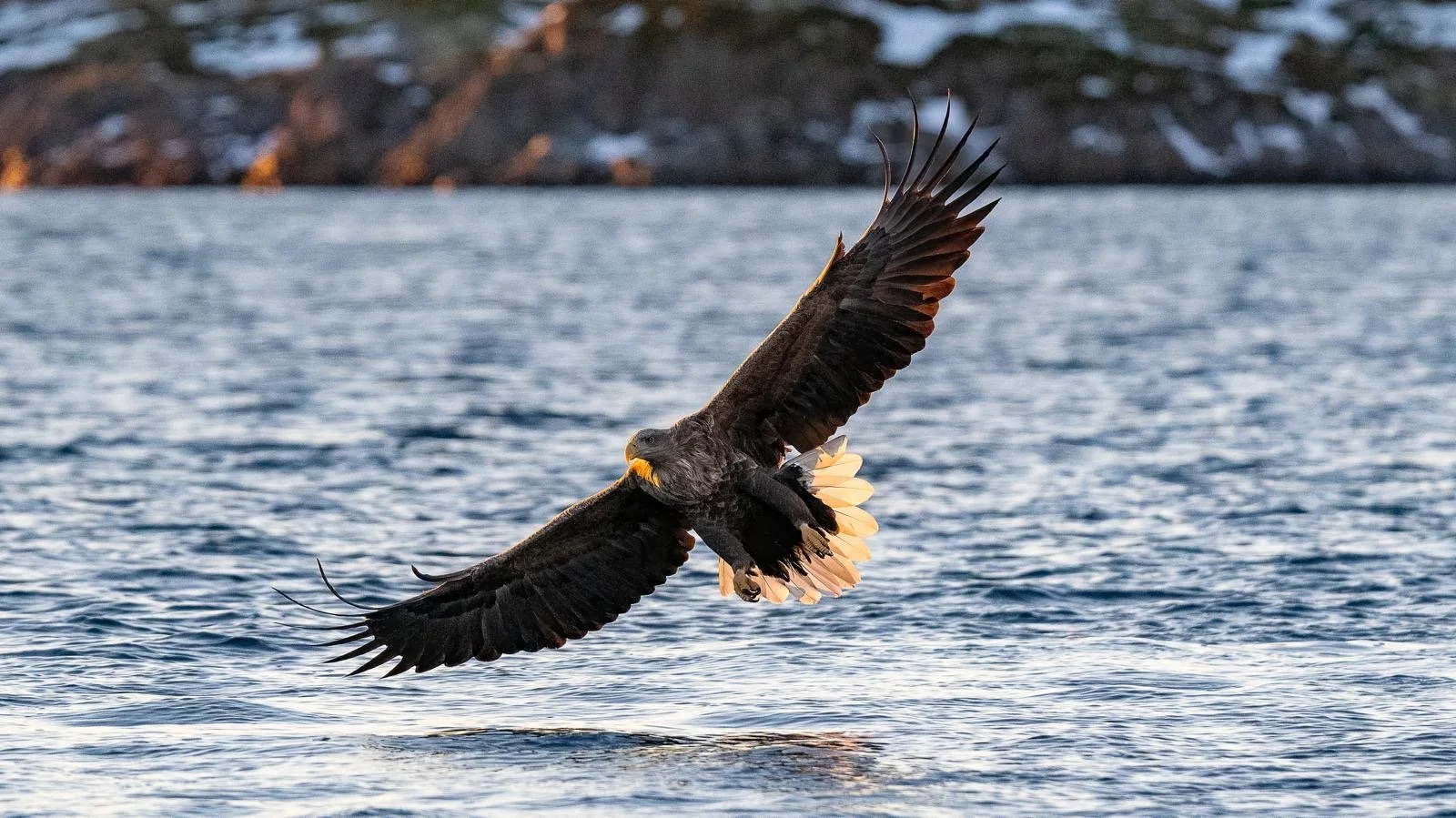
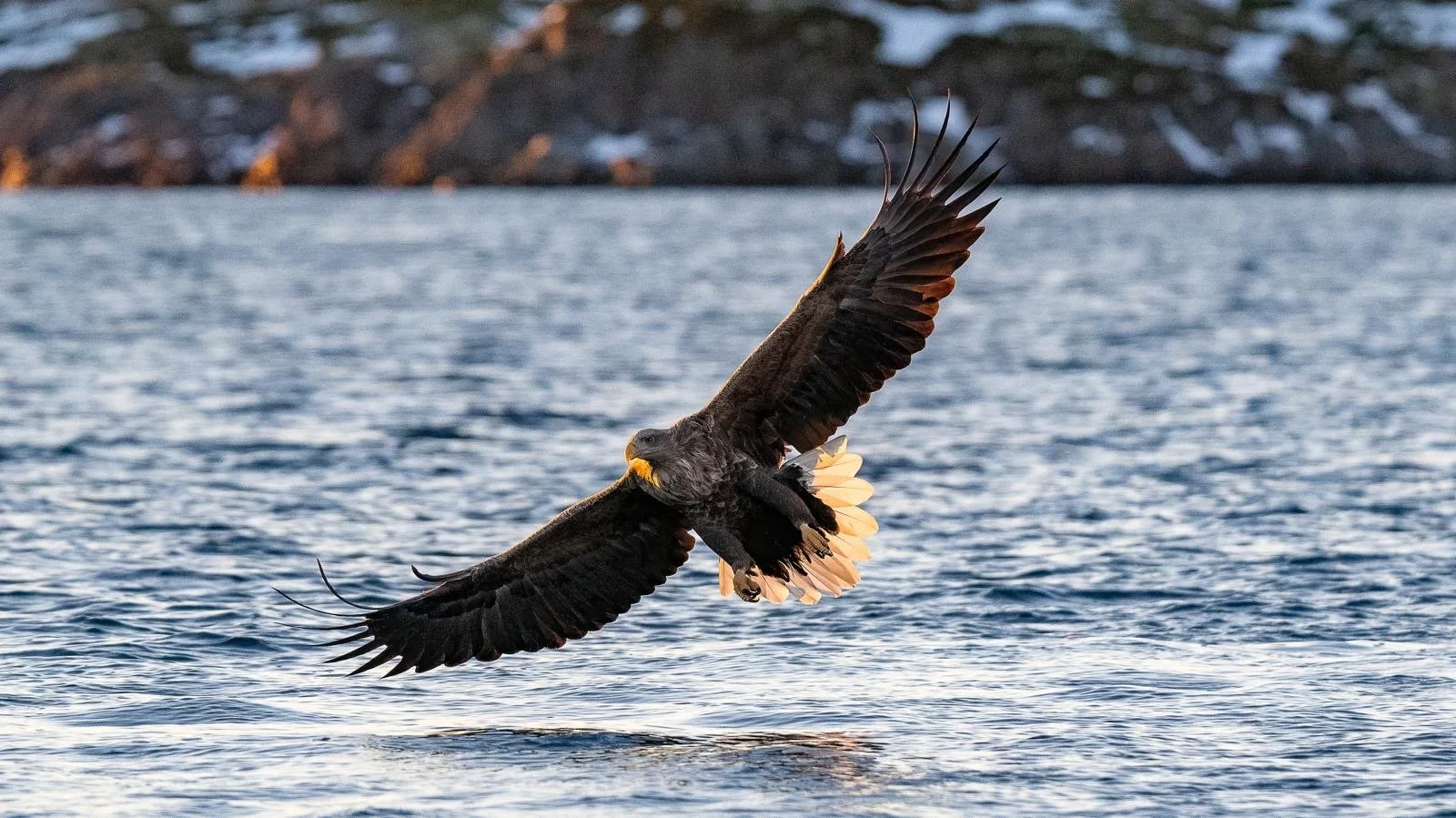
Summer offers a completely different experience. Along the coast, puffins return to their nesting colonies, with some of the best opportunities found on islands such as Runde in Western Norway, Bleiksøya in Vesterålen and the bird cliffs of Northern Norway. White-tailed sea eagles can be spotted throughout much of the Norwegian coastline, particularly in Lofoten, Vesterålen and the fjord regions.
Travellers interested in larger land mammals often head inland. Dovrefjell National Park is one of the best places in Europe to see wild musk oxen, while moose can be found across much of Eastern Norway, Trøndelag and parts of the north. Wild reindeer still roam several mountain regions, including Hardangervidda and parts of Central Norway.
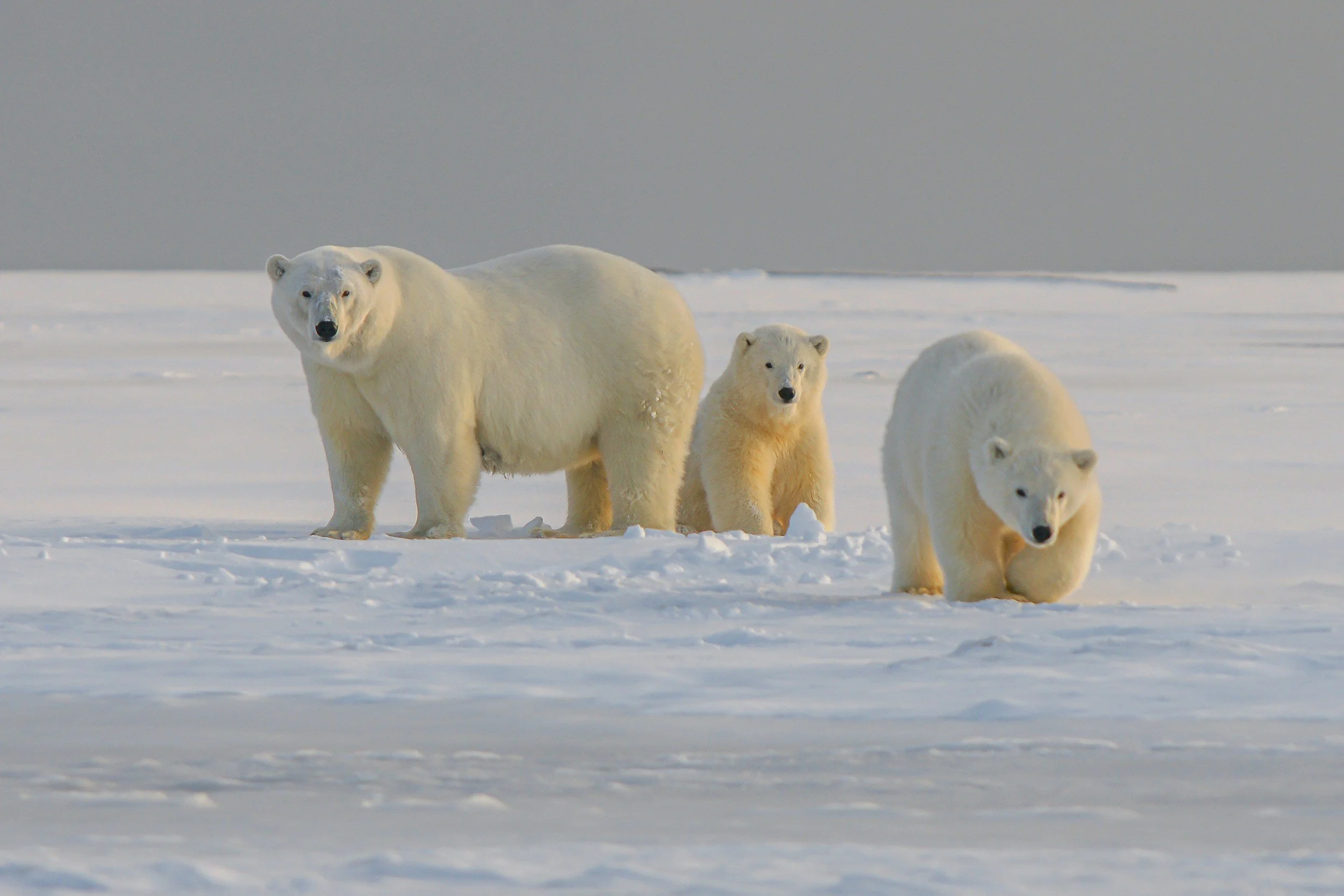
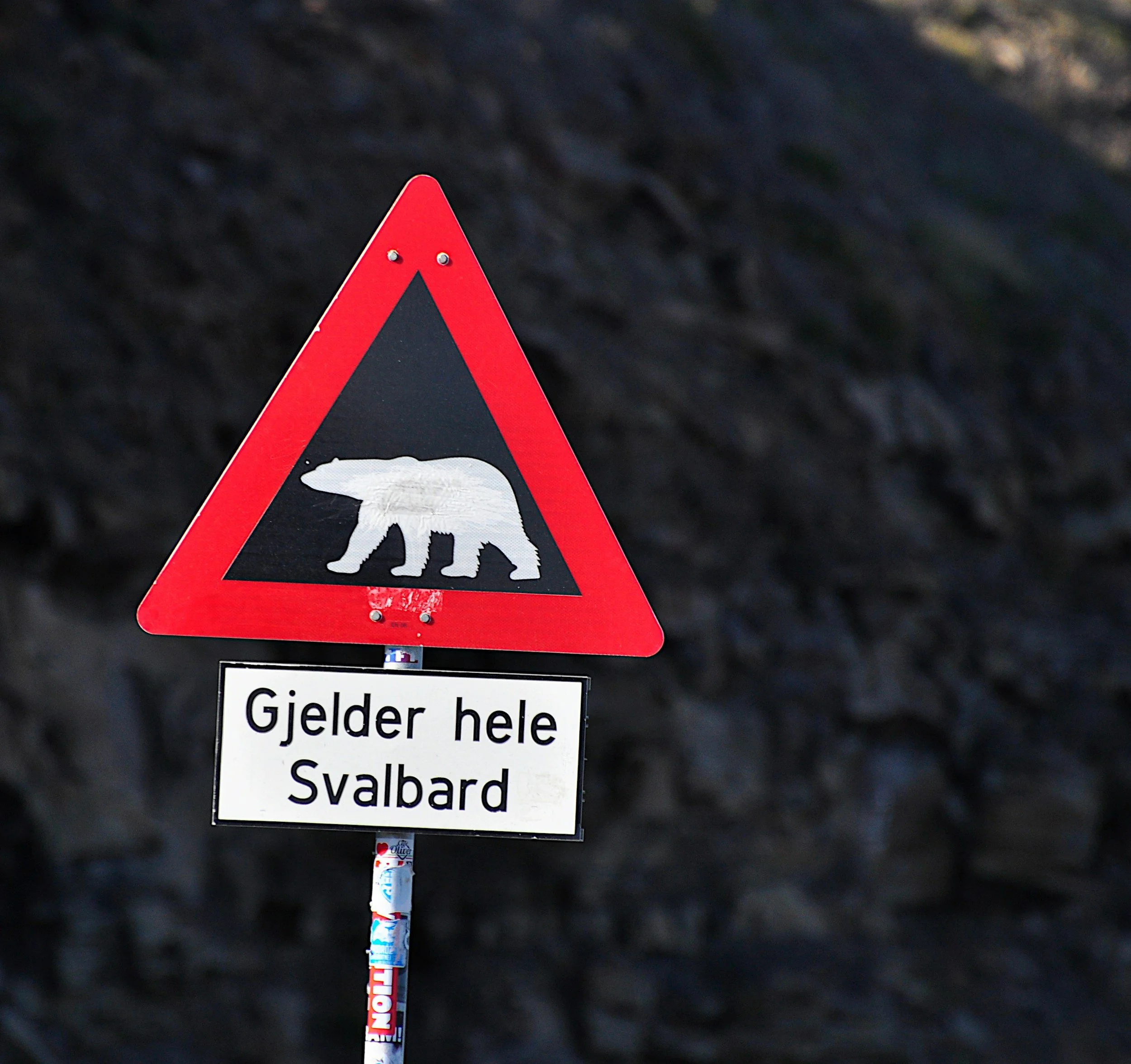
For the ultimate Arctic wildlife experience, many travellers dream of Svalbard. Polar bears, walrus, Arctic foxes, reindeer and vast seabird colonies make the archipelago one of the most remarkable wildlife destinations in the world.
Unlike a traditional safari destination, wildlife encounters in Norway are often woven into the journey itself. A sea eagle may appear during a fjord cruise. Reindeer may emerge unexpectedly on a mountain plateau. Orcas might surface beside a whale-watching boat as snow falls around you.
For travellers who love wildlife, the question is often not whether they will see animals in Norway, but which season and region best match the species they hope to encounter.
Explore this side of Norway further:
7. You Love to Travel by Train
Many people assume that Norway is primarily a road-trip destination.
While driving certainly offers flexibility, some of the country's most memorable journeys are experienced by train.
For travellers who genuinely enjoy train travel, the railway is not simply a way of getting from one destination to another. It becomes part of the experience itself.
Norway's rail network passes through mountain plateaus, river valleys, remote wilderness and some of the most spectacular scenery in Northern Europe. The constantly changing landscape means that even long journeys rarely feel repetitive.
The Bergen Railway is often considered one of the world's most scenic train journeys. Running between Oslo and Bergen, it crosses the Hardangervidda plateau and offers dramatically different scenery throughout the year. In winter, much of the route is surrounded by snow-covered wilderness. In summer, lakes, mountains and open highland landscapes dominate the view.
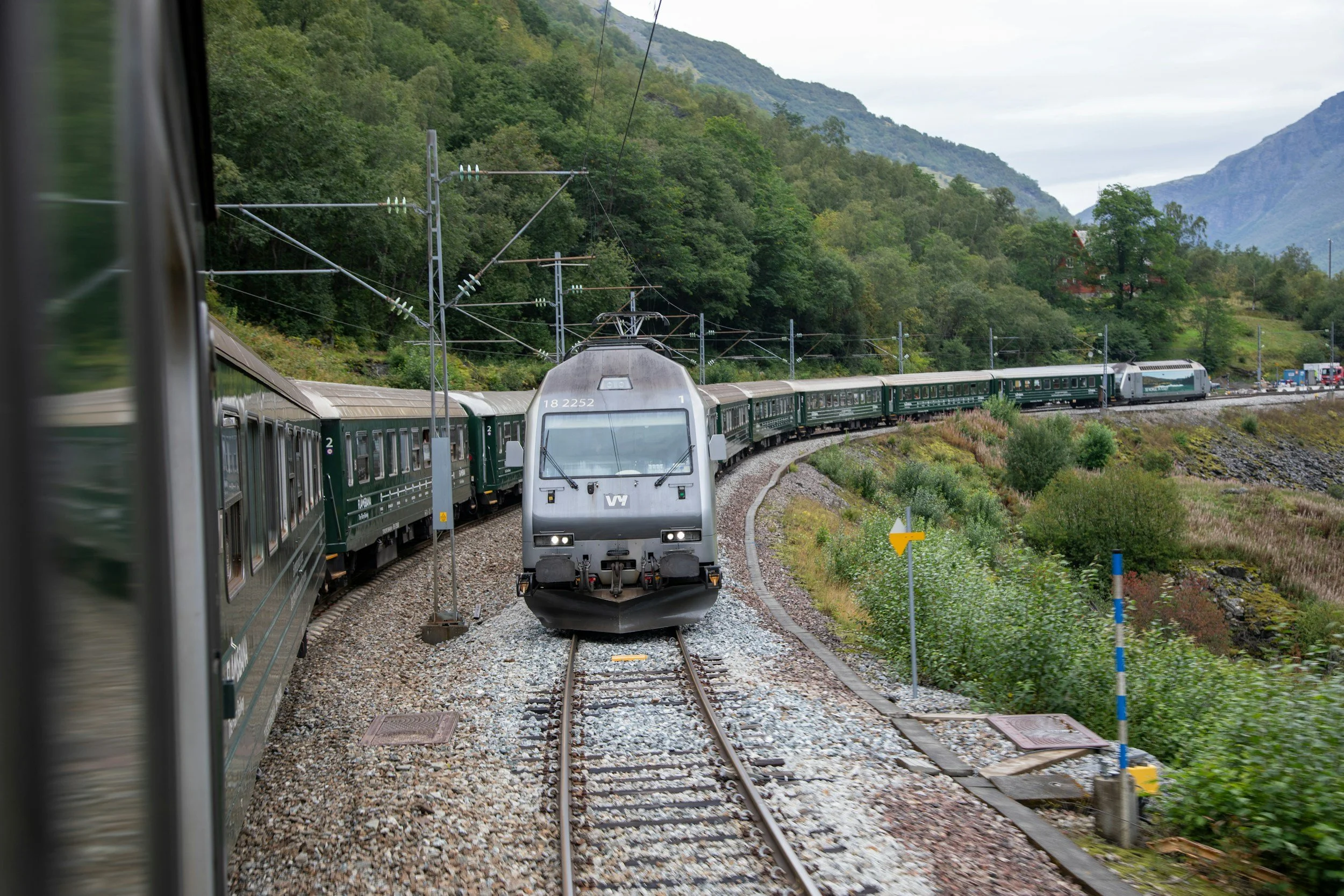
Many travellers combine the Bergen Railway with the famous Flåm Railway. Descending from the mountain station at Myrdal to the fjord village of Flåm, the route passes waterfalls, steep valleys and dramatic mountain scenery before reaching the shores of the Aurlandsfjord.
Further north, the Dovre Line connects Oslo and Trondheim through mountain landscapes and national parks, while the Nordland Line continues across the Arctic Circle, offering one of Europe's longest and most underrated rail journeys.
Travelling by train also creates a different rhythm. Instead of concentrating on roads, parking and navigation, the focus shifts to the landscape outside the window. The journey becomes slower, more immersive and often surprisingly relaxing.
Norway's rail network does not reach every corner of the country, and some regions are still best explored by car. Yet for travellers who love trains, scenic journeys and the experience of watching a country unfold mile by mile, few places in Europe are more rewarding.
Explore this side of Norway further:
8. You Like History
Norway's history extends far beyond the Viking Age, although that is often where many visitors begin.
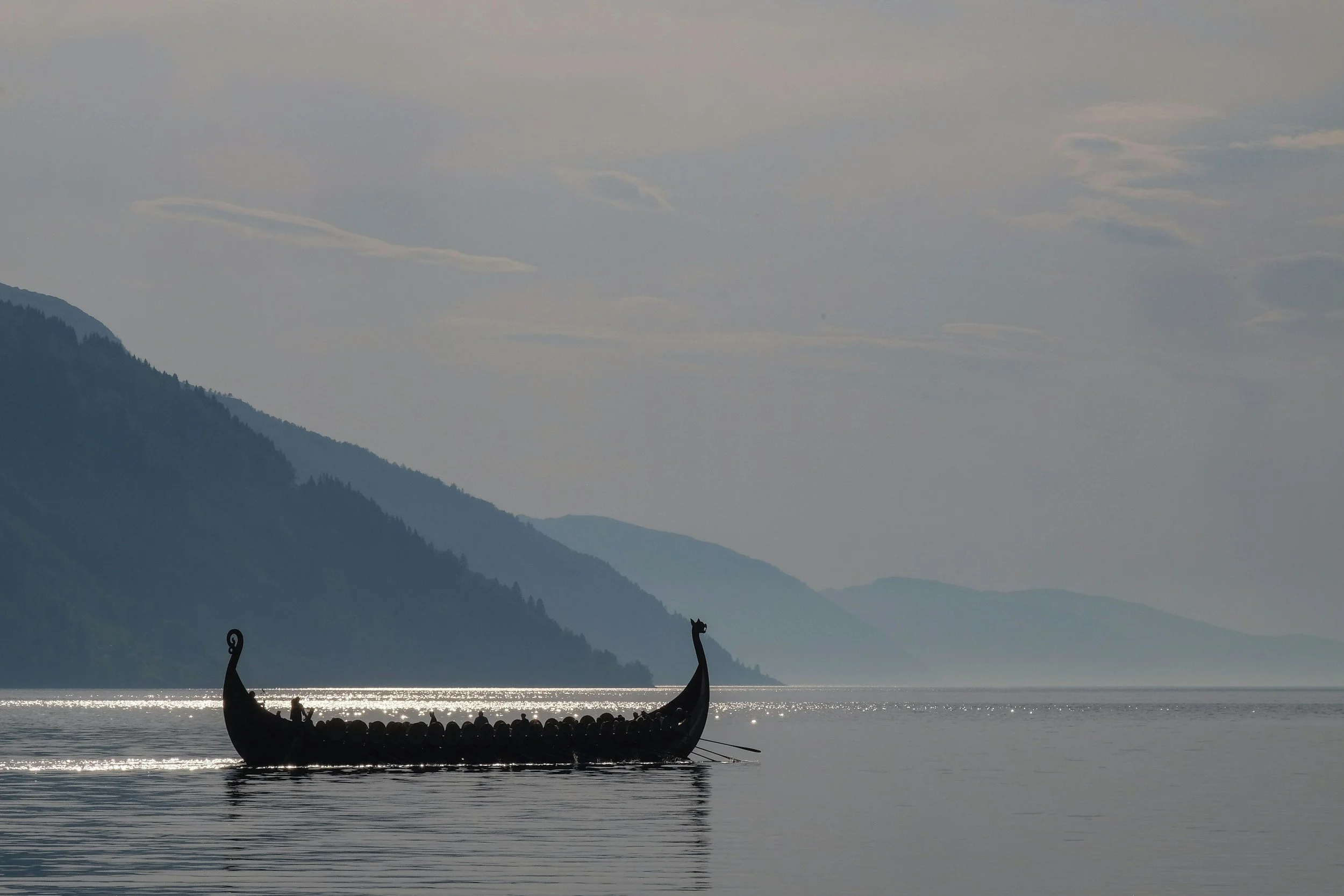
Travelling through the country offers the opportunity to experience more than a thousand years of history, from Viking settlements and medieval churches to historic trading ports, engineering achievements and communities shaped by the sea.
Many visitors are surprised to discover Norway's remarkable stave churches. Built almost entirely from timber during the Middle Ages, fewer than thirty survive today, making them some of the rarest and most distinctive wooden churches in the world. Each has its own character, and together they offer a fascinating glimpse into medieval Norway.
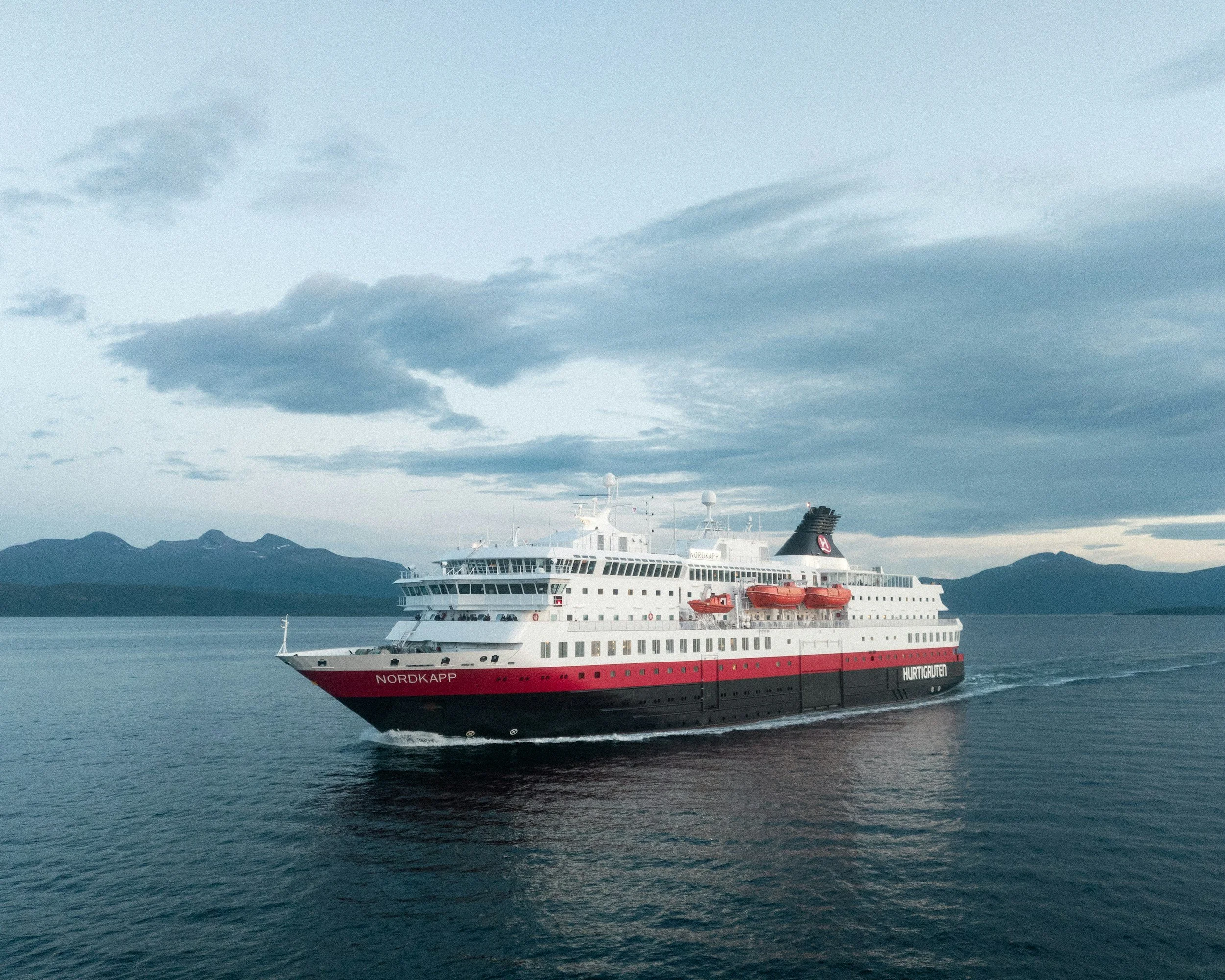
The country's maritime history is equally important. For centuries, the sea served as Norway's main transport network, connecting communities long before roads reached much of the country. One of the best examples is Hurtigruten, the Coastal Express, which transformed communication, trade and everyday life along Norway's coastline from the late nineteenth century onwards.
Norway is also home to remarkable examples of industrial and engineering history. The Telemark Canal, often called one of the greatest engineering achievements of the nineteenth century, uses a series of hand-built locks to lift boats through the landscape and remains one of the country's most unique heritage attractions. The UNESCO-listed mining town of Røros tells another chapter of Norway's past, preserving one of Europe's best-preserved historic mining communities.
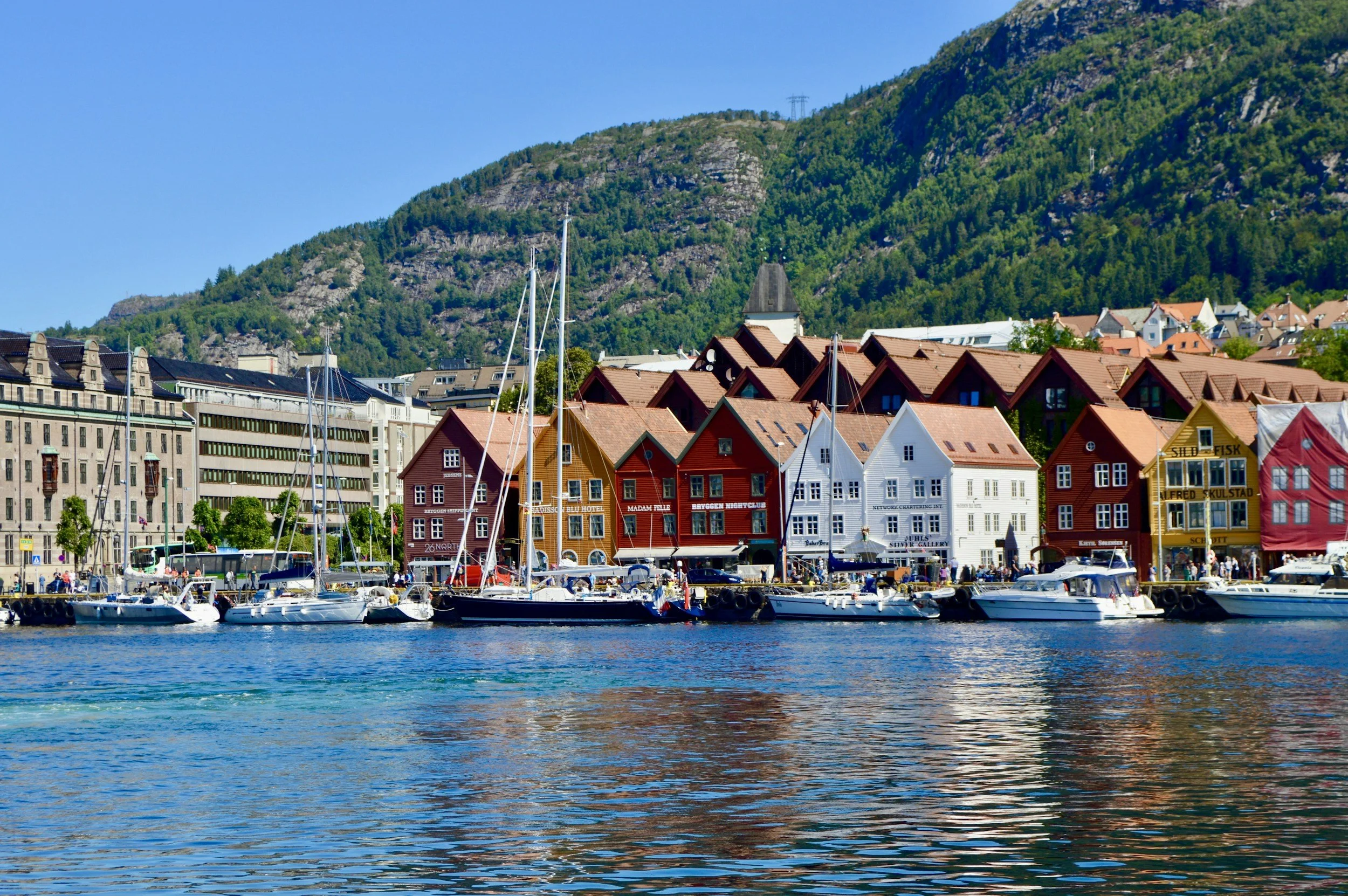
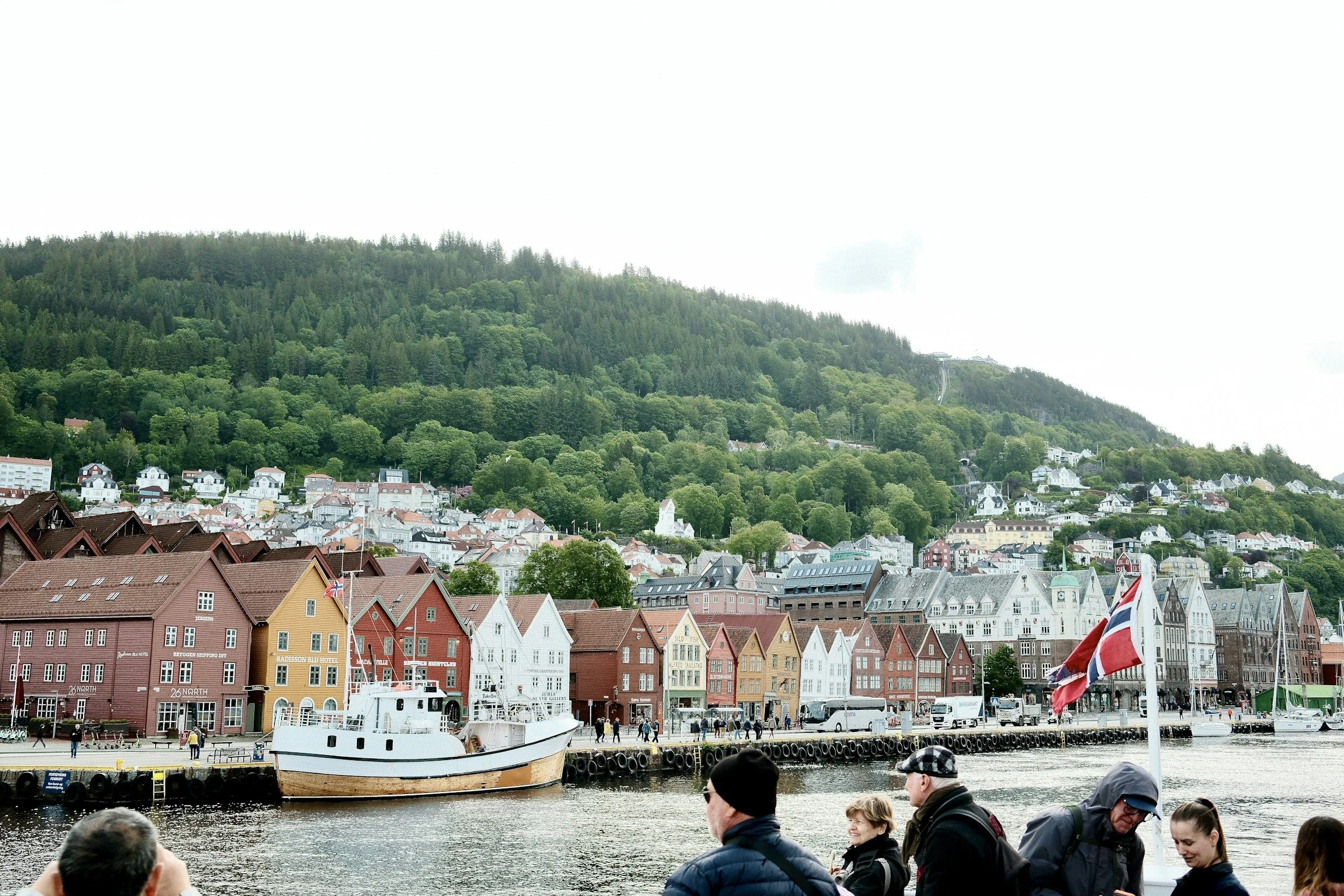
History can also be found in Norway's cities. Bergen's Hanseatic Wharf reflects centuries of international trade, while Trondheim's Nidaros Cathedral has been one of Scandinavia's most important pilgrimage destinations since the Middle Ages. Throughout the country, museums, fortresses, archaeological sites and historic farms help tell the story of how Norway developed into the nation it is today.
If you enjoy discovering the stories behind the places you visit, Norway offers far more than spectacular scenery. Its history is woven into the landscapes, towns and traditions that continue to shape the country.
Explore Norway's history further:
9. You Enjoy City Breaks
Norway may be famous for its fjords and mountains, but its cities deserve far more attention than they usually receive.
Many visitors treat them as overnight stops before heading into nature, yet each offers a completely different perspective on the country. They are where you'll discover Norwegian architecture, museums, cafés, restaurants, waterfront neighbourhoods and everyday life, while still remaining remarkably close to forests, fjords and hiking trails.
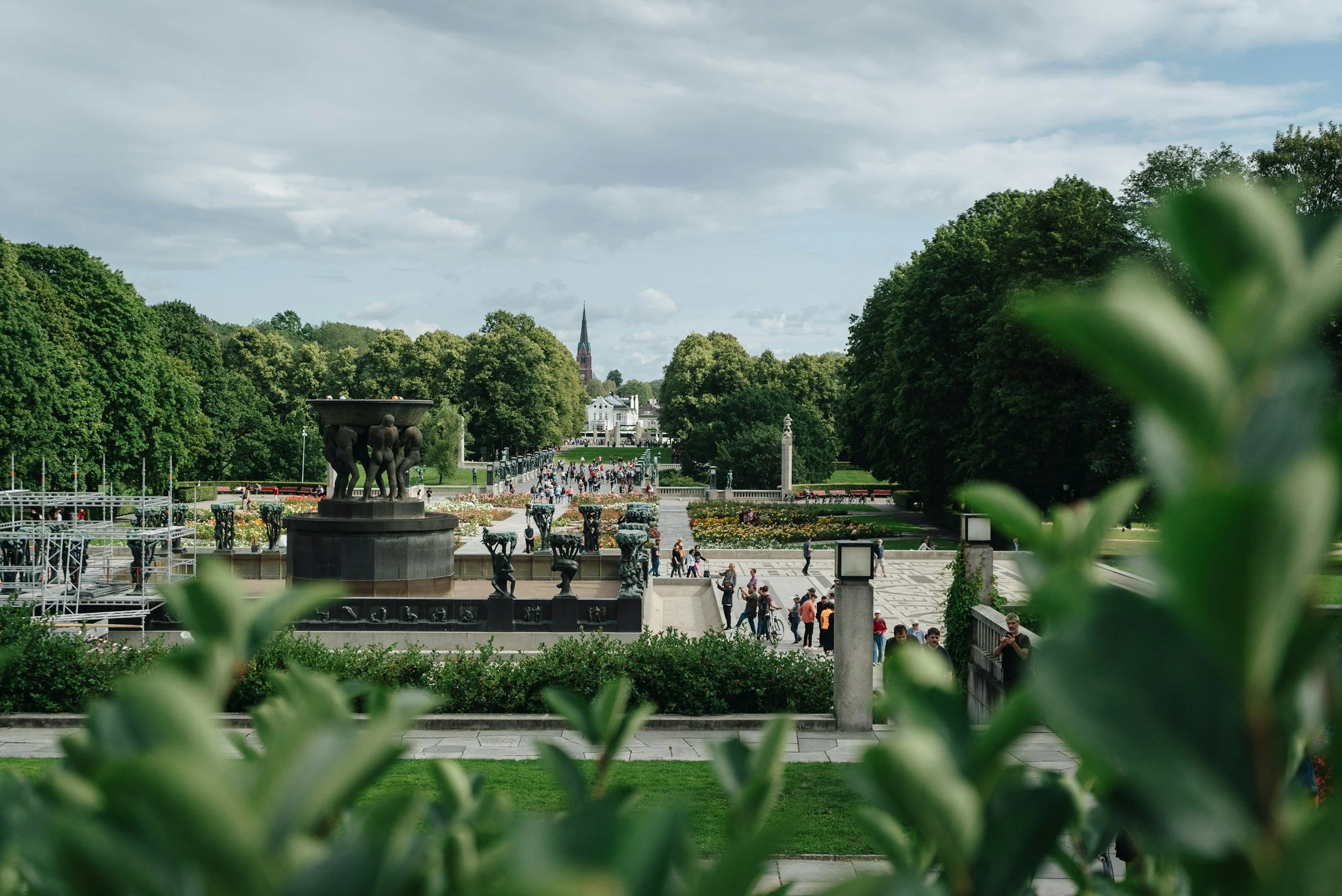
One of the biggest surprises for many visitors is how compact Norway's cities are. Unlike many European capitals, you don't need days to explore them. Most are easy to discover on foot, and nature is never far away. In Oslo, you can spend the morning visiting world-class museums, have lunch by the waterfront and be hiking in the forest or swimming in the Oslofjord later the same day.
Each city also has its own distinct character.
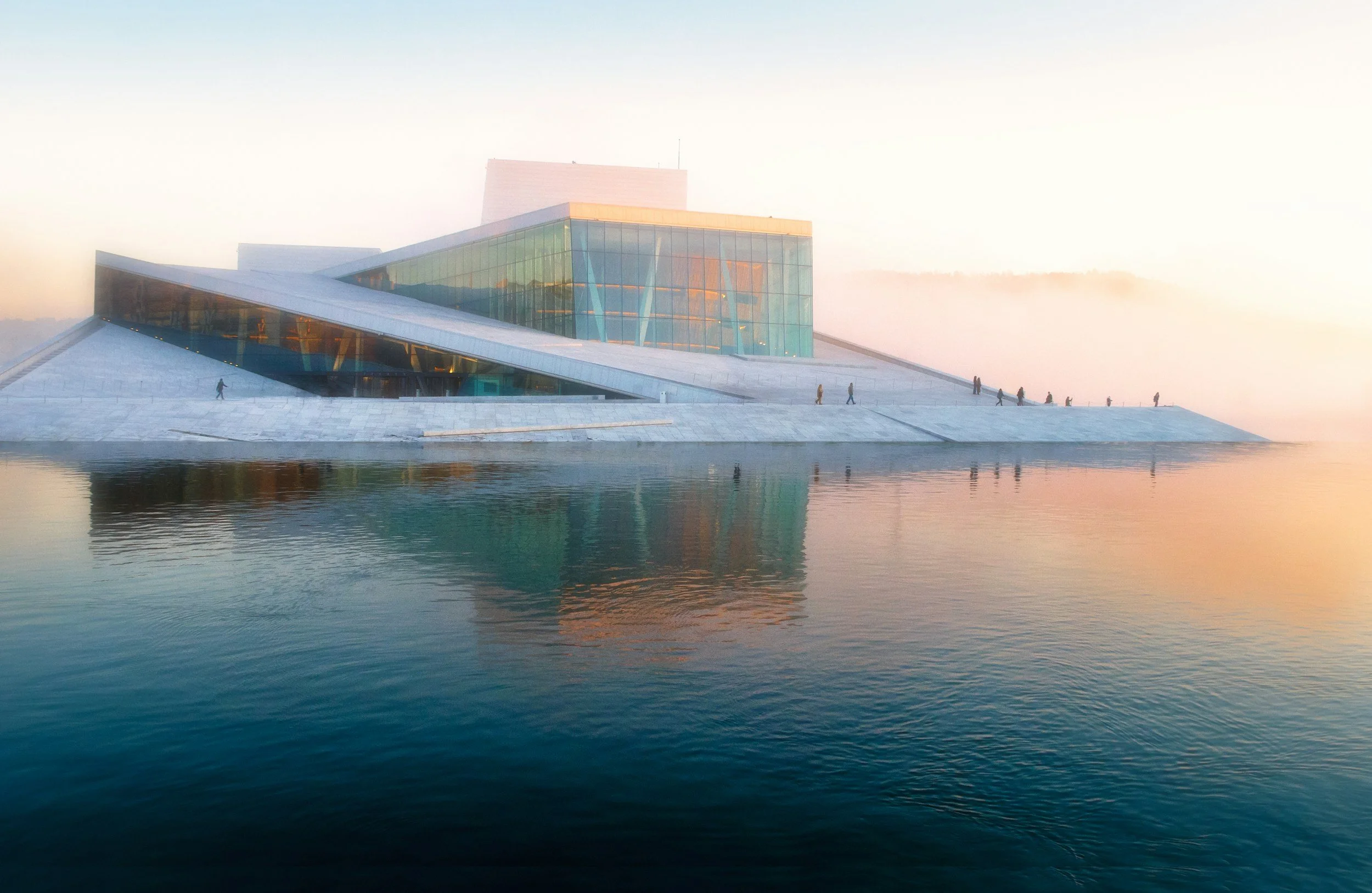
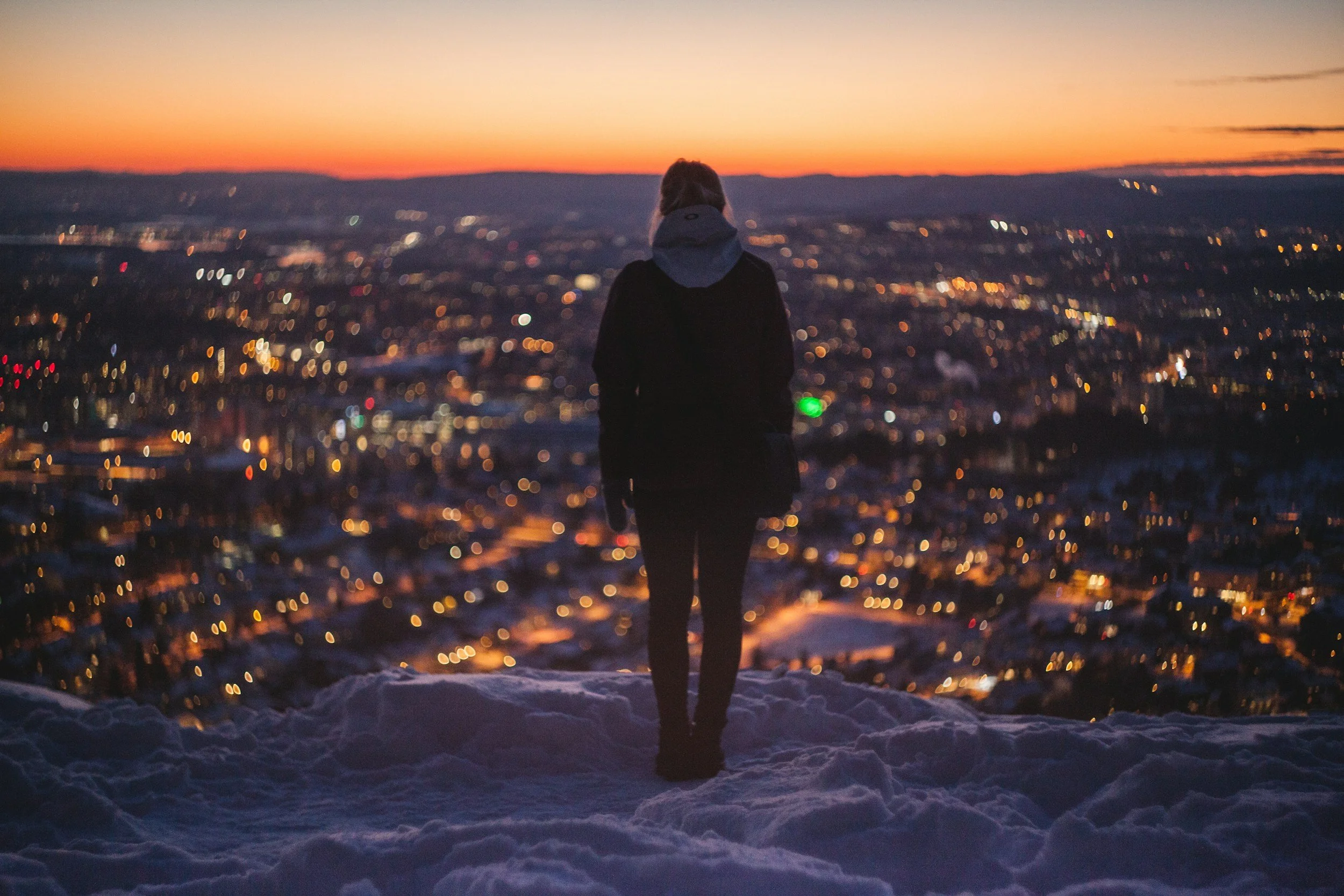
Oslo is Norway's modern capital, combining contemporary architecture, excellent museums and a vibrant food scene with easy access to nature. Bergen is the country's historic gateway to the fjords, famous for its colourful waterfront, maritime heritage and surrounding mountains. Trondheim offers medieval history, one of Scandinavia's most important cathedrals and a lively student atmosphere, while Tromsø provides an Arctic city experience with Northern Lights, whale watching, polar history and a surprisingly diverse restaurant scene.
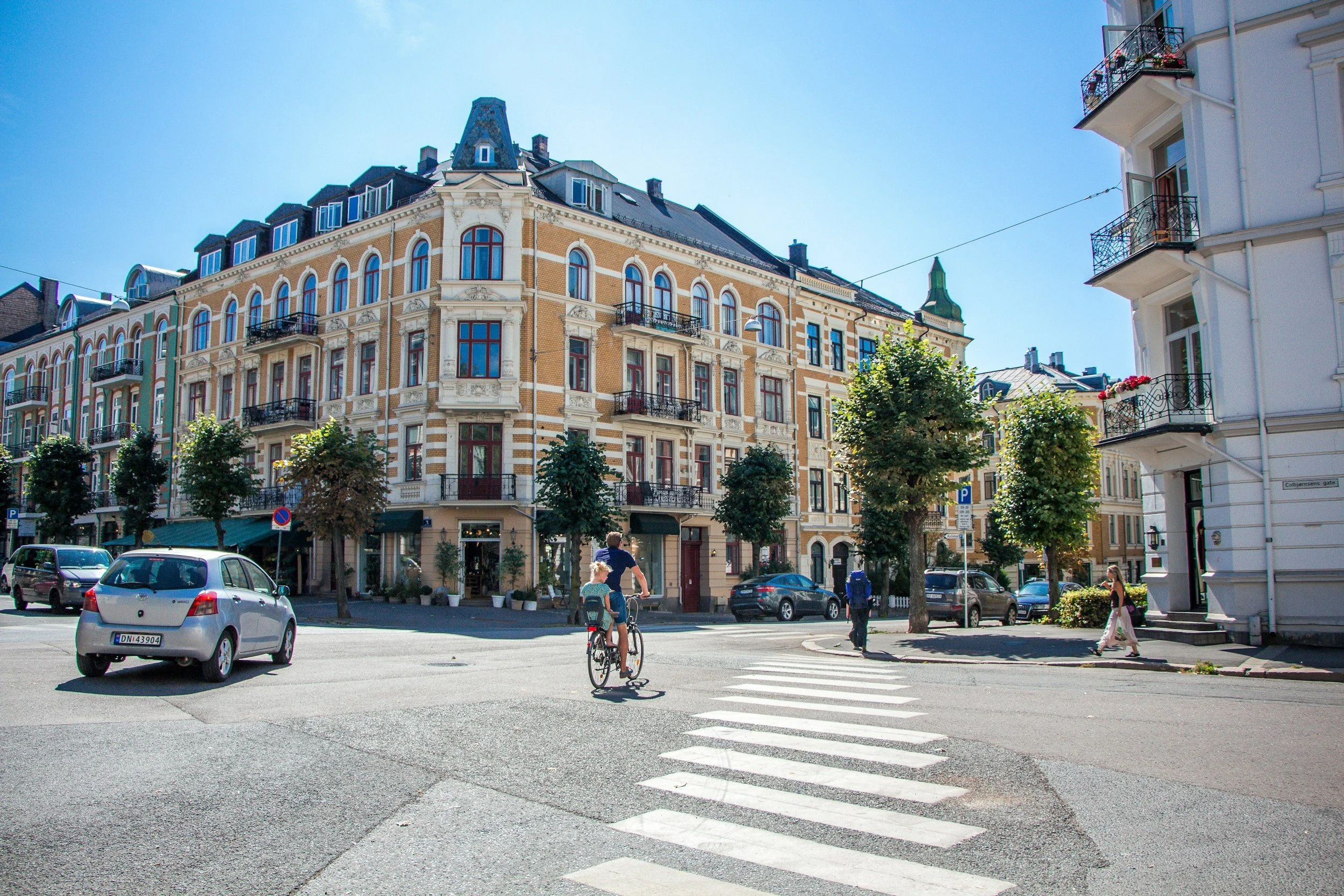
Spending time in one or more of Norway's cities also helps visitors understand how Norwegians live today. Beyond the famous landmarks, you'll find neighbourhood cafés, local markets, waterfront saunas, parks, festivals and everyday routines that are easy to miss if you only focus on scenic road trips.
If you enjoy exploring cities as much as landscapes, Norway offers an experience that is very different from many other European destinations—combining vibrant urban life with easy access to some of the country's most spectacular natural scenery.
Explore Norway's cities further:

10. You Prefer Slow Travel
Many visitors arrive in Norway with ambitious itineraries.
A week might include Oslo, Bergen, Flåm, Geiranger, Lofoten and Tromsø. On paper, it looks impressive. In practice, much of the trip can end up being spent in transit.
Not everyone enjoys travelling that way.
Some travellers would rather spend four days in one place than four hours in ten. They enjoy returning to the same café, walking the same path more than once and allowing a destination to reveal itself gradually rather than rushing between highlights.
There is also growing evidence that slower forms of travel can influence how we experience and remember a destination. Rather than constantly adapting to new environments, slower travel allows more time for reflection, familiarity and a stronger sense of connection to place. I explore this idea in more detail in How Slow Travel Supports Cognitive and Emotional Regulation and Why Certain Places Calm the Nervous System.
Norway rewards this approach surprisingly well.
The country's appeal is often found in atmosphere as much as attractions. A quiet evening by a fjord, a long walk through a coastal town, watching changing weather from a cabin terrace or spending an afternoon with no particular plan can become some of the most memorable parts of a trip.
Regions such as Telemark, Helgeland, Nordfjord and parts of Southern Norway are particularly well suited to this style of travel. They may not always contain the country's most famous landmarks, but they offer something many travellers are increasingly searching for: space, time and a sense of place.
One of the easiest ways to embrace this style of travel is through Norway's cabin culture.
Renting a cabin is surprisingly accessible, and options can be found across almost every region of the country, from coastal islands and fjord communities to mountain valleys and Arctic landscapes. For many Norwegians, cabins are not simply holiday accommodation but an important part of family life and national culture.
Staying in a cabin encourages a different pace of travel. Rather than changing hotels every night, travellers can settle into one place, explore the surrounding area at their own rhythm and experience a more local side of Norway. It is particularly well suited to couples, families and those travelling with dogs, who often appreciate the extra space and flexibility that cabins provide.
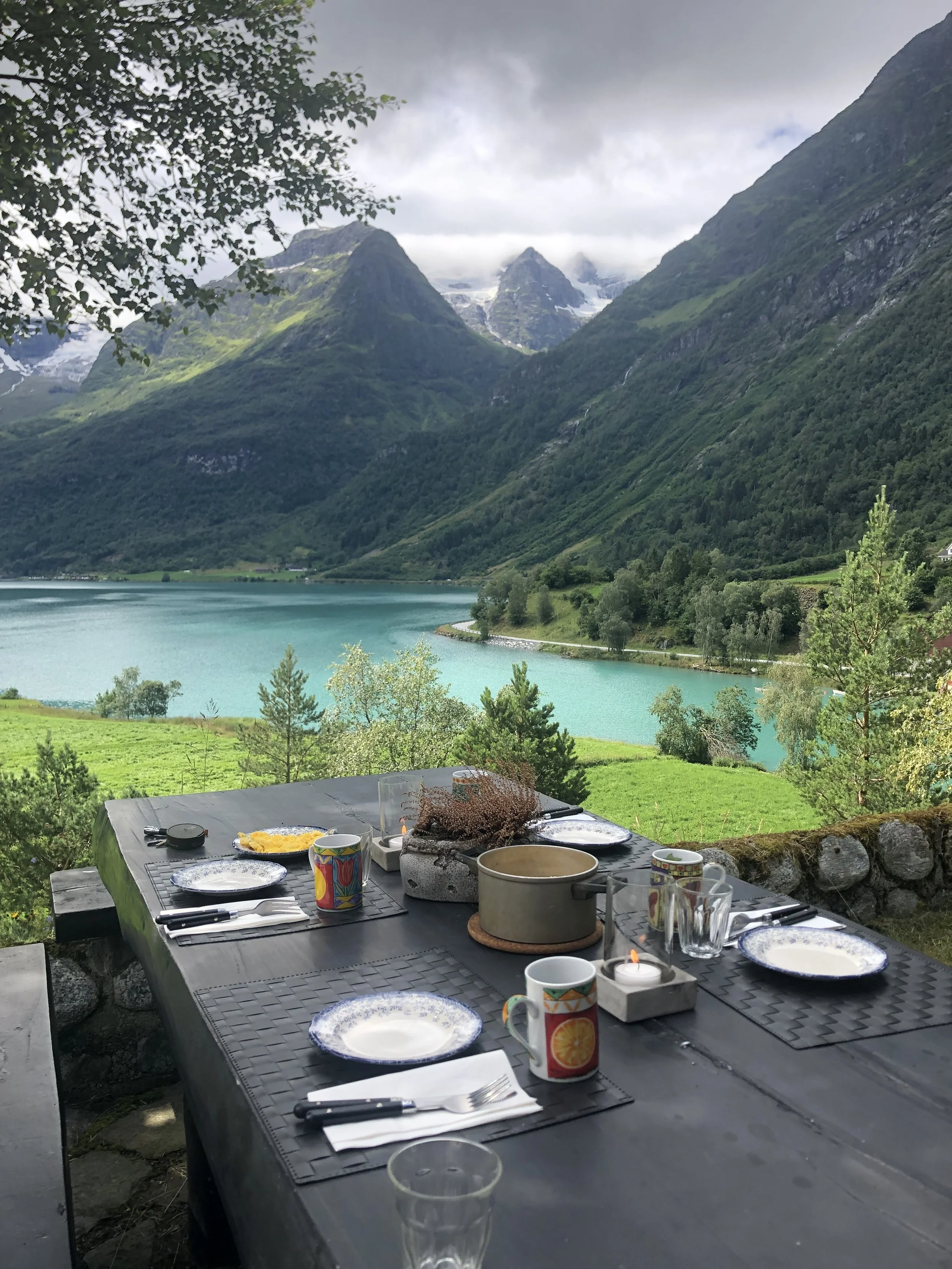
For many visitors, some of the most memorable moments are not found at famous viewpoints, but on a cabin terrace overlooking a lake, beside a fjord at sunset or around a dining table after a day spent outdoors.
This approach also makes it easier to travel outside peak season. Rather than chasing a checklist of must-see sights, the focus shifts towards landscapes, local culture and everyday experiences. If the thought of constantly packing, unpacking and moving on feels exhausting rather than exciting, slow travel may be the version of Norway that suits you best.
Explore slow travel in Norway further:

11. You Want to See the Norway Most Tourists Miss
Not every traveller is drawn to famous destinations.
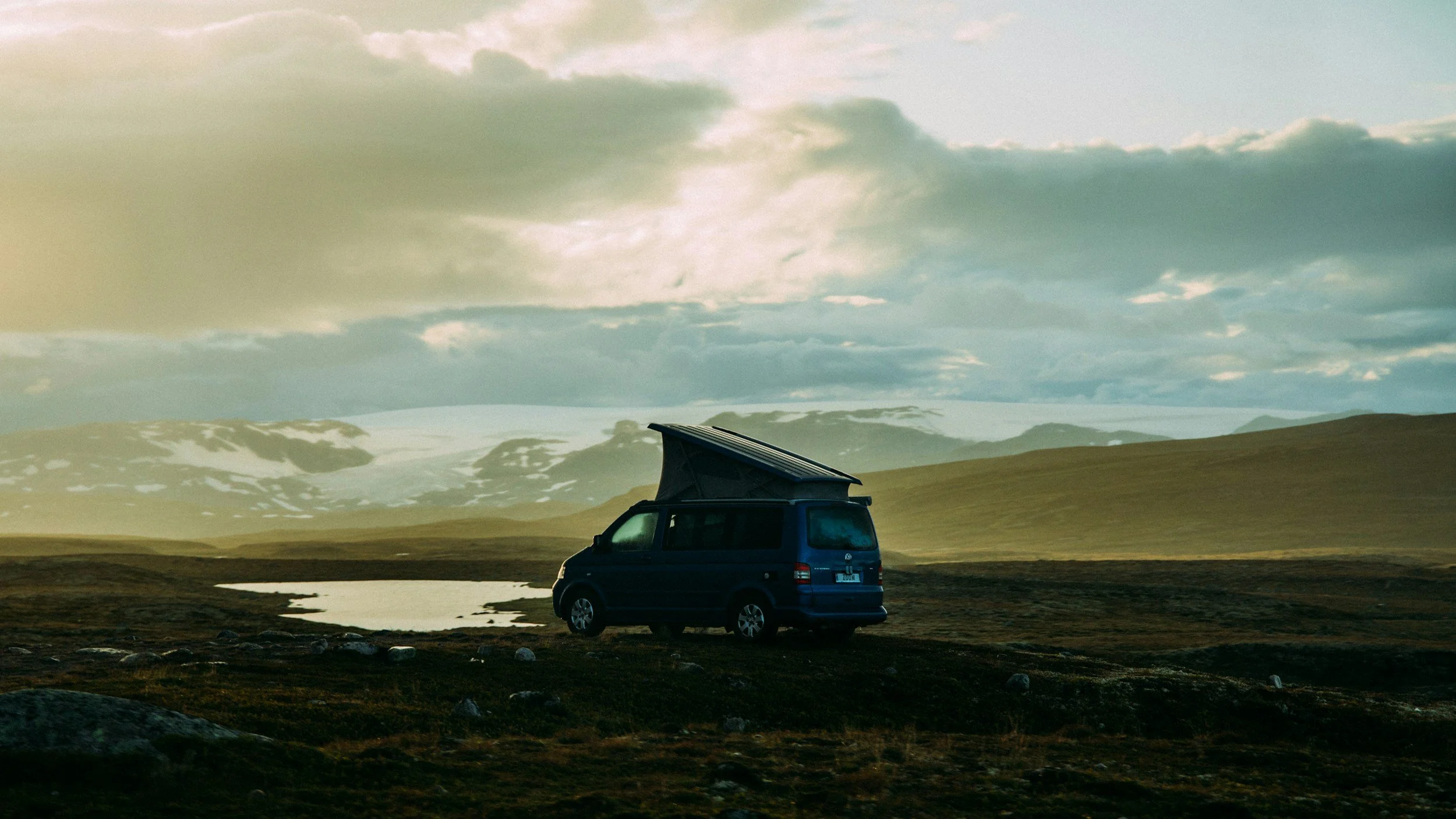
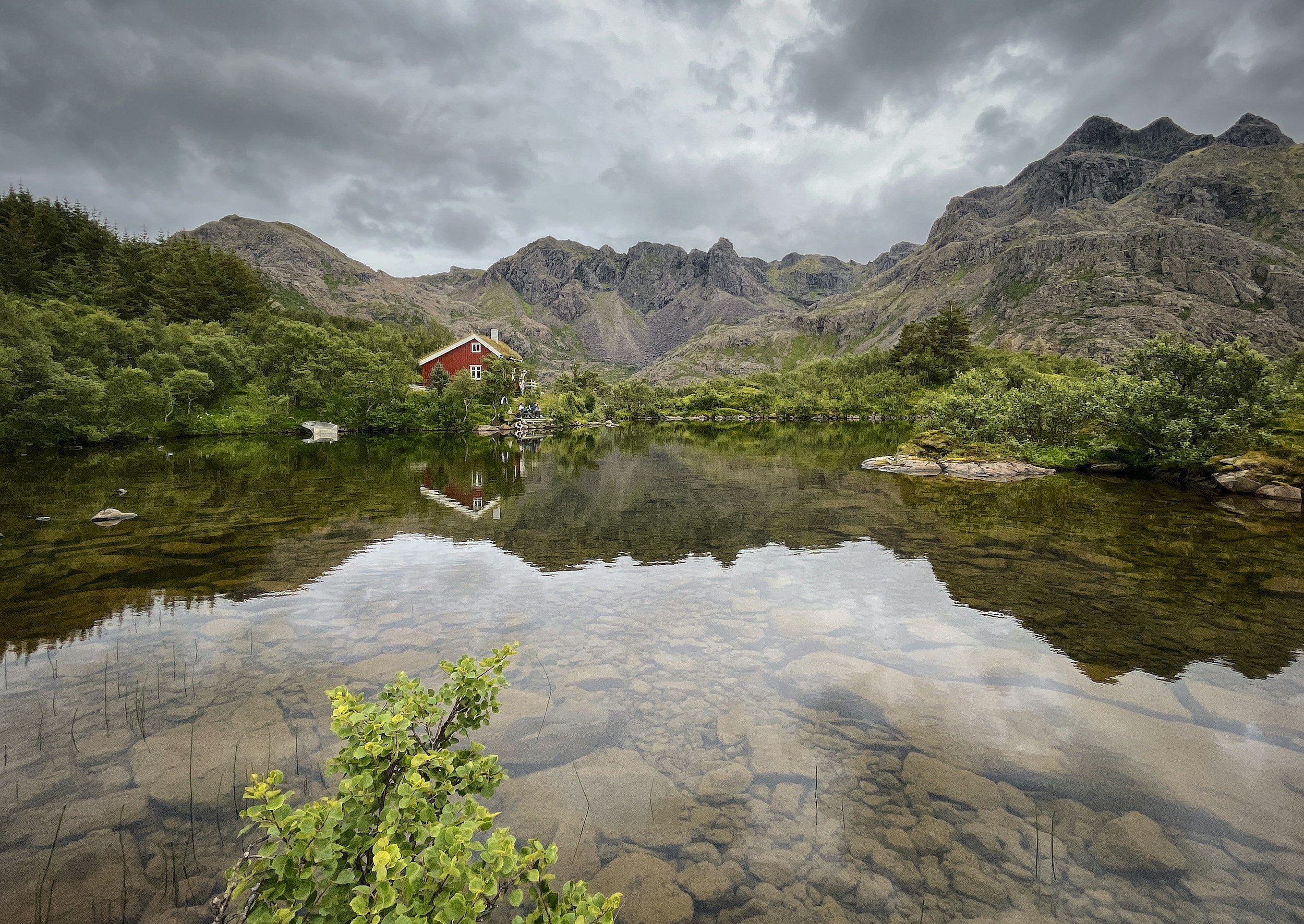
For some, the appeal lies in taking the road less travelled. They are less interested in ticking off landmarks and more interested in discovering places that still feel local, lived-in and relatively untouched by mass tourism.
Norway offers far more opportunities for this than many visitors realise.
While international attention tends to focus on places such as Geiranger, Flåm, Lofoten and Tromsø, large parts of the country receive only a fraction of the visitor numbers despite being equally rewarding in their own way.
Telemark is a good example. Known for its forests, lakes, mountain valleys and traditional farm landscapes, it offers a very different experience from the fjord region. The pace is slower, the crowds are smaller and the focus often shifts from sightseeing to simply being outdoors.
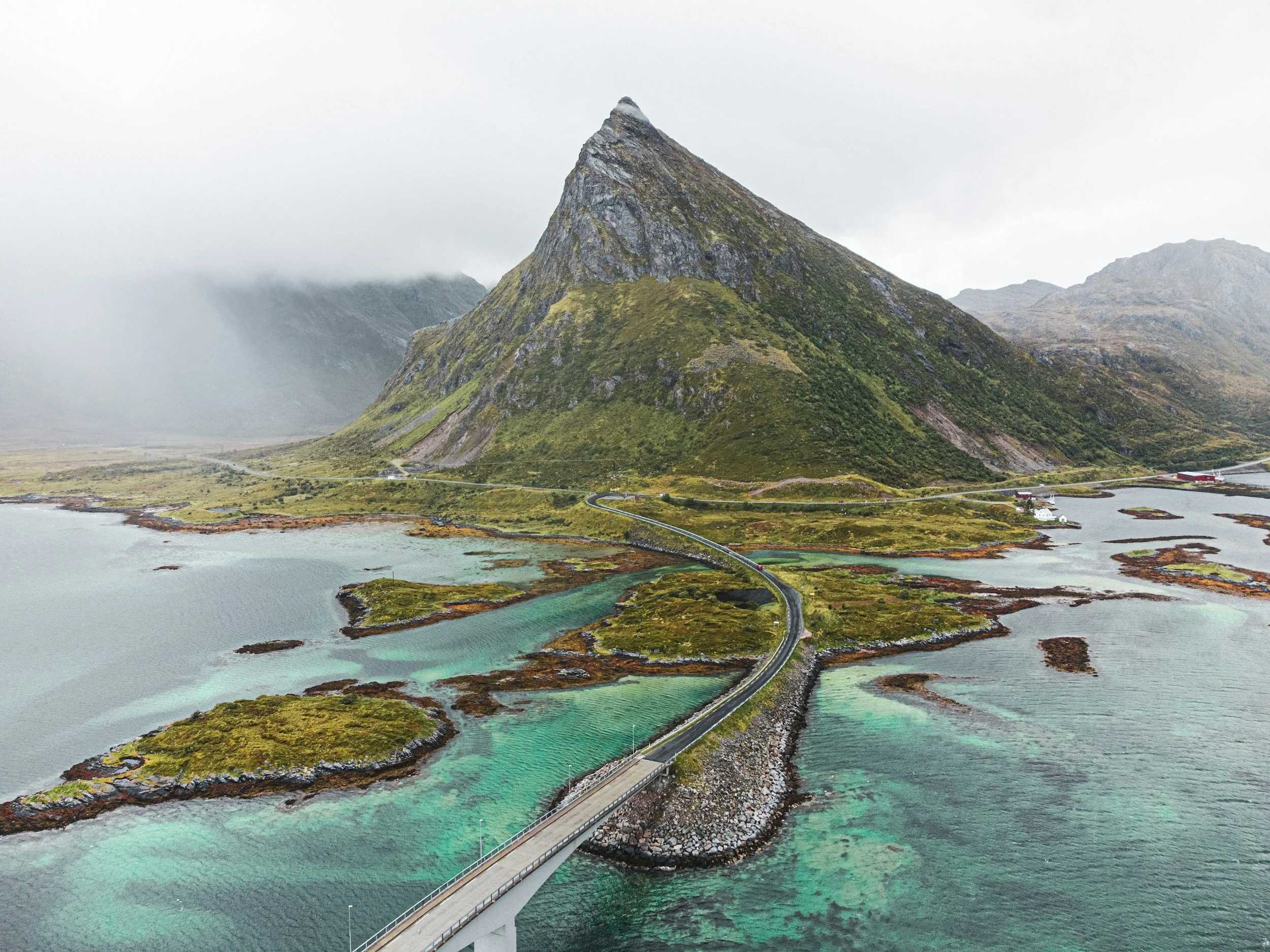
The Helgeland Coast is another region that remains surprisingly overlooked. Stretching across a maze of islands, mountains and coastal communities just south of the Arctic Circle, it is often described as one of Norway's most beautiful road trips yet receives only a fraction of the visitors who head further north to Lofoten.
Even Southern Norway, despite its popularity among Norwegians, remains relatively unknown to many international travellers. Coastal towns such as Kragerø, Risør and Tvedestrand are deeply woven into Norwegian summer culture but rarely feature on first-time visitor itineraries.
The rewards of travelling beyond the obvious are not always dramatic. In fact, that is often the point.
You may not find Norway's most famous viewpoint or most photographed fjord. What you may find instead is a place that feels less curated and more lived in—a landscape that reveals itself gradually rather than demanding attention at first sight.
For some travellers, those are exactly the experiences they are searching for.
Explore this side of Norway further:
12. You Want to See Norway from the Water
Few countries are as closely connected to the sea as Norway.
For centuries, the coastline served as the country's main transport network. Long before roads connected remote communities, people travelled by boat. Even today, many of Norway's towns and villages remain closely tied to the water.
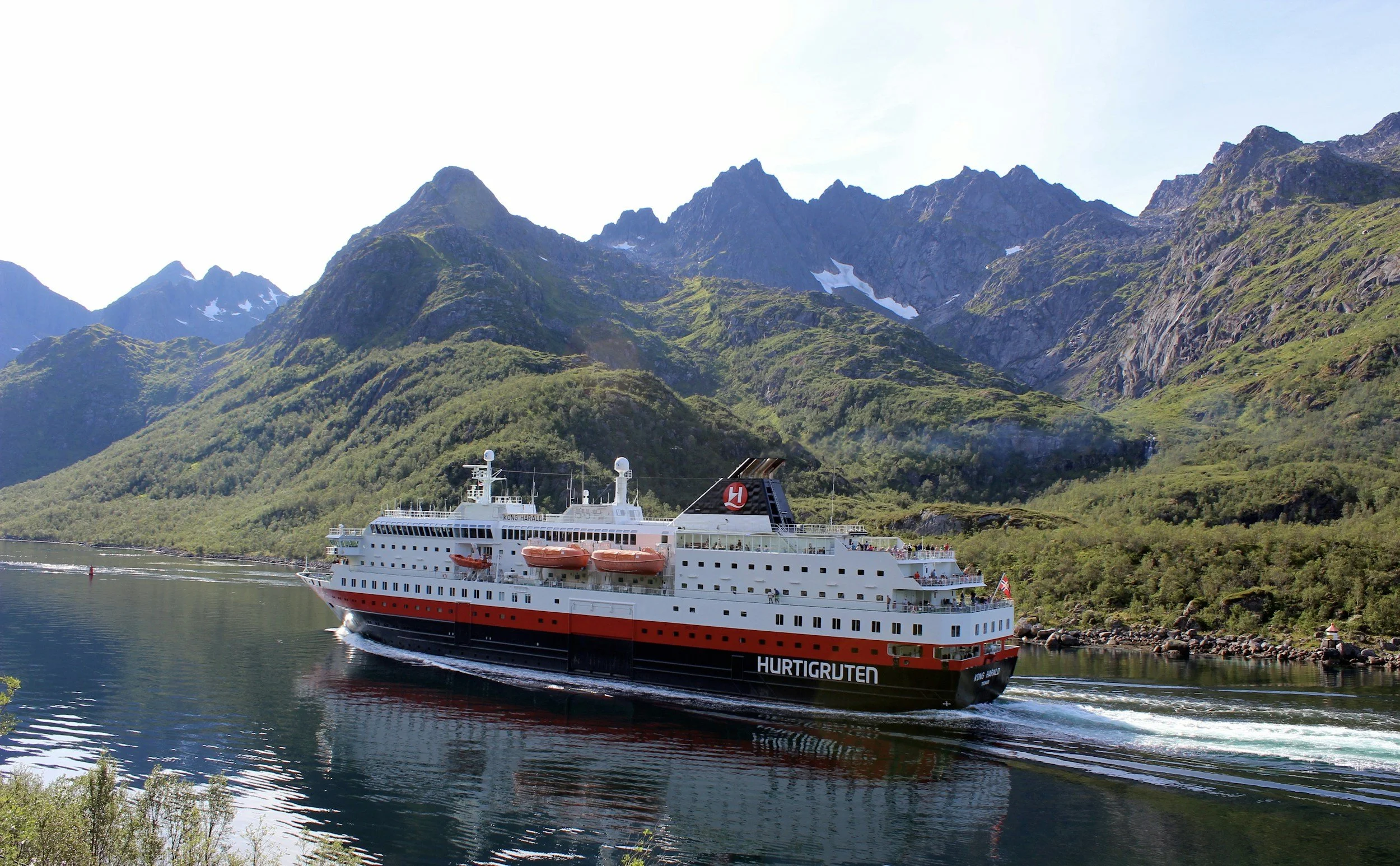
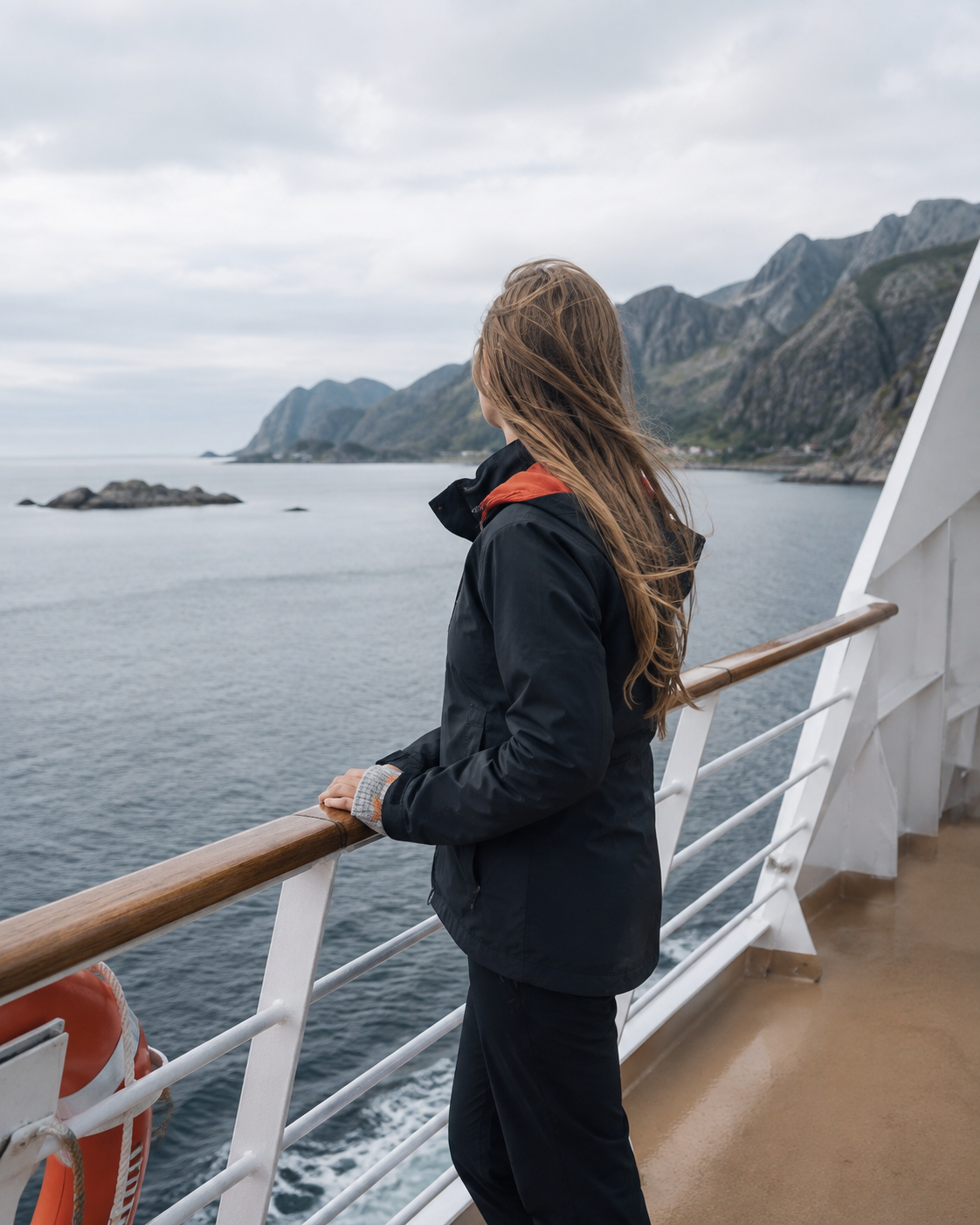
For some travellers, the most rewarding way to experience Norway is not from behind the wheel of a car, but from the deck of a ship.
This can take many forms.
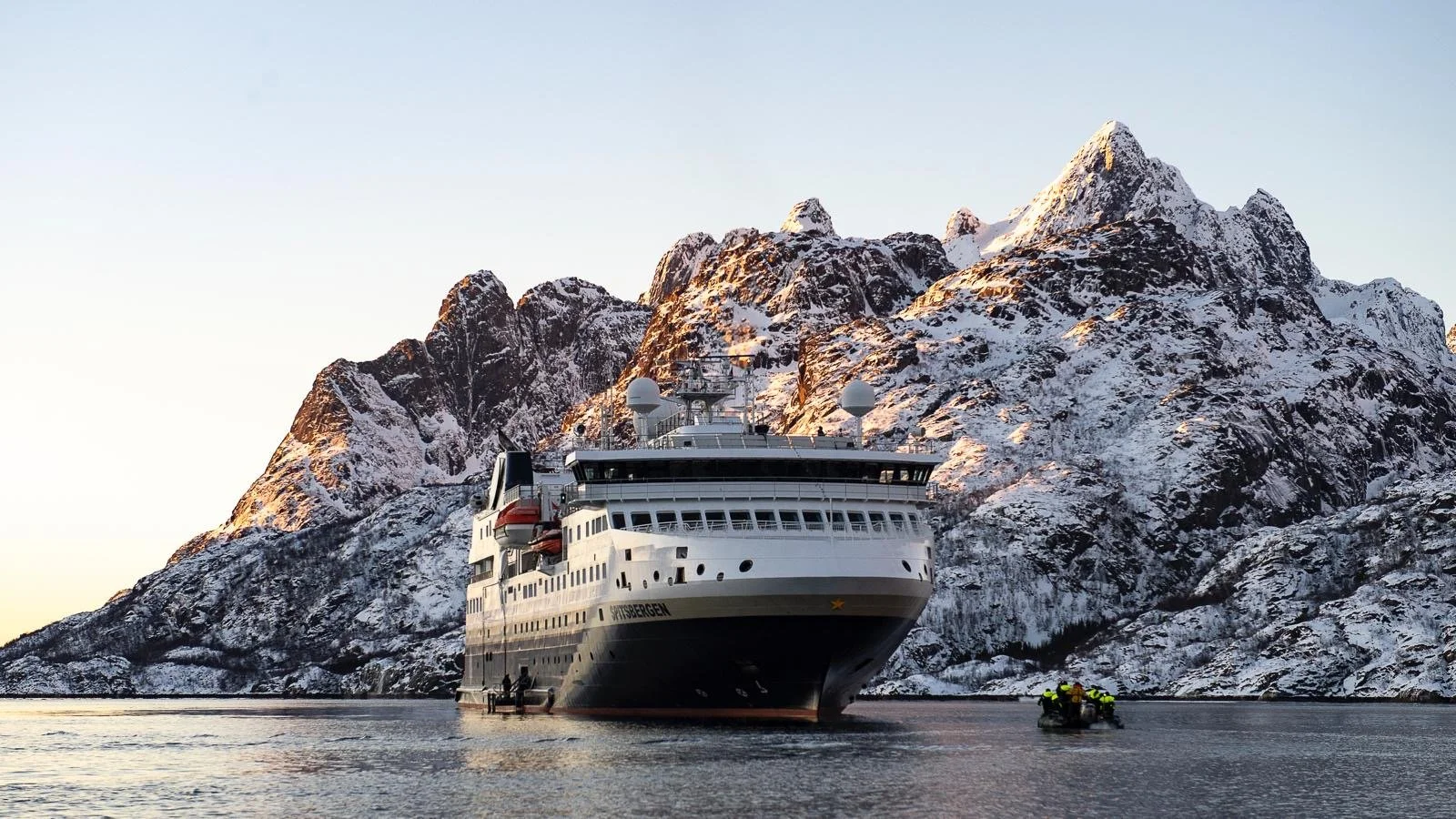
Some travellers choose a classic coastal voyage, slowly making their way along the Norwegian coast while stopping in fishing villages, island communities and Arctic towns along the way. Others prefer shorter fjord cruises through places such as the Nærøyfjord, Geirangerfjord or Lysefjord.
Seeing Norway from the water offers a completely different perspective from travelling by road. Mountains appear larger, villages seem smaller and many of the country's most dramatic landscapes reveal themselves gradually as the ship moves through the scenery.
It also changes the pace of a trip.
Rather than packing and unpacking every few days, travellers can settle into a cabin and allow the landscape to come to them. For some, this feels more relaxing than a traditional road trip. For others, it provides access to places that would otherwise be difficult to reach.
The experience changes dramatically with the seasons.
In summer, passengers travel beneath the midnight sun and spend long evenings on deck watching the coastline pass by. During winter, the focus often shifts towards Arctic landscapes, northern lights and snow-covered fishing villages.
For travellers who enjoy the journey as much as the destination, Norway's coastline offers one of the most distinctive travel experiences in Europe.
After all, this is a country that has always looked towards the sea.
Explore this side of Norway further:
13. You Love Food, Local Produce and Culinary Travel
Norway is rarely chosen for its food alone. Most visitors arrive expecting fjords, mountains and northern lights, and are often surprised by how much of their trip ends up revolving around meals, cafés and local specialities.
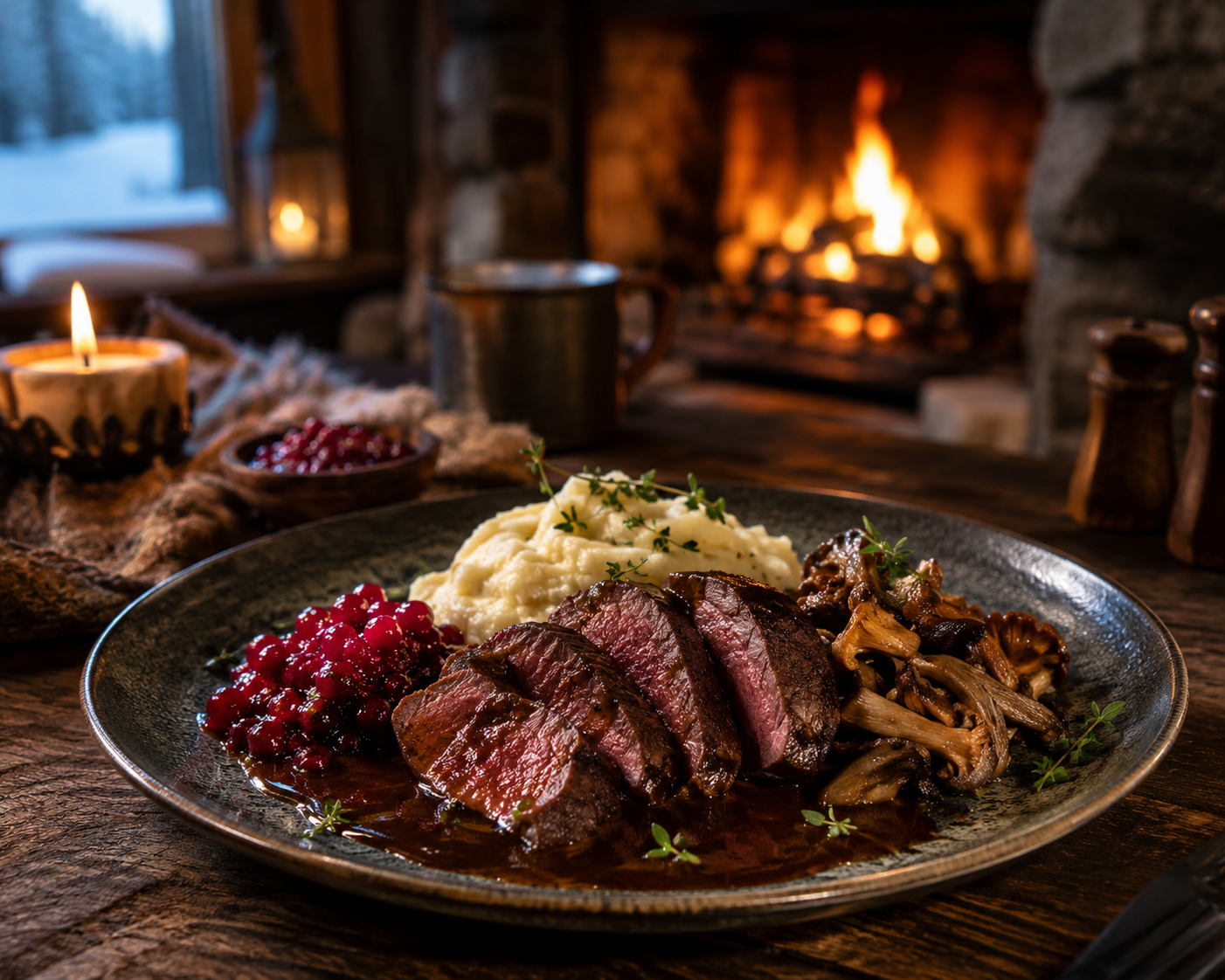
Food in Norway is closely tied to geography and season. Along the coast, seafood dominates. In the mountains, traditional dishes evolved from a need to preserve food through long winters. Across the country, local ingredients often tell the story of the landscape itself.
Some of Norway's most memorable food experiences are remarkably simple. Fresh shrimp on a harbour wall in Southern Norway. Cinnamon buns from a local bakery after a hike. Waffles served in a mountain lodge. Freshly caught fish overlooking a fjord.
Regional specialities vary significantly from one part of the country to another.
Western Norway is known for its fjord landscapes, but also for its cider traditions, particularly in Hardanger, where fruit orchards thrive beneath snow-capped mountains. Coastal communities offer some of the country's best seafood, while inland regions are known for cured meats, mountain trout and traditional farmhouse cuisine.
Food-focused travellers often find themselves lingering longer than planned. A scenic drive becomes an excuse to stop at a bakery. A ferry crossing turns into a seafood lunch. A village visit becomes an opportunity to explore a local food producer.
Norway may never compete with France or Italy as a purely culinary destination, but that is also part of its appeal. Food here is rarely the main attraction. Instead, it becomes woven into the journey itself, providing a deeper connection to the landscapes, seasons and communities that make each region distinct.
For travellers who enjoy discovering a destination through its flavours, Norway offers far more than many people expect.
Final Words
It is easy to think of Norway as a single type of destination.
In reality, the country contains many different travel experiences. A summer spent among the islands of Sørlandet has little in common with a winter beneath the northern lights. A road trip through the fjords feels entirely different from a week in a mountain cabin, a railway journey across remote plateaus or a slow exploration of Norway's historic towns and cities.
That variety is part of what makes Norway such a rewarding place to visit.
The best itinerary is not necessarily the one that includes the most famous destinations or the greatest number of sights. More often, it is the one that reflects the way you genuinely enjoy travelling.
As you read through these different versions of Norway, was there anything that surprised you? Perhaps a region, a season or a style of travel you had never previously considered.
Whether you are drawn to fjords, wildlife, mountain life, coastal culture, history, food or simply the opportunity to slow down, there is a version of Norway waiting for you.
Explore the rest of the Norway Hub for destination guides, itineraries and practical advice to help you plan your trip.
Planning a trip to Norway? Take a look at these practical travel guides:

Geiranger is one of Norway's most famous fjord destinations. This guide covers what to see, how long to stay and how it compares with other fjord regions in Western Norway.