
Why Do Norwegian Houses Look So American? The History Behind Norway's Wooden Homes, Colours and Building Traditions
Norwegian houses are traditionally made of wood because timber was abundant, durable and well suited to the country's cold, wet climate. Many are painted to protect the wood from the elements, while the iconic red, white and yellow colours reflect the pigments that were historically available and affordable. Features such as steep roofs and grass-covered cabins also developed as practical solutions to Norway's weather and landscape. This guide explores the history, materials and building traditions that continue to shape Norwegian homes today.
Introduction
The first time one of my English friends visited Norway, she looked around and said something that caught me completely off guard.
"The houses look so American."
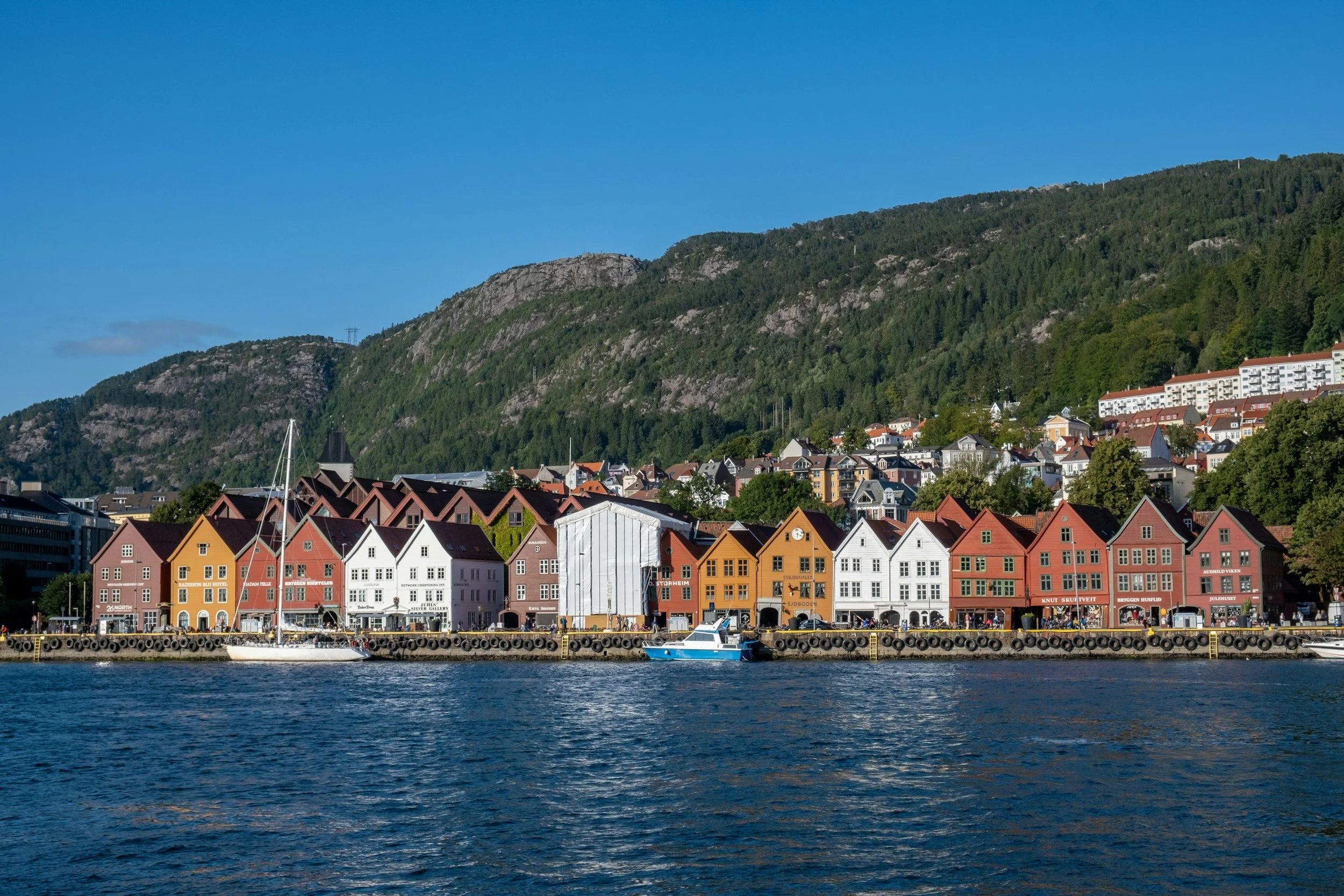
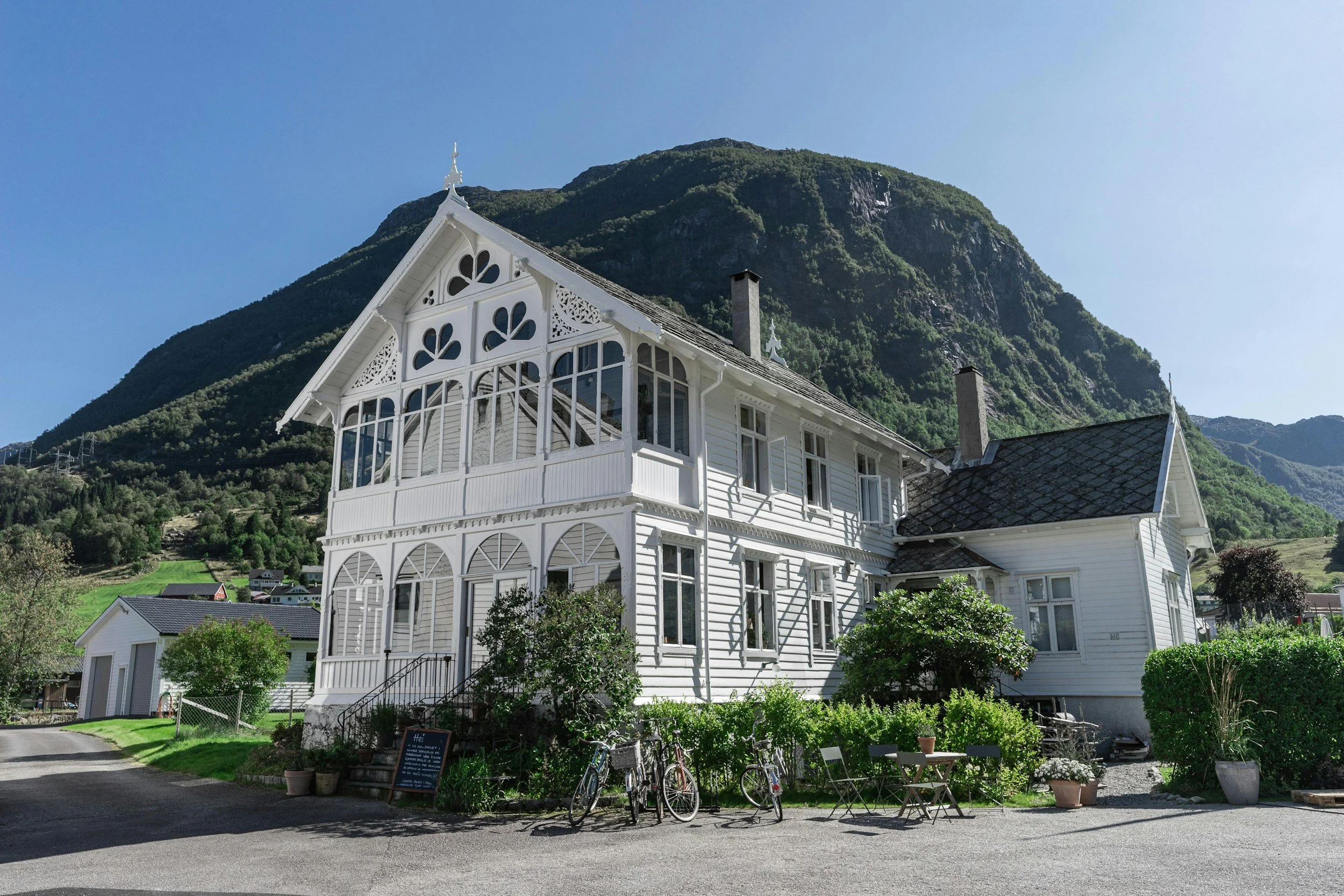
I understood why she thought that. The colourful wooden façades, detached homes and quiet residential streets can resemble parts of North America to someone seeing Norway for the first time.
But the comparison overlooks something important. Norway's tradition of building with wood is centuries older than the United States itself. Long before European settlers began constructing timber towns across North America, Norwegians had already spent generations refining building techniques that suited their forests, climate and rugged landscape.
That conversation made me realise that many visitors notice what Norwegian houses look like, but rarely stop to ask why they look that way. Why are so many houses made of wood? Why are they painted red, white or yellow? Why do some cabins still have grass growing on their roofs? And why are steep roofs so common across the country?
The answers reveal a story shaped not by architectural fashion, but by geography, climate, available materials and centuries of practical knowledge. Understanding these traditions offers a different way of seeing the Norwegian landscape, where almost every building reflects generations of adaptation to life in the north.
Why Are Norwegian Houses Made of Wood?
For most visitors, one of the first things they notice is that so many Norwegian houses are built from wood. In many parts of Europe, brick, stone and concrete dominate the landscape, making Norway's timber homes stand out. The reason, however, goes far beyond appearance. Norway's long tradition of building with wood developed because timber was abundant, practical and exceptionally well suited to both the landscape and the climate.
Around 38 percent of mainland Norway is covered by forest, providing generations of builders with a readily available supply of timber. Long before modern transport networks existed, construction materials needed to be sourced locally. Moving large quantities of stone through mountains and across remote valleys was difficult, time-consuming and expensive, while forests were often only a short distance away. For most communities, timber was simply the most practical and accessible building material.
Wood also performed remarkably well in Norway's harsh climate. It provides excellent natural insulation, helping homes retain heat during long winters while remaining comfortable throughout the changing seasons. Timber is also flexible, allowing it to expand and contract with fluctuations in temperature and humidity without cracking in the same way as more rigid materials. If individual logs or boards became damaged, they could often be replaced without rebuilding the entire structure, making wooden houses easier to maintain over generations.
These practical advantages gave rise to one of Norway's oldest construction techniques: lafting, or traditional log building. Instead of relying on nails, builders carefully shaped and notched horizontal logs so they locked tightly together at the corners. The weight of the logs created strong, stable walls, while the precise joinery helped keep out cold draughts. Many of these buildings have survived for hundreds of years, demonstrating the durability of a method developed long before modern engineering.
Norwegian builders also developed extensive knowledge of timber itself. Different tree species were chosen for different purposes, trees were felled at specific times of the year, and the wood was carefully dried before construction began. Building methods evolved through centuries of experience, with each generation refining techniques that helped houses withstand heavy snowfall, moisture and changing weather conditions.
Today, modern Norwegian houses often use engineered timber, insulated timber frames or a combination of wood and other materials rather than traditional log construction. Even so, wood remains the defining material of Norwegian residential building. What began as a practical response to Norway's forests and climate has become one of the country's most distinctive and enduring building traditions.
Why Weren't Norwegian Houses Traditionally Built from Brick or Stone?
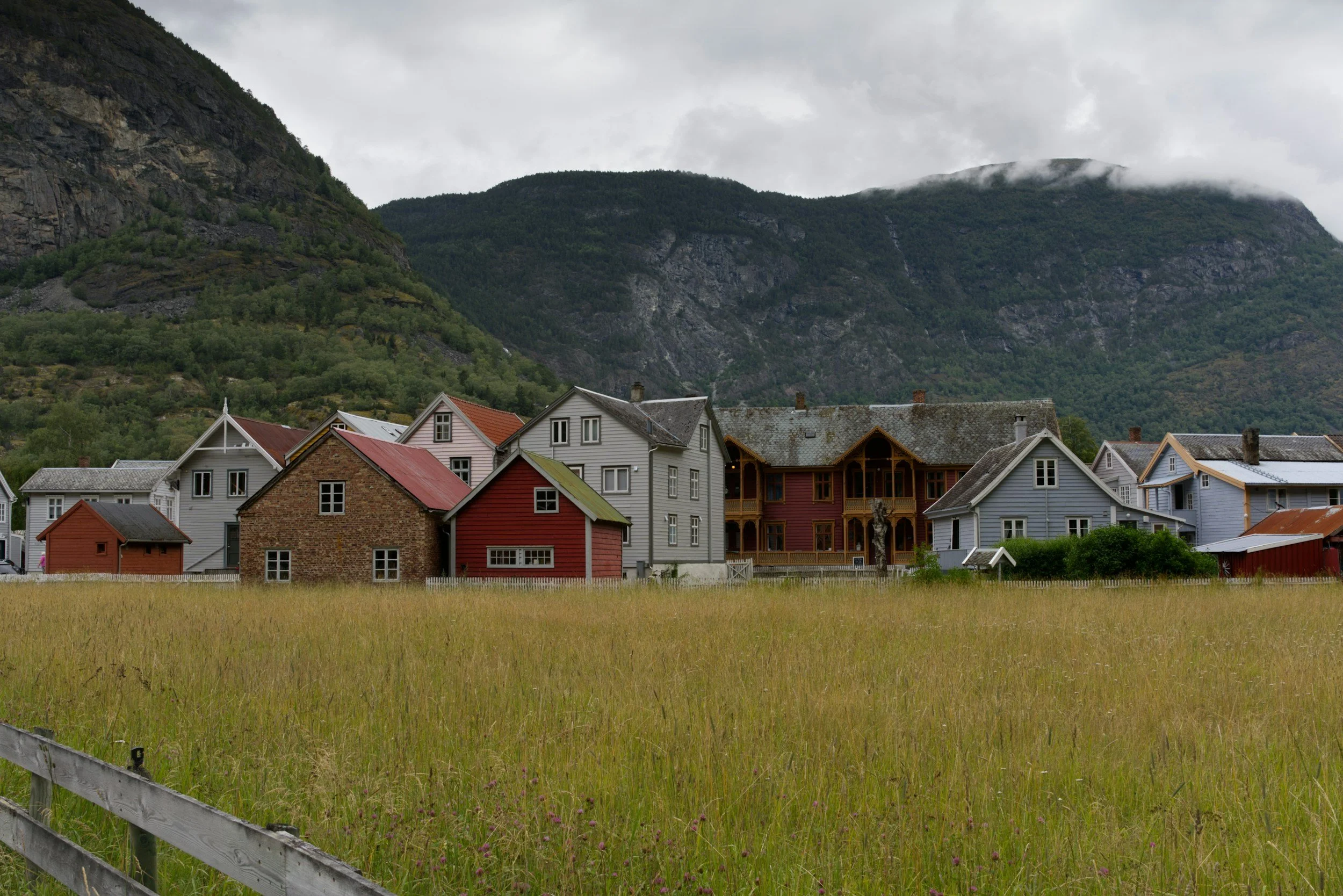
Given Norway's rugged mountains and rocky landscapes, many visitors are surprised to learn that stone was rarely the primary material for ordinary homes. While stone was used for churches, fortifications and some public buildings, most Norwegian families continued to build with wood for centuries.
One reason was availability. Although Norway has an abundance of rock, not all stone is suitable for construction. Extracting, shaping and transporting large blocks required significant time, labour and specialised skills. Timber, by contrast, could often be harvested close to where a house would be built, making it a far more practical choice for most communities.
Brick was even less common. Unlike parts of continental Europe, Norway had relatively limited deposits of suitable clay in many regions, and producing bricks required large kilns, considerable amounts of fuel and an organised manufacturing industry. For much of Norway's history, brick was therefore more expensive than timber and was generally reserved for towns, wealthier buildings and later urban development.
Climate also played an important role. Wooden buildings performed well in Norway's changing weather conditions and offered good natural insulation during long, cold winters. Timber construction also allowed buildings to settle and move slightly with seasonal changes in temperature and moisture, reducing the risk of damage over time.
Fire was one of the main disadvantages of building with wood, particularly in Norway's growing towns and cities. Major fires destroyed large parts of urban centres such as Bergen, Trondheim and Oslo on multiple occasions throughout history. Following devastating fires, authorities increasingly required new buildings in city centres to be constructed from brick or stone, helping reduce the risk of future disasters. In rural Norway, however, wood remained the preferred material well into the twentieth century because it continued to be practical, affordable and readily available.
Today, both timber and masonry are used throughout Norway, but the country's long reliance on wood was never simply a matter of tradition. It reflected the materials people had access to, the environment they lived in and the practical knowledge that shaped Norwegian building for hundreds of years.
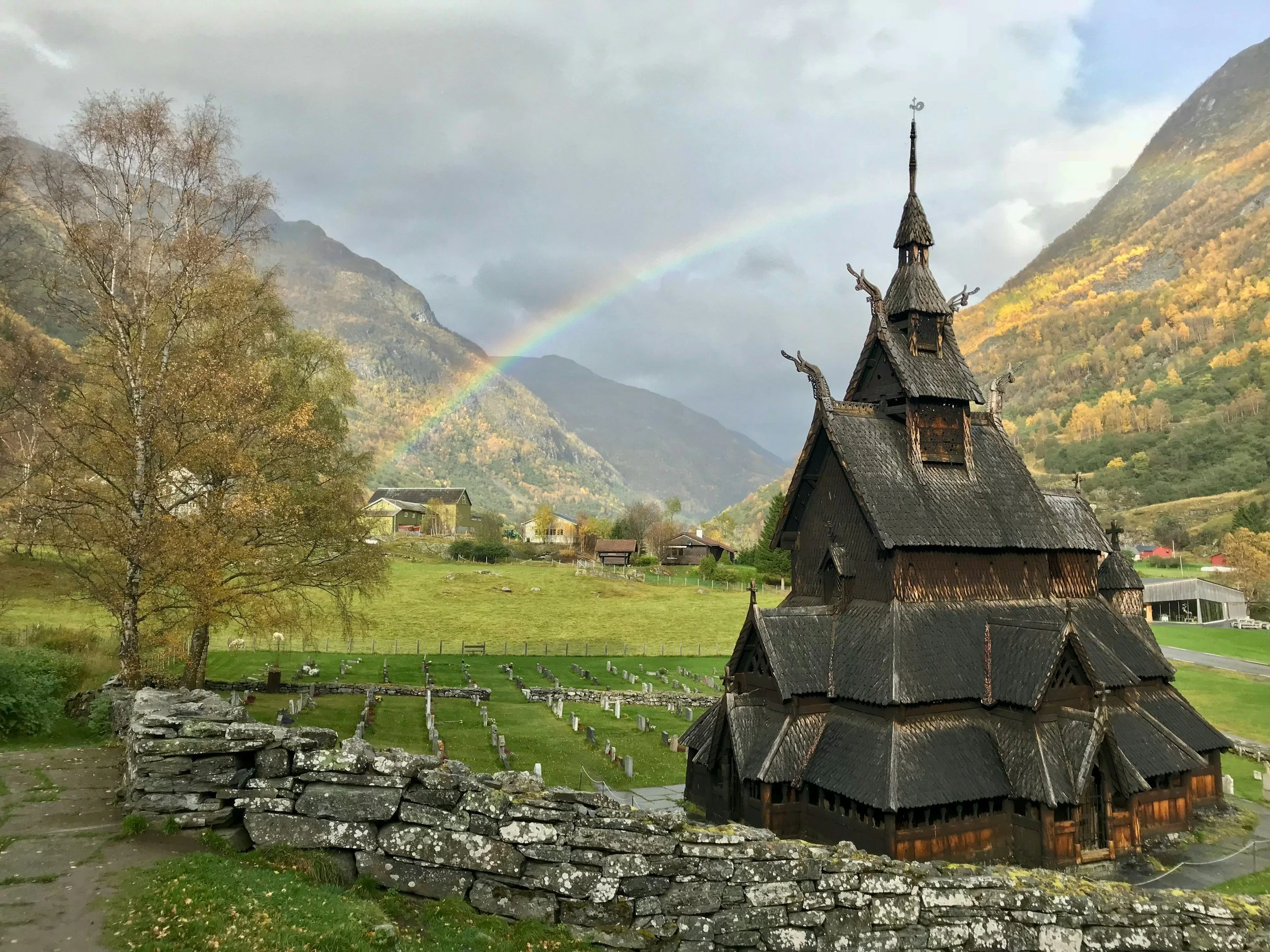
Norway's stave churches date back to the 1100s and 1200s and are among the country's most remarkable wooden buildings. Constructed using vertical timber posts, known as staves, they have survived for centuries thanks to exceptional craftsmanship, durable pine and traditional building techniques.
Why Are Norwegian Houses Painted?
Many visitors associate Norway with colourful wooden houses, but painting them was never simply about appearance. For centuries, paint served a practical purpose: it protected timber from the weather and helped buildings last longer in a climate characterised by rain, snow, wind and changing temperatures.
Untreated wood gradually weathers when exposed to the elements. Moisture can penetrate the surface, increasing the risk of rot, while sunlight and repeated freeze-thaw cycles slowly break down the timber over time. Applying paint created a protective barrier that reduced moisture absorption and slowed the effects of weathering, extending the lifespan of the building.
Not every house was painted, however. In earlier centuries, paint was expensive, and many rural families simply could not afford it. Instead, some buildings were treated with tar, particularly in coastal areas where it provided excellent protection against moisture. Others were left unpainted and gradually weathered to a natural grey as the wood aged.
As paint became more affordable during the nineteenth century, painted façades became increasingly common across Norway. While protection remained the primary reason, painted houses also became a way for homeowners to care for and take pride in their property. Well-maintained houses reflected good craftsmanship and careful upkeep, values that were important in many Norwegian communities.
Today, modern paints are far more durable than those used historically, but the principle remains the same. Painting continues to protect wooden buildings from Norway's challenging climate while preserving a tradition that has shaped the country's villages, towns and countryside for generations.
Why Were Red, White and Yellow the Most Common Colours?
Once paint became more widely available, another question naturally followed: why did so many Norwegian houses end up red, white or yellow?
The answer had less to do with fashion than with cost, technology and social status. Before modern synthetic paints existed, pigments were made from natural minerals and metals, and some colours were far cheaper to produce than others.
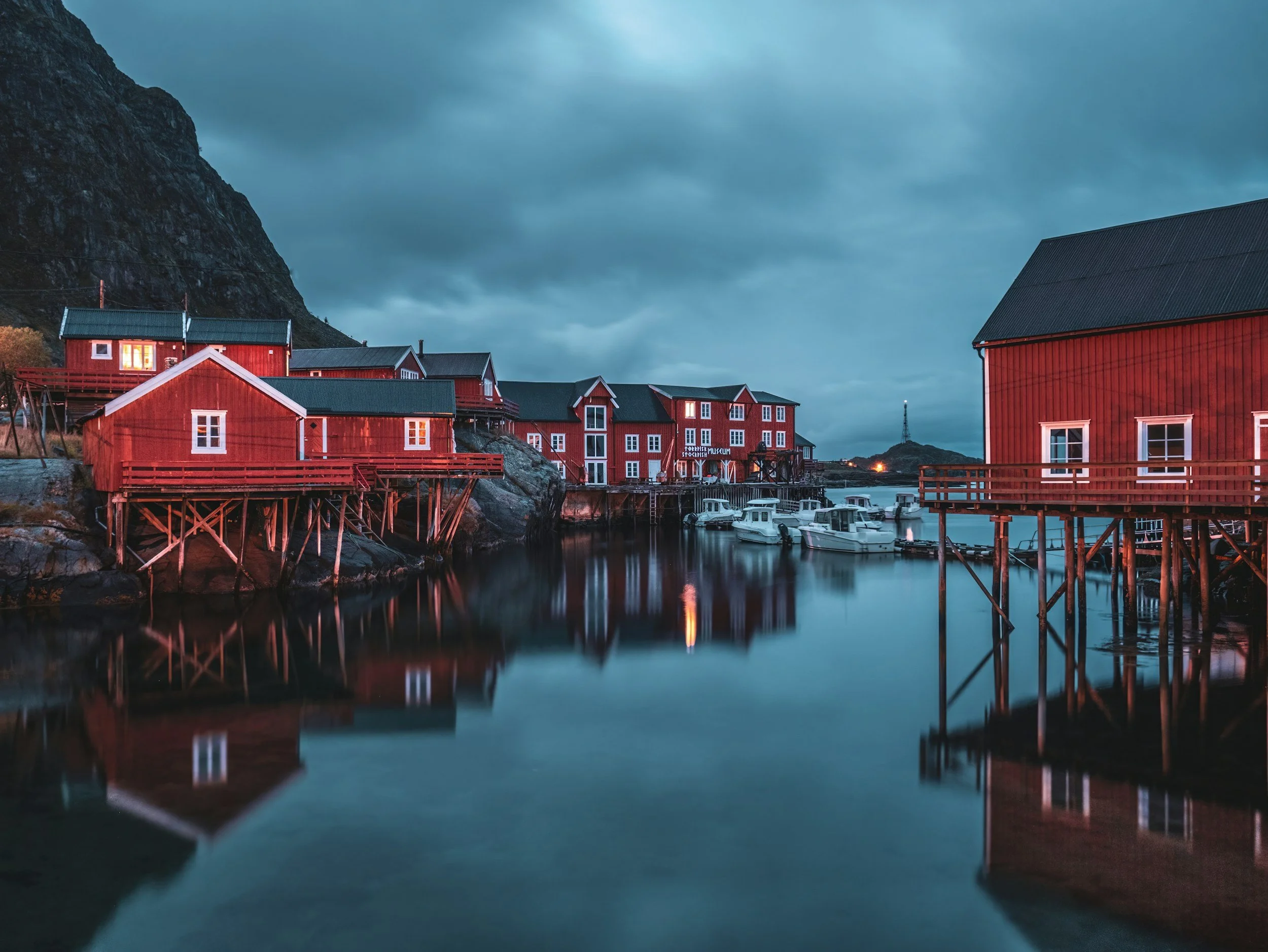
Red became the most widespread colour because it was one of the least expensive. Traditional red paint was made using iron oxide pigments, which were readily available and produced a durable colour that protected wooden façades while giving them a rich, warm appearance. For many rural communities, red paint offered the best balance between affordability and protection, making it the obvious choice for homes, barns and farm buildings.
White, by contrast, was historically associated with wealth. White pigments were more expensive to produce, and painting an entire house white signalled that the owner could afford a colour that many others could not. During the eighteenth and nineteenth centuries, prosperous merchants, civil servants and larger farms increasingly chose white façades, particularly in towns and along the southern coast. The colour was also inspired by European stone buildings, allowing wooden houses to imitate the elegant appearance of painted masonry.
Yellow occupied a similar position. Pigments containing ochre created warm yellow tones that became especially popular on larger houses and public buildings. Like white, yellow often reflected prosperity rather than necessity, although prices gradually became more affordable over time.
Other colours also became established throughout Norway. Various shades of brown were widely used because they blended naturally with the landscape and could be produced using relatively inexpensive pigments. Muted greens also gained popularity in some regions during the nineteenth century, while local traditions, available pigments and regional preferences influenced which colours became most common in different parts of the country.
Although modern paint is available in an almost unlimited range of colours, Norwegian houses are not simply painted in any shade. Local planning regulations, historic preservation rules and municipal guidelines can restrict which colours are permitted, particularly in historic neighbourhoods and culturally significant areas. As a result, traditional colours continue to dominate many parts of the country.
Today, red, white, yellow, brown and green remain closely associated with traditional Norwegian houses. Their continued popularity reflects not only centuries of history but also a desire to preserve local character and building traditions that have shaped the Norwegian landscape for generations.
Why Do Some Norwegian Cabins Have Grass Roofs?
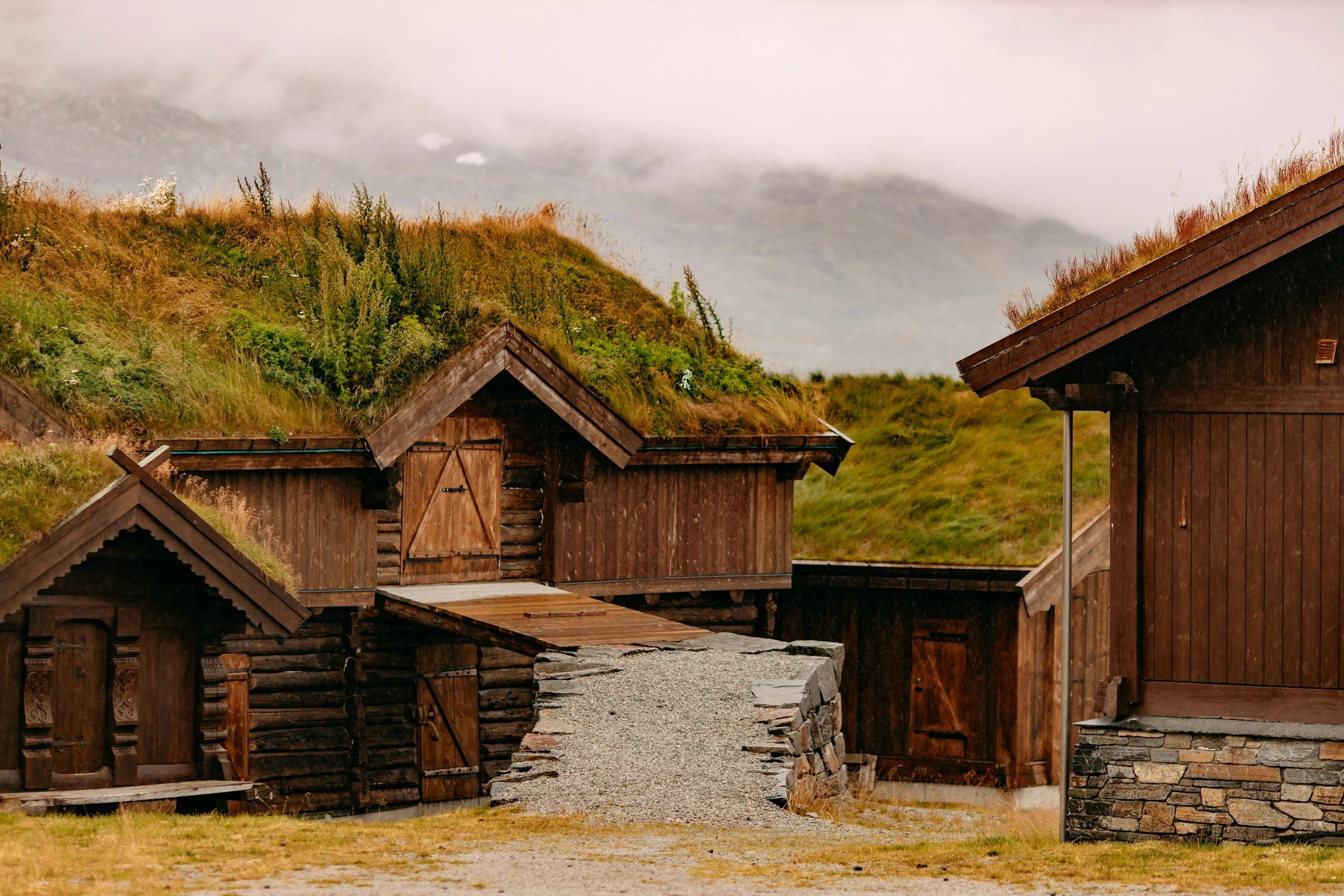
Few features are more closely associated with traditional Norway than the grass-covered roofs found on cabins and historic farm buildings. While they may appear decorative today, turf roofs were originally developed for entirely practical reasons and were once a common sight across much of the country.
Traditional Norwegian roofs were built in several layers. Birch bark formed a waterproof membrane, protecting the timber beneath from rain and melting snow. Thick layers of turf were then placed on top, helping to hold the bark in place while providing additional insulation against the cold. The weight of the turf also helped stabilise the roof during strong winds, reducing the need for heavy fastenings.
The materials were both inexpensive and widely available. Birch trees grew throughout much of Norway, while turf could be cut directly from nearby fields or hillsides. In remote communities, where manufactured roofing materials were difficult or impossible to obtain, using local natural resources was the most practical solution.
Turf roofs also offered excellent thermal performance. During winter, the thick layer of soil helped reduce heat loss, while in summer it prevented buildings from becoming excessively warm. Although the insulating properties were not understood in scientific terms at the time, generations of builders recognised through experience that turf roofs created more comfortable homes throughout the year.
As industrial materials such as tiles, slate and sheet metal became more widely available during the nineteenth and twentieth centuries, turf roofs gradually became less common on ordinary houses. They required regular maintenance, and modern roofing materials were generally lighter and easier to install.
Today, grass roofs remain an important symbol of Norway's building traditions. They are still found on many historic buildings and mountain cabins, while some modern architects have also reintroduced them, combining traditional techniques with contemporary construction. Although they are now often appreciated for their appearance, turf roofs began as an ingenious solution developed from the materials, climate and practical knowledge available to generations of Norwegian builders.
Why Are Norwegian Roofs So Steep?
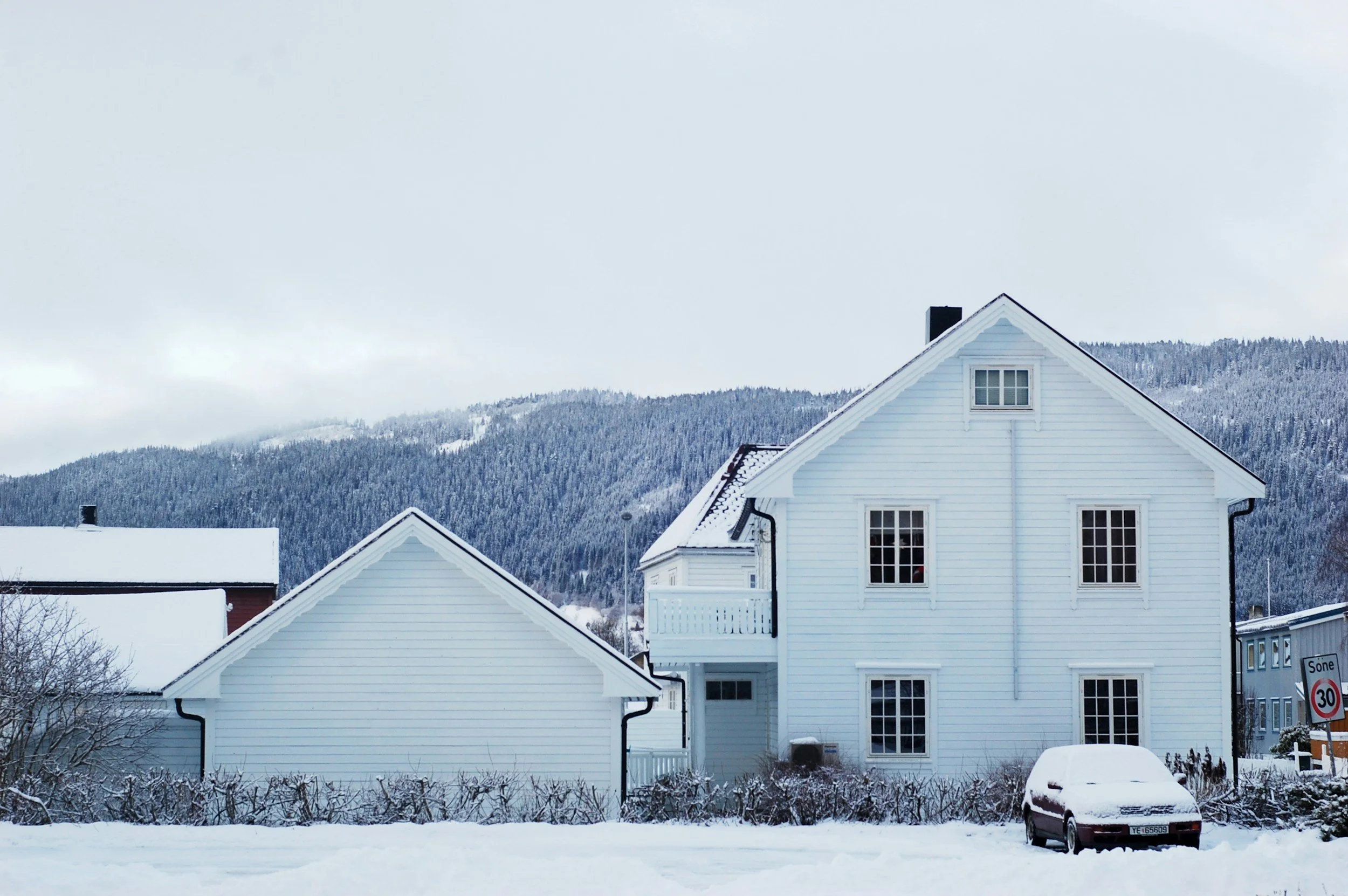
One of the most recognisable features of traditional Norwegian houses is their steeply pitched roofs. While they contribute to the distinctive appearance of many homes, their shape was primarily determined by one factor: the climate.
Large parts of Norway experience long winters with significant snowfall. A steep roof allows snow to slide off more easily, reducing the weight placed on the structure. If snow accumulates for long periods, it can place enormous pressure on a building, increasing the risk of damage or collapse. Roofs with a sharper pitch therefore offered a simple but highly effective solution.
Rain also influenced roof design. Norway's western coast is one of the wettest regions in Europe, while much of the country experiences frequent rainfall throughout the year. Steeper roofs allow water to drain away quickly, reducing the likelihood of leaks and limiting the amount of moisture absorbed by the building.
The shape of the roof also worked together with traditional building materials. Timber performs best when it is allowed to dry efficiently, and wide roof overhangs helped shield wooden walls from rain and melting snow. This reduced weathering and extended the lifespan of the timber, particularly before modern paints and protective treatments became available.
Regional differences developed over time. In areas with particularly heavy snowfall, roofs were often built steeper than those found in milder coastal regions. Local builders adapted their designs to the conditions they experienced, creating subtle variations in roof styles across the country while following the same underlying principles.
Modern building techniques mean that houses no longer depend on steep roofs in the same way they once did. Improved materials, engineered structures and waterproof membranes allow for a much wider variety of architectural styles. Even so, steep roofs remain one of the defining characteristics of Norwegian houses. They continue to reflect centuries of practical building knowledge, shaped by snow, rain and the demands of living in a challenging northern climate.
How Traditional Building Practices Still Shape Norwegian Houses Today
Although construction methods have changed significantly over the past century, traditional Norwegian building practices continue to influence the way houses are designed today. Modern homes may use engineered timber, advanced insulation and contemporary building techniques, but many of the principles developed over generations remain the same.
Wood is still the dominant material for detached houses across much of Norway. While solid log construction is now far less common than timber-frame construction, wood continues to be valued for its availability, sustainability and ability to perform well in Norway's climate. Advances in engineering have also made timber an increasingly attractive material for larger buildings, allowing architects to combine traditional materials with modern technology.
Many of the architectural features associated with older Norwegian houses have also endured. Steep roofs remain common in areas that experience heavy snowfall, wide roof overhangs continue to protect timber façades from rain, and painted wooden cladding is still one of the defining characteristics of residential neighbourhoods throughout the country.
Building regulations have evolved alongside these traditions. Modern homes must meet strict requirements for energy efficiency, fire safety and structural performance, yet they are often designed in ways that respect local building traditions. In many municipalities, particularly those with historic town centres or distinctive cultural landscapes, planning regulations help ensure that new buildings complement the character of their surroundings through their scale, materials, roof shapes and, in some cases, colour schemes.
This balance between tradition and innovation is one of the defining features of Norwegian residential architecture today. Rather than replacing centuries of building knowledge, modern construction has largely built upon it. The result is a landscape where contemporary homes often sit comfortably alongside centuries-old timber buildings, reflecting a continuous tradition of adapting architecture to Norway's climate, natural resources and way of life.
Final Words
The appearance of traditional Norwegian houses is the result of centuries of practical problem-solving rather than architectural trends. Timber was chosen because forests provided an abundant and reliable building material. Paint protected wooden façades from a harsh climate while reflecting the materials and pigments people could afford. Turf roofs insulated homes using resources found close at hand, and steep roofs helped buildings withstand heavy snow and frequent rain.
Together, these features tell the story of how generations of Norwegians adapted to the environment they lived in. The country's building traditions developed gradually, shaped by climate, geography, available materials and accumulated experience rather than a single architectural style.
Many of these traditions continue to influence Norwegian houses today. Although modern construction methods and materials have evolved, the principles behind them remain remarkably familiar. Across cities, villages and remote mountain valleys, it is still possible to see how centuries of practical knowledge have shaped the Norwegian landscape.
Whether you're travelling through the colourful streets of Bergen, driving past farmhouses in the valleys or staying in a mountain cabin with a grass roof, you're looking at more than distinctive buildings. You're seeing a building tradition that has evolved over hundreds of years and continues to define Norway's architectural identity.
What are traditional houses like where you live? Are they built from wood, brick, stone or something else? I'd love to hear about the building traditions in your country, so share them in the comments below.
More articles about Norway
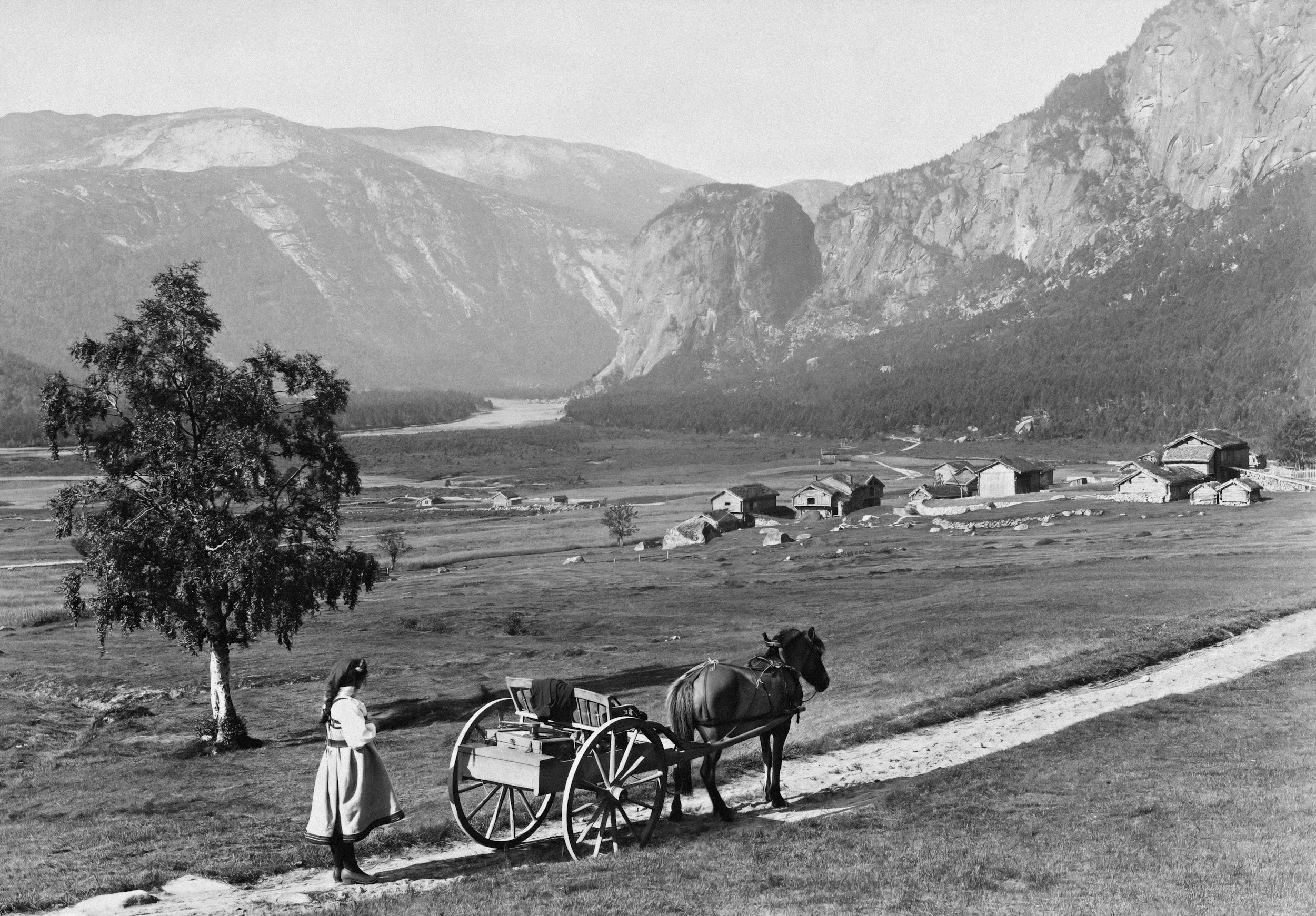


Do polar bears really roam the streets of Norway? Are all Norwegians blonde? Did Vikings wear horned helmets? Discover the truth behind the most common myths about Norway and Norwegians, from Viking stereotypes and lutefisk to the Northern Lights, oil wealth and Norwegian culture.