
Driving Distances in Norway: What Visitors Often Underestimate
Driving distances in Norway can be deceptive because kilometres alone tell you very little about how a journey will actually feel. Fjords, mountain roads, ferries, tunnels, narrow rural routes and seasonal conditions all affect travel time. This guide explains how to judge Norwegian driving days realistically, how far it makes sense to travel in one day, and how to build a road trip that leaves time for the places you came to see rather than spending the entire journey behind the wheel.
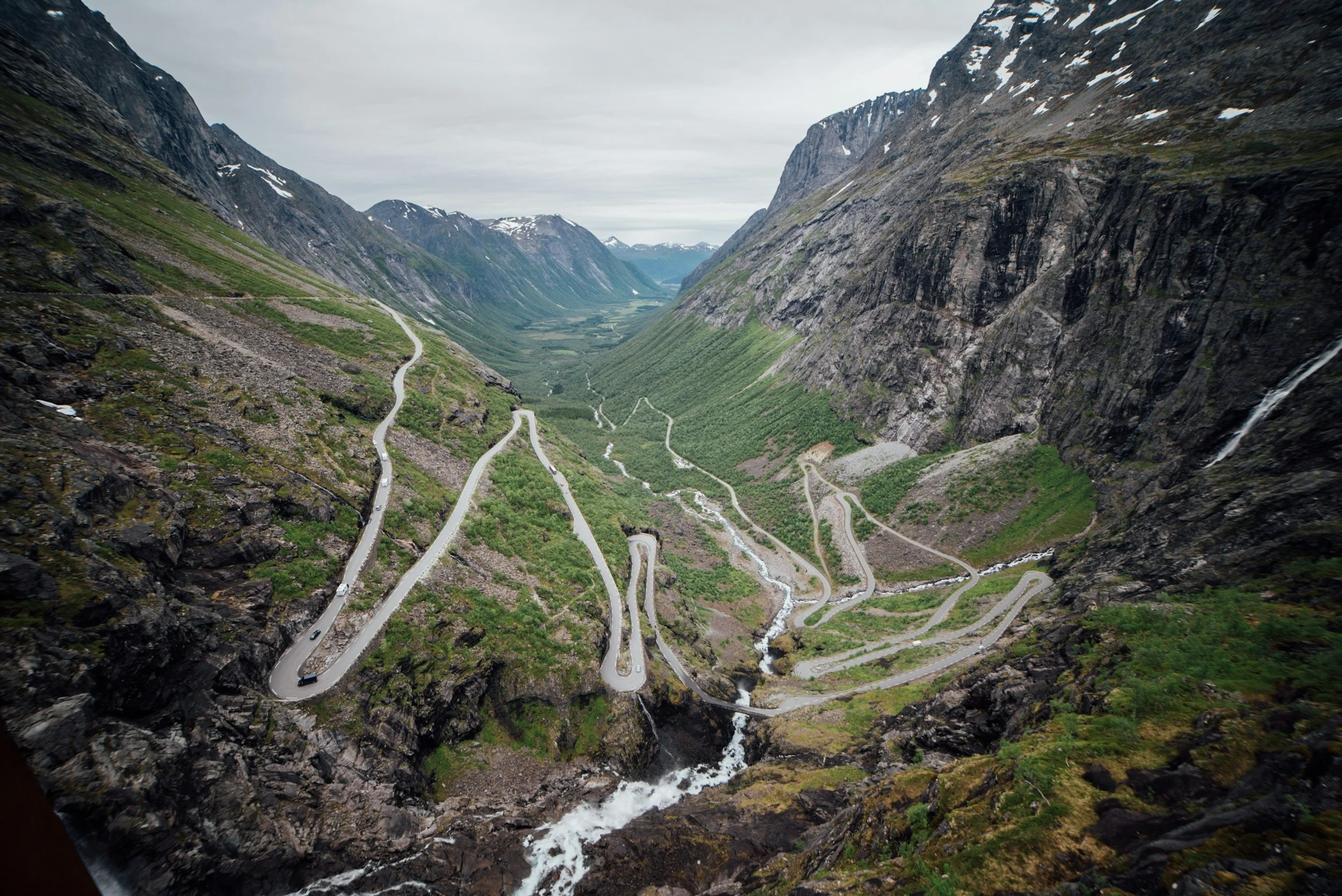
Driving Distances in Norway
Norway is a long country, but distance alone is rarely the best way to judge how much ground you can realistically cover in a day. A route of 250 kilometres can be an easy transfer on one part of the road network and a substantial sightseeing day somewhere else. What matters is not only how far you are travelling, but what kind of road lies between the two points.
This becomes particularly noticeable once you leave the main routes around the larger cities. Roads follow fjords, climb between valleys and cross mountain terrain rather than cutting directly through the landscape. In Western Norway, a journey may involve tunnels, narrow stretches of road and one or more ferries. In the mountains, the road itself may be slow and scenic enough that you want to stop repeatedly. In Northern Norway, relatively modest distances can take you through long stretches where the journey is part of what you came to experience.
Navigation apps are generally useful for estimating the actual driving time of a route, but that number should not be confused with the length of your travel day. Four hours behind the wheel can easily become six or seven hours between leaving one hotel and arriving at the next once you include a ferry, lunch, fuel or charging, viewpoints and the places you spontaneously decide are worth stopping for.
That distinction matters when building a Norway itinerary. A day with five hours of motorway driving is very different from five hours along a fjord road where you plan to visit waterfalls, take a ferry and stop at several viewpoints. Both may appear as five-hour journeys on the screen, but only one leaves much room for anything else.
This guide is therefore less about setting a universal limit on how many kilometres you should drive each day and more about understanding what those kilometres represent. We will look at how road type, geography, ferries, seasons and the purpose of the day change what is realistic, as well as when a long driving day makes sense and when reducing the distance will give you a better trip.
For the wider practicalities of travelling by car, including Norwegian road rules, tolls, ferries and general driving advice, Driving in Norway: Everything You Need to Know covers the basics separately. Here, the focus is on building realistic travel days and understanding why two Norwegian routes of similar length can feel completely different.
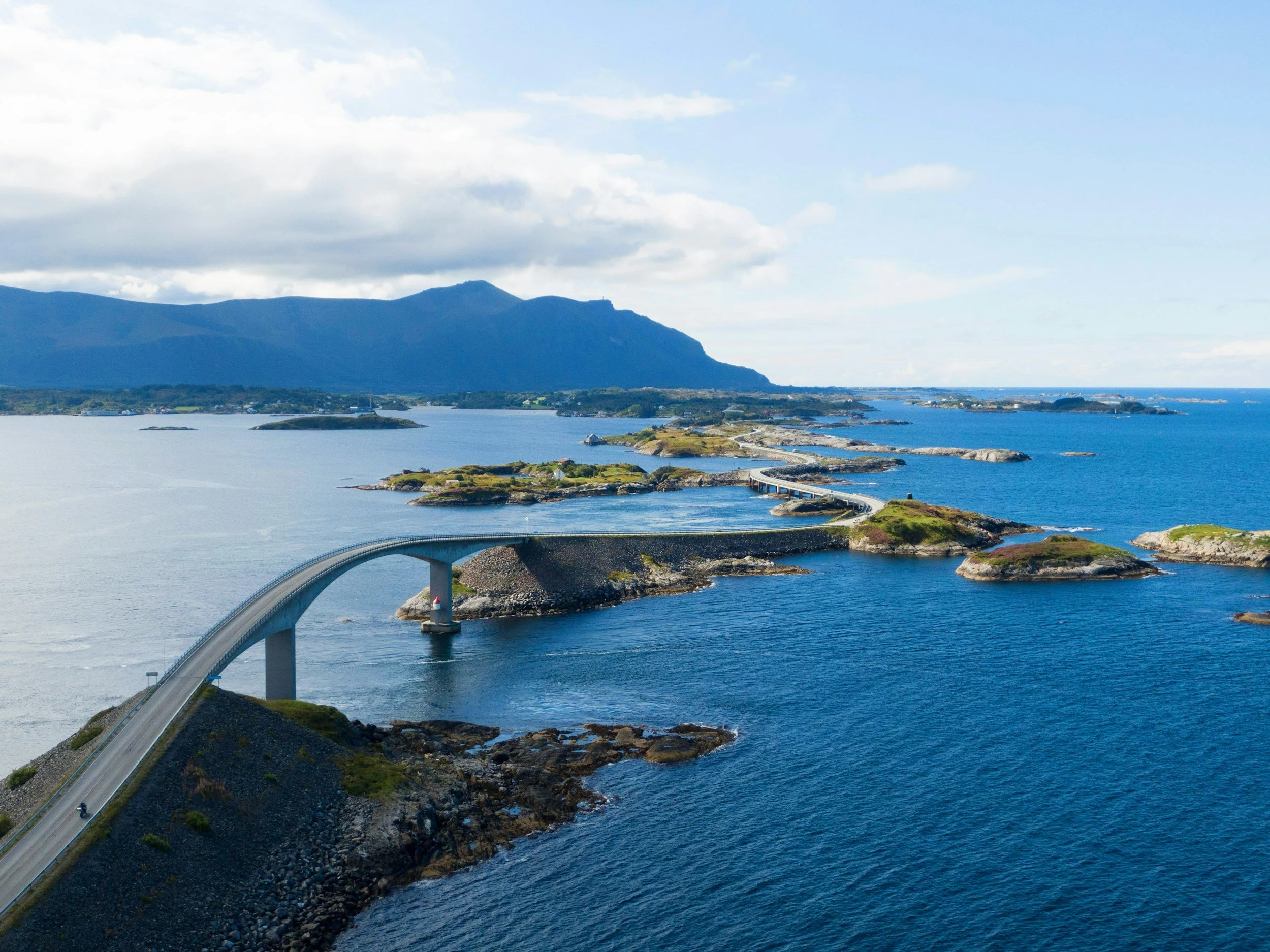
Why Driving in Norway Takes Longer Than the Kilometres Suggest
The main reason Norwegian road trips take longer than visitors expect is not that the roads are poor. It is that the road network has been built around a landscape that rarely allows direct travel.
In flatter parts of Europe, a journey of several hundred kilometres may involve long stretches of motorway where speed remains relatively constant. Norway works differently. Even when two places appear close on a map, the road between them may need to follow the edge of a fjord, climb through a valley, pass through a series of tunnels or cross the water by ferry before continuing on the other side.
This is particularly noticeable in Western Norway. A destination that appears almost directly across a fjord may require a long drive around the water or a ferry crossing. Roads can narrow as they pass through villages or follow steep terrain, and frequent bends naturally reduce average speed. Tunnels can shorten what would otherwise be very long routes, but they do not turn the region into a high-speed road network.
Mountain areas create a different kind of travel day. The road may cover fewer kilometres than a major intercity route, but elevation changes, curves and scenic sections make progress slower. These are also the roads where you are more likely to stop. A viewpoint, waterfall, mountain plateau or short walk can easily add half an hour or more, and several small stops gradually transform a short drive into most of the day.
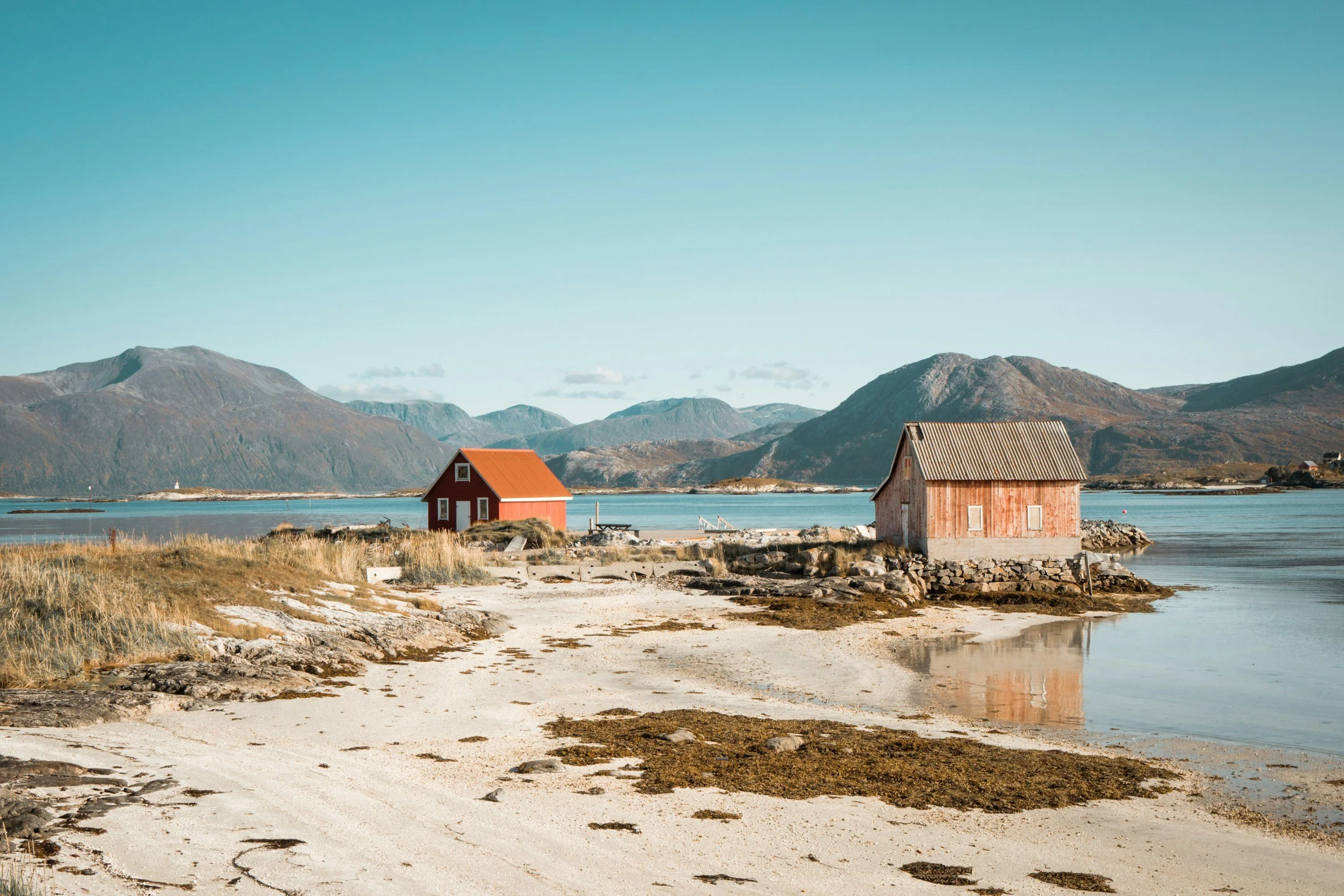
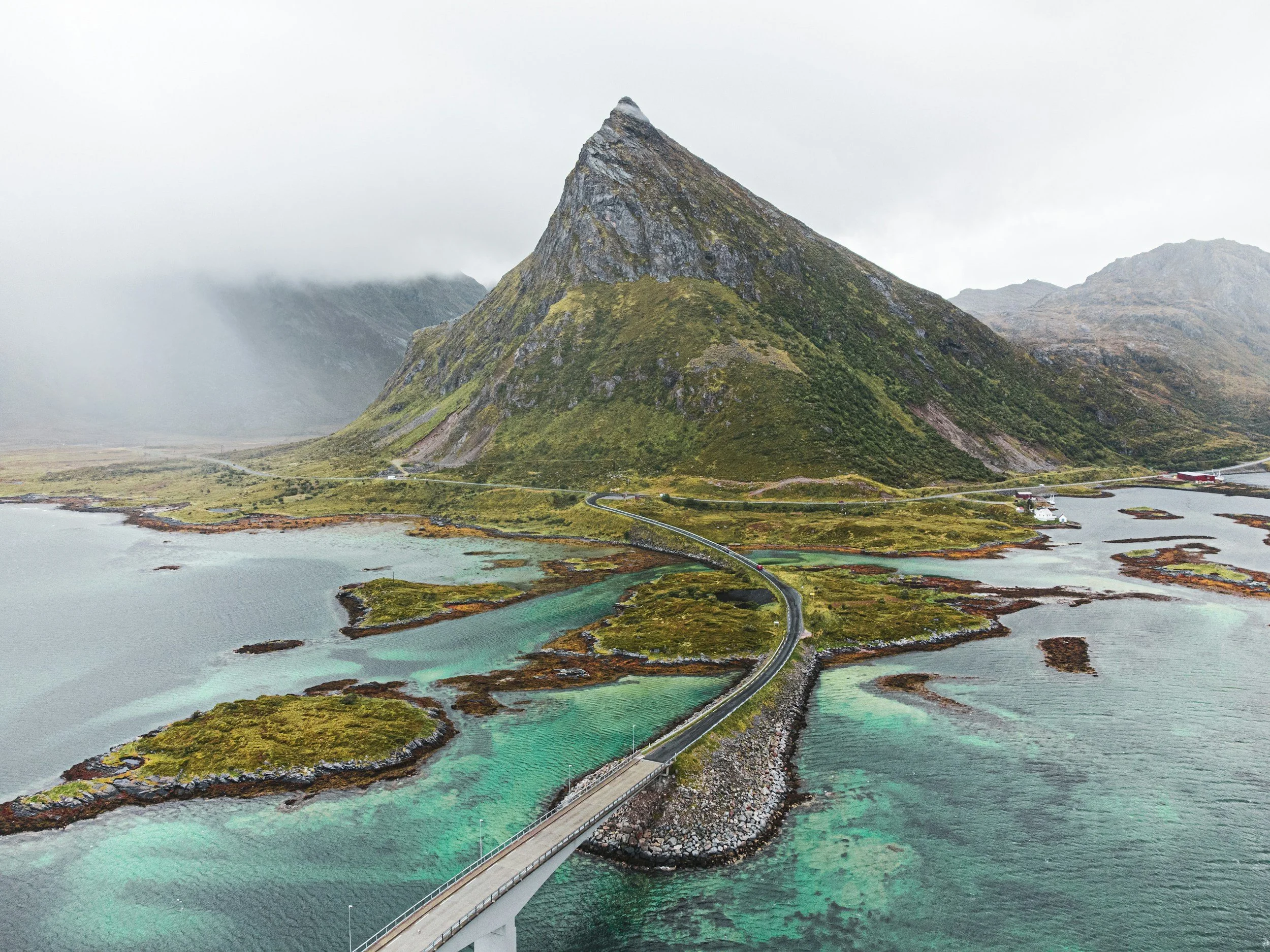
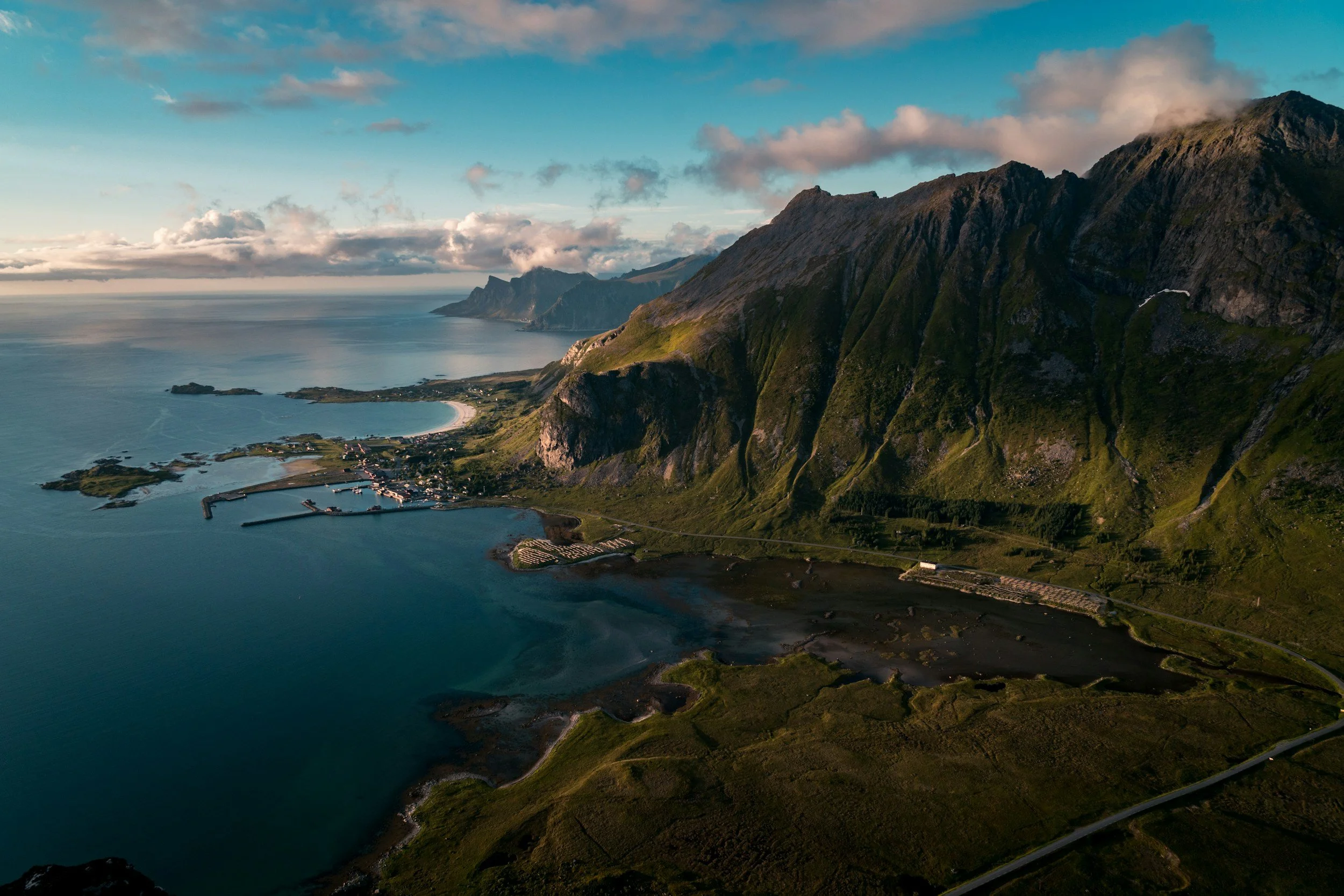
Northern Norway has its own version of the same problem. Distances between places can look manageable, but the road often follows the coastline through islands, fjords and exposed landscapes rather than taking the most direct line. In areas such as Lofoten, the number of kilometres you cover in a day can be surprisingly small because the experience is not simply about moving from one village to the next. The beaches, fishing villages, viewpoints and changing light are part of the journey itself.
Even on faster routes, Norwegian driving days often contain more variation than the kilometre count suggests. Speed limits change frequently as roads pass through settlements, around difficult bends or between different road standards. Agricultural traffic, cyclists, roadworks and slower vehicles can also affect progress, particularly on smaller roads where overtaking opportunities are limited.
This is why the same distance can mean very different things depending on where you are driving. Two hundred kilometres on a major road in Eastern Norway may be a straightforward transfer. Two hundred kilometres through the fjords, across a mountain region or around an island chain may be the main activity of the day.
The most useful habit is therefore to stop asking only, “How many kilometres is it?” and start asking, “What kind of road is it, and what do I want to do along the way?” That question gives you a far more realistic idea of how the day will actually feel.
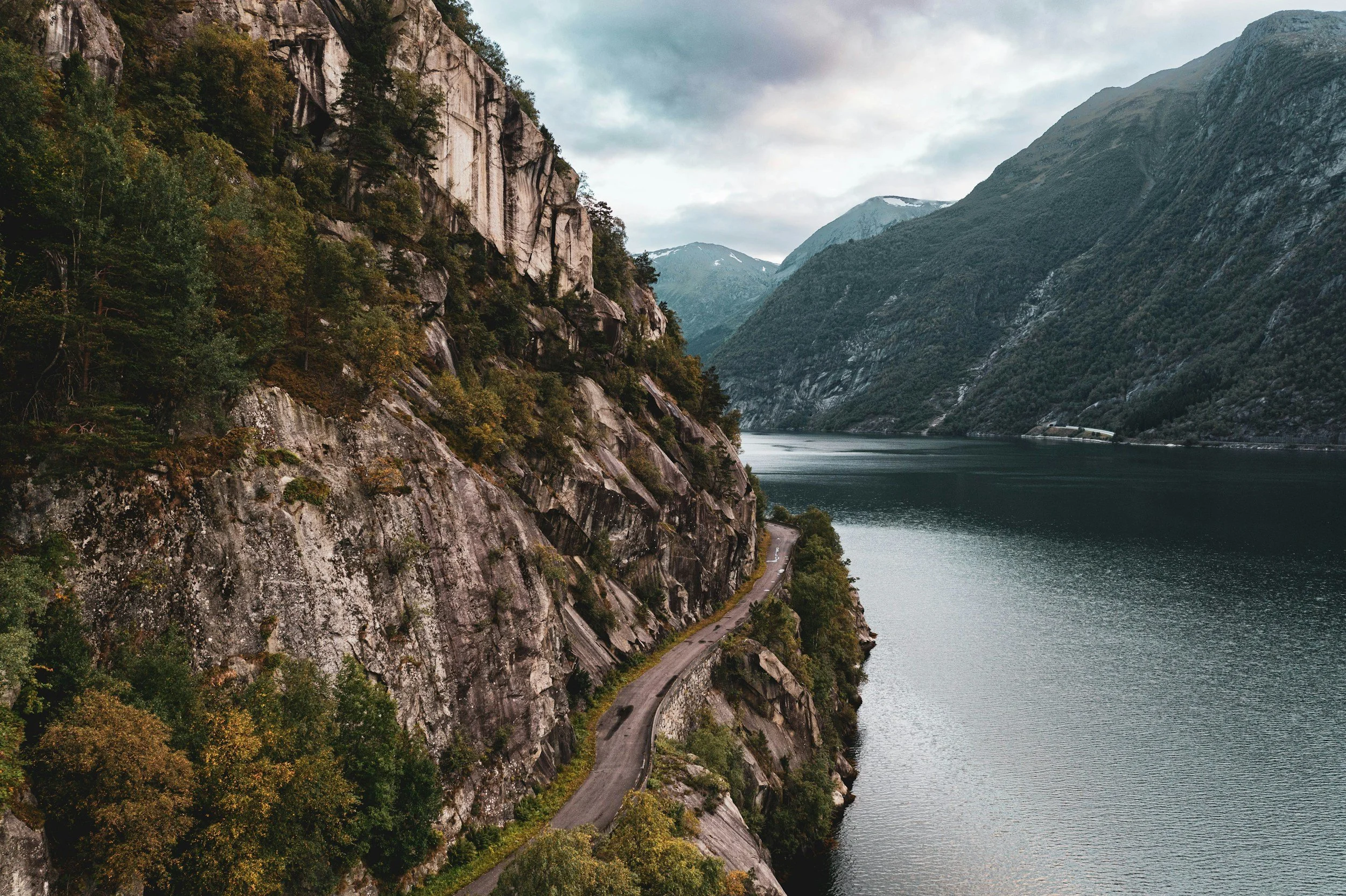
The Route Matters More Than the Distance
Two routes of the same length can create completely different travel days in Norway. This is why planning by kilometres alone rarely works well. The road type, landscape and purpose of the journey matter far more than the number you see on the map.
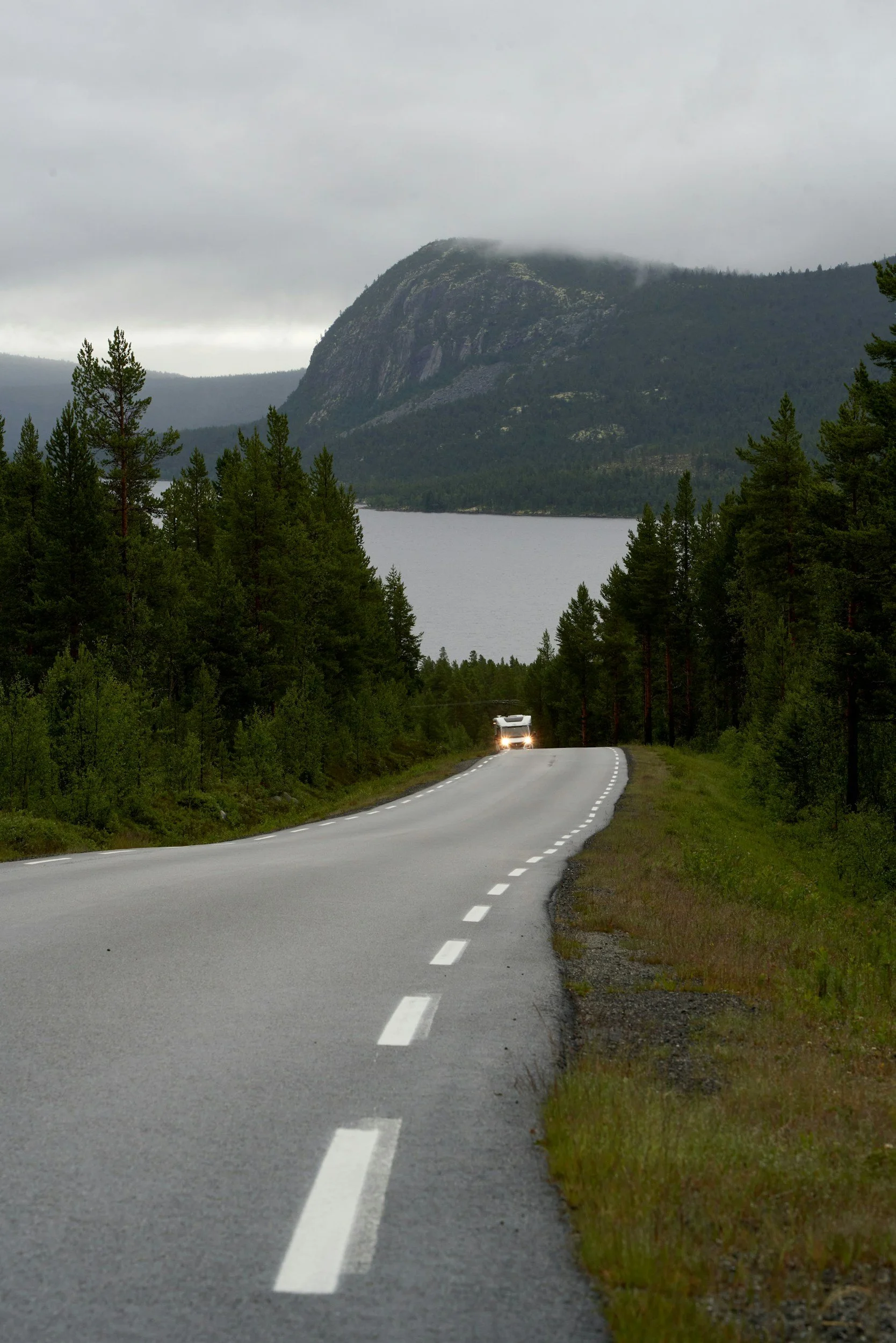
In Eastern and parts of Southern Norway, longer distances are often easier to cover. Routes between larger towns tend to include more stretches of higher-standard road, fewer ferry crossings and less dramatic elevation change. A 250-kilometre drive here may feel relatively straightforward, particularly if the day is mainly about getting from one place to another.
Western Norway is different. The fjords break up the landscape, and roads frequently follow the water rather than taking a direct line between destinations. A route may include tunnels, ferries, narrow village roads and long sections where the scenery makes you want to stop repeatedly. This is one reason a relatively short journey through the fjords can take most of the day without ever feeling like a particularly long drive. If you are still deciding which part of the west coast to explore, The Different Fjord Regions of Norway helps explain how the main fjord areas differ and how they fit together geographically.
Mountain Norway creates another kind of travel rhythm. Routes through areas such as Valdres, Jotunheimen and Rondane can be slower because of curves, elevation and seasonal road conditions, but they also tend to be journeys where the road itself is part of the experience. You may cross a mountain plateau, stop at a viewpoint, take a short walk or simply spend more time outside the car than expected. Mountain Norway: Jotunheimen, Rondane, Valdres and Beyond gives a broader overview of these regions if you are considering a road trip through the interior.
Northern Norway can look deceptively compact on a map, especially around islands and coastal regions. In practice, roads often trace the shape of the coastline, pass through small settlements and cross stretches where driving itself becomes part of the sightseeing. Lofoten is a good example. The distances between villages are not enormous, but trying to cover the archipelago quickly misses the point. Beaches, fishing villages, viewpoints and changing weather all add time naturally, and most travellers will want to stop far more often than a navigation estimate assumes.
Further north, distances between destinations can also become genuinely large. A road trip through Northern Norway often combines long transfer days with shorter local exploration days, and treating every day as if it should cover the same number of kilometres usually produces an unbalanced itinerary. Northern Norway Travel Guide is useful if you are still working out which parts of the north belong together and how much ground is realistic to cover.
The key is to think in terms of route character rather than distance. A long drive on a main road may be easier than a much shorter scenic route through the fjords. A mountain road may cover few kilometres but still fill the day. A coastal route may be technically simple but become slow because every stop is part of the experience.
Before deciding whether a driving day is realistic, look at the road itself and ask what kind of journey it is. Is this a transfer day, a scenic day, a mountain crossing or a day where you expect to stop frequently? Once that is clear, the kilometre count becomes much easier to interpret.
Ferry Crossings and Travel Time
Ferry crossings are an important part of many road journeys along the Norwegian coast, particularly in Western and Northern Norway. They connect sections of the road network across fjords and sounds, and on many routes they are simply part of getting from one place to another.
From a planning perspective, the crossing itself is only part of the time involved. You also need to reach the quay, wait for boarding and continue once the ferry arrives on the opposite side. On routes with frequent departures, this may add very little to the day. On less frequent services, arriving just after a departure can mean a considerably longer wait.
This becomes more noticeable when several crossings are included in the same journey. A route may not involve a particularly large number of kilometres, but two or three ferries can change the rhythm of the day and make precise arrival times difficult to predict. During the main summer season, queues can also develop on popular coastal routes, adding further uncertainty.
Navigation apps generally include scheduled ferry crossings when calculating a route, but it is still worth checking the individual services before setting out, particularly when a crossing has limited departures or when you need to reach a booked activity or accommodation by a specific time.
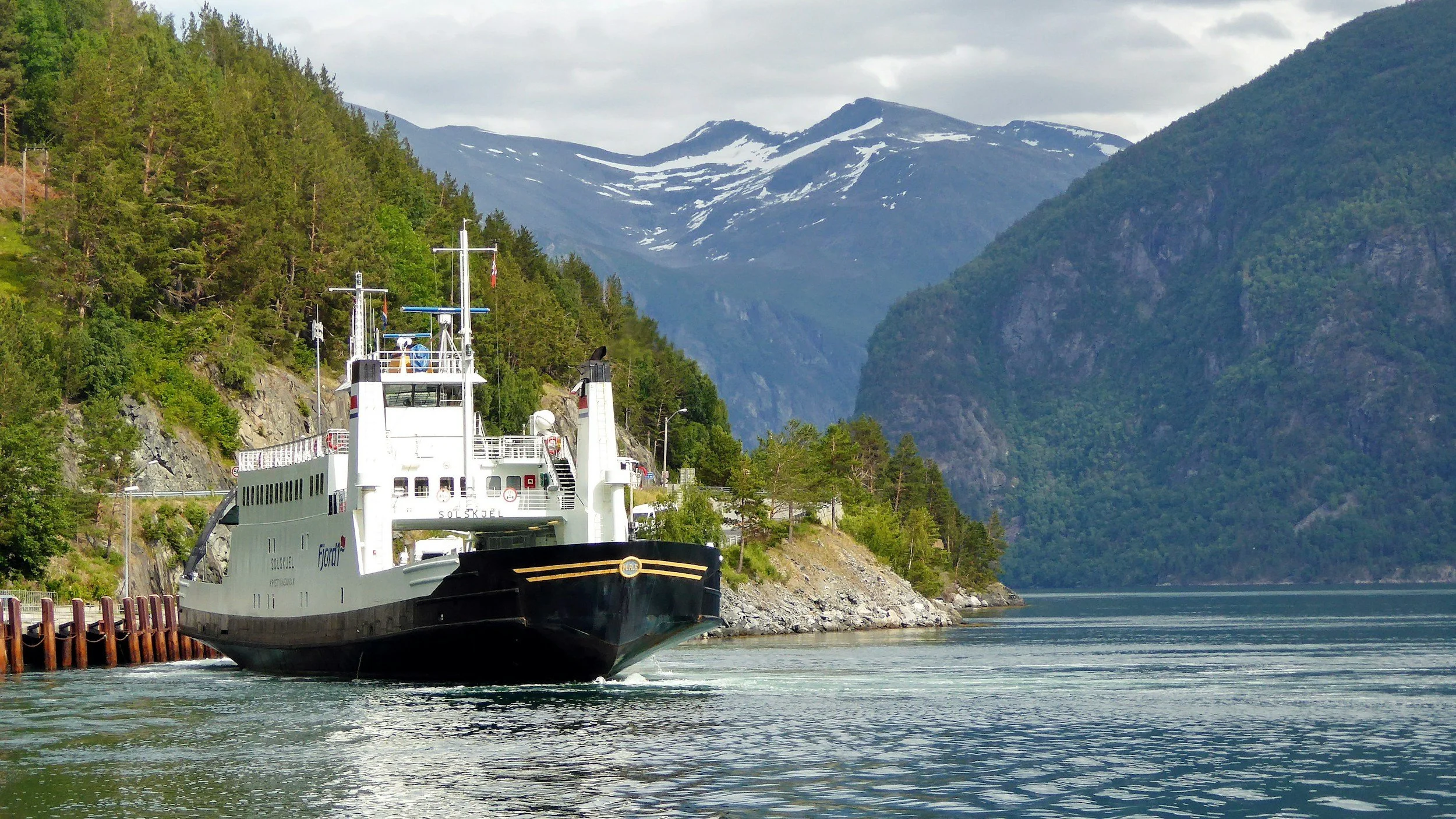
Ferry crossings form an integrated part of Norway’s road infrastructure and should be factored into realistic driving schedules.
Ferries also create natural pauses in a longer driving day. The driver gets a break from the road, and on many fjord crossings the journey itself offers views that would otherwise be difficult to experience from land. For that reason, the time spent on the ferry does not necessarily feel like additional driving time, even though it still needs to be included in the day's schedule.
When a route includes ferries, the useful figure is therefore not simply the number of kilometres between two destinations. The frequency of the crossings, expected waiting time and number of connections all help determine how much of the day the journey will actually take.
What Norwegian Driving Times Look Like in Practice
Looking at real routes makes the difference between distance and travel time much easier to understand. The important point is not that driving in Norway is always slow, but that journeys of similar length can behave very differently depending on the road network and landscape.
The drive between Oslo and Bergen, for example, takes around seven hours by the shortest main routes. That is a perfectly realistic journey to complete in one day if the purpose is simply to travel between the two cities. It becomes a very different day if you choose a more scenic route, stop in the mountains, take time for lunch and viewpoints, or use the journey as part of the holiday rather than as a transfer.
Along the west coast, relatively modest distances can require considerably more time. Bergen to Ålesund is roughly a seven-and-a-half-hour journey by the shortest main route, while Stavanger to Bergen is around four hours and fifty minutes. These are not enormous distances by European road-trip standards, but the geography of Western Norway means the road cannot simply follow a fast, direct line up the coast.
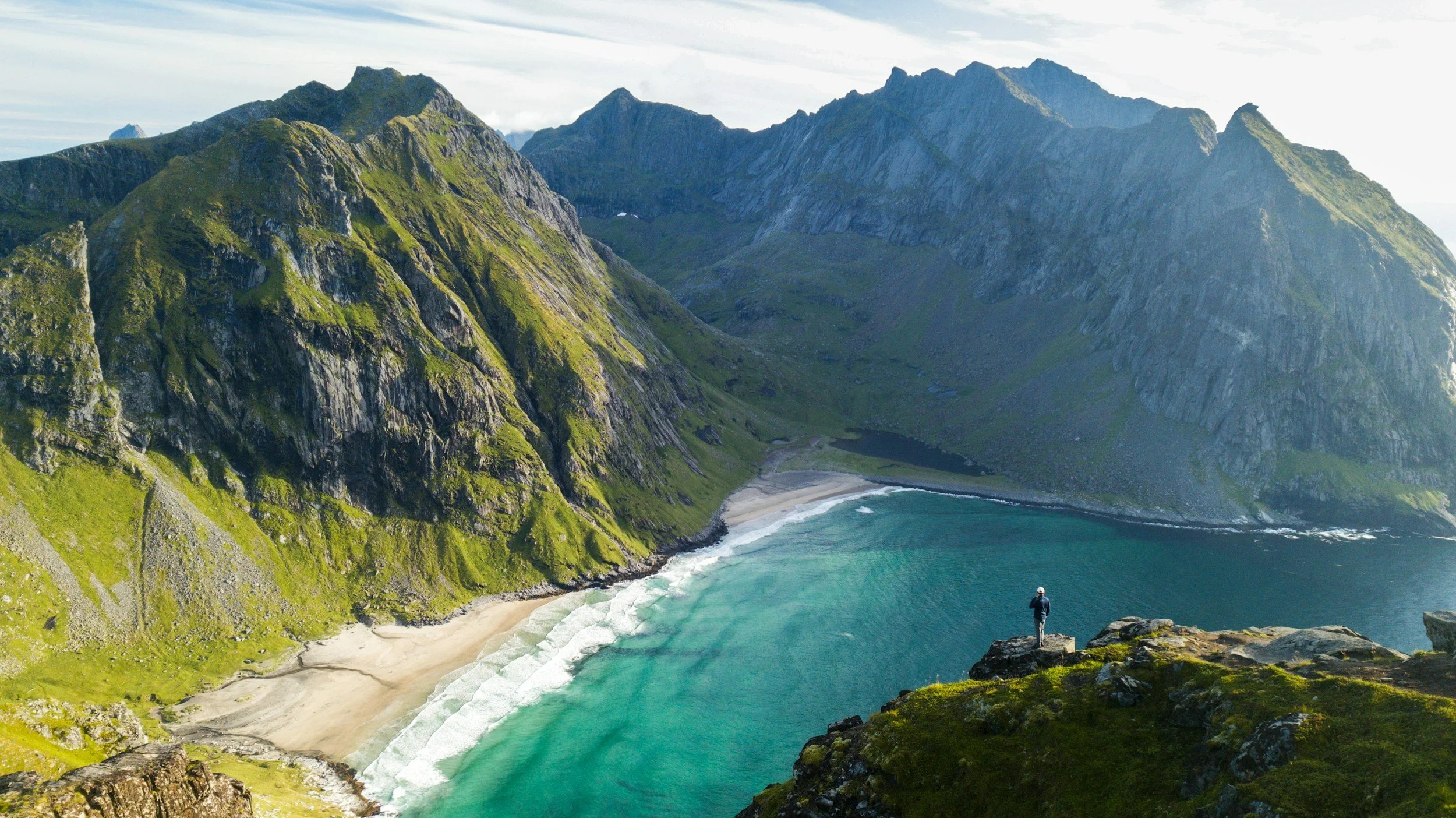
Remote landscapes such as Kvalvika are best experienced without haste, a reminder that time is one of the most valuable elements in a Norwegian itinerary.
The contrast becomes even clearer further north. Bodø to Tromsø takes around eight hours and fifteen minutes, while Tromsø to Nordkapp is approximately nine hours. These are entirely possible driving days, but they leave little room for meaningful sightseeing if completed as direct transfers. Trying to combine the same journey with beaches, viewpoints, villages or short walks changes the calculation completely.
Some routes illustrate this particularly well because the road itself is the reason for travelling. The Geiranger–Trollstigen area can technically be driven through within a day, but Visit Norway recommends allowing several days if you actually want to explore the surrounding landscape. The same principle applies to many of Norway's scenic routes: the navigation time tells you how long it takes to move through them, not how much time the destination deserves.
Kystriksveien between Trondheim and Bodø is an even stronger example. It is possible to cover the coastal route quickly, but the official tourism guidance recommends allowing around five to seven days if the purpose is to stop and experience the coastline rather than simply pass through it.
These examples are more useful than applying a fixed rule such as “200 kilometres equals a full day”. Sometimes 300 kilometres is a straightforward transfer. On another route, 150 kilometres may include a ferry, a mountain road, several viewpoints and the place you most wanted to visit that day.
When evaluating your own itinerary, use the navigation estimate as the starting point rather than the finished schedule. Then look at what lies between departure and arrival. If the route itself contains places you want to experience, those hours belong in the itinerary just as much as the time spent behind the wheel.
How Far Should You Drive in a Day?
There is no single daily distance that works well everywhere in Norway. The more useful question is what kind of day you are planning and how much of it you want to spend in the car.
On a transfer day, where the main purpose is simply to move from one region to another, five or six hours of driving can be entirely reasonable for many travellers. Longer days are possible too, but they should be the exception rather than the structure of the whole trip. A long transfer can work well if it allows you to spend several nights in the next place rather than changing accommodation again the following morning.
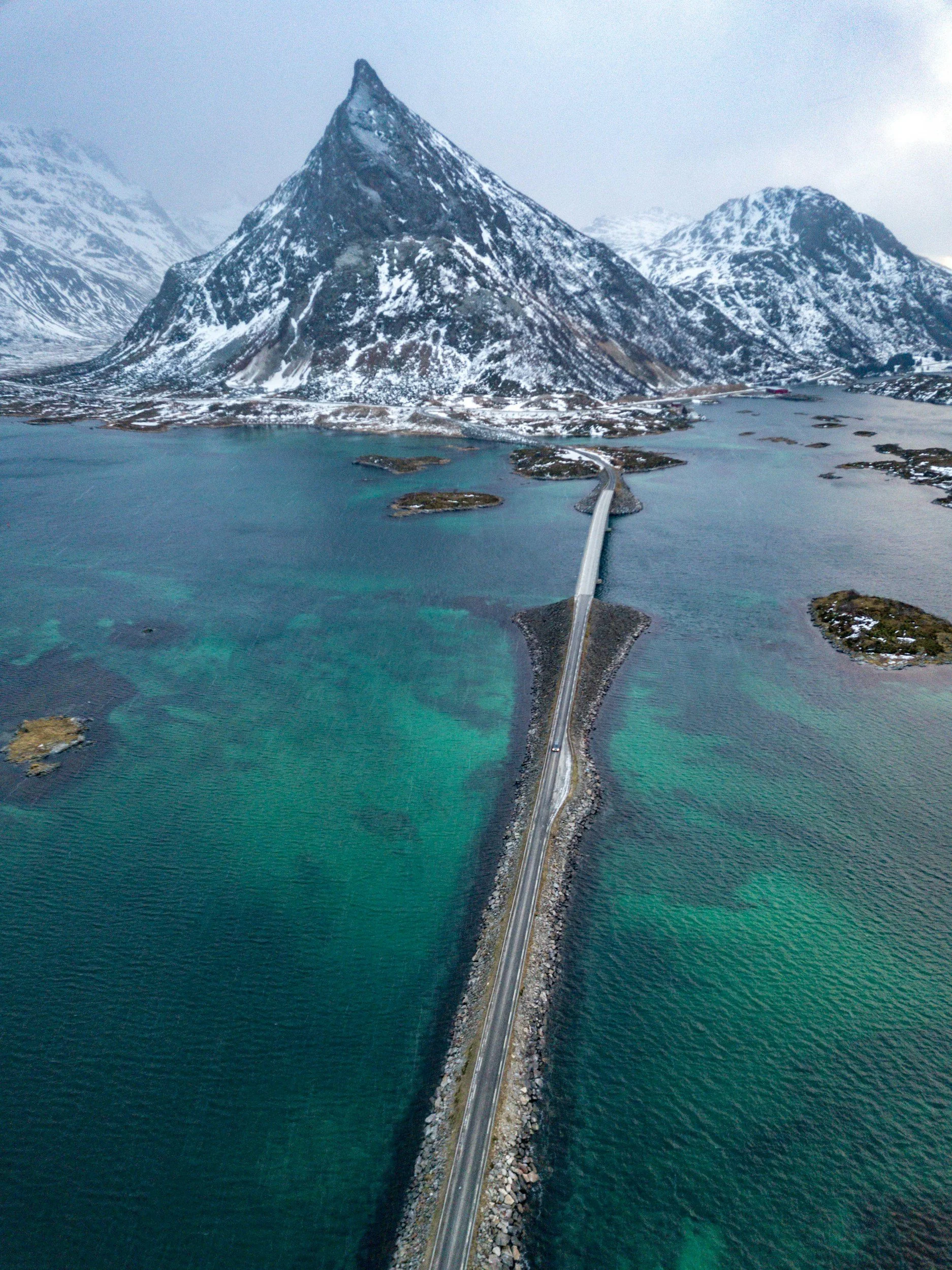
A scenic driving day should usually contain less driving. If the route includes fjords, mountain roads, beaches, viewpoints, villages or short walks, the stops are part of the plan rather than delays. Two or three hours of actual driving can easily fill much of the day once the route itself becomes part of what you are there to experience.
The same applies when driving is combined with a major activity. Planning a four- or five-hour drive on the same day as a long hike, glacier excursion or other fixed activity can make the itinerary unnecessarily demanding. In those cases, it is often better to keep the driving relatively short and let the activity define the day.
Winter requires a more conservative approach. Reduced daylight, snow, ice and changing road conditions can make a route more tiring and less predictable than the same journey in summer. A distance that feels comfortable in July may not be the distance you want to cover in January. Driving in Norway in Winter: Laws, Tyres, Road Conditions and What Travellers Must Know goes into the practical differences in more detail.
It is also worth considering how many consecutive driving days the itinerary contains. A single six-hour transfer is very different from spending five or six hours in the car every day for a week. Even if each individual route is technically manageable, the trip can quickly start to feel dominated by logistics.
For most road trips, a better rhythm is to alternate longer transfer days with shorter local days or days without significant driving at all. That gives you room to explore from a base rather than constantly moving on, and it reduces the pressure to make every stop fit around the next hotel check-in.
The aim is not to minimise driving. In Norway, some of the best journeys are long ones. The important part is making sure the time behind the wheel matches the purpose of the day and does not consistently replace the time you intended to spend outside the car.
How to Plan a Realistic Driving Day
The easiest way to plan a driving day in Norway is to work from the route itself rather than the number of kilometres.
Start by looking at the estimated driving time, then check what the route actually contains. A journey on a major road with few planned stops can be treated very differently from one that passes through fjord country, includes a ferry, crosses a mountain area or follows a scenic road where you are likely to stop repeatedly.
Next, add the parts of the day that are not included in the basic driving estimate. That may be lunch, fuel or charging, a ferry crossing, a walk, a viewpoint or a place you already know you want to visit. These are not small details around the journey. They are part of the journey and should be given their own time.
It also helps to decide what the day is for. If it is a transfer day, a longer stretch of driving can be completely reasonable. If it is a sightseeing day, a shorter route usually gives you more room to actually experience the places you are travelling through. Problems tend to arise when a day is planned as both at the same time.
Before setting out, check current road and traffic information rather than relying only on the route you planned weeks earlier. This matters especially when weather, roadworks, ferries or seasonal road conditions could affect the journey.
Try to leave some margin before anything with a fixed start time. A booked activity, restaurant reservation or ferry connection immediately after a long drive makes the entire day more fragile. Even a small delay can then affect everything that follows.
If you find that several days in a row consist mainly of long transfers, it is often a sign that the itinerary is trying to cover too much. Norway Road Trip Planning can help with structuring the wider journey so that longer driving days are balanced by time spent in each region.
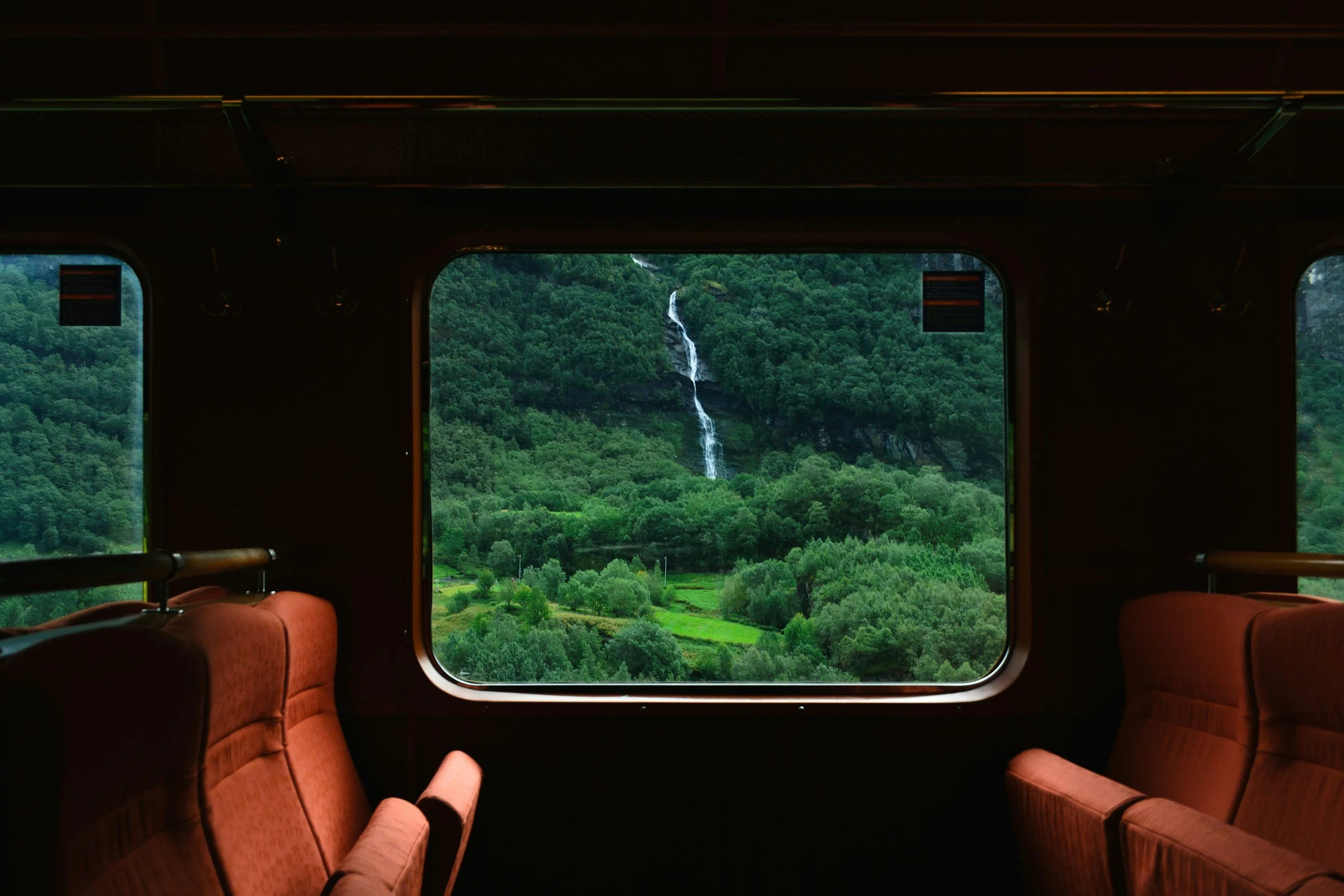
It is also worth asking whether every long transfer actually needs to be driven. Between some larger destinations, taking the train can be more comfortable and allow you to rent a car later, when having one genuinely improves access to the places you want to explore. Norway Train Travel Guide covers the main routes and where rail travel can fit naturally into a wider itinerary.
A realistic driving day is not necessarily a short one. It is simply a day where the time spent on the road, the places you want to stop and the rest of the itinerary all fit together without depending on everything going perfectly.
Final Words
Driving distances in Norway make more sense once you stop treating the journey as a calculation of kilometres alone.
Some days are best used to move between regions. Others are worth slowing down for because the road passes through fjords, mountains, villages and landscapes that are part of the reason for travelling in the first place. The mistake is not driving a long distance. It is planning every day as though the time between two destinations is simply something to get through.
A realistic road trip leaves room for both kinds of days. Longer transfers can be useful when they create more time in the places that matter, while scenic routes deserve enough space for stops, ferries, walks and the unexpected places you decide not to drive past.
In Norway, the road is often part of what you came to see. Planning with that in mind makes the journey feel less rushed, more flexible and far more connected to the landscape you are travelling through.
More articles about Norway:
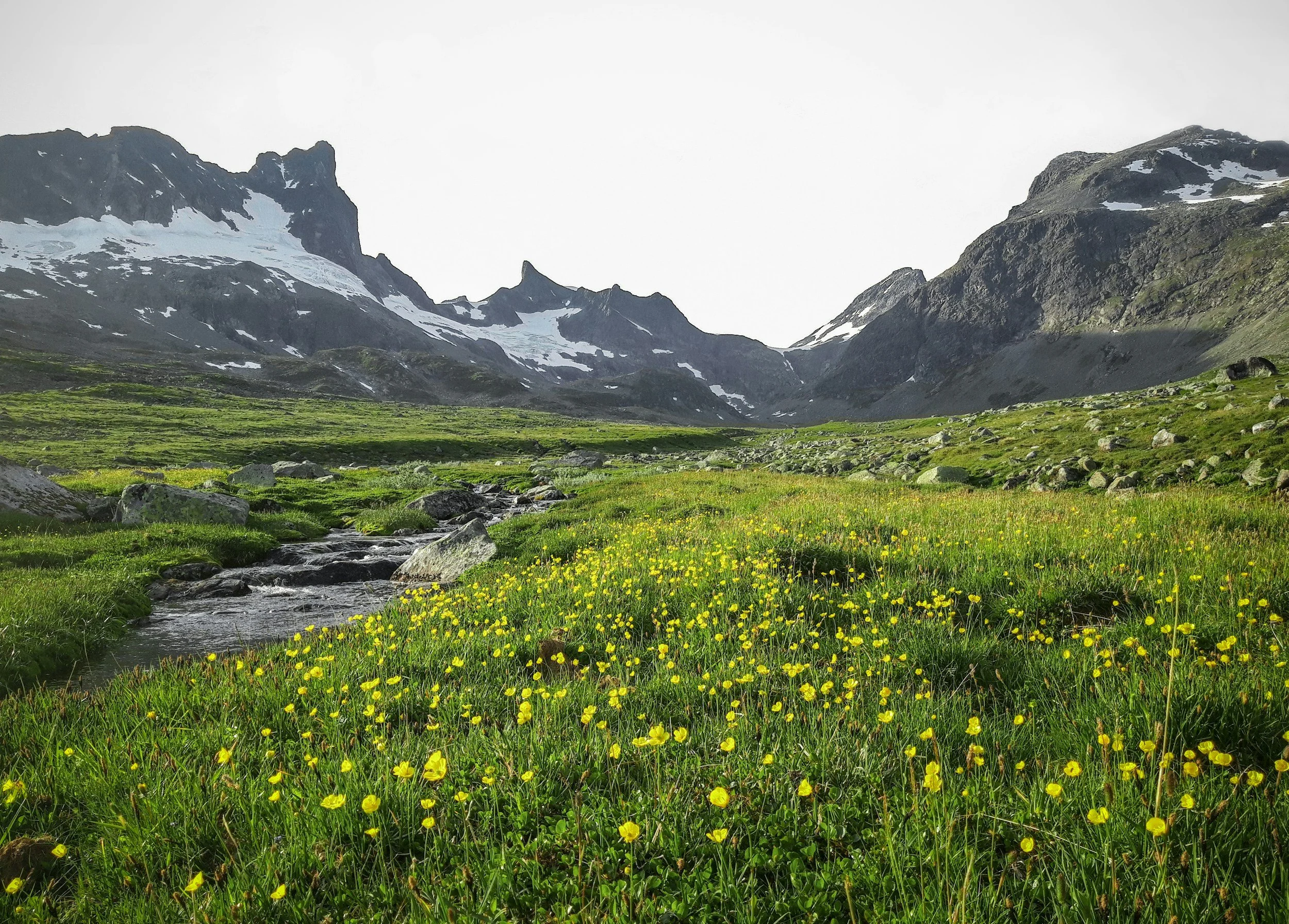
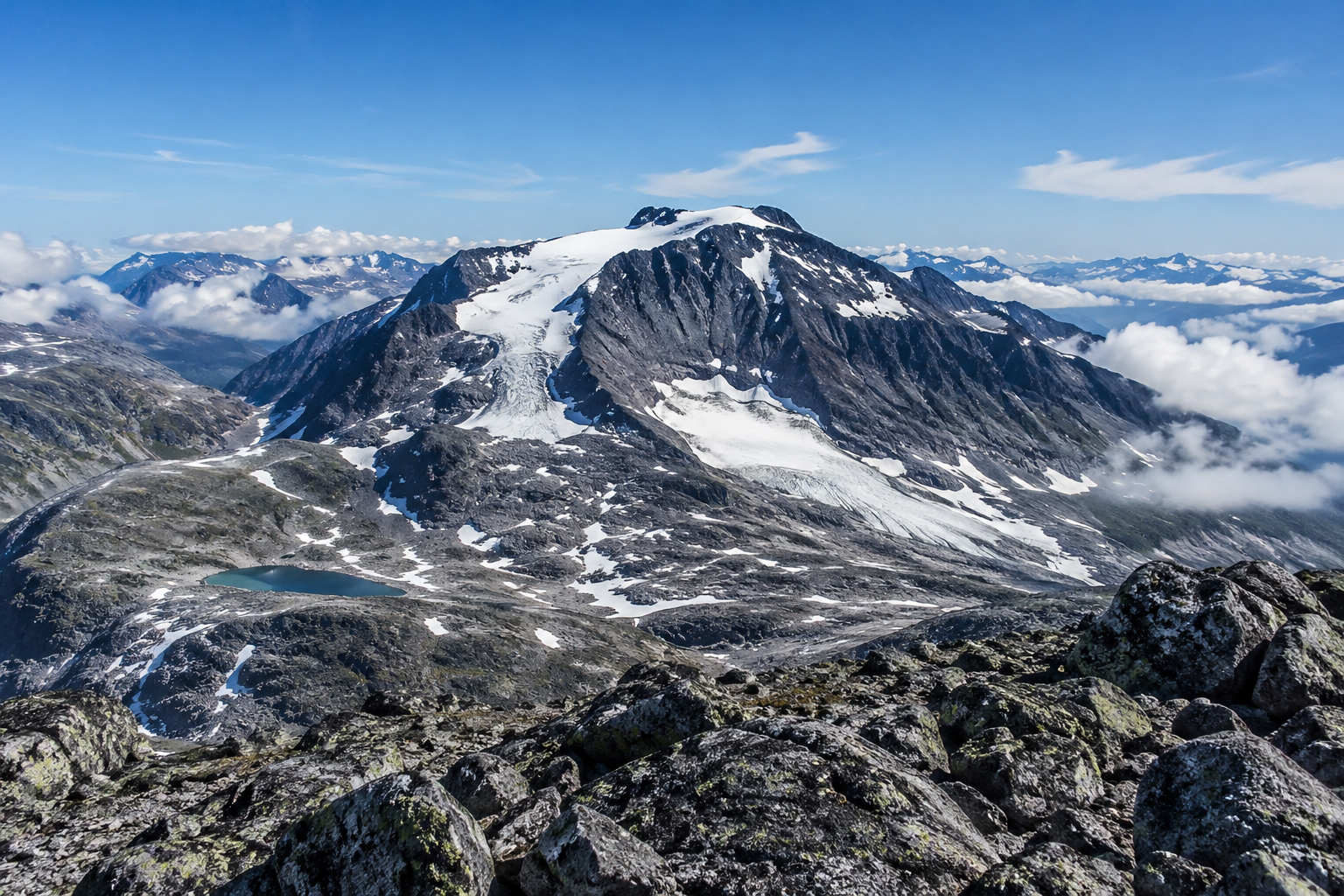
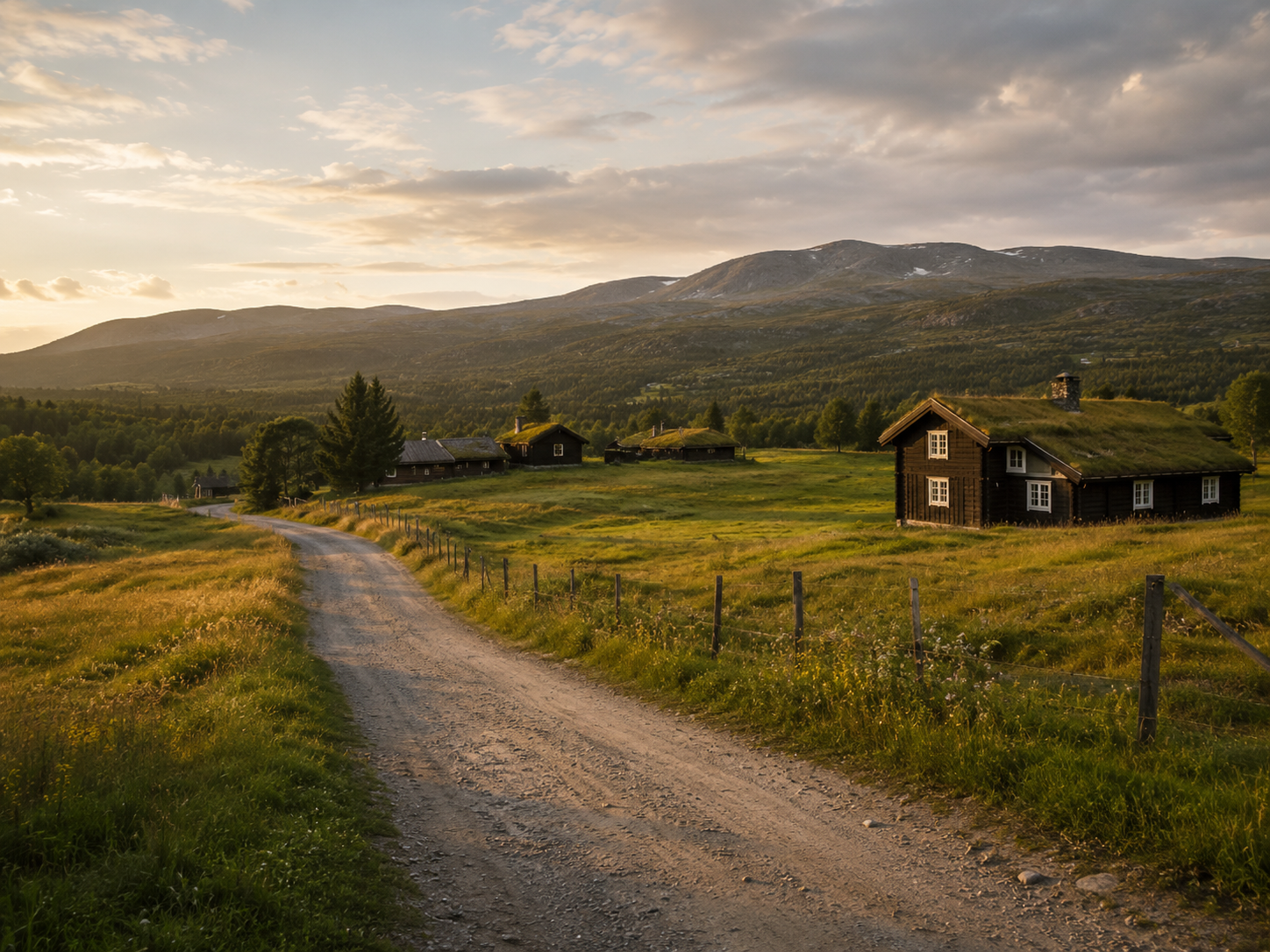



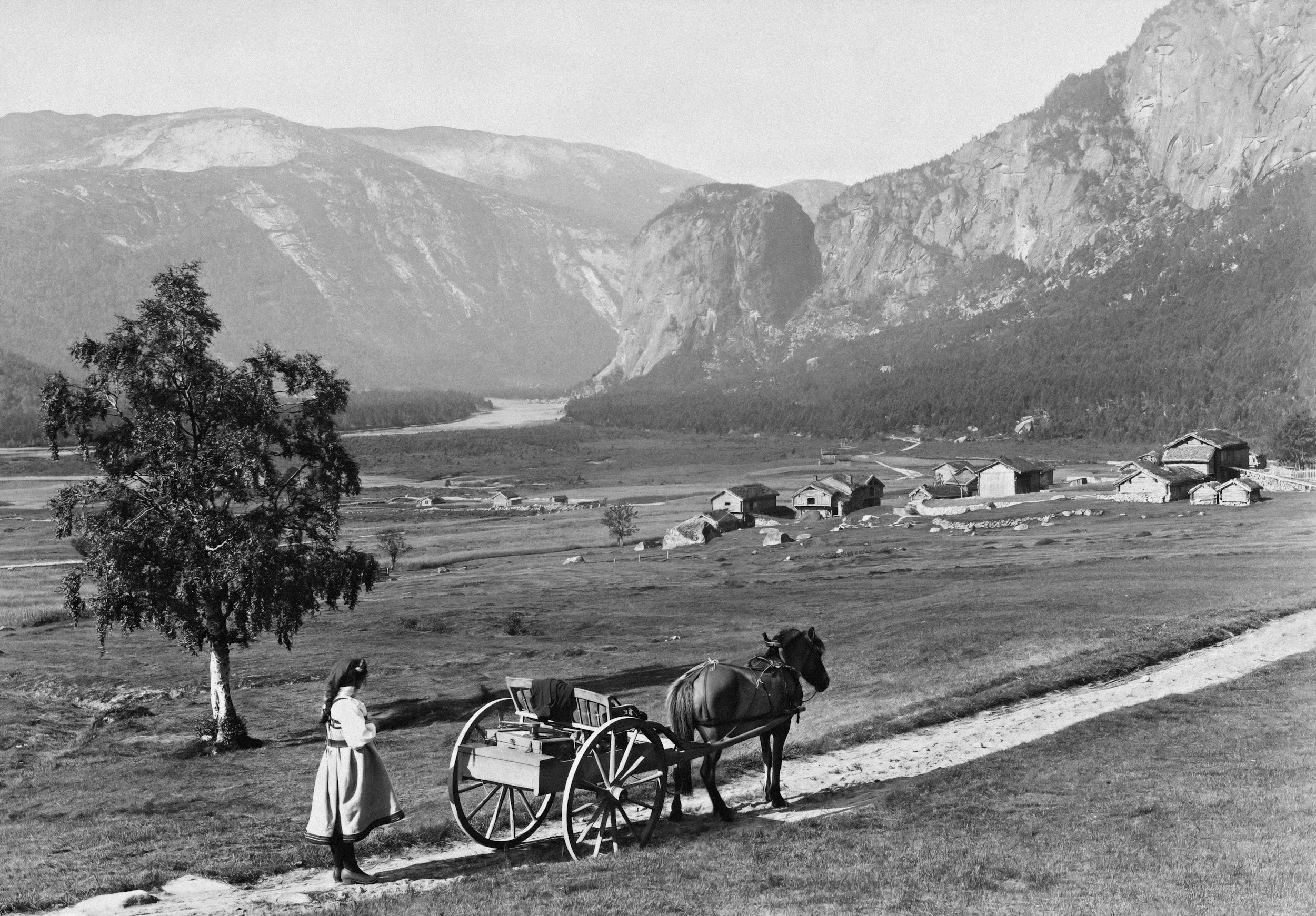




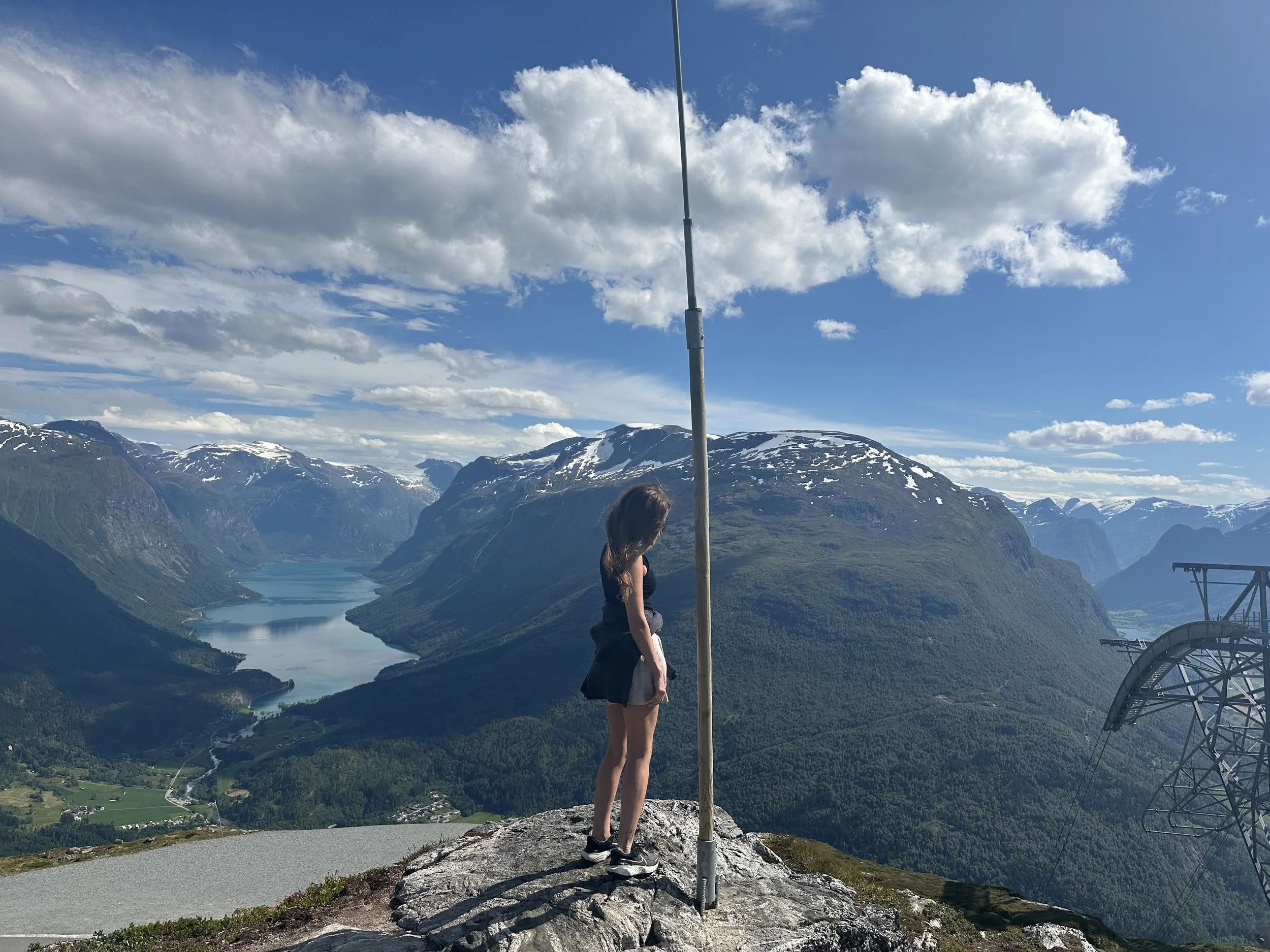



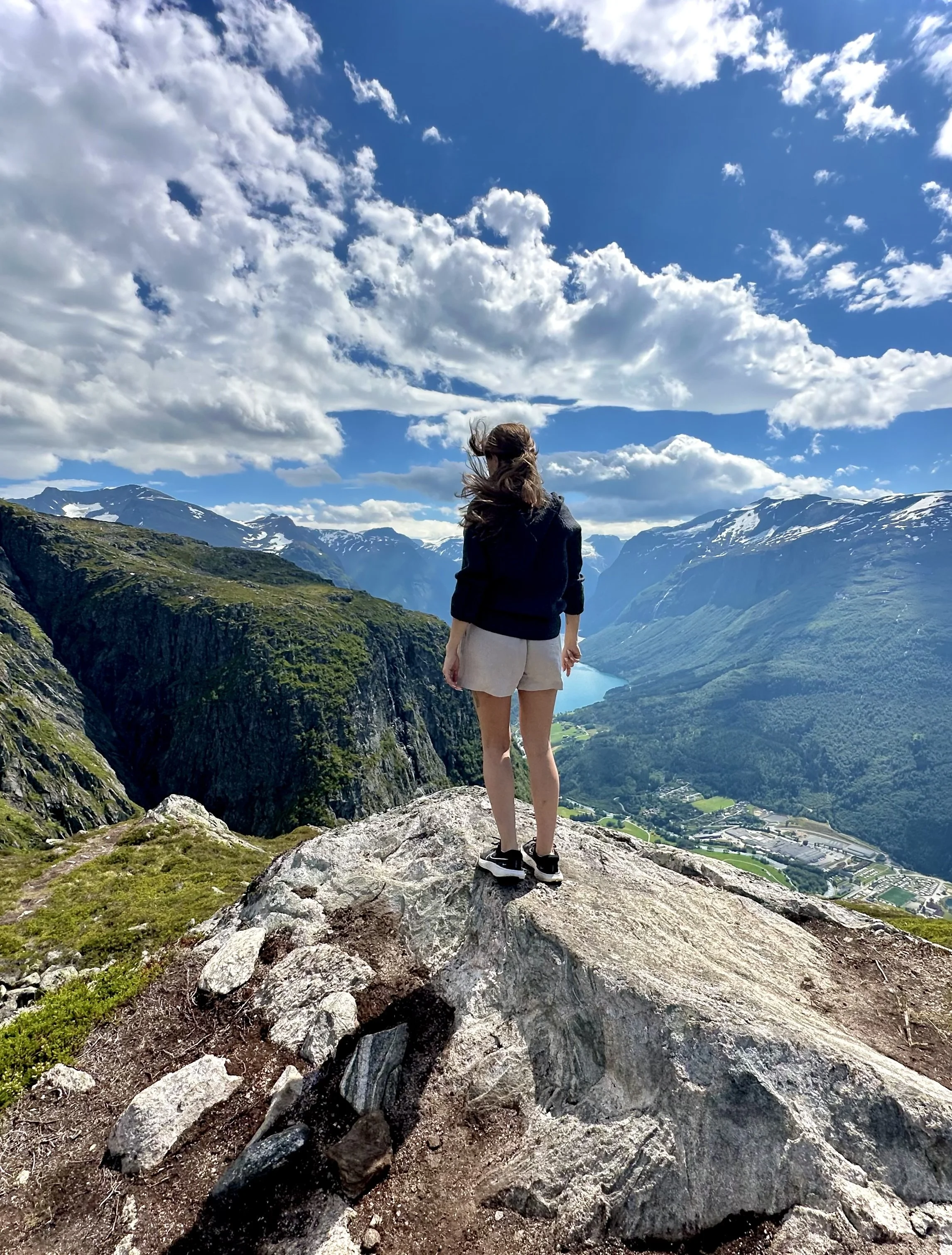
Explore Mountain Norway on a 10-day road trip through Valdres, Jotunheimen and Rondane, with scenic mountain roads, traditional summer farms, Besseggen and Galdhøpiggen along the way.