
Western Norway Travel Guide: Fjords, Routes and How to Plan Your Trip
Western Norway is where most travellers begin when they imagine Norway.
This is the fjord landscape: deep inlets cutting into the land, steep valleys rising from the water, and coastal routes that shape how you move through the country.
What is less obvious until you arrive is how quickly plans shift. Distances take longer than expected, weather changes fast, and routes depend as much on ferries and terrain as on roads.
This guide focuses on how to approach Western Norway: where it is, how to travel through it, and what to realistically expect.
What is Western Norway known for?
Western Norway is known for its fjords, steep landscapes, coastal routes, and travel experiences shaped by ferries, terrain, and rapidly changing weather.
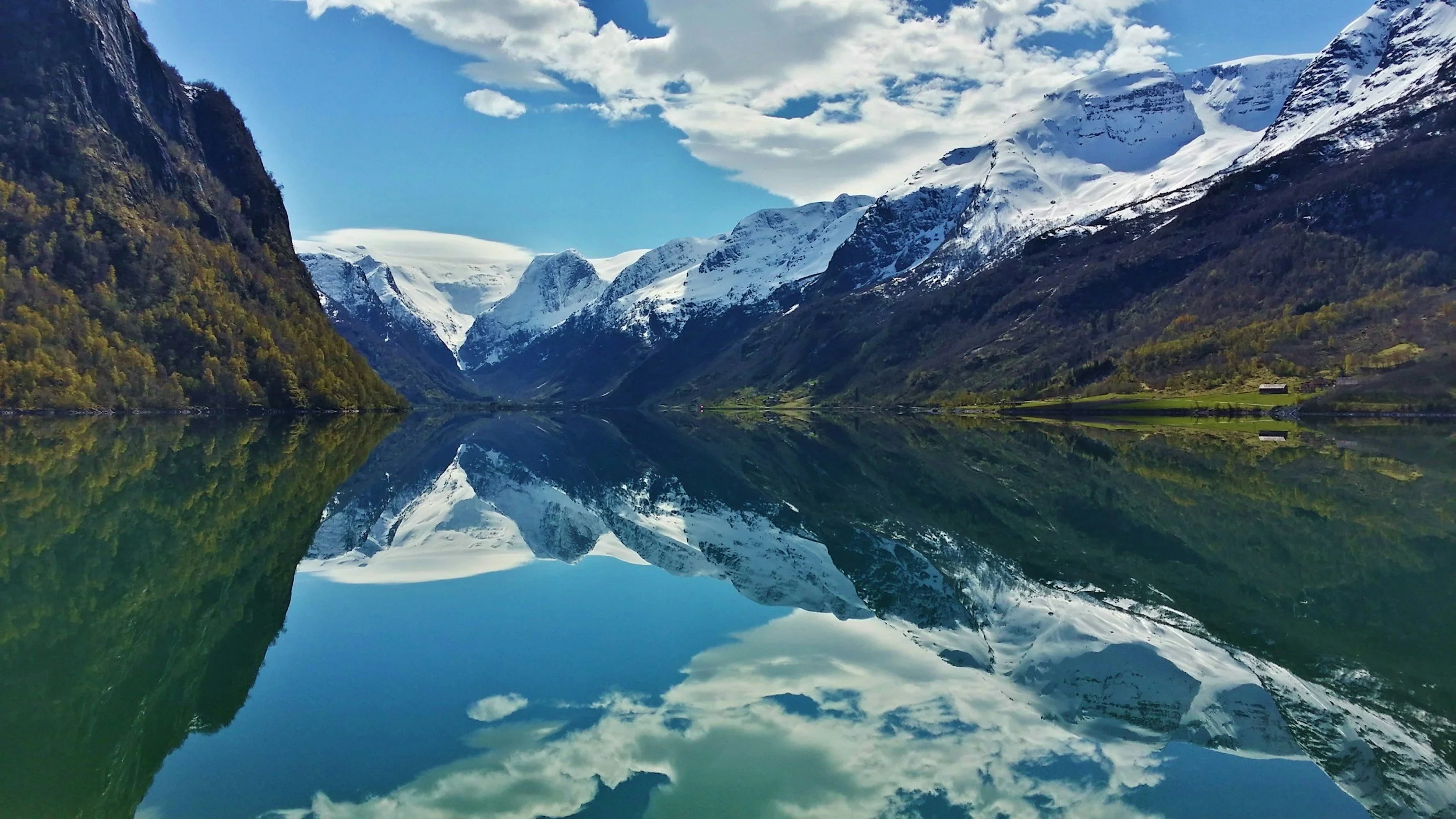
Where is Western Norway?
Western Norway refers to the fjord region along Norway’s west coast.
It typically includes:
Bergen and surrounding fjords
The Hardangerfjord region
The Sognefjord and inland fjord systems
It is not a single destination, but a connected landscape shaped by water, mountains, and narrow routes.
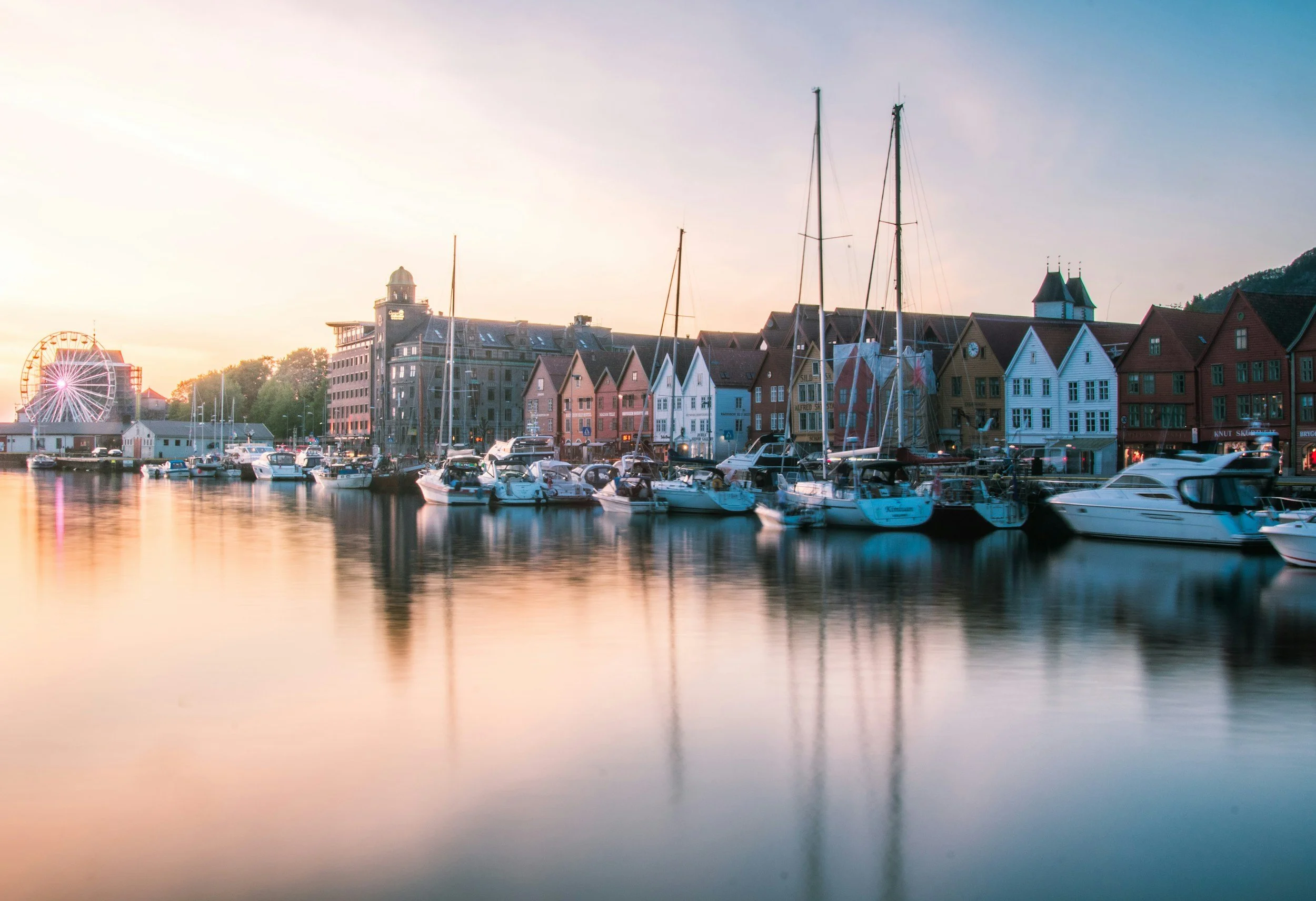
What makes Western Norway different?
Western Norway is defined by how the landscape controls movement.
Key characteristics:
Deep fjords cutting inland from the sea
Steep terrain and narrow, winding roads
Rapidly changing weather conditions
Journeys shaped by ferries and crossings
This is not a region for rigid itineraries. Flexibility is part of the experience.When to visit Western Norway
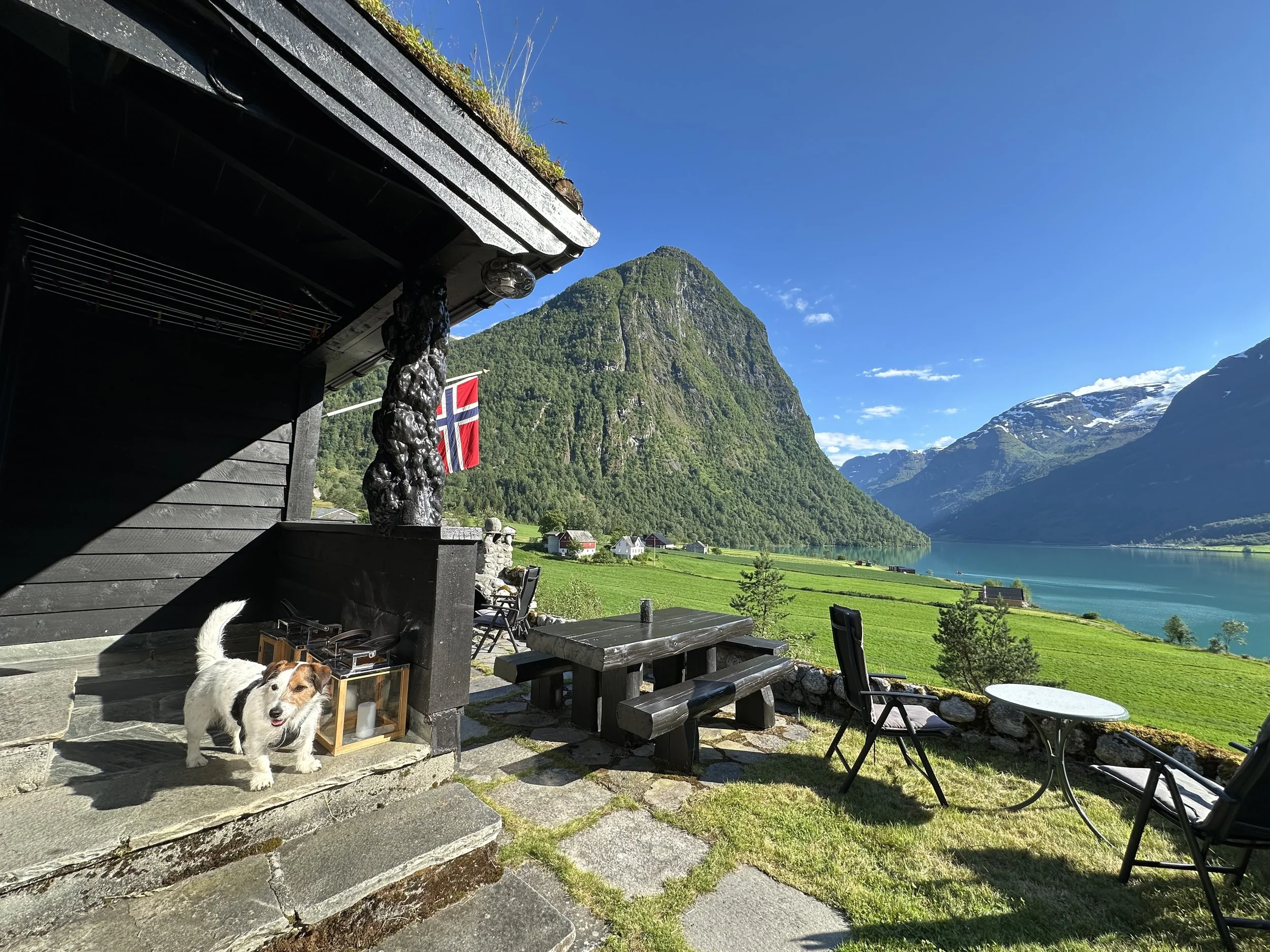
When to visit Western Norway
Timing affects access, visibility, and how much of the region you can realistically cover.
For a full breakdown, see Best Time to Visit Norway: A Seasonal Overview
In general:
Summer (June–August) – Most accessible, long daylight hours, all major routes open
Spring (May) – Strong waterfalls, fewer crowds, variable weather
Autumn (September–October) – Quieter, but less predictable conditions
Winter (November–March) – Limited fjord access, but still possible in parts
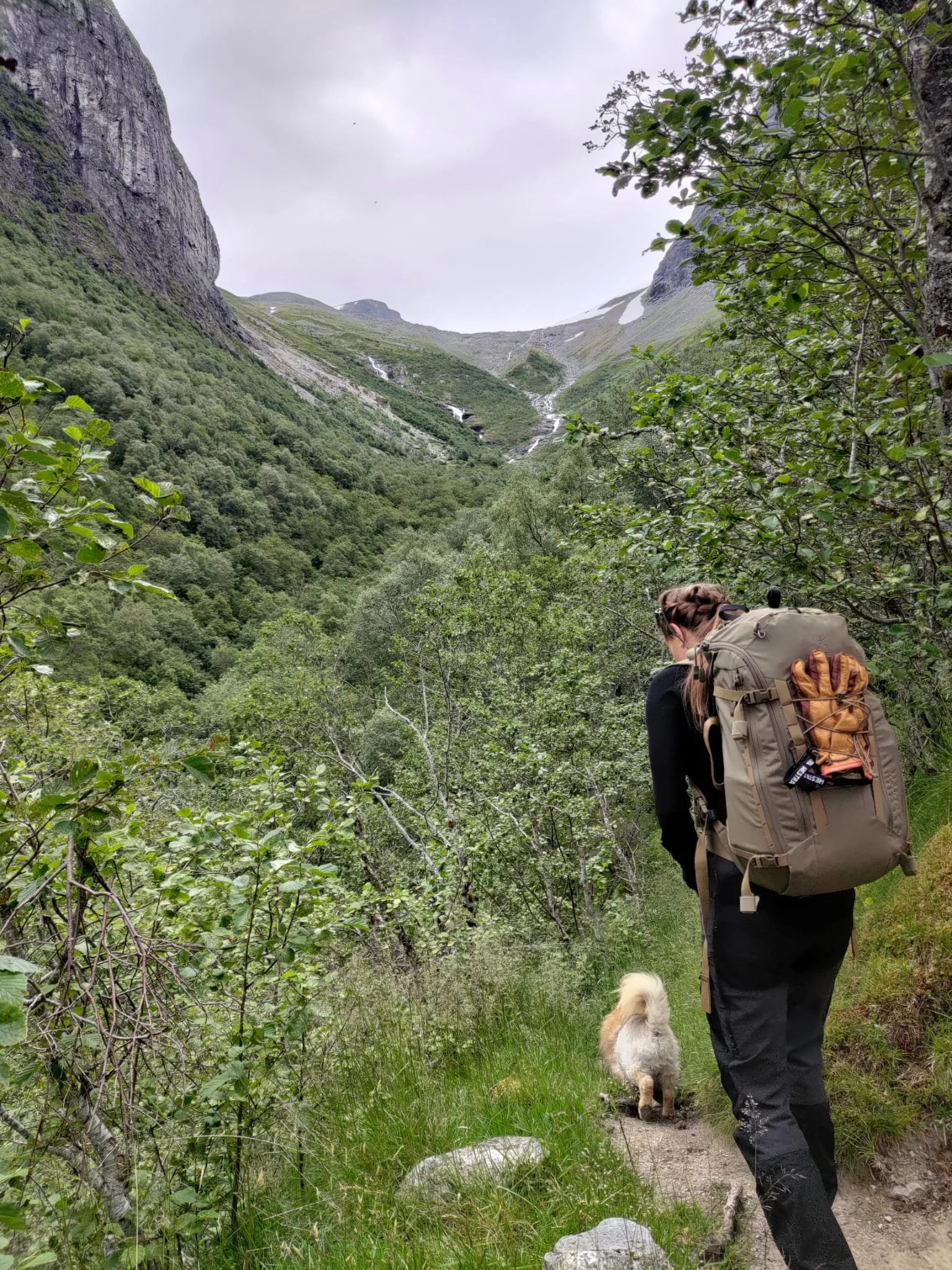
How to get around Western Norway
Travel in Western Norway is slower than most visitors expect.
For context, see Driving Distances in Norway: What Visitors Often Underestimate
Key realities:
Roads follow terrain, not direct routes
Ferries are a core part of the transport system
Driving is usually necessary for flexibility
If travelling in winter conditions, read Driving in Norway in Winter: Laws, Tyres and Road Conditions.
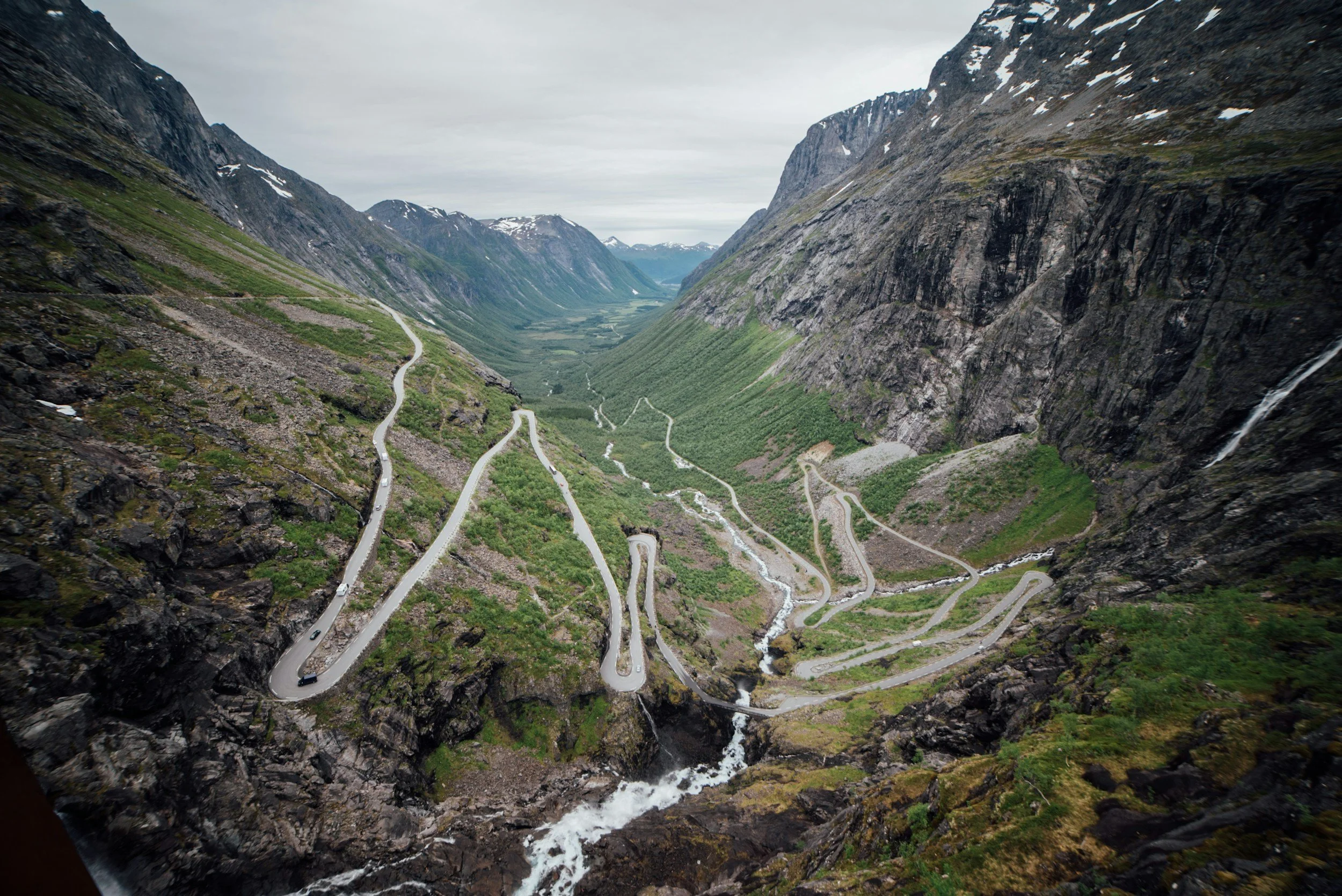
Suggested routes through Western Norway
Most trips follow variations of these regional routes:
Bergen and nearby fjords
Practical starting point
Easy access to shorter fjord experiences
Hardangerfjord region
Orchard landscapes (especially in spring)
Waterfalls and scenic driving routes
Sognefjord and inland fjords
Norway’s longest fjord
Access to more remote and dramatic landscapes
Trying to cover all three in one trip often results in too much time in transit.
What is the best way to see the fjords in Western Norway?
The best way to see Western Norway’s fjords is by combining driving with ferry crossings, focusing on one or two regions rather than trying to cover everything in one trip.
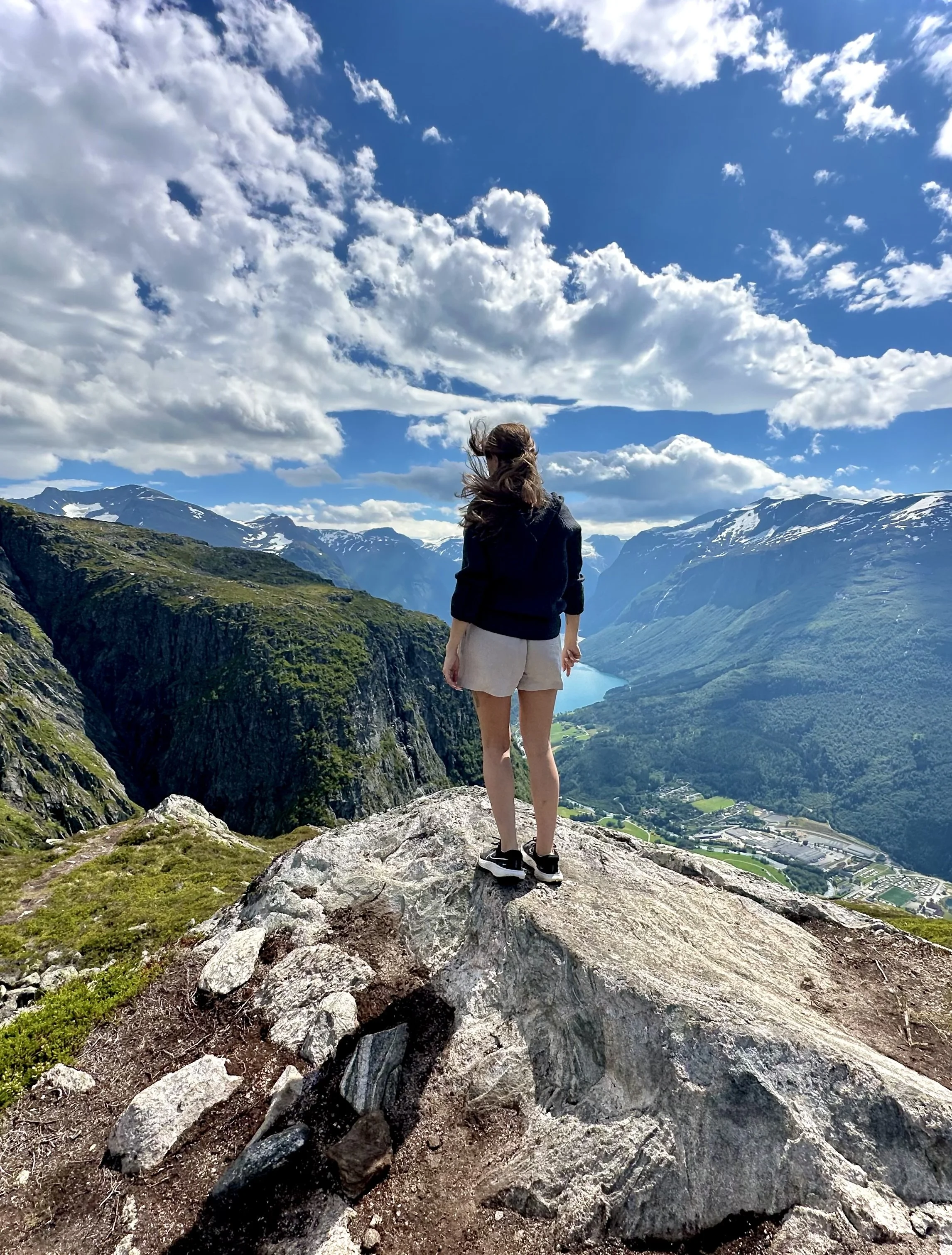
What to wear in Western Norway
Conditions change quickly, even in summer.
Start with What to Wear in What to Wear in Norway (All Seasons): The Ultimate Guide Based on How Norwegians Actually Dress.
The key is layering, with protection against wind and rain.
What travellers often underestimate
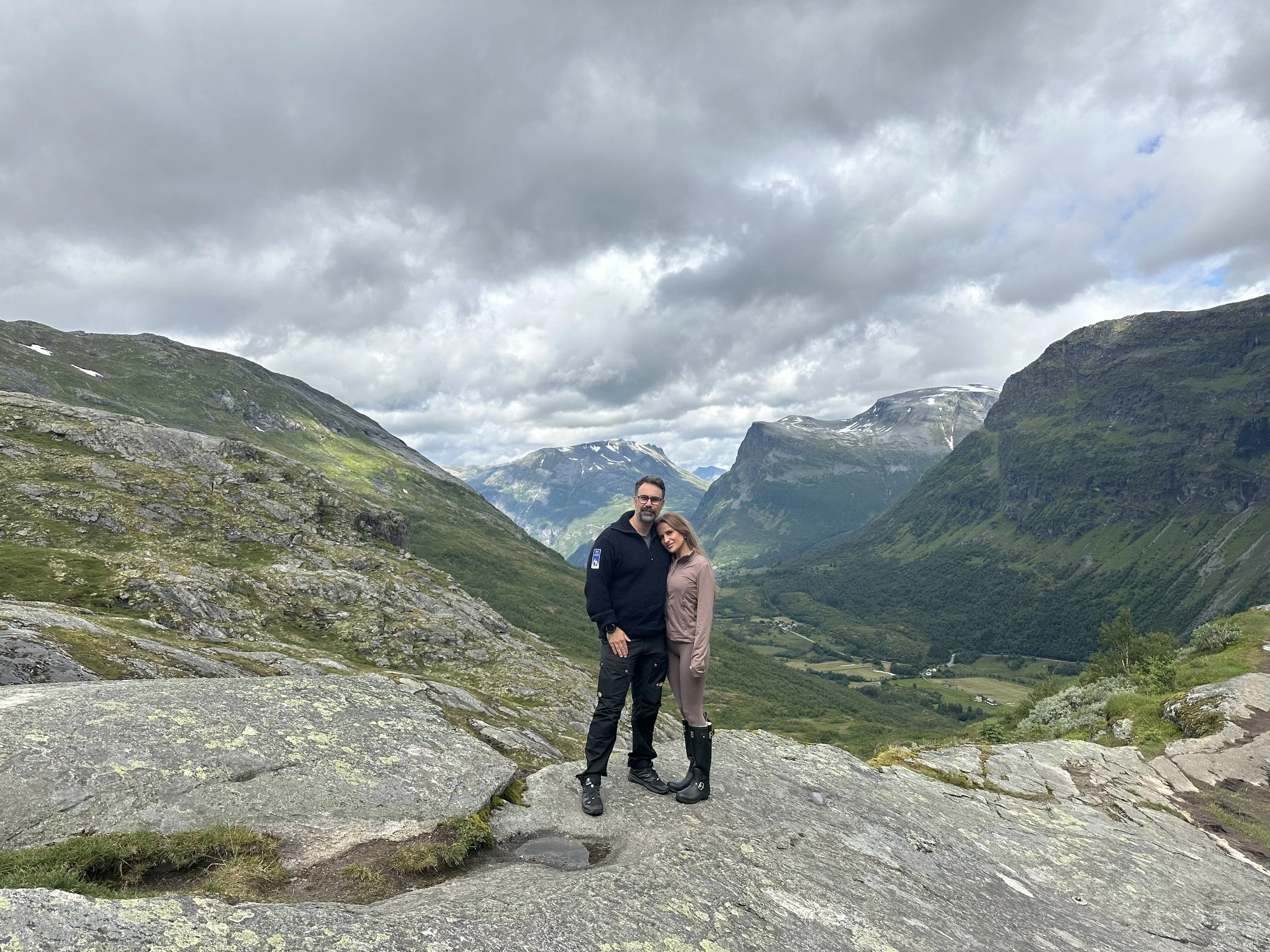
Western Norway is not difficult to navigate, but expectations often need adjusting.
Distances appear shorter than they are
Weather affects both visibility and access
Travel days take longer than planned
This is where most itineraries break down.
How Western Norway fits into a wider Norway trip
Most itineraries combine it with:
Oslo (arrival or departure point)
A longer fjord-focused route
Or a single-region trip centred entirely on the west coast
For full trip structure, see the Norway Travel Guide.
Final perspective
Western Norway is less about individual stops and more about movement through landscape.
The experience is shaped by the journey itself — the roads, the ferries, the weather, and the changing scale of the fjords.
Planning with that in mind changes how the trip unfolds.
FAQ
Is Western Norway worth visiting?
Yes, Western Norway is one of the most distinctive regions in the country, known for its fjords, landscapes, and scenic travel routes.
How many days do you need in Western Norway?
Most travellers need at least 4–7 days to explore one or two fjord regions without rushing.
Do you need a car in Western Norway?
A car is the most flexible way to travel, although some fjord areas can be reached by public transport and organised tours.