
Wildlife in Norway: Where and When to See Norway's Most Iconic Animals
Norway is one of Europe's best wildlife destinations. Stretching from temperate coastlines in the south to the High Arctic of Svalbard, the country offers opportunities to see everything from whales and sea eagles to musk oxen, puffins and polar bears.
Many visitors arrive in Norway hoping to experience its famous fjords and mountain landscapes, but wildlife is often one of the most memorable parts of a trip. The key is knowing where to go and when to visit. Some animals can be seen throughout the year, while others are only present for a few weeks or months.
This guide explains exactly where to go, when to visit and which guided tours offer the best chance of seeing Norway's most iconic animals.
Whale Watching in Norway
Which Whale Species Can You See in Norway?
Norway is not a single whale-watching destination, but several different whale habitats spread across the northern coast. The species you are most likely to see depend strongly on season, location and food availability.
Sperm whales are most closely associated with Andenes in Vesterålen. The deep waters of Bleik Canyon lie unusually close to shore, allowing these deep-diving whales to feed relatively near land. This makes Andenes one of the most reliable places in Northern Europe to see sperm whales, especially during the main summer season.
Orcas, also known as killer whales, are most often associated with the winter herring migration in Northern Norway. From late autumn into winter, large schools of herring move into the fjords around northern Troms, particularly around Skjervøy. Orcas follow the herring, often hunting in groups and sometimes appearing alongside humpback whales.
Humpback whales are also strongly connected to the winter feeding season in Northern Norway. They are often seen in the same general areas as orcas, especially around Skjervøy and the surrounding fjords, where they come to feed on herring. Their size, surface behaviour and dramatic tail flukes make them among the most impressive whales to observe.
Minke whales may be encountered along the Norwegian coast during the warmer months, including around Vesterålen and parts of Northern Norway. They are smaller and usually less dramatic at the surface than humpback or sperm whales, but they are still a regular part of Norway's marine wildlife.
Pilot whales can sometimes be seen off Andenes and along parts of the northern coast. They are less predictable than sperm whales, but sightings do occur, particularly in deeper offshore waters.
Fin whales are occasionally observed along the coast of Northern Norway, including areas where herring and other fish attract larger marine predators. They are far less commonly seen than humpbacks or orcas on standard whale-watching trips, but their presence adds to the richness of Norway's whale habitat.
Harbour porpoises and dolphins are also part of Norway's marine ecosystem. They are smaller and easier to miss, but they may be seen from boats, ferries or coastal viewpoints, especially in areas with rich fish life.
The following destinations are among Norway's best-known whale-watching regions and offer different experiences depending on the season and the species visitors hope to see:
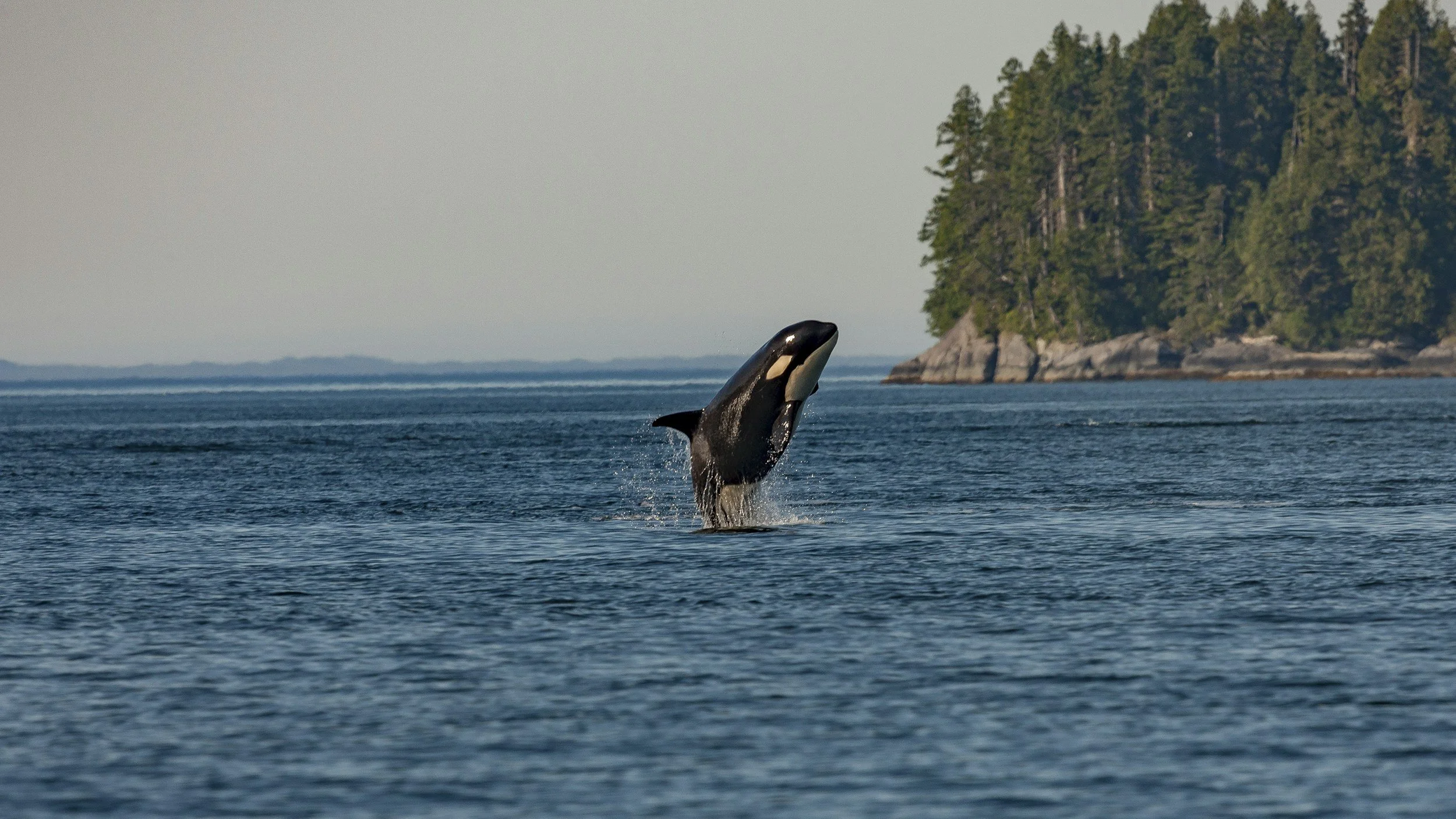
whale watching in Andenes
If your main goal is to see whales, Andenes on the island of Andøya should be at the top of your list.
Located in Vesterålen, north of Lofoten, Andenes sits beside a deep underwater canyon where the continental shelf drops sharply. This allows deep-water species to approach remarkably close to shore.
The area is particularly famous for sperm whales, which can often be found feeding in the deep waters offshore. Few places in Europe offer a better opportunity to see these enormous animals in their natural environment.
Why Andenes Is So Good for Whale Watching
Unlike many whale watching destinations where boats must travel long distances offshore, Andenes benefits from deep water close to land. This means shorter boat trips and a higher likelihood of encountering whales.
Marine researchers have studied sperm whales in the area for decades, making Andenes one of the best-understood whale watching destinations in the world.
Best Time to Visit Andenes
| Species | Best Months |
|---|---|
| Sperm Whale | May–September |
| Minke Whale | Summer |
| Pilot Whale | Summer |
| Orca | Winter |
| Humpback Whale | Winter |
Recommended Whale Watching Tours
Whalesafari Andenes
Norway's most established whale watching company has been operating since the 1980s and offers both traditional whale safaris and educational experiences with marine biologists.
Whale2Sea
Known for smaller groups and a strong focus on conservation, Whale2Sea offers whale watching tours as well as combined wildlife excursions around Andøya.
Multi-Day Orca Expeditions
While most whale-watching trips in Norway last a few hours, a number of operators also offer multi-day wildlife expeditions focused on orcas and humpback whales.
These trips typically take place during the winter herring season in Northern Norway, when large numbers of whales gather to feed in the fjords. Depending on local regulations, weather conditions and operator practices, some expeditions may also include opportunities for in-water encounters with orcas and humpback whales under the supervision of experienced guides.
Most multi-day expeditions are based around Troms and Northern Norway, particularly the areas around Skjervøy and the surrounding fjords.
Unlike traditional whale-watching trips, these expeditions are designed specifically for photographers, wildlife enthusiasts and travellers seeking a more immersive marine wildlife experience.
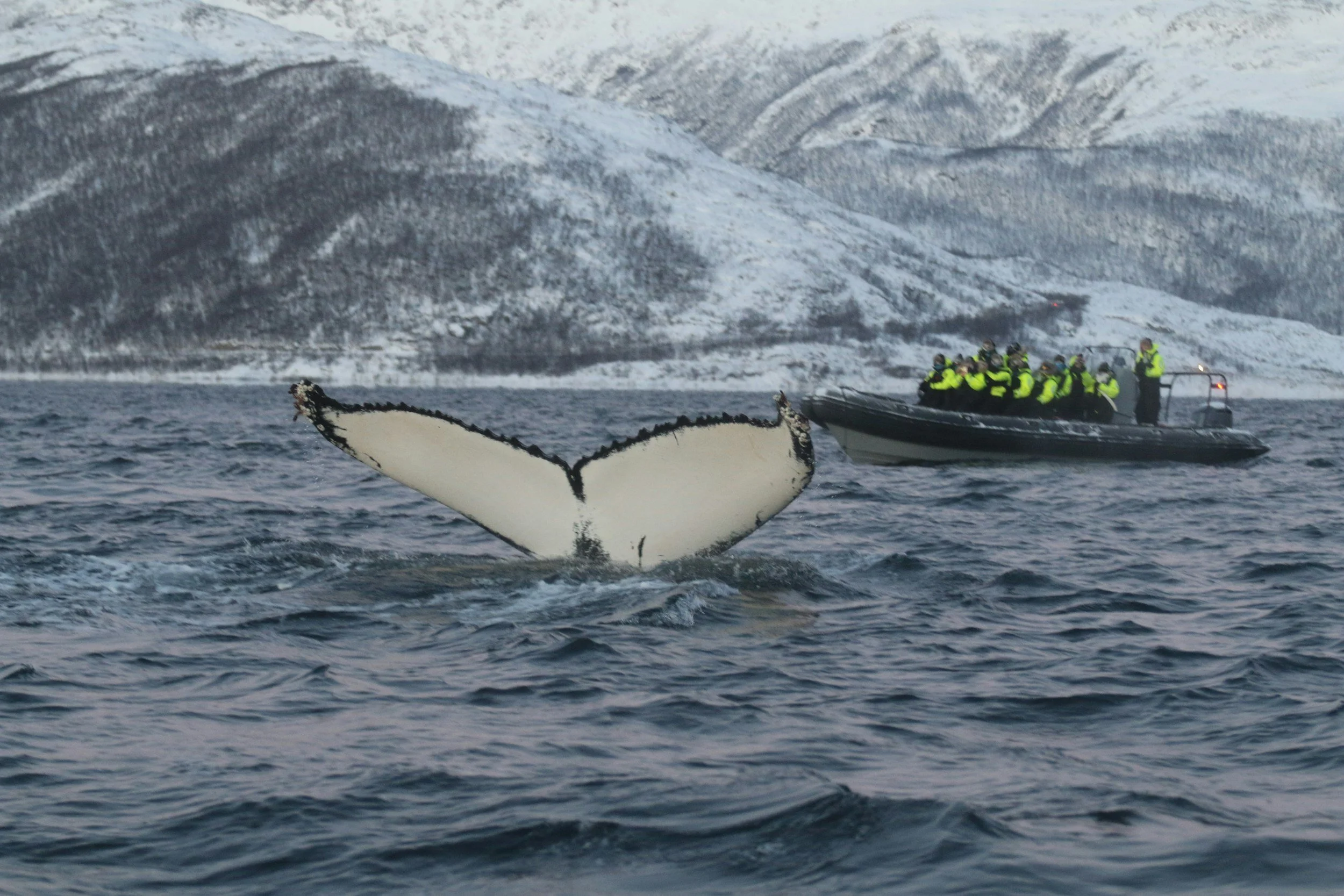
Orcas and Humpback Whales Near Tromsø
While Andenes is famous for sperm whales, Tromsø has become internationally known for winter whale watching.
Every autumn, vast schools of Norwegian spring-spawning herring move into the fjords of Northern Norway. Following them are some of the ocean's most impressive predators: orcas and humpback whales.
Seeing multiple orcas hunting together is one of the most extraordinary wildlife experiences available anywhere in Europe.
Best Time
November–January
Best Locations
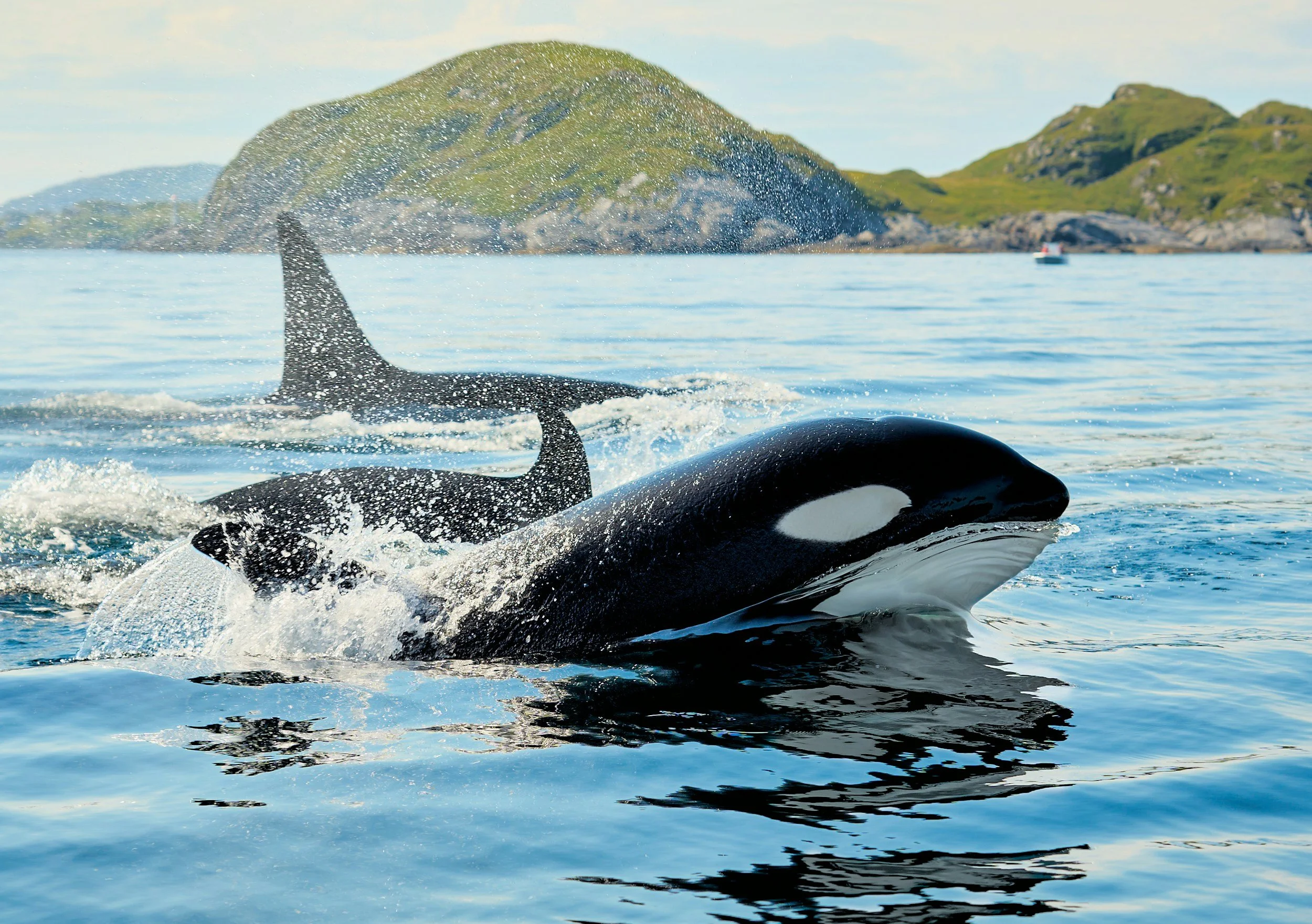
Skjervøy
Kvænangen
Northern Troms fjords
Wildlife activity varies from year to year depending on where the herring gather, but Skjervøy is often considered the most reliable area.
Recommended Operators
Best Arctic
One of Tromsø's leading activity providers, offering winter whale safaris with experienced guides.
Brim Explorer
Known for quieter hybrid-electric boats and a strong sustainability focus.
Many excursions depart from Tromsø and travel north into the fjords where whales are actively feeding.
Relevant Reading:
Puffins and Seabirds
Norway's coastline supports some of Europe's largest seabird colonies. Among these birds, none are more popular than the Atlantic puffin.
With their colourful beaks and distinctive appearance, puffins attract birdwatchers and photographers from around the world. While they can be seen in several parts of Norway, a few locations stand out as particularly rewarding.
Runde: Norway's Puffin Capital
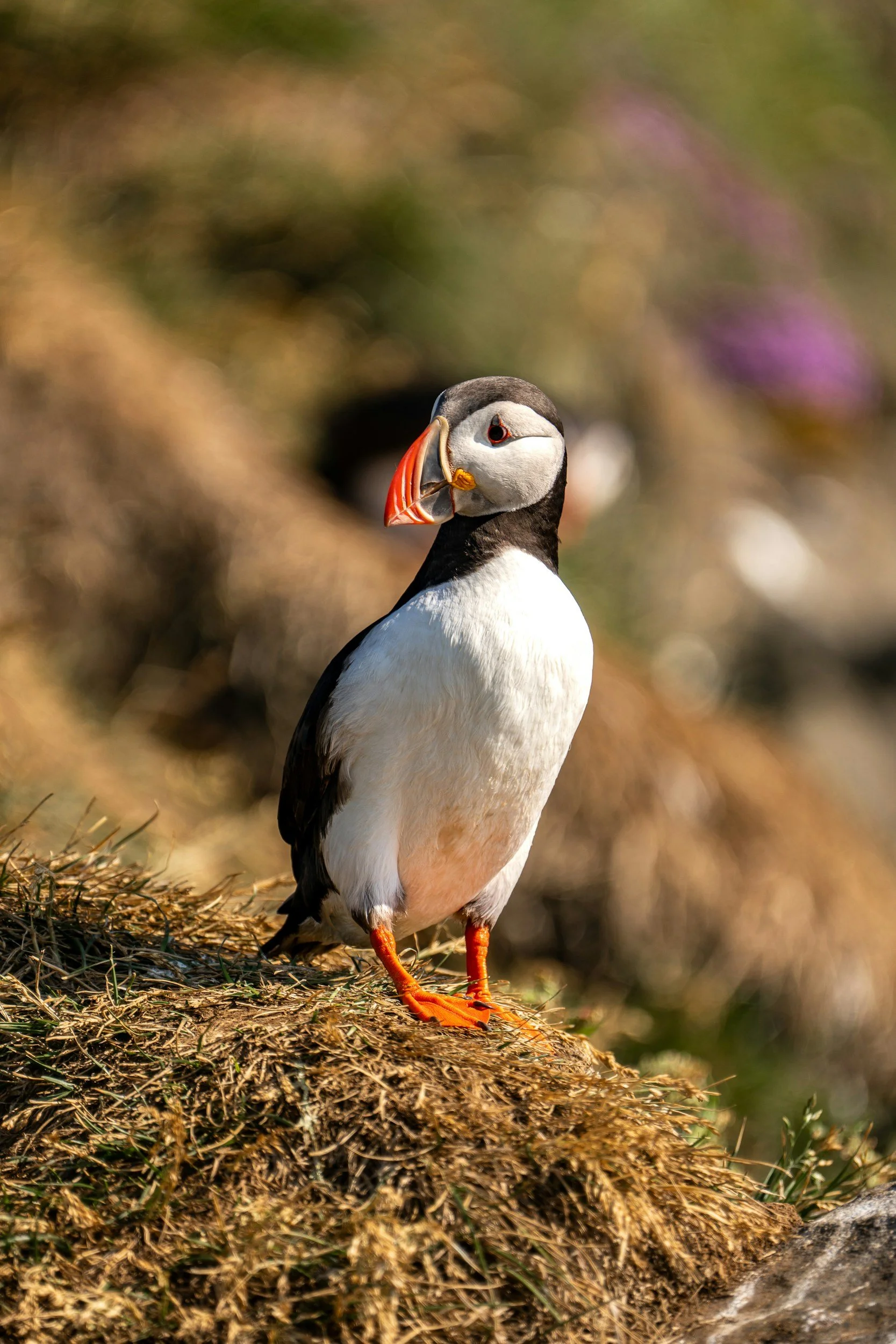
The small island of Runde on the Sunnmøre coast is Norway's most famous puffin destination.
Every spring and summer, hundreds of thousands of seabirds return to the island's dramatic cliffs and grassy slopes. Puffins are the star attraction, but visitors may also see gannets, kittiwakes, razorbills and guillemots.
One of Runde's greatest advantages is accessibility. Unlike many seabird colonies around the world, visitors do not need a boat trip to reach viewing areas. A network of hiking trails leads directly to the cliffs.
Best Time to Visit
May–August
June and July generally offer the highest numbers of birds.
Evening is often the best time to visit, as puffins return from fishing trips carrying small fish in their beaks.
Recommended Experiences
• Self-guided hiking to the bird cliffs
• Guided birdwatching tours
• Wildlife photography workshops during summer
Varanger Peninsula: One of Norway's Greatest Wildlife Destination
Birdwatching
For serious birdwatchers, few places in Europe rival Varanger.
Located in far northeastern Norway near the Russian border, the peninsula attracts Arctic species that are difficult or impossible to see elsewhere on the continent.
Depending on the season, visitors may encounter:
Puffins
King eiders
Steller's eiders
Gyrfalcons
Sea eagles
Long-tailed ducks
Snow buntings
Rough-legged buzzards
Varanger is particularly popular among international birdwatchers and wildlife photographers who travel specifically to observe Arctic birdlife.
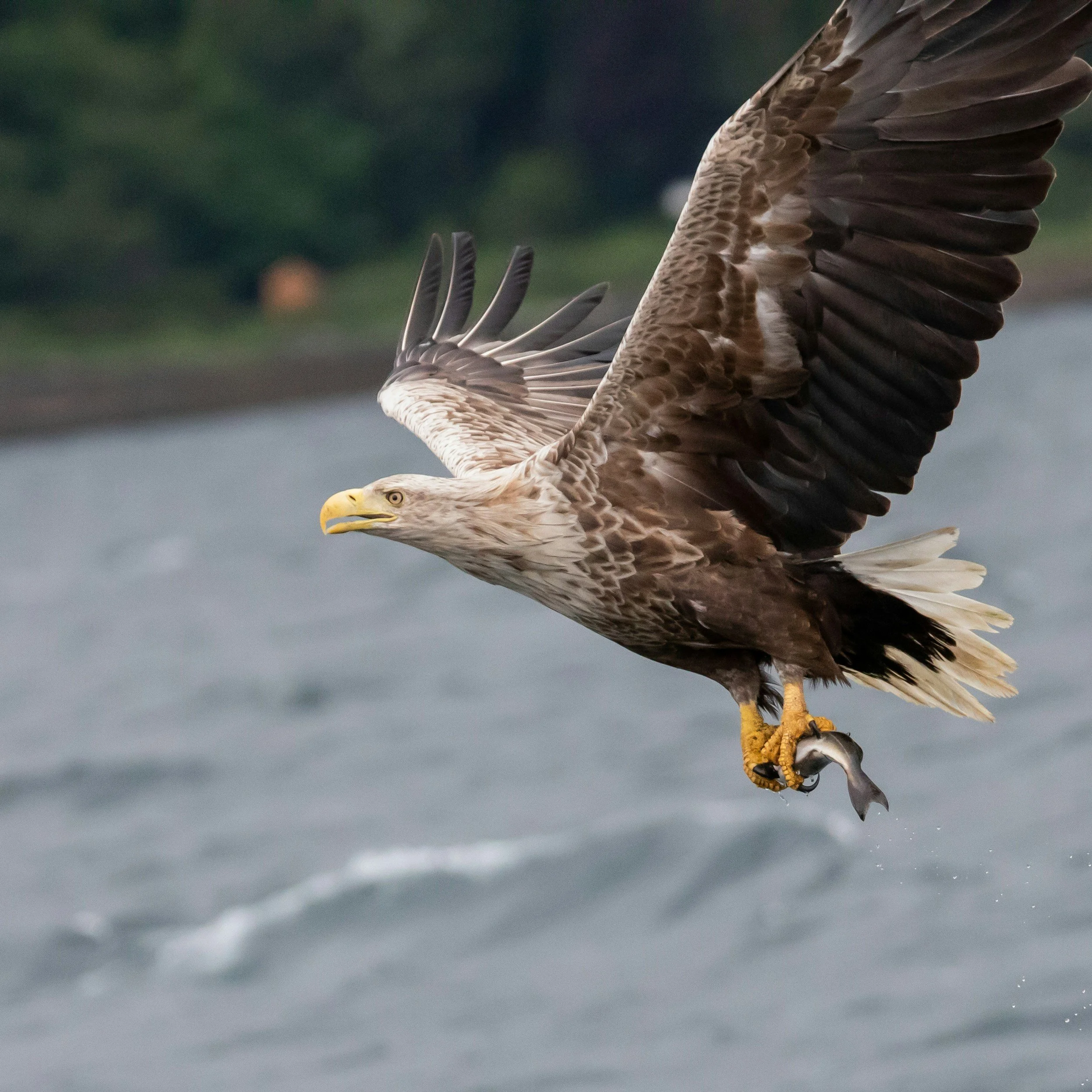
Varanger is not only one of Europe's premier birdwatching destinations. The region is also one of Norway's most rewarding areas for wildlife enthusiasts more generally.
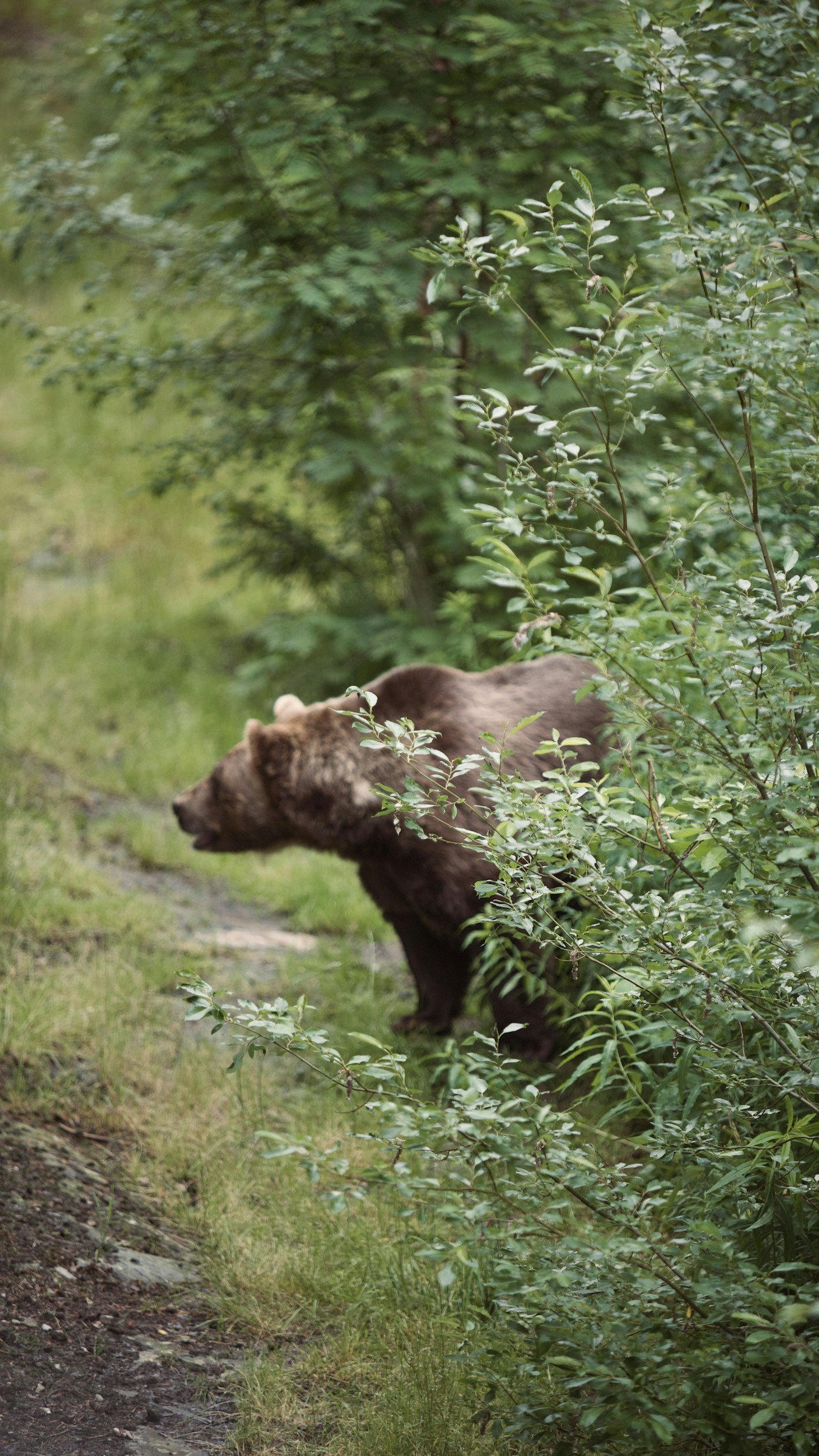
The combination of Arctic coastline, open tundra, mountain plateaus and vast wilderness creates habitats for an unusually diverse range of species. Depending on the season, visitors may encounter reindeer, moose, Arctic foxes, sea eagles and a remarkable variety of birdlife.
Large numbers of semi-domesticated reindeer roam across Finnmark throughout much of the year and are a defining part of the region's landscape. For many visitors, seeing reindeer wandering across coastal plains, mountain plateaus and Arctic roadsides becomes one of the most memorable experiences of a trip to Northern Norway.
The nearby Pasvik Valley, located close to the Finnish and Russian borders, is one of Norway's most important wilderness areas. Its vast forests support species including brown bears, moose, lynx and wolverines, making it one of the country's richest regions for large mammals. Although sightings of predators are rare, Pasvik remains one of the best places in mainland Norway to experience truly remote wilderness.
Varanger is also famous for its rivers. The Tana River, which forms part of the border between Norway and Finland, has long been associated with Atlantic salmon and is considered one of Northern Europe's most iconic salmon rivers.
The waters around Varanger are also rich in marine life. Depending on the season and local conditions, visitors may encounter porpoises, seals and even whales in the fjords and coastal waters. While Varanger is not as well known for whale watching as Tromsø or Andenes, marine mammals are regularly observed along the Finnmark coast, adding another dimension to the region's wildlife appeal.
For wildlife photographers, naturalists and travellers interested in Arctic ecosystems, Varanger offers one of the most diverse wildlife experiences available anywhere in Norway.
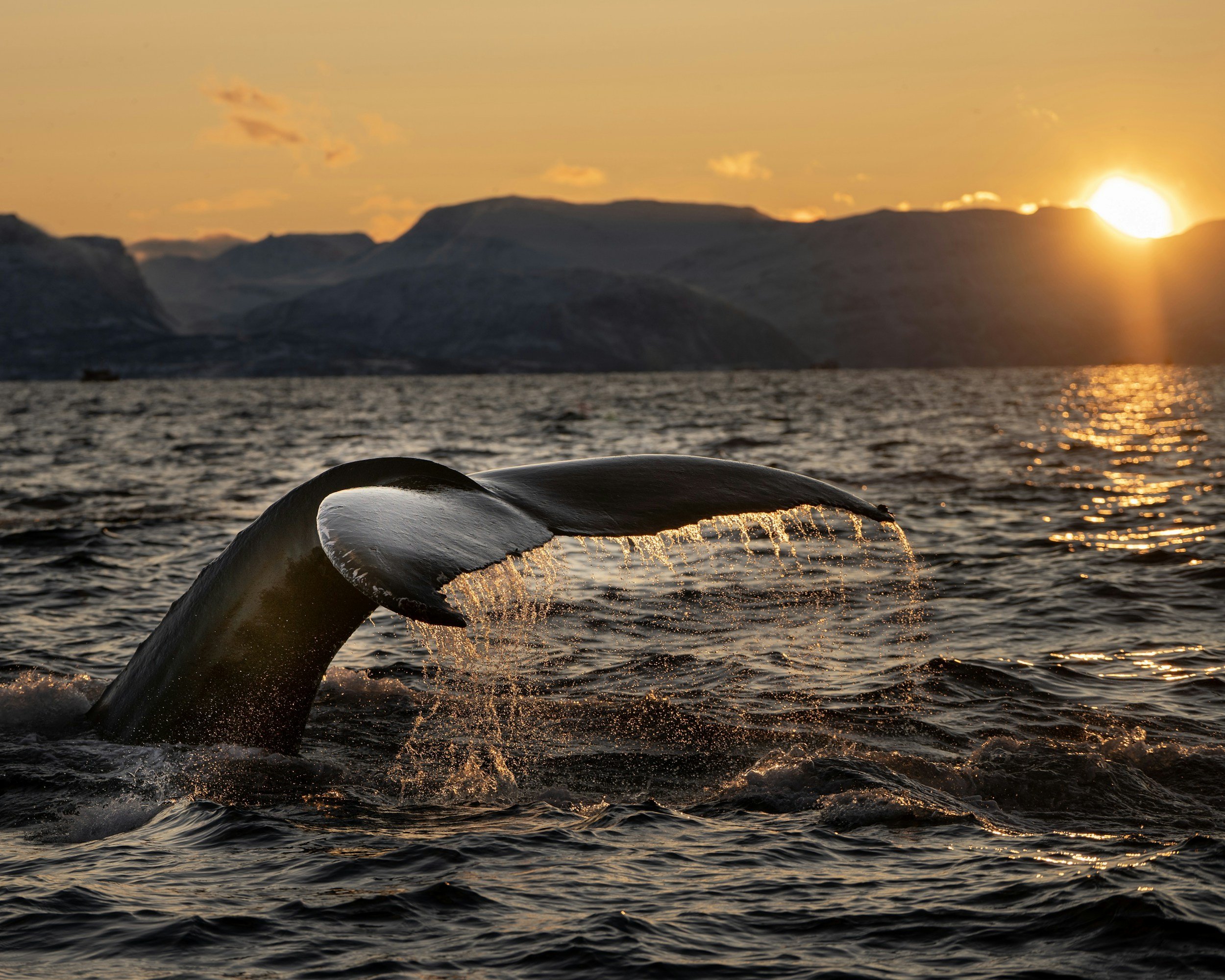
Sea Eagles in Lofoten and Vesterålen
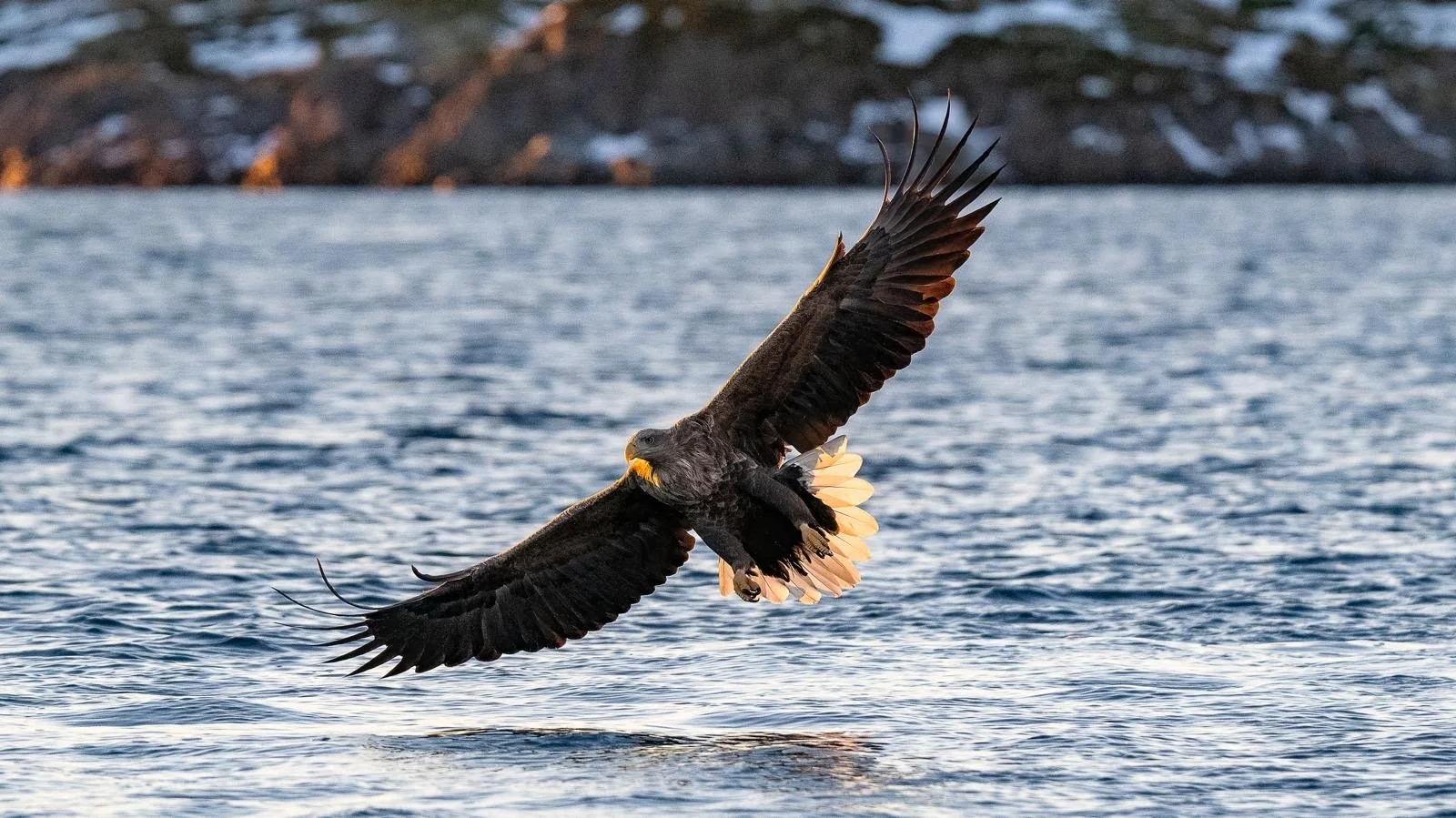
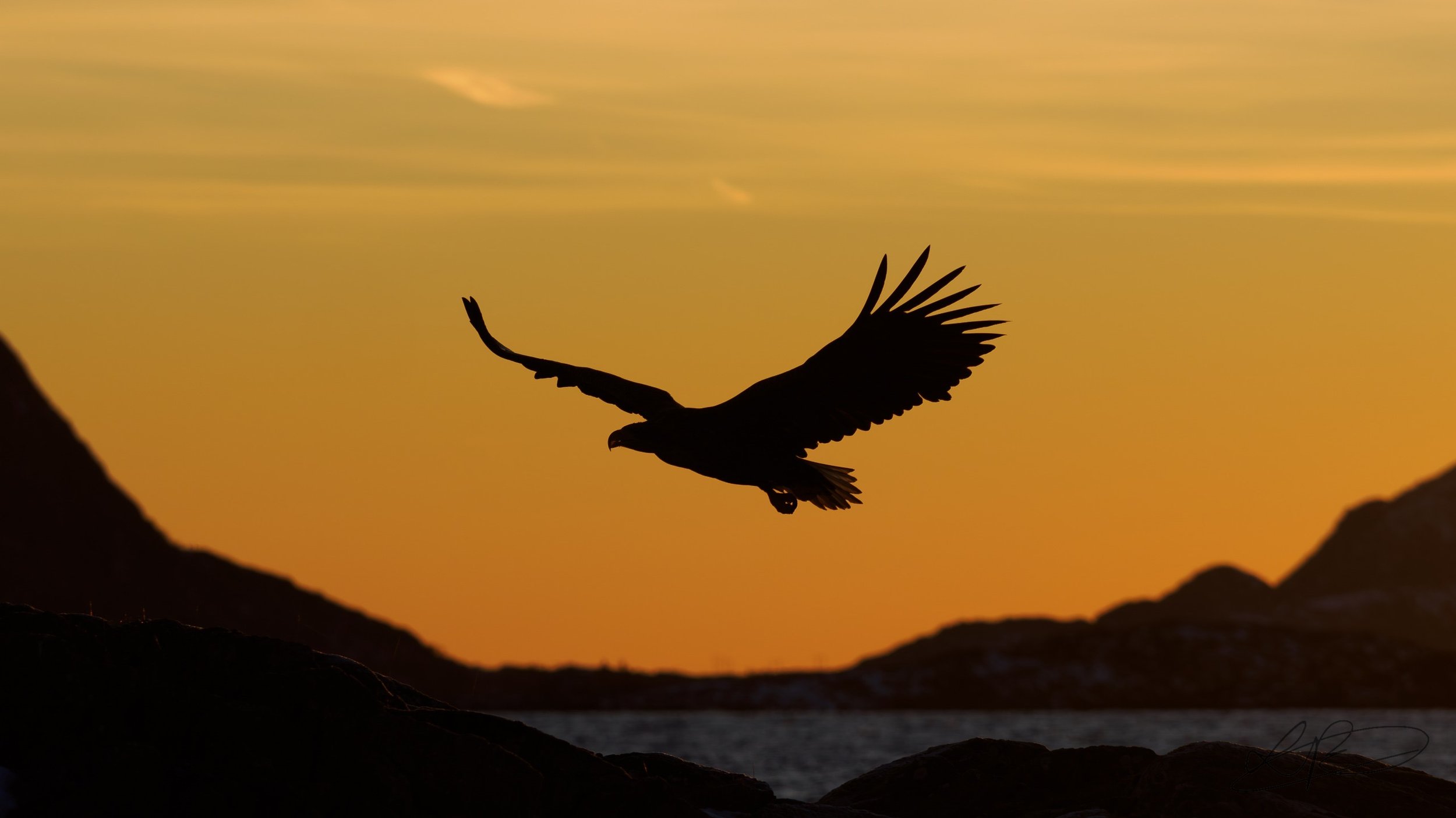
The sea eagle, formally known as the white-tailed eagle, is Europe's largest bird of prey and one of Norway's greatest conservation success stories. With a wingspan reaching up to 2.5 metres, these impressive birds are surprisingly common along parts of the Norwegian coast.
Norway supports one of the world's largest populations of sea eagles, making it one of the best places anywhere to observe them in the wild.
Trollfjord: The Best Place to See Sea Eagles
Located between Lofoten and Vesterålen, Trollfjord is perhaps Norway's most famous sea eagle destination.
The dramatic fjord scenery alone makes the trip worthwhile, but the abundance of sea eagles adds another unforgettable dimension.
Many visitors see multiple birds during a single excursion.
Best Time
Year-round
Although sea eagles can be seen throughout the year, spring and summer often provide the best photography conditions.
Recommended Tours
Go2Lofoten
Offers sea eagle safaris and RIB excursions into Trollfjord.
XXLofoten
Combines wildlife viewing with fjord exploration and local storytelling.
Several Trollfjord RIB Tours from Svolvær
Many operators offer similar experiences, often with excellent sea eagle sightings.
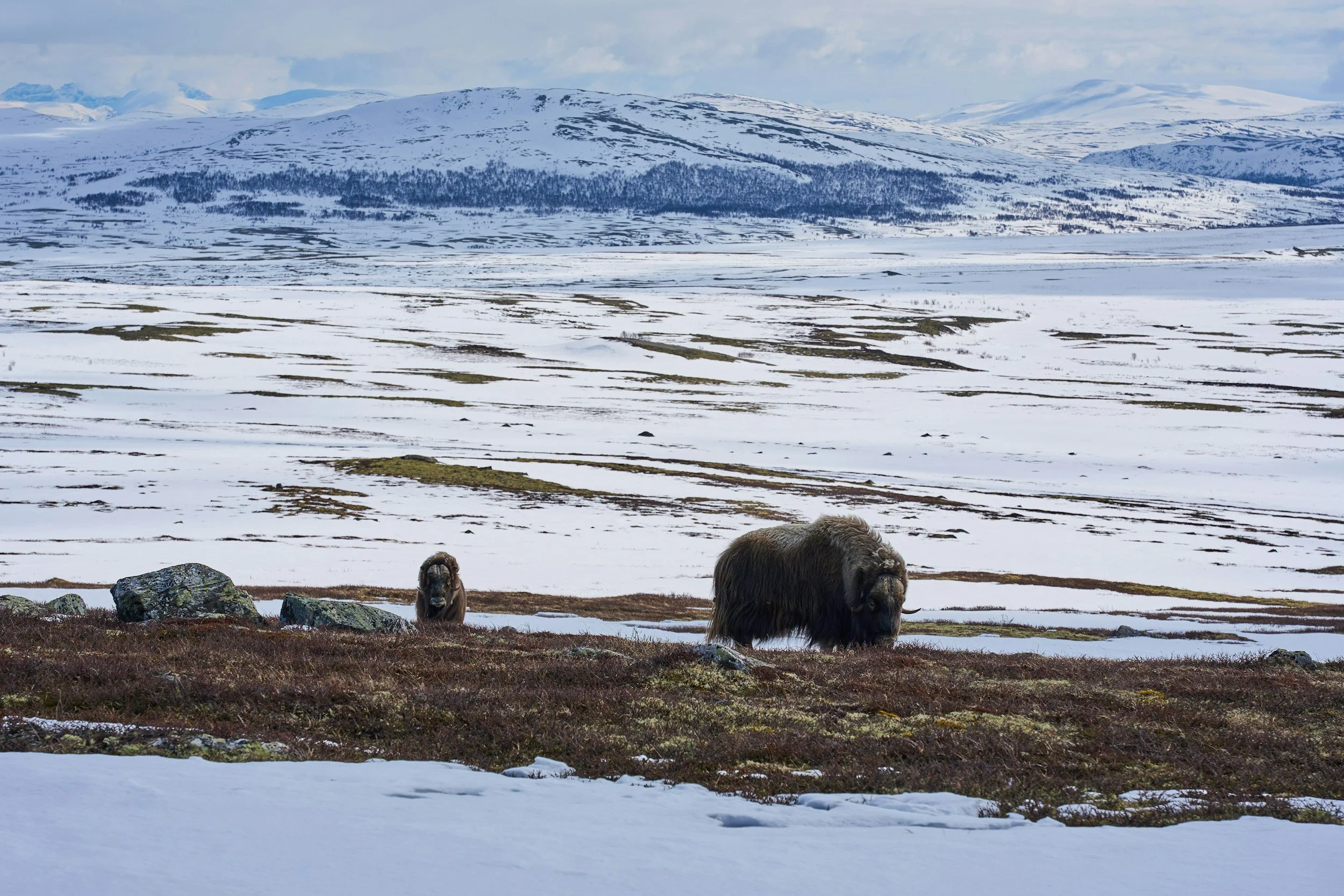
Musk Oxen on Dovrefjell
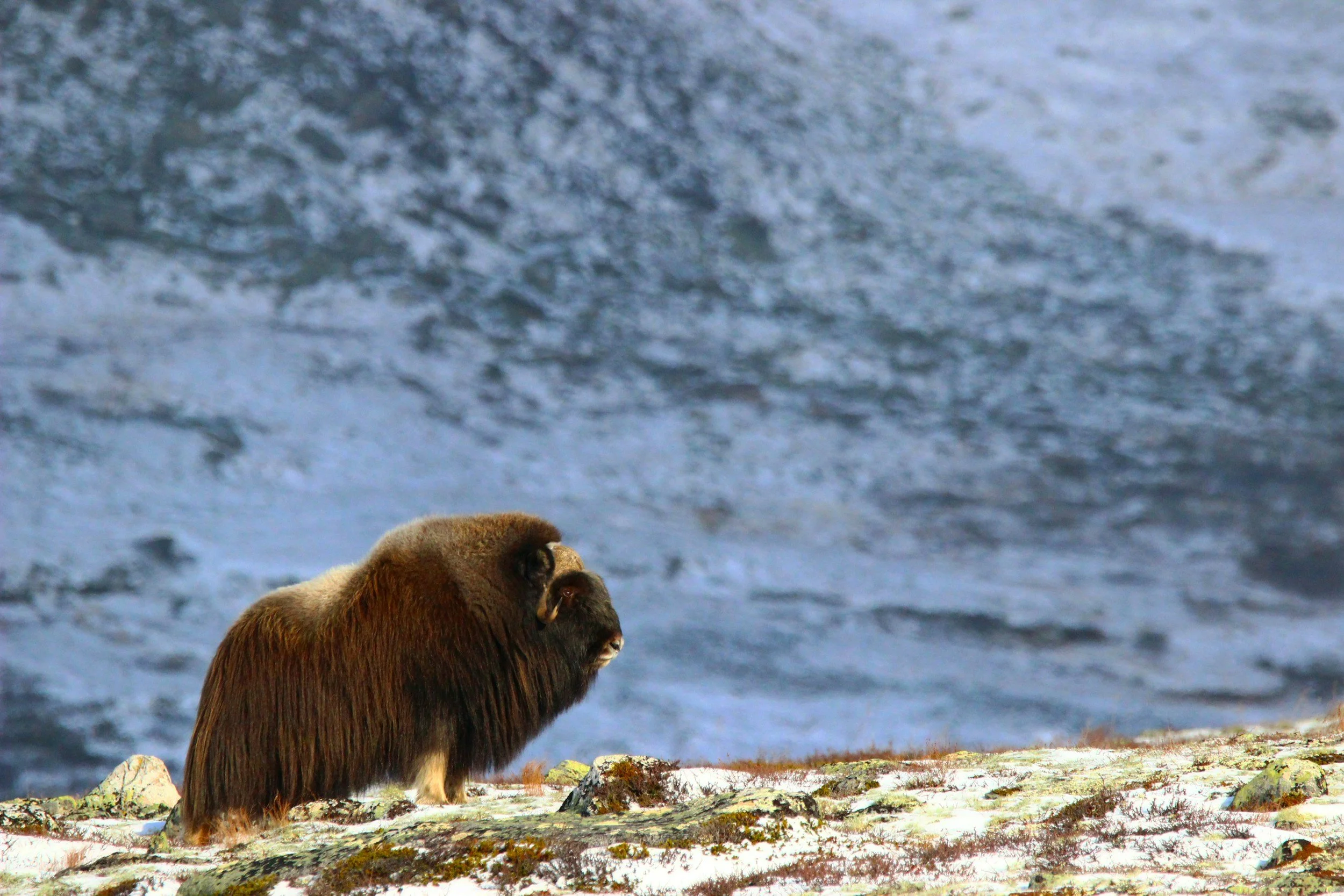
Few visitors expect to find Ice Age animals in Norway, yet that is exactly what awaits on Dovrefjell.
The musk ox was reintroduced during the twentieth century and has established a stable population in the mountains between Oppdal and Hjerkinn.
Today, Dovrefjell is the only place in mainland Norway where musk oxen can be seen.
One of Europe's Most Unique Wildlife Experiences
Standing face to face with a musk ox is unlike seeing any other animal in Europe.
With their thick coats, curved horns and prehistoric appearance, they look more at home in Greenland or Arctic Canada than central Norway.
Many visitors describe musk oxen as one of the most surprising wildlife experiences in the country.
Best Time
June–September
Summer offers the easiest hiking conditions and the highest chance of joining organised safaris.
Recommended Tours
Dovreguiden
One of the region's best-known operators, offering guided musk ox hikes.
Oppdal Safari
Provides small-group wildlife excursions with experienced guides.
Dovrefjell Lodge
Offers guided experiences combined with accommodation.
Important Safety Information
Musk oxen can weigh more than 400 kilograms and are capable of running faster than most people expect.
Visitors should always remain at least 200 metres away and never approach the animals without a guide.
Reindeer in Norway
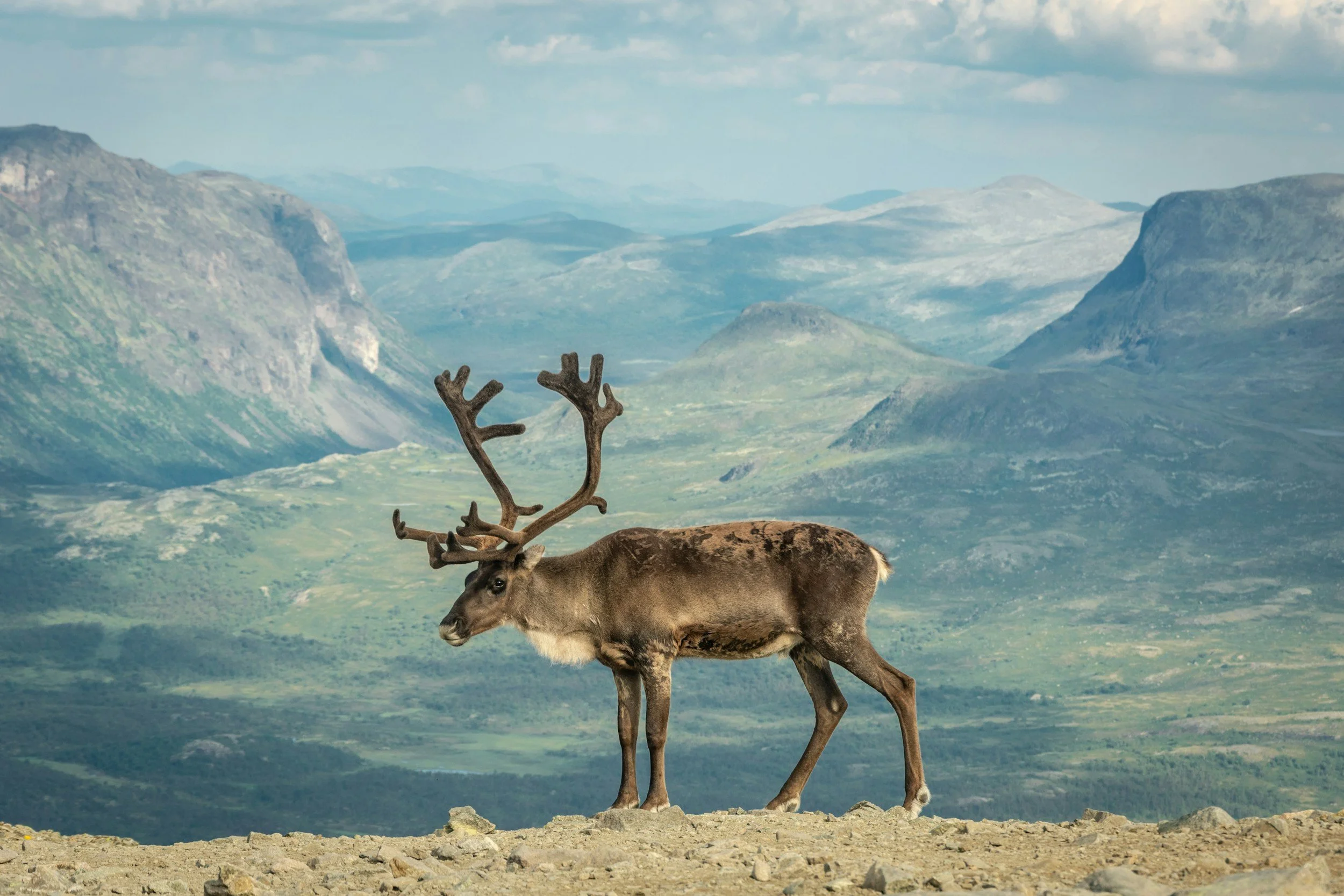
Reindeer are deeply connected to Norway's history, culture and northern identity. However, not all reindeer in Norway are the same.
Visitors can encounter three very different types of reindeer experiences: the unique Svalbard reindeer found only in the High Arctic, semi-domesticated reindeer associated with traditional reindeer herding in Northern Norway, and wild mountain reindeer that roam some of southern Norway's largest national parks.
Understanding the differences helps travellers choose the experience that best matches their interests.
Svalbard Reindeer
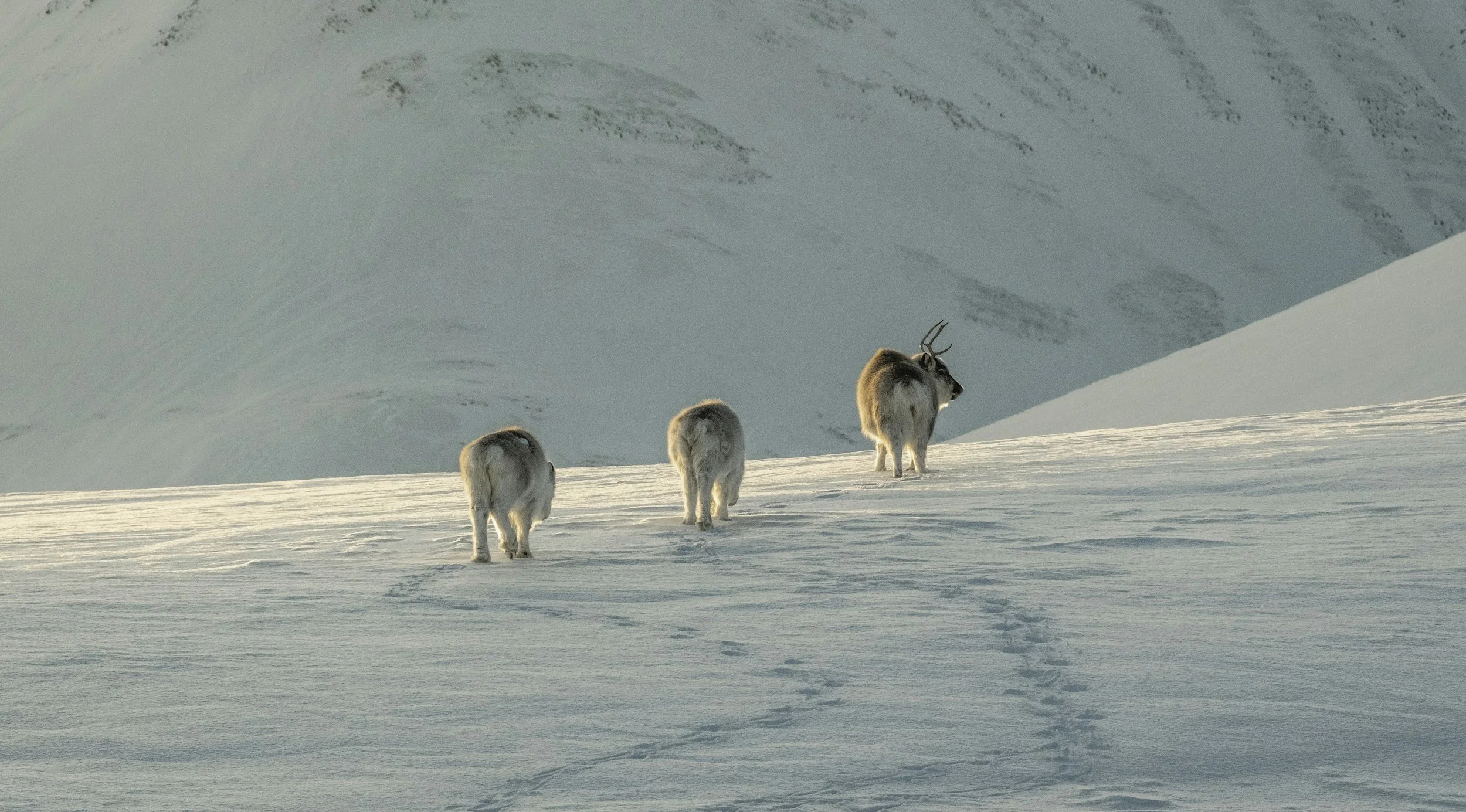
One of Norway's most unique reindeer populations lives on Svalbard.
Unlike mainland reindeer, Svalbard reindeer are smaller, stockier and specially adapted to life in the High Arctic. Their short legs, compact bodies and thick winter coats help them survive one of the harshest environments on Earth.
Perhaps surprisingly, they are often among the easiest large mammals to see on Svalbard. Reindeer are regularly encountered around Longyearbyen and can frequently be spotted grazing on tundra close to roads, hiking trails and settlements.
Best Time:
Year-round
Best Location:
Longyearbyen, Adventdalen and much of central Spitsbergen
Semi-Domesticated Reindeer in Northern Norway
Many visitors encounter reindeer while travelling in Northern Norway, particularly in Finnmark, Troms and around Nordkapp. Unlike wild reindeer found in southern Norway's national parks, most of these animals belong to managed herds.
Today, reindeer herding in Norway is closely associated with Sami culture and traditions. Reindeer husbandry is protected as a traditional Sami livelihood and plays an important role in the culture, economy and identity of many Sami communities across Northern Norway.
The animals roam freely across vast areas for much of the year, which is why visitors often encounter them beside roads, on mountain plateaus and along the coast. Although they may appear wild, most belong to herding districts and are managed as part of a long-standing pastoral tradition.
The easiest places to see reindeer include:
• Finnmark
• Nordkapp
• Tromsø region
• Lyngen
• Alta
• Karasjok
In these areas, reindeer are often encountered beside roads, on coastal plains and near Sami grazing areas.
Best Time
Reindeer can be seen throughout the year, but winter often provides the most memorable experience as herds move across snow-covered landscapes beneath the Northern Lights.
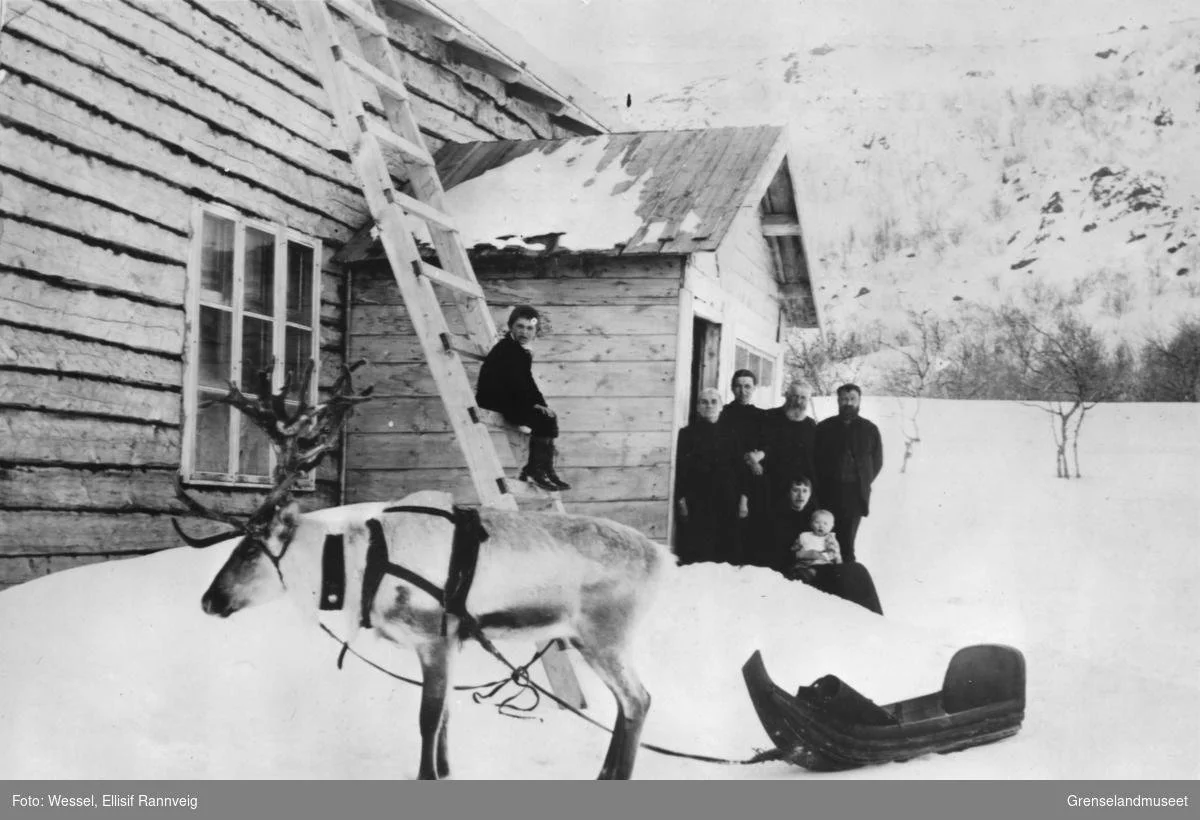
My family's farm in Strømsbukta near Kirkenes, photographed in the late 1800s. The farm was established by some of the area's earliest settlers after the Norway–Russia border was defined. In a landscape with few roads and vast distances, reindeer played an essential role in daily life, transport and survival.
Wild Reindeer
Wild mountain reindeer are something entirely different.
These animals roam freely across some of Norway's largest mountain plateaus and are among the last truly wild reindeer populations in Europe.
The best places to see them include:
• Hardangervidda National Park
• Rondane National Park
• Reinheimen National Park
Unlike northern reindeer, wild reindeer can be difficult to locate. Sightings often require hiking, patience and a degree of luck.
For wildlife enthusiasts, however, seeing a herd moving across a remote mountain landscape is one of Norway's most special experiences.
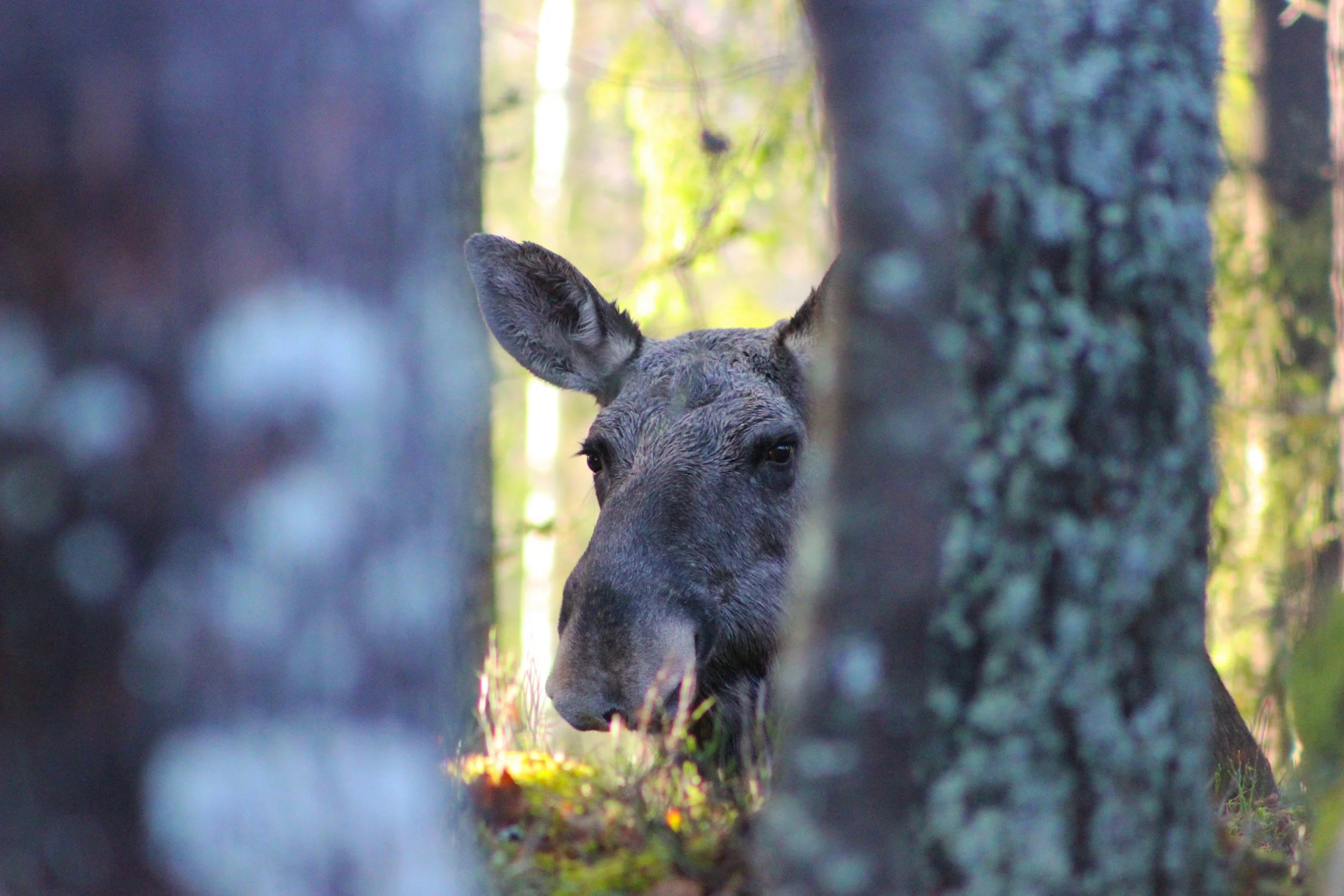
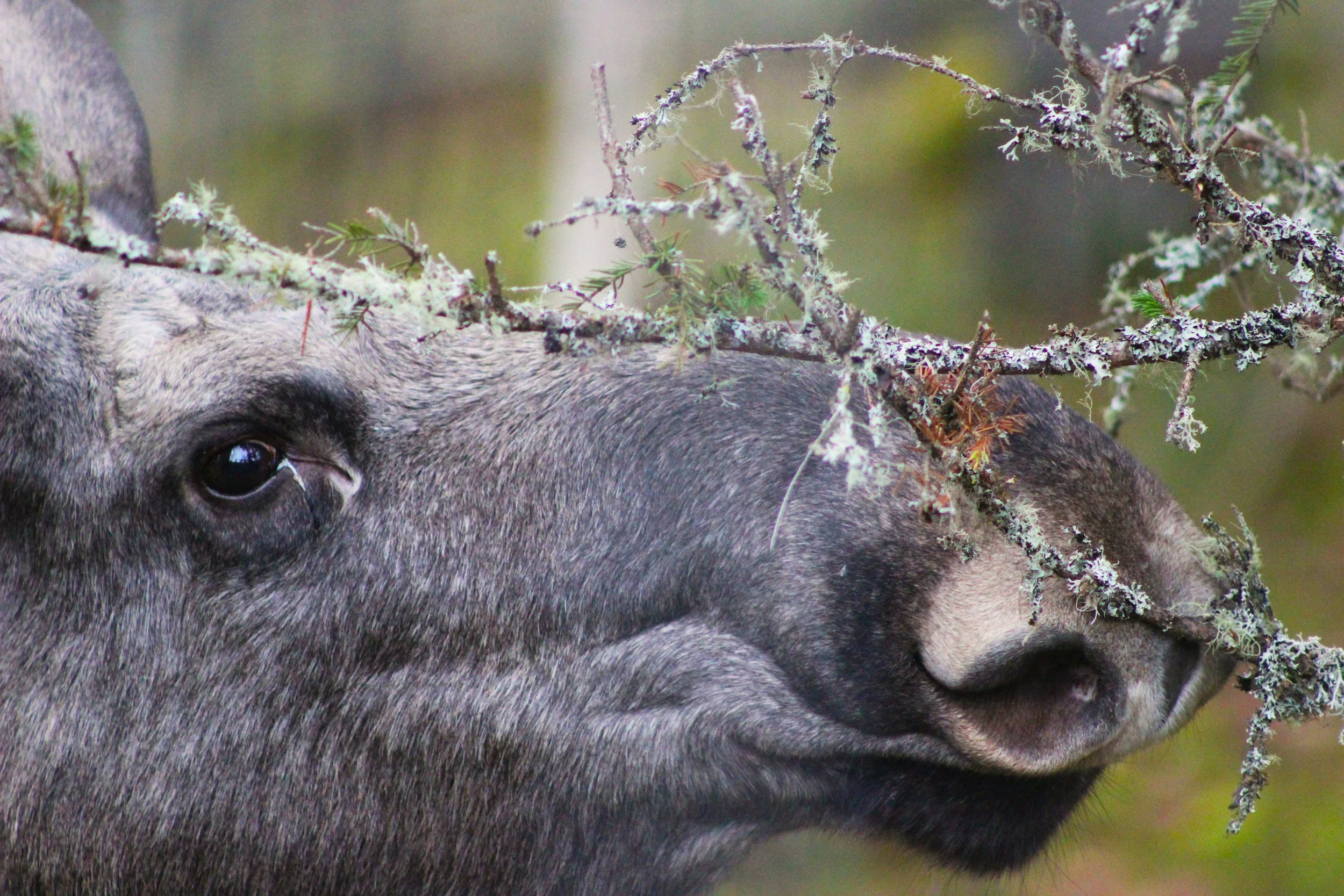
Moose Safaris
Although moose are widespread throughout Norway, they are surprisingly difficult to spot without guidance.
Their excellent camouflage, preference for forested landscapes and tendency to be most active at dawn and dusk mean that many visitors never see one despite travelling through prime moose habitat.
For many Norwegians, seeing a moose is still considered a special event.
Vesterålen
Most visitors associate Vesterålen with whales, but it is also one of Norway's best destinations for moose.
The region combines excellent wildlife opportunities with dramatic coastal scenery, making it possible to search for Norway's largest land mammal against a backdrop of mountains, fjords and beaches.
Best Time
May–September
The highest chances of sightings are usually early in the morning or late in the evening.
Recommended Experiences
Several local operators offer guided moose safaris during the summer season, combining wildlife viewing with local knowledge of feeding areas and migration routes.
Østerdalen: Norway's Moose Country
Among Norwegians, Østerdalen is perhaps the region most closely associated with moose.
The vast forests, wetlands and low population density create ideal habitat for large numbers of animals.
Driving through the area at dawn or dusk often provides excellent opportunities for sightings.
The roads through Østerdalen are also among the places in Norway where motorists need to be most aware of wildlife crossing the road.
Best Time
May–September
Best Viewing Times
• Sunrise
• Sunset
• Early autumn
RED DEER ON THE WEST COAST
While moose receive most of the attention from international visitors, red deer are often easier to see in parts of Western Norway.
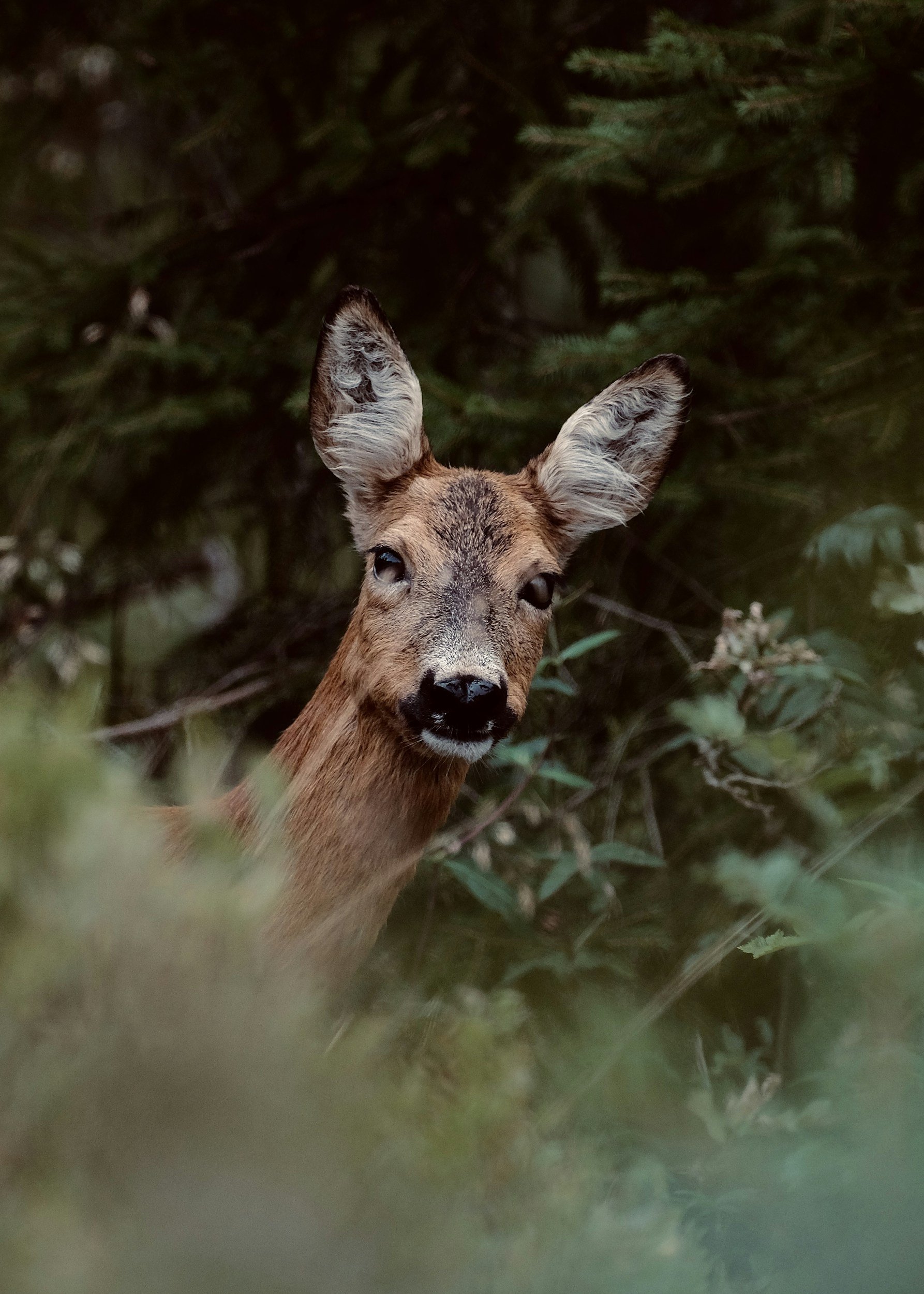
Norway supports one of Europe's largest red deer populations, particularly along the fjord regions and coastal mountains of Western Norway. Unlike moose, red deer are frequently observed grazing in open fields and on hillsides, especially during the early morning and evening hours.
Best Places
• Nordfjord
• Sunnmøre
• Sognefjord
• Møre og Romsdal
Best Time
Spring and autumn
The autumn rutting season can be particularly rewarding, with stags often visible and their calls echoing across valleys and hillsides.
Recommended Experiences
Many wildlife guides and local accommodation providers in Western Norway can advise on areas where deer are regularly observed, particularly during autumn.
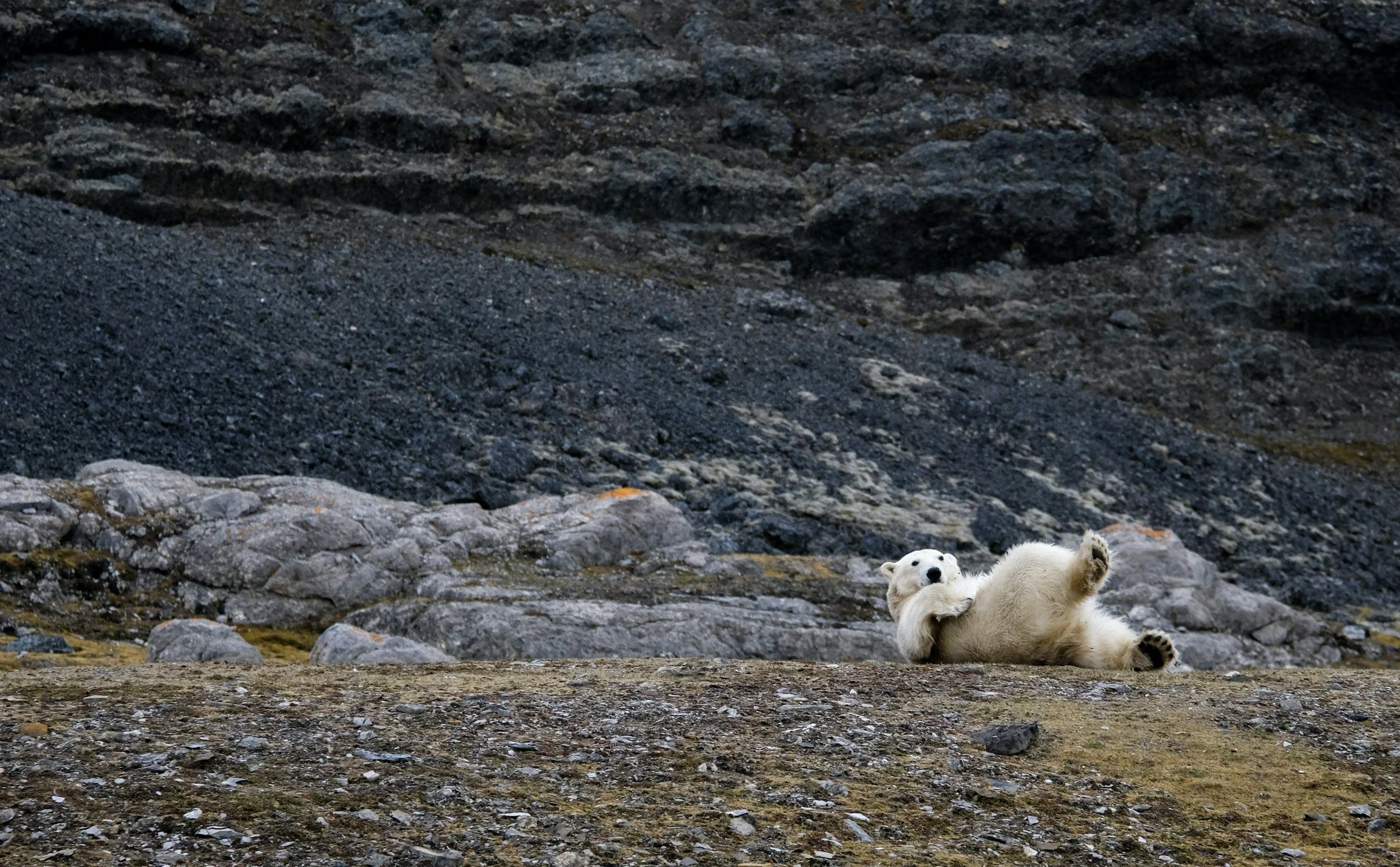
Polar Bears on Svalbard
No wildlife experience in Norway captures the imagination quite like seeing a polar bear.
Svalbard is the only place in Norway where polar bears occur naturally and one of the few places in the world where they can still be observed in a truly wild environment.
For many travellers, the polar bear is the ultimate Arctic animal.
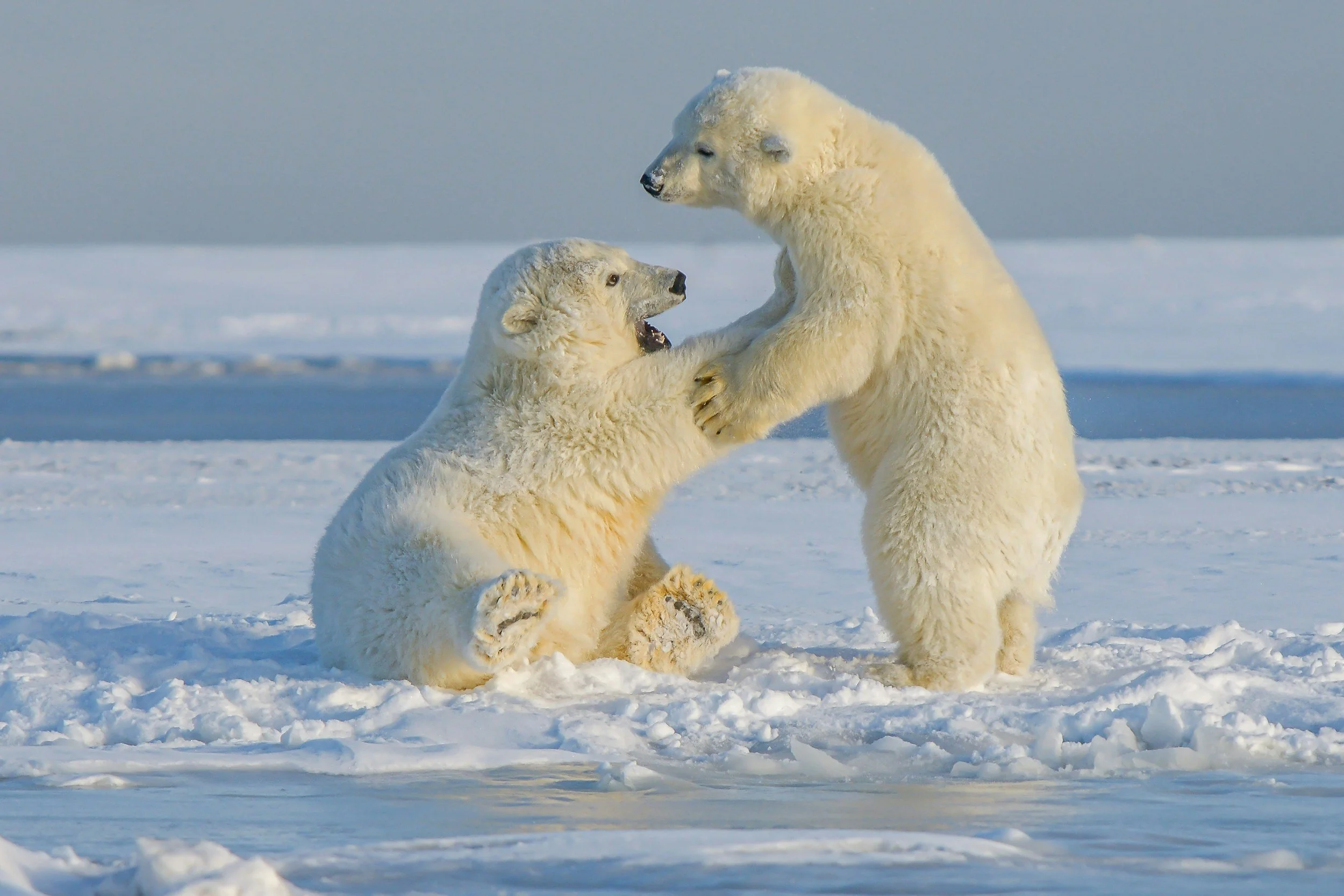
The only Place in Norway to See Polar Bears
Polar bears roam throughout the Svalbard archipelago, but sightings are never guaranteed.
Unlike wildlife parks or reserves, there is no specific location where visitors can simply go and expect to find a bear.
The best opportunities usually occur during expedition cruises that explore remote coastlines, pack ice and areas far from Longyearbyen.
Best Time
June–August
This period offers the greatest accessibility, long daylight hours and the widest range of expedition routes.
What Are the Chances of Seeing a Polar Bear?
While no reputable operator guarantees sightings, many expedition cruises encounter one or more bears during a voyage. The exact likelihood depends on weather conditions, sea ice distribution and pure luck.
Recommended Expedition Operators
HX Hurtigruten Expeditions
One of the most established expedition cruise operators in Svalbard.
Oceanwide Expeditions
Known for wildlife-focused voyages and experienced expedition teams.
Poseidon Expeditions
Offers dedicated Arctic expeditions with strong wildlife programmes.
Walrus on Svalbard
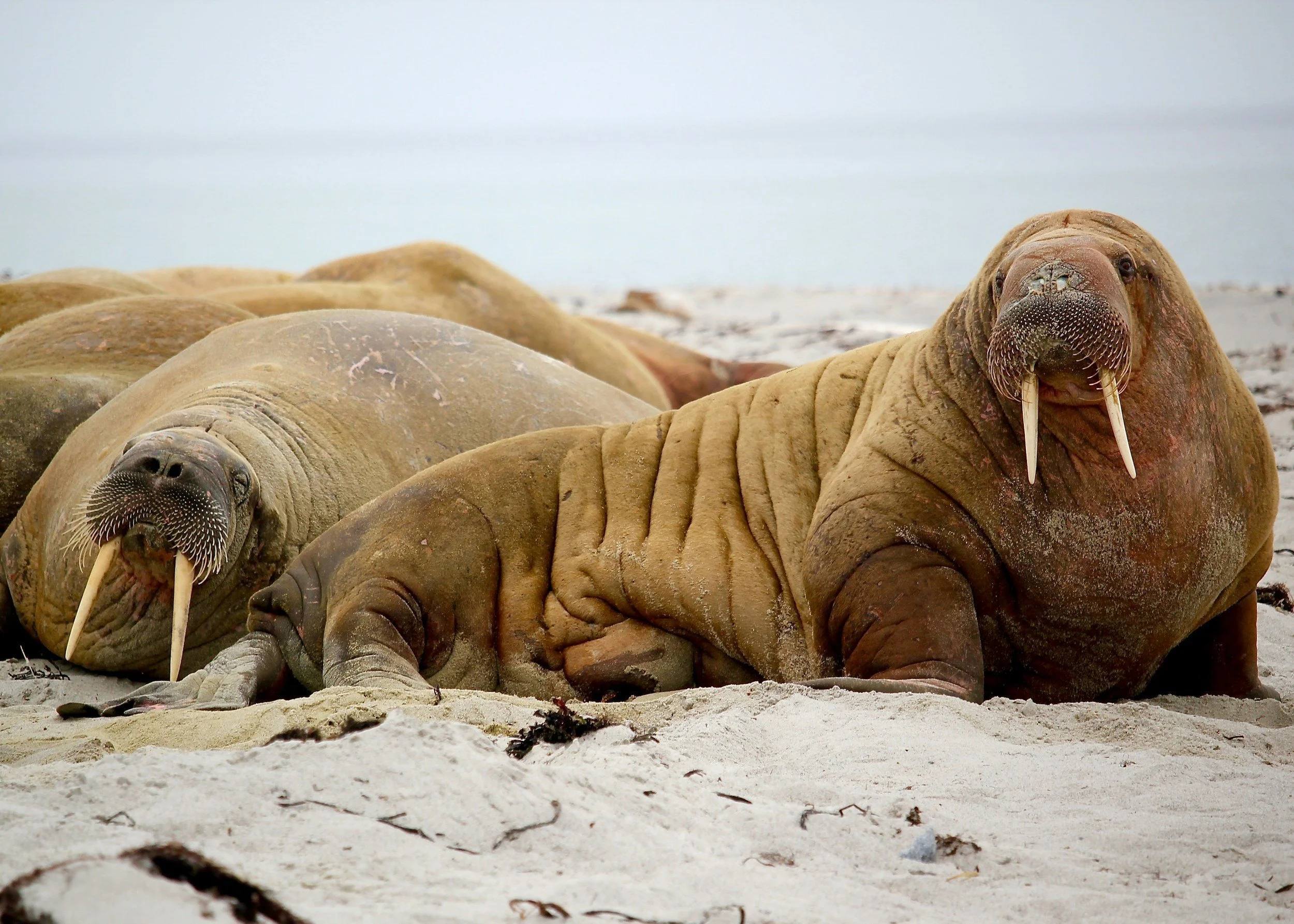
Few Arctic animals are as memorable as the walrus.
Once heavily hunted throughout the Arctic, walrus populations around Svalbard have recovered significantly and are now among the highlights of many expedition cruises.
Best Places
• Prins Karls Forland
• Nordvest-Spitsbergen National Park
• Remote beaches throughout Svalbard
Best Time
June–August
Walrus are often seen resting in groups on beaches or small islands.
Best Way to See Them
Expedition cruises provide by far the best opportunities.
Arctic Foxes
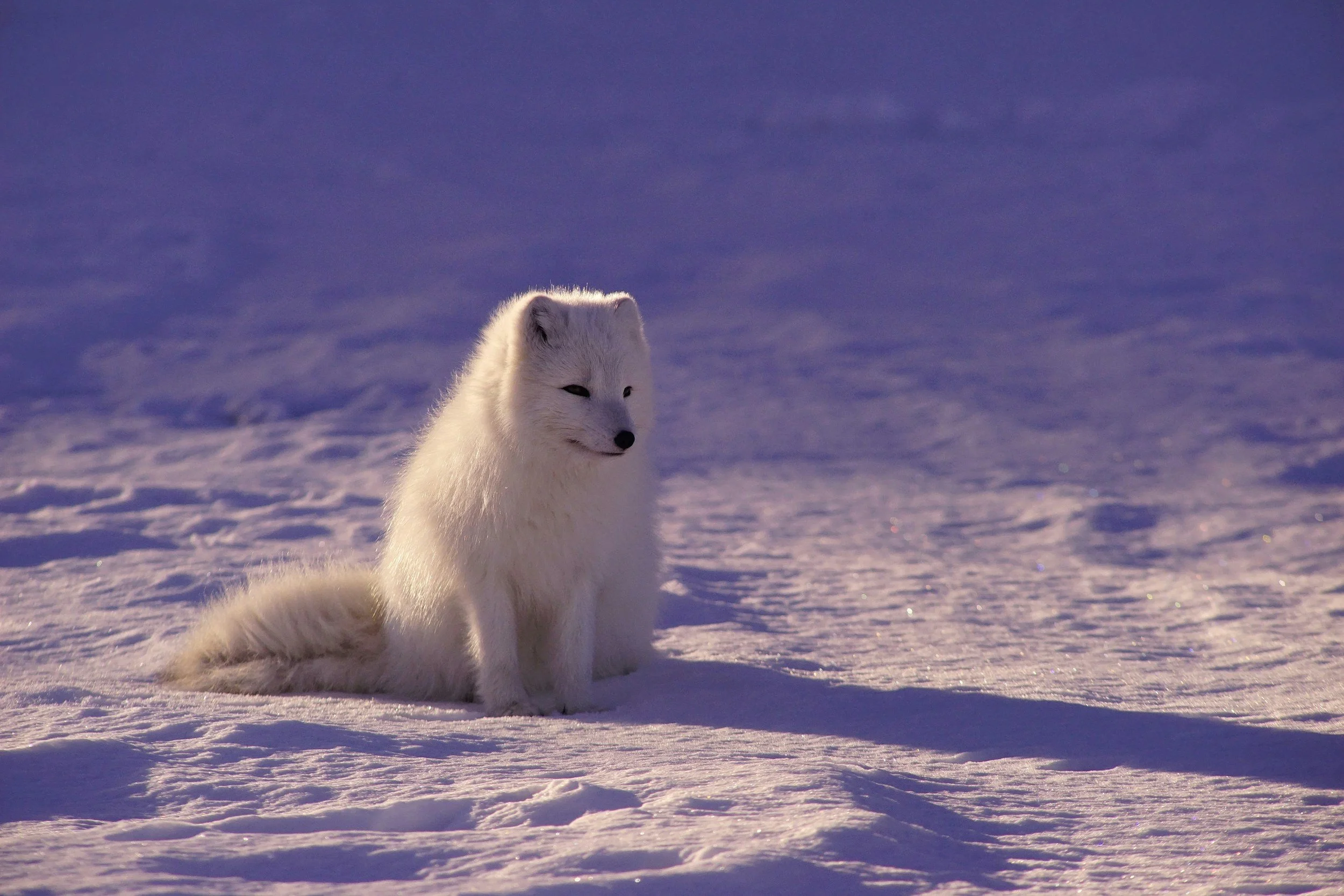
Once common throughout the mountains, the species declined dramatically and remains endangered on mainland Norway.
Where to See Arctic Foxes
The easiest place is actually Svalbard.
Unlike mainland populations, Arctic foxes remain relatively common across parts of the archipelago.
Best Time
Summer
During summer, foxes can frequently be observed near bird colonies where they search for eggs and chicks.
Their behaviour is often surprisingly bold compared with mainland predators.
Wildlife photographers often consider Arctic foxes one of the highlights of a Svalbard expedition.
Norway's Hardest Animals to Spot
Some of Norway's most fascinating wildlife remains elusive even for experienced naturalists.
These animals certainly exist, but most visitors should consider themselves lucky if they see one.
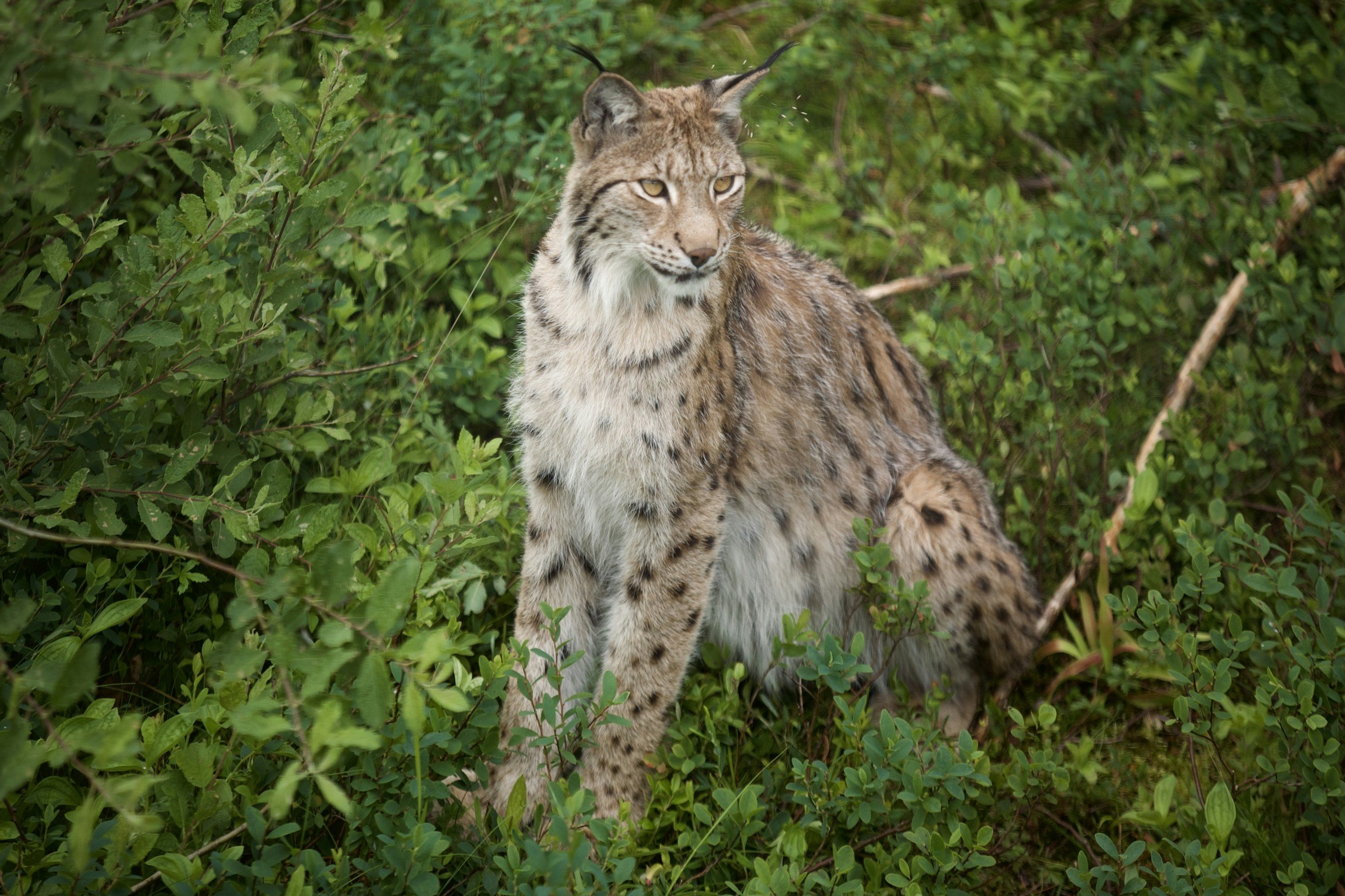
Lynx
Norway's largest wild cat is found across much of the country but is extremely secretive.
Most people will never see a lynx in the wild.
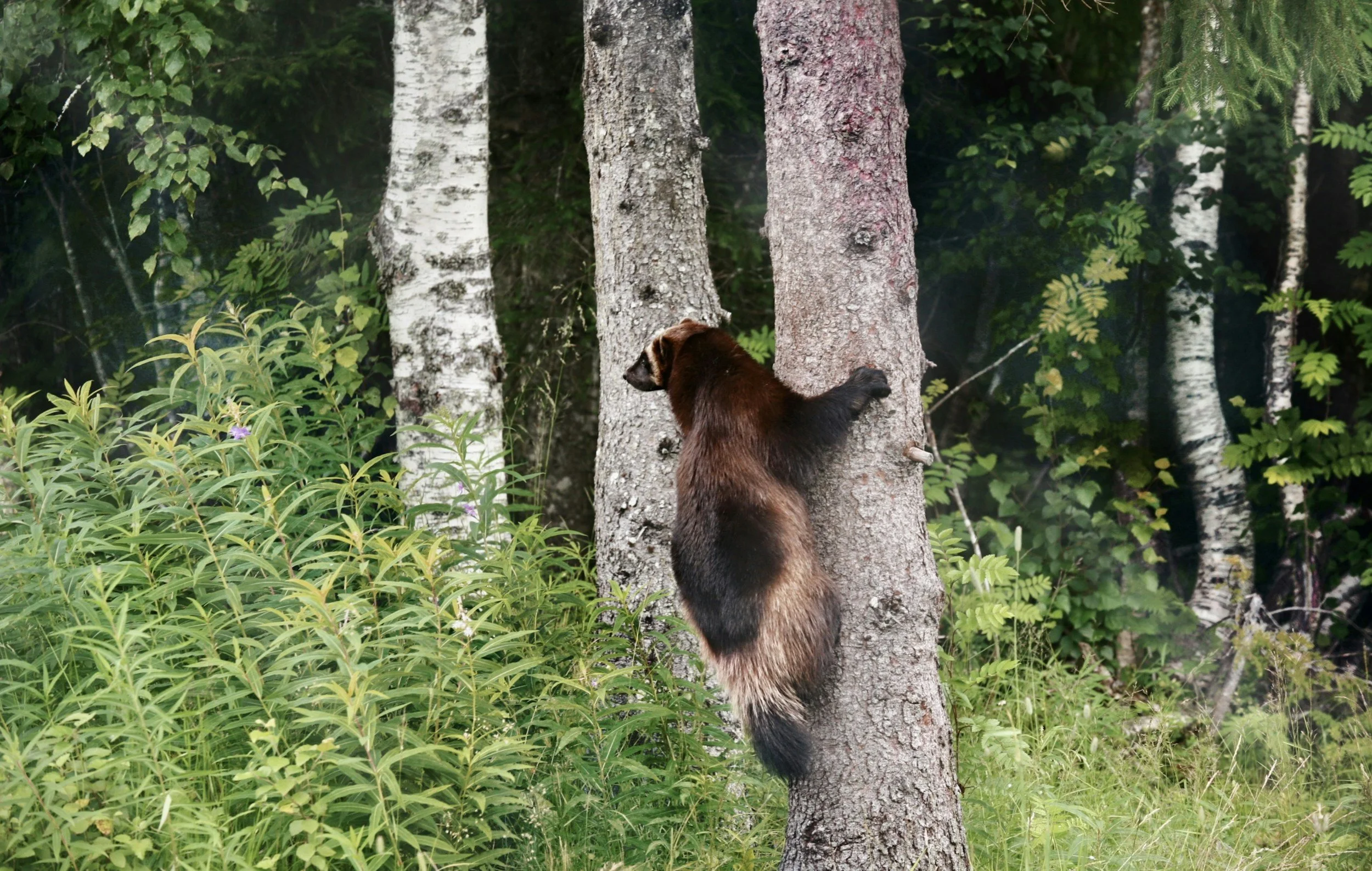
Wolverine
The wolverine, or jerv in Norwegian, is one of Europe's most elusive predators.
It inhabits remote mountain regions and can travel enormous distances across difficult terrain.
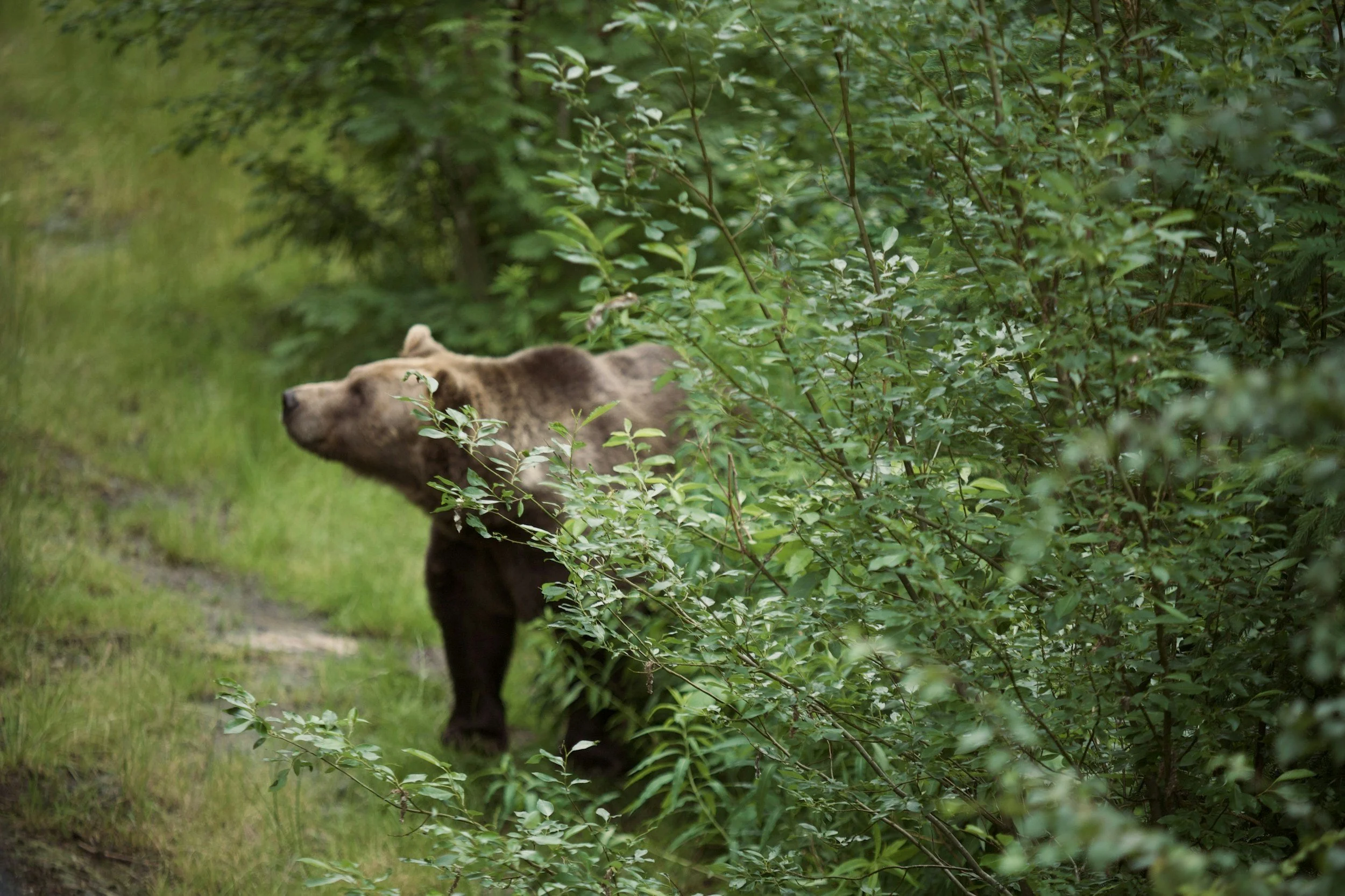
Brown Bear
Brown bears occur mainly near the Swedish border and in parts of central Norway.
Despite their presence, sightings remain rare.
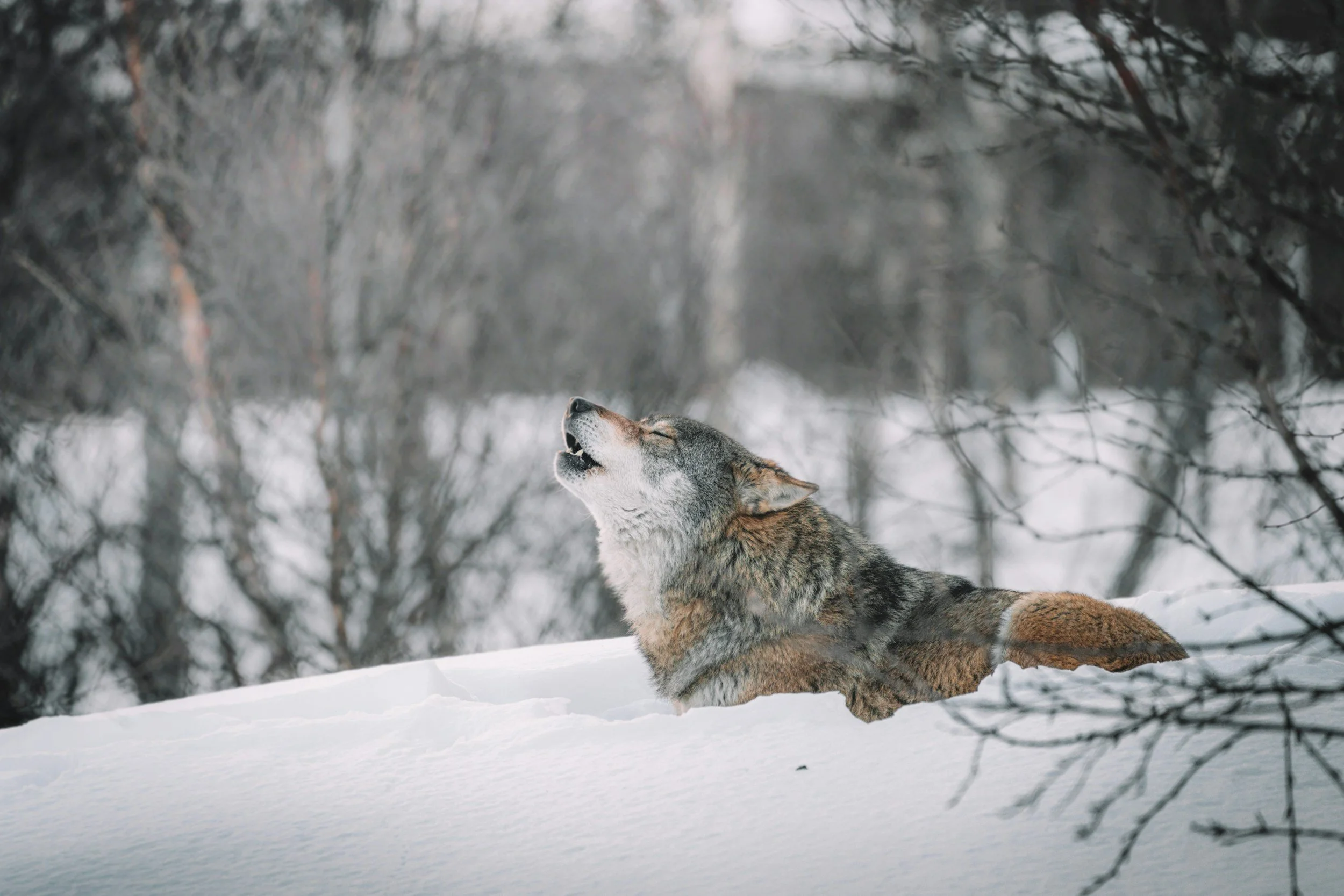
Wolf
A small wolf population exists in southeastern Norway, but encounters are exceptionally uncommon.
Most wolves actively avoid humans.
Responsible Wildlife Watching in Norway
Norway's wildlife is one of the country's greatest natural treasures, and responsible behaviour is essential.
The goal should always be to observe animals without disturbing them.
When watching wildlife in Norway:
• Keep a respectful distance.
• Follow guide instructions at all times.
• Never feed wild animals.
• Use binoculars or a telephoto lens instead of approaching.
• Stay at least 200 metres from musk oxen.
• Respect nesting seabirds and breeding areas.
• Leave no trace.
Responsible wildlife tourism helps ensure that future generations can enjoy the same experiences.
Wildlife Itineraries for Different Travellers
Best for Whale Lovers
Tromsø → Skjervøy → Andenes → Vesterålen
This route combines winter orca and humpback whale watching with some of Europe's best sperm whale experiences.
Best for Birdwatchers
Ålesund → Runde → Varanger Peninsula
Perfect for travellers interested in puffins, Arctic seabirds and rare species that are difficult to find elsewhere in Europe.
Best for Arctic Wildlife
Tromsø → Senja → Svalbard
A combination of Northern Norway's coastal wildlife and the High Arctic landscapes of Svalbard.
Best for Large Mammals
Dovrefjell → Rondane → Østerdalen
An excellent route for travellers hoping to see musk oxen, wild reindeer and moose.
Ultimate Norwegian Wildlife Road Trip
Tromsø → Senja → Andøya → Vesterålen → Lofoten
This route combines whales, sea eagles, puffins, reindeer, seals and some of Norway's most spectacular scenery.
For many travellers, it offers the best overall wildlife experience available on mainland Norway.
Final Words
From sperm whales in the Norwegian Sea to polar bears in the High Arctic, Norway offers some of Europe's most extraordinary wildlife experiences.
The secret to a successful wildlife trip is choosing the right destination at the right time of year. A traveller visiting Tromsø in December will have a completely different wildlife experience from someone hiking on Dovrefjell in July or exploring Svalbard in summer.
Whether you dream of watching orcas hunt in Arctic fjords, photographing puffins on coastal cliffs, observing musk oxen in the mountains or searching for polar bears in the High Arctic, Norway provides wildlife experiences that are difficult to find anywhere else in Europe.
For nature lovers, photographers and wildlife enthusiasts, it remains one of the continent's most rewarding destinations.
Planning a trip to Northern Norway? This practical guide explains where to go, when to visit, Arctic weather, northern lights, midnight sun, etc.