
Norwegian Summer Traditions: How Norwegians Spend the Summer in Norway
Norwegian summer traditions are shaped by long daylight hours, cabin life, outdoor meals, coastal towns, swimming, grilling, strawberries and slow evenings outside. While many Norwegians travel abroad during the holidays, summer spent in Norway is closely connected to nature, family routines, simple food, the sea and making the most of a short but deeply loved season.
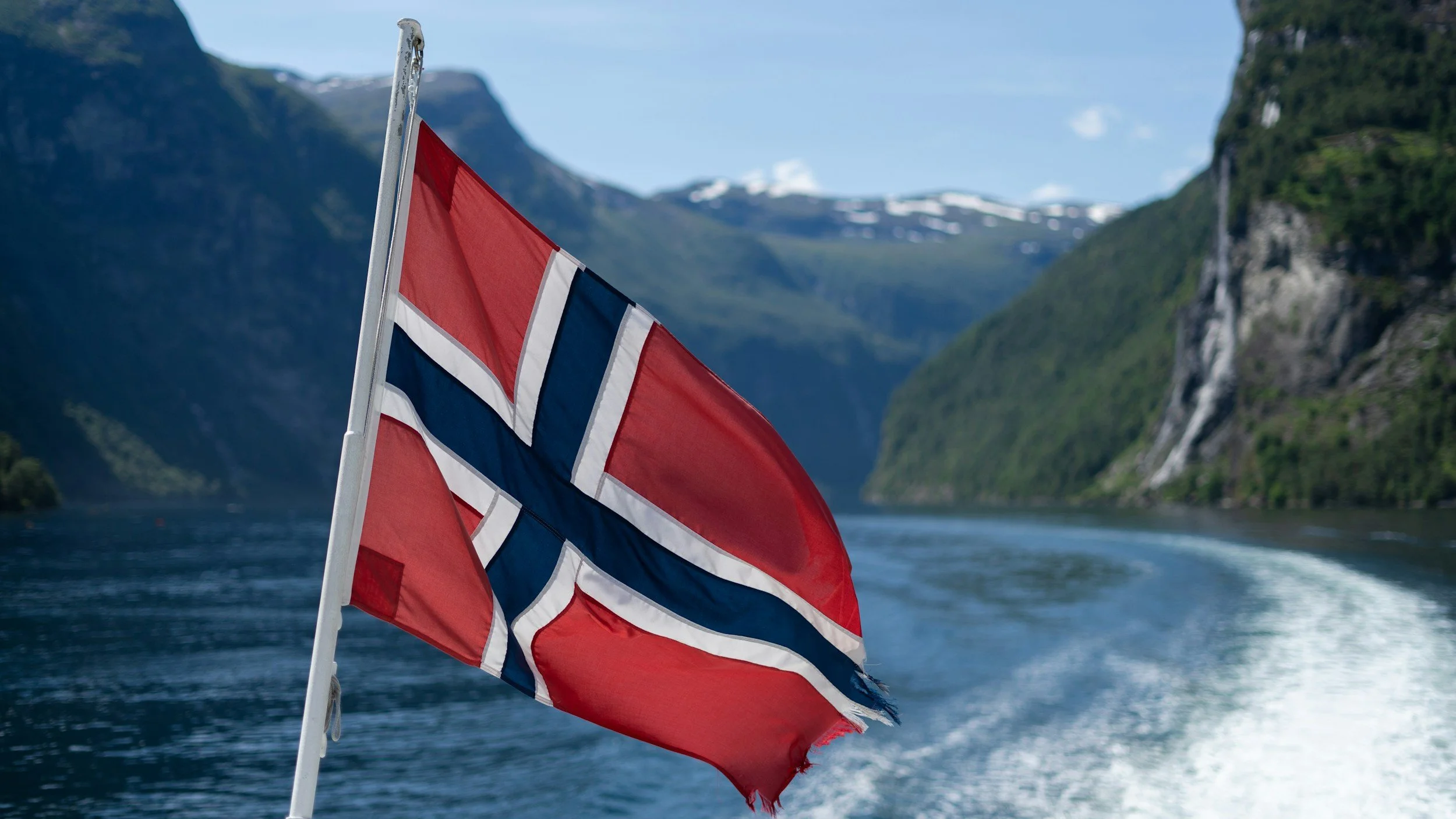
For many Norwegians, summer in Norway is one of the most meaningful times of the year. After a long winter and a slow spring, summer feels like the country opening up again. People move outdoors, cabins are aired out, boats return to the water, meals become simpler, and long evenings are spent on terraces, by the sea, beside lakes or outside family cabins. Even when the weather changes several times in one day, there is a strong sense that summer should be used while it lasts.
Norwegian summer traditions are often built around simple pleasures: grilling outside, swimming in cold water, visiting a cabin, eating strawberries, taking ferries, walking after dinner, stopping for ice cream and staying outside late because the light refuses to disappear. It is a season shaped less by luxury and more by nature, routine, family memory and the short, intense joy of being outside.
Why Summer Matters So Much in Norway
To understand Norwegian summer traditions, it helps to understand the contrast between seasons. Norway has long, dark winters, especially in the north, and even in the south the colder months can feel heavy and enclosed. When summer finally arrives, there is a noticeable shift in daily life.
People spend more time outside. Parks, harbours, beaches, islands, lakes and cabin areas become part of everyday life. Meals are eaten outdoors when possible, even if it requires a blanket, a windbreaker or a slightly stubborn attitude towards the weather. Norwegians often joke about summer being short, but that is also why it feels so precious.
Summer in Norway is not only about temperature. It is about light. In Southern Norway, evenings stretch on for hours, with a soft twilight that makes the day feel much longer than it is. In Northern Norway, the midnight sun changes the rhythm completely, making it possible to hike, fish, walk or sit outside late into the night.
Because the season is brief, many Norwegians attach strong rituals to it. Some families return to the same cabin every year. Others spend July by the coast, take road trips, visit grandparents, go boating, eat the same summer foods or swim from the same pier they used as children. These repeated traditions are part of what makes summer in Norway feel so nostalgic.
The Norwegian Cabin: A Summer Base
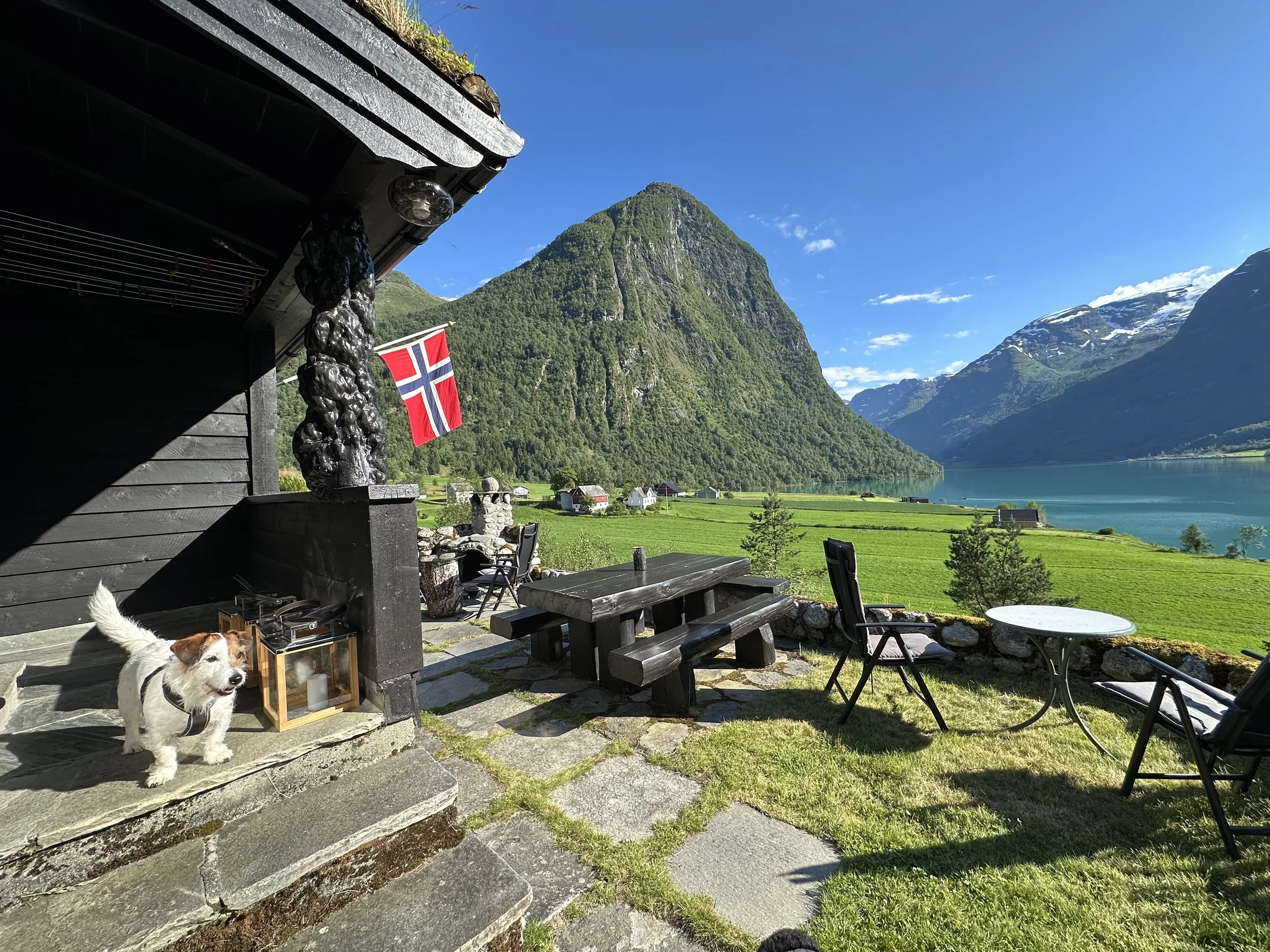
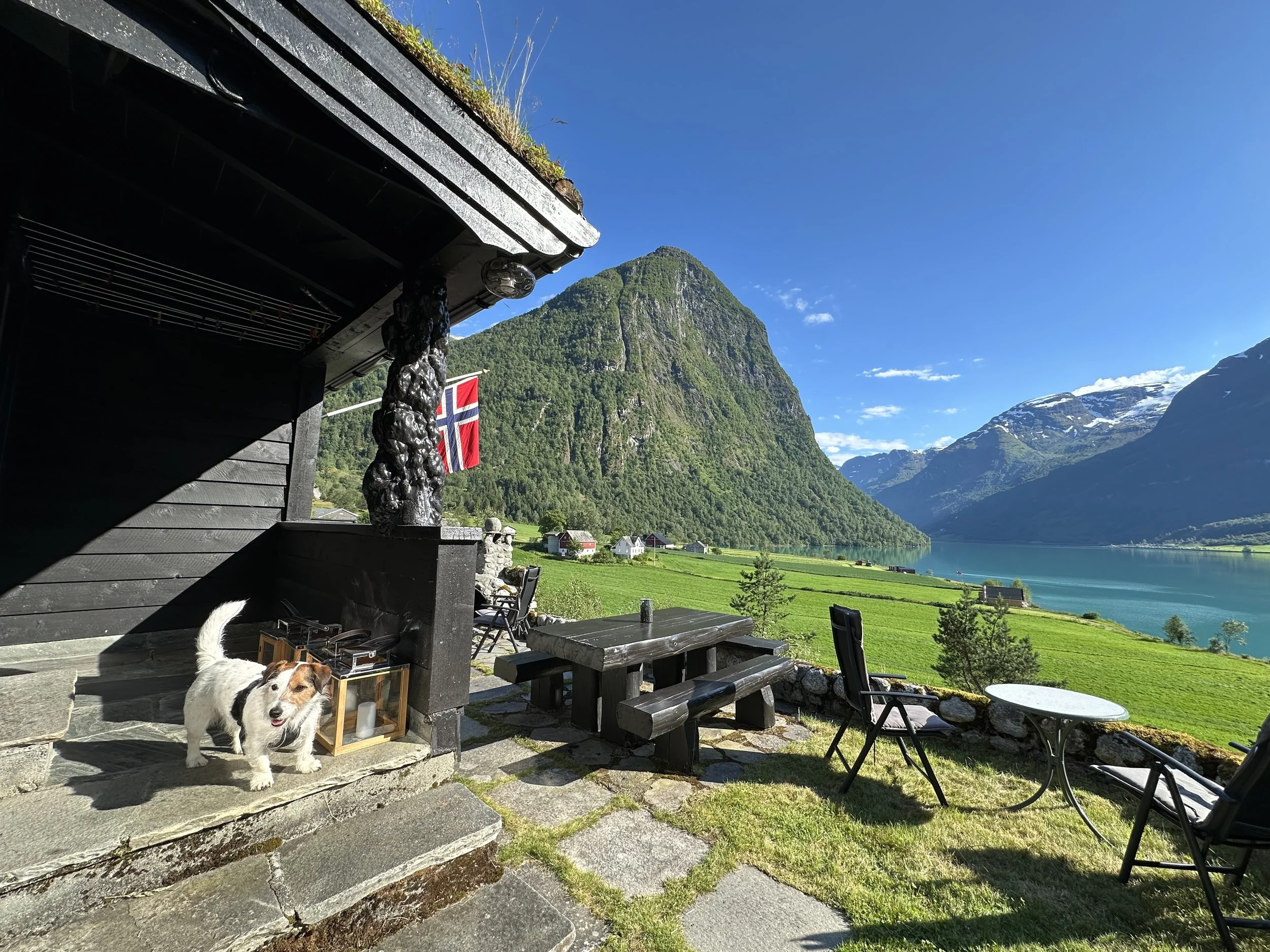
The cabin, or hytte, is one of the most important parts of Norwegian summer culture. Not every Norwegian has access to one, of course, but cabin life still holds a strong place in the national imagination. For many families, summer is closely connected to returning to a particular place year after year.
A Norwegian summer cabin can mean many things. It might be a simple wooden cabin by a lake, a coastal cabin with a boat nearby, a family place in the mountains, or a small rural house passed down through generations. Some cabins are modern and comfortable, while others are far more basic, with simple routines and fewer conveniences than home.
The point of cabin life is not necessarily luxury. It is often about slowing down. Days at the cabin might involve swimming, reading, walking, grilling, playing cards, drinking coffee outside, doing small maintenance jobs, or simply watching the weather move across the landscape.
Cabins are also deeply emotional places. They are often tied to childhood, family stories and a sense of belonging. Many Norwegians have memories of summer cabins that are not especially dramatic, but still stay with them for life: the smell of wood, wet swimsuits drying outside, old blankets, gravel roads, cold lake water, evening sun through the windows, and the feeling of returning to the same view each year.
Related Reading:
Grilling: The Everyday Summer Ritual
If there is one food tradition that really belongs to everyday Norwegian summer, it is grilling. As soon as the weather allows it, people move dinner outside. Grilling happens in gardens, on terraces, at cabins, near the sea, beside lakes and in parks where it is permitted.
The food itself does not have to be complicated. Sausages, burgers, fish, chicken, vegetables, corn, simple salads and potato dishes are all common. The point is often less about impressive cooking and more about the fact that the meal is being eaten outdoors.
Grilling also reflects something very Norwegian about summer: the desire to make ordinary routines feel seasonal. A simple weekday dinner can become a summer evening if it is eaten outside with a fleece jumper nearby, children running around, someone checking the weather forecast, and everyone pretending the wind is not quite as cold as it feels.
At cabins, grilling often becomes part of the rhythm of the day. After swimming, hiking, boating or working on small cabin projects, dinner outside feels easy and natural. It is casual, social and strongly connected to the feeling of summer at home in Norway.
Reker: A Coastal Summer Classic
Reker are closely connected to Norwegian summer, especially along the coast. They belong to seaside lunches, café stops, harbour restaurants, cabin terraces, boats and relaxed meals near the water.
In Norway, shrimp is often eaten very simply. A rekesmørbrød is an open-faced shrimp sandwich, usually served with bread, mayonnaise, lemon and dill. It is a classic summer lunch at cafés, hotels, ferry stops and coastal towns, especially when people are travelling, spending the day by the sea or taking a slower holiday meal.
At home, at a cabin or on a boat, shrimp may also be served casually on the table so people can peel them and make their own slices of bread with mayonnaise, lemon and dill. The ingredients are often similar, but the setting changes the feeling: less café lunch, more slow summer meal.
This is why shrimp feels so summery in Norway. It is not about elaborate seafood dining, but about the combination of fresh shrimp, bread, salty air, light evenings and being close to the water.
Norwegian Strawberries
Norwegian strawberries are another important part of summer. Their season is short, and that makes them feel special. When local strawberries arrive in shops and roadside stalls, it is one of the small signs that summer has properly begun.
They are often eaten simply, with cream, sugar, ice cream or nothing at all. They appear at family gatherings, cabin meals, garden tables and summer desserts. Like many Norwegian summer traditions, the pleasure is not complicated. It is about seasonality, familiarity and the fact that something only exists for a short part of the year.
For many Norwegians, the taste of strawberries is strongly tied to childhood summers, school holidays, warm evenings and the beginning of July. Even when the weather is not especially warm, strawberries make it feel like summer.
Summer Drinks and Outdoor Socialising
For many adults in Norway, alcohol is also part of the summer atmosphere. A beer on a terrace, wine with a grilled dinner, drinks on a boat, cider at a cabin, or something cold outside in the evening can all be part of how people socialise during the warmer months.
This does not mean every Norwegian summer setting revolves around drinking, and plenty of people do not drink at all. But compared with the darker, colder parts of the year, summer often brings more informal outdoor socialising: garden gatherings, cabin evenings, barbecues, harbour restaurants, festivals and long nights where people stay outside later than usual.
Alcohol in Norway is also shaped by practical limits. It is expensive, supermarket beer sales have restricted hours, and wine and spirits are sold through Vinmonopolet rather than ordinary grocery shops. This means many Norwegians plan ahead before cabin trips, boat weekends or holidays in smaller places.
Swimming in Fjords, Lakes and the Sea
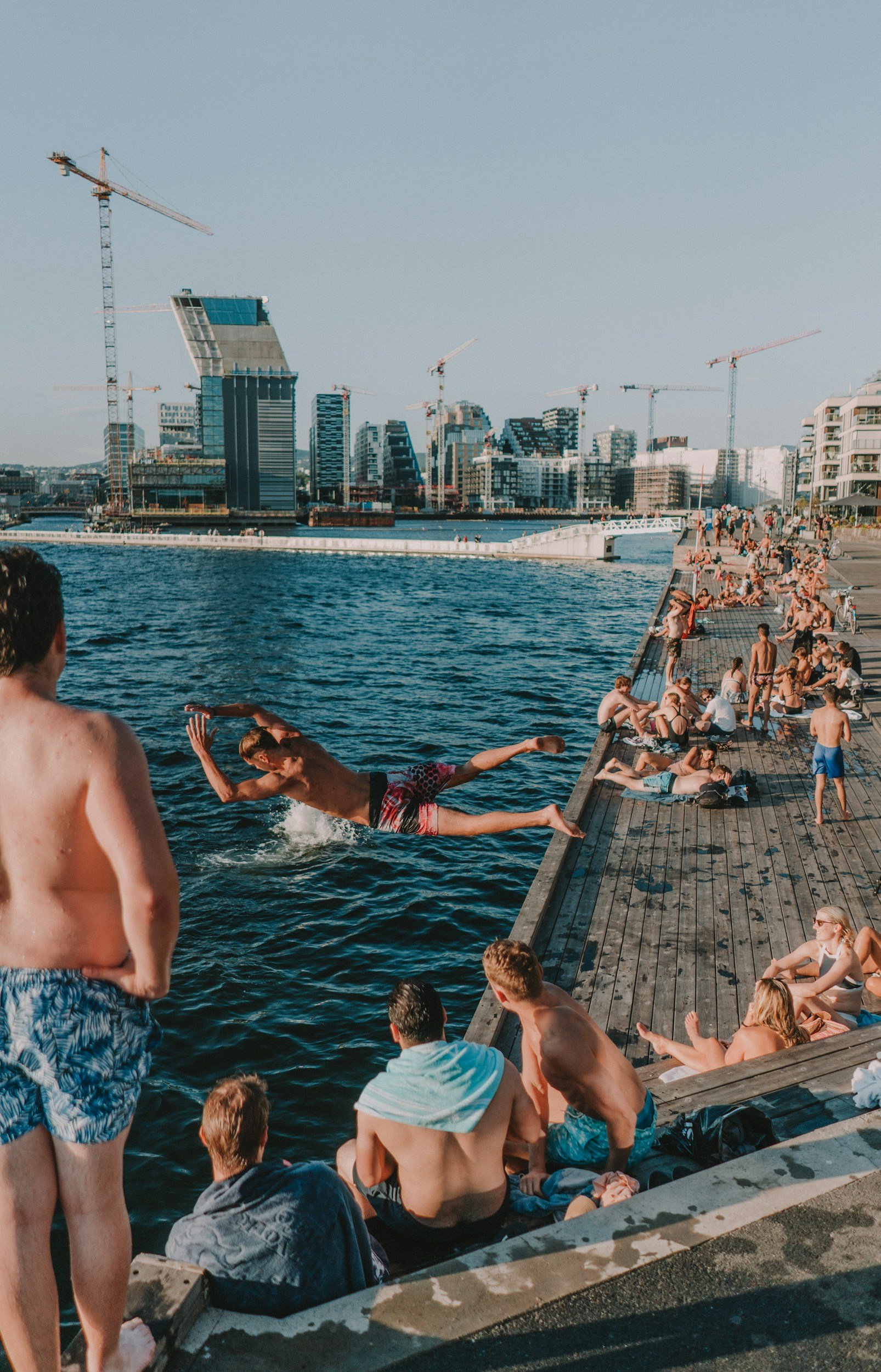
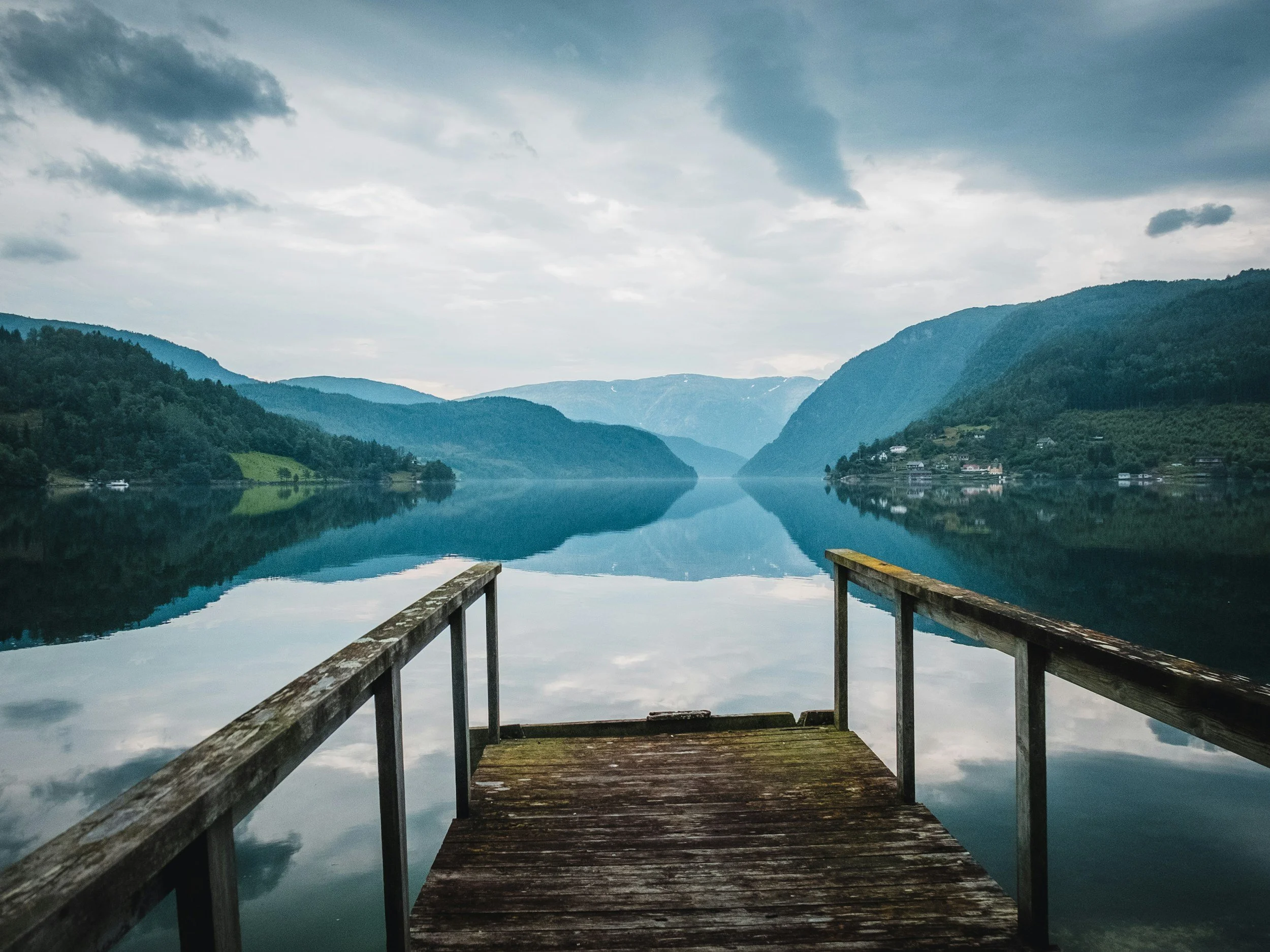
Swimming is another important part of summer in Norway, even when the water is cold. Norwegians swim in fjords, lakes, rivers, the sea, city beaches and from cabin piers. In many places, swimming is not treated as a major event. It is something you do before breakfast, after a walk, during a boat trip, after work, or at the end of a long summer day.
The water temperature can vary a lot. Some beaches in Southern Norway can feel pleasantly warm in good summers, while fjords and northern waters often remain cold and fresh. But that is part of the experience. A Norwegian summer swim is often more about the feeling afterwards than the comfort of the water itself.
Children jump from piers, adults take quick dips from rocks, and in cities like Oslo, swimming has become a normal part of urban summer life. People go from the office to the fjord, combine swimming with saunas, or take ferries to small islands for the afternoon.
This connection between everyday life and water is one of the things that makes Norwegian summer feel distinct. Swimming is not only a beach holiday activity. It is woven into daily routines, cabin life and coastal culture.
Coastal Life and Boating
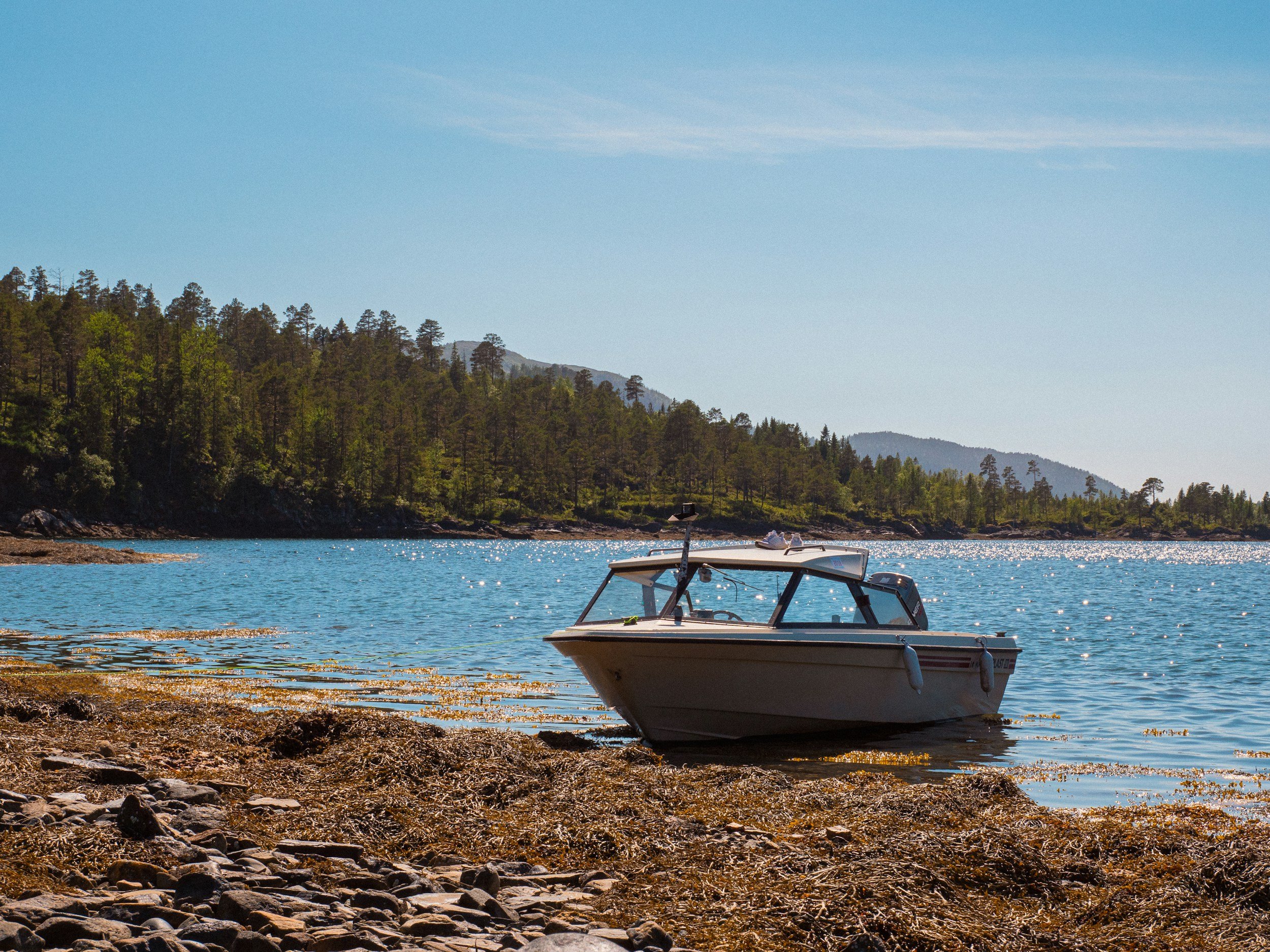
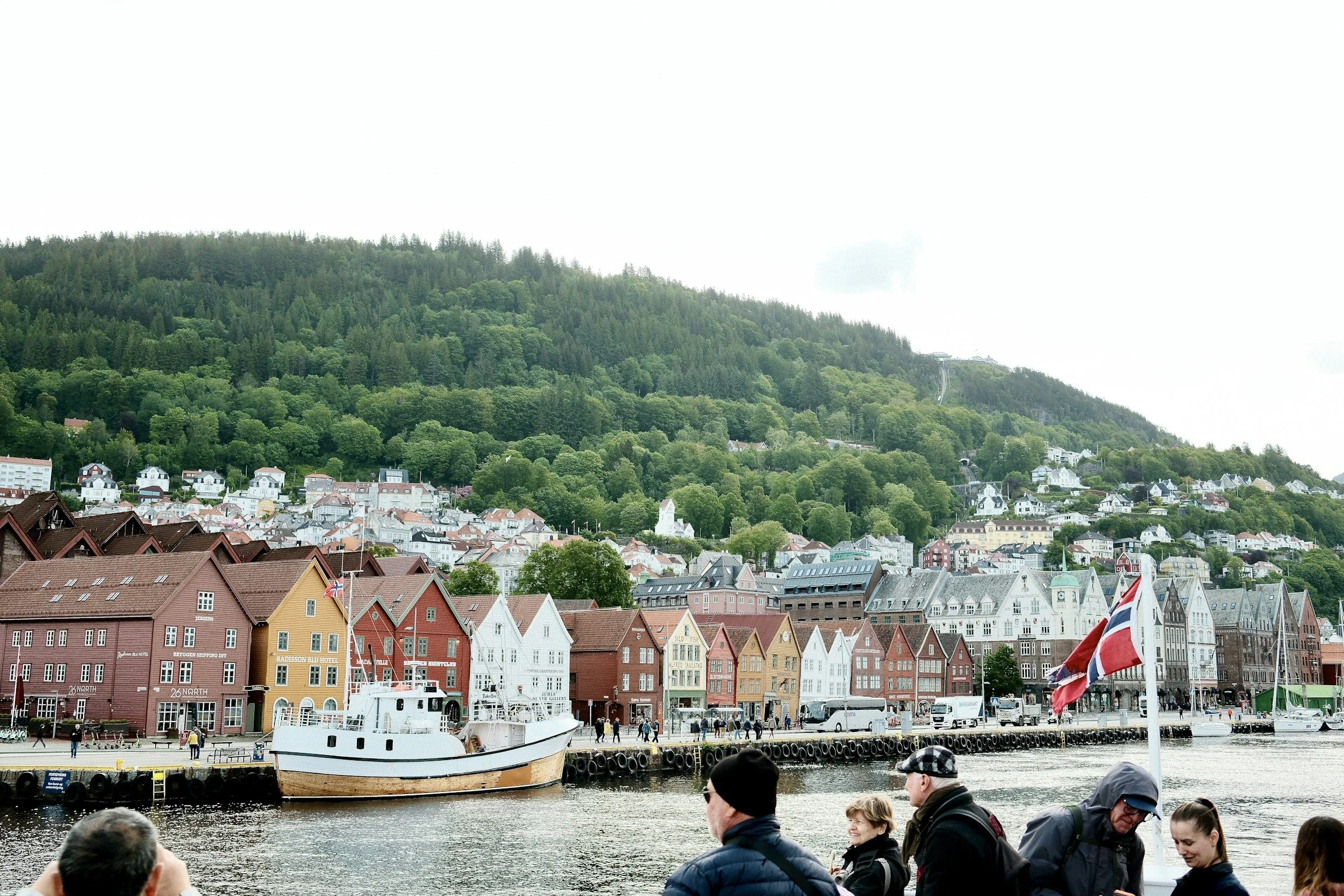
Norway has one of the longest coastlines in the world, so it is not surprising that summer and the sea are closely connected. Coastal life looks different depending on where you are, but boats, islands, harbours, fishing, ferries and seaside towns all play a strong role in how many Norwegians experience summer.
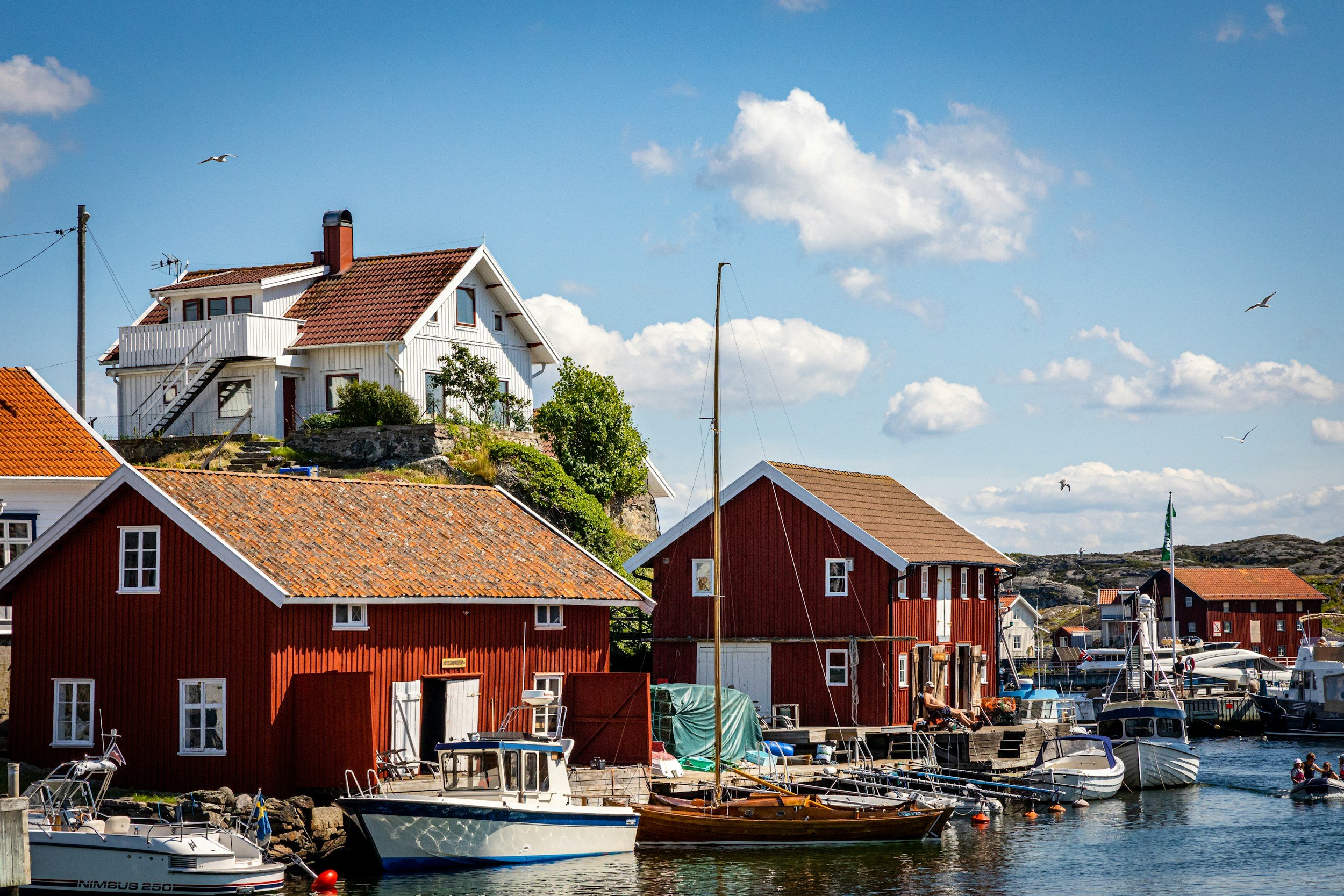
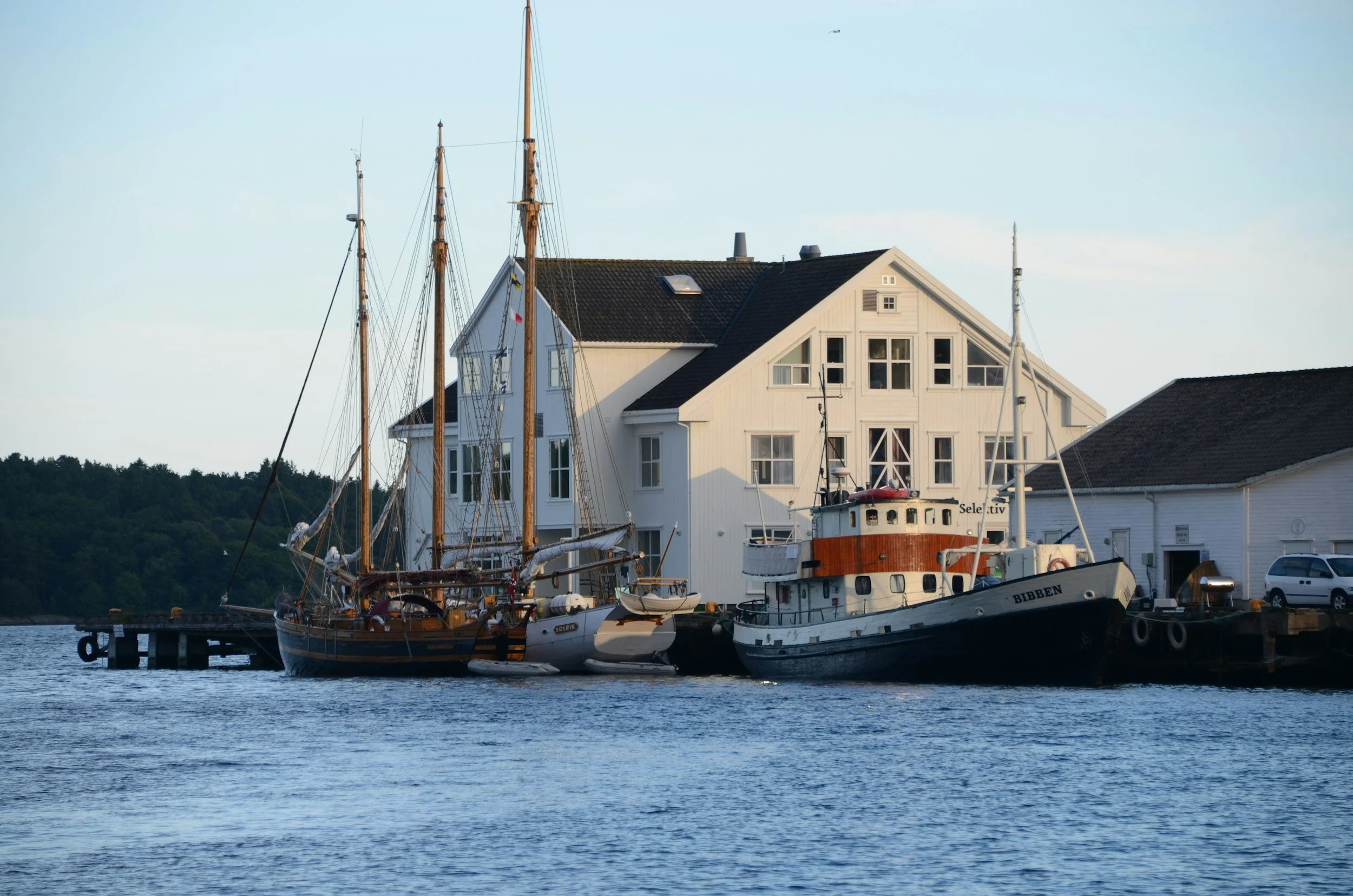
In Southern Norway, summer is often associated with white wooden houses, small coastal towns, smooth rocks, boats, ice cream, seafood and busy harbours. Places that feel quiet in winter can become lively in July, when Norwegians return to the coast for their holidays.
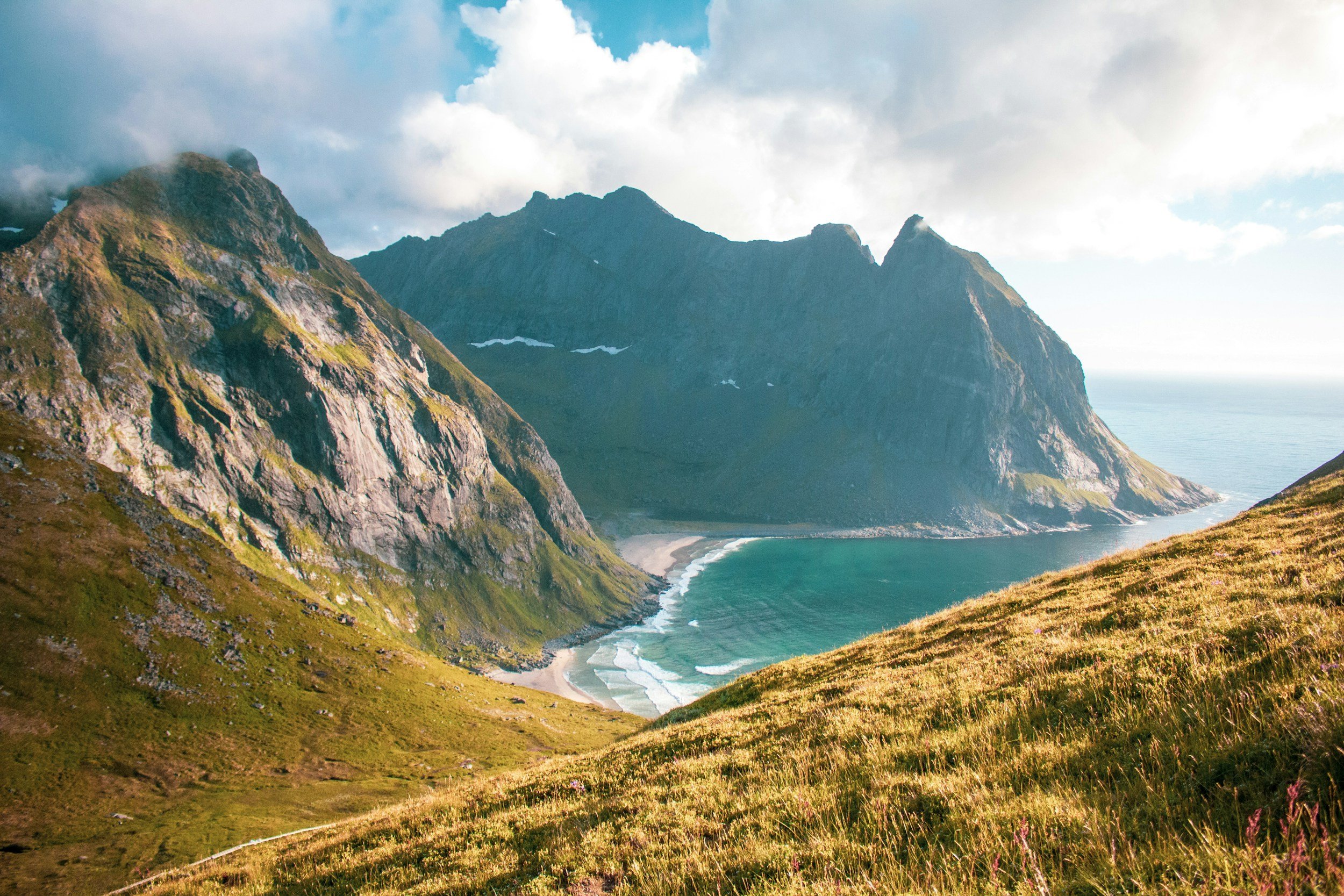
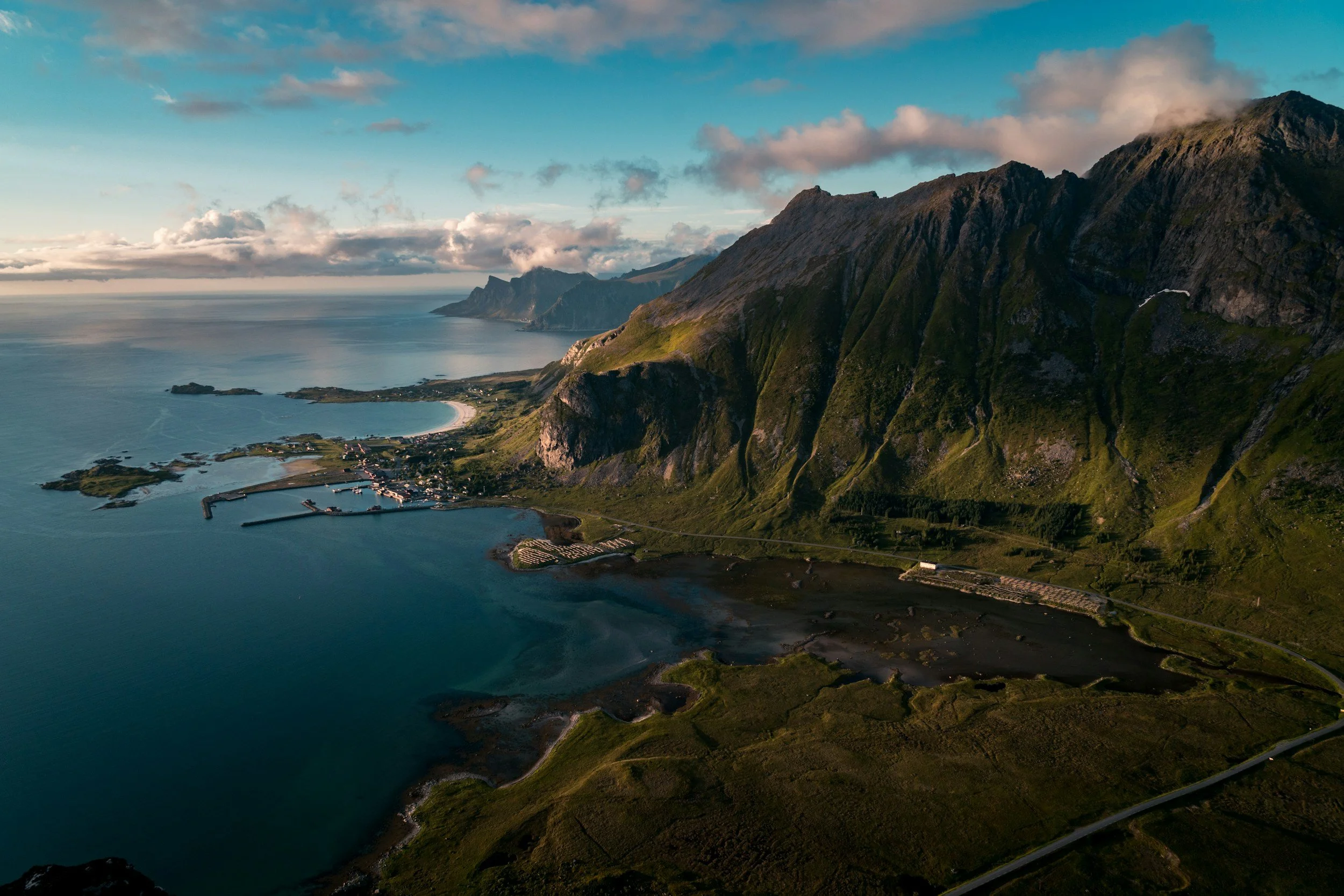
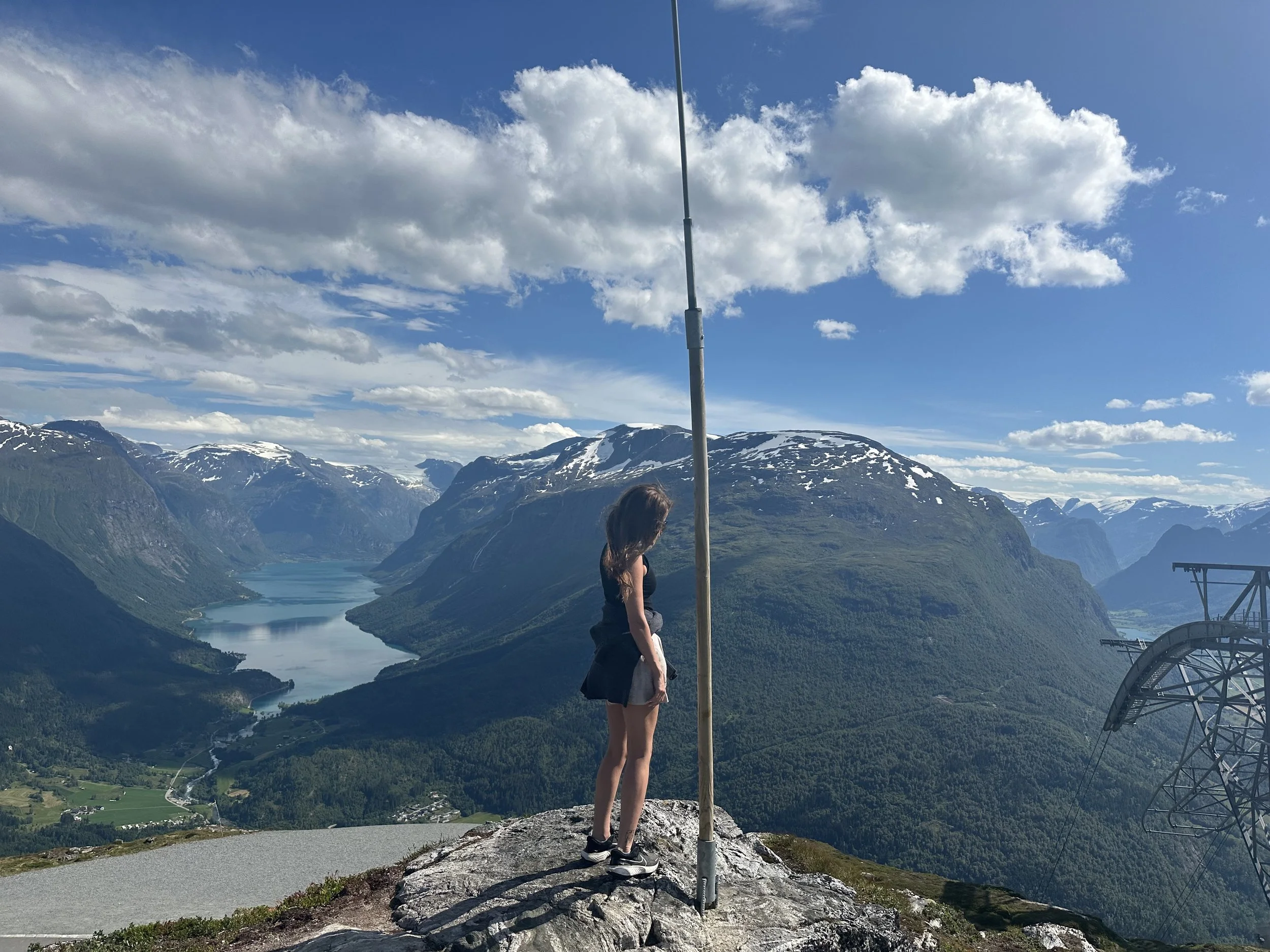
In Western Norway, coastal summer can feel more dramatic, with fjords, mountains, ferries and changing weather shaping the experience. In Northern Norway, summer coastal life is strongly connected to the midnight sun, fishing villages, open landscapes and the strange beauty of bright nights.
Boating is a major part of summer for many families, although not everyone owns a boat. Some use boats for short trips between islands, some for fishing, some for visiting friends, and others simply for being on the water. Ferries also form part of the rhythm of summer travel, especially along the western and northern coast.
Norwegian coastal life is rarely only about lying on a beach. It is about movement between land and water: walking to the harbour, taking a ferry, swimming from rocks, eating outside, watching boats come in, or sitting by the sea long after dinner because the evening is still light.
Sankthans and the Start of Summer
Sankthans is celebrated around 23 June and is one of the traditional markers of early summer in Norway. It is connected to midsummer, light, bonfires and outdoor gatherings, although how strongly people celebrate it varies a lot from place to place.
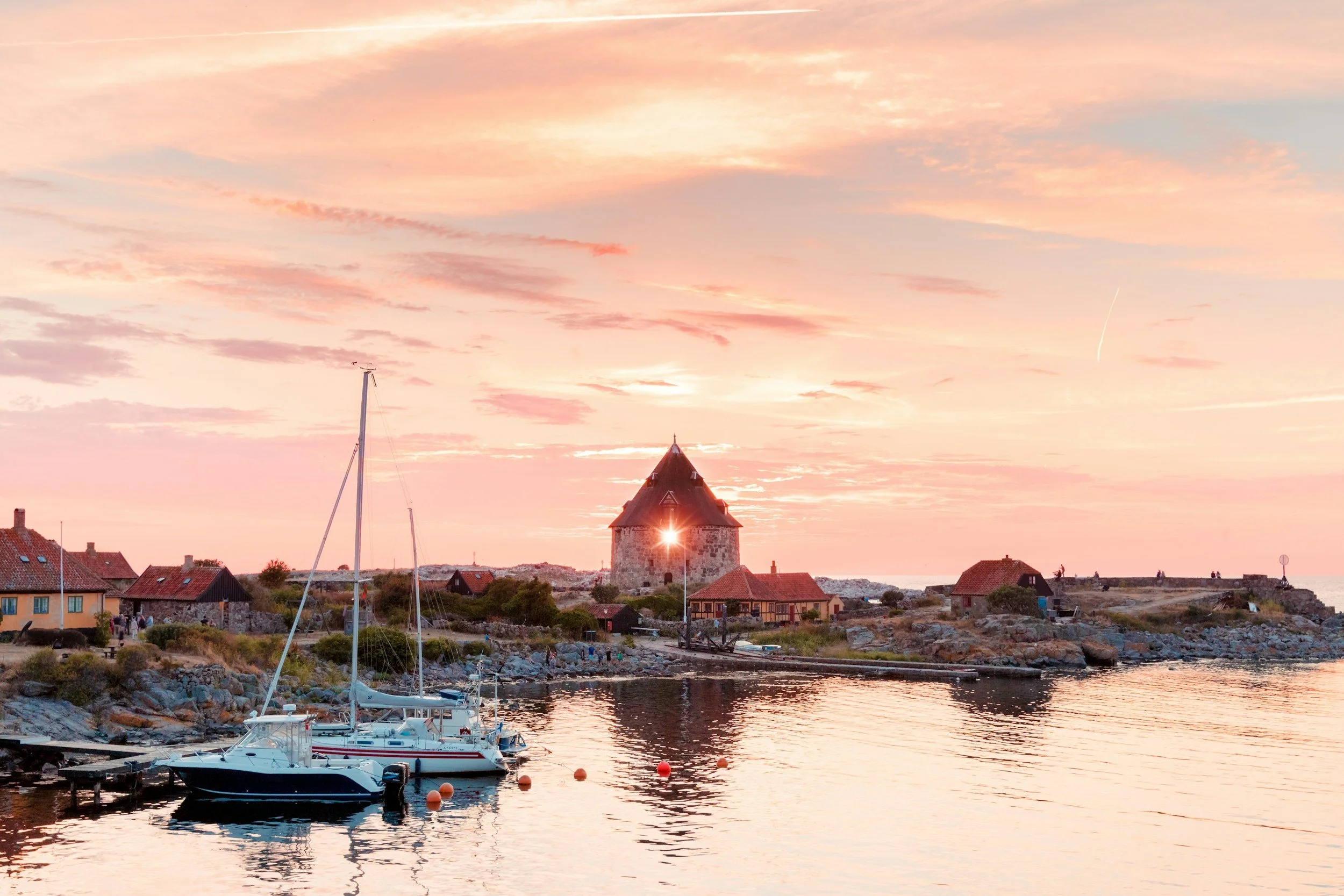
Along the coast, Sankthans often has a strong connection to the sea. In some communities, people gather by the water, light bonfires where this is permitted, eat outdoors and spend the evening with family, friends or neighbours. For children, it can feel like one of the first proper signs that the summer holidays are close.
Long Summer Evenings
One of the most beautiful parts of summer in Norway is the light. Even in Southern Norway, where there is no midnight sun, the evenings are long and slow. The sky stays bright late into the night, and this changes how people use their time.
Dinner can stretch later than usual. People sit outside longer, go for walks after eating, take evening swims, work in the garden, drink coffee on the terrace, or simply stay outdoors because it still feels too early to go inside. Summer evenings often have a slightly suspended feeling, as if the day is reluctant to end.
In Northern Norway, the midnight sun makes this even more pronounced. For several weeks, the sun does not set at all in places above the Arctic Circle. This creates a very different summer rhythm, where hiking, fishing, photography and late-night walks can happen in full daylight.
For visitors, the long light can be one of the most memorable parts of summer in Norway. It is not only scenic; it changes the mood of daily life. People seem to stretch their days around the light, making the most of a season everyone knows will pass quickly.
July: The Main Holiday Month
July is the heart of the Norwegian summer holiday season. Many Norwegians take several weeks off during this period, and the rhythm of the country changes noticeably. Offices become quieter, schools are closed, and many families leave the cities for cabins, coastal towns, campsites, road trips or visits to relatives.
This is also why some Norwegian cities can feel strangely calm in July, especially in residential areas. At the same time, popular holiday destinations become much busier. Coastal towns, fjord villages, campsites, ferry routes, scenic roads and family attractions can all be at their busiest during the main summer weeks.
For travellers, this is useful to understand. Norway does not necessarily feel uniformly busy in summer. Some places become very lively, while others feel almost sleepy. Small restaurants, local shops and family-run businesses may also have seasonal opening hours, depending on where you are.
July is not only a travel month; it is a pause in the normal year. Many Norwegians use it to return to places they know well, spend time with family, work on cabin projects, be near the water, or simply live a little more slowly than they do during the rest of the year.
Road Trips, Ferries and Small Summer Stops
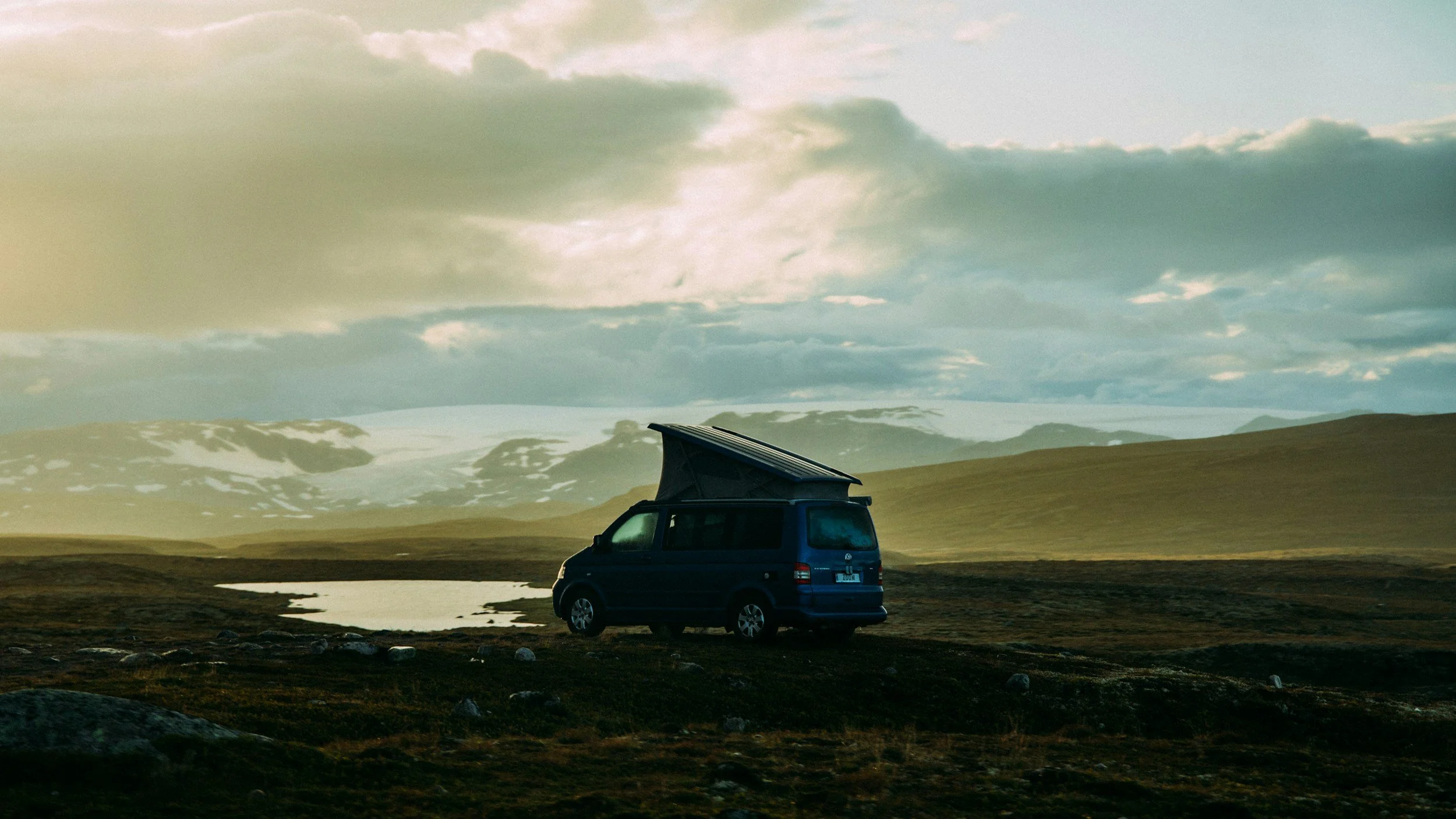
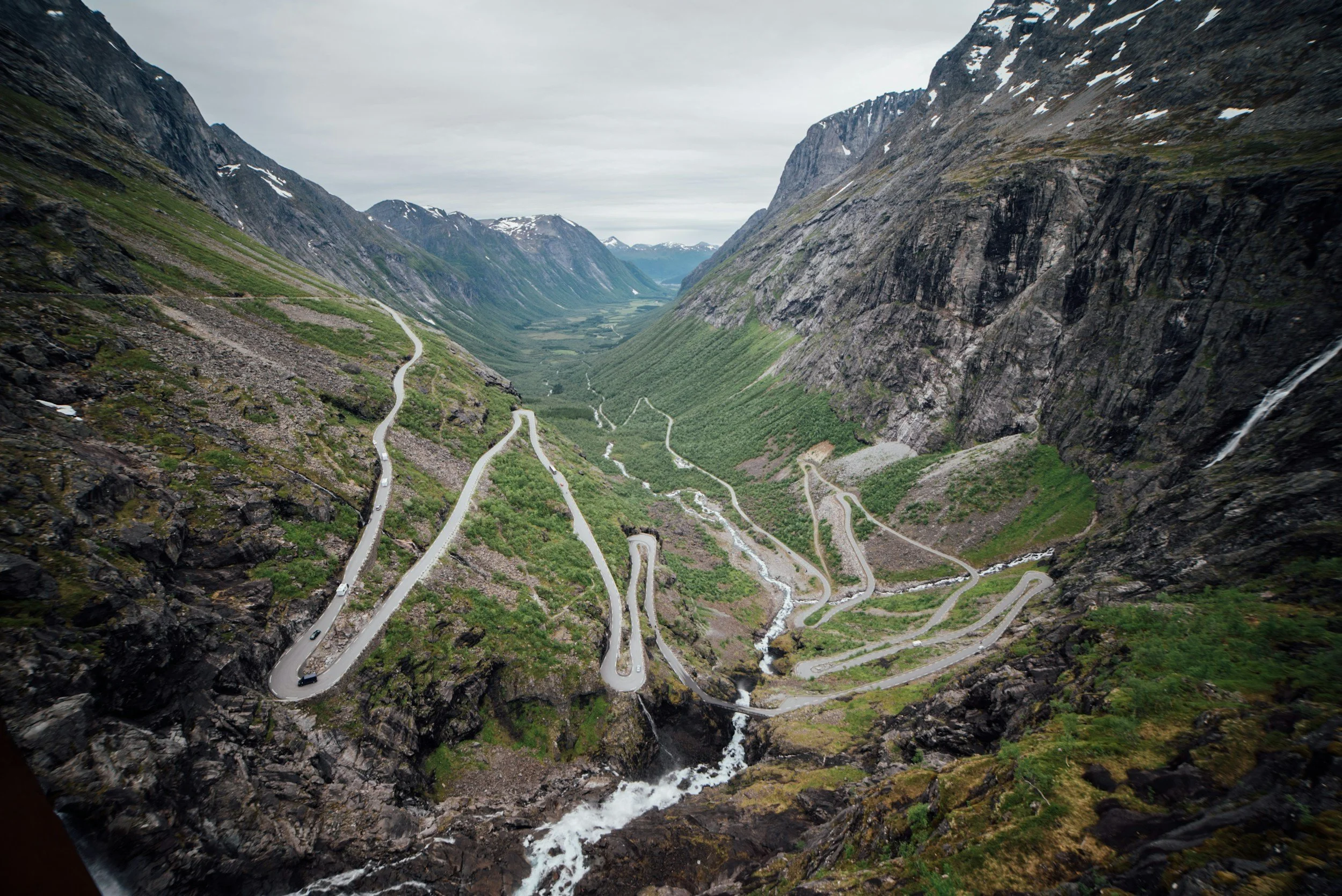
Summer in Norway is also closely connected to road trips. Because the distances can be long and the landscape changes slowly, the journey itself often becomes part of the holiday. Families drive to cabins, visit relatives, travel between regions or follow coastal and mountain roads at a slower pace.
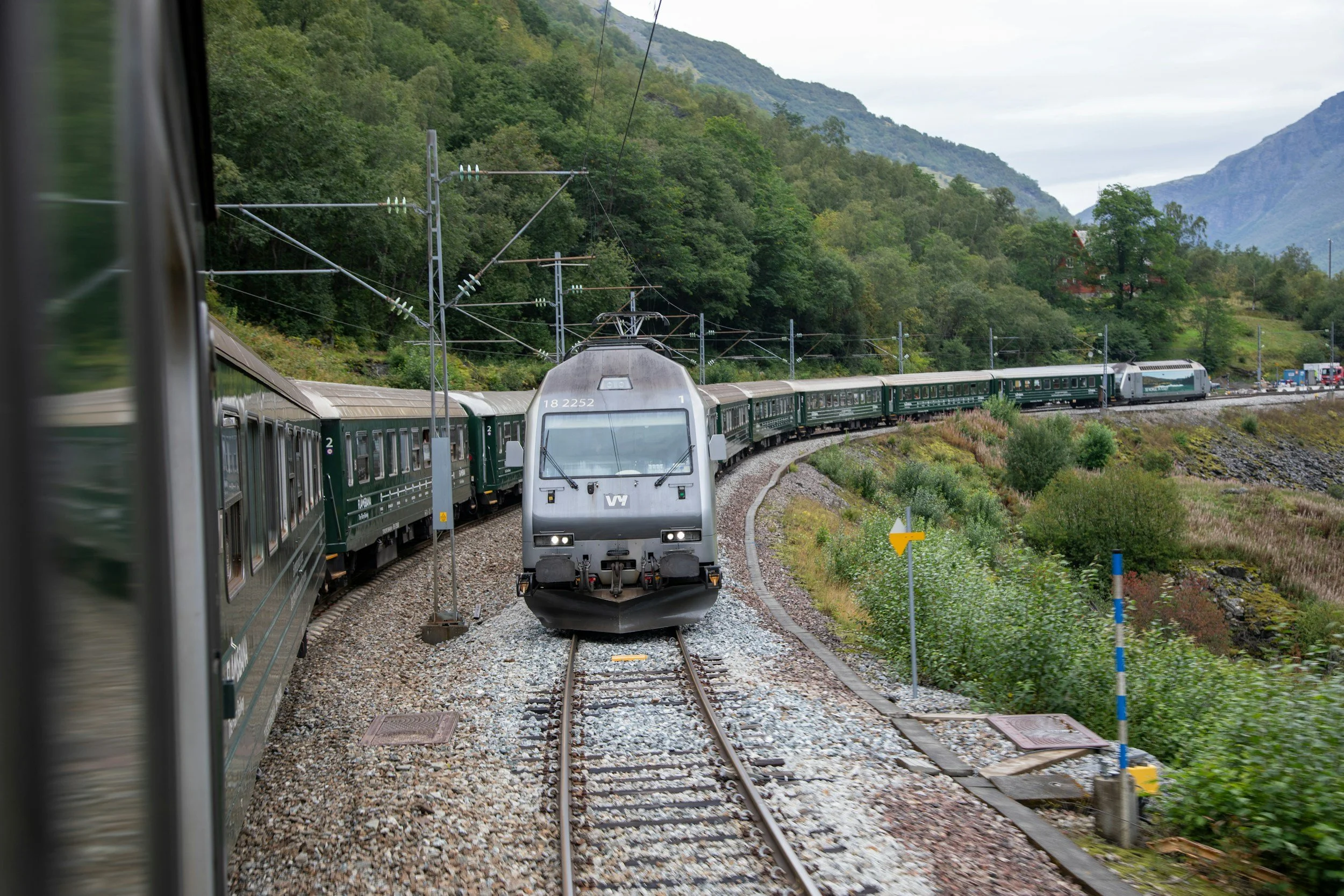
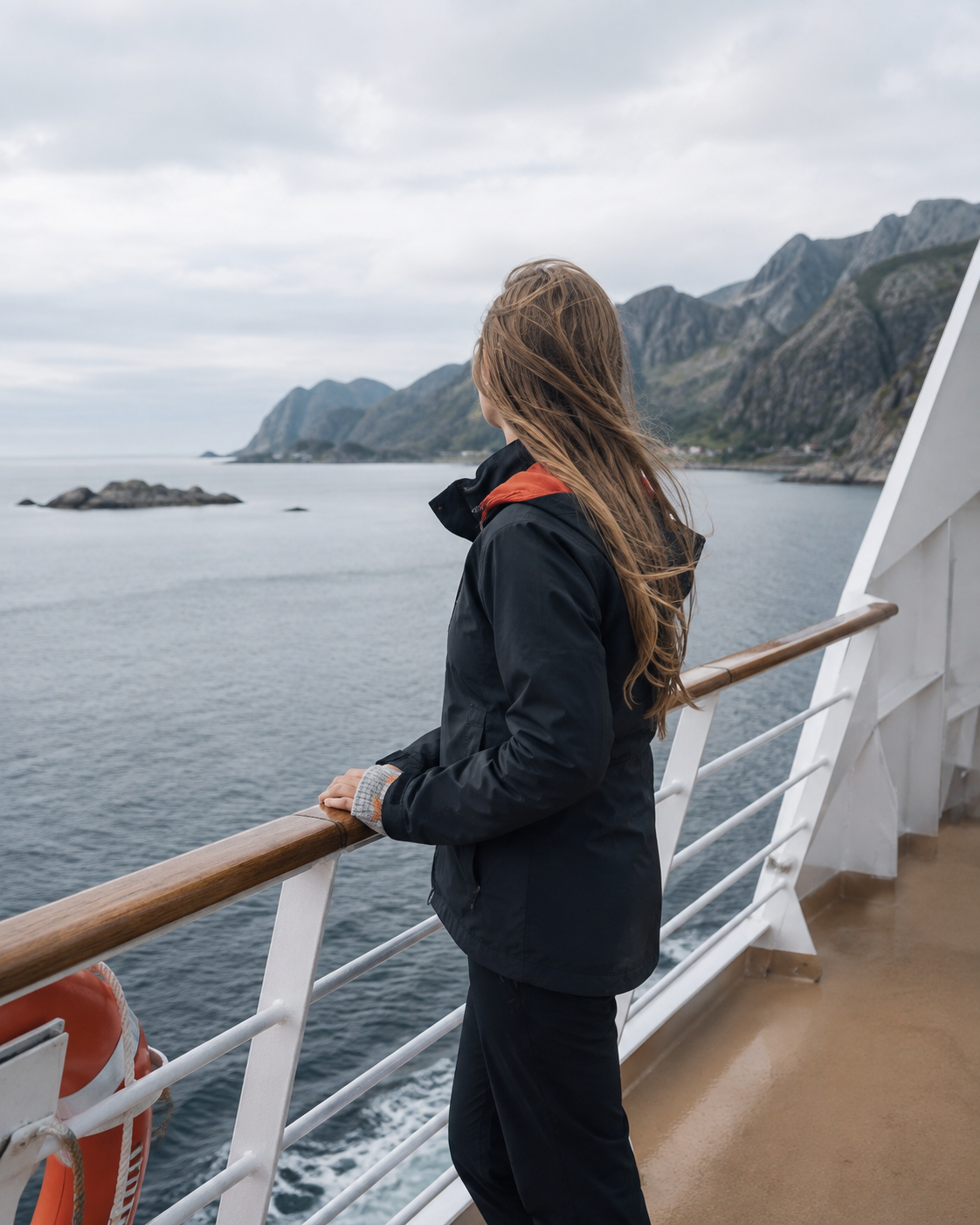
Ferries are part of this rhythm, especially in Western Norway and along the coast. For visitors, ferries may feel like a scenic experience, but for many Norwegians they are simply part of getting from one place to another. In summer, they also become part of the atmosphere: cars lining up at the quay, people getting out for fresh air, children asking for ice cream, and everyone watching the water while waiting to cross.
Small stops matter too. Ice cream from a kiosk, waffles at a café, strawberries from a roadside stall, coffee at a petrol station, or a quick swim beside a lake can become part of the summer memory. Norwegian summer travel is often built from these simple pauses rather than grand set-piece moments.
This is one reason road trips work so well in Norway during summer. The country rewards slow movement. A detour to a viewpoint, a ferry crossing, a quiet picnic spot or a small harbour can feel just as memorable as the planned destination.
Berry Picking and Simple Outdoor Traditions
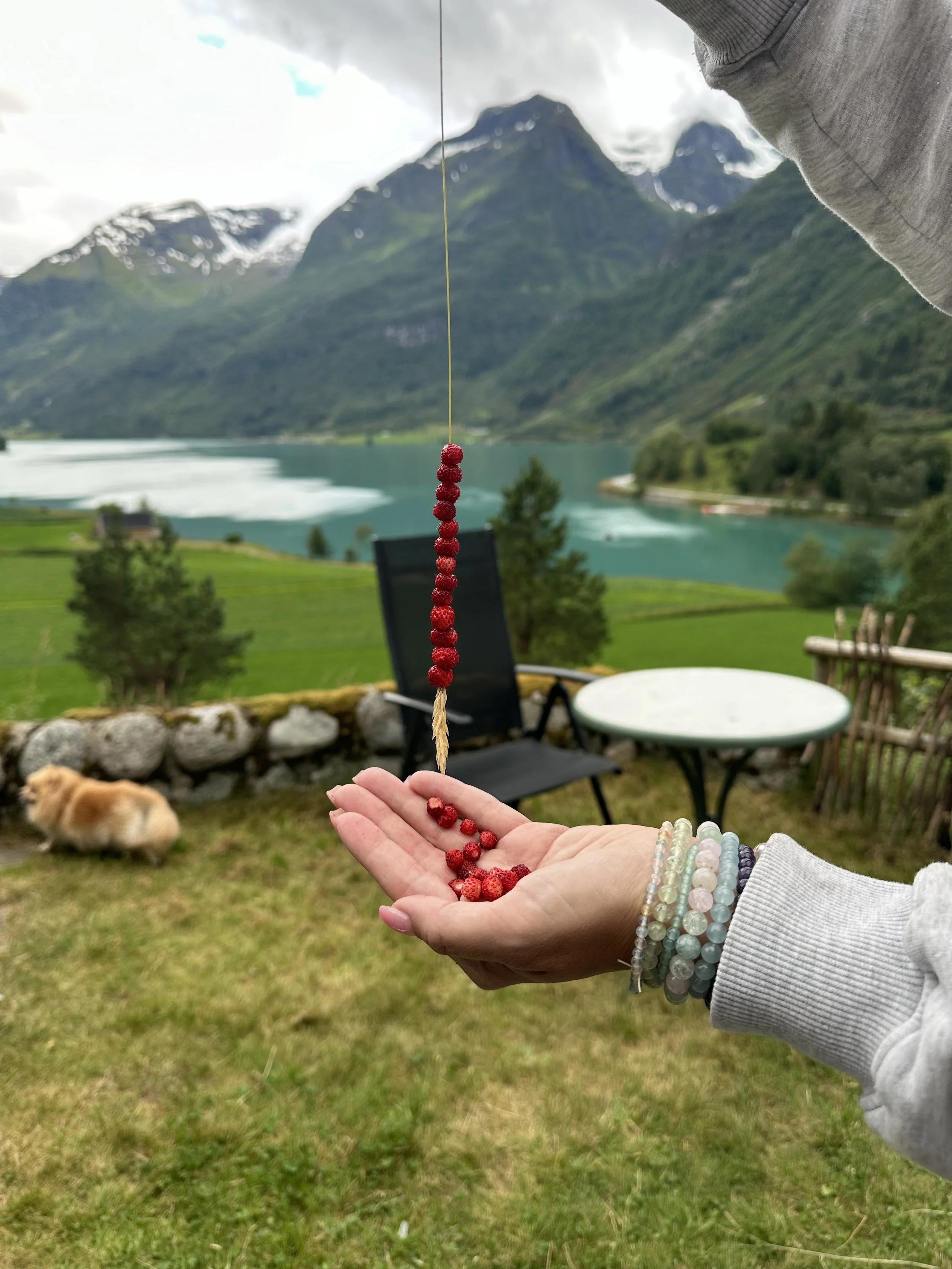
Norwegian summer also includes smaller outdoor traditions that are easy to overlook. Berry picking is one of them. Depending on where you are and when you travel, you may find wild blueberries, raspberries, cloudberries or other seasonal berries in forests, mountains and marshy areas.
For many Norwegians, berry picking is connected to childhood, cabins, grandparents and late-summer routines. It is practical and nostalgic at the same time: something you do because the berries are there, but also because it gives you a reason to move slowly through the landscape.
Other simple outdoor traditions include evening walks, fishing from a pier, drinking coffee outside, playing cards at the cabin, reading in the sun, visiting local markets, or sitting wrapped in a blanket long after the temperature has dropped. These are not dramatic traditions, but they are part of the texture of Norwegian summer.
This is important to understand about summer in Norway. Much of it is understated. The season is not only made up of big events or famous places, but of repeated habits that become meaningful because they return every year.
Where to Experience Norwegian Summer Traditions
You do not need access to a private cabin to experience Norwegian summer culture. Many of its traditions can be felt through ordinary travel, especially if you slow down and spend time near water, in small towns or in nature.
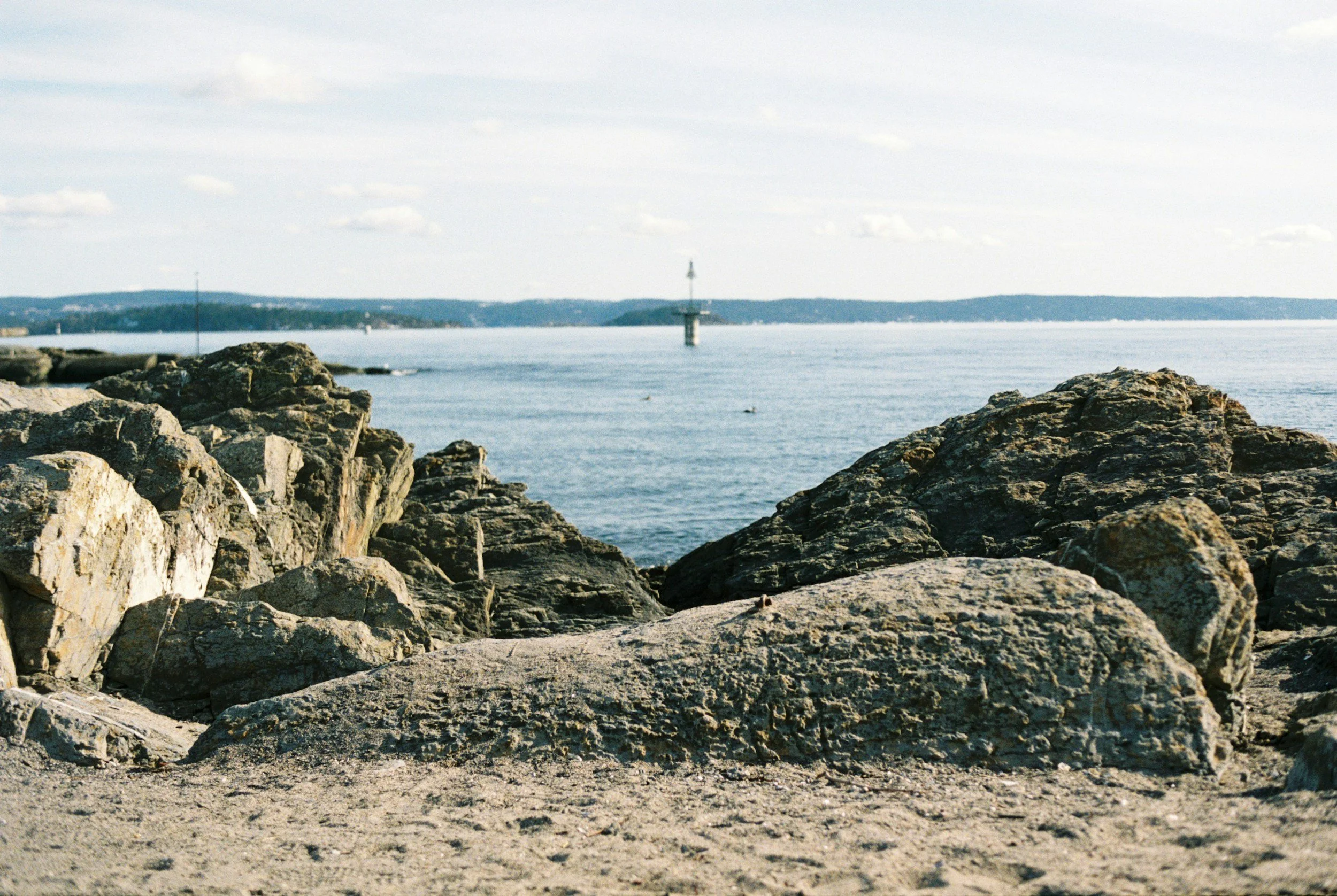
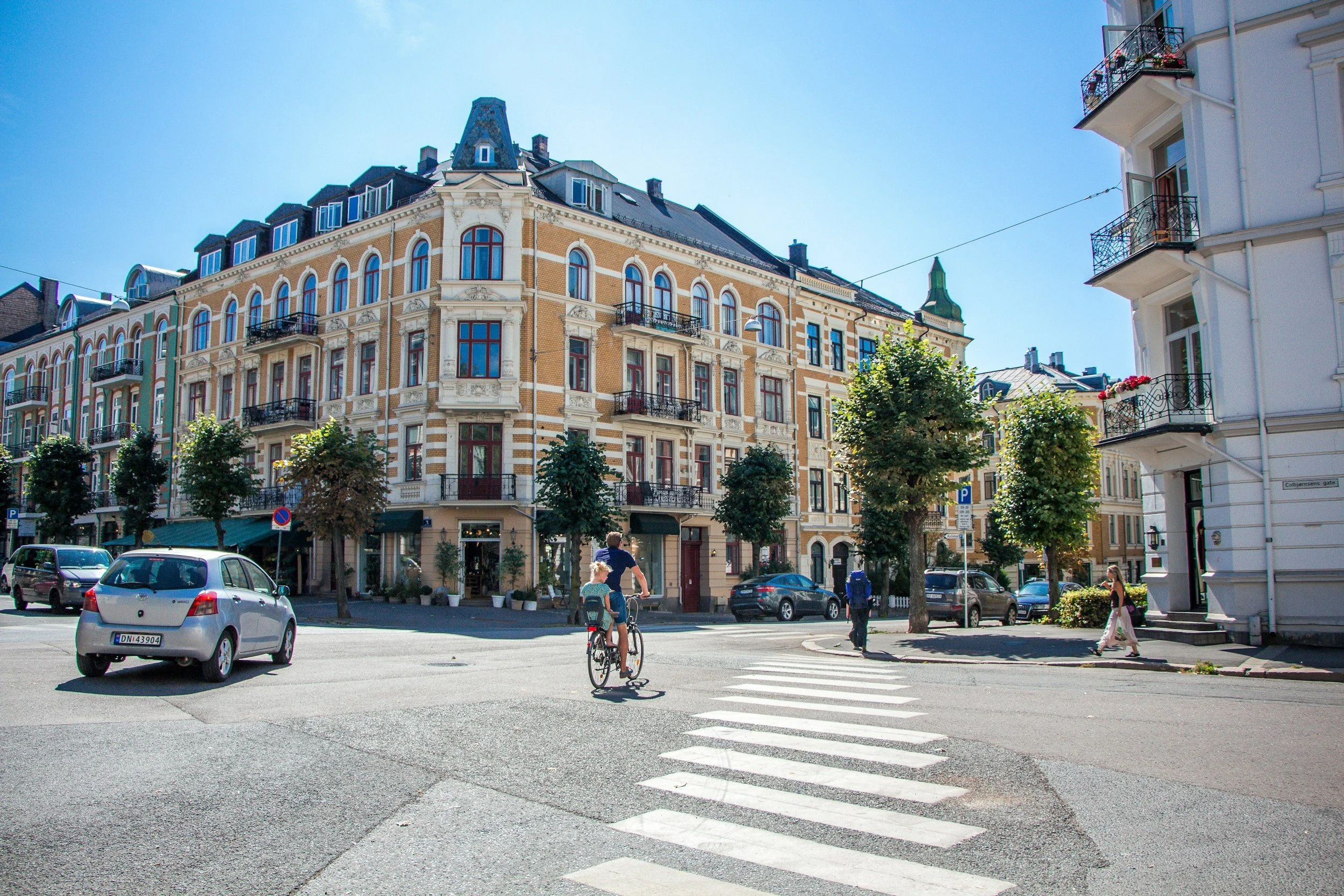
The Oslofjord is one of the easiest places to experience urban summer in Norway. Ferries connect the city with small islands, people swim after work, saunas line parts of the waterfront, and long evenings are spent in parks, harbours and outdoor cafés.
Southern Norway is strongly associated with classic coastal summer: white wooden towns, boats, smooth rocks, seafood, ice cream, beaches and busy harbours in July. It is one of the best regions for visitors who want to understand the nostalgic side of Norwegian summer by the sea.
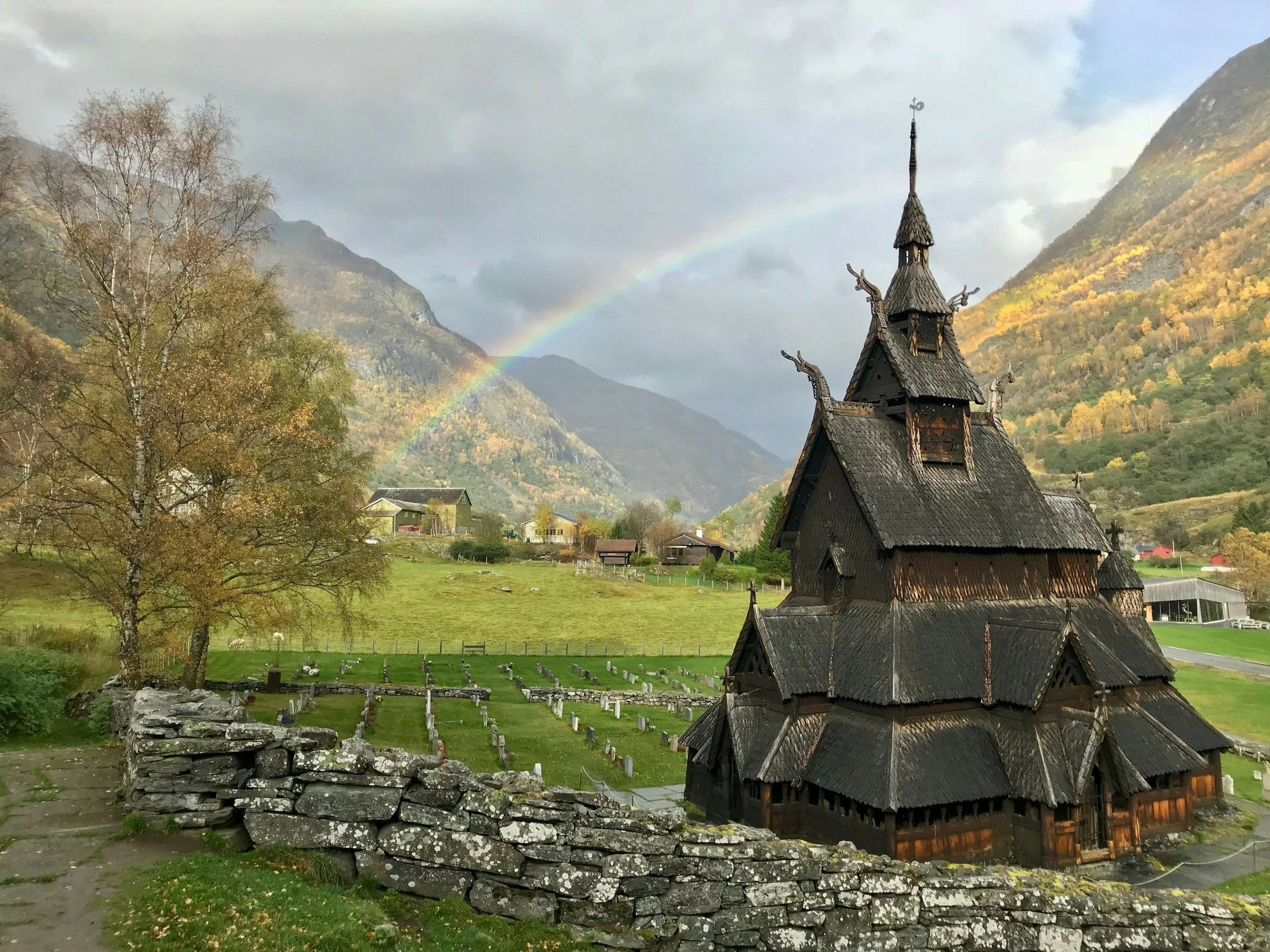
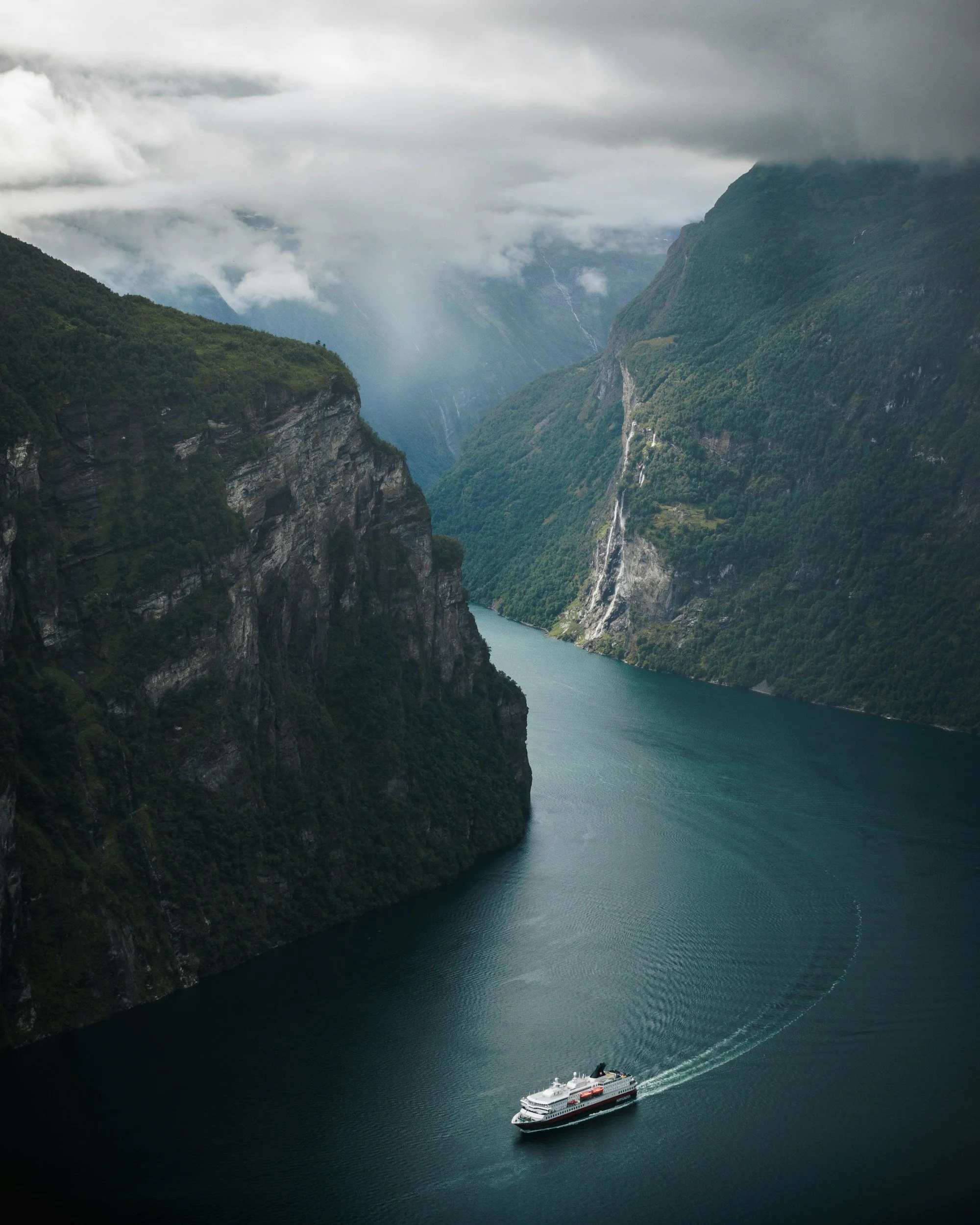
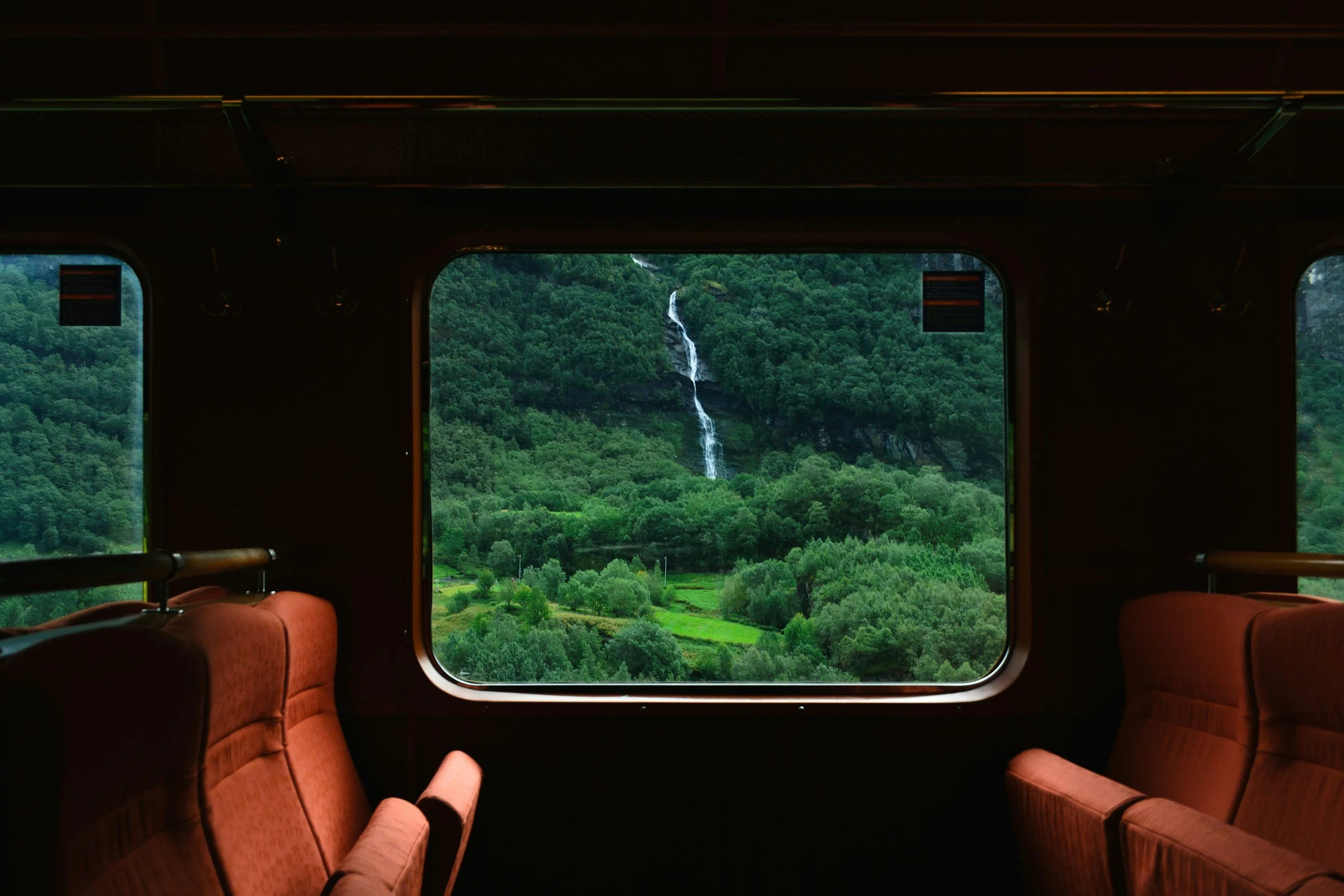
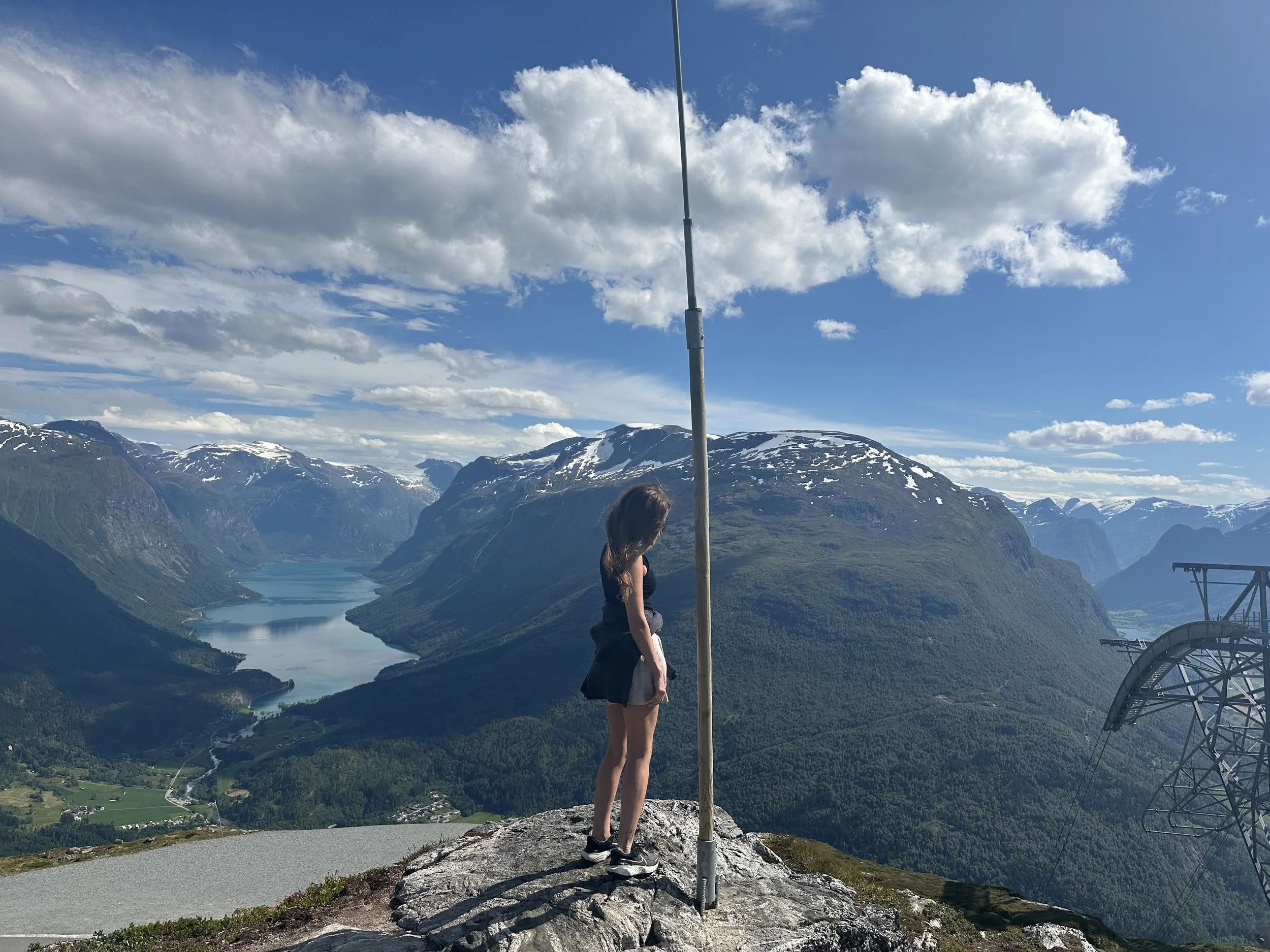
Western Norway offers a more dramatic summer landscape, with fjords, mountains, ferries, waterfalls and scenic roads. Summer here is often less about soft seaside ease and more about movement through powerful landscapes, with outdoor meals, cabin stays and road trips forming part of the experience.
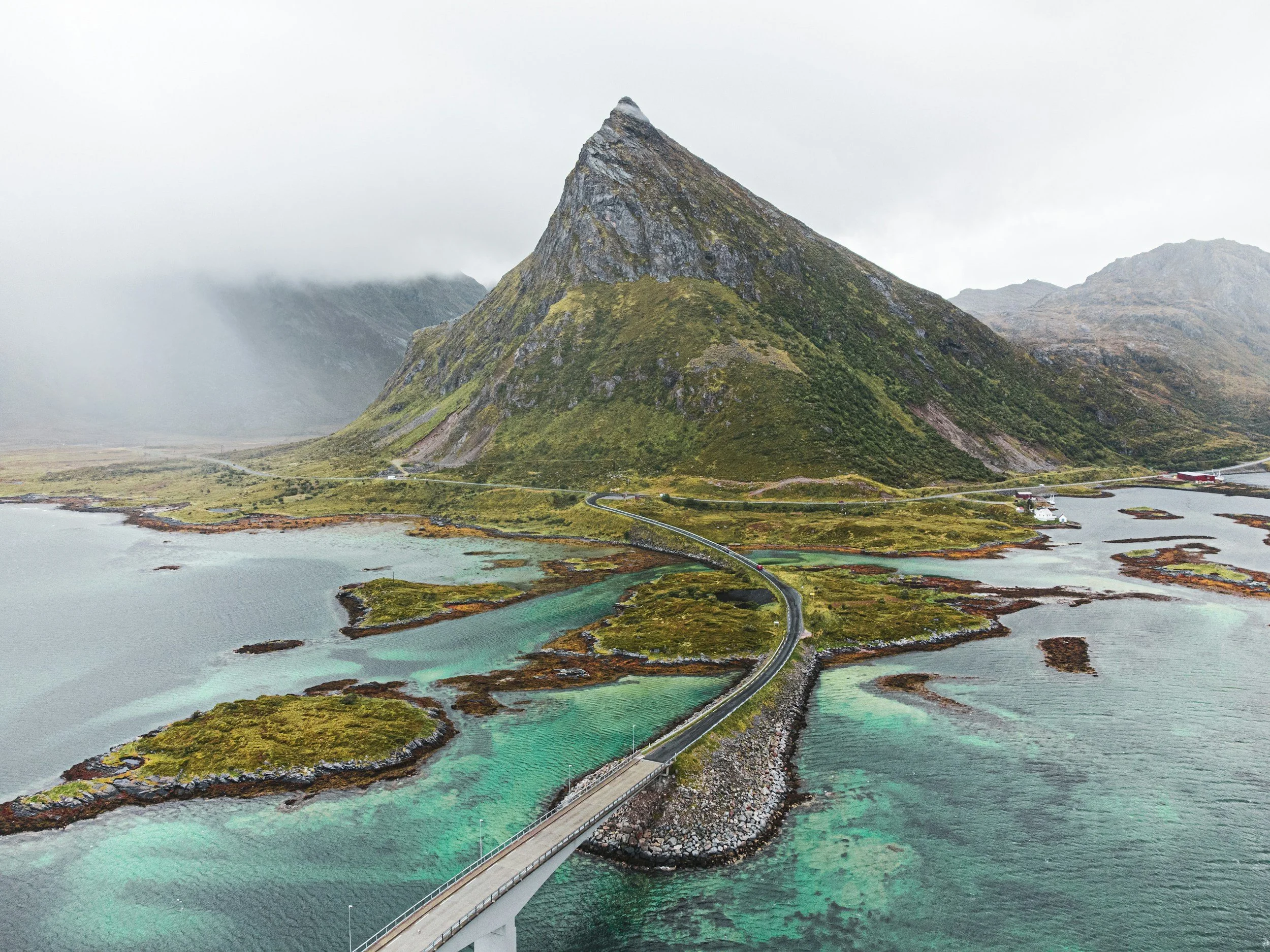
Northern Norway has its own summer rhythm, shaped by the midnight sun, fishing villages, islands, coastal hikes and bright nights. The feeling is very different from Southern Norway, but equally connected to light, sea and outdoor life.
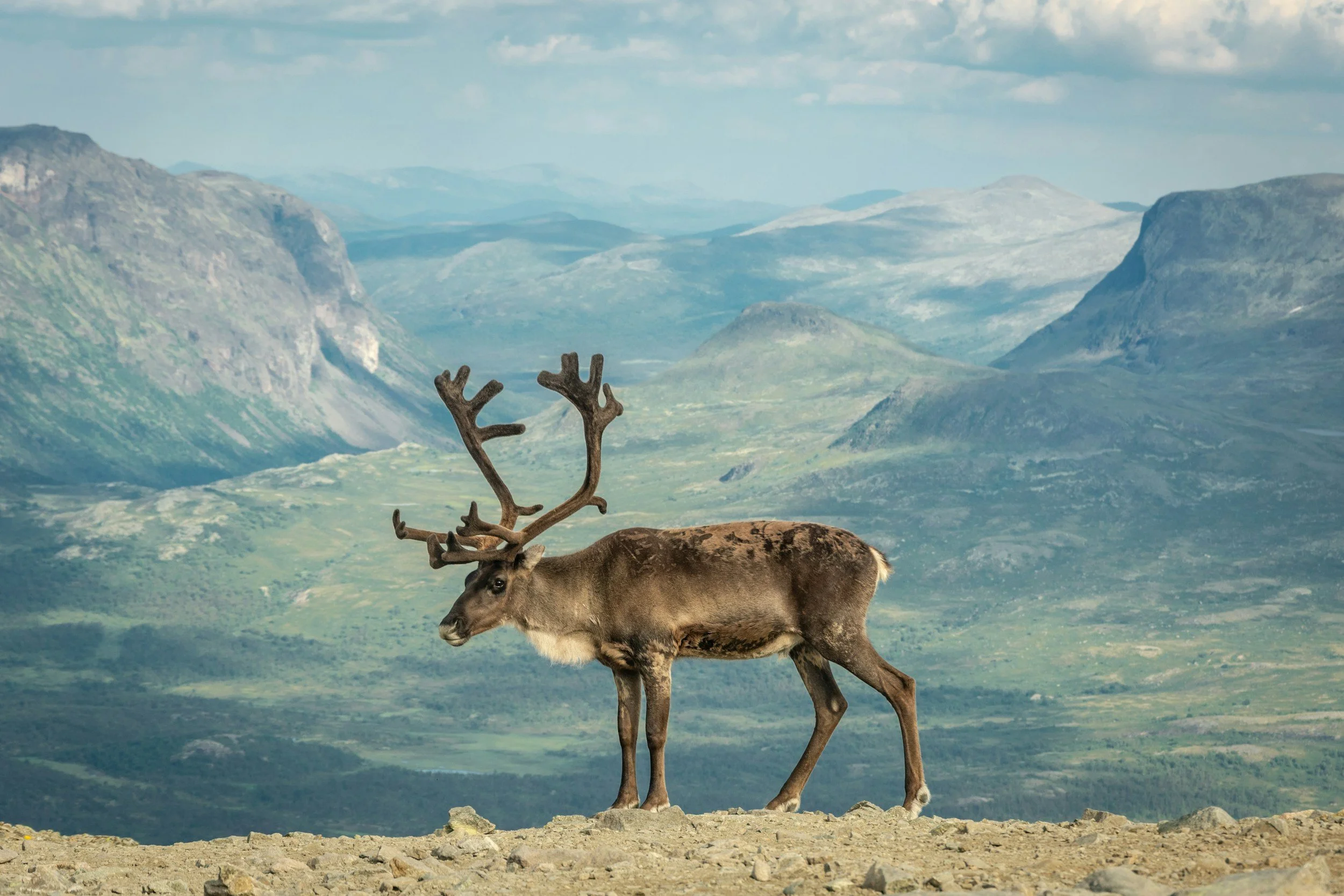
Inland and mountain regions offer another version of Norwegian summer, with lake cabins, hiking, fishing, mountain farms, forests and cooler evenings. This is where summer can feel especially quiet and rooted in nature.
Related Reading:
What Shapes Summer in Norway
Several things shape how summer feels in Norway. The first is the weather. Norwegian summer can be beautiful, warm and sunny, but it can also be wet, windy and surprisingly cold. This is why locals often keep layers nearby, even in July.
The second is access to nature. Much of Norwegian summer culture depends on being able to move easily between home, water, forest, mountains and outdoor spaces. The right to roam, known as allemannsretten, also plays an important role, although it comes with responsibilities around private property, cabins, cultivated land, wildlife and leaving no trace.
The third is informality. Summer in Norway is often relaxed rather than polished. Meals are simple, plans change with the weather, and many of the most meaningful moments are not organised activities. They happen around a table outside, on a ferry, during a swim, or on the way back from somewhere else.
The fourth is seasonality. Because summer is short, people notice its small signs: the first strawberries, the first swim, the first dinner outside, the first evening when nobody wants to go indoors. These small seasonal markers are part of why summer in Norway feels so emotionally charged.
Related Reading:
Final Words
Norwegian summer is not always dramatic in the way visitors expect. It is often quieter than that. A bowl of strawberries, a grilled dinner at the cabin, a cold swim from a pier, a ferry crossing, a rekesmørbrød by the harbour, or a long evening where the light makes it feel too early to go inside.
That simplicity is what makes summer in Norway so meaningful. After months of darkness, cold and indoor routines, the country opens outward again. People return to water, cabins, family places, outdoor meals and landscapes they know well.
To understand Norwegian summer traditions, you do not need to look only for festivals or famous sights. You need to look at how people spend ordinary days when the light is long, the weather is uncertain, and everyone knows the season will be gone before they are ready for it.
More articles about Norway:

Discover how Norway's Right to Roam works, where you can hike and camp, and the key rules visitors should know before exploring Norwegian nature.