
Senja: The New Lofoten?
Senja is increasingly described as a quieter alternative to Lofoten, but how similar are the two destinations in reality? This article looks at the landscapes, hiking, crowds, road trips and winter travel to explore whether Senja really deserves its reputation as “the new Lofoten.”
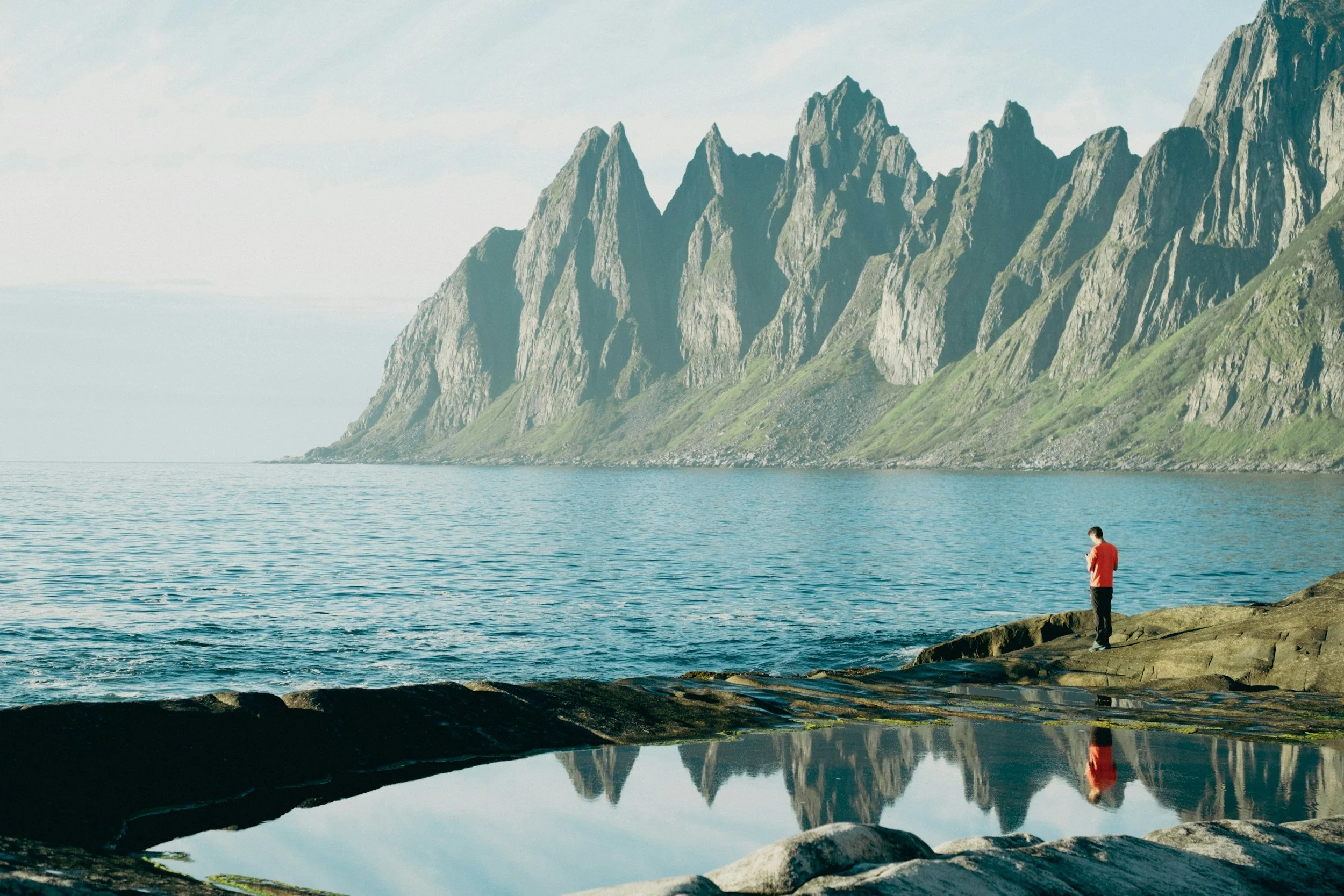
Lofoten has become one of the best-known destinations in Norway, particularly among international travellers drawn to the mountains, fishing villages and Arctic coastline of Northern Norway. As visitor numbers have increased, Senja has increasingly been mentioned as an alternative, often described as offering similar landscapes with fewer people. The comparison is understandable, but it also raises the question of whether Senja really offers the same kind of experience or whether the similarities are mainly visual.
Senja is Norway’s second-largest island and lies between Tromsø and the Vesterålen and Lofoten archipelagos. Like Lofoten, it combines steep coastal mountains, narrow fjords, beaches and small fishing communities, while its location north of the Arctic Circle brings both the midnight sun and the northern lights. There is therefore plenty to attract travellers who are considering Lofoten, particularly those interested in hiking and exploring the coast. At the same time, Senja is a larger and less concentrated destination, and tourism has developed differently across the island.
So, is Senja really the new Lofoten, and should you consider going there instead? The answer depends on what you are hoping to find in Northern Norway.
Why Is Senja Being Compared to Lofoten?
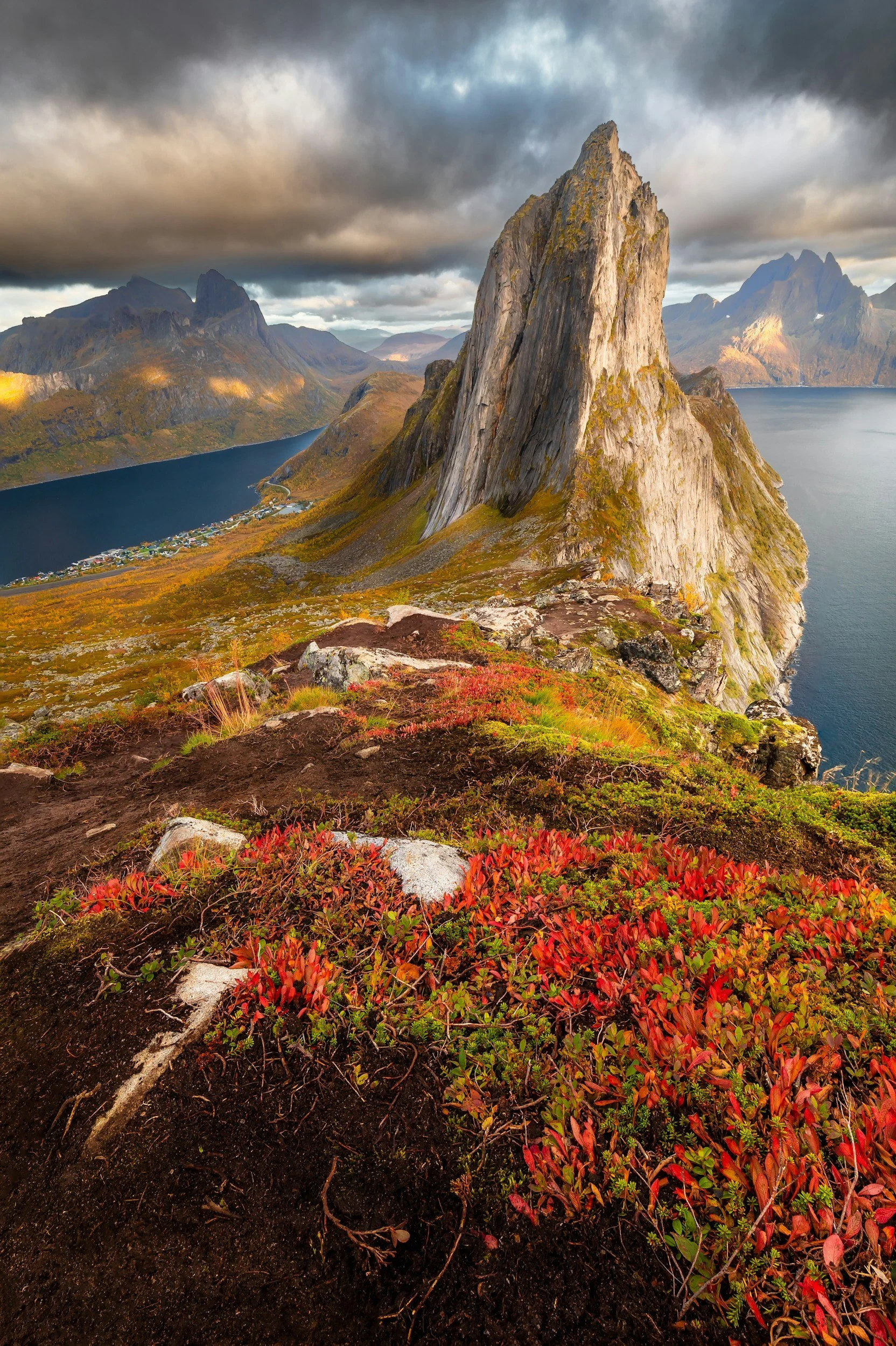
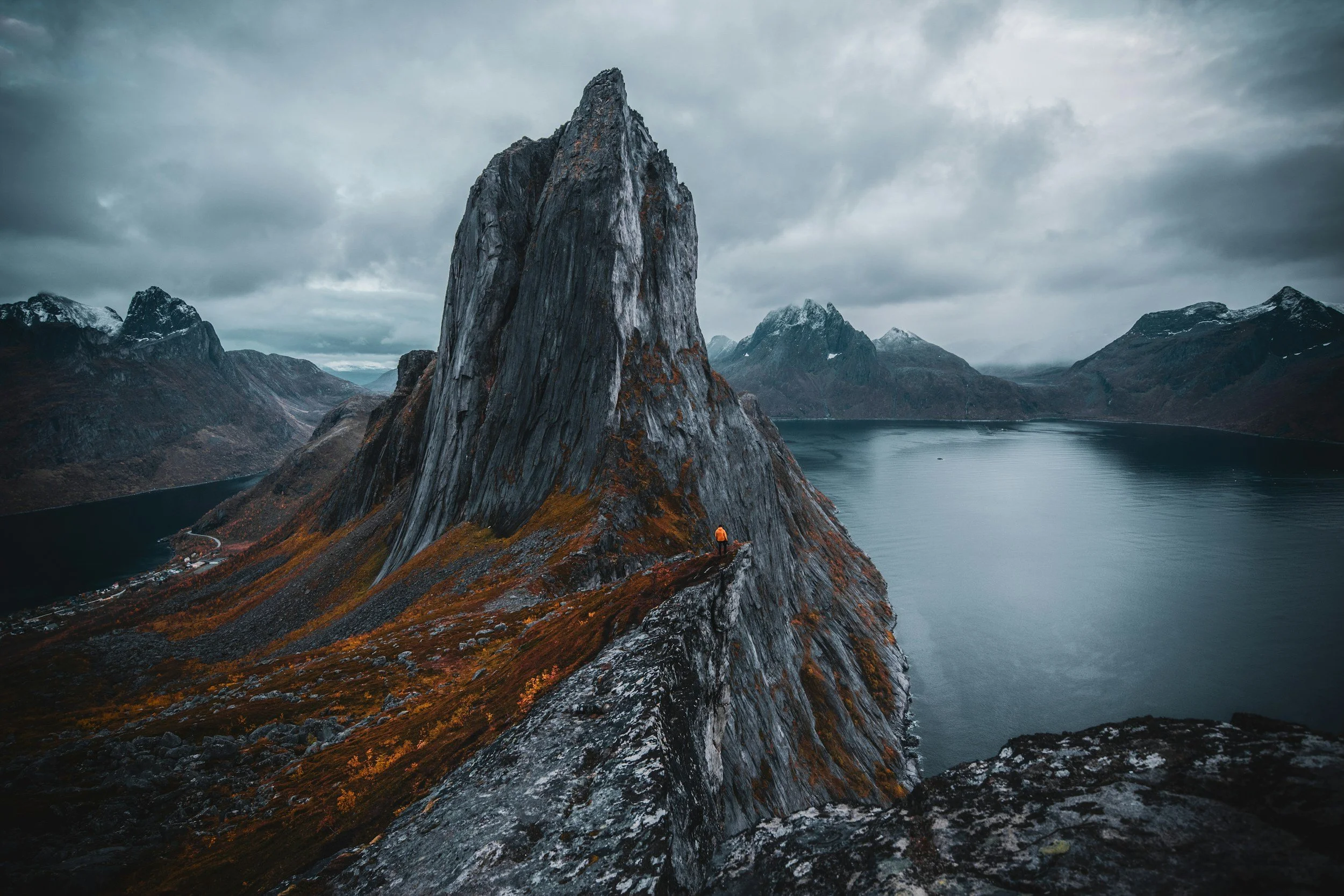
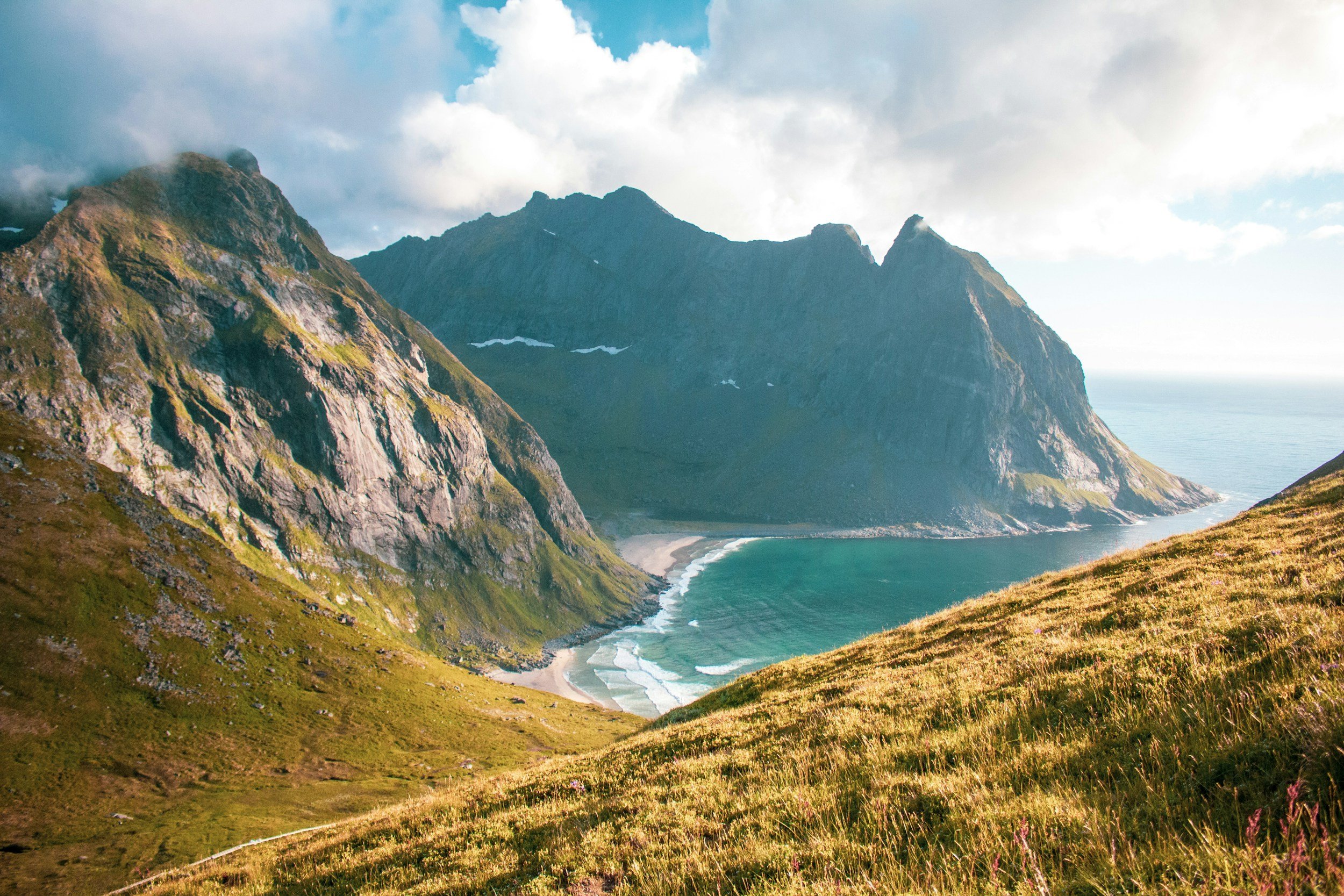
The physical similarities provide the most obvious explanation. Along Senja’s north-western coast, mountains rise sharply from the Norwegian Sea and narrow fjords cut into the island, creating many of the same contrasts between sea and mountain that have made Lofoten internationally recognisable. Segla is probably the best-known example, while the view towards the jagged Okshornan mountains from Tungeneset shows particularly clearly why photographs from Senja are sometimes mistaken for Lofoten.
The similarities extend beyond the landscape. Both Senja and Lofoten have long histories as fishing regions, with small coastal communities developing around access to the sea. Fishing remains an important industry, and the relationship between the settlements and the surrounding landscape is still an important part of travelling through both areas. They also offer many of the same experiences for visitors, including mountain hiking, beaches, kayaking and other coastal activities, as well as the midnight sun during summer and northern lights during the darker part of the year.
The growing comparison with Lofoten is also connected to tourism. Lofoten’s international popularity has brought considerably more visitors to its best-known villages, beaches and hiking trails, particularly during the summer months. This has created greater interest in other parts of Northern Norway where travellers can experience dramatic coastal landscapes without the same concentration of tourism, and Senja is an obvious candidate because it offers many of the natural features people associate with a trip to Lofoten.
However, describing Senja simply as a less crowded version of Lofoten overlooks some important differences between the two. Senja is larger, its main places of interest are more spread out, and tourism is less central to many of its coastal communities. Lofoten, meanwhile, has a much more established visitor infrastructure and a greater concentration of accommodation, restaurants, activities and well-known places within a relatively small area. These differences affect the experience of travelling through each destination and are ultimately more useful when choosing between them than the fact that the mountains may look similar.
Is Senja Really Less Crowded Than Lofoten?
Yes. If avoiding crowds is one of the main reasons you are considering Senja instead of Lofoten, Senja is the better choice.
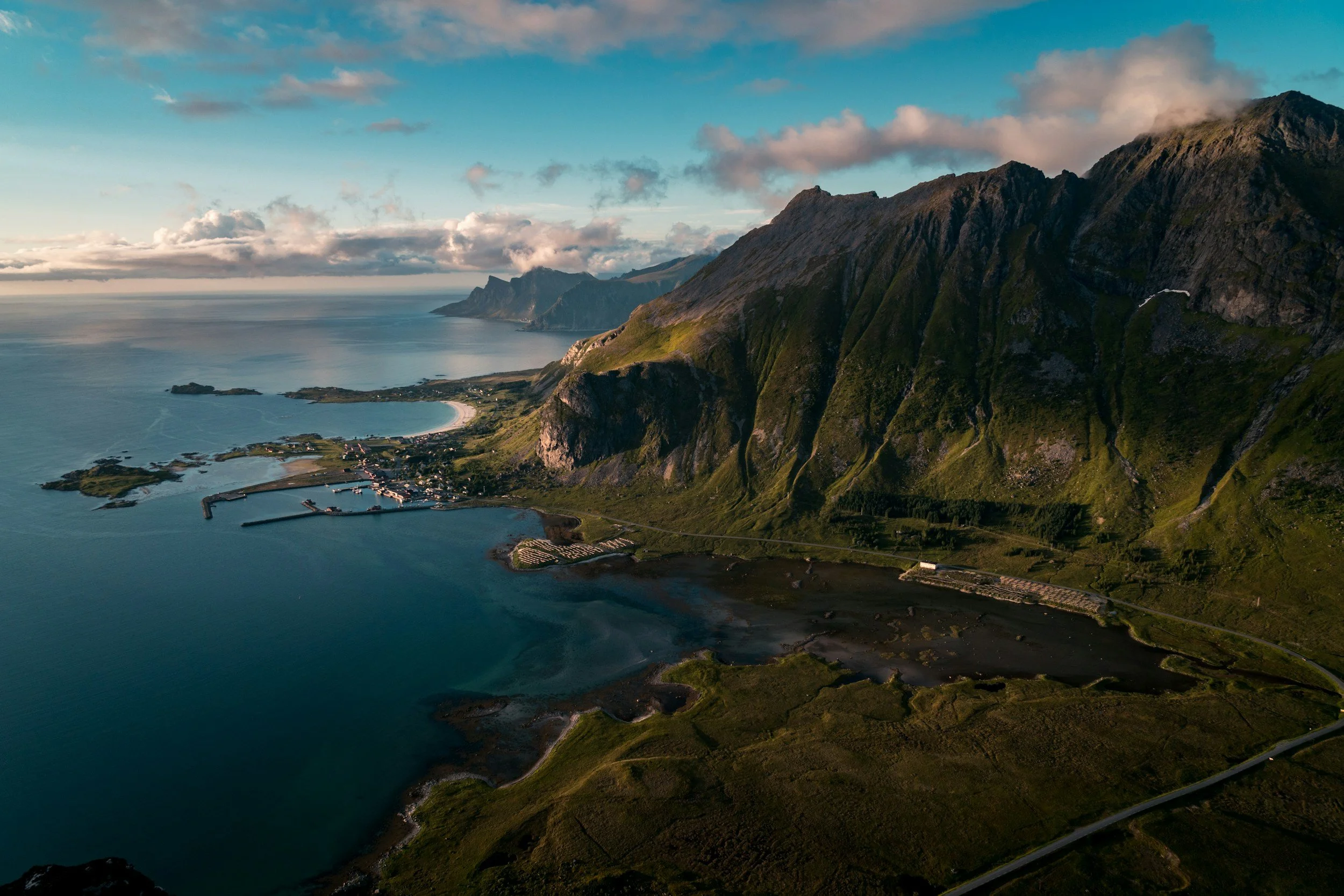
The difference is most noticeable during the summer. Lofoten’s popularity is concentrated around a relatively small number of villages, beaches and hiking trails, which means places such as Reine, Henningsvær and several of the best-known hikes can become very busy during July and August. Traffic, parking and pressure on facilities have become genuine concerns in parts of the archipelago, and the experience can be quite different from the quiet fishing villages and empty roads that photographs of Lofoten sometimes suggest.
Senja has tourism, but it is spread across a much larger area. Settlements are scattered around the coast, and visitors are divided between hiking areas, fishing communities, beaches and stops along the Norwegian Scenic Route. Even during the main summer season, it is generally easier to find quiet stretches of coastline and places where tourism does not dominate the experience.
That does not make Senja undiscovered. Hesten, which provides the famous view towards Segla, is now a popular hike, while Tungeneset and Bergsbotn are established stops on the Norwegian Scenic Route. On a sunny day in July, you should expect other visitors at the places that appear most frequently in photographs and travel itineraries.
Fewer visitors also does not mean that tourism has no impact. Many of Senja’s communities are small and have limited parking, roads and other facilities, so relatively modest numbers of visitors can still create problems. This is particularly relevant in fishing communities such as Husøy, Fjordgård and Mefjordvær, where people live and work throughout the year and tourism exists alongside fishing and other local industries.
The advantage of Senja is therefore not that you will have its famous places to yourself. It is that busy places are less likely to define the entire trip. If escaping the heaviest summer tourism in Lofoten matters to you, Senja offers a clear advantage.
Senja Is the Better Road Trip, Lofoten Is the Easier Trip
The difference between Senja and Lofoten becomes even clearer once you start travelling through them.
Lofoten is easier to navigate as a first-time visitor. The main islands are connected by the E10, creating a relatively clear route between many of the places travellers want to see. Henningsvær, Nusfjord, Reine and Å can be combined with beaches, hikes and viewpoints as you move through the archipelago, while accommodation, restaurants and activities are widely available in the main visitor areas.
Senja requires more driving and more planning. It is a much larger single island, with mountains and fjords separating communities that can appear relatively close together on a map. Roads follow the coastline, cross the island through tunnels and branch towards small communities rather than leading visitors through one obvious sequence of destinations.
For a road trip, I think this makes Senja more rewarding.
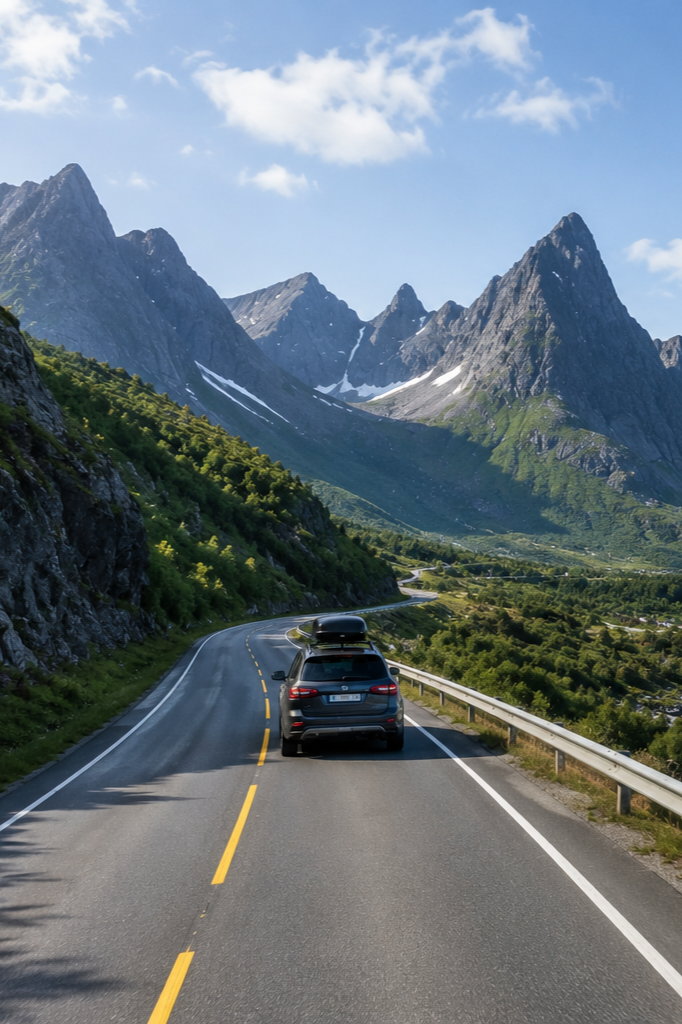
The Norwegian Scenic Route Senja runs for 102 kilometres between Gryllefjord and Botnhamn, connecting landscapes such as Bergsbotn, Tungeneset and Ersfjordstranda, with detours towards Husøy and Mefjordvær. These places provide obvious reasons to stop, but they do not dominate the journey. Driving around Senja involves considerably more time simply moving through mountains, fjords and small coastal communities without every section of road leading to another major attraction.
Lofoten is the stronger choice if you want to fit a lot into a relatively compact trip. There are more restaurants, more accommodation, more organised activities and a greater concentration of famous places. If you have only a few days in Northern Norway and want those days to be easy to fill, Lofoten has a clear advantage.
Senja is the stronger choice if the road trip itself is part of what you are travelling for. It gives you more space, less concentrated tourism and fewer places where you feel that you have arrived at the same stop as everyone else. The trade-off is that you need to be more independent: a car is more important, services are more limited and you will spend more time travelling between places.
That is a meaningful difference between the two destinations. Lofoten is easier and offers more to do; Senja gives you more space and a better sense of travelling through the landscape rather than between attractions.
For practical information on the Scenic Route, transport, hiking and where to stay, the Senja Travel Guide covers planning a trip to the island in more detail.
What Does Lofoten Do Better?
The growing interest in Senja is often framed around what Lofoten has lost through its popularity, but that overlooks what decades of tourism have also created. Lofoten is simply a more developed destination, and for many travellers that makes it easier to visit and gives them more choice once they arrive.
The difference is particularly noticeable when it comes to accommodation, restaurants and organised activities. Lofoten has everything from traditional rorbuer, the fishermen’s cabins that have become closely associated with the islands, to hotels, guesthouses and more luxurious stays. There is also a much greater choice of places to eat, particularly around towns and villages such as Svolvær, Henningsvær and Leknes. On Senja, good accommodation and restaurants certainly exist, but the selection is smaller and more widely dispersed.
Lofoten also offers more for travellers who do not want their trip to revolve primarily around driving and hiking. Kayaking, fishing trips, museums, galleries and organised excursions are easy to include, while places such as Henningsvær and Svolvær have enough restaurants, shops and cultural attractions to spend time in without needing a particular outdoor plan for the day. This becomes especially valuable when the weather is poor, which is always a possibility in Northern Norway.
The concentration of places to visit is another genuine advantage. Lofoten packs an unusual amount into a relatively small area, and it is possible to combine beaches, fishing villages, hikes and cultural sites without spending most of the day driving between them. For a first journey to Northern Norway, particularly with limited time, this can make Lofoten considerably easier to plan.
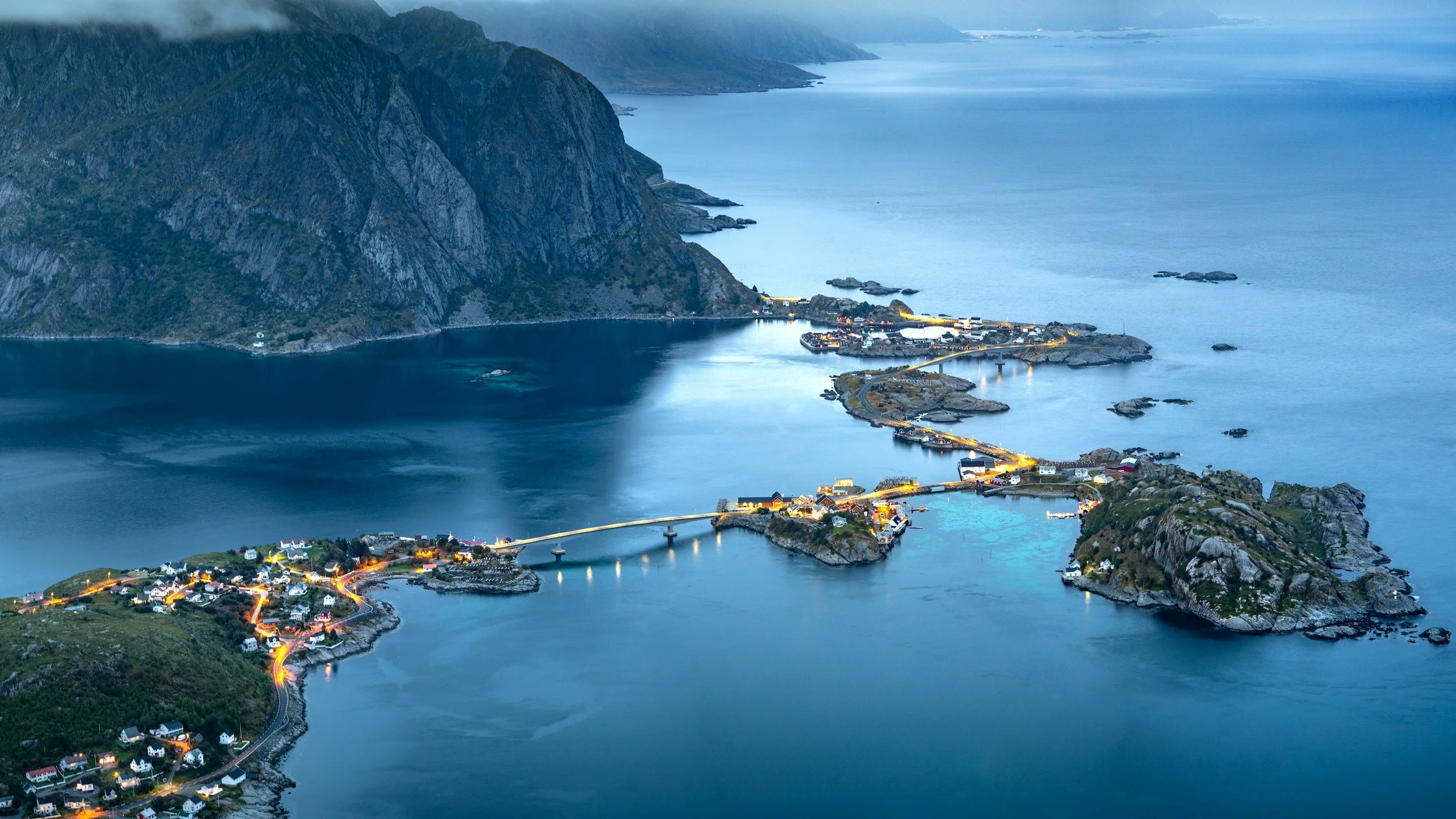
There is also no reason to pretend that popularity has somehow made the landscapes less worth seeing. Reine remains one of the most spectacularly situated villages in Norway, Henningsvær still occupies an extraordinary collection of small islands beneath the mountains, and the beaches and peaks of the archipelago have not become famous by accident. If these are the specific places that made you want to travel to Northern Norway, choosing Senja simply because it has fewer visitors is unlikely to be a satisfying substitute.
This is where the idea of Senja as the "new Lofoten" can become misleading. Lofoten is not simply a collection of mountains and fishing villages that can be replaced by another part of the Norwegian coast with similar scenery. It has its own history, communities and landscape, as well as a tourism industry that makes a wide range of experiences relatively accessible.
For travellers who want plenty of choice, a greater range of activities and several of Northern Norway’s most famous places within one journey, Lofoten remains the stronger destination. The Lofoten Travel Guide covers the islands in more detail, including the different areas and what is worth prioritising during a first visit.
Where Senja Has the Advantage
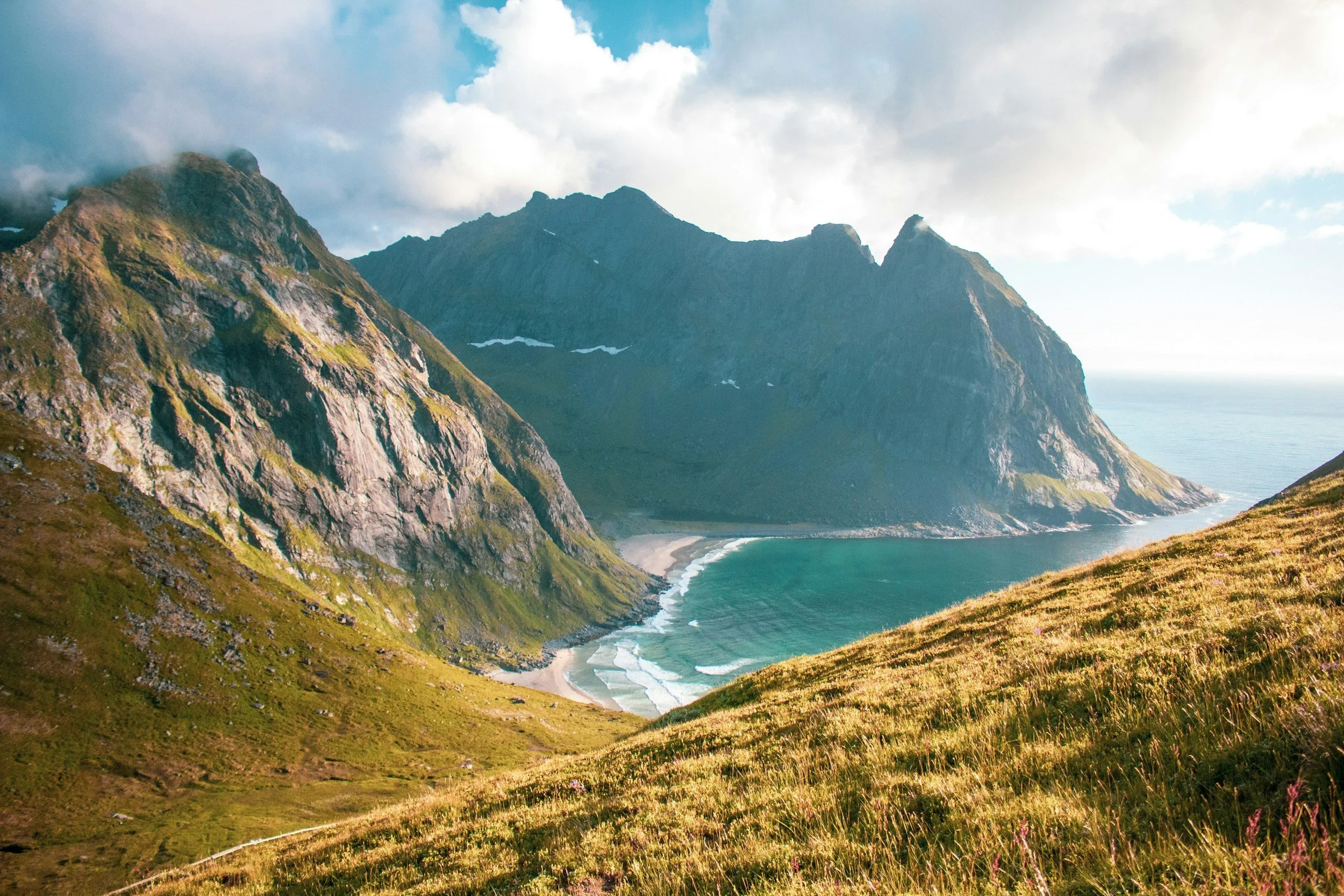
Senja’s strengths become clearer when the things that make Lofoten convenient are not particularly important to you. If the main reason for travelling north is to spend time outdoors, drive through large landscapes and explore smaller coastal communities, the lack of the same concentration of tourism can become an advantage rather than a limitation.
The most obvious difference is space. Senja is Norway’s second-largest island, and its main visitor areas occupy only part of it. Even along the north-western coast, where most of the best-known landscapes are found, tourism is spread between different fjords, villages, hiking areas and viewpoints. The result is not an empty island, but one where visitors are less likely to dominate every part of the journey.
Senja also offers greater contrast within the island itself. The exposed north-western coast has the sharp mountains and fjords that create the obvious comparison with Lofoten, while the interior and southern parts of the island include forests, lakes, wetlands and the protected landscapes of Ånderdalen National Park. Travelling across Senja therefore reveals more than the alpine coastal scenery for which it is best known.
For a road trip, this combination works particularly well. There are fewer major destinations demanding a stop, and more of the journey is spent simply moving through the landscape and between small communities. For travellers who enjoy that kind of independence, Senja offers something Lofoten increasingly struggles to provide during the busiest weeks of summer: space to travel without feeling that everyone is following the same itinerary.
The difference is also visible in some of the coastal communities. Husøy, Fjordgård and Mefjordvær receive visitors, but tourism is less dominant than in several of Lofoten’s best-known villages. Fishing and other local industries remain highly visible, and the settlements generally feel less organised around the needs of visitors.
That does not make them more "authentic" than places in Lofoten. Henningsvær and Reine are also living Norwegian communities with histories that extend far beyond tourism. The difference is the degree to which tourism shapes what a visitor encounters, and on Senja that influence is generally less pronounced.
If those qualities are what you are looking for, Senja is not merely a quieter alternative to Lofoten. It may actually be the better destination.
Is Senja as Good as Lofoten for Hiking?
Yes. If the question is whether the hiking on Senja is as spectacular as the hiking in Lofoten, you do not need to choose Lofoten simply to get the best mountain scenery. Both destinations have steep coastal mountains rising almost directly from the sea, with routes that quickly gain height above fjords, beaches and small communities. The best hikes on Senja can easily compete with the best hikes in Lofoten for views.
Hesten is the clearest example. The route climbs above Fjordgård towards the distinctive peak of Segla, with Mefjorden far below and mountains continuing along the coast behind it. It is one of the great mountain views in Northern Norway and does not feel like a lesser version of a Lofoten hike. Senja also has routes such as Husfjellet, with extensive views across Bergsfjorden and the surrounding coastline, as well as more demanding mountain hikes for experienced hikers.
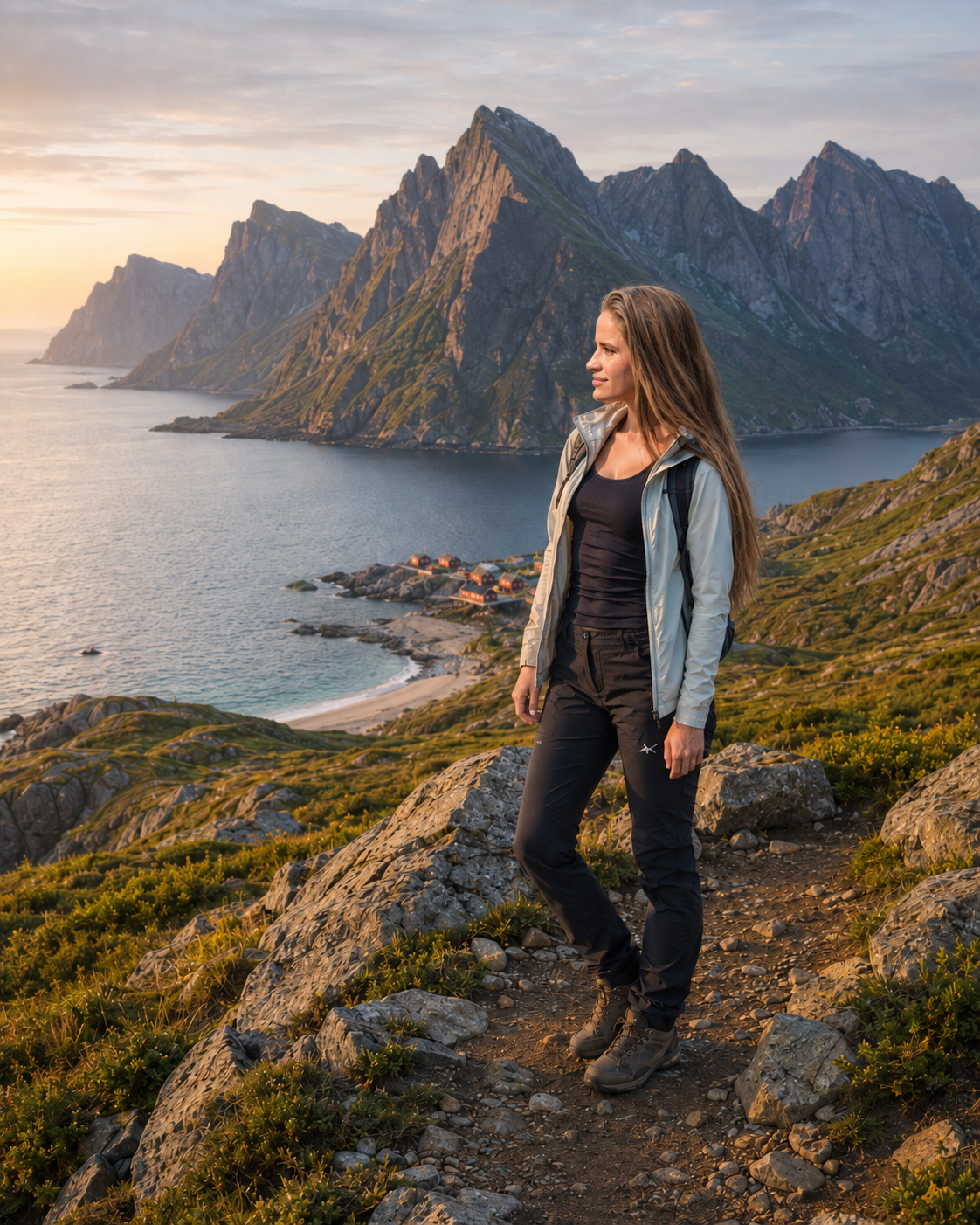
Lofoten’s advantage is not that its individual hikes are necessarily better, but that there are more well-established routes concentrated within a smaller area. Reinebringen, Ryten, Offersøykammen and Festvågtinden provide very different views, and several strong hiking options can often be reached from the same base. If cloud or wind makes one area unsuitable, it is also easier to consider an alternative without travelling across a large island.
Senja has fewer established hikes concentrated around the main visitor areas, and reaching different trailheads generally involves more driving. In return, hiking traffic is usually lower. Hesten has become popular and can certainly be busy on a good summer day, so Senja should not be presented as a place where you will automatically have the mountains to yourself. Across the island as a whole, however, hiking tourism is less concentrated than in Lofoten, particularly once you move beyond the handful of routes that appear most frequently in travel itineraries.
The comparison is therefore quite straightforward. For the quality of the scenery, I would put Senja and Lofoten on the same level. Lofoten is better for variety and for fitting several excellent hikes into one trip, while Senja is better if you value lower visitor numbers and are happy to drive further between a smaller number of outstanding routes.
If hiking is the only purpose of the trip, I would give Lofoten a slight advantage because of the sheer choice. If the aim is to combine hiking with a road trip through Northern Norway, there is no reason to choose Lofoten because you are worried that Senja’s mountains will be less impressive. They are not.
Will You Miss Lofoten If You Choose Senja?
This is perhaps the more important question, because Lofoten has become so closely associated with Northern Norway that choosing somewhere else can easily feel like skipping the place you were supposed to see.
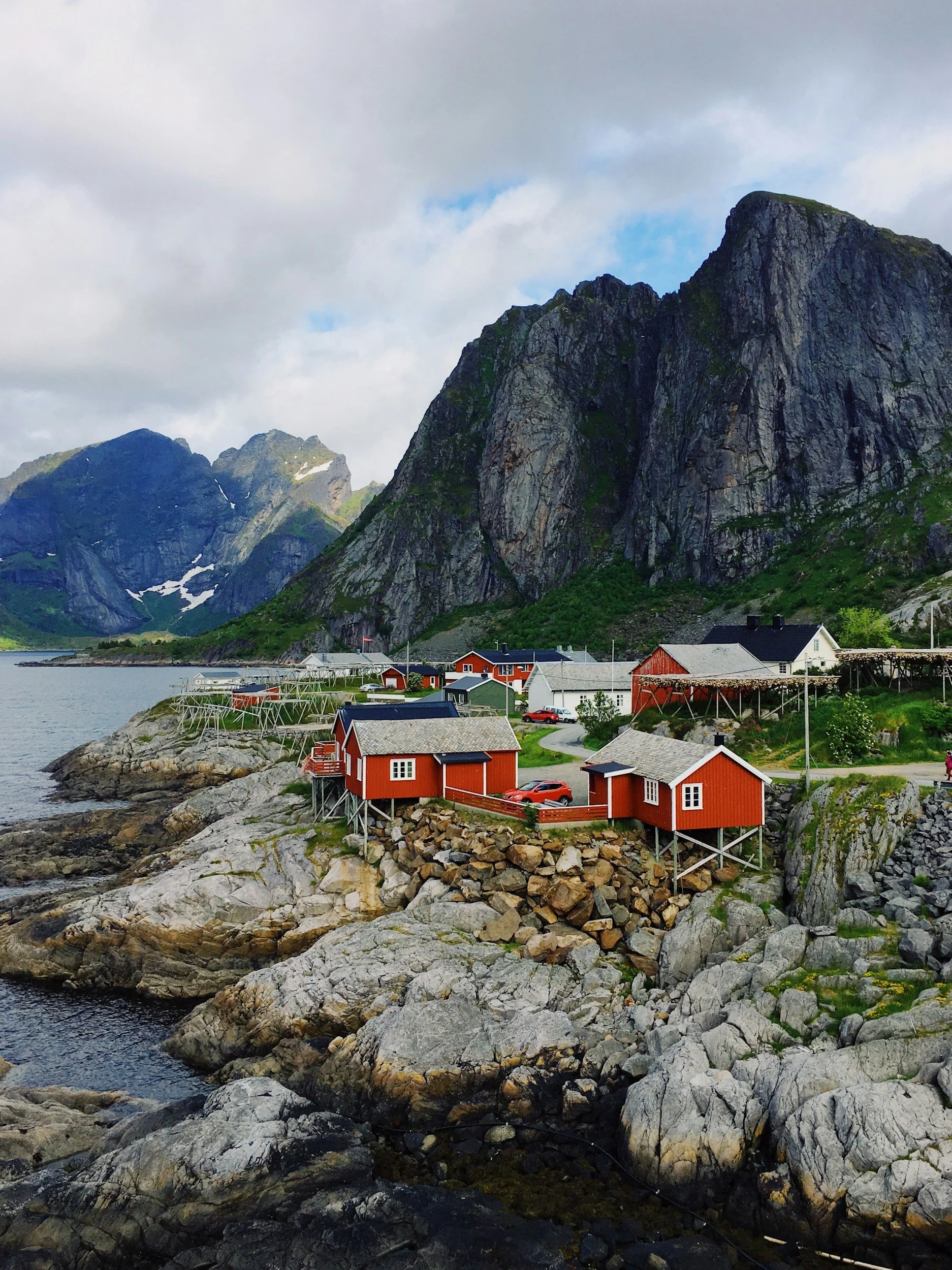
If what attracted you to Lofoten was the combination of steep mountains, fjords, beaches and the Norwegian Sea, Senja will not feel like a compromise. The mountains around Mefjorden, the view towards Segla, Okshornan across Ersfjorden and the outer coast provide the scale and drama that draw people to this part of Norway in the first place.
What Senja cannot give you is Lofoten itself. Reine and the mountains surrounding Reinefjorden have a geography that is specific to the archipelago. Henningsvær, the rorbuer, the beaches of northern Lofoten and the journey along the chain of islands create an experience with its own identity. If those particular places are the reason you want to travel north, replacing them with Senja simply because it has fewer visitors does not make much sense.
There are therefore two quite different reasons for considering Lofoten. You may want to experience Lofoten as a destination, with the specific villages, landscapes and places that have made the archipelago famous. Or you may be looking primarily for dramatic Northern Norwegian coastal nature, with Lofoten being the destination you happen to know most about.
In the first case, choose Lofoten. In the second, Senja can absolutely be an alternative, particularly if lower visitor numbers and a more spacious road trip matter more to you than having a large concentration of famous places.
What About Senja and Lofoten in Winter?
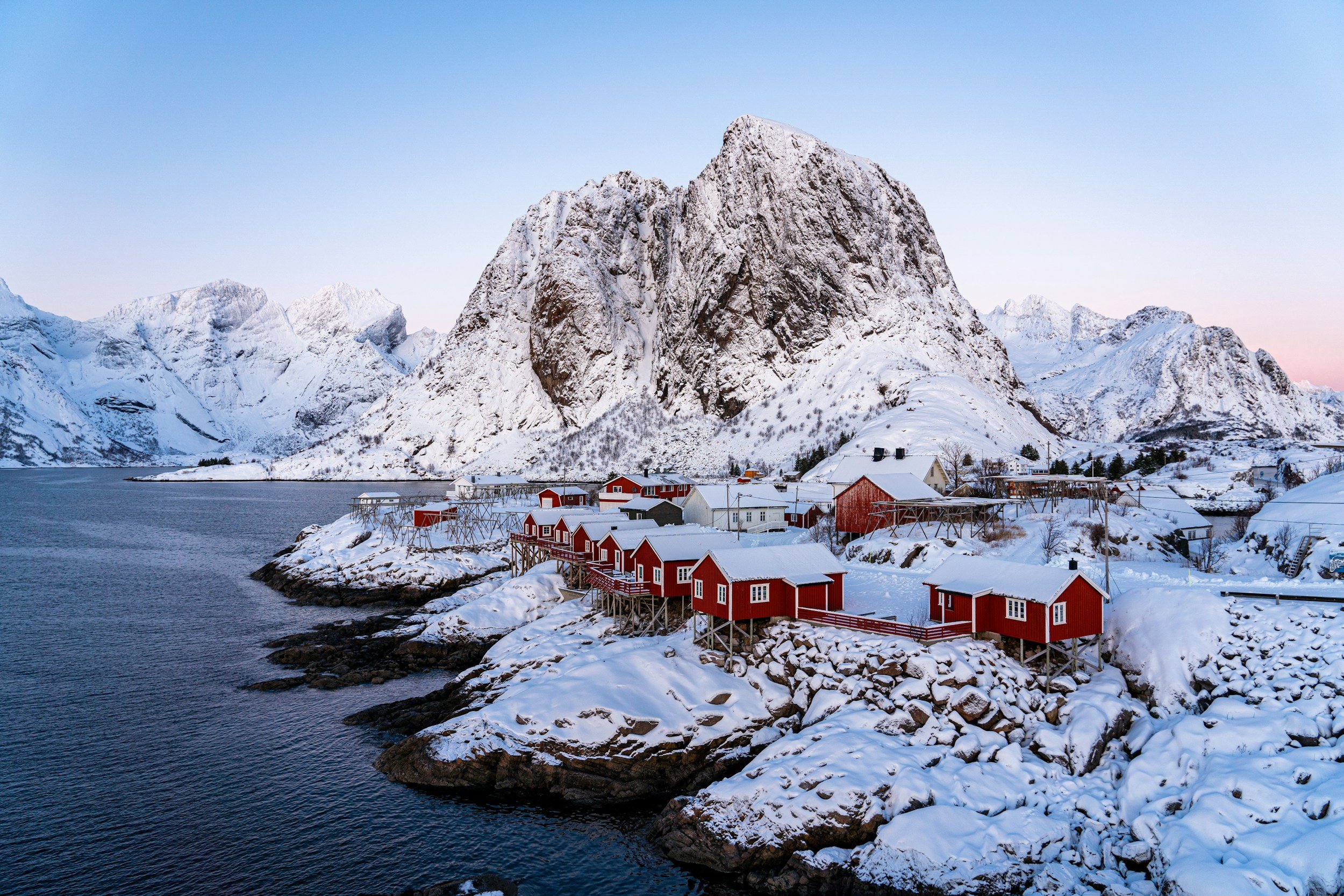
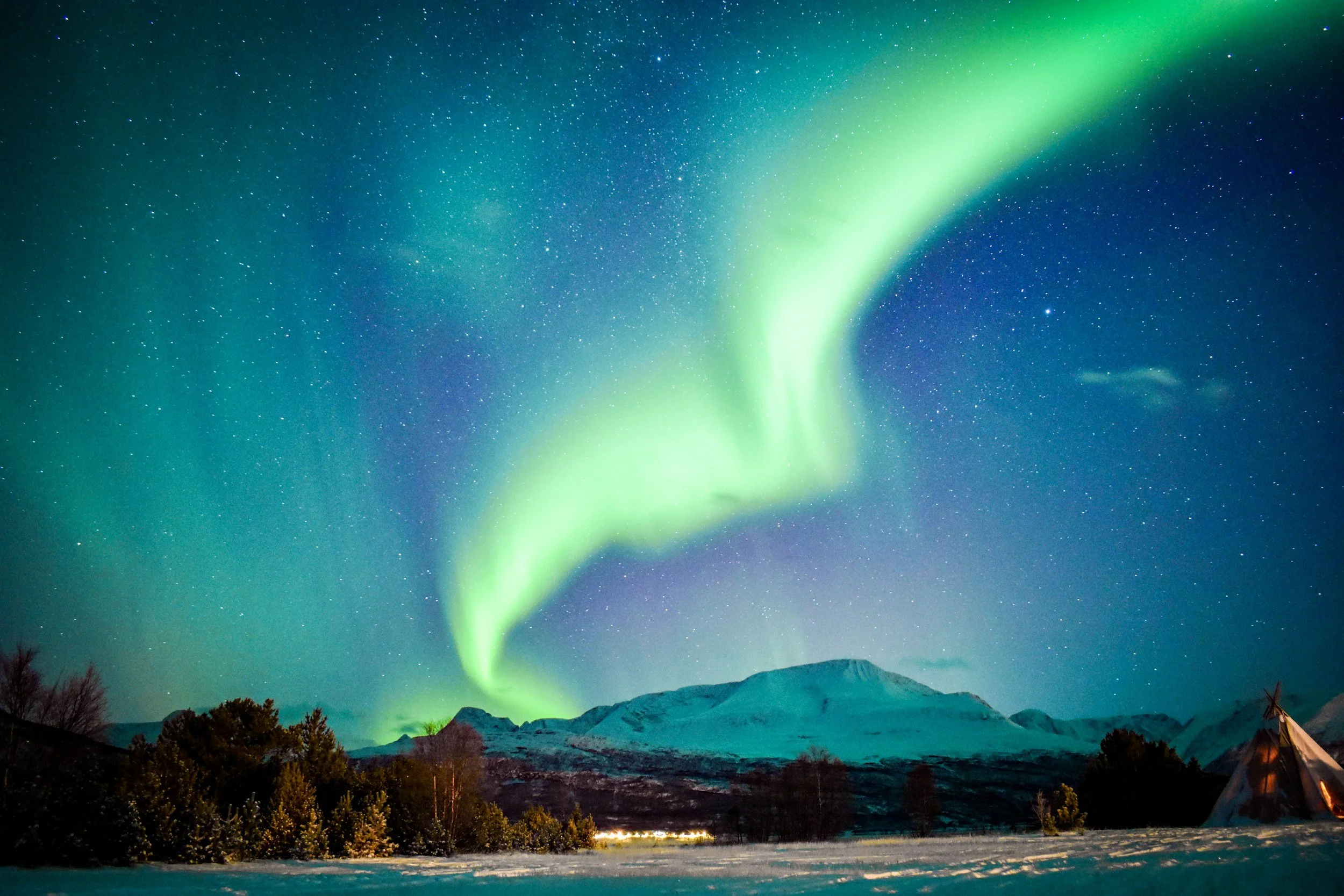
The comparison between Senja and Lofoten changes considerably in winter. Both destinations remain spectacular once the mountains are covered in snow, and both are well placed for seeing the northern lights, but travelling through them becomes more dependent on weather, road conditions and the amount of daylight available.
For the northern lights themselves, there is no strong reason to choose one over the other. Both Senja and Lofoten lie well within the auroral zone and have extensive areas with very little artificial light. Weather is usually the more important variable, particularly along the coast where cloud can obscure the sky even when auroral activity is strong. A longer stay improves the chances of finding a clear period in either destination, and the Northern Lights in Norway guide explains the season and conditions in more detail.
Lofoten has the advantage for most first-time winter visitors because its tourism industry continues to provide a relatively broad range of accommodation, restaurants and organised activities outside the summer season. The shorter distances between many of the main visitor areas also become more important when winter weather makes driving slower and less predictable. You can still experience remote landscapes, but it is easier to build a winter trip without depending entirely on long drives or independent outdoor plans.
Senja offers a quieter winter experience, but the same qualities that make it such a good road-trip destination in summer become more demanding once snow, ice and limited daylight are added. The island is large, places are more dispersed, and changing weather can have a greater effect on what is realistic to do in a day. Some seasonal services also operate differently outside summer, so a winter trip requires more planning than simply repeating a summer itinerary in snow.
For travellers comfortable with winter driving and changing conditions, this can be part of Senja’s appeal. The island becomes considerably quieter, while the combination of snow-covered mountains, small coastal communities and long periods of low winter light creates a very different experience from summer. It is particularly suited to travellers who are comfortable having fewer fixed activities and adjusting plans around the conditions. If you are planning on driving, Driving in Norway in Winter explains what to expect from winter roads, conditions and driving in different parts of the country.
For a first winter journey to Northern Norway, however, I would choose Lofoten over Senja. It provides the same Arctic scenery and northern-lights potential with more infrastructure and greater flexibility when the weather changes. Senja becomes the stronger choice for travellers who specifically want a quieter and more independent winter trip and are prepared for the additional planning that requires.
This is one area where the idea of Senja as simply a less crowded Lofoten is particularly unhelpful. In summer, lower visitor numbers can feel like an uncomplicated advantage. In winter, greater remoteness also comes with practical consequences, and whether that is an advantage depends much more on the traveller.
Do You Have to Choose Between Senja and Lofoten?
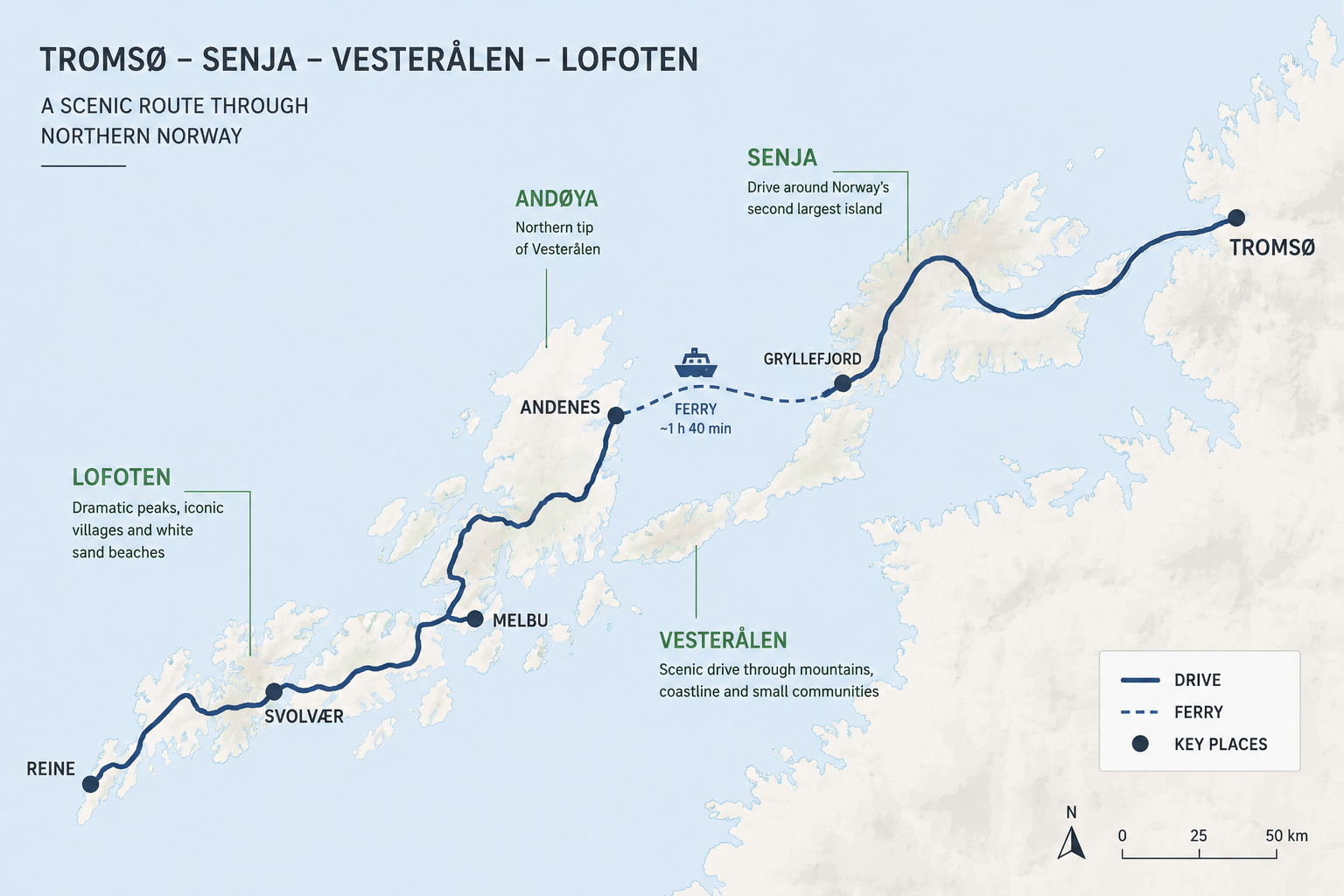
You can visit both Senja and Lofoten on the same journey, but it is important to understand the distance between them. They may look relatively close on a map of Northern Norway, but they are separated by Vesterålen, another large island region that stretches between Senja and Lofoten. Travelling from one to the other therefore takes a significant part of a day rather than a short ferry crossing.
During summer, one of the most useful connections leaves from Gryllefjord, a small community on the western side of Senja. From here, a seasonal car ferry crosses the Andfjorden to Andenes, at the northern tip of the island of Andøya. The crossing takes around 1 hour and 40 minutes, but Andenes is not in Lofoten. It is in Vesterålen, and reaching Lofoten requires continuing south through the islands from there.
From Andenes, it is roughly another 210 kilometres to Svolvær, one of the main towns in Lofoten, and driving there takes around three and a half hours without substantial stops. When the ferry crossing, check-in and the drive across Senja to Gryllefjord are included, travelling from Senja to Svolvær takes much of the day. If your destination is further west in Lofoten, around Reine or Å, several more hours need to be added.
The route makes much more sense when Vesterålen is treated as a destination rather than an obstacle between the two. Andøya has its own mountains, beaches and exposed coastline, and continuing south takes you through a part of Northern Norway that is often overlooked by international visitors heading directly for Lofoten. Instead of trying to travel from Senja to western Lofoten in one long day, spending a night or two in Vesterålen breaks the journey naturally and adds another distinct region to the trip.
The geography also creates the possibility of a longer journey beginning in Tromsø. In summer, a seasonal ferry connects the Tromsø side of the coast with northern Senja. You can then travel across Senja, continue by ferry from the western side of the island to Andøya, drive south through Vesterålen and eventually enter Lofoten. Rather than thinking of Senja and Lofoten as two neighbouring stops, it is better to think of this as a journey through several different parts of Northern Norway.
With around two weeks available, combining them makes a great deal of sense. With substantially less time, I would choose between Senja and Lofoten rather than losing too much of the trip to transport. The Tromsø, Senja and Lofoten Road Trip covers the full journey and shows how Senja, Vesterålen and Lofoten can be divided into a realistic itinerary.
Final Words: Is Senja the New Lofoten?
Calling Senja “the new Lofoten” is useful up to a point. For someone unfamiliar with Northern Norway, the comparison immediately communicates something about the landscape: steep mountains beside the sea, small coastal communities, excellent hiking and the particular scale of nature found along this part of the Norwegian coast. It also reflects a real shift in tourism, as travellers who are concerned about the popularity of Lofoten begin looking at other parts of the region.
But I do not think Senja should be understood primarily as an alternative to somewhere else. The comparison becomes less useful once you know enough about both destinations to see what each actually offers.
If Lofoten is the place you have always wanted to visit, there is no reason to avoid it simply because it has become popular. Its landscapes, villages and history are specific to the archipelago, and choosing another destination will not reproduce them. Popular places can still be extraordinary places.
Senja deserves the same consideration. It should not need to be quieter than Lofoten, less developed than Lofoten or described as somewhere to visit “before everyone else discovers it” in order to justify the journey. Its mountains and coastline are spectacular in their own right, and for travellers who prefer more space and a less concentrated journey, it may already be the better choice.
The useful question is therefore not whether Senja will become the next Lofoten, but which of the two gives you the Northern Norway journey you actually want. For some travellers that will clearly be Lofoten, for others it will be Senja, and with enough time there is a strong argument for experiencing both.
Senja is not the new Lofoten. It is Senja, and that is a much better reason to go.
More articles about Norway:

Why do Norwegians avoid small talk, leave space between strangers and take punctuality so seriously? This guide explores the cultural ideas, social expectations and everyday traditions behind some of Norway’s most recognisable unwritten rules.