
Hurtigruten vs HX in Norway: Key Differences in Winter Coastal Cruises
A winter voyage along the Norwegian coast can mean following Hurtigruten’s historic route from port to port or exploring selected regions with HX’s expedition-style approach. This guide looks at how the two experiences differ in winter, from life on board and time ashore to excursions, flexibility and overall travel style, so you know what each journey actually offers before you choose.
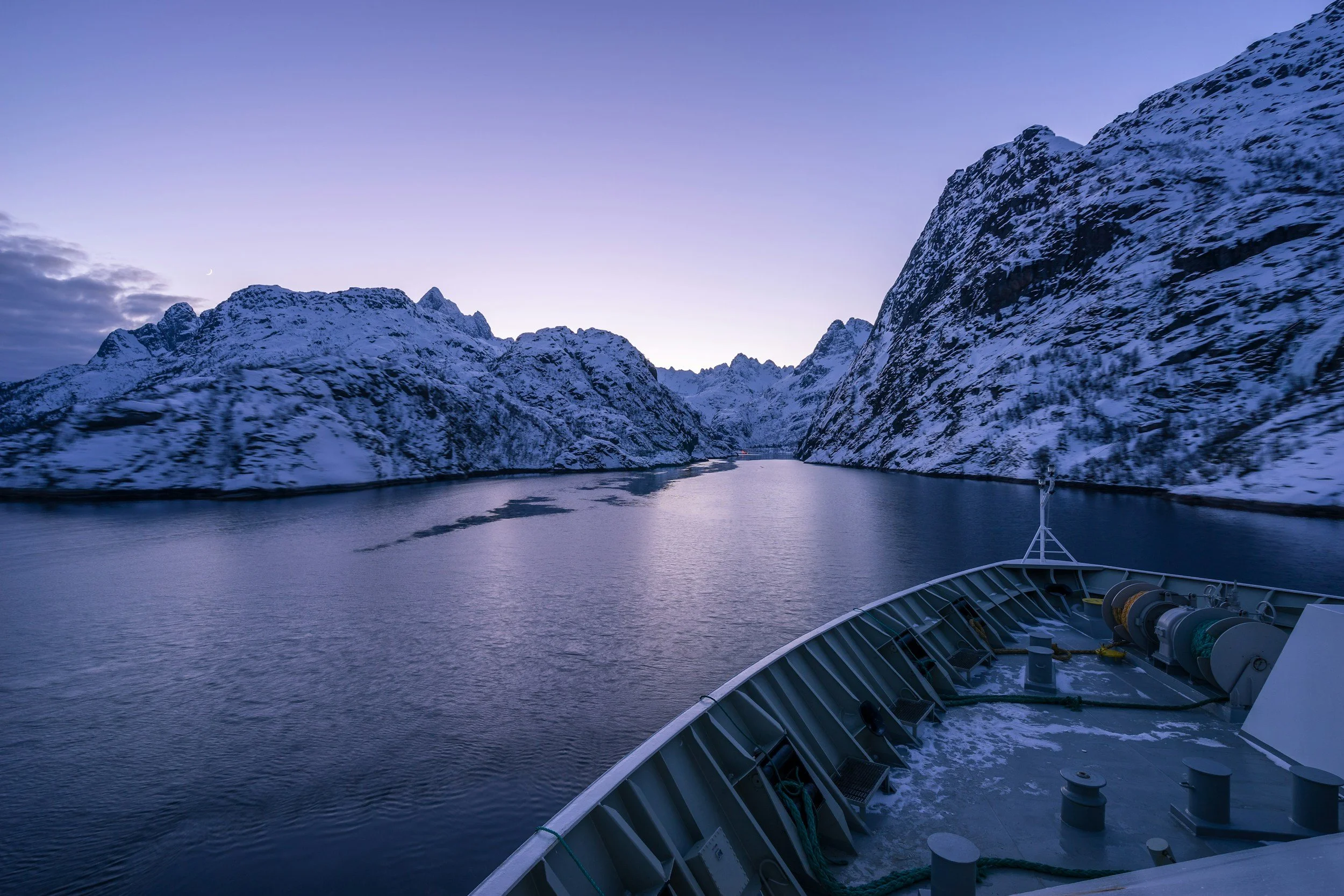
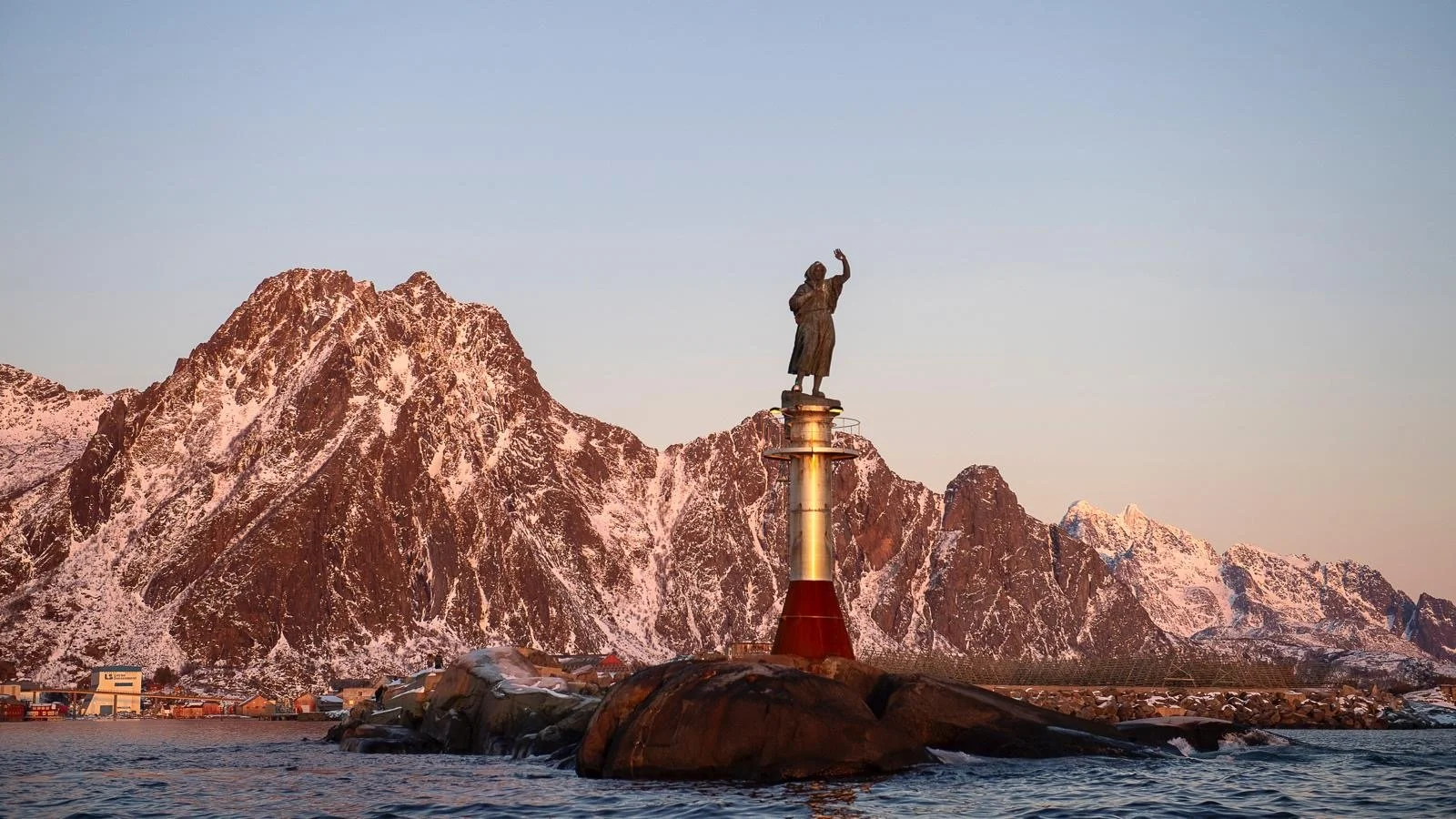
For many travellers, the idea of sailing the Norwegian coast in winter is closely connected with Hurtigruten. Snow-covered mountains rise directly from the sea, fishing towns appear between long stretches of coastline, daylight becomes shorter as you travel north, and on clear nights there is always the possibility of seeing the Northern Lights from the ship.
Planning that journey has become a little more complicated, however. Travellers searching for a Norwegian coastal voyage may encounter both Hurtigruten and HX, formerly known as Hurtigruten Expeditions. The two share the same maritime roots, and for many years their names were closely connected, but they now operate as separate companies and offer distinctly different types of journeys in Norway.
That shared history makes the choice less obvious than it first appears. Both travel through spectacular parts of the Norwegian coast, both operate in winter, and both can include experiences connected to nature, culture and life above the Arctic Circle. Yet the way the journeys are organised, how much time is spent exploring individual places, what happens on board and the role of guided activities can be very different.
This article looks closely at those differences, including the routes, life on board, excursions, flexibility and overall travel experience with Hurtigruten and HX. It also considers how winter changes each journey, from limited daylight and changing weather to Northern Lights opportunities and the experience of being outside along the coast.
If you are still deciding whether travelling by ship is the right way to experience Norway at this time of year, Winter Travel in Norway: Where to Go and What to Expect looks more broadly at coastal voyages alongside Arctic destinations, mountain holidays and winter city breaks.
What Is the Difference Between Hurtigruten and HX?
The most important difference between Hurtigruten and HX is the purpose of the journey.
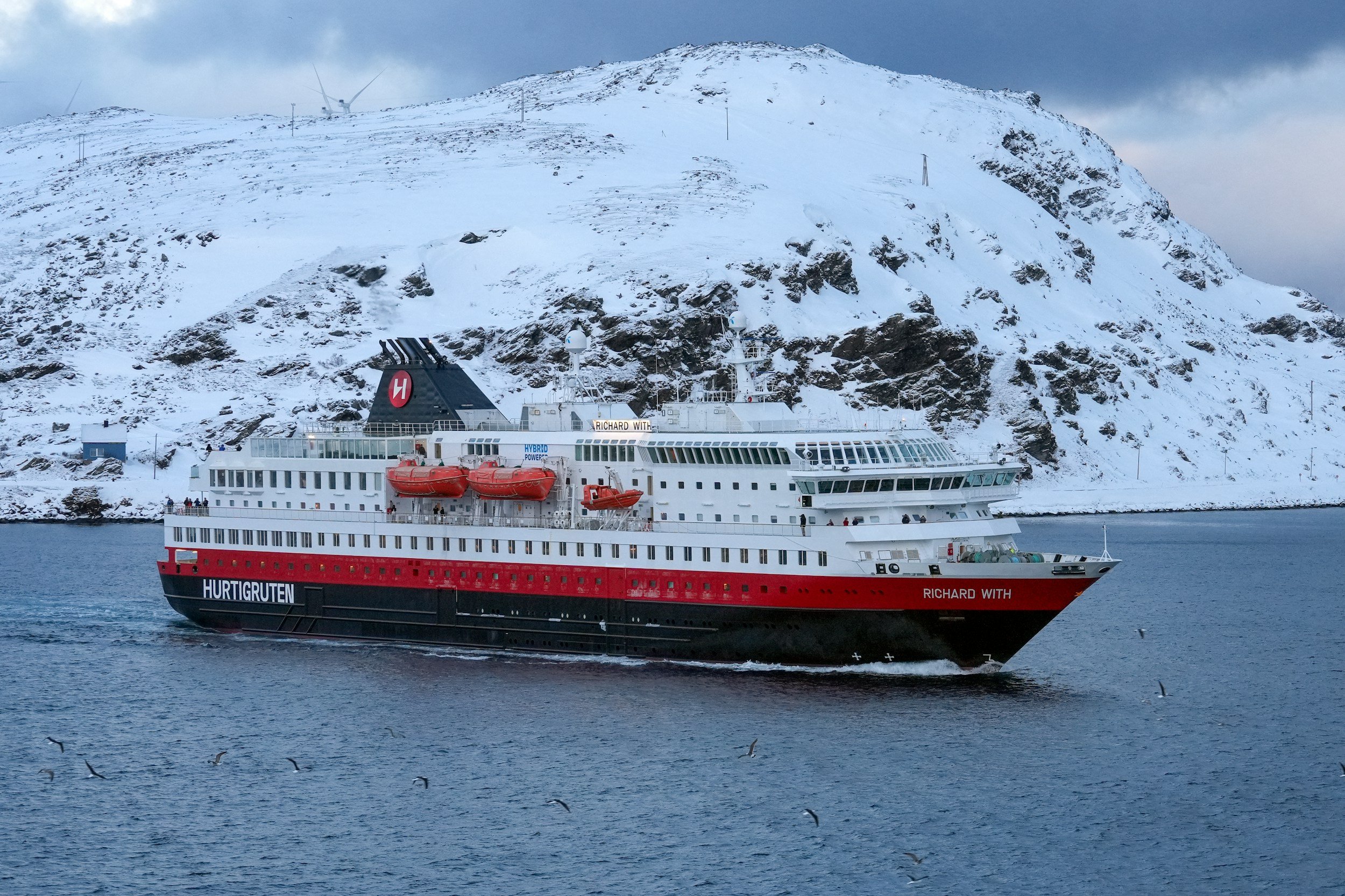
Hurtigruten is built around Norway’s historic coastal route. Its ships travel between a long sequence of ports, carrying travellers alongside people using the service to move between coastal communities. You can travel the full route or use individual sections, and the timetable is shaped by the ports the ship is there to serve.
HX takes a different approach. Its voyages are designed as expeditions, with selected destinations forming part of a planned journey built around exploration, guided activities and interpretation of the places visited. Rather than following the coast because the route itself is the purpose, the ship acts as a base from which passengers explore particular regions in greater depth.
In simple terms, Hurtigruten is route-led, while HX is expedition-led. That fundamental difference shapes almost everything that follows, including the pace of the voyage, the way time ashore is used and how structured the overall experience feels.

Hurtigruten:
The Historic Norwegian Coastal Route
Hurtigruten’s identity is inseparable from the Norwegian coast itself. The original service began in 1893, when Captain Richard With established a faster and more reliable connection between communities that had previously been separated by difficult journeys along one of Europe’s longest and most complex coastlines. People, post and goods could suddenly move between northern and southern Norway in days rather than weeks, and the route became an important part of everyday life along the coast. Today’s Coastal Express still follows that tradition.
If you are interested in how a transport route became such an important part of Norwegian coastal history, The History of Hurtigruten looks more closely at the ships, people and communities that shaped Hurtigruten from its first sailing to the present day.
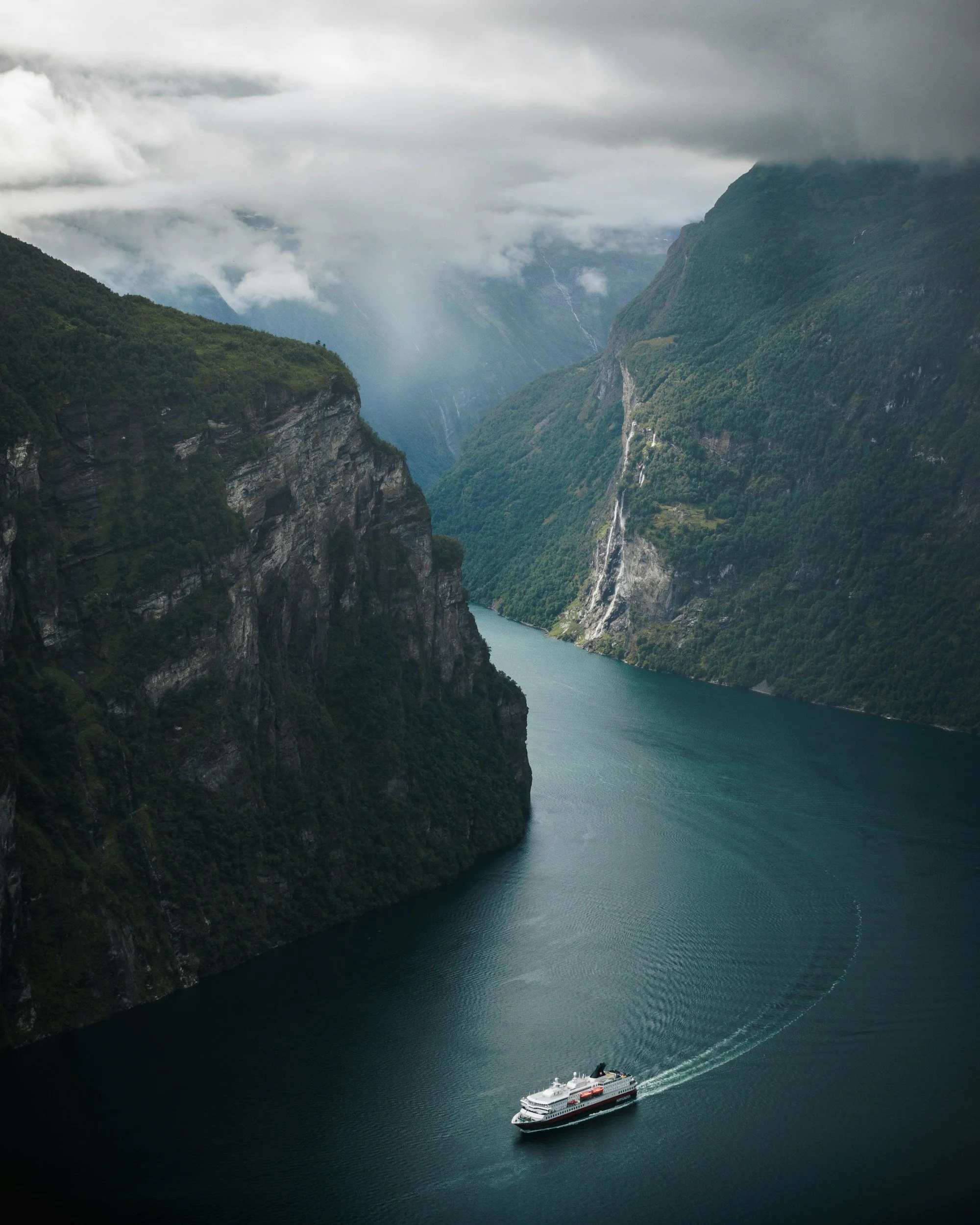
The classic Coastal Express runs between Bergen and Kirkenes, with the full round trip taking 12 days and calling at 34 different ports. What makes the journey unusual is the frequency of those calls. During a single day, the ship may visit several coastal communities, ranging from larger towns to small ports where the stop lasts only long enough for passengers, vehicles or goods to move on and off the ship. Travellers can complete the entire voyage, sail only northbound or southbound, or use shorter sections of the route as part of a wider journey through Norway.
That rhythm is an important part of what travelling with Hurtigruten feels like. The ship is not simply moving between a handful of major cruise destinations. You follow the Norwegian coastline continuously, passing islands, fjords, fishing communities and stretches of open sea while everyday coastal activity continues around you. Some ports give you enough time to explore or join an excursion, while others are brief calls that are best experienced from the deck as the ship arrives, unloads and leaves again. The existing article already identifies this flexibility and connection to coastal life as central to the Hurtigruten experience.
Life on board is more developed than the image of a simple working ferry might suggest. The atmosphere is generally informal, but Coastal Express ships have restaurants, bars and lounges as well as an onboard Expedition Team. On a full Coastal Express voyage, Hurtigruten currently offers around 10 to 15 lectures covering subjects such as Norwegian history, wildlife, geology and the Northern Lights in winter, alongside presentations and activities connected to the places the ship is passing. The difference is that these elements sit around the coastal journey rather than determining it.
That combination of working route and passenger experience is difficult to place neatly into the category of either ferry or conventional cruise. Hurtigruten carries travellers through some of Norway’s most dramatic coastal landscapes, but the timetable still reflects a route that exists because communities along the coast need to be connected. For many passengers, watching those routines unfold is as much a part of the journey as the scenery itself.
If you want a closer look at the cabins, food, daily rhythm, port calls and what spending several days aboard actually feels like, What It’s Actually Like to Travel on Hurtigruten goes into the onboard experience in much more detail.
Hurtigruten now also operates other Norwegian voyages, including its more cruise-oriented Signature routes, but the Coastal Express remains the historic core of the company and the clearest expression of what makes Hurtigruten different. It is a journey shaped first by the coast, its communities and the route connecting them.
HX:
Expedition Cruising in Norway
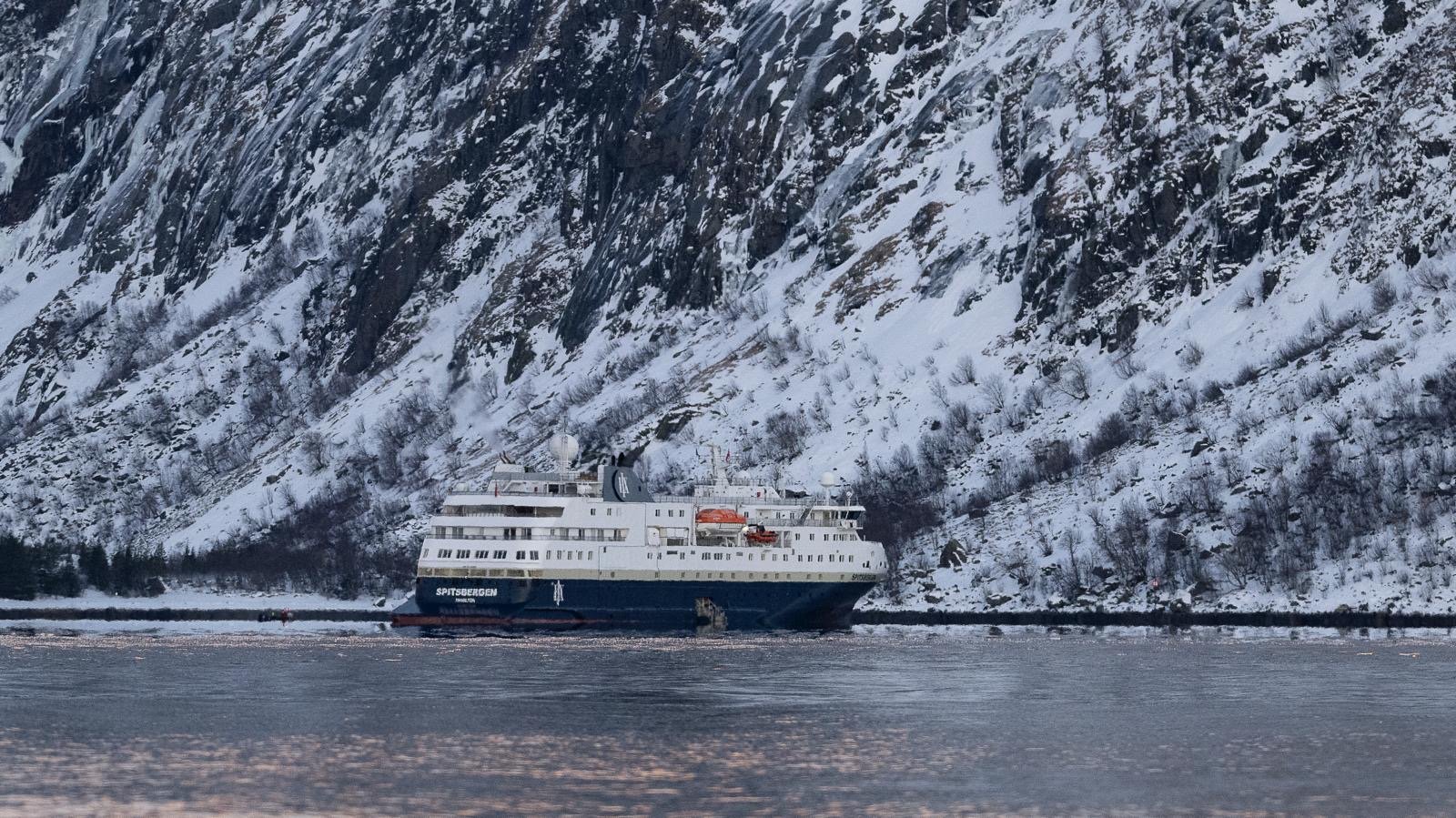
HX approaches the Norwegian coast as an expedition destination rather than as a transport route. Its itineraries are built around selected regions and places, with the ship functioning as a base for exploring the landscape, wildlife, history and coastal communities encountered along the way. The journey is therefore shaped less by a fixed sequence of scheduled port calls and more by what can be experienced in each area.
A central part of the experience is the Expedition Team. Lectures, briefings and interpretation are woven into the voyage, giving passengers more context about the places they are travelling through. Depending on the itinerary, this may include Norwegian history, geology, wildlife, Arctic environments and the culture of coastal communities. The aim is not simply to see the landscape from the ship, but to understand more about what you are looking at and why these regions developed as they did.
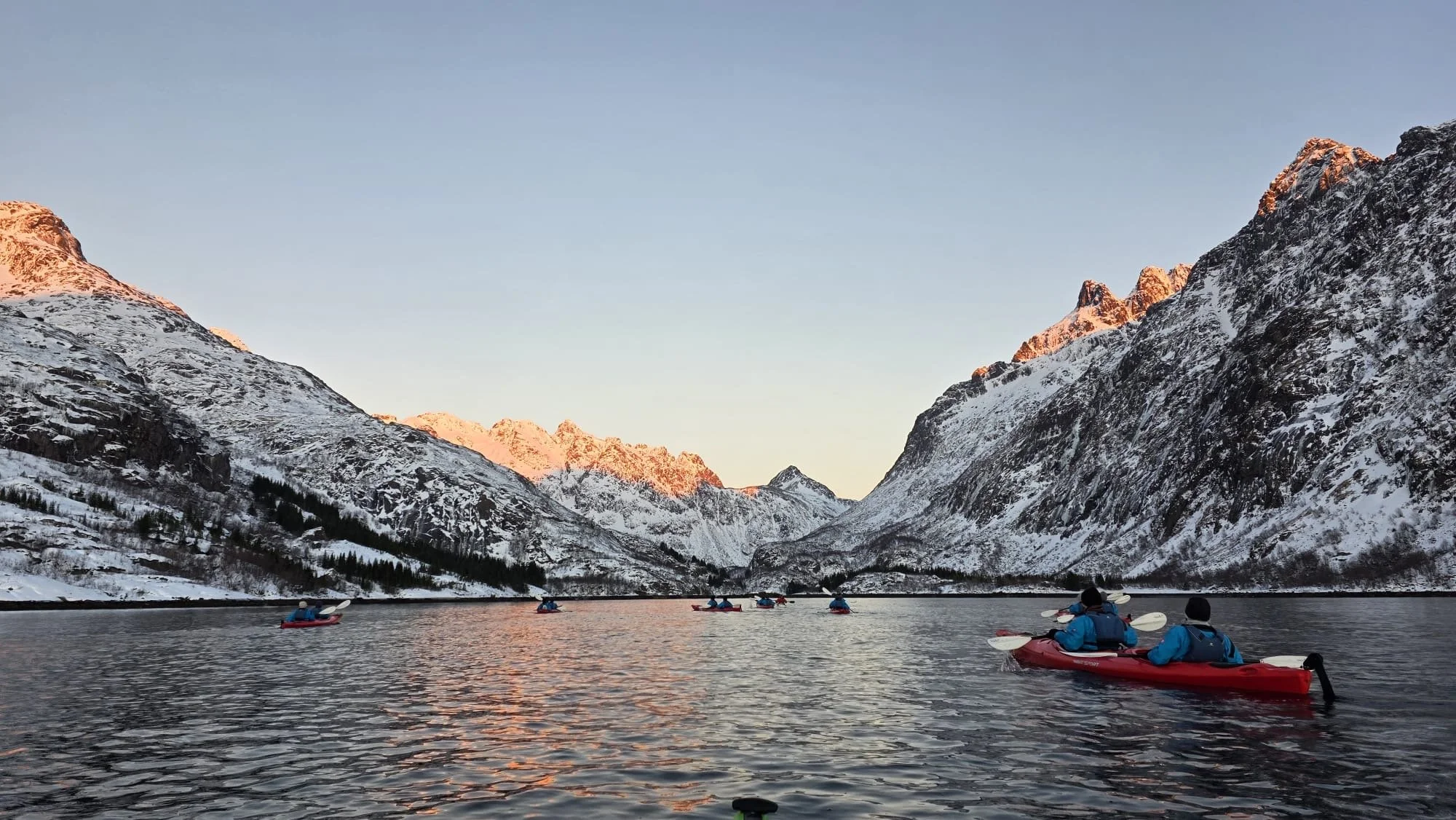
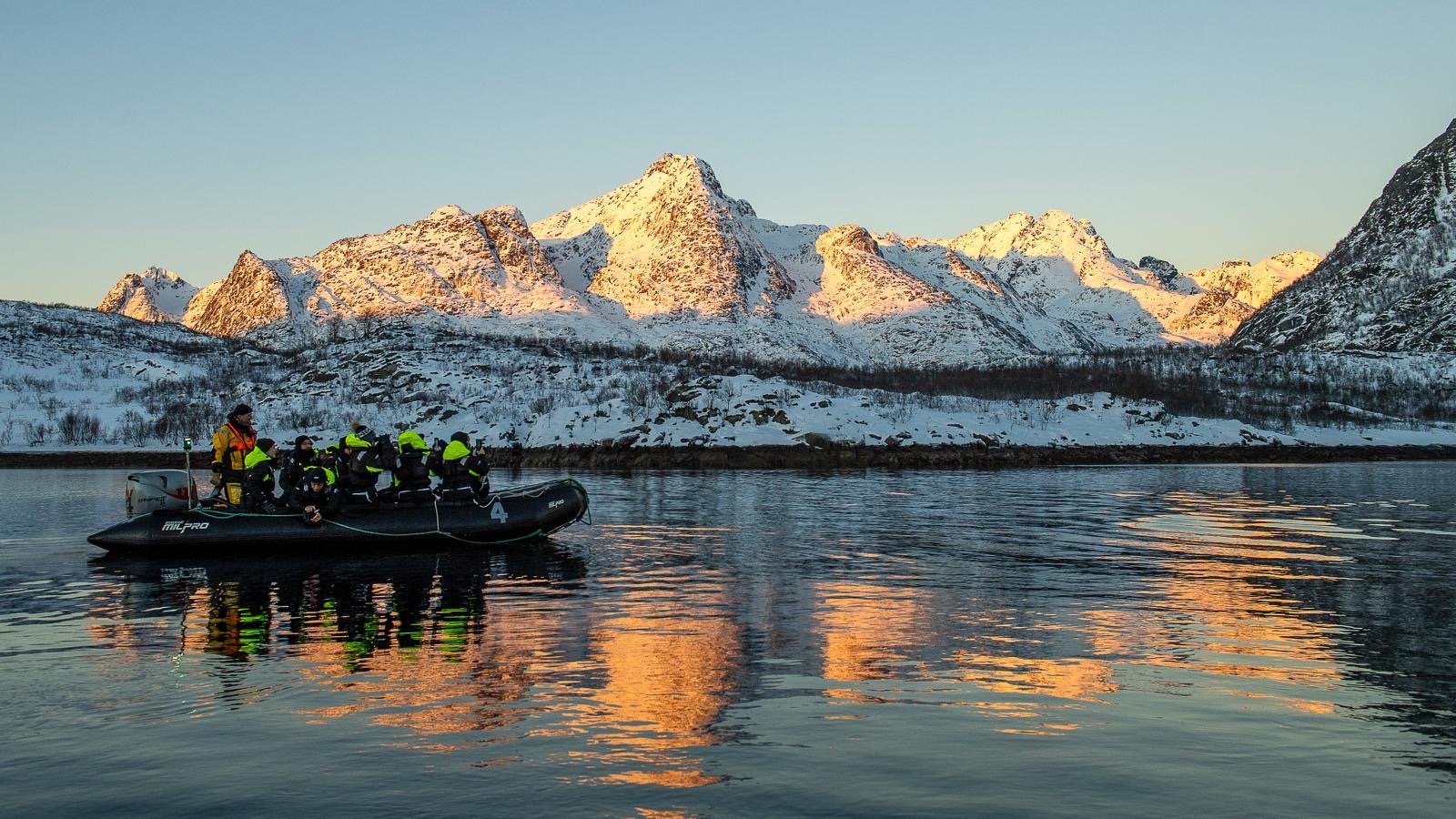
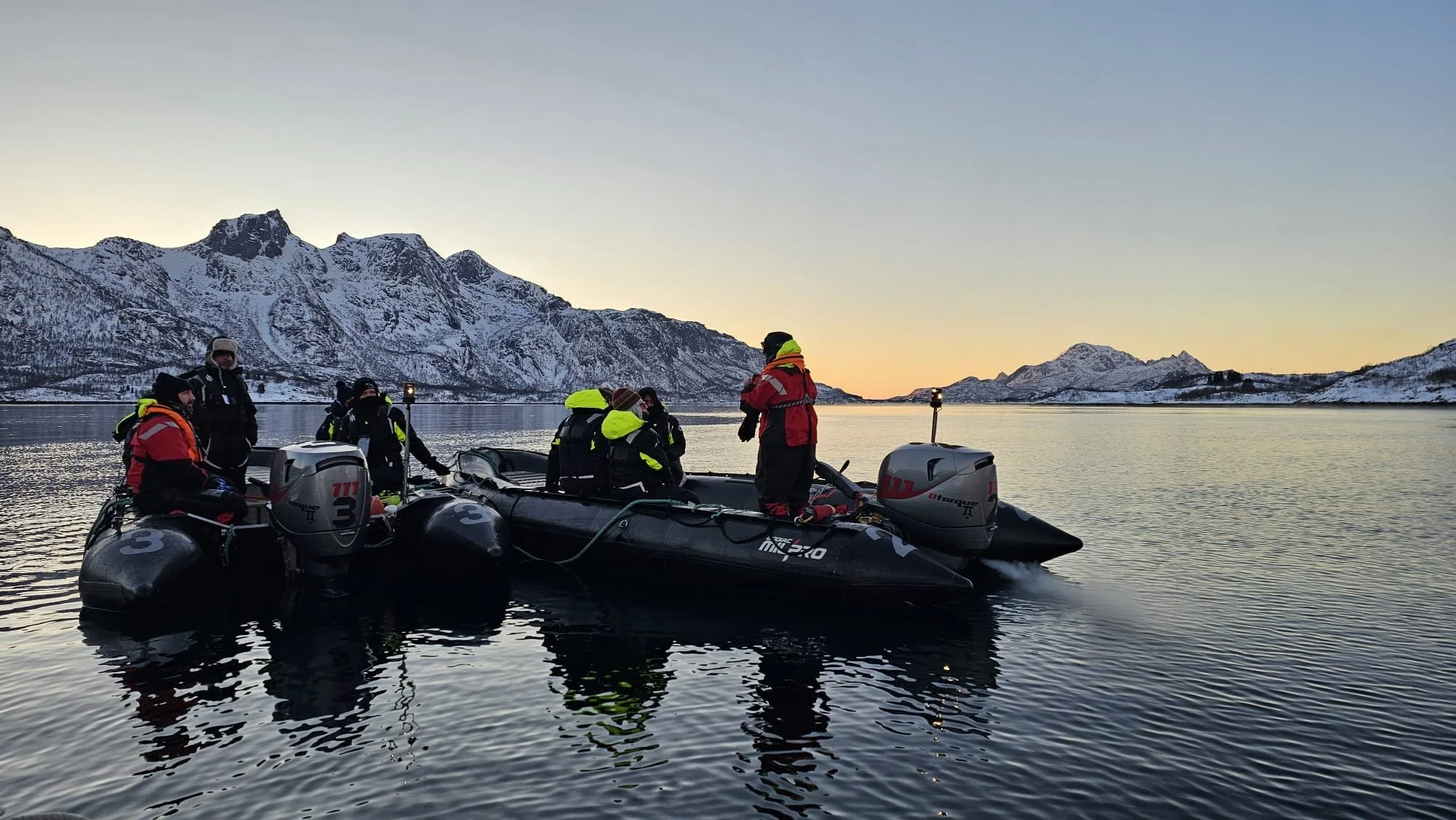
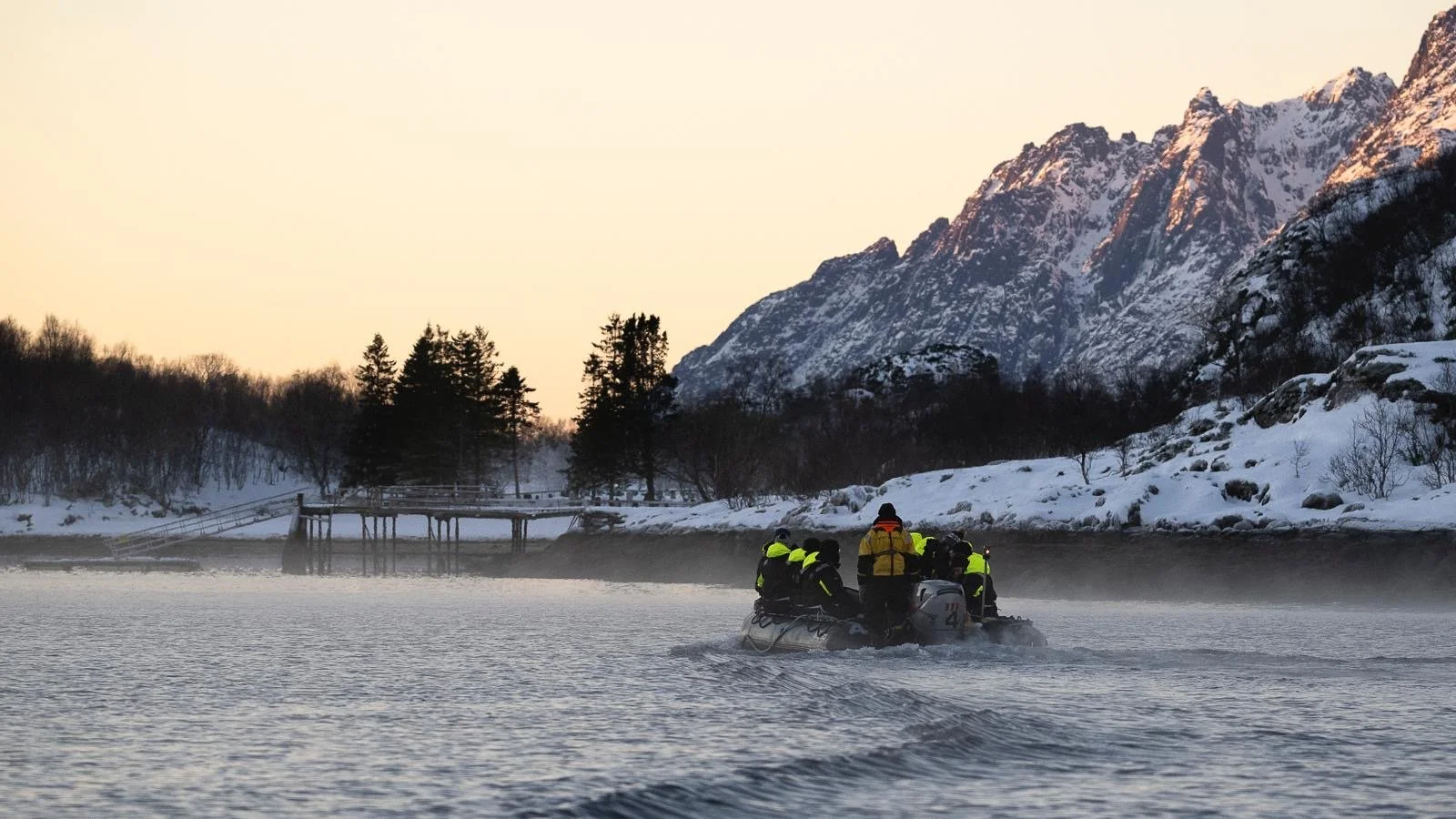
Time ashore is also organised differently. HX voyages can include guided walks, cultural visits, wildlife observation and other outdoor activities, with the exact programme depending on the destination, season and conditions. On some itineraries, smaller expedition boats or activities such as snowshoeing may also form part of the experience. Weather remains an important factor, particularly in winter, and expedition plans can change when wind, sea conditions or snow make another option more suitable.
This flexibility is part of the expedition model. Rather than expecting every day to unfold according to an identical programme, passengers are travelling with a team that can adapt activities to the conditions and opportunities available. That makes the journey more structured in one sense, because excursions and interpretation are an important part of the experience, but also more responsive to what is happening outside the ship.
Life on board reflects that focus. Briefings and lectures prepare passengers for what they may see ashore, while shared spaces are used for presentations, discussions and observations throughout the voyage. There is still plenty of time to watch the Norwegian coastline from the ship, eat, relax and enjoy the scenery, but the onboard programme is designed to connect directly with the places being explored.
HX voyages are generally sold as more inclusive, structured journeys, with much of the expedition programme built into the overall experience. Some optional activities or excursions may still carry an additional cost depending on the voyage, but passengers are not simply booking transport between Norwegian ports. They are paying for the expedition framework, the expertise of the team and a programme designed around exploration.
For travellers who enjoy understanding a destination as much as seeing it, this can be one of HX’s greatest strengths. Norway becomes more than scenery passing outside the window. The coastline, mountains, islands and communities become the subjects of the journey itself, with each stop providing another opportunity to explore how people, nature and the Arctic environment have shaped this part of the country.
How the Experience Differs in Winter
Winter changes much more than the scenery along the Norwegian coast. Daylight becomes limited, weather can shift quickly, snow conditions vary enormously between regions, and the further north you travel, the more strongly the season influences how each day unfolds. Hurtigruten and HX both operate within those conditions, but the way passengers experience them is quite different.
On Hurtigruten, winter is something you travel through continuously. A voyage from Bergen towards Kirkenes crosses several climatic regions, so the landscape can change dramatically along the way. Bergen and the western coast may be wet and relatively mild, while farther north you may encounter snow-covered mountains, frozen harbours and much colder conditions. The ship continues to follow its coastal timetable, which means you experience Norway as a changing sequence of ports, landscapes and winter light rather than remaining within one particular region.
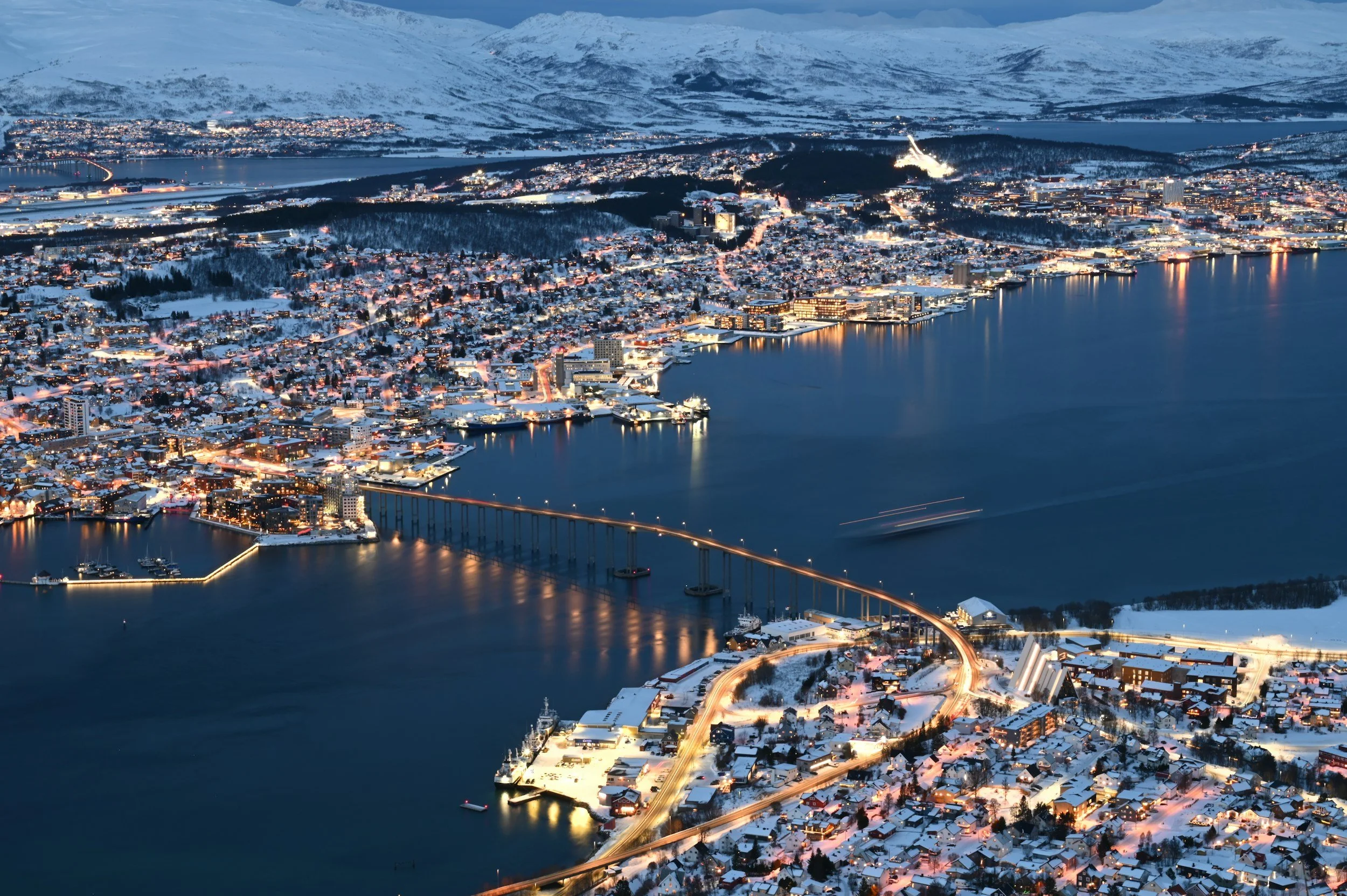
The short winter days become part of that rhythm. Some stretches of coastline may pass in darkness, especially farther north in December and January, while the limited daylight can produce long periods of blue, pink and golden light around midday. Travelling later in winter brings noticeably longer days, so February and March can offer a different balance between snowy landscapes, daylight for sightseeing and dark evenings.
HX tends to make winter a more active part of the expedition itself. Because guided exploration is central to the journey, daylight, snow, wind and sea conditions can influence which activities are possible and how the programme develops. A planned walk, landing or outdoor activity may be adjusted if conditions change, and the Expedition Team can use the weather and environment as part of the interpretation of the places being visited. Winter is therefore not simply the backdrop to the voyage. It becomes part of what passengers are actively exploring.
The difference is especially noticeable in the way time ashore is used. Hurtigruten passengers often explore during scheduled port calls, either independently or through organised excursions, before the ship continues along its route. With HX, going ashore is more closely integrated into the expedition programme, with guided activities designed around selected destinations and the conditions encountered there.
The Northern Lights can be a highlight on either journey, particularly when travelling through Northern Norway during the darker months, but they should never be treated as guaranteed. Clear skies, darkness and solar activity all need to coincide. Hurtigruten offers the particular experience of watching for the aurora from the deck while the ship continues along the coast, whereas an HX voyage may incorporate Northern Lights observations and interpretation into the wider expedition programme when conditions allow.
Winter also changes how much time you are likely to spend outside. Even when you are not taking part in an excursion, some of the most memorable moments can happen on deck as the ship approaches a harbour, passes beneath steep mountains or moves through a narrow stretch of coastline. Wind at sea can make the temperature feel considerably colder than the forecast suggests, while conditions ashore may range from rain and slush to compact snow and ice within the same voyage.
That makes clothing particularly important on either type of journey. You need to be able to move comfortably between warm interiors, exposed decks, winter streets and potentially longer periods outdoors. What to Pack for a Norway Coastal Cruise covers the layers, footwear and practical items that are useful for these changing conditions in much more detail.
Ultimately, Hurtigruten allows you to watch winter Norway change as you travel through it, while HX places more emphasis on going out into that winter environment and interpreting it through the expedition programme. Both can provide extraordinary winter experiences, but the season interacts with the journey in very different ways.

Which One Should You Choose?
Choosing between Hurtigruten and HX comes down less to which company is “better” and more to what you want the journey itself to be. Both can take you through extraordinary parts of the Norwegian coast in winter, but they ask you to engage with that coastline in different ways.
Choose Hurtigruten if the idea of travelling along the coast is part of the attraction. The changing scenery, frequent harbour calls and sense of continuously moving through Norway are central to the experience. It works particularly well for travellers who enjoy observing everyday coastal life, want the freedom to travel only part of the route or combine the ship with a wider journey through Norway, and are comfortable with some ports being brief stops rather than full sightseeing days. That flexibility has always been one of the defining features of the Coastal Express.
Hurtigruten can also be the stronger choice if you are interested in the history and geography of the Norwegian coast itself. The journey connects places that are very different from one another, and much of the appeal comes from watching those gradual changes unfold as the ship travels north or south. You do not need every hour to be organised for you, and there is value in simply being on the route and seeing where it takes you.
Choose HX if you want exploration to play a more active role in the trip. Guided activities, interpretation and the Expedition Team are fundamental parts of the experience, rather than additions around the edges of the voyage. HX is particularly well suited to travellers who want to learn about the landscapes, wildlife, history and communities they encounter and who enjoy having experts provide context throughout the journey.
It can also make sense if you prefer a more organised experience ashore. Instead of deciding independently what to do during a sequence of scheduled port calls, much of the journey is built around selected places and planned opportunities to explore them. That does not necessarily mean the experience is more adventurous in a physical sense. You do not need to be an experienced hiker or expedition traveller to enjoy HX. The more important question is whether you want guided exploration to be one of the main reasons for choosing the voyage.
I would also avoid assuming that one is automatically better for a first visit to Norway. An independent traveller who loves trains, ferries, local transport and watching everyday life may find Hurtigruten far more rewarding on a first trip. Someone who has visited Norway several times may still prefer HX because they want to explore a particular region with more interpretation and organised activities. Travel experience matters less than the way you personally like to discover a place.
Budget should be considered in the same way. Comparing the headline price alone can be misleading because the two journeys do not necessarily include the same things. Hurtigruten allows considerably more variation in how much you add through excursions and other experiences, while a larger part of the expedition programme is built into an HX voyage. The more useful comparison is therefore not simply which fare is cheaper, but what is included in the version of the journey you are actually considering.
Ultimately, the decision is fairly simple once you understand what each company is built around. Choose Hurtigruten if you want to travel the Norwegian coast. Choose HX if you want to use the ship as a base for exploring selected parts of it. The scenery may overlap, but the rhythm and purpose of the journey are quite different.





Final Words
Hurtigruten and HX share the same maritime roots, but today they offer two quite different ways of experiencing the Norwegian coast. That difference is not really about which company has the better scenery, because both travel through landscapes shaped by fjords, islands, fishing communities and long stretches of open sea. It is about how you want to move through those places.
Hurtigruten follows the rhythm of the coast itself. The route, the ports and the movement between communities shape the journey, and much of the experience comes from watching Norway change gradually as the ship travels north or south. HX places more emphasis on selected destinations and on understanding them through guided activities, interpretation and time spent exploring beyond the ship.
Winter makes that distinction even clearer. Darkness, snow, wind and changing daylight affect both journeys, but they become part of the experience in different ways. On Hurtigruten, you travel continuously through those changing conditions. On HX, the winter environment becomes something the expedition programme is built around.
Perhaps the most important thing is that neither journey offers a generic version of Norway from the sea. The Norwegian coast remains the constant, but the experience depends on whether you want to follow its historic route or use the ship as a base for exploring parts of it more closely.
Both can be memorable ways to experience Norway in winter. They simply ask you to experience the coast differently.
More articles about Norway:
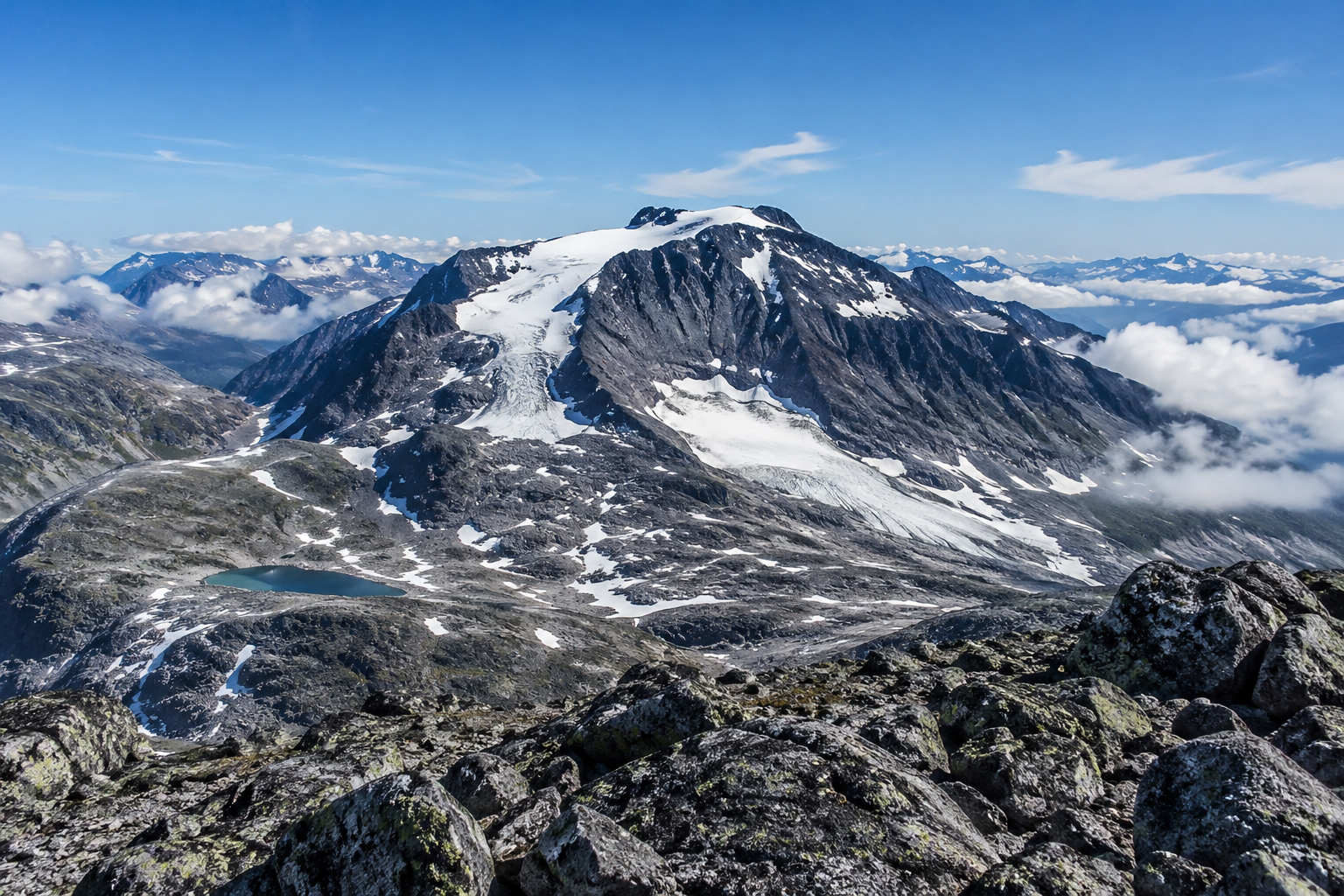
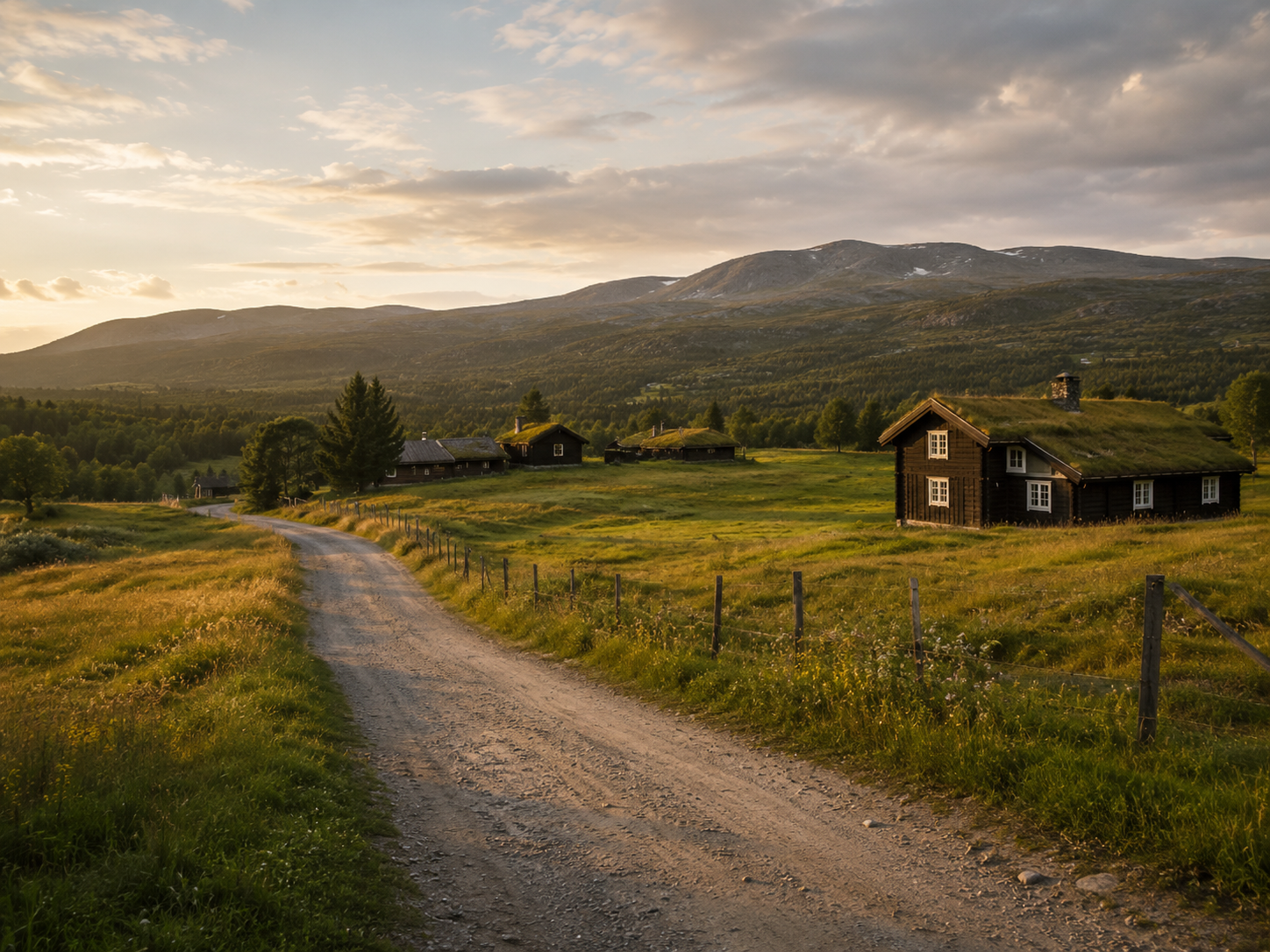






Discover Jotunheimen, Norway’s legendary mountain region and home to Northern Europe’s highest peak. From Galdhøpiggen and Besseggen to historic fjellstuer, mountain lakes and scenic roads, here is what makes Jotunheimen worth visiting.