
What to Pack for a Norway Coastal Cruise
A coastal cruise through Norway can take you from warm ship interiors to exposed decks, rainy fjord towns, Arctic ports and everything in between. This guide explains what to pack for different seasons and cruise styles, including large cruise ships, Hurtigruten and Havila, and expedition voyages, with practical advice on clothing, footwear, layers and what you will actually use on board and ashore.
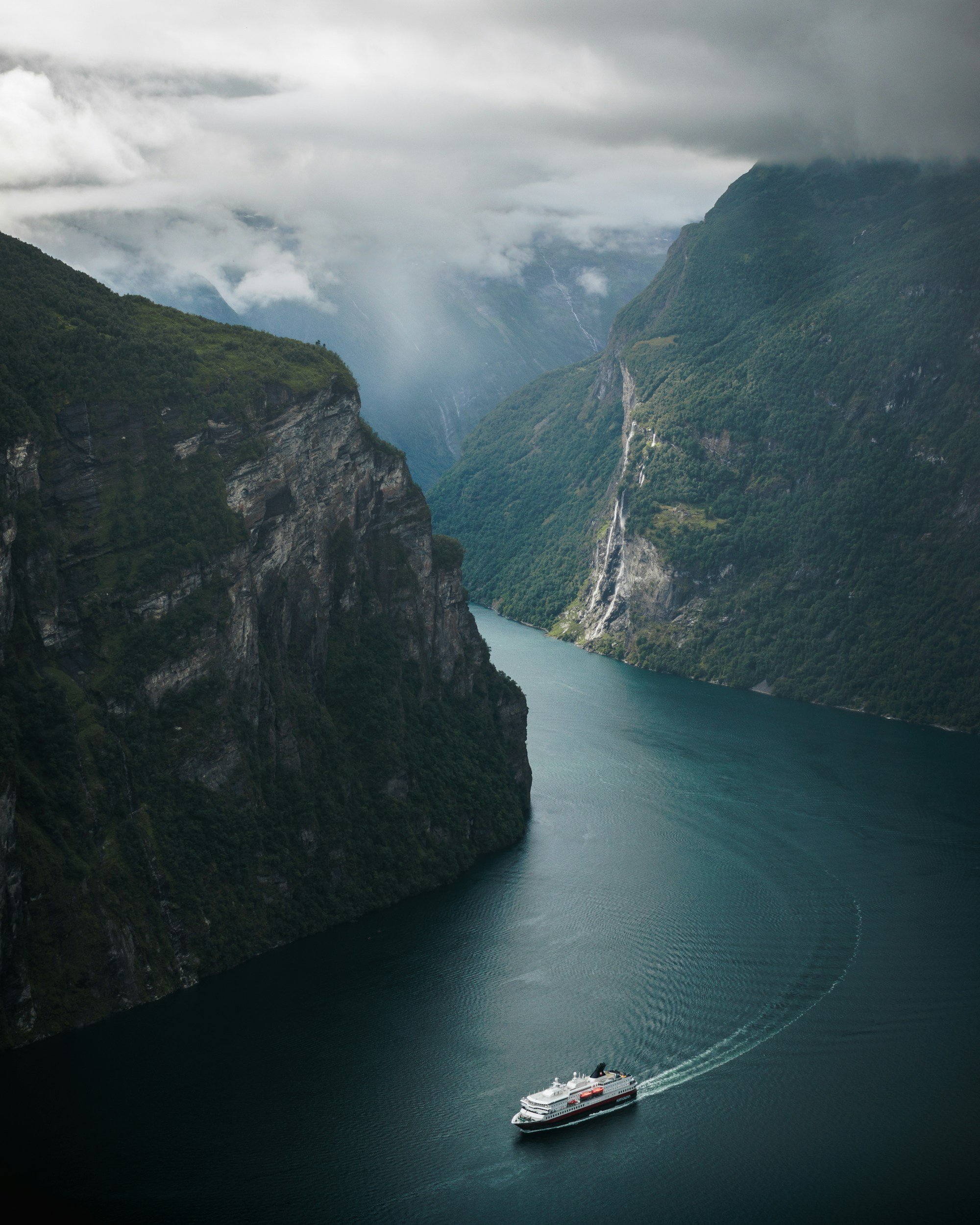
A voyage along the Norwegian coast is not quite like packing for a traditional cruise. Much of the appeal lies outside the ship: standing on deck as the coastline changes, going ashore in small harbour towns, watching for wildlife or the Northern Lights, and sometimes spending hours exposed to wind and weather. At the same time, the ships themselves are warm and comfortable, and life on board is generally relaxed rather than formal.
That contrast is what makes packing slightly unusual. You may spend breakfast in a T-shirt or light knit indoors, add a jacket to step outside for a few minutes, and later need several proper layers because you want to stay on deck while the ship passes through a particularly beautiful stretch of coast. During summer, the same journey can include genuinely warm weather ashore and cool wind at sea. In winter, the difference between the heated interior and Arctic conditions outside becomes even greater.
Where you are travelling matters too. Norway’s coast stretches from relatively mild Western Norway far beyond the Arctic Circle, and conditions can change significantly as the ship moves north. A voyage in July requires a very different wardrobe from one in January, while an expedition itinerary involving longer periods outdoors creates different demands from a journey centred around scheduled port calls.
This guide focuses on what is actually useful for coastal and expedition-style voyages in Norway: clothing for time on deck, comfortable clothes for life inside the ship, footwear for ports and excursions, and the extra layers you may need depending on the season and itinerary. The aim is not to pack for every possible condition, but to bring a wardrobe that can adapt as the coast, weather and activities change.
What the Norwegian Coast Actually Feels Like at Sea
The weather you experience on a Norwegian coastal voyage is not always the weather you would expect from the temperature on land. The coastline stretches through very different climatic regions, and the combination of open water, wind and a moving ship can make conditions on deck feel noticeably cooler than they do in port.
This is particularly noticeable in summer. You might spend a warm afternoon ashore in a T-shirt, dress or shorts, then return to the ship and reach for a jumper or light jacket once you go back outside. Even during genuinely hot periods, air moving across the sea can change how comfortable it feels to stand still on deck for any length of time. That does not mean Norwegian coastal summers are cold. It simply means that the conditions at sea can be very different from the conditions you have just experienced on land.
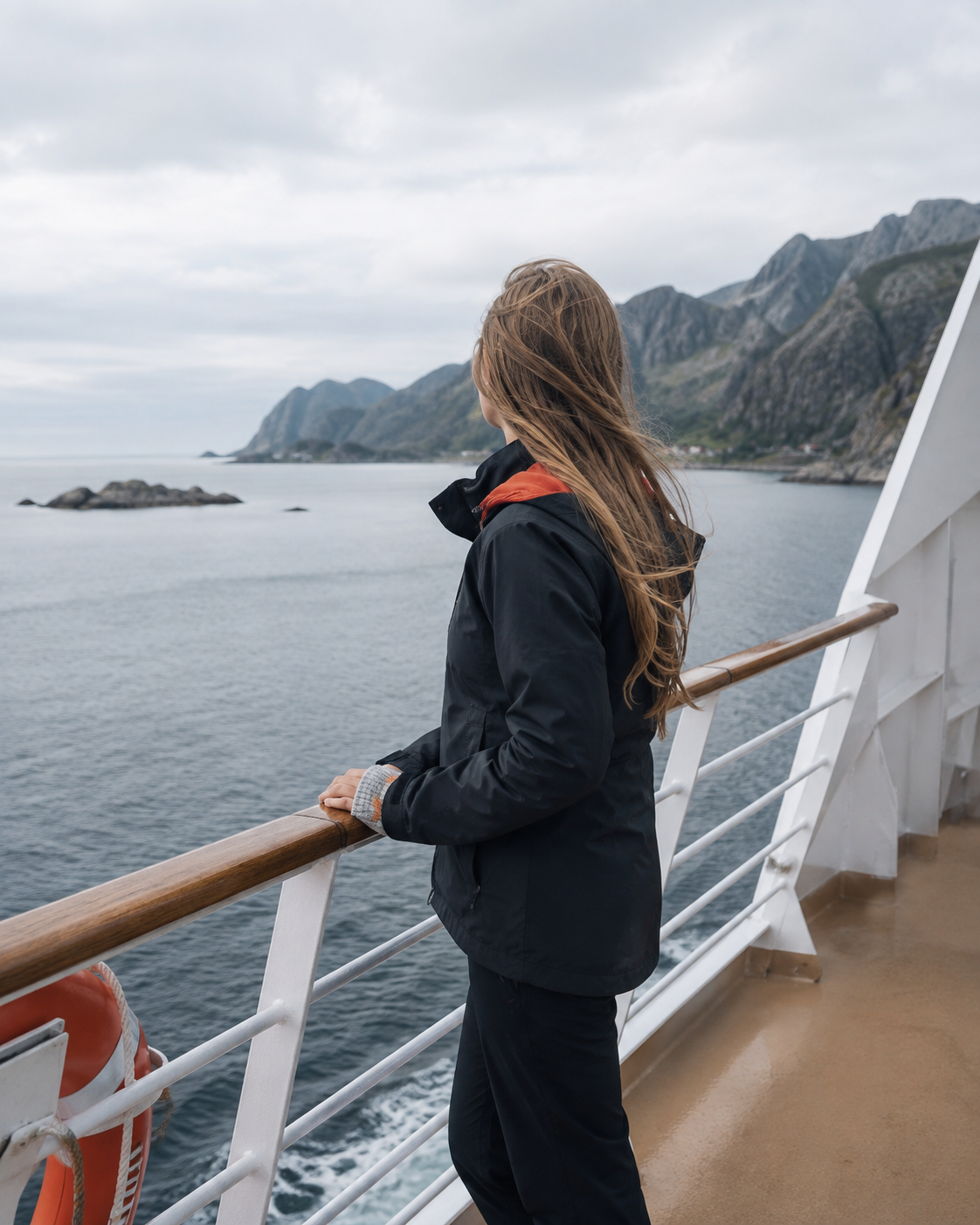
The contrast becomes stronger the longer you stay outside. Stepping onto the deck for five minutes to take a photograph is very different from standing there for an hour while the ship approaches a fjord, passes through a narrow stretch of coastline or waits beneath a clear night sky. When you are standing rather than walking, you generate very little additional body heat, so wind and cooler air become much more noticeable.
Rain and sea spray can add another layer. A relatively mild temperature can feel uncomfortable once clothing becomes damp, which is why wind and water protection matter even when heavy insulation does not. On calmer days, however, an exposed deck can be surprisingly pleasant, particularly during summer when long daylight and settled weather make it possible to spend extended periods outside.
The conditions can also change substantially during the same voyage. Western Norway may be mild, wet and green, while travelling farther north can bring cooler air, more exposed stretches of coast and, depending on the season, snow-covered landscapes or Arctic conditions. A journey along Norway’s coast is therefore not one fixed climate repeated for several days. You are moving through different regions, and your clothing needs to be able to move with you.
Inside the ship, the situation is completely different. Modern coastal and expedition ships are heated and comfortable, so there is rarely any reason to remain dressed for outdoor conditions once you come inside. This constant movement between warm interiors and exposed decks is one of the main reasons layering works so well on a Norway coastal voyage.
The goal is not to dress heavily all day. It is to have the right layers close enough that you can step outside whenever something along the coast makes you want to stay there.
How to Dress for Time on Deck
The easiest way to dress for time on deck is to build your clothing in layers that can be added quickly when you step outside and removed just as easily when you return indoors. This matters more on a coastal voyage than having one exceptionally heavy outfit, because you may move between a heated lounge and an exposed deck many times during the same day.
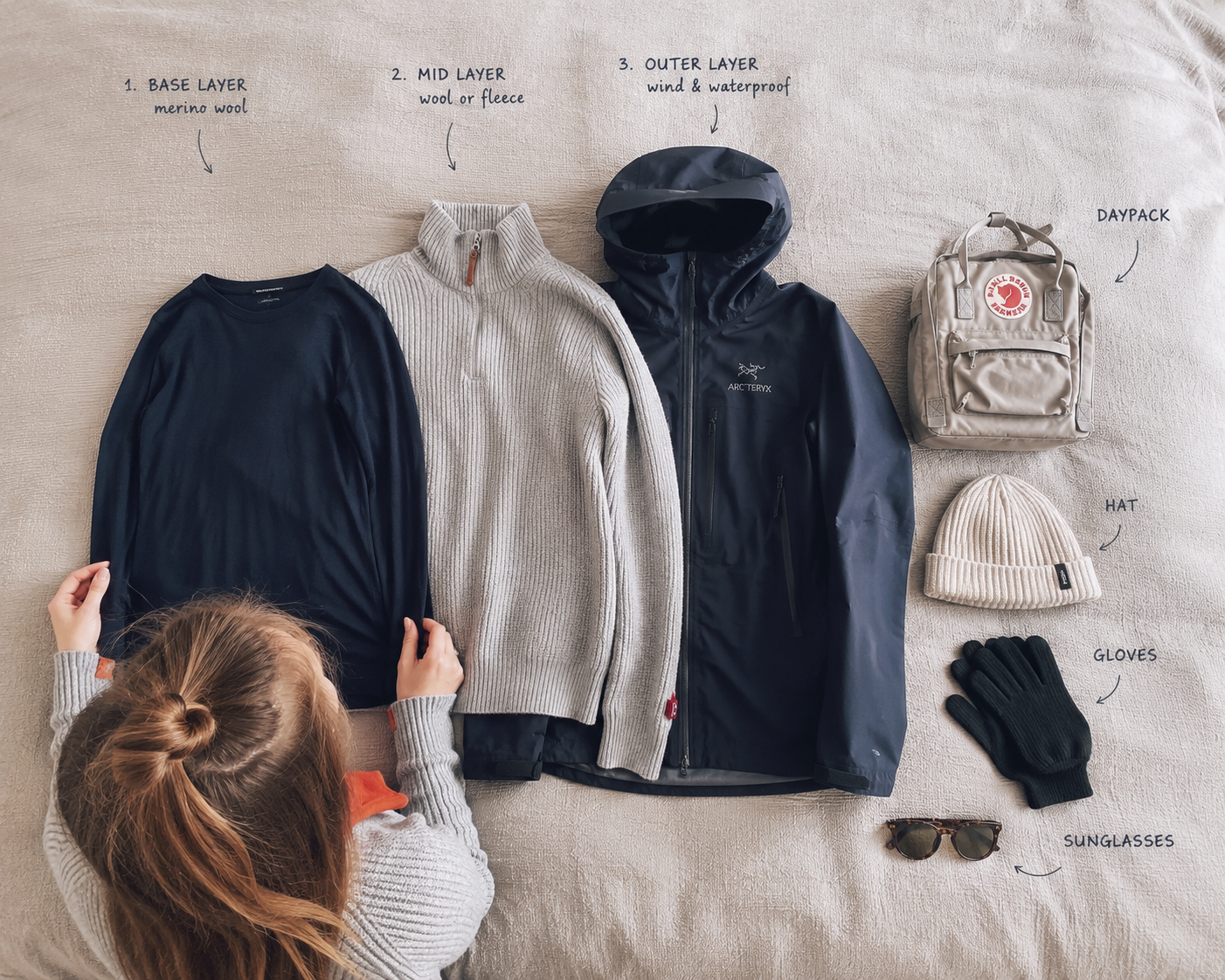
When conditions are cool, wool works particularly well close to the body. A thin merino or wool base layer provides warmth without adding much bulk and remains comfortable if you spend longer outside than expected. You will not necessarily need it on a warm summer sailing, but during winter, late autumn or colder northern voyages it becomes one of the most useful layers you can bring.
Over this, a wool jumper, fleece or lightweight insulated jacket provides most of the adjustable warmth. The advantage of using a separate mid-layer is that you can respond to the day rather than committing to the same level of insulation from morning until evening. On a calm afternoon you may need very little, while a long period outside after sunset can require considerably more.
The outer layer has a different job. It should protect you from wind and precipitation, which are often what make time on deck uncomfortable. In summer, a lightweight windproof and waterproof jacket may be all you need over normal clothes and a jumper. During winter, the same exposed deck requires a properly insulated winter coat that also offers good protection from wind and snow.
This is where coastal cruise packing differs from simply checking the temperature forecast. A jacket that feels unnecessary while walking through a sheltered harbour can become extremely useful once the ship is moving and you are standing outside rather than generating heat through activity.
It is also worth keeping your outdoor layers somewhere easy to reach. Some of the best moments along the Norwegian coast are not scheduled. A narrow fjord may appear outside the window, the light can suddenly change, wildlife may be spotted from the ship, or the Northern Lights may appear after dinner. If your warm jacket, hat and gloves are buried at the bottom of your cabin luggage, you are much less likely to stay outside long enough to enjoy it.
The aim is therefore not to remain dressed for the deck all day. Dress comfortably for life inside the ship, then keep enough warmth and weather protection nearby that stepping outside never becomes a major operation.
What to Wear Inside the Ship
Inside the ship, the dress code is much more relaxed than many travellers expect from a cruise. Hurtigruten and expedition-style voyages along the Norwegian coast are not built around formal evenings, and there is generally no expectation that you change into evening wear for dinner. Comfortable, everyday clothing fits naturally with the atmosphere on board.
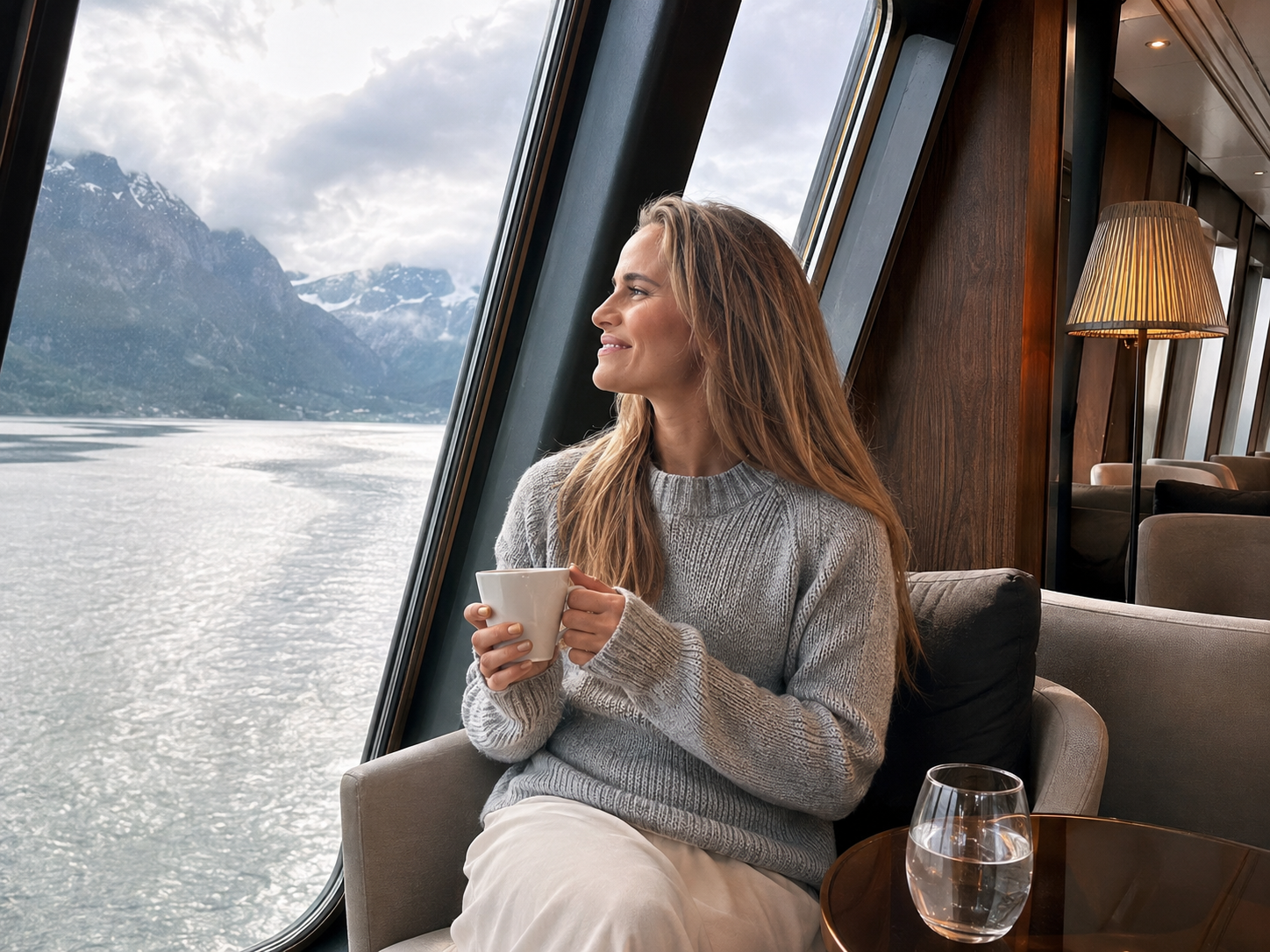
Once you come in from the deck, you will usually want to remove your heavy outer layers fairly quickly. The ships are warm, so jeans or comfortable trousers, a T-shirt, long-sleeved top or light knit are usually far more practical than remaining in wool base layers and insulated clothing all day. Clean trainers, casual shoes or boots are also perfectly appropriate around the ship.
For dinner, you can make the outfit slightly smarter if you want to without packing a separate cruise wardrobe. A nice jumper, blouse or shirt with trousers or jeans is more than enough for most evenings. Even the more refined restaurant settings remain relatively informal, so dressing well does not mean dressing formally.
This is particularly useful when luggage space is limited. You do not need formal evening wear, high heels or a different outfit for every dinner. A small number of comfortable pieces that work in the lounge, restaurant and around the ship will usually be used far more than clothes packed for occasions that never really occur.
The biggest contrast in your wardrobe should therefore be between indoor comfort and outdoor weather protection, not between daytime and evening dress. You may spend dinner in jeans and a wool jumper, then add a winter coat, hat and gloves ten minutes later because something outside makes you want to head back onto the deck.
How Packing Changes by Cruise Style
Not every cruise along the Norwegian coast involves the same kind of travel. A large international cruise ship visiting the fjords creates a very different daily routine from travelling the coastal route with Hurtigruten or Havila, while an expedition voyage can involve considerably more time outside and more demanding conditions ashore.
The basic principles remain the same across all three: bring comfortable clothes for the ship, proper protection from wind and rain, and footwear suited to what you plan to do ashore. What changes is how much of your wardrobe needs to be technical and how much attention you need to give to life inside the ship.
Larger Cruise Ships
On larger cruise ships sailing Norwegian itineraries, much of the journey is centred around major ports and organised shore excursions. You may visit places such as Bergen, Ålesund, Geiranger, Stavanger or destinations farther north, then return to a ship with extensive indoor facilities, restaurants and entertainment.
For this kind of voyage, you can usually pack much as you would for a normal holiday in Norway, with additional layers for exposed decks and excursions. Comfortable city clothes, trainers or walking shoes, a waterproof jacket and one or two warmer layers will cover a large part of the trip.
The main difference is that some international cruise lines have a slightly more dressed-up atmosphere in the evening. Dress codes vary considerably between companies, so it is worth checking your particular ship before travelling. You may want one or two smarter outfits for dinner, but that does not change what you need outside in Norwegian weather.
Hurtigruten and Havila: The Norwegian Coastal Route
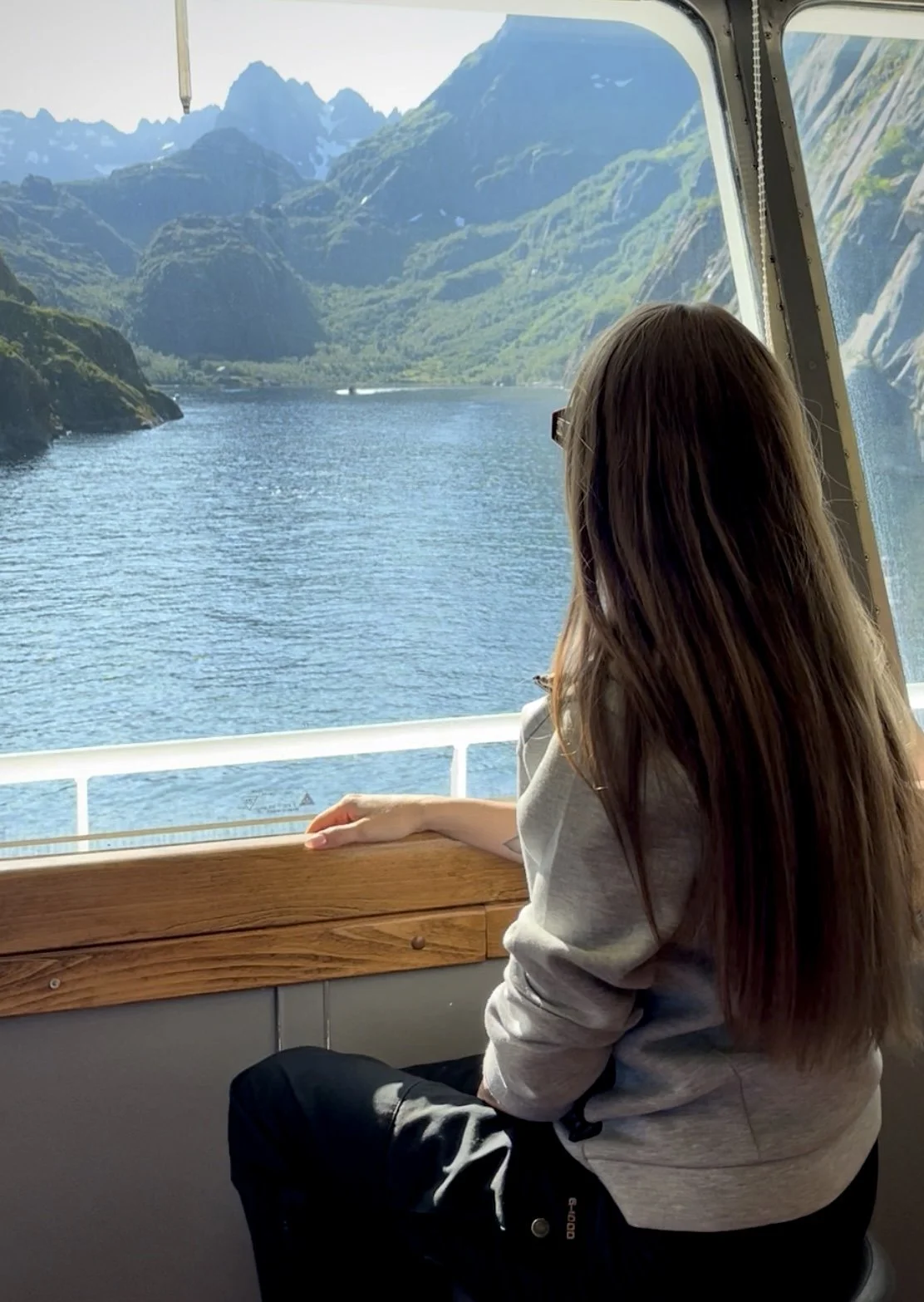
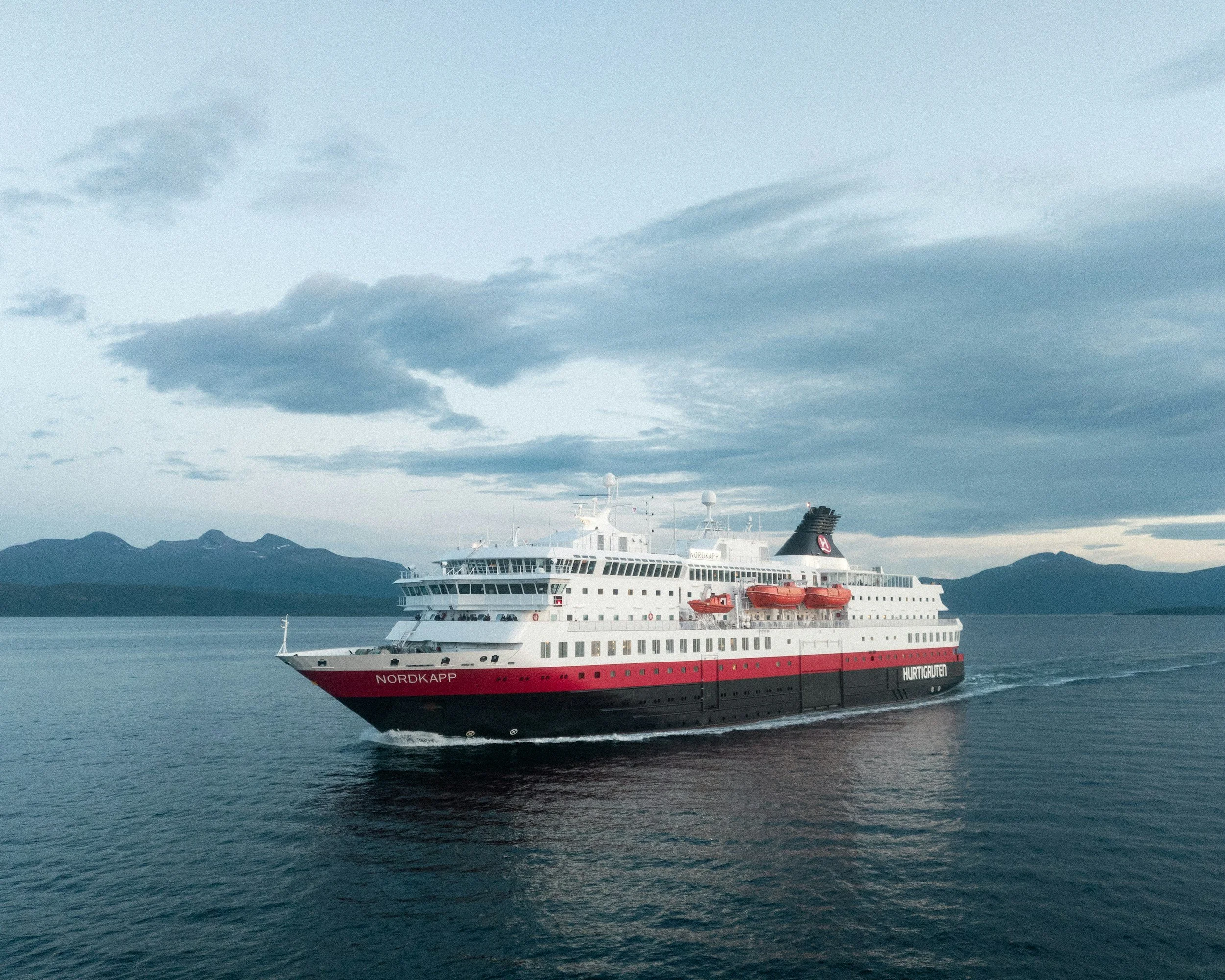
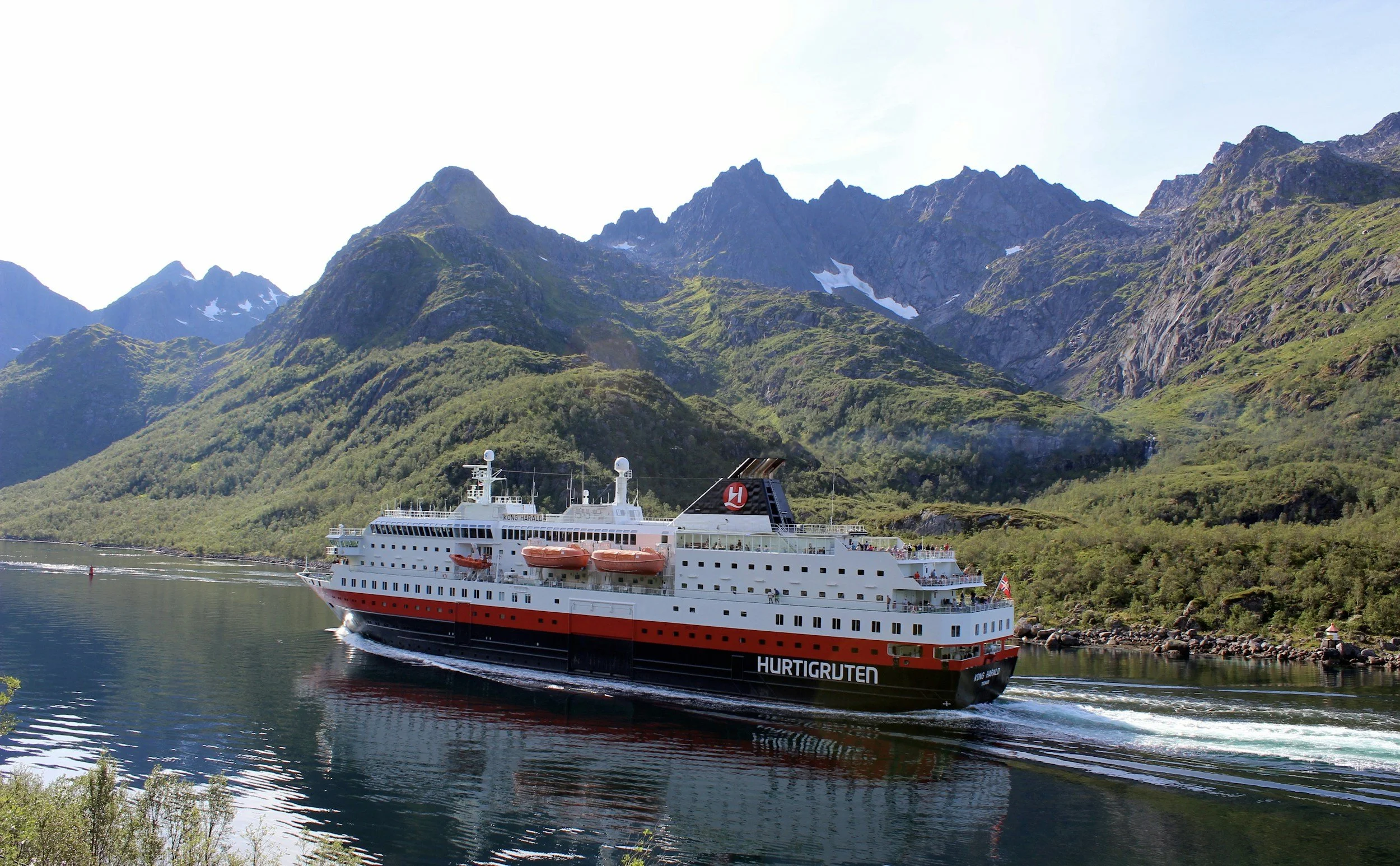
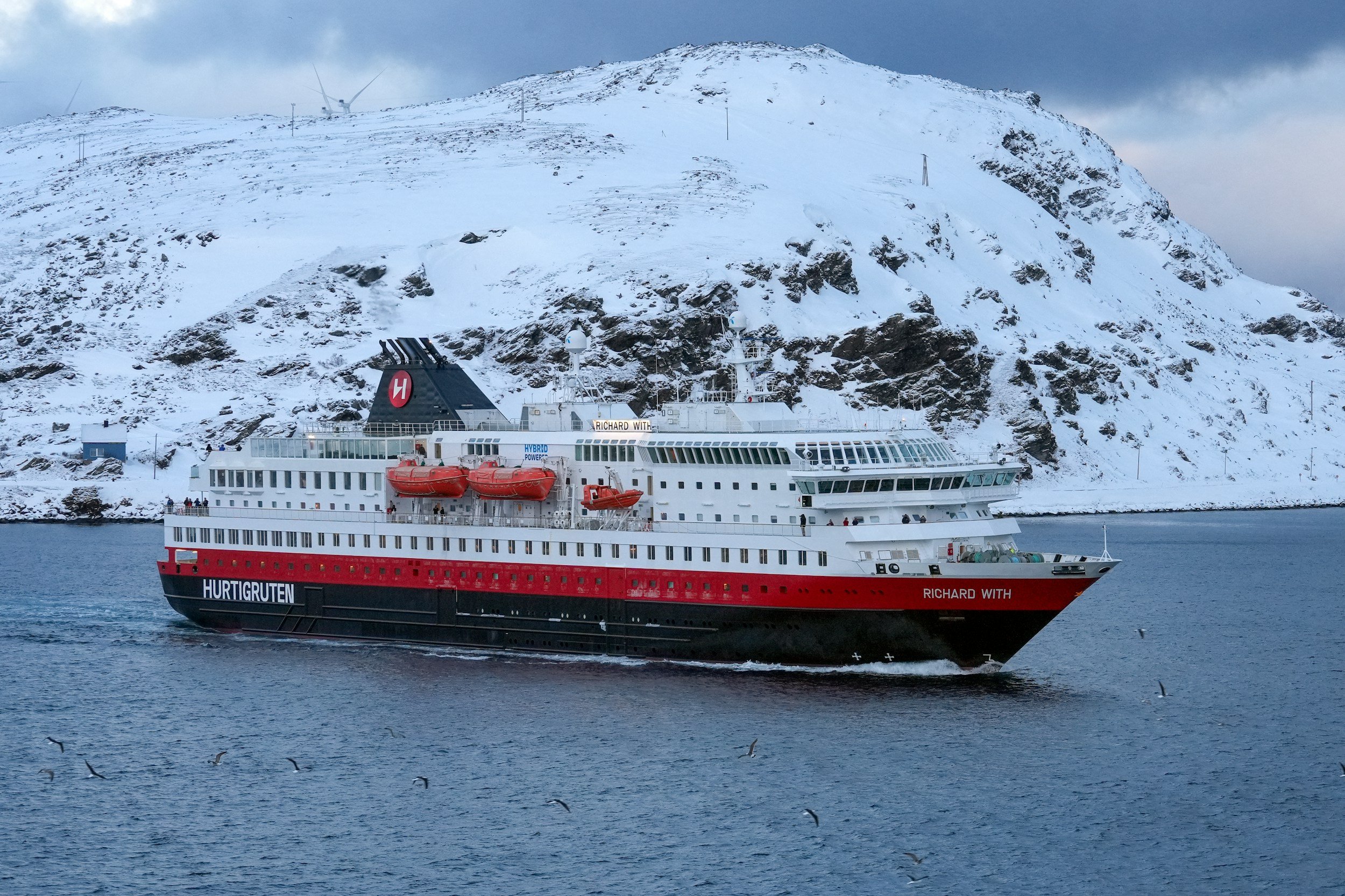
Hurtigruten and Havila operate very differently from a conventional large cruise ship. Their ships follow Norway’s coastal route, calling at numerous communities between Bergen and Kirkenes, with some stops lasting only a short time and others giving passengers more opportunity to explore.
The atmosphere on board is generally relaxed and practical. You are constantly moving between the ship, exposed decks and Norwegian towns, so clothing that works across all three environments is much more useful than formal cruise wear. Jeans, knitwear, comfortable shoes and weatherproof outer layers are likely to be worn far more often than anything particularly dressy.
You may also find yourself stepping outside unexpectedly because the ship is entering a fjord, approaching a harbour or passing a particularly dramatic section of coastline. Keeping a jacket and other outdoor layers close to hand becomes part of everyday life on the journey.
If you are considering Hurtigruten specifically, What It’s Actually Like to Travel on Hurtigruten gives a closer look at the cabins, meals, port calls and daily rhythm of travelling the historic coastal route.
Expedition-Style Cruises
Expedition cruises place much more emphasis on time outside the ship. Depending on the itinerary, this can include guided hikes, wildlife observation, small-boat operations, landings in less developed locations and longer periods exposed to changing weather.
That makes technical clothing more important. Waterproof outer layers, reliable walking or hiking footwear and clothes that can cope with wind and extended periods outdoors should receive more attention than they would on a conventional cruise.
Expedition voyages are still comfortable on board, and you do not need to dress technically throughout the entire day. The difference is that your outdoor wardrobe needs to work harder because going ashore and exploring the environment is a central part of the experience rather than an occasional excursion.
If you are deciding between the Norwegian coastal route and an expedition-style journey, Hurtigruten vs HX in Norway: Key Differences in Winter Coastal Cruises looks more closely at how those two approaches to travelling the coast differ.
Ultimately, the question is not simply whether you are taking a cruise in Norway. It is what kind of cruise you are taking. A passenger stepping ashore from a large cruise ship in Bergen, someone travelling from port to port with Hurtigruten or Havila, and an expedition passenger preparing for a remote landing may all be sailing the same Norwegian coast, but they will not necessarily need the same wardrobe.
How Packing Changes by Season
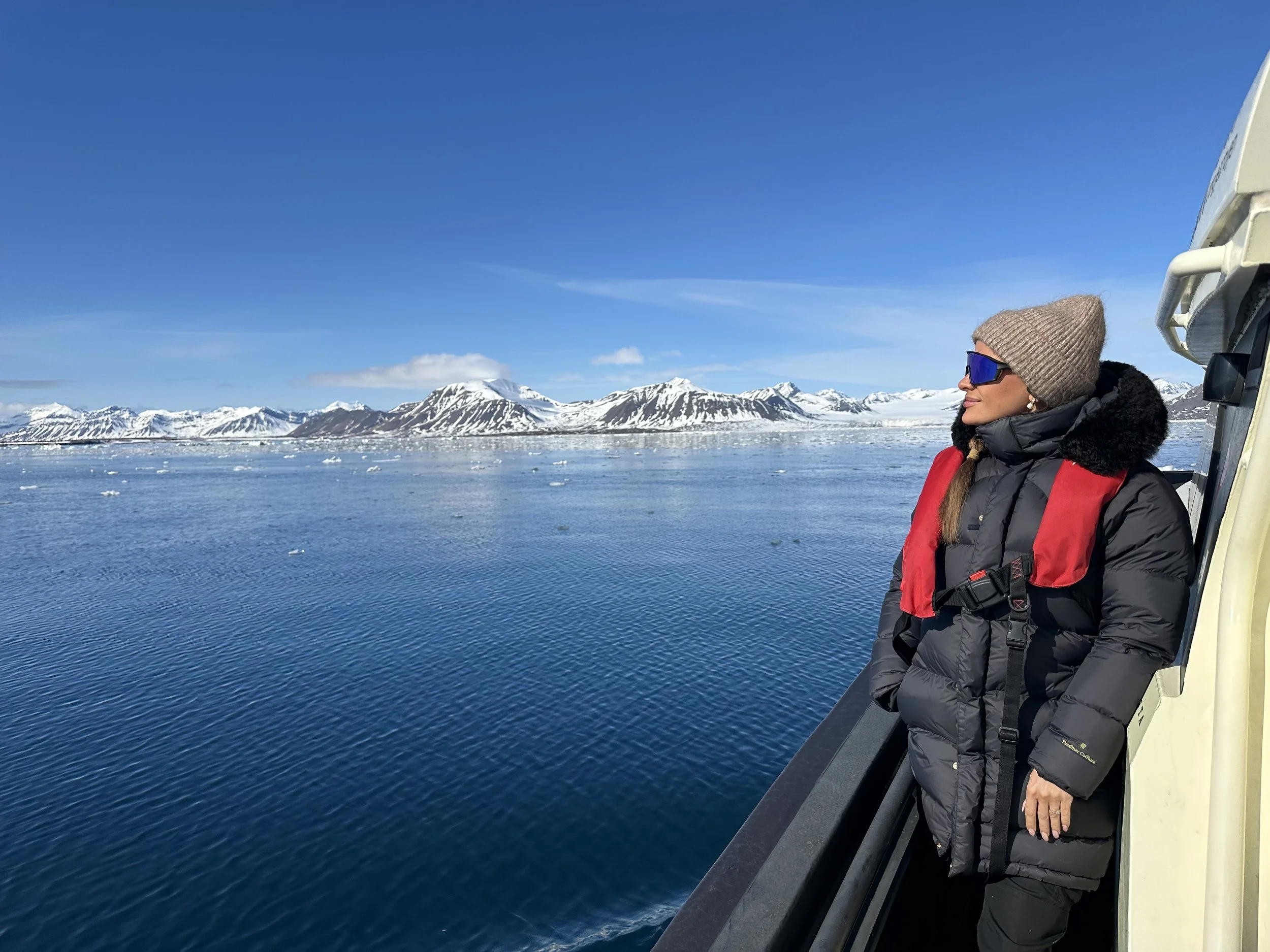
The season of your voyage changes your packing more than almost anything else. A July sailing along the Norwegian coast can include warm, sunny days ashore, while a January voyage may involve snow, ice and genuinely cold conditions from the moment you step outside. The ship itself remains warm and comfortable throughout the year, so the biggest seasonal difference is what you need for time on deck and ashore.
Summer
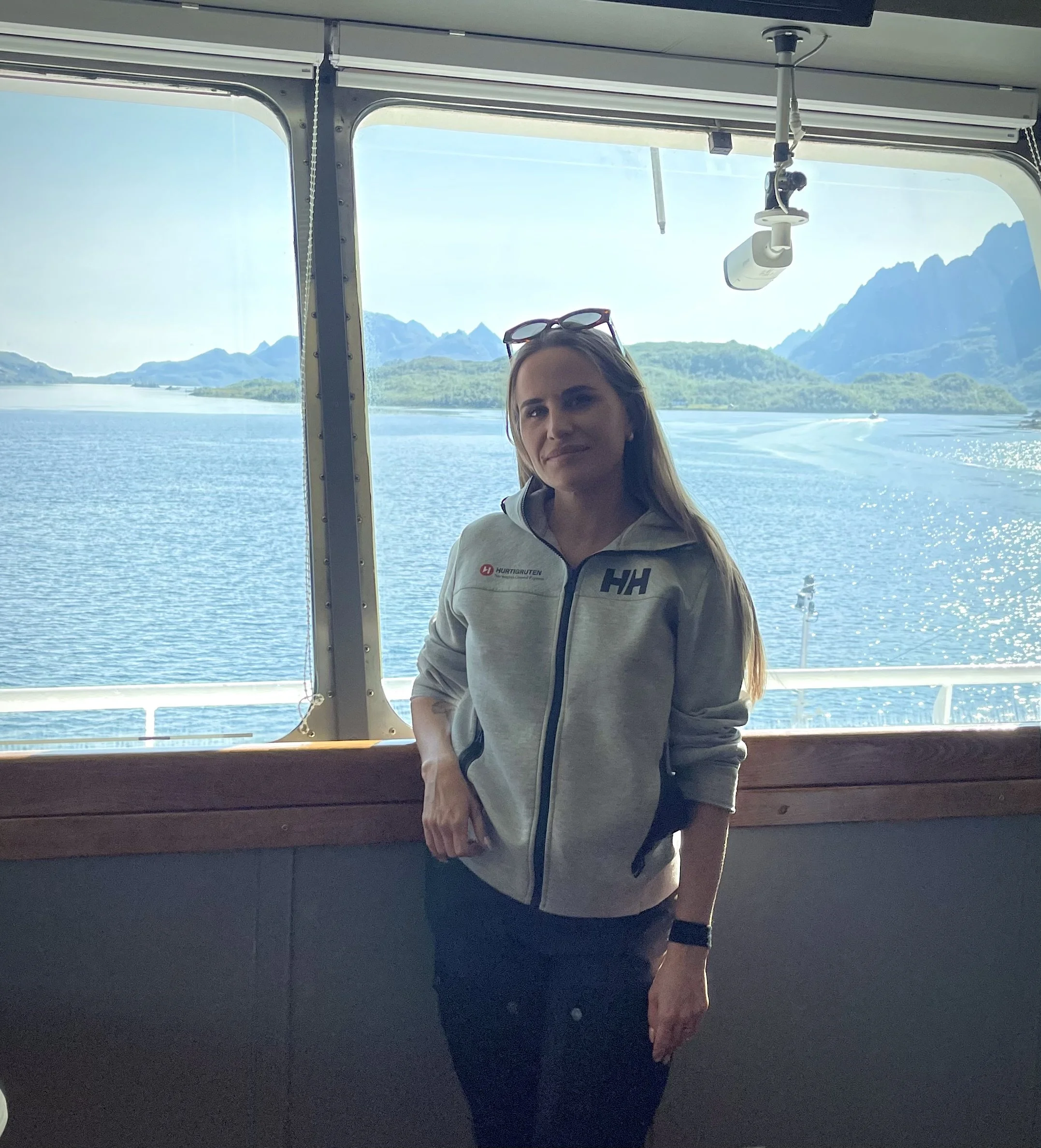
Summer along the Norwegian coast can be much warmer than many travellers expect. In settled weather, temperatures can reach the twenties and occasionally higher, particularly in southern and sheltered areas. T-shirts, light trousers, dresses, shorts and other normal summer clothes can therefore be useful, especially during port visits.
At sea, however, wind can make the same day feel considerably cooler. A light wool jumper or other warm layer and a windproof, waterproof jacket are worth keeping close to hand whenever you plan to spend time outside. You may barely use them while walking around a warm harbour town, then put both on as soon as the ship returns to open water.
The further north you travel, the longer the daylight becomes. Around midsummer, voyages through Northern Norway pass into the Midnight Sun, so sunglasses can remain useful surprisingly late in the evening. A sleep mask is also worth considering if your cabin does not become completely dark.
For a more complete look at summer clothing for cities, fjords, mountains and Northern Norway, What to Pack for Norway in Summer: A Practical Guide for Changing Weather covers the wider range of conditions you may encounter before or after your voyage.
Spring and Autumn
Spring and autumn are the most difficult seasons to reduce to a simple packing formula. A single voyage can include mild sunshine, cold rain, strong wind and much cooler evenings, particularly as you travel between regions.
This is when flexible layering becomes especially useful. Normal clothes for indoor life can be combined with a warm jumper or fleece and a genuinely waterproof outer layer whenever you head outside. A light insulated jacket can also be useful, particularly on northern itineraries or during longer periods on deck.
Rain protection becomes more important during these transitional seasons, not only because of precipitation itself but because damp clothing becomes uncomfortable very quickly when combined with coastal wind. Water-resistant shoes or boots are often more practical than footwear designed only for dry weather.
You do not necessarily need winter clothing simply because you are travelling in October or April, but you should be prepared for days that feel much colder than the season might suggest.
Winter
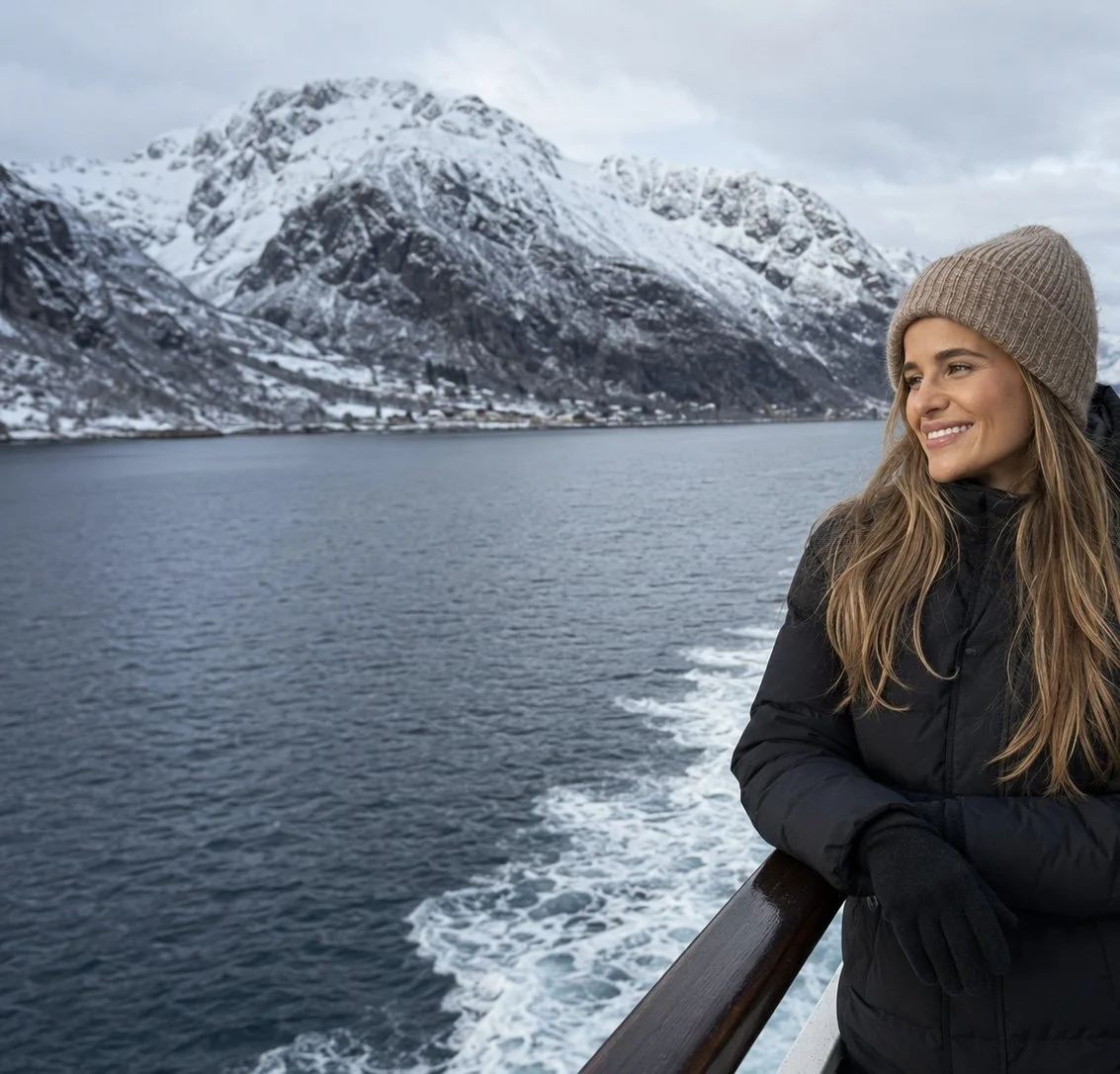
Winter is different. If you are travelling the Norwegian coast between roughly late autumn and early spring, and particularly if your voyage reaches Northern Norway, you should bring proper winter clothing.
A genuinely warm insulated winter coat is essential for spending meaningful time outside. Wool base layers, a warm mid-layer, winter trousers when conditions require them, insulated boots, wool socks, gloves or mittens and a warm hat all become important. Wind protection matters enormously on deck, where standing still in cold air can feel far harsher than walking through a sheltered town.
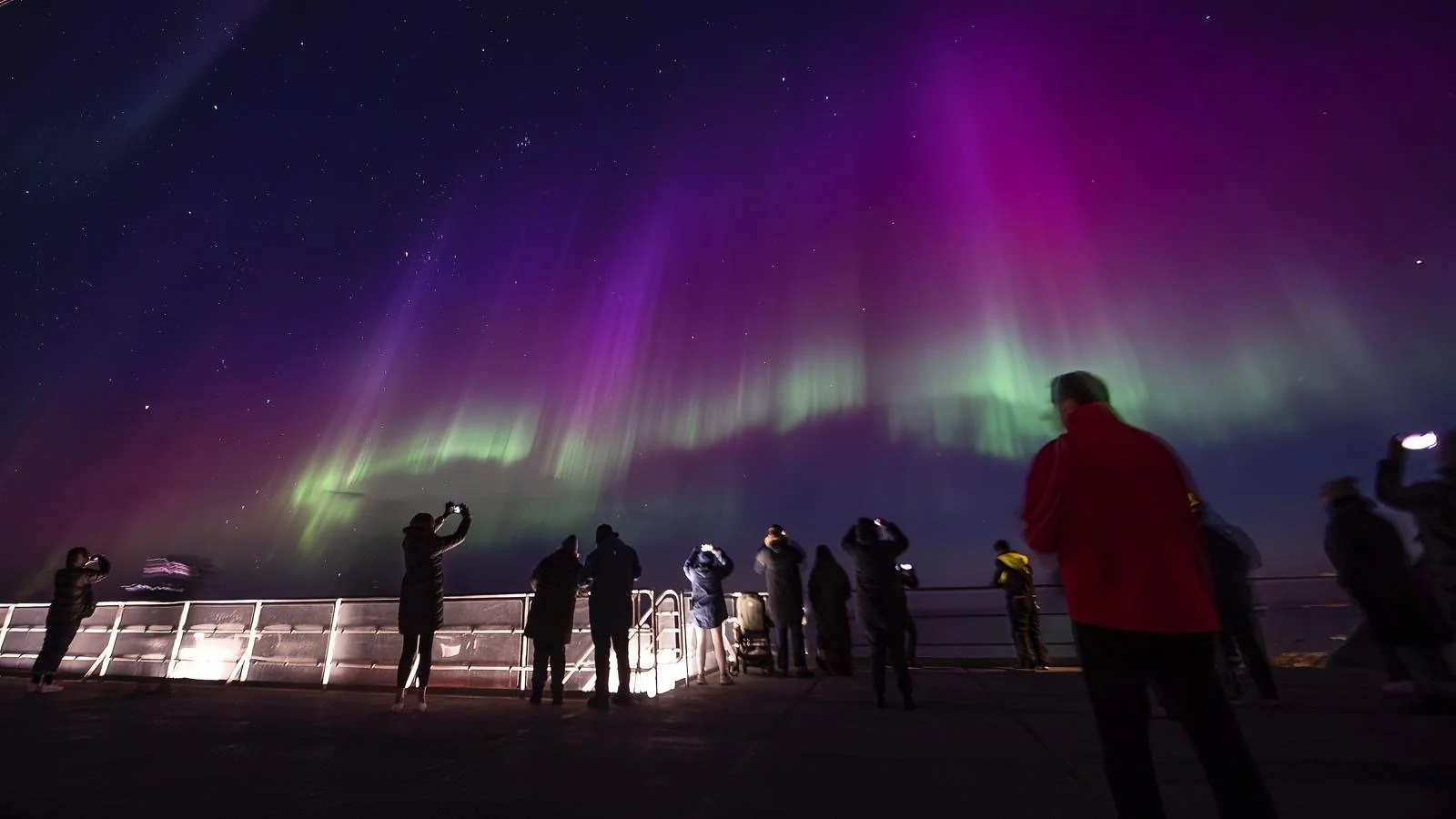
This is especially relevant if you hope to watch for the Northern Lights. Aurora sightings can happen late in the evening or during the night, and you may find yourself standing outside for much longer than planned once the sky begins to change. Being sufficiently warm can determine whether you stay on deck and enjoy the experience or retreat indoors after a few minutes.
For the wider winter wardrobe, What to Pack for Norway in Winter: The Ultimate Cold-Weather Packing List explains how to dress for cities, Arctic Norway, mountain destinations and other winter conditions beyond the ship.
The important point is that there is no single “Norway cruise wardrobe” that works equally well throughout the year. The ship may provide the same warm interior in July and January, but the world outside the doors can be completely different.
Footwear and Practical Extras
Footwear for a Norway coastal cruise should be chosen around the places you are likely to walk rather than around the ship itself. Inside, clean trainers, casual shoes or comfortable boots are perfectly suitable. Once you go ashore, however, wet quays, uneven paving, steep streets and changing weather make grip and comfort much more important.
For most itineraries, a good pair of comfortable walking shoes will cover a large part of the trip. Water-resistant or waterproof footwear is especially useful in Western Norway and during spring or autumn, when rain can turn an ordinary port visit into several hours on wet ground. If your itinerary includes longer walks, rougher terrain or expedition-style excursions, light hiking shoes or boots may be a better choice.
Winter requires a more substantial option. Insulated boots with good grip are worth bringing if your voyage takes place in snowy or icy conditions, particularly in Northern Norway. Port areas can become slippery, and footwear that is warm but has a smooth sole is much less useful than it appears.
A small backpack or daypack is another item that earns its place quickly. It gives you somewhere to carry a waterproof jacket, extra layer, water, camera, gloves or anything else you may need during longer port calls and excursions. It is also useful on board if you want to keep a few outdoor layers close without repeatedly returning to your cabin.
Sunglasses are useful in every season. Summer brings long hours of bright light, while snow and low winter sun can create strong glare. A hat or cap can be useful in summer, while a warm hat, scarf or neck gaiter and gloves become important during colder sailings.
Lip balm and moisturiser can also be surprisingly useful. Wind, cold air and heated interiors can dry the skin quickly, particularly during winter voyages or longer periods outside.
If you are prone to seasickness, it is worth preparing before you sail rather than assuming the Norwegian coast will always be calm. What works best varies from person to person, so bring whatever motion-sickness solution you already know you tolerate well. The important thing is simply not to wait until you feel unwell before thinking about it.
The practical extras are not the most exciting part of packing, but they are often the things that determine whether you can comfortably stay outside, explore ashore and make the most of the journey when conditions are less than perfect.
The Norway Coastal Cruise Packing List
After accounting for season, itinerary and cruise style, most travellers can pack relatively simply for the Norwegian coast. The aim is to bring enough clothing to move comfortably between warm interiors, exposed decks, port visits and excursions without packing a separate wardrobe for every situation.
Clothing
Comfortable T-shirts and long-sleeved tops
One or two warm mid-layers, such as wool jumpers or fleece
Comfortable trousers or jeans for onboard life and port visits
Wool base layers for colder seasons
Optional shorts, dresses or lighter clothing for warm summer sailings
Outerwear
A windproof and waterproof jacket
A light insulated layer for cooler conditions
A properly warm winter coat for winter and Arctic sailings
Waterproof trousers if your itinerary includes longer outdoor activities or expedition-style excursions
Footwear
Comfortable trainers or walking shoes for the ship and towns
Water-resistant or waterproof footwear for wet conditions
Hiking shoes or boots if your excursions involve rougher terrain
Insulated winter boots with good grip for snowy or icy voyages
Accessories
Sunglasses
A small daypack
Hat or cap for summer
Warm hat for colder seasons
Scarf or neck gaiter
Gloves or mittens for winter
Wool socks when travelling in colder weather
Swimwear if your ship has a pool, hot tub, sauna or spa facilities
Practical Items
Reusable water bottle
Power bank
Lip balm
Moisturiser
Any motion-sickness medication or products you already know work for you
Camera or binoculars if you plan to spend time watching wildlife and scenery from the deck
The list should always be adjusted to the voyage you are actually taking. A summer cruise calling at major fjord towns requires far less technical clothing than a winter expedition in Northern Norway, while a Hurtigruten or Havila journey may sit somewhere between the two.
The most useful pieces are usually the ones that can serve several purposes. A good wool jumper can work in the restaurant, on deck and ashore. A waterproof jacket can protect you from rain in Bergen and wind at sea. Comfortable walking shoes can take you from breakfast on board to several hours exploring a port without requiring a change of footwear.
Packing this way keeps the suitcase relatively simple while still giving you enough flexibility to enjoy the Norwegian coast in whatever conditions the voyage brings.
Final Words
Packing for a coastal voyage in Norway is really about being ready for the contrast between life inside the ship and everything happening beyond its windows. Indoors, you may spend much of the day in ordinary, comfortable clothes. Outside, wind, rain, cold air or changing light can make the coast feel completely different within minutes.
That contrast is also part of what makes these journeys so special. The best moments are often the ones that pull you unexpectedly onto the deck: entering a narrow fjord, approaching a small harbour, seeing snow on the mountains in winter or watching the light linger over the coast late into a summer evening.
A well-packed suitcase makes those moments easier to enjoy. You do not need endless outfit changes or an enormous amount of technical clothing. You need comfortable clothes for the ship, reliable footwear, and enough warmth and weather protection to stay outside when something makes you want to linger.
The Norwegian coast changes constantly as you travel through it. Your wardrobe does not need to be complicated, but it does need to be flexible enough to change with it.
More articles about Norway:










Explore Mountain Norway on a 10-day road trip through Valdres, Jotunheimen and Rondane, with scenic mountain roads, traditional summer farms, Besseggen and Galdhøpiggen along the way.