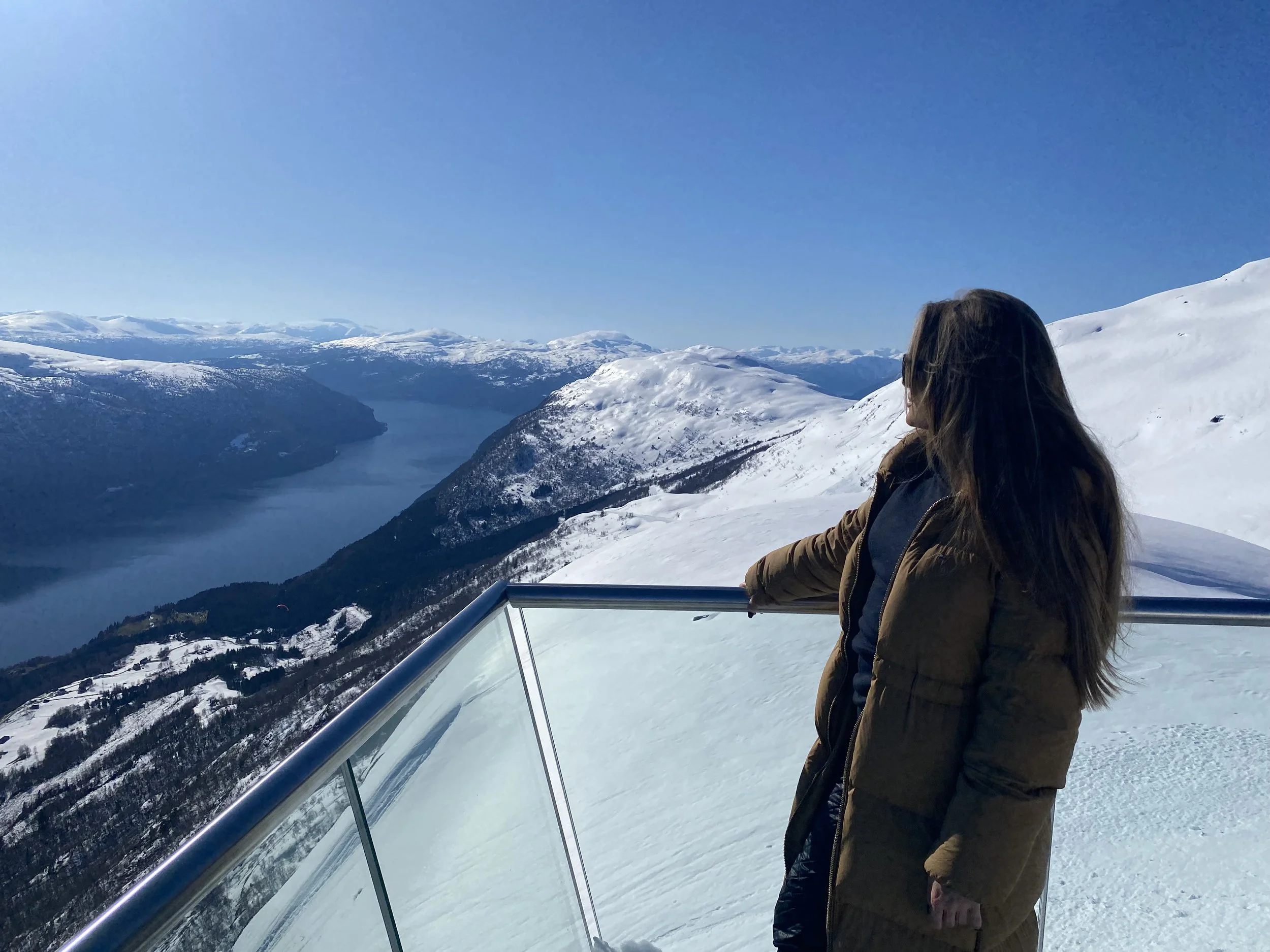
What to Pack for Norway in Winter: The Ultimate Cold-Weather Packing List
Winter in Norway demands more than warm clothes. This guide explains what to pack, how to layer effectively, and which clothing actually works in cold, snowy and changing conditions — from cities to mountains and Arctic regions.
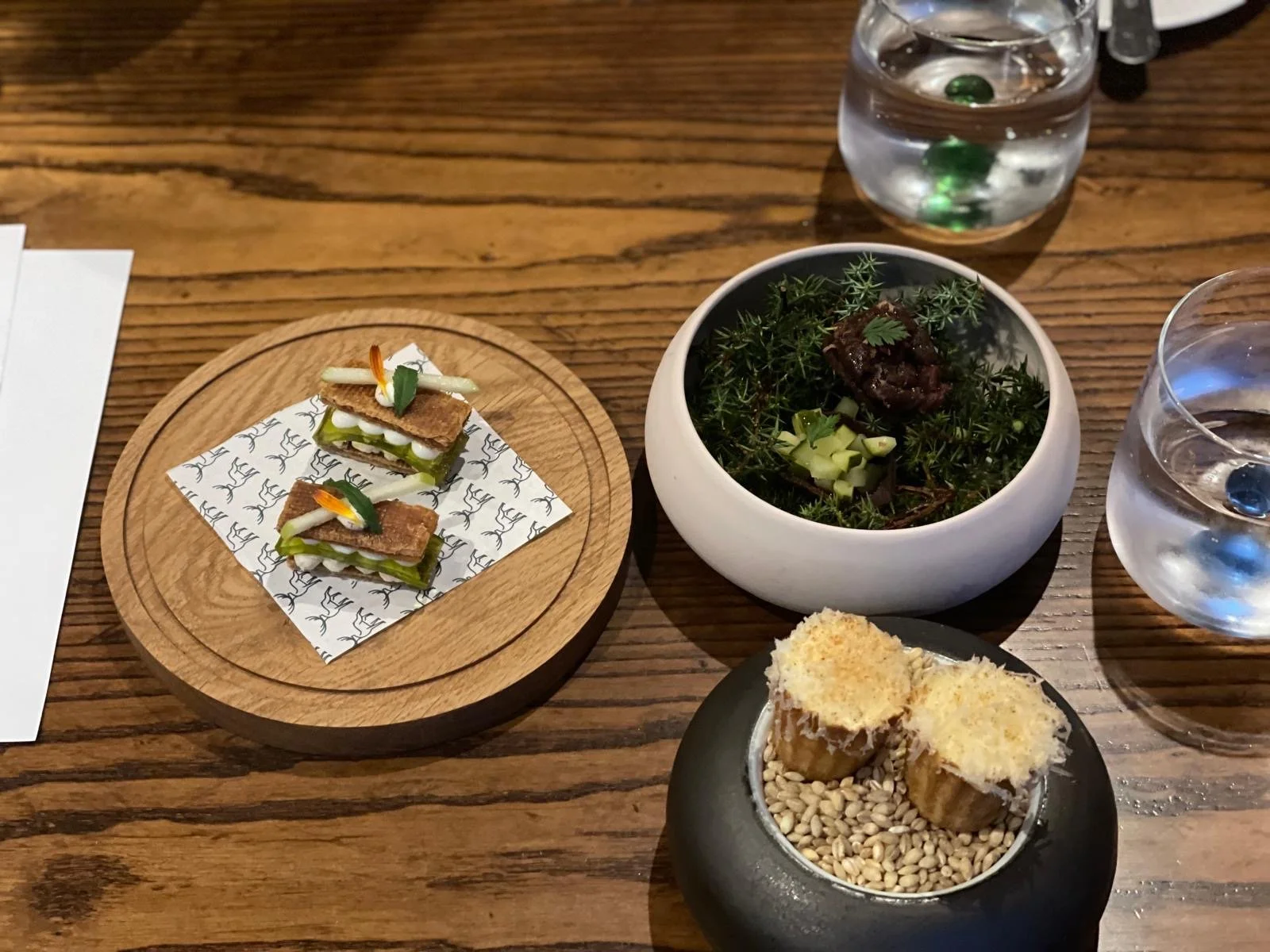
A Tasting Menu Rooted in the Highlands
An evening shaped by landscape, seasonality and quiet precision, this Highland tasting menu offers a deeply rooted sense of place, where each course reflects the character and raw beauty of Scotland.
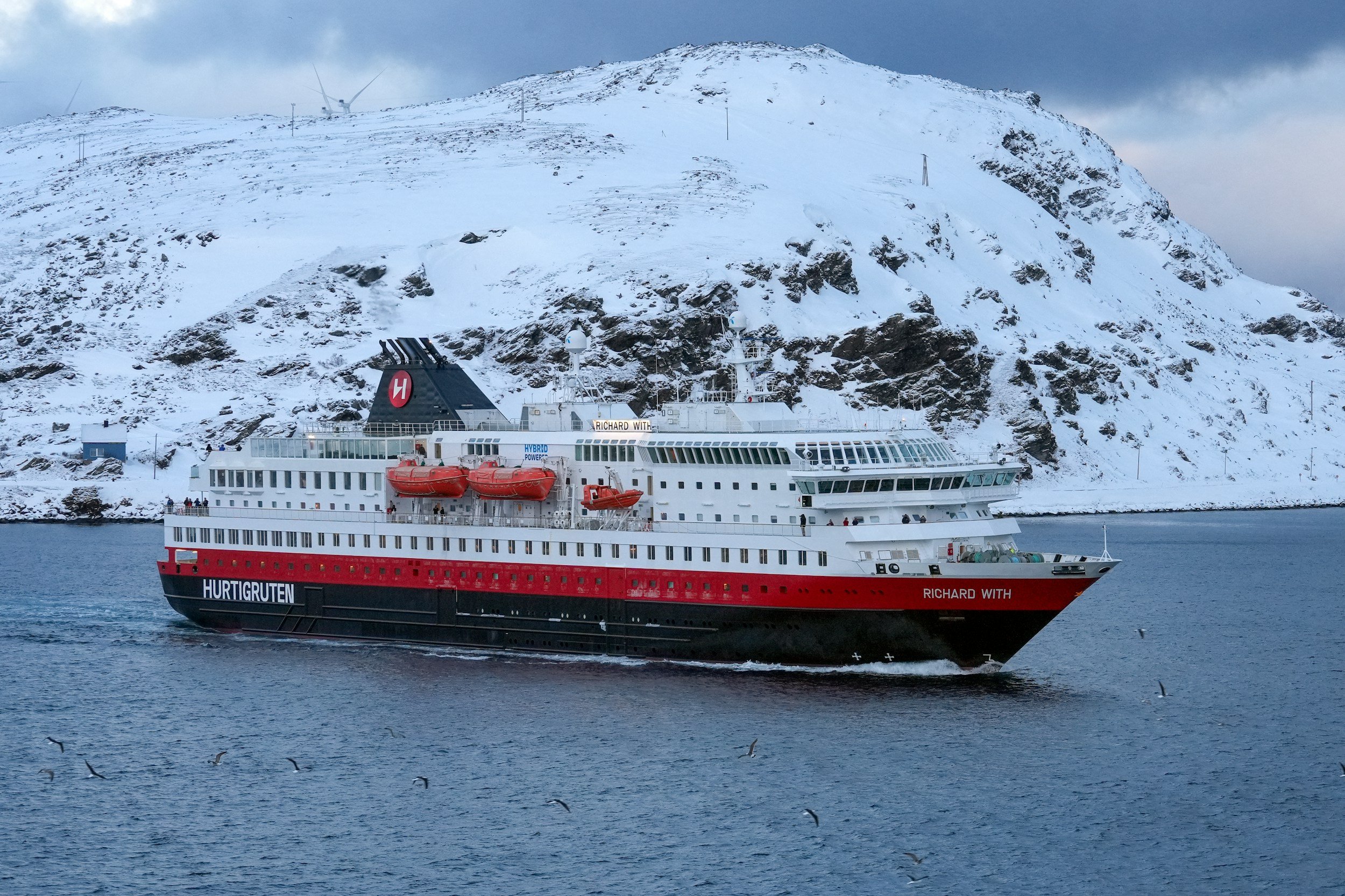
Hurtigruten vs Hurtigruten Expeditions (HX) in Norway: Key Differences in Winter Coastal Cruises
Hurtigruten and Hurtigruten Expeditions (HX) offer very different ways to experience Norway’s coast in winter. This guide explains the key differences so you can choose the right journey.
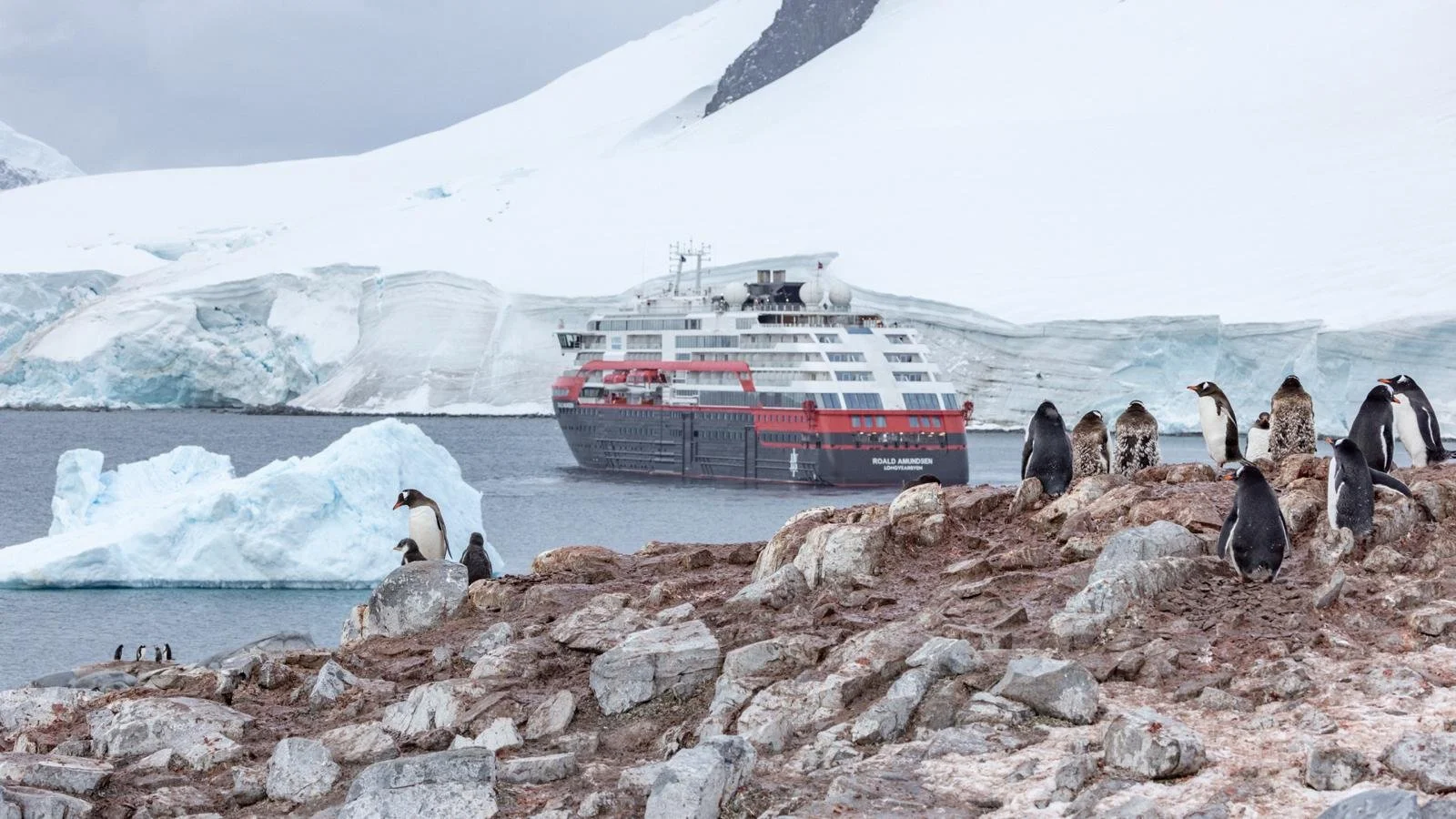
Expedition Cruising: Antarctica vs the Arctic
Expedition cruising in Antarctica and the Arctic offers two very different polar experiences. This guide compares landscapes, wildlife, remoteness and travel style to help you decide which expedition journey suits you best.
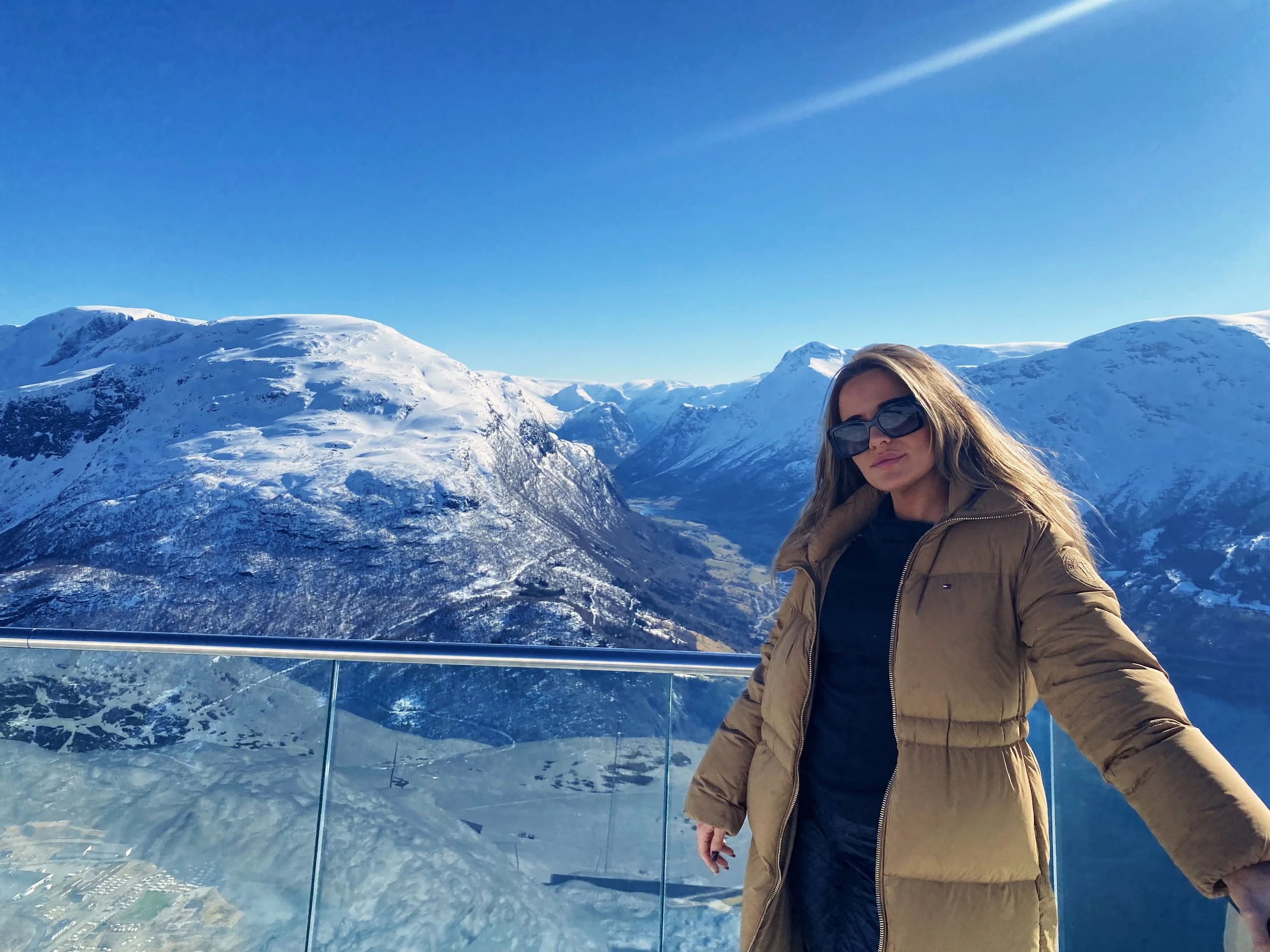
Winter Travel in Norway: Where to Go and What to Expect
Winter travel in Norway varies widely depending on region, landscape and purpose. This guide explains when to travel, where to go, and what to expect from Arctic destinations, mountain regions, coastal routes and winter city life.
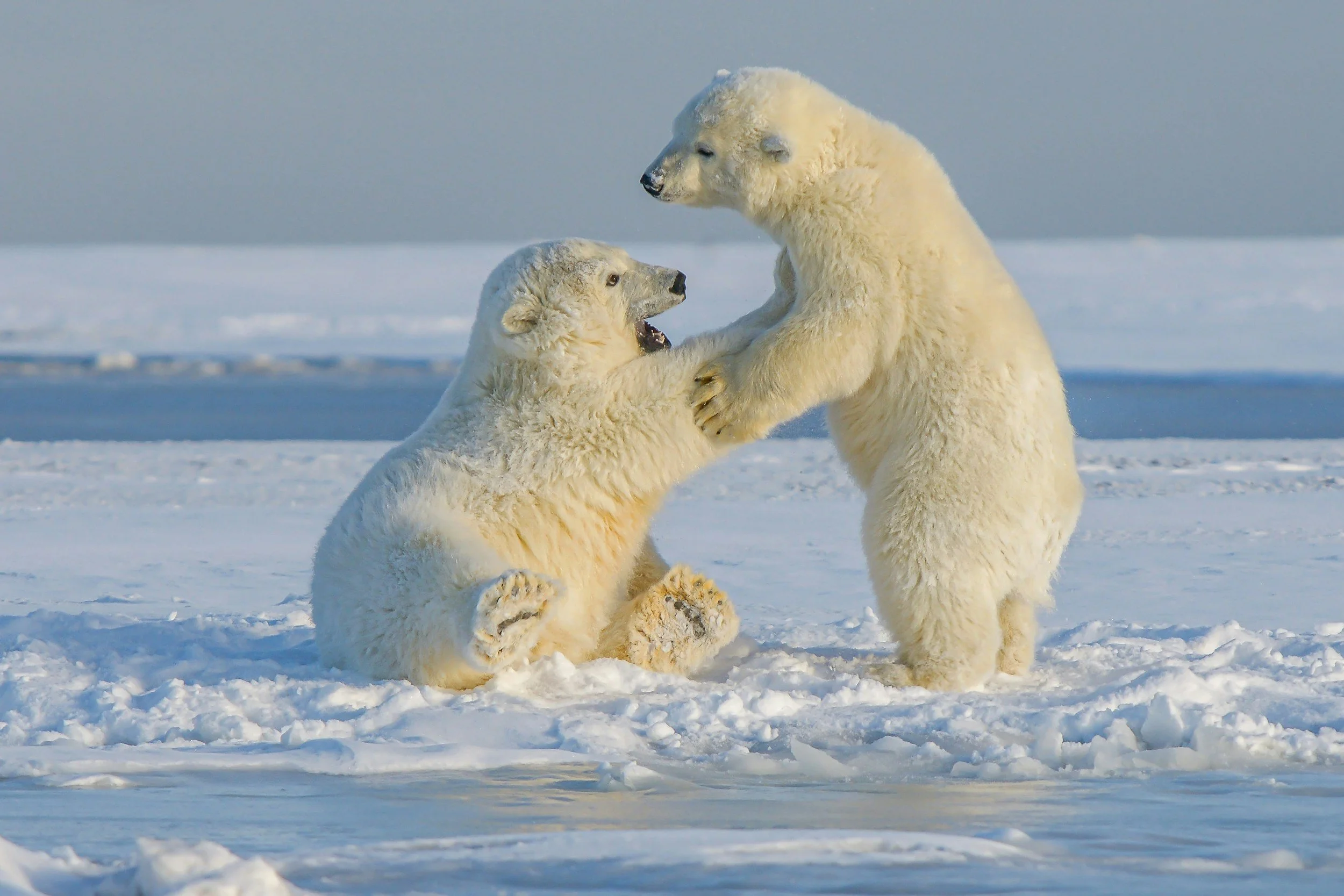
Wildlife in Antarctica vs the Arctic
Antarctica and the Arctic offer two of the world’s most extraordinary wildlife encounters. This guide compares the iconic species, best seasons and top places to spot polar animals on expedition travel.
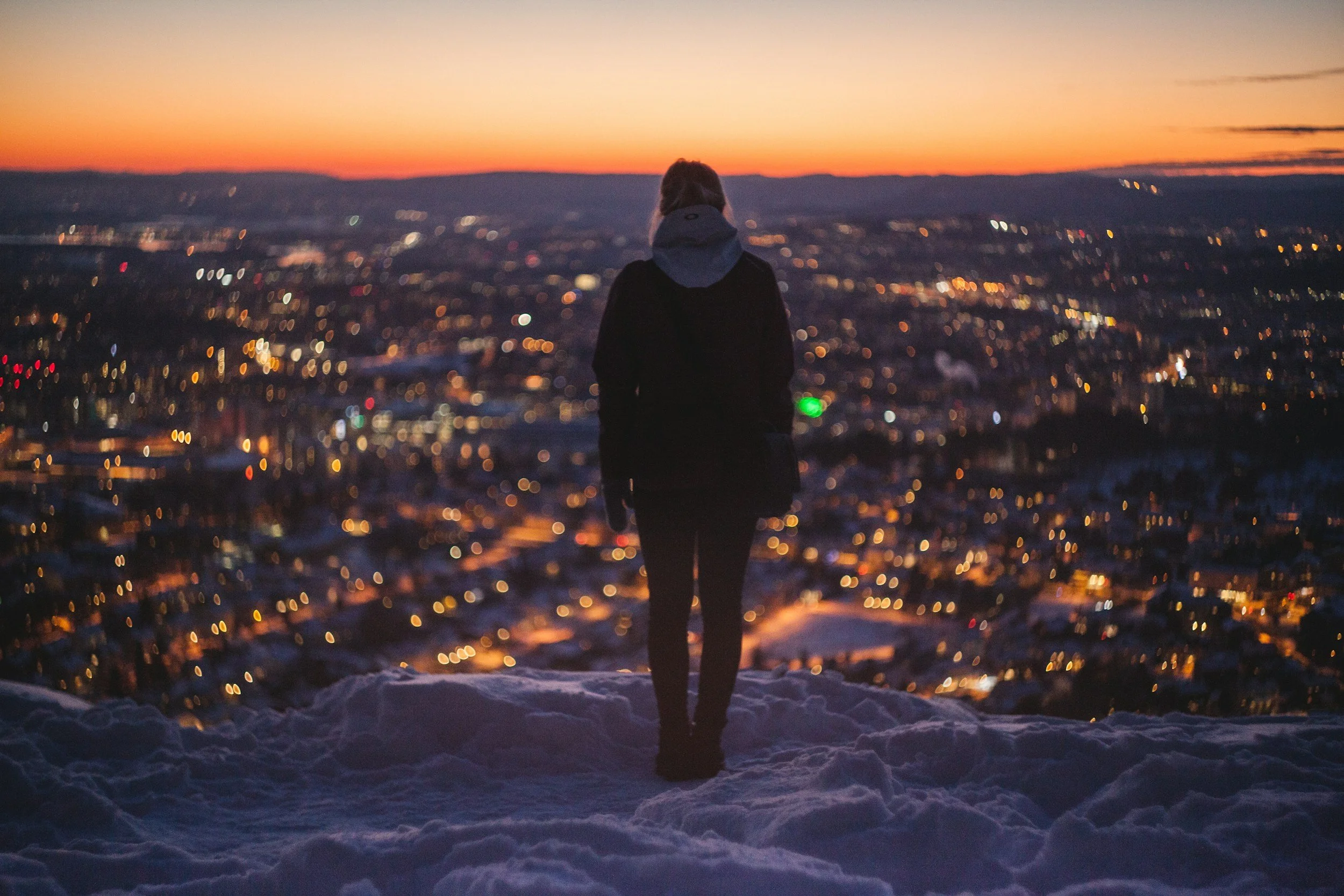
What to Do in Oslo in Winter: A local Guide
Oslo in winter is vibrant, cosy and full of things to do — from world-class museums and fjord saunas to city forest skiing and atmospheric winter walks. A local guide to the best winter experiences in Norway’s capital.

Best Day Trips from Oslo: Nature and Nearby Cities
From fjord islands and forests to historic towns just outside the city, discover the best day trips from Oslo into nature and nearby cities to make the most of your visit.
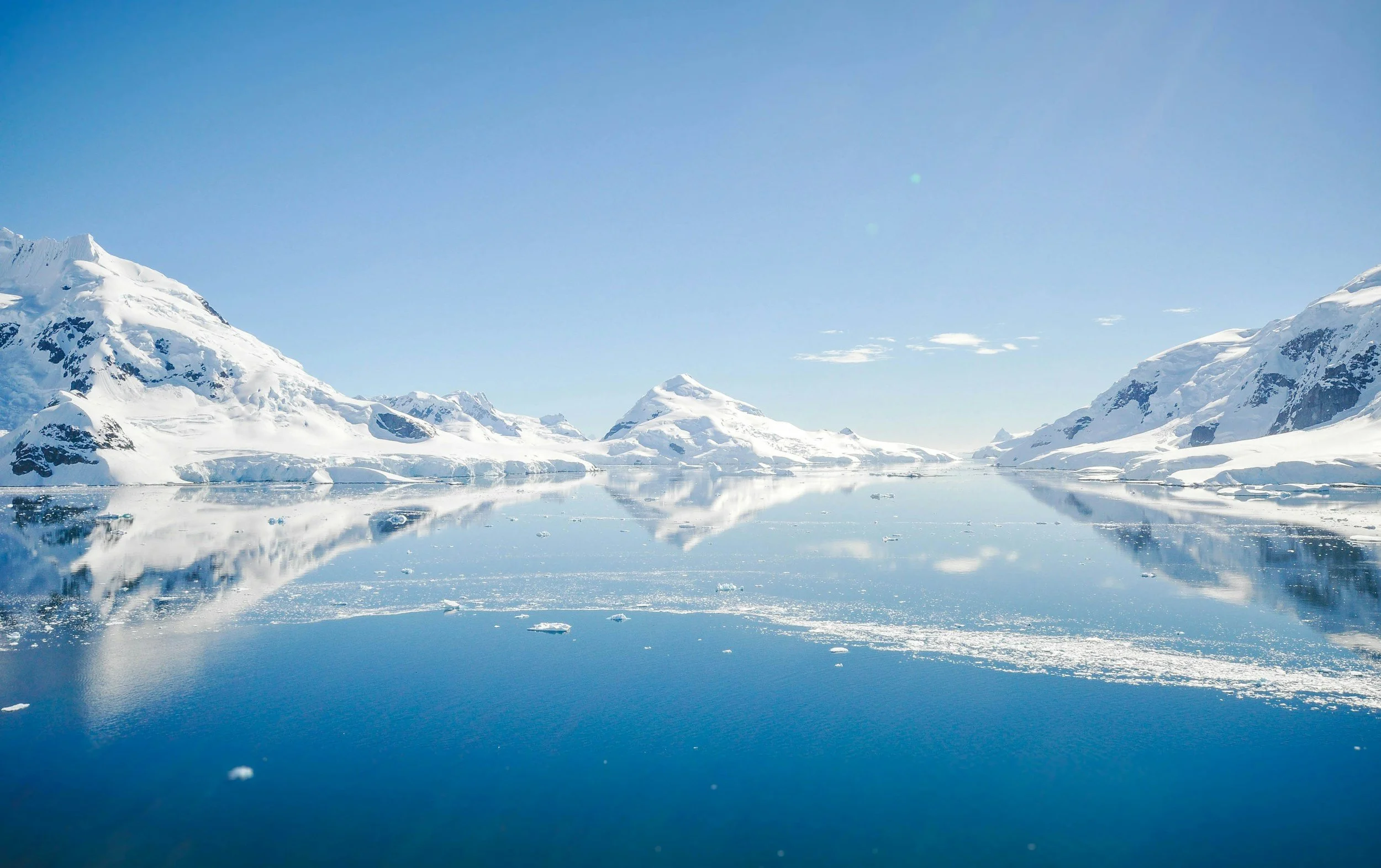
Antarctica vs Svalbard: Which Polar Journey Is Right for You?
Antarctica and Svalbard offer two very different polar journeys. This guide helps you understand the key differences from wildlife and landscapes to remoteness, access and overall travel experience so you can choose the expedition that suits you best
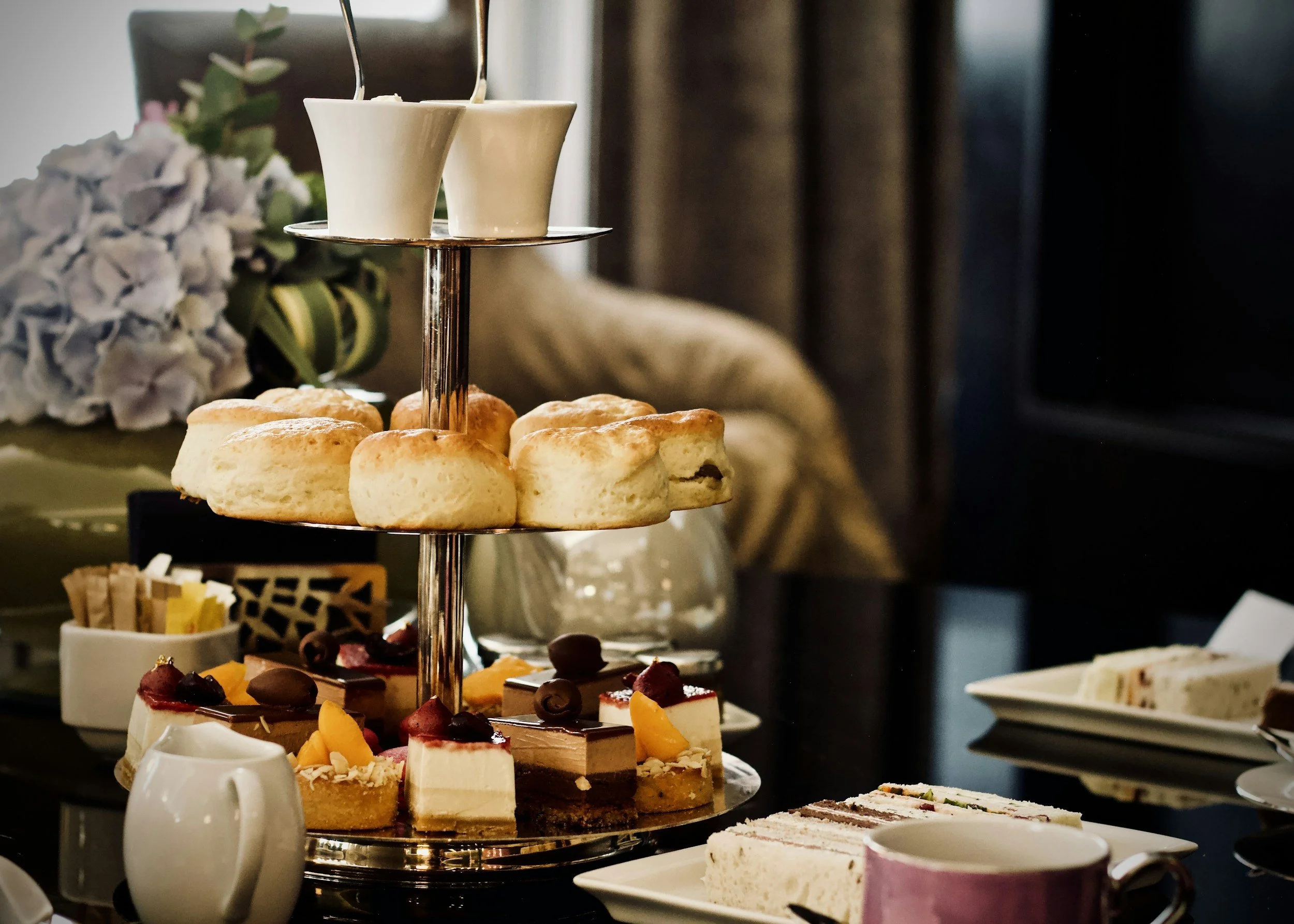
Afternoon Tea vs High Tea: What’s the Difference?
Afternoon tea and high tea are often used interchangeably, but they are not the same. This guide explains the real difference, rooted in British history, class and daily life.
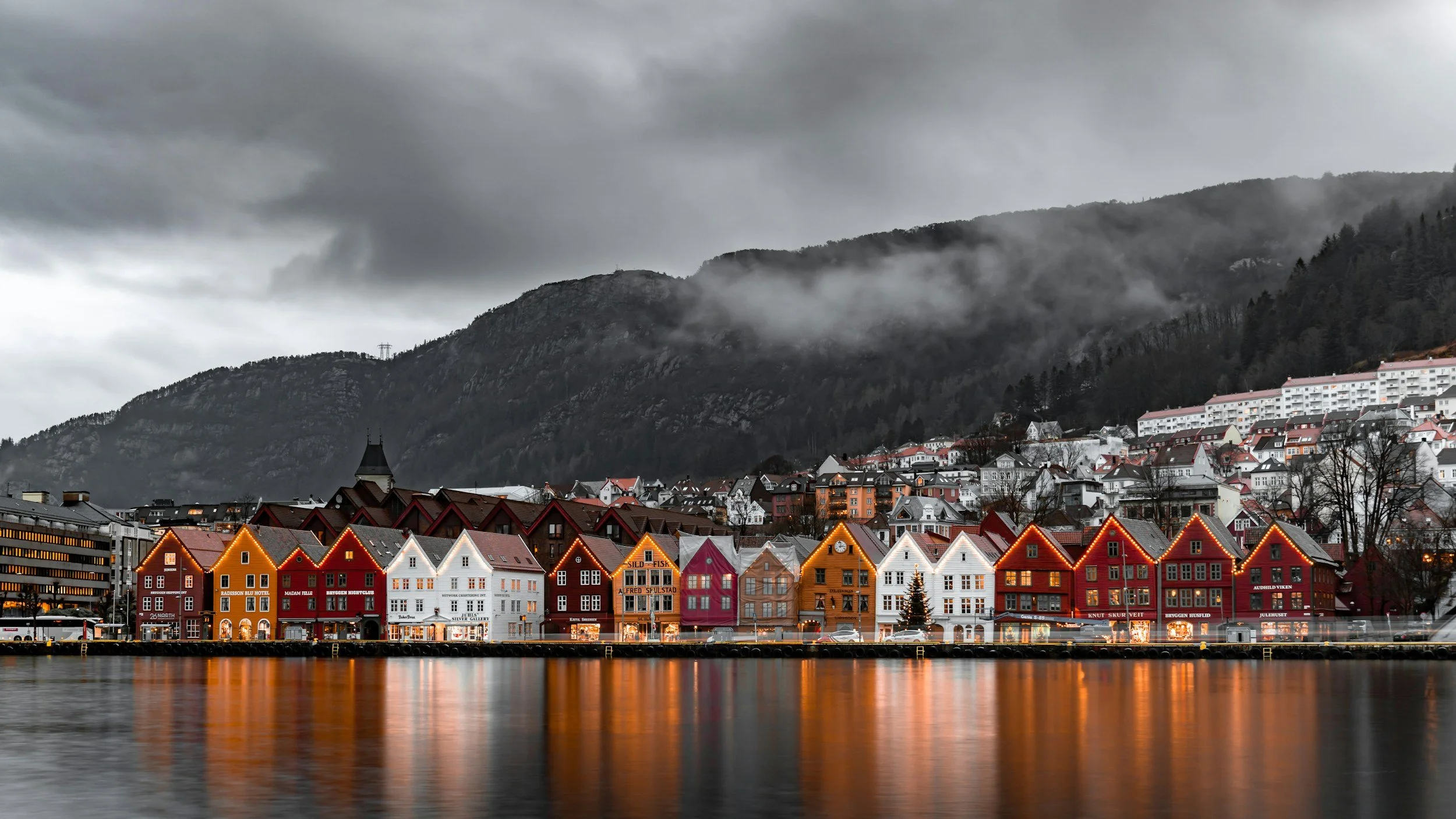
Best Time to Visit Norway: A Seasonal Overview
Norway offers very different travel experiences depending on when you visit. This guide explains the best time to travel to Norway by season, with clear information on weather, daylight accessibility, crowds and what each period of the year is best for, including fjords, midnight sun, northern lights, hiking and winter adventures.
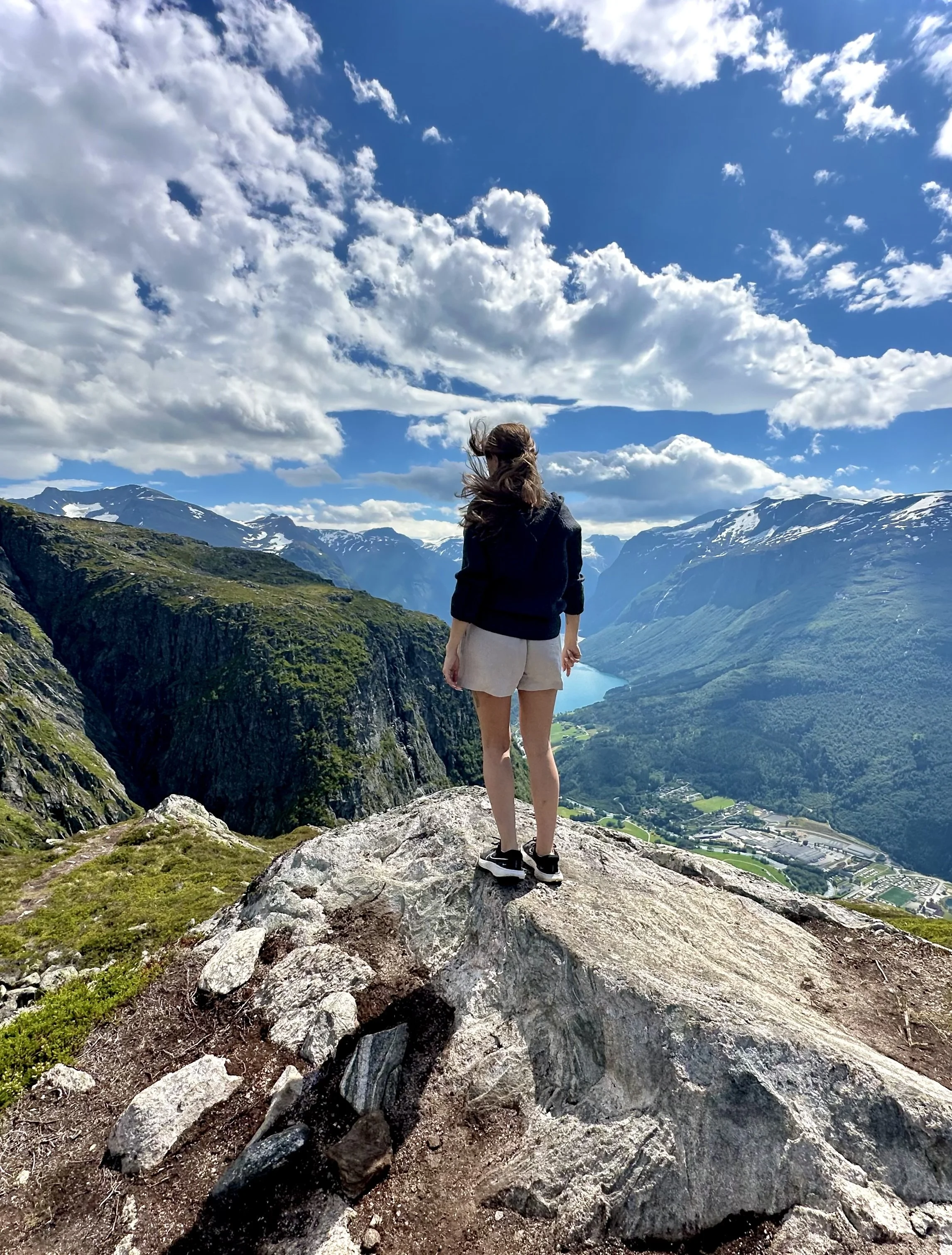
What to Wear in Norway (All Seasons): The Ultimate Guide Based on How Norwegians Actually Dress
Packing for Norway is less about fashion and more about understanding how Norwegian weather works. This practical guide explains what to wear across all seasons, from winter snow to summer chills. It focuses on sensible layering, materials that perform well in variable conditions and the right footwear for both city walks and nature trails. Whether you are visiting urban hubs like Oslo or heading into the fjords and mountains, this guide breaks down seasonal clothing choices so you can stay comfortable outdoors year-round.
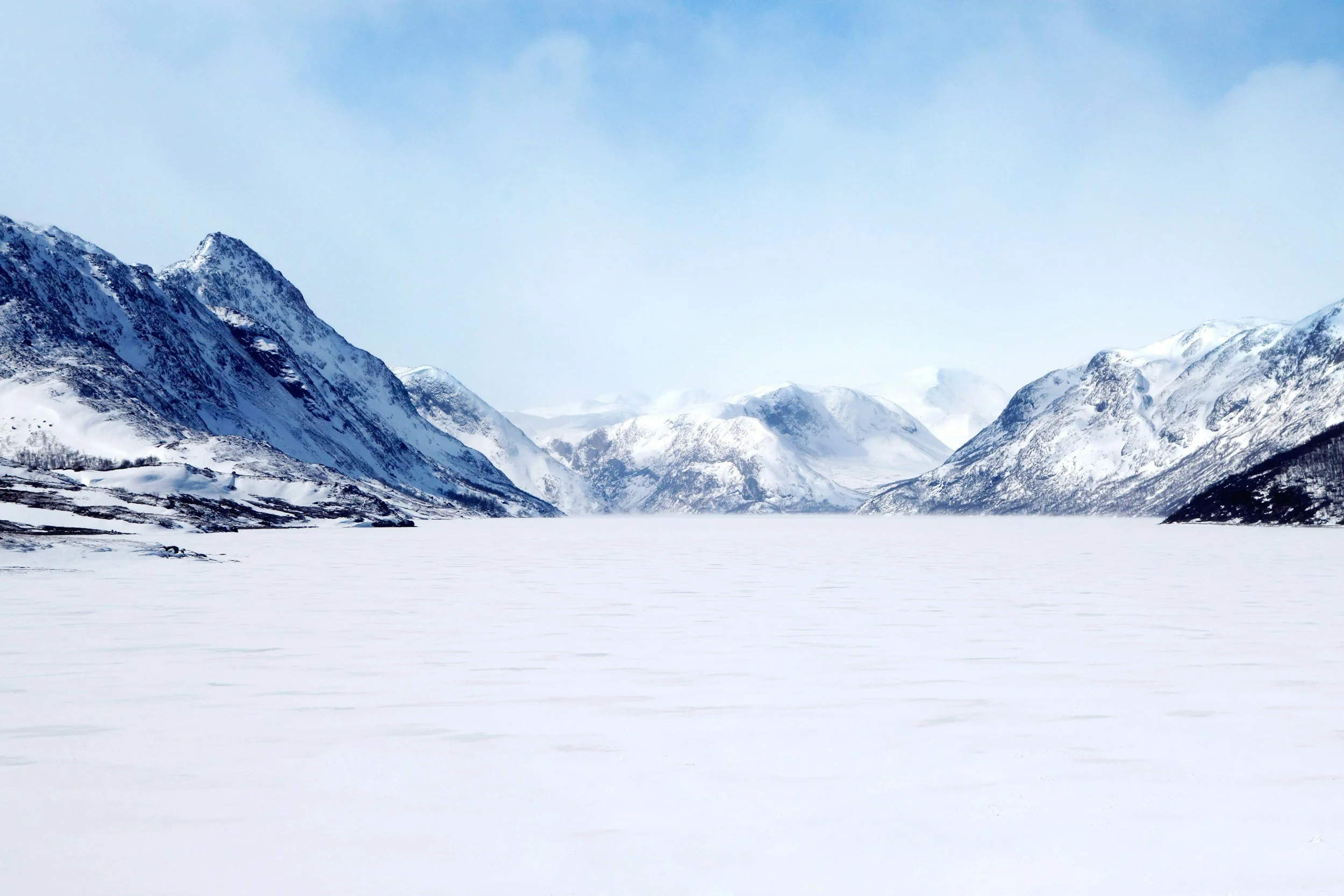
Antarctica vs the Arctic: What’s the Real Difference?
Antarctica and the Arctic are often spoken about as if they are similar destinations, but in reality, they are two completely different worlds. This guide explores the real differences between them, from the fact that Antarctica is a frozen continent while the Arctic is an ocean surrounded by land, to how wildlife, human history, climate and travel experiences shape each region. It is not about deciding which one is better. It is about understanding what makes each of them unforgettable in its own way.
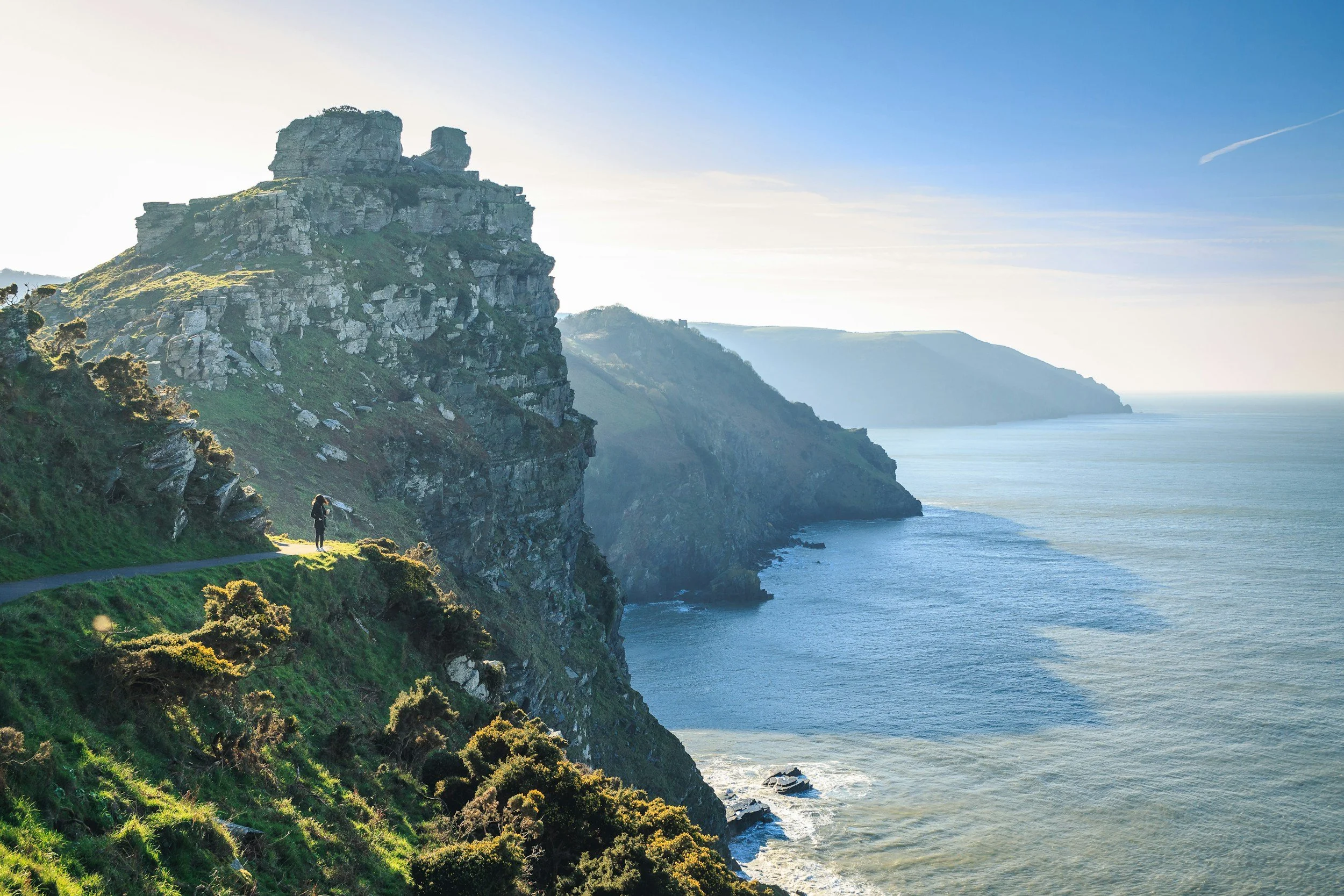
Slow Travel in Devon: A Different Way to Explore the South West
Devon lends itself naturally to slow travel. This article explores the South West as a destination shaped by pace, landscape and rhythm, offering an alternative to fast sightseeing and fixed itineraries.
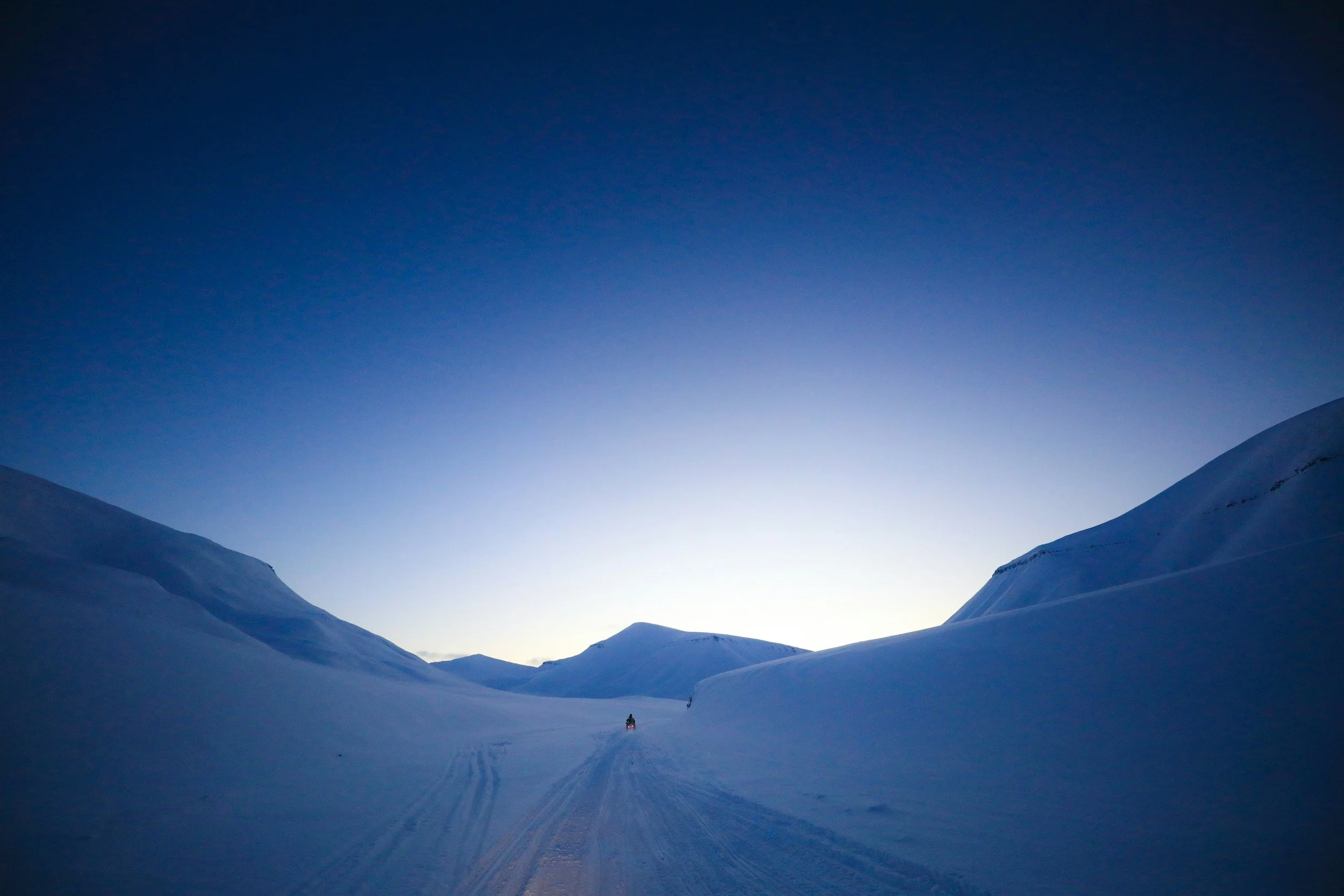
Svalbard in Winter vs Summer: What to Expect
Svalbard is a dramatic Arctic destination where winter and summer feel like entirely different experiences. This guide compares the seasons — polar night, snow and isolation in winter versus midnight sun, open landscapes and wildlife in summer — to help you choose when to visit.
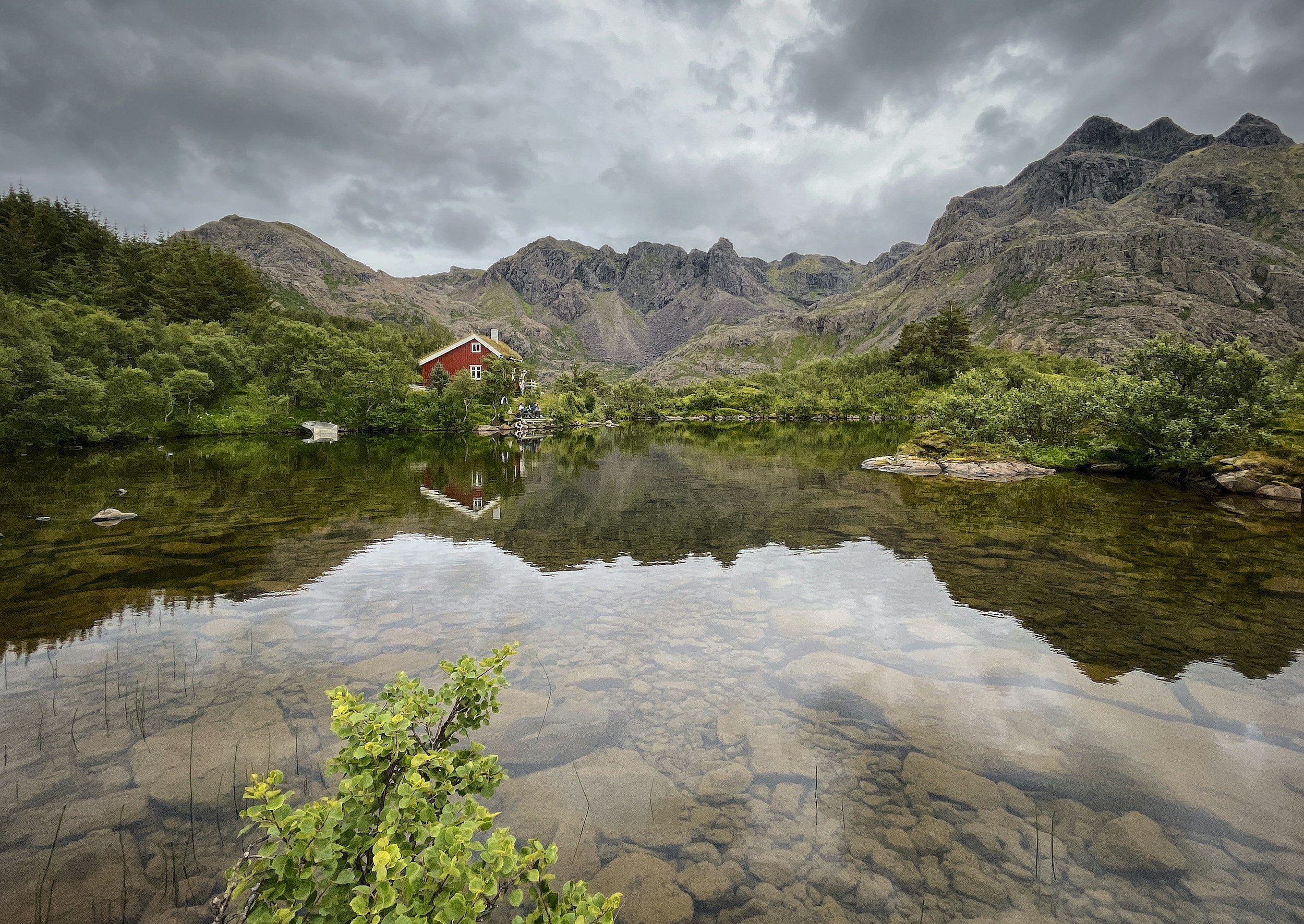
How Slow Travel Supports Cognitive and Emotional Regulation
Slow travel is not a philosophy or mindset, but a structural change in how often the nervous system must adapt. This article explores how reduced transitions and cognitive load support emotional regulation during travel.
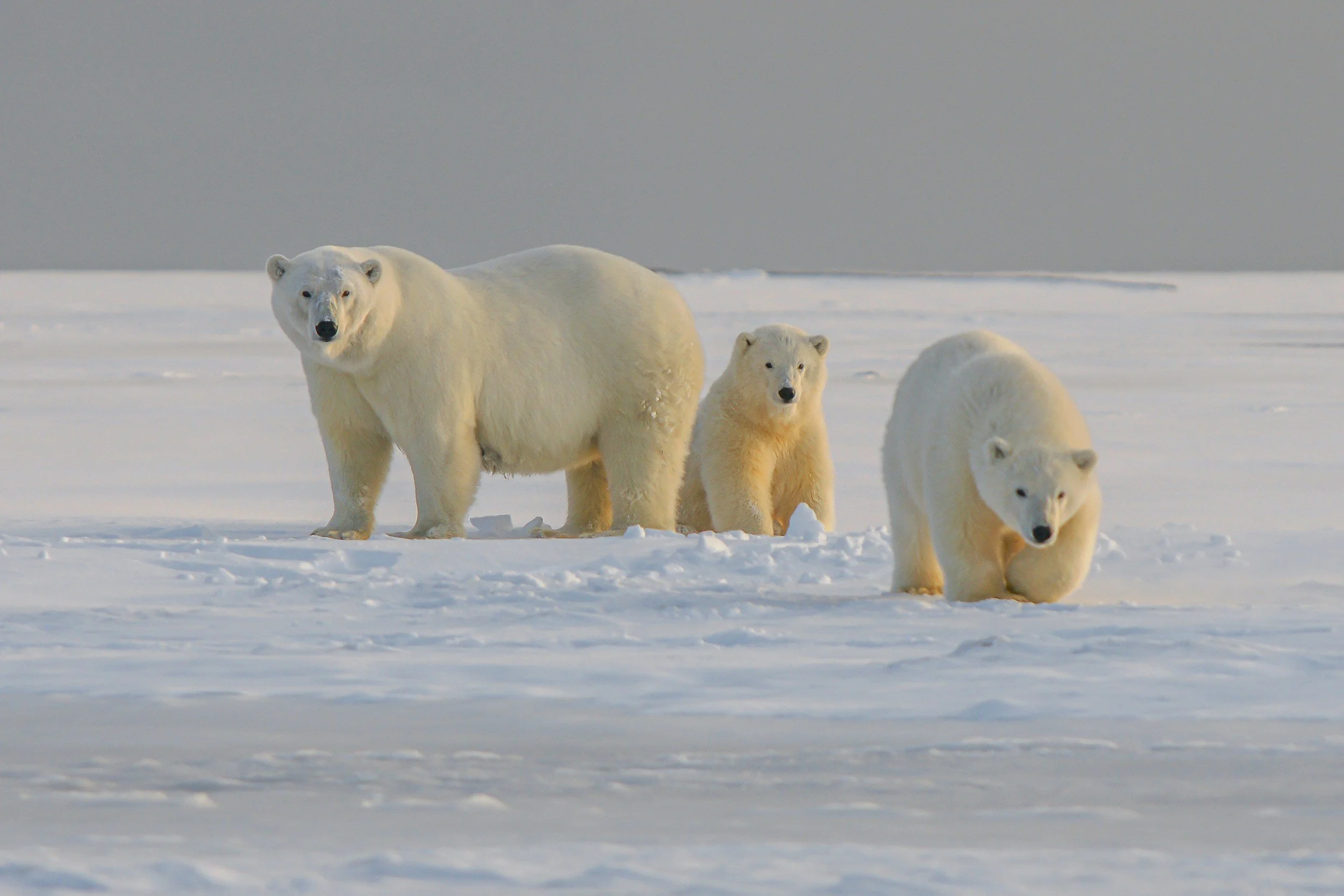
Wildlife in Svalbard: What You Can See in the High Arctic
Svalbard is one of the most wildlife-rich regions in the High Arctic, not because animals are abundant everywhere, but because ecosystems remain largely intact. This guide explores the key species that inhabit the archipelago, how seasonality and sea ice shape their presence, and the ethical framework that governs all wildlife encounters.
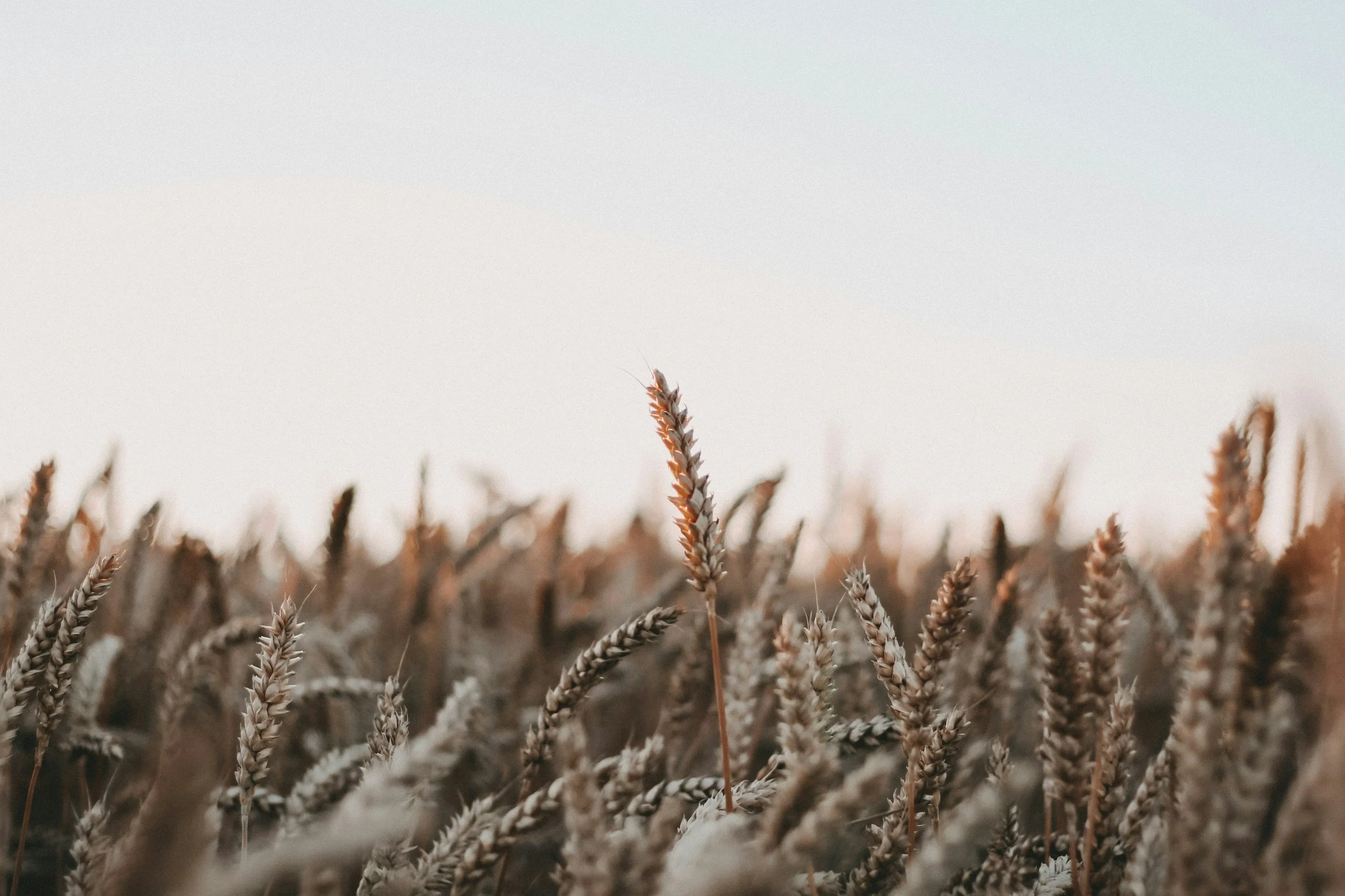
Why Certain Places Calm the Nervous System
An analysis of how environmental cues shape nervous system regulation while travelling, and why certain places feel calming regardless of mood or intention.
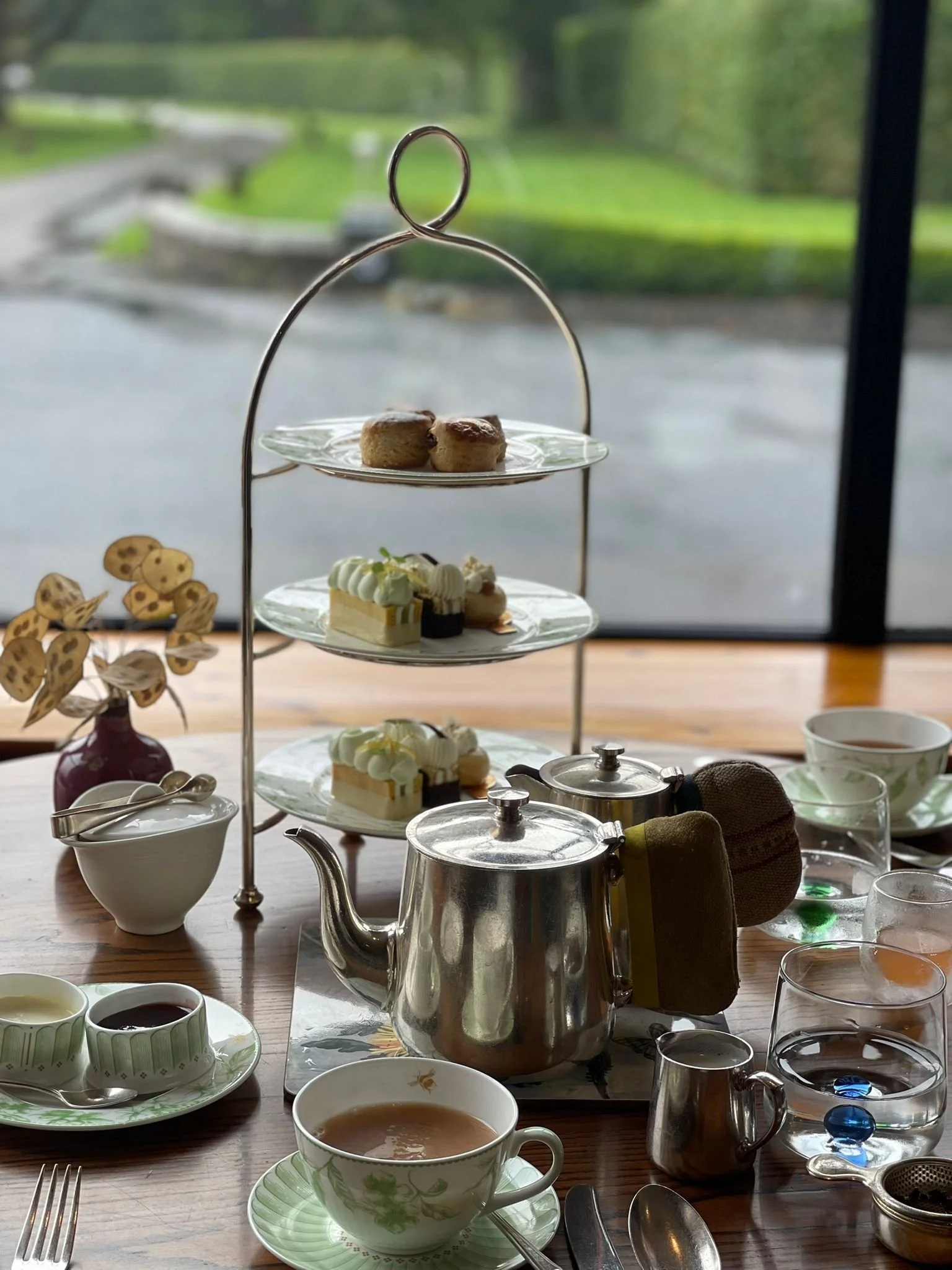
What Is Afternoon Tea? A Complete Guide to the British Tradition
Afternoon tea is a long-standing British tradition shaped by history, daily rhythm and social custom. This guide explains what afternoon tea is, where it comes from, and how it became part of British culture.

After a Traumatic Travel Experience
A practical, trauma-informed guide for those who have returned home after a traumatic travel experience, focusing on early stabilisation, recovery and appropriate support.