
Slow Travel in Devon: A Different Way to Explore the South West
Devon is often presented through highlights and itineraries: beaches, villages, scenic drives. While these elements matter, they rarely capture how the region is best experienced. Devon lends itself less to fast sightseeing and more to slow travel, where movement is secondary to rhythm, place, and time spent rather than distance covered.
This way of travelling is not only a stylistic preference, but also reflects how pace influences attention and emotional balance while away from familiar routines. For a broader overview of curated destinations and slow luxury travel, explore the Curated Travel guide.
When movement is reduced and days follow a more predictable rhythm, travel can feel less demanding and more regulating. This relationship between pace and experience is explored further in How Slow Travel Supports Cognitive and Emotional Regulation, but it also becomes immediately apparent when spending time in the South West.
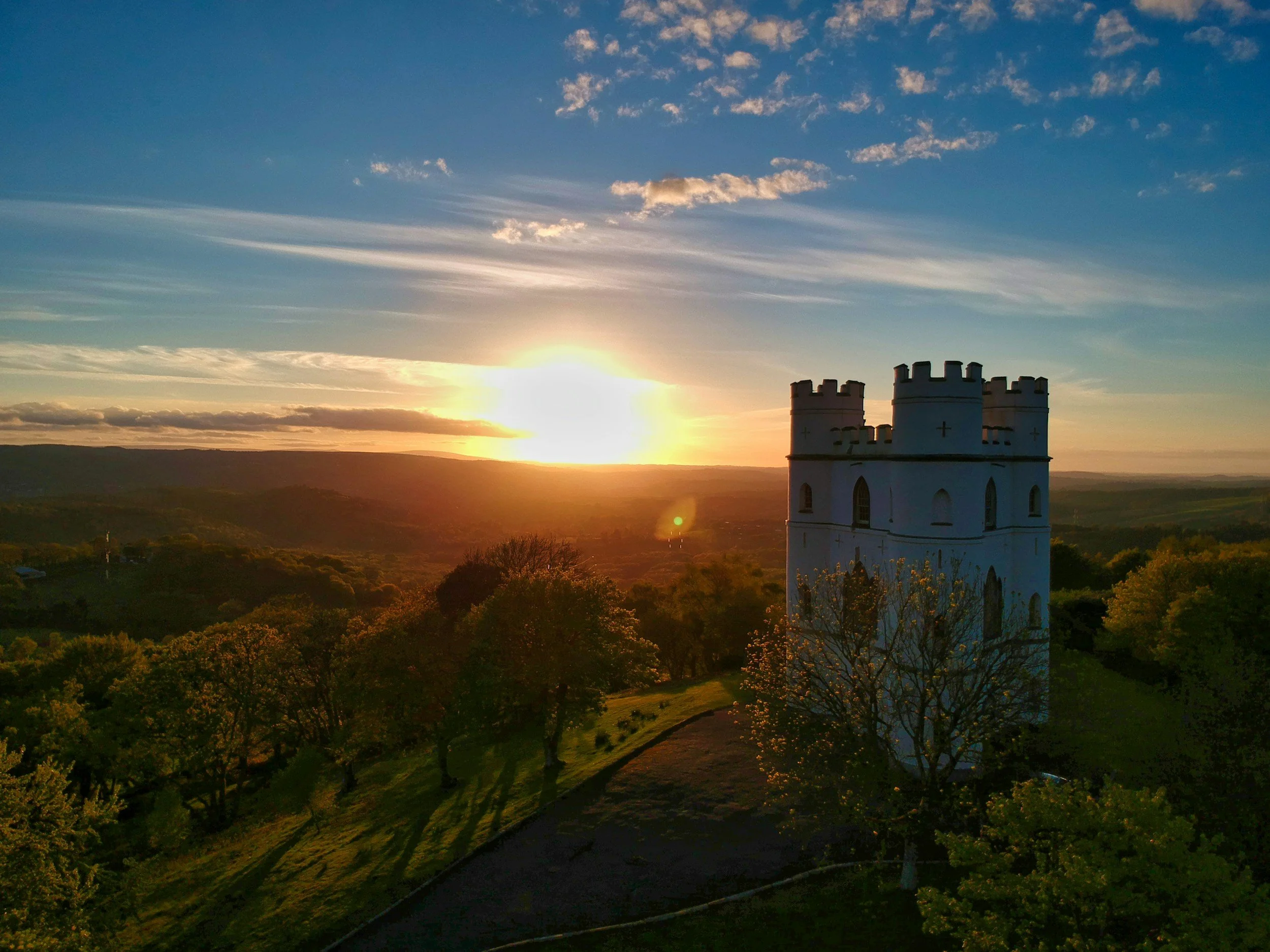
Sunset over the Haldon Hills, with Haldon Belvedere (Lawrence Castle) silhouetted against the evening sky, overlooking the rolling countryside of Devon.
What Slow Travel Looks Like in Devon
Slow travel in Devon is not about doing less, but about moving differently.
It often involves:
Staying in one location rather than changing bases
Allowing the weather to shape the day
Spending time outdoors without fixed objectives
Prioritising meals, walks, and conversation over attractions
Devon’s geography supports this approach. Distances are short, but roads are narrow, rural, and deliberately slow. Travel time becomes part of the experience rather than something to minimise.
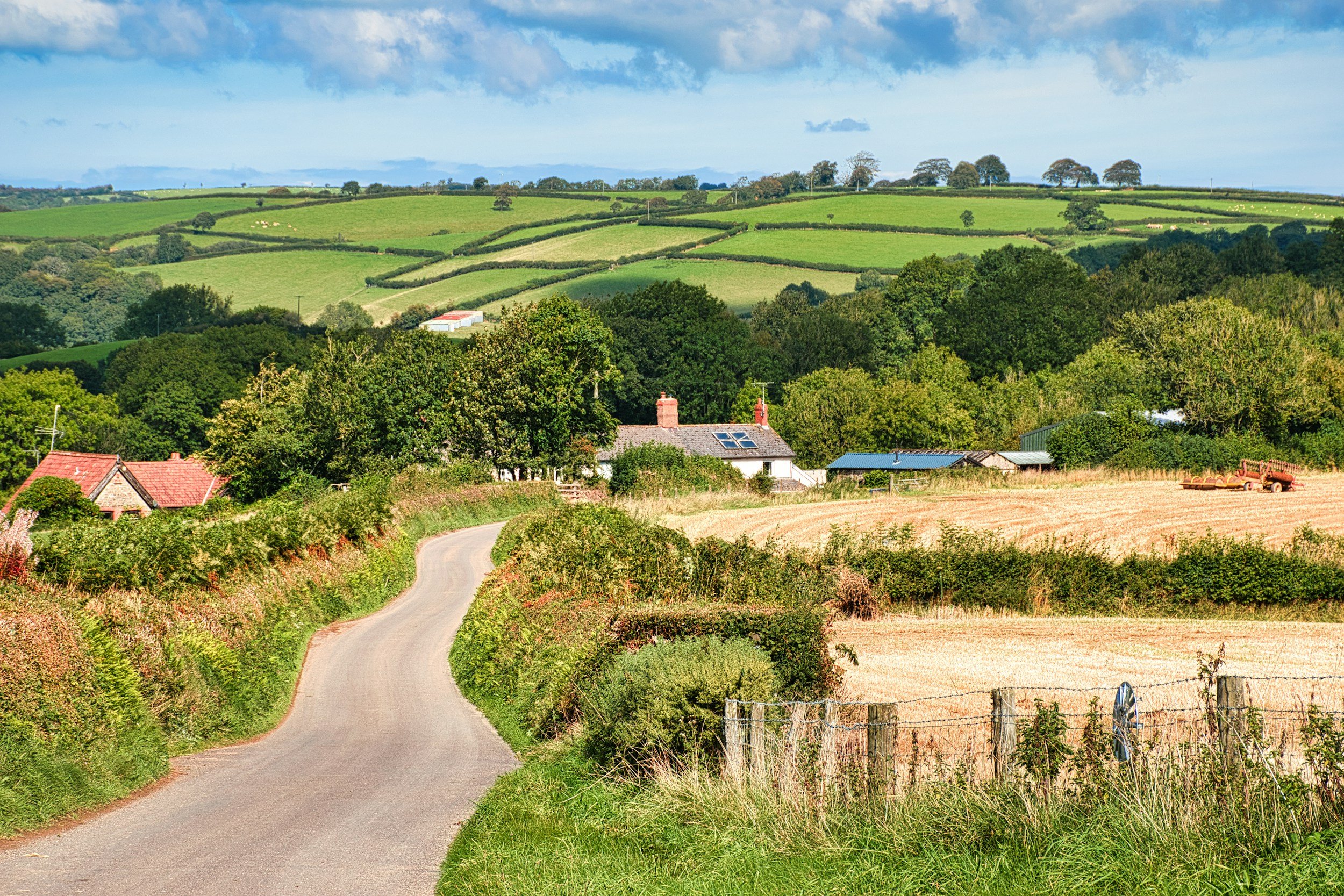
A narrow country lane winding through rolling green fields and hedgerows in rural Devon, with scattered farmhouses and patchwork farmland stretching across the South West countryside.
Devon’s Landscape and Sense of Pace
Devon is defined by contrast: coastline and moorland, farmland and estuaries, villages and open space. These landscapes are not designed for rapid consumption.
Walking paths, coastal routes, and countryside lanes encourage:
Pauses rather than progress
Observation rather than efficiency
Repetition rather than novelty
This makes Devon particularly well-suited to travellers who prefer depth over coverage.
Devon’s open landscapes, muted soundscape, and gradual transitions between coast, countryside, and village create conditions that many travellers experience as settling rather than stimulating.
This relationship between place and regulation is explored further in Why Certain Places Calm the Nervous System, which looks at how environmental features such as spatial openness, visual complexity, and perceived safety influence how the body responds to a destination.
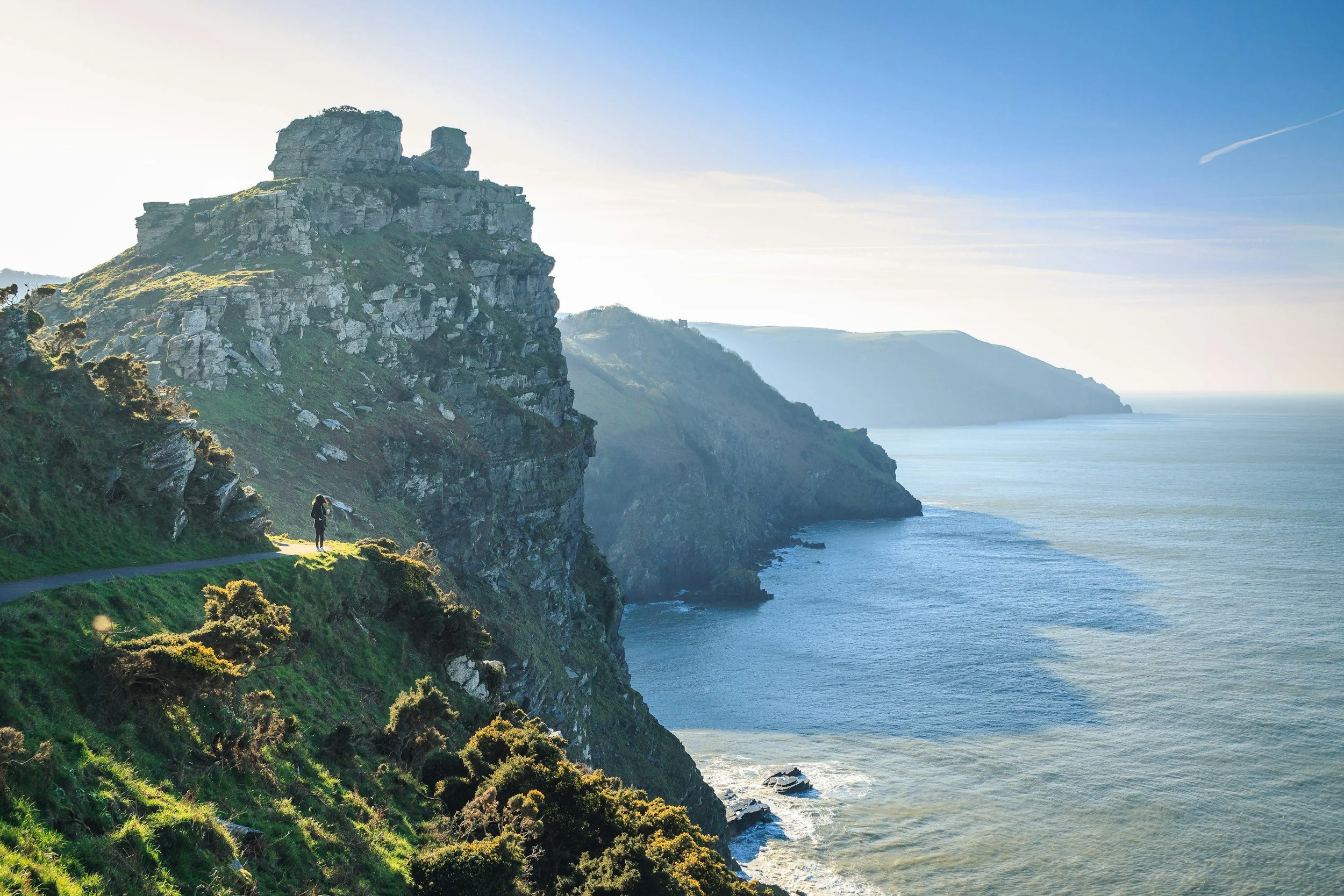
From rolling countryside to rugged coastline, Devon offers sea views, open landscapes, and countless walking paths.
Using One Base Instead of an Itinerary
One of the simplest ways to experience Devon slowly is to choose a single base and explore from there.
A base allows:
Flexible day trips
Time to return to familiar places
Less logistical planning
Rather than seeing Devon as a checklist of locations, slow travel treats it as a region to inhabit temporarily.
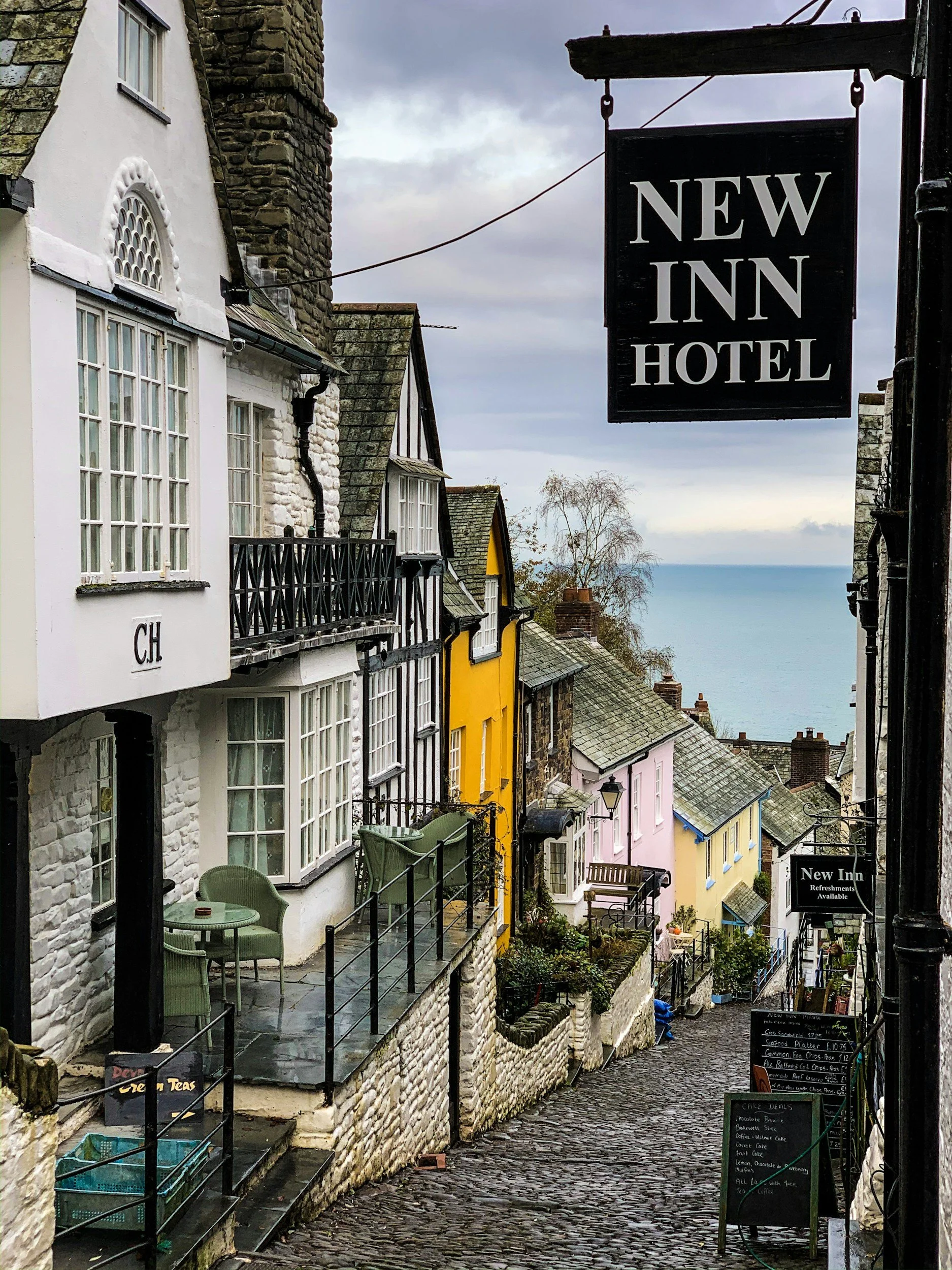
Devon offers many comfortable and characterful places to stay, from small hotels and guesthouses to cottages and Airbnbs, making it well-suited to travellers who prefer a fixed base rather than a tightly planned itinerary.
Walking as a Primary Activity
Walking is central to slow travel in Devon, not as a fitness goal but as a way of engaging with the landscape.
Common forms include:
Coastal walks
Countryside footpaths
Village-to-village routes
Short, repeated walks and long-distance hikes
Walking slows perception. Details become more noticeable: changes in light, weather, and sound.
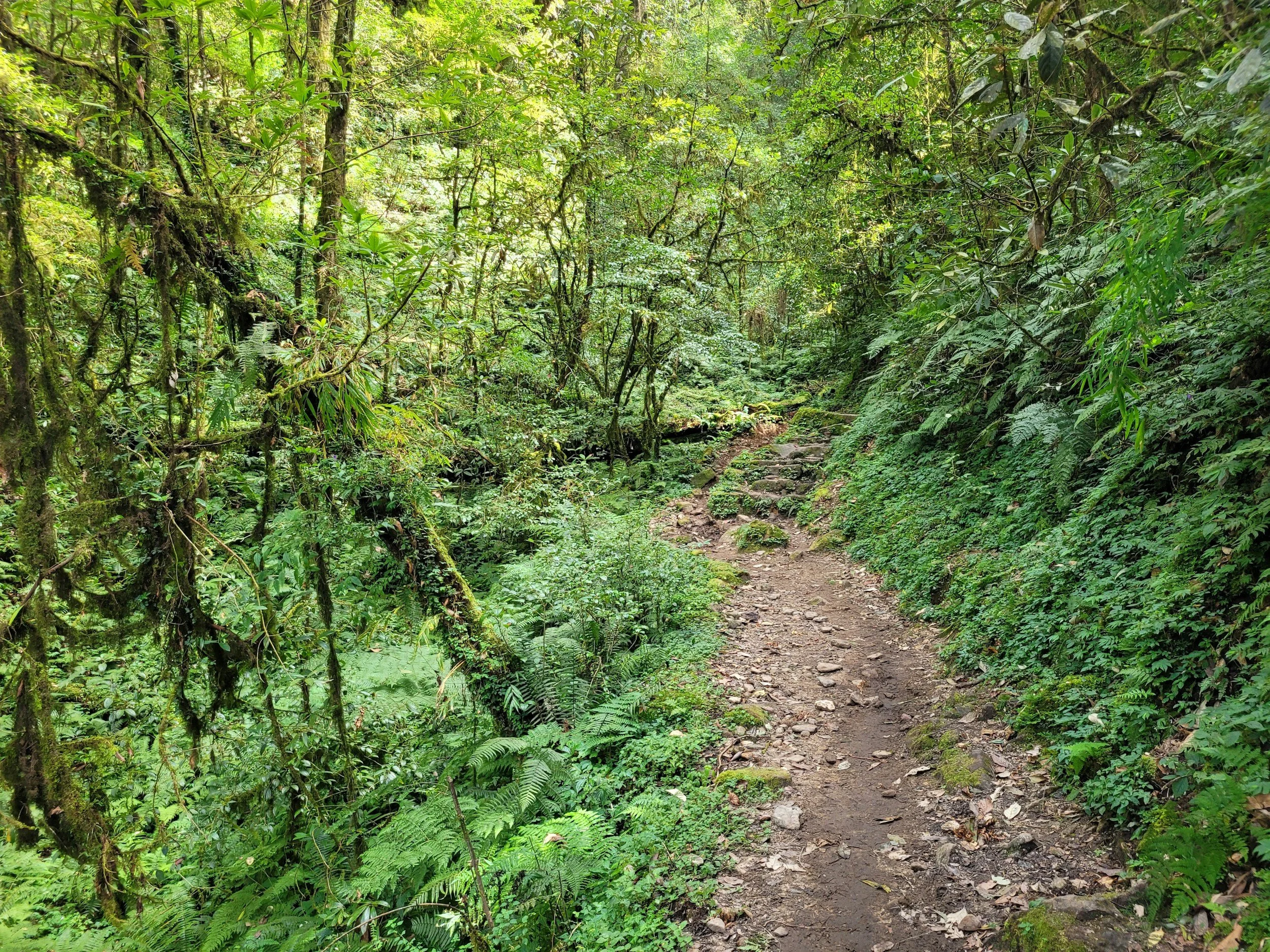
Devon is particularly well-suited to walking, with varied landscapes and an extensive network of well-established walking routes.
Food as a Rhythm, Not an Event
Food in Devon works well within a slow travel framework.
Meals are often:
Anchors in the day
Social rather than performative
Unhurried by design
Whether taken in a countryside pub, a hotel dining room, or as afternoon tea, meals offer structure without urgency. They divide the day into manageable, familiar segments.
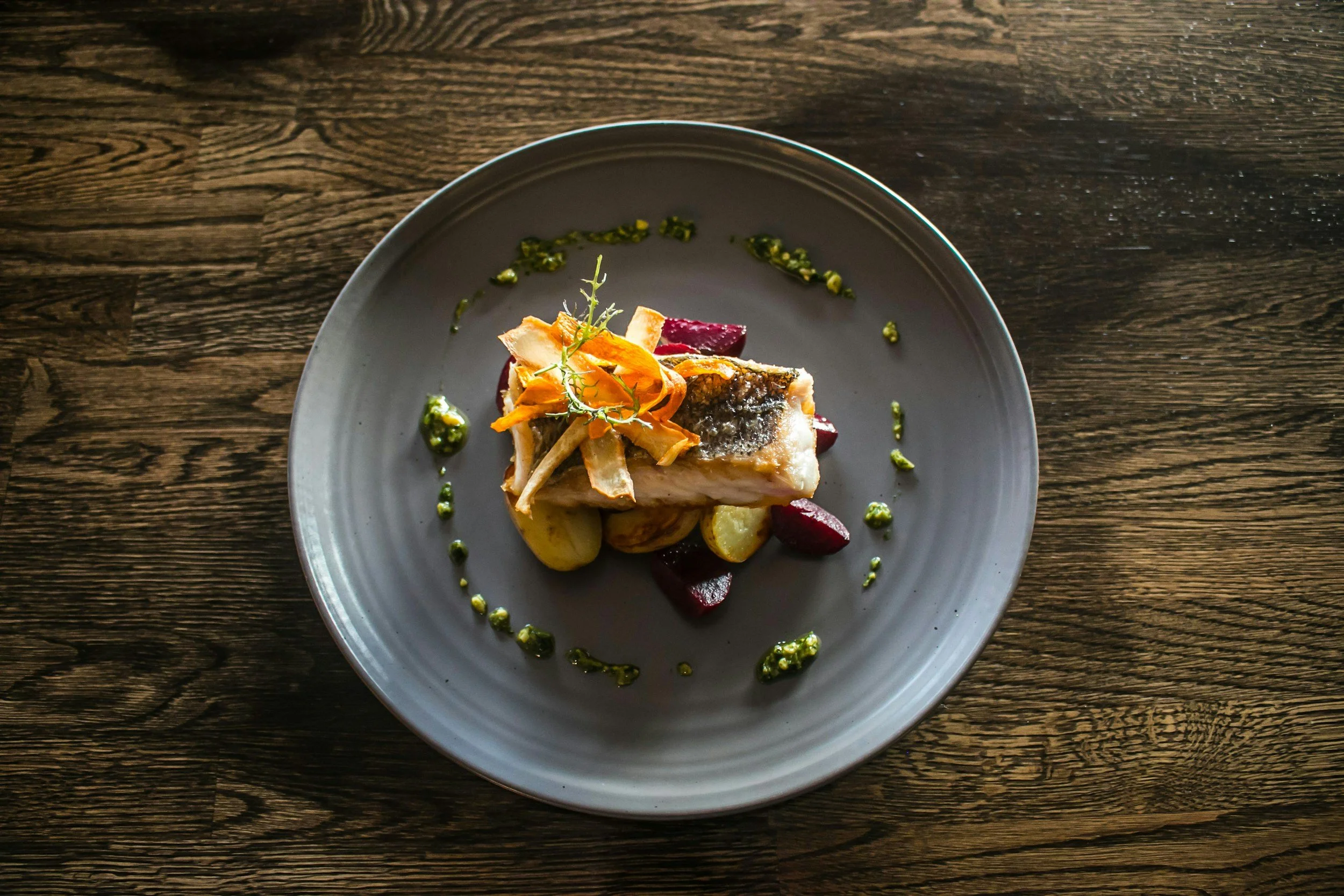
Devon has many interesting and welcoming places to eat, especially if you take the time to research local pubs, small restaurants, and hotel dining rooms rather than relying on fixed plans.
Weather as Part of the Experience
Devon’s weather is variable, and slow travel accepts this rather than working against it.
Rain alters plans. Wind reshapes coastal days. Clear weather invites longer periods outdoors.
Rather than planning around ideal conditions, slow travel adapts to what the day allows.
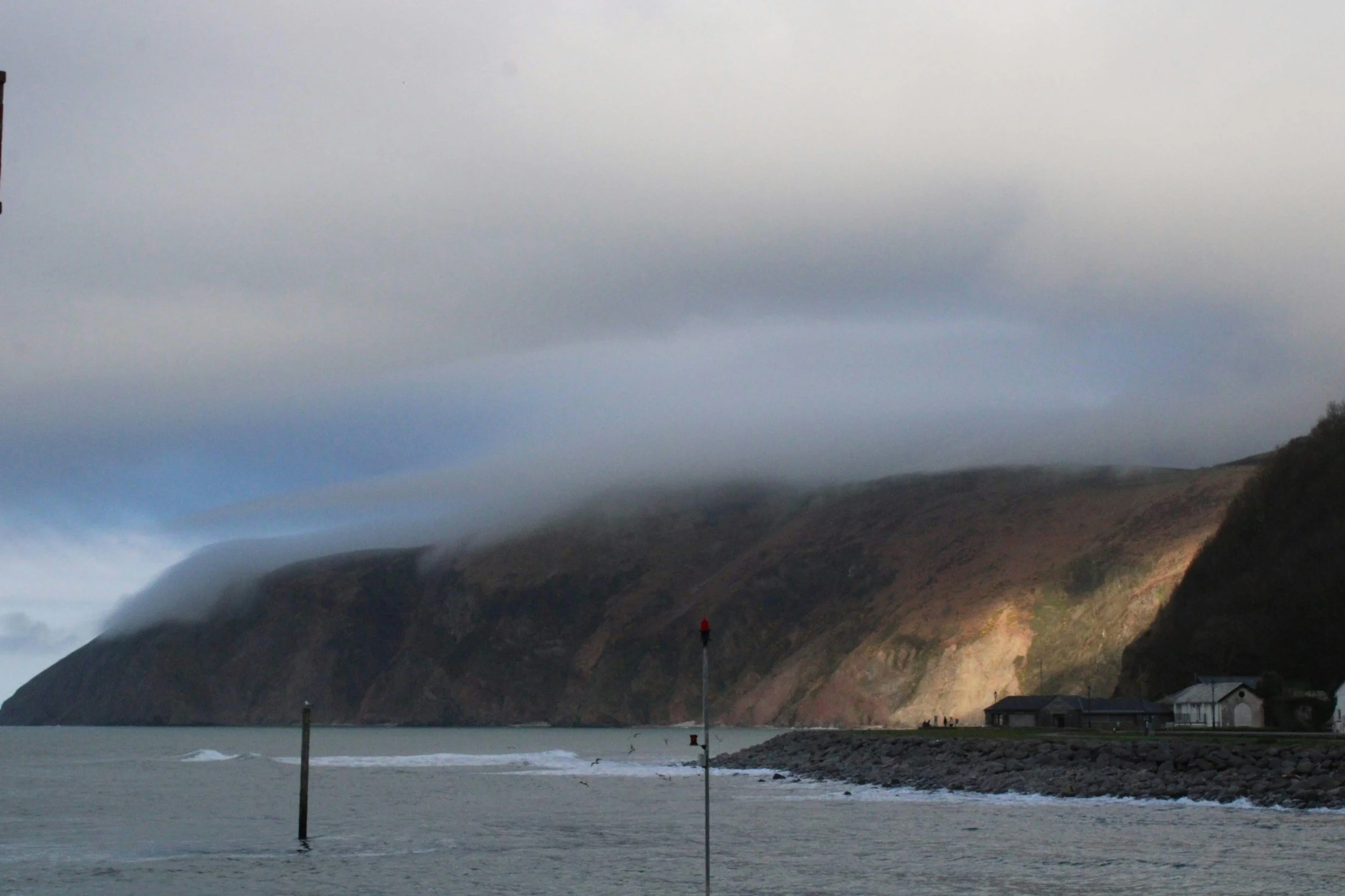
Devon’s weather is changeable, and rain is part of the experience rather than an exception. Being prepared makes it easier to adapt plans and spend time outdoors when conditions allow.
Why Devon Appeals to Slow Travellers
Devon tends to appeal to travellers who:
Prefer quiet over spectacle
Value routine while travelling
Are comfortable with unstructured time
Find constant movement tiring rather than exciting
It is less suited to travellers seeking dense sightseeing or rapid transitions between destinations.
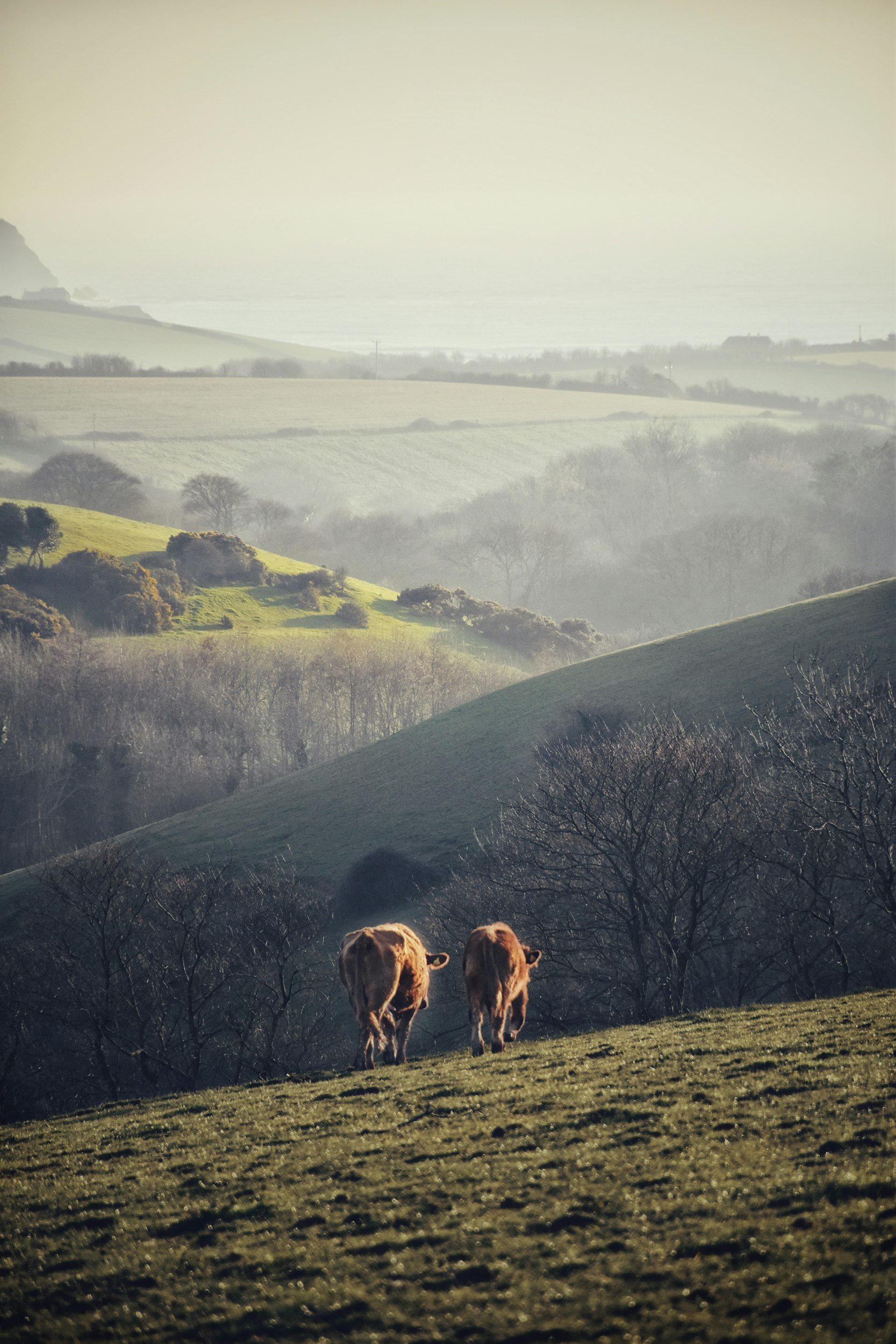
Much of Devon is shaped by farming and open countryside, with rolling hills, grazing land, and small-scale agriculture forming part of everyday life across the region.
Practical Considerations
To travel slowly in Devon:
Allow extra time for journeys
Avoid overloading days with plans
Stay longer in fewer places
Treat meals and walks as central, not secondary
These choices shape the experience more than any single destination.
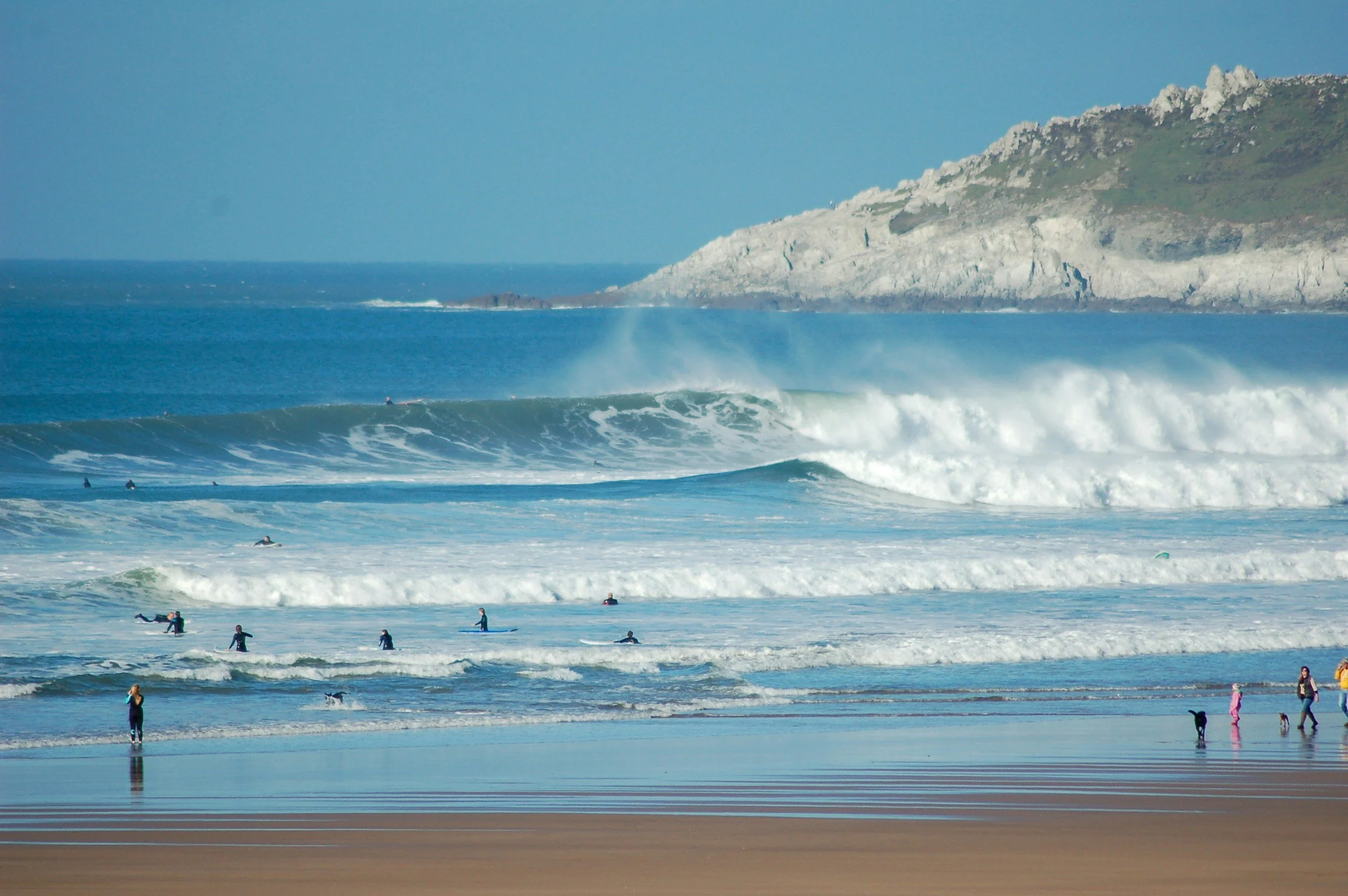
Surfing is a well-established activity in Devon, particularly along the north coast, where consistent waves and wide beaches make it accessible for both beginners and experienced surfers.
Final Thoughts
Devon does not require explanation through lists or highlights. Its value becomes clearer when experienced without pressure to move on. Slow travel allows the region’s character to emerge gradually, through familiarity, repetition, and time spent rather than sights collected.
For travellers drawn to the South West for its atmosphere as much as its landscapes, Devon offers a setting where slowing down is not a compromise, but the point.
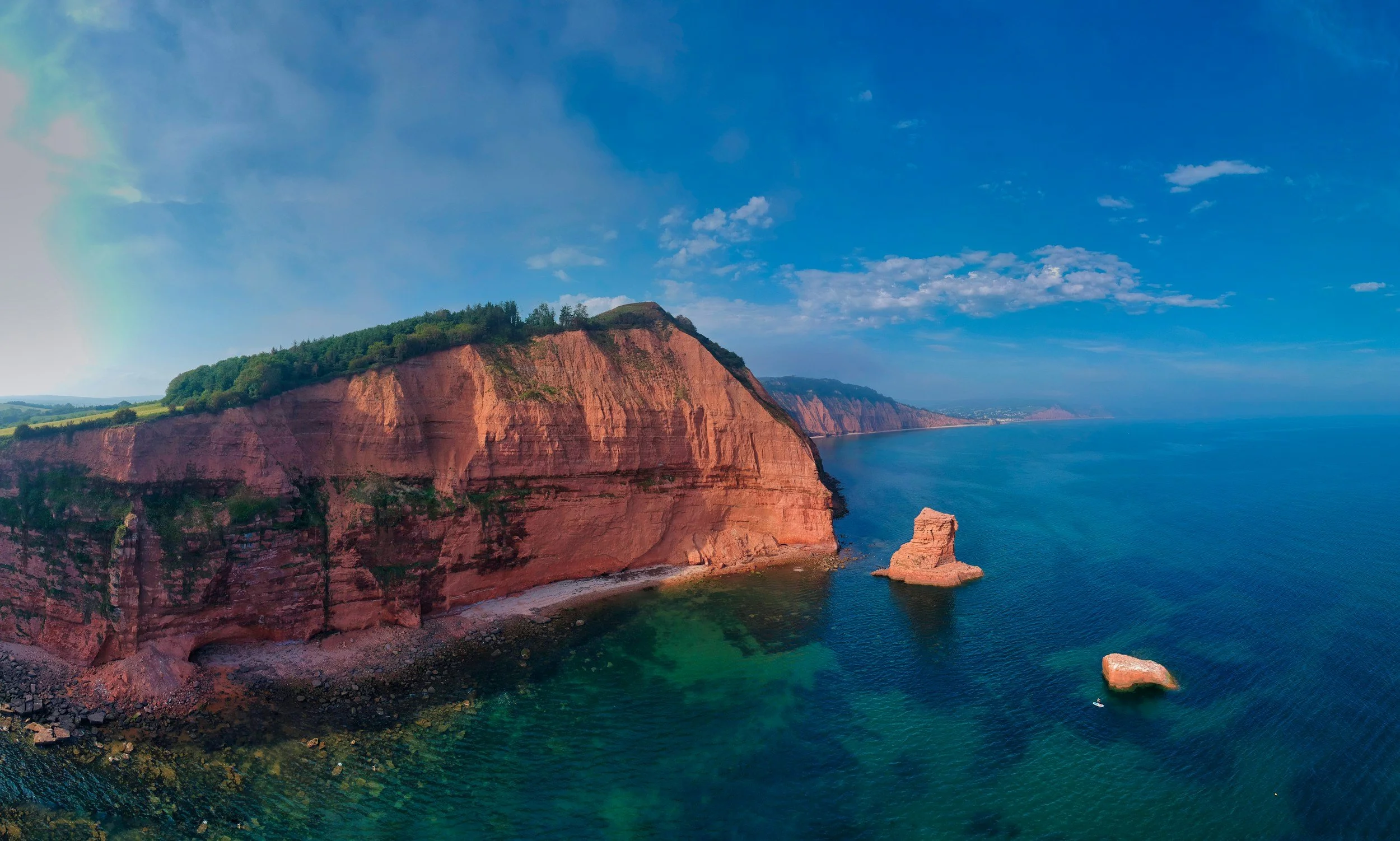
Devon’s coastline is varied and dramatic, with cliffs, headlands, and long stretches of open sea that shape both the landscape and how people spend time outdoors.