
Afternoon Tea vs High Tea: What’s the Difference?
The terms afternoon tea and high tea are often used interchangeably, especially outside the UK. In reality, they refer to two very different traditions shaped by different histories, social contexts, and purposes. Understanding the distinction not only clears up a common misunderstanding in British food culture but also gives a richer appreciation of what these meals represented in everyday life.
For curated afternoon tea experiences across the UK, explore the Afternoon Tea guide.
What Is Afternoon Tea?
Afternoon tea developed in the early 19th century as a light meal to bridge the long gap between lunch and a late dinner. Traditionally enjoyed by the upper and middle classes, it quickly became associated with leisure, elegance, and sociability.
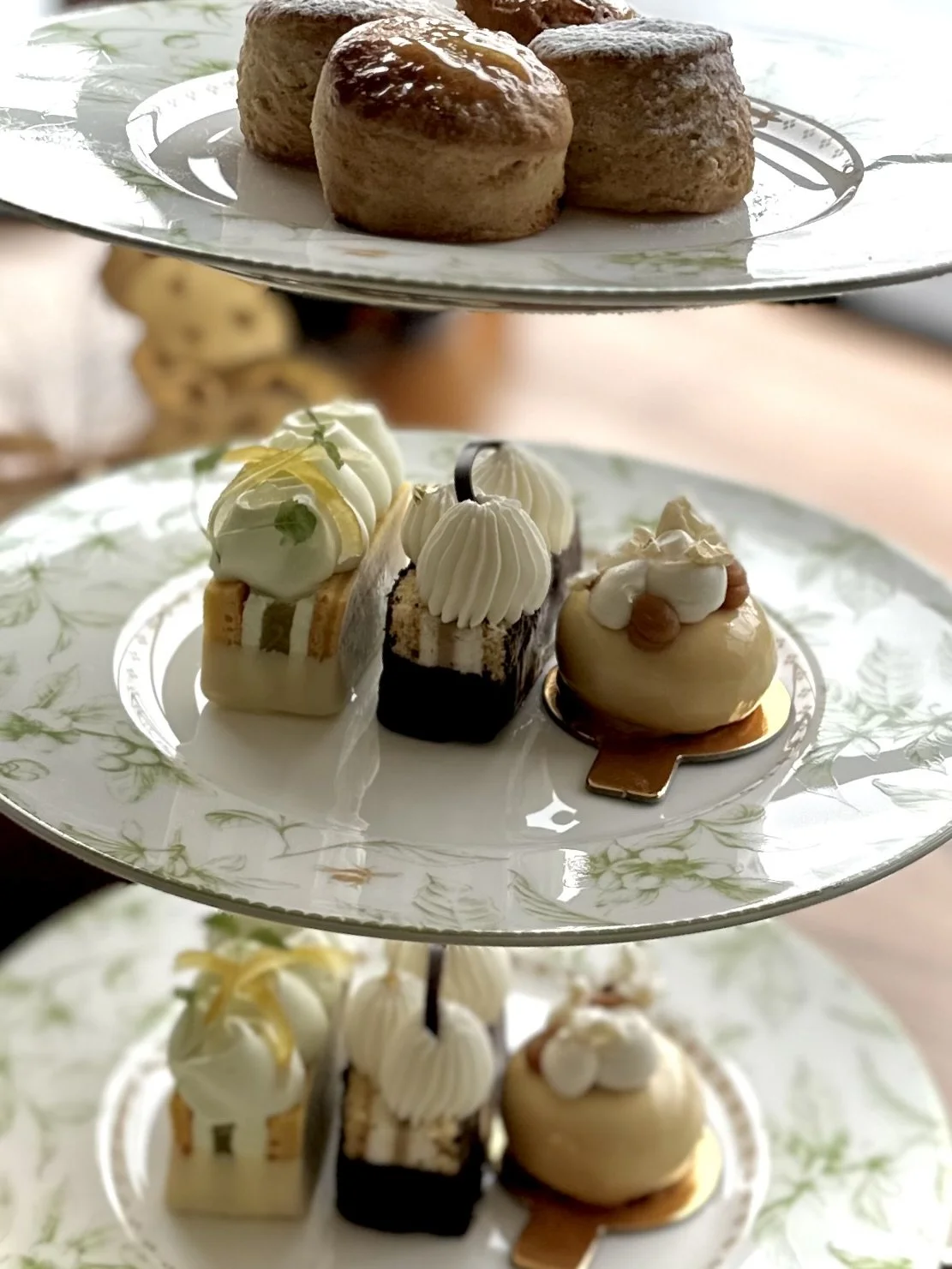
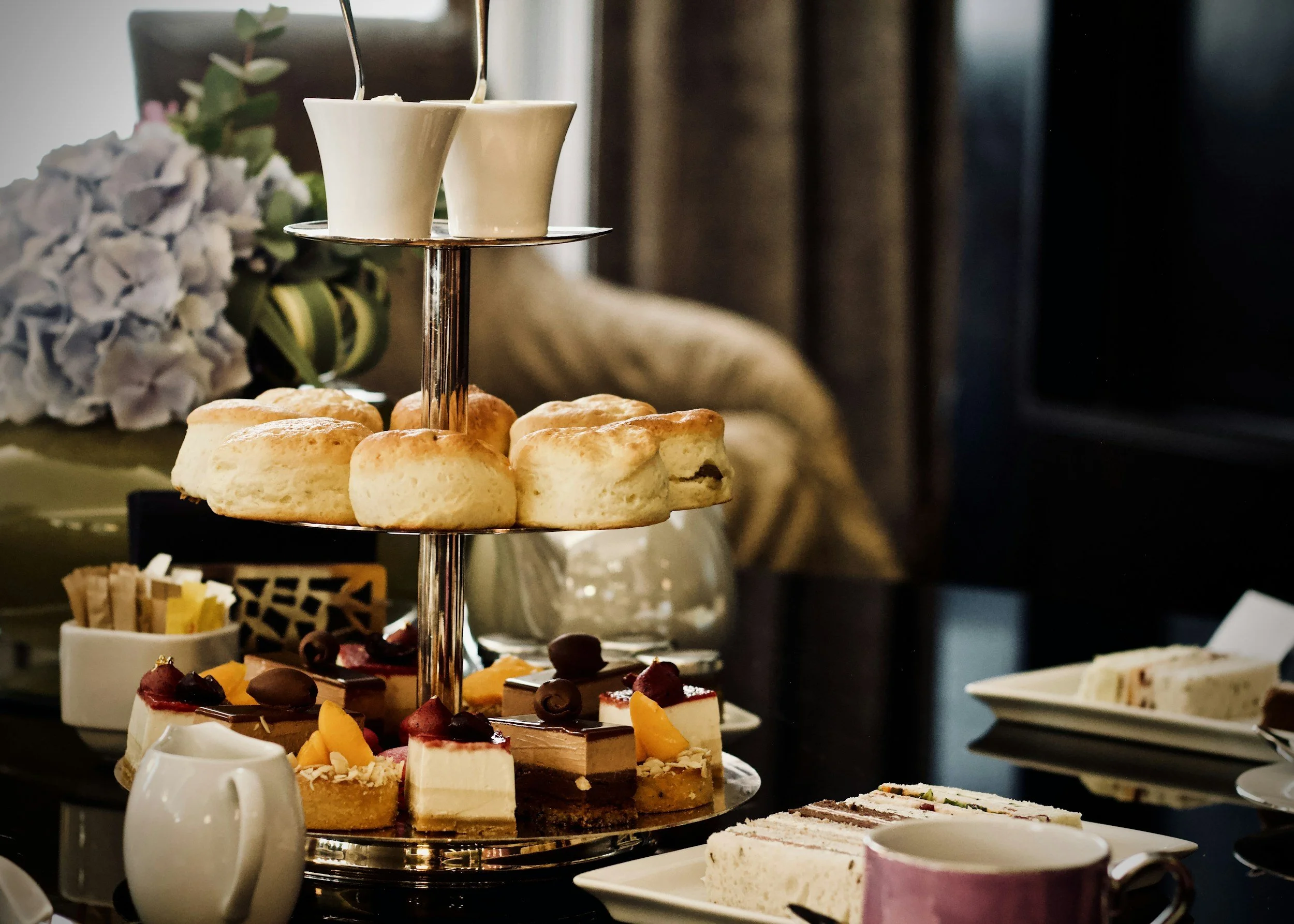
Today, afternoon tea is typically taken in hotels, tearooms, or private homes and follows a familiar structure: tea served alongside delicate sandwiches, scones with clotted cream and jam, and an assortment of cakes or pastries. Presentation and atmosphere are key elements. Afternoon tea is as much about conversation, setting, and shared experience as it is about food.
For a deeper dive into how the tradition emerged and how it is enjoyed today, see: What Is Afternoon Tea? A Complete Guide to the British Tradition.
What Is High Tea?
High tea originated as something entirely different. Rather than being a refined afternoon experience, it developed as the evening meal of working families in Britain. Eaten after the working day, it was served at the main dining table, the “high” table, which is where the name comes from.
High tea was practical and substantial, often including hot, hearty dishes such as meat, eggs, pies, fish, baked items, or potatoes, served alongside bread and tea. It was not a leisurely ritual, but a satisfying family meal designed to restore energy at the end of the day.
Key Differences Between Afternoon Tea and High Tea
Although they are often confused outside the UK, afternoon tea and high tea grew out of very different social worlds.
Afternoon tea is rooted in leisure and refinement. It was traditionally enjoyed in the afternoon, carefully structured, beautifully presented, and shaped by etiquette and atmosphere. It was a moment of enjoyment, elegance, and conversation.
High tea, on the other hand, was never intended to be elegant. It was the practical evening meal of working households, filling, warm, and centred on everyday family life. For many families, high tea was essentially the main evening meal.
This contrasts with middle and upper-class households, where the main evening meal was known as dinner. Dinner was typically later, more formal, and often multi-course, served with fine tableware and guided by social etiquette. It carried social significance as much as culinary purpose. It was an occasion as well as a meal.
In essence, afternoon tea is a light, elegant social experience enjoyed for pleasure, while high tea is a hearty evening meal shaped by practicality and work. They differ not only in timing and food but also in purpose, atmosphere, and the social worlds that created them.
Why the Terms Are Often Confused
Outside the UK, particularly in North America, Australia, and parts of Asia, the term high tea is frequently used to describe an elaborate afternoon tea. In hospitality marketing, the phrase “high tea” can sound grander or more indulgent, despite being historically inaccurate. As a result, many hotels and restaurants promote “high tea” while actually serving a classic afternoon tea experience.
What You’re Likely to Encounter Today
In modern travel and hospitality, anything marketed as “high tea” is almost always afternoon tea in disguise. Traditional high tea, as an evening family meal, is now rarely encountered outside private homes or historical contexts.
For travellers, the cultural experience you are most likely to encounter and recognise is afternoon tea: refined, charming, beautifully presented, and deeply rooted in British tradition.