
Penguins of Antarctica: A Complete Guide to the Species You’ll See
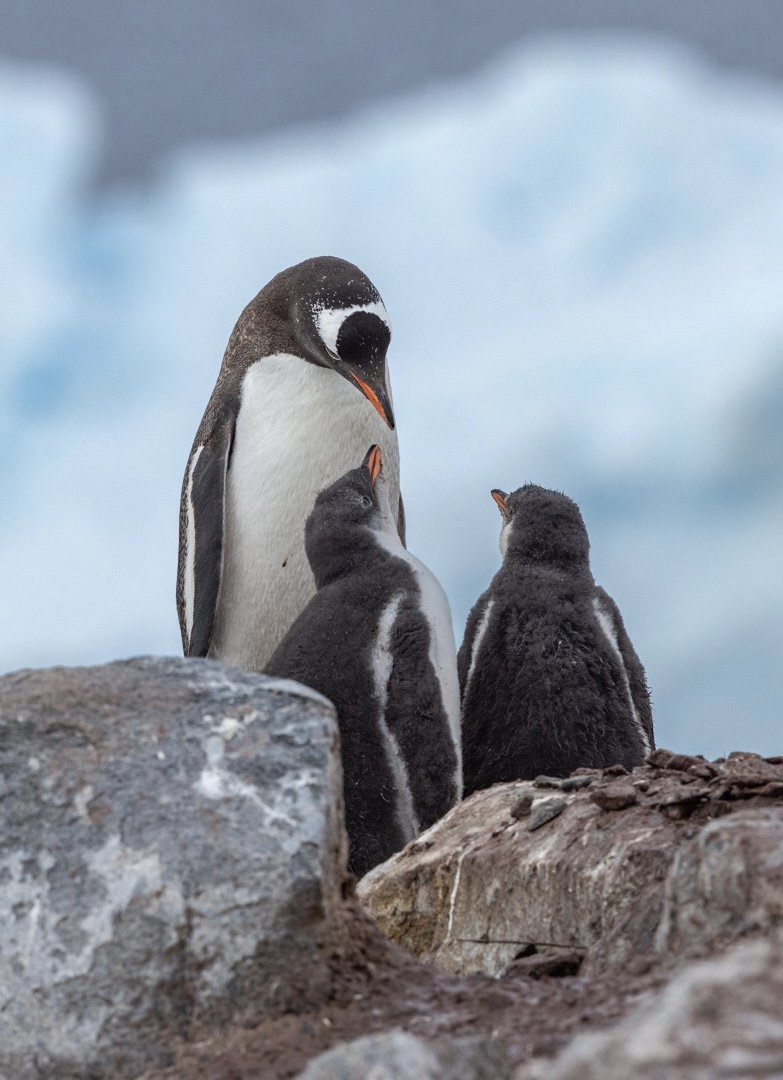
A gentoo penguin with her two chicks.
Antarctica is home to some of the most charismatic birds on the planet. No matter how many documentaries you have seen, nothing prepares you for the moment you set foot on the ice and find yourself surrounded by curious Gentoo penguins, elegant chinstraps, or the fast-moving, utterly charming Adélies.
During my HX expedition, penguins became the heartbeat of every landing. Each species carries its own personality, its own rituals, and its own stories rooted in the world’s most remote ecosystem. This guide introduces the penguins you are most likely to encounter on an expedition to Antarctica, and a few you may meet on sub-Antarctic islands like South Georgia and the Falklands.
Whether you are curious, preparing for your own journey, or simply dreaming of the ice, here is your complete beginner-friendly guide to the penguins of Antarctica.
For a broader overview of Antarctic wildlife and polar travel, explore the Polar Travel guide.
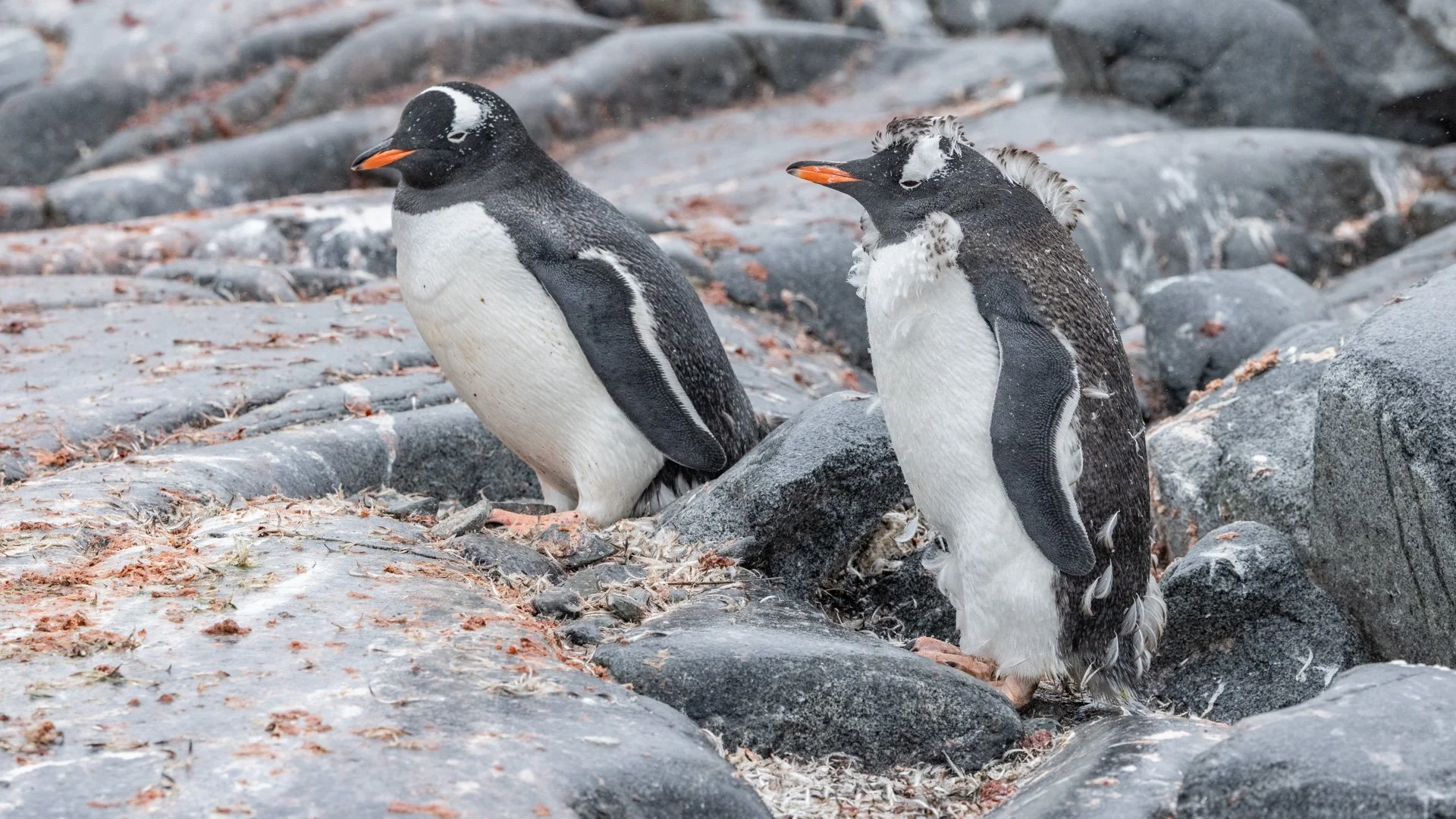
Gentoo Penguins (The Curious Explorers)
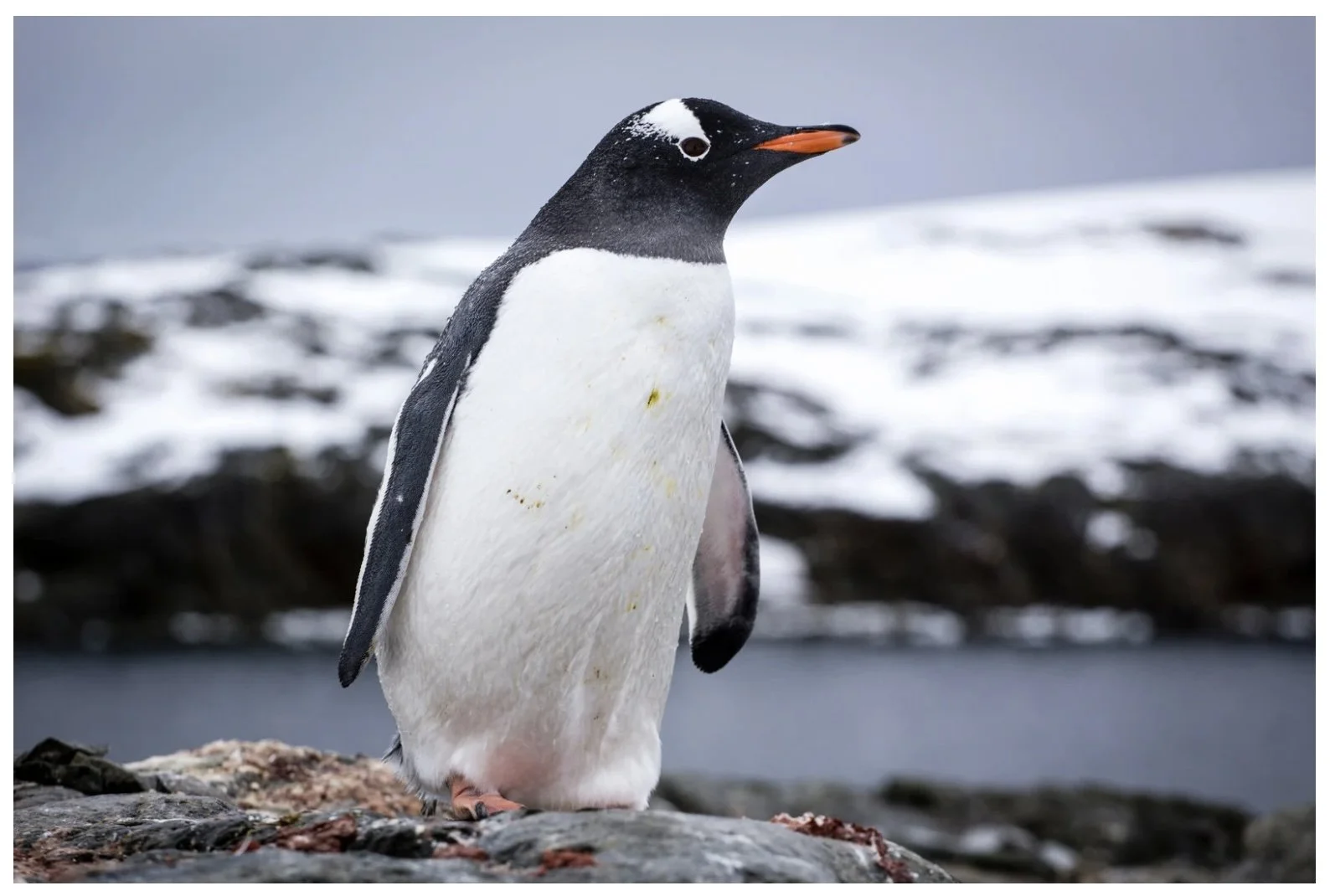
If you see a penguin walking confidently toward you, it is probably a Gentoo.
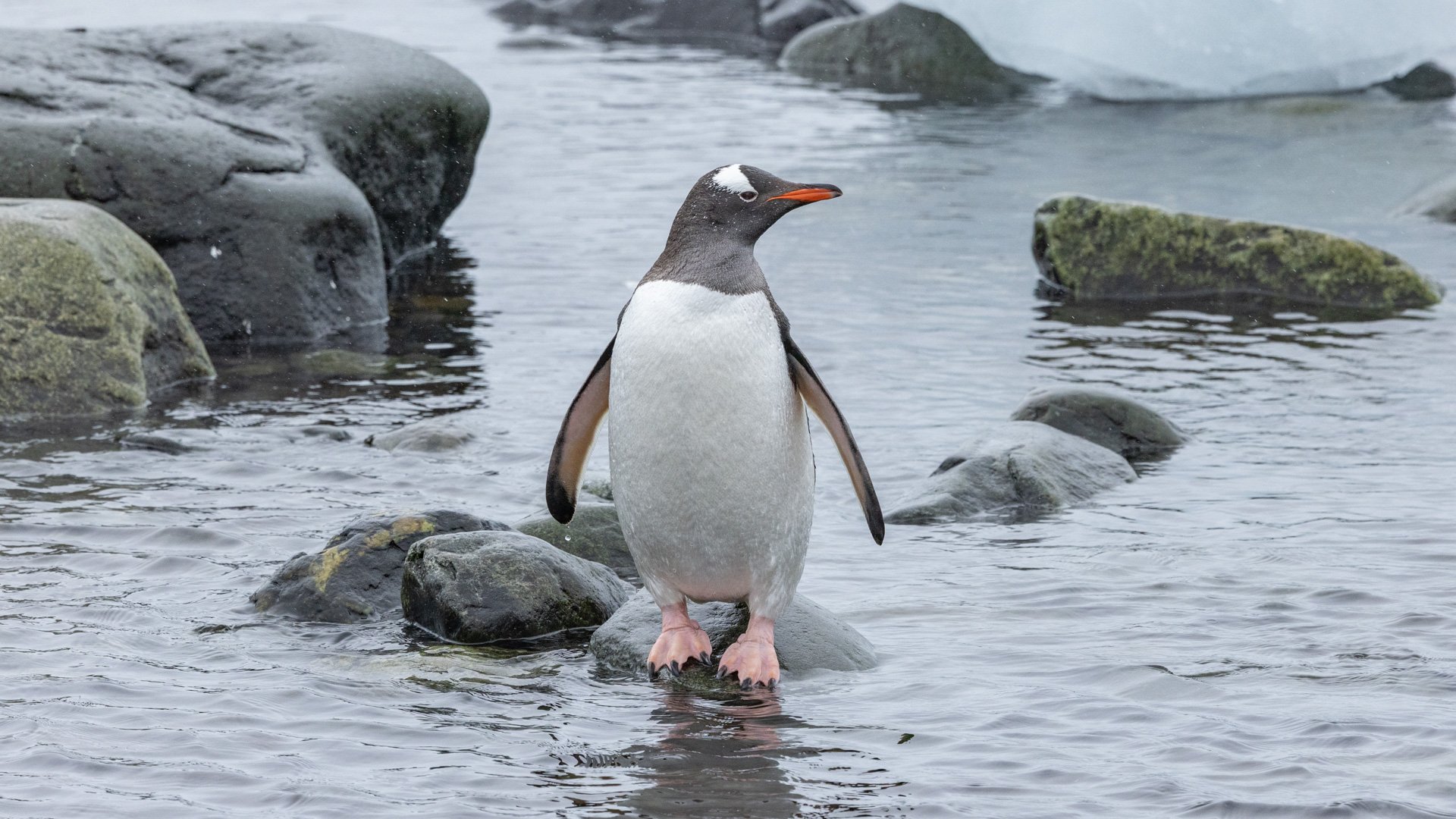
How to recognise them
Bright orange beak
Wide white “headband” across the top of the head
Elegant posture
Fast walkers with a funny waddle
Where can you see them?
Gentoo colonies are widespread on the Antarctic Peninsula and nearby islands. They are, by far, the species I saw the most frequently.
Personality
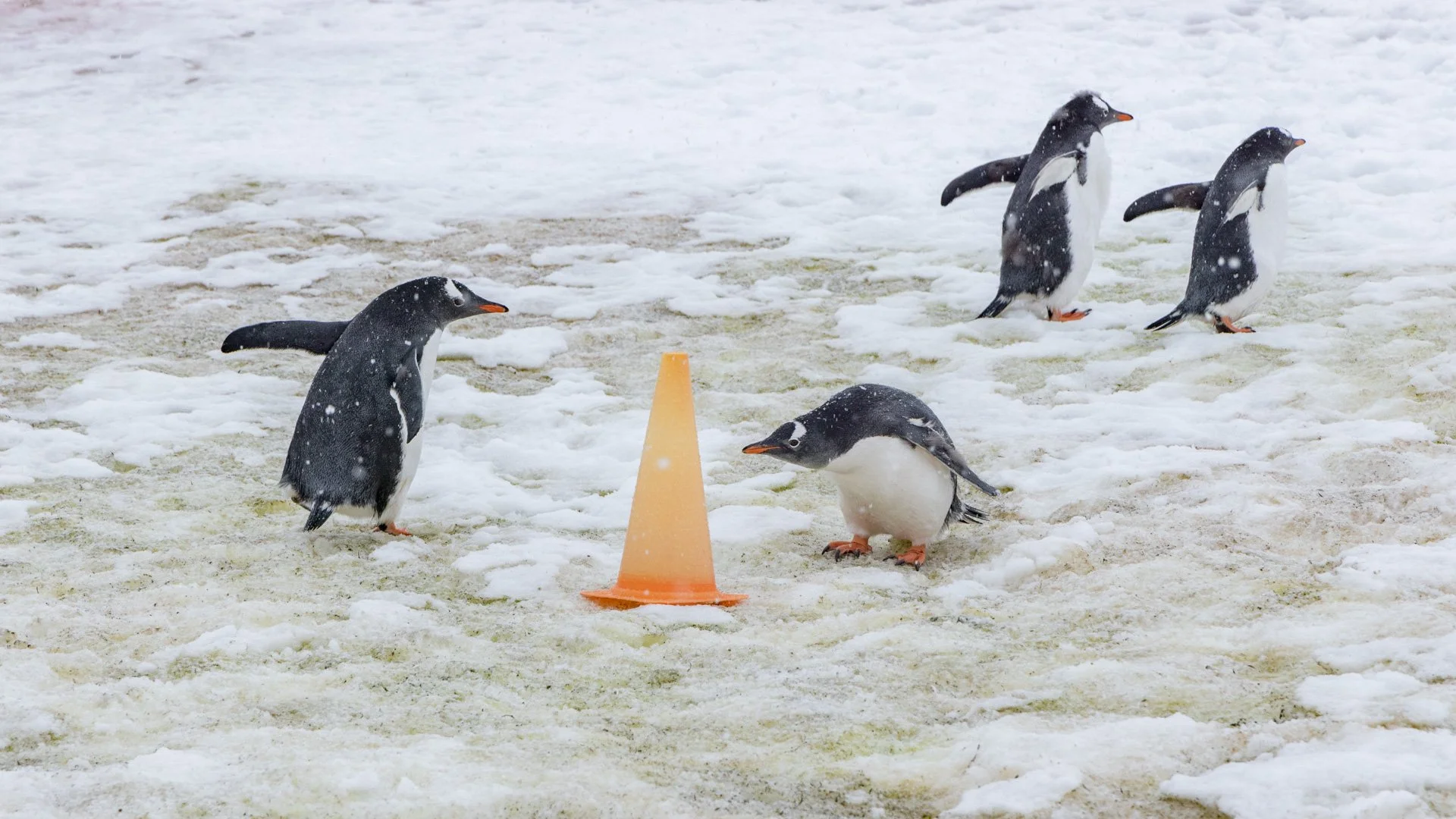
Gentoo are incredibly curious. Many of them walked right up to us, so we had to step back and away from them to keep enough distance. They also loved playing with the orange cones that the expedition team had set up.
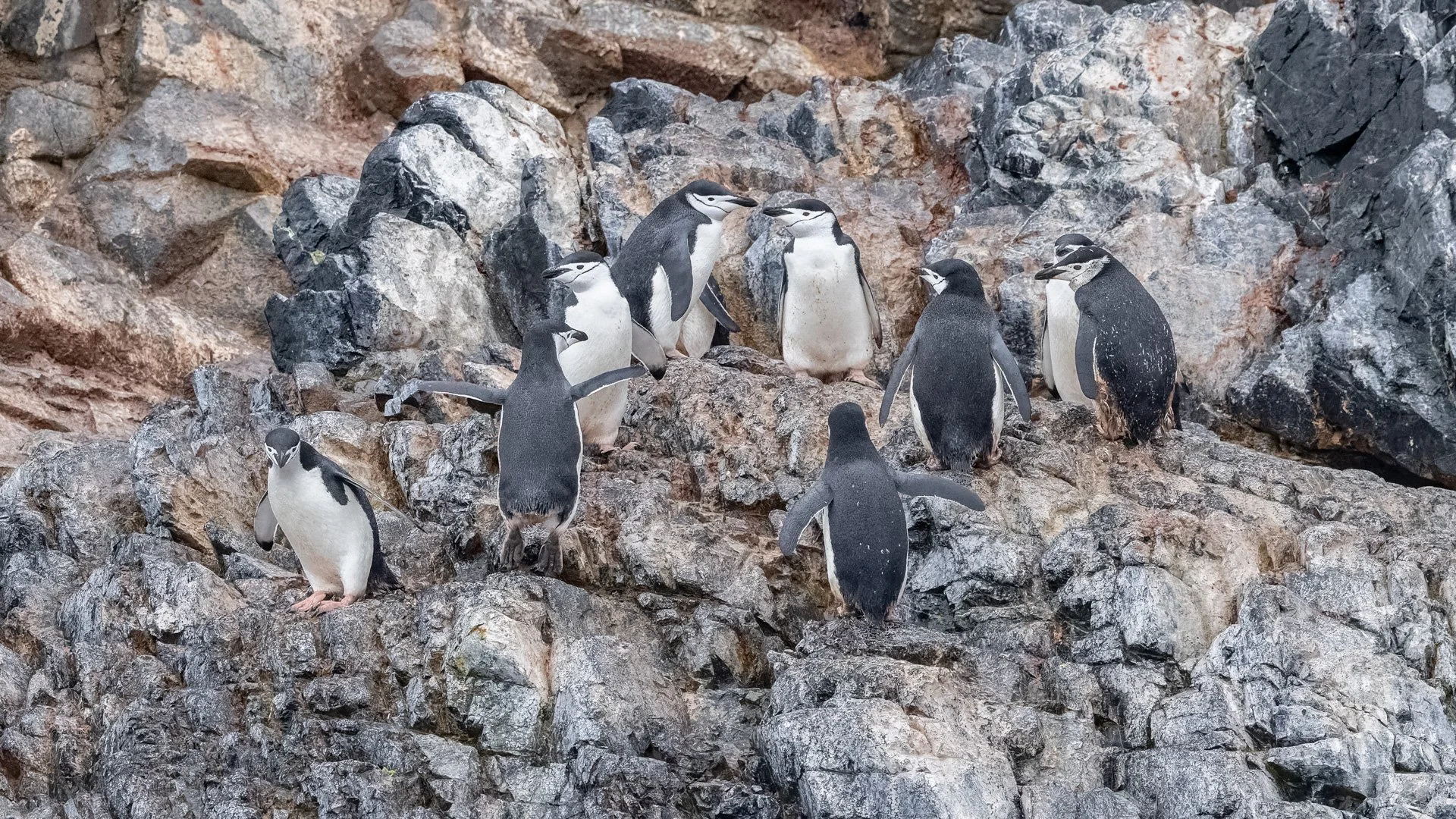
Chinstrap Penguins (The Comedians)
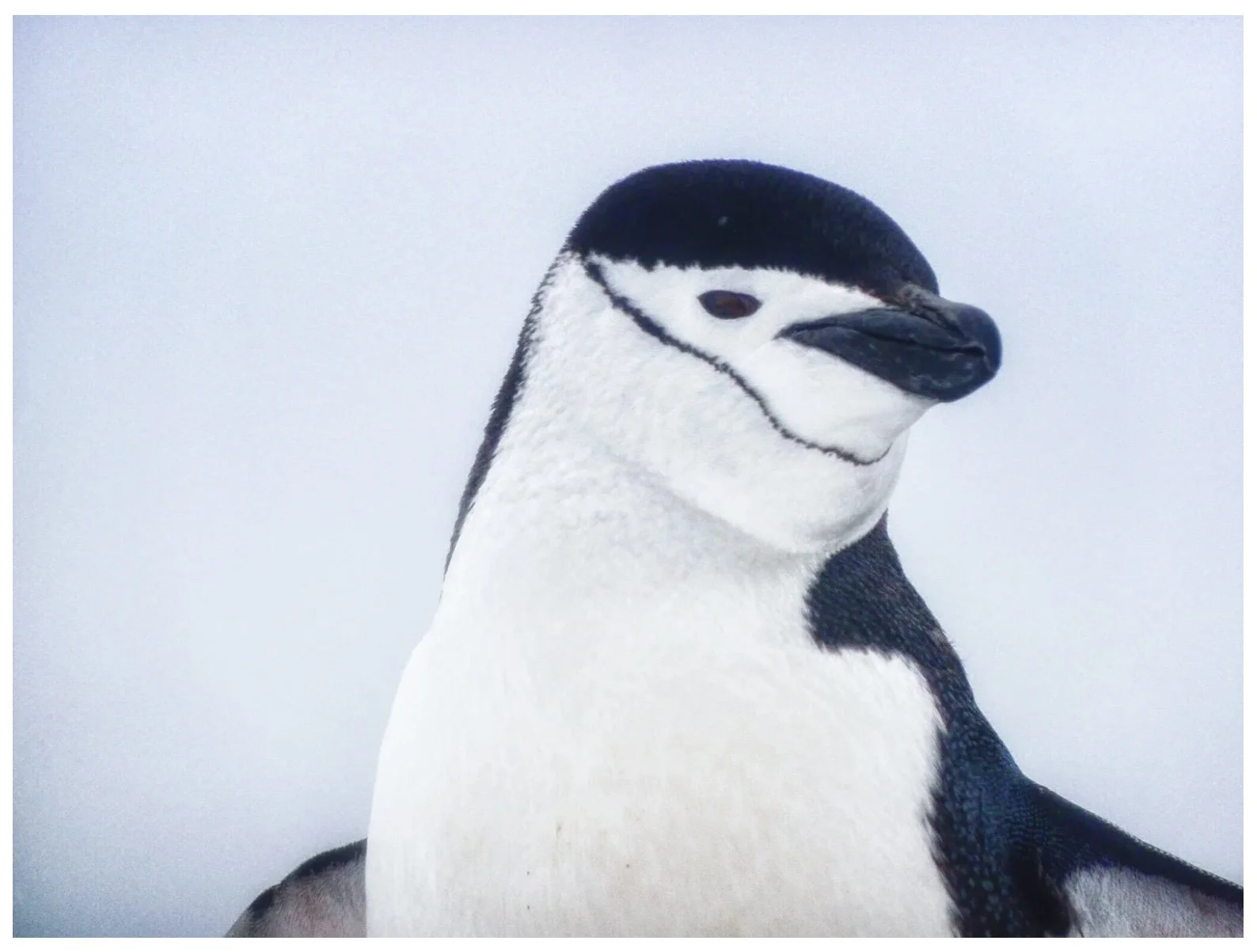
Chinstraps are the most expressive birds I have ever encountered, like spirited little actors with strong opinions about everything.
How to recognise them
A thin black “strap” running under the chin
Sharper features and sleeker build
Loud, dramatic calls
Where can you see them?
Often rocky slopes and islands in the Peninsula region.
Personality
Feisty. Vocal. Dramatic. When one chinstrap started yelling, the entire colony joined with full enthusiasm. Watching them interact is a comedy show itself.
Adélie Penguins (The Antarctic Icons)
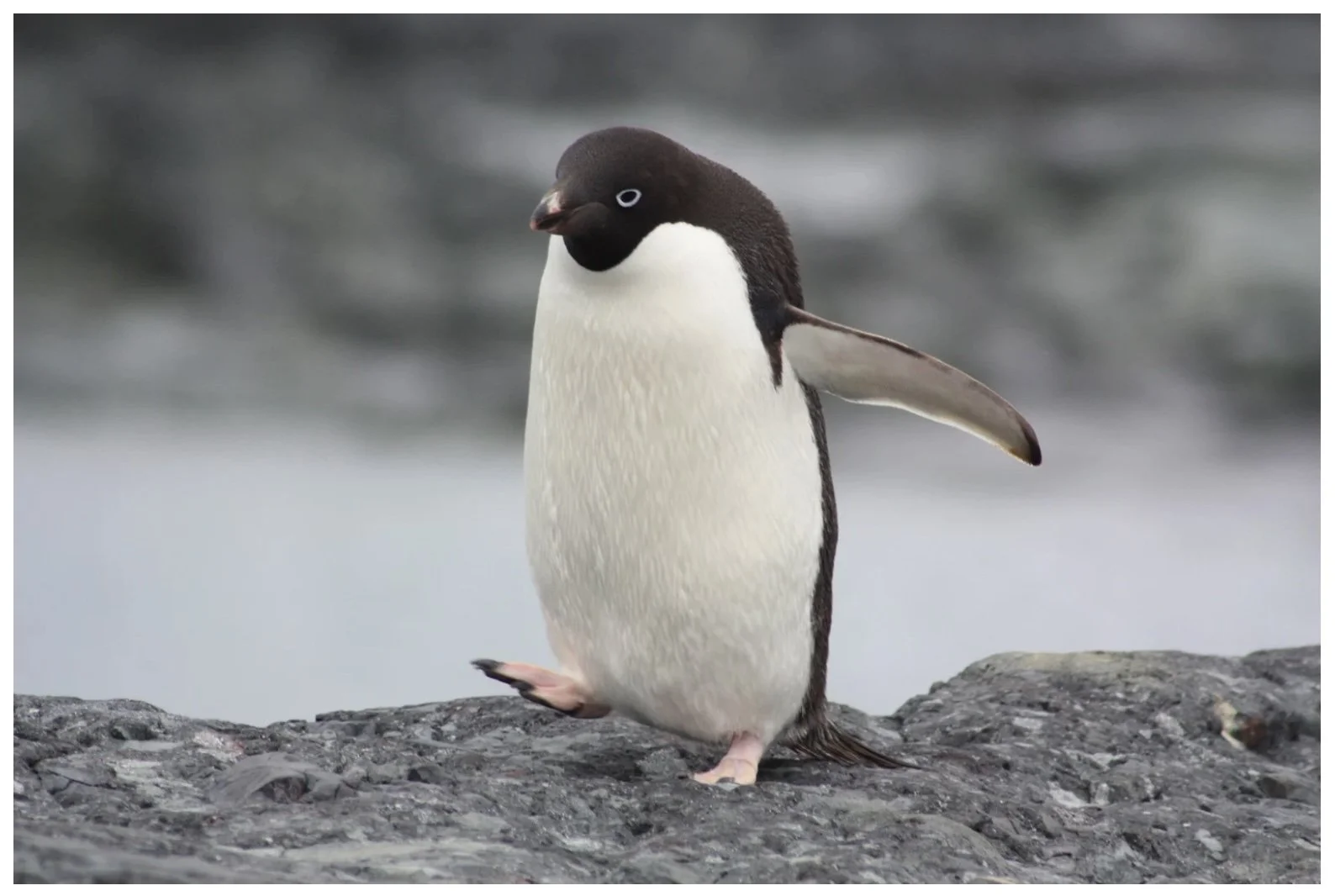
Adélies are the classic “Antarctica penguin”, pure black and white with beautiful white eye rings.
How to recognise them
Perfect tuxedo colouring
Distinct white eye-ring
Small and compact
Where you will see them
More southern parts of the Peninsula and continental Antarctica. They prefer colder, harsher regions.
Personality
Adélies are both adorable and determined. They move with purpose, travel in little lines, and are wonderful to watch as they navigate snow, ice and water.
Macaroni Penguins
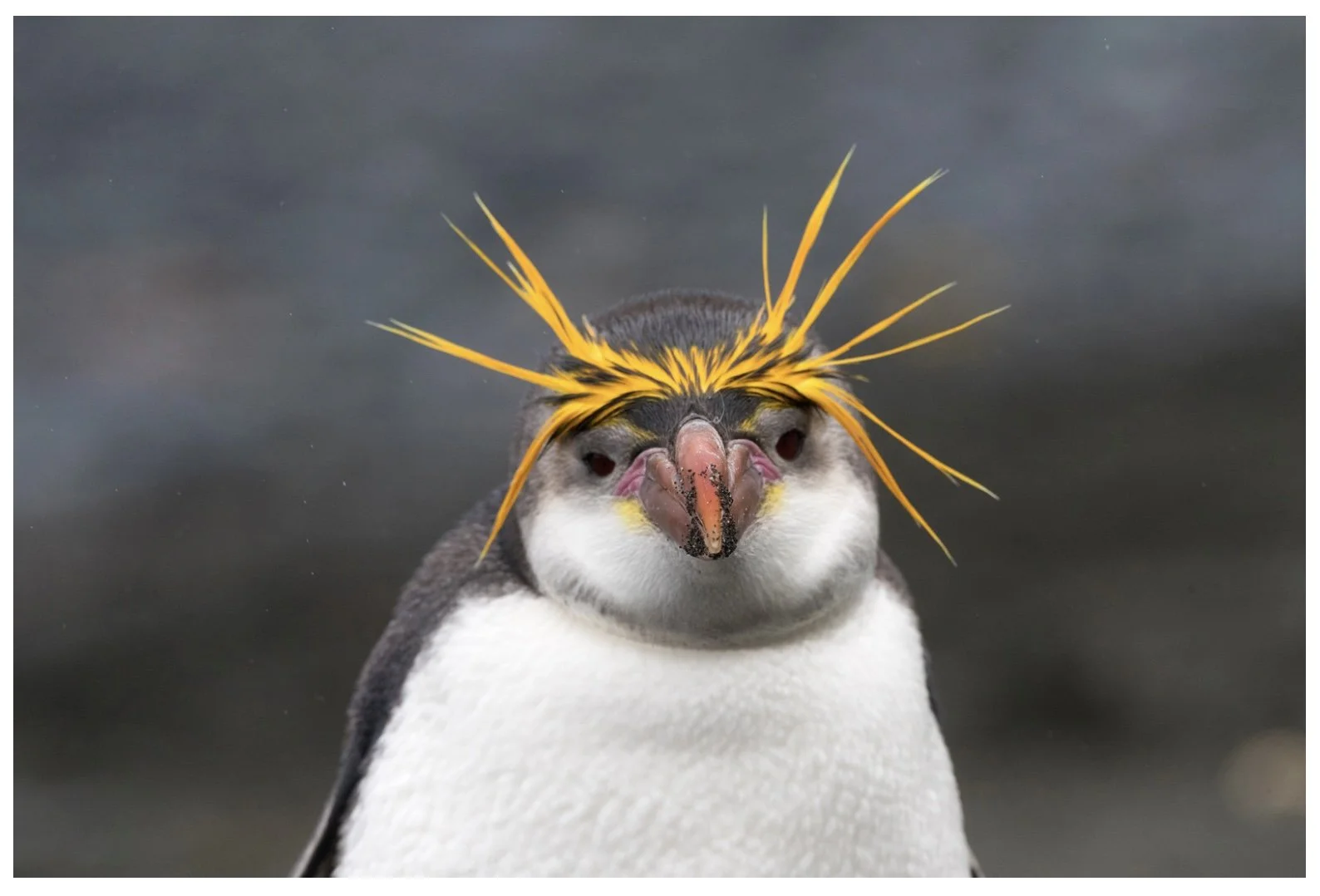
Macaronis are not commonly seen on a classic Peninsula itinerary, but worth mentioning because they are spectacular.
How to recognise them
Bright yellow “eyebrow” crests
Spiky, expressive feathers
A slightly punk-rock appearance
Where you’ll see them
Most often around South Georgia and the sub-Antarctic islands. If you spot one in Antarctica proper, consider yourself exceptionally lucky.
King Penguins (Majestic and Almost Royal)
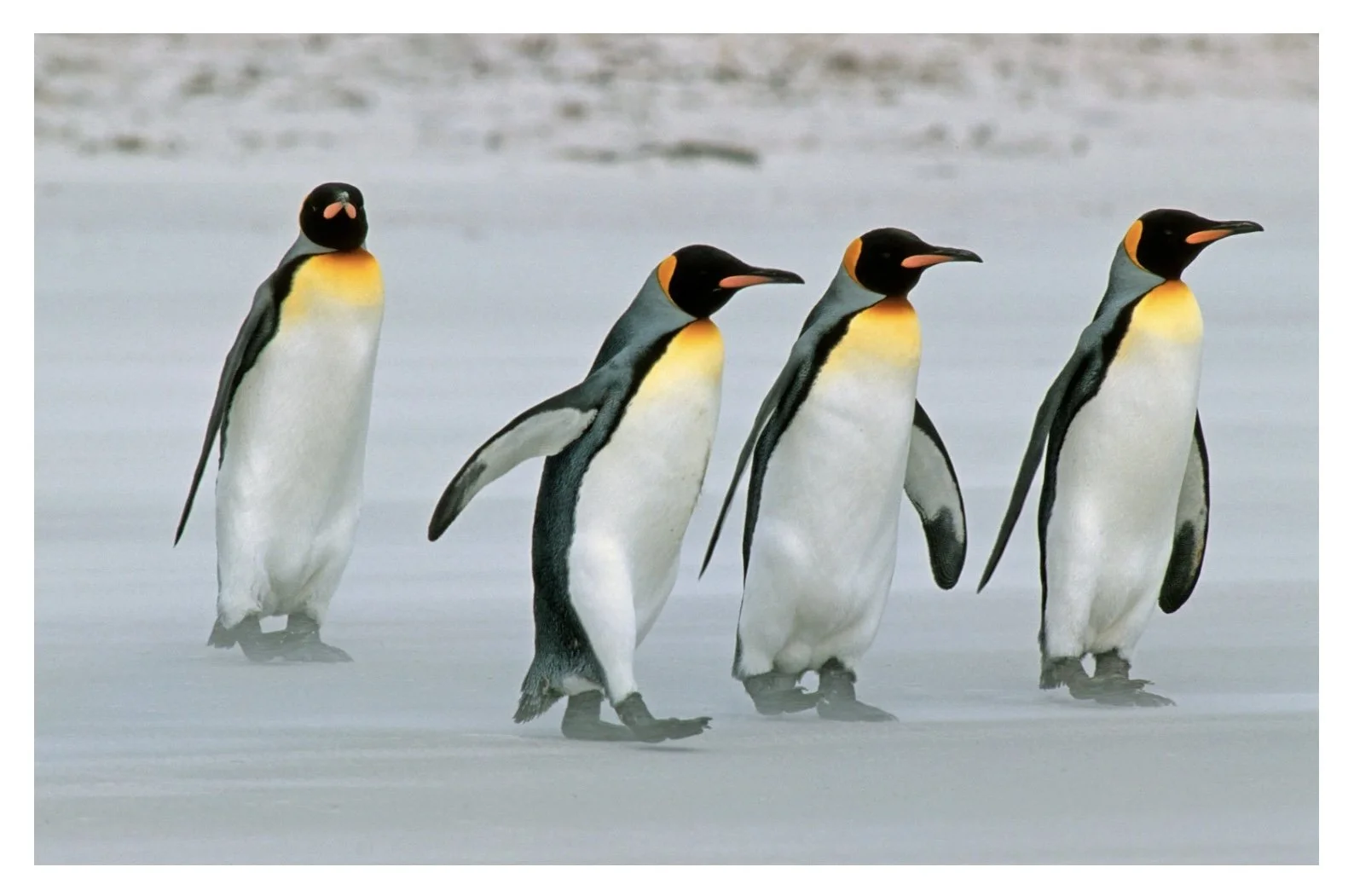
Technically not a species you will see in mainland Antarctica, but many travellers (including HX guests) combine their journey with South Georgia, where King penguins form some of the largest penguin colonies on Earth.
How to recognise them
Tall, elegant, nearly 1 metre in height
Orange-gold patches on the neck
Smooth silver-grey back
Where you’ll see them
South Georgia, the Falklands, and other sub-Antarctic islands.
Experience
Standing among thousands of King penguins is life-changing. Their calls echo across the valley like an orchestra.
Emperor Penguins: Why You Won’t See Them
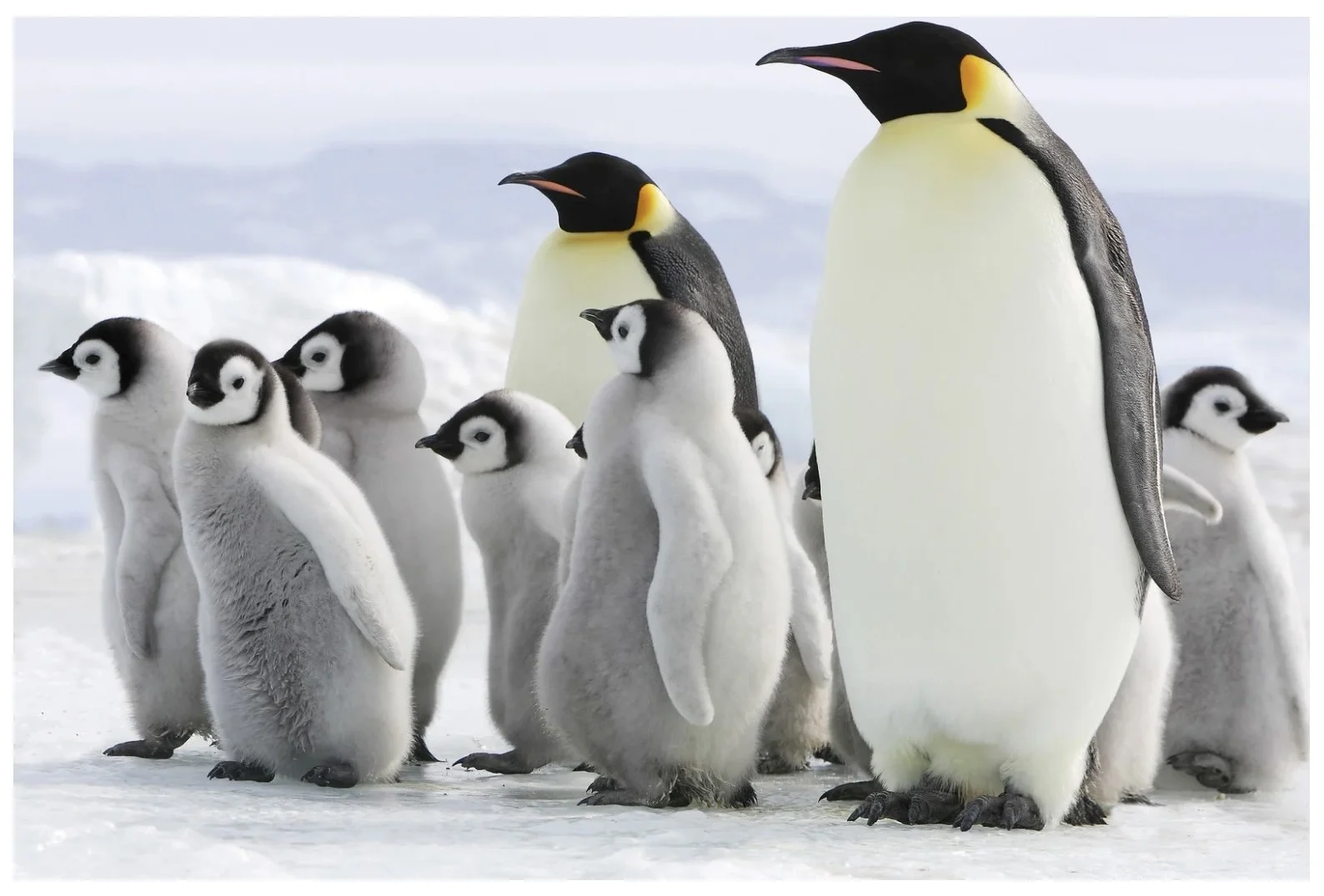
Although Emperor Penguins are iconic symbols of Antarctica, you won’t encounter them on standard expedition cruises to the peninsula. Here’s why:
Emperor penguins breed far inland on stable sea-ice during the harsh Antarctic winter, often hundreds of kilometres from open water and ship routes.
Accessing their colonies requires specialised logistics, helicopter drops, ice-breaker support and extreme weather windows, none of which are a part of the regular cruise itineraries.
That’s why your visual experience will focus on Gentoos, Adélies and Chinstraps, which live on coastal islands and sea-edges accessible in summer.
Did You Know? Amazing Penguin Facts
There are 18 penguin species in the world
Only 7 of them live in Antarctica. The rest is found in Australia, New Zealand, South Africa, Namibia, Chile, Argentina, and even Ecuador (home to the Galapagos penguin).
Penguins do not mate for life
Many species are “serially monogamous”, meaning one partner per season, not a lifelong mate. Some species (like Emperor and Gentoo) may reunite with the same partner, but it’s not guaranteed.
Penguins are birds, but they cannot fly
Their wings have evolved into stiff flippers, designed for swimming rather than flight.
Penguins are incredibly fast swimmers
Larger species reach speeds of 20-36 km/h (12-22mph) underwater.
Most penguin species don’t live in freezing climates
Antarctica is the exception. Many penguins live on beaches in warm temperate regions.
Penguins have excellent underwater vision
Their eyes are adapted for low light and murky water, helping them hunt with precision.
Penguins spend 50-75 per cent of their lives in water
They return to land mainly to rest, breed and moult.
Penguins have natural camouflage
Their black and white belly creates “counter-shading”, helping them stay hidden from predators and prey in water.
Penguins moult all at once
This is called a catastrophic moult. For 2-3 weeks, they can’t swim and must fast while they replace every feather.
Penguins communicate constantly
Each penguin has a unique call that partners and chicks recognise even in huge noisy colonies.
Penguins can drink saltwater
They have a special gland above their eyes that filters out salt, allowing them to stay hydrated at sea.
Penguins have knees, they're just hidden.
Penguins do have knees, but they are not visible because their upper legs (the femur) sit high up inside their body under a thick layer of feathers. What you see as their short, waddling legs is only the lower part. Their hidden knees actually help them swim powerfully underwater.
Antarctic penguins are not afraid of humans.
They don’t have land predators in Antarctica, so they are naturally curious. Humans must still keep a distance for the penguins’ safety.
Most Antarctic penguins rely heavily on krill
Changes in sea ice and krill availability directly affect penguin populations.
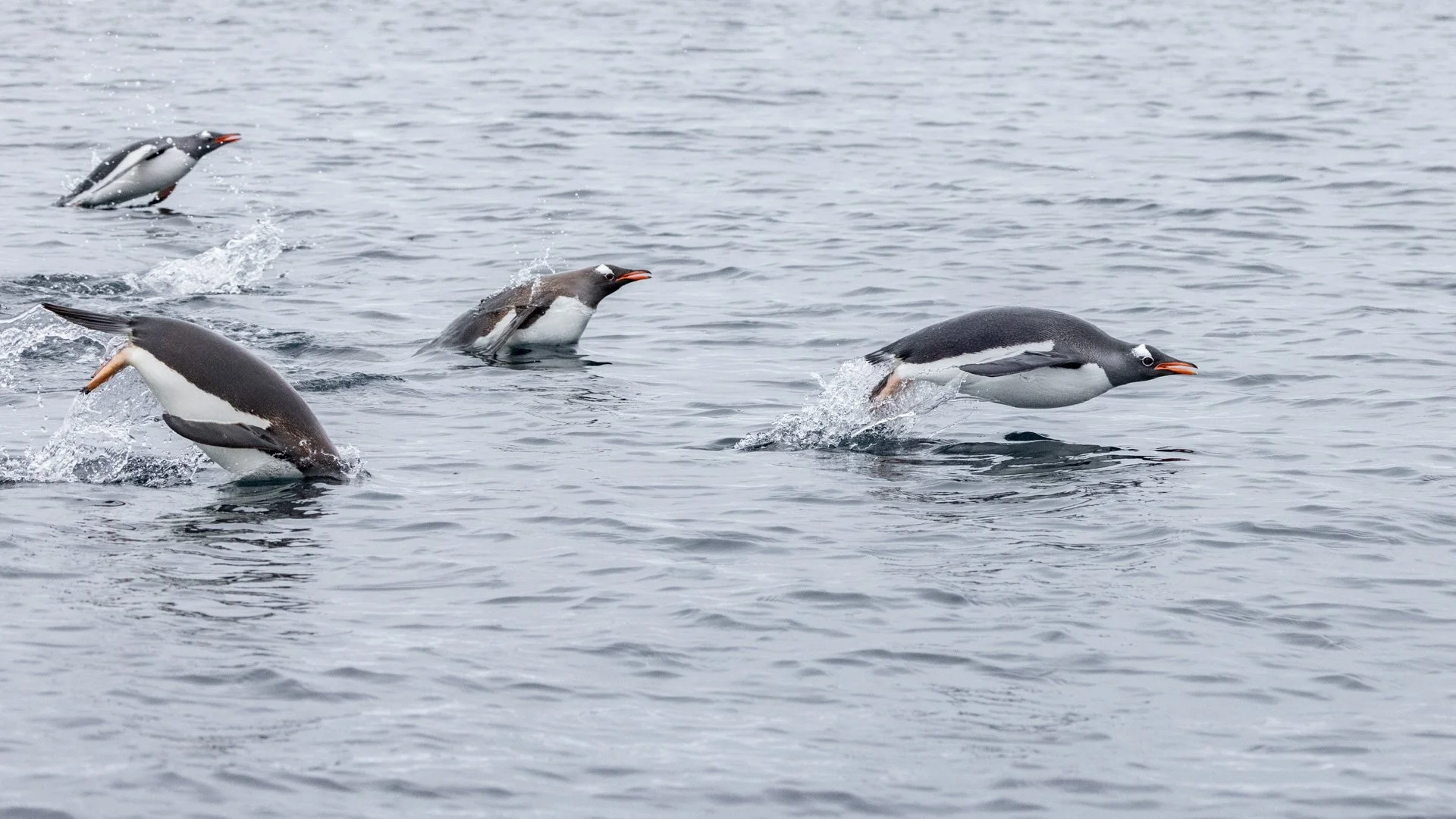
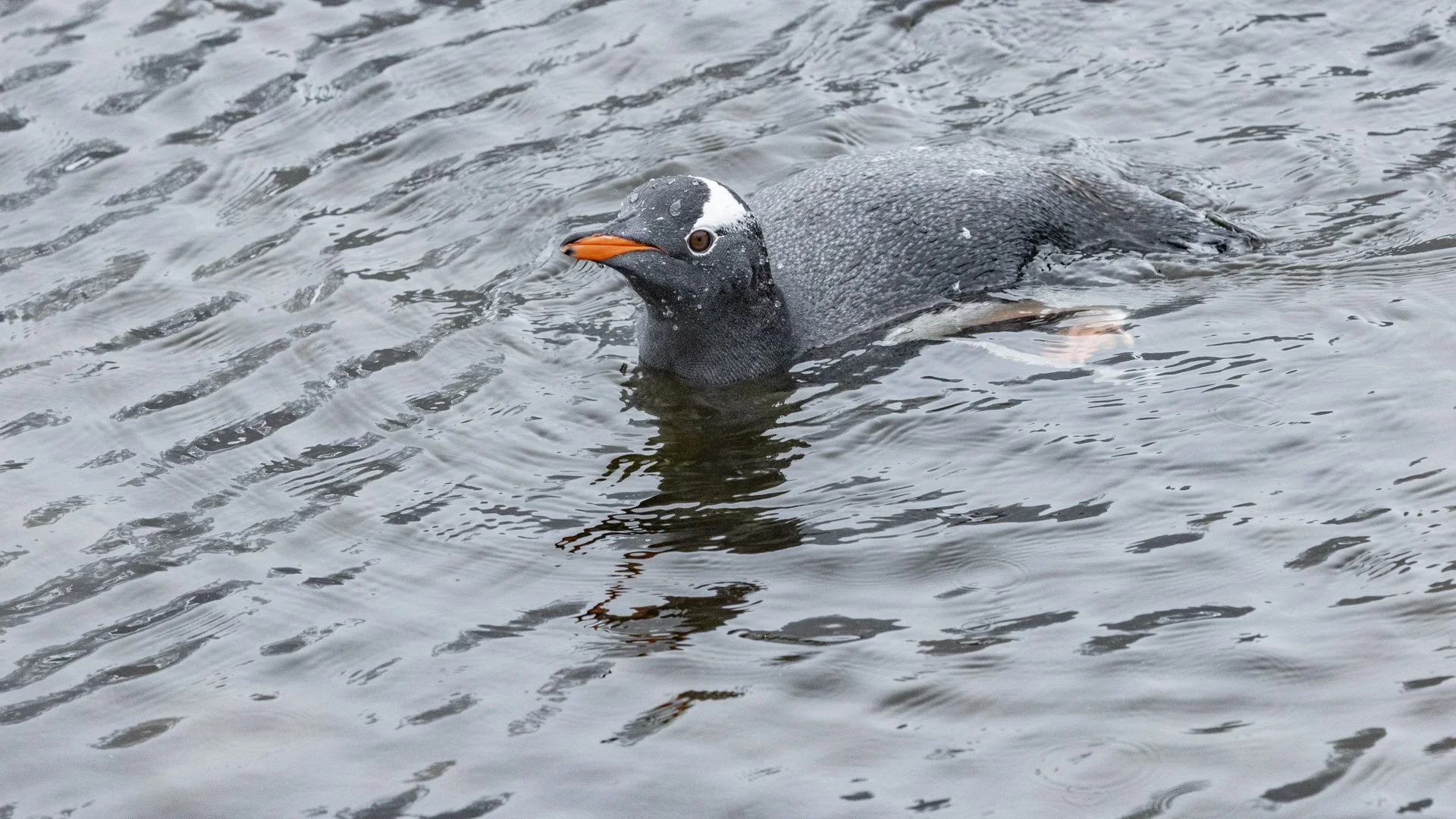
Gentoo penguins hunting in the water.
How to Behave Around Penguins (IAATO Guidelines)
Antarctica is strictly protected to preserve wildlife, so all visitors must follow the same rules:
Stay 5 metres away from penguins (they may come closer on their own).
Never block their path, especially penguin highways (yes, they walk in highways!)
Do not sit or kneel on snow near the colony; this can disturb nests.
Keep your backpack closed so penguins don’t investigate it.
Clean boots and gear before each landing to avoid cross-contamination.
Despite the rules, penguins are naturally curious. If you stand still and give them space, they may come closer just to inspect you.
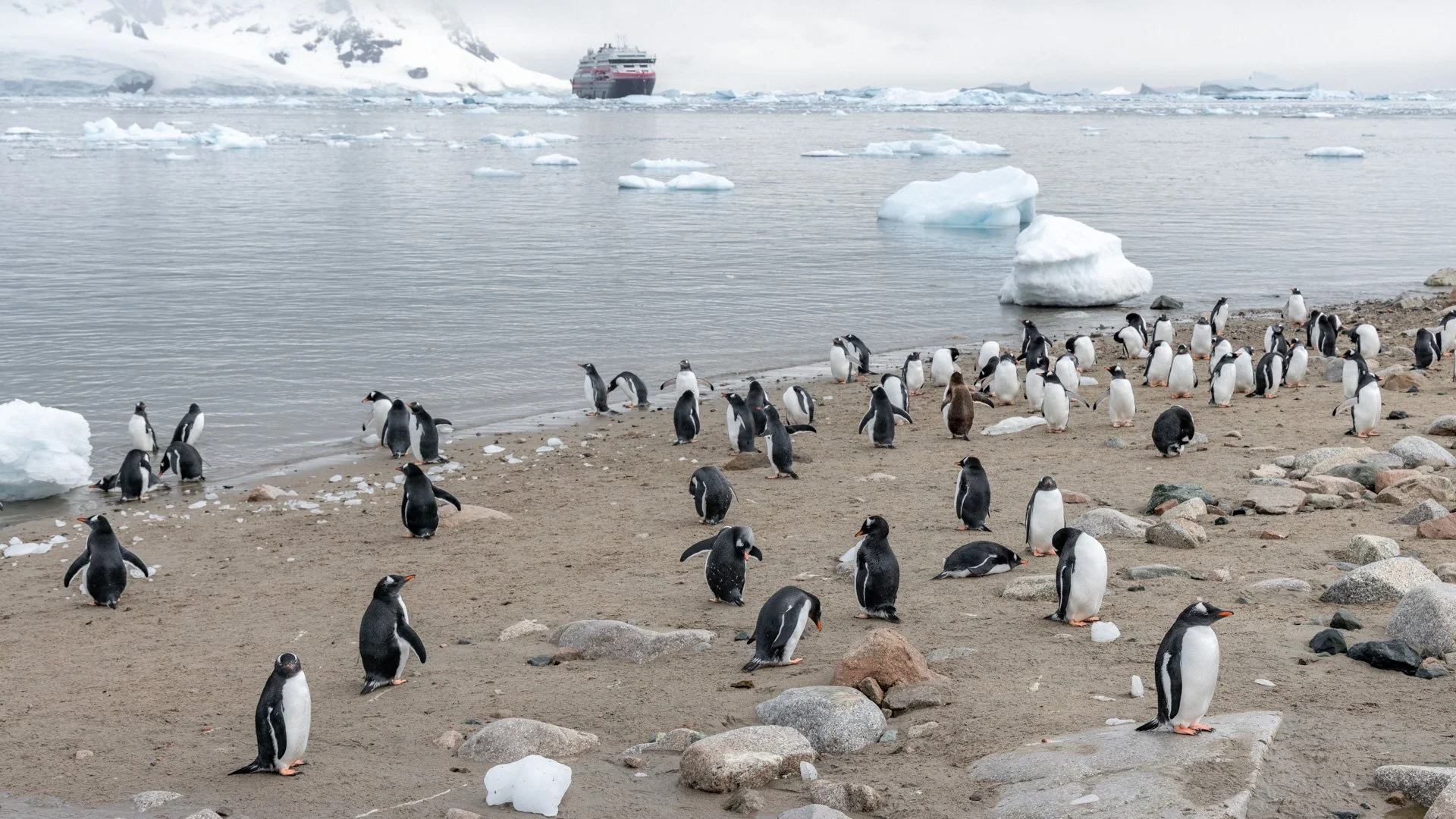
A busy Gentoo colony on the Antarctic Peninsula during the summer.
When is the Best Time to See Penguins in Antarctica?
November: Courtship, nest building, lots of snow, very photogenic early-season landscape.
December - January: Peak chick season, very active colonies, warmer weather, longer daylight hours.
February - March: Juveniles learning to swim, more open water, fewer chicks, but great whale sightings
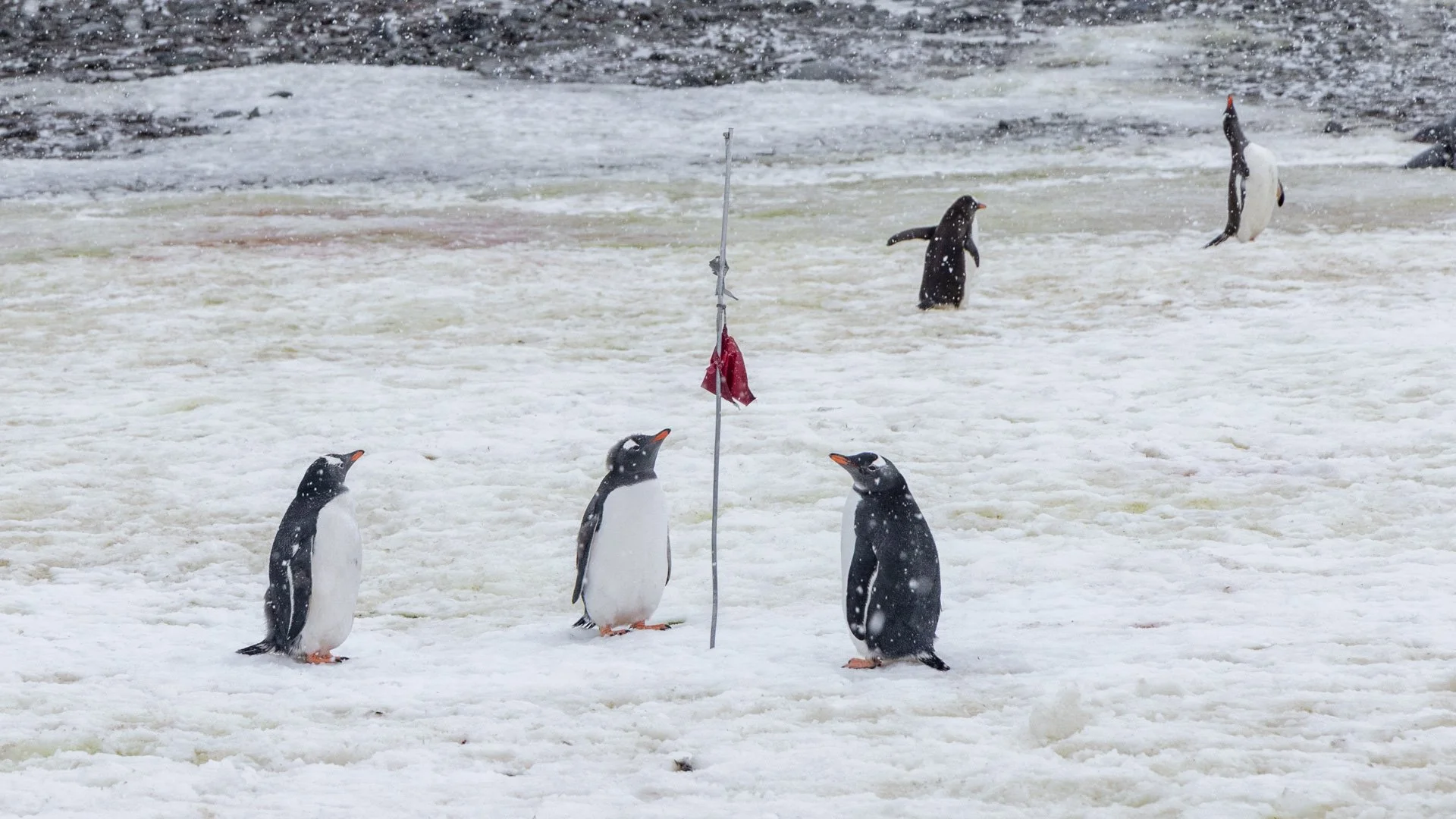
Photographing Penguins
Hold your camera low to get eye-level shots
Ust burst mode for movement
Bring extra batteries (cold drains them faster)
Wipe your lens often (Penguin colonies can be dusty or snowy)
Stay still and let the penguins move naturally
The best photos come from patience!
Final Thoughts
Penguins are the soul of Antarctica. Each species has its own charm, and the privilege of observing them in their natural habitat stays with you long after you’ve returned home. Whether you are dreaming of your first expedition or reminiscing on your own journey, learning about these birds only deepens your appreciation for the world’s wild places.
If you are planning a trip soon, you may also enjoy:
You May Also Like
→ What to Pack for Antarctica: A Practical Guide for Your HX Expedition
→ What It’s Like to Travel to Antarctica with HX: My Experience on MS Roald Amundsen
→ Antarctica Wildlife: What Animals You’ll See and When
→ Whales of Antarctica: A Complete Guide to the Species You’ll See
→ Seals of Antarctica: A Complete Guide to the Species You’ll see
→ Svalbard: The Ultimate Guide to the Arctic Frontier
→ What to Pack for Svalbard: The Complete Arctic Packing Guide