
What It’s Like to Travel to Antarctica with HX: My Experience on MS Roald Amundsen.
Before travelling to Antarctica with HX, I tried to imagine what the journey would feel like, the rhythm of the days, the landings, the wildlife encounters, the sea crossings, and life onboard. If you’re preparing for your own expedition, here’s a real and honest look at what the experience is like, step by step.
For a broader overview of polar destinations, expedition travel and preparation, see the Polar Travel guide.
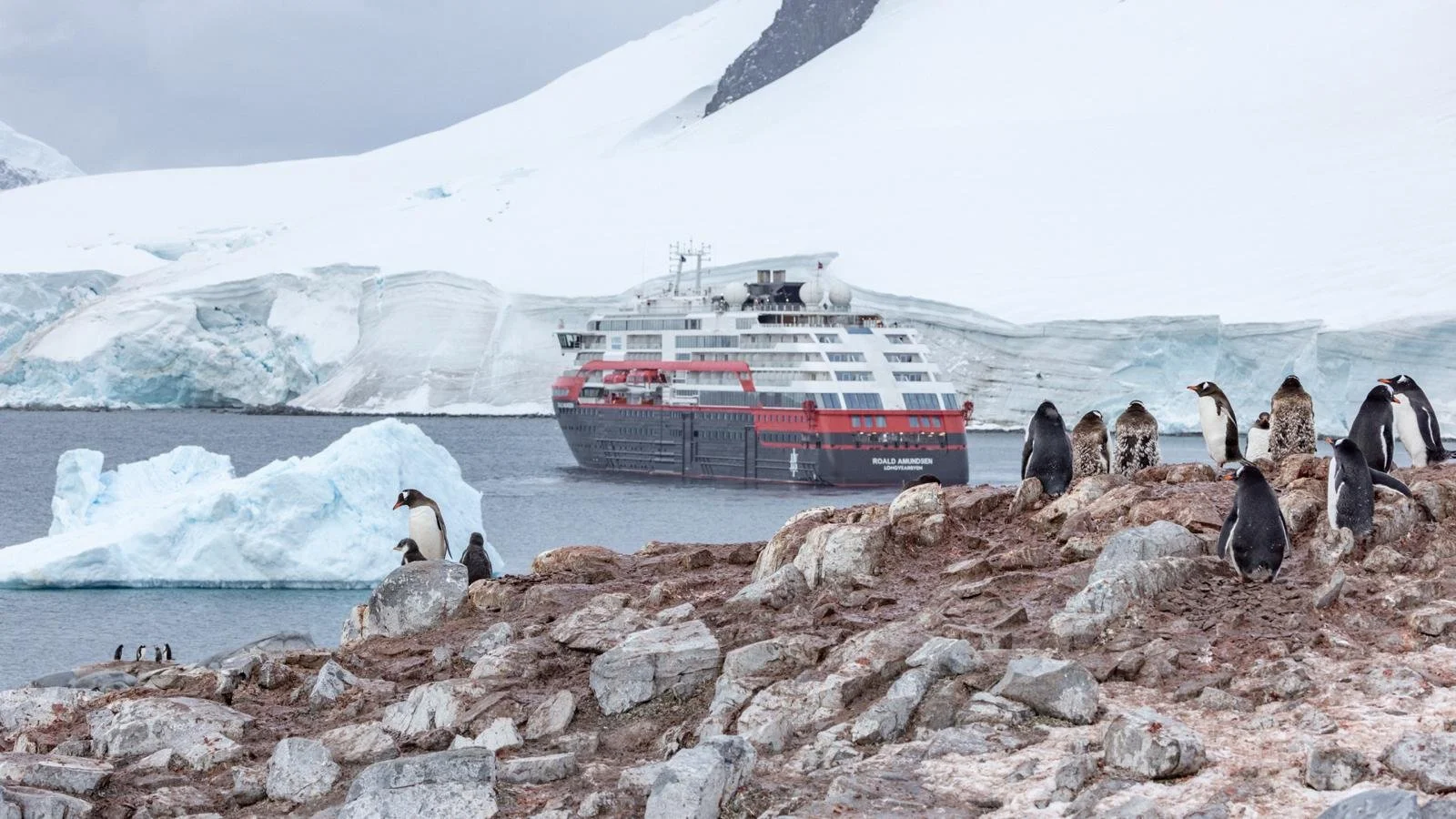
MS Roald Amundsen off the Antarctic Peninsula, surrounded by penguins.
Arrival in Buenos Aires & flight to Ushuaia
I flew into Buenos Aires from London with British Airways and stayed one night at the Hilton before the expedition flight to Ushuaia the next morning. HX organises the logistics, which makes it very smooth, including airport transfers, luggage handling, briefings, and the charter flight.
After landing in Ushuaia, we had some time to explore the town before boarding. Ushuaia is charming and raw at the same time; the “End of the World” feeling really hits you.
Embarkation & settling into life onboard
Once onboard MS Roald Amundsen, we checked in, were shown to our suite, and attended the mandatory safety briefing.
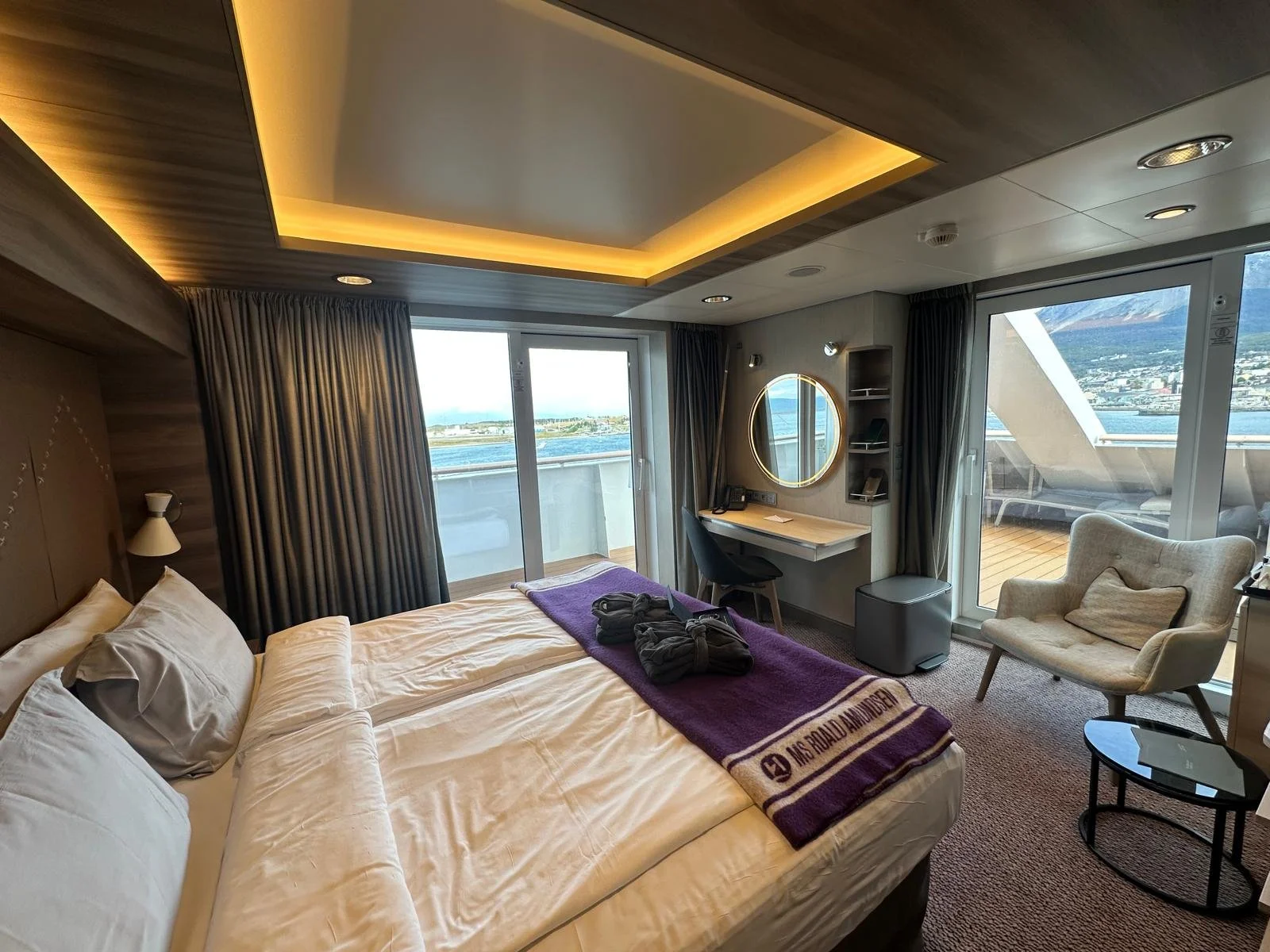
Our suite onboard Amundsen was very comfortable.
We stayed in a corner suite with a private hot tub on the balcony (Deck 9), highly recommend if you’re celebrating something or just want a truly special experience. Sitting in warm water with cold Antarctic air on your face and a wool beanie on? Magic.
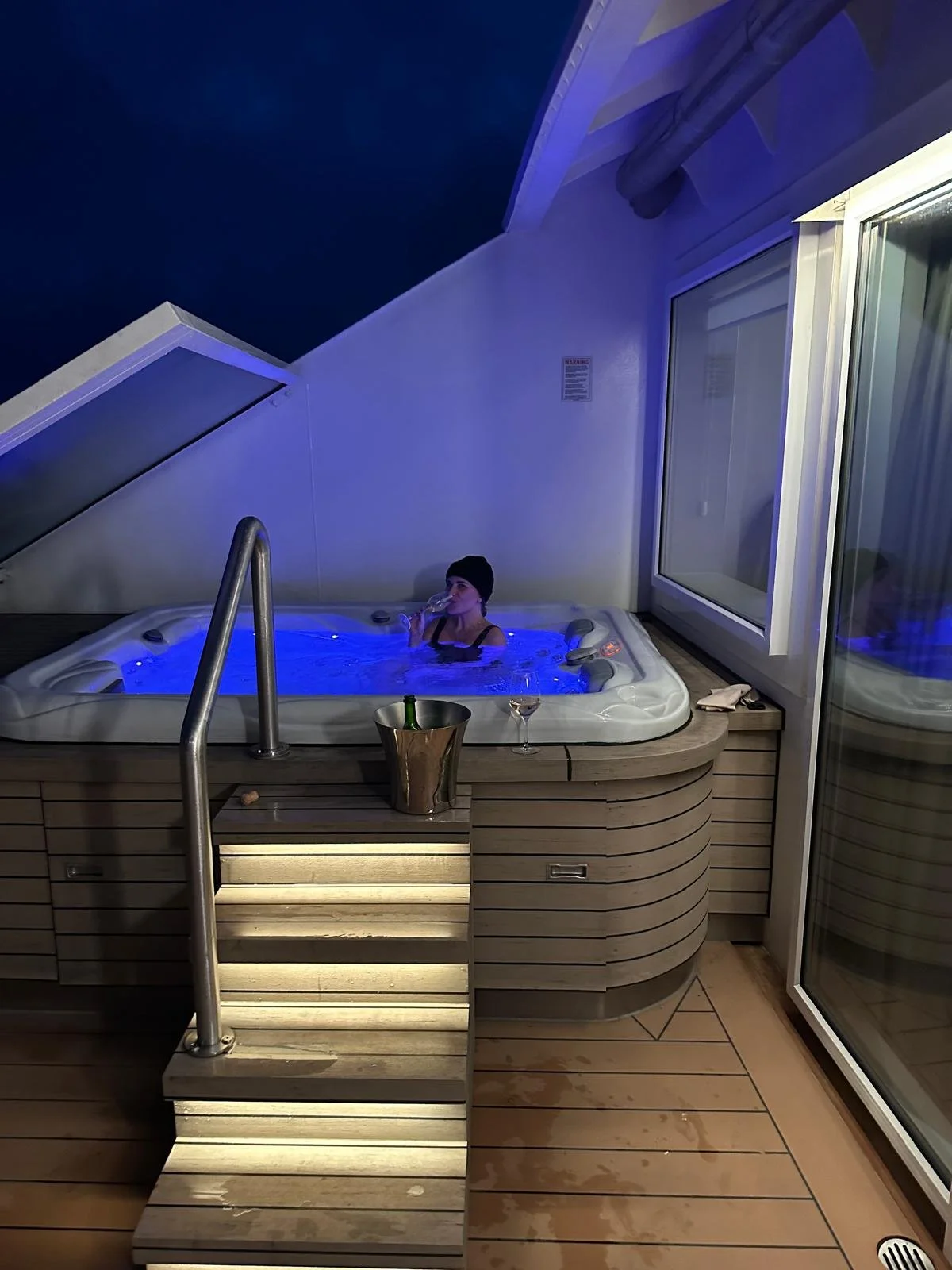
A glass of Champagne and the Antarctic horizon.
Dining onboard
There are three restaurants onboard:
Aune — main restaurant (buffet breakfast/lunch, seated dinner)
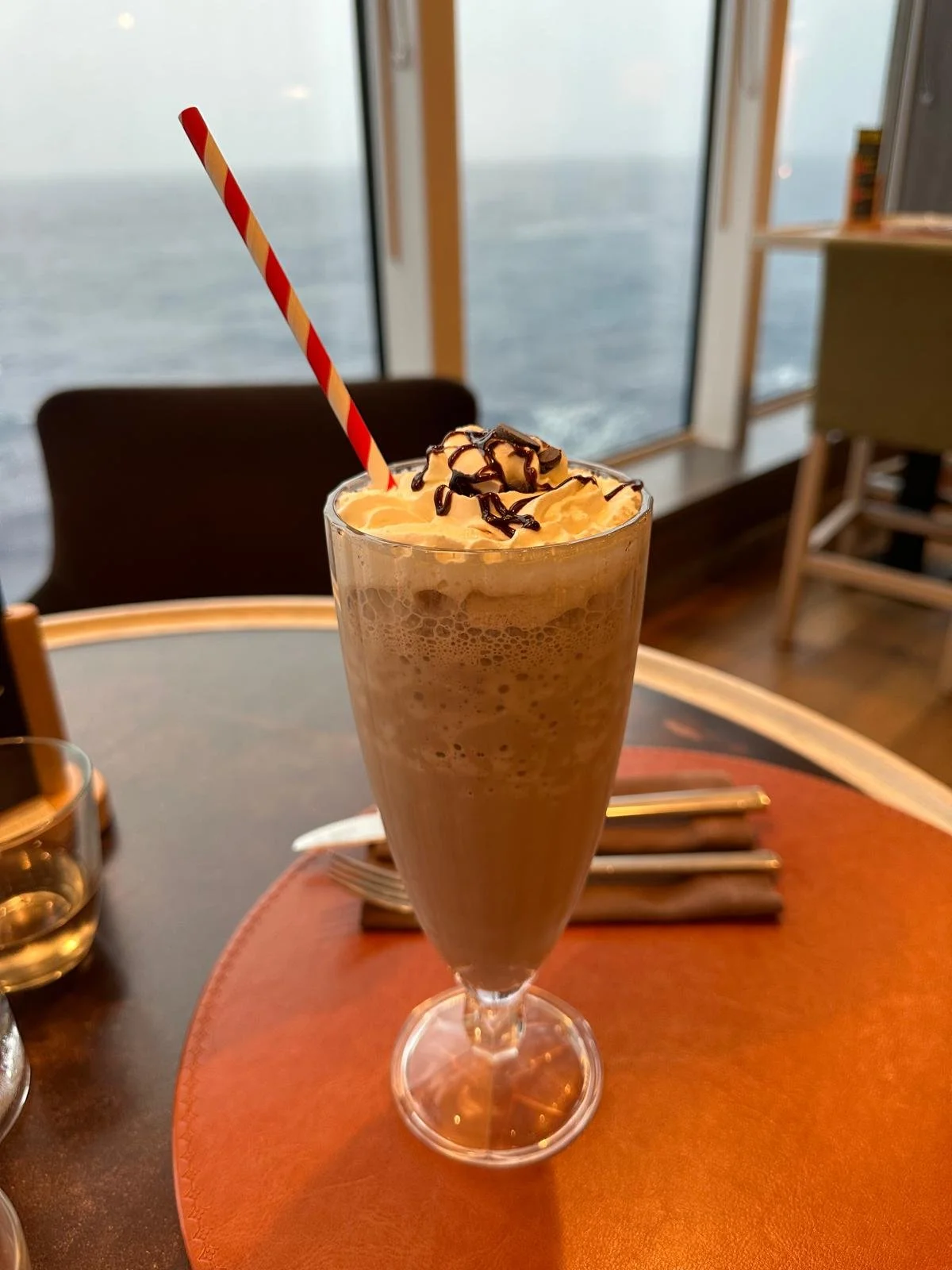
Fredheim — casual comfort (burgers, milkshakes, waffles)
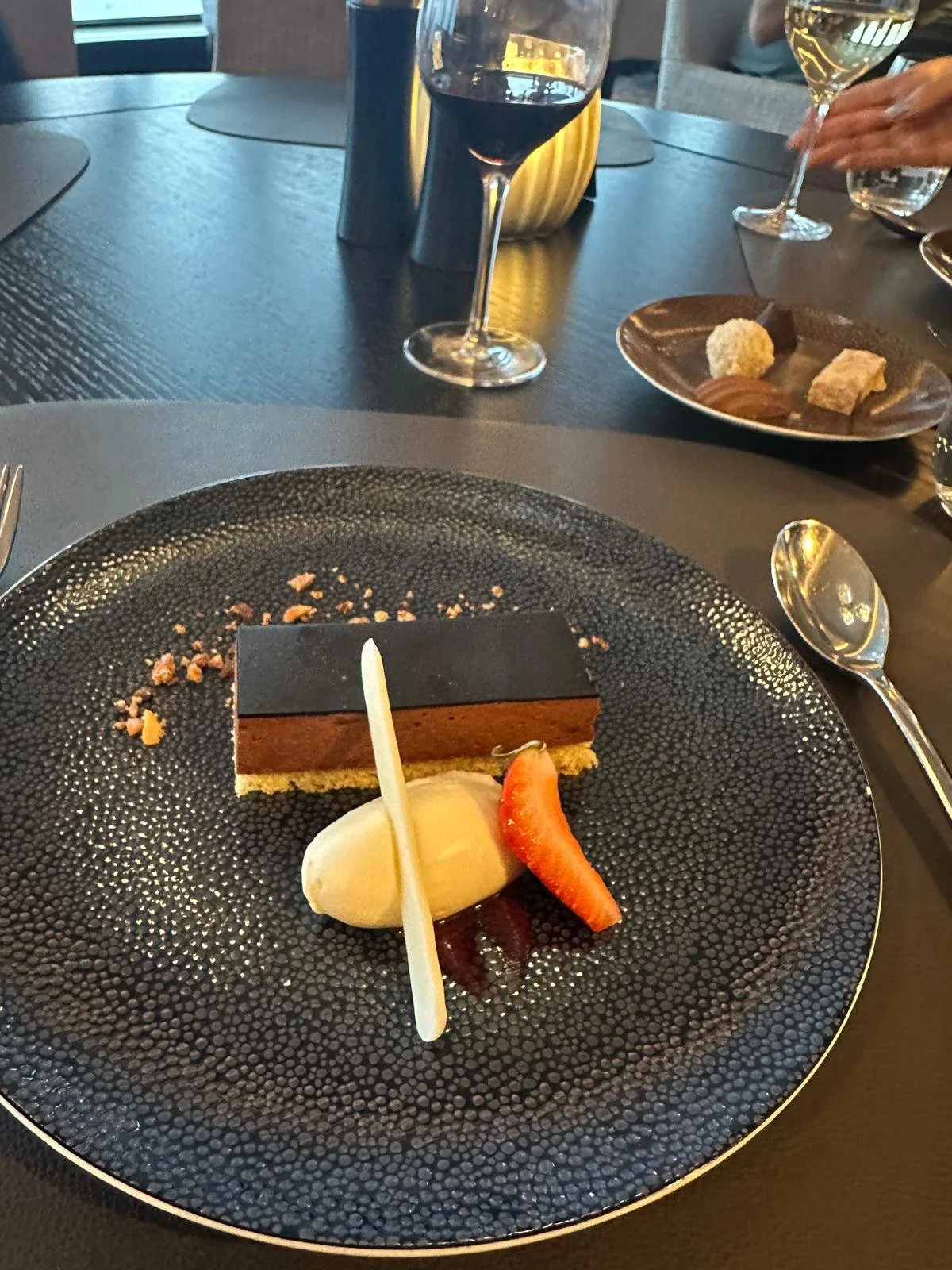
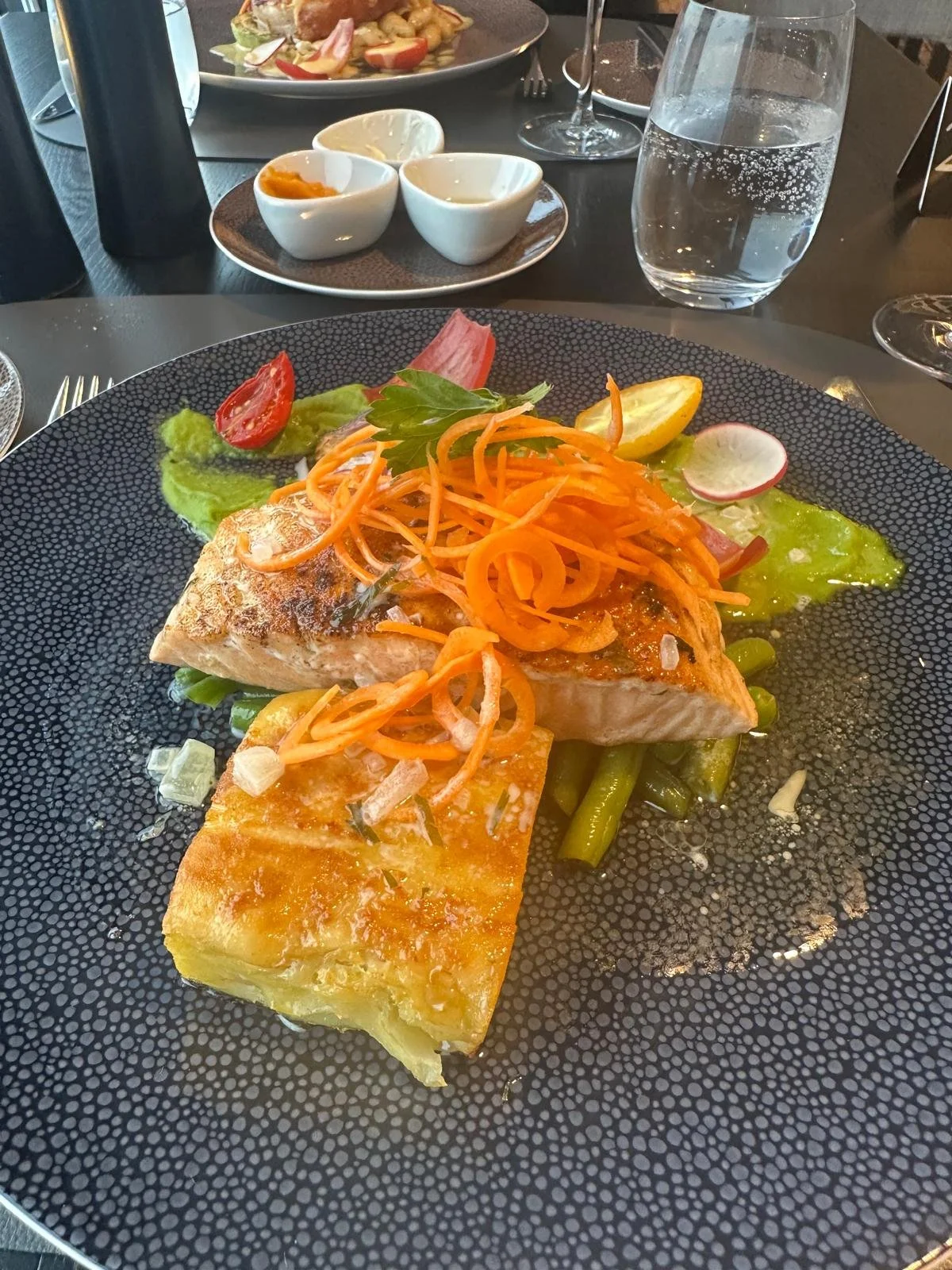
Lindstrøm — fine dining (included for suite guests)
We spent a lot of time in Lindstrøm. But all the restaurants were fantastic.
Service was excellent, the wine was beautiful, and the food consistently impressed. I can’t express enough how much I enjoyed all three venues.
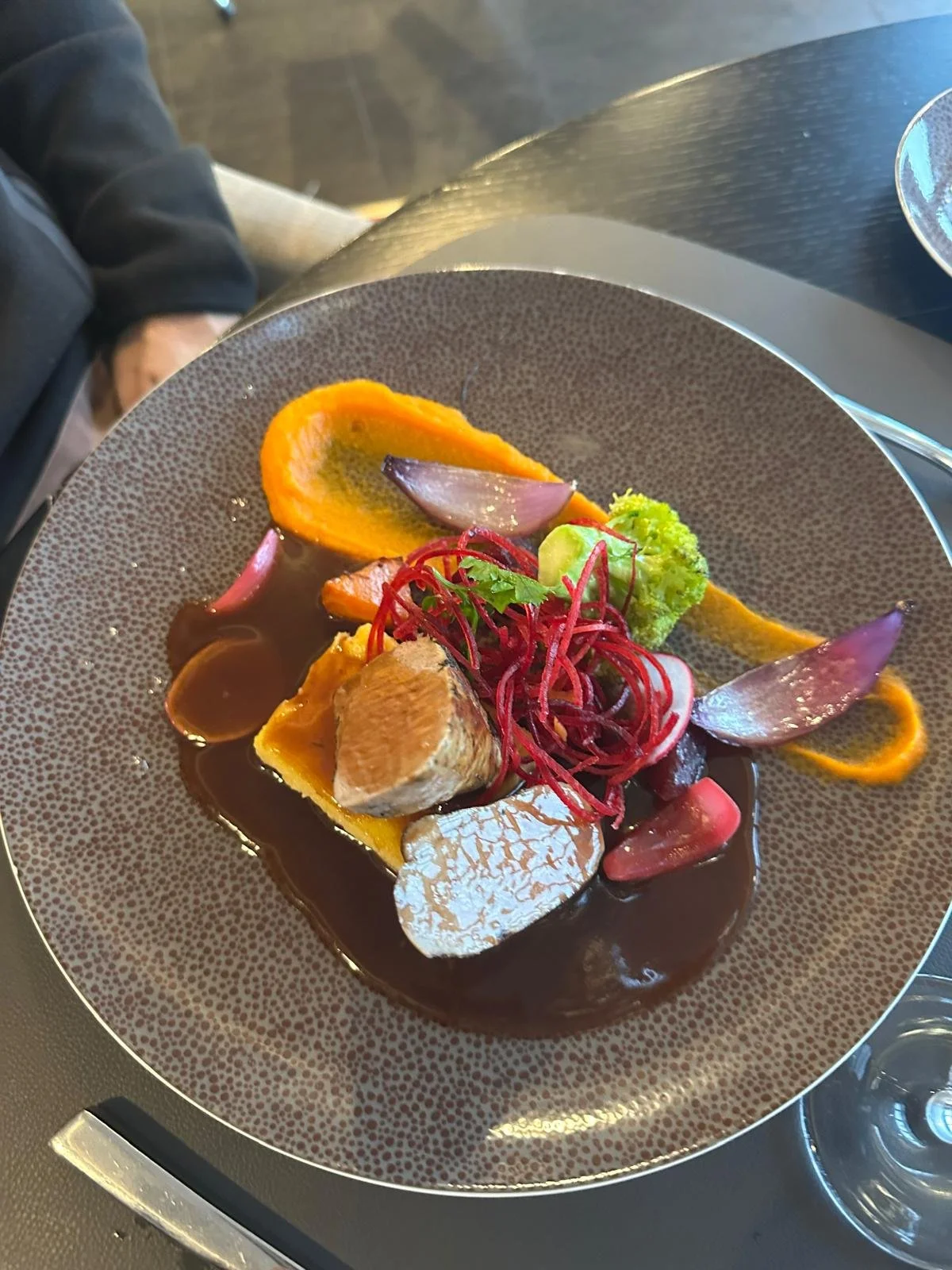
Comfort food one day, three-course meal the next. That balance felt perfect. Our first dinner was in Lindstrøm, and it set the tone beautifully.
The Drake Passage: adjusting to the sea
We sailed out through the Beagle Channel and into the Drake Passage overnight. (The crossing over Drake’s passage takes 2 days).
Even though the waves were only around 4–5 metres (not the famous Drake's shake!), the first night felt intense, probably because we were tired from travel.
A tip from the Hotel Manager:
You feel seasickness more when you’re exhausted.
What helped us:
Motion sickness tablets
Sea-bands
Eating (counter-intuitive, but it works)
Things that didn’t help:
Leaving loose items out in the cabin. I learned quickly to secure everything before bed.
By the second night, we were used to the motion and slept well.
Life at sea: lectures, wildlife & the first excitement
During Drake days, you ease into expedition life:
Intro lectures from the expedition team
Science briefings
Wildlife spotting from the deck
Bottle decorating workshop (you receive a reusable bottle and can decorate it; it was an unexpectedly charming and enjoyable activity)
Gentle movement (the gym is beautiful, but not the easiest in rough seas. I tried doing some yoga and wobbled, laughed, stretched and accepted defeat)
And of course, many coffees and teas during the day, watching the ocean from warm lounges or our balcony, wrapped in wool layers.
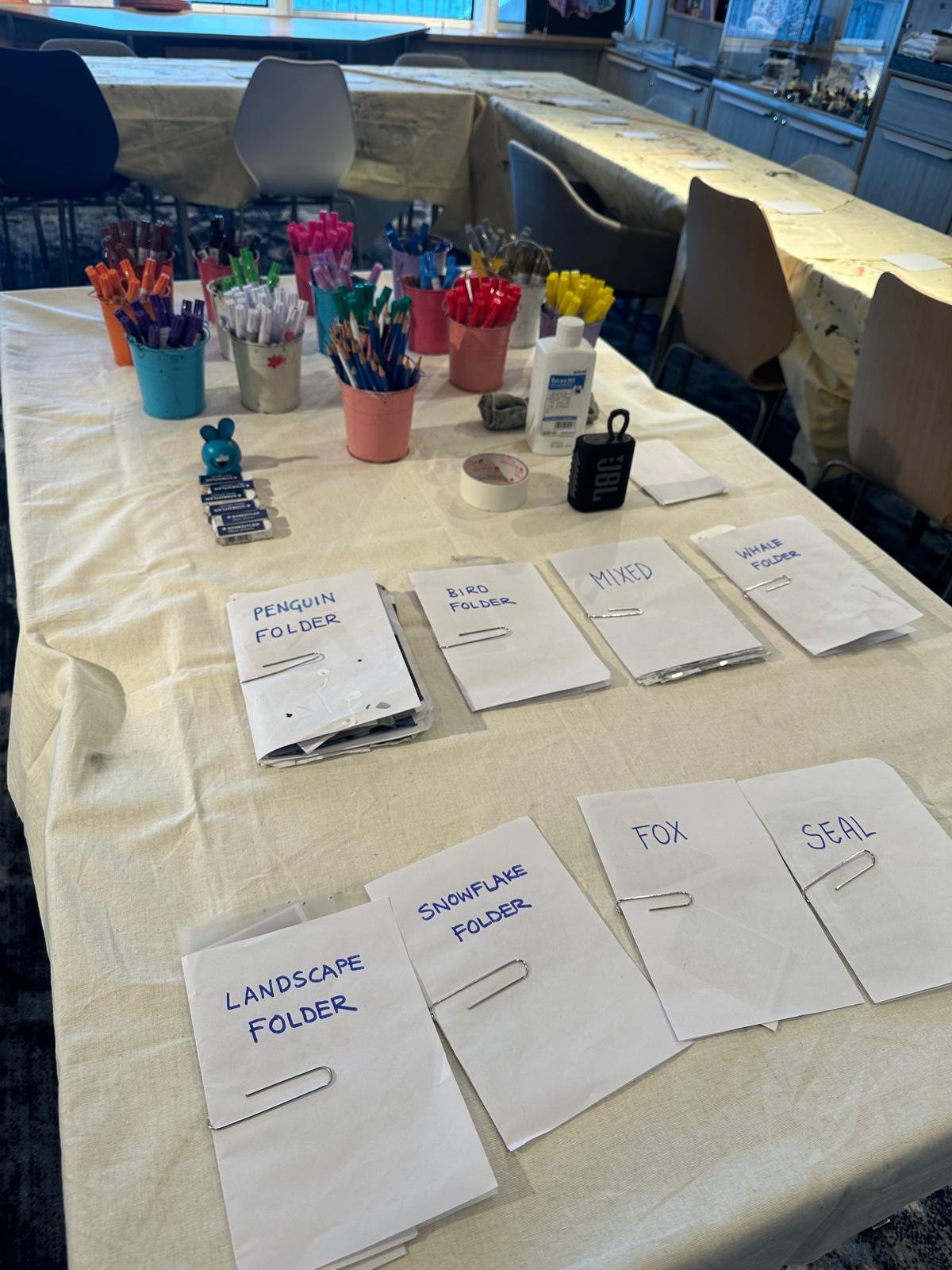
The creative studio is located in the science centre, where guests can turn Antarctic memories into art!
Life onboard MS Roald Amundsen
Our voyage had over 400 guests on board, but I never once felt crowded. HX spaces out the dining times and excursion groups very well, so there were no queues, no chaos, and never that “big cruise ship” feeling.
There is always something to do:
Science lectures and history talks
Wildlife briefings
A creative studio (the bottle-decorating session was a surprisingly fun highlight)
A modern gym (I attempted a workout during Drake and quickly learned my balance limits)
Quiet lounges with panoramic windows
A knitting group, yes, there’s knitting onboard, and it was wonderful
Cabins are cleaned twice a day and are always spotless. The crew and expedition staff were consistently warm, knowledgeable, and calm.
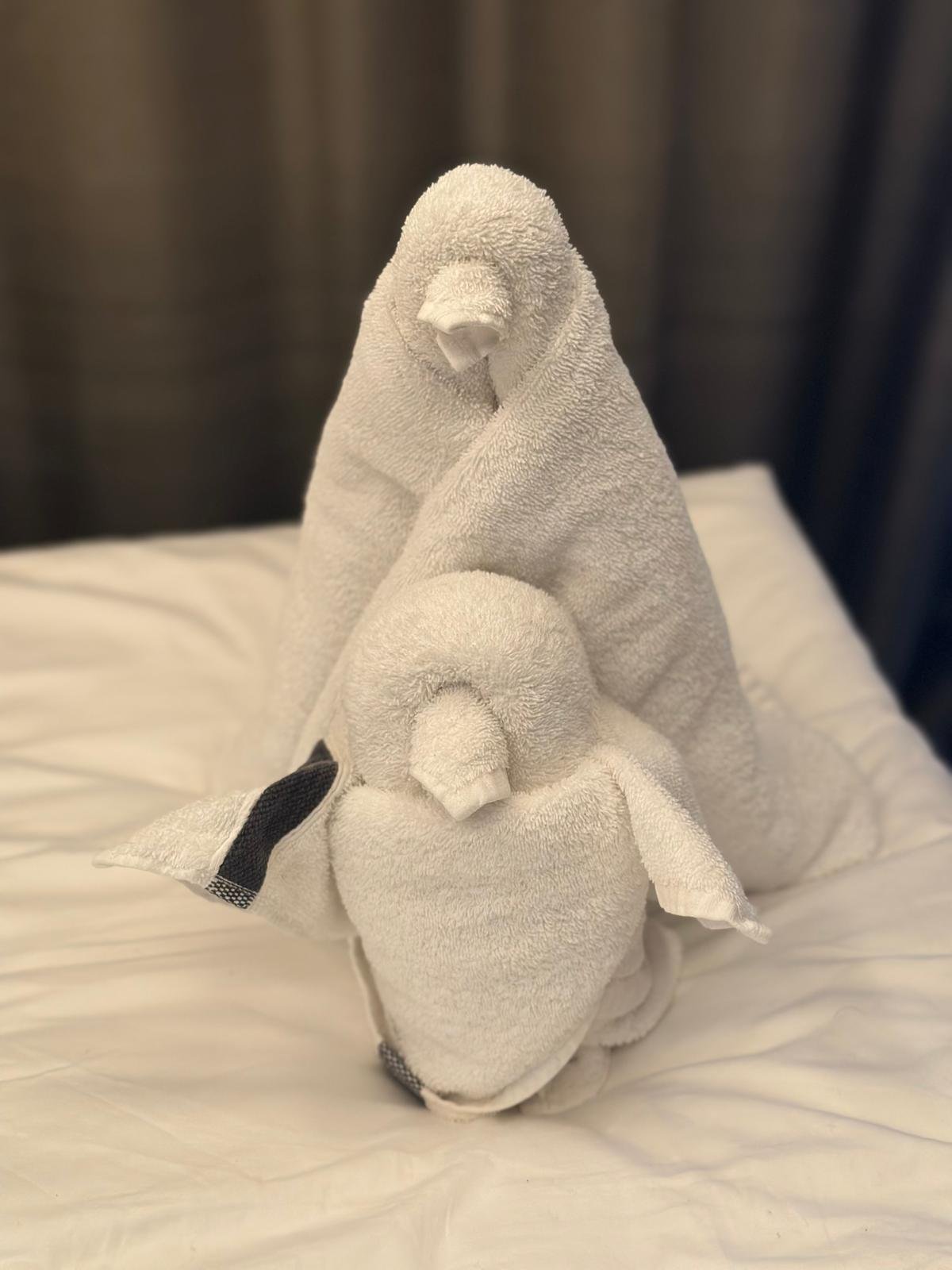
Beautifully maintained cabins thanks to the wonderful housekeeping team.
You also receive your expedition jacket (yours to keep) and expedition boots to borrow for the entire trip (provided for biosecurity reasons; you must use theirs). You can change the size if needed. I recommend extra space for thick socks.
Once you reach the Antarctic Peninsula, the rhythm shifts, and the world really opens.
Most days include:
1–2 zodiac excursions
Either a landing or a cruise among icebergs
Wildlife spotting
Time on deck or in the panorama lounge
HX also offers optional additions like kayaking, camping, and the polar plunge. These have limited spaces and need to be booked in advance. If they appeal to you, secure them early because they fill up fast.
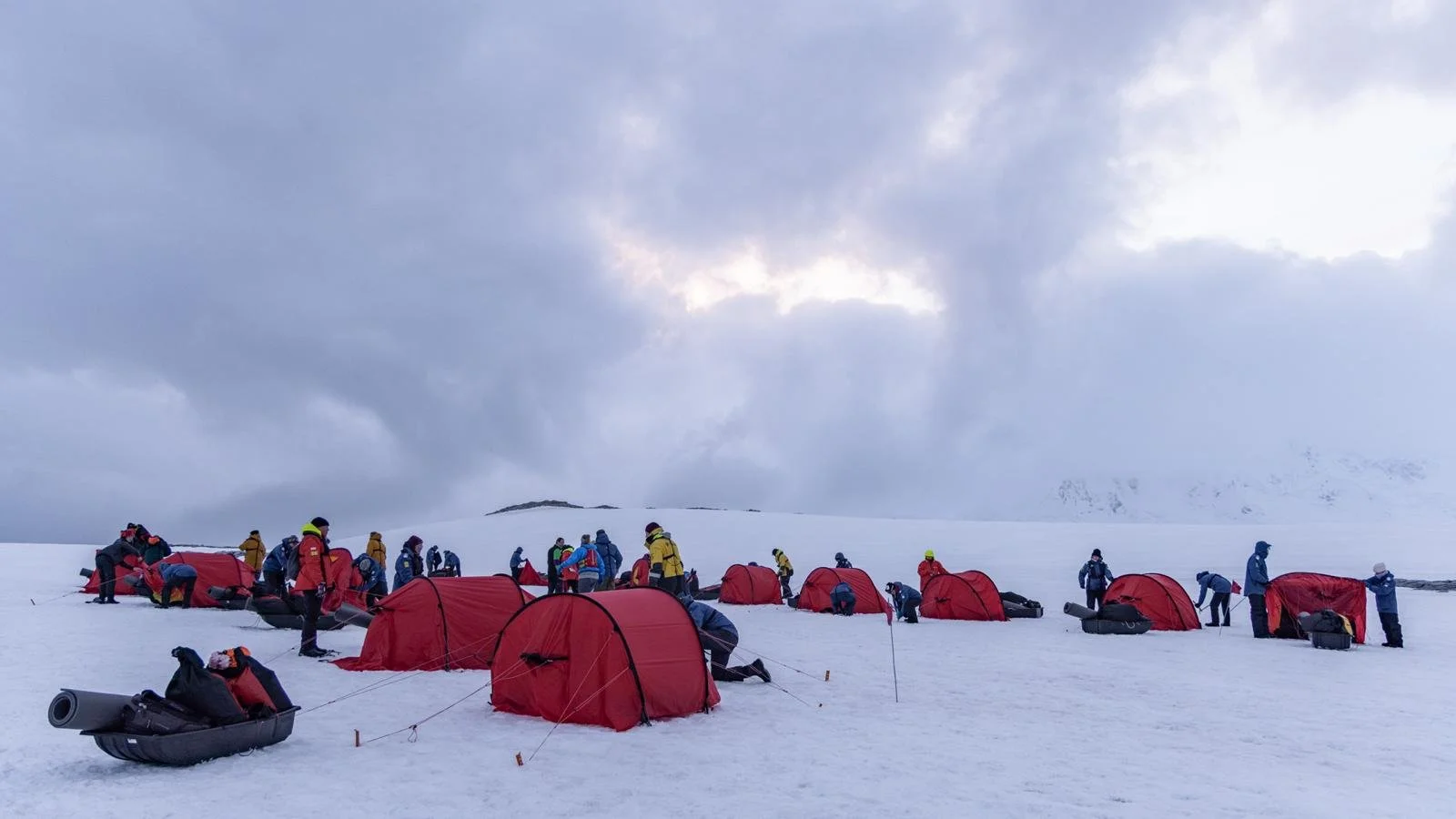
Sleeping under the Antarctic sky.
Arriving in Antarctica and wildlife moments.
Our first landing was one I’ll never forget.
We took the Zodiac ashore, and the air felt crisp and clean.
I had massively overdressed, proper Norwegian style, with wool and down in several layers, expecting brutal cold. In reality, it was around 0°C and much milder than I imagined. I was WAY too warm. (BUT I did enjoy all the layers for spending time out on deck when the ship was moving, due to the wind.)
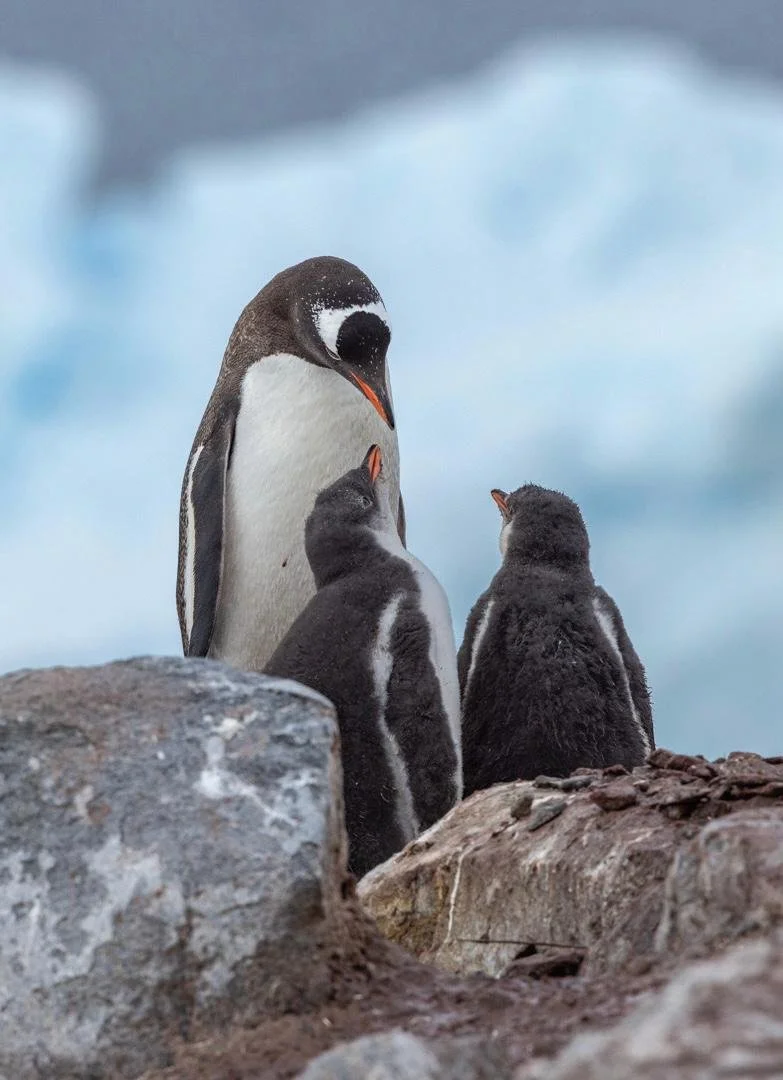
And then… the penguins!
They are everywhere, curious and unafraid.
You keep a distance for their sake, but they will happily walk towards you and go about their little lives, completely unconcerned with humans. It is impossible not to smile.
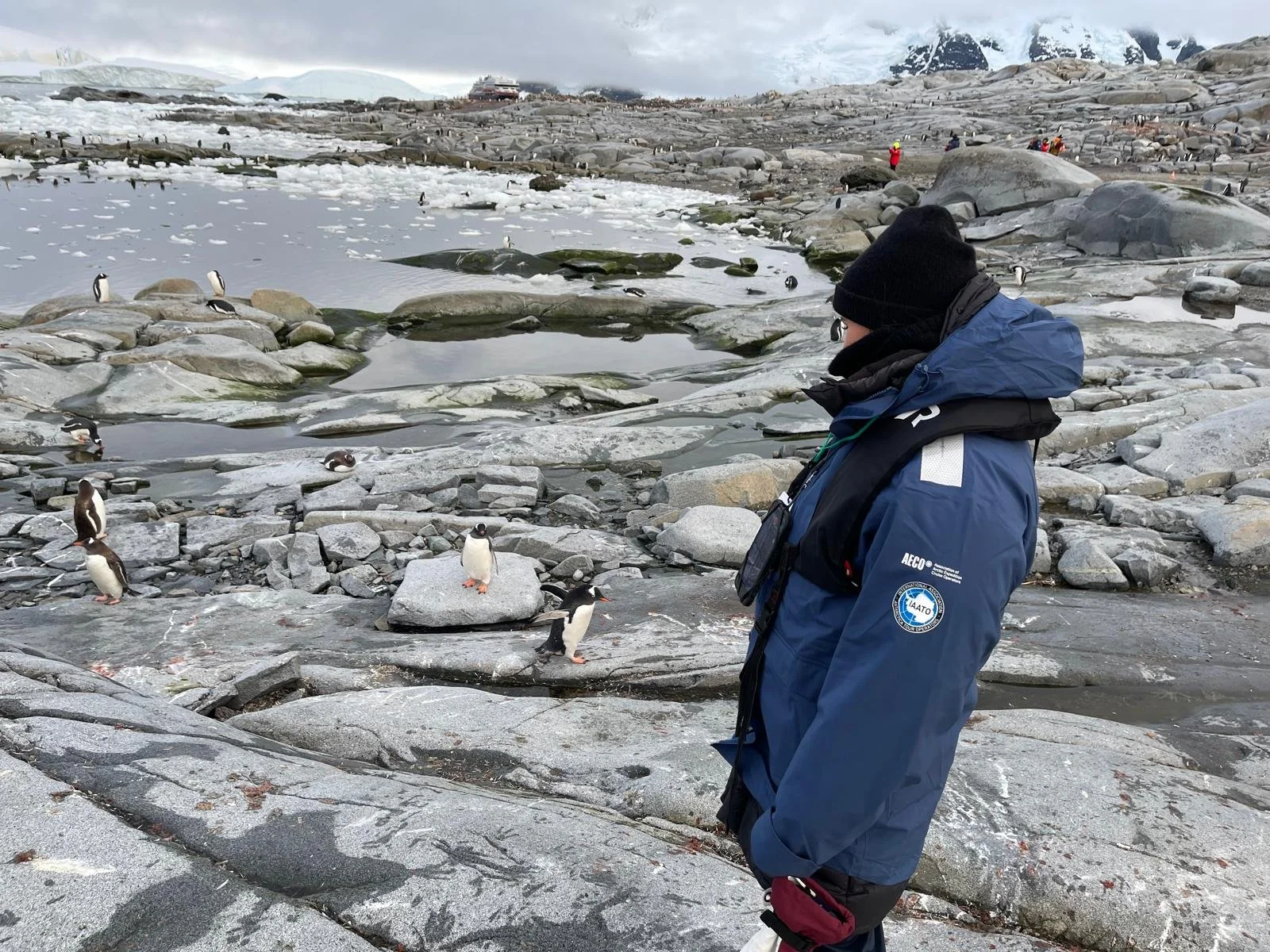
First landing and meeting with penguins.
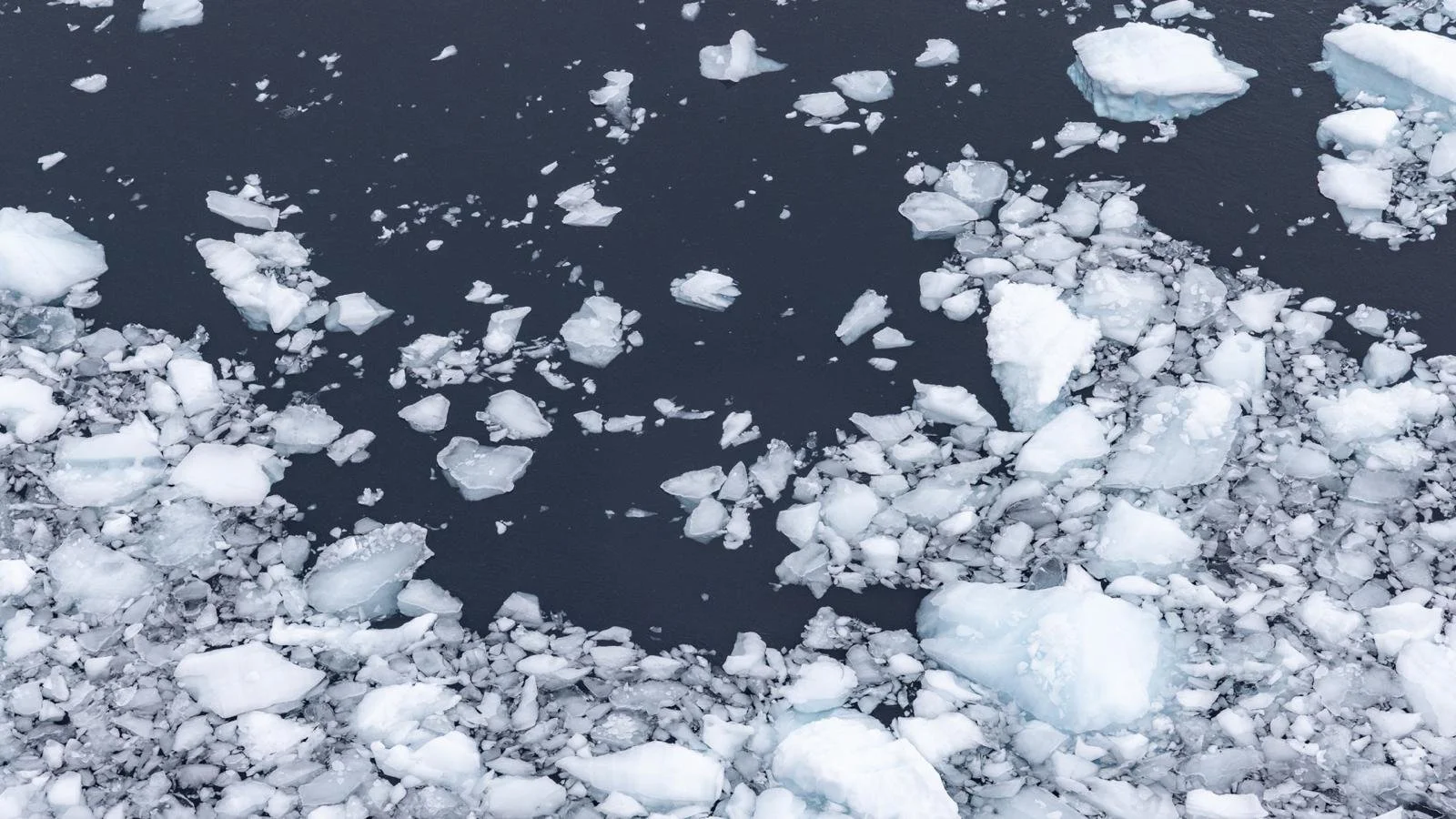
We also saw fur seals, gliding birds, dramatic ice and that surreal sense of vastness that only Antarctica has. Each landing had its own atmosphere, sometimes rocky, sometimes snowy, sometimes full of penguins, sometimes peaceful and still.
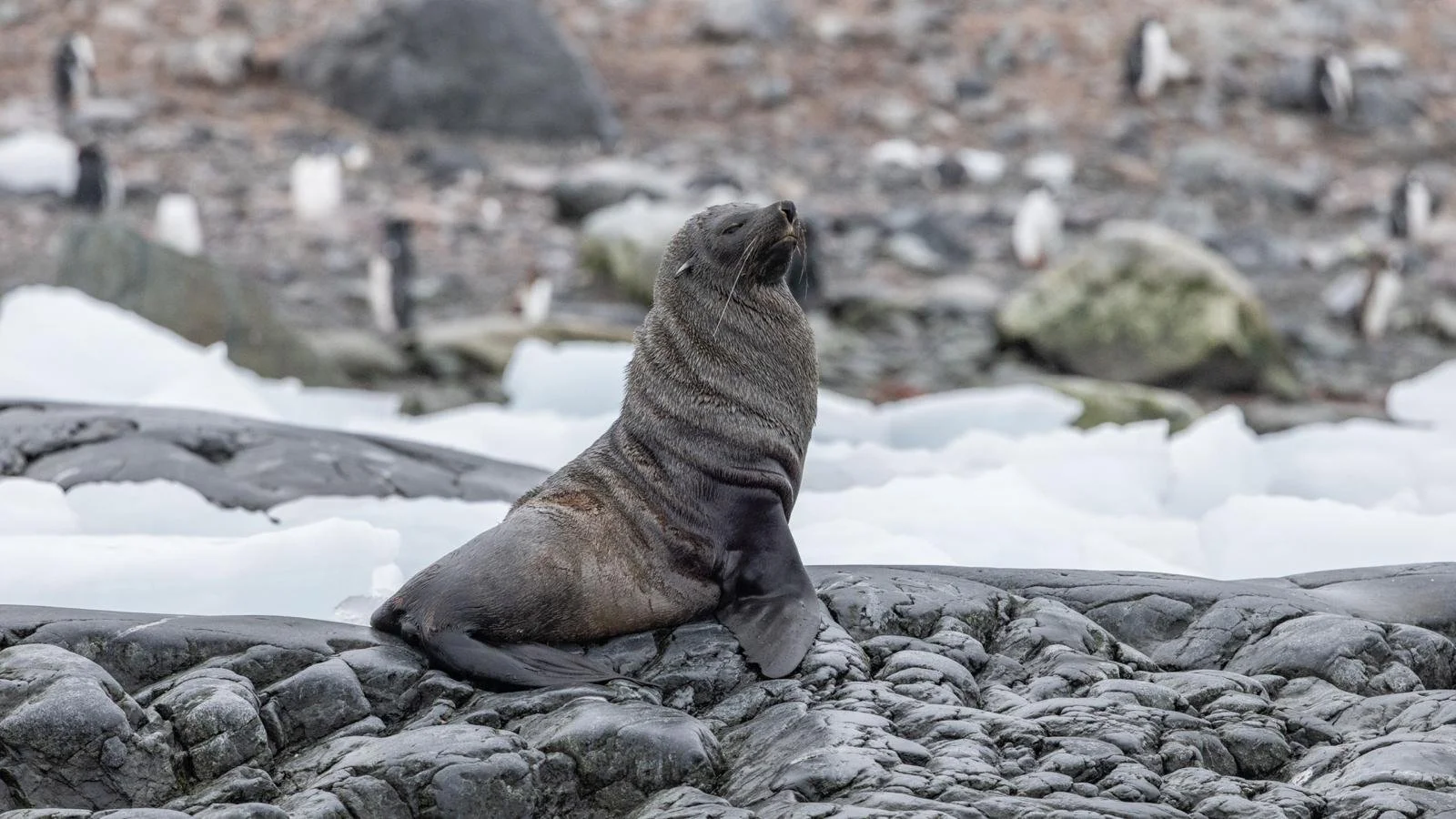
Antarctic fur seal.
Antarctica gives you both the magical and the raw.
We laughed watching penguins waddle like little gentlemen in tuxedos, and then watched the same penguins transform in the water, sleek and fast, hunting with precision. From the restaurant windows, we could see them torpedoing through the sea, chasing fish. On land, they are charming and clumsy; in the water, they’re athletes.
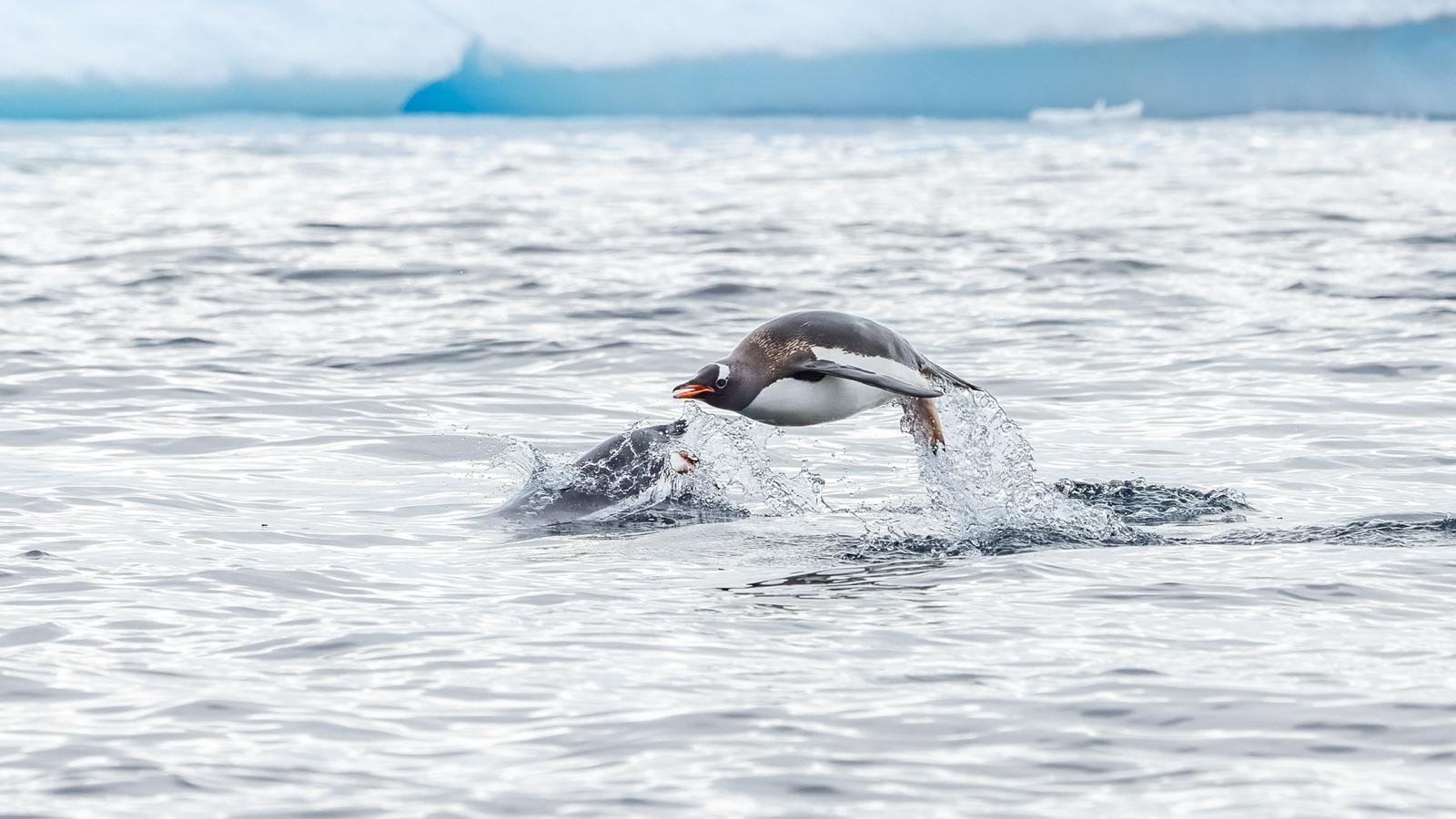
Penguins hunting fish.
And nature doesn’t hide her harsher side here either.
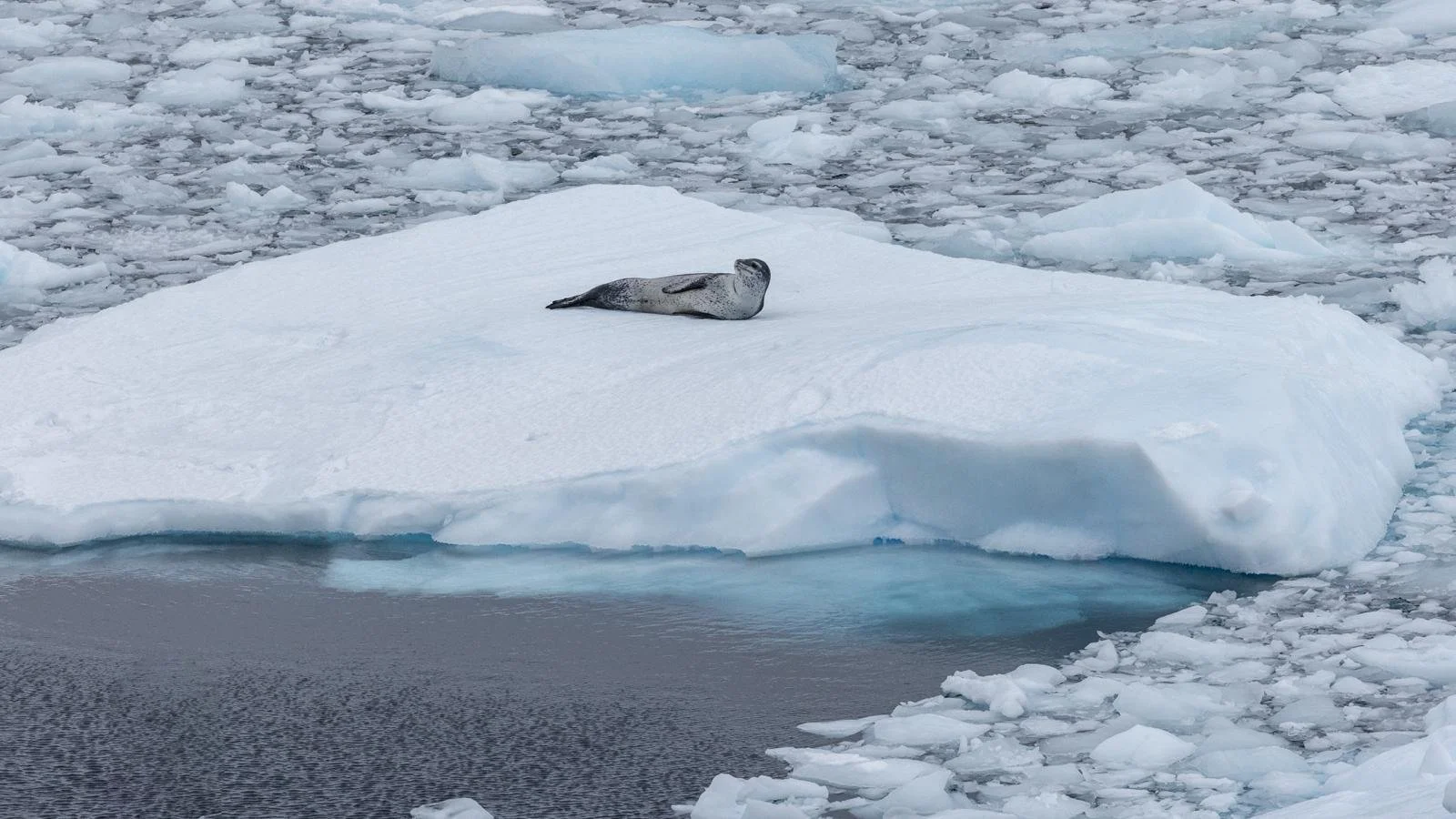
One day, we witnessed a leopard seal hunting and eating a penguin. It was intense and emotional in a way, but also undeniably part of this place. Antarctica isn’t staged or softened. Life and survival play out in front of you, and you are reminded that nature is real, powerful and indifferent in the most humbling way.
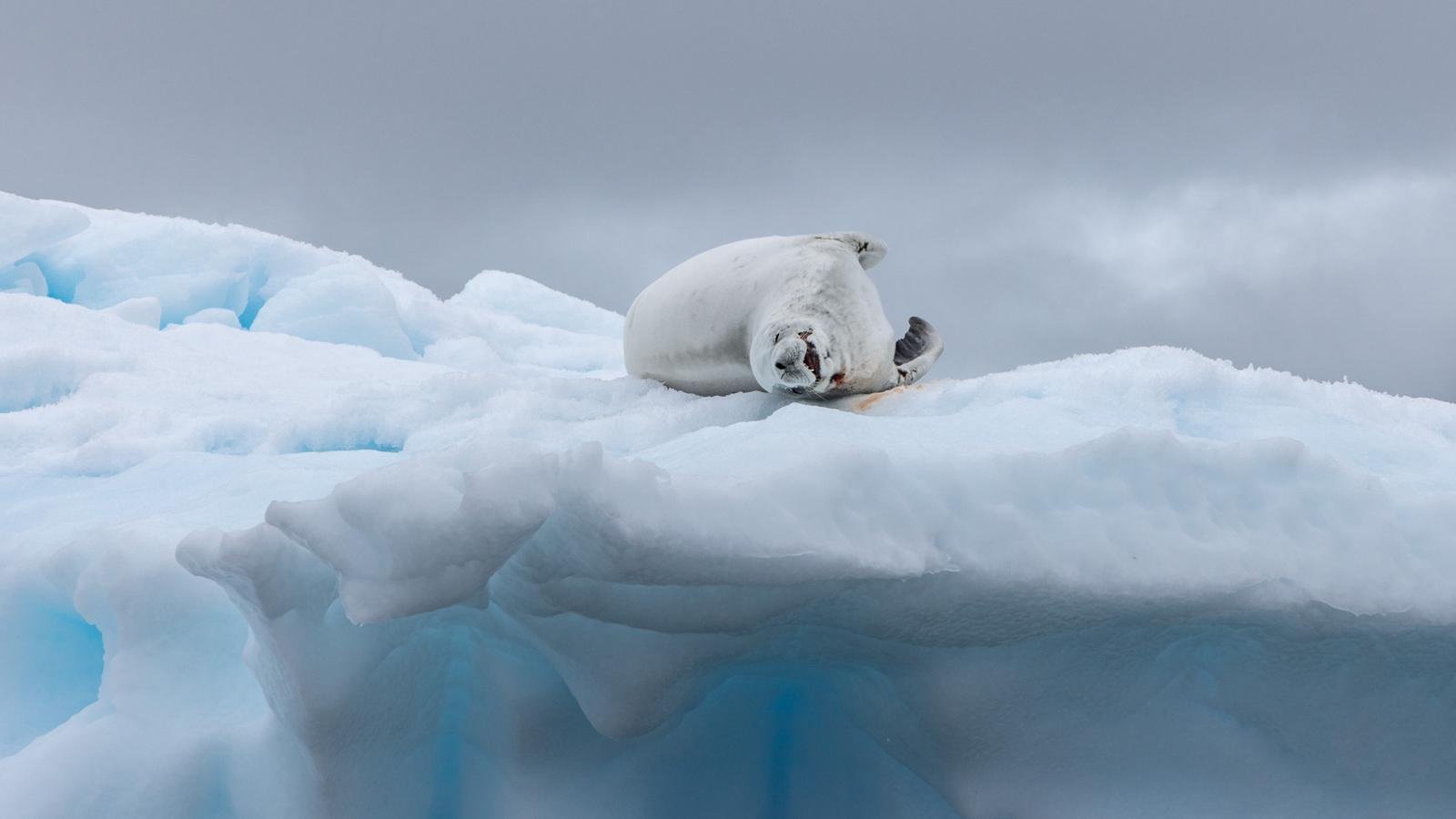
Leopard seal happy after his successful hunt.
Our final day brought the moment that defined the trip for me.
Snow was falling softly. The ship was surrounded by whales everywhere! People returning from their zodiac excursions were buzzing, telling story after story about their whale encounters. We sat watching them from both the restaurant and our balcony.
When it was finally our turn, it did not disappoint.
Three humpback whales surrounded our zodiac.
They moved slowly and deliberately, aware of exactly where we were. They vocalised almost like they were communicating with us, and it never once felt unsafe, only profound.
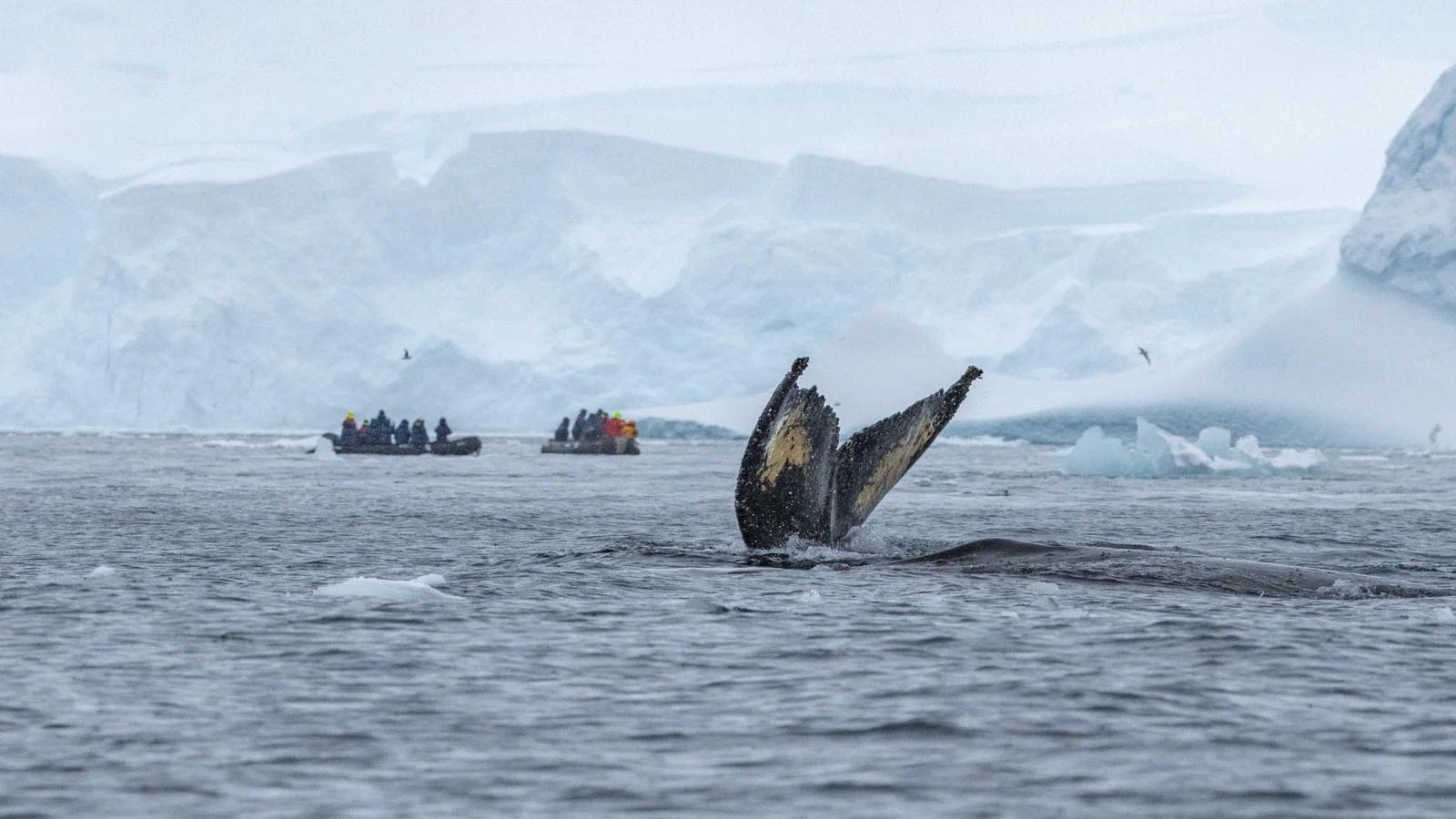
Whale spotting from the zodiacs.
It is impossible not to feel small in the best possible way. That contrast, innocence and wildness, tenderness and predation, is part of what makes Antarctica so profound. We were lucky with wildlife sightings overall.
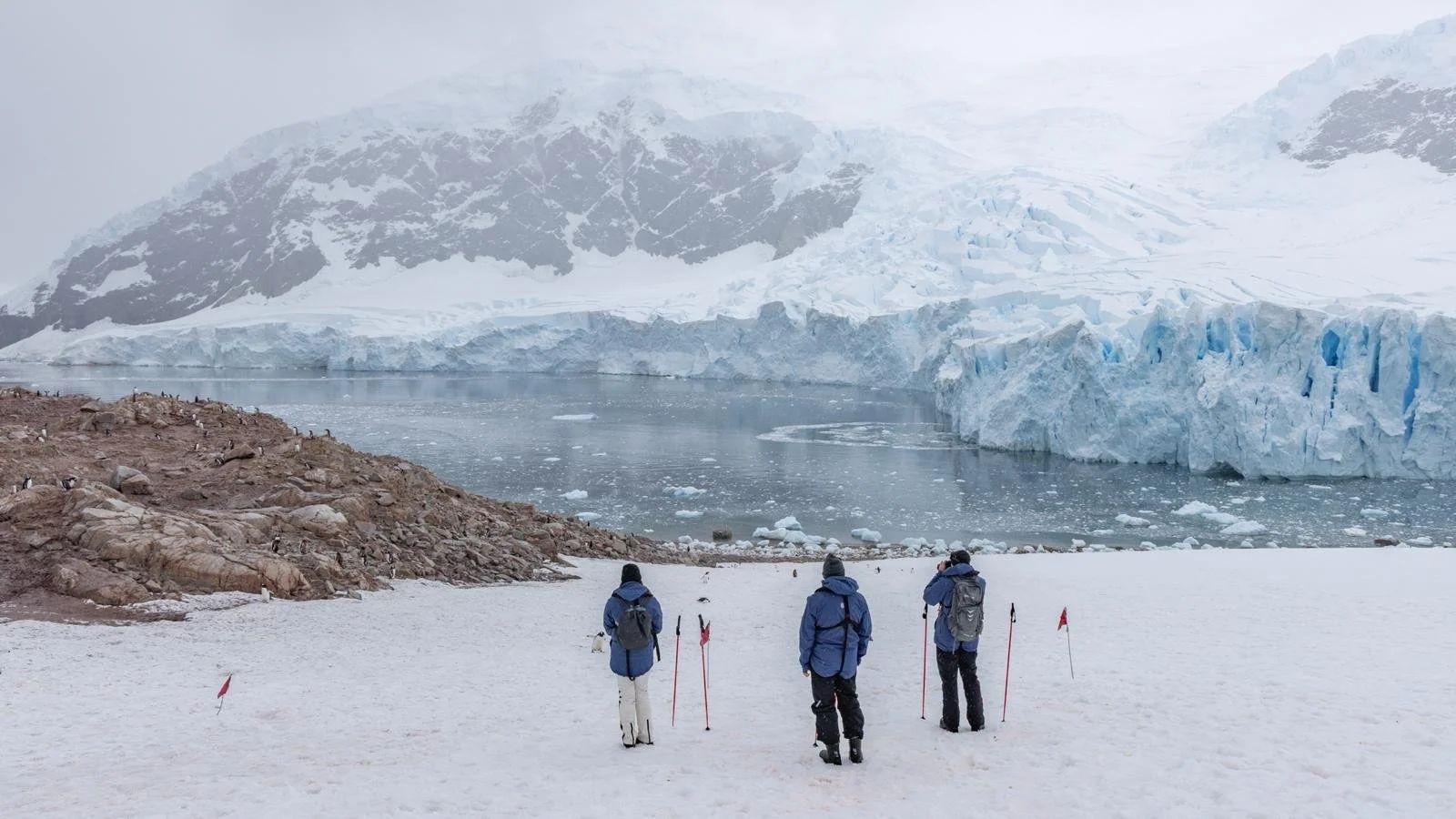
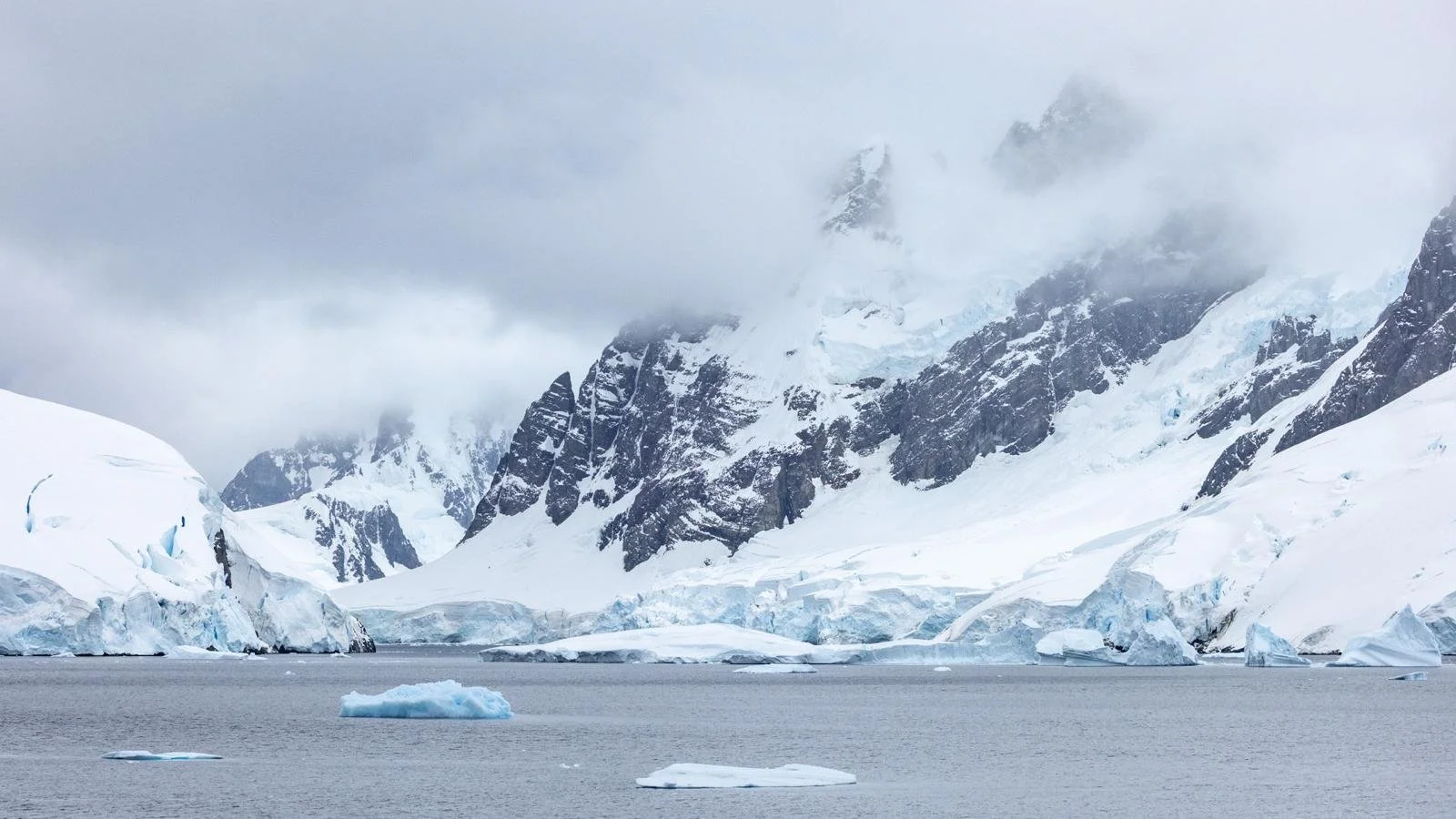
Moments of awe before the glacier.
March is a beautiful time; we saw no other ships, quieter landings, and a feeling of peaceful solitude at the end of the season.
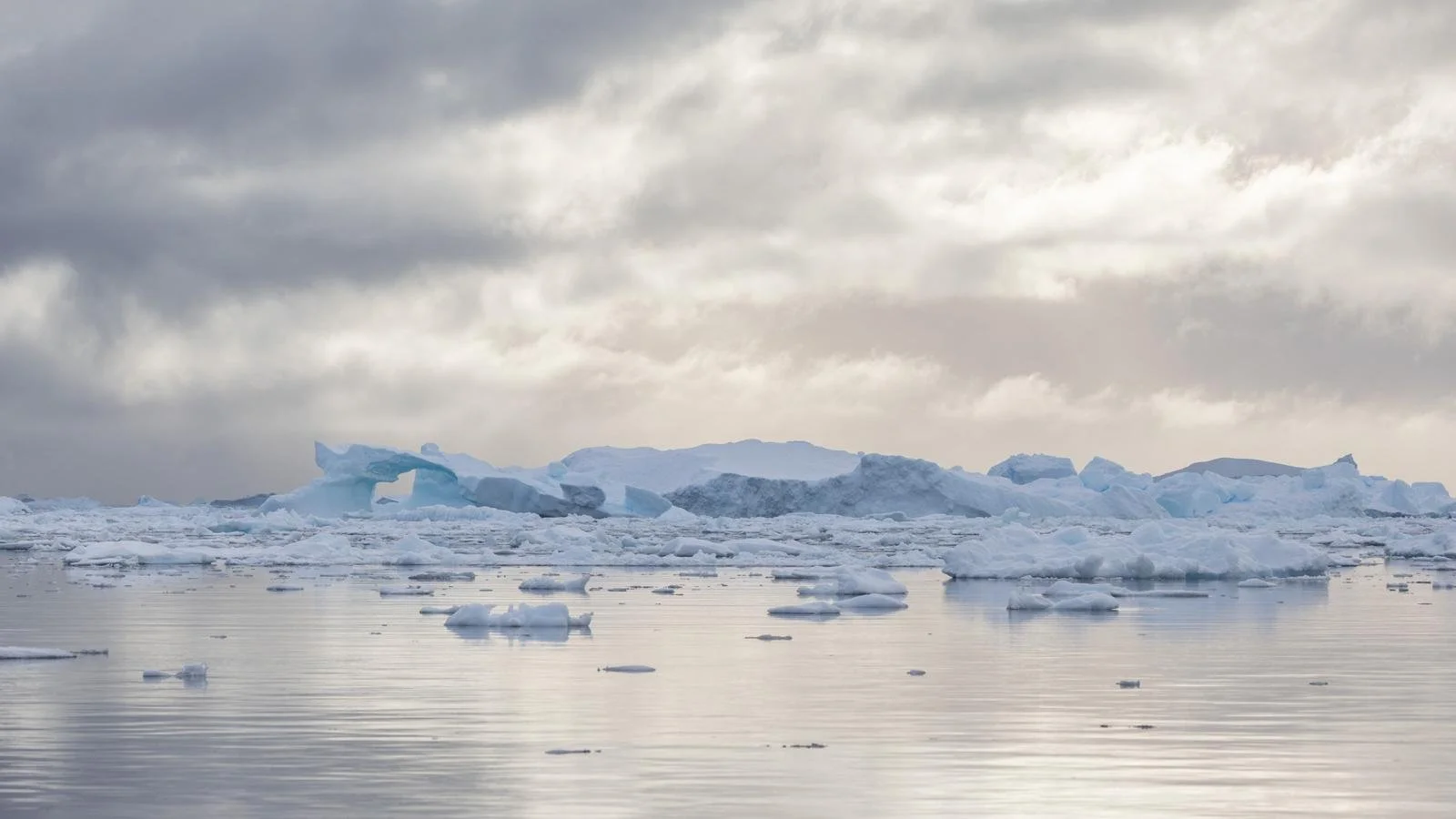
The quiet beauty of Antarctica.
Final days, calm seas, and the return north
Our final landings were peaceful, snowy and memorable.
By then, we were fully in the rhythm of expedition life, zodiac calls, wildlife moments, and steaming coffee with glacier views.
The Drake Passage on the return was a little bit rougher than on the way down, but by then, we had established our sea legs and were not phased by it.
Disembarkation in Ushuaia was smooth, and we had time to shop for a few souvenirs before flying back to Buenos Aires. We spent three days in the city, a perfect bridge back to the “real world.”
If you are choosing between hotels in Buenos Aires, these are my points for the Hilton and Hotel Emperador:
Hilton Buenos Aires
Executive Lounge included for suite guests (very practical if working)
Rooftop pool
Good breakfast
Lacks personality, but convenient
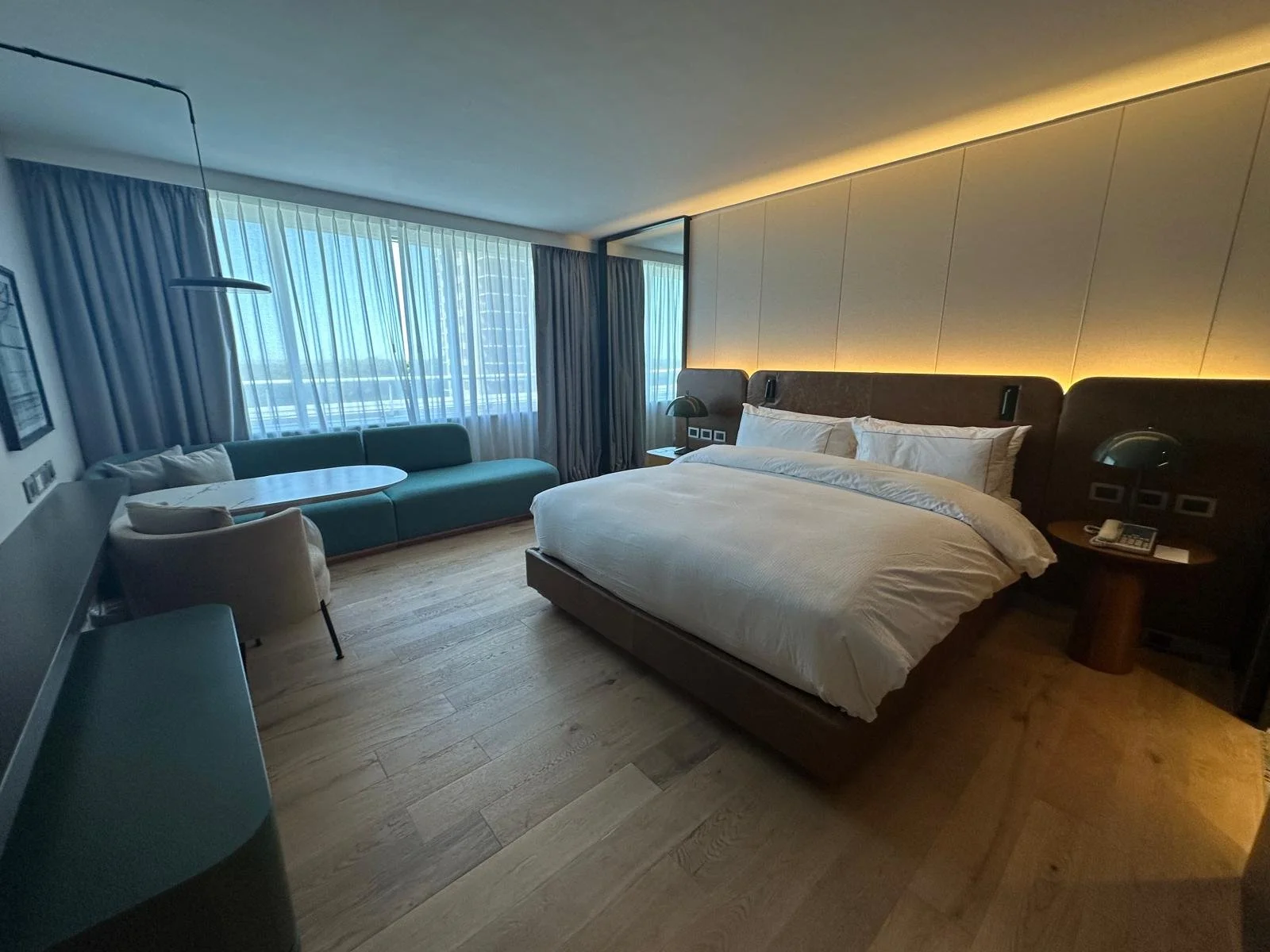
A suite at the Hilton (the rooms on the 8 floor are renovated, but the lower rooms are not as fresh as this).
Hotel Emperador
Beautiful, classic design, nicer rooms than the Hilton (in my opinion)
Great location near Recoleta (restaurants + culture)
Service was slower during our stay
Feels more boutique and charming than the Hilton.
Breakfast was better at the Hilton.
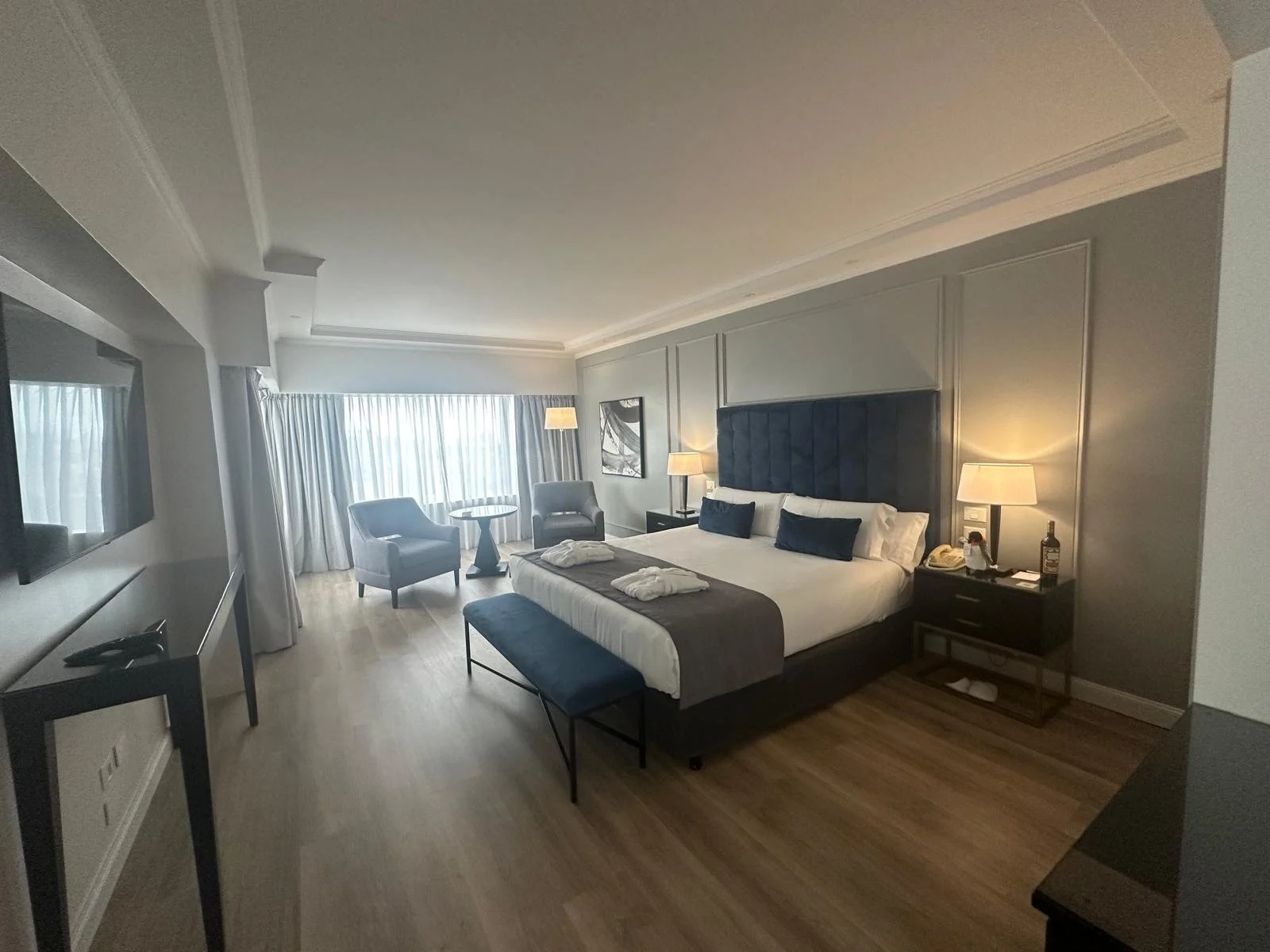
The suite at Hotel Emperador, big spacious room.
Next time, I’d love to try Hyatt, Sofitel or Four Seasons.
We also visited Teatro Colón, an unforgettable experience and worth booking ahead.
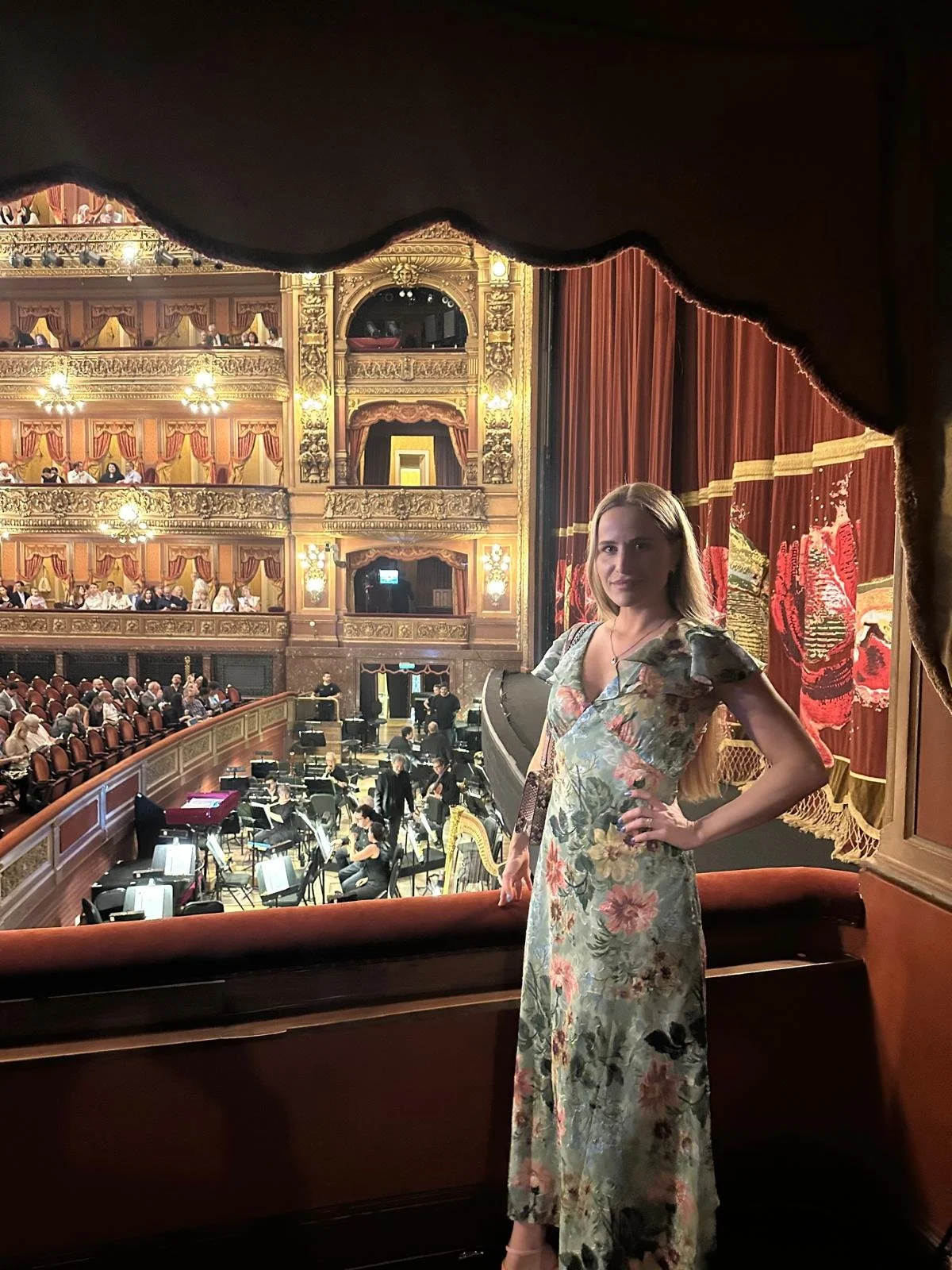
Closing performance of Aida at Teatro Colón, a fitting finale to the journey.
Final thoughts
Antarctica is an experience that stays with you in a quiet, powerful way. It does something to you seeing a part of the world that is so untouched by humans.
It’s both humbling and deeply beautiful.
You May Also Like
→ What to Pack for Antarctica: A Practical Guide for Your HX Expedition
→ Antarctica Wildlife: What Animals You’ll See and When
→ Penguins of Antarctica: A Complete Guide to the Species You’ll See
→ Whales of Antarctica: A Complete Guide to the Species You’ll See
→ Seals of Antarctica: A Complete Guide to the Species You’ll see
→ Svalbard: The Ultimate Guide to the Arctic Frontier
→ What to Pack for Svalbard: The Complete Arctic Packing Guide
→ When Travel Goes Wrong: The Psychology of Traumatic Travel Experiences