
Antarctica Packing List: What to Pack for an Expedition Cruise
Why Packing for Antarctica Is Different from Other Destinations
Packing for Antarctica can feel daunting. The idea of the coldest place on earth makes most travellers imagine extreme gear and heavy-duty clothing, but in reality, it is far more comfortable than you might think. Here is a practical guide based on what I actually used.
If you want a broader overview of polar destinations, expedition travel and preparation, you can explore the Polar Travel guide.
Understanding the Climate in Antarctica
Antarctica’s expedition season runs from October to March, which is summer in the Southern Hemisphere. Temperatures around the Antarctic Peninsula are surprisingly mild during this time, usually between minus two and three degrees Celsius.
When I travelled in March, it was around zero degrees, and I often found myself too warm rather than too cold. That said, wind and moisture make all the difference. The weather can shift from still and sunny to snowy and foggy within minutes, so layering is key.
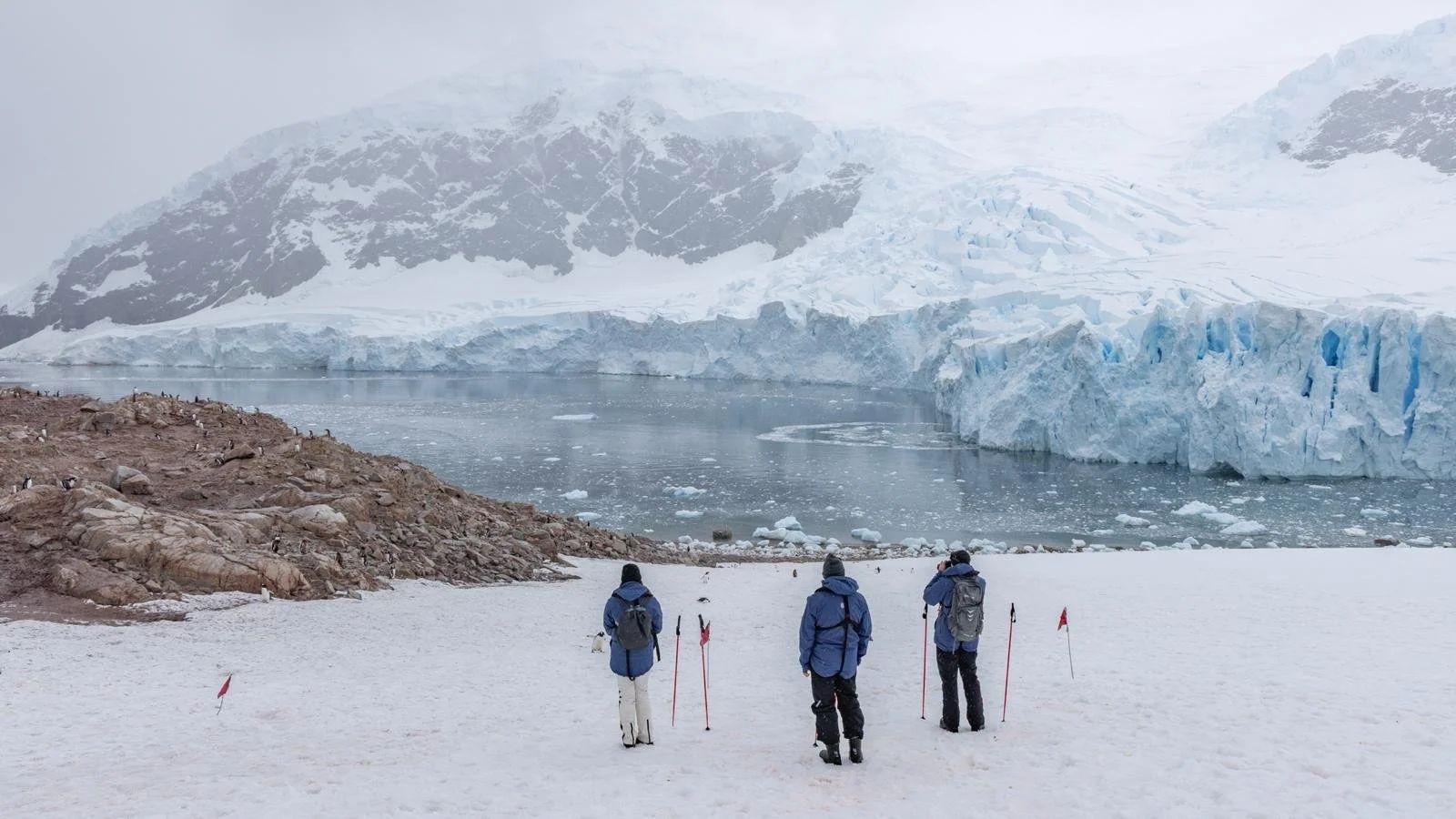
What to Wear in Antarctica: Essential Clothing for Landings and Zodiac Excursions
This is the part of the trip where you will be most exposed to wind, snow, cold and water. You want warm, breathable and waterproof clothing that lets you move comfortably. For each shore visit and zodiac ride, I wore:
Merino wool base layer, top and leggings
Light insulated waterproof trousers: Waterproof trousers are mandatory for all landings and zodiac excursions. Zodiac rides can be wet, and you may need to kneel or sit in snow or slush, so make sure to bring proper waterproof trousers that keep you dry and comfortable.
Thick wool jumper (or a light down jacket)
HX Expedition Jacket: This waterproof and windproof shell jacket is mandatory on all excursions. It is not insulated, so make sure to wear warm layers underneath. I recommend sizing up so you can comfortably fit a thick wool jumper and multiple layers.
Warm wool beanie
A neck warmer
Thin wool gloves with open fingertips
(or thin touchscreen-friendly gloves – you’ll be using your phone a lot).
I personally prefer the ones with exposed fingertips because they give better control when taking photos. I also recommend bringing two pairs, as you usually do two excursions per day, and your gloves quickly get wet in the zodiac whilst holding onto the rope etc.
Thick insulated mittens on top
A phone lanyard
Highly recommended so you don’t accidentally drop your phone into the water during zodiac rides.
OR
Waterproof phone pouches
Many travellers used these, but I didn’t find them practical. My iPhone handled light splashes easily, and the pouches make photography more difficult. Use one only if it gives you peace of mind.Thin wool socks plus thick wool socks
Waterproof boots provided by HX: These are also mandatory to wear. I recommend making sure you have enough space for thick wool socks.
Important practical note: HX gives you the boots on day two, so you need your own insulated winter boots for the first day in Ushuaia and on deck visits while crossing the Drake Passage.
What to Wear on Deck: Staying Warm While Watching Wildlife
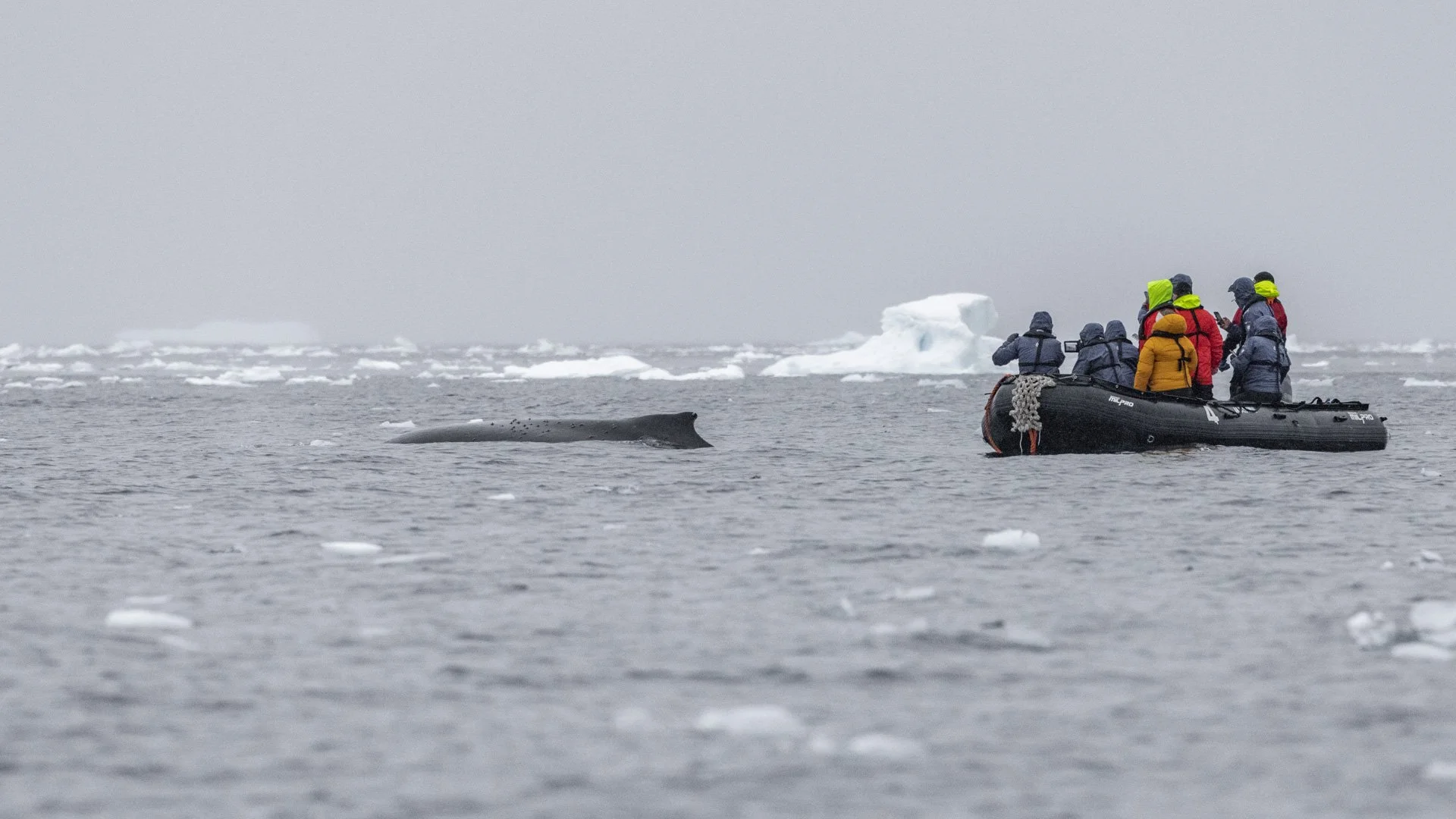
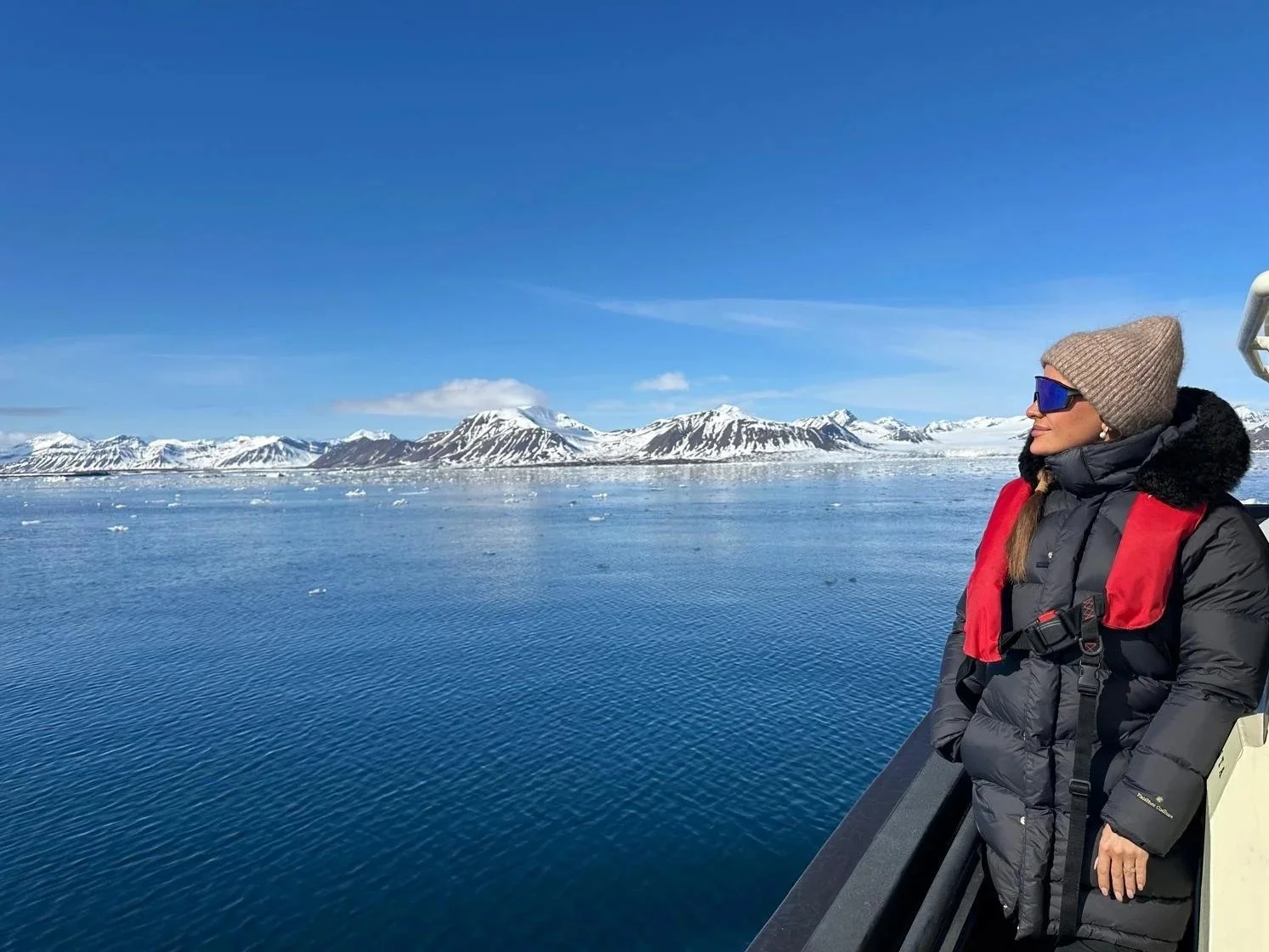
Being on deck can feel colder than landings because you stand still in the wind while the ship is moving. This is where extra warmth matters.
When I spent long hours watching whales or sitting on our balcony, I wore:
Wool base layer
Thick wool jumper
Thermal waterproof trousers
Wool socks
Warm wool Beanie
Thin gloves with open fingertips
Thick mittens
Neck warmer
Warm, insulated and waterproof winter shoes.
Thick and warm down parka: Even though a proper down parka can look big and bulky, it compresses surprisingly well when packed in a compression bag. I was incredibly glad I brought mine.
This combination lets me stay outside for hours without getting cold.
Binoculars: For me, this was essential. I used mine constantly and would recommend that each person travelling together bring their own pair.
Antarctica Expedition Cruise Packing List: Onboard Clothing and Essentials
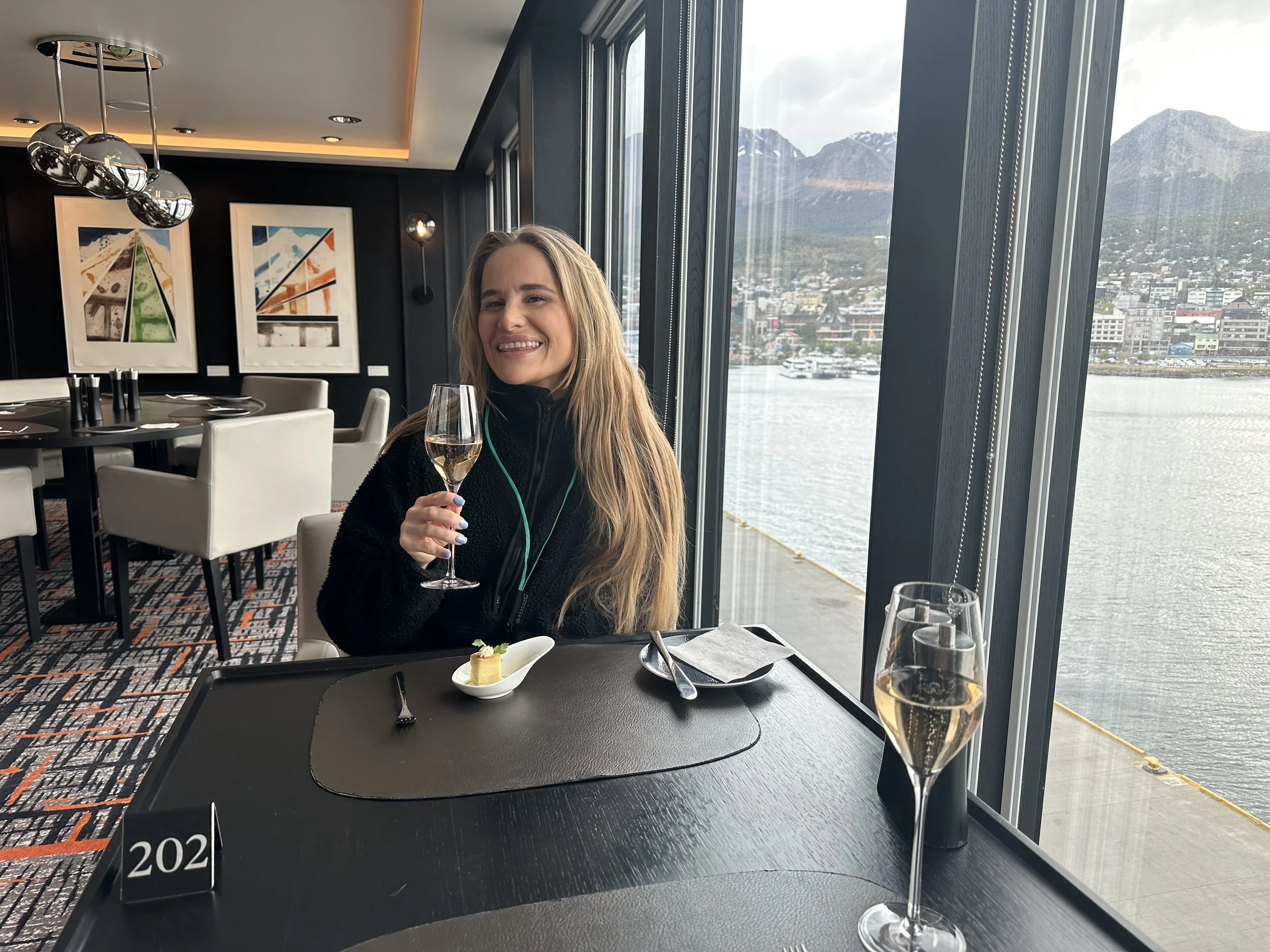
Most people focus heavily on what to wear during landings, but you actually spend a large part of the journey onboard, where it’s warm, cosy, and very comfortable. The atmosphere is relaxed, and you’ll want clothes for:
Breakfast, lunches and dinners
Lounging in the panorama bar
Walking around the ship
Evenings on your balcony
Lectures and briefings
Gym sessions or spa visits
This means you should pack a few comfortable indoor outfits as well as expedition gear.
What I personally used onboard:
2 pairs of comfortable trousers (So that I could rotate when the other pair was with laundry)
A fleece sweater (in addition to my two thick wool sweaters)
Long-sleeve tops and t-shirts
Wool slippers with proper soles (I wore this everywere inside the ship, exept for the gym)
Trainers (For the gym)
Two sets of gym wear
Swimwear for the hot tub and sauna (and polar plunge)
There is no dress code for dinner. People wear practical clothes, comfortable knits and relaxed trousers. Life onboard feels like a cozy boutique hotel at sea, so pack clothes that makes you feel relaxed and comfortable.
What to Pack for Buenos Aires Before Your Antarctica Cruise
If your voyage includes time in Buenos Aires, pack for warmer weather.
Bring:
Light summer clothes
Comfortable sandals or trainers
One nicer outfit if dining out or going to the opera
The contrast between BA and Antarctica is huge, so prepare for both climates.
Luggage Allowance for Antarctica Charter Flights (Buenos Aires to Ushuaia)
The charter flight from Buenos Aires to Ushuaia has a strict luggage allowance, and this often surprises travellers. It is a smaller aircraft operated specifically for the expedition. The allowance is as follows:
1 checked suitcase (23kg)
1 carry-on bag (8kg)
1 personal item (small backpack or handbag)
While they are strict about the checked luggage allowance, my carry-on was not weighed, and I did not see anyone else’s being weighed either.
What to Pack in Your Carry-On for an Antarctica Expedition
One thing I can’t stress enough: pack your most essential expedition items in your carry-on bag. Airlines can lose or delay luggage; it happens more often than you’d think, and arriving in Antarctica would be incredibly stressful.
In my carry-on, I packed as follows:
My down parka (compressed in a packing bag)
Waterproof trousers
One pair of wool base layer
A thick wool jumper
Warm gloves and mittens
A wool hat
Thick wool socks
A change of clothes for on board
Underwear
This meant that even if my suitcase had been delayed on the way to Buenos Aires, I would still have the most important and expensive items. There is a gift shop on board the ship where you can buy clothing, but it is limited. Having your core layers and outerwear in your carry-on removes all the stress and ensures that you are prepared from the moment you are on board.
Essential Accessories for Antarctica Travel
These small things made a big difference during the trip.
Binoculars: Absolutely worth bringing. They make whale and bird-spotting so much more enjoyable.
Sunglasses with UV protection: The glare from ice and seawater is intense, even on cloudy days.
Sunscreen: The Antarctic sun reflects strongly off the water and snow.
Universal travel adaptor: Argentina and the ship use different plug types, so a universal adaptor is the safest choice.
Charging cables with USB compatibility: Many long-haul aircraft only have USB ports, so bring at least one USB-to-device cable.
Power bank: Great for travel days and for keeping your phone alive during long excursions (like camping).
Toiletries: Bring your usual products. The ship provides shampoo and conditioner, and they also sell their own skincare line onboard, Vinoble Cosmetics. It’s on the pricier side, but genuinely very good, especially the day cream with SPF.
Seasickness tablets and sea bands: Useful for the Drake Passage. HX also sells seasickness medication onboard if you need
A small daypack: Practical for excursions.
Laundry: HX has excellent laundry service, so do not overpack. Wool can be aired and reused many times without washing
Photography Equipment for Antarctica Cruises: What You Really Need
HX has a professional photographer on every voyage, and you receive full access to all photos for free. This means:
No stress about capturing every moment
You always get professional wildlife and landscape shots
You only need your phone for personal moments
Unless you are a photographer (or have a passion for taking photos), you do not need extra equipment or SD cards.
Final Packing Advice for Antarctica Expedition Cruises
Packing for Antarctica is about preparing for contrasts. Warm, humid air in Buenos Aires. Crisp wind in zodiacs. Cosy evenings onboard with wine and panoramic views. Cold mornings on deck watching whales move past.
Focus on warm quality layers, good waterproof trousers and the things that let you enjoy the outdoors comfortably. You do not need excessive clothing, and you do not need heavy Arctic gear.
If you pack wool, waterproof trousers, warm socks, gloves, a down parka and binoculars, you are ready for one of the most unforgettable journeys on earth.
I wish you an amazing trip!
You May Also Like
→ What It’s Like to Travel to Antarctica with HX: My Experience on MS Roald Amundsen.
→ Antarctica Wildlife: What Animals You’ll See and When
→ Penguins of Antarctica: A Complete Guide to the Species You’ll See
→ Whales of Antarctica: A Complete Guide to the Species You’ll See
→ Seals of Antarctica: A Complete Guide to the Species You’ll see
→ Svalbard: The Ultimate Guide to the Arctic Frontier
→ When Travel Goes Wrong: The Psychology of Negative Travel Experiences