
What to Pack for Svalbard: The Complete Arctic Packing Guide
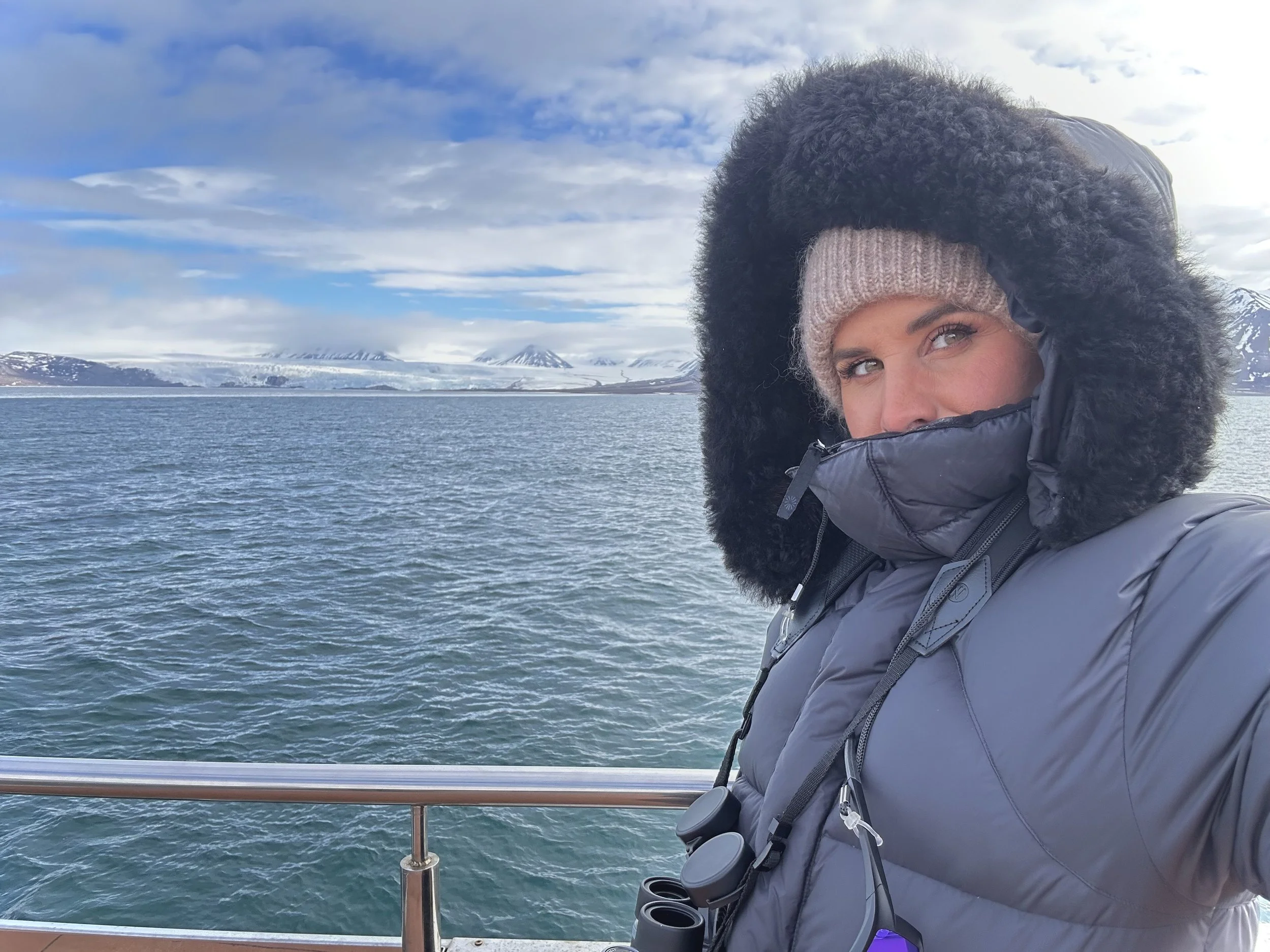
Travelling to Svalbard means travelling deep into the Arctic. No matter when you visit, the climate is cold, windy and unpredictable and proper clothing is essential for comfort and safety.
In Norway, we have a saying: “There is no such thing as bad weather, only bad clothing.” We go outdoors in every season, and even Norwegian kindergarten children play outside every single day, all year round, regardless of rain, snow or cold. Growing up with this means we don’t hesitate because of a little wind, sleet or stormy weather, we adjust our clothing and carry on.
The key to staying comfortable is always the same: dress warmly and remove layers if you get too hot. It is always better to be slightly overdressed and able to open your jacket or take off a layer than to be underdressed with no way to warm up. Once you become cold in the Arctic, it can be difficult to recover, and in the worst case, you may need to buy extra clothing on the spot, which can be expensive.
That said, Longyearbyen has excellent outdoor shops with high-quality Scandinavian brands such as Fjällräven, Amundsen Sports, Devold, Norrøna, and Hestra. If you discover you’ve forgotten something, you can purchase great gear locally. The quality is superb, and the designs are iconic, but prices are high, so it’s best to pack correctly unless you already plan to shop for Scandinavian outdoor wear
Your base layers are the foundation of your warmth, and in Arctic environments, wool is the most reliable material you can wear. It is naturally insulating, breathable and able to regulate temperature, which is exactly what you need in a climate that can shift dramatically from one hour to the next.
Wool breathes in a way that synthetic fabrics often do not. Materials like fleece can trap sweat and make you feel damp, while wool allows heat and moisture to escape and still keeps you warm. Wool is also unique in that it continues to insulate even when slightly wet, whether from sea spray, mist, or sudden weather changes. This is very different from cotton or many synthetic fibres, which lose most of their warmth when wet.
Another advantage is that wool rarely needs washing. It is naturally antibacterial and can simply be aired out and reused, making it practical for longer trips where you may not want to wash clothing frequently. Wool also balances temperature extremely well, helping you stay warm without overheating when you move between warm indoor spaces, cold outdoor air and wind-exposed areas.
A note about cotton: Cotton is completely fine for indoor wear or relaxing at your accommodation. For outdoor activities, however, it is not ideal. Cotton absorbs moisture easily, dries slowly, and loses warmth quickly when wet. This doesn’t mean you will get hypothermia from wearing a cotton T-shirt in summer, but it does mean cotton is not suitable as a base layer for hikes, boat trips or longer periods outside. For any outdoor experience on Svalbard, wool will keep you much more comfortable and warm.
The Norwegian Layering System
The most reliable way to stay warm in the Arctic is to use layers that you can easily adjust throughout the day. This is how Norwegians dress in every season, and it is the reason we stay comfortable even in challenging weather.
Base layer: A wool top and wool leggings worn next to your skin. This keeps you warm and helps regulate moisture from the start.
Mid-layer: A thick wool jumper or a knitted wool jacket. This provides insulation and is one of the most important layers for warmth.
Outer shell: A waterproof, windproof shell jacket and trousers. This protective layer shields you from wind, rain and snow, and is what you wear when you are active or when the weather is changeable. A shell jacket doesn't offer much warmth on its own, but it keeps the elements out. But your wool layers underneath are what provide the warmth.
Insulating jacket (parka or thick down jacket): A thick down jacket or parka is what you wear when the weather is cold, dry and windy, or when you know you will be exposed to the elements for a longer period, for example, on boat trips, snowmobile excursions, or when standing still to watch wildlife. A parka is not something you would pack into a backpack, nor is it worn over a shell jacket. Instead, you choose one outer layer for the day depending on the conditions or activities: a shell jacket for wet or windy weather, and a down jacket for colder, more exposed conditions.
The flexibility of the Norwegian layering system comes from adjusting your inner layers, or simply opening your jacket if you begin to feel too warm, not from switching outer jackets during the day.
For a broader overview of Arctic and Antarctic journeys, destinations and preparation, explore the Polar Travel guide.
The Complete Year-Round Packing List (Core Items)
These items should always be packed, no matter the season:
Base Layers:
Merino wool top
Merino wool leggings
Mid-Layers:
Thick wool jumper
Optional: fleece (but note disadvantages — less breathable, traps sweat)
Insulation:
Thick down jacket (not a light one — essential for boat trips even in July)
Outerwear Waterproof shell jacket
Waterproof trousers
Footwear:
Waterproof, insulated hiking boots
Thin wool socks
Thick wool socks
Option to double-layer socks on colder days
Accessories:
Warm wool hat
Liner gloves
Insulated gloves or mittens
Neck warmer / buff
Sunglasses (year-round)
Sunscreen
Useful Extras:
Backpack
Water bottle
Lip balm
Hand warmers
Moisturiser (the Arctic air is very dry)
Seasonal Adjustments:
Summer (June–August): How to Dress and What Actually Changes
Even in summer, Svalbard is cold. You will use the same wool base layers, wool jumper, shell jacket and thick down jacket as in any other season.
The differences in summer are about conditions, not clothing:
You may not need your thickest layers all the time, but you still need to bring them.
Your down jacket is essential for boat trips, where wind chill can make July feel close to freezing.
Light gloves are usually enough for hiking or walking around Longyearbyen, but warmer gloves may be needed on the water.
It’s handy to bring an eye mask because of the midnight sun, as it never gets dark. (although your accommodation will likely have blackout curtains.)
Summer temperatures are typically 3–10°C, but exposed areas and boat excursions feel much colder due to the wind.
Autumn (September–October): What Actually Changes
You use the same wool base layers, mid-layers, shell jacket and down jacket as the rest of the year. Autumn simply introduces darker days and the first signs of winter.
Season-specific additions (not in the main packing list):
Headlamp – daylight disappears quickly in October.
Microspikes – helpful for early ice on paths around Longyearbyen.
How you use your layers:
Your down jacket becomes more frequent, especially in the evenings.
Wind exposure increases, so you may keep your outer layers on for longer periods.
Temperatures drop below freezing, and the landscape begins transitioning into winter.
Winter (November–March): What Actually Changes
The base and mid-layers stay the same; wool works year-round. Winter simply requires more warmth and more protection from wind and blowing snow.
Season-specific additions (not in the main list):
Expedition-weight parka (your main coat in winter).
Extreme cold boots (Sorel/Baffin etc.).
Balaclava or full face protection.
Ski goggles (for wind, blowing snow and snowmobile excursions).
How you use your layers:
The parka replaces your shell jacket most days.
You may combine two wool mid-layers on the coldest days.
You will often cover your face to protect against frost and wind.
This is the polar night, dark, dry, windy and extremely cold.
Spring (April–May): What Actually Changes
Spring is bright, snowy and beautiful, with strong sun and longer days. You still use the same clothing from the main list: wool, shell, down jacket, nothing new is needed.
Season-specific additions: (None, all needed items like sunscreen and sunglasses are already in the main list.)
How you use your layers:
You may open your jacket or remove a mid-layer more often as the sun warms the air.
Glare from the snow is very strong, so sunglasses are essential every day (already in the main list).
Snowmobile excursions are common this time of year, so good face protection and reliable layers matter.
Spring feels milder but is still Arctic cold, especially in exposed areas.
Snowmobile Packing (Winter & Spring)
Most operators provide:
Snowmobile suit
Helmet
Goggles
You only need to bring:
Your usual wool base layers
Your wool mid-layer
Warm socks – Mittens + liners
Balaclava/face protection
That’s all, no separate wardrobe needed
Boat Excursion Packing (All Seasons)
Boat trips are often the coldest experience on Svalbard because of wind chill and constant exposure to open water. Even in July, it can feel close to freezing at sea.
For fjord safaris and wildlife viewing, bring:
Your thick down jacket (essential on the water)
Your wool layers from the main packing list
Waterproof trousers for wet conditions
Hat and gloves (light gloves in summer, warmer gloves outside summer)
A neck warmer or buff to protect against wind
A dry bag to keep your camera and phone safe
An extra pair of wool socks, as feet get cold faster on boats
These are not additional items — just the pieces from your main list that are most important for boat excursions.
Photography Gear
Cold weather affects batteries and equipment quickly. If you enjoy photography, the following are especially useful:
Extra batteries (cold drains them fast)
A wide-angle lens for landscapes
A dry bag to protect your equipment from moisture
A power bank for longer excursions
Optional, but highly recommended for photographers.
What NOT to Pack
Certain items are simply not practical in Arctic conditions:
Cotton clothing for outdoor use (absorbs moisture and becomes cold)
Jeans, which freeze when wet
Sneakers, which offer no insulation
Umbrellas, which are useless in Arctic winds
Thin “fashion jackets”, which do not provide enough warmth
Large scarves, which can catch in the wind and equipment (a buff is safer)
Conclusion
Svalbard requires Arctic-level preparation. With a layering system built on wool, a thick down jacket, waterproof outerwear and a few essential accessories, you’ll stay warm and comfortable in any season. The key is to understand how to use the same layers in different conditions, exactly the way Norwegians dress outdoors.
Printable Packing Checklist (Complete and Year-Round)
Base Layers (Wool)
□ Merino wool top
□ Merino wool leggings
□ Extras if you get cold easily (wool can be reused, but optional)
Mid-Layers
□ Thick wool jumper
□ Wool cardigan / knitted wool jacket
□ Optional fleece (if you prefer it, but wool is better in Arctic conditions)
Outerwear
□ Waterproof, windproof shell jacket
□ Waterproof shell trousers
□ Thick down jacket (essential even in summer)
Footwear
□ Waterproof, insulated hiking boots
□ Thin wool socks
□ Thick wool socks
□ Extra pairs for layering and boat days
Accessories
□ Warm wool hat
□ Liner gloves
□ Insulated gloves or mittens
□ Neck warmer / buff
□ Sunglasses (year-round glare)
□ Sunscreen (high UVA/UVB)
□ Lip balm (cold weather dries lips fast)
Practical Extras
□ Backpack (for layers, snacks, camera)
□ Dry bag for valuables
□ Water bottle
□ Hand warmers
□ Moisturiser (air is extremely dry)
Optional but Useful (Photography / Travel)
□ Extra camera batteries
□ Power bank
□ Wide-angle lens
□ Small first-aid basics (plasters, painkillers
You May Also Like
→ Svalbard: The Ultimate Guide to the Arctic Frontier
→ What It’s Like to Travel to Antarctica with HX: My Experience on MS Roald Amundsen.
→ What to Pack for Antarctica: A Practical Guide for Your HX Expedition
→ Antarctica Wildlife: What Animals You’ll See and When
→ When Travel Goes Wrong: The Psychology of Negative Travel Experiences